

The Warrior Who Would Not Bend
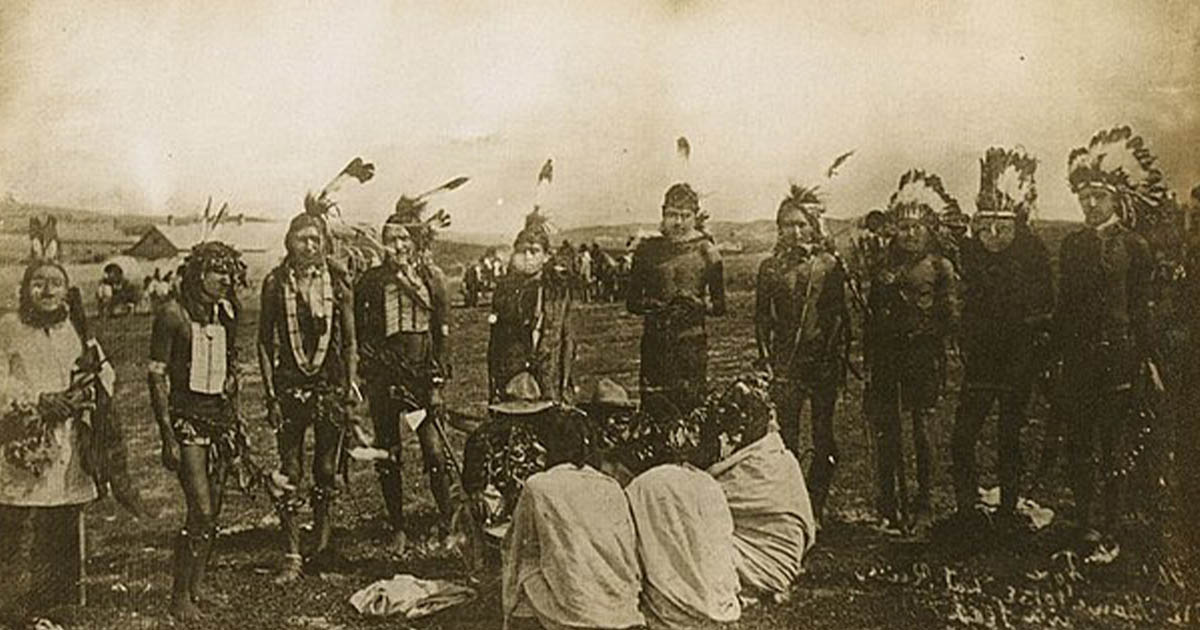
Crazy Horse is remembered not for speeches or fame, but for standing firm when everything around him was being taken away. As a leader of the Oceti Sakowin (Lakota Sioux), he fought to protect land, freedom, and identity, choosing resistance even when the cost was his life.
Born Into a World Already Changing
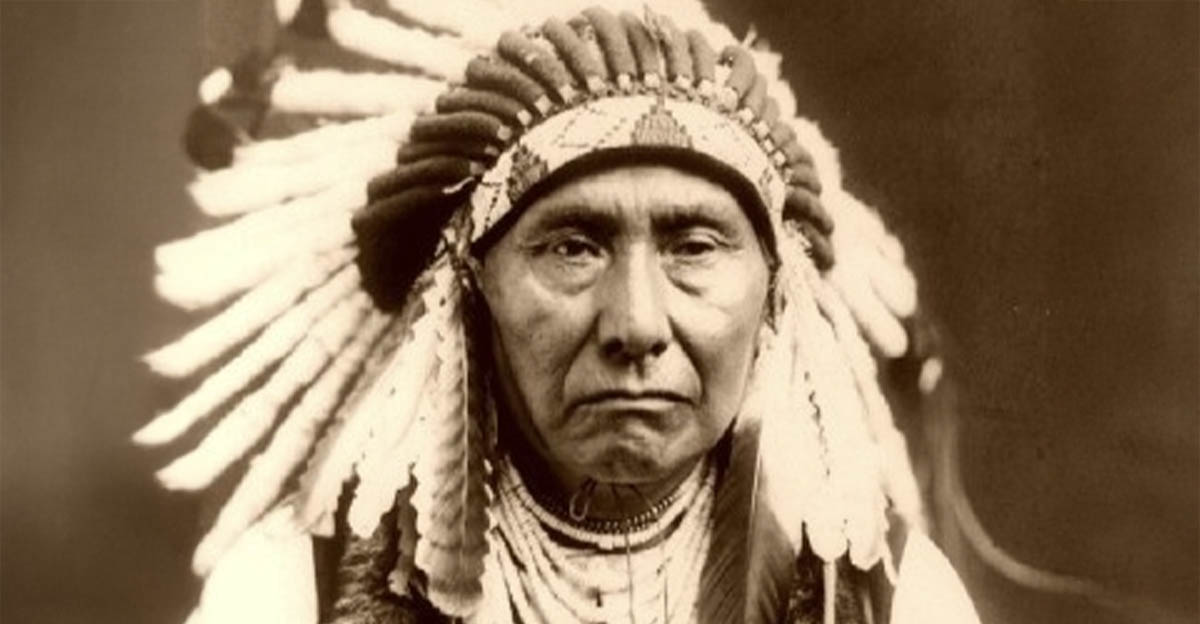
Crazy Horse was born around 1840, likely in what is now South Dakota. His Lakota name, Tȟašúŋke Witkó, is often translated as “His Horse Is Crazy.” From the start, his life unfolded during a time of growing pressure from settlers and soldiers.
A Quiet Child With Sharp Eyes
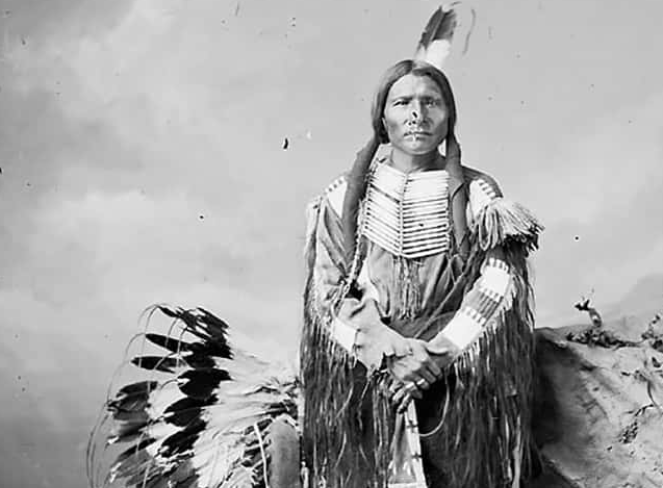
As a boy, Crazy Horse stood out by saying very little. While other children sought attention, he watched and listened. Elders noticed his calm nature and seriousness. His father later passed the name Crazy Horse to him after seeing his inner strength.
A Vision That Set His Path
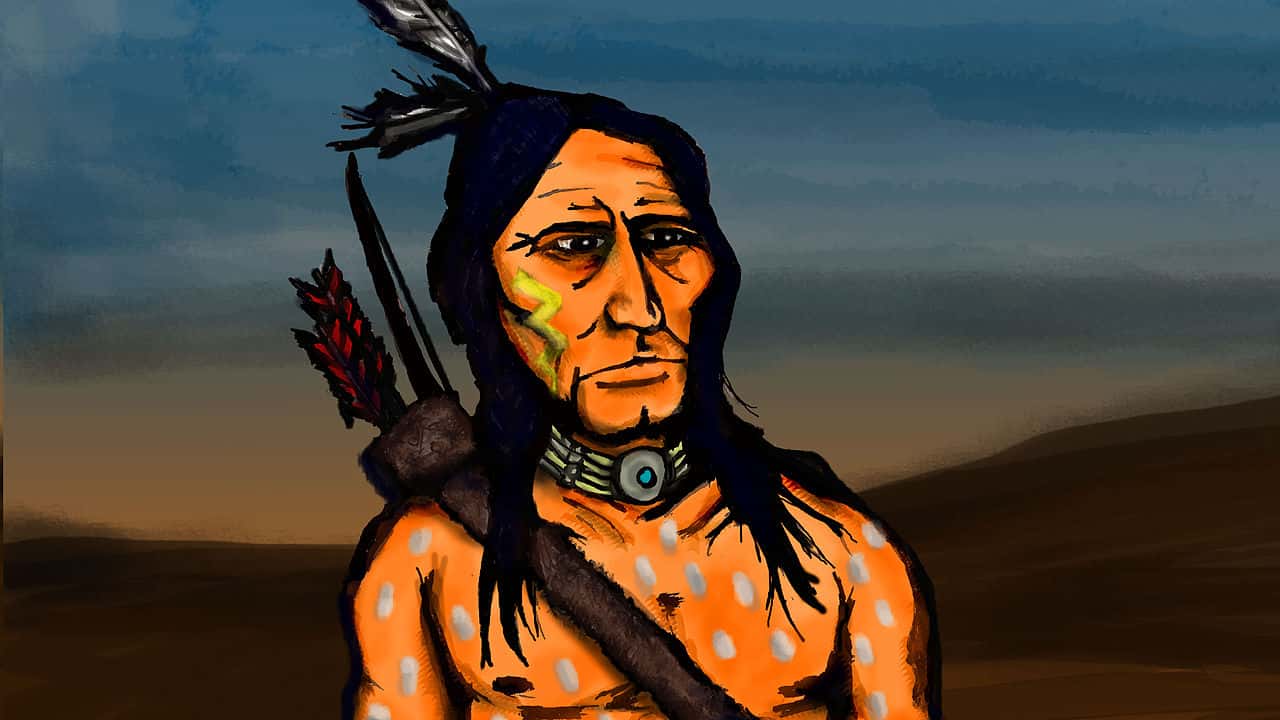
As a young man, Crazy Horse experienced a powerful vision that shaped his entire life. He was told to live humbly, avoid wealth, and fight only to protect his people. He followed these instructions closely and never sought recognition.
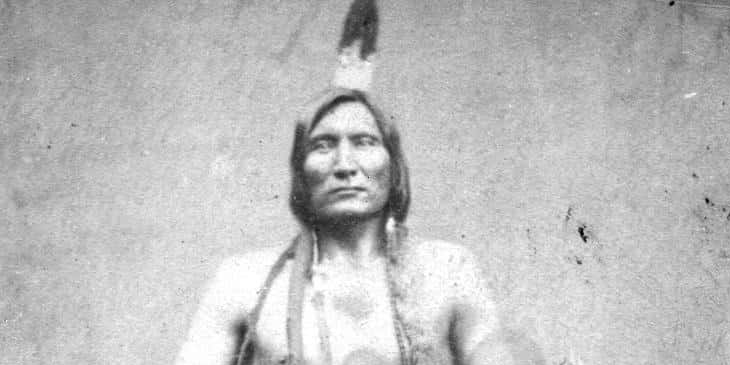
Life Among the Oceti Sakowin
Crazy Horse was Oglala Lakota, part of the Oceti Sakowin, or Seven Council Fires. Their culture centered on the buffalo and the sacred Black Hills. Land was not owned or sold, but respected and defended.
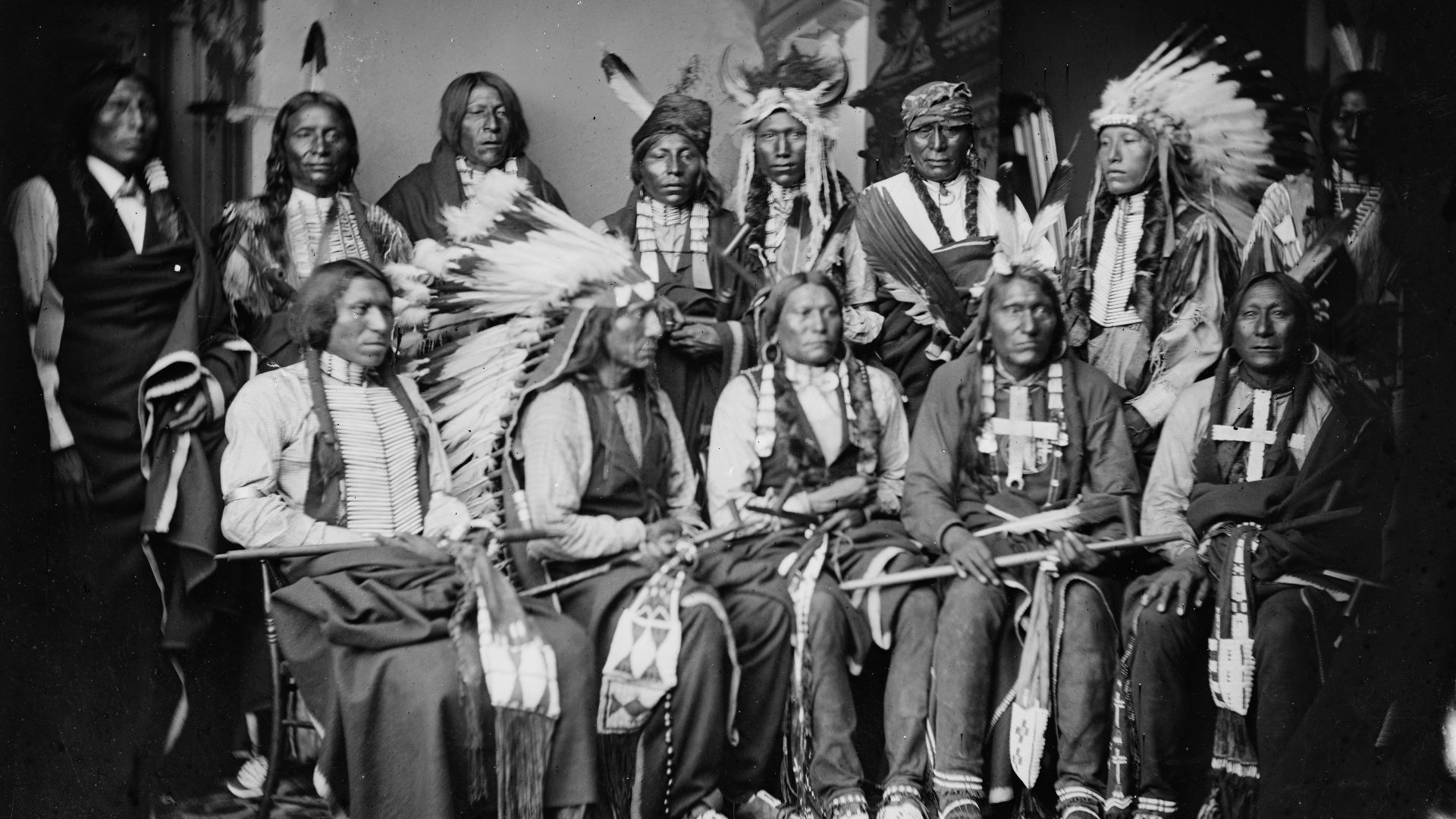
Watching the Land Disappear
By the 1860s, forts, roads, and rail lines cut through Lakota territory. Treaties were broken quickly. Crazy Horse saw these actions not as politics, but as threats to his people’s survival.
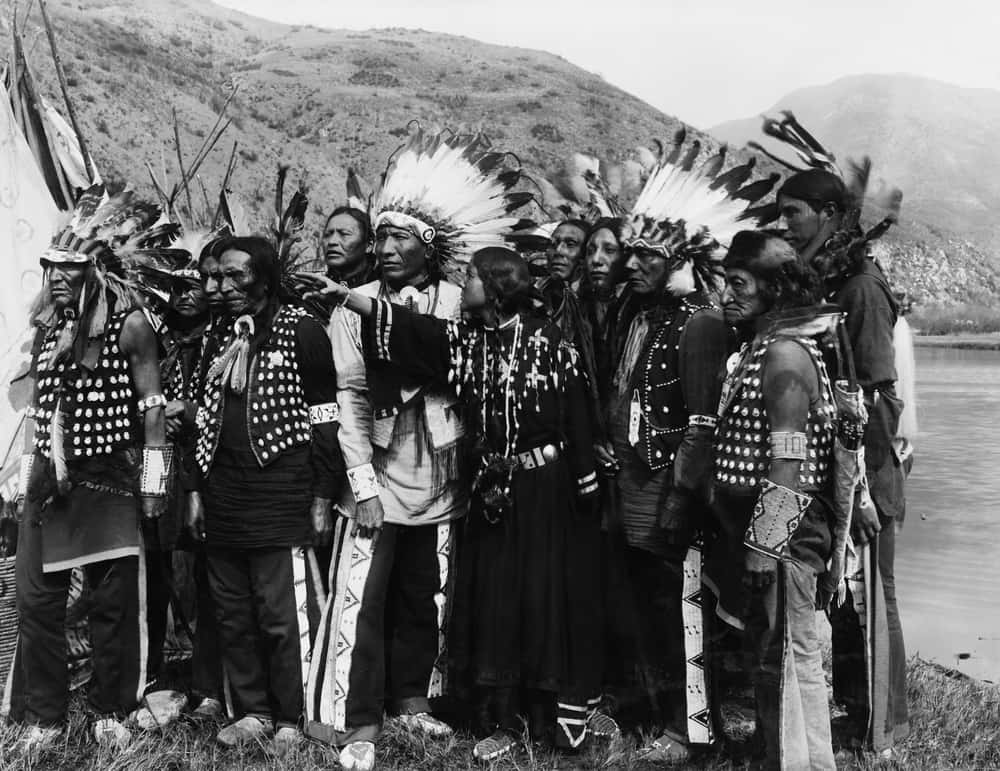
The Fetterman Fight
In December 1866, Crazy Horse helped lead a major victory near Fort Phil Kearny. Acting as a decoy, he drew US soldiers into an ambush now known as the Fetterman Fight. All 81 soldiers were killed.
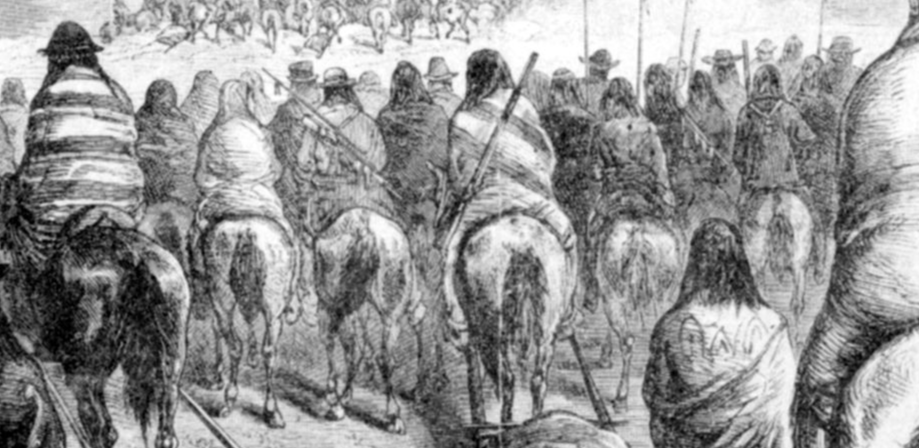 Interim Archives, Getty Images
Leadership Without Titles
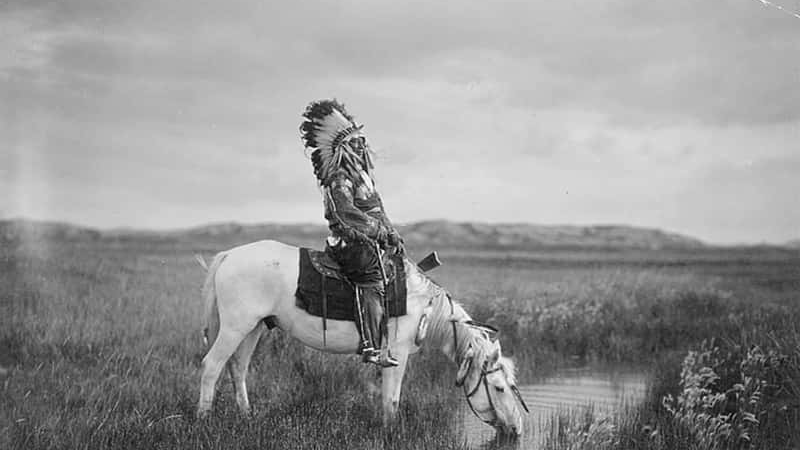
Crazy Horse was never a formal chief. He did not give speeches or command loyalty. Warriors followed him because he fought beside them and shared their hardships, earning trust through action.
A Simple Way of Living
Crazy Horse lived simply and gave away horses and goods. He avoided decorations and status. Those who knew him said he cared only about protecting women, children, and elders.
Gold in the Black Hills
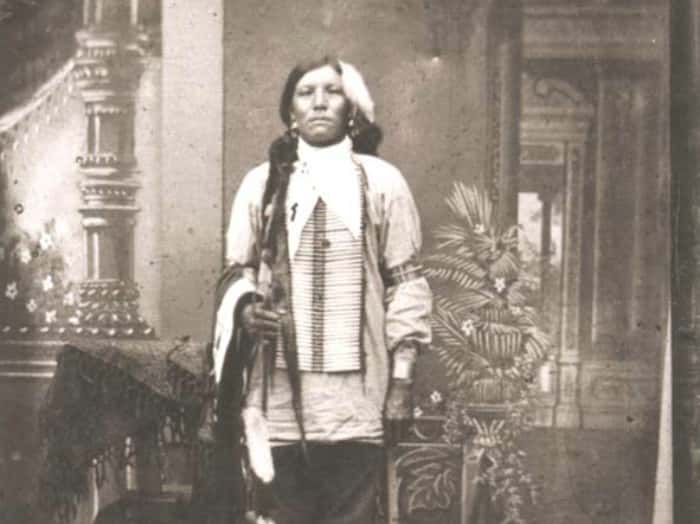
In 1874, gold was discovered in the Black Hills after an expedition led by George Armstrong Custer. Miners flooded sacred land. Crazy Horse refused government orders to move onto reservations.
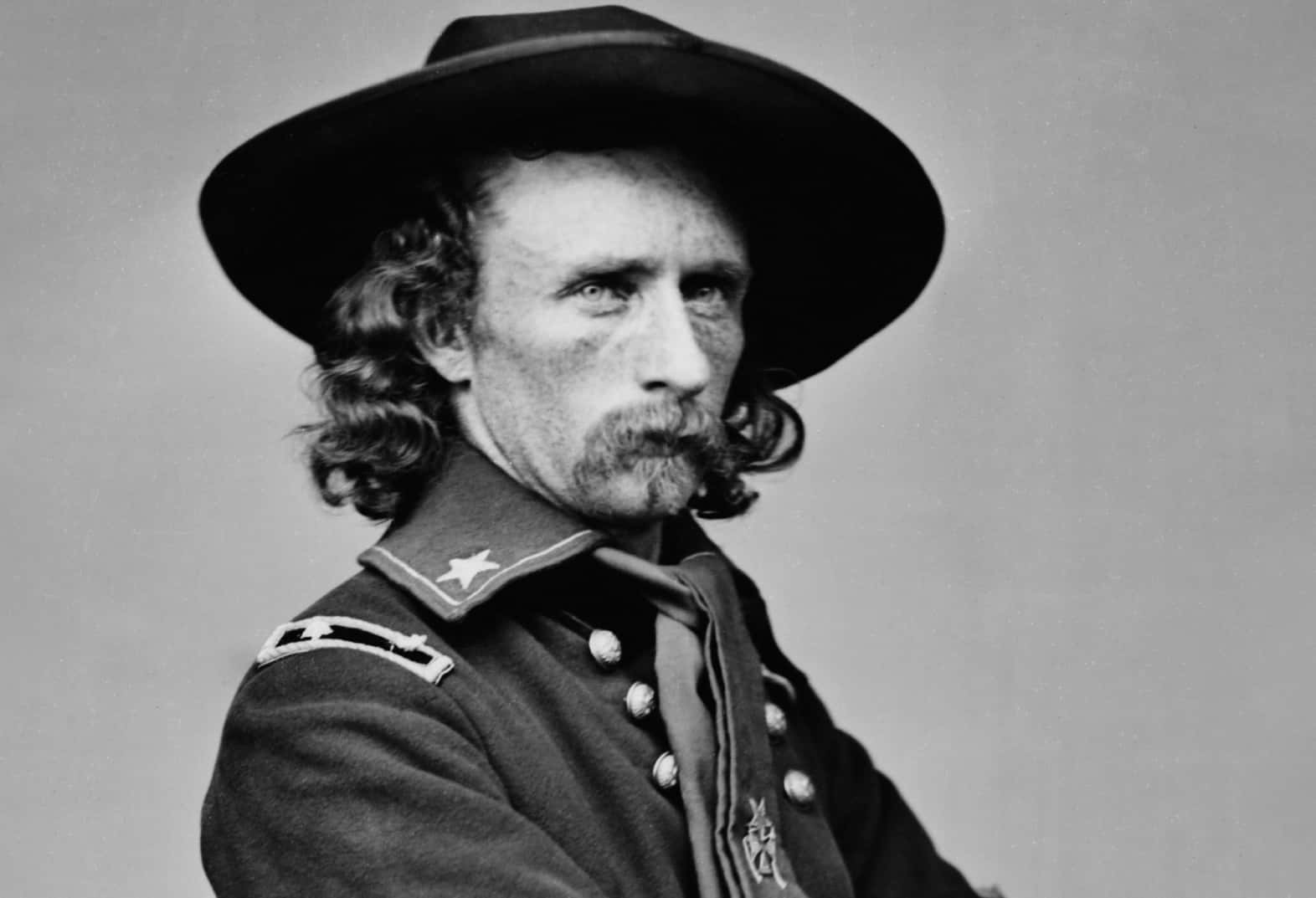 Mathew Brady, Wikimedia Commons
The Great Sioux War Begins
In January 1876, the US government ordered Lakota bands onto reservations. Crazy Horse refused, helping spark the Great Sioux War of 1876.
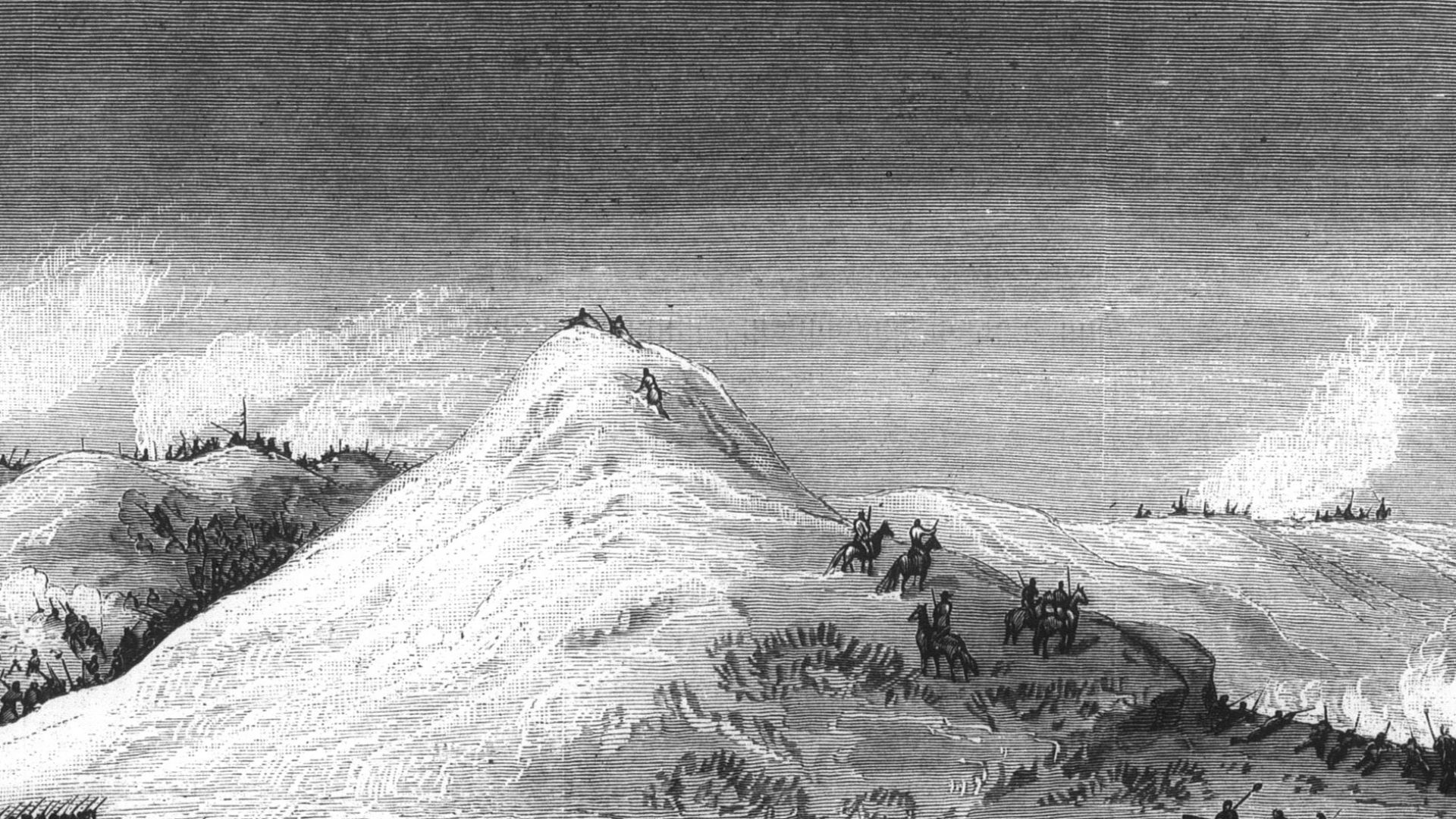 Unknown authorUnknown author, Wikimedia Commons
The Battle of the Rosebud
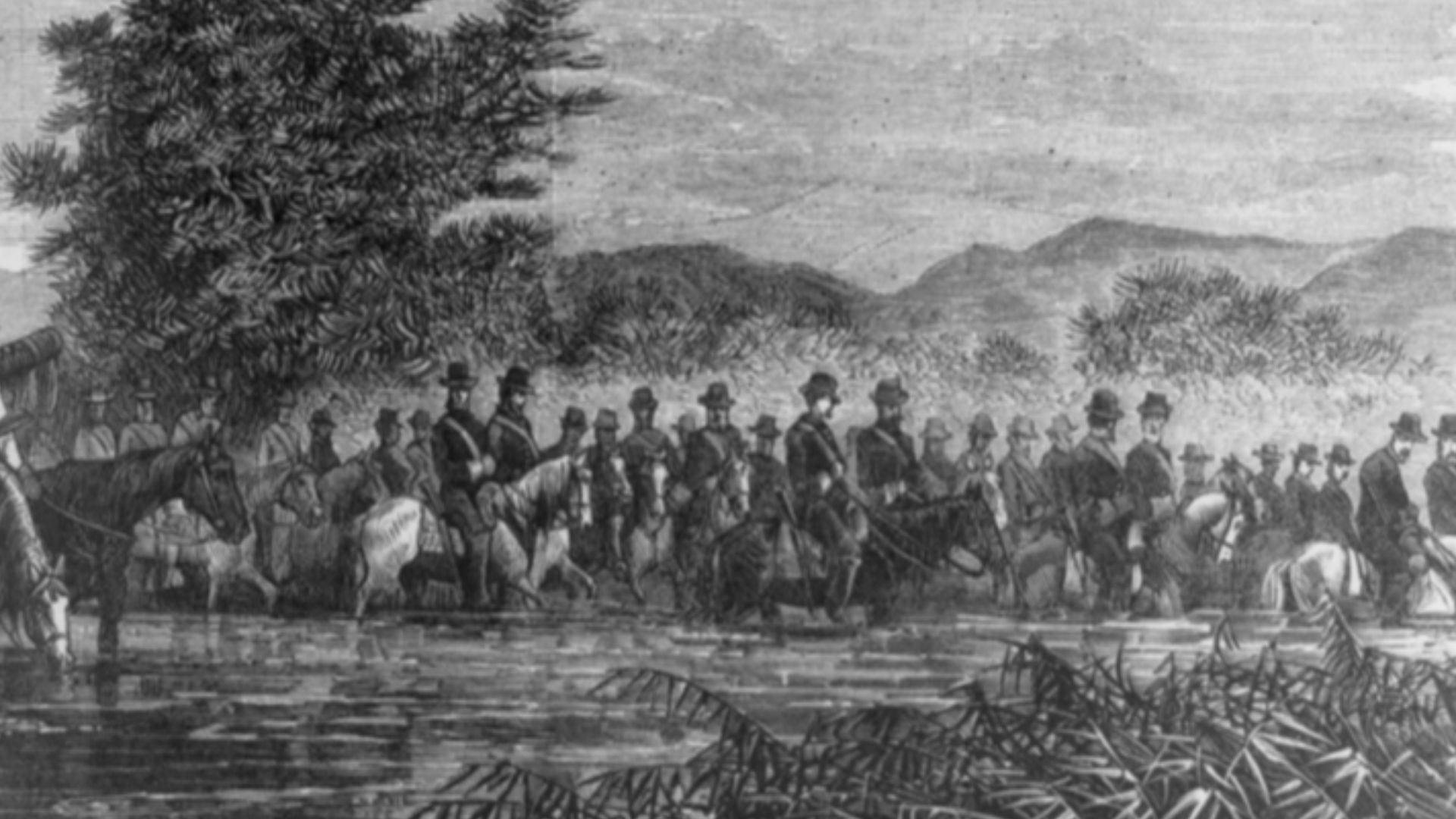
On June 17, 1876, Crazy Horse led Lakota and Cheyenne warriors against General George Crook at the Battle of the Rosebud. US forces retreated, preventing them from joining Custer days later.
 Unknown authorUnknown author, Wikimedia Commons
Little Bighorn
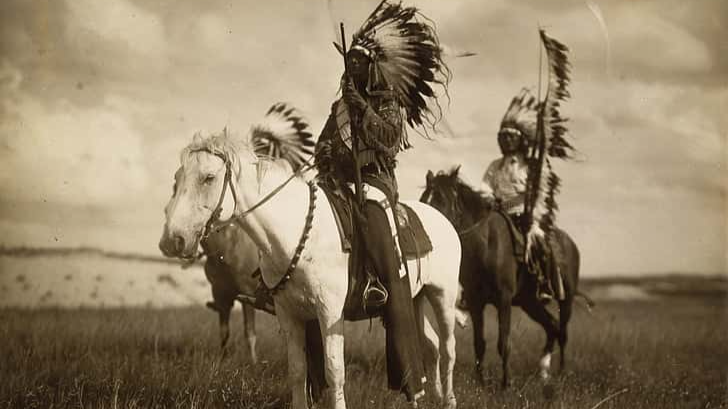
On June 25, 1876, Crazy Horse fought at the Battle of Little Bighorn alongside Sitting Bull and Gall. Custer’s Seventh Cavalry was defeated in one of the most famous Indigenous victories in history.
Fame He Never Wanted
After Little Bighorn, Crazy Horse became widely known, but he refused photographs or interviews. There are no confirmed images of him. He believed fame distracted from responsibility.
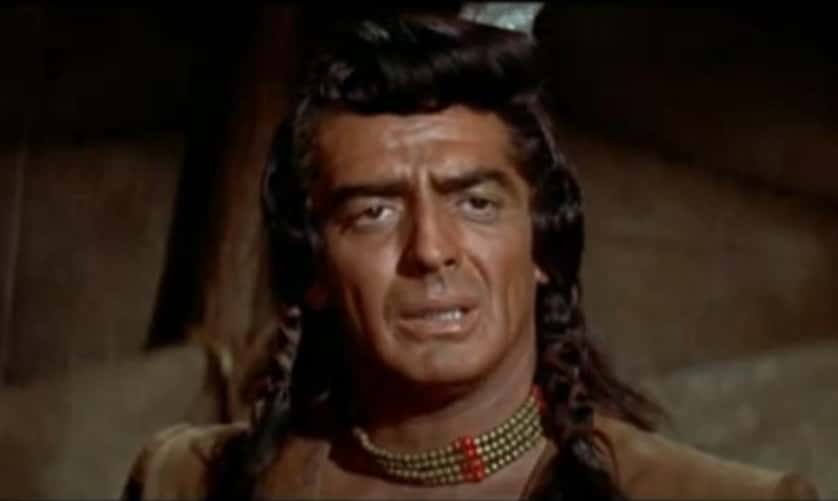 Chief Crazy Horse (1955), Universal International Pictures
Hunger and Cold Close In
By the winter of 1876–1877, military pressure increased and buffalo herds were destroyed. Food shortages spread, and survival became harder for Lakota families.

Surrender for Survival
In May 1877, Crazy Horse surrendered at Fort Robinson, Nebraska. He believed surrender was the only way to protect women and children from starvation.
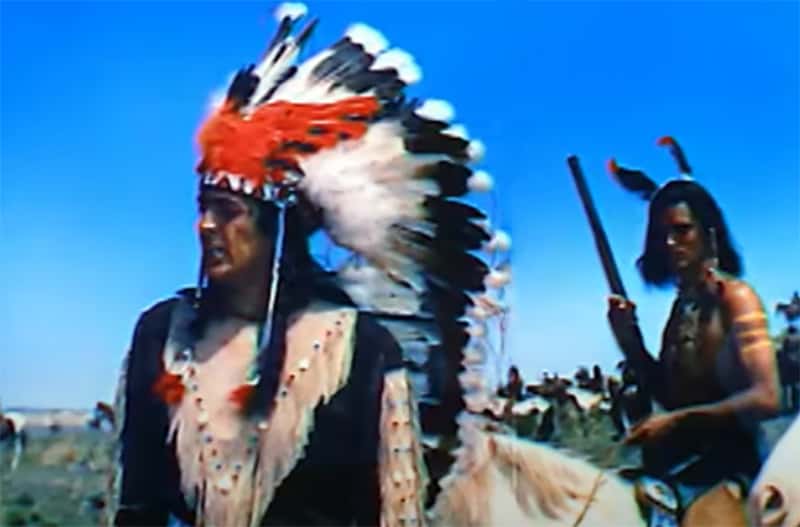 Chief Crazy Horse (1955), Universal International Pictures
Lies and Fear
After surrendering, false rumors accused Crazy Horse of planning rebellion. Fear spread among soldiers, leading to plans to imprison him.
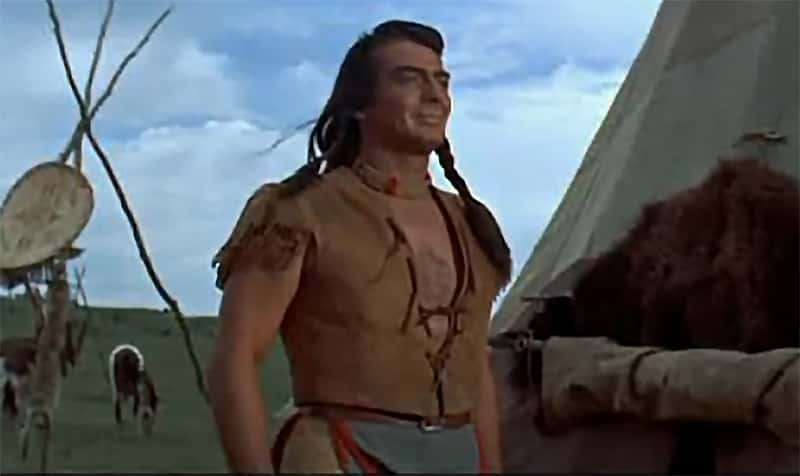 Chief Crazy Horse (1955), Universal International Pictures
The Night He Was Killed
On September 5, 1877, soldiers attempted to jail Crazy Horse at Fort Robinson. During the struggle, a guard stabbed him with a bayonet. He died later that night, about 36 years old.
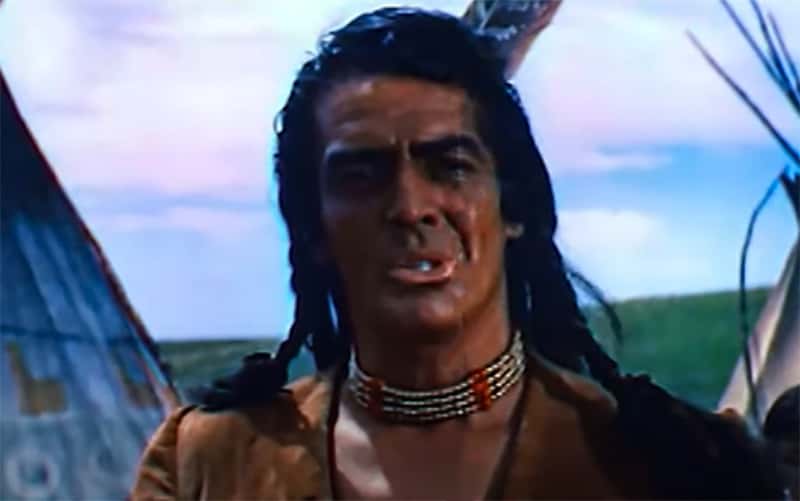 Chief Crazy Horse (1955), Universal International Pictures
Final Words
Witnesses said Crazy Horse’s last words were, “Tell my people I am no longer cold.” The phrase reflected both physical suffering and spiritual peace.
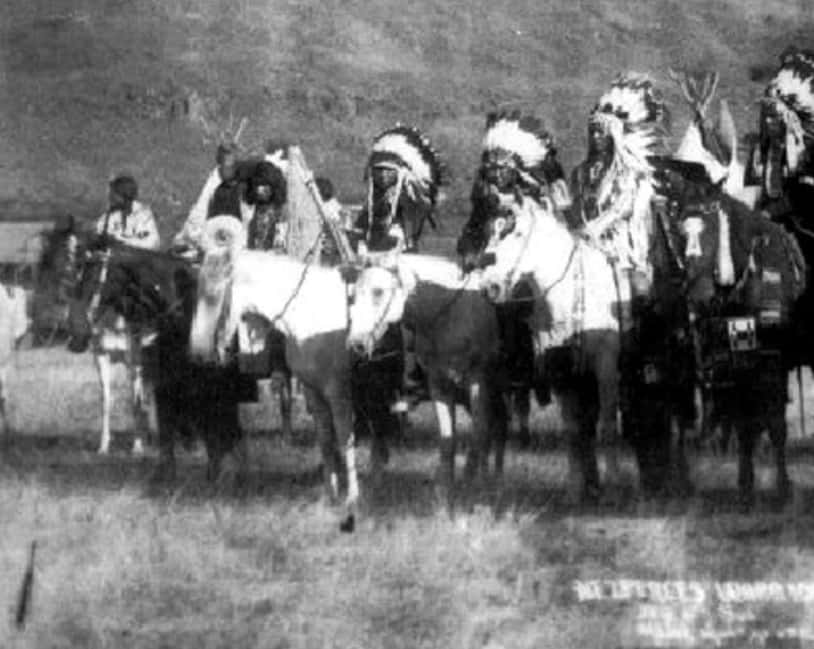
A Hidden Burial
Crazy Horse’s family buried him in secret, following Lakota tradition. His burial site remains unknown, protecting his spirit from being claimed or displayed.
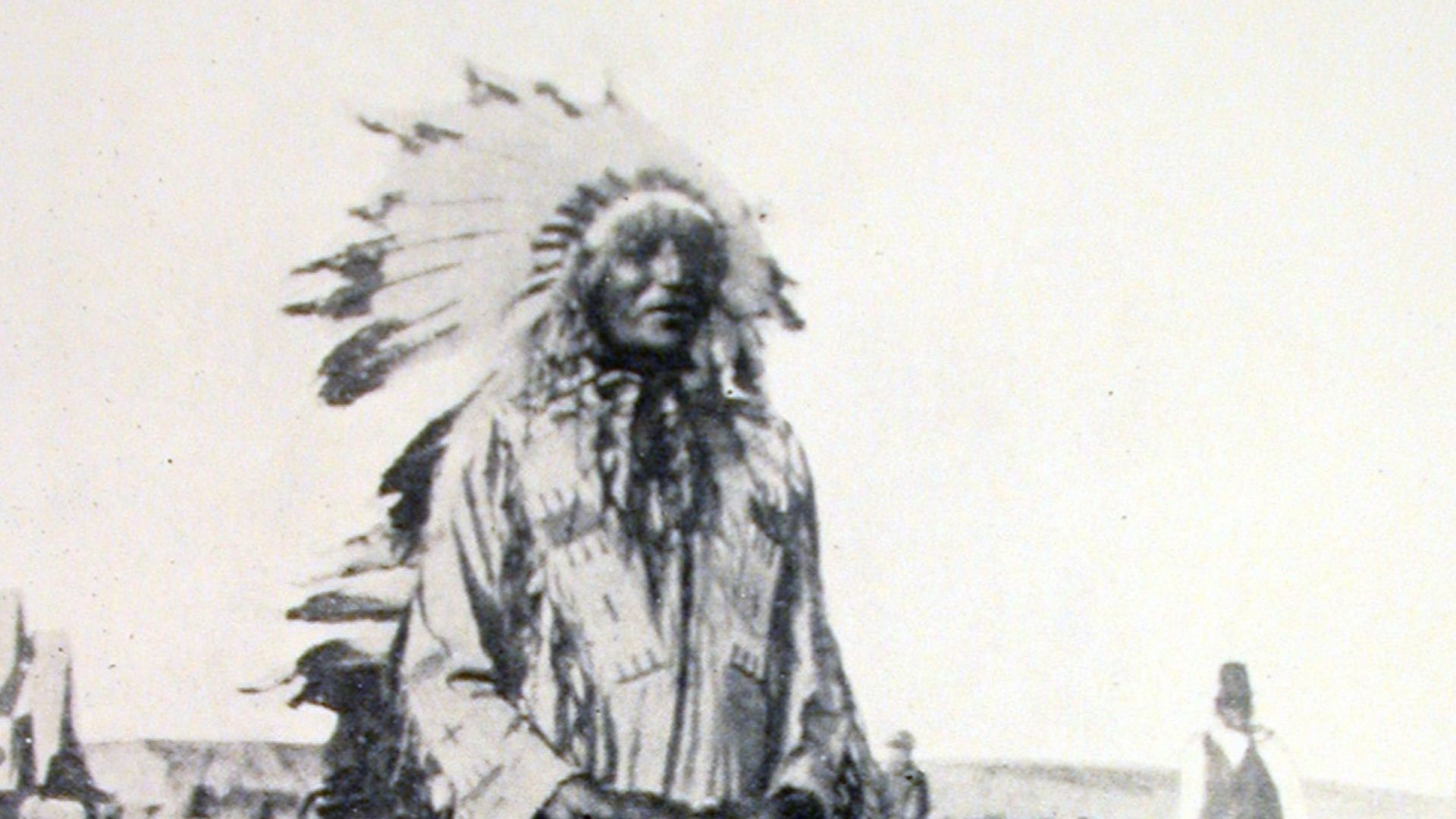 Demetrio Cetan Cikala,, Wikimedia Commons
A Legacy Without Compromise
Crazy Horse never signed a treaty or accepted US authority. Historian Edward Curtis called him “a man of absolute integrity” who never betrayed his values.
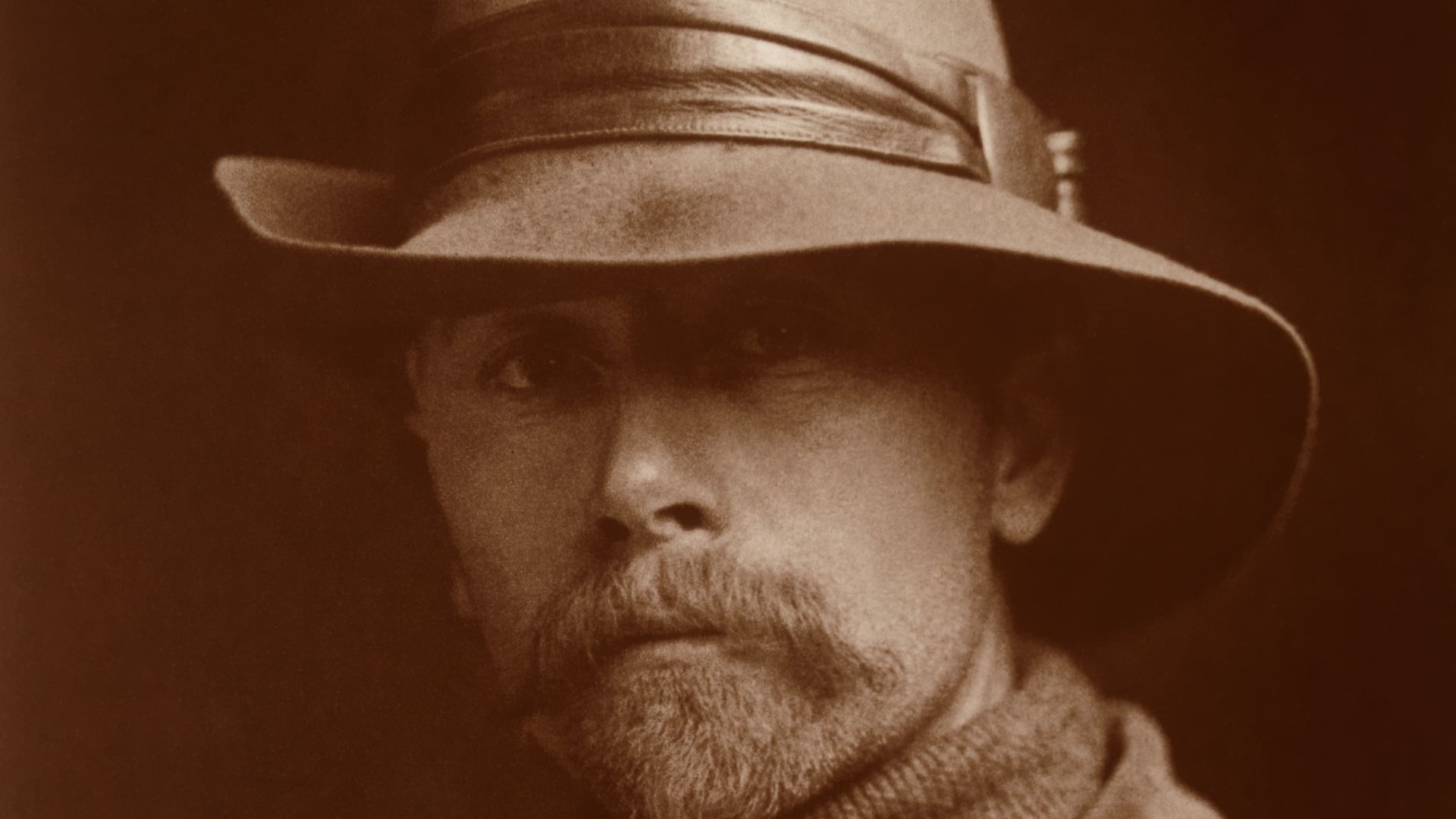 Edward S. Curtis / Adam Cuerden, Wikimedia Commons
How He Is Remembered
Among the Lakota, Crazy Horse is remembered as a protector rather than a conqueror. His legacy is tied to humility, bravery, and responsibility to community.
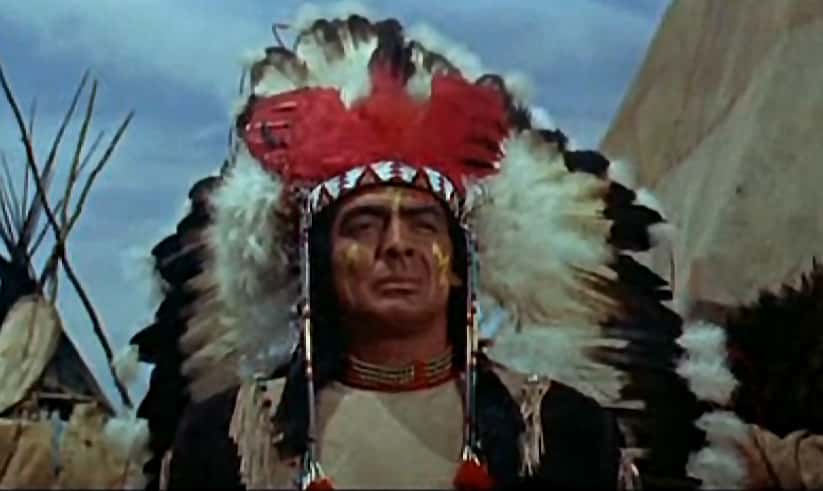 Chief Crazy Horse (1955), Universal International Pictures
The Monument Debate
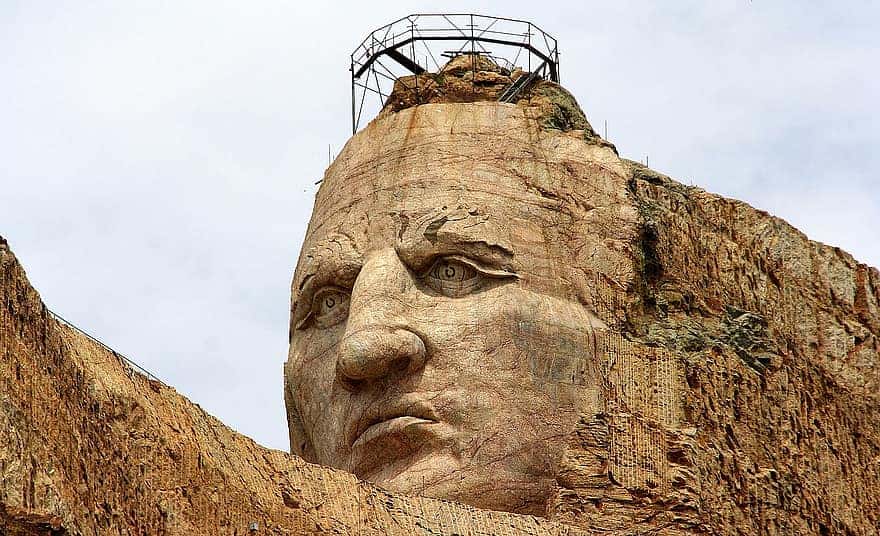
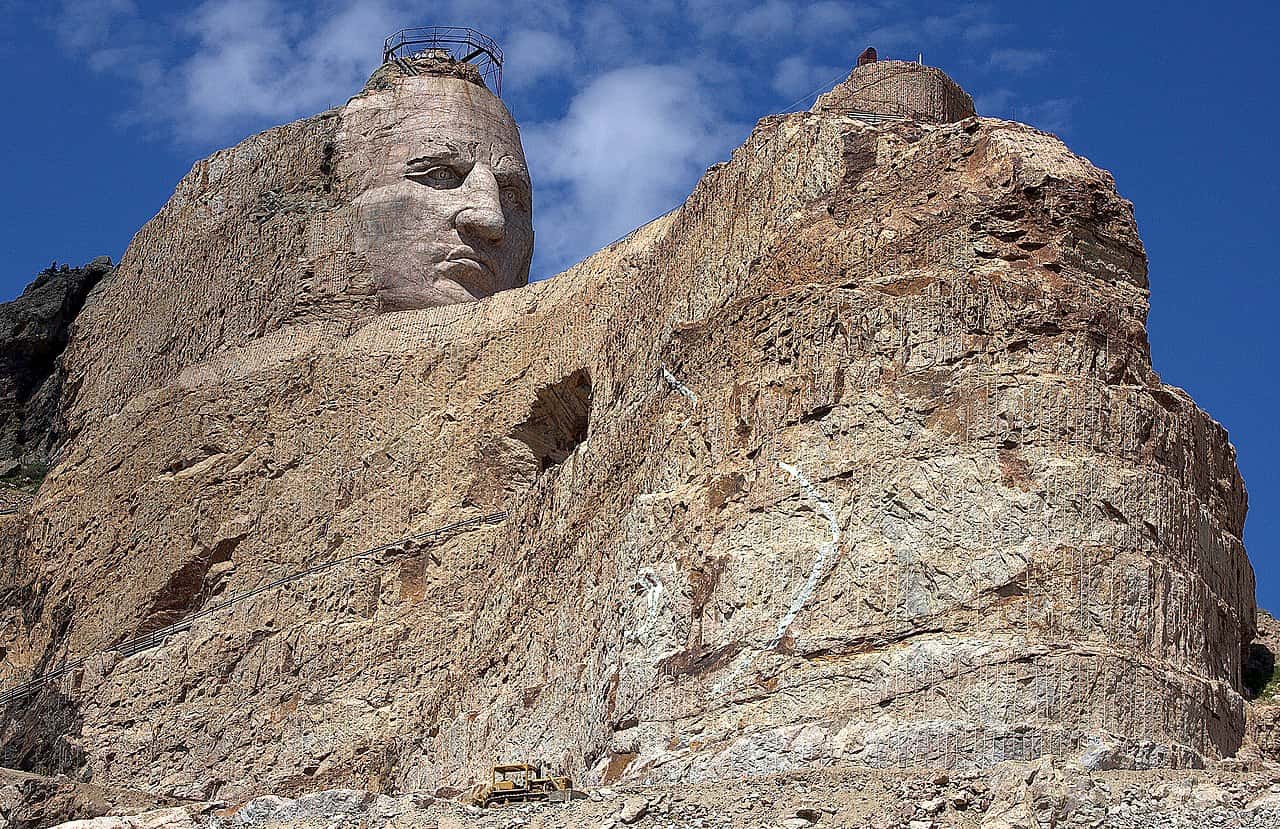
Construction of the Crazy Horse Memorial began in 1948 in the Black Hills. Some see it as a tribute, while others believe Crazy Horse would have opposed it.
Why Crazy Horse Still Matters
Crazy Horse’s life shows that leadership does not require fame or power. His legacy endures because he remained loyal to his people, even when the cost was everything.
You May Also Like:
Photos Of The Ice-Dwelling People Who Harpoon Seals Through Breathing Holes
Photos Of The Sea People Who Breathe Like Fish And Live Without Land
The Jungle Tribe That Protects Themselves With Spears Dipped In Poison



.jpg)