The Lords of the Plains
Long before railroads crossed the West, the Comanche ruled the open plains. They were feared, respected, and nearly unstoppable on horseback. This is the story of how a small tribe became the most powerful mounted warriors North America had ever seen.
From the Mountains to the Plains
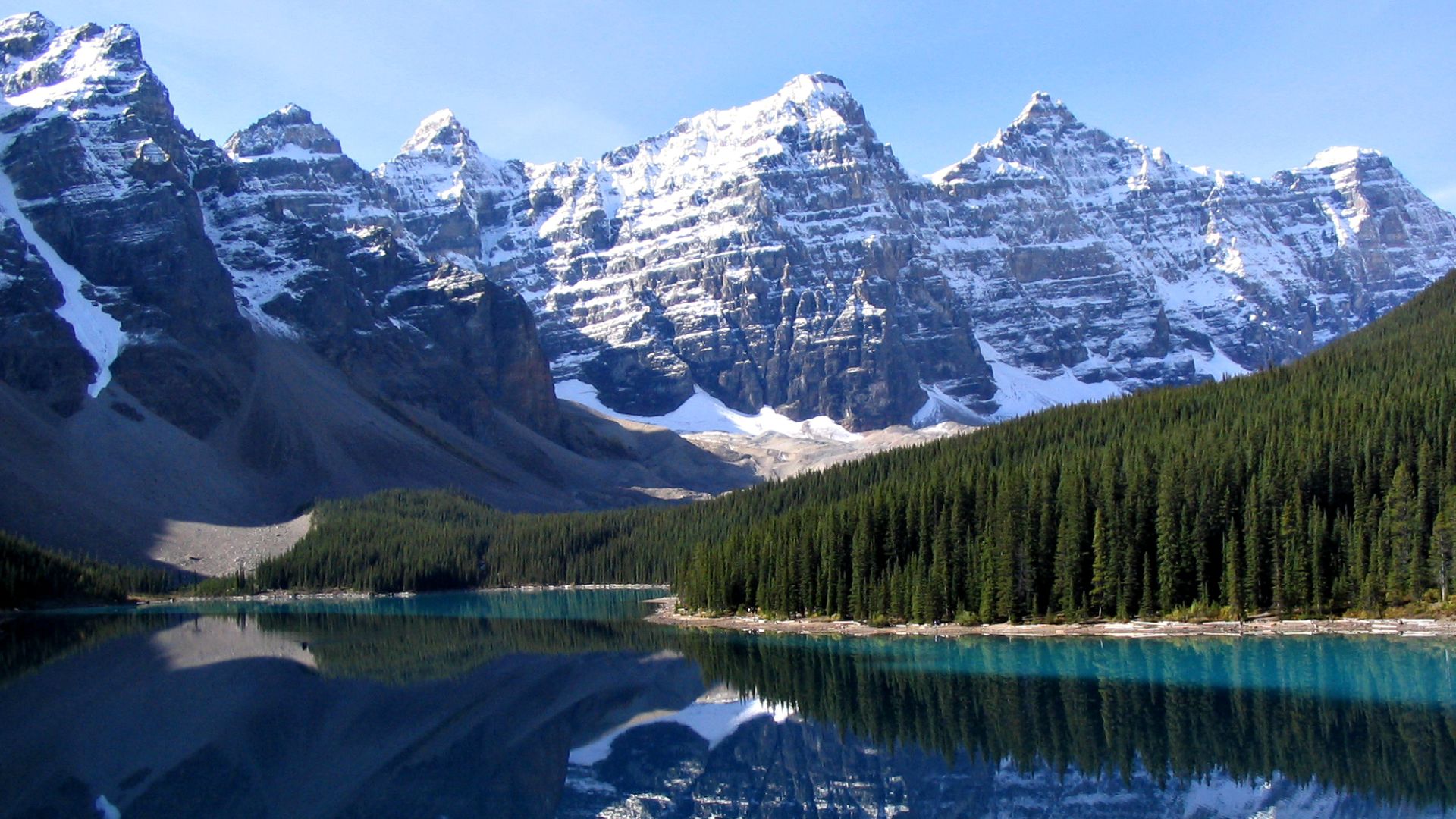
The Comanche began as part of the Shoshone peoples near the Rocky Mountains. In the late 1600s, horses changed everything. With speed and mobility, the Comanche moved south and reshaped their future on the plains.
The Horse That Changed History
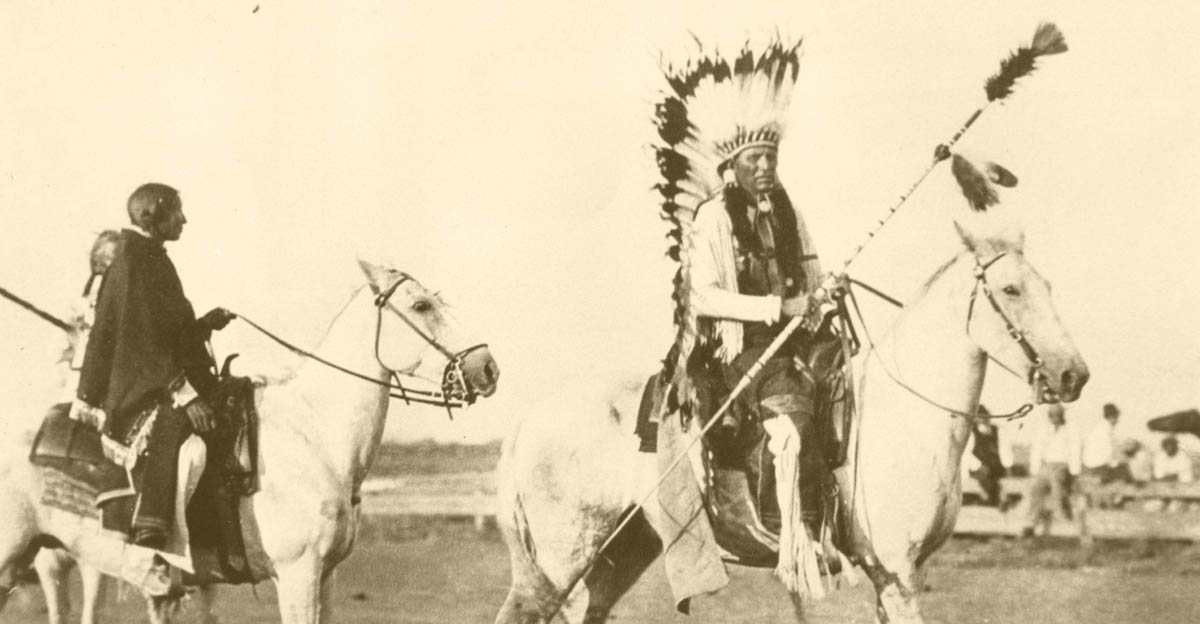
Horses arrived after Spanish colonization, and the Comanche mastered them like no other tribe. By 1700, Comanche children rode almost as soon as they could walk. Horses became wealth, power, and survival.
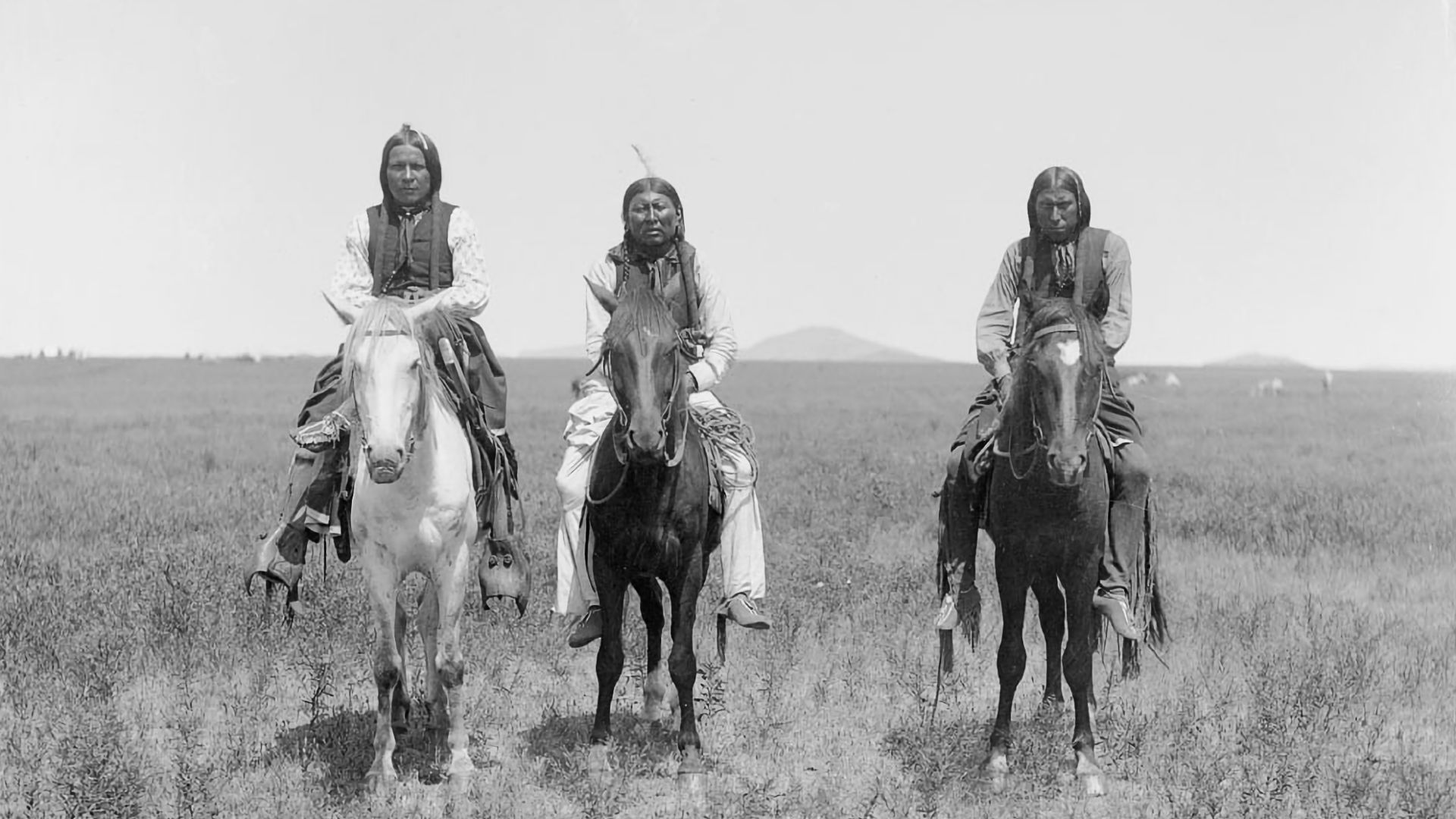 Unstated (Life time: Unknown), Wikimedia Commons
Becoming the Ultimate Horsemen
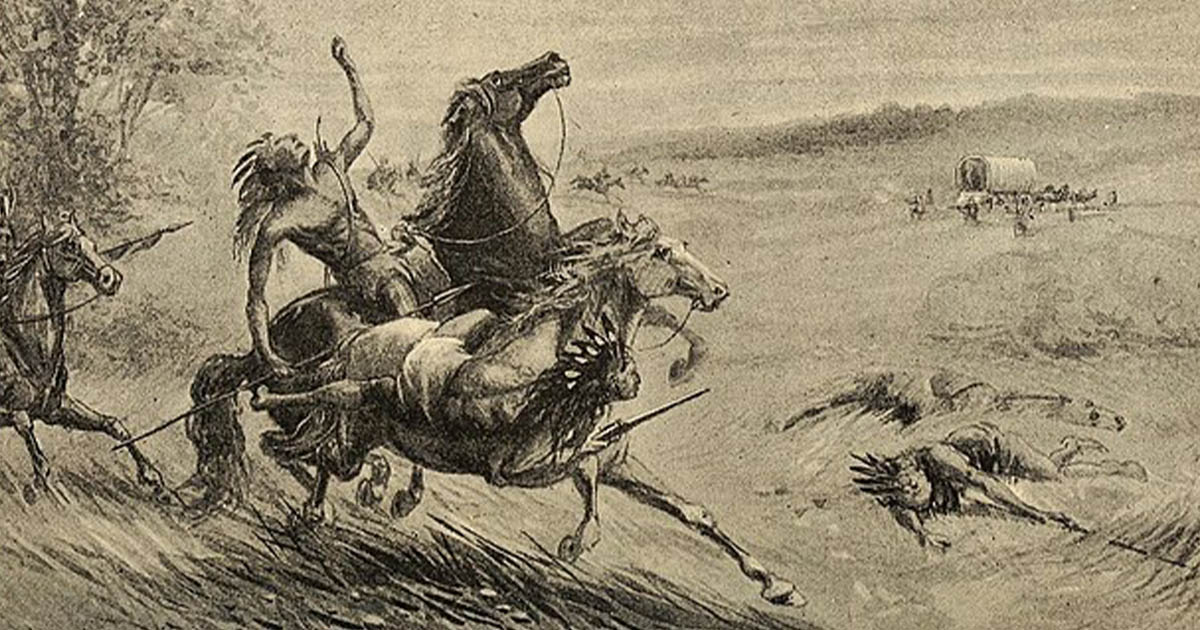
Comanche riders could hang from the side of a galloping horse, using its body as a shield. They fired arrows accurately at full speed. US Army officers later admitted no cavalry matched Comanche skill.
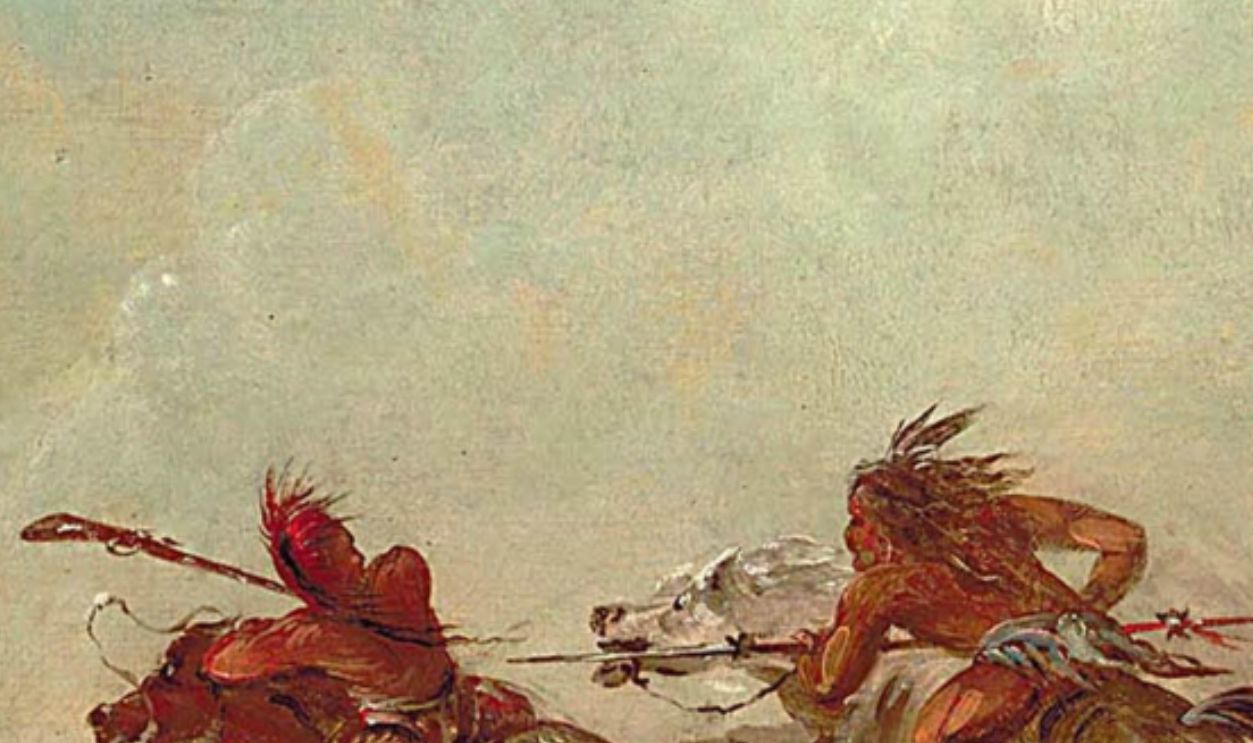 George Catlin, Wikimedia Commons
Life on the Open Plains
Their homeland stretched across present-day Texas, Oklahoma, New Mexico, and Kansas. Open land favored speed and surprise. Buffalo fed the people, and wide plains allowed warriors to vanish after lightning-fast raids.
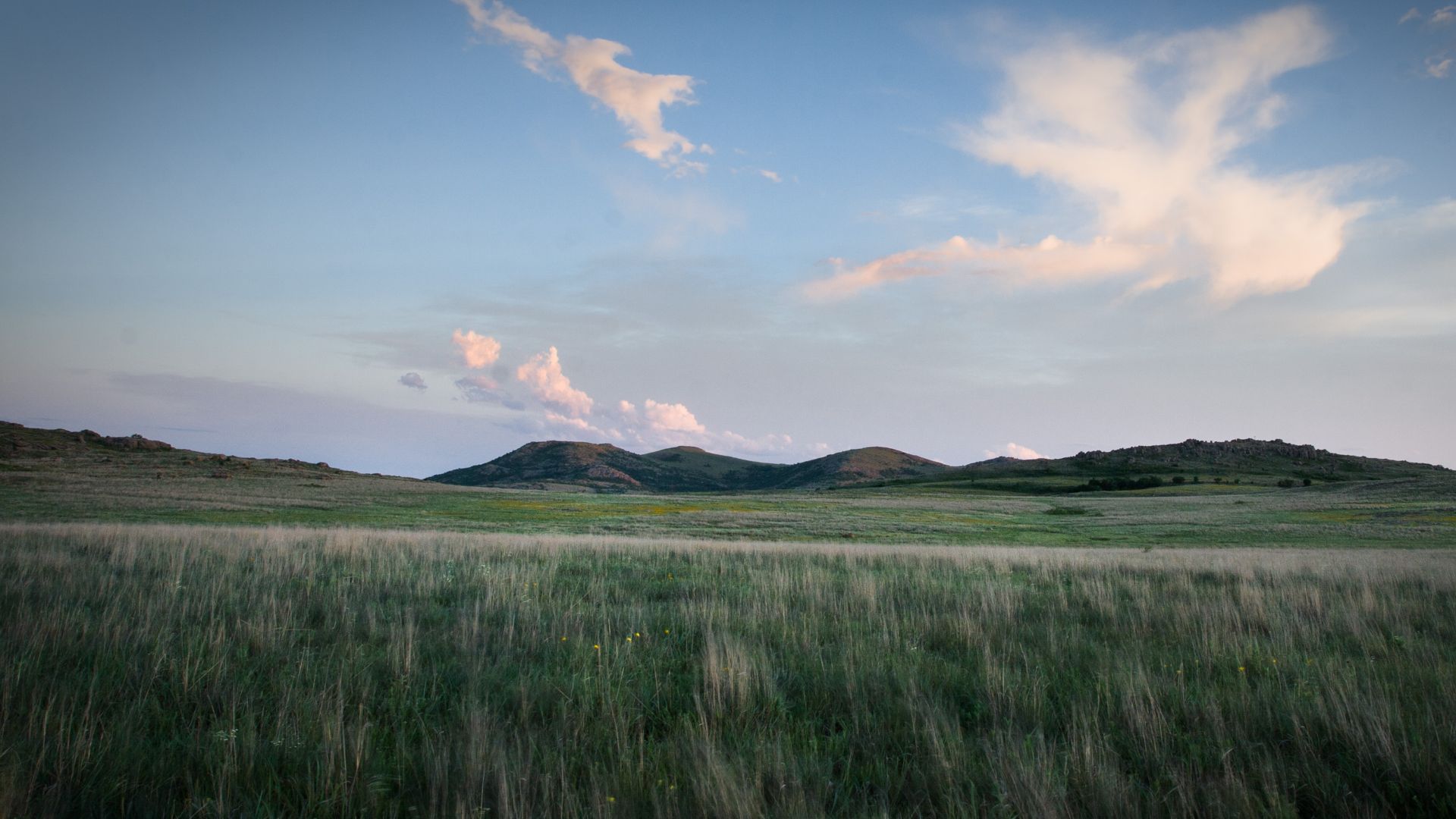 Justin Meissen, Wikimedia Commons
A Warrior Culture From Birth
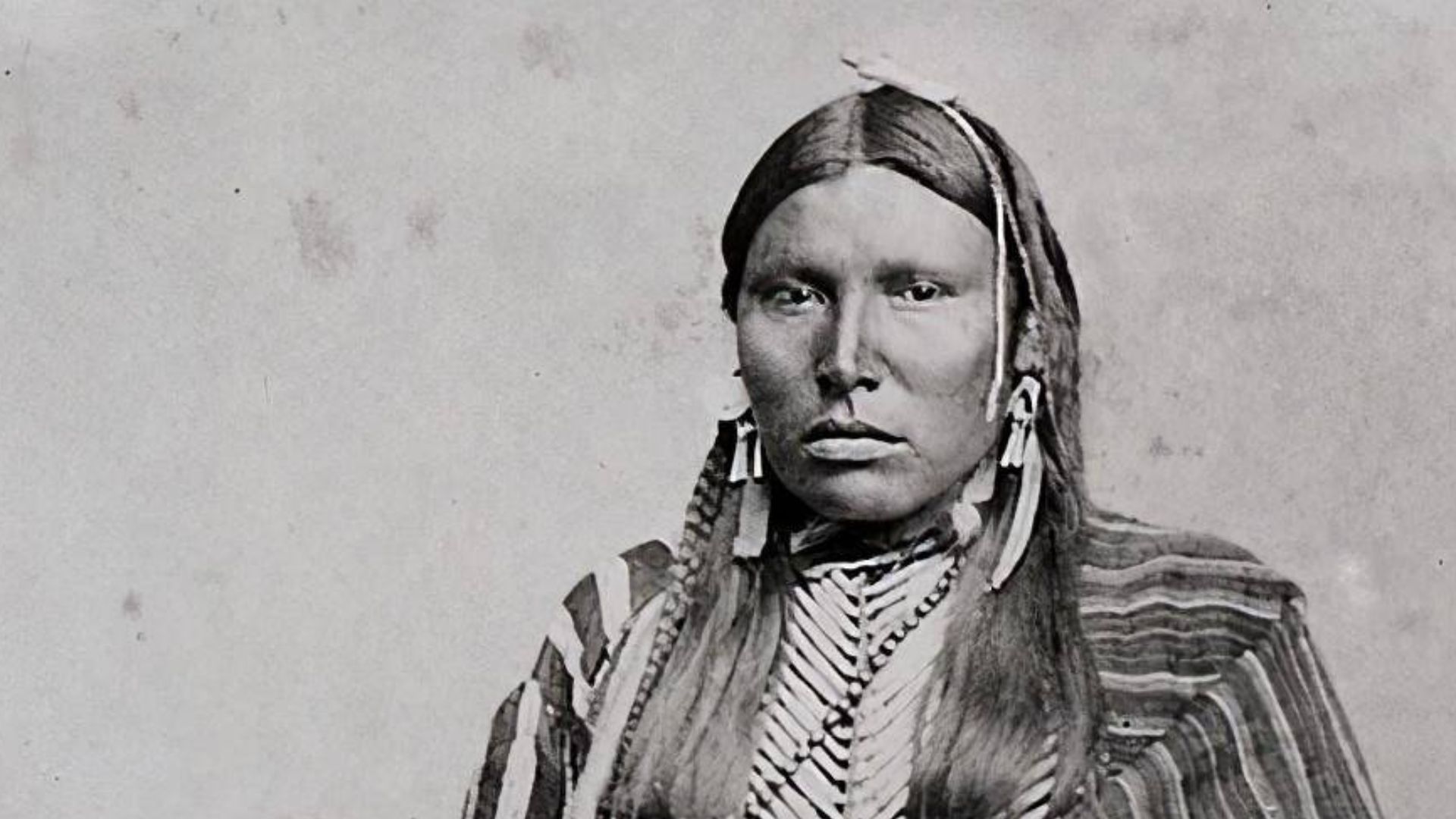
Comanche boys trained for war early, learning riding and combat as daily life. Courage earned respect. Warriors proved themselves through bravery, successful raids, and defending their people.
 Unknown authorUnknown author, Wikimedia Commons
Weapons of Speed and Precision
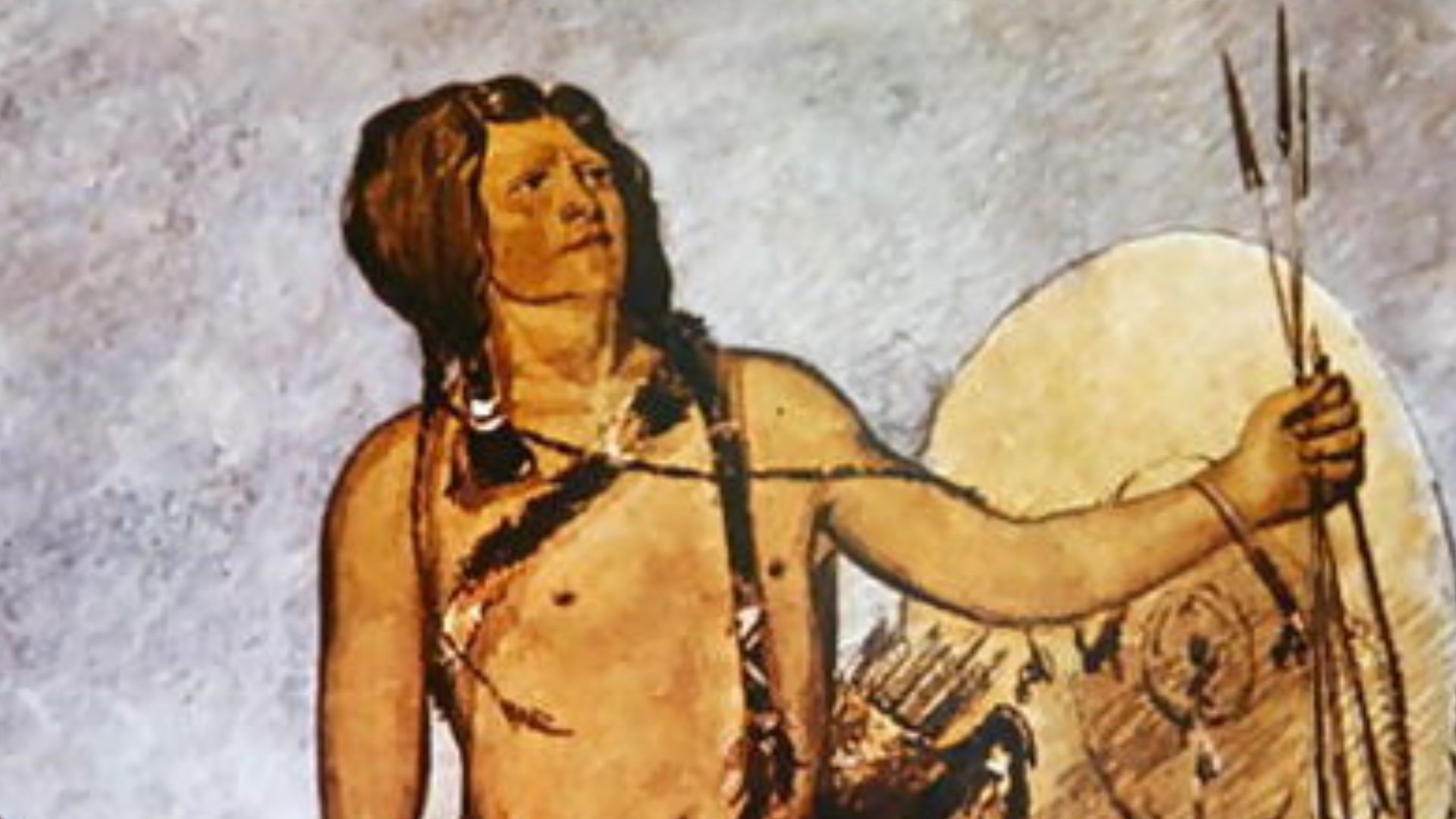
The Comanche used short bows ideal for horseback combat. Lances, shields, and later firearms completed their arsenal. Every weapon favored mobility, quick strikes, and escape.
 George Catlin, Wikimedia Commons
Raiding as Power
Raiding was organized and strategic. The Comanche targeted rival tribes and settlements, capturing horses and supplies. These raids strengthened their dominance and wealth across the plains.
 Robfergusonjr, Wikimedia Commons
The Rise of Comanchería
By the early 1700s, the Comanche controlled a vast territory known as Comanchería. Spanish officials feared it more than European rivals. Historian Pekka Hämäläinen later called it a true empire.
 This House of Books, Wikimedia Commons
First Clashes With Spain
Spanish forces struggled against Comanche speed. Missions were attacked and trade routes disrupted. By 1750, Spain often chose negotiation over war.
 Juan Bautista de Anza, Wikimedia Commons
War With Mexico
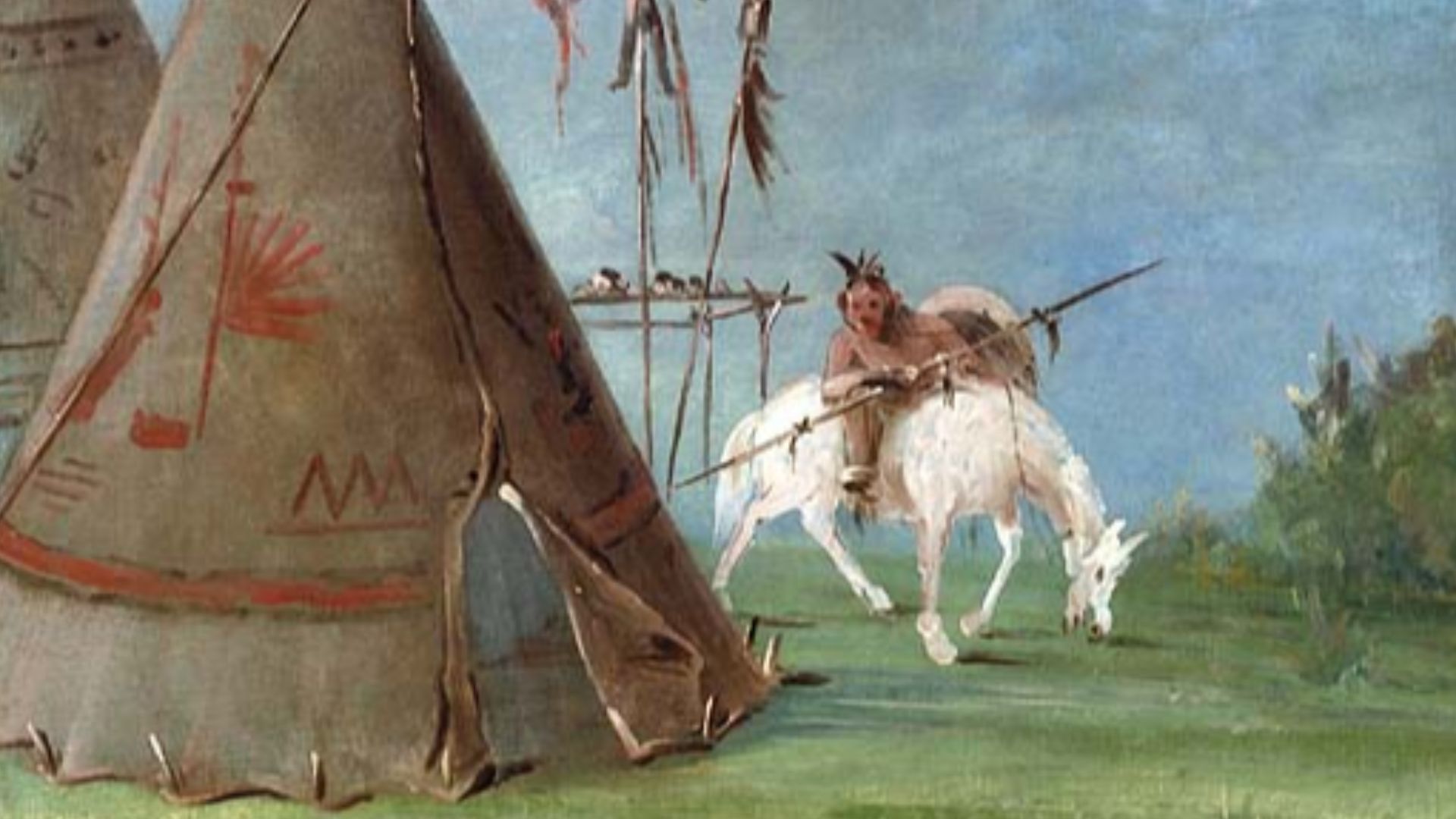
After Mexico gained independence in 1821, Comanche raids intensified. Northern Mexican towns were abandoned. Some regions lost thousands of residents due to repeated attacks.
 George Catlin, Wikimedia Commons
Enter the United States
American expansion brought new conflict. Treaties were signed and broken as settlers moved into Comanche land. Fighting intensified across the southern plains.
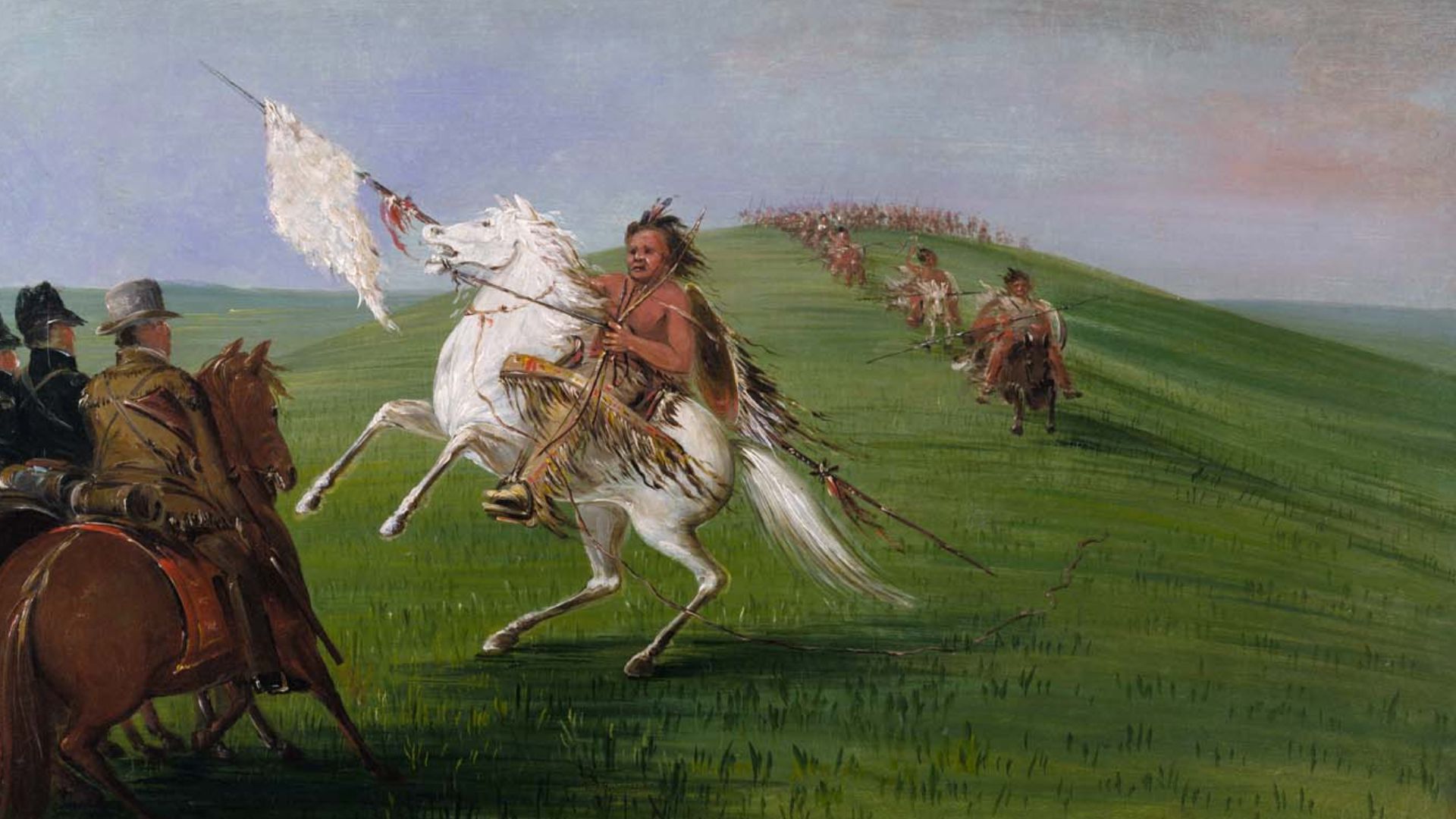 George Catlin, Wikimedia Commons
The Battle of Plum Creek
In 1840, Comanche warriors fought Texas forces at the Battle of Plum Creek. Though Texans claimed victory, most Comanche escaped, proving their resilience.
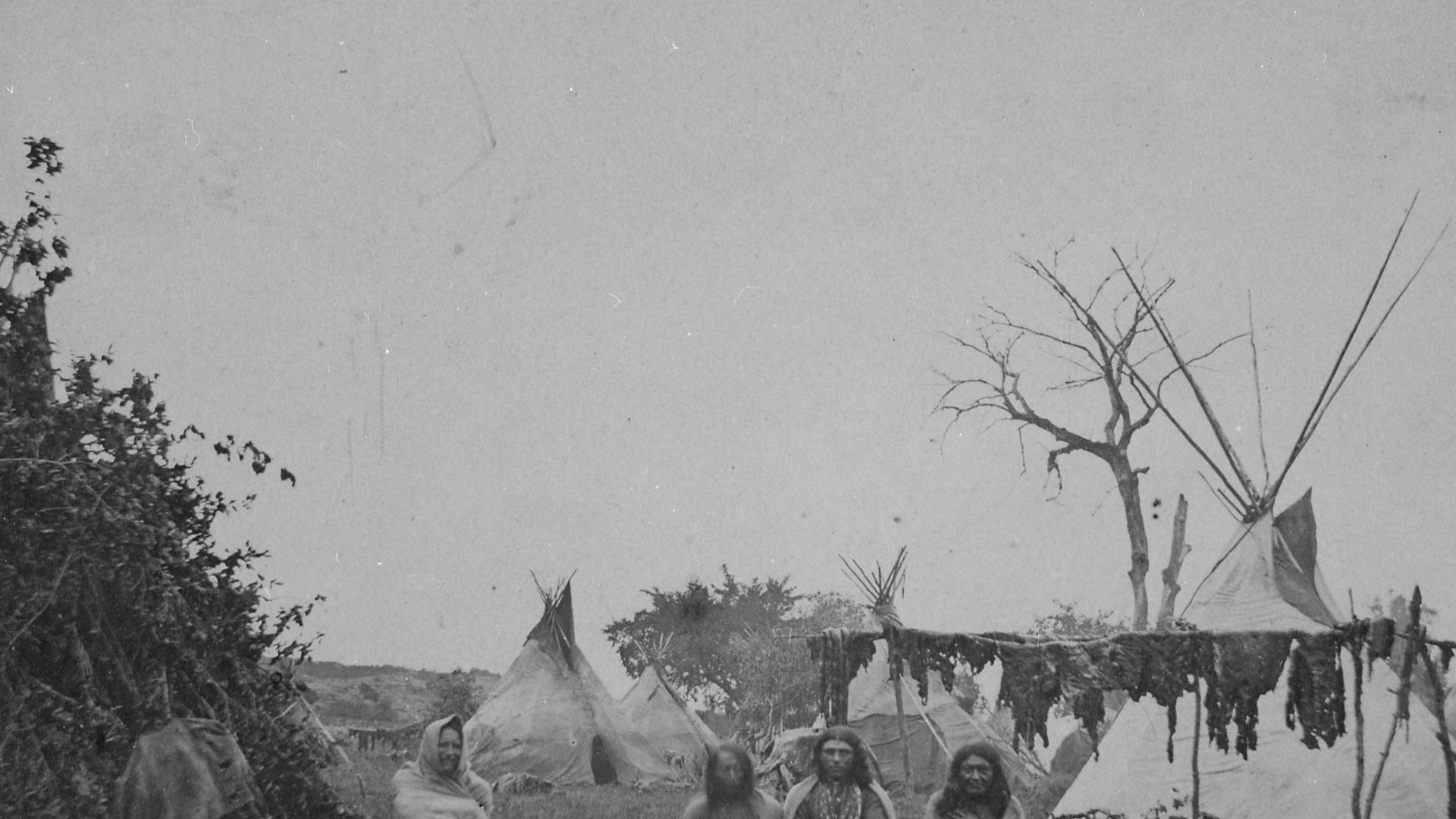 Unknown authorUnknown author or not provided, Wikimedia Commons
Chiefs Who Became Legends
Leaders like Buffalo Hump, Santa Anna, and Quanah Parker guided the Comanche through war and diplomacy. Their decisions shaped tribal survival.
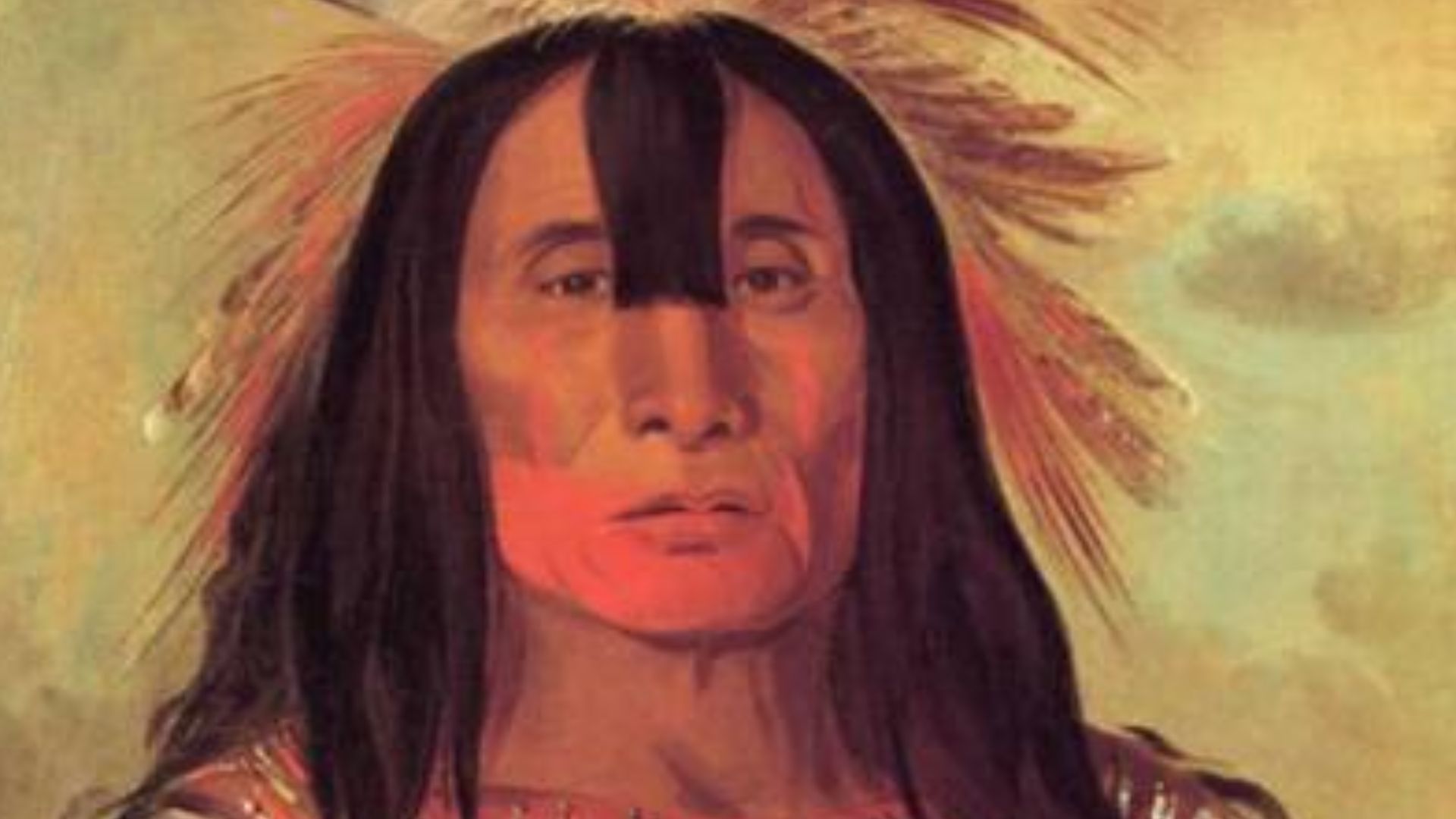 George Catlin, Wikimedia Commons
Quanah Parker’s Rise
Quanah Parker became one of the last great Comanche leaders. He led resistance during the Red River War of 1874–1875, holding out against overwhelming odds.
 Daniel P. Sink of Vernon Texas, Wikimedia Commons
The Red River War
U.S. forces destroyed camps and supplies during the Red River War. Without resources, Comanche resistance weakened. By 1875, many were forced onto reservations.
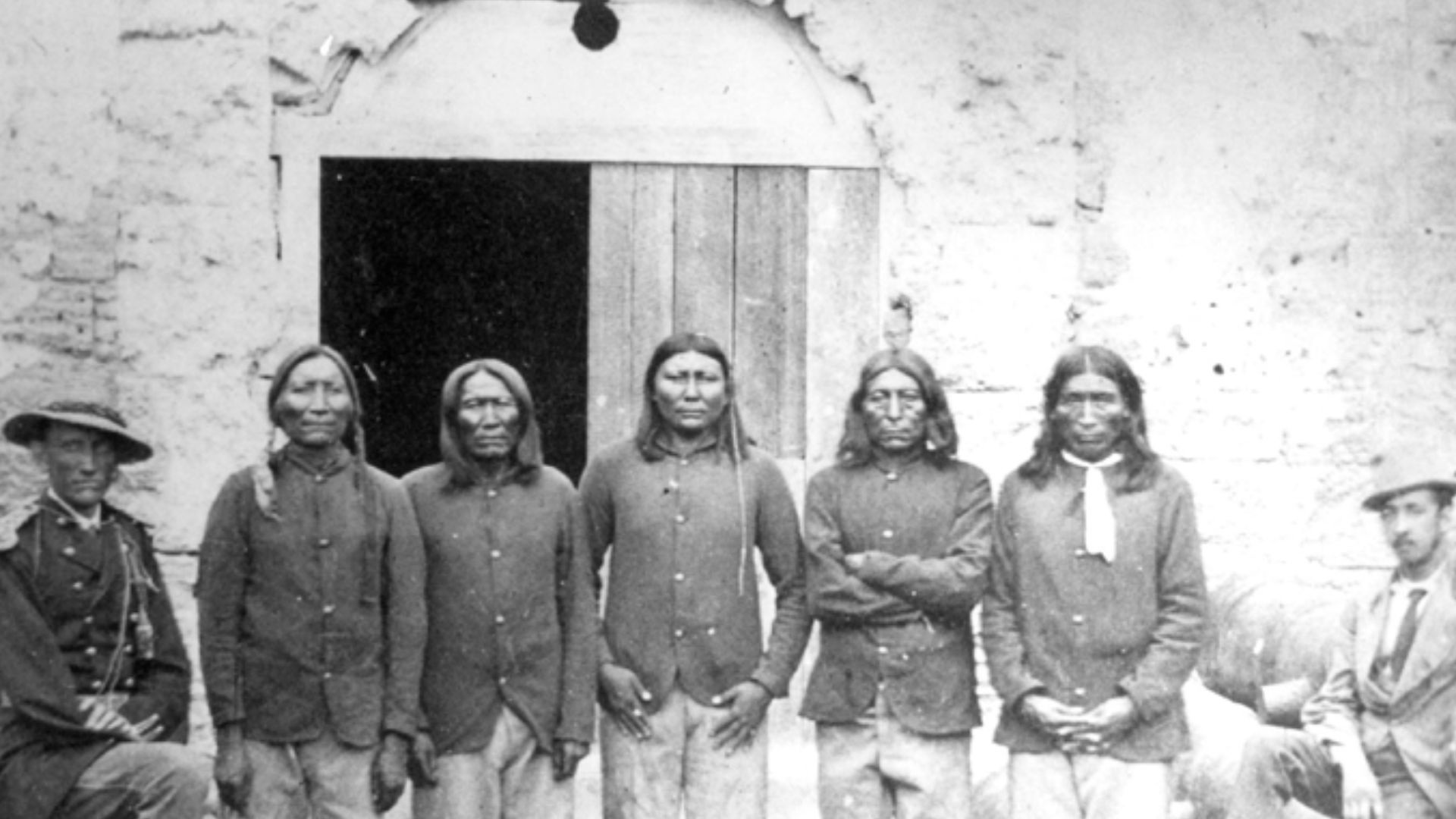 Unknown authorUnknown author, Wikimedia Commons
The Fall of the Buffalo
The mass slaughter of buffalo in the 1870s devastated Comanche life. Without buffalo, their economy and mobility collapsed faster than any battle could achieve.
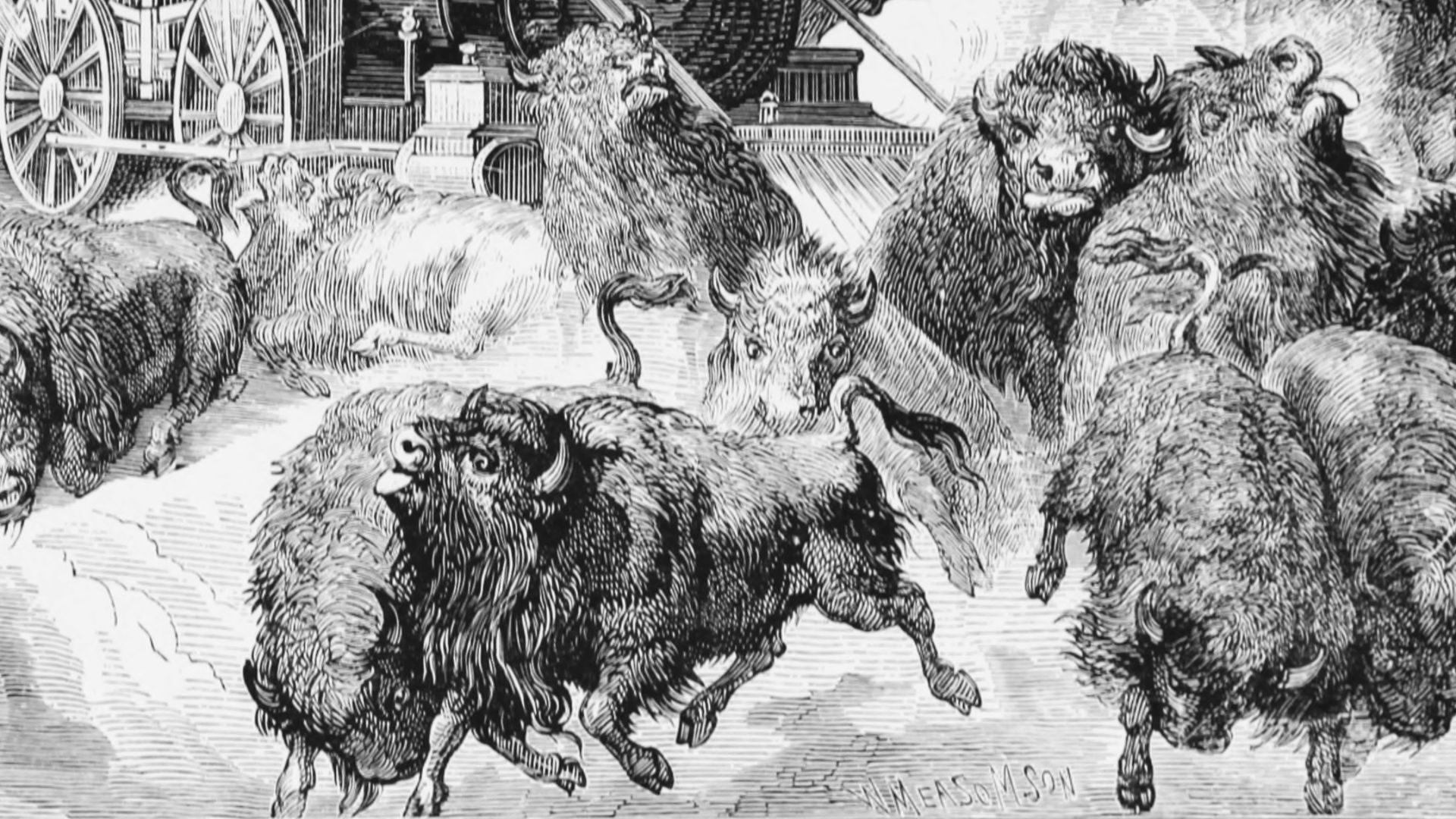 Hornaday, William T. (William Temple), 1854-1937 @ United States National Museum, Wikimedia Commons
Life After the Wars
Reservation life ended freedom but not identity. The Comanche adapted and preserved traditions. Quanah Parker later worked to protect his people within the new system.
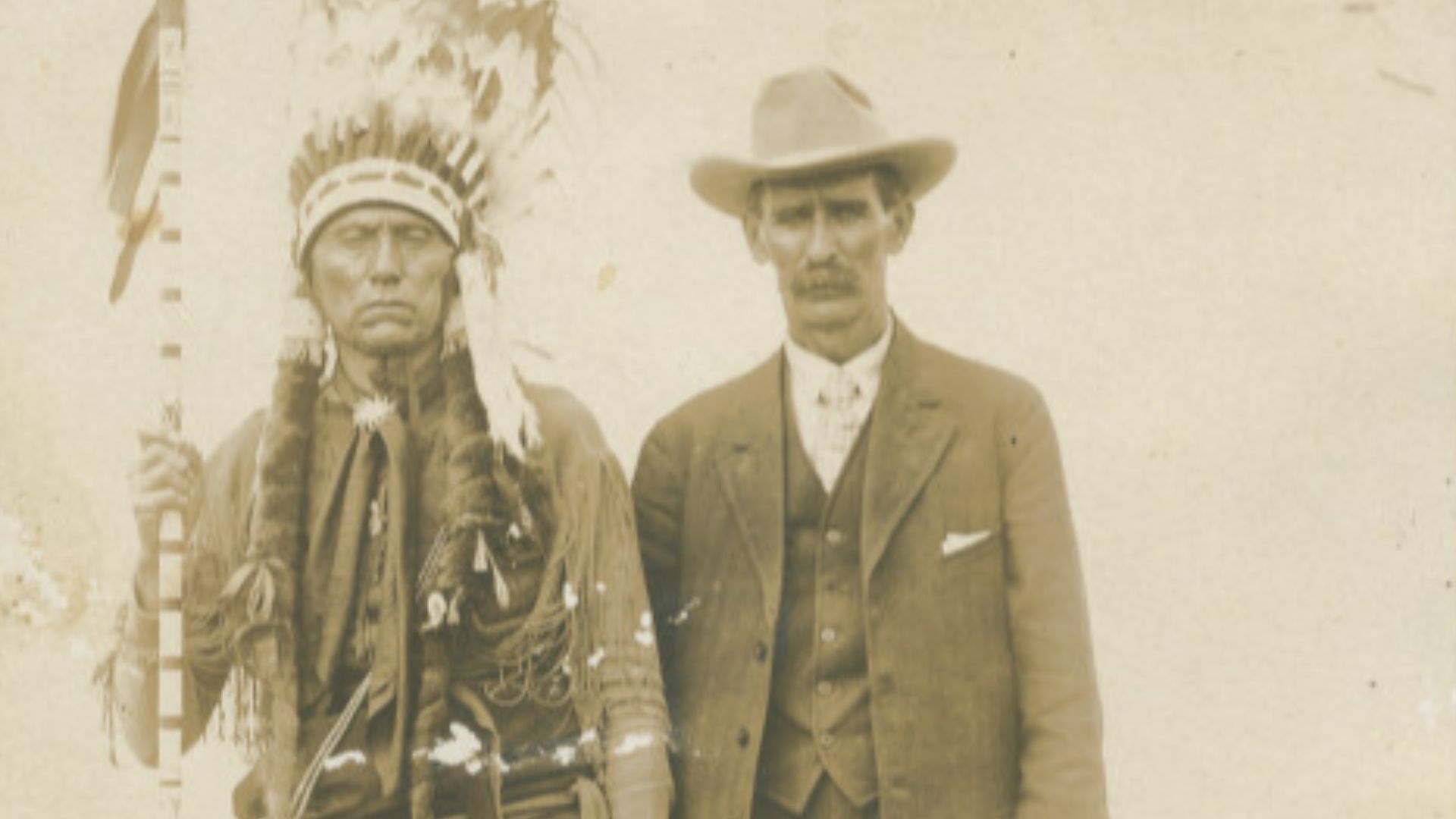 SMU Central University Libraries, Wikimedia Commons
Warriors Remembered
US generals later admitted the truth. The Comanche were the finest light cavalry fighters they had ever faced. Their tactics changed plains warfare forever.
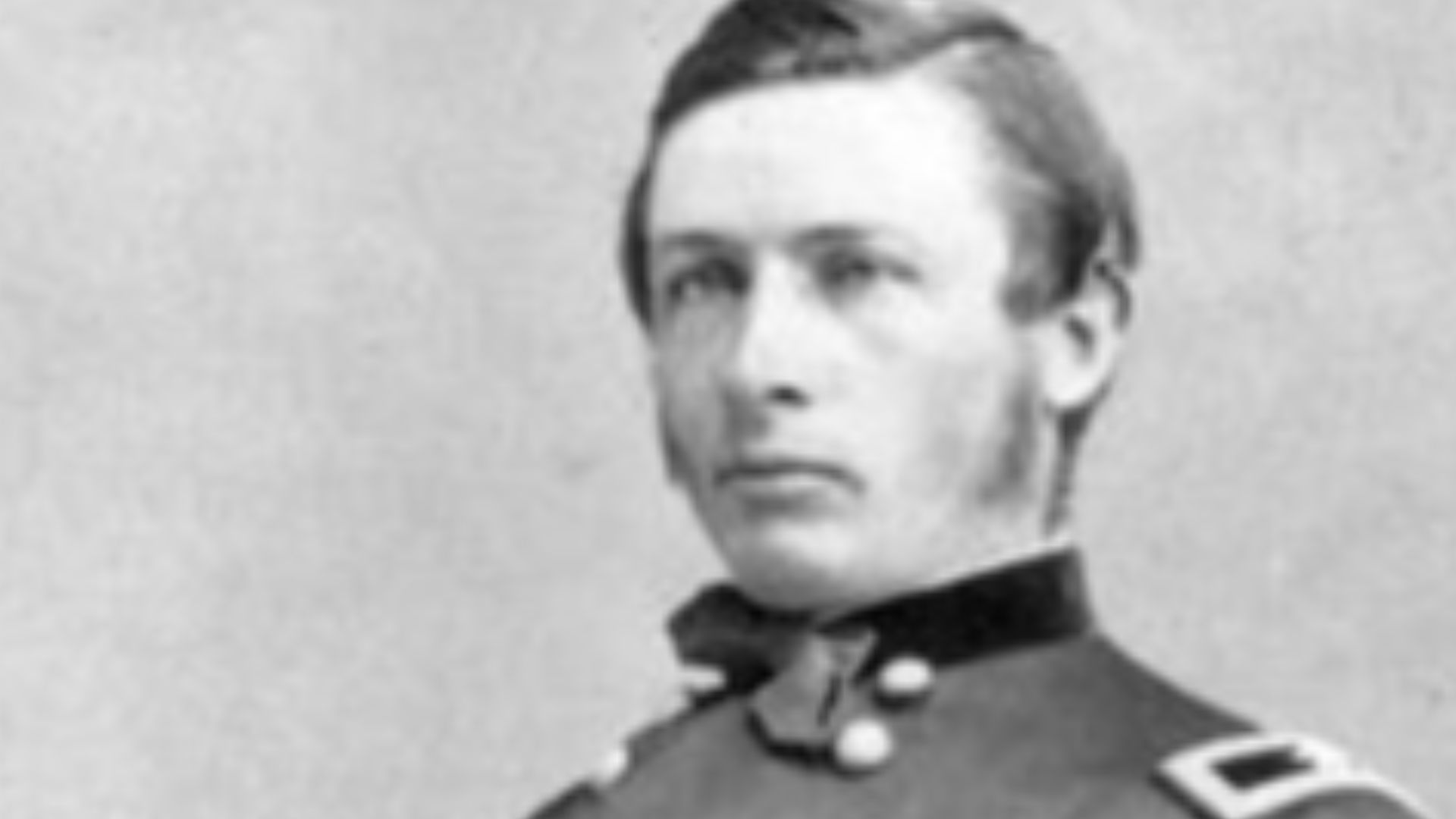
They Ruled the Plains
At their peak, the Comanche forced empires to adapt. For over a century, the southern plains belonged not to Spain, Mexico, or the United States, but to Comanche warriors.
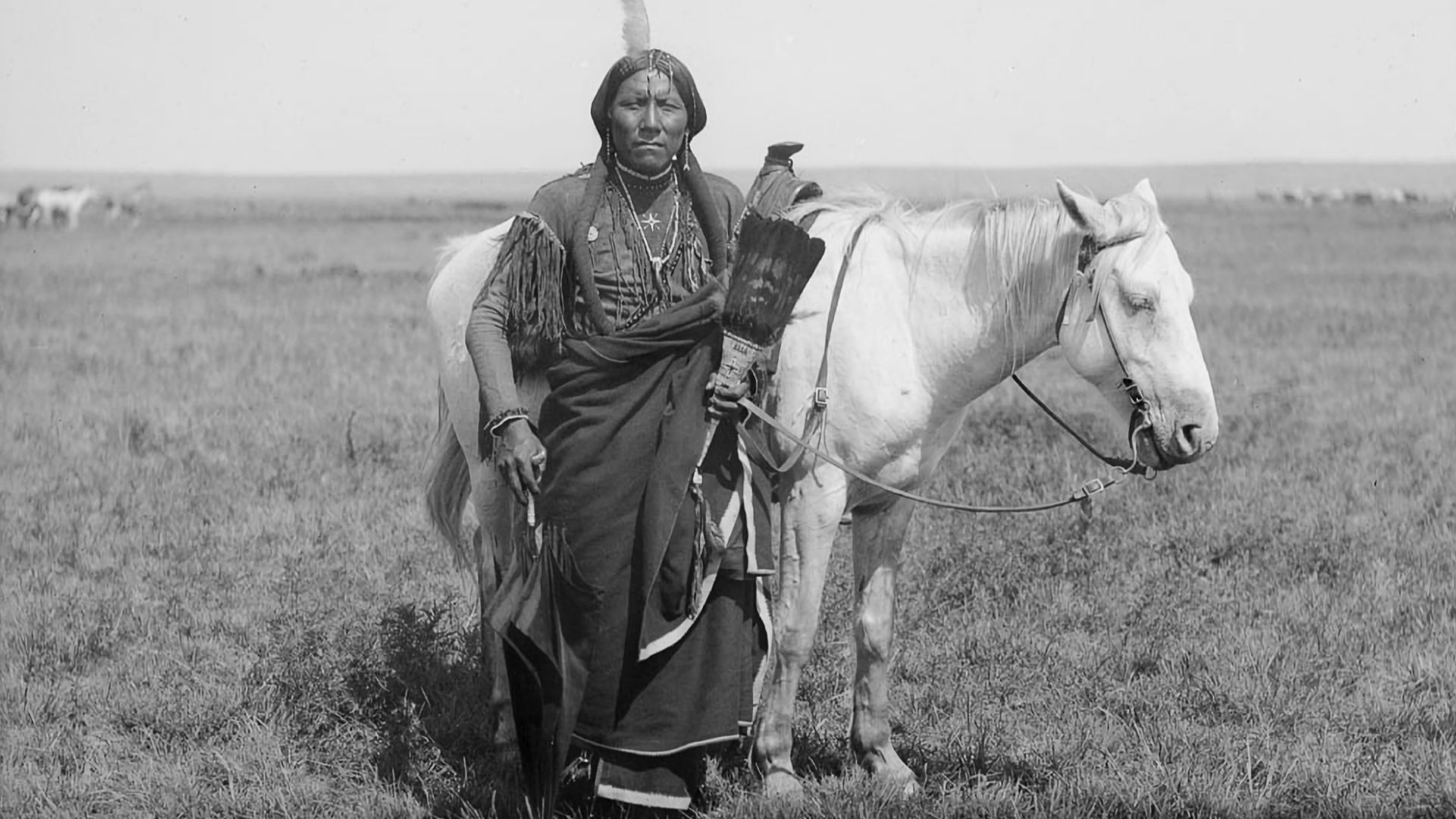 Unstated (Life time: Unknown), Wikimedia Commons
You May Also Like:
Photos Of The Ice-Dwelling People Who Harpoon Seals Through Breathing Holes
Photos Of The Sea People Who Breathe Like Fish And Live Without Land
The Jungle Tribe That Protects Themselves With Spears Dipped In Poison