A Storied Place On The Straits
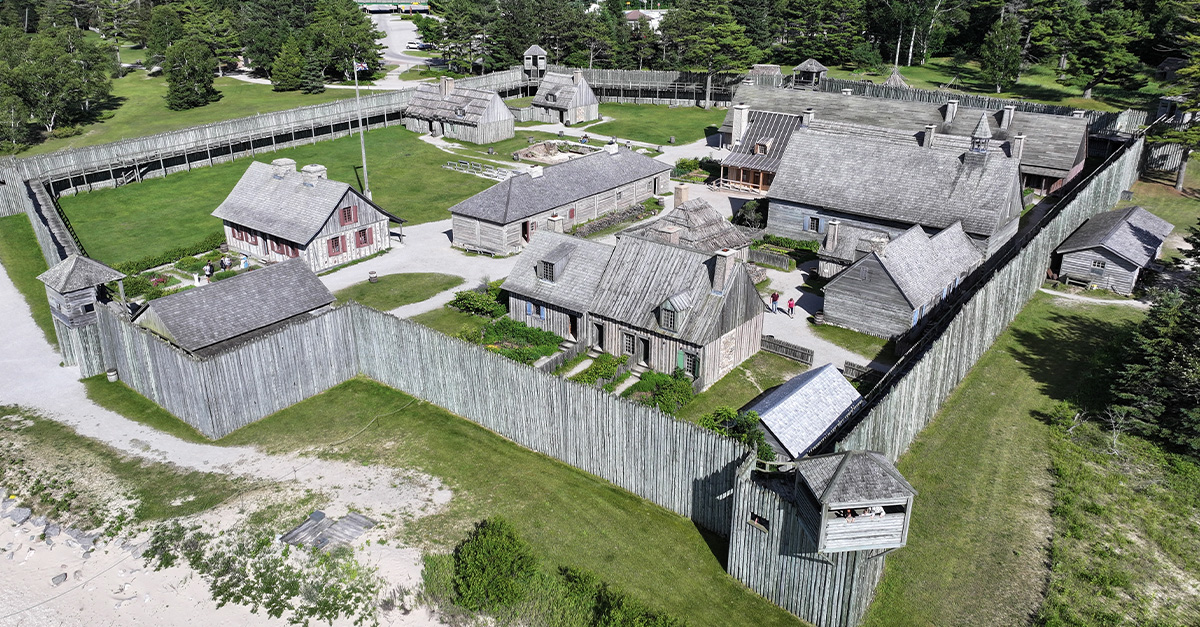
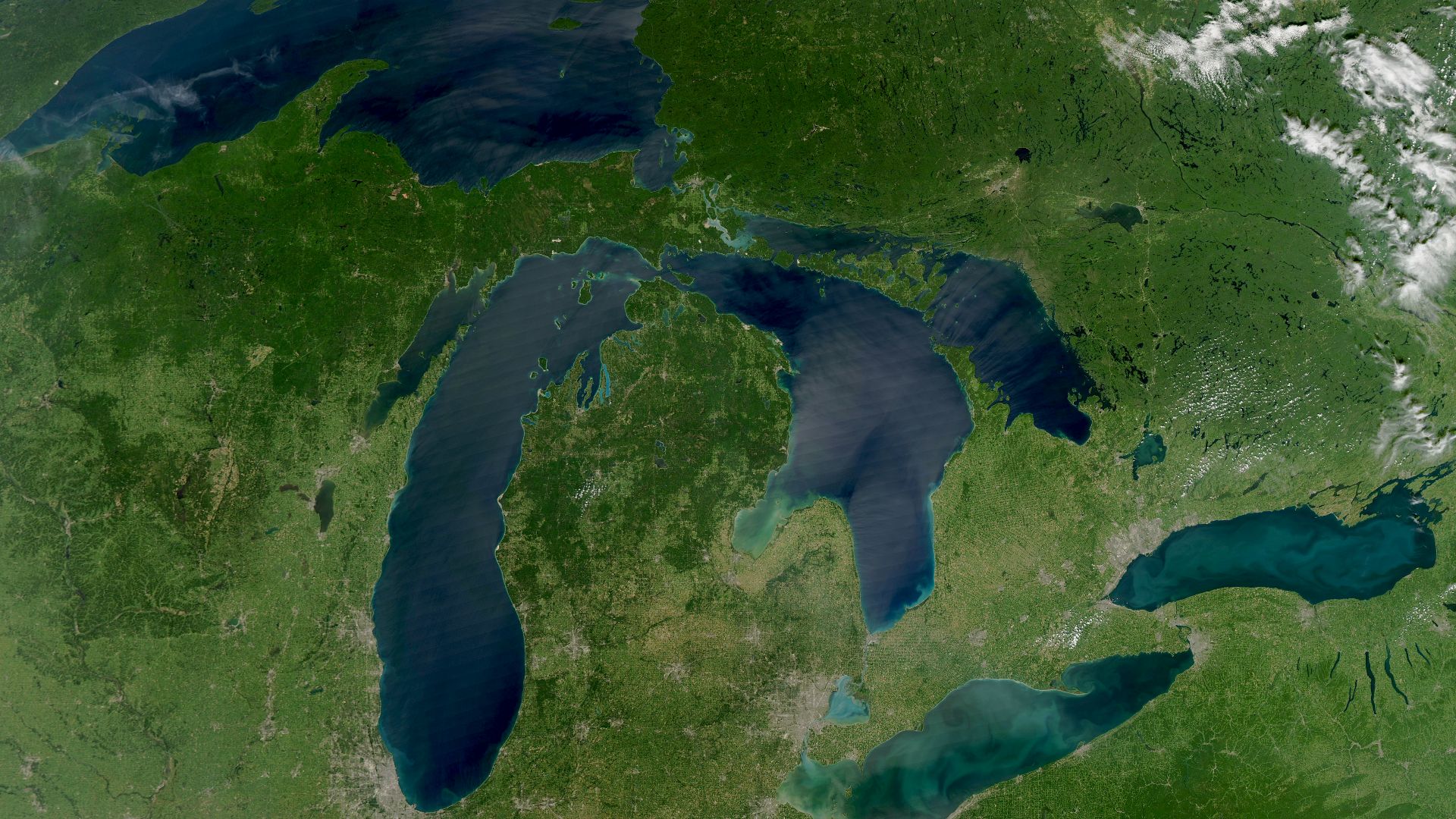
In the windswept north of Michigan, where Lake Michigan meets Lake Huron, lies a place that seems frozen in time — yet forever whispering stories from the 1700s. This was Fort Michilimackinac, a vibrant colonial hub where French voyageurs, British soldiers, Indigenous traders, and frontier families lived and worked together amid shifting alliances, cultural exchange, and the challenges of survival in a rugged wilderness.
Where History Meets Dirt
Long after the fort’s wooden palisades were abandoned, scholars would come to realize this was a place not lost — just buried. Beneath grassy fields and sandy soil lay physical traces of lives once lived, waiting patiently for trowels, brushes, and curious minds to uncover the forgotten details of a bustling frontier community.
A Dig That Never Truly Ends
What began as a summer excavation has become one of the United States’ longest-running archaeological projects — a project that archaeology lovers travel from across the world to watch in progress. Year after year, the dig continues to reshape how historians understand colonial life in the Great Lakes region.
More Than 40 Structures Unearthed
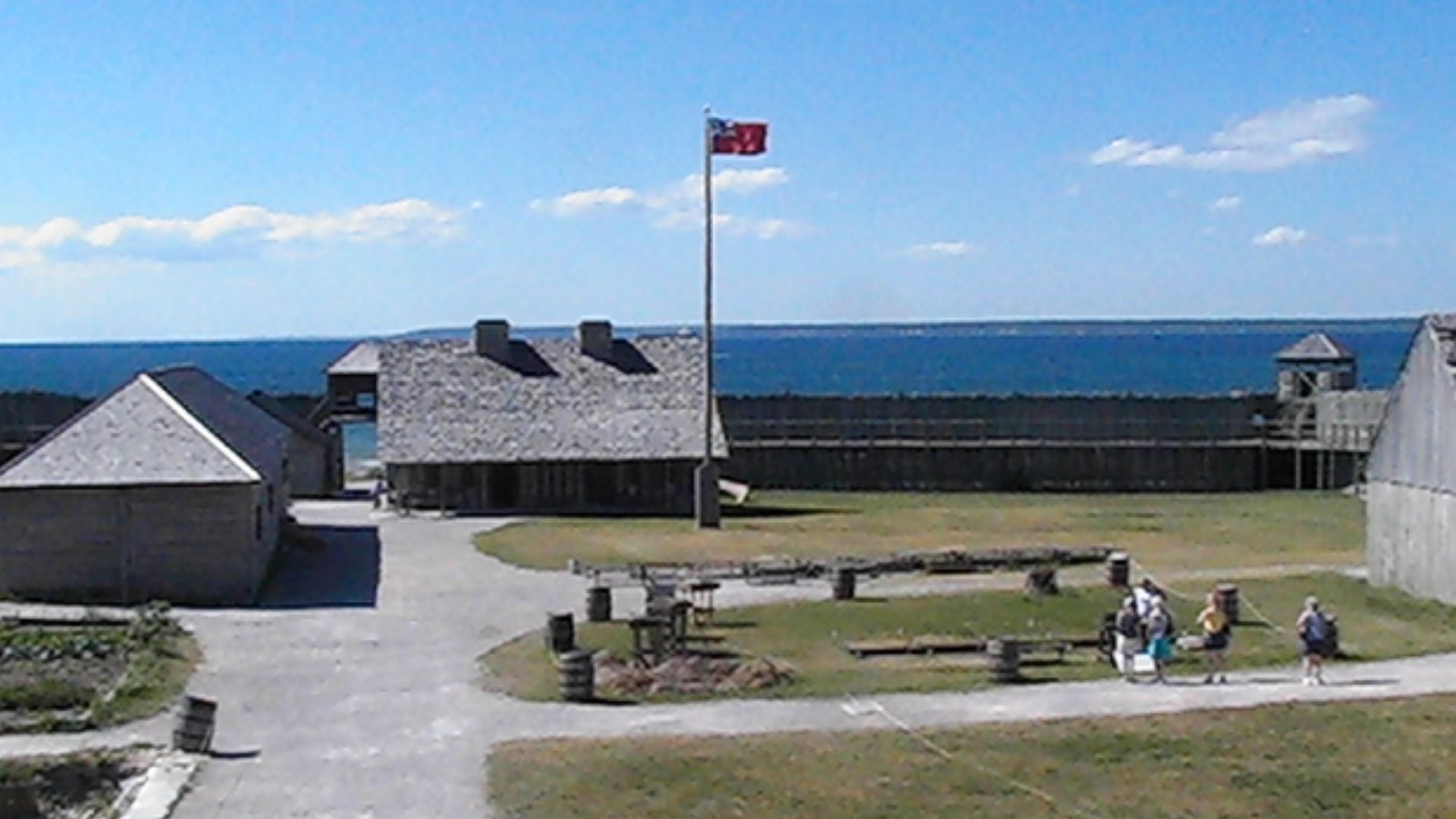
Inside the fort’s ancient walls, researchers have now excavated more than 40 structures, revealing the foundations of houses, workshops, storehouses, and living spaces that together tell a vivid story of everyday life in the 18th century, from dawn chores to nighttime routines.
 Galteglise at English Wikipedia, Wikimedia Commons
Walking Where Soldiers Once Walked
Each structure — whether a soldier’s quarters or a merchant’s home — gives a physical shape to the lives of people who arrived here from Europe and Africa, as well as Indigenous people who had traded in this region for generations before the fort was ever built.
Lost And Found
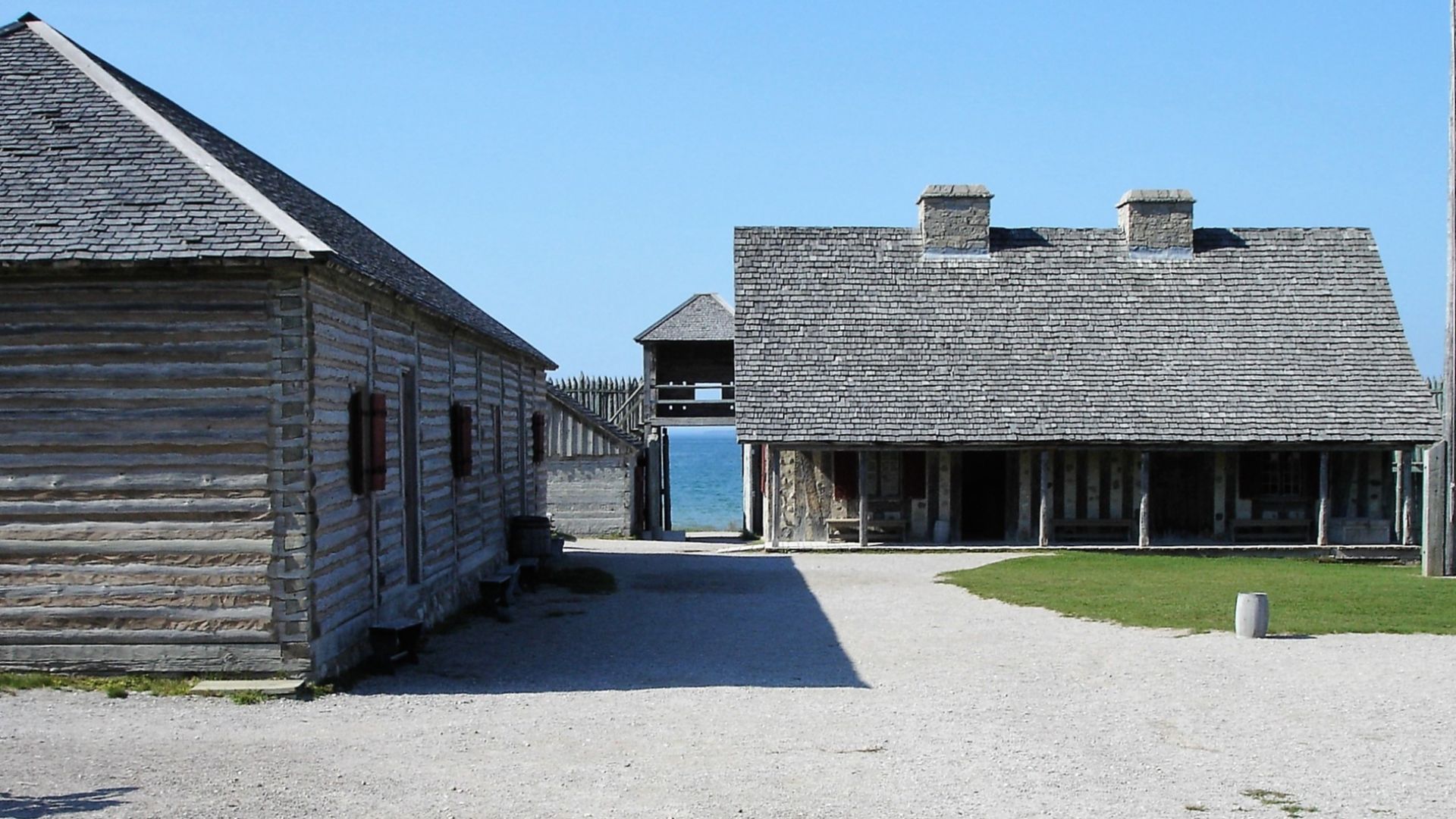
These structures are not just foundations — they are keys to understanding the rhythms of life: cooking meals, trading goods, sleeping through harsh winters, raising families, and even mourning the dead. Every beam stain and posthole tells a personal story.
A French Beginning
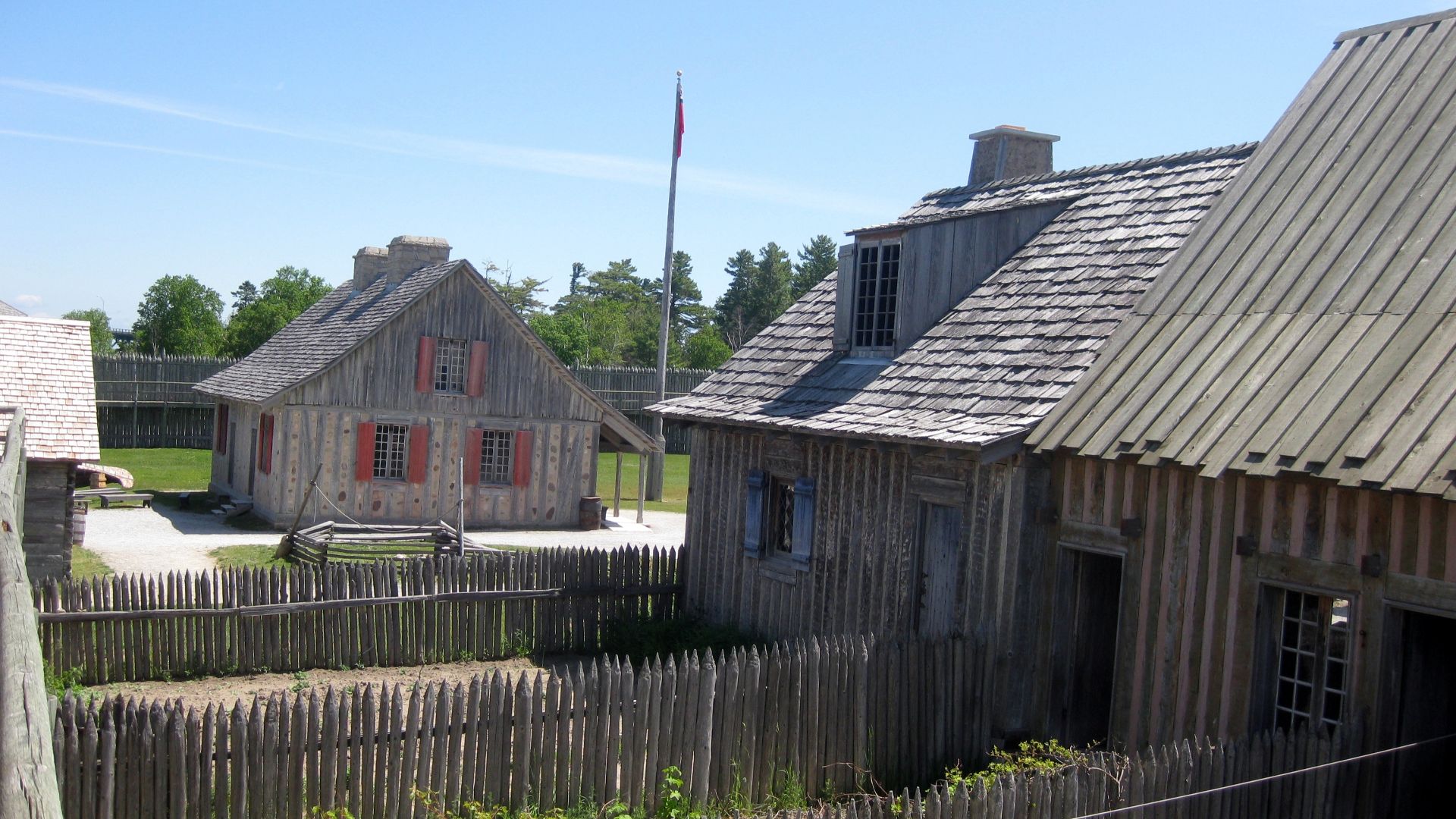
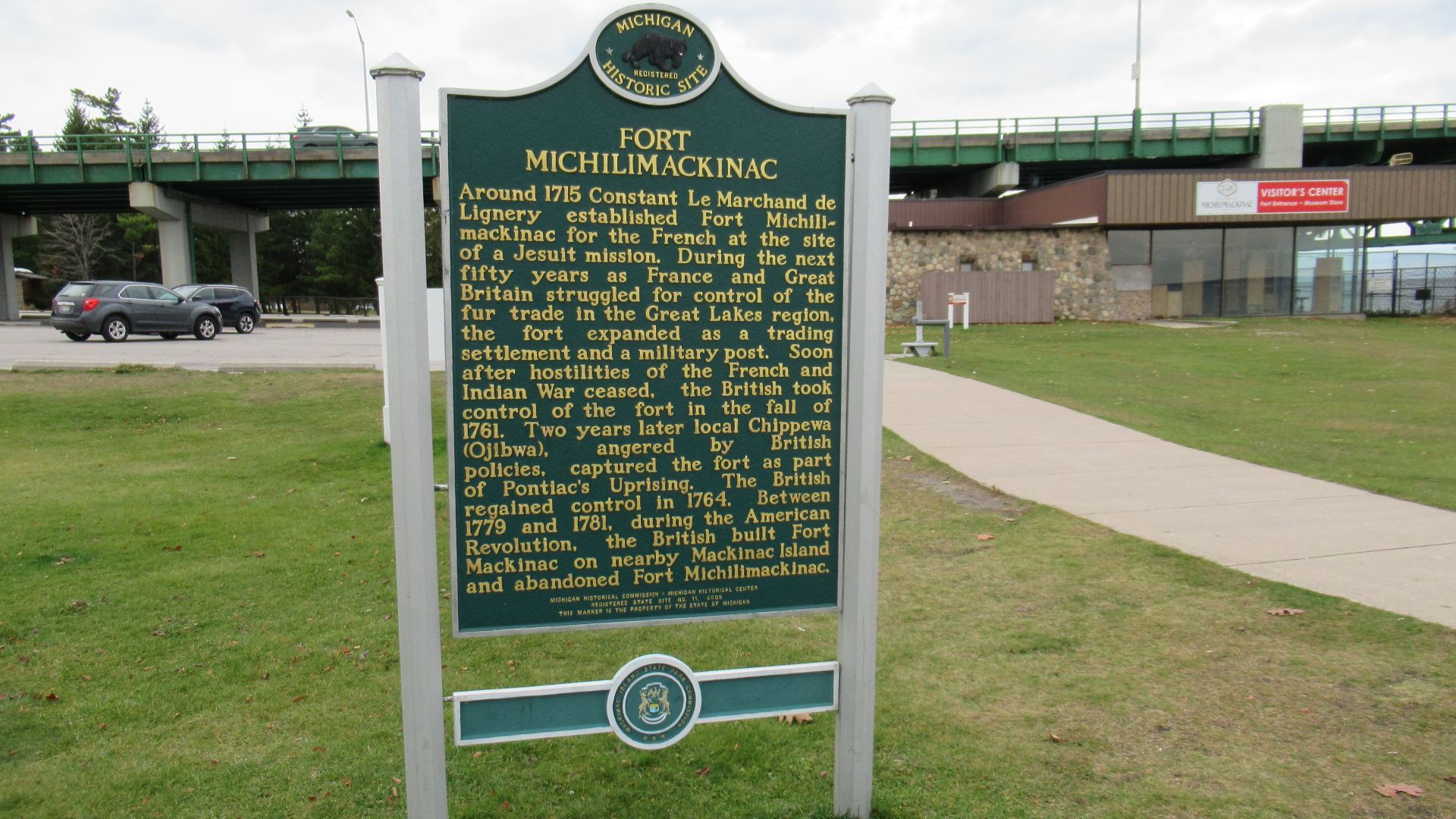
Fort Michilimackinac was first built by the French around 1715 to control the fur trade and the vital water routes of the Great Lakes. Its location allowed France to dominate regional commerce while strengthening alliances with Indigenous trading partners.
A British Turn
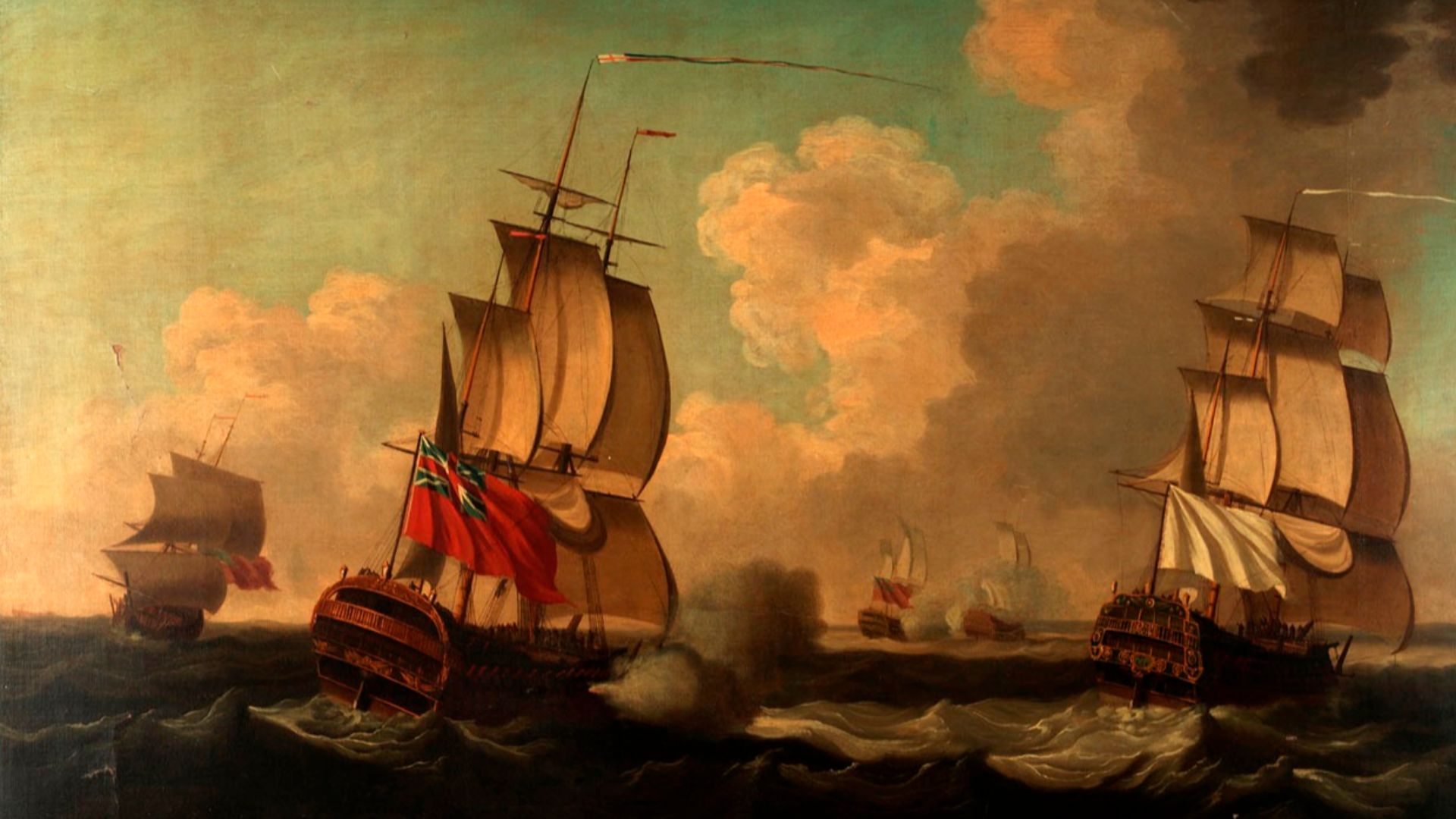
After the French lost the French and Indian War, the British took over the fort in 1761 and maintained it as a trading and military post — a crucial linchpin in the vast colonial network stretching across North America’s interior.
Life On The Frontier
For those who lived here, life was unpredictable and bright with possibility — marked by trade opportunities, cultural blending, sudden violence, harsh winters, and moments of joy. The soil still holds the echo of every footstep, conversation, and shared meal.
 TracieMichelle, Wikimedia Commons
The Dig Begins
In the late 1950s, authorities knew people once lived here — but they didn’t know how many, how densely packed the fort had been, or how much physical evidence remained. What archaeologists uncovered would exceed even their most optimistic expectations.
 sylvia duckworth, Wikimedia Commons
Summer After Summer
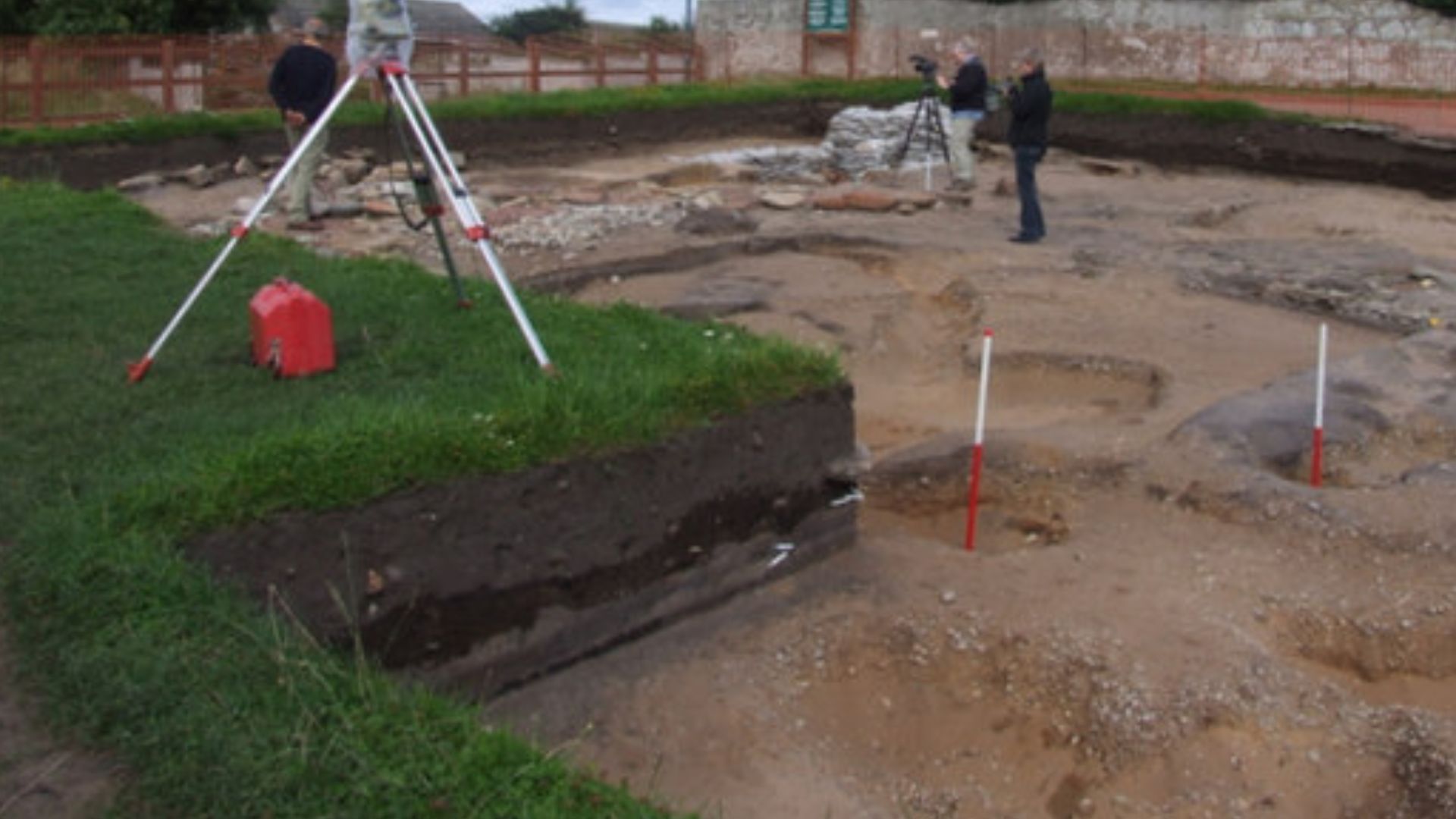
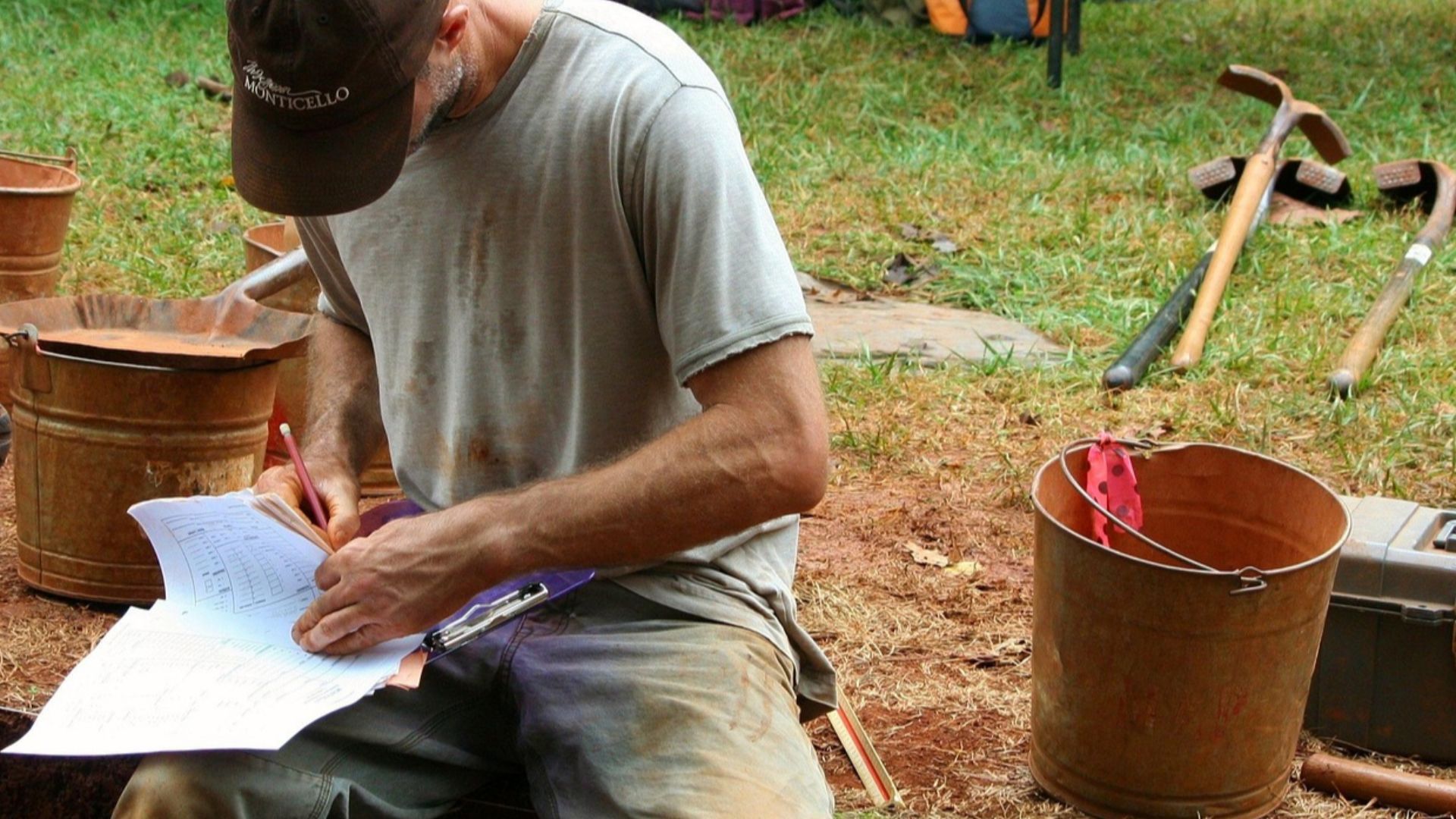
For more than six decades, archaeologists and volunteers have returned each summer to wash, sift, map, and record the fort’s hidden history under open skies. Each season adds new data, new artifacts, and fresh insights into frontier life.
Expertise And Enthusiasm
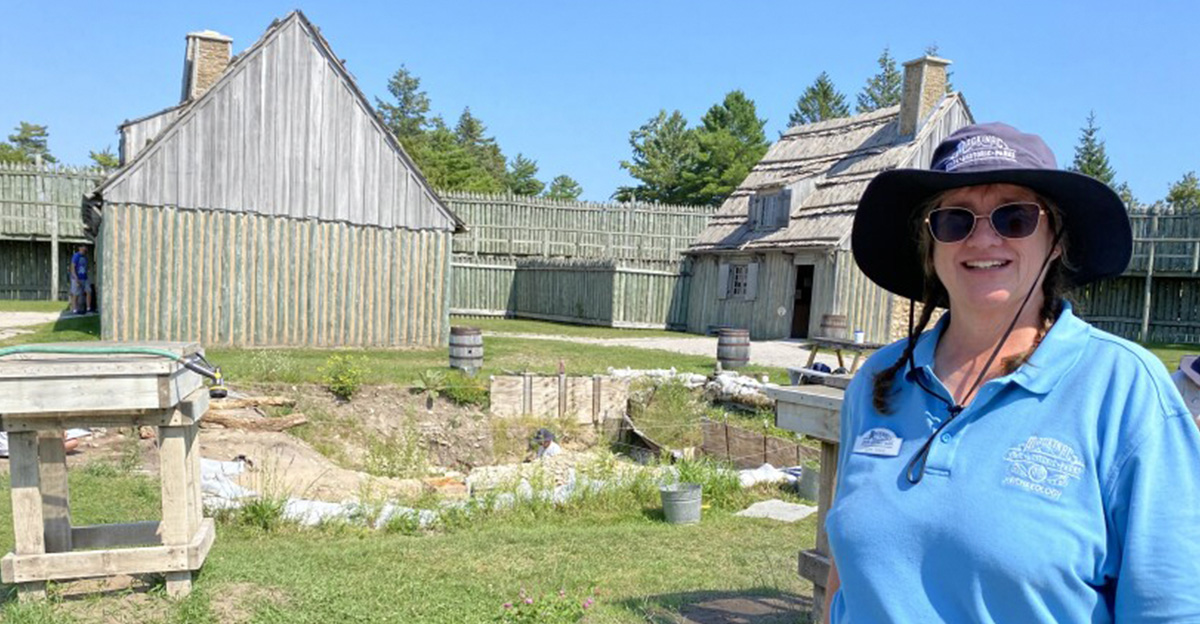
From university scholars to local volunteers, the excavation team combines scientific rigor with genuine excitement for discovery. Their work is meticulous, but their enthusiasm is contagious — especially for visitors who witness history emerging from the ground in real time.
 TracieMichelle, Wikimedia Commons
Houses Anywhere You Look
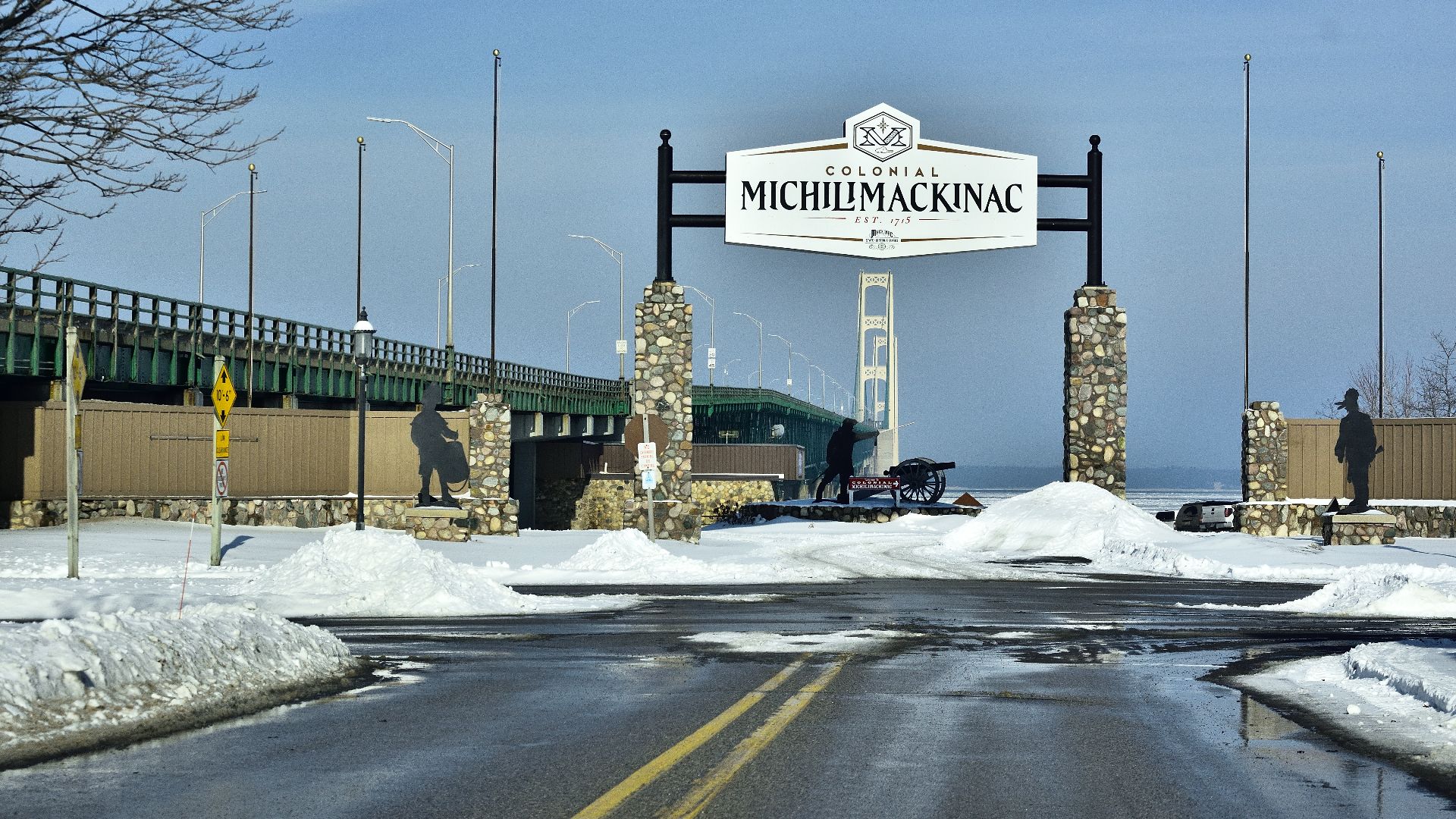
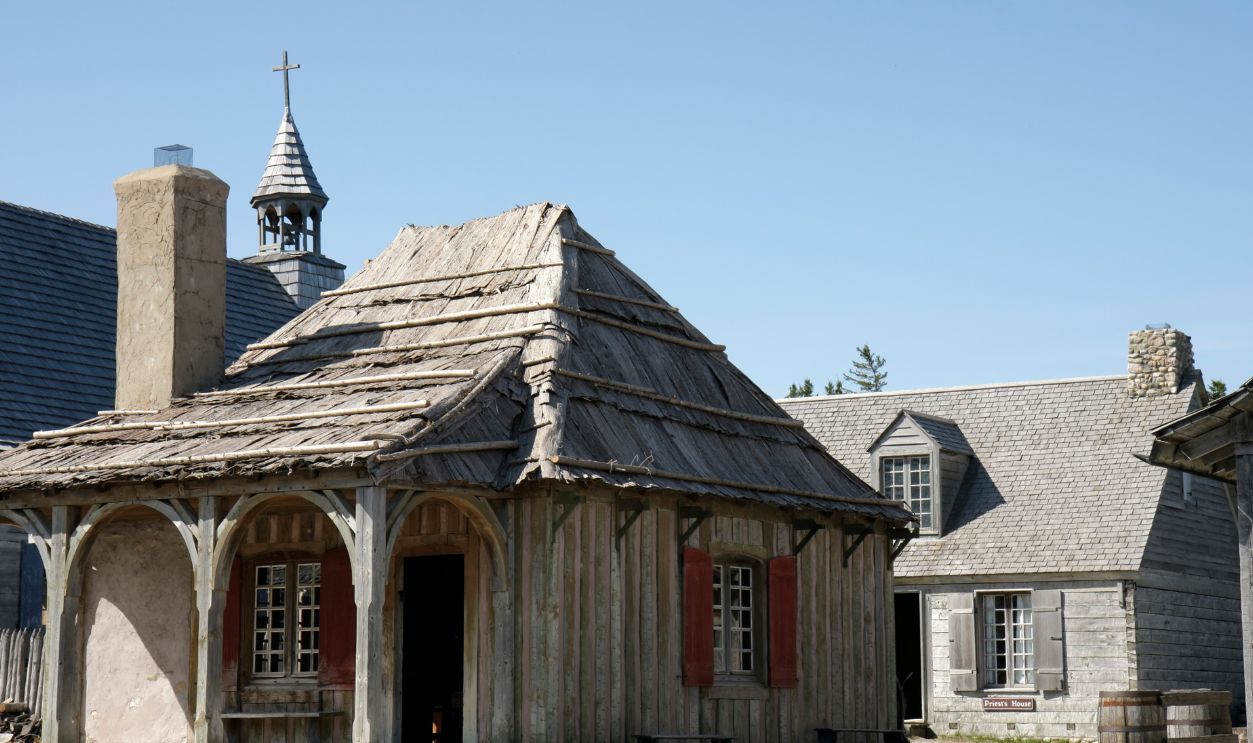
Inside the fort walls, evidence now shows that at least 40 houses once stood, arranged in orderly rows that reflected military discipline and social organization. These homes formed a tight-knit community where neighbors lived only steps apart.
Life Beyond The Walls
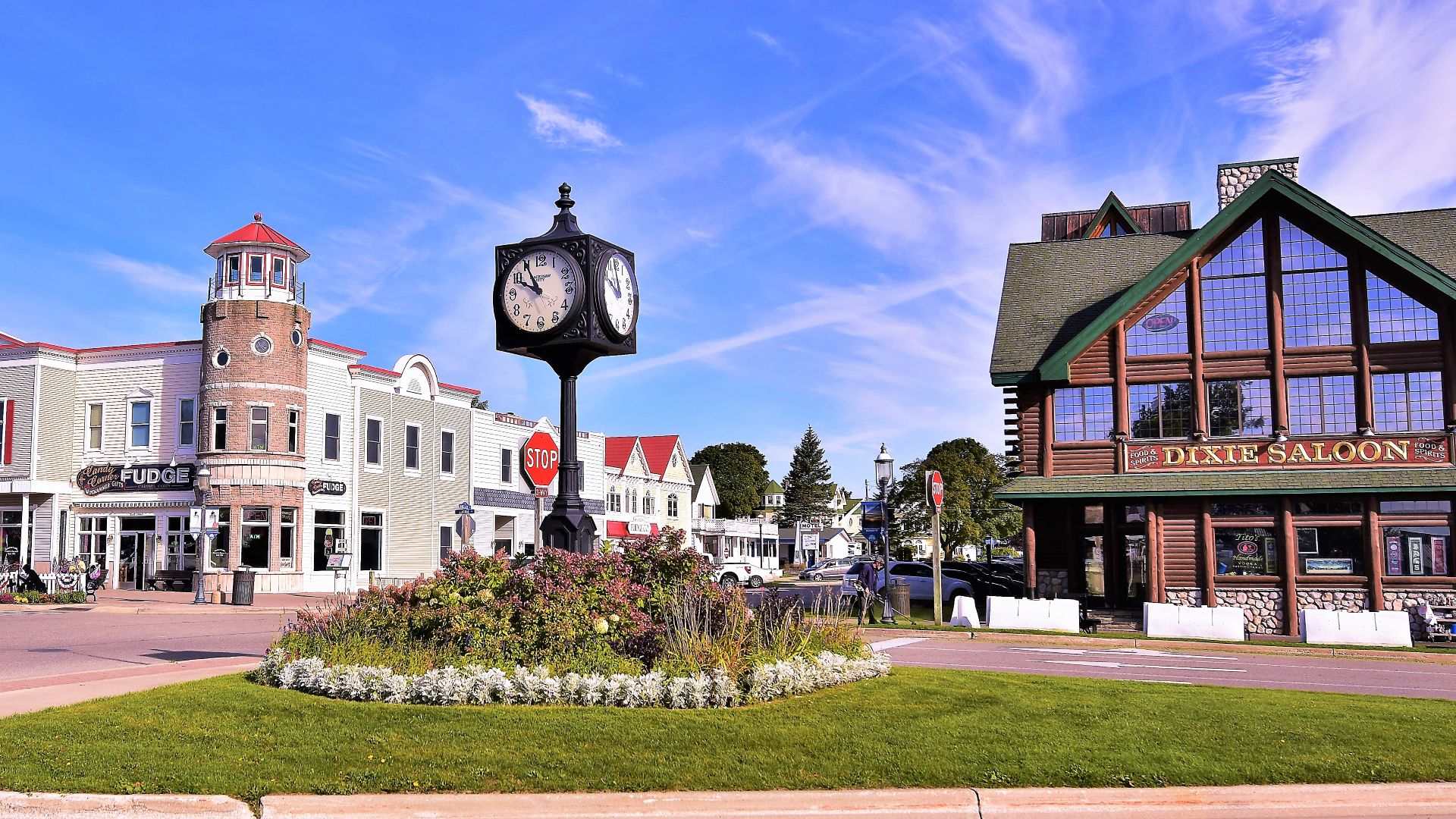
And that’s not all: outside the fort walls, archaeologists believe another estimated 100 houses once lined the lakeshore, creating a bustling civilian settlement. This surrounding community reveals that Michilimackinac was far more than a simple military outpost.
 Detroit Lions Super Bowl Champs, Wikimedia Commons
Who Lived Here?
From uniformed soldiers and fur traders to craftspeople, laborers, women, children, and mixed-heritage families, the fort was a diverse and dynamic place. Archaeology shows that daily life here blended military order with domestic routine.
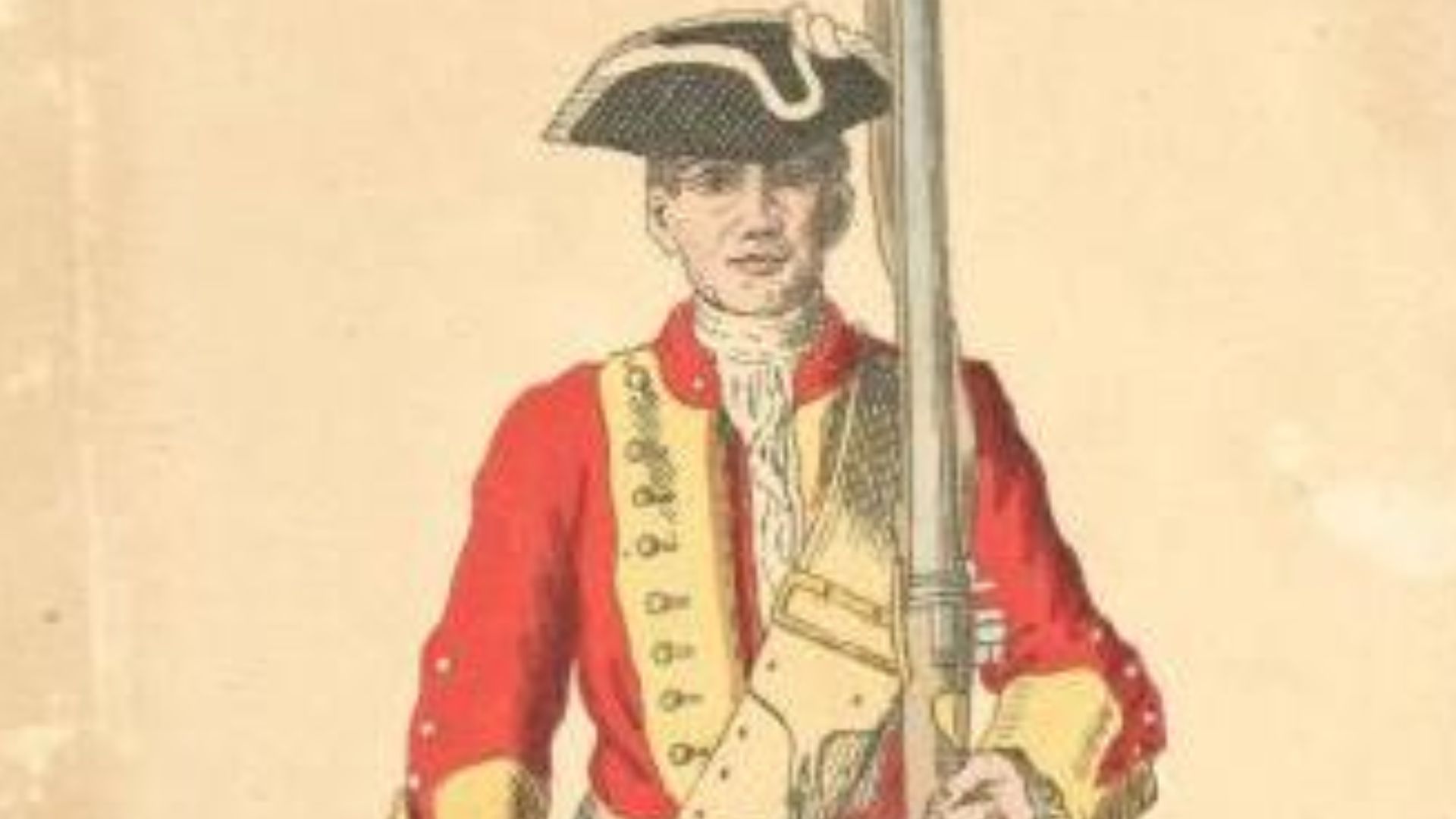 Unknown authorUnknown author, Wikimedia Commons
The Archaeology Of Daily Life
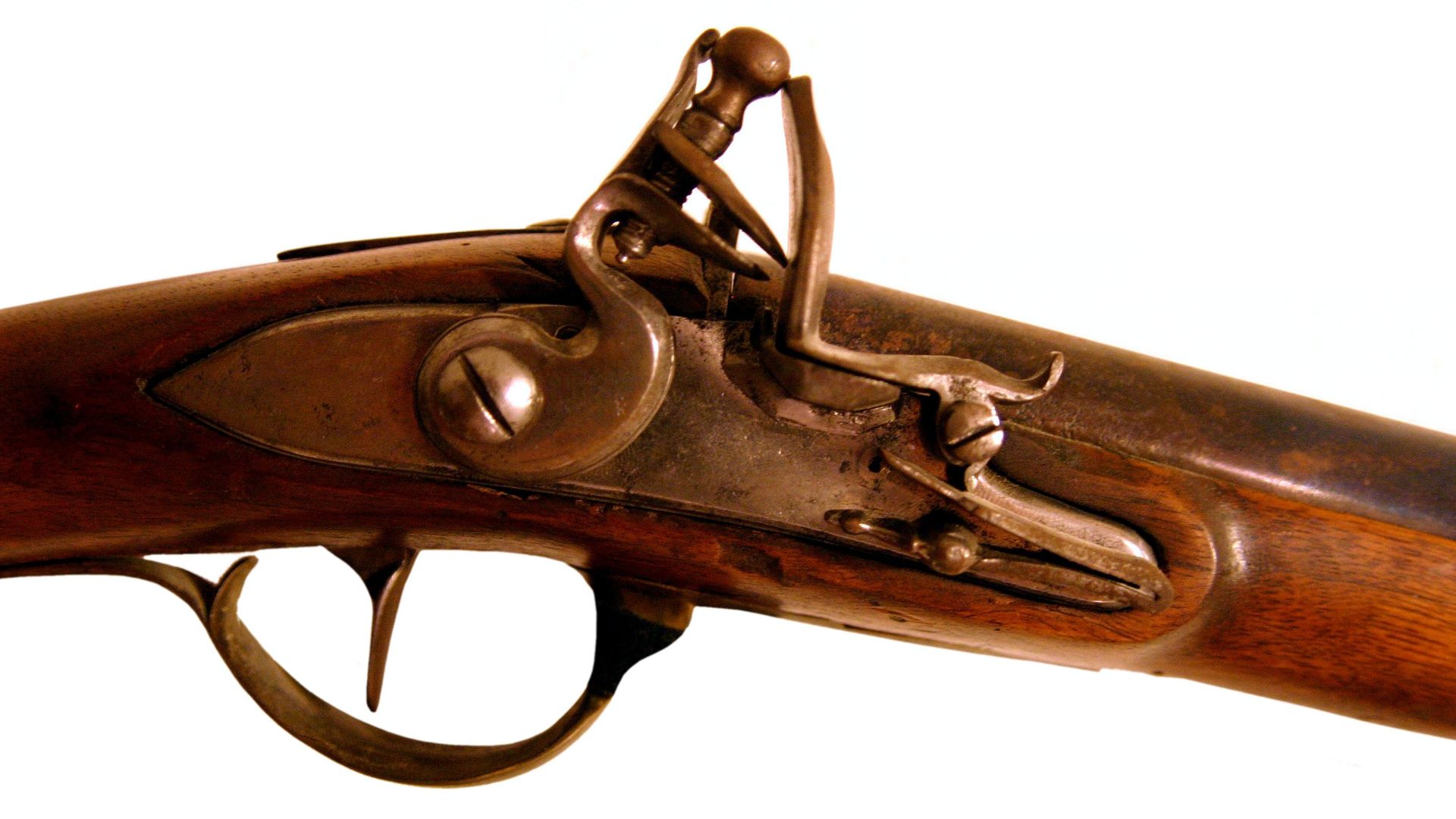
A spoon fragment. A gunflint. A bead from a necklace. These tiny items, plucked carefully from the soil, provide intimate snapshots of work, leisure, faith, and survival on the edge of empire.
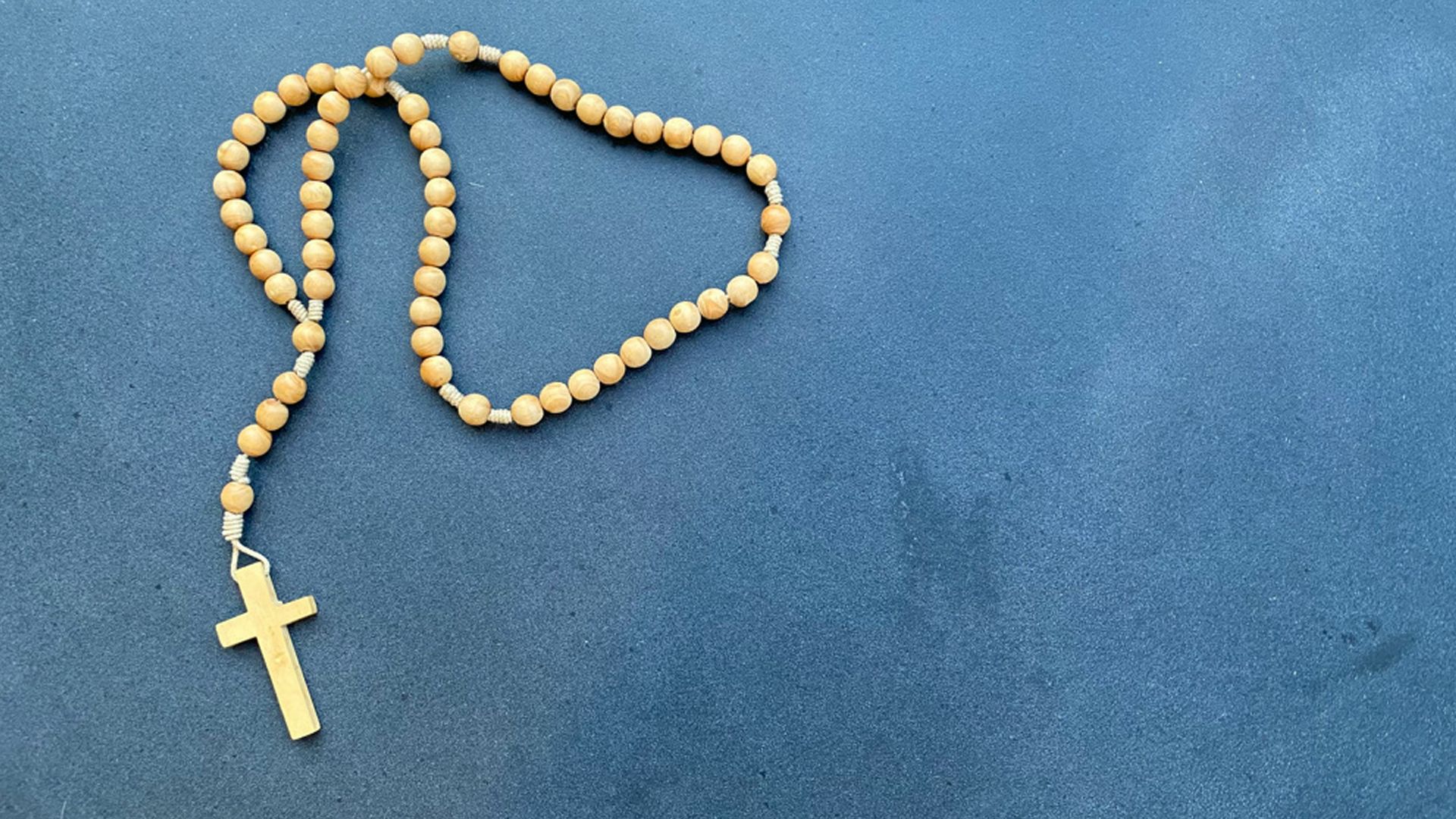
A Rosary And More
One of the most emotionally resonant discoveries in recent years was a rosary, unearthed intact. Such personal objects remind archaeologists that the fort was not just strategic — it was deeply human, shaped by belief, comfort, and private devotion.
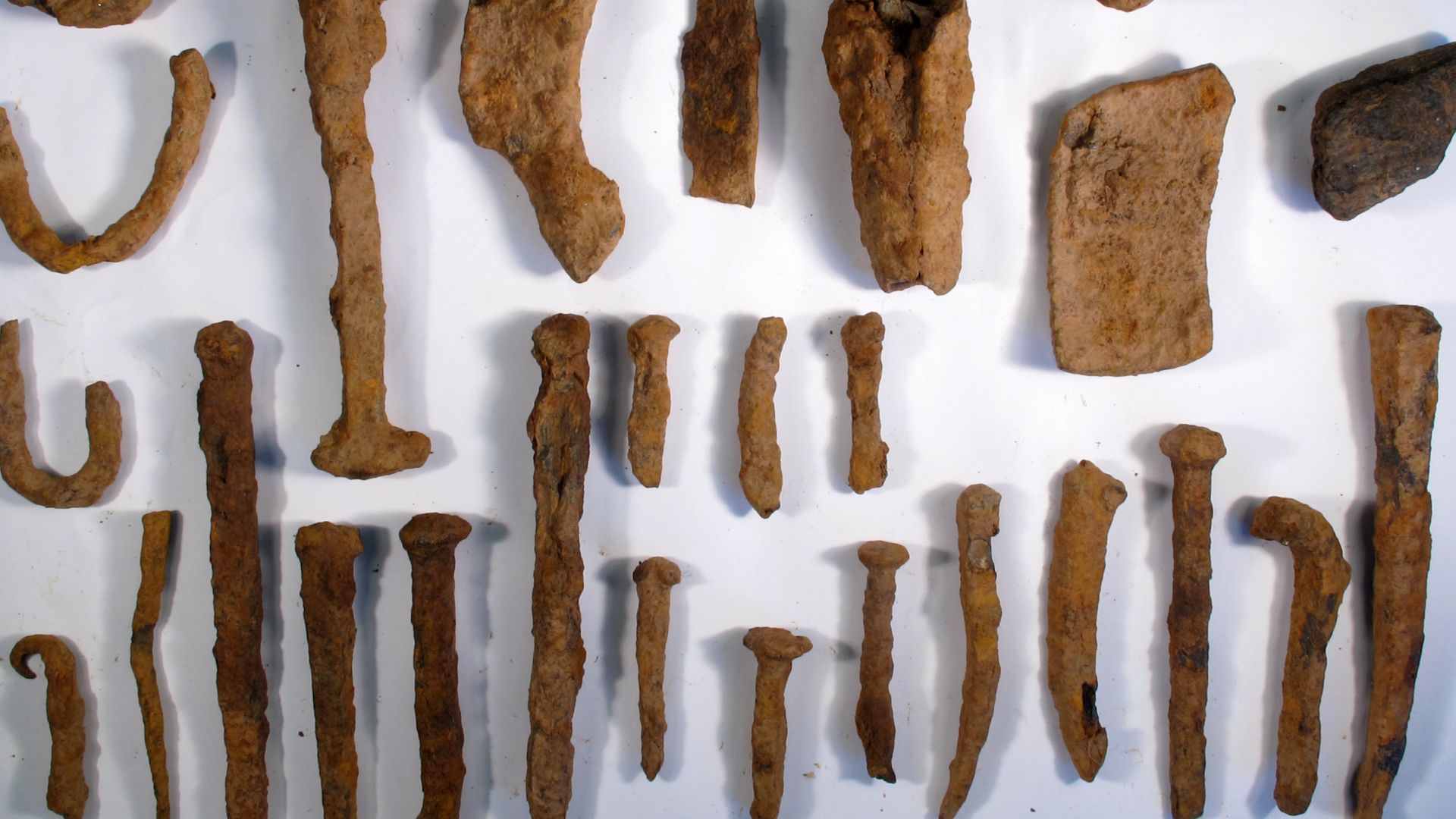
Everyday Tools
Ceramics, iron tools, children’s toys, buttons, coins, and even food remains help researchers reconstruct what people ate, how they worked, and how wealth and status varied across the fort’s population.
 Birmingham Museums Trust, Victoria Allnatt, 2015-04-28 12:22:55, Wikimedia Commons
Architecture Unearthed
Excavations have identified a wide range of building types, including storehouses, barracks, workshops, guardhouses, latrines, powder magazines, officer’s quarters, and multi-family rowhouses. Together, they reveal a carefully planned colonial settlement.
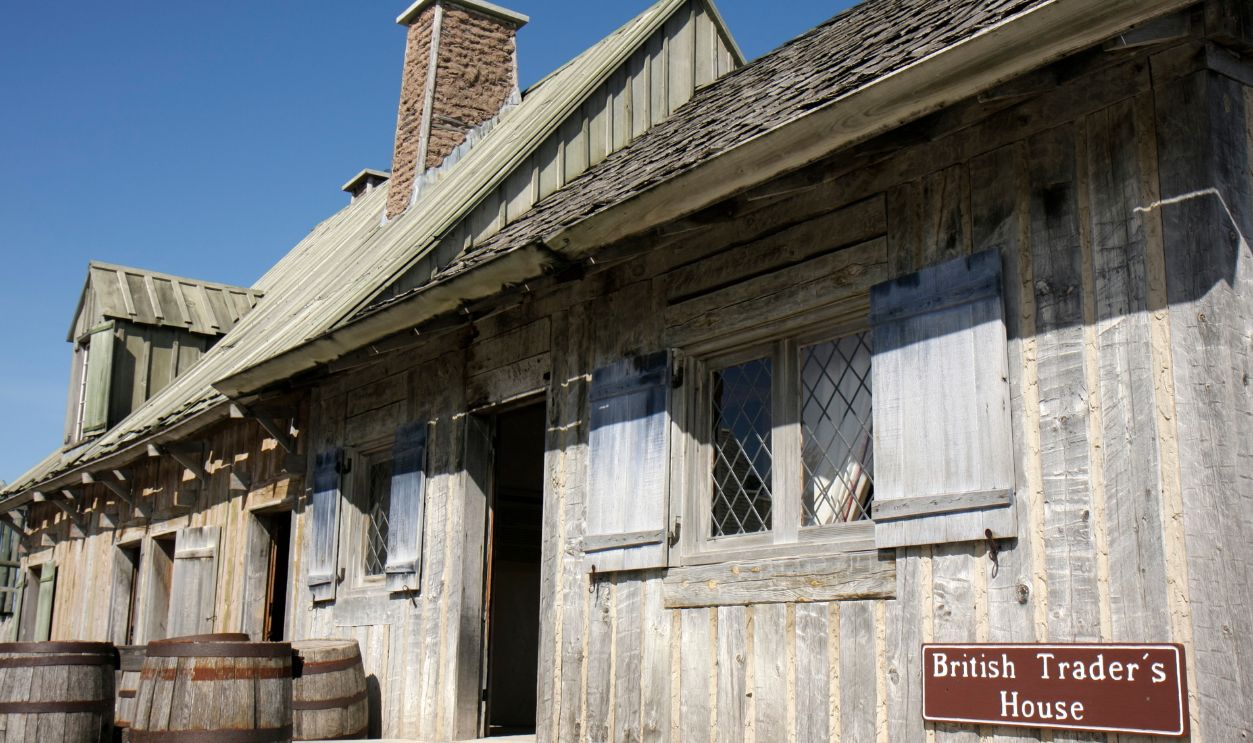
Reconstruction
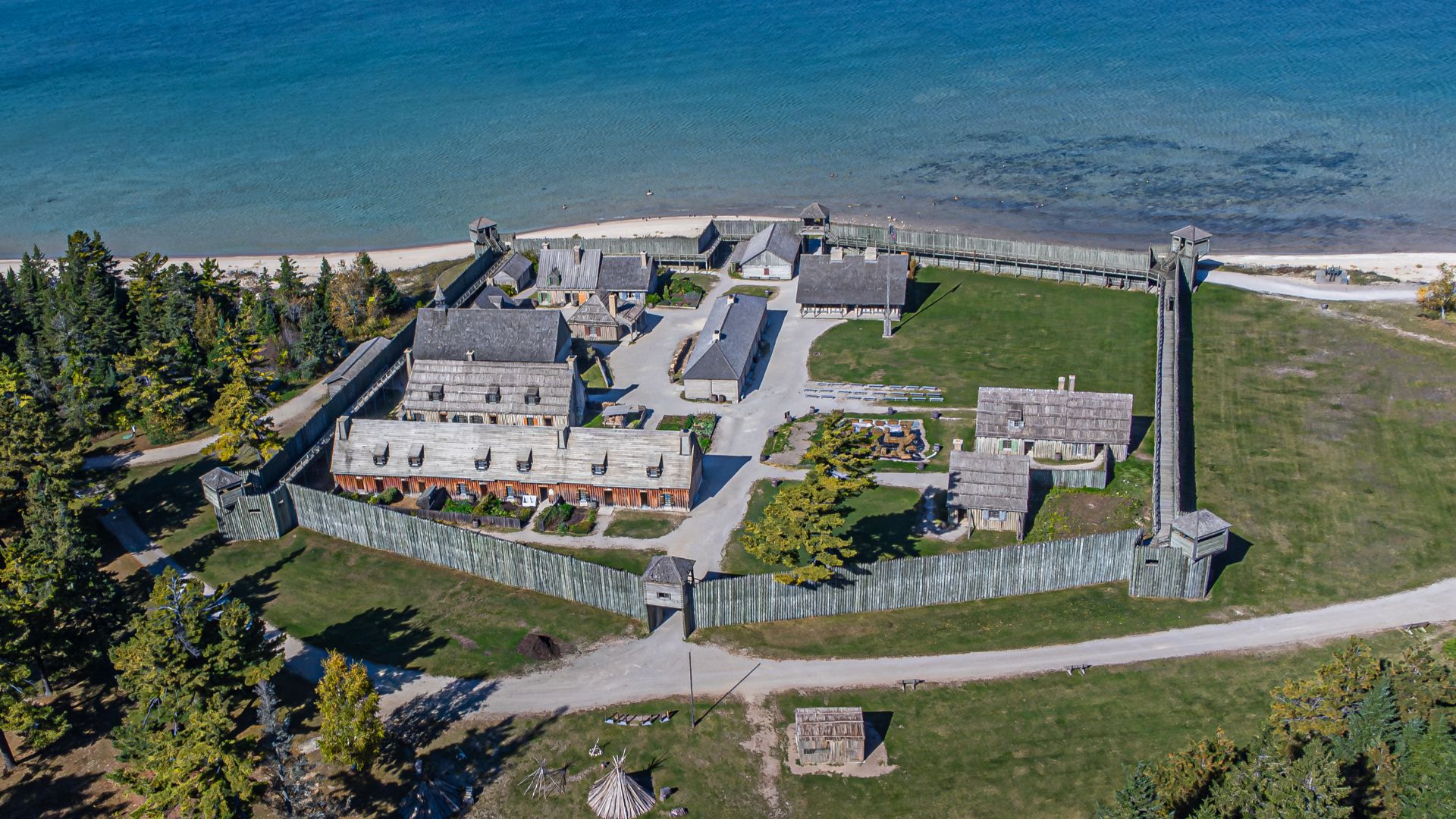
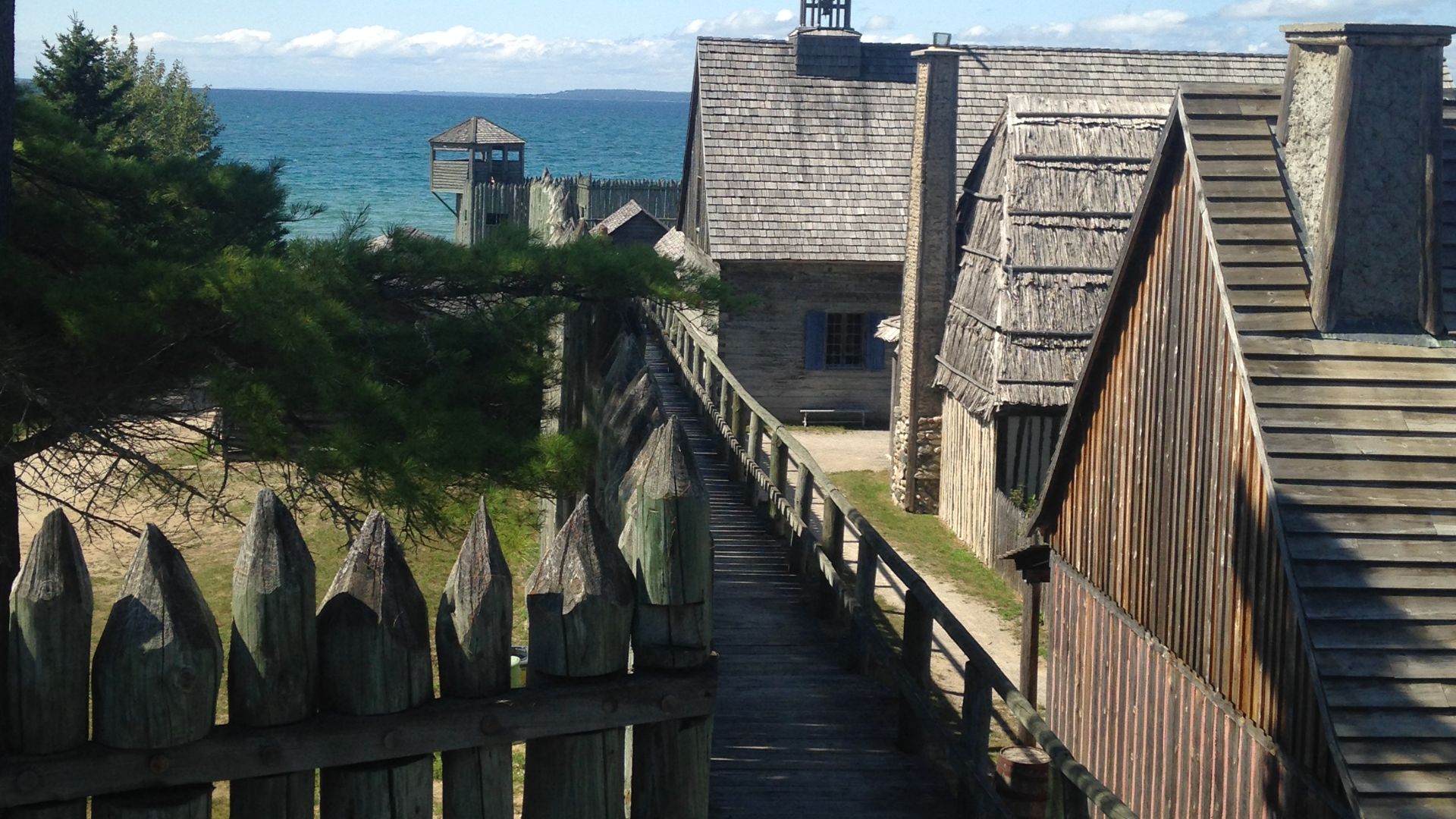
Archaeologists don’t just dig — they rebuild. Using excavation data, historical records, and architectural analysis, about 65 percent of the fort’s interior structures have been reconstructed, allowing visitors to physically experience the colonial landscape.
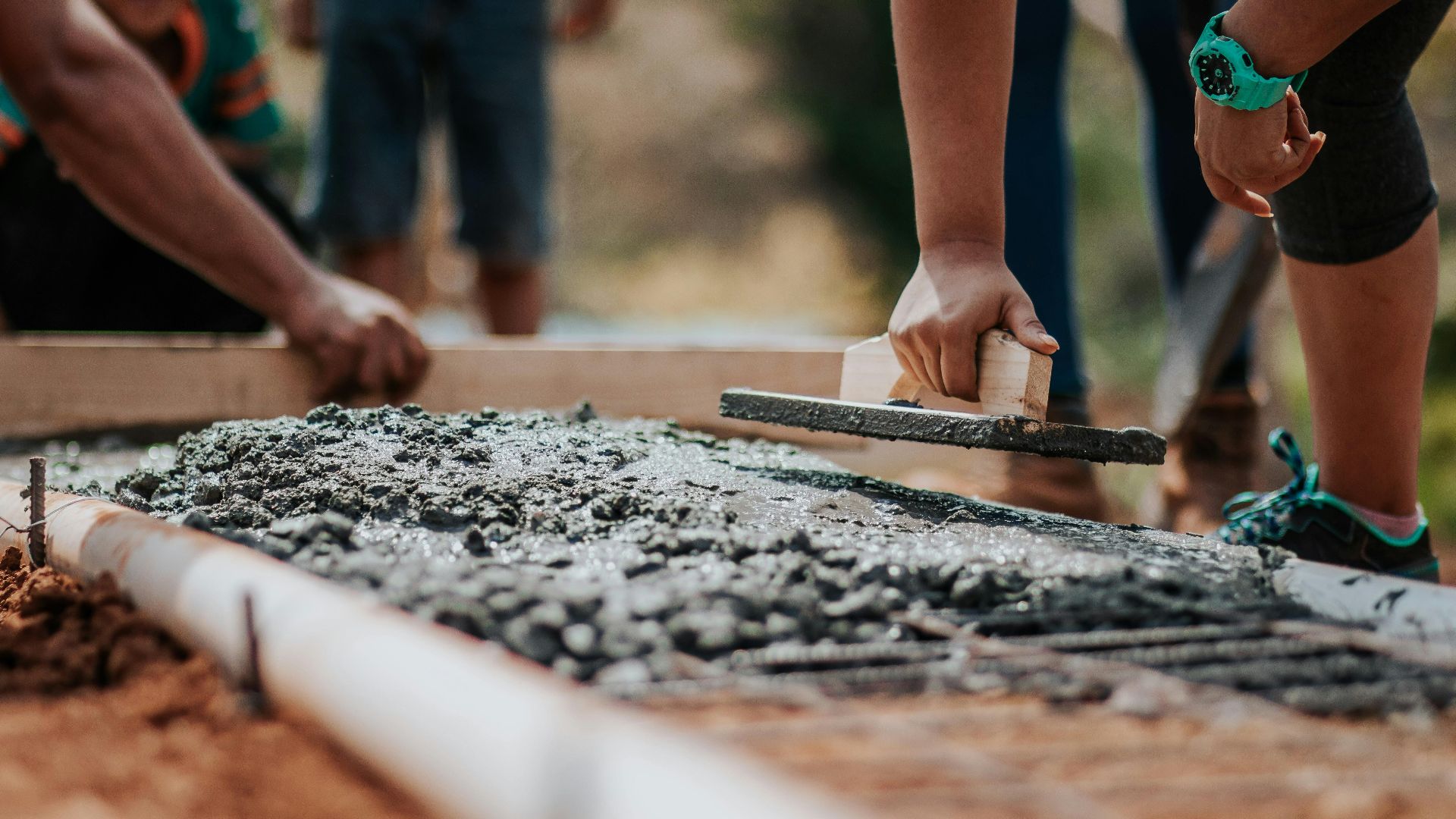
Bringing The Past To Life
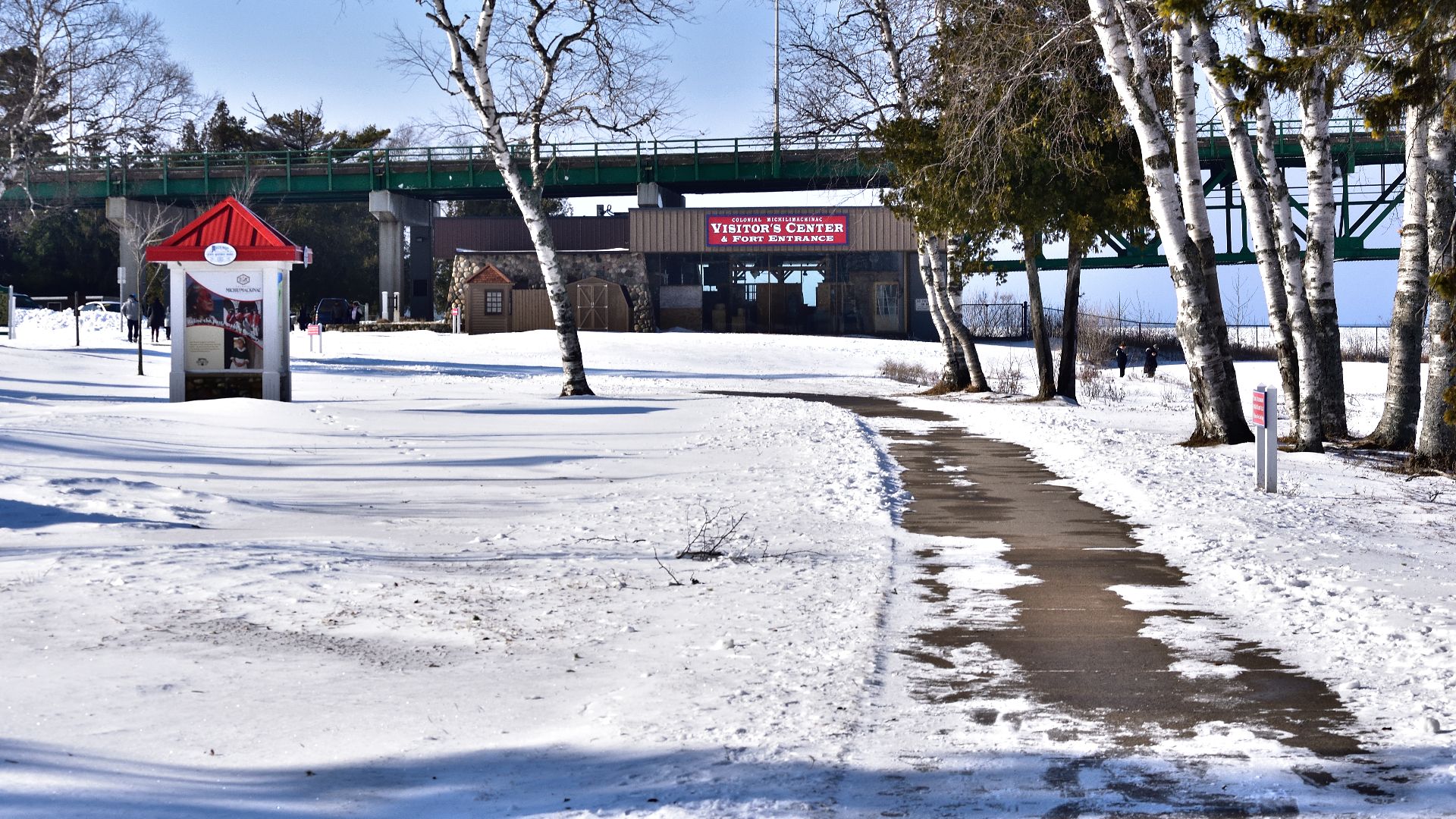
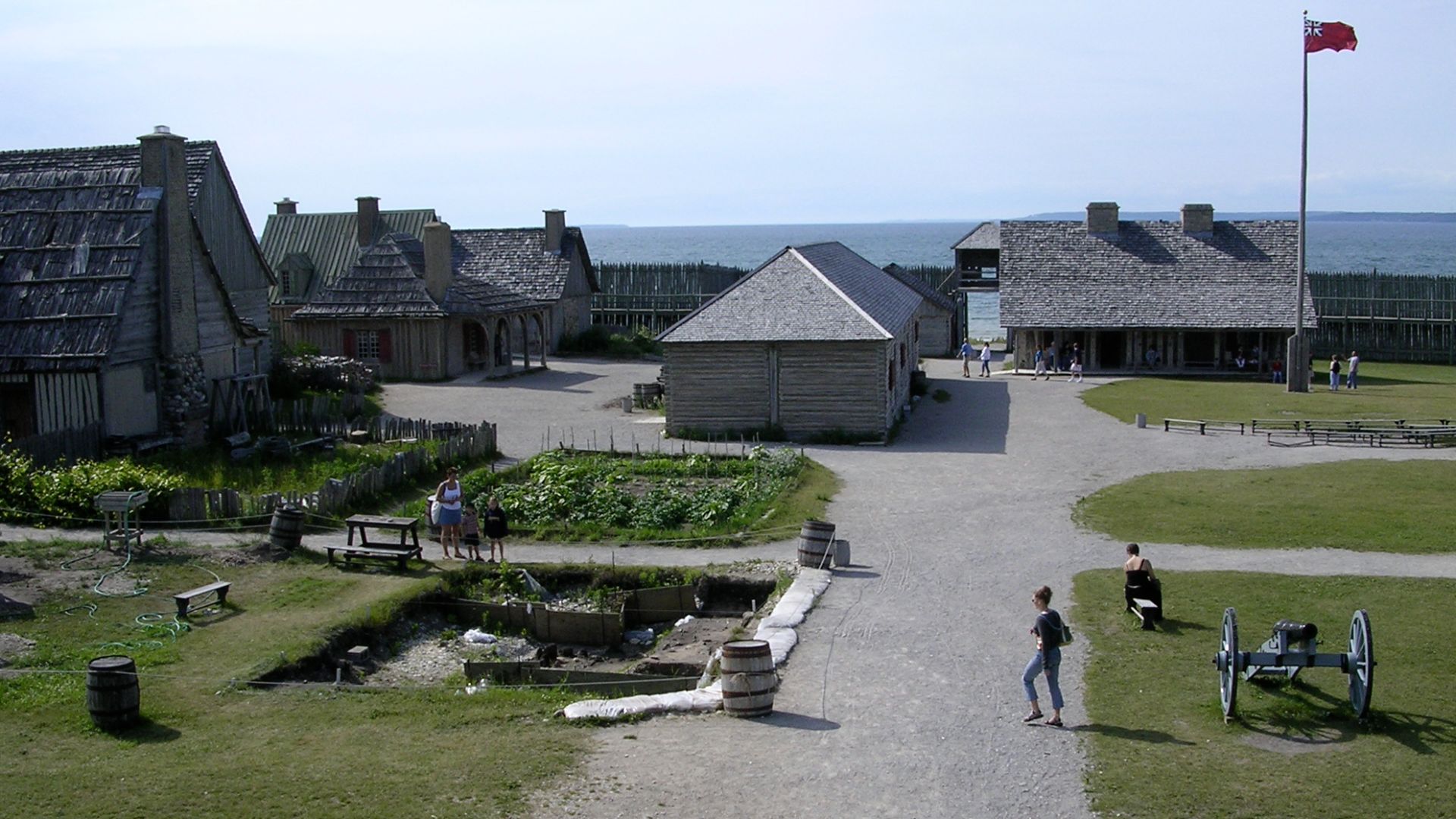
Today, visitors can walk through reconstructed buildings that stand exactly where originals once stood. The smells of cooking fires, the creak of wood floors, and the sound of footsteps help transform research into immersive storytelling.
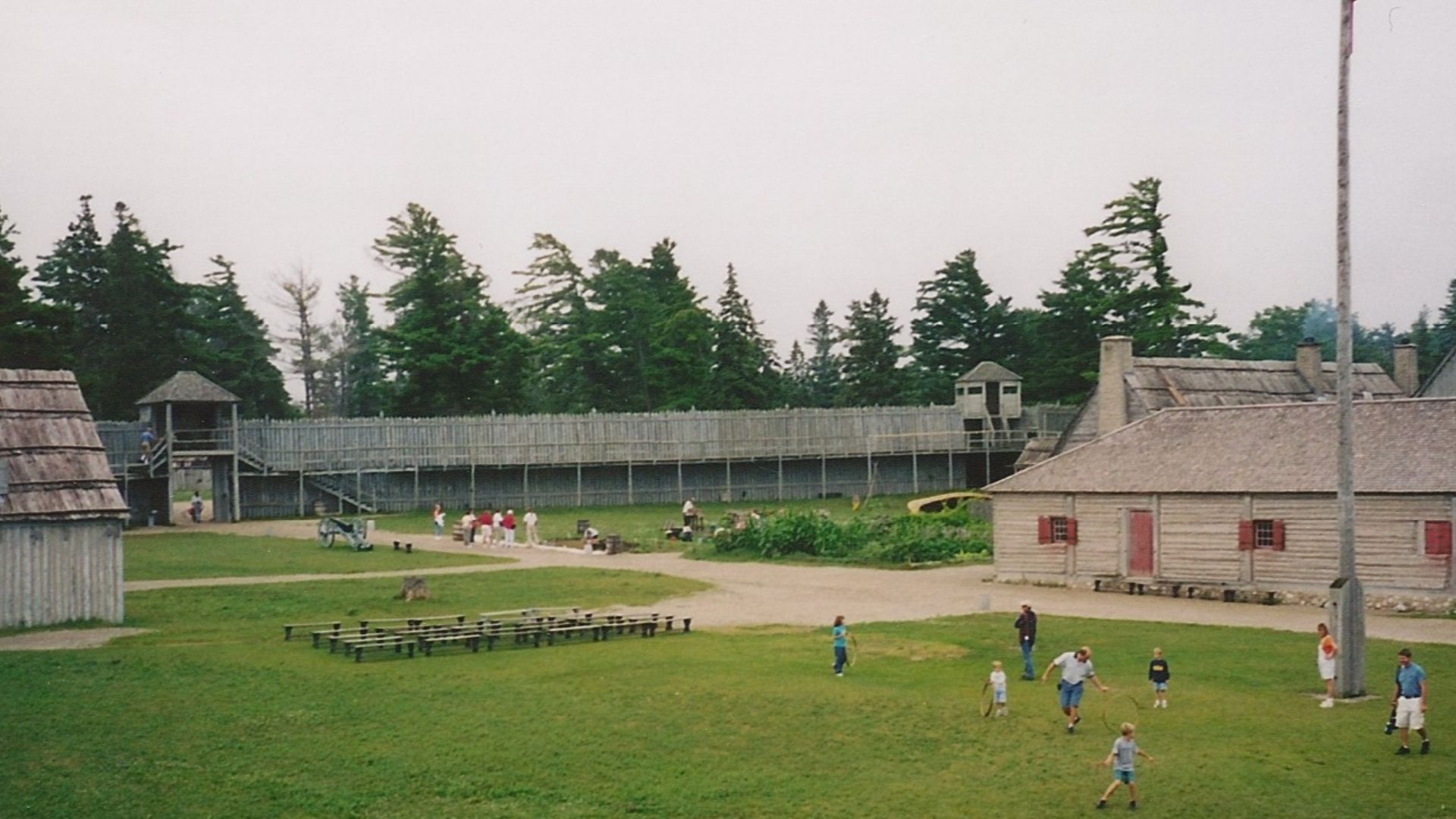 Michael Barera, Wikimedia Commons
A Living Museum
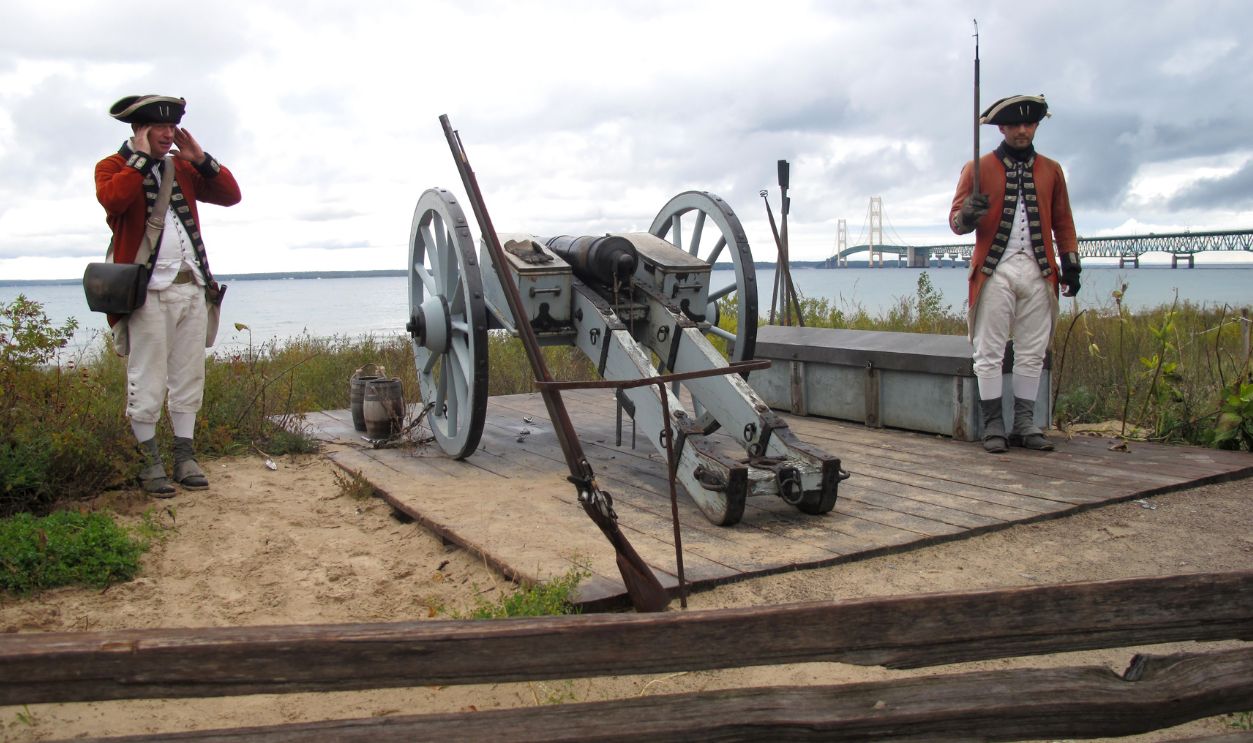
Colonial Michilimackinac is not a silent ruin. Interpreters in period clothing fire muskets, demonstrate trades, and explain daily routines, turning archaeological findings into vivid experiences that appeal to both casual visitors and serious history enthusiasts.
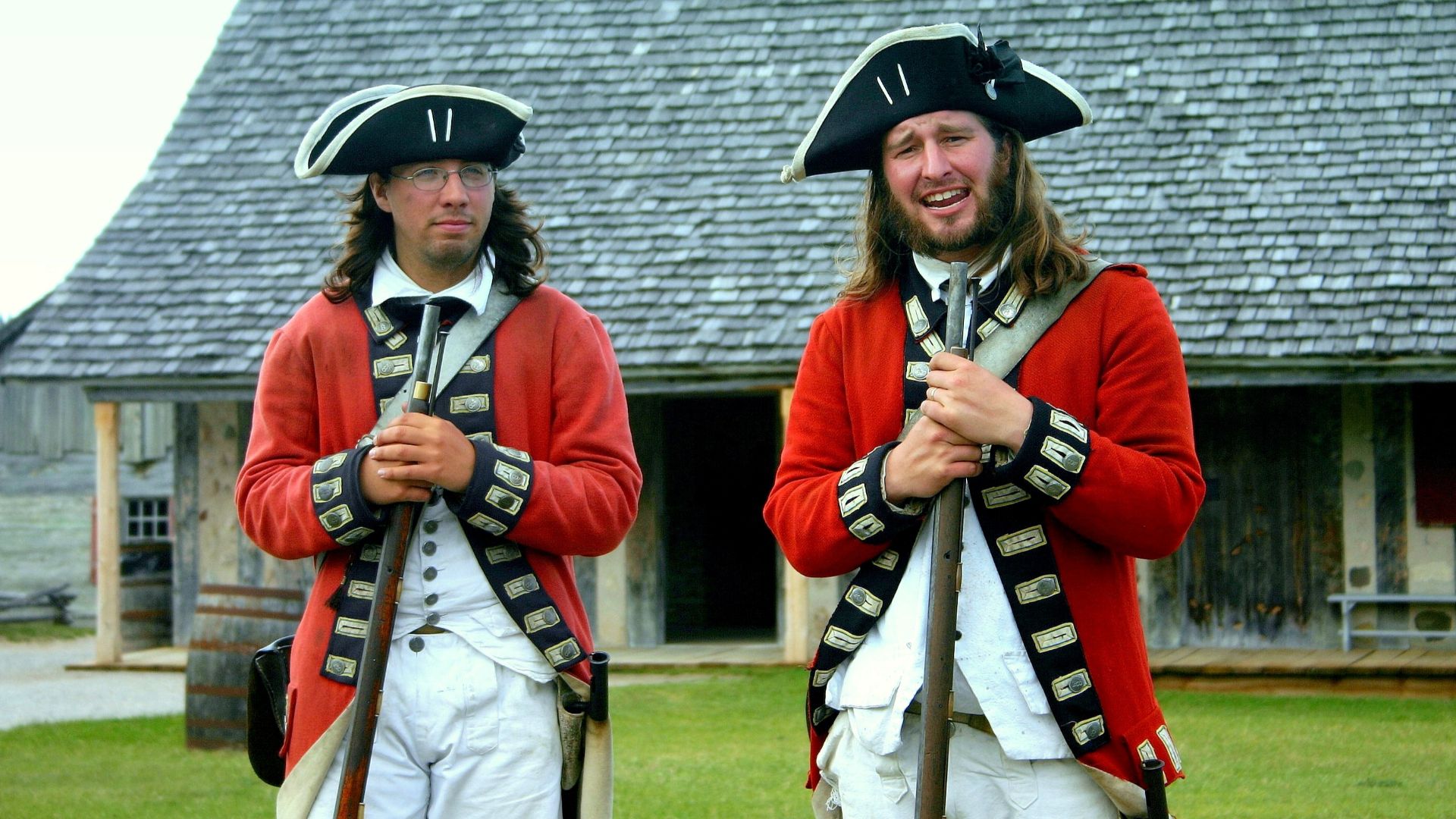 Roland Arhelger, Wikimedia Commons
Archaeology In Action
During the summer months, guests can watch archaeologists at work, see artifacts moments after discovery, and ask questions directly at the dig site — a rare chance to witness history being uncovered in real time.
 Eli Duke from Seattle, United States, Wikimedia Commons
The View Beyond
From the excavation area, the sparkling waters of the Straits of Mackinac stretch into the distance — the same waters that once carried canoes, bateaux, and ships laden with trade goods and travelers from across the Great Lakes.
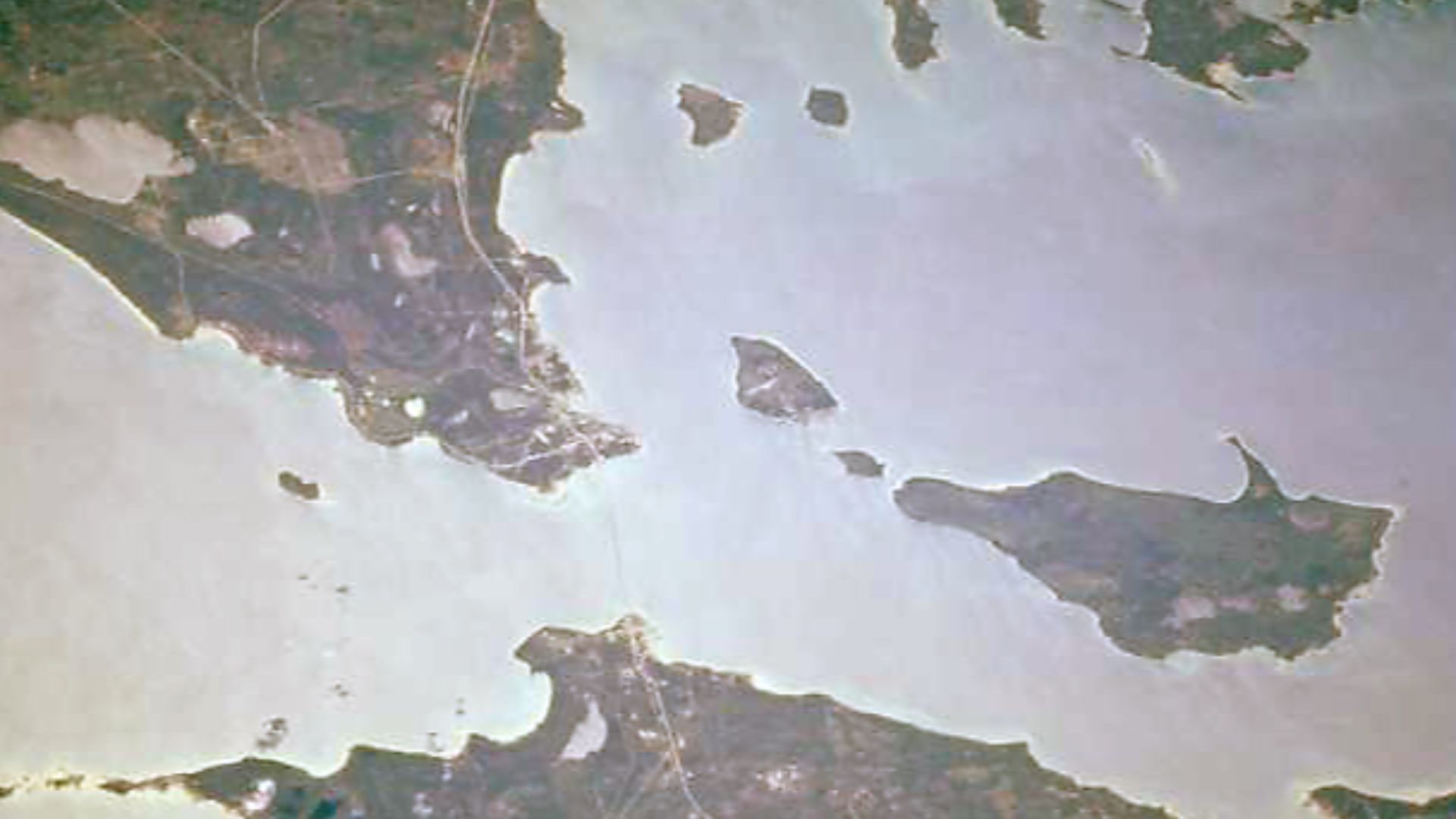 Image Science and Analysis Laboratory, NASA-Johnson Space Center.
Stories In The Soil
Each layer of soil represents a chapter of history. Careful excavation reveals shifts in trade, architecture, diet, and culture, allowing researchers to trace how the fort evolved over decades of occupation.
Indigenous Connections
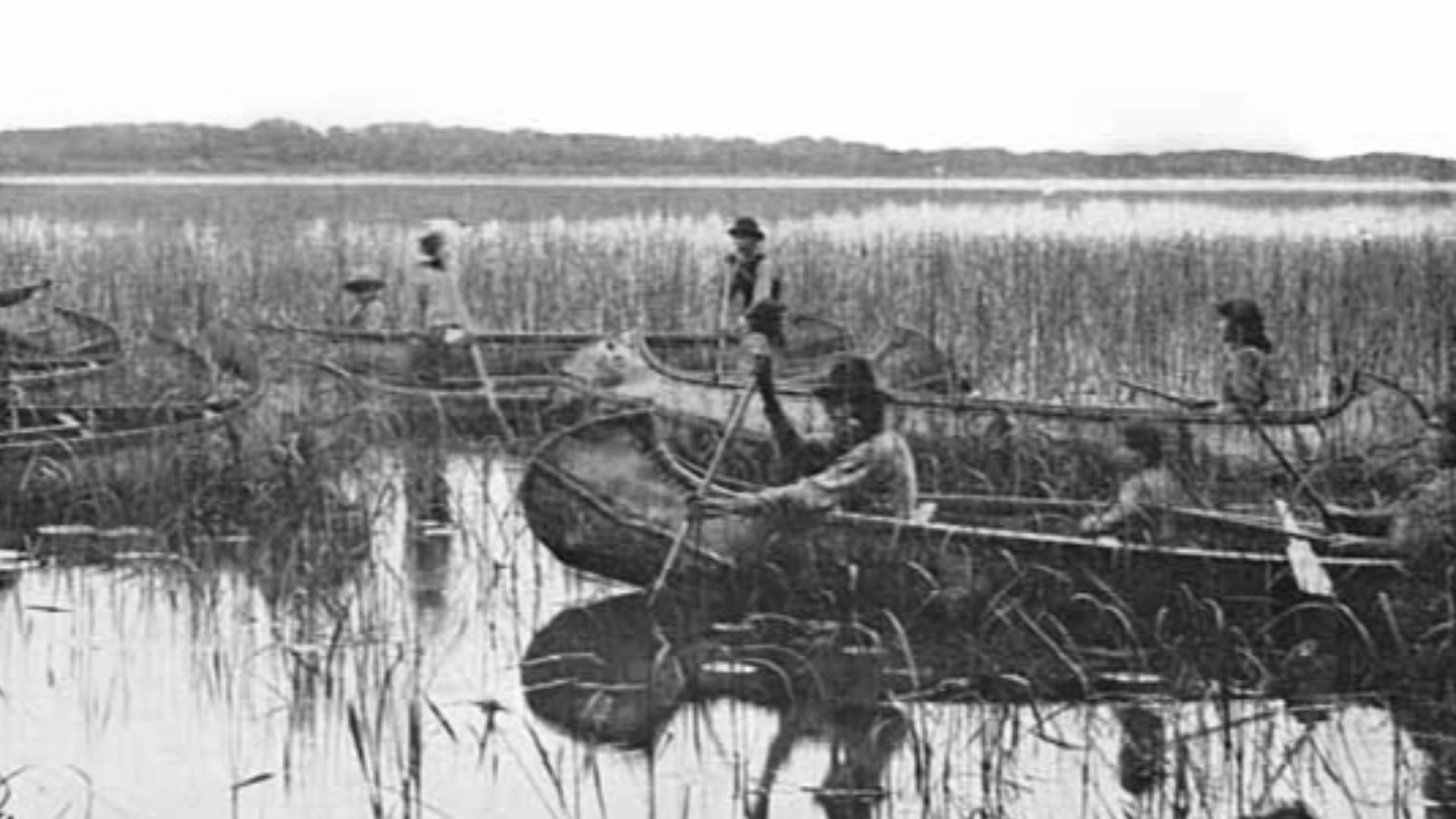
Long before European arrival, Indigenous nations — particularly the Anishinaabe — used this region as a center for trade, travel, and diplomacy. Their presence shaped the fort’s economy, alliances, and cultural exchange from the very beginning.
 Unknown authorUnknown author, Wikimedia Commons
The 1763 Siege
The fort was also the site of dramatic conflict. In 1763, Ojibwe warriors captured the fort using a cleverly staged lacrosse game as cover, a moment that forever linked Michilimackinac to Indigenous resistance and military ingenuity.
 Benson Lossing, Wikimedia Commons
From Abandonment To Archaeology
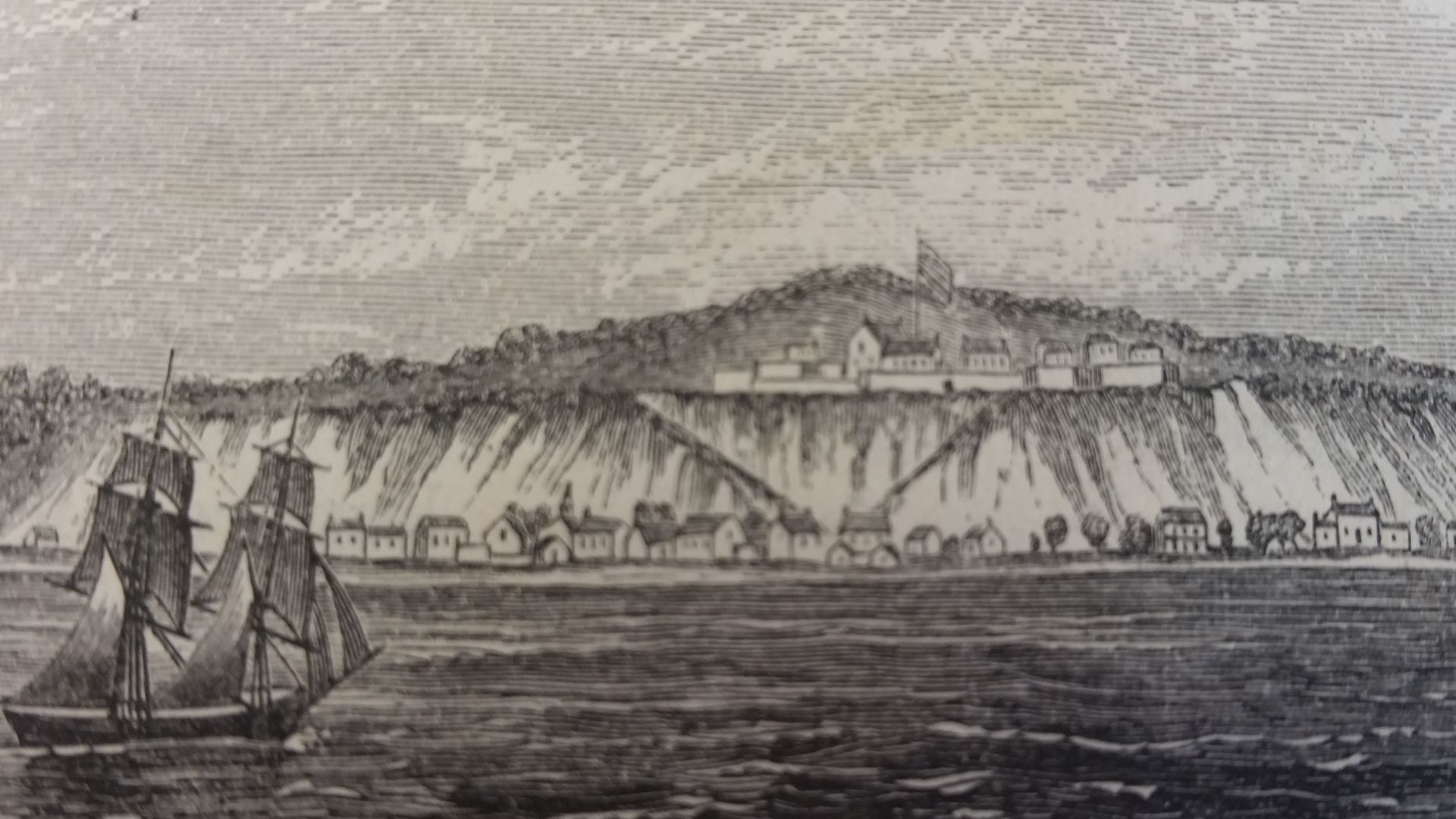
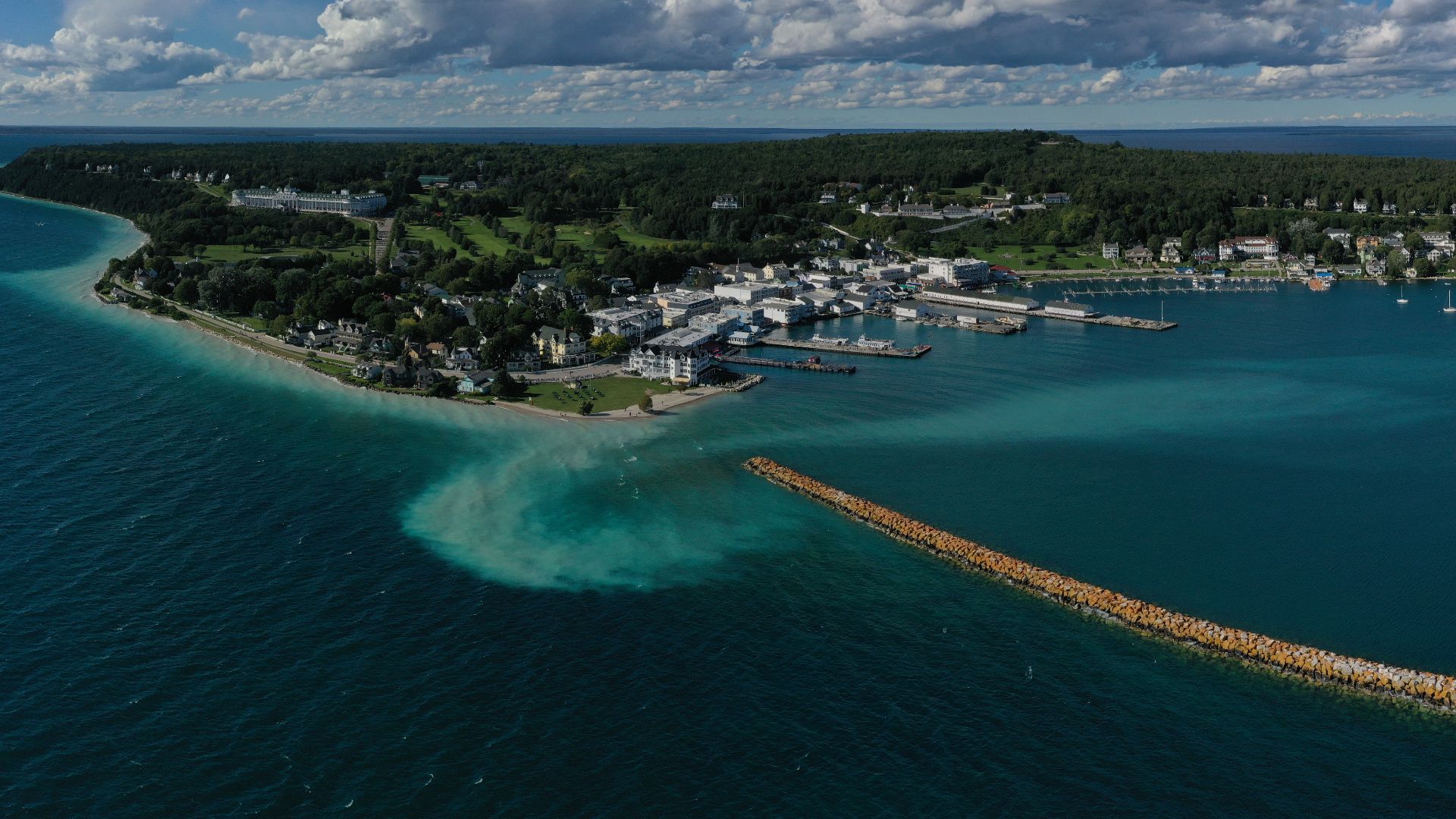
After the British relocated operations to Mackinac Island in 1781 and destroyed much of the original fort, the site slowly faded from memory — until archaeology resurrected its story piece by piece from beneath the ground.
 August Schwerdfeger, Wikimedia Commons
Why It Matters
Fort Michilimackinac offers more than artifacts — it offers perspective. Through excavation, we gain insight into colonial power, cultural blending, resilience, and the everyday lives of people who shaped early American history.
What Still Lies Below?
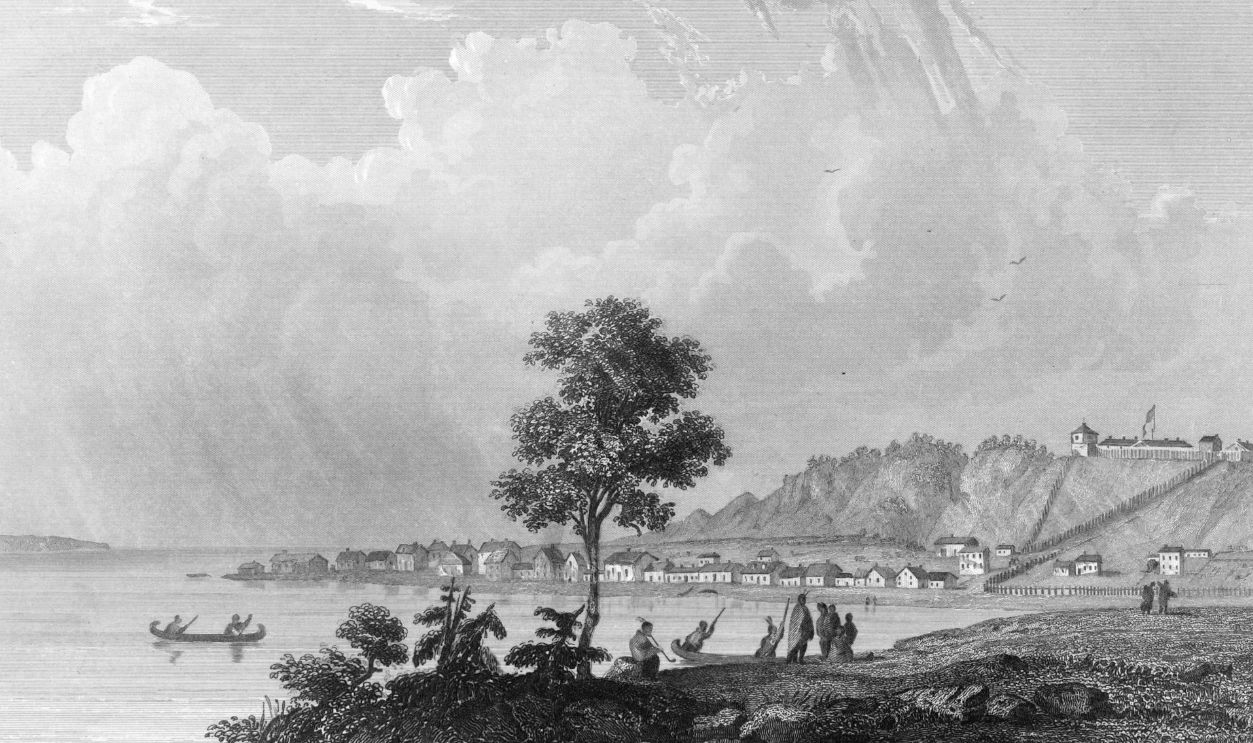
Despite decades of work, much of the surrounding settlement remains unexcavated. Archaeologists believe countless structures and artifacts still lie hidden, promising future discoveries that could further transform our understanding of frontier life.
Keep Digging!
For archaeology lovers, Fort Michilimackinac is a powerful reminder that history is never finished. Sometimes, the most compelling stories are still buried beneath our feet, waiting patiently for the next careful dig.
 Notorious4life (talk) (Uploads), Wikimedia Commons
You May Also Like:
Hotel Employees Admit These Insider Realities Change Everything About Your Stay
Every tourist who goes to Japan quickly understands why it's the most satisfying country to visit.
How Many Americans Have Seen Their State's Greatest Natural Wonder?