Why These “Secrets” Actually Matter
Most travelers assume hotel stays are purely transactional—book a room, follow the rules, hope for the best. Hotel employees say that’s not how it actually works. These insider realities quietly decide which rooms you get, how flexible staff will be, what fees stick, and whether problems turn into quick fixes—or total headaches.
“Sold Out” Doesn’t Always Mean Full
When a hotel shows no availability, that doesn’t always mean every room is occupied. Rooms are often held back for maintenance, staffing limits, or VIP arrivals. Industry operators call these “blocked” rooms, and they can be released later if demand softens or staffing changes.
Booking Direct Really Does Give You Leverage
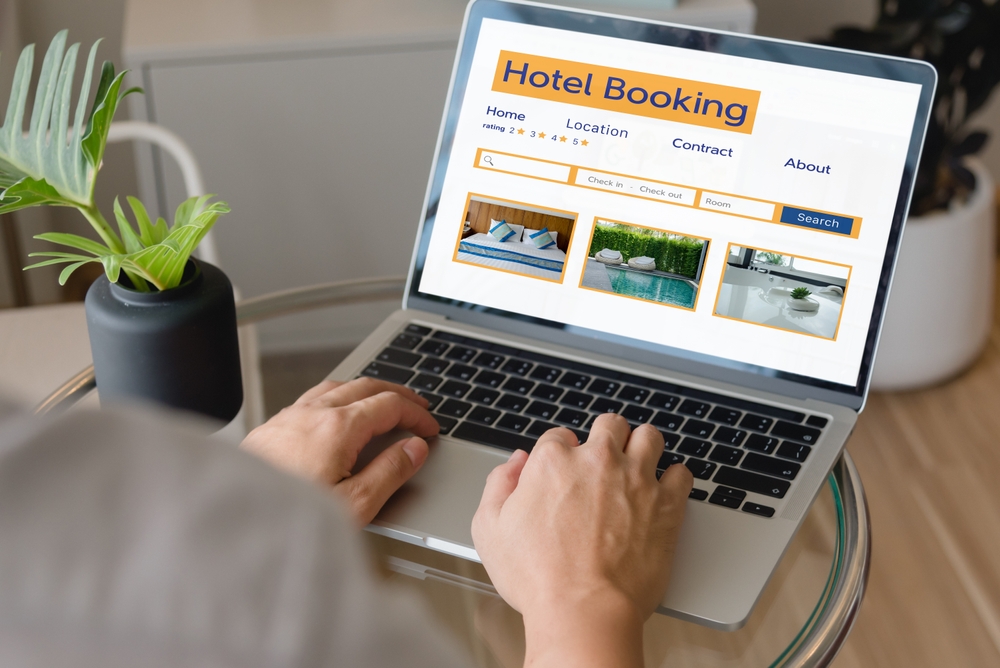
Hotels push direct bookings for a reason: third-party sites take a cut. Industry guides and hotel tech platforms commonly cite OTA commissions in the 15%–30%+ range, which is money the property doesn’t keep. Direct guests are often easier to help when something goes wrong.
Late-Night Check-Ins Can Work in Your Favor
Checking in later can sometimes help because the hotel has a clearer picture of what’s truly unused. If premium rooms are still sitting empty, staff may upgrade rather than leave them vacant. It’s not guaranteed, but late arrivals—especially midweek—can catch those leftover “nice rooms.”
Tipping Isn’t Required—but It’s Remembered
Tipping isn’t mandatory, but it’s noticed—especially on longer stays. Housekeeping teams move fast and prioritize what they can. A small tip (and a friendly note) can make service feel more attentive, from extra towels to faster response on small, reasonable requests.

How You Ask Matters More Than What You Ask
Front desk veterans regularly say your tone sets the ceiling on how flexible they’ll be. Calm, friendly guests are more likely to get a better room, a waived fee, or a late checkout. Come in hot, and staff tend to stick to policy—even if they could bend it.

Late Checkout Is Easier Than Early Check-In
Early check-in depends on which rooms are already cleaned and inspected. Late checkout is often easier because it only affects one room’s schedule. Marriott’s own guidance tells many guests to contact the front desk the morning of checkout, because availability is evaluated day-of.
Most Upgrades Are Assigned Before You Arrive
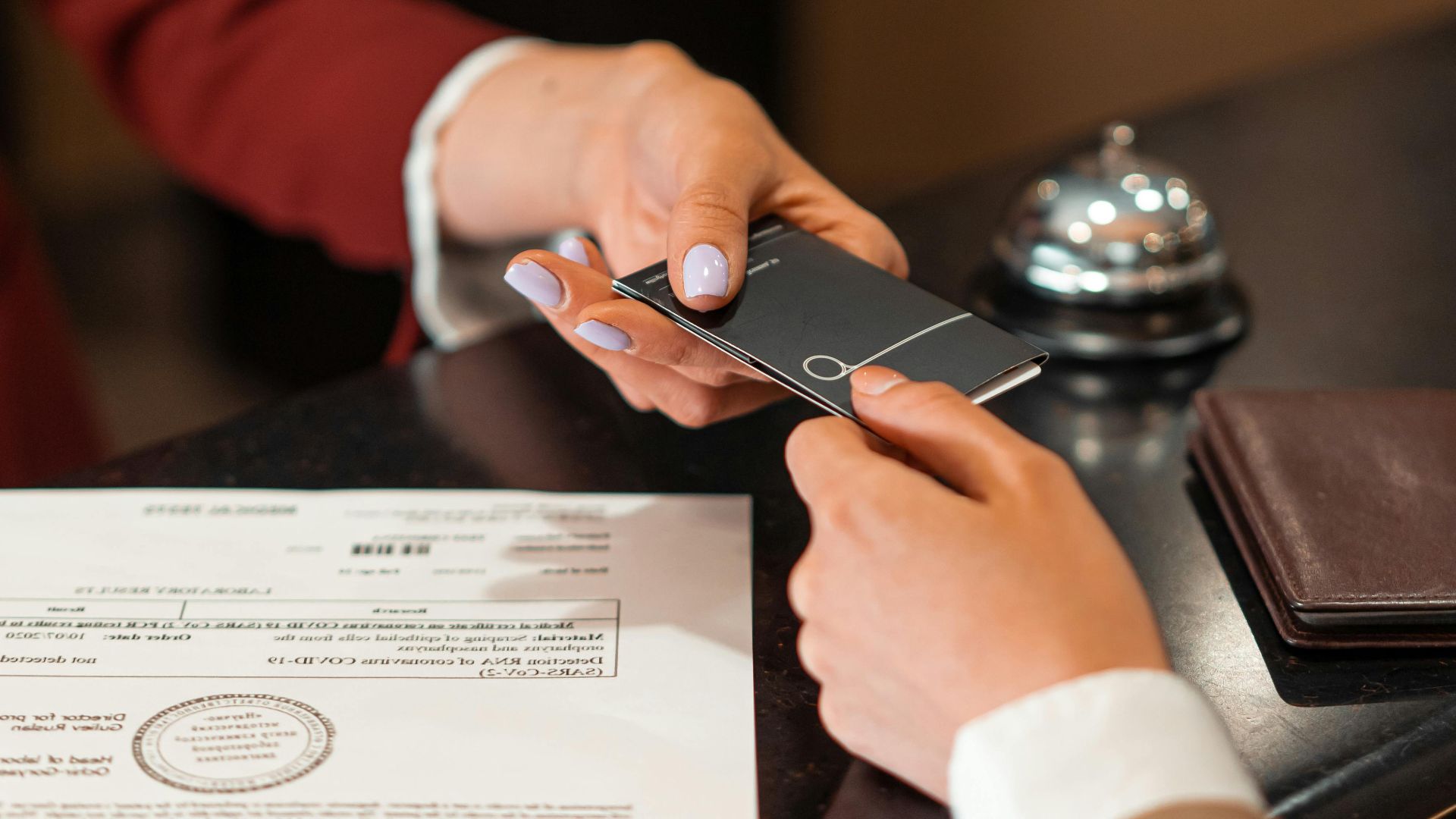
Upgrades often get assigned hours before you ever see the front desk. Hotel systems prioritize loyalty status, room type booked, length of stay, and booking channel. Asking at check-in can still help, but many of the “free upgrade” decisions are already in motion.

Timing Matters When Asking for a Room Change
If you want to switch rooms, ask right away. The earlier you ask, the more clean inventory the hotel still has to work with. Once housekeeping wraps, options shrink fast—and “we can’t move you” often means “we don’t have a clean replacement room left.”
Some Things Aren’t Cleaned Every Stay
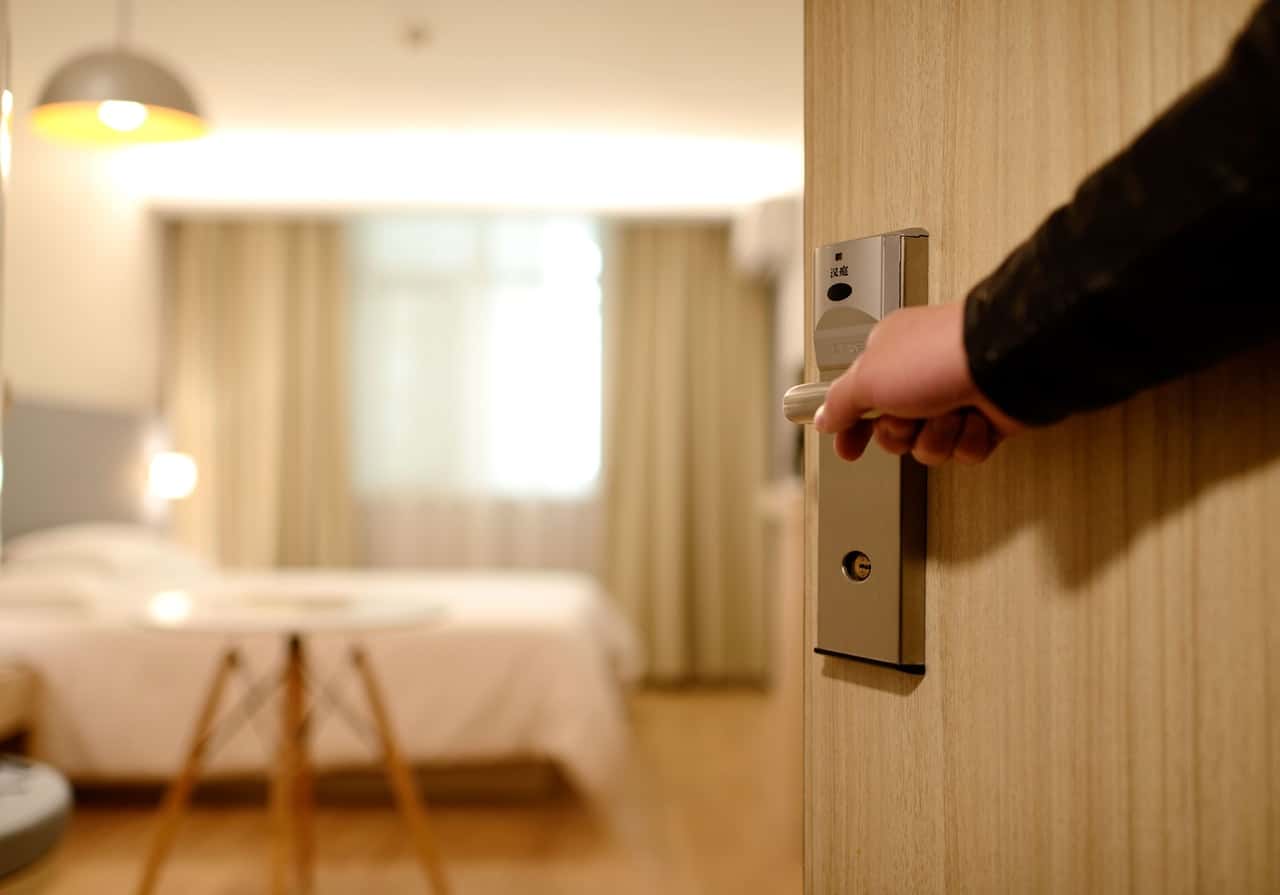
Even good hotels focus cleaning effort where it matters most—especially on high-touch areas and visible messes. Industry cleaning guidelines emphasize frequent cleaning of high-touch points, but not every item gets deep-cleaned between every guest. That’s why many travelers wipe down remotes and switches.
Corner Rooms Are Usually Quieter
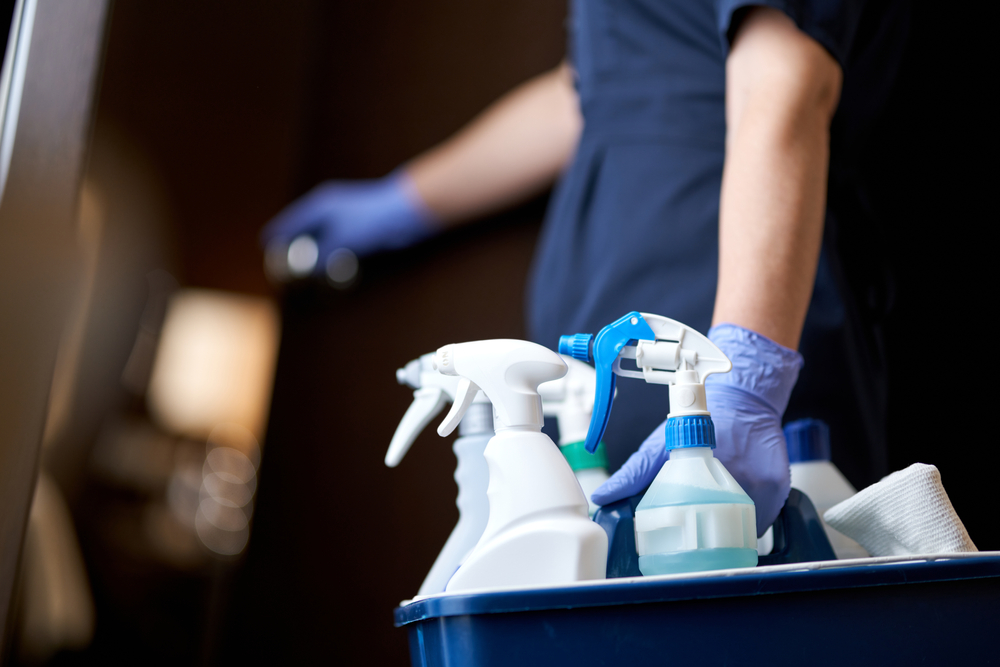
Corner rooms often feel quieter because you typically share fewer walls and get less hallway traffic. Hotels know guests like them, so they can be used as quiet “problem-solvers” for longer stays or repeat guests. If quiet matters, ask for a corner specifically—not just “a quiet room.”'

Resort Fees Add Up Fast
Resort (or destination) fees can change the true price of your stay. NerdWallet’s analysis of hotels with January 2023 check-in dates found that, among properties that charge them, the average U.S. resort fee was $42.41 per night—often a meaningful percentage on top of the rate you saw first.
Complaints Don’t Disappear After Checkout
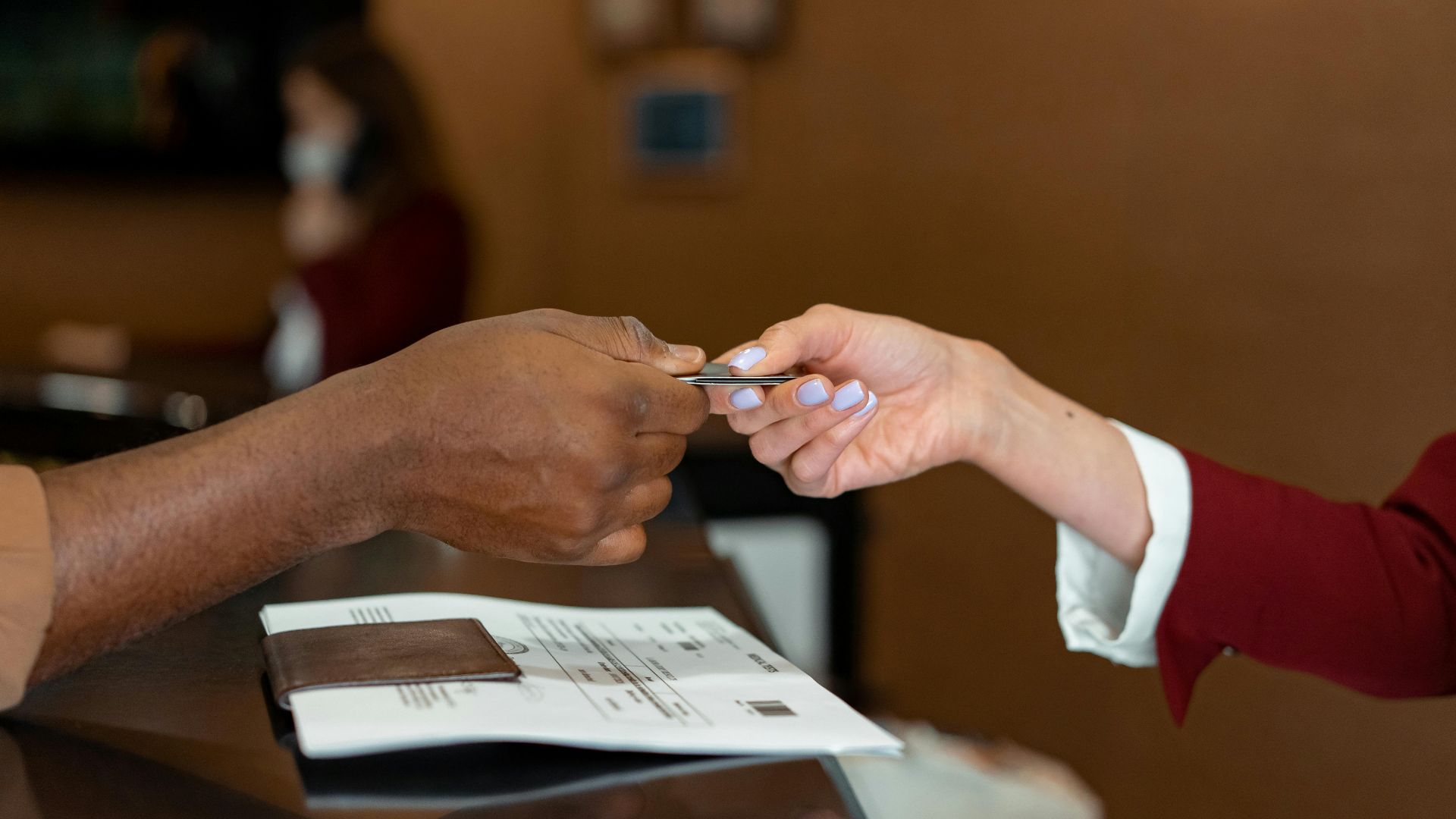
Hotels maintain internal notes tied to guest profiles and reservations. That doesn’t mean every complaint “blacklists” you—but patterns matter. Reasonable guests tend to get treated like reasonable guests. People who escalate everything can find staff suddenly becomes very policy-focused.

Mini-Bar Charges Aren’t Guesswork
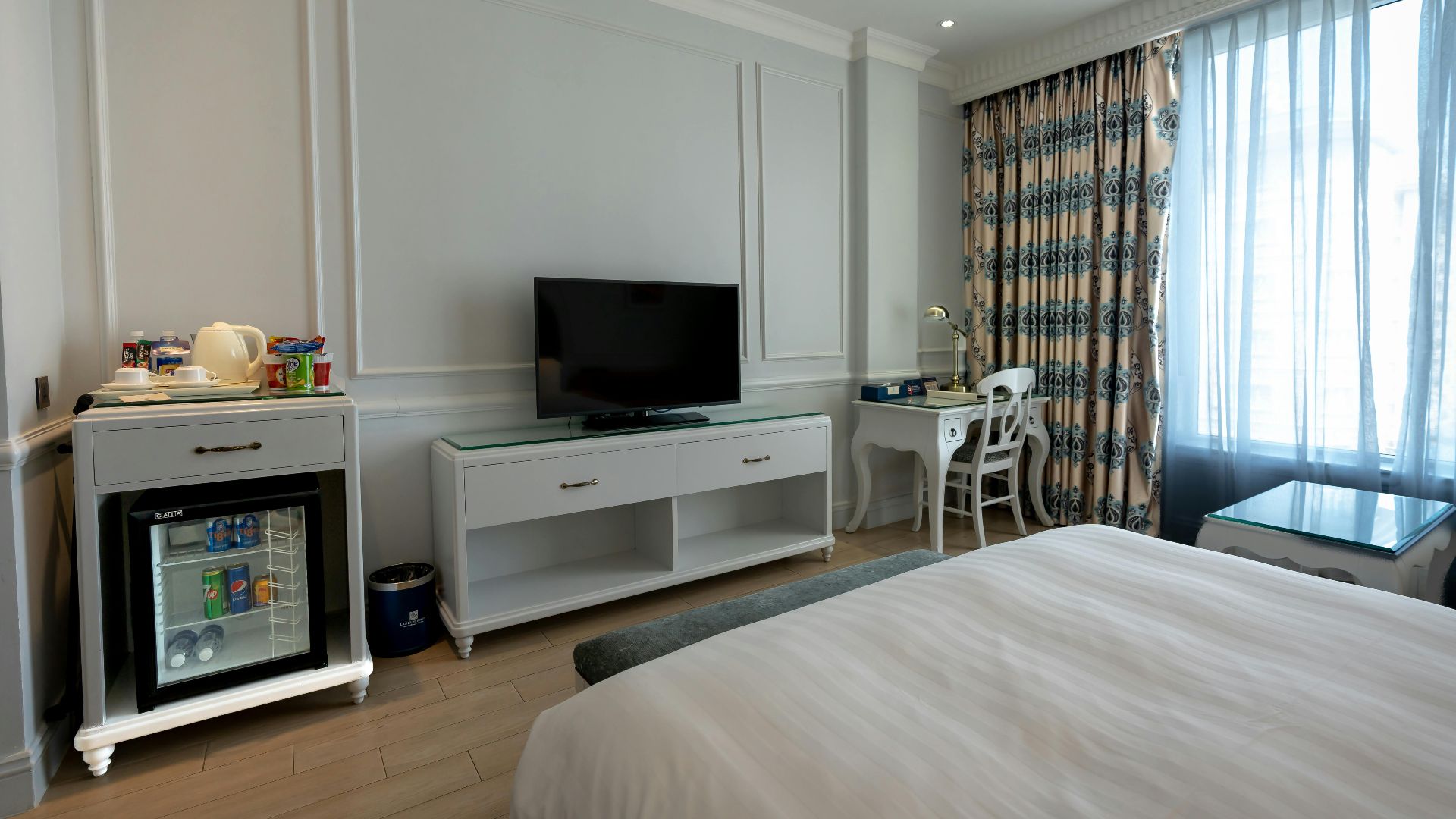
Many modern mini-bars rely on sensors (often weight-based) rather than someone eyeballing what’s missing. Picking an item up—sometimes even briefly—can trigger a charge. If you accidentally set it off, tell the front desk right away. Fixing it is usually easier before checkout chaos.
The Front Desk Can’t Break Every Rule
Some things are flexible; some are locked. Corporate pricing rules, third‑party booking contracts, and local regulations can limit what staff can override. The trick is asking for what’s actually movable—room placement, late checkout, small fees—rather than demanding exceptions the system won’t allow.

Loyalty Status Quietly Changes Everything
Even mid-tier status can bump you up the priority list when inventory gets tight. Loyalty systems are designed to retain repeat guests, so staff often have more room to maneuver for members. Practically, that can mean better room placement, faster fixes, and more willingness to compromise.

Higher Floors Aren’t Always Quieter
Higher floors can be quieter, but they’re not a magic fix. Noise depends on what’s nearby: elevators, ice machines, gyms, lounges, or conference floors. A smart question is, “Which floors are usually calmest?” Staff often know which levels get the most foot traffic and late-night noise.
Some Rooms Are Assigned Last—for a Reason
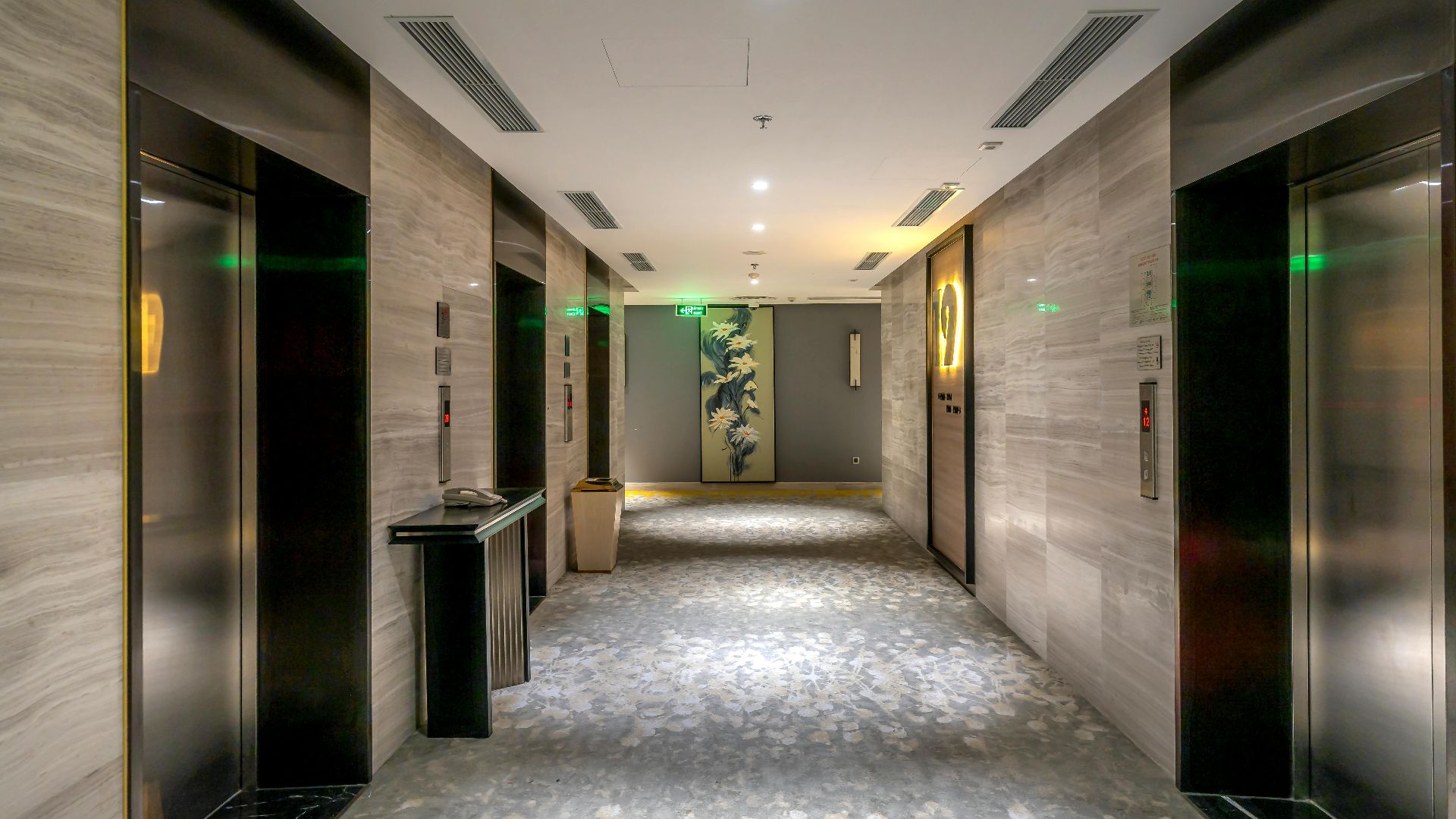
Rooms near elevators, ice machines, and service closets tend to generate more complaints. When the hotel is busy, those rooms get used anyway. If you’re a light sleeper, ask to avoid those areas. You’ll get better results by naming the problem than by saying “give me your best room.”

Lost-and-Found Takes Time
Lost-and-found is rarely instant because items go through housekeeping, supervisors, and secure storage before logging. If you report something missing, be specific about where it might be and when you last saw it. A little patience helps—processing often takes days, not hours.

“Free” Breakfast Is Built Into the Price
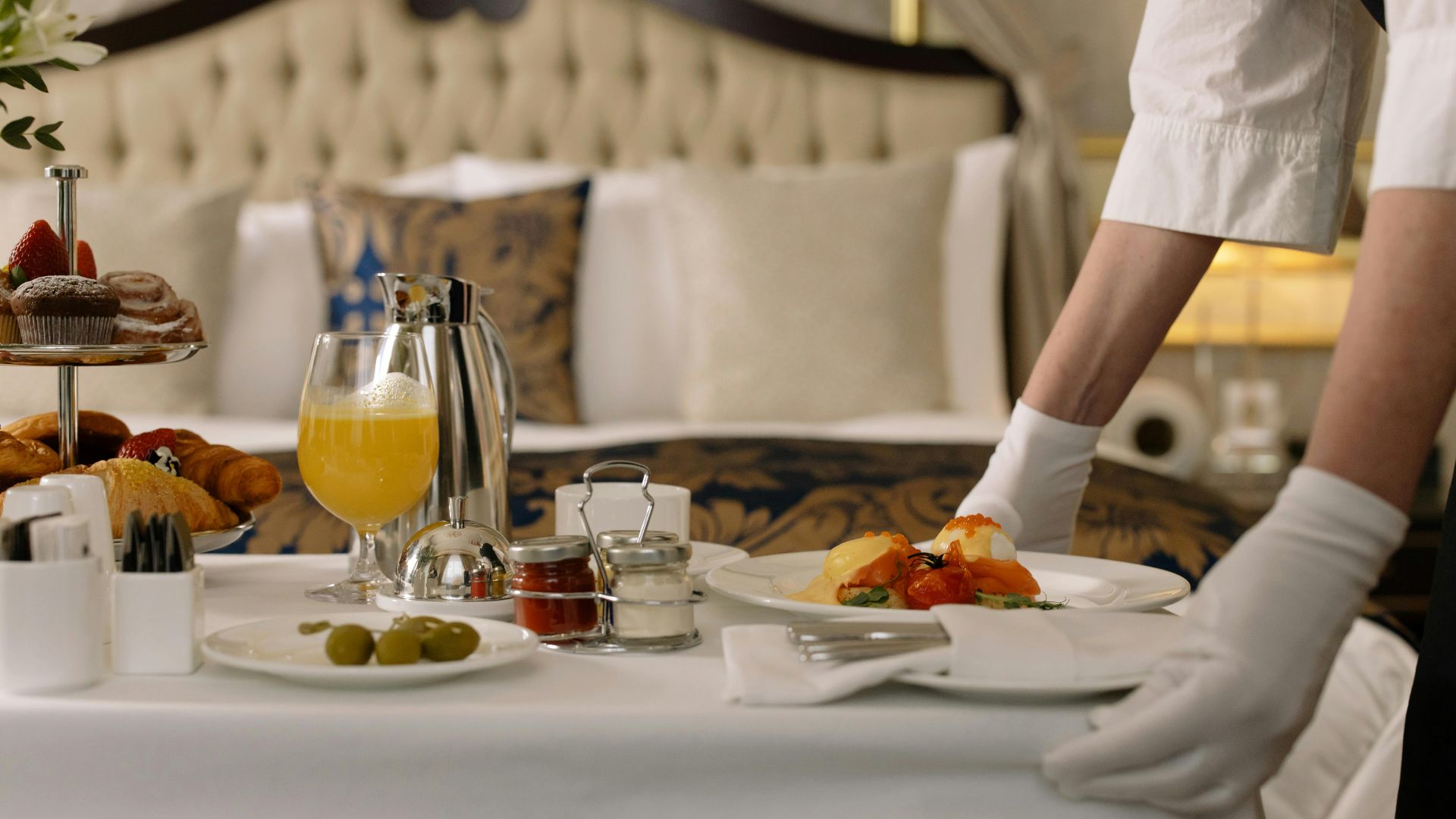
Complimentary breakfast isn’t truly free—it’s baked into the rate, the brand promise, or loyalty economics. Some hotels under-advertise breakfast but do it well, especially business-focused properties trying to keep repeat guests happy. Either way, it’s part of what you’re paying for.
Minor Wear Is Expected—and Budgeted
Hotels expect normal wear and tear—scuffs, small towel stains, the occasional “oops.” Most properties won’t charge for minor issues unless damage is severe or looks intentional. If something does happen, telling the front desk early often prevents a surprise charge after someone discovers it later.

Staff Can See Your Stay History
Hotel systems usually show how often you stay, how long you stay, and whether previous visits had issues. That context shapes how staff triage requests when they’re busy. Regulars who are polite and low-drama often get smoother solutions because the hotel already trusts the pattern.

Room Numbers Aren’t Random
Some rooms get more complaints due to location, layout, or repeated noise problems. Staff often know the “problem rooms,” and they’ll avoid assigning them if they have flexibility. When occupancy is high, though, those rooms come back into play—so it helps to ask for specifics.

Checkout Time Can Be Flexible—At the Right Moment
The best time to ask for late checkout is usually the morning of departure, when the hotel knows its occupancy and housekeeping load. Asking days ahead often gets a generic answer. Day-of requests can get a real yes or no—because staff finally has real information.

There’s No Single “Best” Room
The “best room” depends on what you care about—quiet, view, elevator distance, space, or sunlight. Hotel employees say you’ll get better results by stating your preference plainly. A specific request gives staff something they can actually match, instead of guessing what “best” means to you.

You Might Also Like: