Where Daily Life Stands Out
Japan doesn’t just run differently—it feels like it was built with a different set of instincts. Travelers often expect culture shock in temples or traditions, but the real surprises live in everyday moments that reveal how deeply systems shape experience.
No Tipping Culture
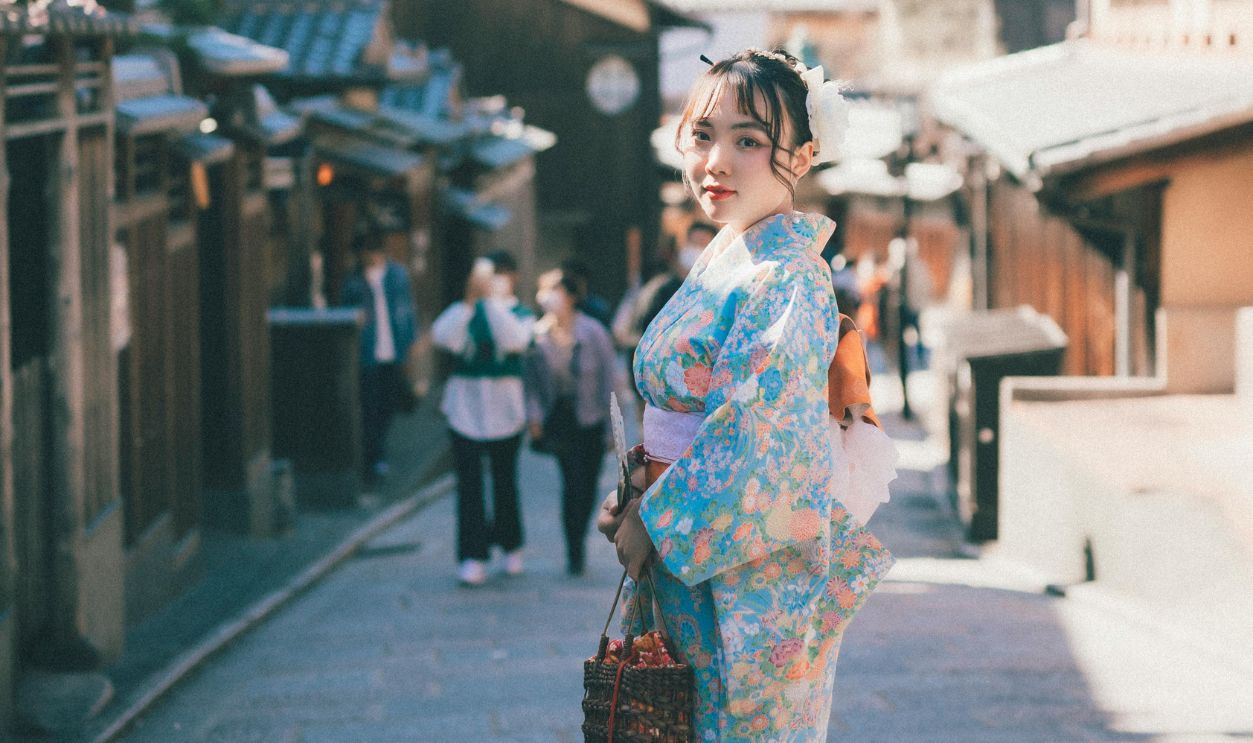
You’ll quickly notice that tipping just isn’t part of the routine. In Japan, great service is built into the experience. Whether it’s a restaurant or a taxi ride, the final bill is the final price, so there are no awkward moments or mental math required.
Near Perfect Train Punctuality
If your train says 10:02, it means 10:02. Delays of even one minute are rare and often announced with apologies. It’s a level of precision that makes travel feel smooth, predictable, and honestly, kind of addictive once you get used to it.
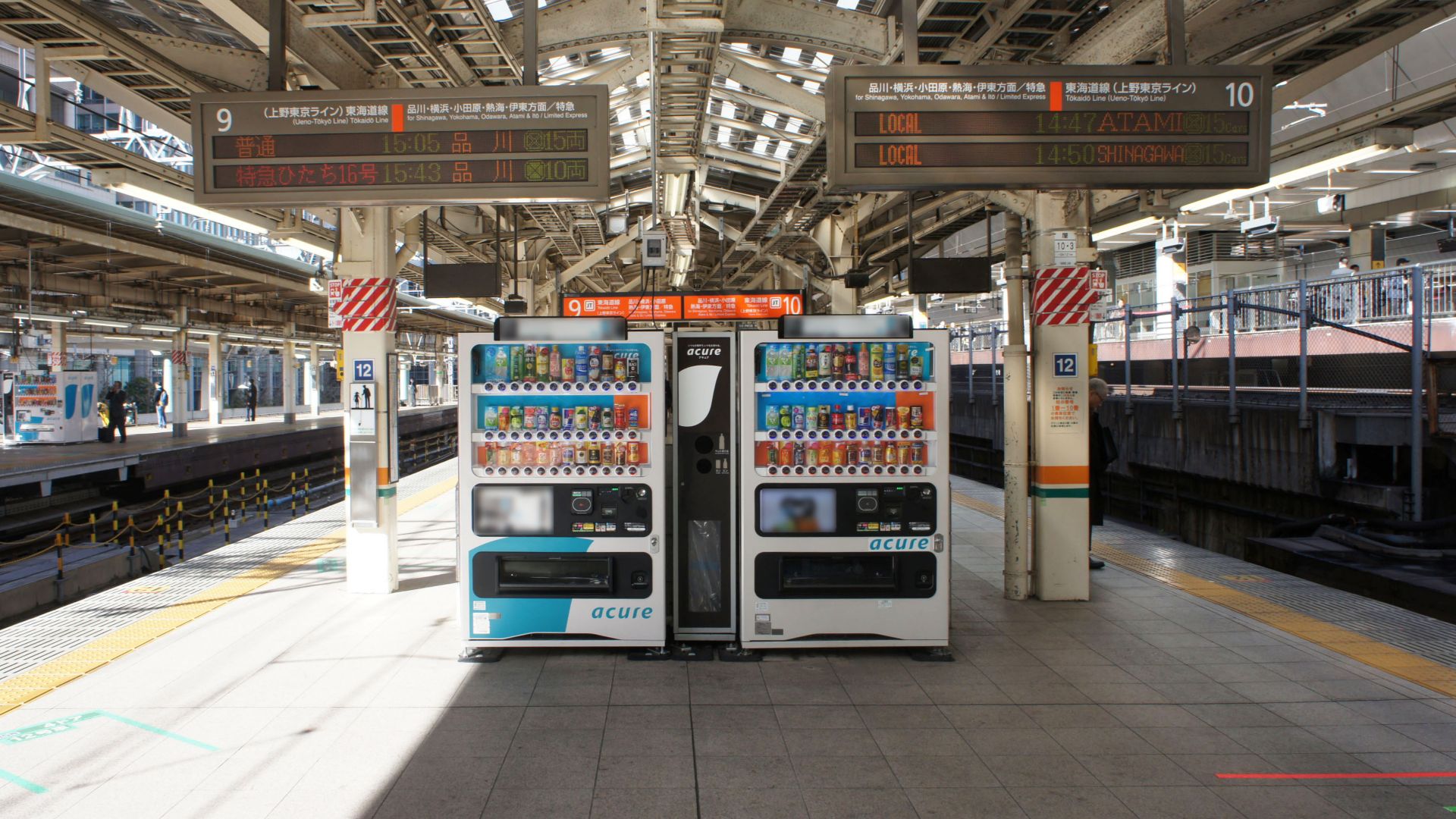
You Remove Shoes More Often Than Expected
It goes beyond homes. You'll be asked to take off your shoes at clinics, changing rooms, some restaurants, and also in certain bathrooms. At first it feels surprising, but then it becomes second nature—and you start to appreciate how clean everything stays.
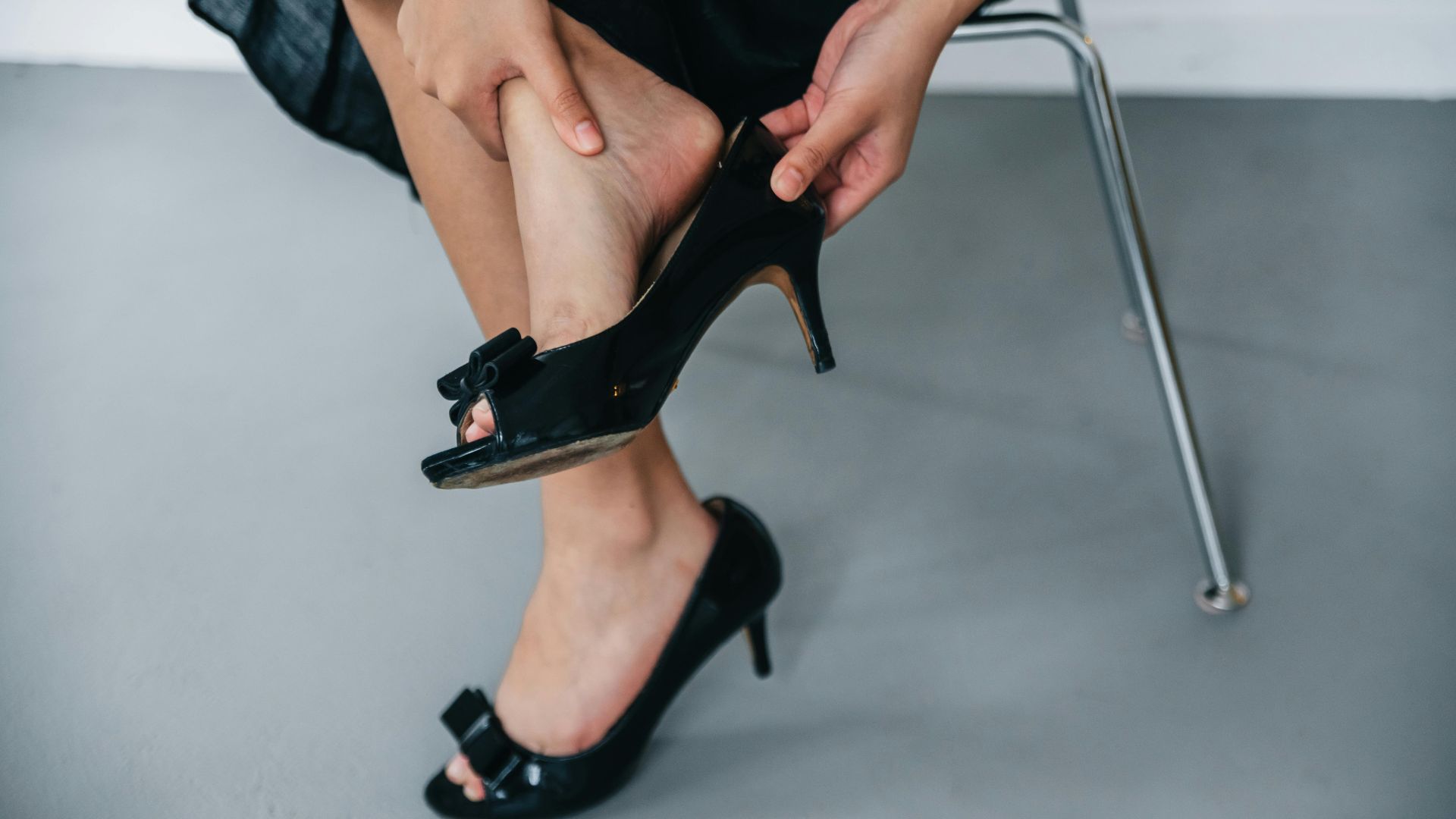
Transparent Public Toilets
Yes, the walls are see-through, until you lock the door. Then they turn opaque like magic. These smart-glass toilets are in Tokyo parks, designed for safety and cleanliness. You know they’re empty and spotless before stepping in, which is surprisingly reassuring.
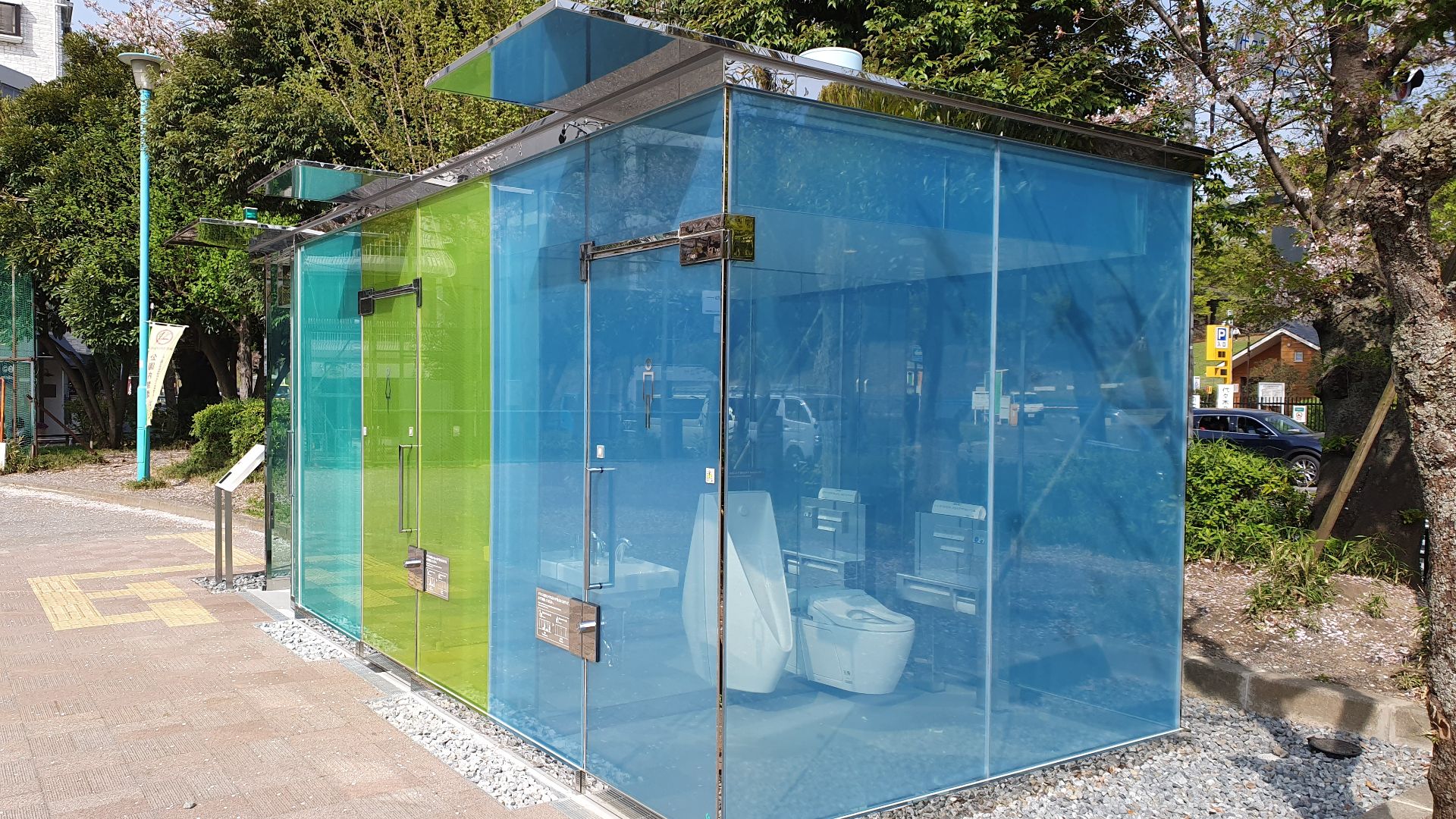
High Tech Toilets Everywhere
Heated seats. Built-in bidets. Soothing sounds. Japanese toilets are nothing short of luxurious. Even public ones come with more features than most people’s home bathrooms. It’s one of those things you don’t expect to love, but you definitely talk about later.
 User:Chris 73, Wikimedia Commons
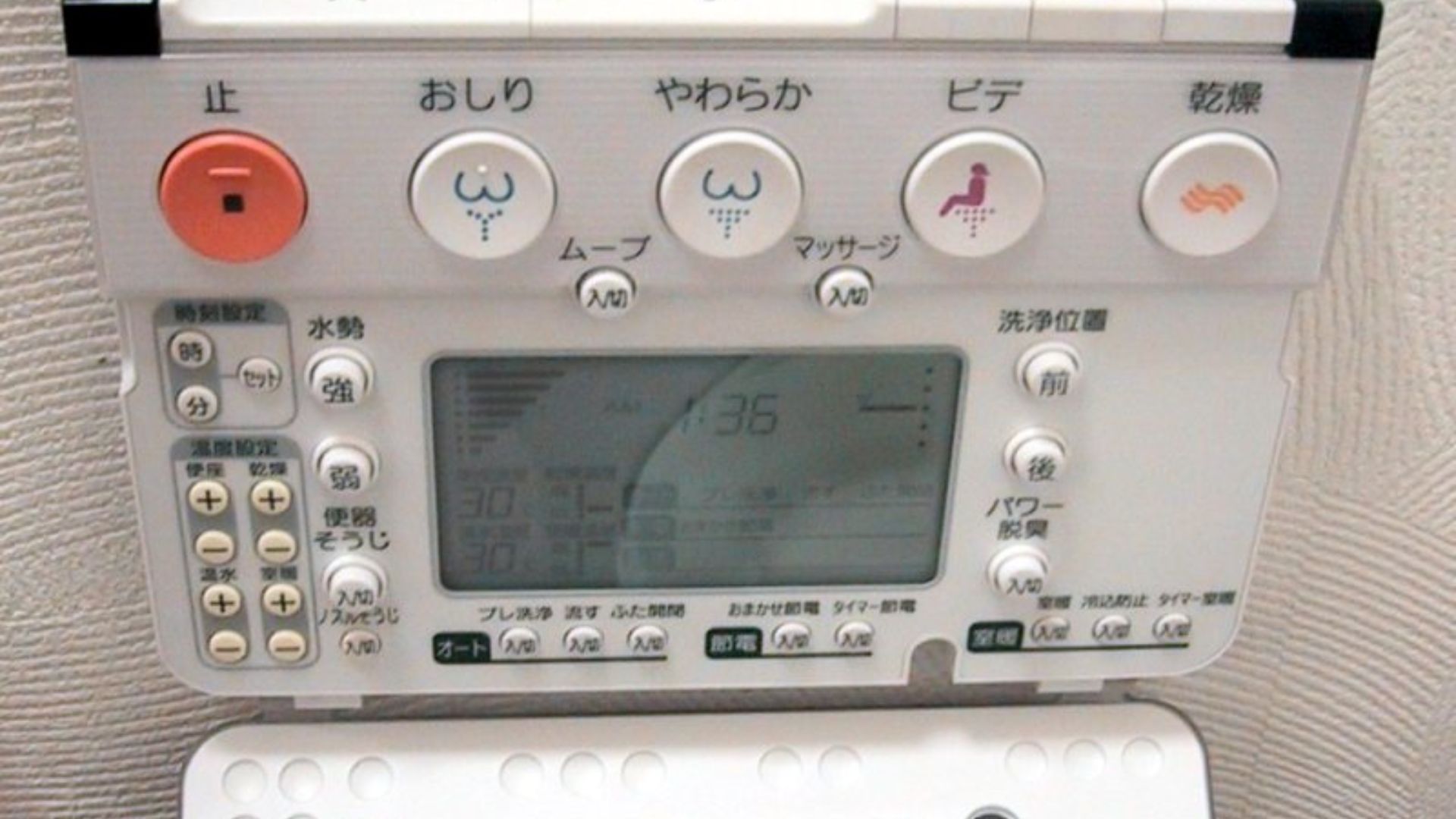
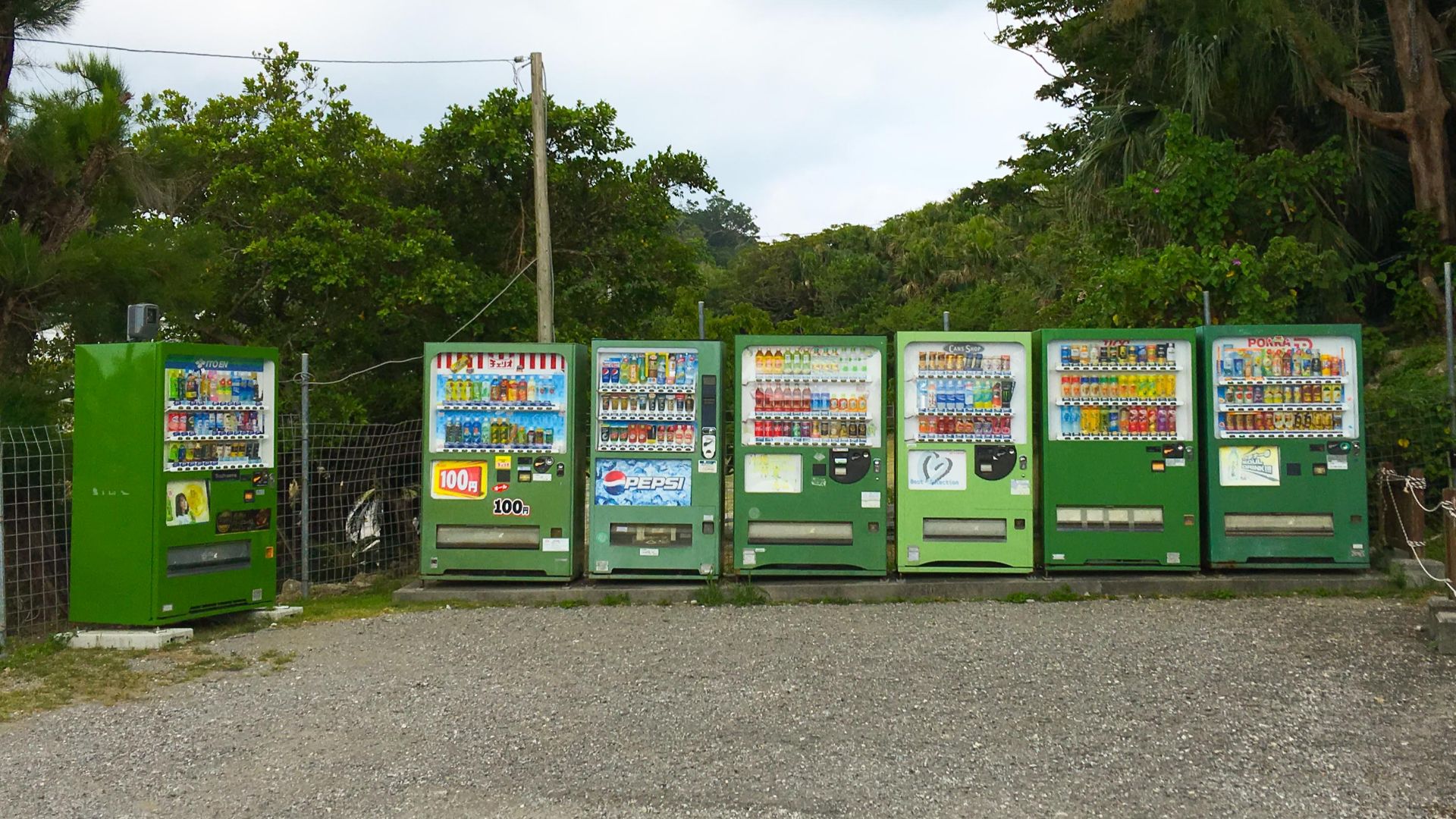
Vending Machines Selling Almost Anything
Vending machines aren’t just for snacks. In Japan, they sell hot meals, ice cream, fresh flowers, umbrellas, and so much more. With over four million machines scattered across the country, you’re rarely far from something unexpectedly useful—or just plain fun.
 Daniel Ramirez from Honolulu, USA, Wikimedia Commons
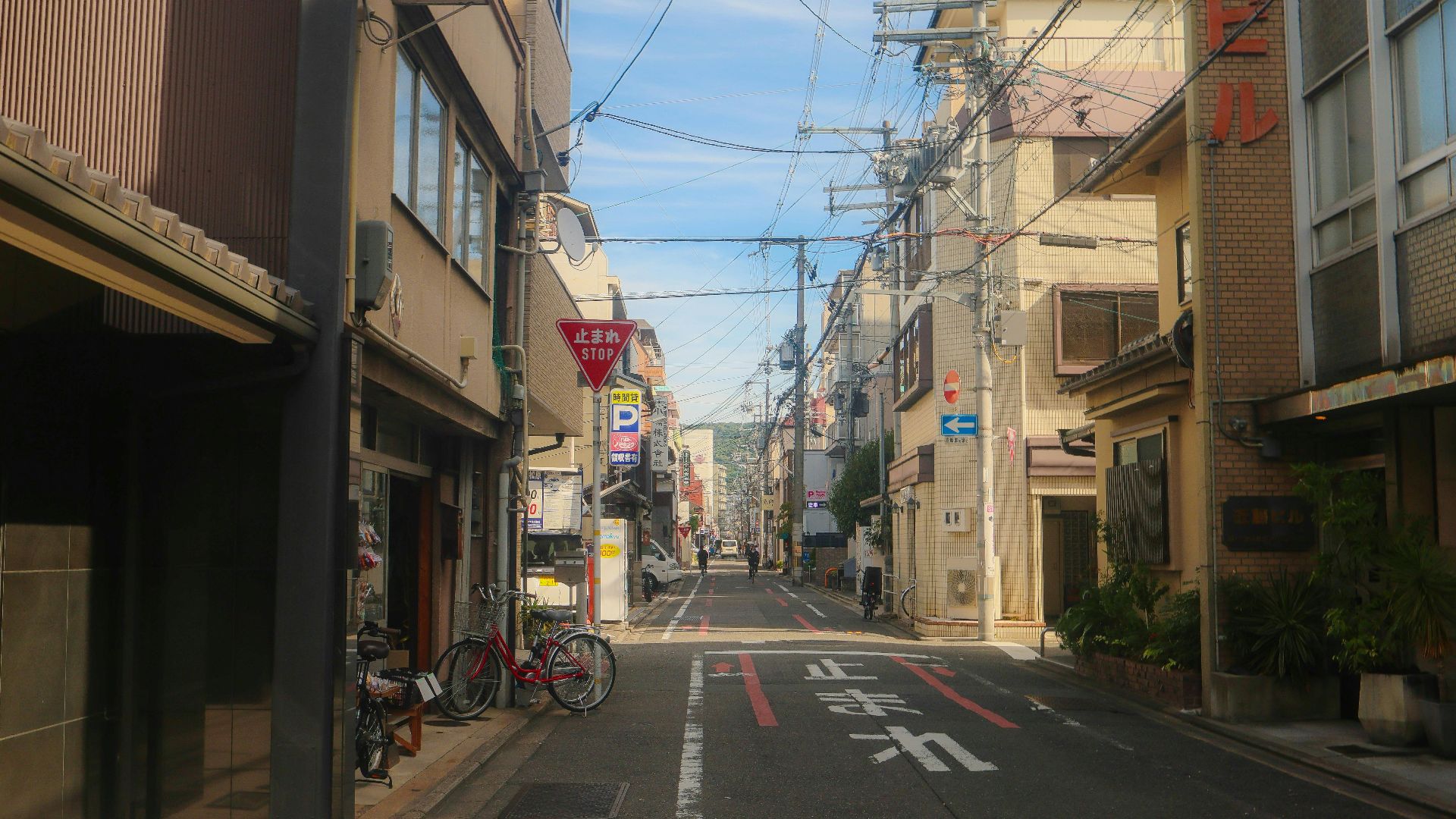
Public Spaces Stay Spotless
There are barely any public trash cans, yet the streets stay incredibly clean. Locals often carry their trash home, however; it’s not enforced. Visitors notice the difference immediately, especially in big cities where you’d expect litter but never find it.
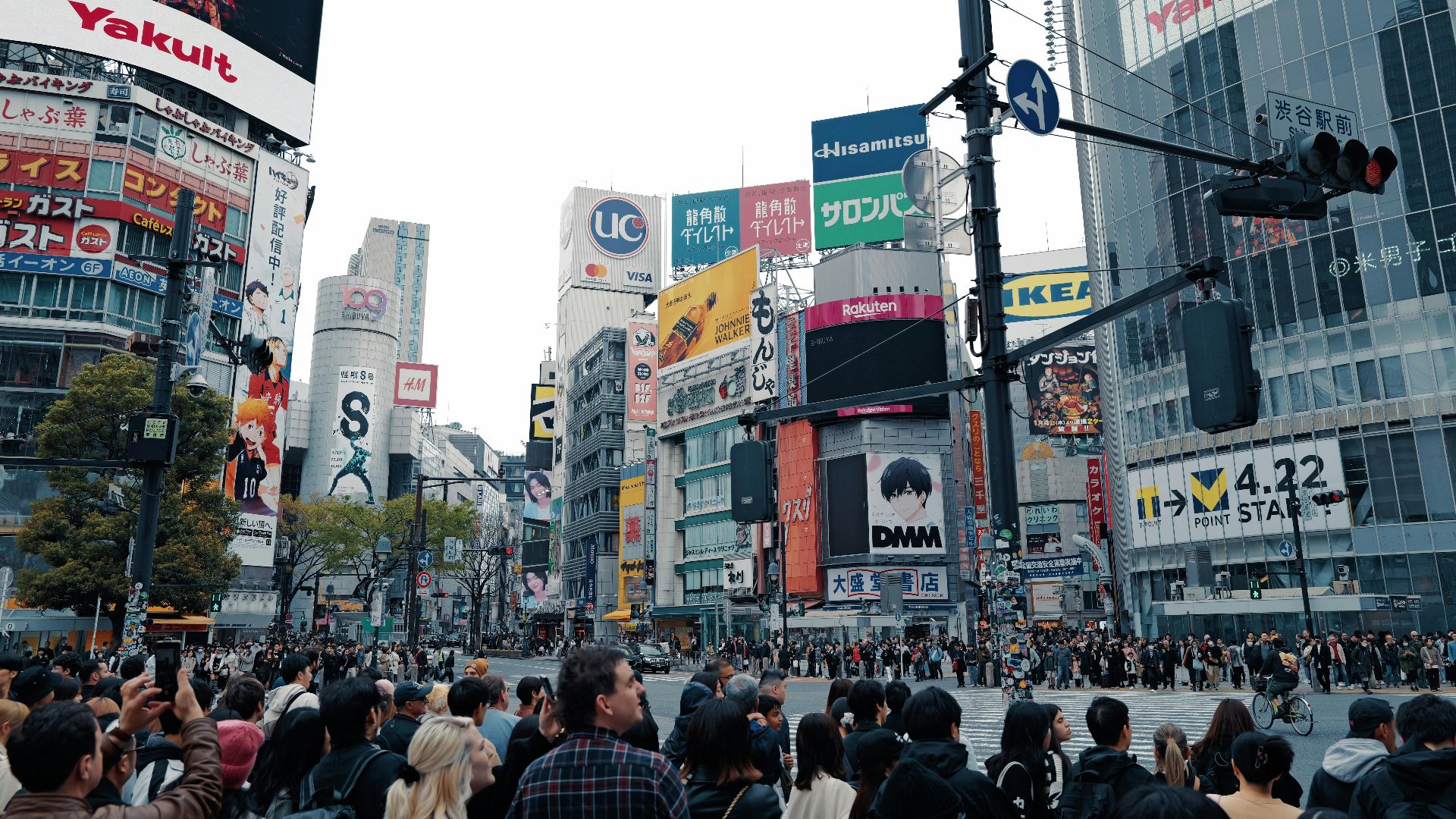
Crosswalks That Actually Get Used
Even at 2 a.m. with no cars in sight, people wait for the green light. It’s not fear—it’s culture. There’s a shared belief in structure, and that subtle choice keeps everything moving smoothly for everyone, including confused-looking tourists.
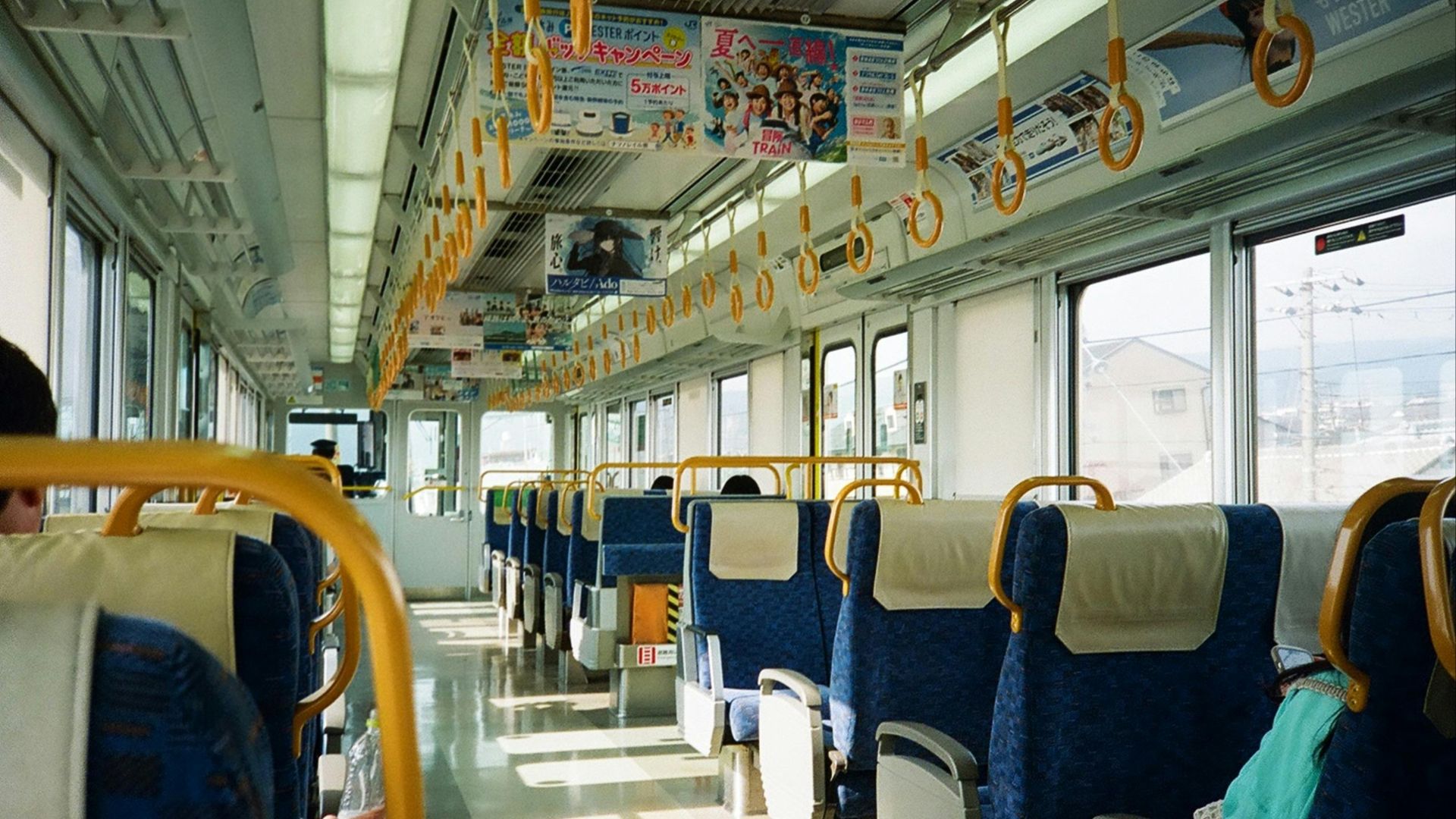
Trains With Heated Seats
Winter travel hits different when the seat under you is warm. Many local and regional trains come with heated seating, especially during colder months. It’s a small luxury that makes waiting for your stop just a little cozier.
Convenience Stores That Actually Impress
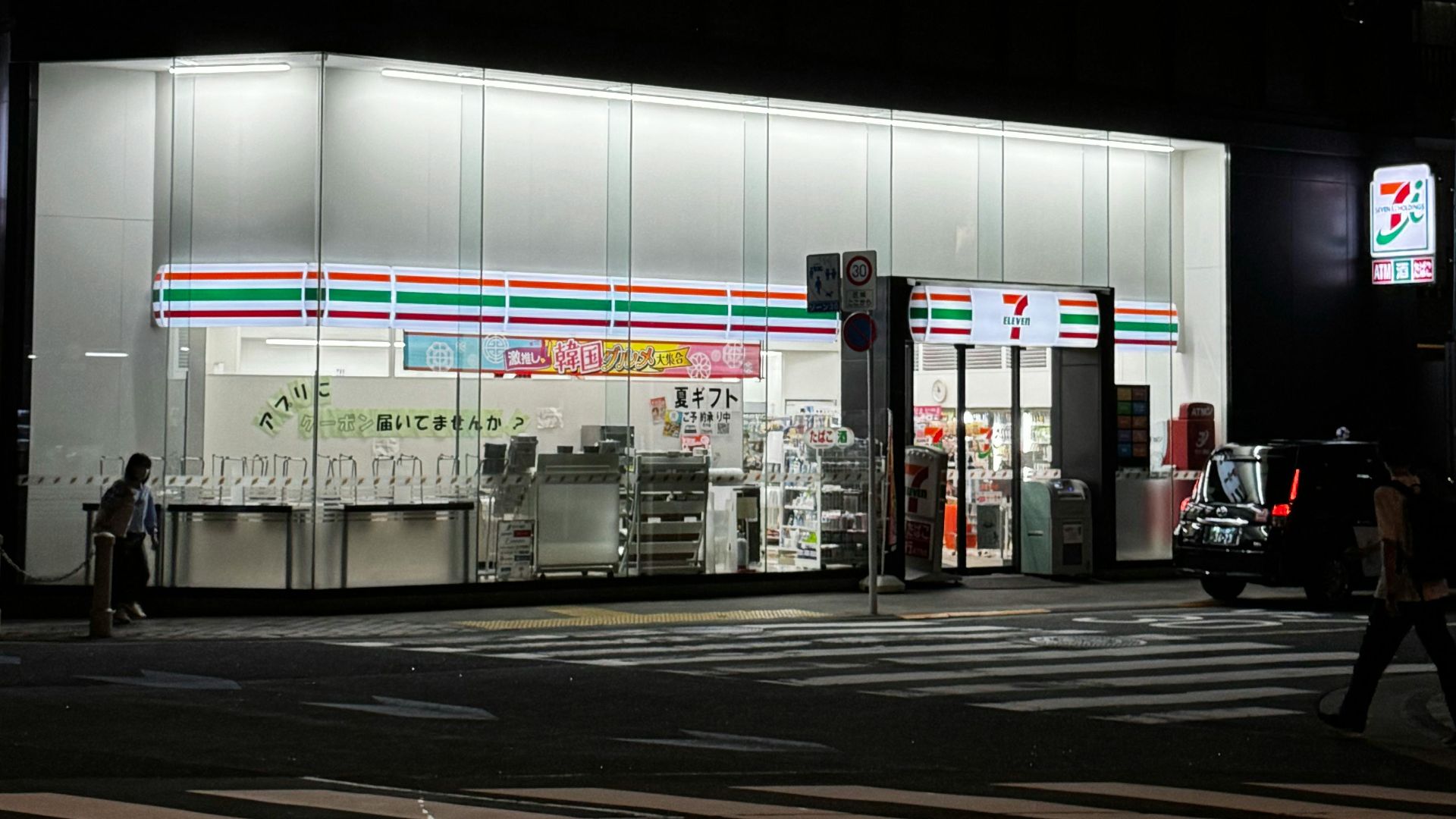
Japanese convenience stores are in a league of their own. Fresh meals, gourmet snacks, bill payment, and clean bathrooms—all in one spot. You can grab a hot meal and pay your utilities in the same five-minute visit. It’s oddly satisfying.
Staff Who Actually Notice You
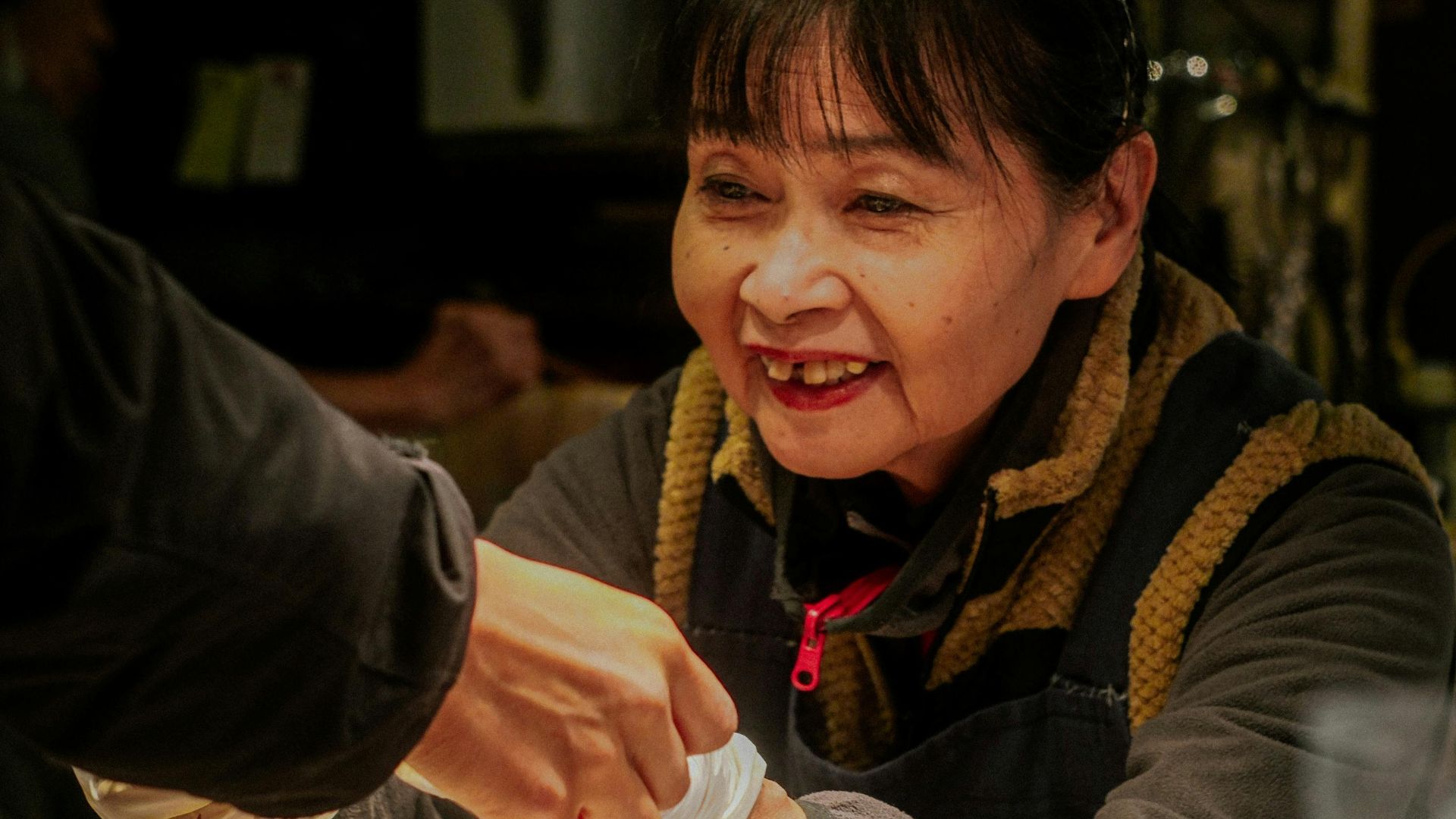
There’s a kind of quiet attentiveness here. Staff won’t chase you around the store, but if you pause too long, someone may step in with help. It’s efficient without being pushy, and it makes navigating language barriers feel a lot easier.
Escalator Rules That Actually Matter
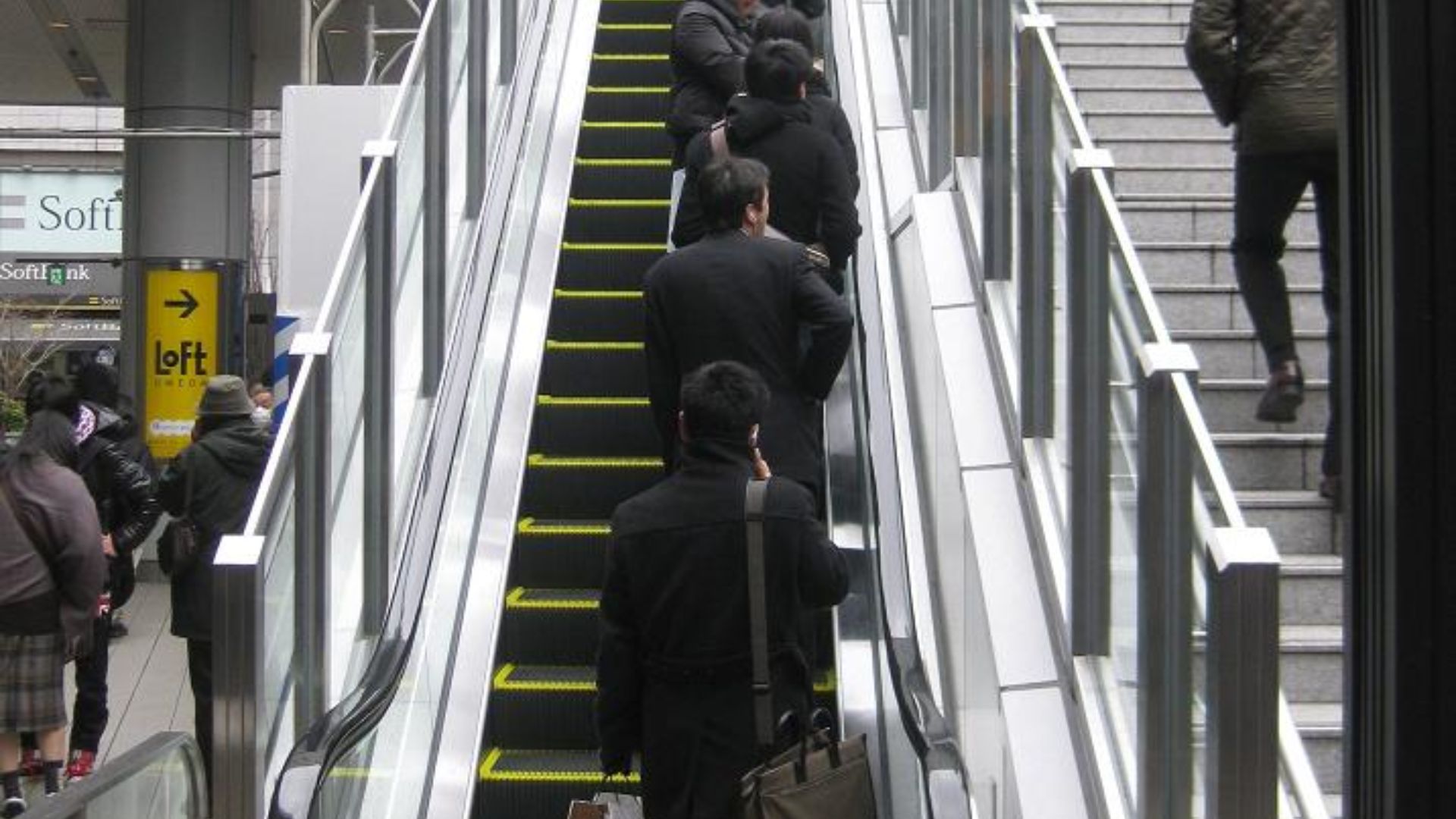
In most of Japan, people stand on one side and walk on the other. However, here’s the twist—which side changes depending on the city. In Tokyo, you stand on the left. In Osaka, the right. Locals follow it, and visitors quickly learn to copy.
Kids Commute Alone Like Pros
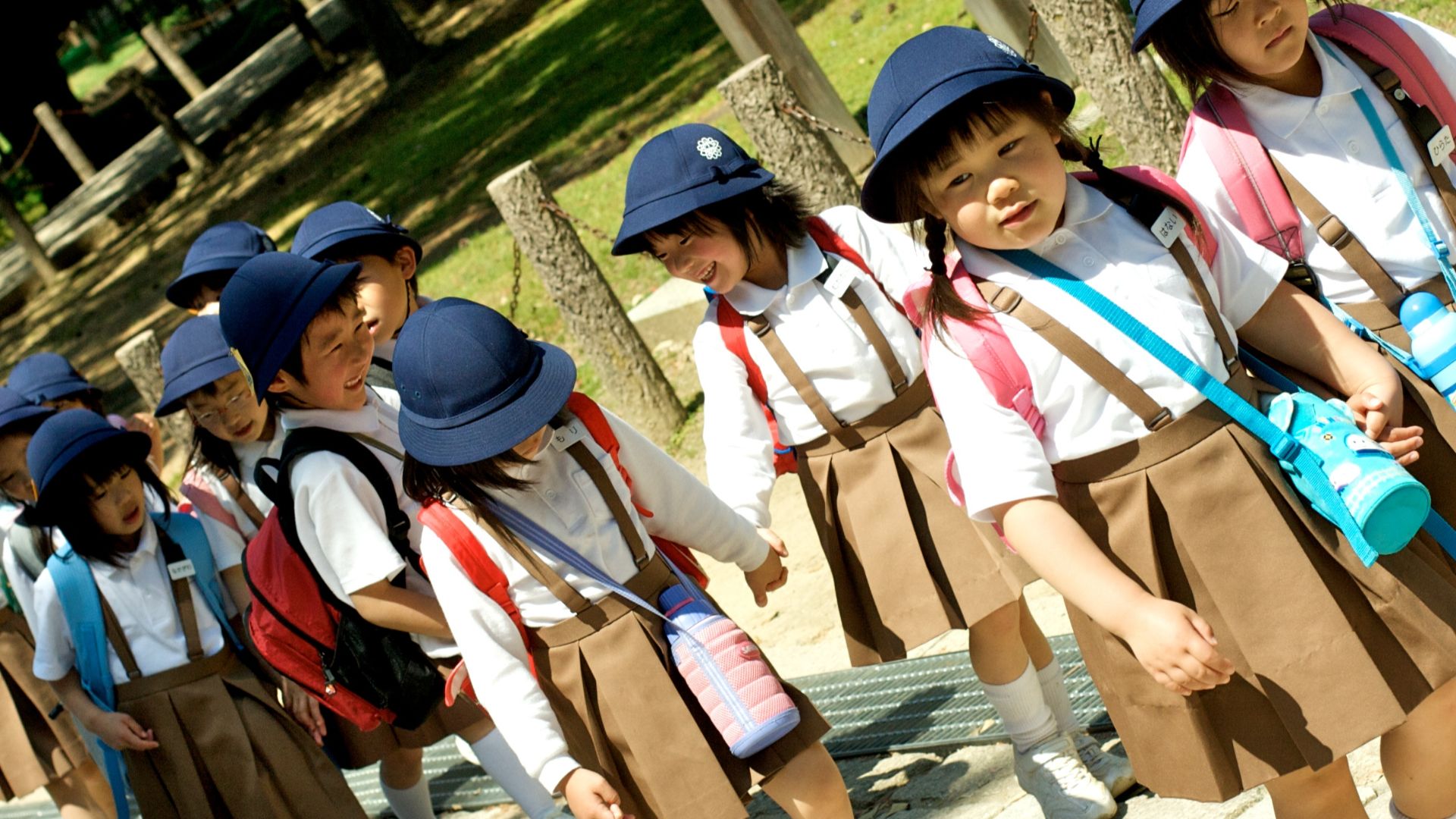
Seeing small kids riding the train alone during rush hour might raise eyebrows elsewhere, but it’s normal in Japan. They wear uniforms, carry little backpacks, and walk with purpose. It speaks volumes about safety and how communities quietly look out for them.
 Matt Murphy, Wikimedia Commons
One-Dish Restaurants Done Right
Some restaurants in Japan serve only one thing—and perfect it. A ramen shop might focus on just one broth. A tempura place? One batter, no fluff. It’s not about variety. It’s about doing one thing better than anyone else and owning it.
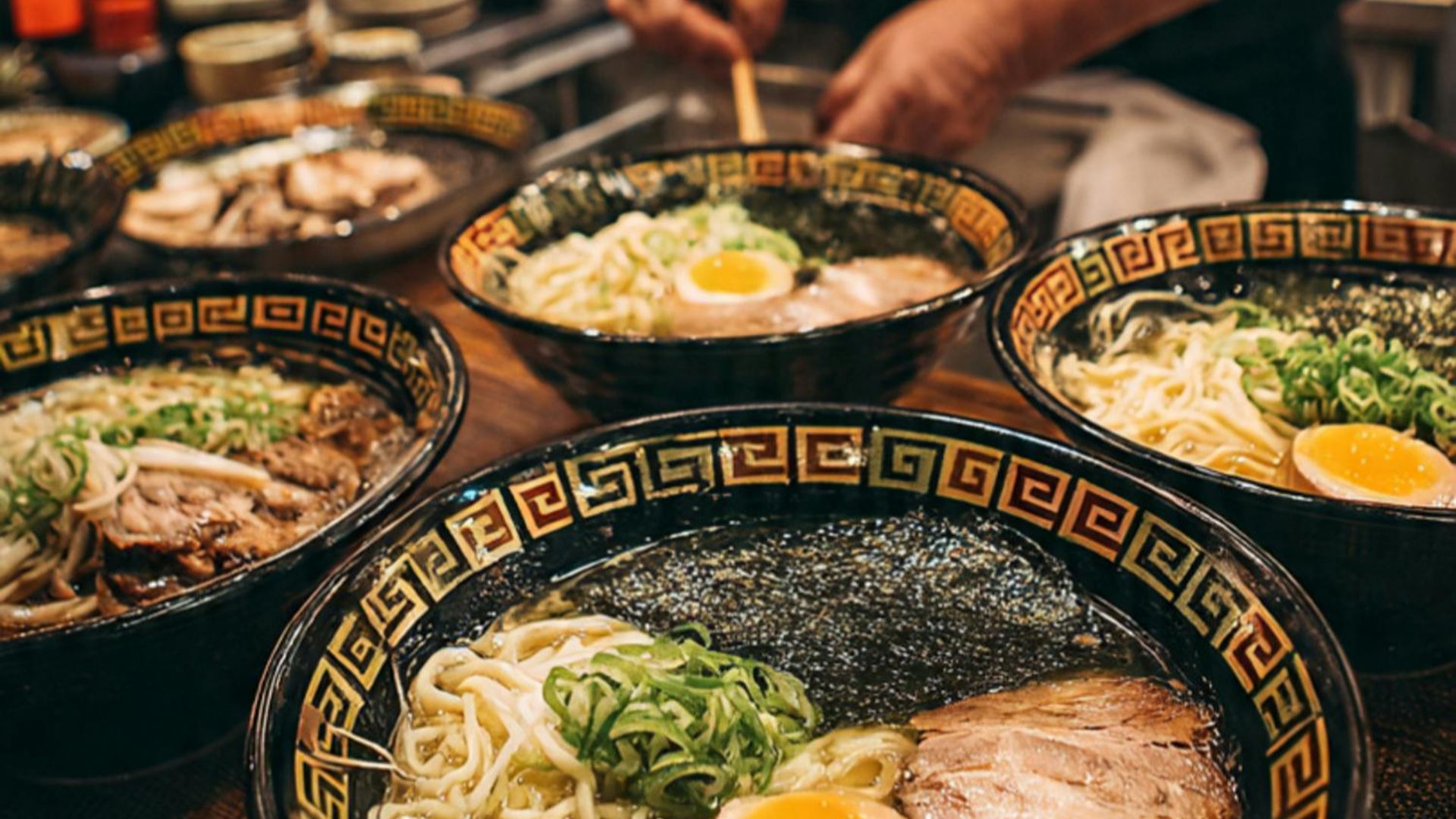
Selling Out Means Something Different
Some restaurants prepare a fixed amount each day and close once everything is gone. Shops may leave handwritten notes when items sell out. The approach reflects pride in consistency and care, where food is treated as something finished with intention rather than endlessly replaced.
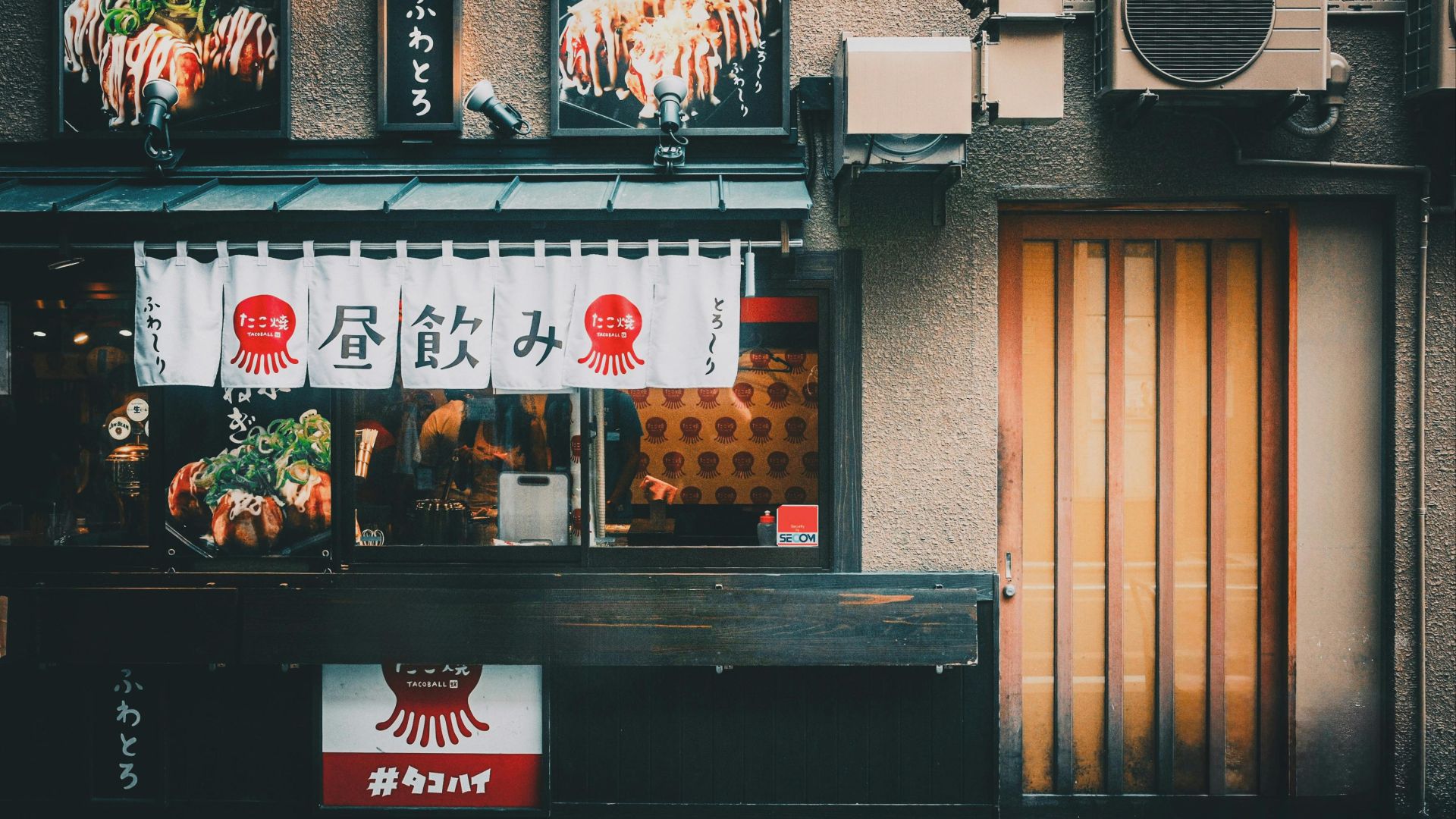
Uniforms For Nearly Every Job
You don’t realize how much visual chaos you’re used to until everyone’s dressed for the task. In Japan, uniforms aren’t optional flair—they’re serious, crisp, and everywhere. The best part? Even the guy guiding traffic at a construction site looks like he could land a plane.
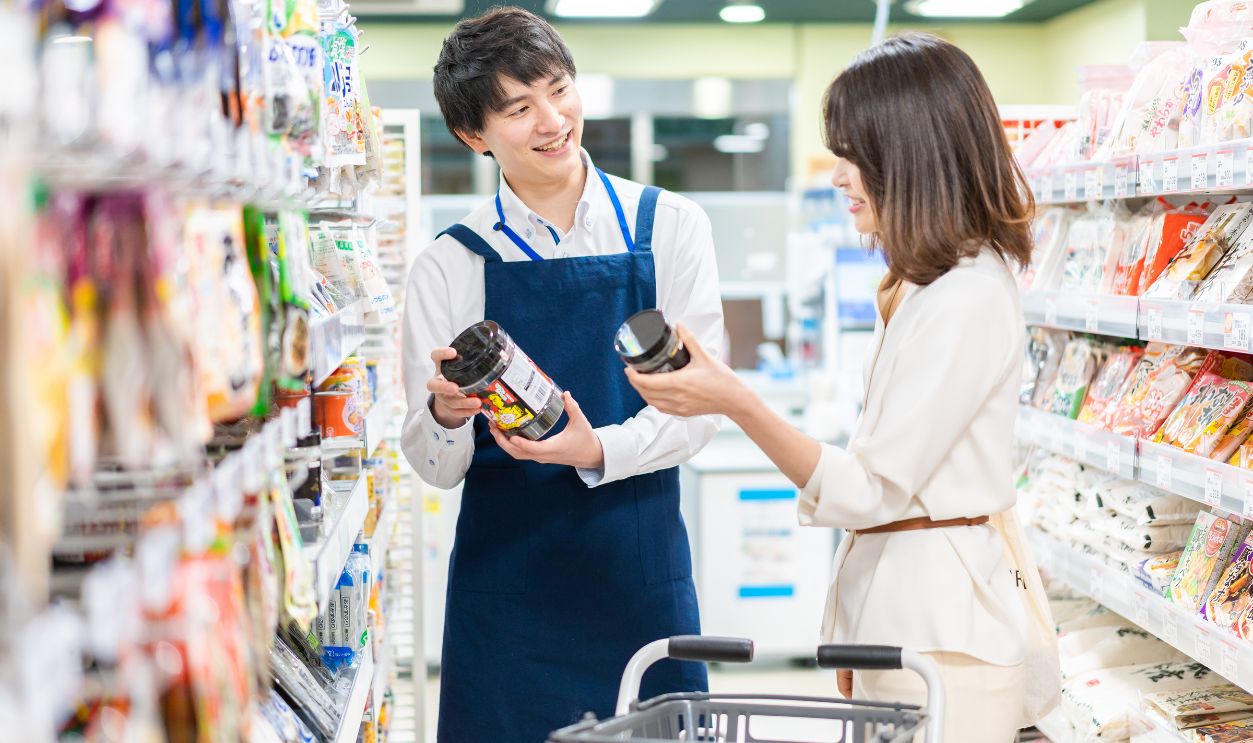
Silence On Public Transit Is Normal
First time on a Tokyo train, you’ll probably check if talking is illegal. It’s not—but people just don’t. The silence is real. No phone calls. No small talk. It’s as if everyone quietly agreed that public transport should feel like a library on wheels.
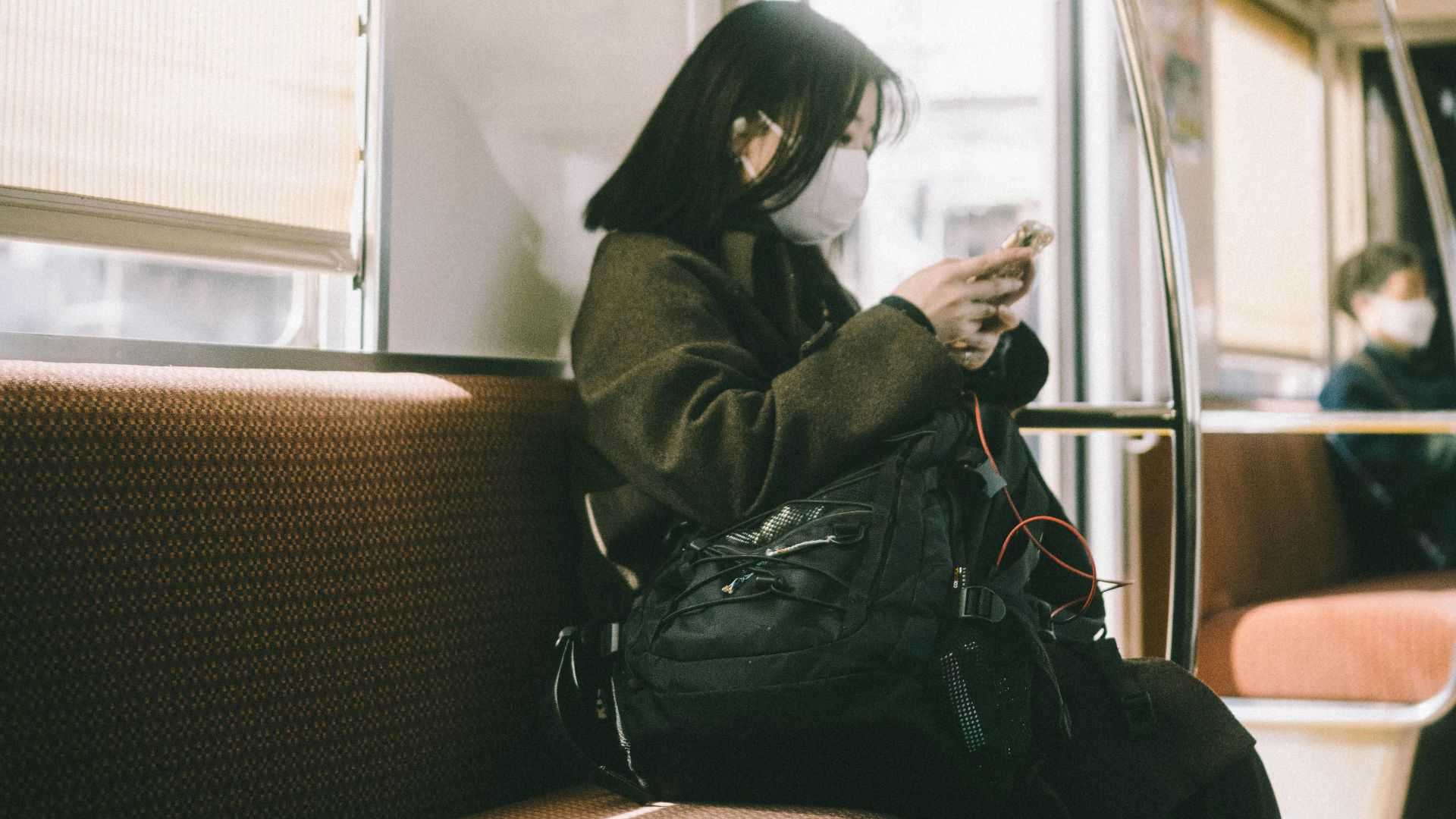
Bicycles Are Parked In Orderly Rows
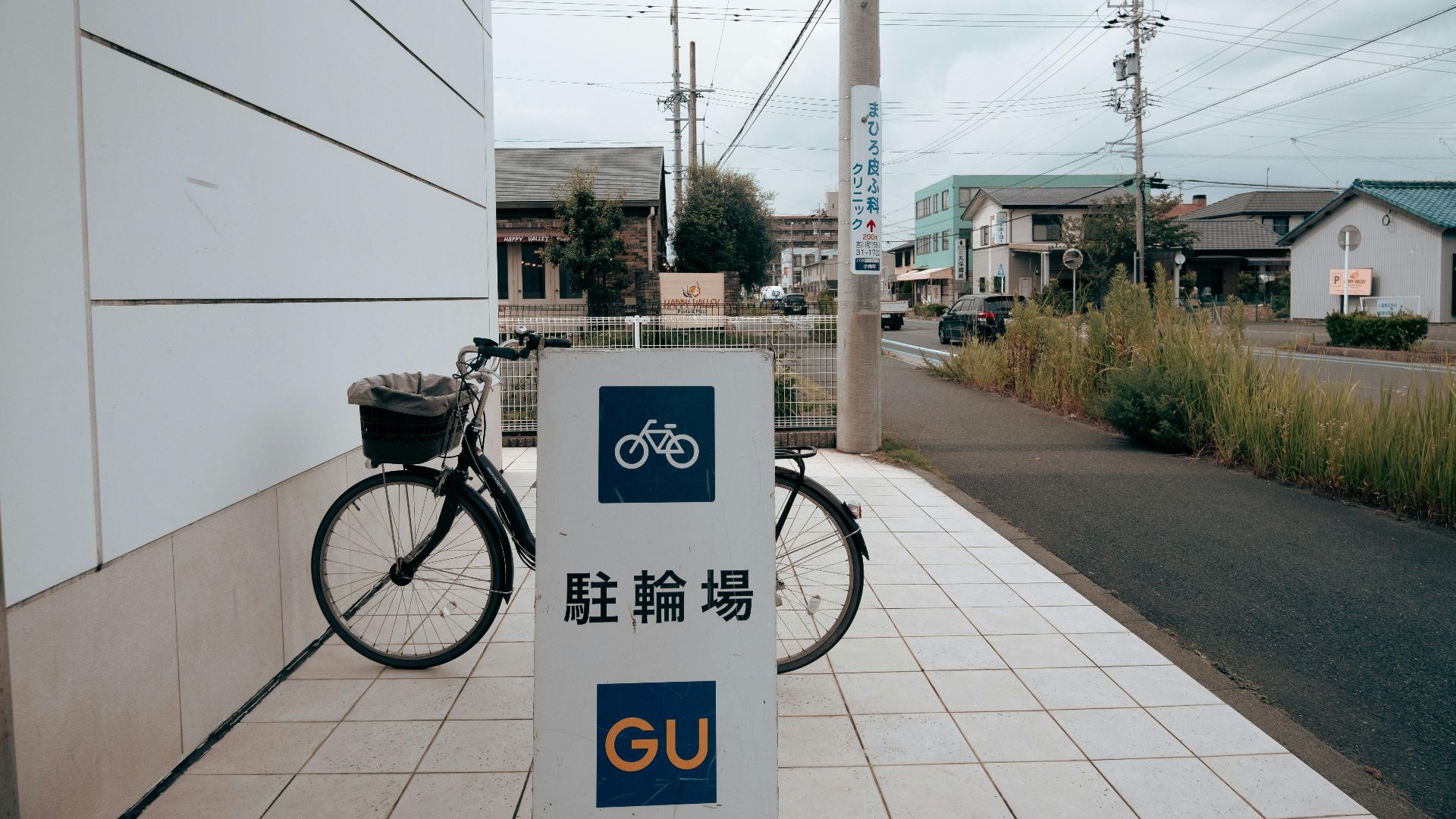
Even in busy areas, bicycles aren’t left scattered or leaning on random walls. They’re lined up in proper racks, facing the same way, often locked neatly. That small sense of order makes crowded streets become more manageable, even during peak hours.
Umbrellas Have Their Own Rules
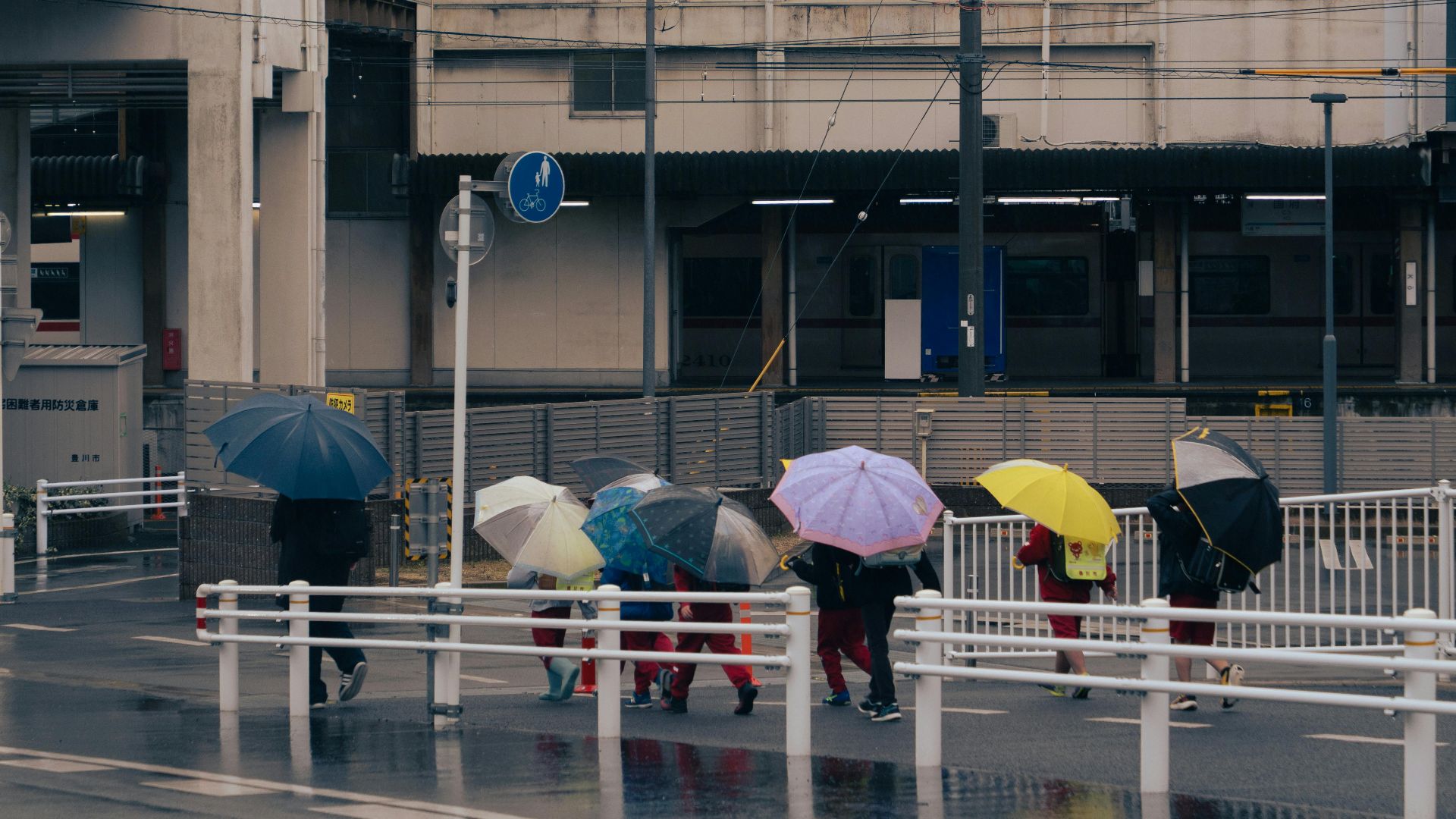
When it rains in Japan, people place their umbrellas in shared stands outside shops and stations without much thought or hesitation. Everyone seems to understand how it works, and umbrellas are left alone, which makes the whole routine calm and surprisingly reliable.
Everything Is Wrapped Beautifully
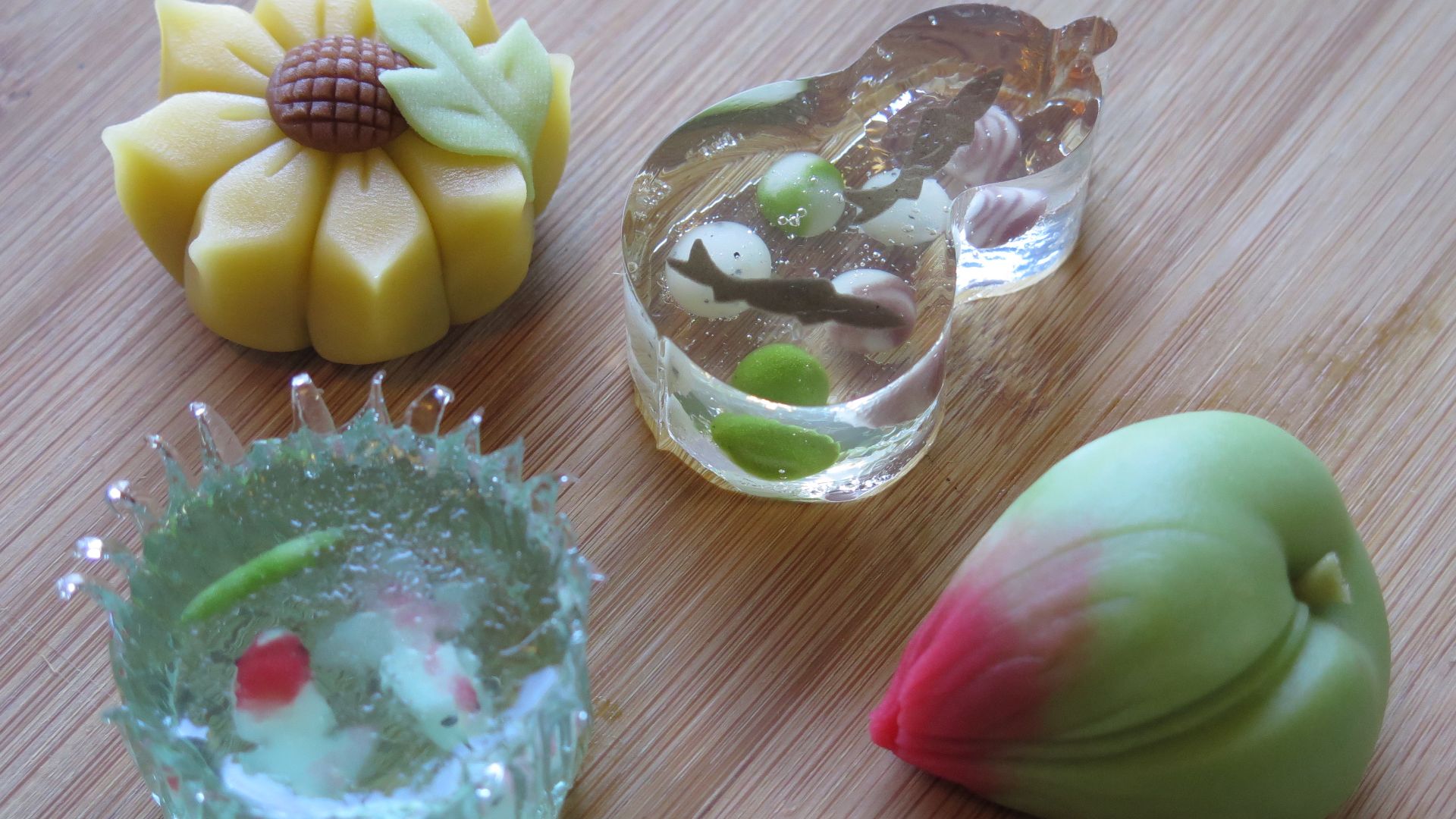
Buying something small in Japan often comes with careful packaging that feels deliberate rather than rushed or careless. The way items are wrapped and handed over shows attention to detail, and over time, you start noticing how much thought goes into even the simplest exchange.
 Douglas Perkins, Wikimedia Commons
Capsule Hotels Actually Work
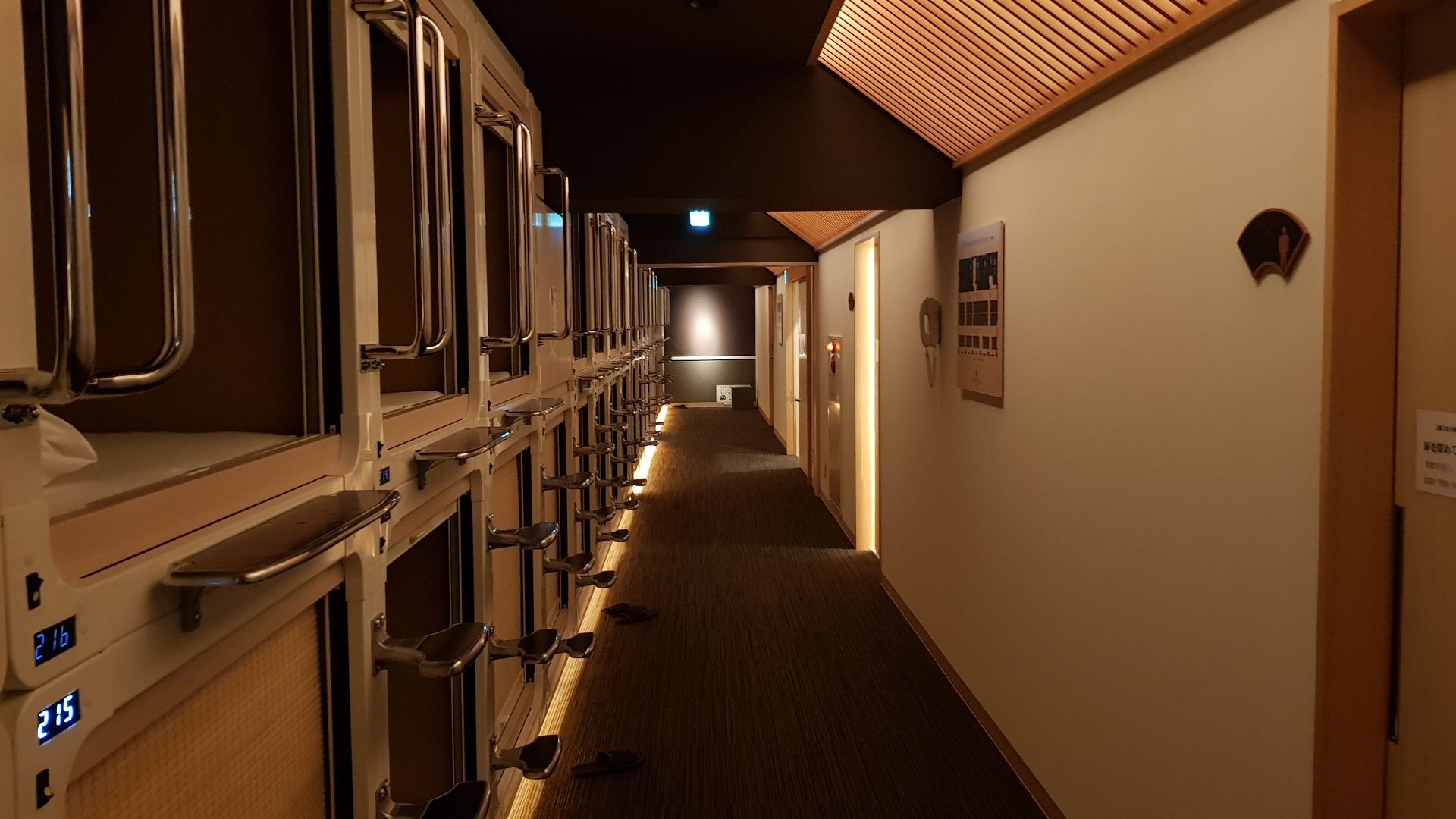
A private pod that looks like a space capsule might seem strange—but it’s clean and well-designed. Most have lockers, lounges, and shared baths. For solo travelers or quick stays, capsule hotels offer a surprisingly cozy way to crash without wasting space.
 Trueshow111, Wikimedia Commons
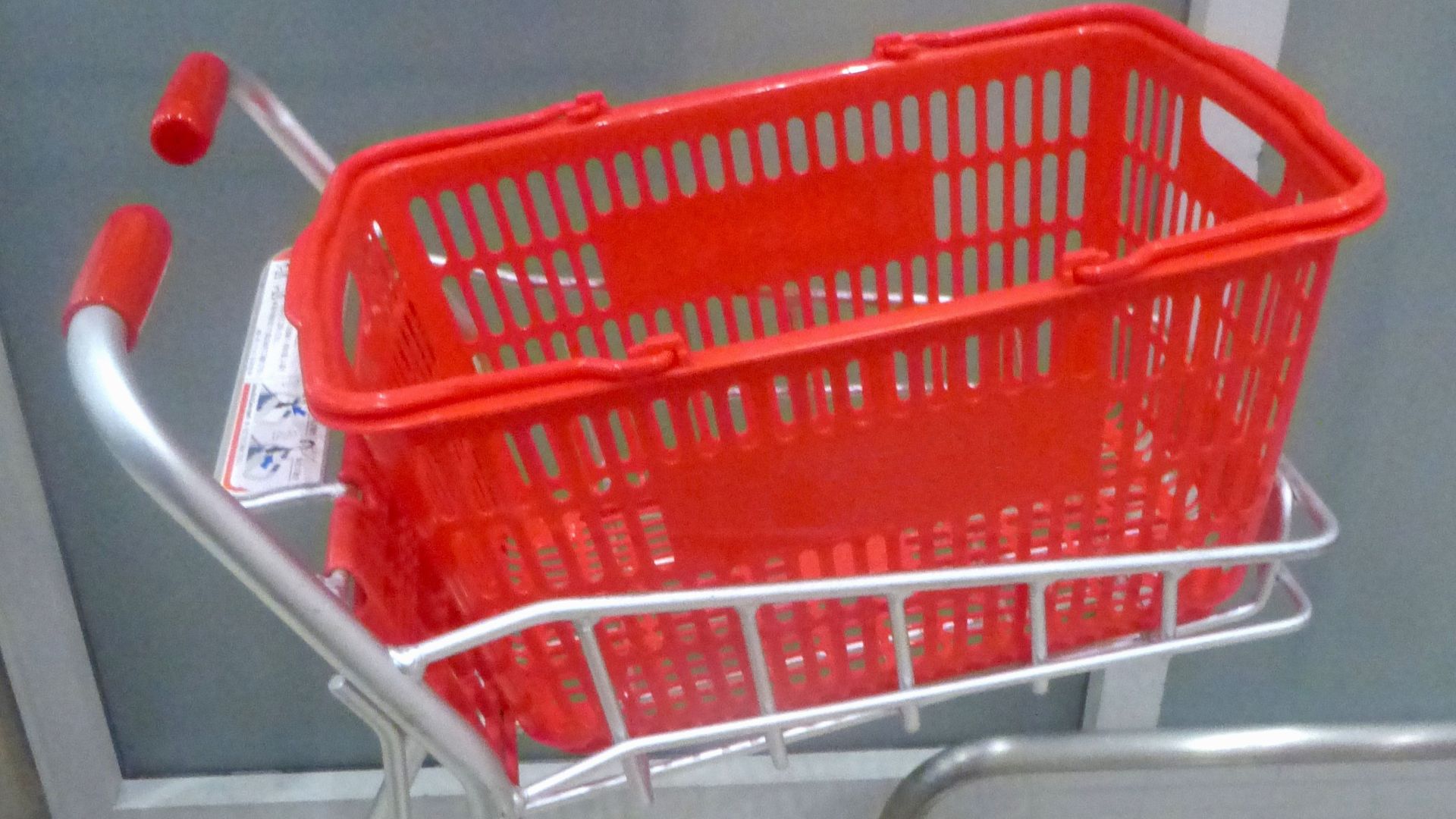
Hands-Free Shopping Baskets Exist
Some supermarkets in Japan use a setup where your shopping basket sits directly on the cart and stays there during checkout. The cashier scans each item without you having to unload anything. It saves time and makes you wonder why this is not followed back home.
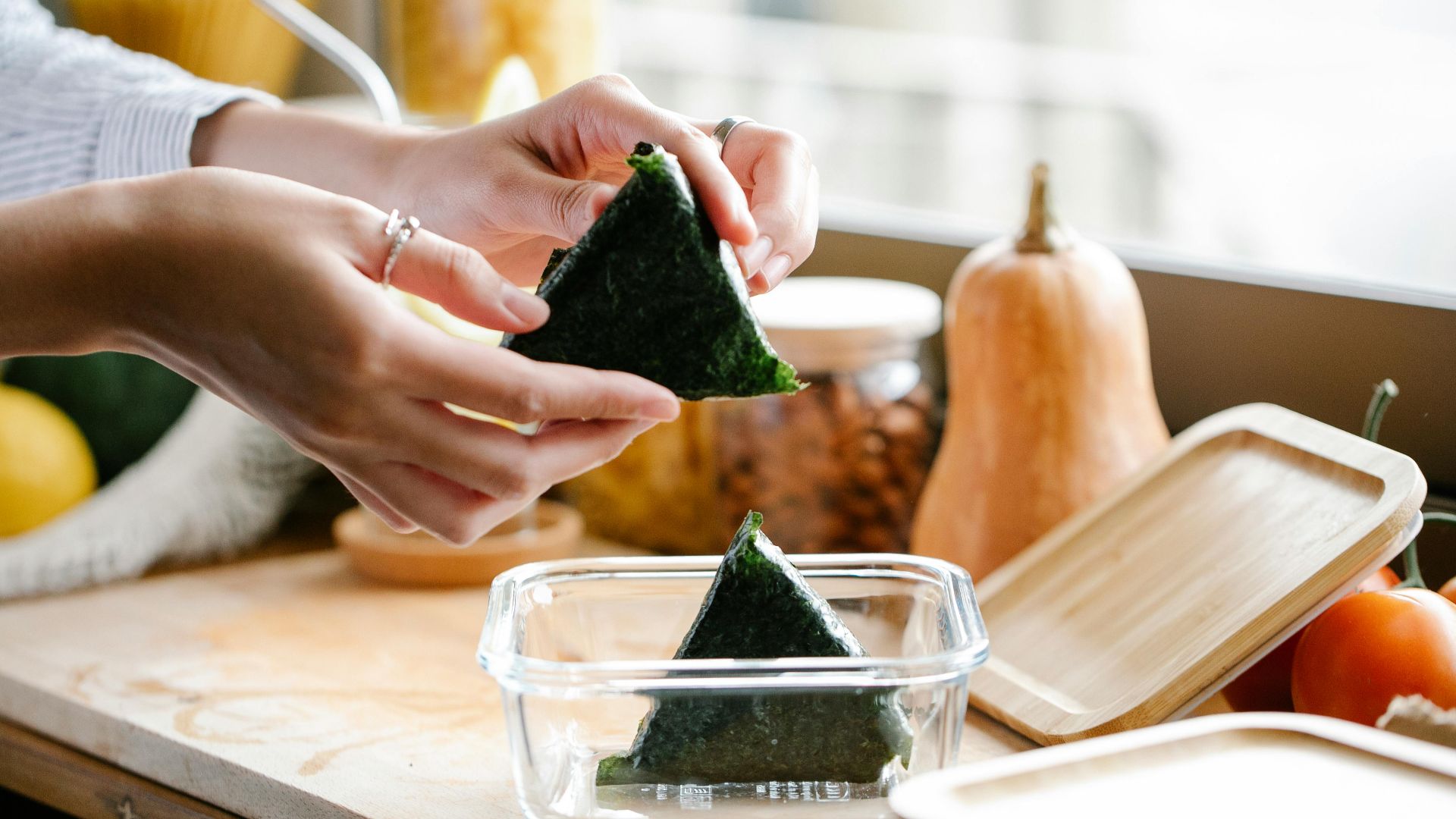
Food Packaging With Purpose
In Japan, even snacks are designed with care. Opening a sandwich or rice ball doesn’t lead to torn plastic or crumbs everywhere. The packaging helps you move through the moment cleanly, which makes a small task feel surprisingly considered.
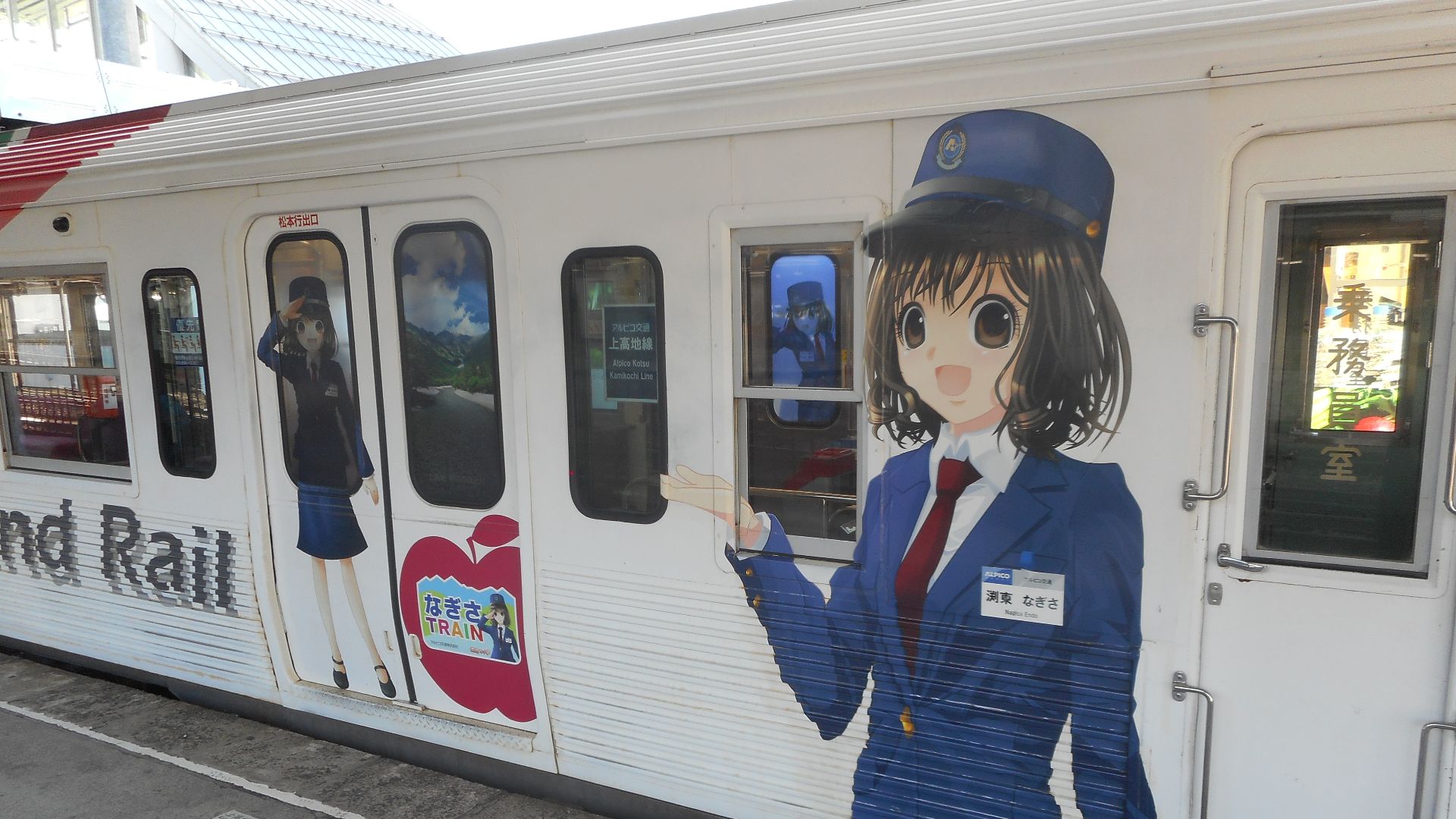
Anime Culture Is Everywhere
You don’t need to visit a museum to see how deeply anime is woven into everyday life. Characters appear on trains, vending machines, and even local safety signs. Whether or not you’re a fan, it’s something you end up noticing constantly while moving through the country.
 Kumpei Shiraishi from Tokyo, Japan, Wikimedia Commons
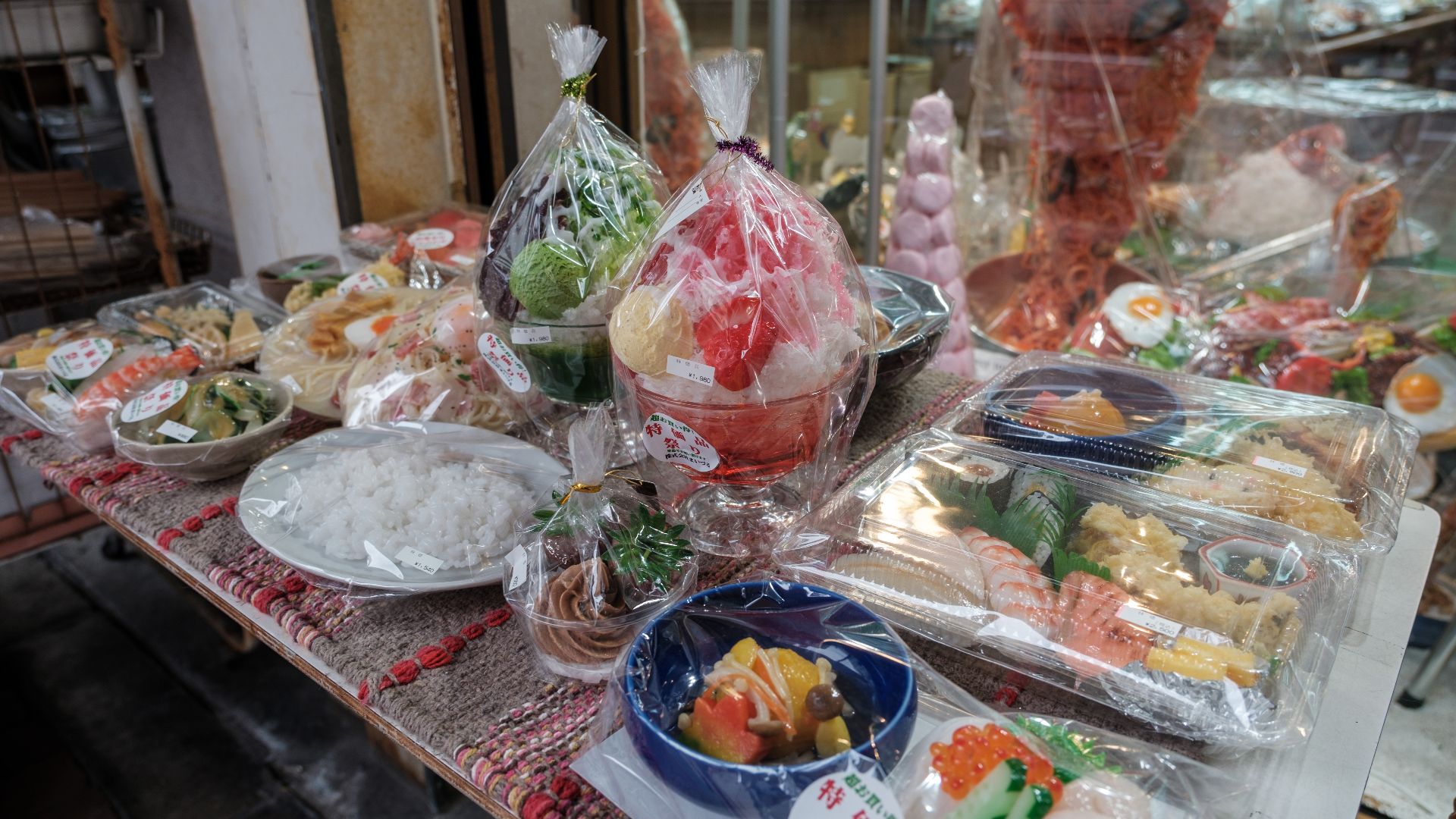
Most Restaurants Have Fake Food Displays
Outside many restaurants, there are lifelike models of the dishes they serve. The detail is surprisingly good, down to the garnish or shine on the sauce. It helps people choose what they want without guessing, especially if they can’t read the menu.
 Real Estate Japan from Tokyo, Japan, Wikimedia Commons