A Few Broken Pieces Of Stone Changed Everything
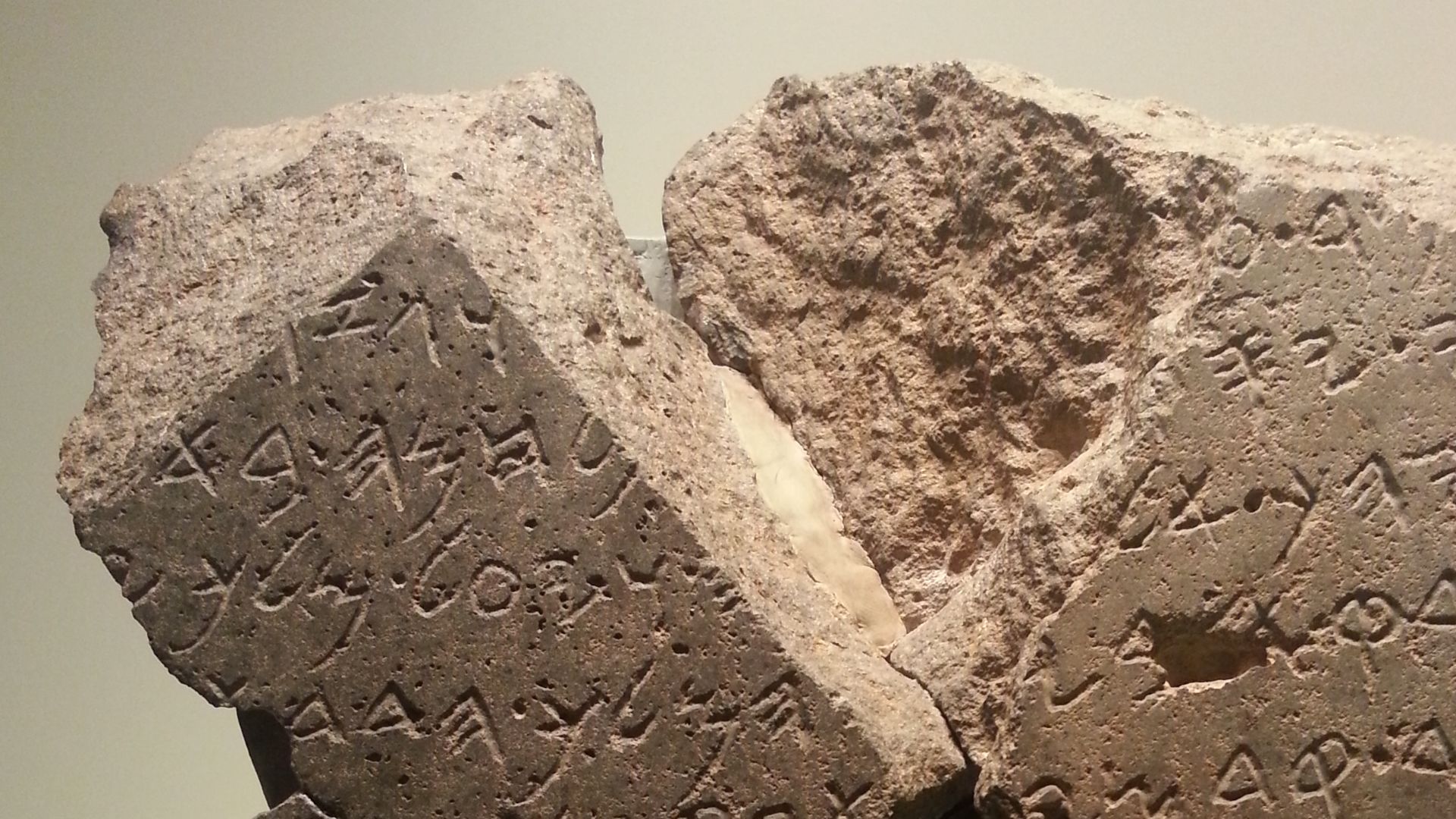
For centuries, almost everything people knew about King David came from the Bible. Archaeology had uncovered plenty of evidence for later kings of Israel and Judah, but David himself was nowhere to be found outside the biblical text. That changed dramatically when archaeologists digging at Tel Dan in northern Israel noticed writing scratched across a broken piece of basalt. The inscription contained just a handful of surviving lines, but three words caused an immediate sensation: “House of David”.
The Discovery Happened Almost By Accident
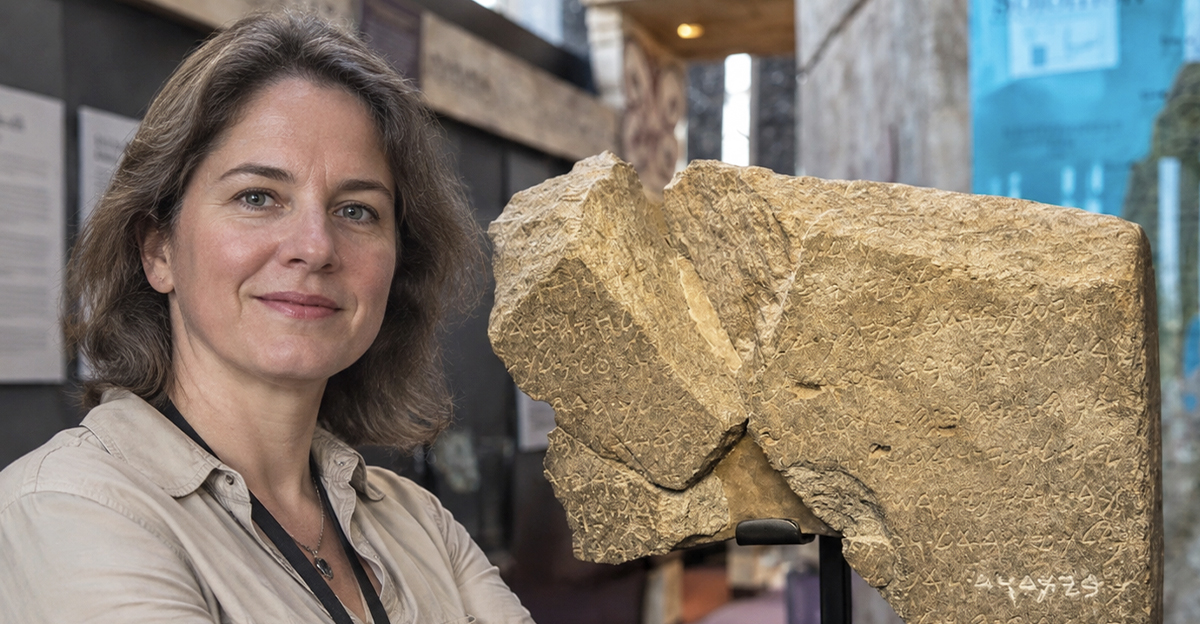
The first fragment of the Tel Dan Stele was discovered in July 1993 during excavations directed by Israeli archaeologist Avraham Biran. Surveyor Gila Cook noticed letters carved into a basalt stone that had been reused in an ancient wall. It wasn’t sitting proudly in its original location. Someone in antiquity had smashed the monument and recycled the pieces as ordinary building material, which makes its survival feel even luckier.
 David Eldan, Wikimedia Commons
Afternoon Sun Helped Reveal The Writing
The inscription could easily have been overlooked. Cook reportedly noticed the letters when sunlight struck the stone at an angle, making the carved characters stand out from the dark basalt. Once she realized the marks were intentional writing, the excavation team knew they had something unusual. What looked like another chunk of masonry suddenly became one of the most talked-about artifacts in biblical archaeology.
 sylvia duckworth , Wikimedia Commons
More Pieces Appeared The Following Year
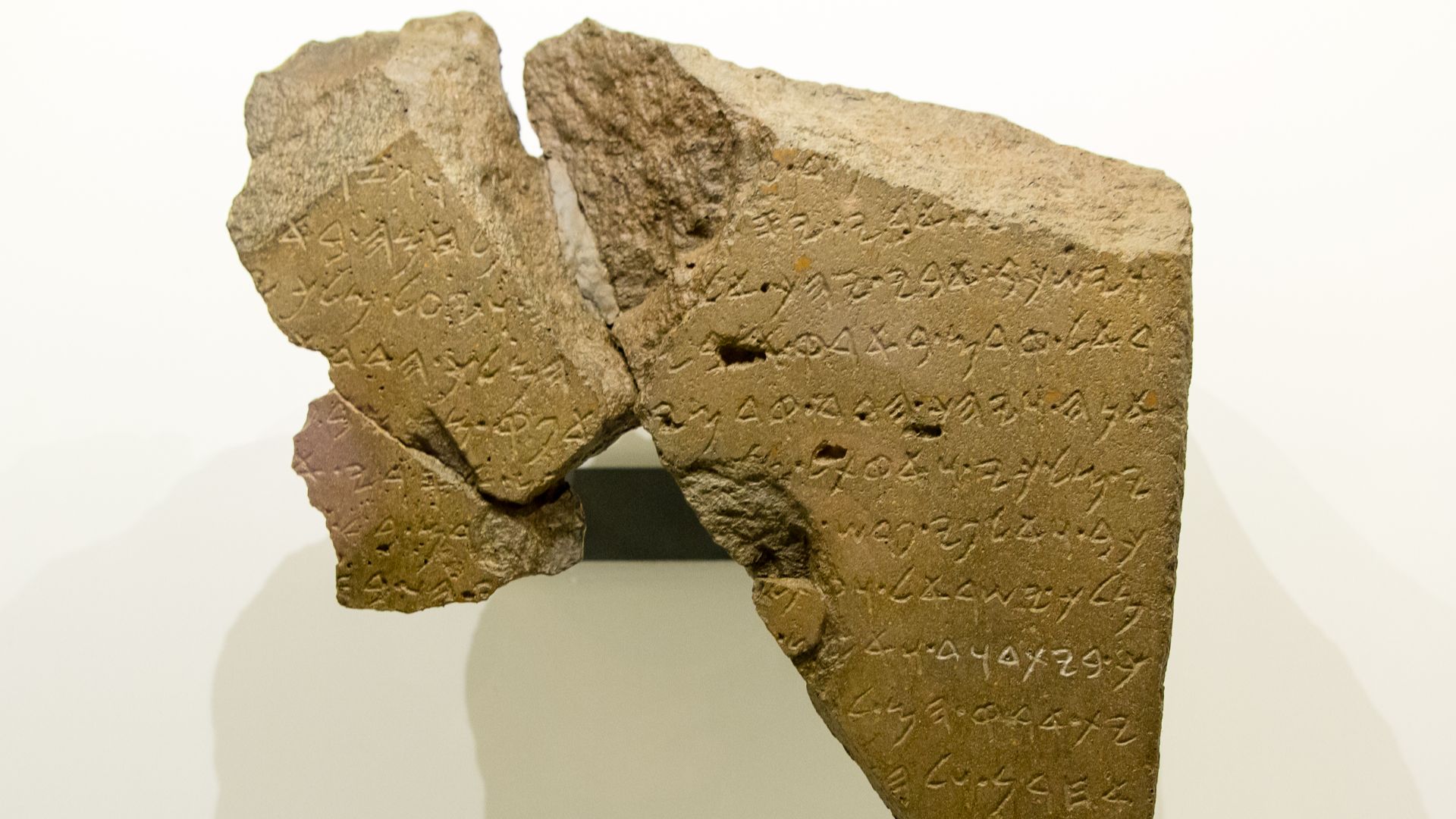
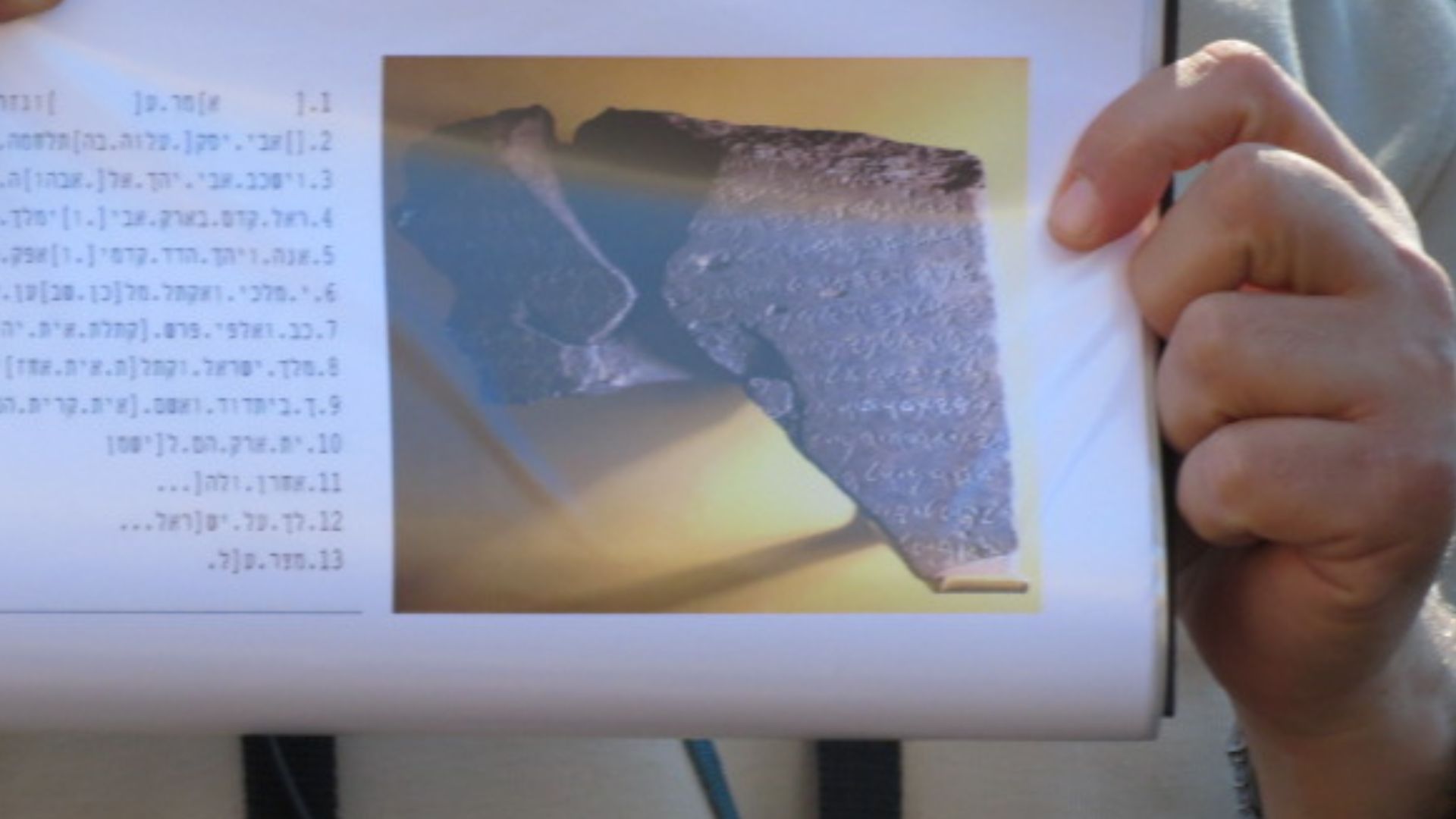
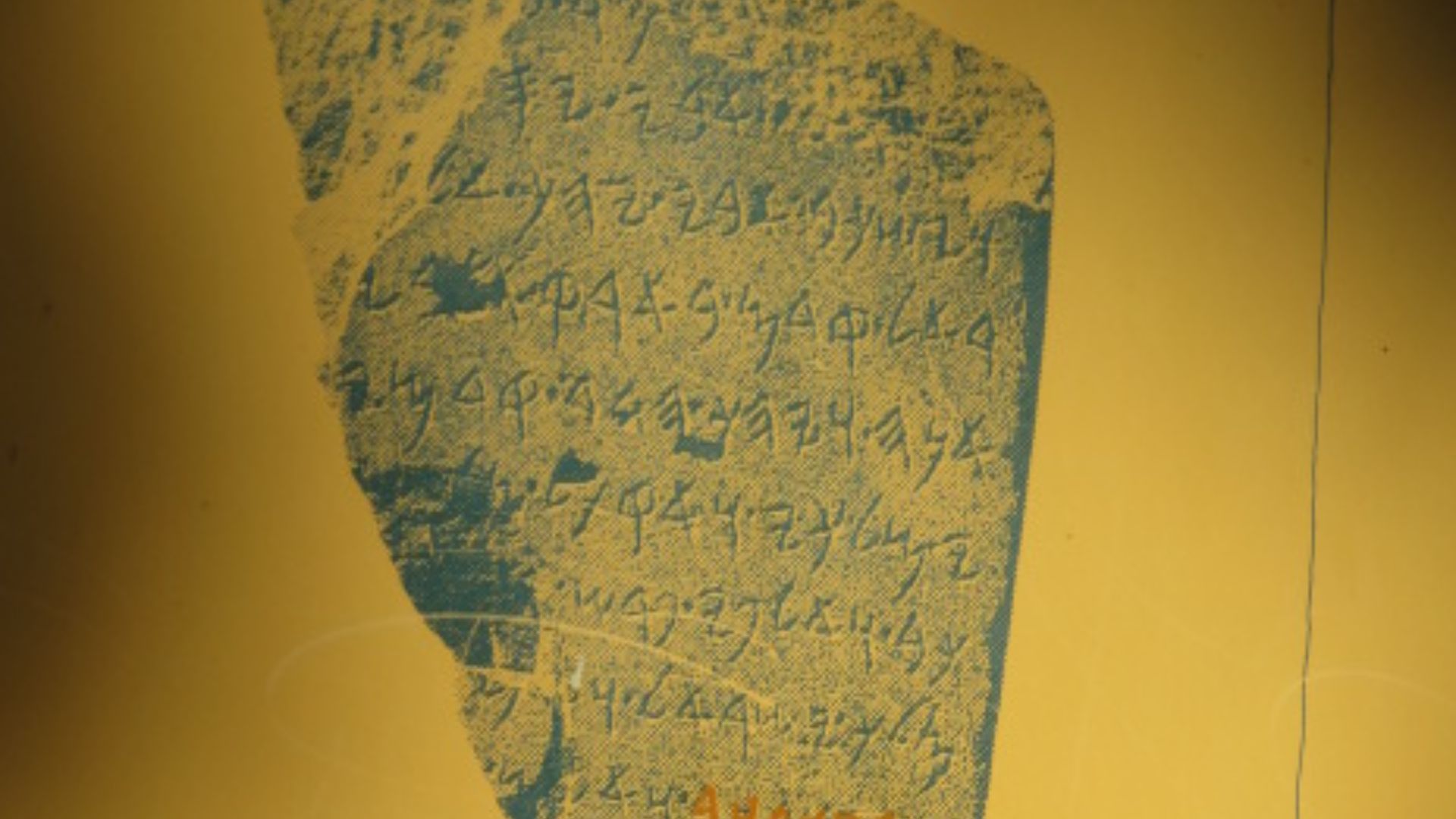
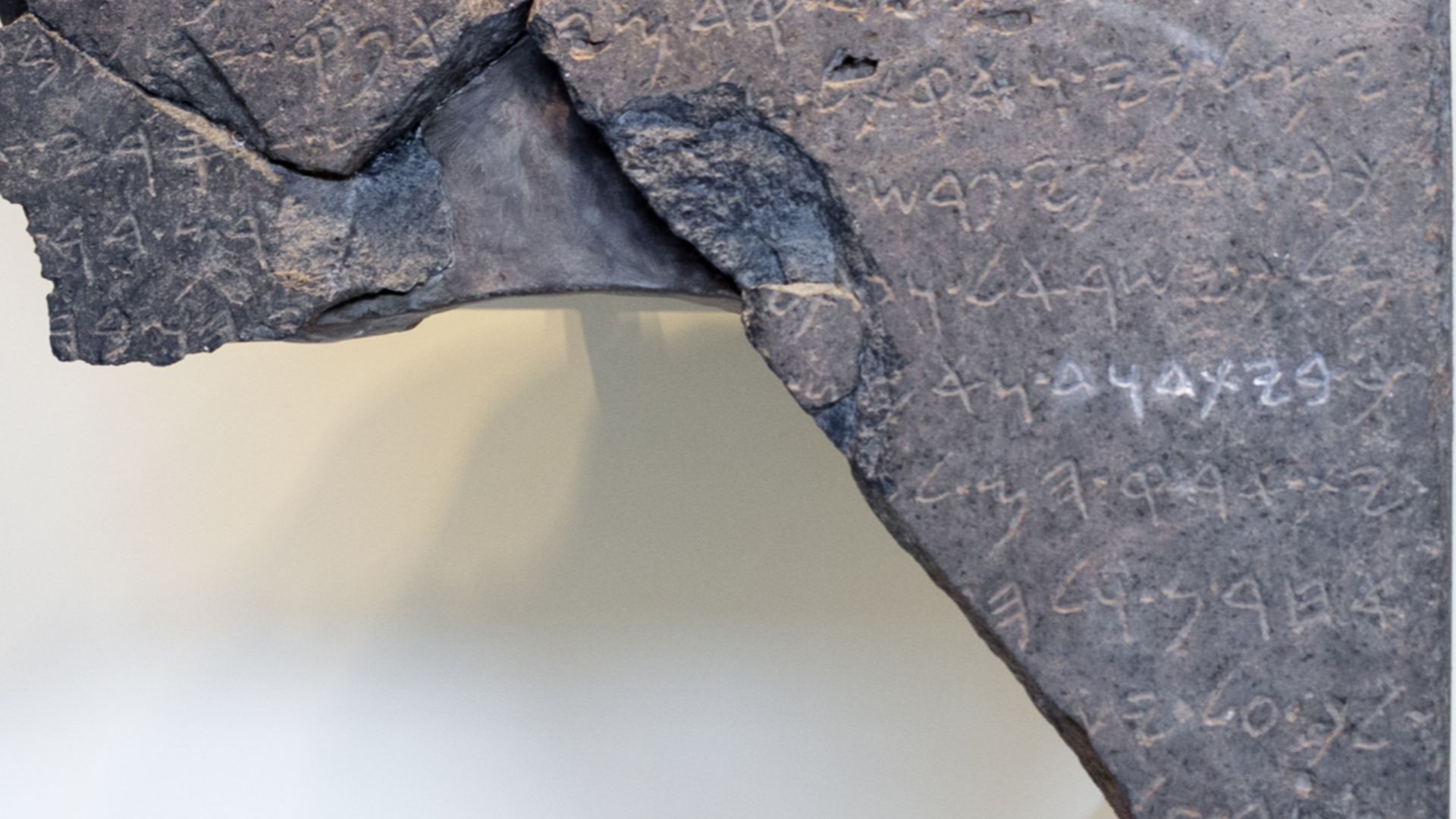
The original fragment contained only part of the inscription, so archaeologists naturally wondered whether more of the monument might still be nearby. In 1994, two additional fragments were recovered at Tel Dan. These smaller pieces could be joined together and helped reconstruct more of the original text. Even with all three pieces, however, only portions of roughly 13 lines survive, leaving plenty of frustrating gaps.
The Monument Was Once Much Larger
The surviving pieces belonged to a victory monument known as a stele, a type of upright stone slab commonly used by ancient rulers to advertise their achievements. Kings across the Near East erected these monuments after military campaigns, usually giving themselves as much credit as possible. The Tel Dan Stele was probably displayed prominently before enemies eventually broke it apart and reused the fragments in construction.
The Inscription Was Written In Aramaic
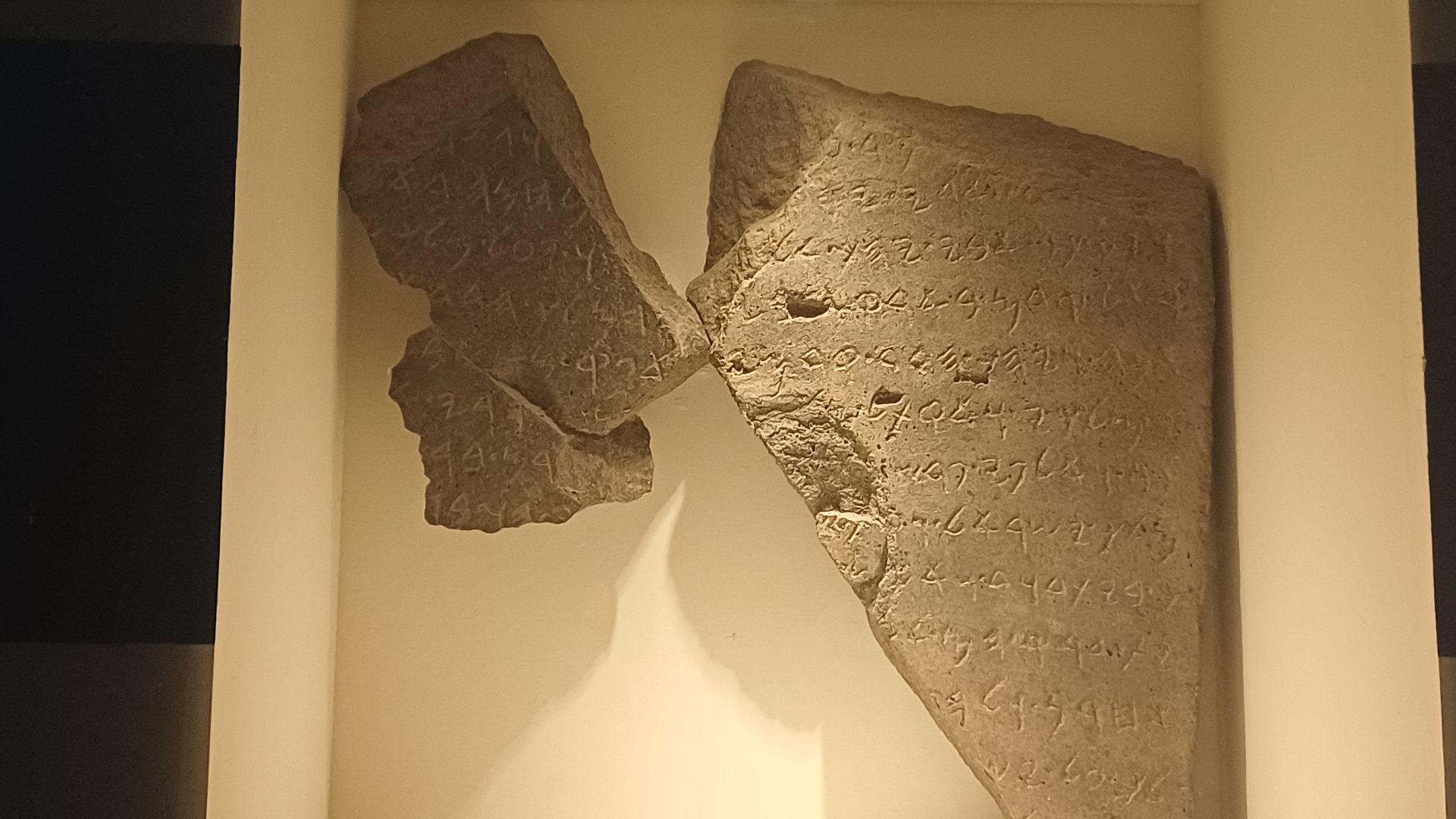
The writing on the stele is in Old Aramaic, the language of the Aramean kingdoms located north and northeast of ancient Israel. That detail immediately told researchers that the monument wasn’t created by an Israelite or Judahite king. Instead, it preserves the viewpoint of one of their enemies, which makes the reference to the “House of David” particularly valuable.
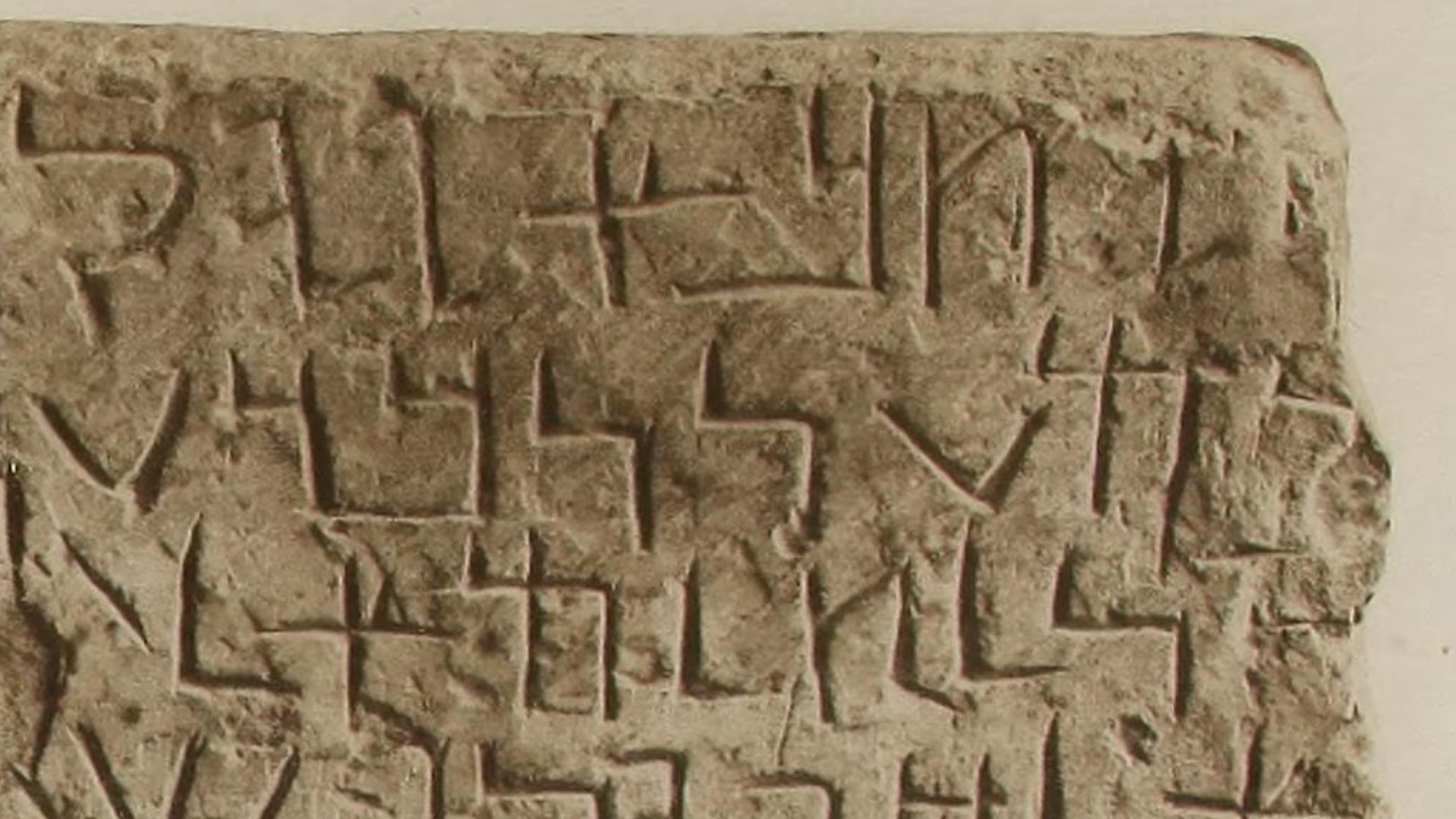 Corpus Inscriptionum Semiticarum, Wikimedia Commons
An Enemy Was Bragging About Victory
The surviving text is essentially an ancient military boast. Its author describes victories over neighboring kingdoms and credits the god Hadad with helping him defeat his enemies. Thousands of soldiers, horses, and chariots are mentioned in the fragmentary account. Like many royal monuments of the period, it was designed to tell everyone who saw it that the king responsible was powerful, victorious, and favored by the gods.
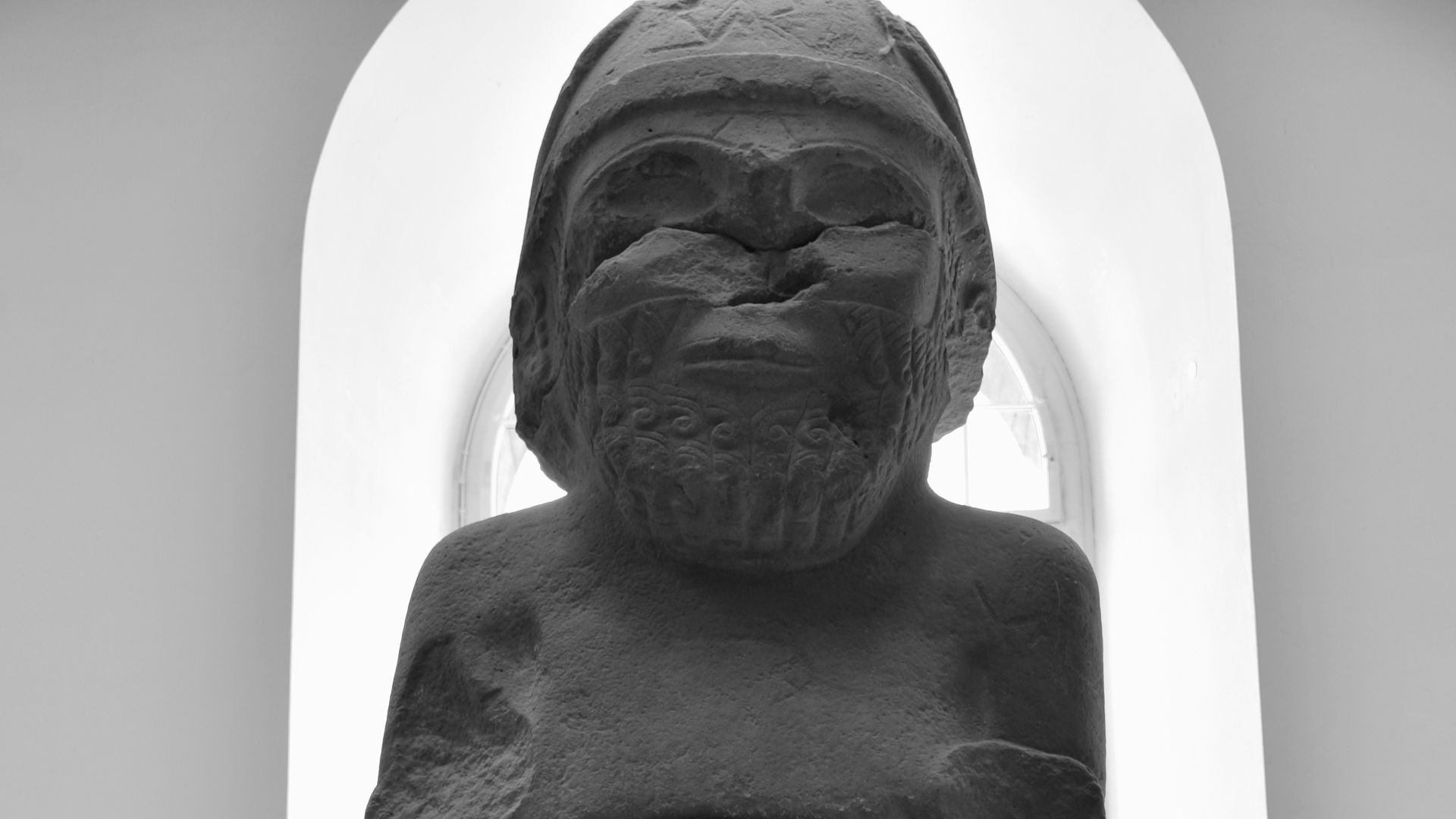 Osama Shukir Muhammed Amin FRCP(Glasg), Wikimedia Commons
Hazael Of Damascus Is The Leading Candidate
The king's name is missing from the surviving portion of the stele, but most scholars think the monument was commissioned by Hazael, ruler of Aram-Damascus in the ninth century BCE. Hazael was a major regional power who fought repeatedly against the northern kingdom of Israel. The dates, location, and military events described on the stone fit reasonably well with what historians know about his reign.
![Aramaean king Hazael.[1]](https://www.factinate.com/storage/app/media/splashtravels/2026/8/20/17872037195ab9969bfbc3a1464a37b3965a17ac534419a46a.jpeg) Unknown authorUnknown author, Wikimedia Commons
Unknown authorUnknown author, Wikimedia Commons
The Famous Words Appear In Line Nine
The part that made international headlines is the Aramaic expression usually transliterated as BYTDWD. Most specialists read it as “House of David.” In ancient Near Eastern political language, calling a kingdom the “house” of a named founder was completely normal. It meant a dynasty or ruling family, much the way later historians might speak of the House of Tudor or the House of Habsburg.
 Gerard van Honthorst, Wikimedia Commons
Why “House Of David” Matters So Much
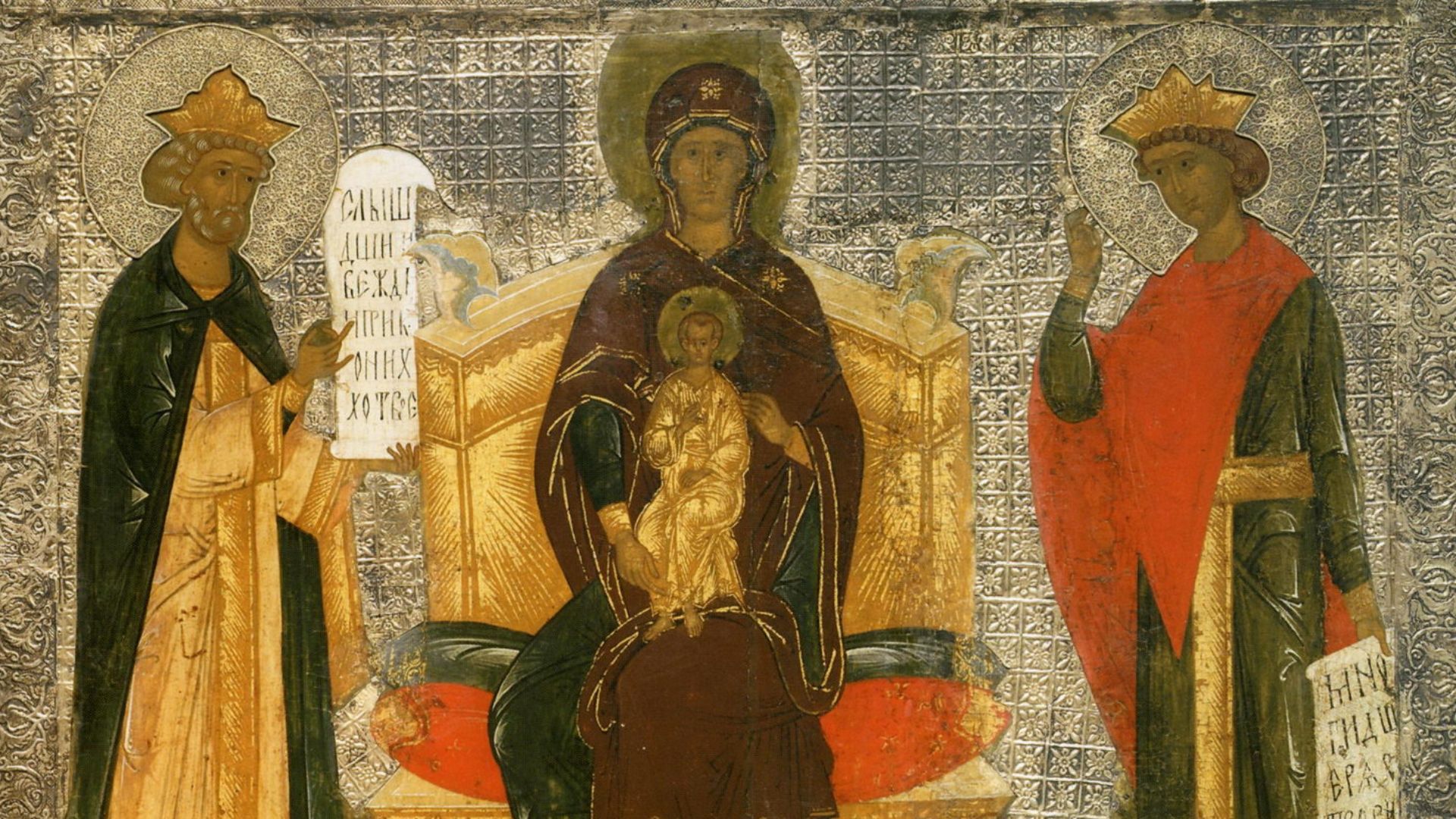
Before the Tel Dan discovery, David’s name had not been securely identified in an ancient inscription outside the Bible. That absence helped fuel arguments that David might have been a legendary figure created much later to provide Judah with a heroic founder. The Tel Dan Stele didn’t confirm the stories of David’s adventures, but it showed that by the ninth century BCE a neighboring kingdom recognized a ruling dynasty identified with David.
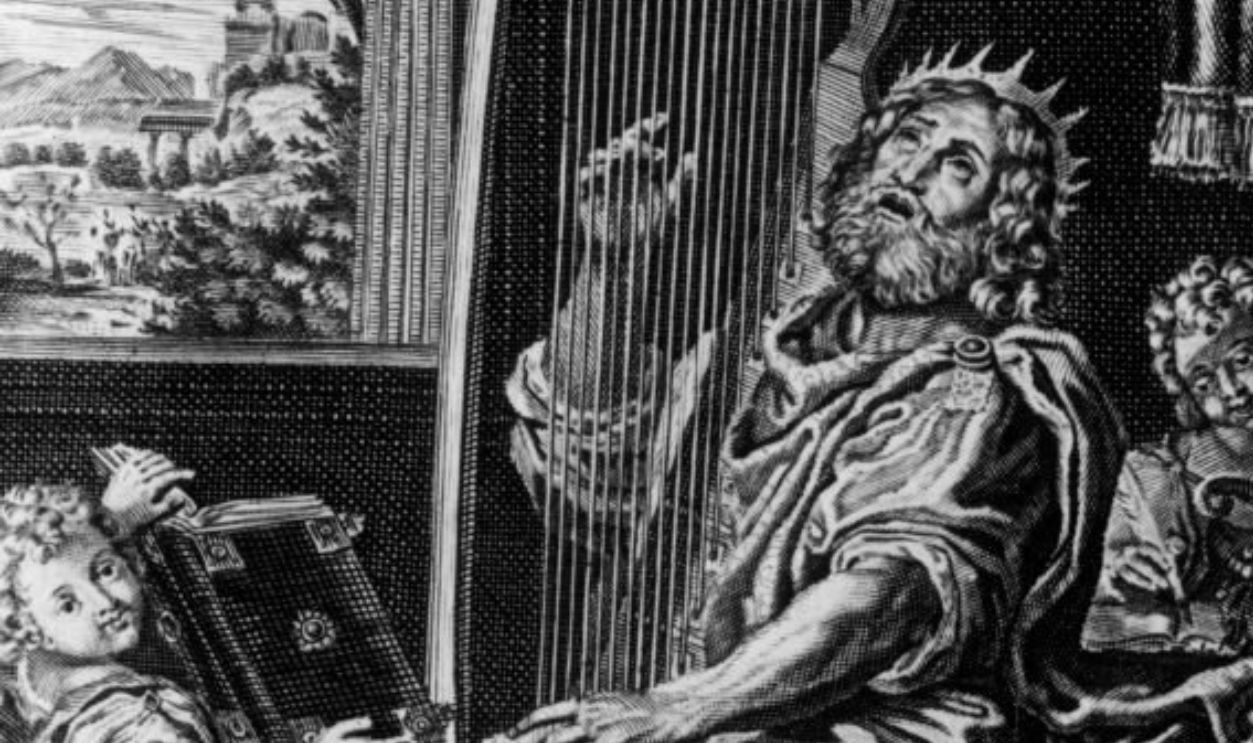
It Doesn't Actually Describe David Himself
This point matters. The stele was created roughly a century or more after David is traditionally believed to have lived, and it doesn't tell us what he did, how large his kingdom was, or whether famous biblical stories about him happened as written. What it does provide is evidence that a dynasty known as the “House of David” existed in the political vocabulary of the ninth-century BCE Near East.
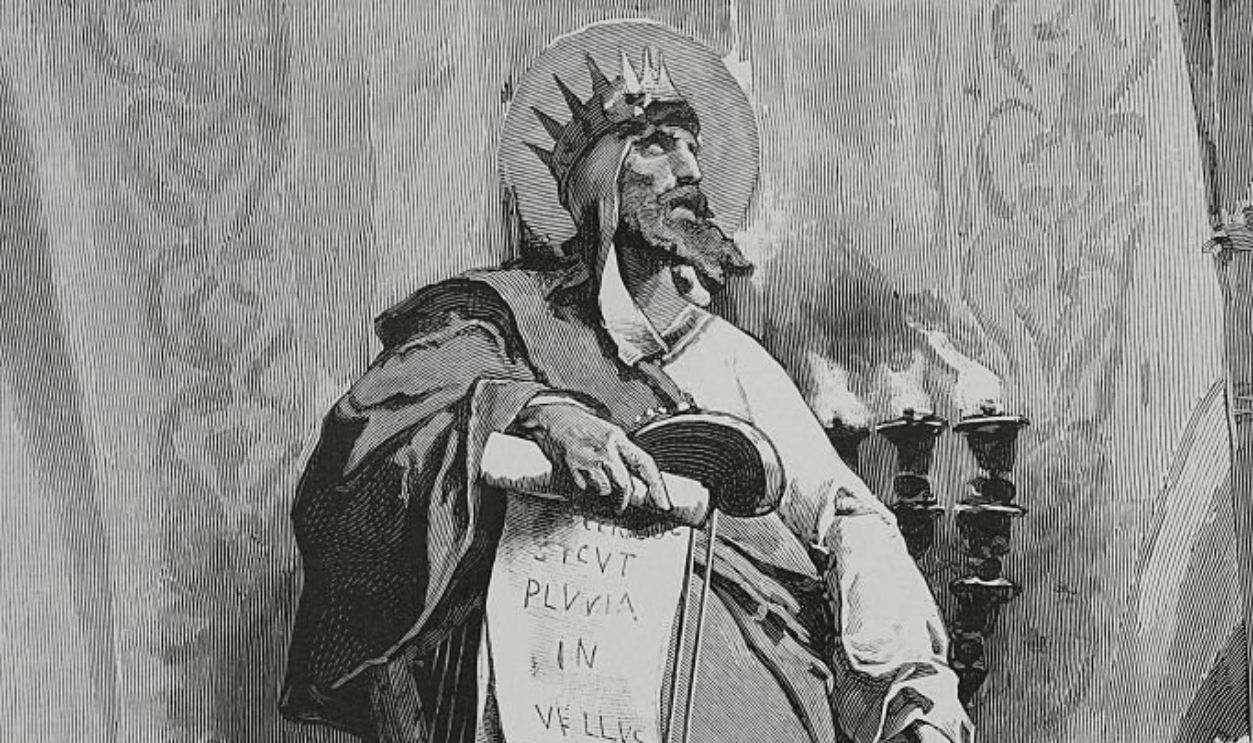
A Dynasty Can Still Point Back To A Founder
Dynasties were often named after important founders. The Assyrians and other Near Eastern peoples regularly referred to kingdoms using expressions such as “House of X,” even generations after the original ruler had died. That makes the simplest interpretation of “House of David” a dynasty tracing its identity back to someone remembered as David, even though the inscription gives us no biography of that person.
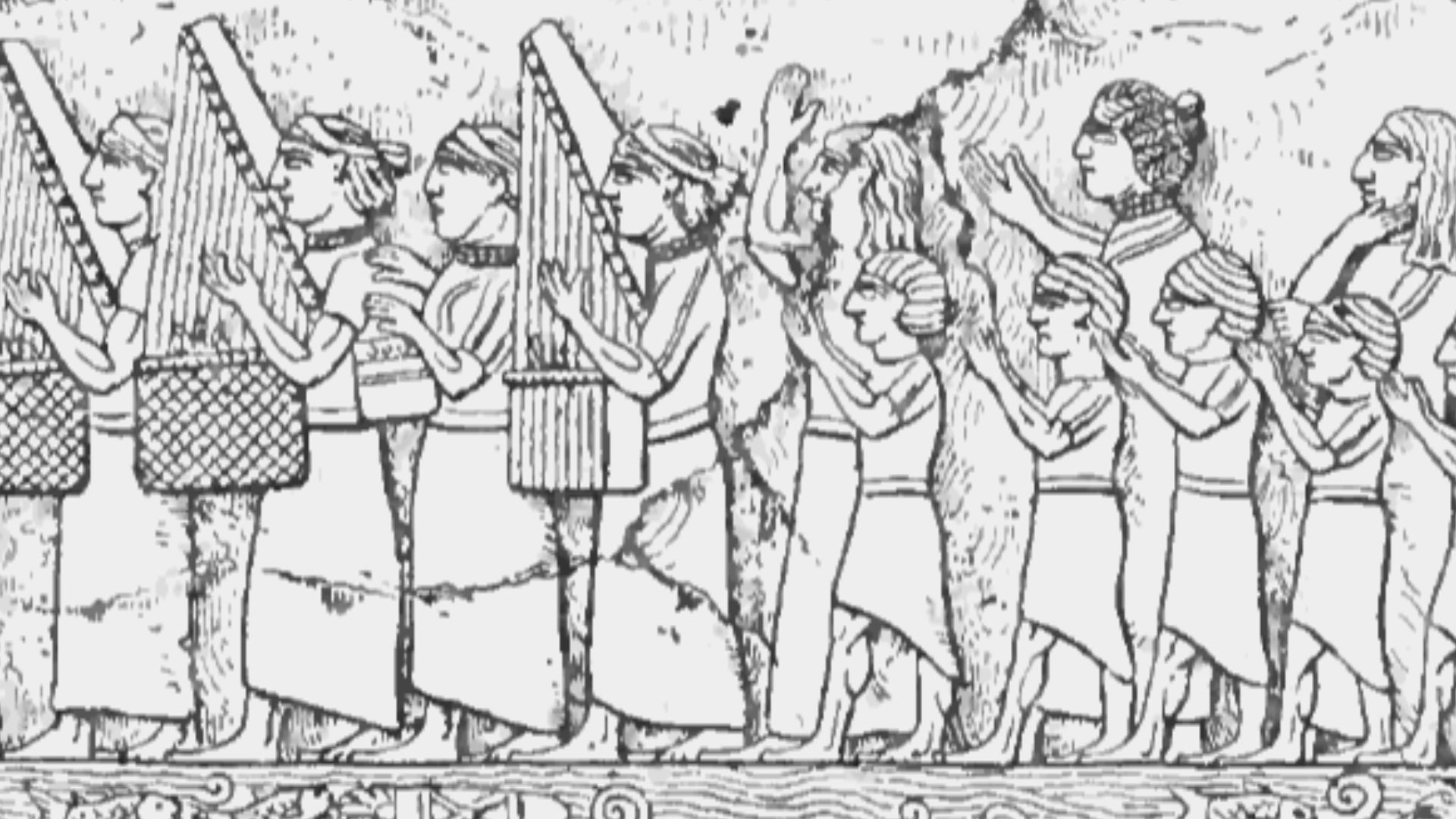
The Stele Also Mentions The King Of Israel
David isn't the only biblical connection. The inscription also refers to a “king of Israel,” showing that the monument was concerned with the two neighboring Hebrew kingdoms that existed during the Iron Age. The Aramean author presents himself as having defeated rulers associated with both Israel in the north and the House of David, generally understood as Judah, in the south.

Two Dead Kings May Be Hidden In The Missing Letters
Most reconstructions identify the defeated rulers as Jehoram, also called Joram, king of Israel, and Ahaziah, king of Judah. Their names aren't completely preserved because the slab is broken, so brackets appear around reconstructed portions when scholars publish translations. Still, the surviving letters, royal titles, and historical setting make this interpretation widely accepted.
 Bartolomeo Gai, Wikimedia Commons
The Bible Tells A Similar Story With A Major Twist
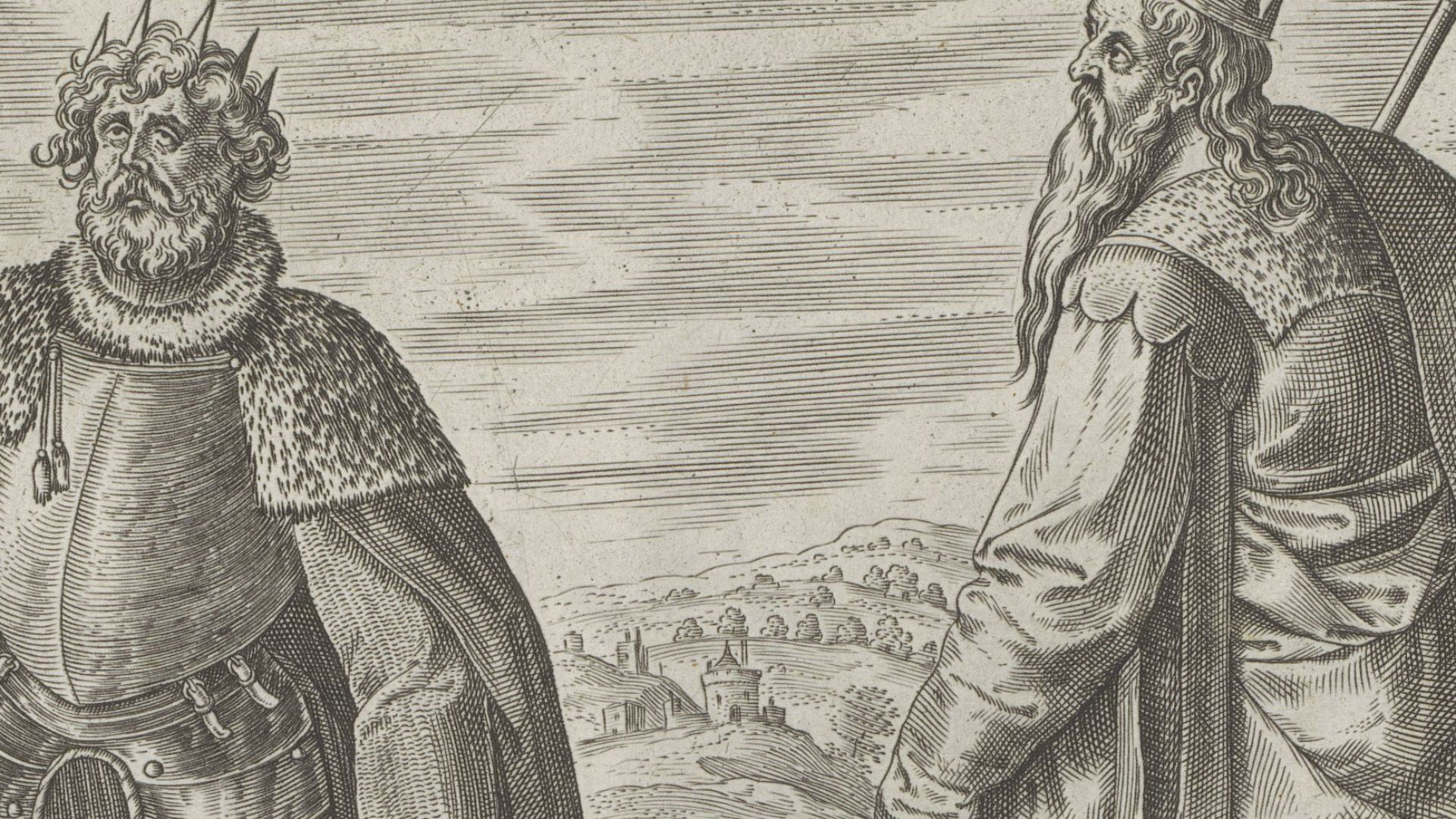
The Books of Kings also describe the deaths of Jehoram and Ahaziah, but there's a problem. According to 2 Kings 9, the Israelite commander Jehu kills both rulers during his revolt. The Tel Dan Stele appears to let the Aramean king take credit instead. Rather than neatly proving the biblical account, the inscription gives historians a second, competing version of the same violent political upheaval.
 Rijksmuseum, Wikimedia Commons
Ancient Kings Loved Taking Credit
That disagreement isn't particularly surprising. Ancient royal inscriptions weren't objective newspaper reports. Kings routinely exaggerated victories, minimized defeats, and claimed credit for events in which allies or subordinates were involved. If Hazael supported Jehu's revolt or helped create the military situation that brought the two kings down, both Hazael and Jehu could have had reasons to present themselves as responsible.
 Rijksmuseum, Wikimedia Commons
Tel Dan Was The Perfect Place For A Victory Monument
The stele's location also makes sense politically. Tel Dan sat in northern Israel near routes connecting the region with Aram-Damascus. Control of the city shifted during conflicts between neighboring kingdoms, so an Aramean ruler who captured Dan would have had every reason to erect a victory monument there. It was basically ancient propaganda placed exactly where defeated rivals would see it.
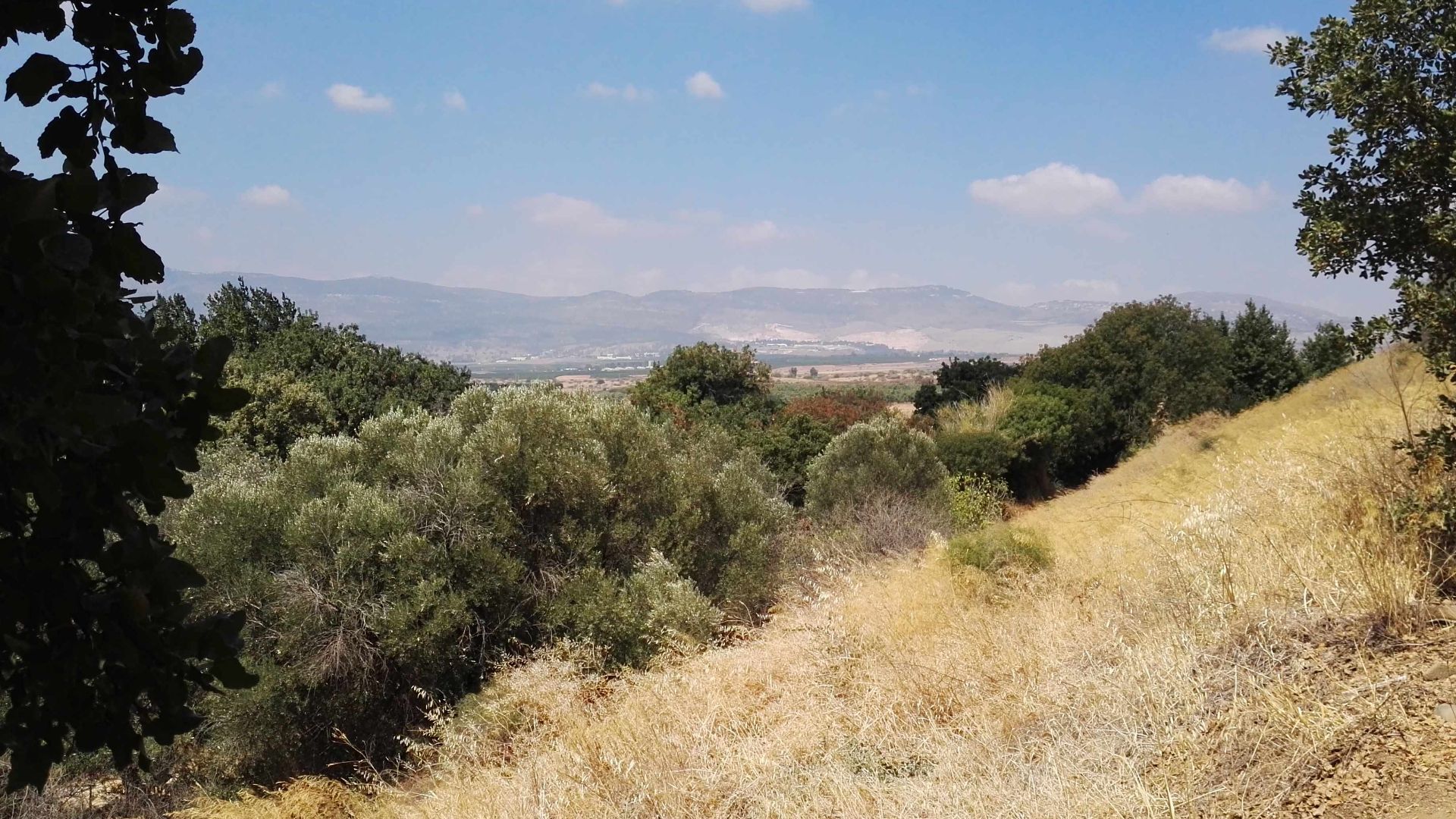
Tel Dan Had Been Important Long Before The Stele
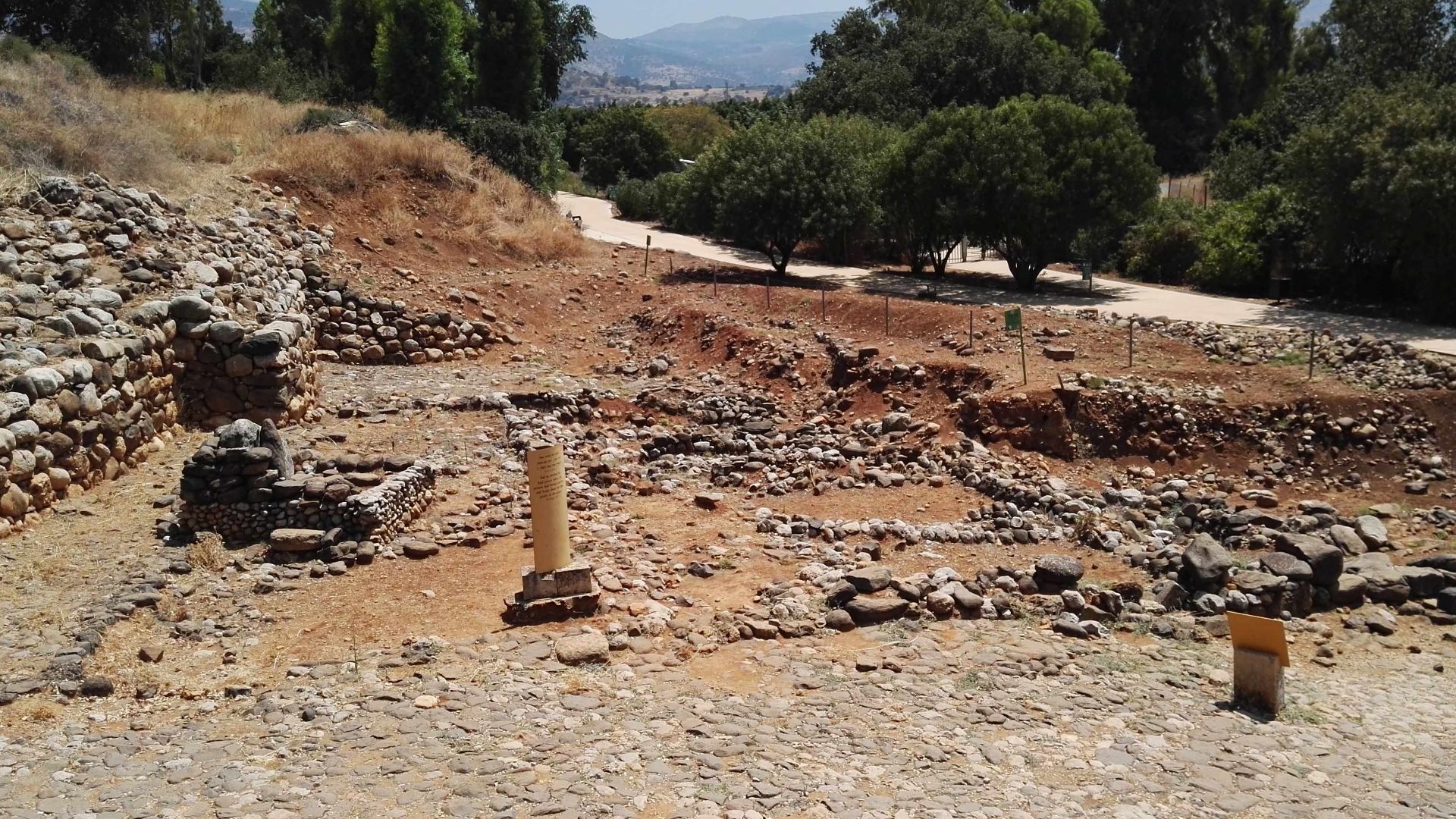
The archaeological site contains remains stretching back thousands of years. In the biblical tradition, Dan became the northern edge of Israel, giving rise to the familiar phrase “from Dan to Beersheba.” Excavations have uncovered monumental gates, fortifications, religious structures, and other remains showing that this wasn't some minor frontier village. It was a strategically important city in a region that changed hands repeatedly.
Someone Eventually Smashed The Monument
At some point after the Aramean victory, the stele was deliberately broken. Archaeologists think Israelite forces may have regained control of Dan, destroyed the enemy's victory monument, and reused pieces of it in construction. If that's correct, the inscription survived because the people who hated its message unknowingly preserved it inside a wall.
David's Biblical Story Starts With A Shepherd
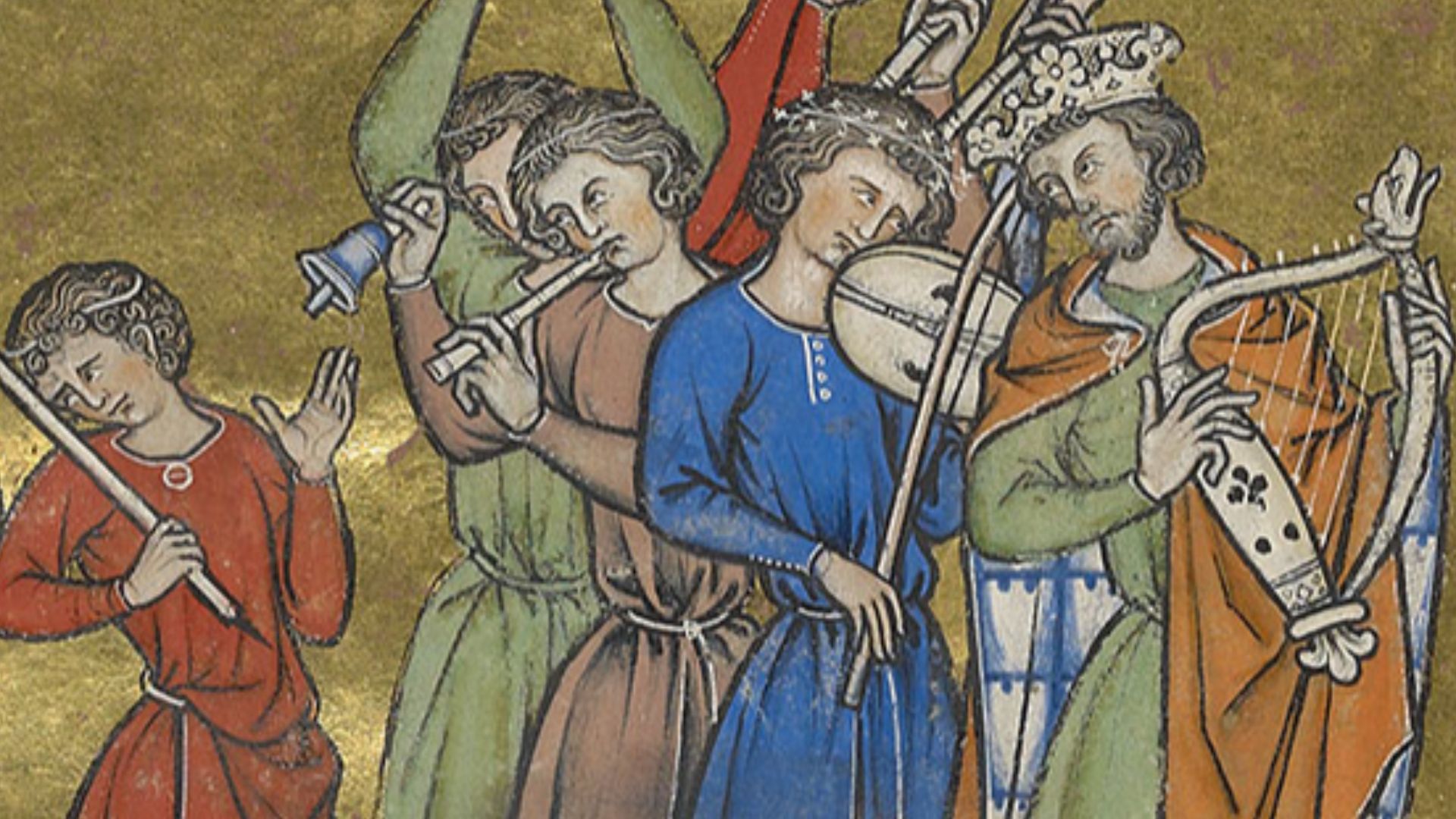
According to the Hebrew Bible, David came from Bethlehem and was the youngest son of Jesse. He first enters the story as a shepherd chosen by the prophet Samuel for a future role as king. The biblical narrative emphasizes his unlikely rise, presenting him as someone who begins far from royal power before becoming one of Israel's most important figures.
 unnamed illustrator, Italy, 13th century A.D., Wikimedia Commons
Then Comes Goliath
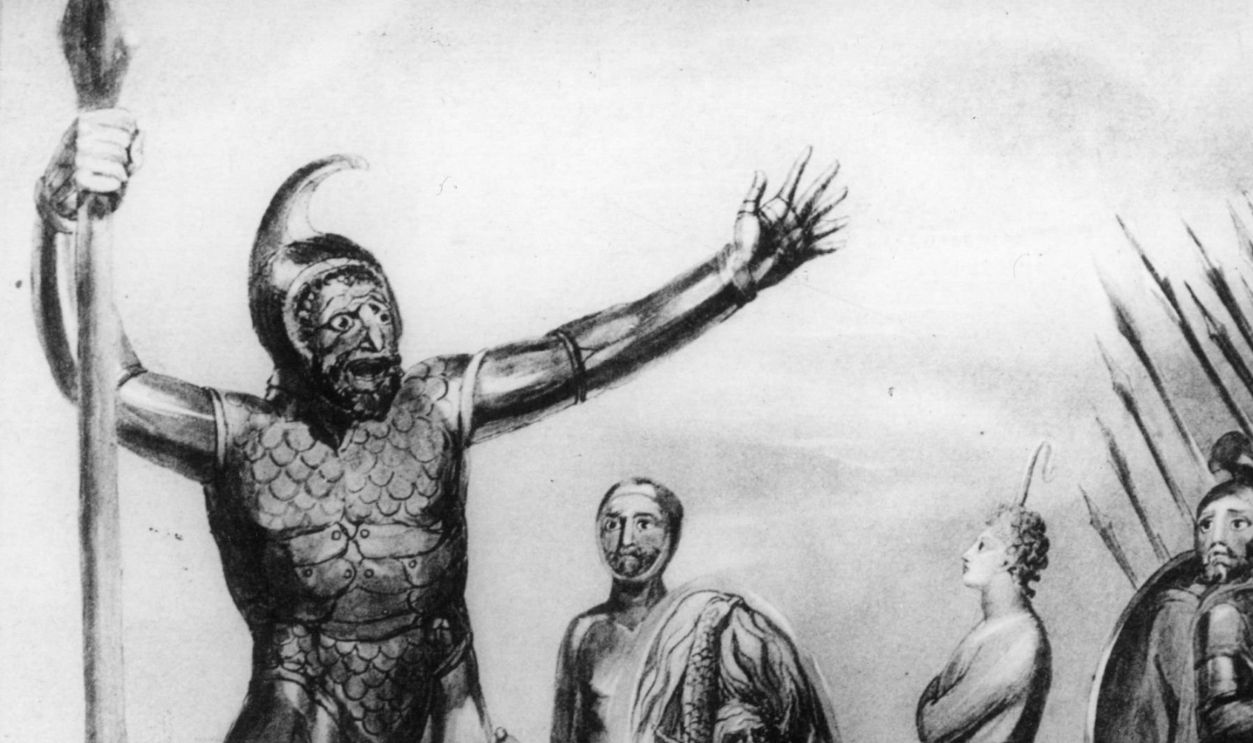
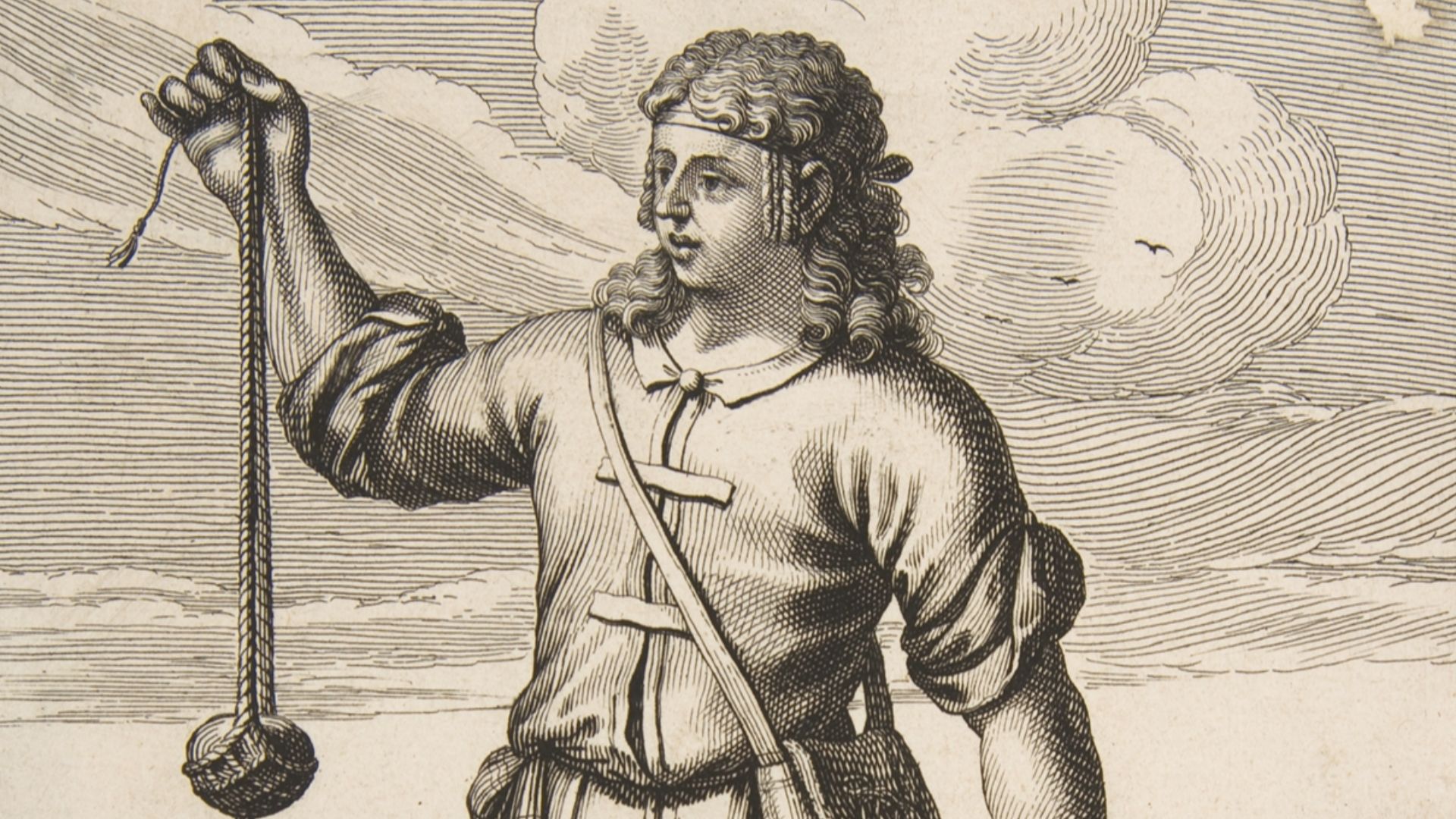
The most famous episode is David's confrontation with Goliath, the Philistine warrior described as terrifying the Israelite army. David refuses conventional armor and instead defeats Goliath with a sling before cutting off his head with the giant's own sword. Whether the story preserves a historical battle or was shaped heavily by later tradition remains debated, but it became central to David's reputation as an underdog hero.
David And Saul Had A Complicated Relationship
The Bible says David entered the court of Saul, Israel's first king, and became both a successful warrior and a popular figure. Saul eventually saw him as a threat and tried to have him killed, forcing David into life as a fugitive. Those stories portray the future king navigating alliances, warfare, and political rivalries before finally gaining the throne.
 Ernst Josephson, Wikimedia Commons
Jerusalem Became David's Capital
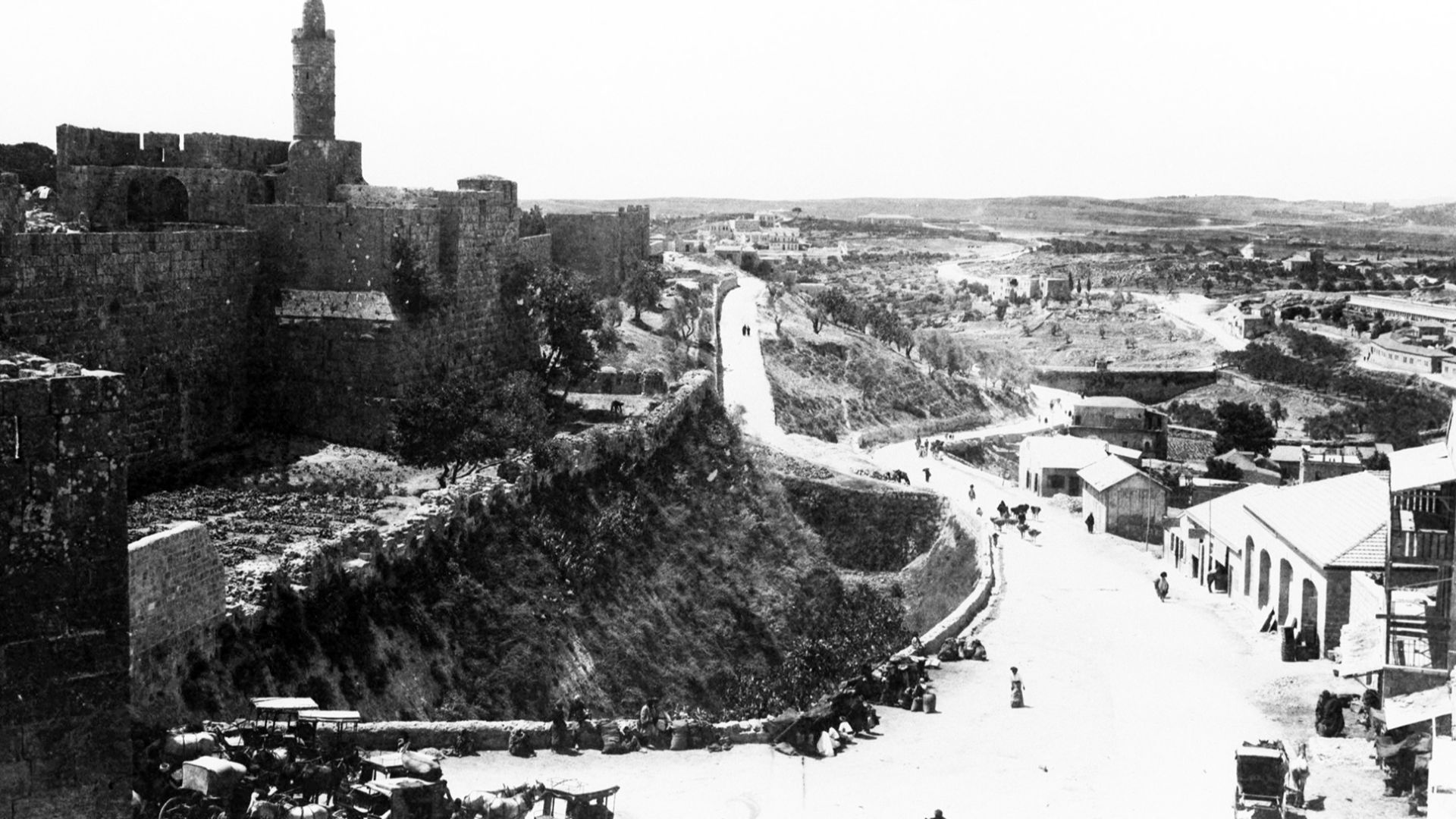
According to 2 Samuel, David eventually captured Jerusalem and turned it into his political capital. The location was a smart choice because it sat between the territories traditionally associated with the northern tribes and David's own southern base in Judah. Jerusalem would remain connected with the Davidic dynasty and later became the religious and political heart of the kingdom of Judah.
The Bible Gives David A Large Kingdom
The biblical narrative portrays David as ruling a united kingdom of Israel and Judah and defeating neighboring peoples. His son Solomon supposedly inherited that kingdom and presided over an even wealthier period. Archaeologists continue to debate just how large and centralized David's tenth-century BCE state actually was, and the Tel Dan Stele doesn't settle that question.
 Joshua Keller, Wikimedia Commons
Archaeology And The Bible Aren't The Same Thing
That's one of the most important lessons of the Tel Dan discovery. Finding evidence for a Davidic dynasty doesn't automatically prove every detail written about David in Samuel or Chronicles. Archaeology can independently support certain names, places, political entities, and events while leaving other parts uncertain. The most responsible interpretation sits somewhere between “the Bible proves everything” and “nothing in it can be historical.”
The Discovery Landed In The Middle Of A Major Debate
During the late twentieth century, scholars were intensely debating the historical value of the biblical accounts of early Israel. Some so-called minimalist scholars argued that David and Solomon might be largely literary creations from much later periods. Others believed the biblical traditions preserved memories of genuine Iron Age rulers, even if those memories had been expanded and reshaped over centuries.
 AnonymousUnknown author, Wikimedia Commons
Not Everyone Accepted The Reading Immediately
Predictably, “House of David” generated arguments almost as soon as it was announced. Alternative translations were proposed, including suggestions that DWD might refer to something other than a personal name. Over time, however, the “House of David” interpretation became the dominant reading among specialists in Northwest Semitic inscriptions, even though debates over what it tells us about the historical David continue.

The Mesha Stele May Offer Another Clue
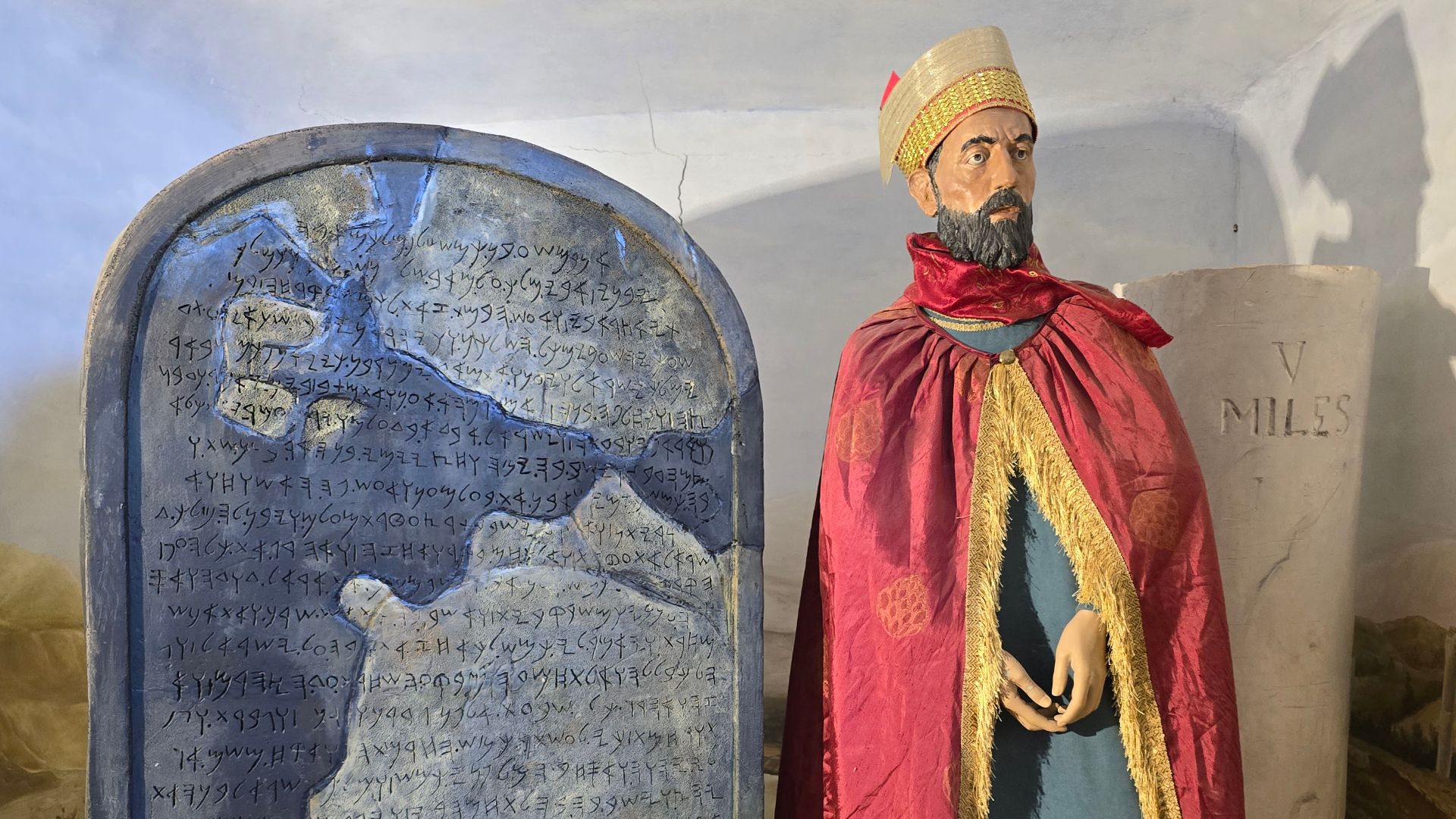
Another famous monument, the ninth-century BCE Mesha Stele from ancient Moab, may contain a second reference to the House of David. Parts of that inscription are damaged, and the proposed reading remains more disputed than the Tel Dan example. Even so, ongoing imaging and epigraphic work has kept the possibility alive, potentially giving historians another outside reference to the Judahite dynasty.
 Mohammad hajeer, Wikimedia Commons
The Stele Doesn't Prove A Golden Age
It's tempting to jump from “House of David” to the spectacular united monarchy described in the Bible, but the evidence can't take us that far. The inscription tells us that Judah's ruling line was associated with David by the ninth century BCE. It doesn't tell us whether David ruled a wealthy regional empire, controlled only a modest highland kingdom, or occupied some position between those two extremes.
That Makes The Fragment More Interesting, Not Less
The limitations of the Tel Dan Stele are part of what makes it so useful. Instead of handing historians a simple confirmation of the Bible, it gives them an independent political voice from one of Israel's enemies. That voice confirms some elements of the biblical world while complicating others, particularly the question of who was responsible for the deaths of Jehoram and Ahaziah.
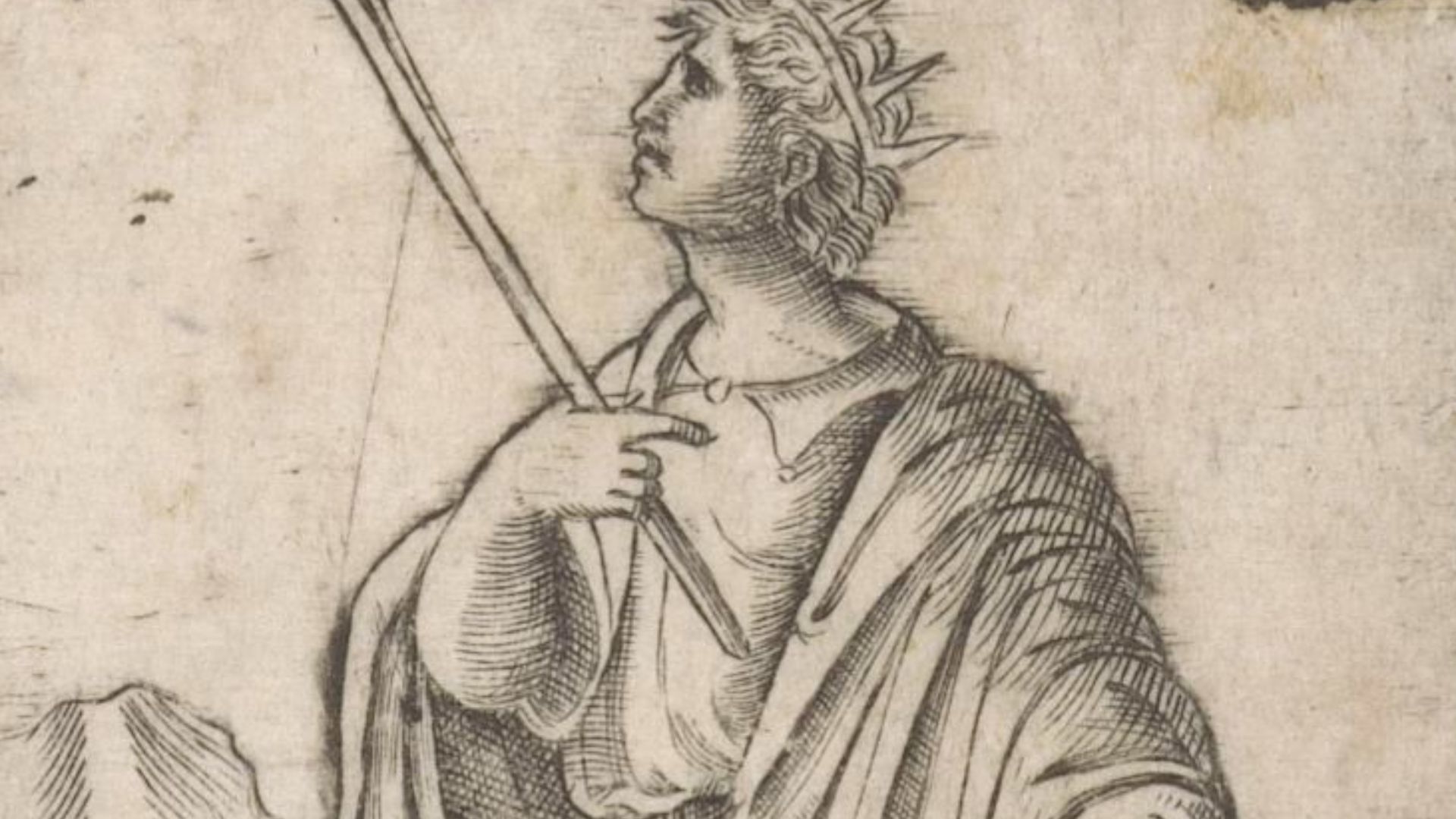 Rijksmuseum, Wikimedia Commons
The Stele Turned David Into An Archaeological Question
Before 1993, scholars could debate David almost entirely through biblical texts and archaeological interpretations of tenth-century settlements. After Tel Dan, there was finally an inscription from antiquity that had to be included in the conversation. The debate shifted away from whether later Judahites merely invented a Davidic founder toward harder questions about who that founder was and what kind of polity he actually ruled.
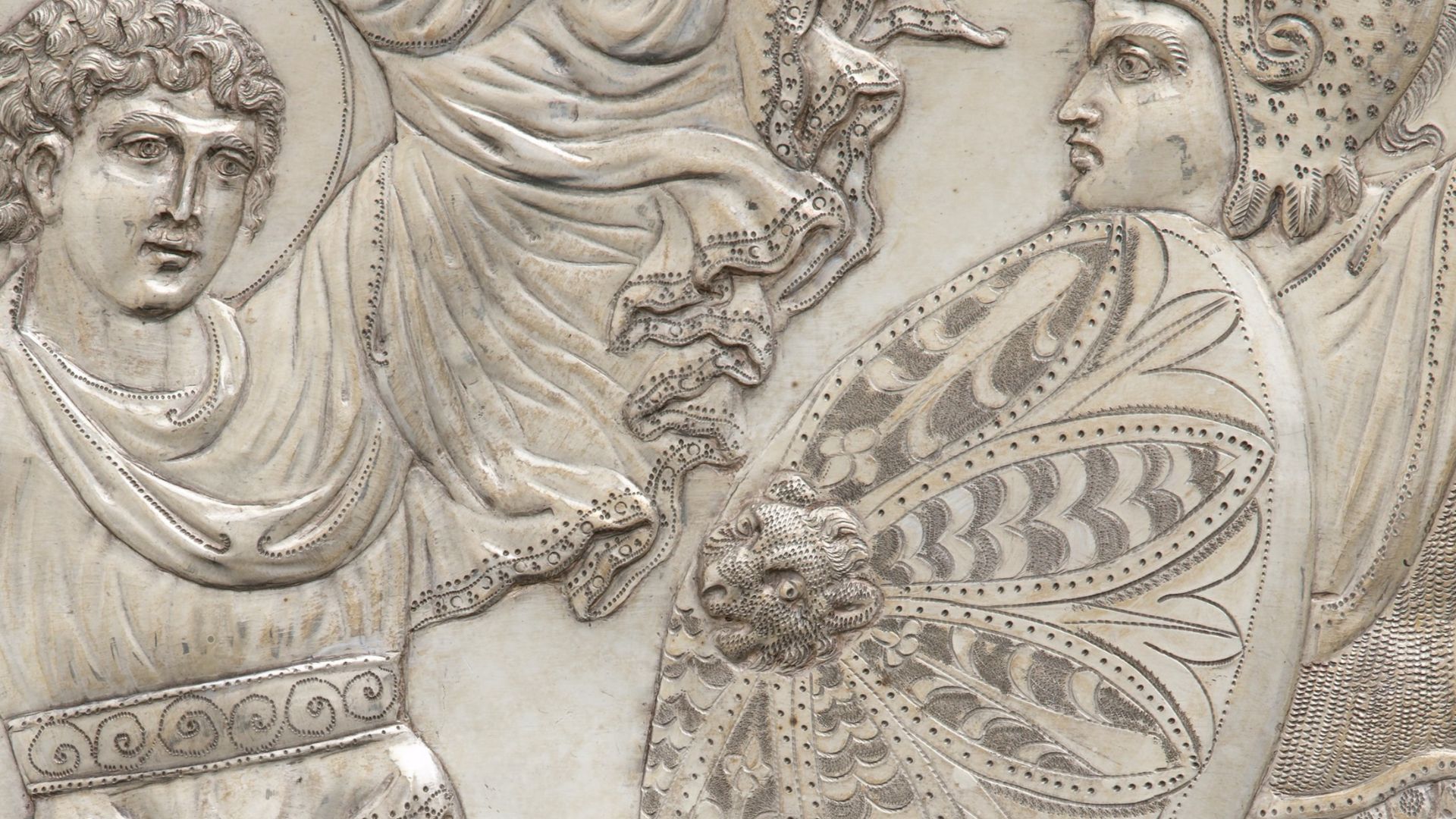
A Broken Slab Became One Of Biblical Archaeology's Biggest Finds
There's something wonderfully ironic about the whole discovery. The monument was smashed, stripped of its original purpose, and stuffed into a wall as construction material. Thousands of years later, those discarded pieces became far more famous than the structure they helped build. A king's boast that was meant to celebrate his own victory ended up becoming famous primarily because it preserved the name of his enemy's dynasty.
Final Thoughts
The Tel Dan Stele can't tell us whether David really fought Goliath, how grand his palace was, or whether his kingdom looked exactly like the one described in the Bible. What it can tell us is arguably more valuable: by the ninth century BCE, people outside Judah were referring to a ruling dynasty as the “House of David.” That makes the broken basalt fragments one of the most important pieces of evidence in the long debate over the historical David. Sometimes archaeology doesn't give us the whole story. Sometimes 13 damaged lines are enough to change the conversation completely.
 Abraham Bosse, Wikimedia Commons
You May Also Like: