Archaeologists Found Evidence Of A Garden At The Crucifixion Site—And It’s Raising Eyebrows
For centuries, the idea that a garden existed at the site of Jesus’ crucifixion was treated as a detail from scripture—not something you could actually dig up. But now, archaeologists working in Jerusalem have uncovered physical evidence that suggests there really was a cultivated space there. And yes, people are paying attention.
A Discovery Beneath One Of Christianity’s Holiest Sites
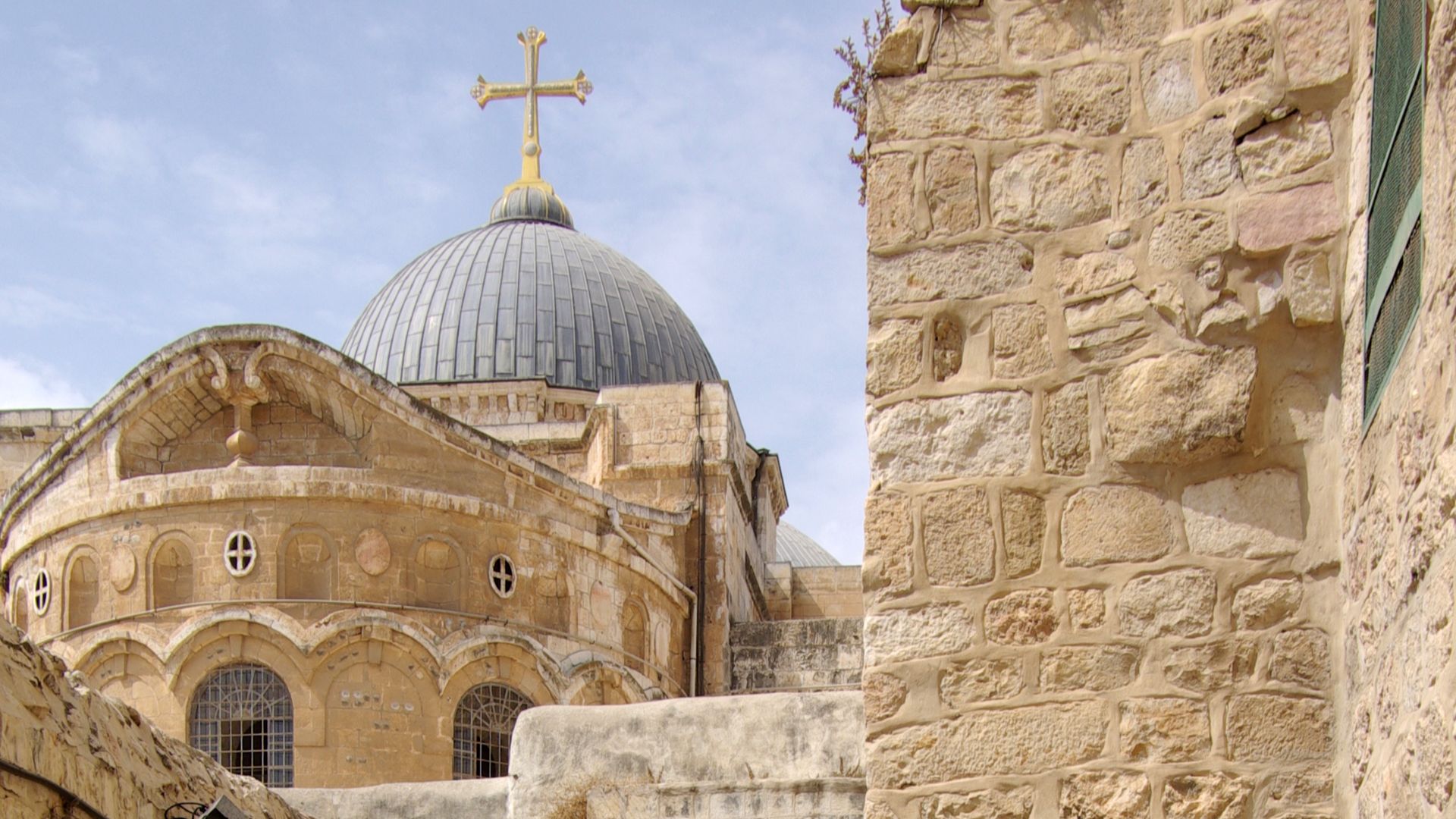
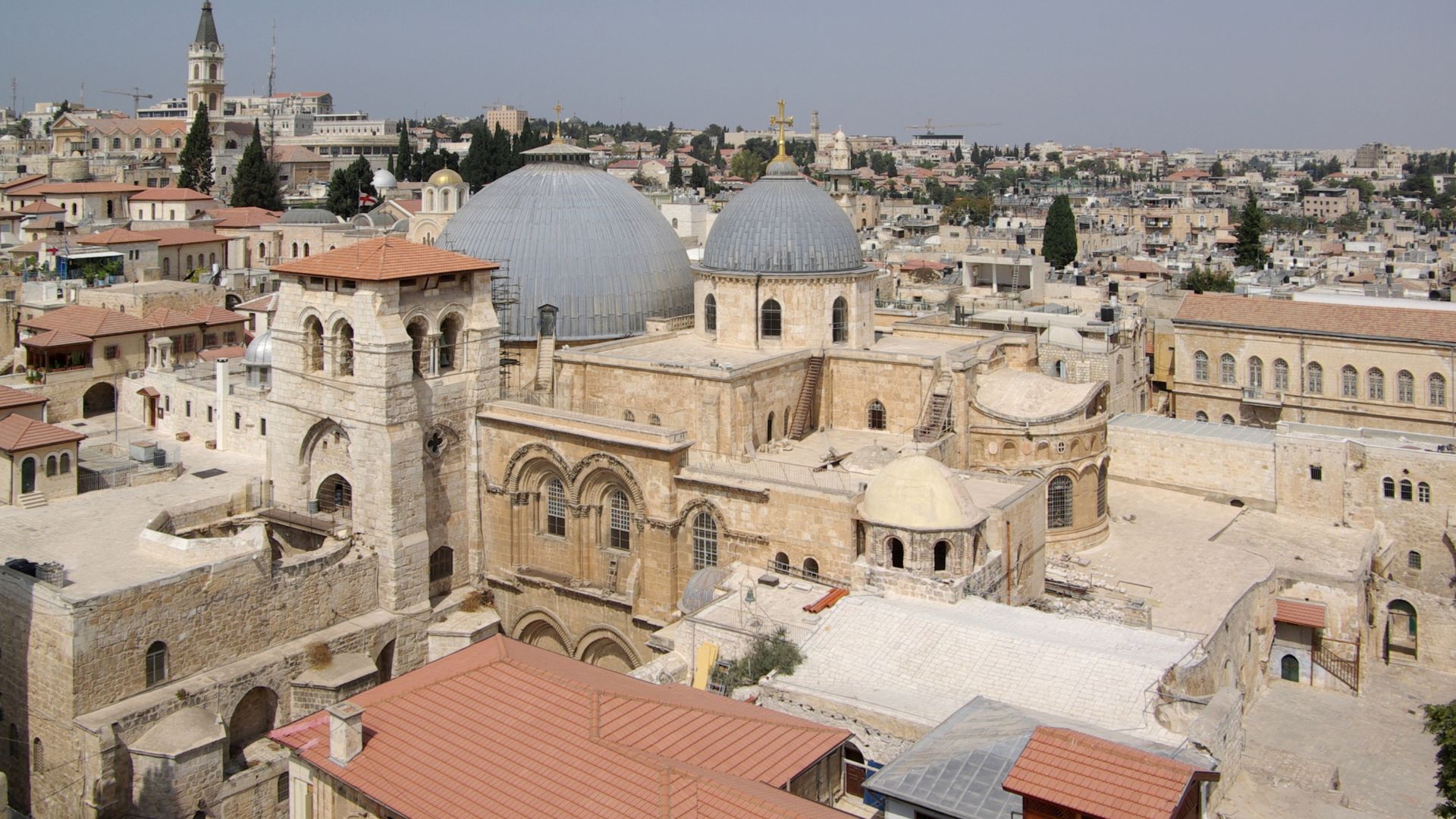
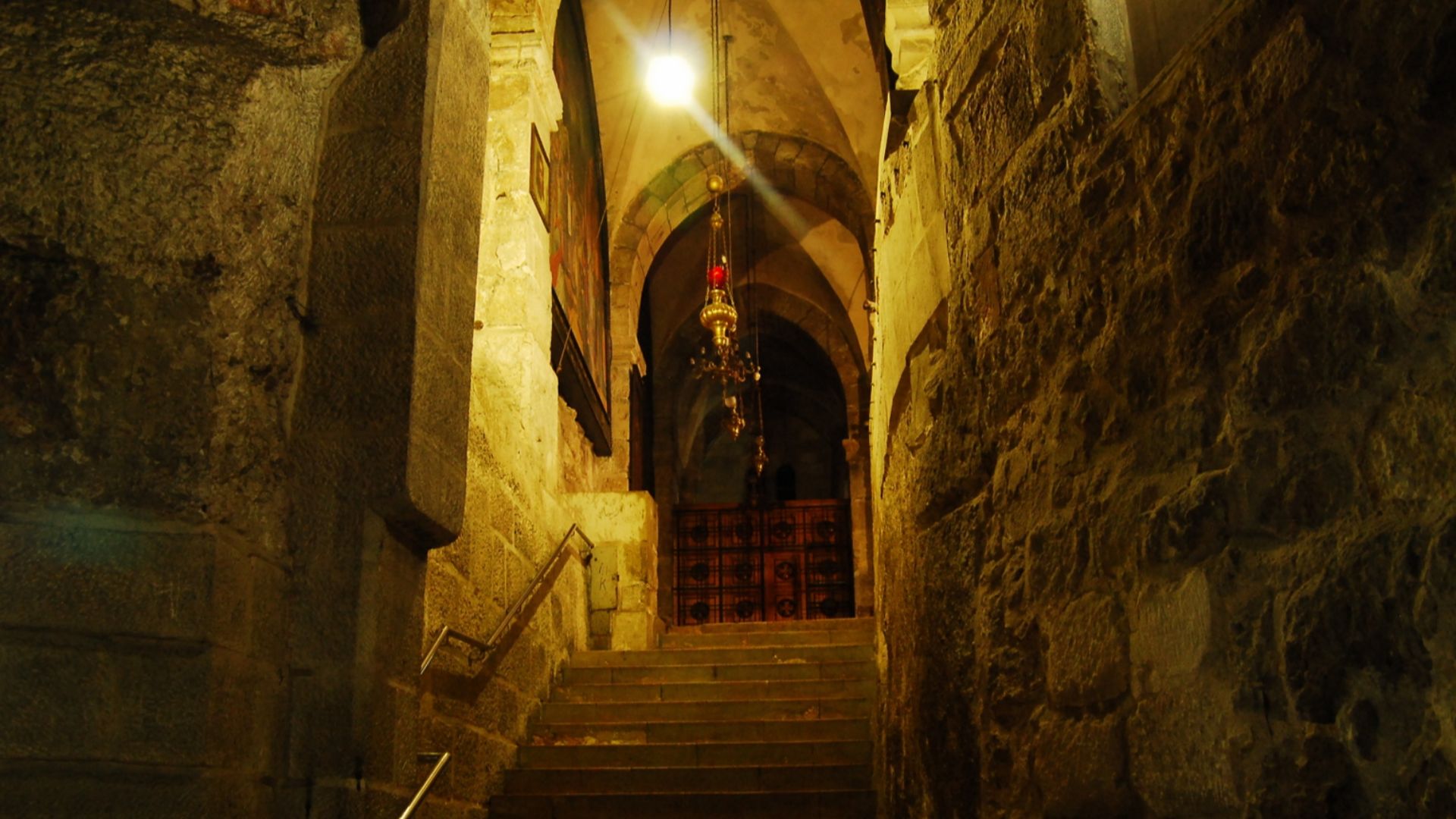
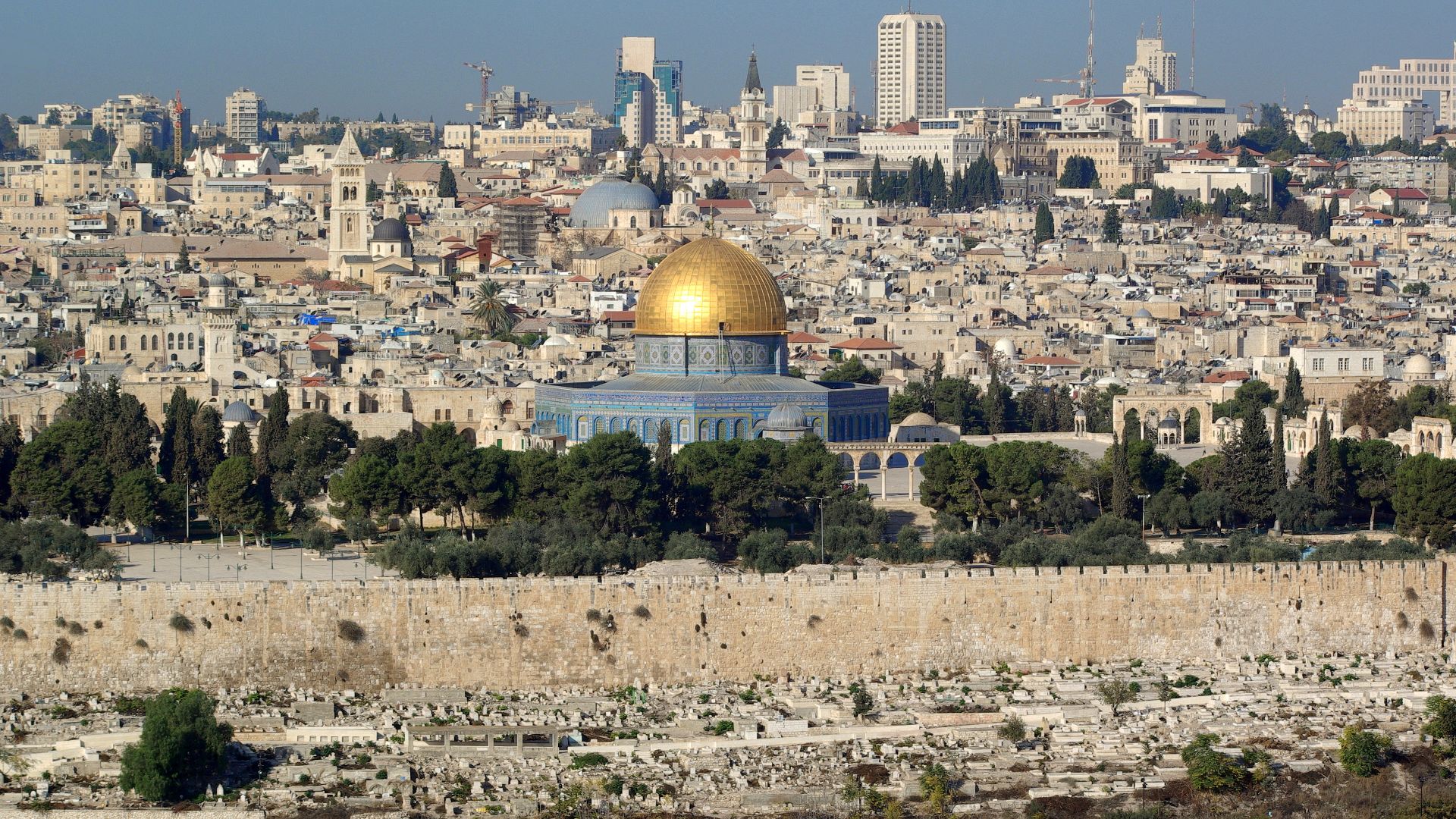
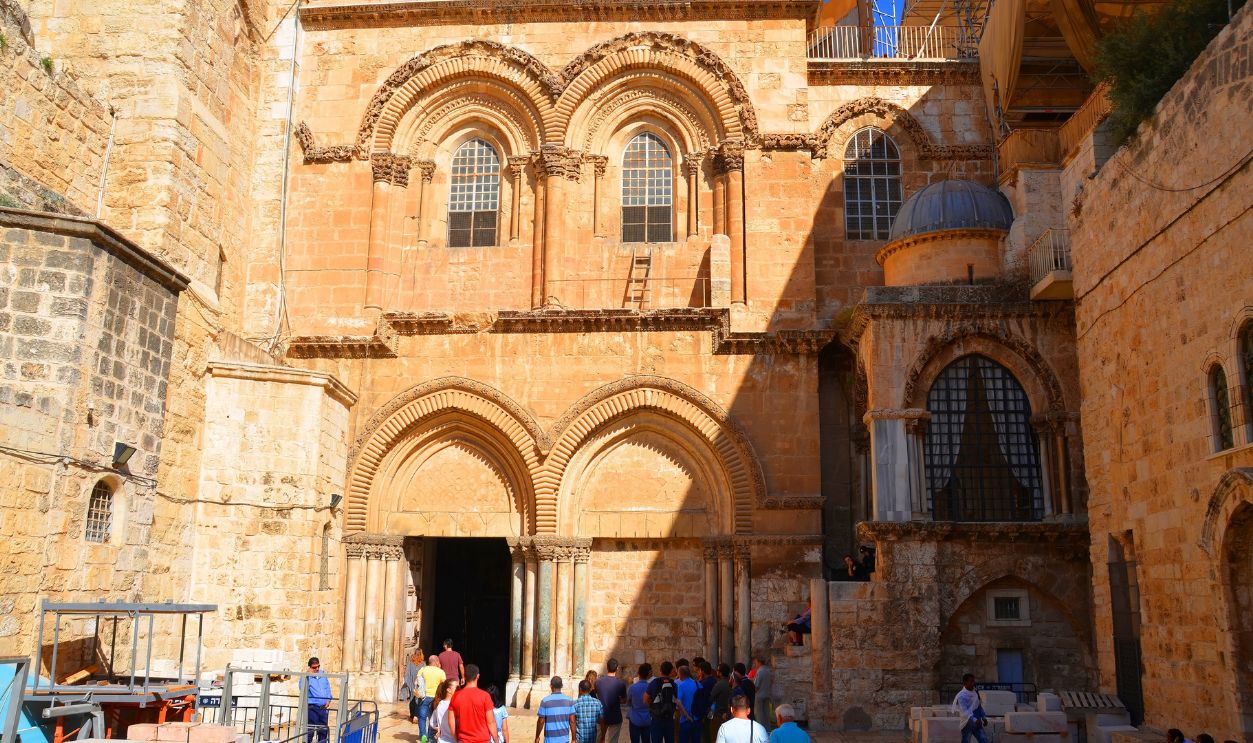
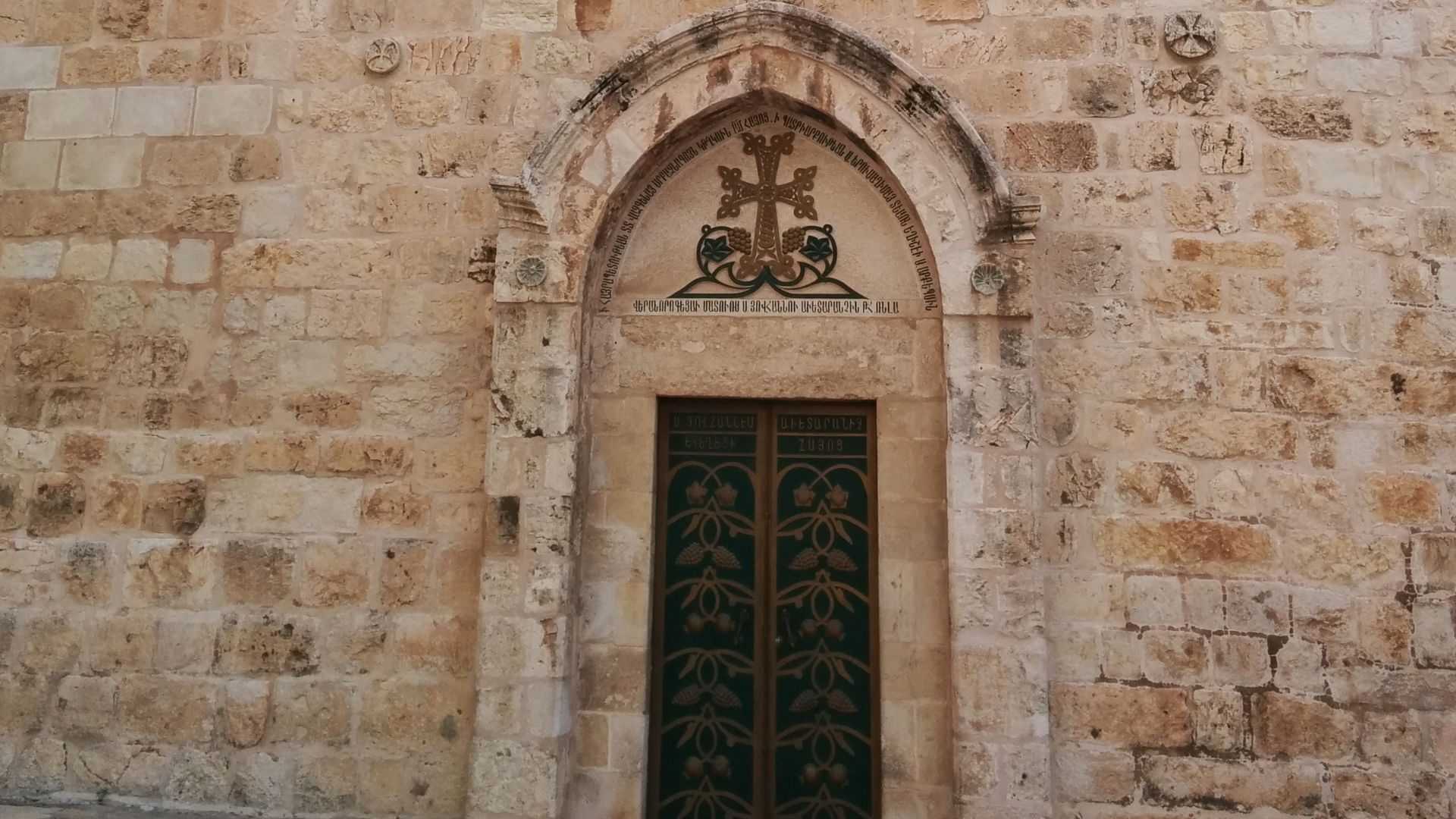
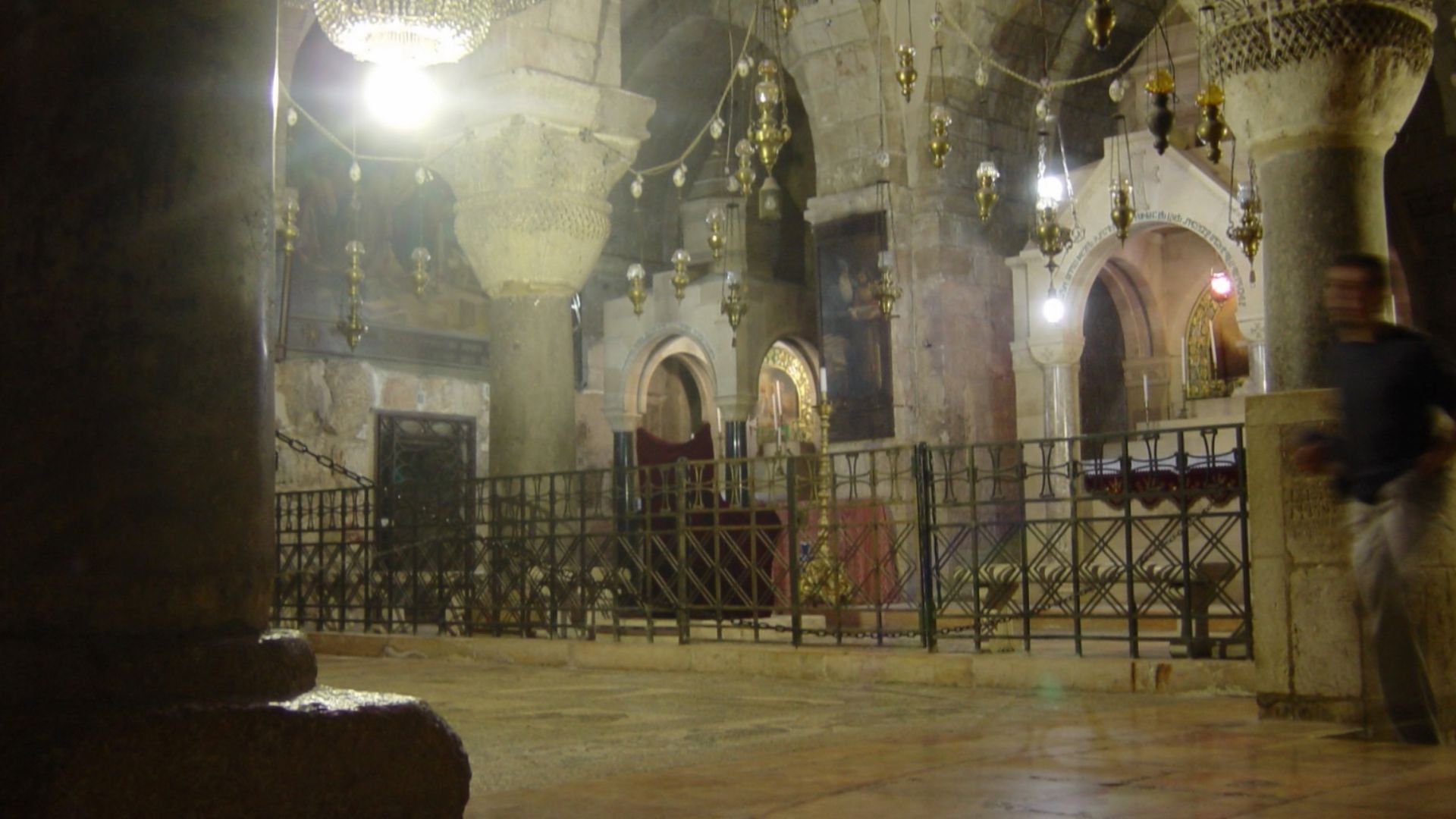
The excavation is taking place beneath the Church of the Holy Sepulchre in Jerusalem. This church, built in the 4th century CE, has long been considered by many Christians to mark the location of Jesus’ crucifixion and burial. It’s one of the most studied—and most debated—sites in the world.
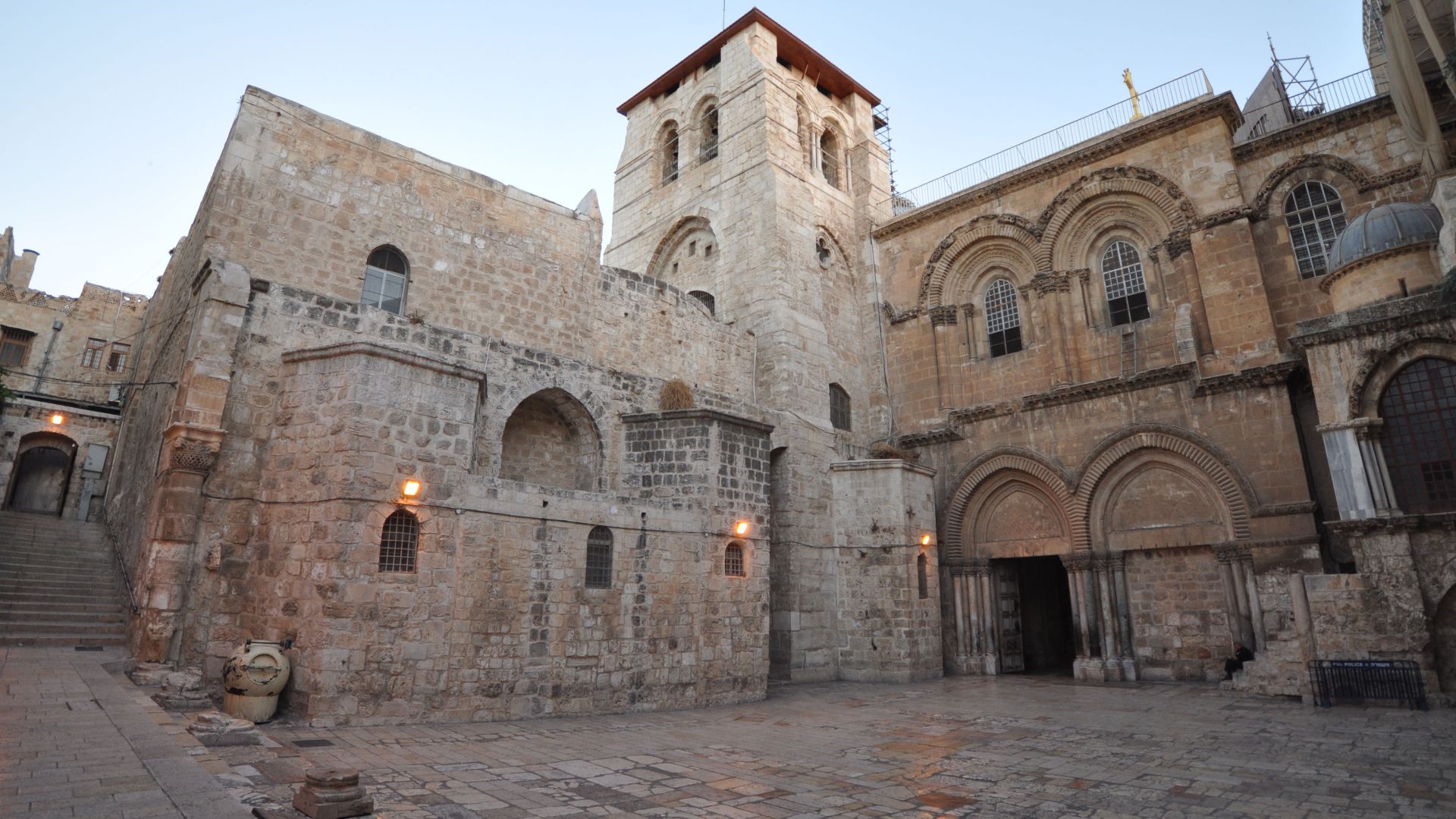 https://www.flickr.com/photos/jlascar/, Wikimedia Commons
The Team Leading The Work
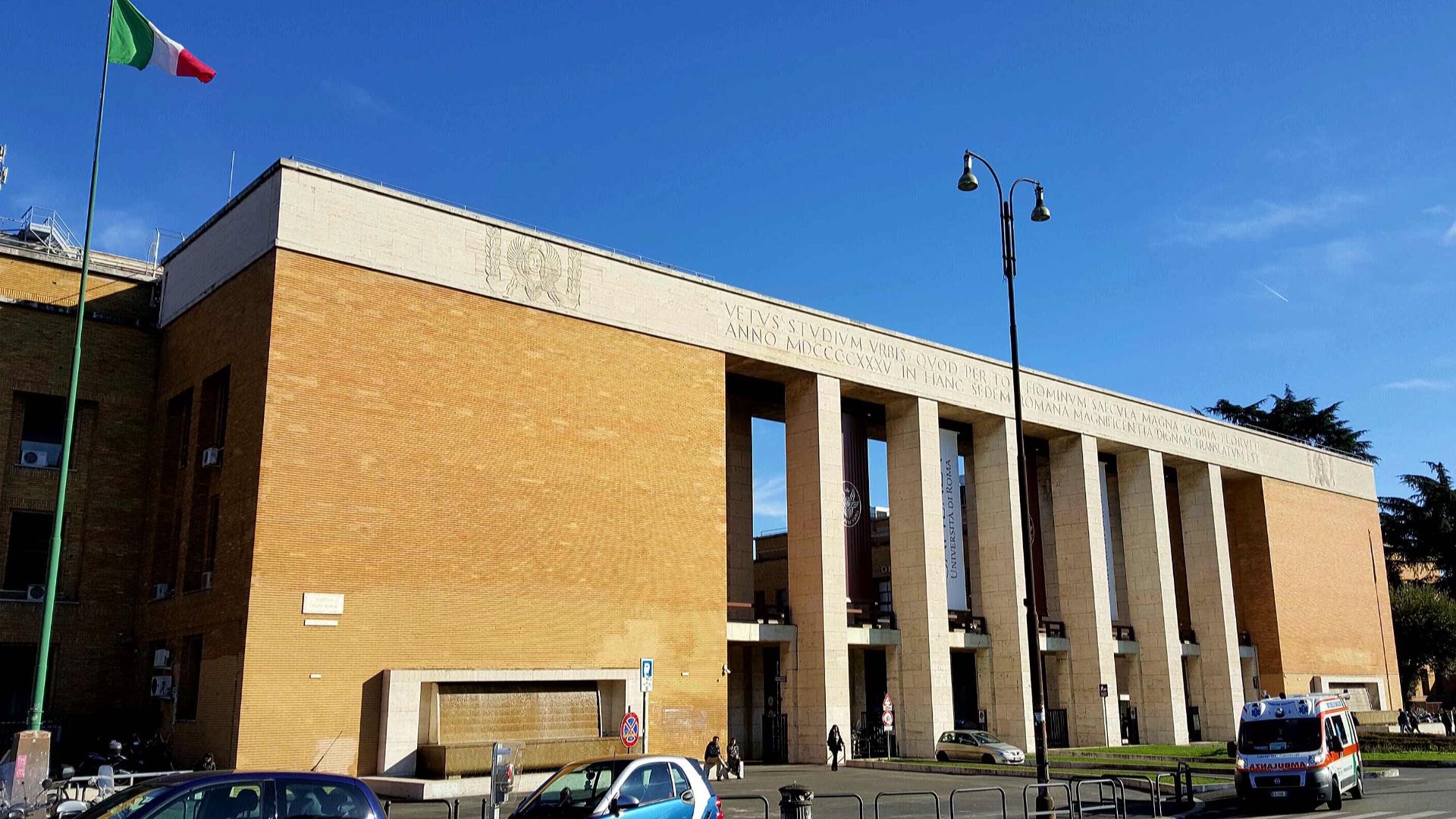
The project is being led by Professor Francesca Romana Stasolla of Sapienza University of Rome. Since 2022, her team has been carefully excavating sections beneath the church as part of a major restoration effort. It’s slow, delicate work—especially when you’re digging under a site this important.
Why Excavating Here Is So Rare
Normally, archaeologists don’t get many chances to dig beneath the Church of the Holy Sepulchre. It’s an active religious site with constant visitors and strict oversight. This restoration project created a rare opportunity to explore layers that had been inaccessible for centuries.
 Berthold Werner, Wikimedia Commons
What They Found In The Soil
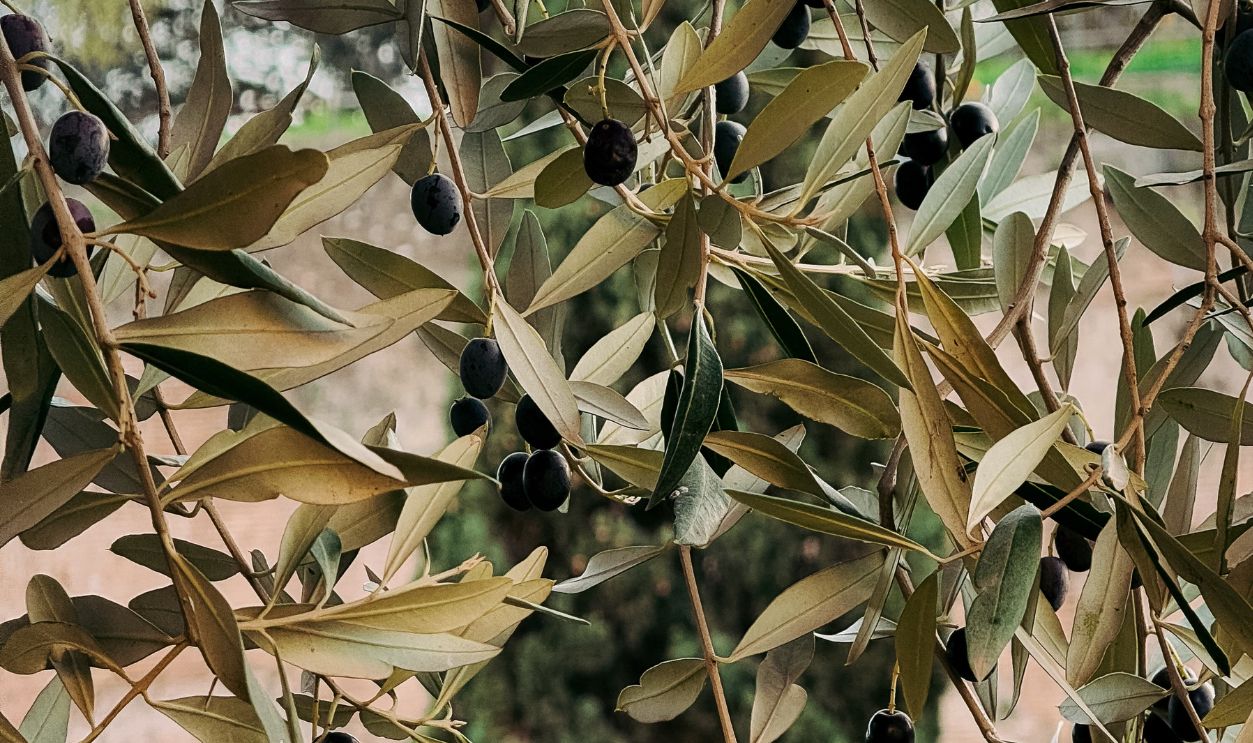
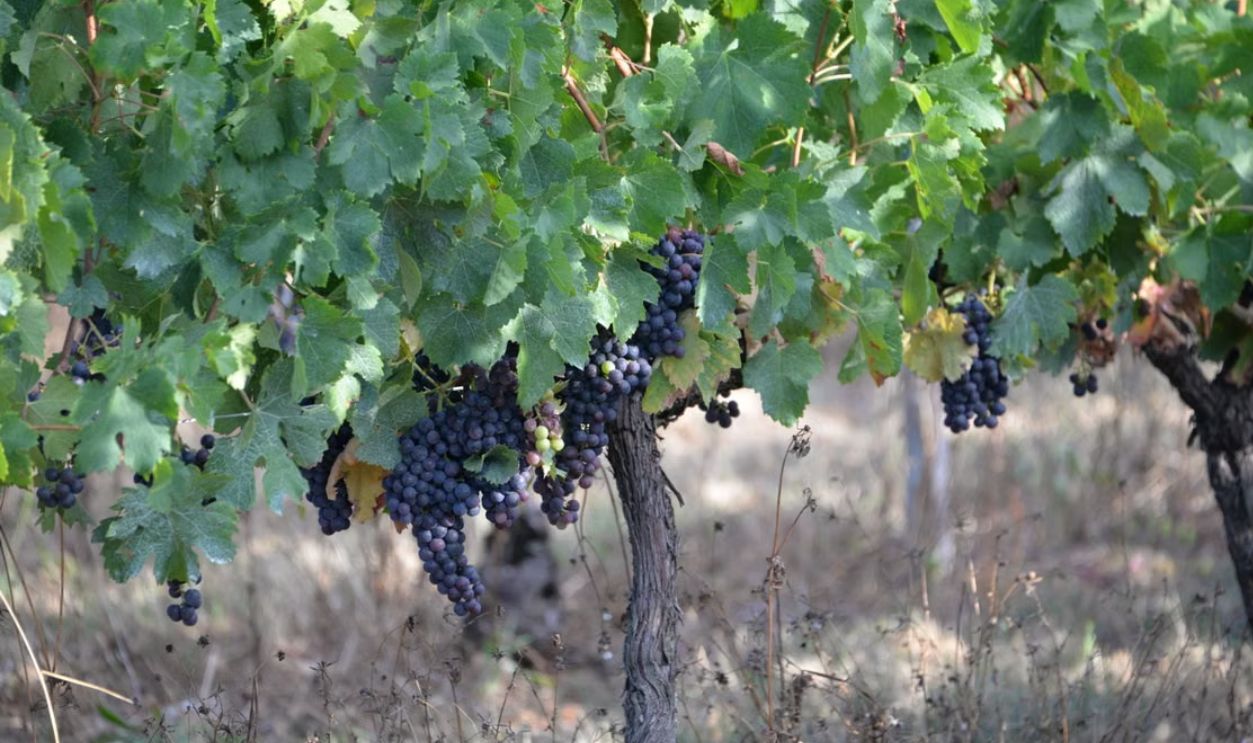
One of the most surprising discoveries wasn’t a structure—it was plant evidence. Researchers identified traces of olive trees and grapevines through archaeobotanical analysis. These findings came from pollen, seeds, and soil samples preserved beneath the site.
Evidence Of A Cultivated Garden
This kind of plant evidence doesn’t appear randomly. It strongly suggests the area was once intentionally cultivated. In other words, this wasn’t just wild vegetation—it was likely a managed garden or agricultural space.
 Berthold Werner, Wikimedia Commons
The Timeline Matches Something Important
The plant remains date back to around the 1st century CE, the same general period associated with the life of Jesus. That timing is what makes this discovery especially interesting. It lines up with historical and biblical accounts of the area.
 Ivan Kramskoi, Wikimedia Commons
A Detail From The Gospel Of John
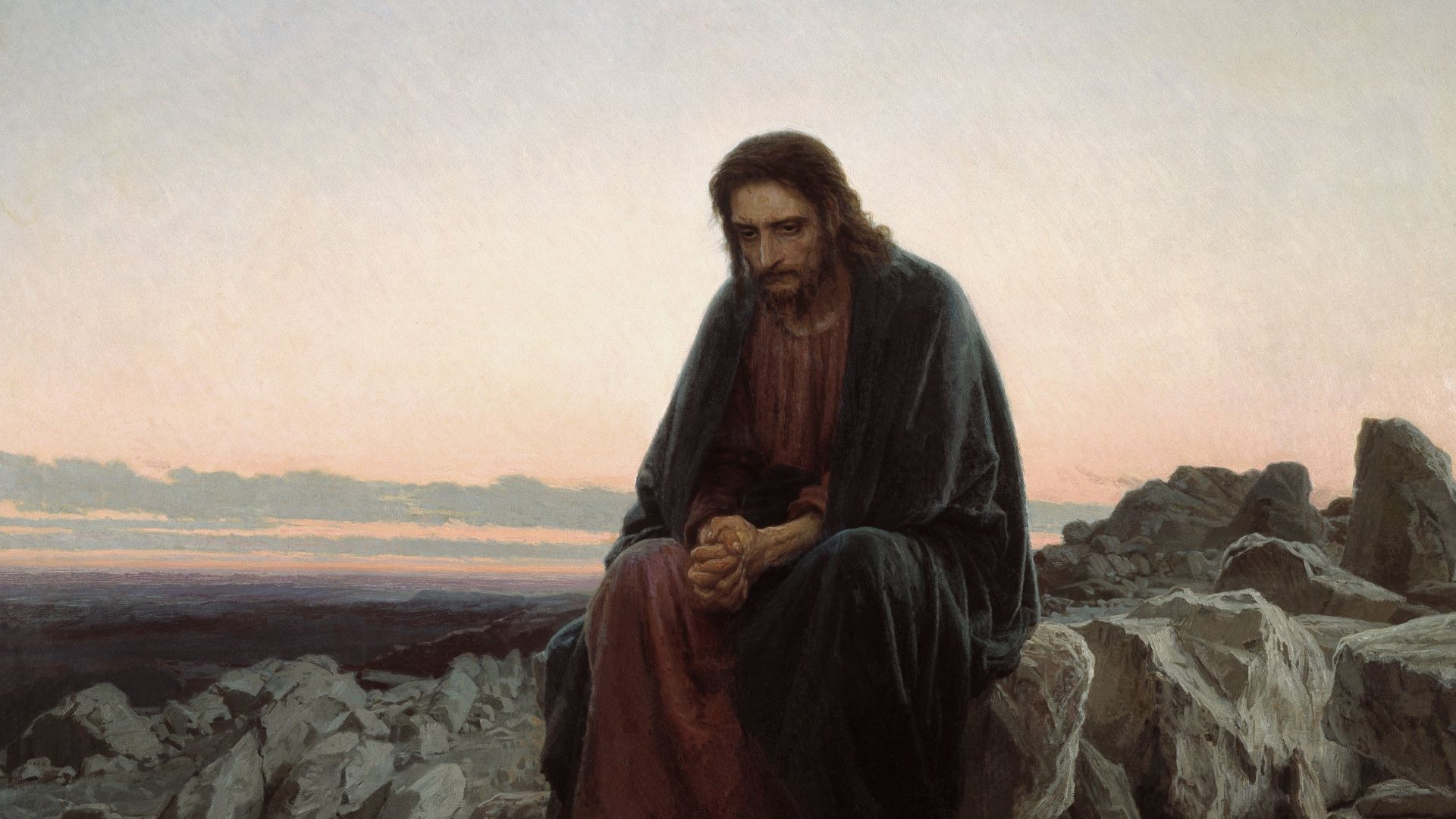
In John 19:41, the Bible states: “Now in the place where he was crucified there was a garden…” For a long time, that detail was seen as descriptive rather than historical. Now, archaeology is suggesting it may have been grounded in reality.
The Lead Researcher Speaks
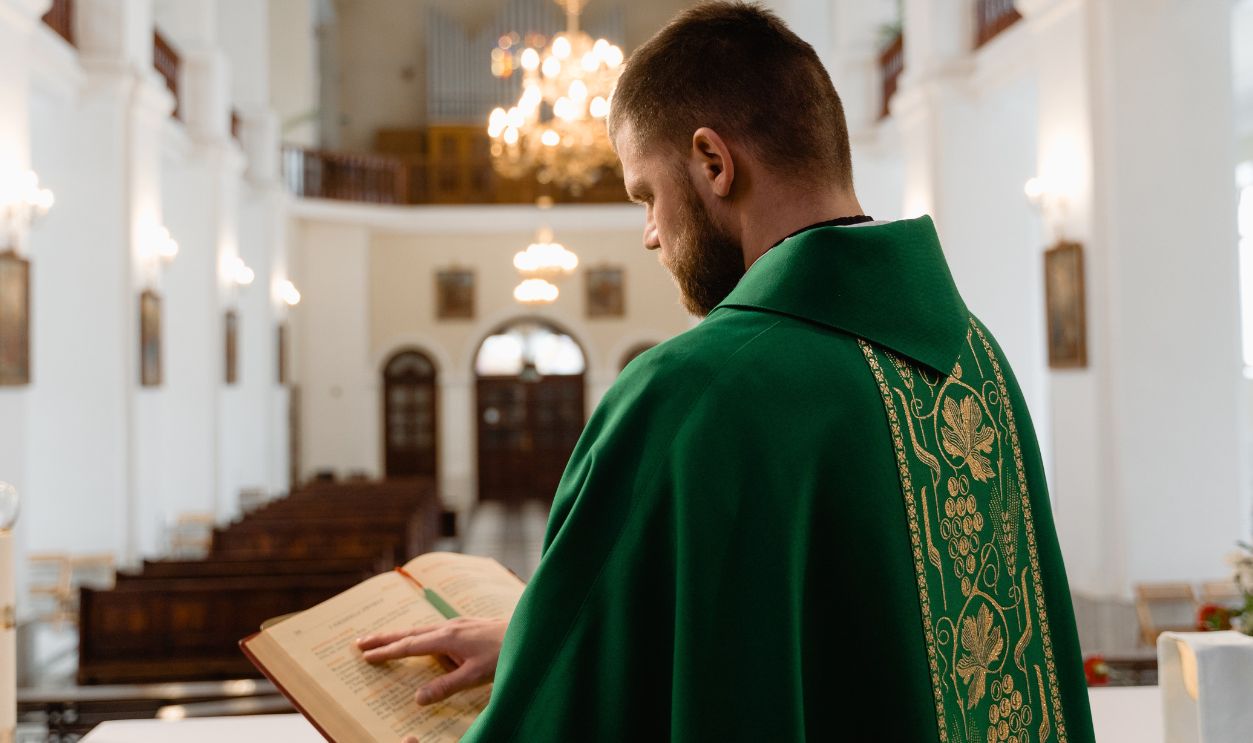
Professor Stasolla addressed the finding directly, saying: “The archaeobotanical findings have been especially interesting… The Gospel mentions a green area between Calvary and the tomb, and we identified these cultivated fields.”
What This Discovery Does—And Doesn’t—Prove
It’s important to be clear: this does not prove the biblical account is historically exact. Archaeology can’t confirm specific events like the crucifixion itself. What it does show is that the environmental details described in the text are plausible.
 Berthold Werner, Wikimedia Commons
Layers Of History Beneath The Church
The site didn’t start as a church. Archaeologists have found evidence that it was originally an Iron Age quarry. Over time, it was abandoned and later repurposed for agriculture.
From Quarry To Garden
After the quarry fell out of use, soil began to accumulate in the area. This created conditions suitable for planting crops. That’s likely when the garden or cultivated fields existed.
A Shift Into A Burial Site
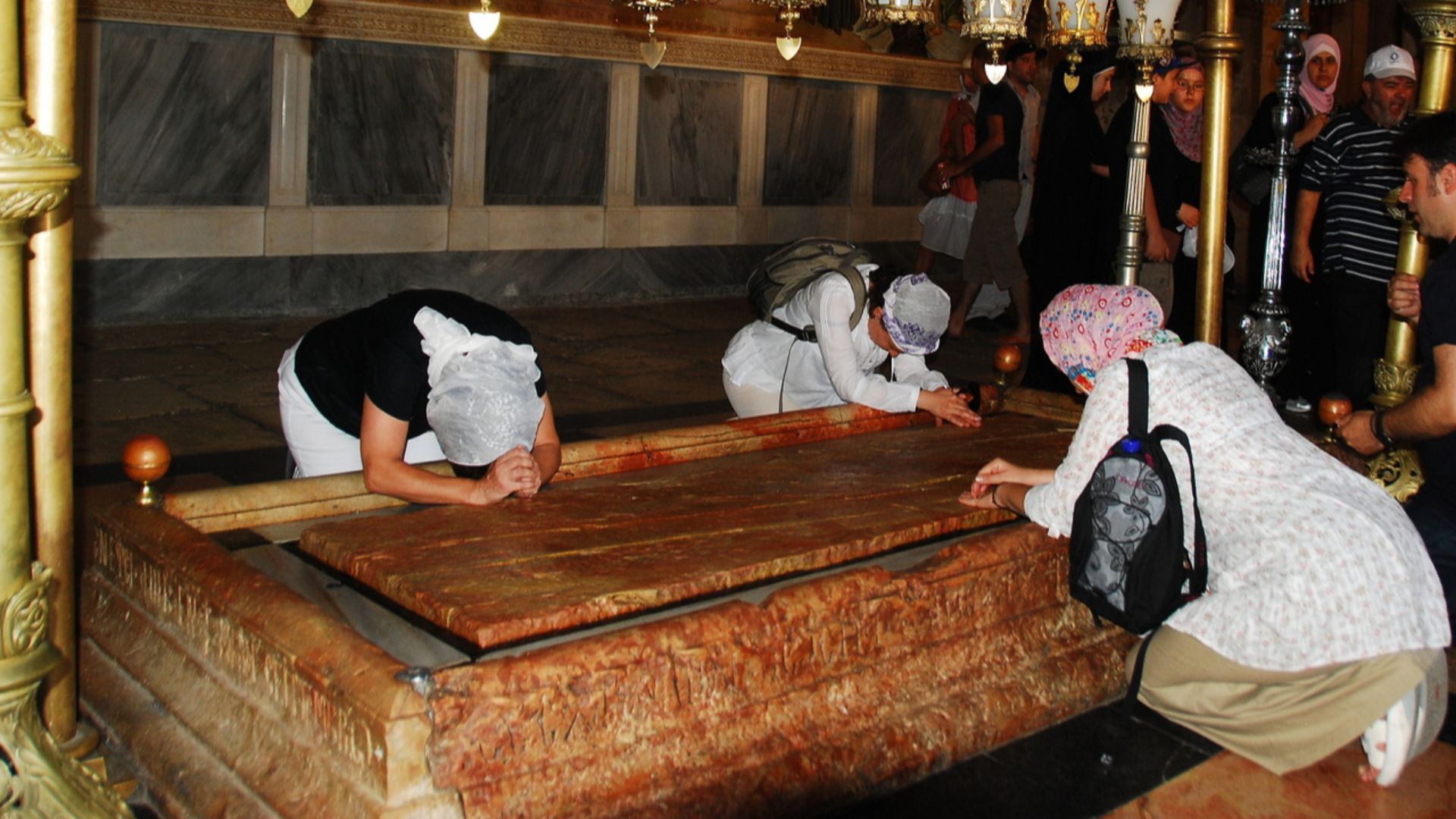
By the 1st century CE, the area appears to have transitioned again—this time into a cemetery. Archaeologists have identified rock-cut tombs typical of burial practices from that period.
Why That Matters
The presence of tombs aligns with historical accounts that place a burial site near the crucifixion location. This doesn’t prove identity, but it does show that the area functioned as a burial ground at the right time.
 Gunnar Klack, Wikimedia Commons
The Geography Starts To Line Up
When you combine the quarry, the garden, and the tombs, the site begins to resemble the kind of landscape described in ancient texts. It wasn’t just one feature—it was a sequence of land uses over time.
Archaeology And Scripture—A Complicated Relationship
Discoveries like this often spark debate because they sit at the intersection of science and religion. Archaeologists focus on physical evidence, while religious texts carry meaning beyond historical detail. The two don’t always align perfectly.
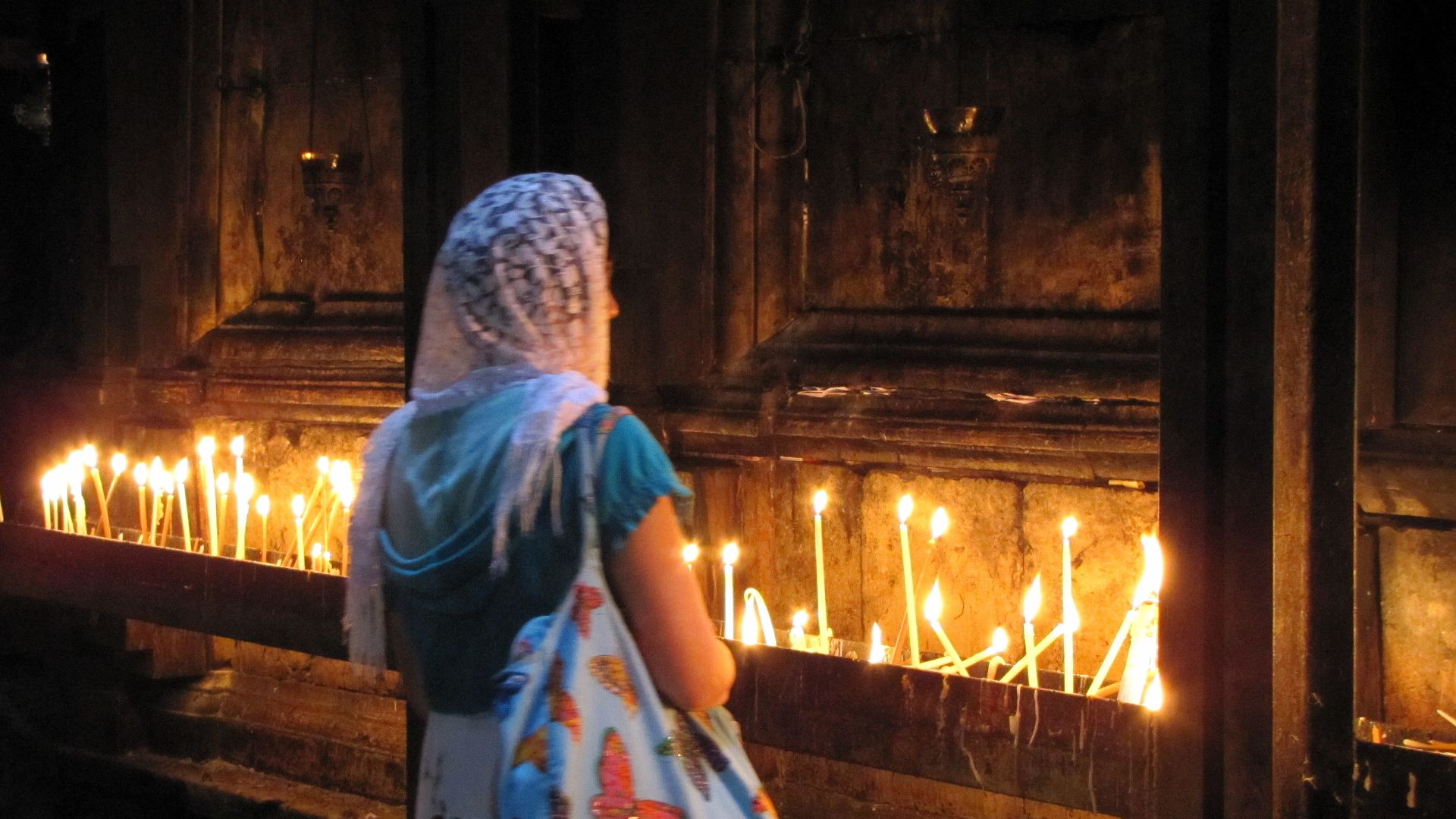 David Berkowitz from New York, NY, USA, Wikimedia Commons
Why This Discovery Is Still Significant
Even without proving anything definitive, this find adds context. It helps historians better understand what the area around Jerusalem looked like 2,000 years ago. That alone is valuable.
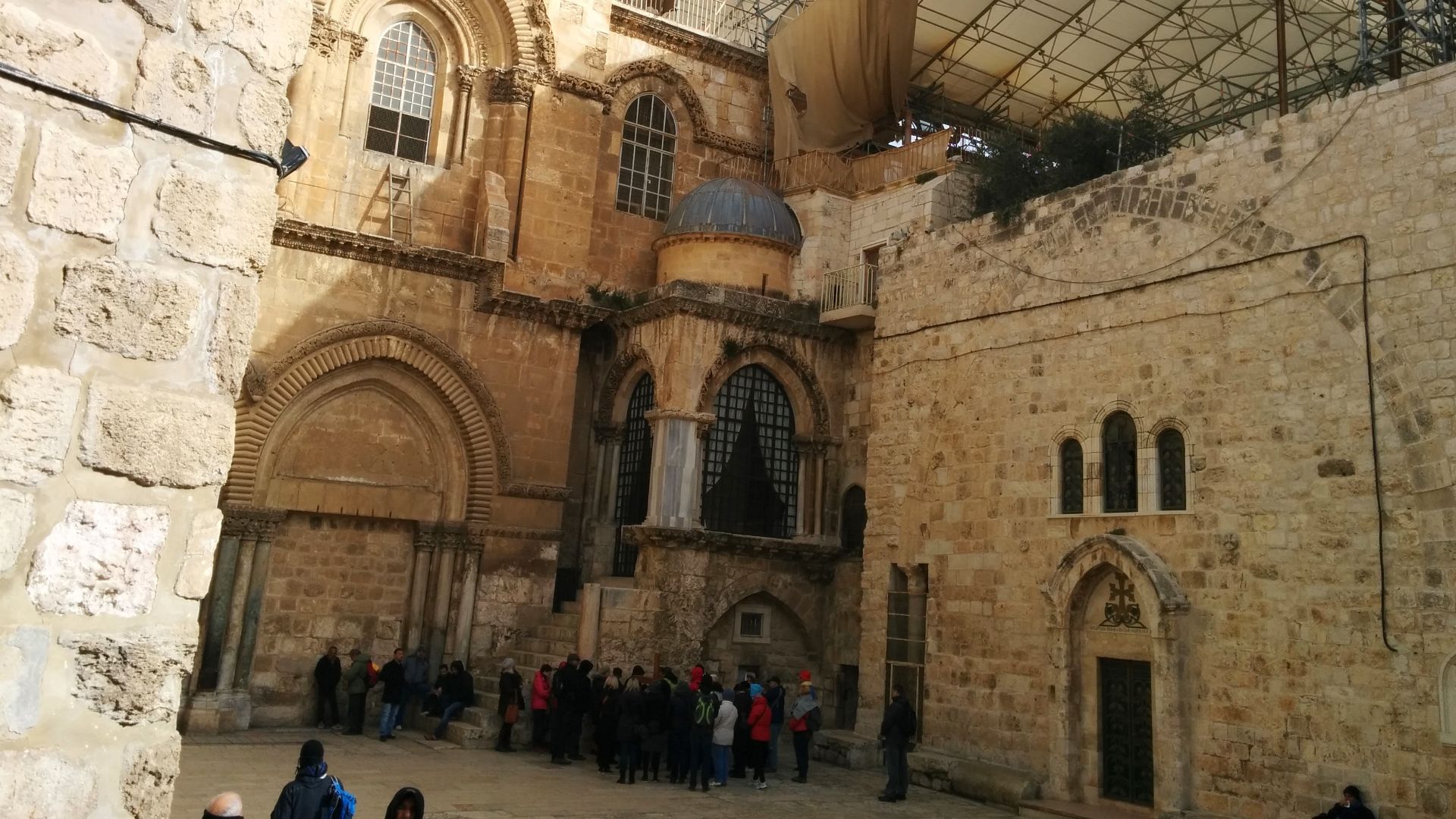
The Role Of Archaeobotany
The plant evidence comes from a field called archaeobotany, which studies ancient plant remains. It’s a specialized discipline that can reveal what people were growing, eating, and cultivating in the past.

Small Details, Big Impact
It’s easy to overlook something like pollen or seeds, but these tiny details can reshape our understanding of history. In this case, they’re helping reconstruct an ancient landscape.

Why Jerusalem Keeps Surprising Researchers
Jerusalem has been inhabited for thousands of years, with layers of history stacked on top of each other. Every excavation adds another piece to a very complicated puzzle.
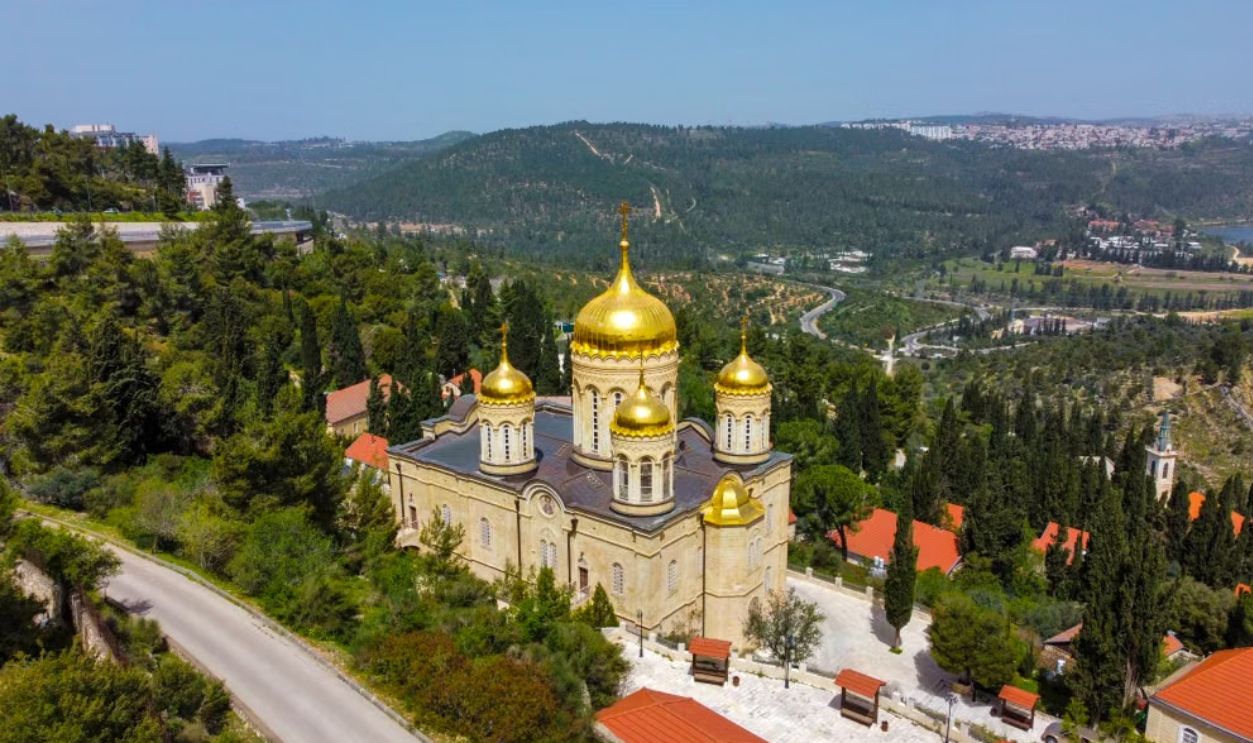
Not Everyone Interprets This The Same Way
Some scholars see this as strong supporting evidence for the biblical description. Others view it as an interesting coincidence. That difference in interpretation is part of what keeps the debate going.

The Importance Of Context
Archaeological discoveries don’t exist in isolation. They need to be understood alongside historical records, geography, and cultural practices. That’s what gives them meaning.
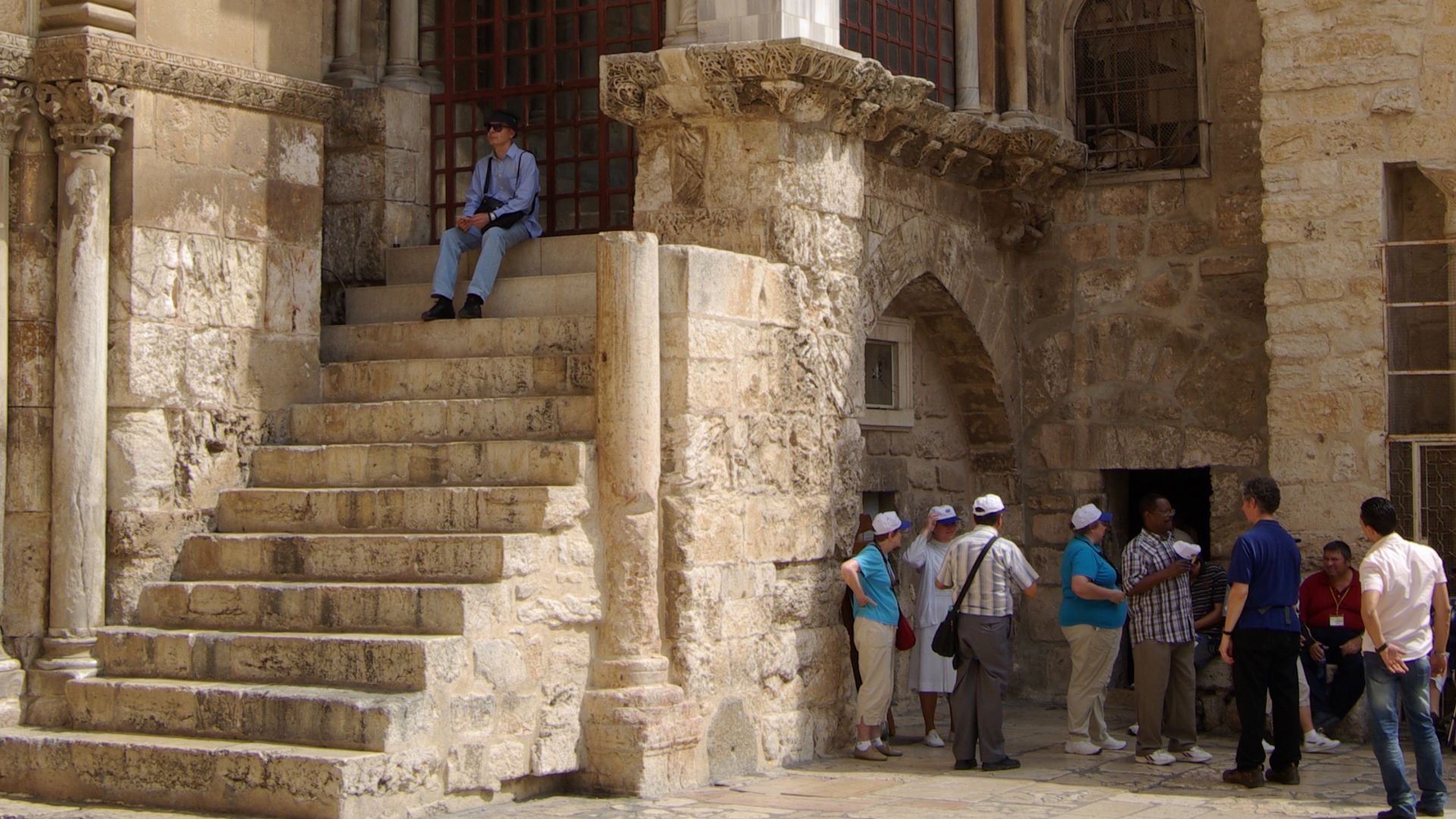 Berthold Werner, Wikimedia Commons
What Happens Next
Excavations beneath the church are ongoing, and researchers expect to uncover more information as work continues. Each new layer could reveal something unexpected.
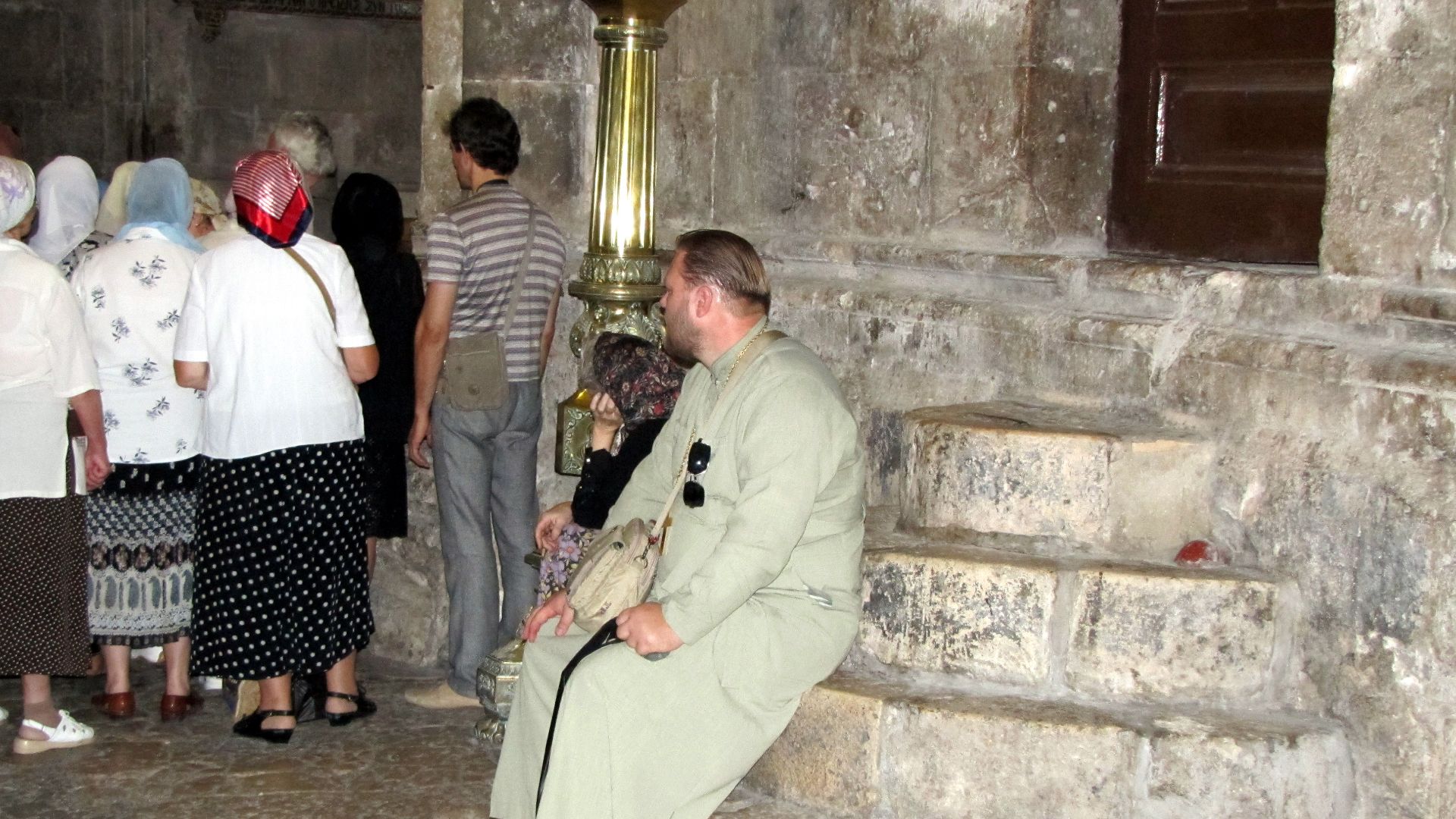 David Berkowitz from New York, NY, USA, Wikimedia Commons
Why People Are So Interested
This isn’t just any archaeological site—it’s one tied to one of the most well-known stories in human history. Even small discoveries here tend to attract global attention.
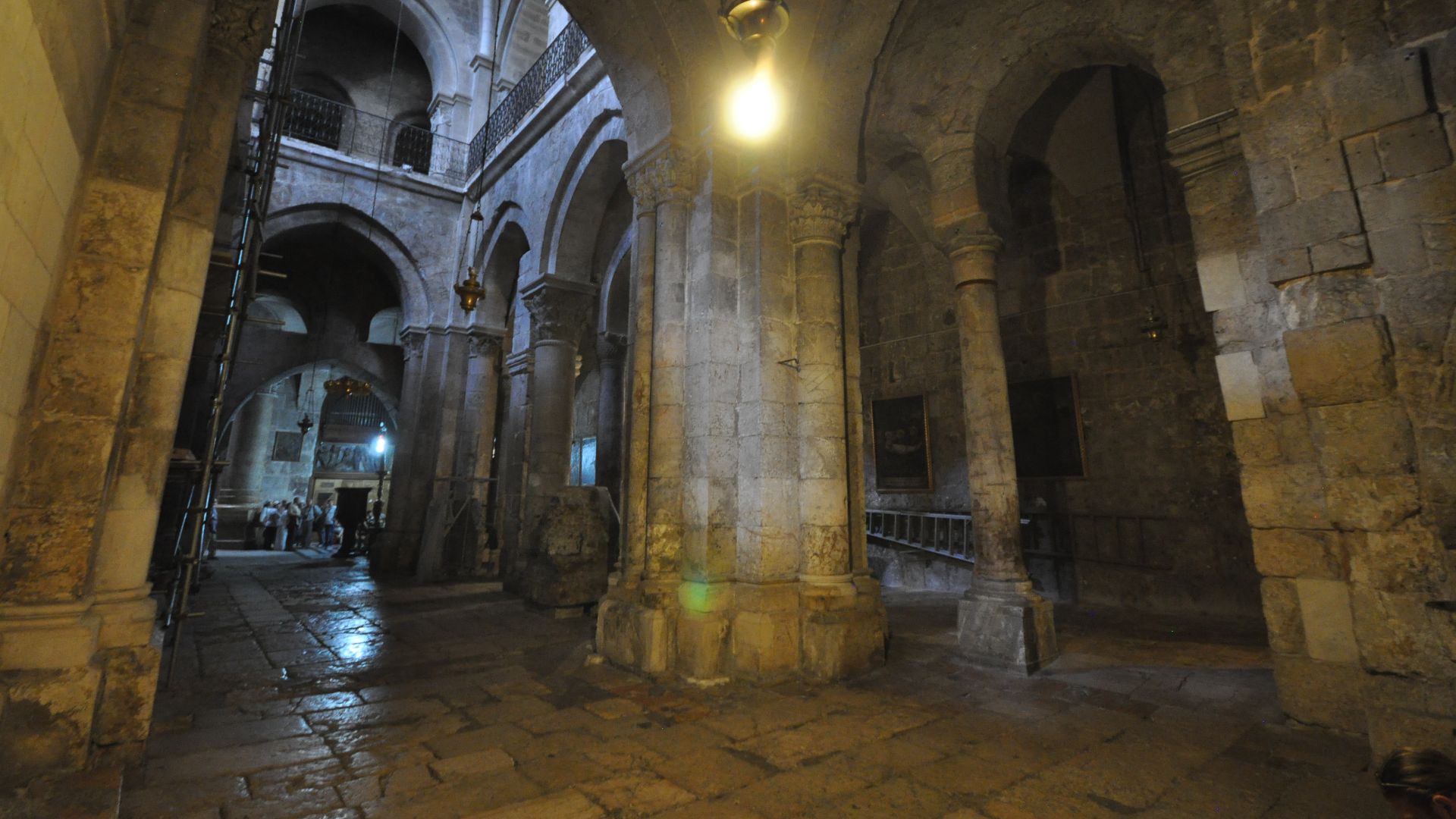 Jorge Lascar from Australia, Wikimedia Commons
A Reminder About Ancient Landscapes
Places we see today often look nothing like they did thousands of years ago. What is now a massive stone church may once have been open land, cultivated fields, and burial sites.
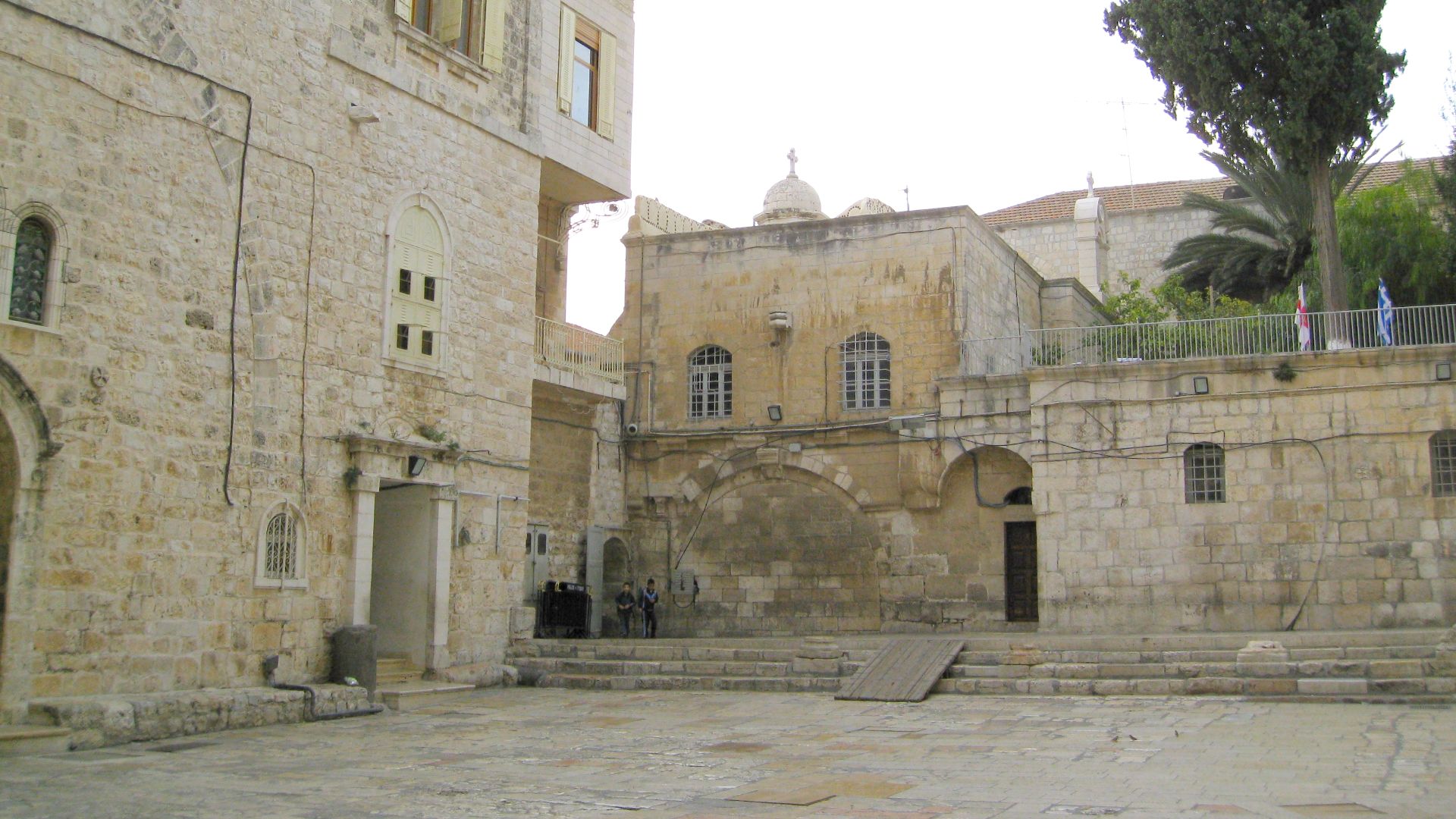 Chris Yunker, Wikimedia Commons
When Science Meets Ancient Texts
This discovery doesn’t confirm the Bible—but it shows that parts of its description match real-world conditions. And sometimes, that’s enough to spark a whole new level of interest.

The Past Isn’t As Distant As It Seems
At the end of the day, this find is a reminder that ancient stories are often rooted in real places and real environments. And every now and then, archaeology manages to uncover a piece of that world.
You May Also Like: