Ancient Document Seal Found In Jerusalem
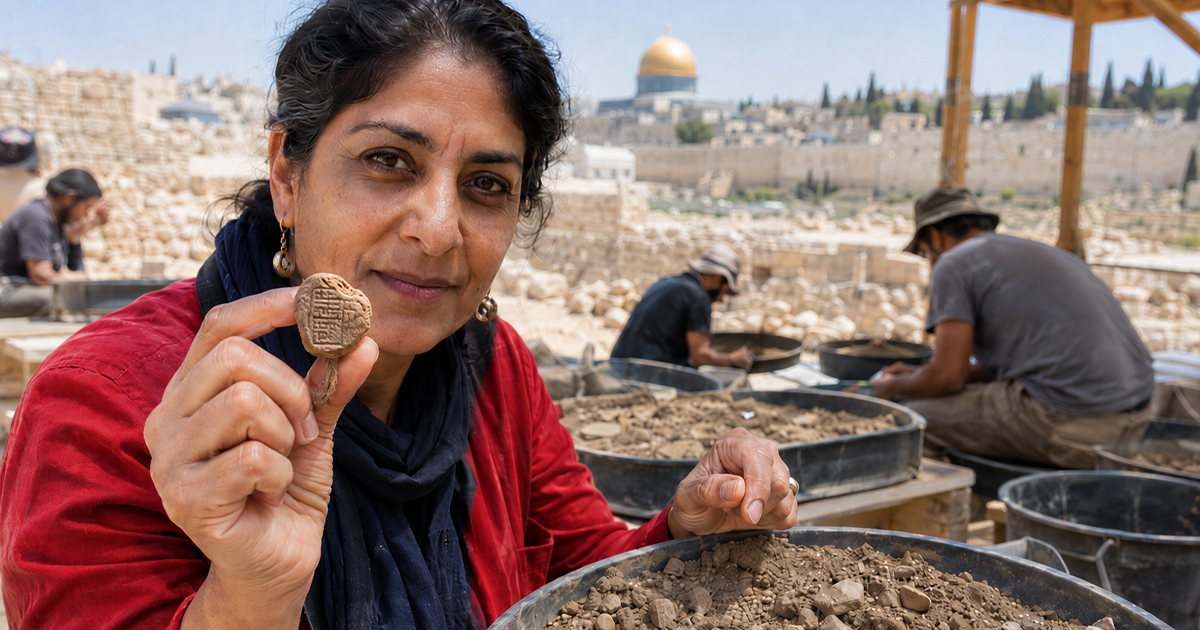
Some discoveries are massive and impossible to miss. Others are so small they could slip through your fingers. In July 2025, researchers announced that a tiny clay sealing—known as a bulla—had been uncovered in Jerusalem... and it bears a name that appears in the Hebrew Bible.
July 2025: A Small Find With Big Implications
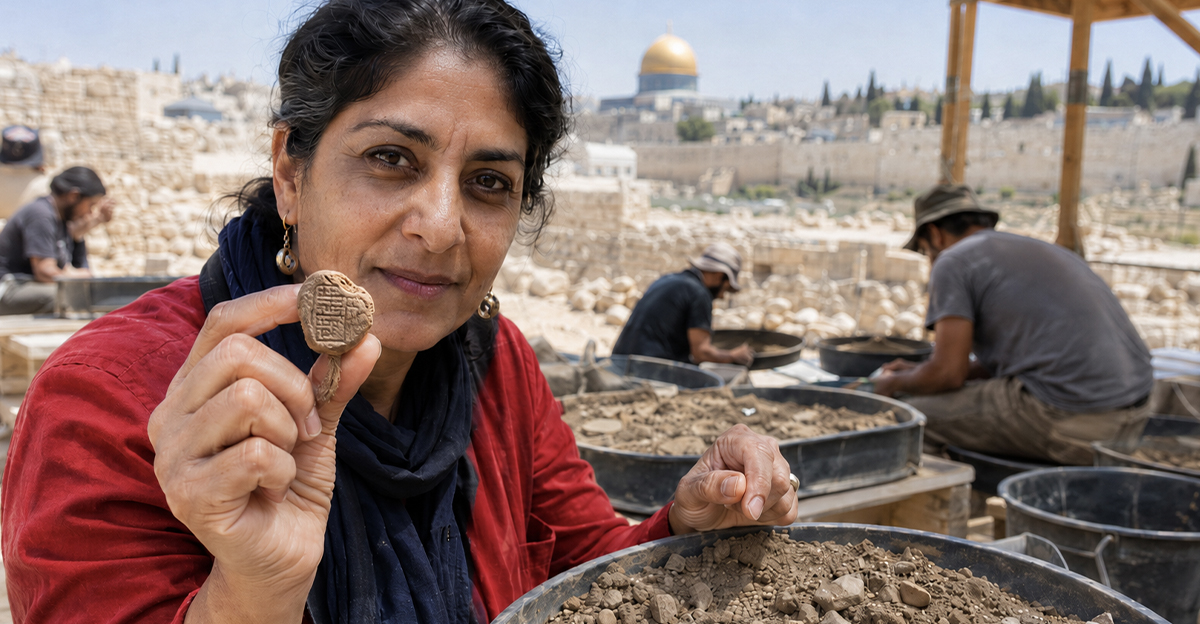
The discovery was revealed in July 2025 by researchers connected to the Temple Mount Sifting Project, an ongoing effort to recover artifacts from soil removed from the Temple Mount. While thousands of objects have been found through the project, this particular bulla immediately stood out for one reason: the name impressed into it.
It Wasn’t Found During A Traditional Dig
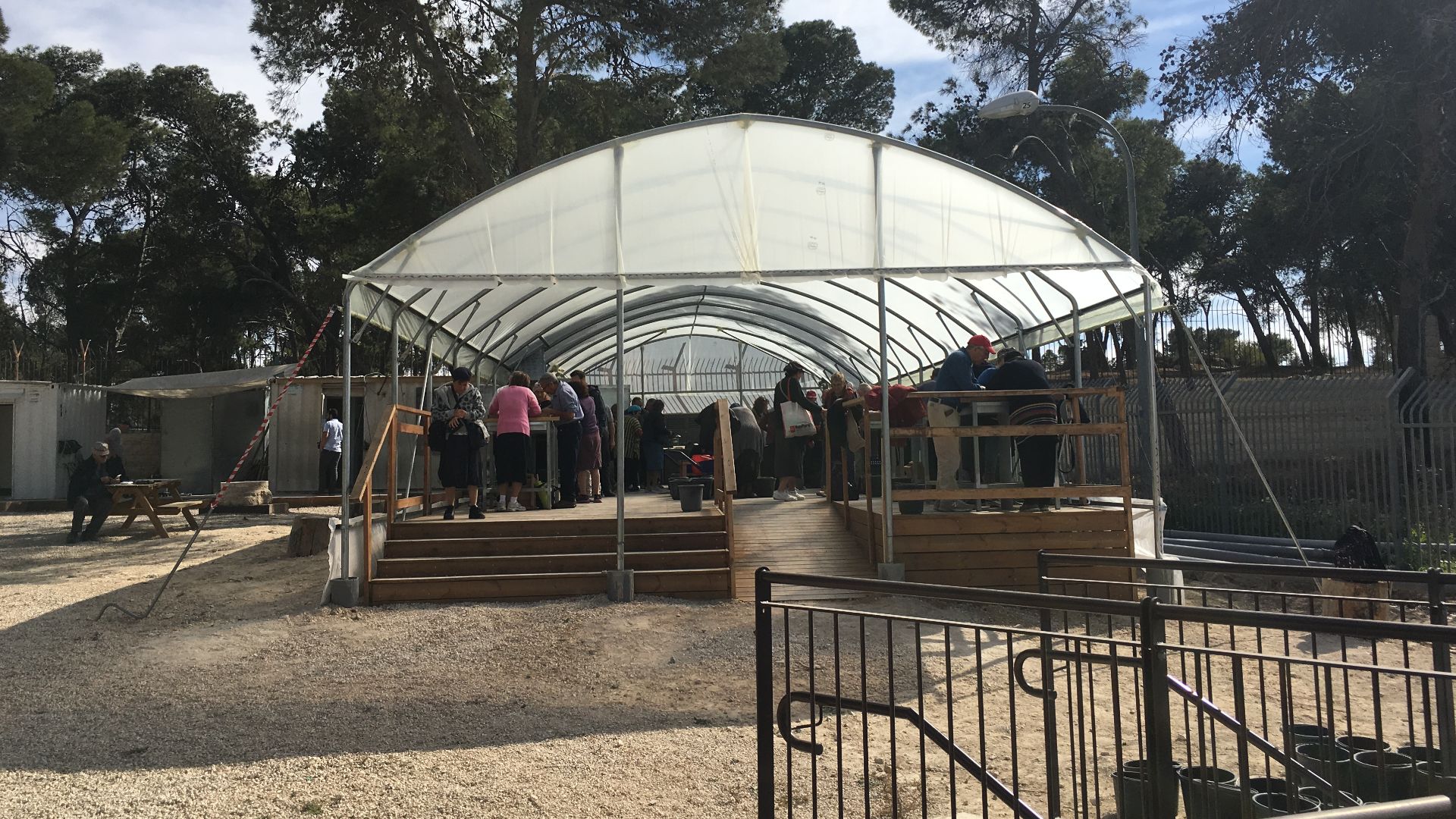
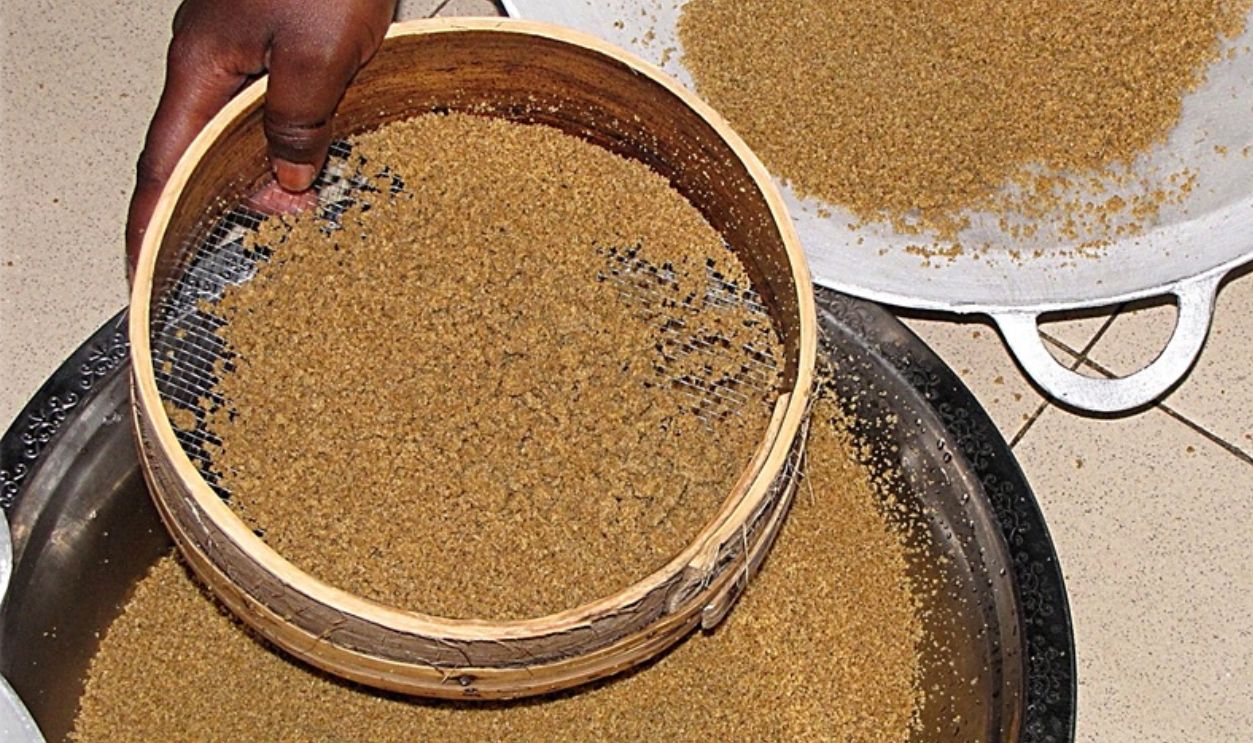
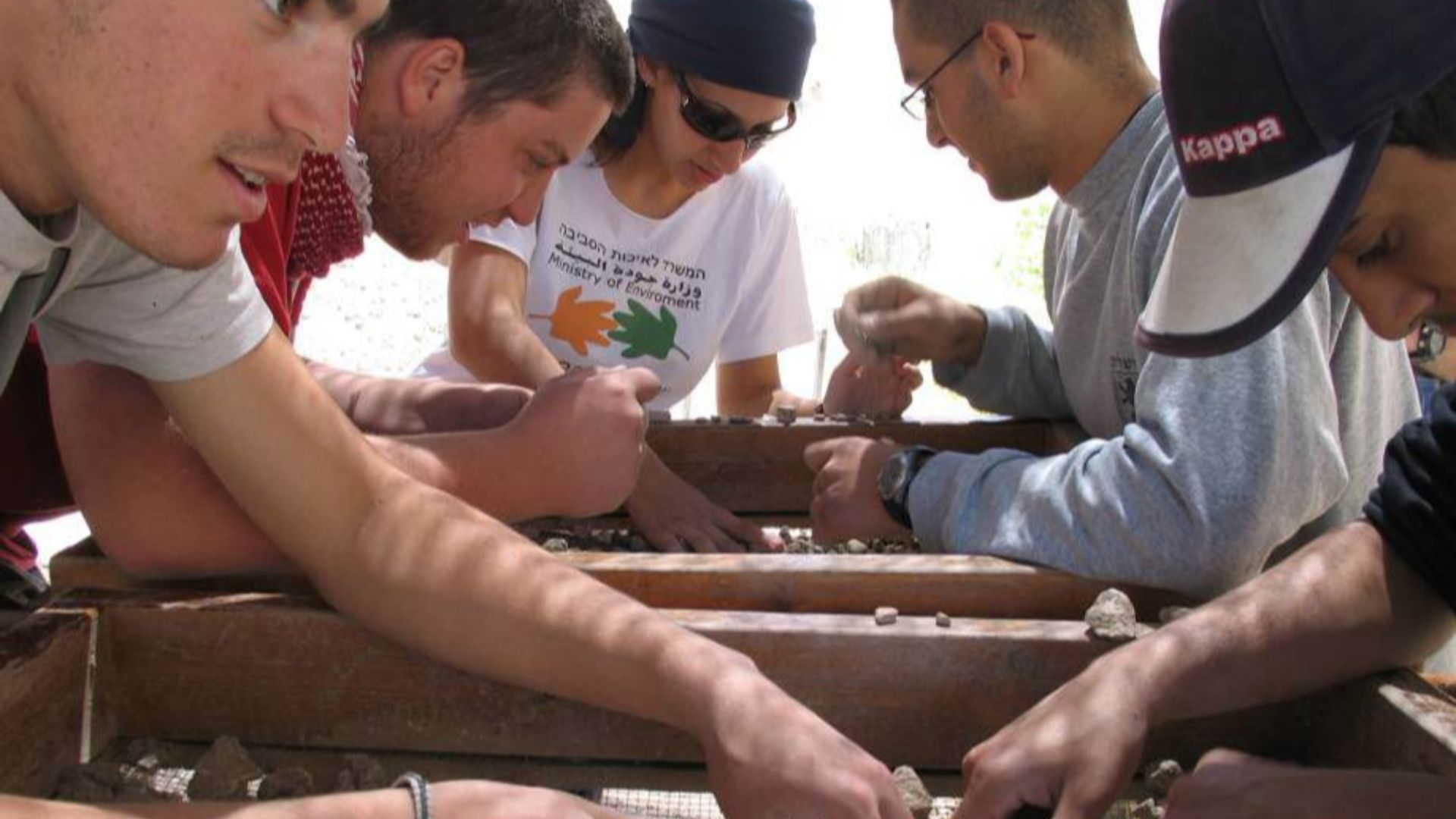
Unlike many archaeological finds, this bulla wasn’t uncovered in a controlled excavation layer. Instead, it was recovered during wet-sifting, a process where soil is washed and carefully examined for small artifacts that might otherwise be missed. In other words, this discovery almost slipped through history—again.
 T.K. Naliaka, CC BY-SA 4.0, Wikimedia Commons
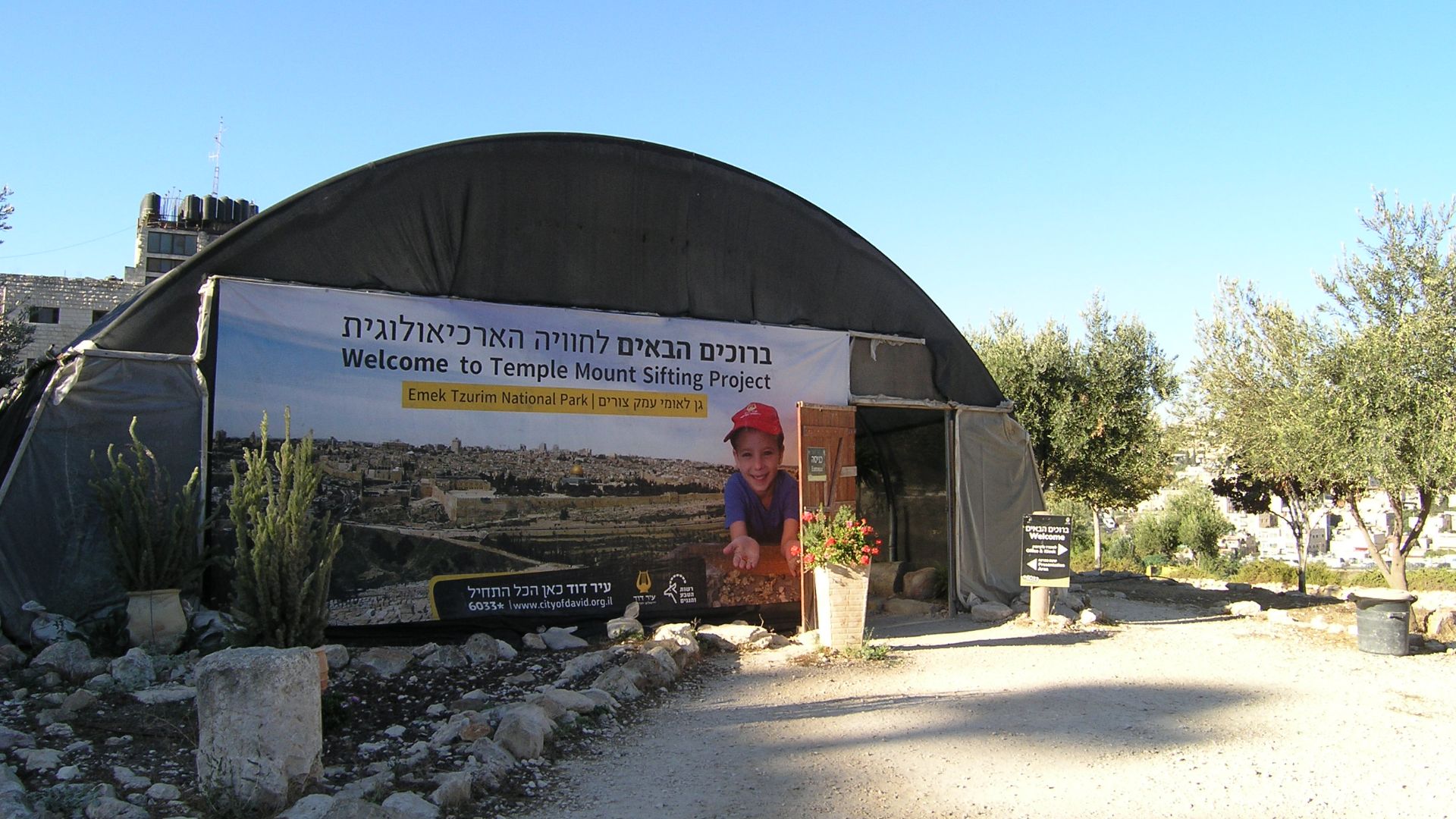
The Temple Mount Sifting Project
The artifact comes from material originally removed during construction work on the Temple Mount in the late 1990s. Since then, archaeologists and volunteers have been painstakingly sifting through that soil at the Emek Tzurim site, recovering thousands of items spanning multiple periods of Jerusalem’s history.
What Exactly Is A Bulla?
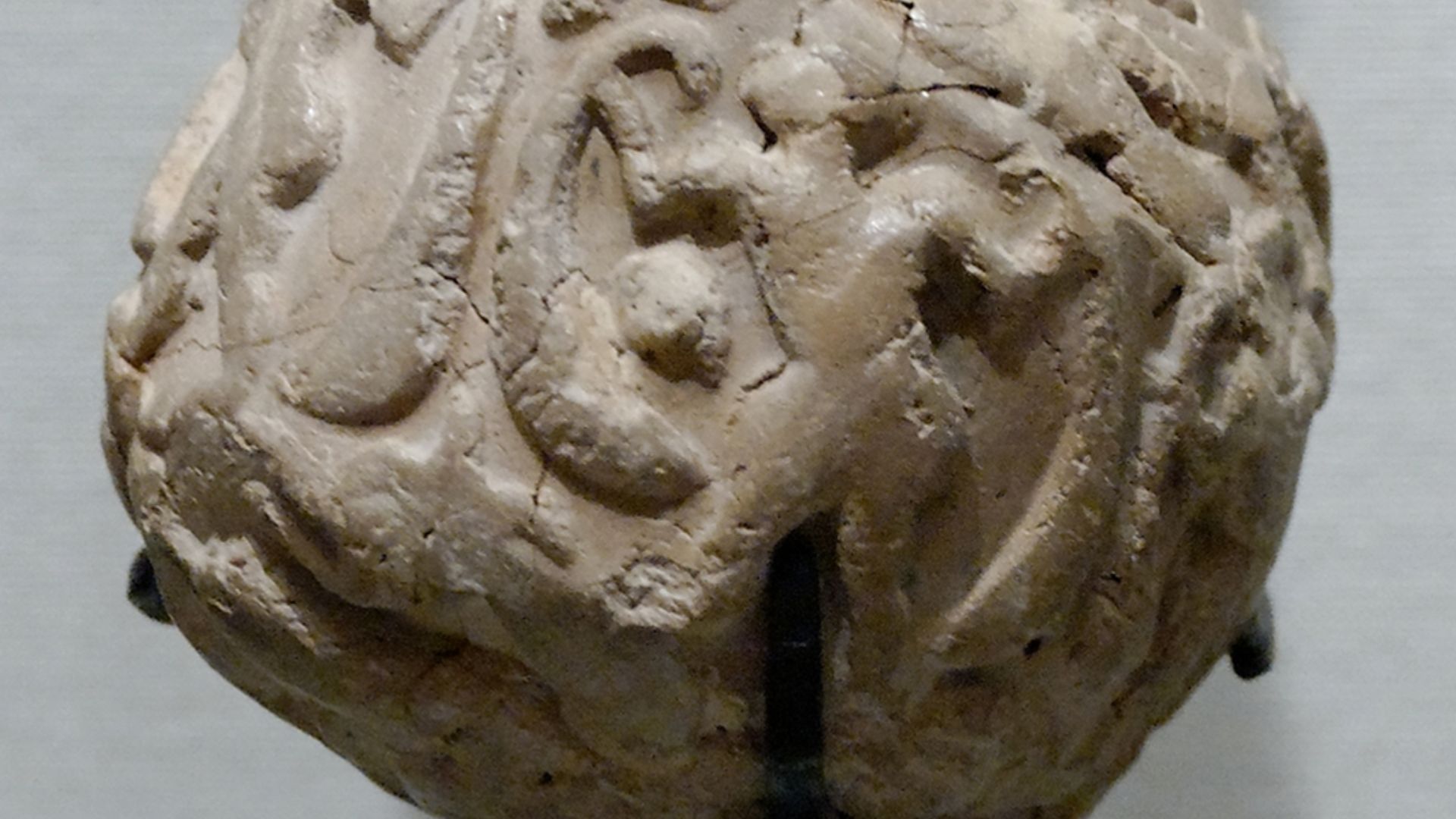
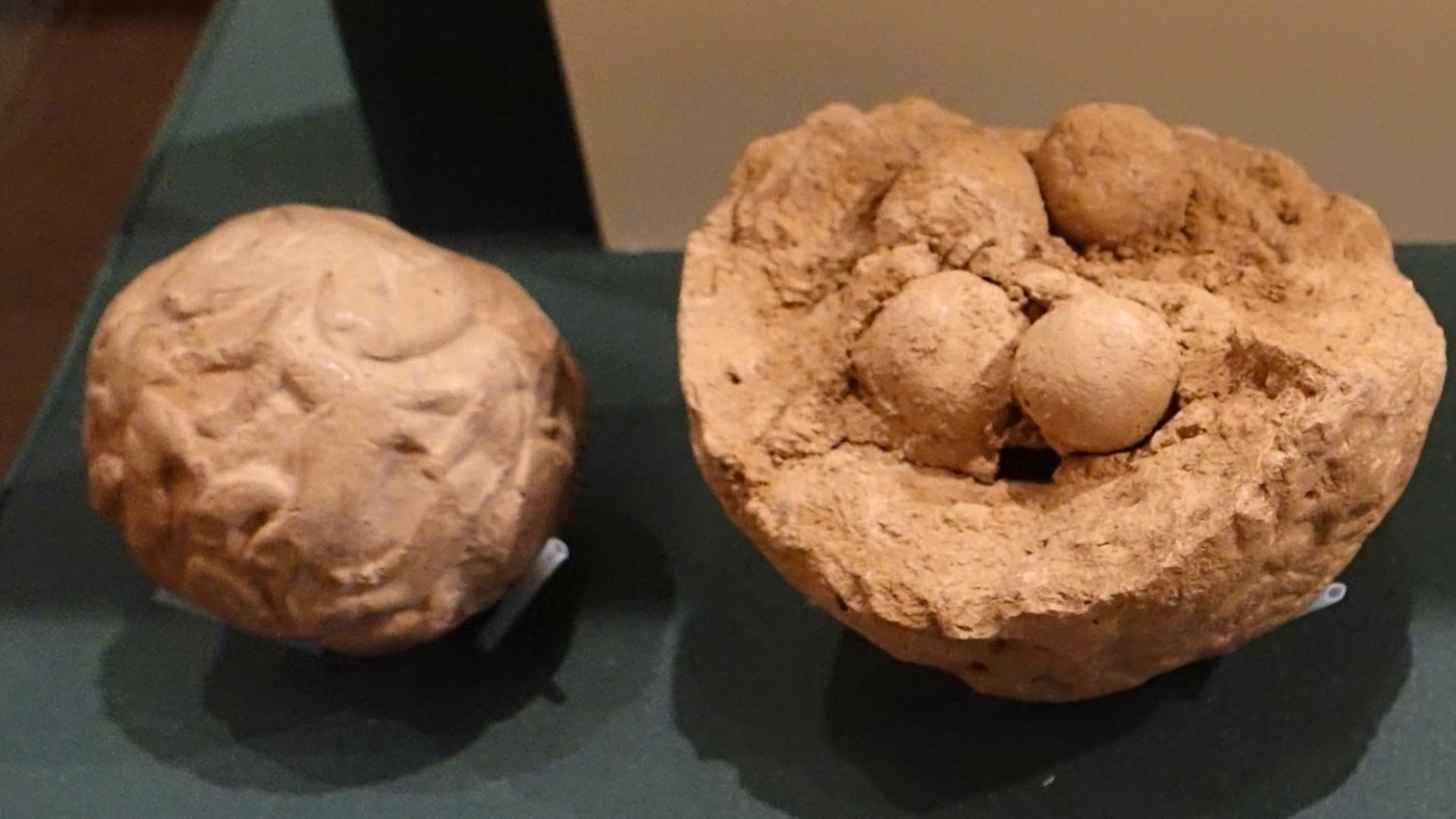
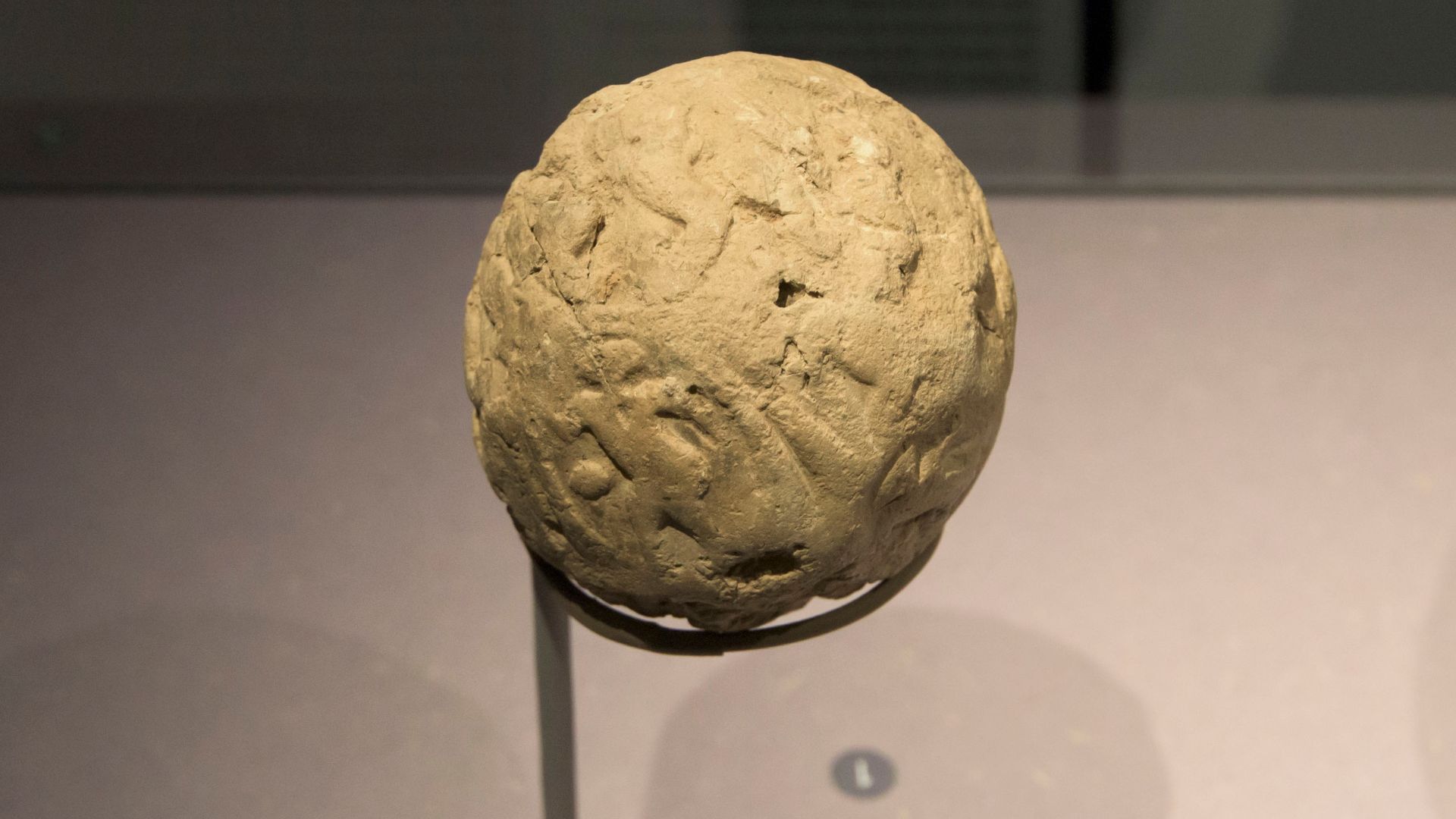
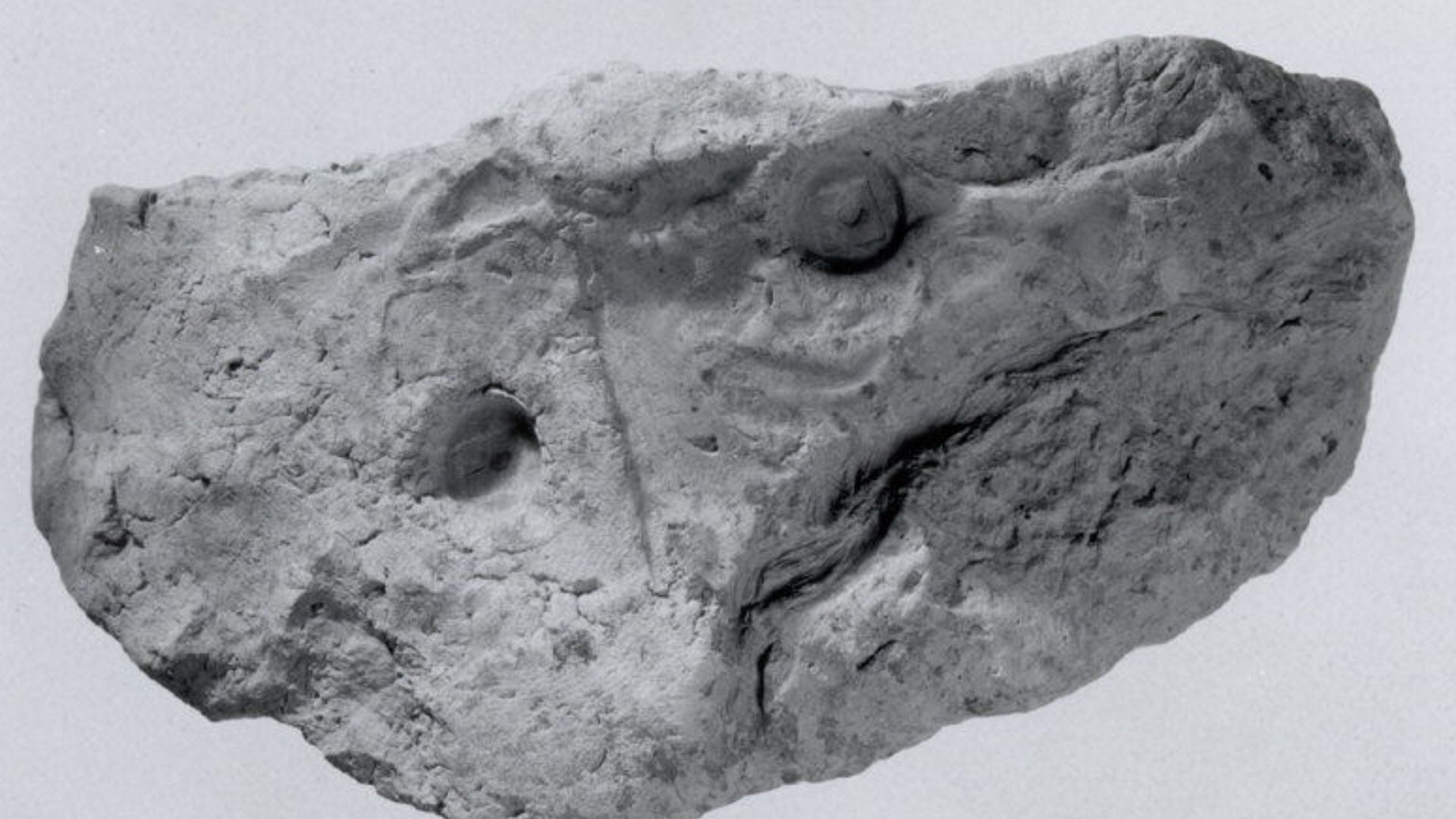
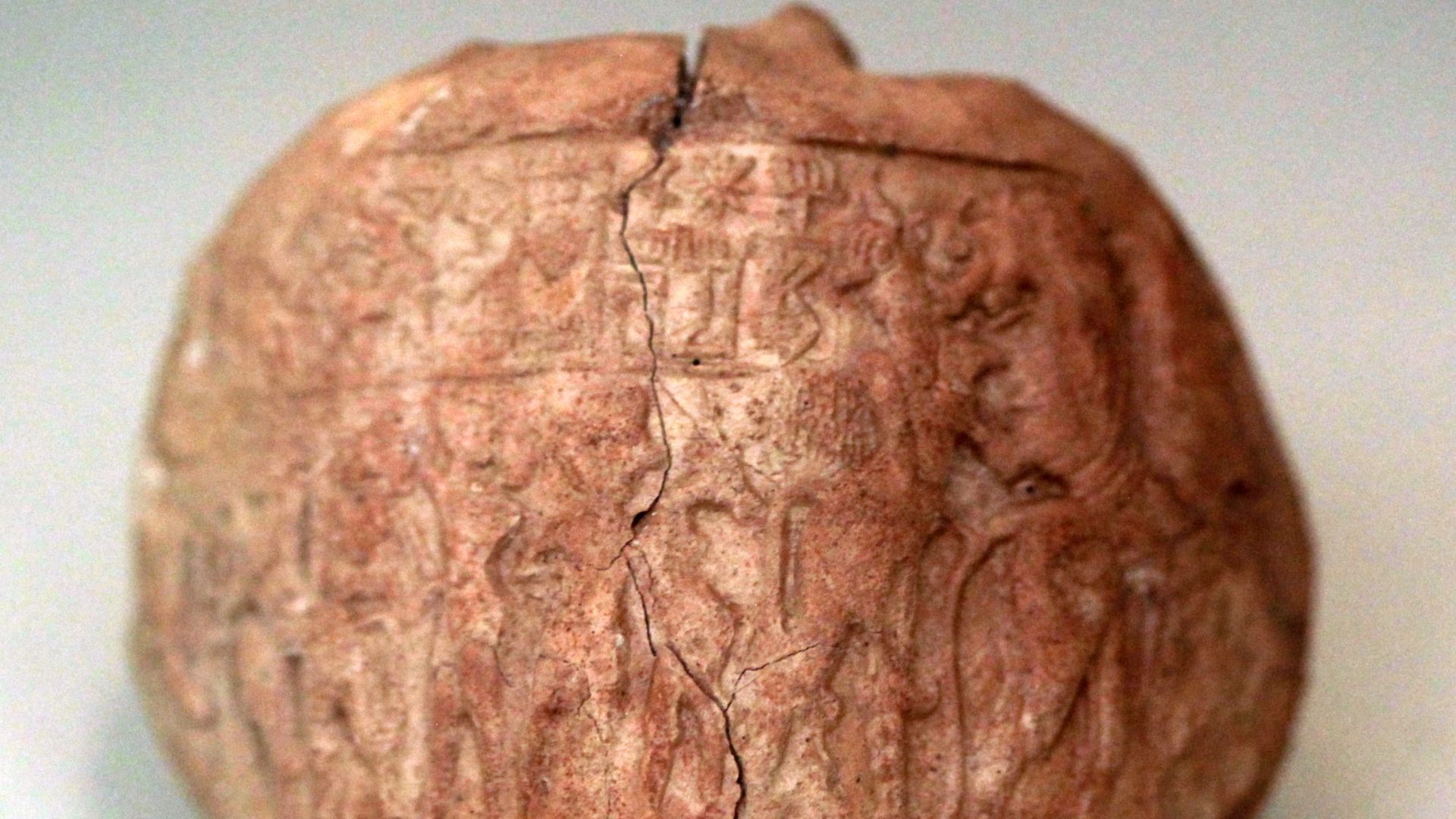
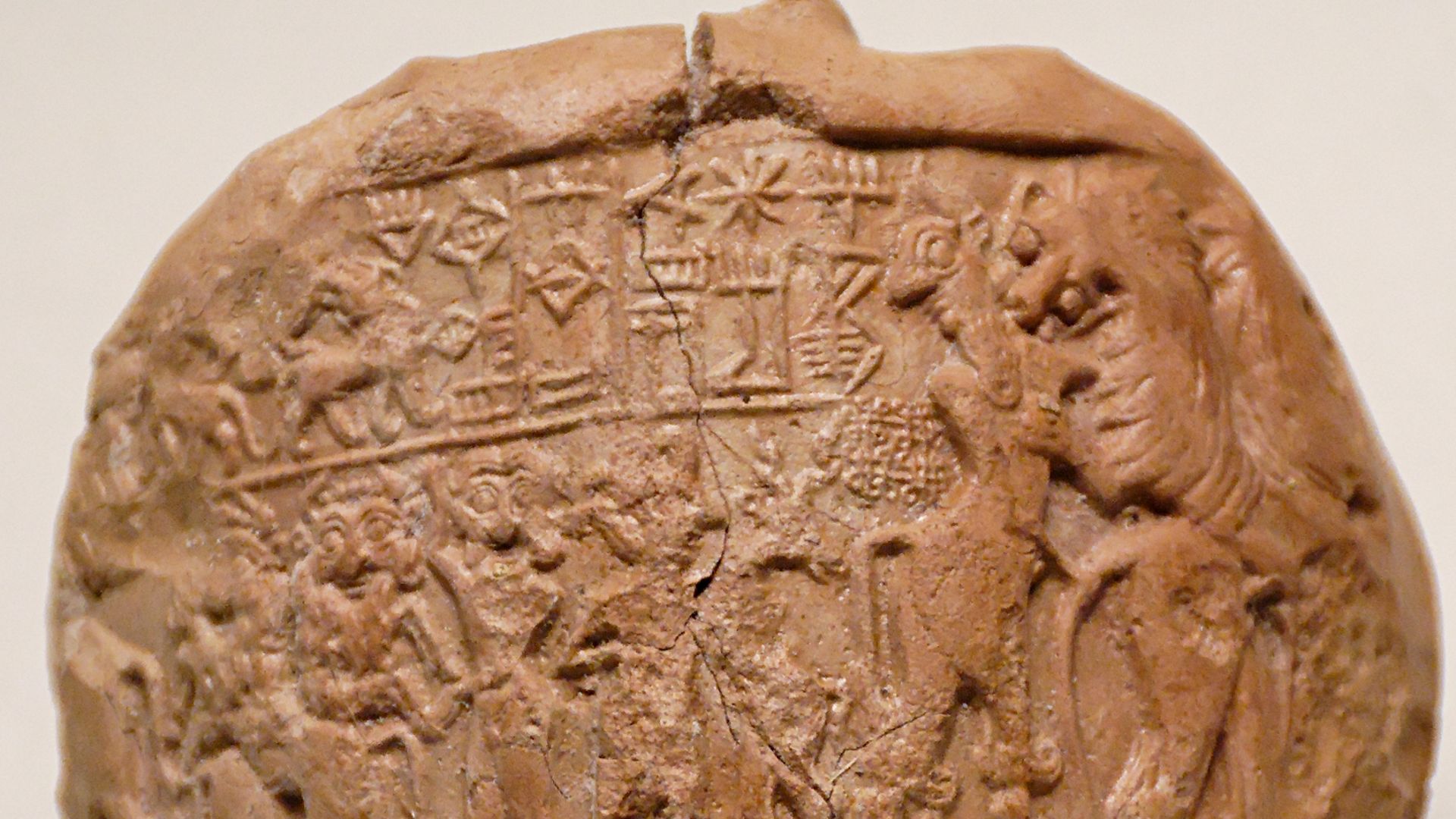
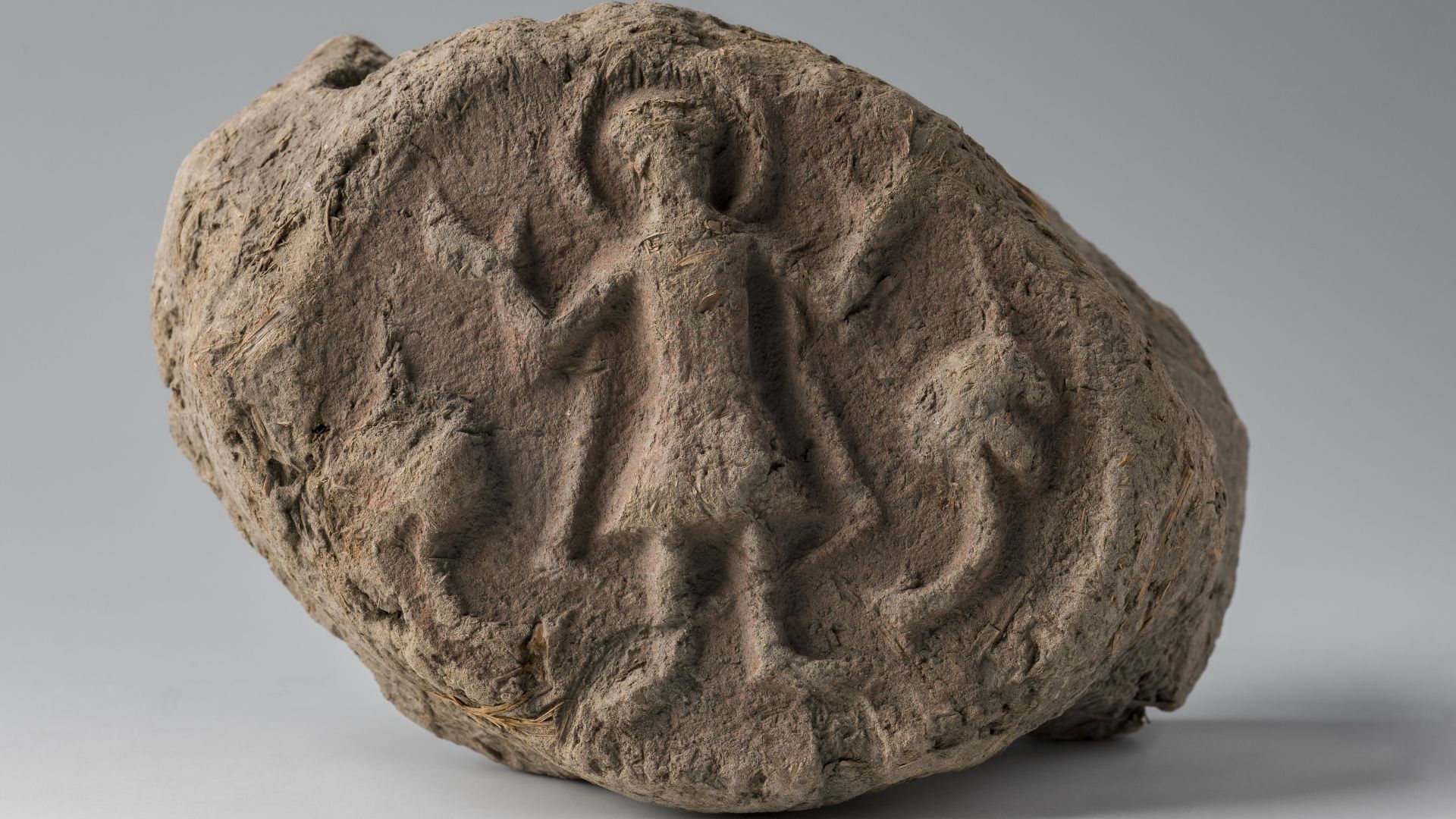
A bulla is a small lump of clay that was used in the ancient world to seal documents. When pressed with a signet ring, it would carry the name or symbol of an official or individual. Think of it as an ancient signature—except instead of ink, it was stamped into clay.
 Marie-Lan Nguyen
, Wikimedia Commons
Marie-Lan Nguyen
, Wikimedia Commons
Tiny, But Highly Personal
This particular bulla measures just over a centimeter across. But unlike large monuments or buildings, bullae often preserve the names of real individuals. That’s what makes them so valuable—they connect archaeology directly to people, not just places.
 Original: Daderot
Derivative work : Zunkir, Wikimedia Commons
Original: Daderot
Derivative work : Zunkir, Wikimedia Commons
A Name That Sounds Familiar
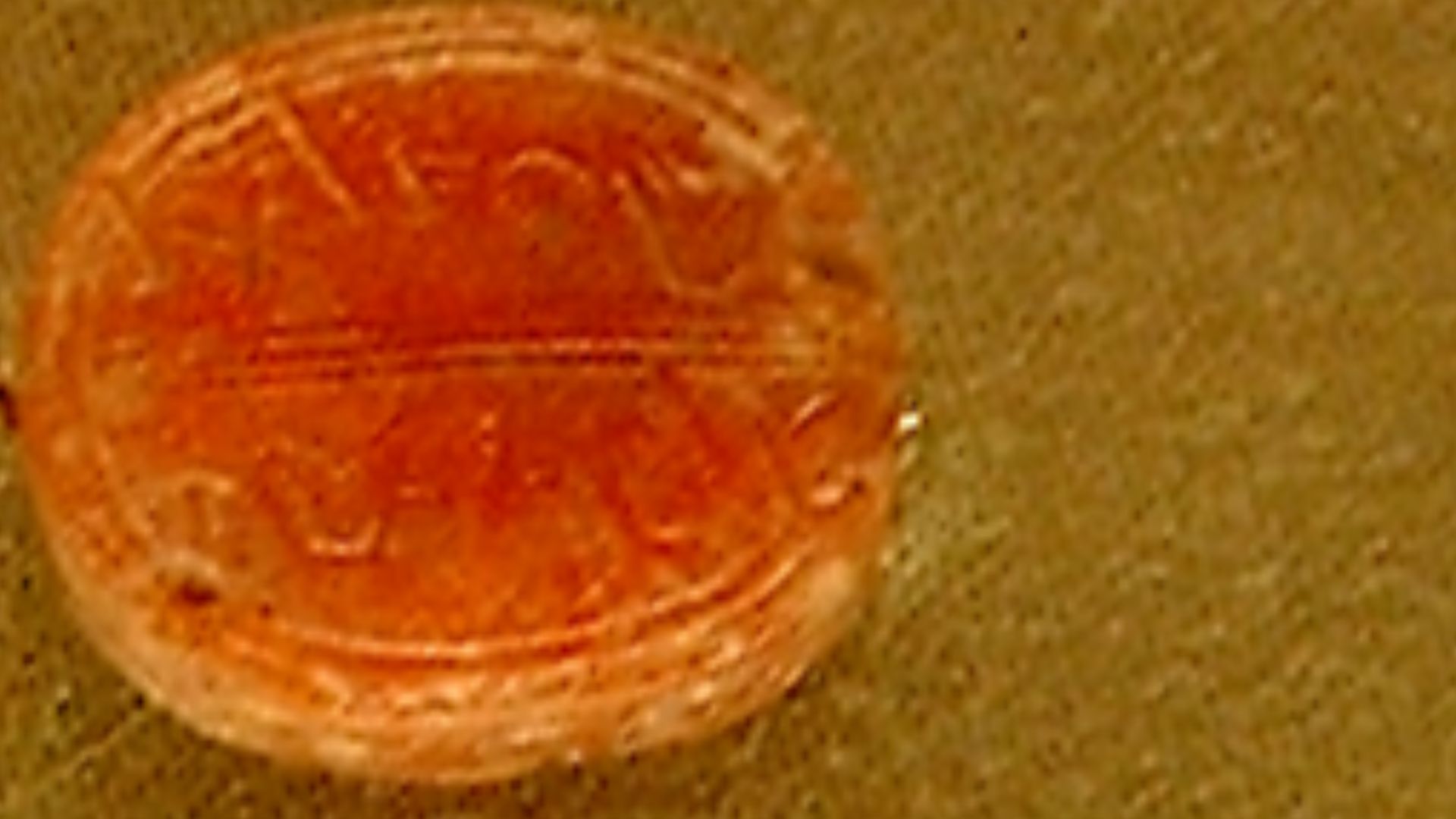
The inscription on the bulla reads: “Belonging to Yed[a‛]yah, son of Asayahu.” The name immediately caught researchers’ attention because Asayahu appears in the Hebrew Bible. While scholars are cautious about making direct identifications, the overlap places the artifact firmly within the world described in biblical texts.
Dating It To The Final Years Of The Kingdom
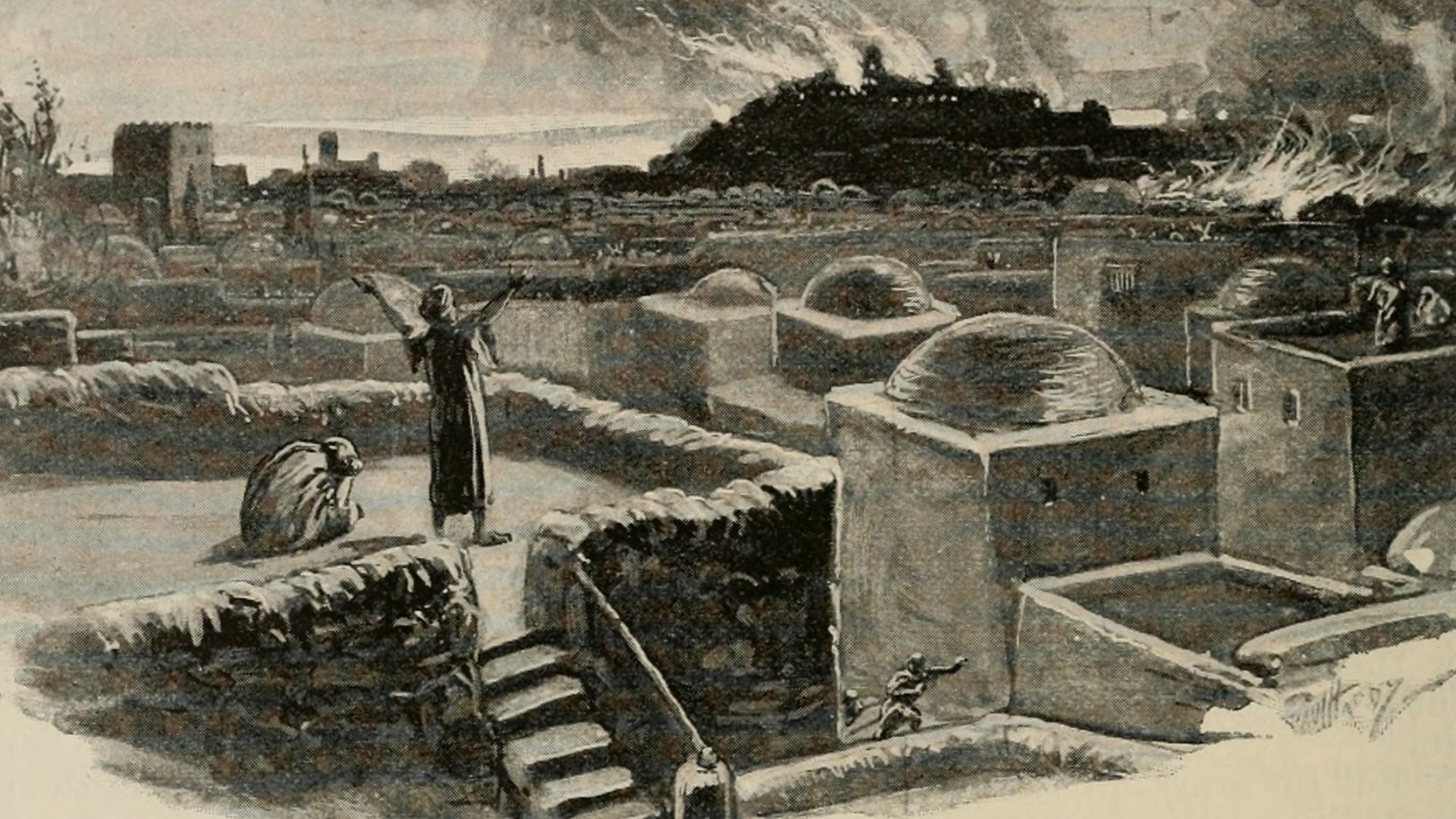
Based on paleographic analysis, the style of the writing dates the bulla to the 7th or early 6th century BCE. That places it in the final decades before the Babylonian destruction of Jerusalem in 586 BCE, a period of political tension, reform, and major change.
 Internet Archive Book Images, Wikimedia Commons
A Possible Connection To King Josiah’s Court
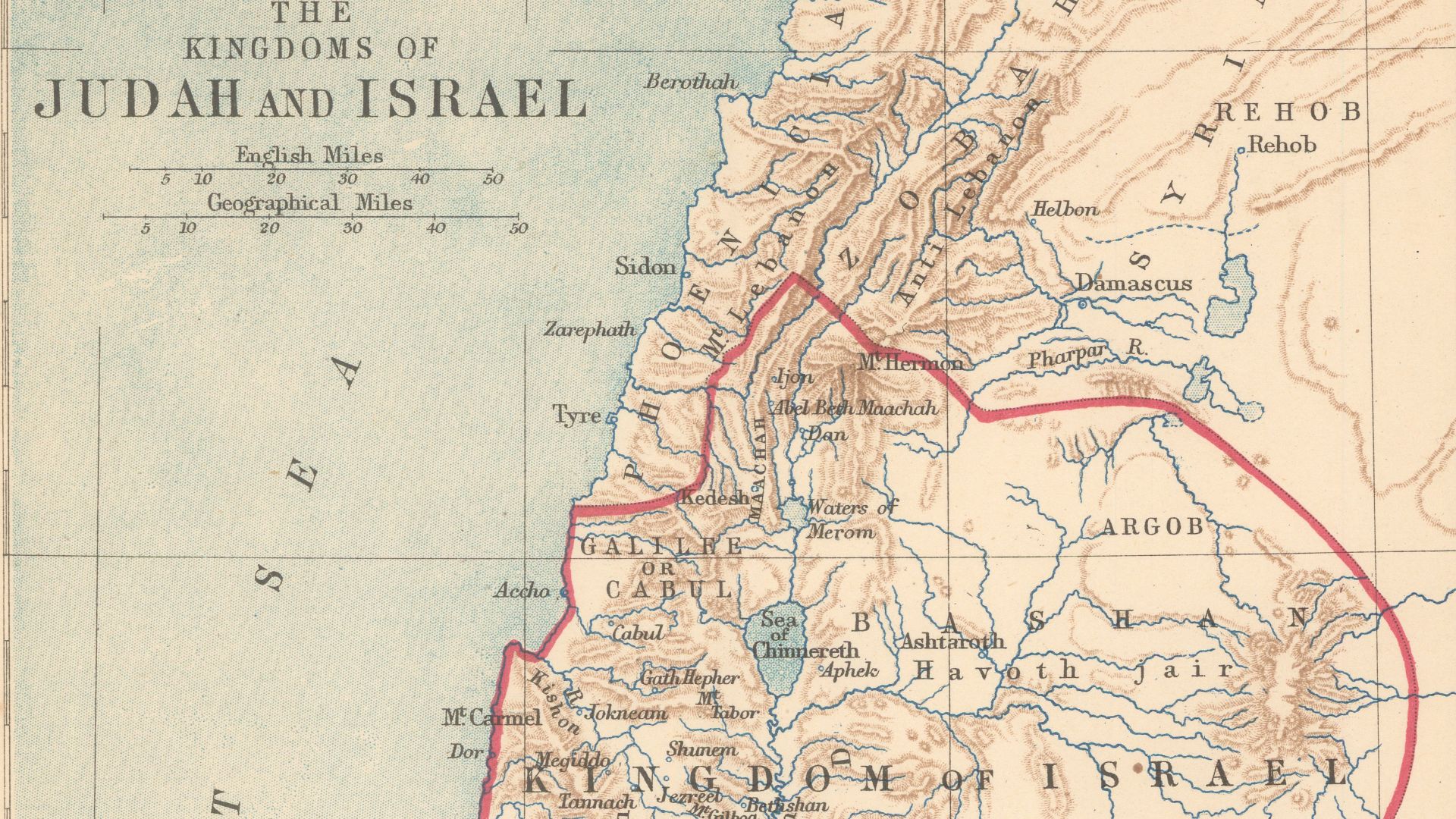
Here’s where things get especially interesting. A man named Asayahu is mentioned in the Bible as serving under King Josiah (see 2 Kings 22:12 and 2 Chronicles 34:20). Some researchers suggest that the name on the bulla could be connected to that same historical figure—or at least to someone in the same circle.

Why Scholars Are Careful
To be clear, there is no direct proof that the Asayahu on this bulla is the same individual mentioned in the Bible. Names were often reused across generations, and multiple people could share the same name. Still, the timing, location, and context make the connection a compelling possibility.
A Name With Multiple Forms
Interestingly, the name appears in slightly different forms. In the Bible, it is sometimes shortened to Asaya, while the bulla preserves the longer version, Asayahu. Linguists note that these variations were commonly used interchangeably in ancient Judah, which strengthens the case that they refer to the same name tradition.
 Edward Weller, Wikimedia Commons
Not The Only Evidence Of The Name
This isn’t the first time the name has appeared in archaeology. Another bulla discovered about 20 years ago also carried the name Asayahu, along with the phrase “servant of the king.” That earlier find suggests the name was associated with individuals serving in royal administration.
What That Could Mean
If both bullae refer to individuals connected to royal service, it raises an interesting theory: the name Asayahu may have belonged to a family or group tied to the Judean court. The newly discovered bulla could represent a son—Yedaya—operating within that same administrative world.
 Unknown artistUnknown artist, Wikimedia Commons
Written In Ancient Hebrew Script
The inscription is written in ancient Hebrew script, consistent with other inscriptions from the First Temple period. Paleographers examined the letter shapes and confirmed that they align with writing styles used in Judah during the late monarchy.
 ArnoldReinhold, Wikimedia Commons
It May Have Sealed An Official Document
Researchers believe the bulla was originally attached to a papyrus or parchment document, possibly tied with string. When the document was sealed, the clay would have been stamped with a signet ring. The document itself is long gone—but the seal survived.
 Forest Service Photography, Wikimedia Commons
Everyday Life In Ancient Jerusalem
While kings and battles dominate history books, bullae like this tell a different story. They hint at everyday administrative life—letters being sent, records being kept, officials managing responsibilities. It’s the kind of detail that rarely survives.
 derivative work: Steerpike (talk)
Arc_de_Triumph_copy.jpg: user: בית השלום, Wikimedia Commons
derivative work: Steerpike (talk)
Arc_de_Triumph_copy.jpg: user: בית השלום, Wikimedia Commons
A Direct Link To Literacy
The presence of inscribed bullae also tells us something important: people in Jerusalem weren’t just speaking and trading—they were writing. Literacy, at least among officials and scribes, was an established part of society.
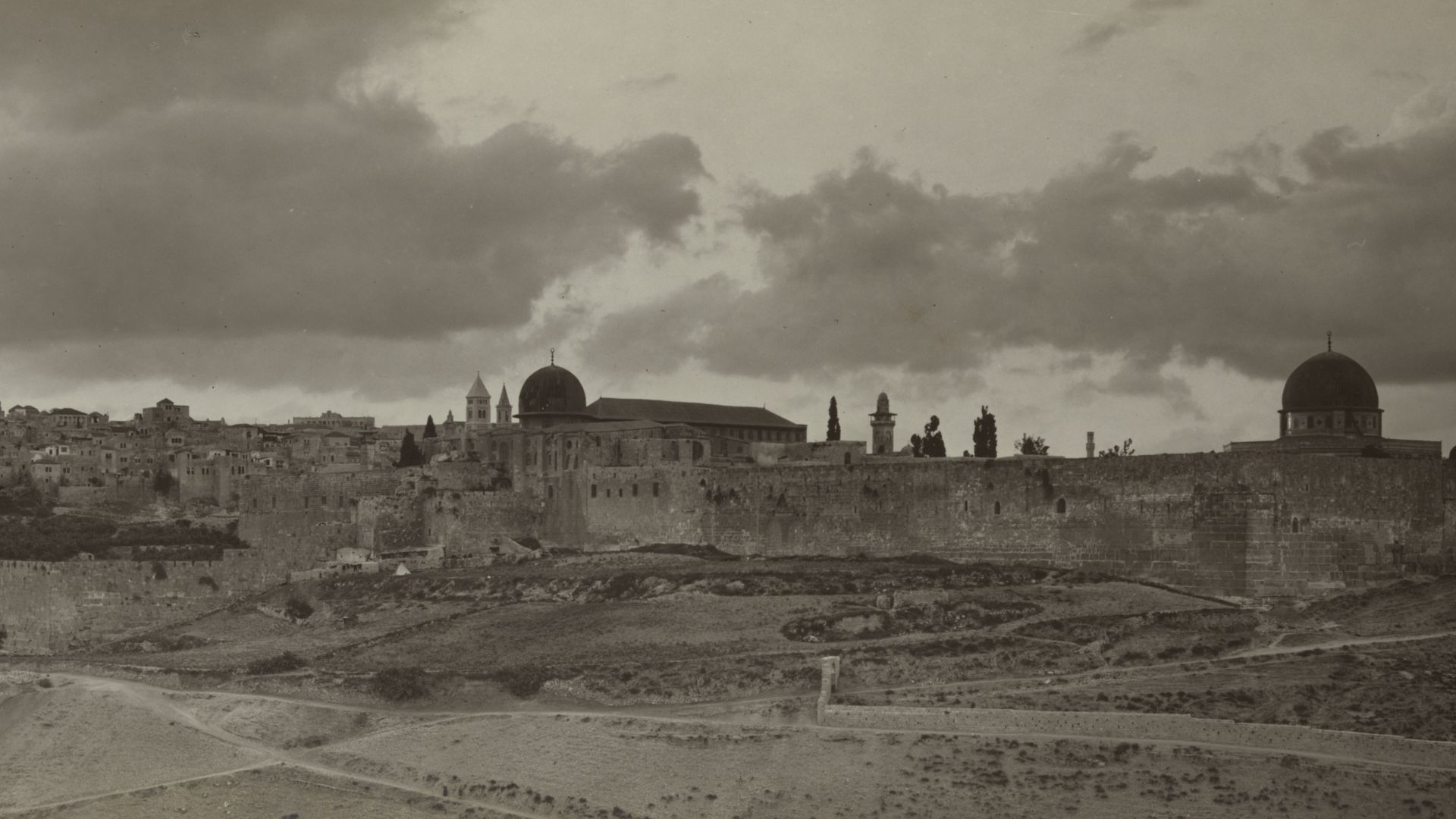 American Colony (Jerusalem). Photo Dept., photographer., Wikimedia Commons
Archaeology Meets Scripture Again
Like many discoveries in Jerusalem, this bulla doesn’t prove the Bible. But it does show that the names, language, and administrative systems described in biblical texts reflect a real historical setting.
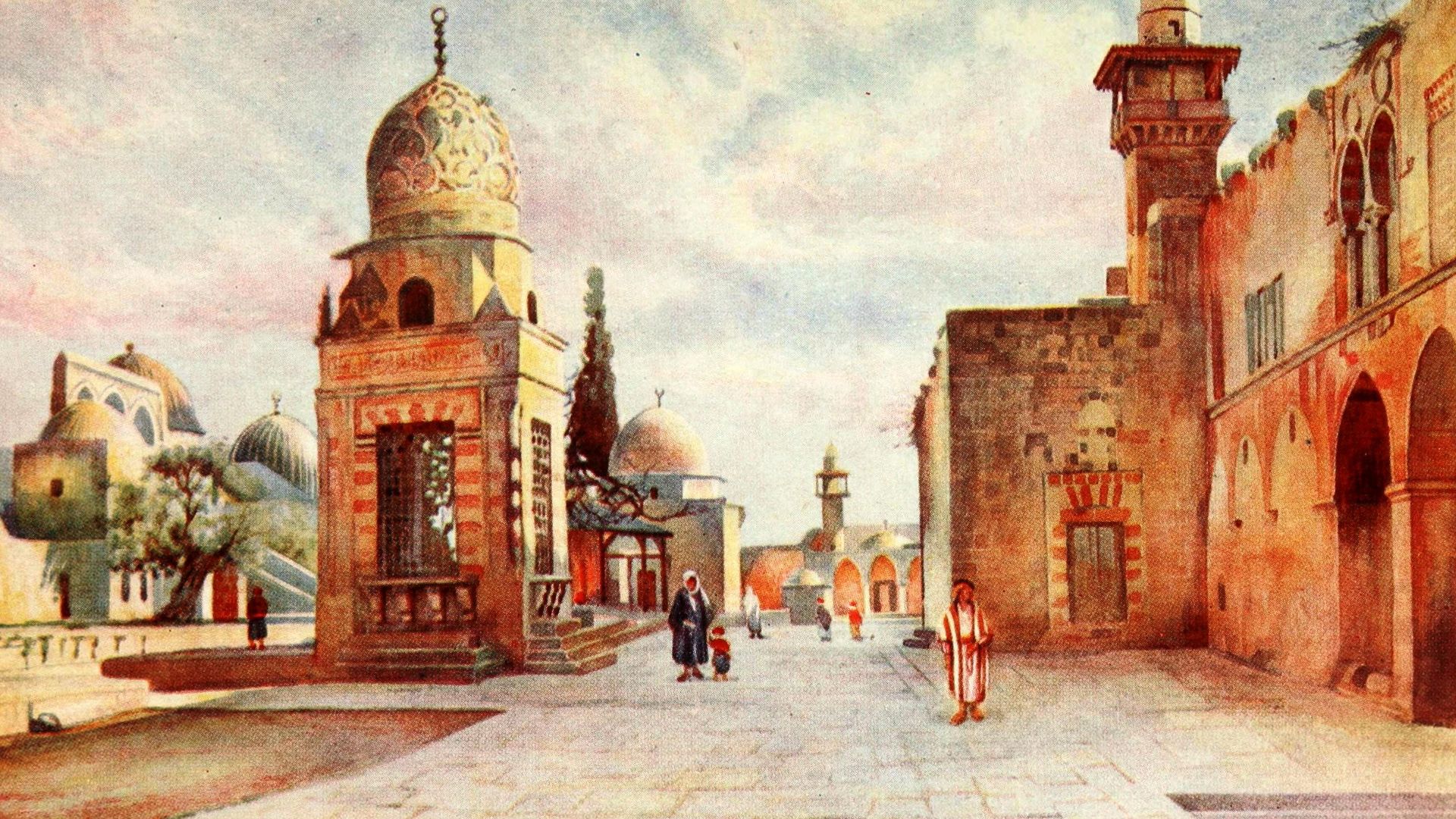 Walter Spencer-Stanhope Tyrwhitt (W.S.S Tyrwhitt R.B.A.) 1859-1932, Wikimedia Commons
Preserved By Destruction
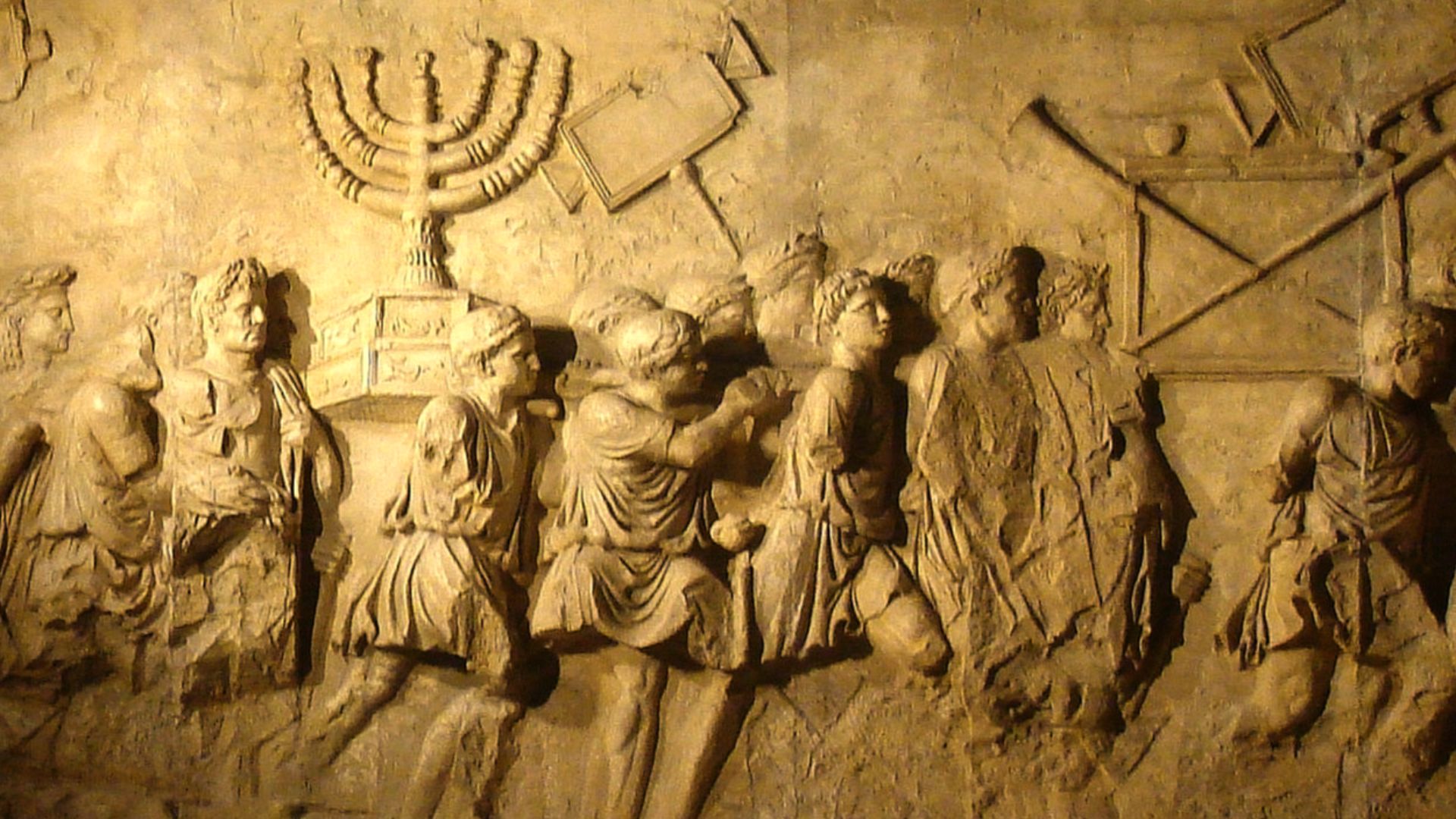
Ironically, many bullae survive because of destruction. When Jerusalem was burned by the Babylonians, intense heat baked the clay sealings, hardening them permanently. Without that destruction, many of these artifacts might have simply crumbled away.
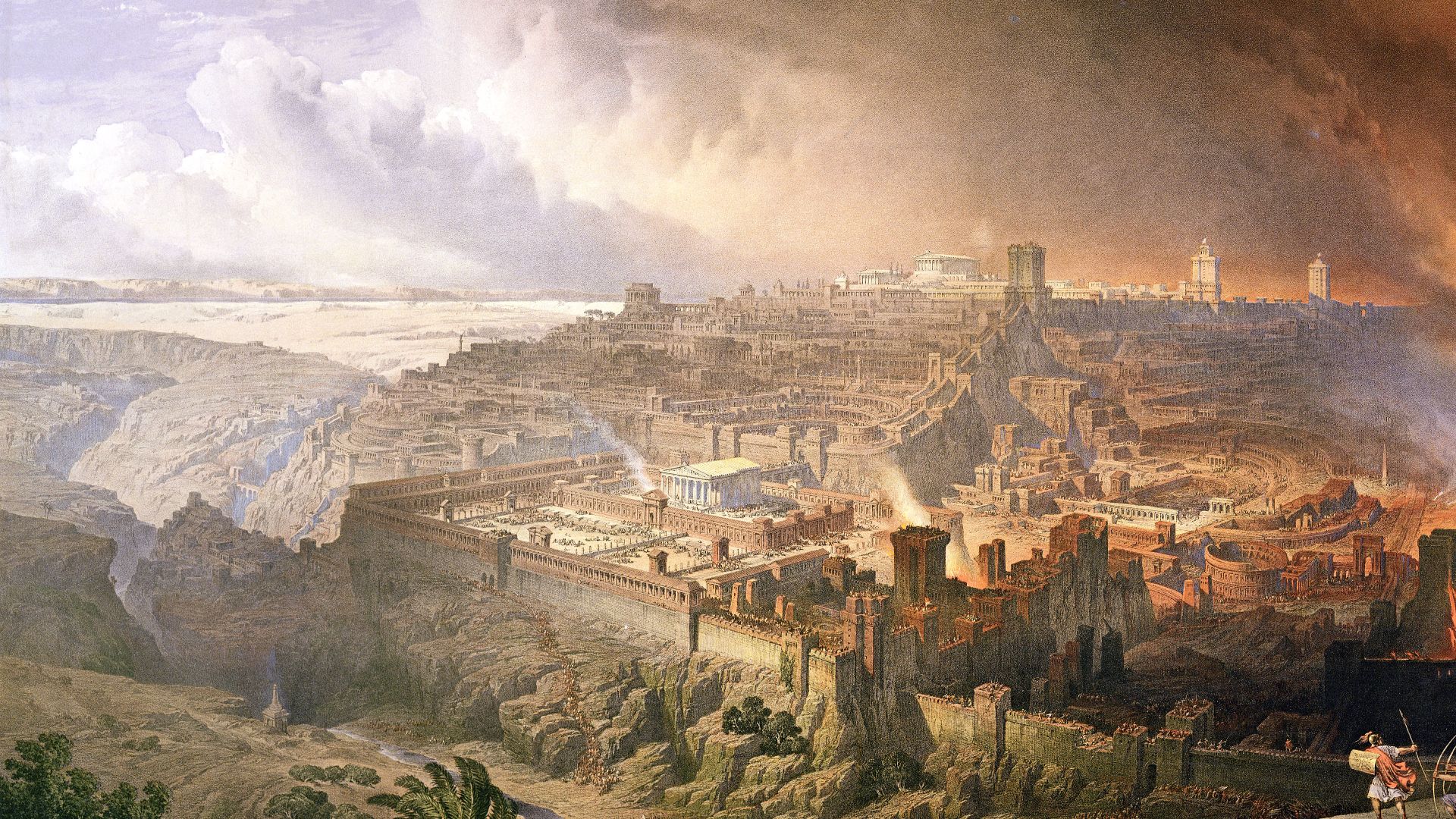 David Roberts, Wikimedia Commons
A Glimpse Into A Lost Document
We’ll never know exactly what document this bulla sealed. It could have been a letter, a receipt, a legal agreement, or a royal order. But whatever it was, it mattered enough to be sealed—and now it’s the only piece that remains.
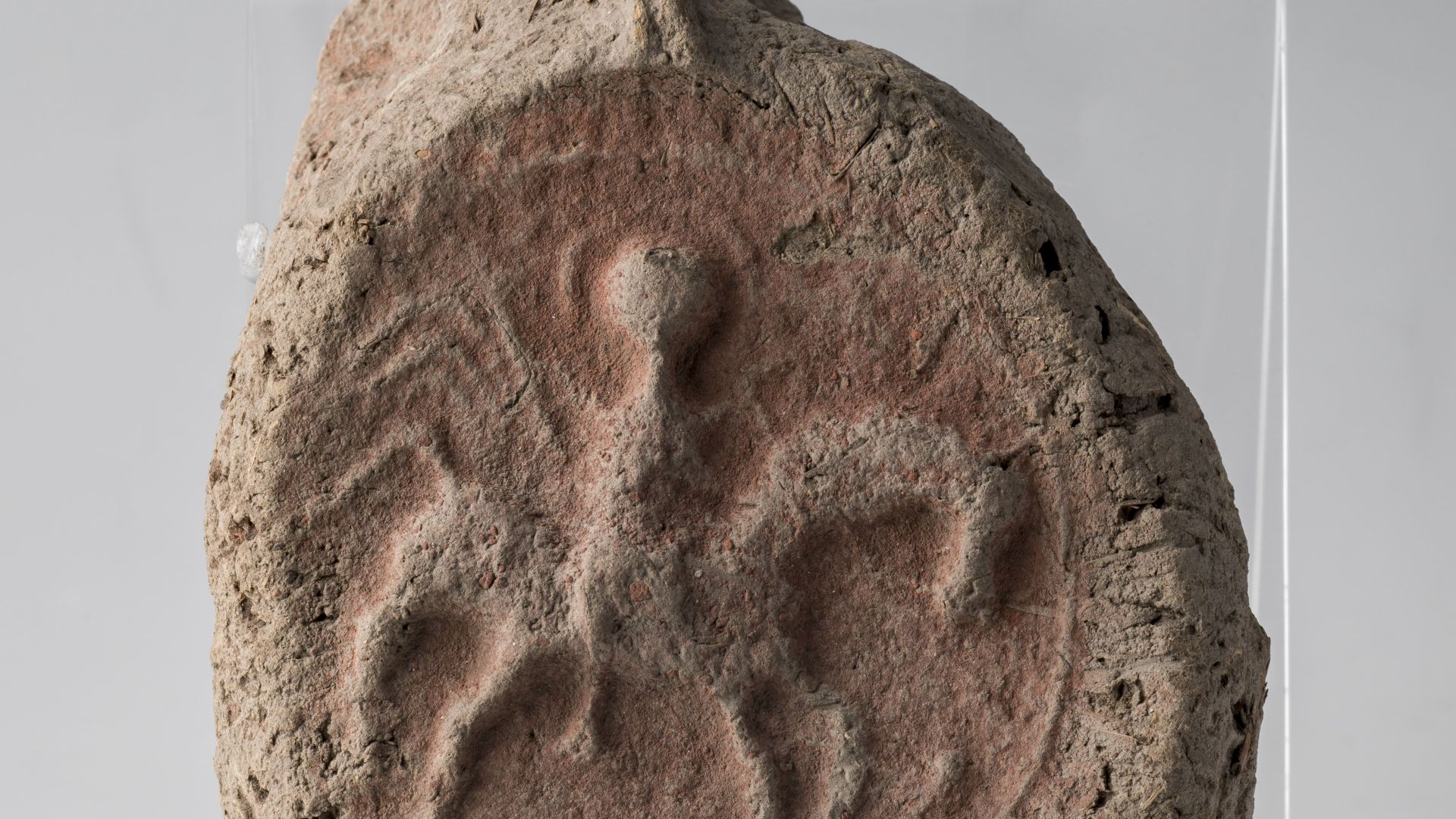 Marco Chemello (WMIT), Wikimedia Commons
The Role Of Volunteers
One of the unique aspects of the Temple Mount Sifting Project is that many discoveries are made by volunteers. Everyday people carefully washing soil have helped recover artifacts that professional excavations alone might never have found.
 zachi dvira, Wikimedia Commons
Thousands Of Artifacts, One Stands Out
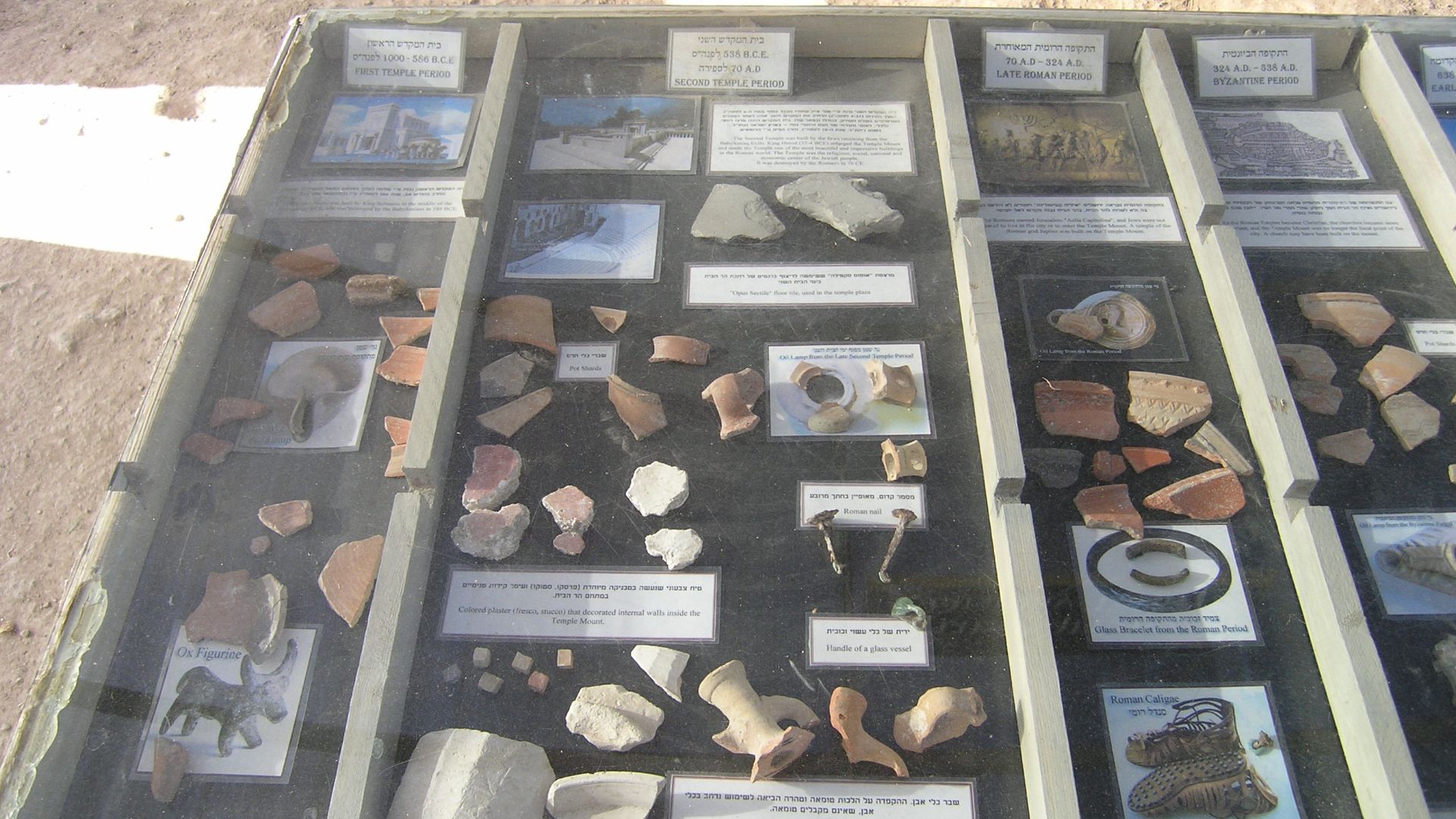
The sifting project has uncovered coins, pottery, jewelry, and architectural fragments from across Jerusalem’s long history. But inscribed artifacts like this one always draw special attention because they carry words—and words tell stories.
Jerusalem Still Has Secrets
Even after centuries of exploration, Jerusalem continues to produce discoveries that reshape our understanding of its past. Some are massive structures. Others are tiny objects that somehow survived against all odds.
 Berthold Werner, Wikimedia Commons
The Importance Of Context
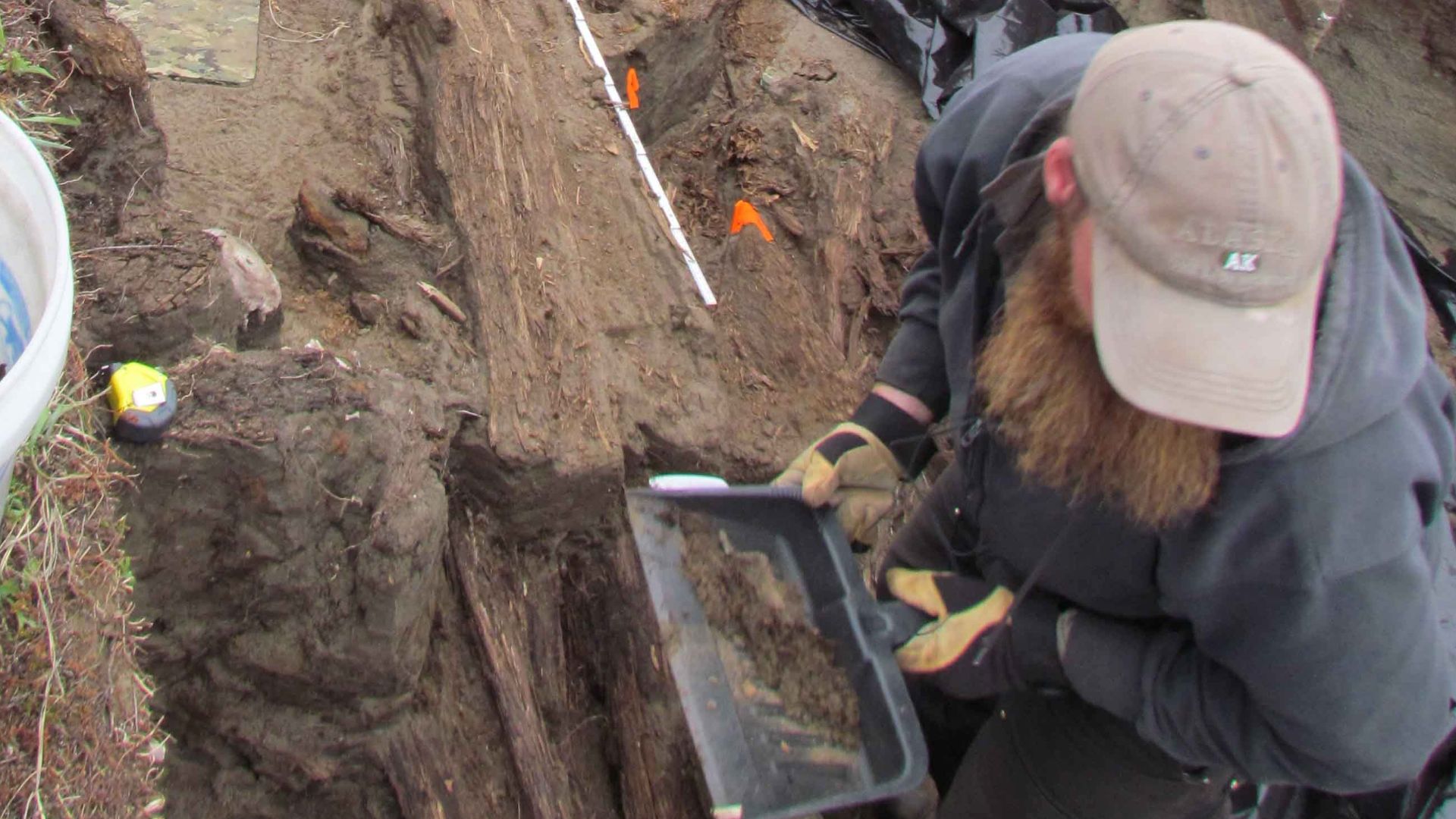
Because the soil was removed from its original location decades ago, archaeologists can’t pinpoint exactly where the bulla was originally used. That’s one limitation of the find—but the inscription itself still provides valuable historical insight.
A Name That Traveled Through Time
It’s remarkable to think that a name pressed into clay nearly 2,600 years ago can still be read today. That single impression connects the modern world directly to a person who once lived and worked in ancient Jerusalem.
 Marco Chemello (WMIT), Wikimedia Commons
Small Artifacts, Big Stories
At first glance, this looks like nothing more than a tiny lump of clay. But in archaeology, size rarely equals importance. Some of the most meaningful discoveries are the ones you could almost miss.
 Crossrail/MOLA, Wikimedia Commons
The Search Isn’t Over
Researchers expect many more discoveries to emerge from the Temple Mount soil. Each bucket of sifted earth has the potential to reveal something new—another name, another object, another piece of the puzzle.
 Tabitha Lawrence, Colchester Archaeological Trust, Wikimedia Commons
One Tiny Seal, A Window Into The Biblical World
In the end, this small bulla does something remarkable. It takes a world often seen as distant and abstract—and makes it personal. Someone pressed their name into this clay thousands of years ago, never imagining it would still be here today.
And somehow, it is.
You May Also Like: