A Massive Dam From The Time Of King Joash
Sometimes the biggest archaeological discoveries stay hidden in plain sight. For years, researchers excavating Jerusalem's ancient Pool of Siloam knew they were uncovering something unusual. Then, in August 2025, they announced that a gigantic stone dam dating to the reign of King Joash of Judah had finally been identified and precisely dated—and the discovery is changing how historians think.

A Discovery Years In The Making
Although the announcement came in August 2025, the dam wasn't uncovered overnight. Archaeologists from the Israel Antiquities Authority (IAA) had been excavating the Pool of Siloam for several years as part of a larger effort to fully expose the ancient pool and understand Jerusalem's early water systems. As more of the structure emerged, researchers realized they were looking at something far larger than anyone expected.
The Pool Of Siloam Keeps Surprising Everyone
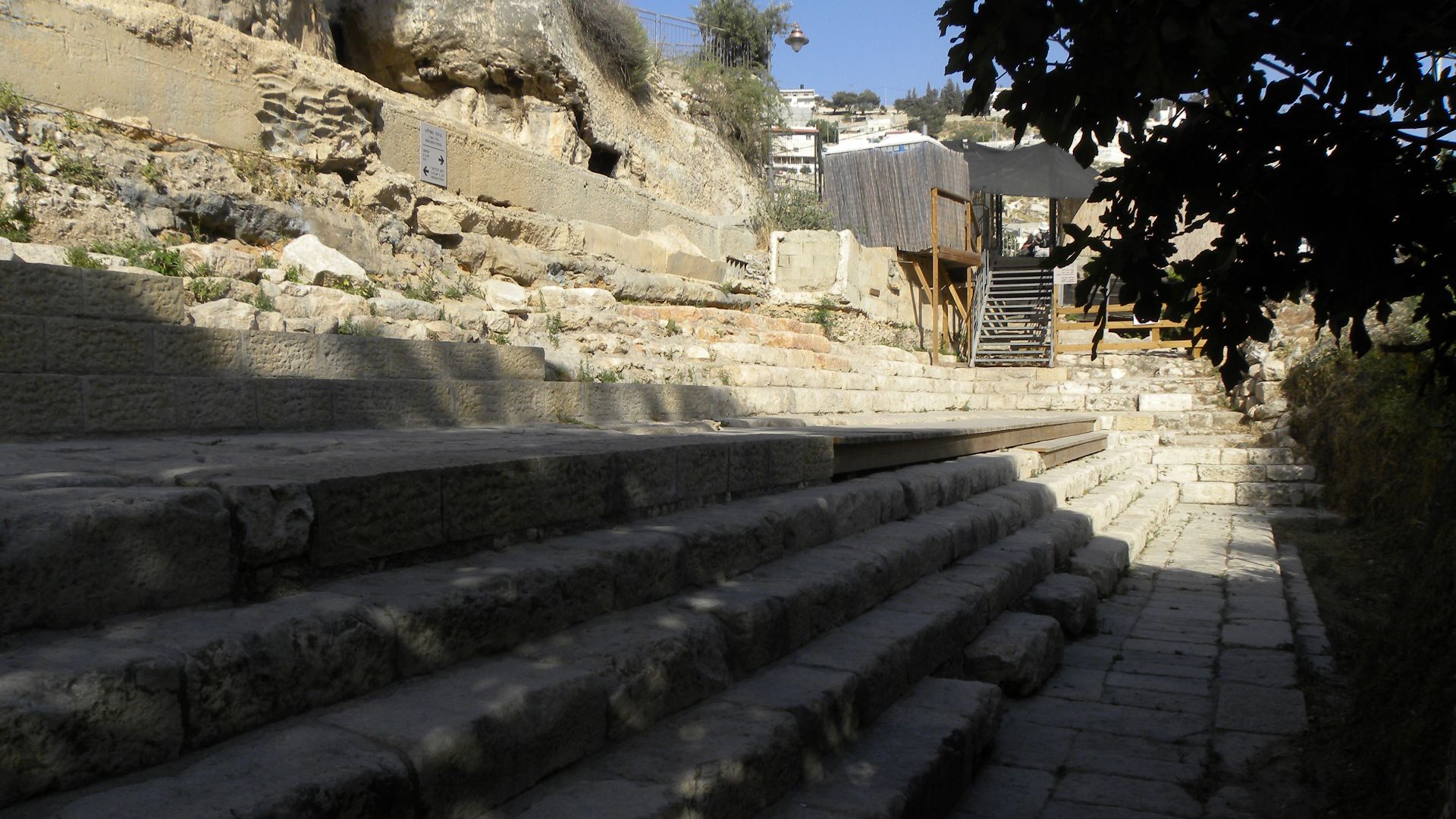
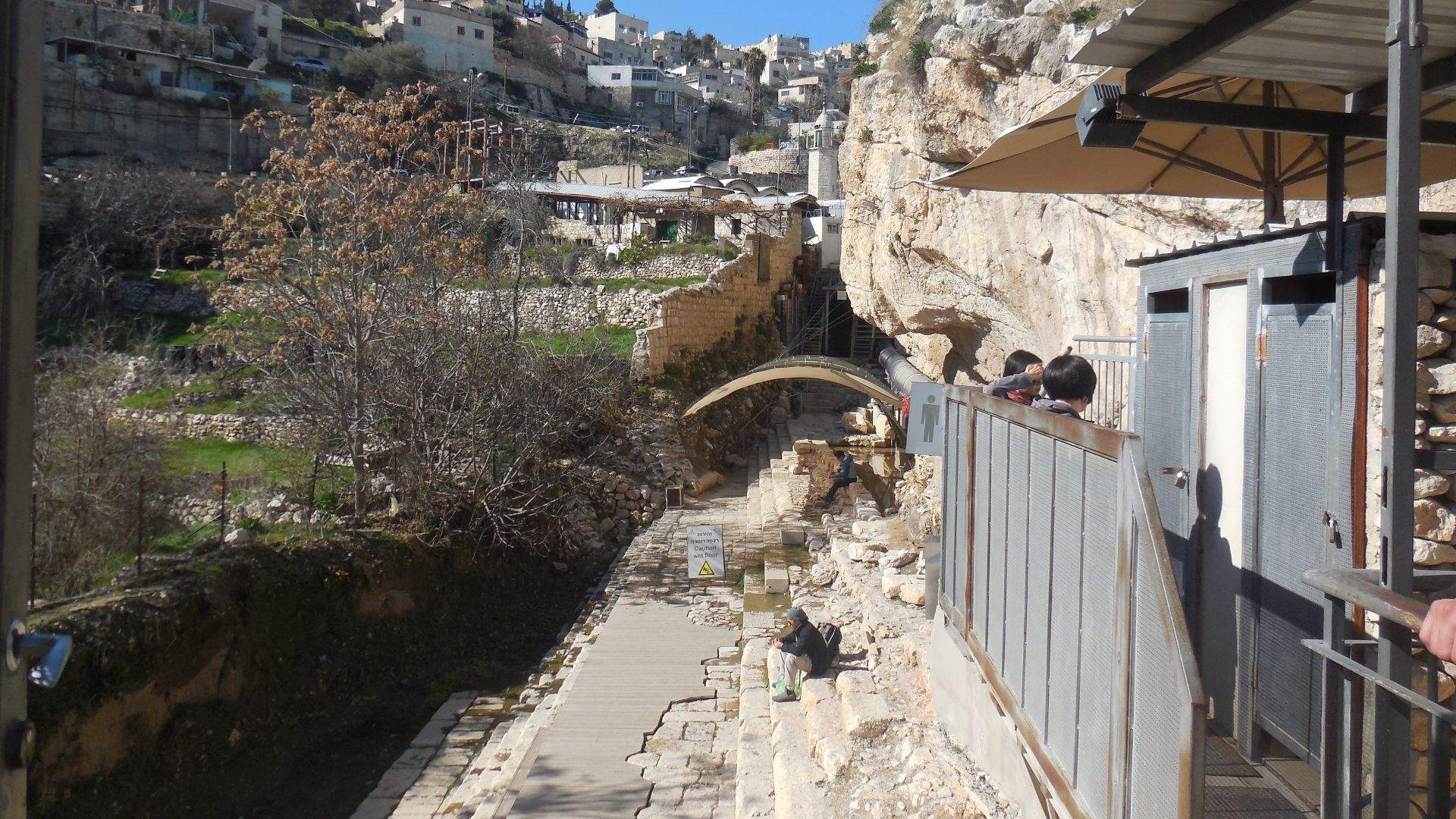
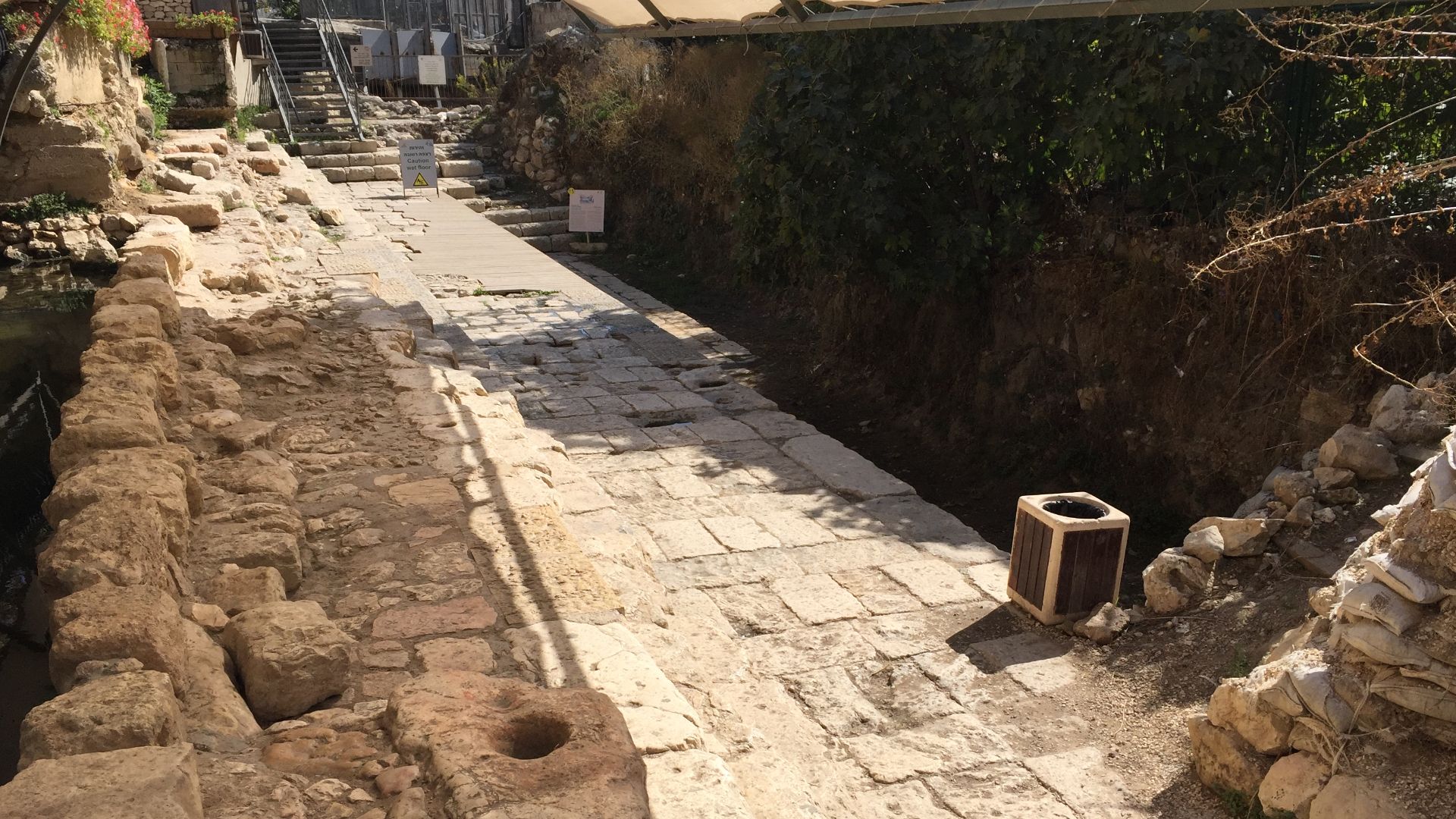
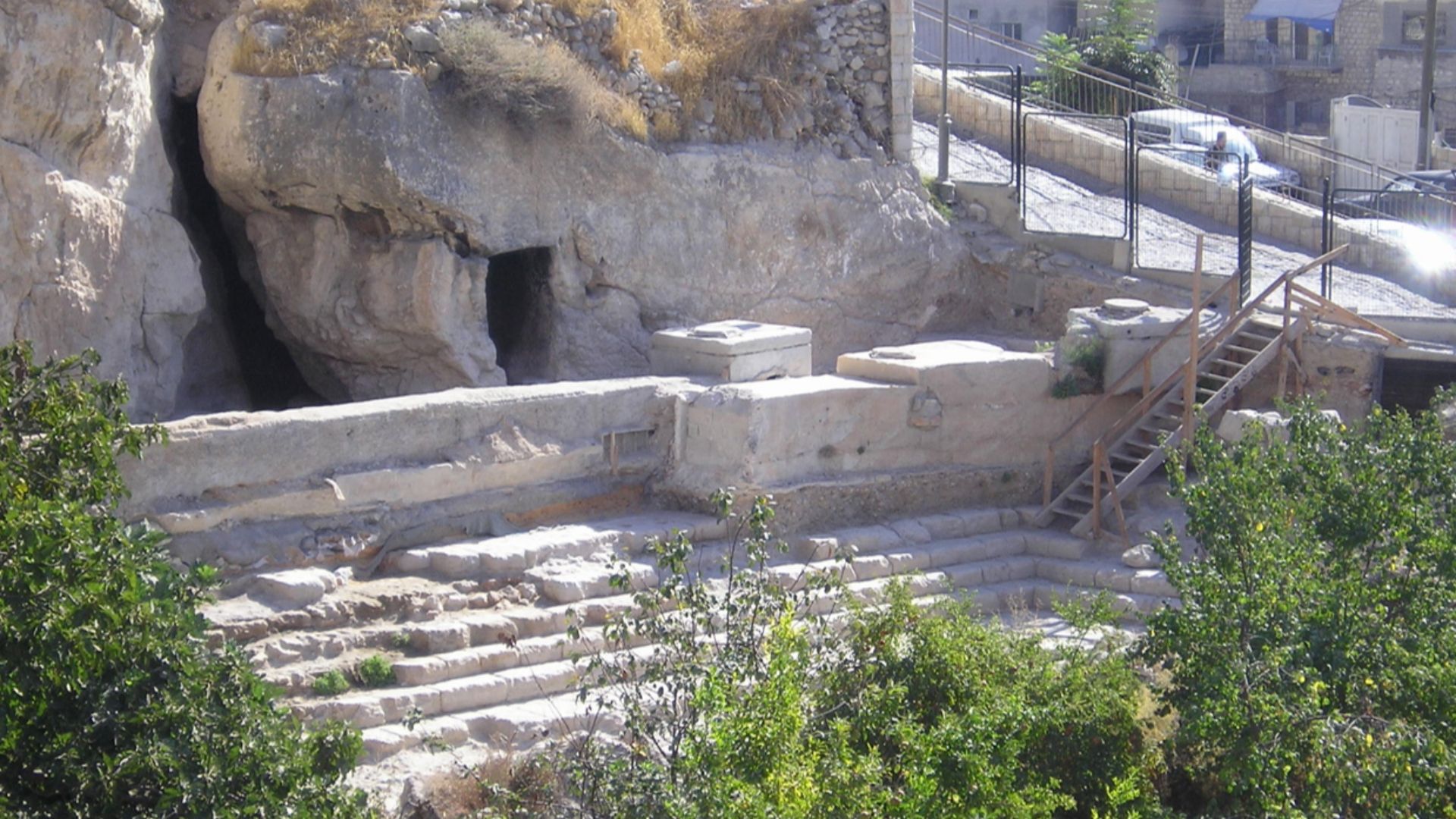
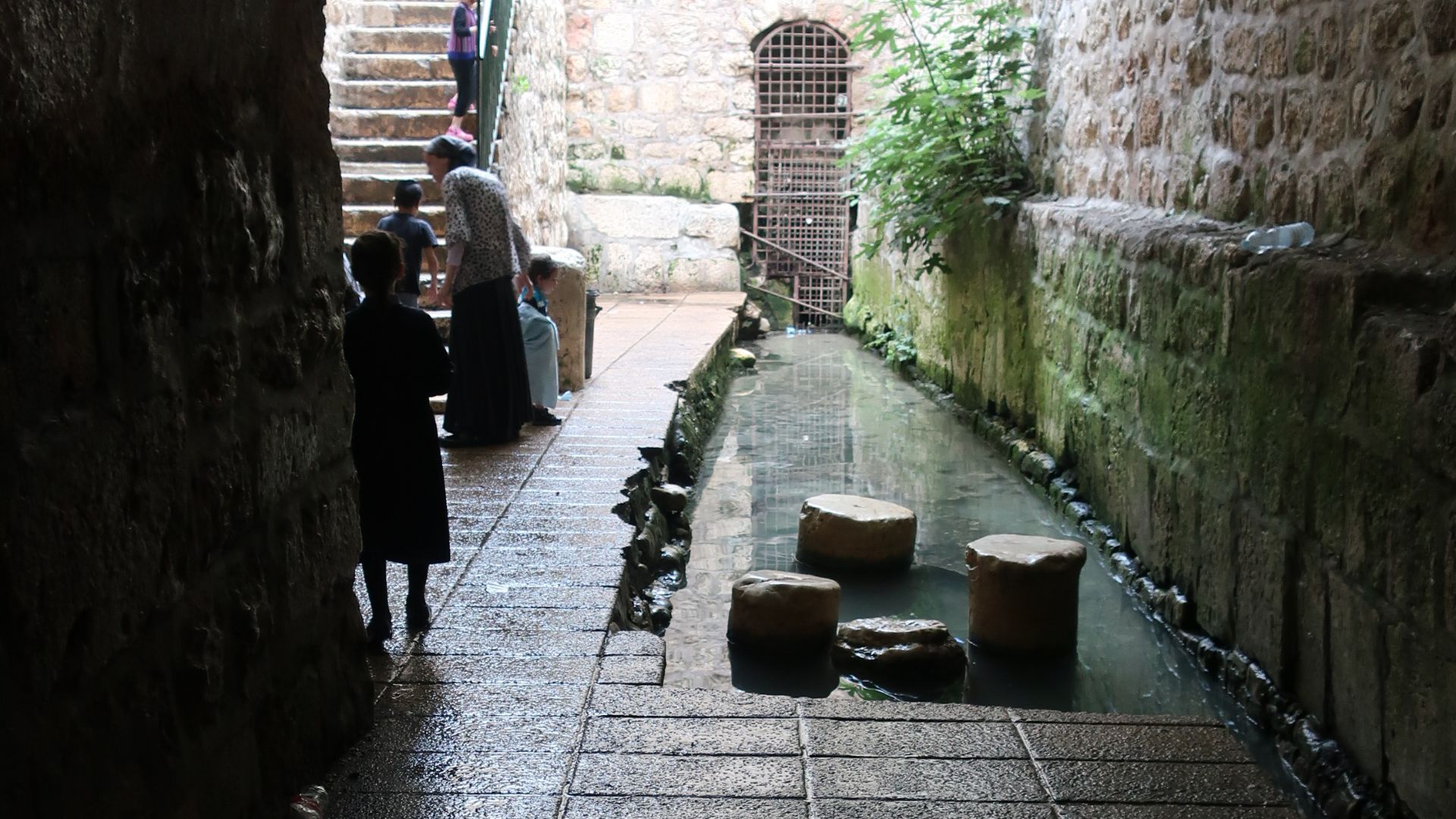
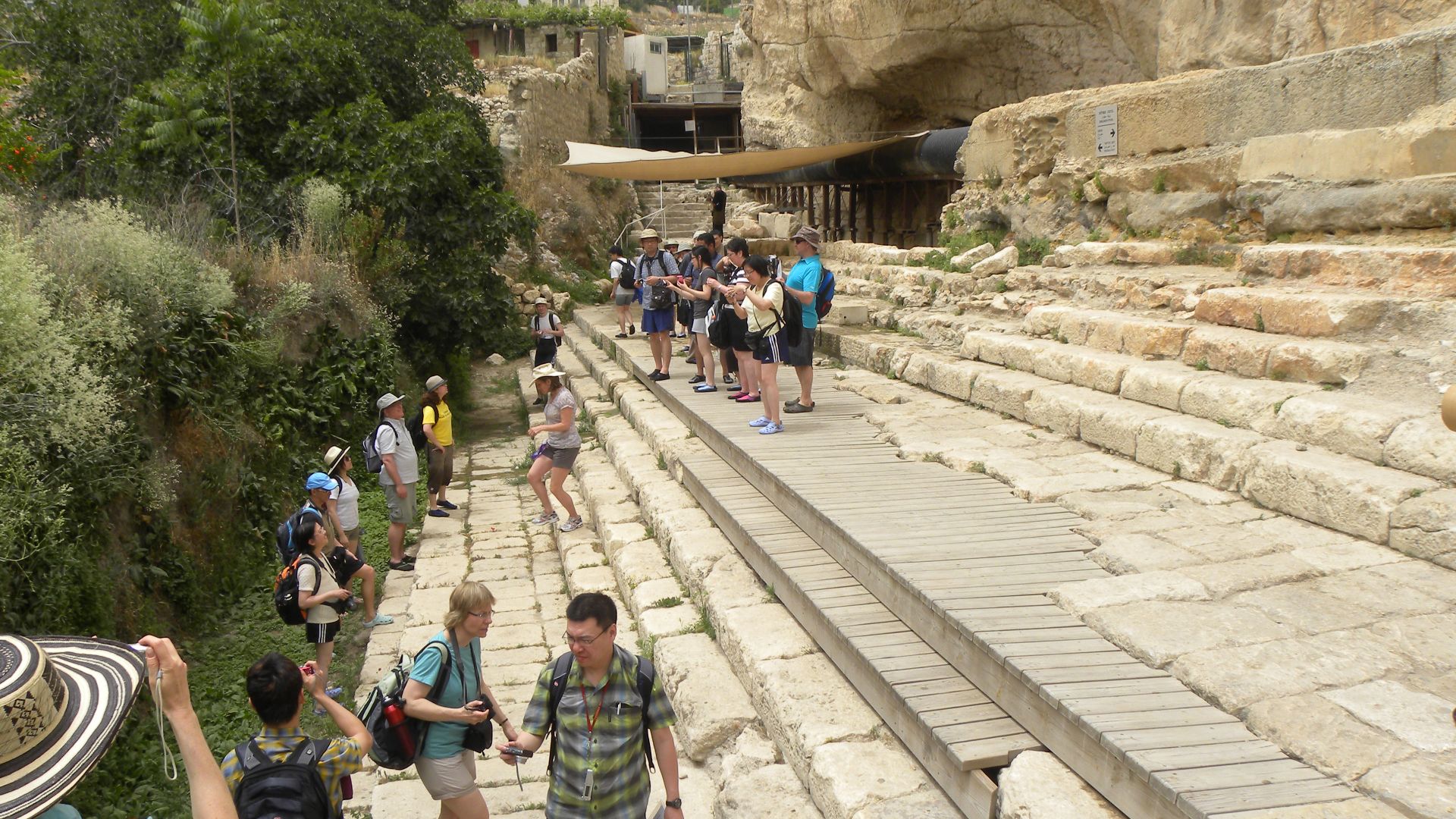
The excavation took place in Jerusalem's City of David National Park, at the southern end of the ancient city. The Pool of Siloam is already famous in both archaeology and the Bible, but this new discovery revealed that an enormous engineering project had been hiding beneath later layers of history all along.
The Biggest Dam Ever Found In Ancient Israel
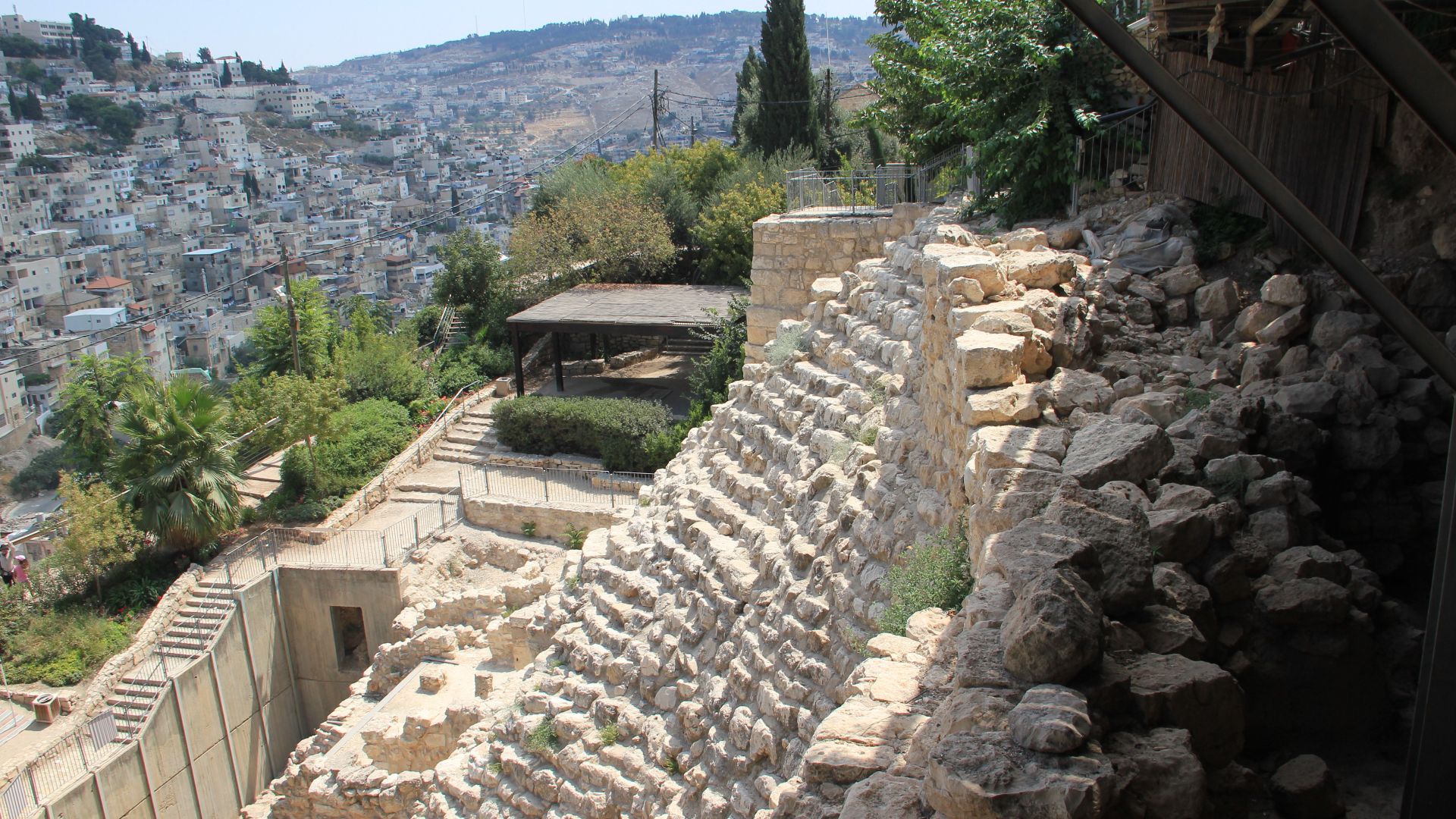
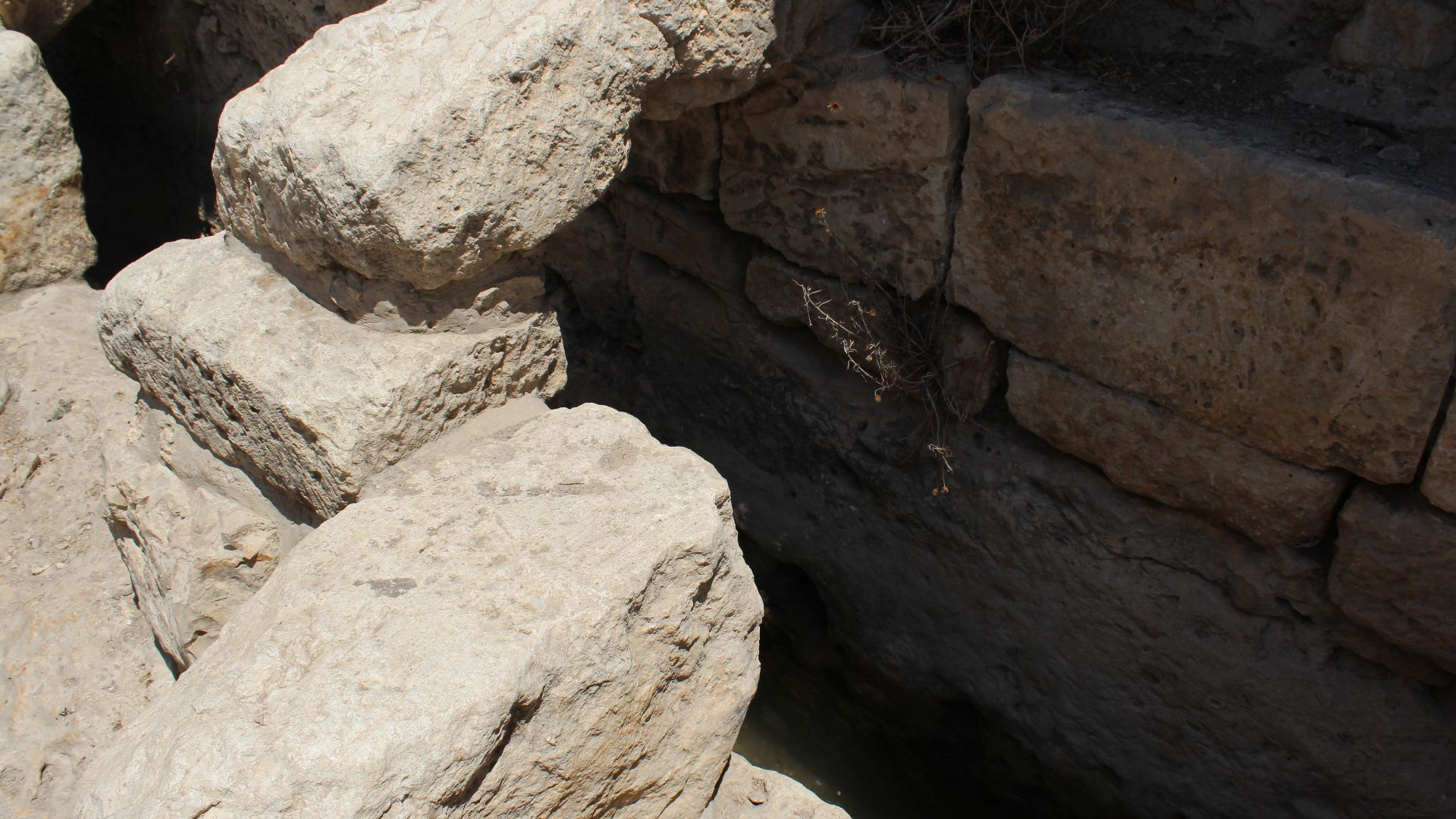
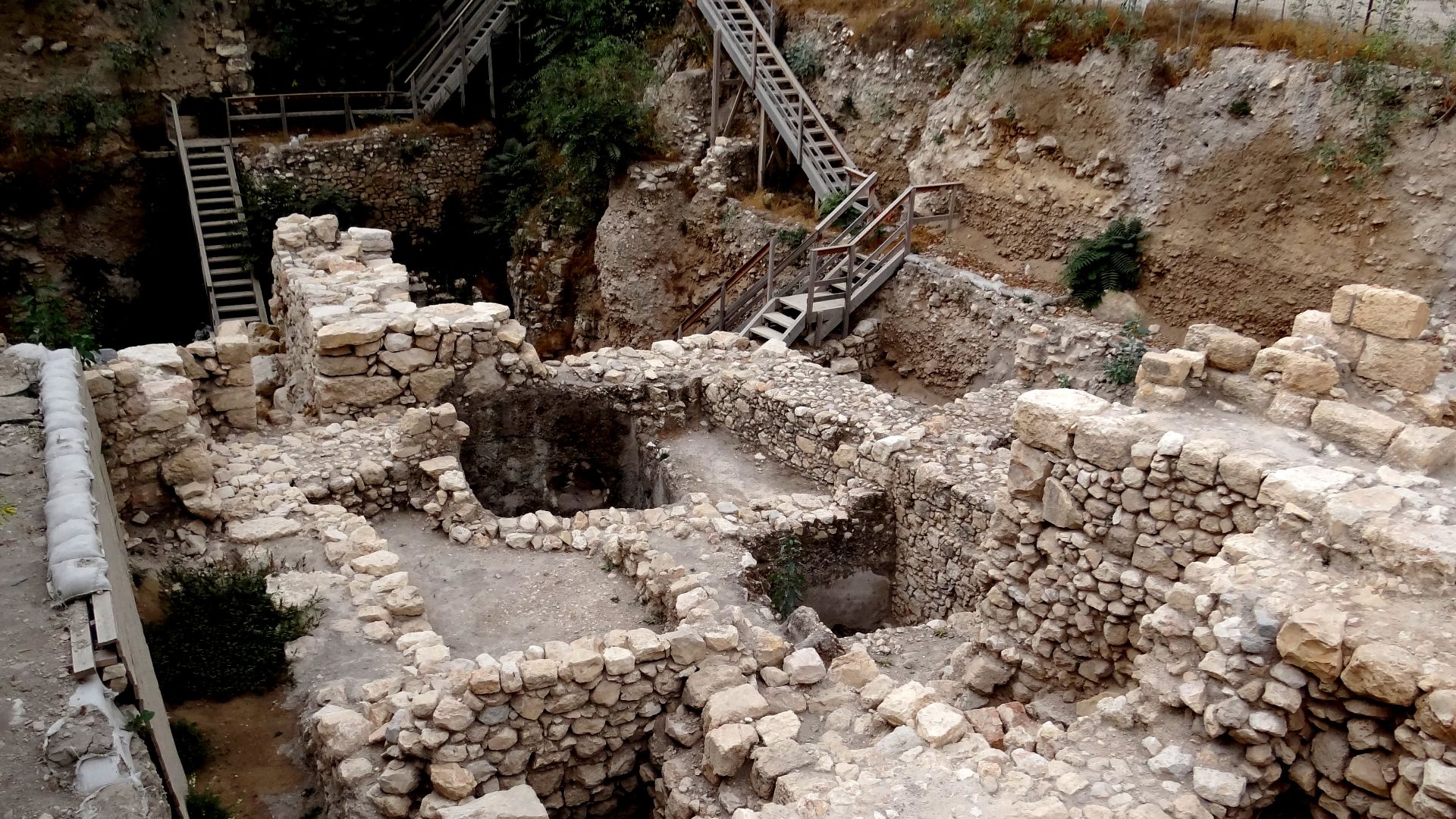
Researchers identified the structure as the largest dam ever discovered in ancient Israel. The exposed section measures approximately 21 meters (69 feet) long, stands nearly 12 meters (40 feet) high, and is more than 8 meters (26 feet) wide. Even more remarkably, archaeologists believe much of the dam still extends beyond the current excavation.
Dating It To King Joash's Reign
For years, archaeologists debated exactly when the dam was built. The answer finally came through radiocarbon dating of organic material trapped inside the structure. Carbon-14 tests on pieces of straw and charred twigs dated the construction to approximately 805–795 BCE, during the reign of King Joash (Jehoash) or the beginning of the reign of King Amaziah.
 Guillaume Rouille, Wikimedia Commons
Why That Date Matters
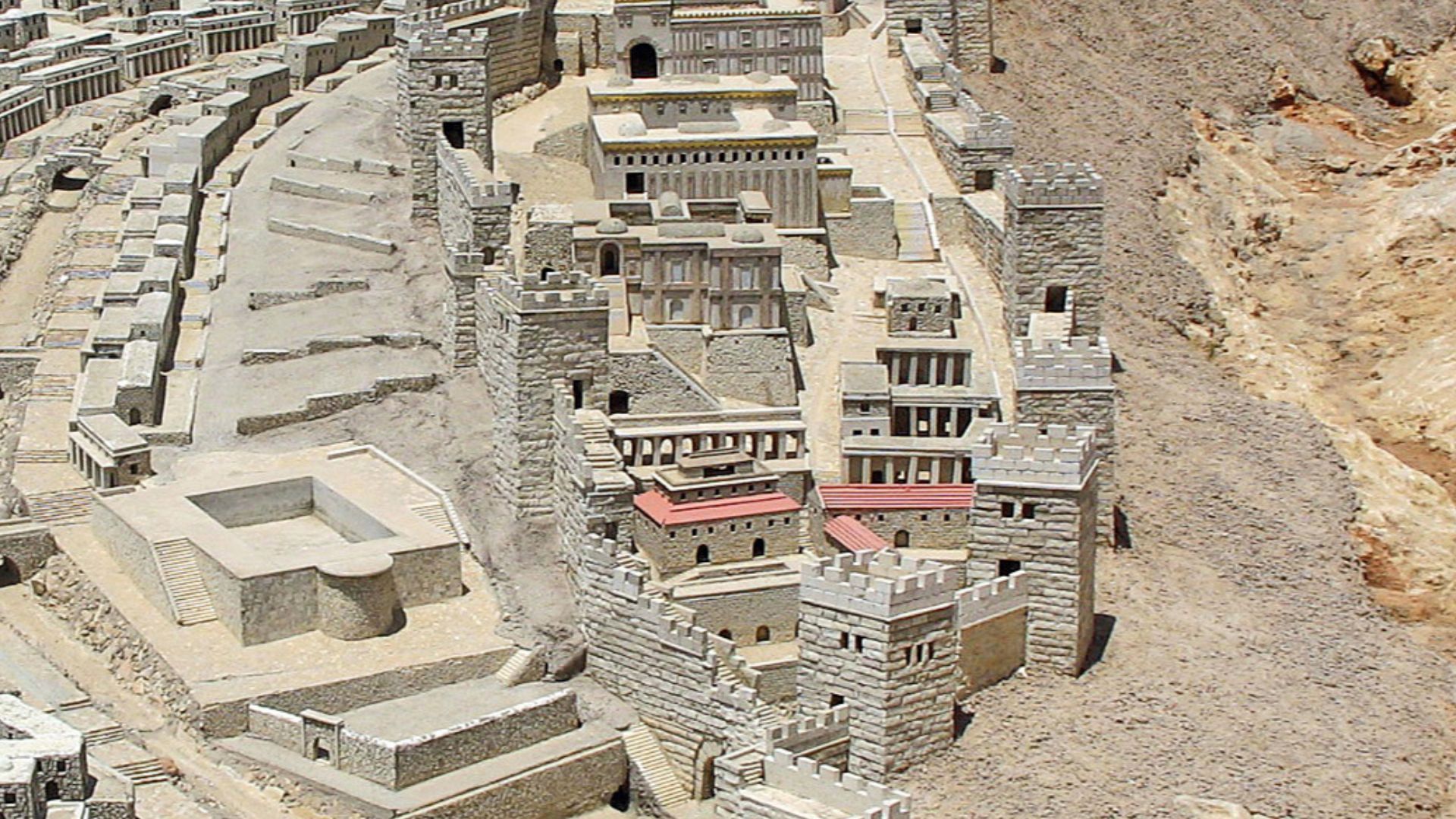
King Joash ruled the Kingdom of Judah during the 9th century BCE, a period described in 2 Kings, 2 Chronicles, and other biblical books. Although the Bible never specifically mentions this dam, the dating places it squarely within the First Temple period, when Jerusalem was rapidly developing into the kingdom's political and religious center.
 McCabe, James Dabney, 1842-1883, Wikimedia Commons
Built To Control Water
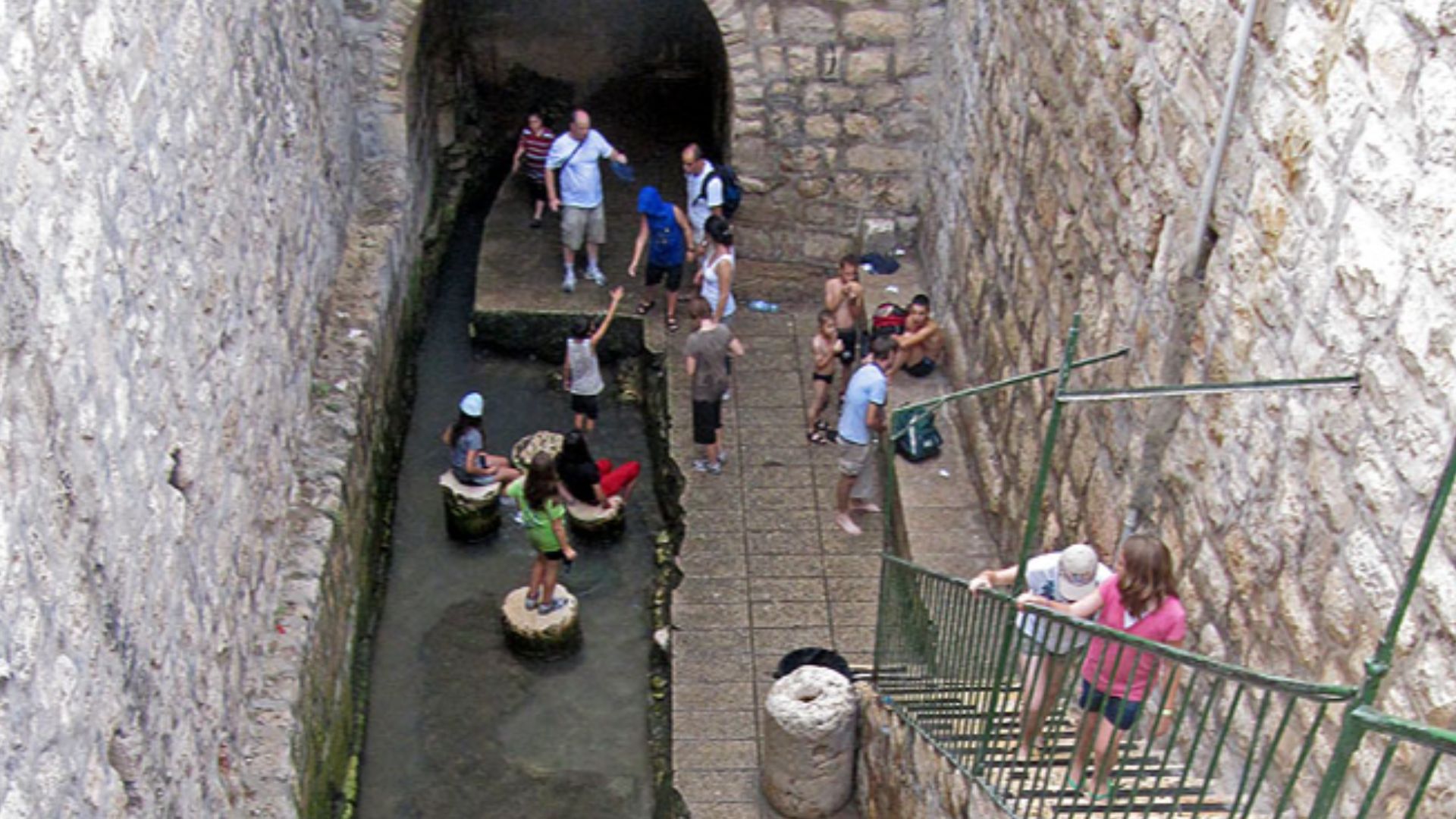
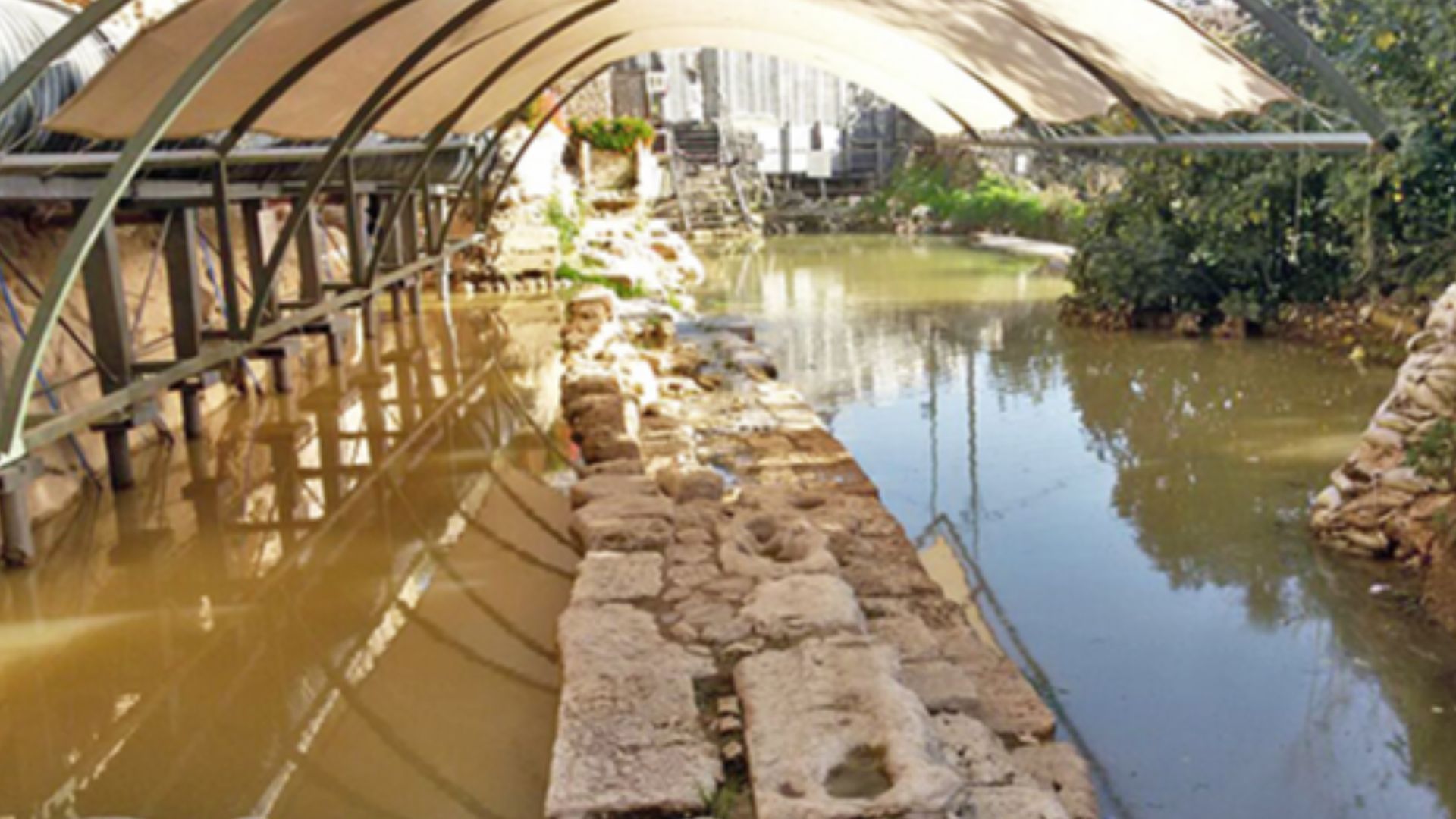
The dam wasn't simply built to hold water back. Researchers believe it regulated seasonal flooding from the Tyropoeon Valley while helping create a controlled reservoir that fed what later became known as the Pool of Siloam. In other words, it functioned as a giant piece of ancient infrastructure.
 Matson Collection, Wikimedia Commons
Ancient Engineers Were Thinking Big
Constructing a wall this size nearly 2,800 years ago required remarkable planning. Workers had to quarry enormous stones, transport them across difficult terrain, and build a structure capable of withstanding tremendous water pressure for centuries. It wasn't exactly a weekend DIY project.
 Tamar Hayardeni Tamar Hayardeni, Wikimedia Commons
More Advanced Than Anyone Expected
According to the excavation team, the discovery demonstrates that Jerusalem possessed engineering capabilities far beyond what many historians once assumed. Large-scale hydraulic projects of this complexity required organized labor, careful planning, and significant governmental resources.
A Climate Problem May Have Triggered It
Researchers think the dam may have been built in response to changing environmental conditions. Evidence suggests Judah experienced periods of increasingly unpredictable rainfall around this time, forcing engineers to develop new ways to collect and manage precious water supplies.
The Excavation Directors Speak
The excavation was directed by Dr. Nahshon Szanton, Itamar Berko, and Dr. Filip Vukosavović on behalf of the Israel Antiquities Authority. They described the structure as the largest dam ever discovered in Israel and emphasized that its dimensions exceeded anything previously known from ancient Jerusalem.
Hidden Beneath Later History
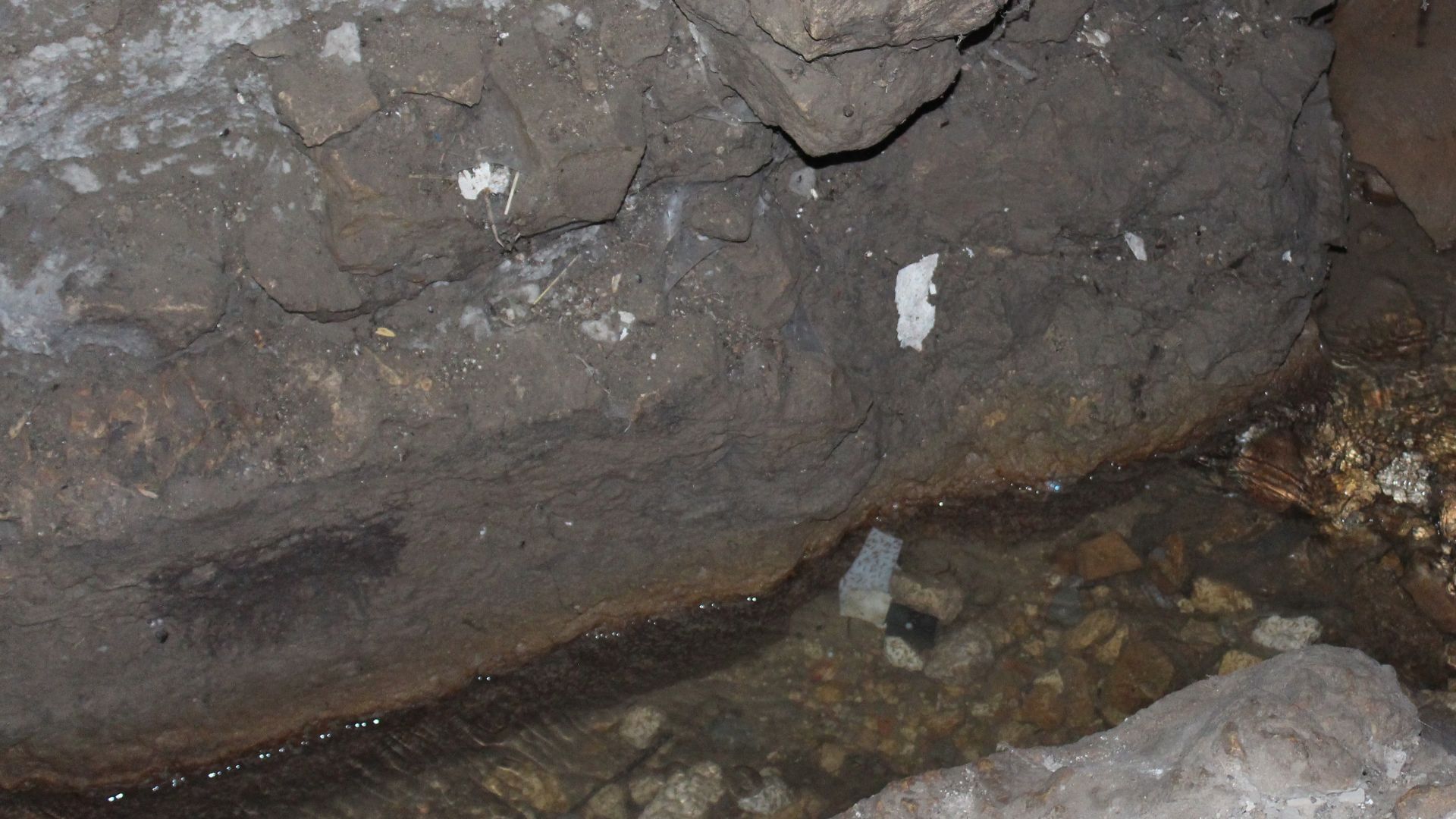
For centuries, the dam remained buried beneath layers of later construction, floods, and sediment. Only after years of careful excavation did archaeologists expose enough of the structure to understand its true size and purpose. Sometimes archaeology is less like finding treasure—and more like solving the world's biggest jigsaw puzzle.
The Pool Already Had Biblical Importance
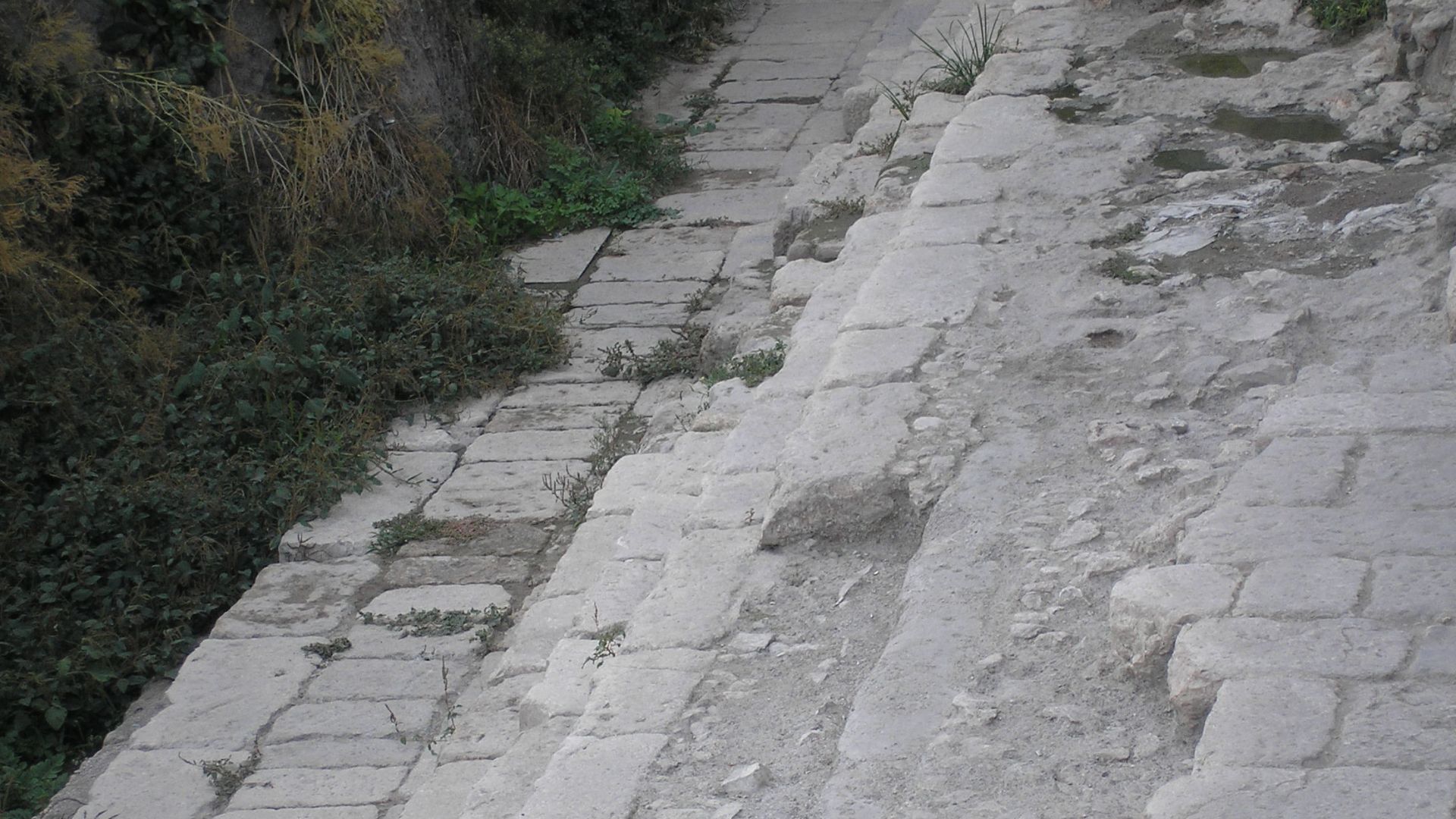
Long before this discovery, the Pool of Siloam was already one of Jerusalem's most famous archaeological sites. In the New Testament, John 9 records Jesus sending a man born blind to wash in the pool, where he regained his sight. The new discovery reaches much further back into the pool's earlier history.
 Nicolas Colombel, Wikimedia Commons
Before Hezekiah's Famous Tunnel
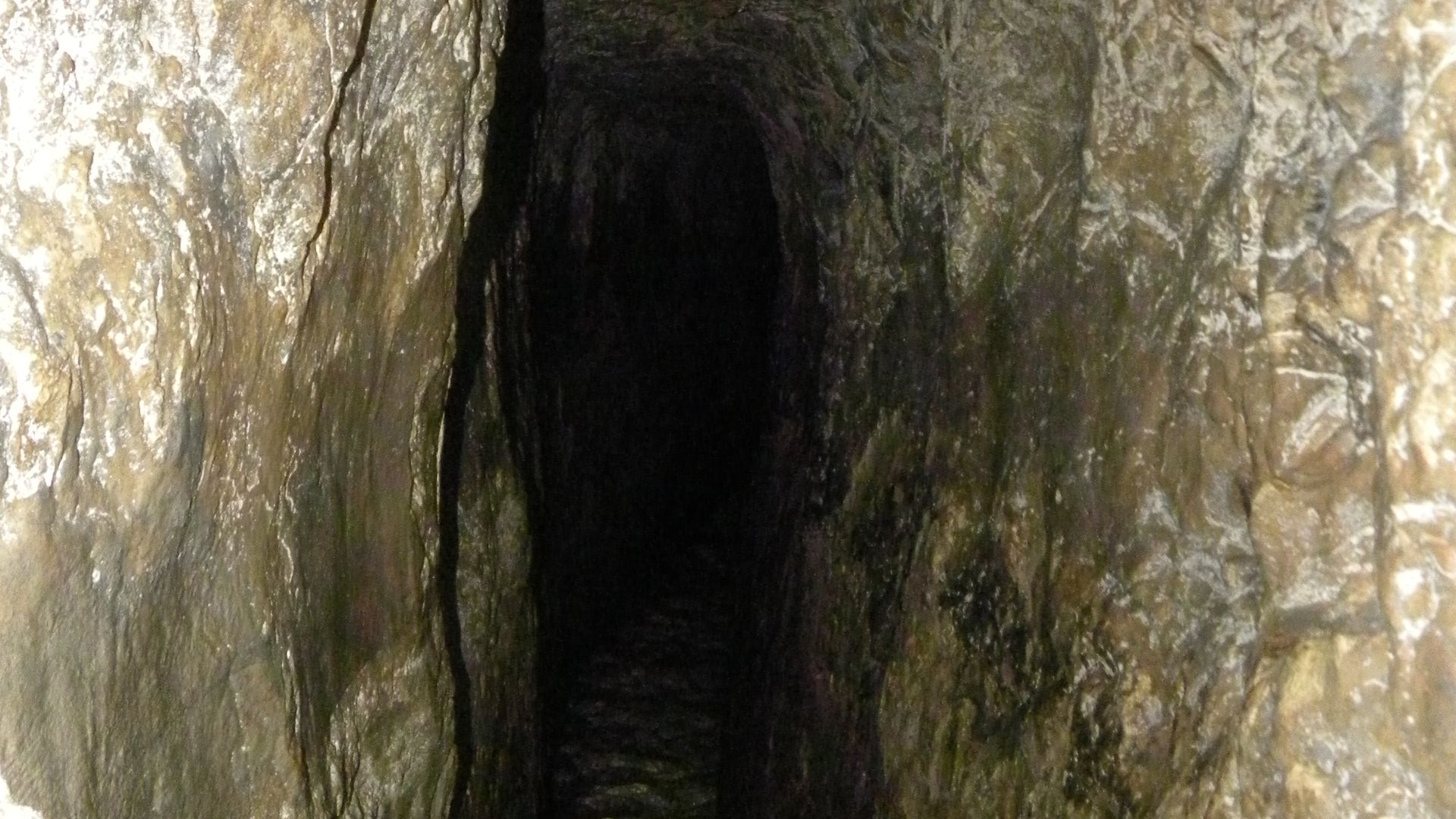
Many people associate Jerusalem's ancient water system with King Hezekiah and the famous Siloam Tunnel built roughly a century later. This newly dated dam shows that major engineering projects were already transforming Jerusalem's water supply generations before Hezekiah expanded the system.
An Entire Landscape Was Changed
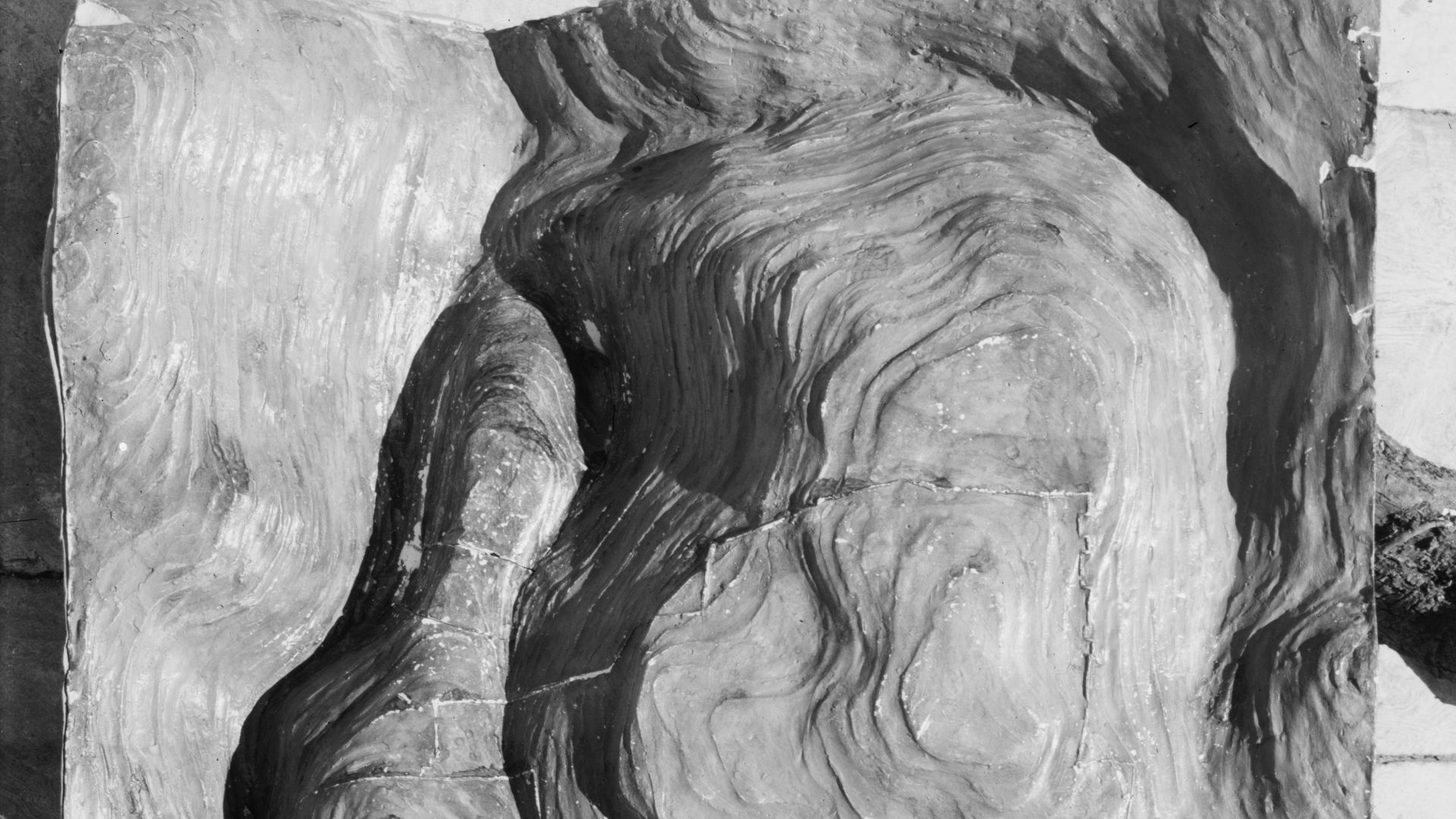
Rather than simply creating a pool, the dam reshaped part of Jerusalem's topography. By controlling runoff and storing water, it transformed the valley into a reliable reservoir that could serve the growing city throughout much of the year.
 Matson Collection, Wikimedia Commons
The Bible's Kings Become More Tangible
Discoveries like this don't prove biblical narratives. Instead, they provide physical evidence that helps historians understand the world in which those kings actually lived. Every stone makes ancient Jerusalem feel a little less distant.
How Did They Date It So Precisely?
The dating wasn't based on guesswork or pottery alone. Scientists performed radiocarbon analysis on organic materials embedded within the original construction. Those samples produced one of the most precise construction dates ever established for a major biblical-era engineering project.
 No machine-readable author provided. Abraham assumed (based on copyright claims)., Wikimedia Commons
Published In A Leading Scientific Journal
The findings were published in the Proceedings of the National Academy of Sciences (PNAS), one of the world's leading peer-reviewed scientific journals. That gave researchers confidence that the dating methods and conclusions had undergone rigorous scientific review.

It Was Bigger Than Anyone Expected
Even archaeologists who had worked on the Pool of Siloam for years were surprised by the wall's scale. As additional sections emerged, the project gradually transformed from a routine excavation into one of the year's biggest archaeological announcements.
 Tamar Jordanian, Wikimedia Commons
Jerusalem Keeps Rewriting Its Own History
Every few years, Jerusalem seems to produce another discovery that changes what historians thought they knew. This dam joins a growing list of finds showing that First Temple Jerusalem was larger, wealthier, and more technically sophisticated than earlier generations imagined.
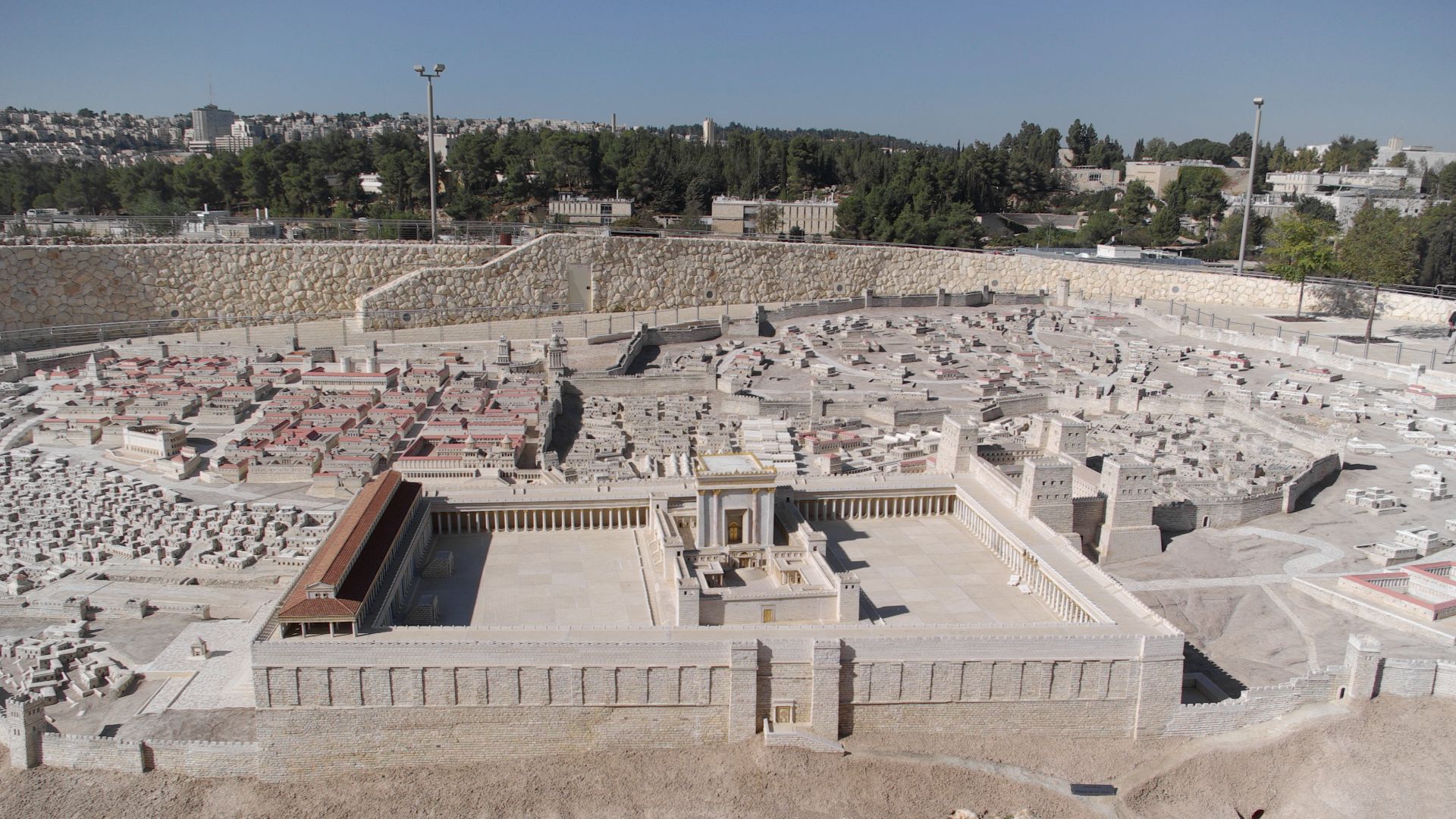 Berthold Werner, Wikimedia Commons
Water Meant Survival
In the ancient Near East, controlling water often meant controlling the future of a city. Reservoirs, tunnels, and dams protected populations from drought, supported agriculture, and helped cities survive long sieges. This project would have been one of Judah's most important public works.
Archaeology Meets Biblical History Again
Like many recent discoveries from Jerusalem, the dam doesn't prove biblical events. What it does provide is an increasingly detailed picture of the kingdom described throughout the Hebrew Bible—a city capable of ambitious engineering on a remarkable scale.
There May Be More Waiting Underground
Researchers believe portions of the dam still lie beyond the excavated area. Future work could reveal even more of the structure and help answer lingering questions about exactly how the entire water system operated.
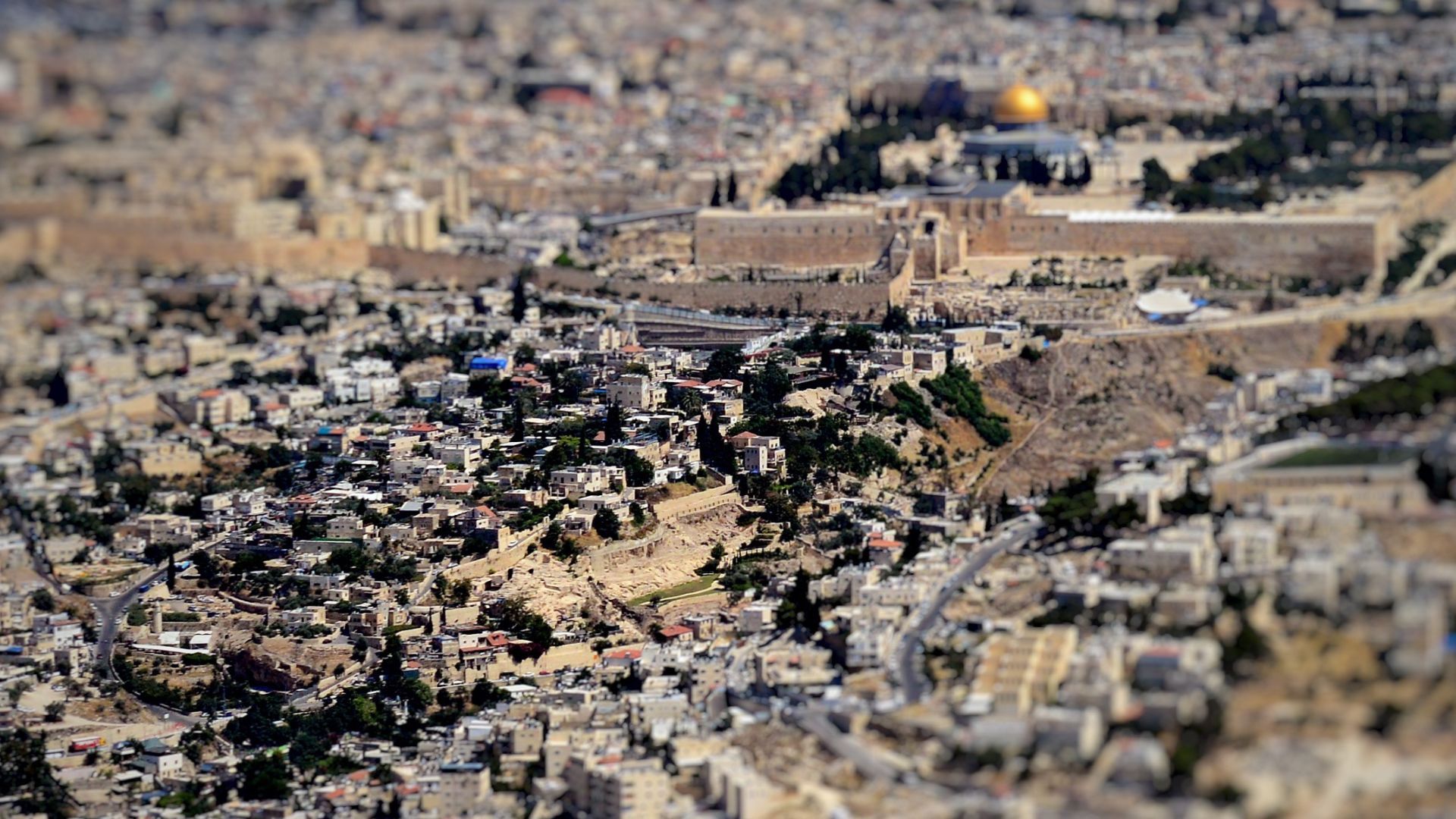 Avraham Graicer, Wikimedia Commons
A Monument Hidden For Nearly Three Millennia
For almost 2,800 years, one of ancient Israel's greatest engineering achievements sat quietly beneath layers of earth and stone. Now that it's finally emerging into the light, it's reminding us that biblical Jerusalem was capable of building far bigger—and far smarter—than anyone once believed.
You May Also Like:
Archaeologists Found A Tiny Assyrian Inscription In Jerusalem—And It Connects Directly To The Bible