A Second Temple In Ancient Jerusalem?
For generations, Solomon's Temple has been viewed as the one great center of worship in First Temple Jerusalem. But archaeologists now believe they may have uncovered another ritual complex just a few hundred yards away.
A Discovery On The Hillside
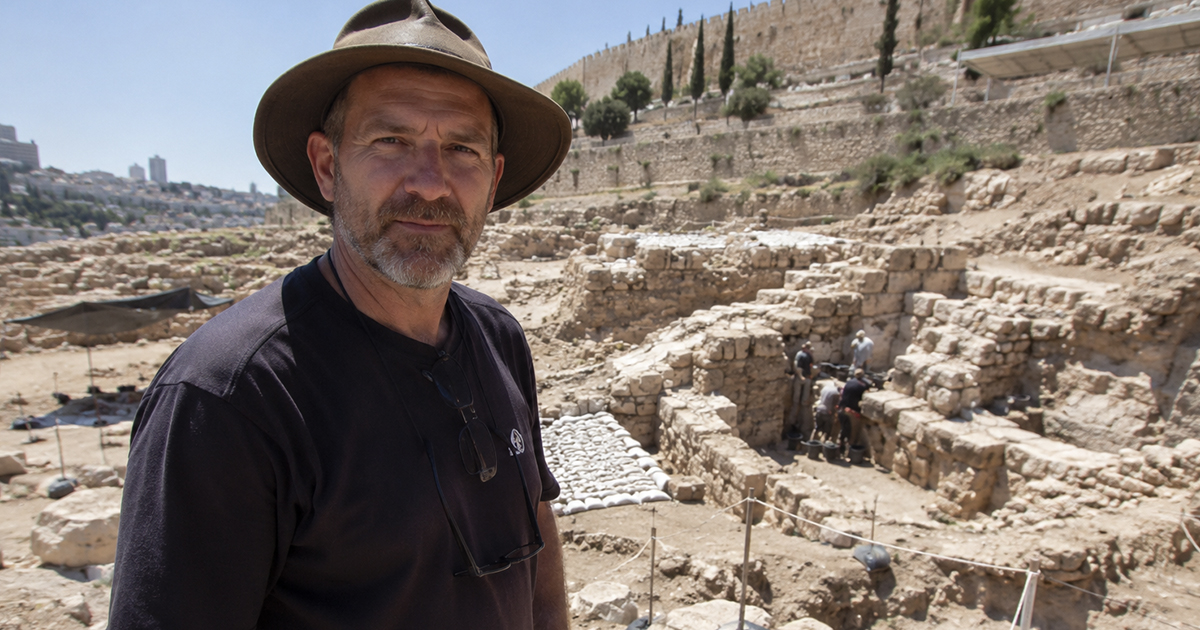
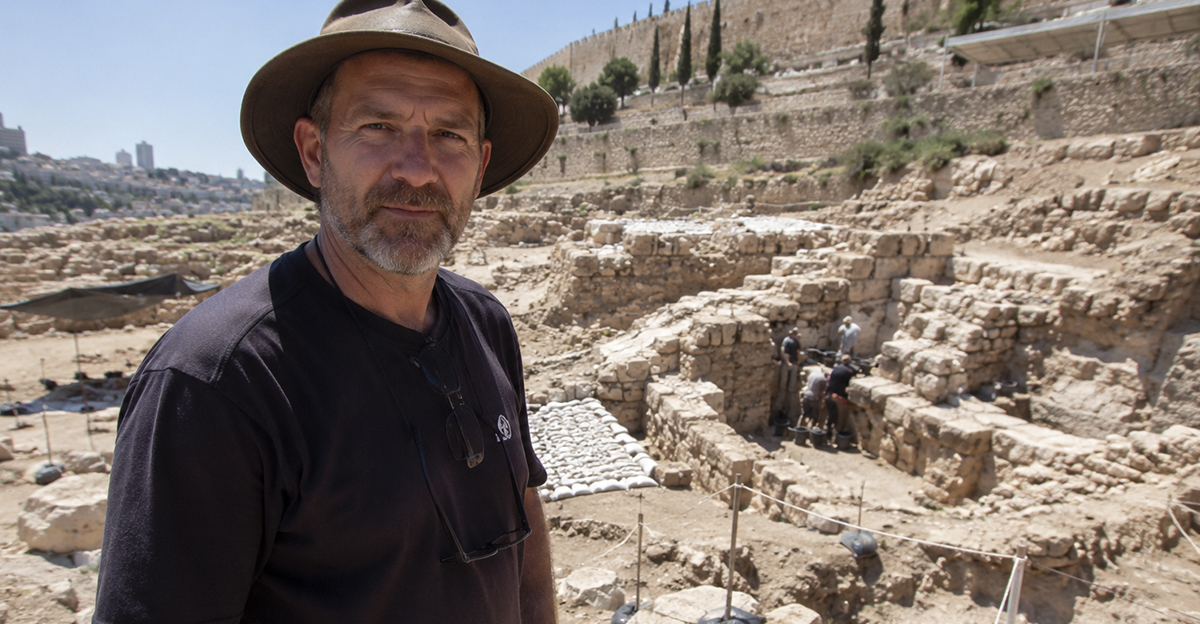
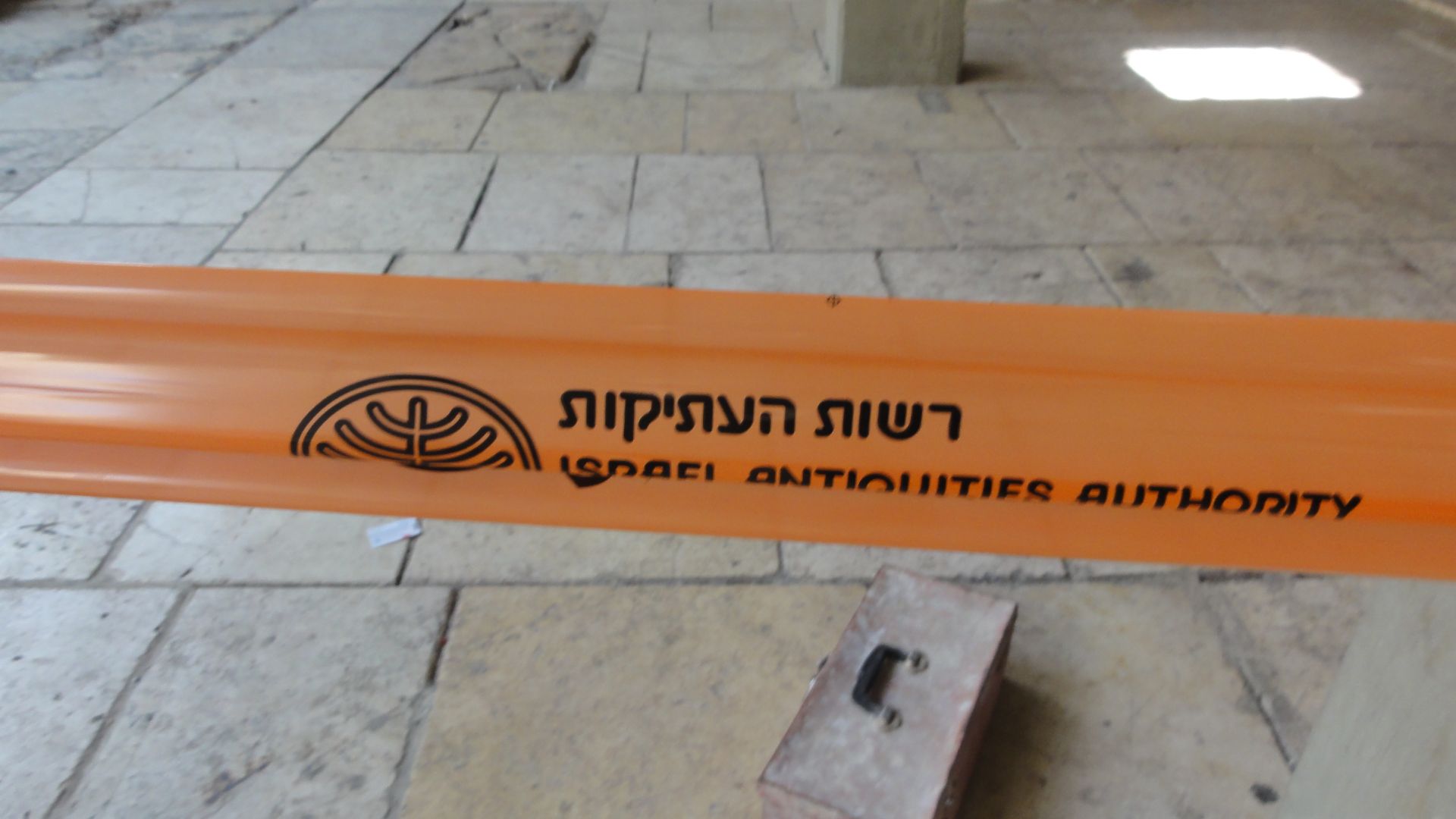
The structure was uncovered on the eastern slope of the City of David, just south of Jerusalem's Temple Mount. Excavations were carried out by the Israel Antiquities Authority (IAA), one of the country's leading archaeological organizations. The site sits surprisingly close to where Solomon's Temple is traditionally believed to have stood.
The Archaeologist Behind The Find
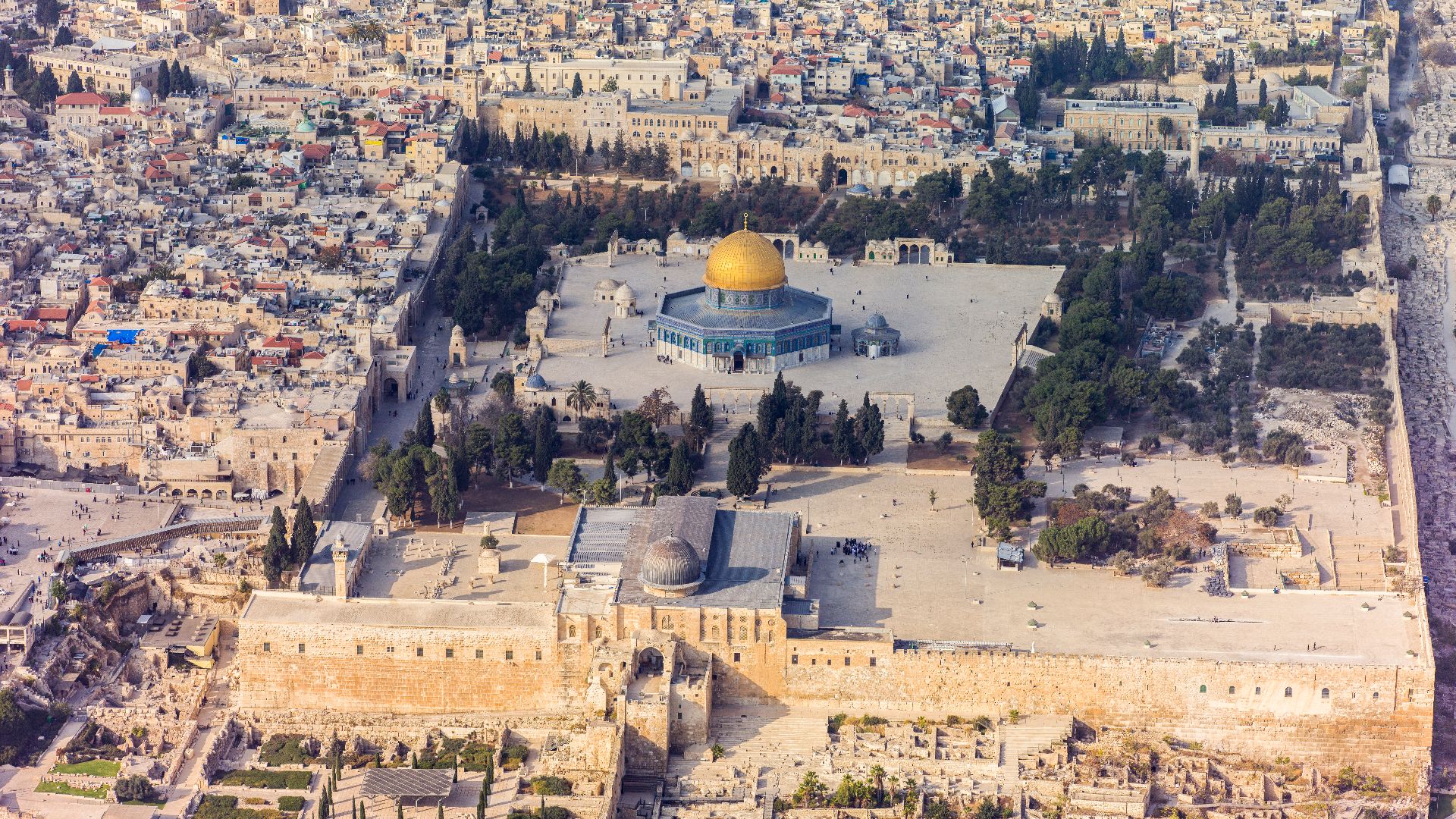
The excavation was directed by Eli Shukron, a longtime archaeologist with the Israel Antiquities Authority. Although parts of the structure were first noticed during explorations in 1909 by British adventurer Montague Parker, modern excavations beginning in 2010 revealed the site's full extent. Shukron recently published his interpretation in the IAA's peer-reviewed journal 'Atiqot.
 User:Mattes, Wikimedia Commons
More Than Just A Cave
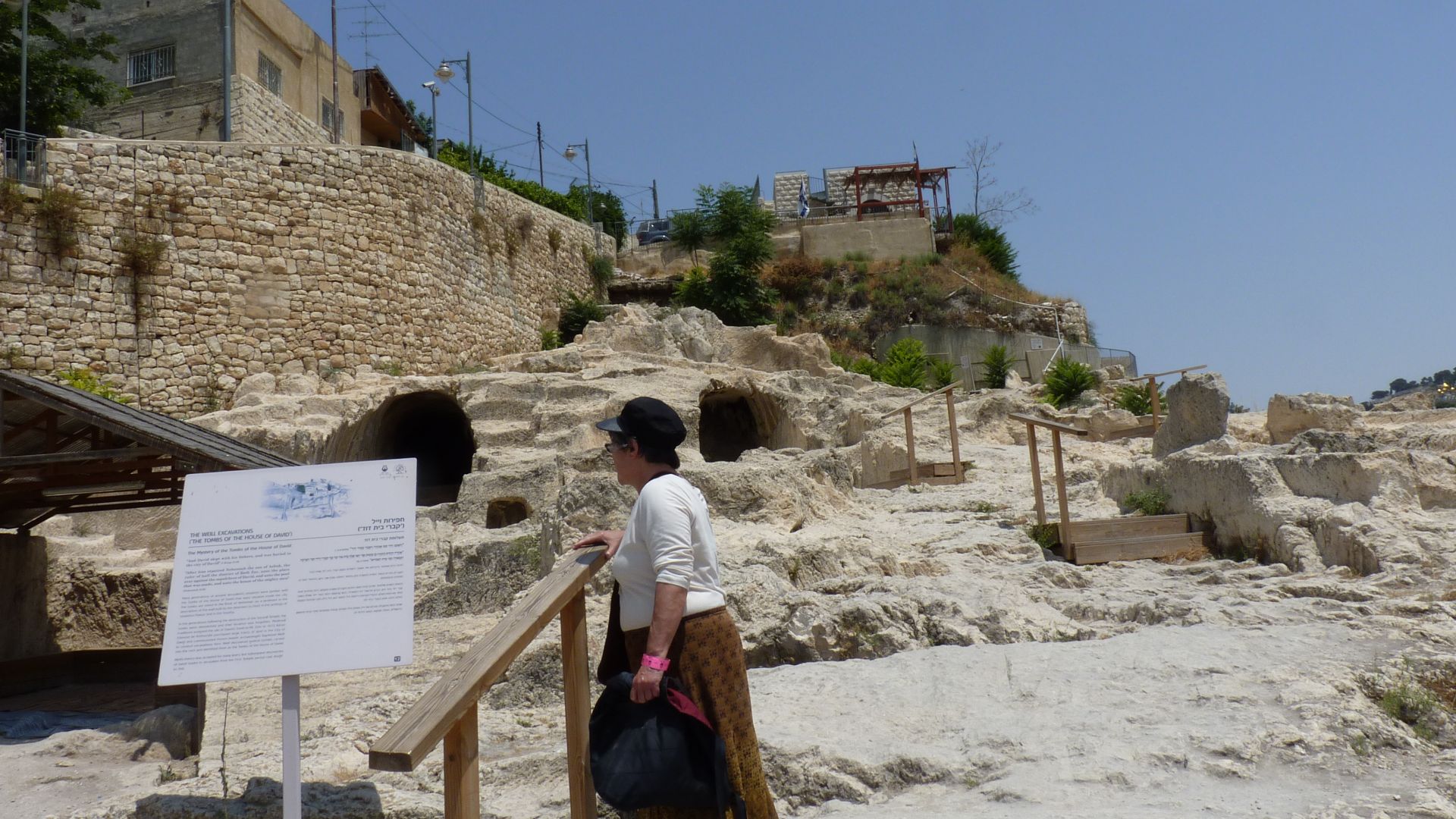
The discovery isn't a single room or a simple shrine. Instead, archaeologists uncovered a complex measuring roughly 220 square meters (2,400 square feet). It consists of eight rock-cut rooms connected into what appears to have been one carefully planned structure.
 Ricardo Tulio Gandelman from Rio de Janeiro, Brazil, Wikimedia Commons
A Standing Stone Raises Eyebrows
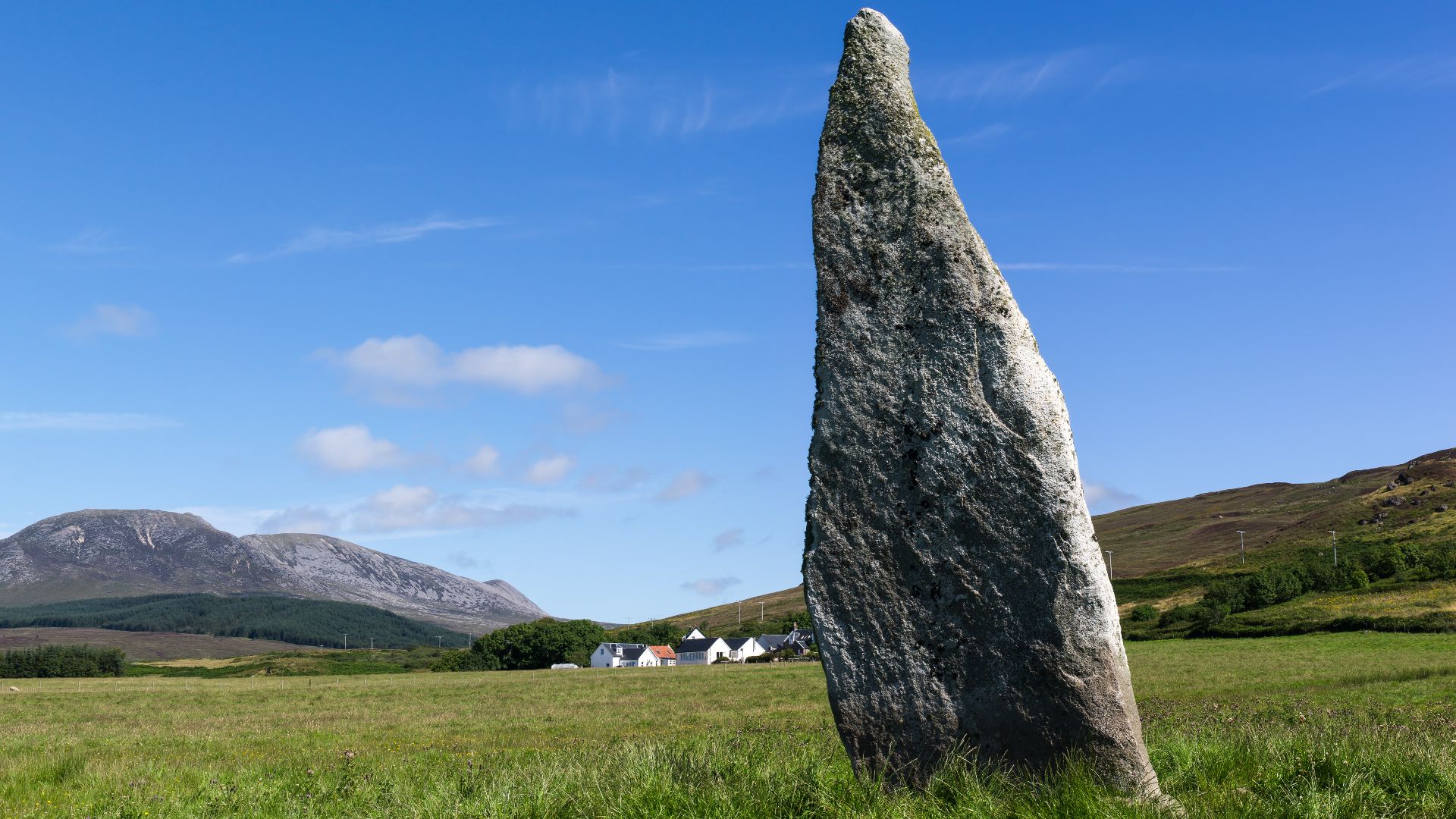
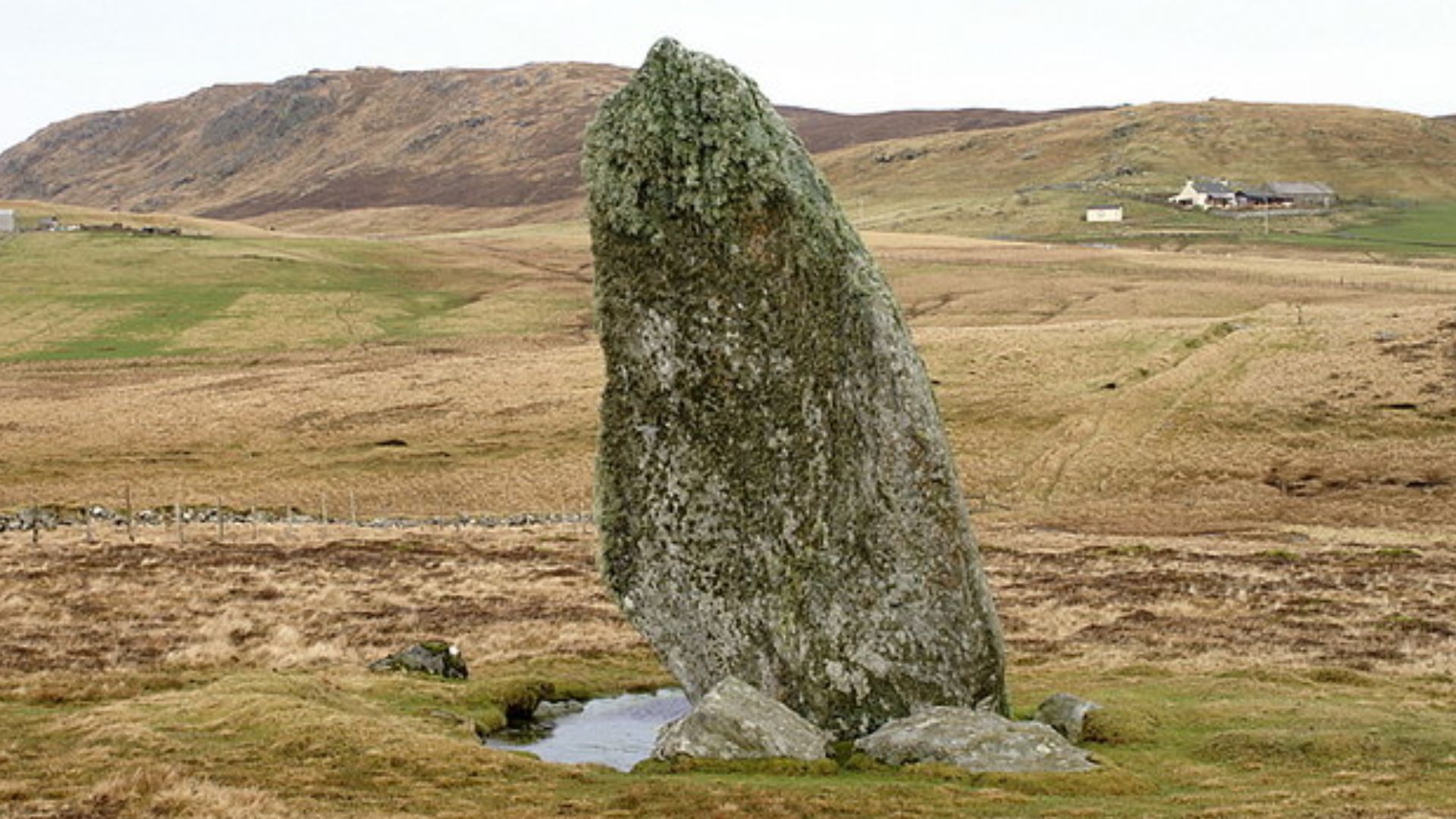
One room contained a masseba, or standing stone. In the ancient Near East, standing stones often marked sacred places and were associated with ritual worship. Finding one still standing after nearly 2,800 years immediately caught the attention of researchers.
An Altar-Like Installation
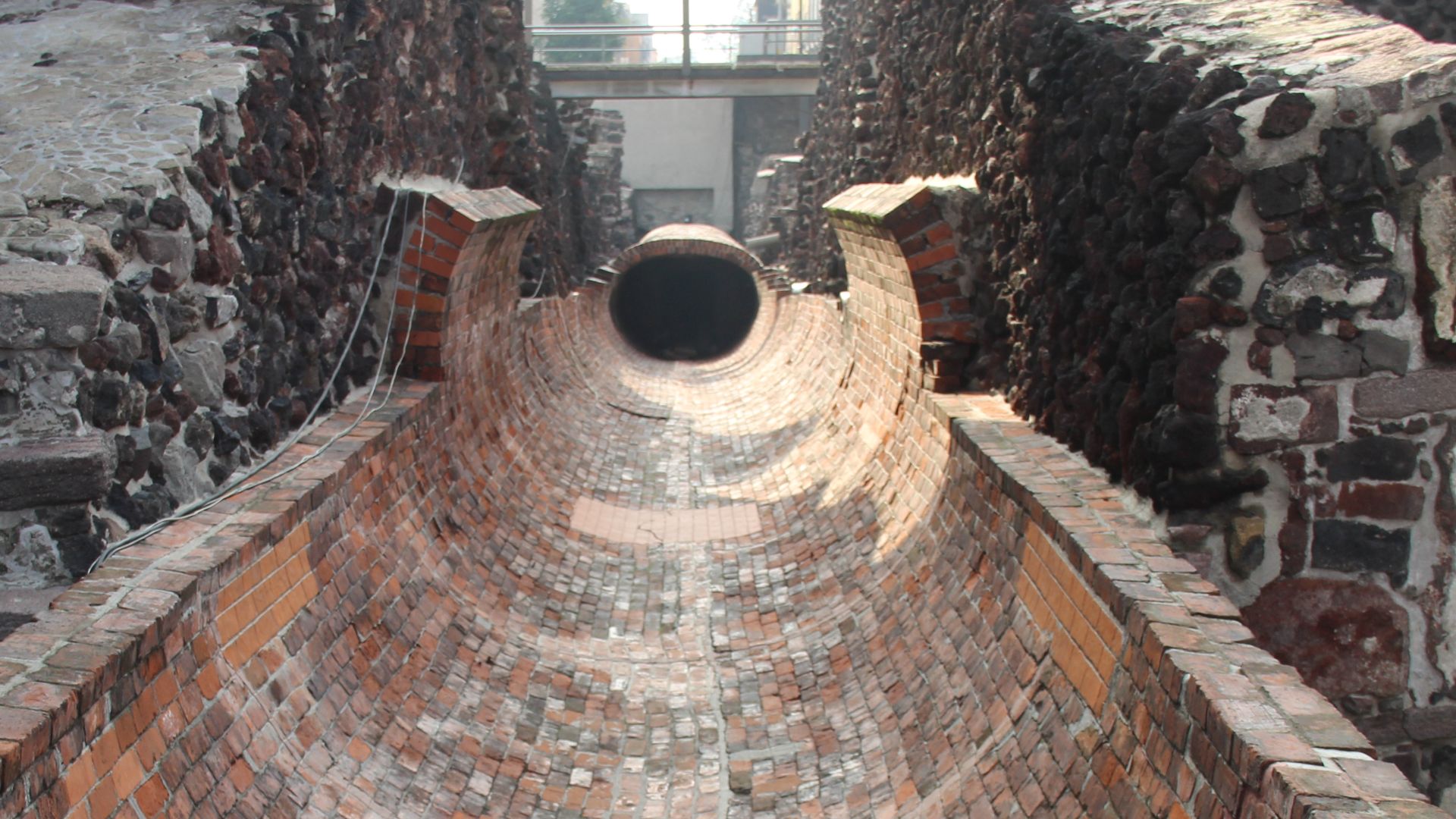
Nearby, archaeologists found what appears to be an altar. One clue is a carved drainage channel running from one corner, a feature often associated with sacrificial rituals. While researchers cannot say exactly what ceremonies took place there, they believe the installation had a religious purpose.
 Gary Todd from Xinzheng, China, Wikimedia Commons
Oil And Wine Played A Role
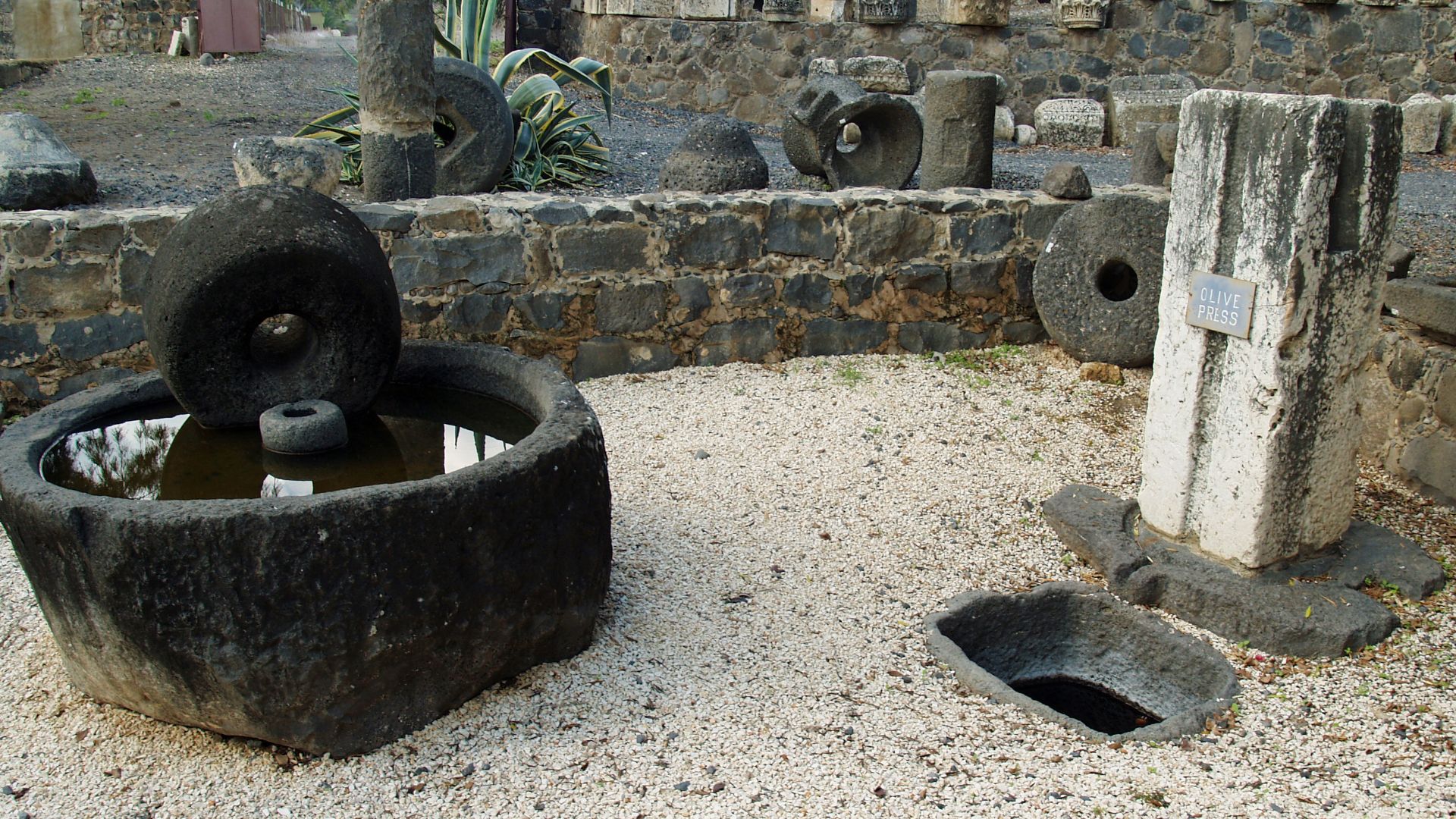
The complex also contains an olive oil press and a winepress. These weren't just practical tools—they may have produced oil and wine for ritual use. Both substances played important roles in ancient Israelite religious ceremonies described throughout the Hebrew Bible.
 David Shankbone, Wikimedia Commons
Mysterious Carvings In The Floor
Researchers also found several unusual V-shaped grooves carved into the bedrock floor. Their exact purpose remains unknown. One possibility is that they supported ritual objects, but for now, archaeologists admit they're still something of a mystery.
 Daniel Ventura, Wikimedia Commons
Dating The Complex
Artifacts recovered from the site place it firmly within the First Temple period, roughly 1000–586 BCE. Pottery, stone tools, and other objects indicate the complex remained in use until around the 8th century BCE.
 Francois Vatable, Wikimedia Commons
Why This Discovery Matters
The biggest surprise isn't the building itself—it's where it was found. The complex sits only a few hundred meters from the Temple Mount. If it truly functioned as a place of worship, it would mean religious activity wasn't limited to Solomon's Temple alone.
A Different Picture Of Ancient Jerusalem
Many people imagine ancient Jerusalem revolving entirely around one central temple. This discovery hints that reality may have been more flexible. Local worship sites may have existed alongside the official temple for much of the First Temple period.
The Bible May Have Hinted At This
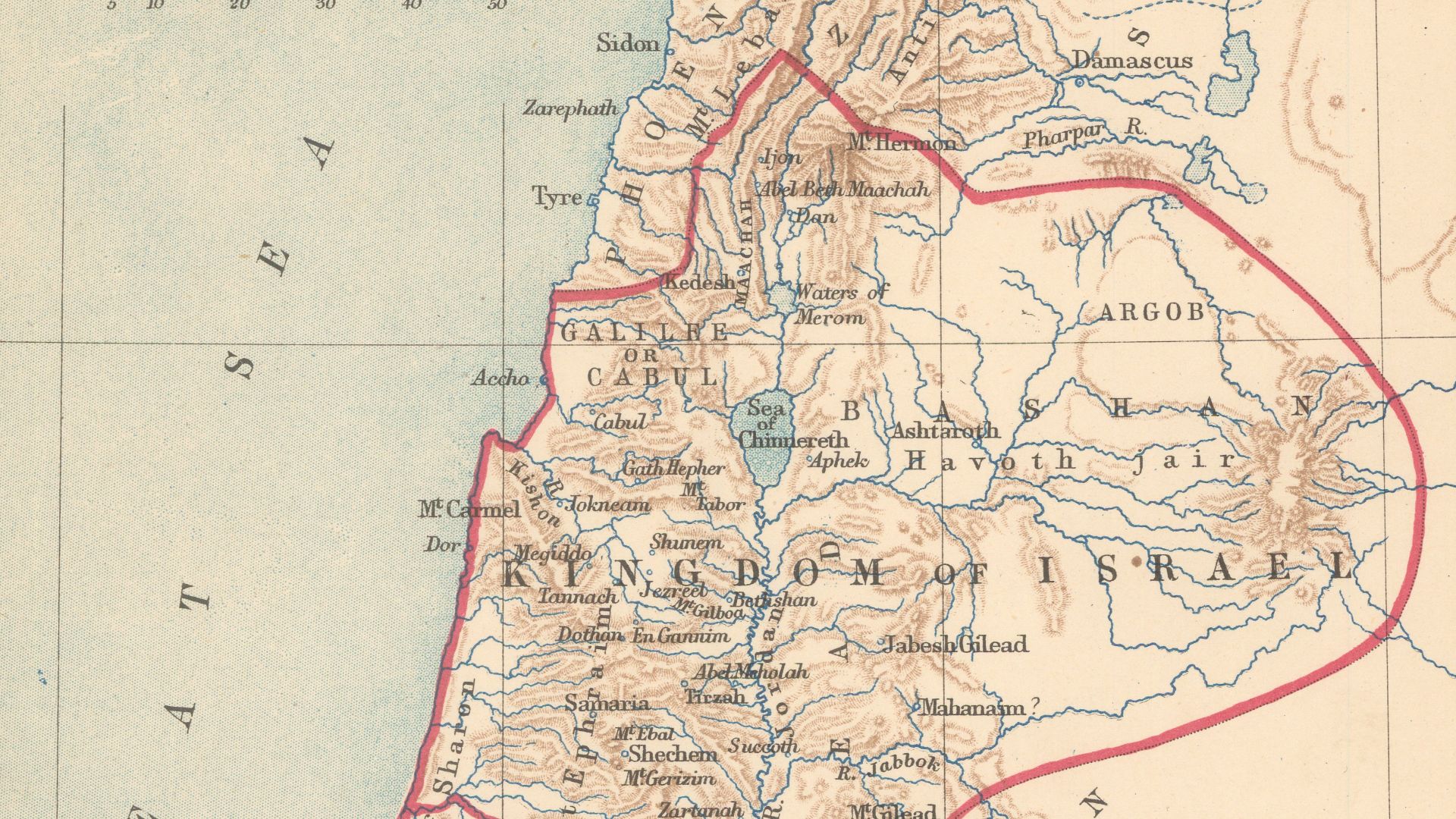
Interestingly, the Hebrew Bible itself describes additional places of worship operating throughout Judah before later religious reforms. These sites are often referred to as "high places." That means the archaeological interpretation isn't entirely without biblical precedent.
 Unknown authorUnknown author , Wikimedia Commons
Hezekiah May Have Shut It Down
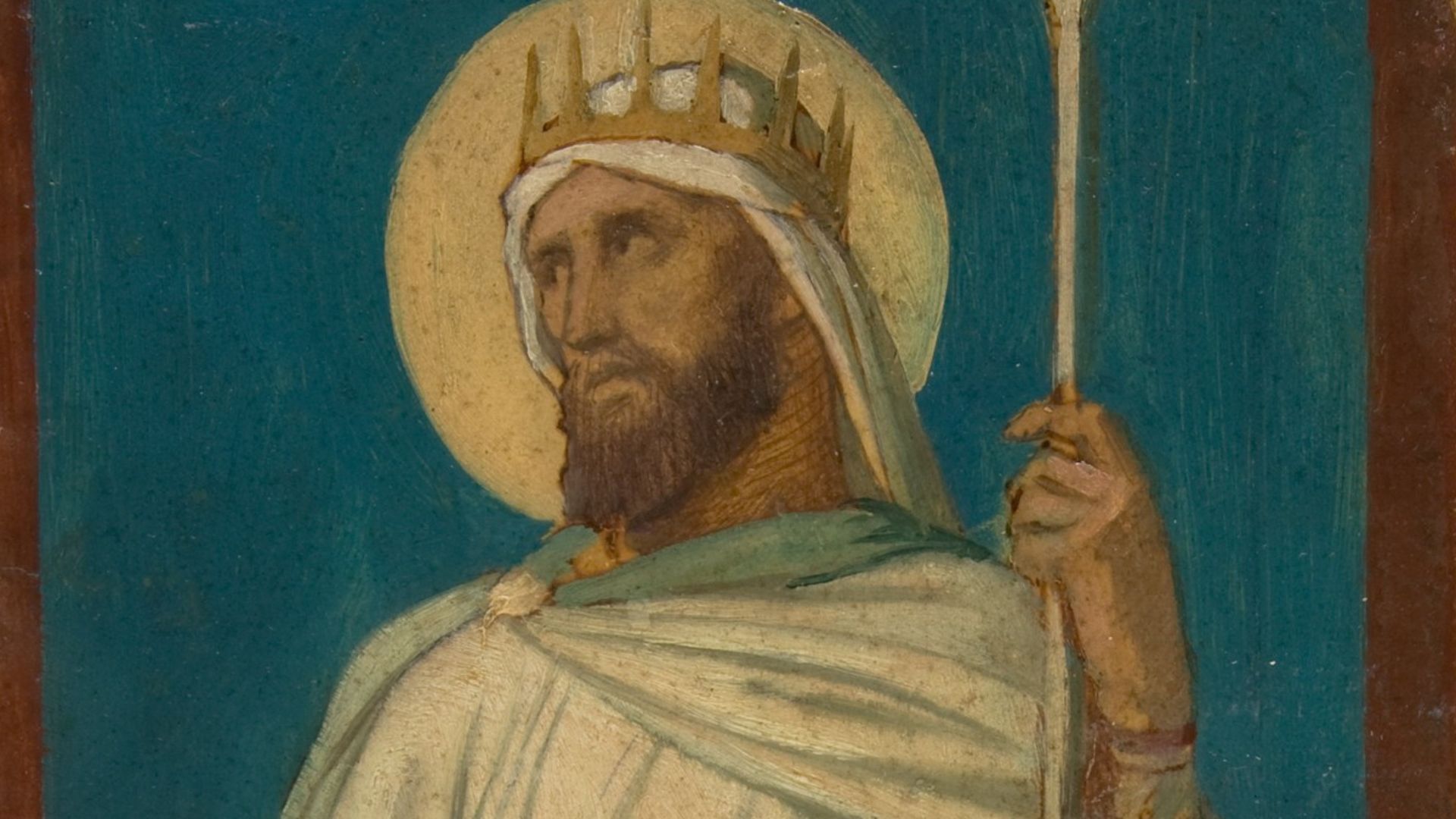
Shukron believes the complex stopped functioning during the reign of King Hezekiah in the 8th century BCE. According to 2 Kings 18, Hezekiah carried out religious reforms aimed at centralizing worship in Jerusalem's Temple and eliminating local shrines.
 Hult, Adolf, Wikimedia Commons
Buried Instead Of Destroyed
One remarkable detail is that the standing stone wasn't smashed. Instead, it appears to have been deliberately buried beneath soil. That helped preserve it almost exactly as it stood nearly three millennia ago.
 Mike Pennington, Wikimedia Commons
Hidden For Thousands Of Years
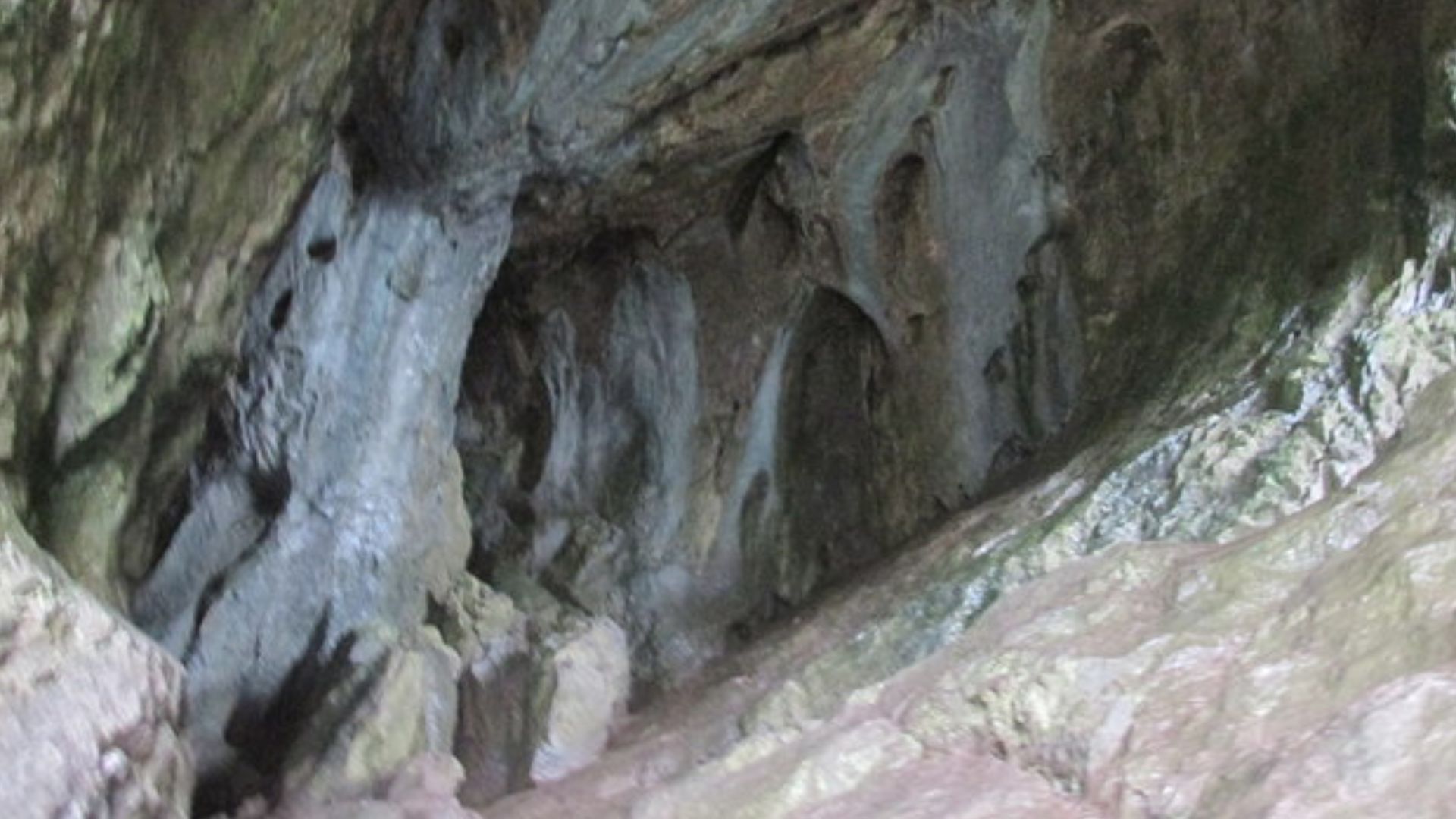
Inside a nearby cave, archaeologists discovered a cache of objects sealed behind a stone wall. The collection included cooking pots, storage jars with fragments of ancient Hebrew inscriptions, loom weights, scarabs, decorative seals, and grinding stones. It was like opening a time capsule from the Kingdom of Judah.
 steven ruffles , Wikimedia Commons
A Quote From The Excavation Director
Discussing the discovery, Eli Shukron wrote that the structure "ceased to function during the 8th century BCE, possibly as part of King Hezekiah's religious reform." He argues the site fits the biblical description of local worship centers that existed before worship became centralized.
 Hippolyte Flandrin, Wikimedia Commons
Not Everyone Agrees
This is where archaeology gets interesting. While the structure itself is undisputed, not every archaeologist agrees it should be called a "second temple." Some researchers think it may have been a local cultic complex rather than a full temple in the traditional sense.
Archaeology Rarely Gives Simple Answers
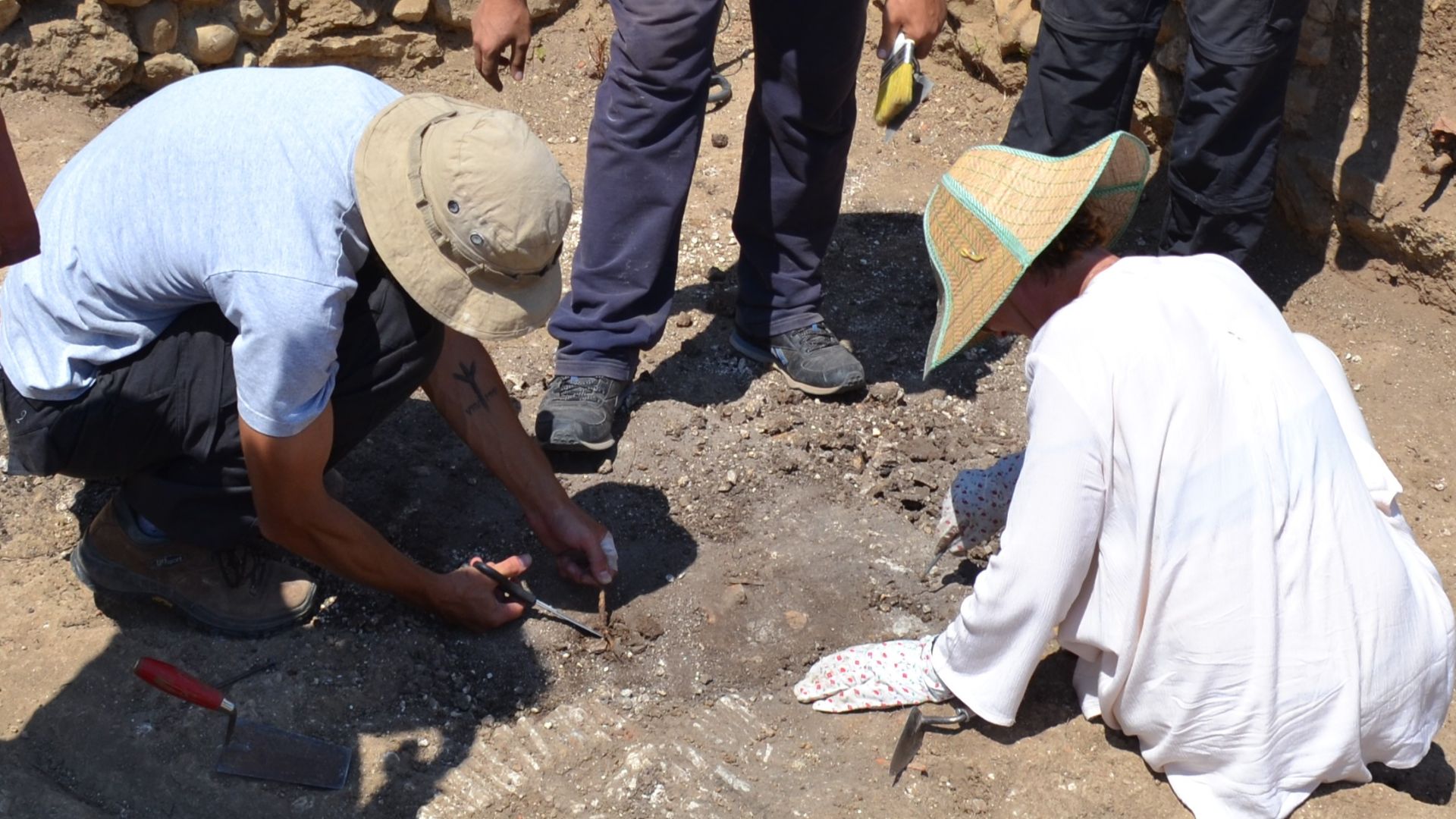
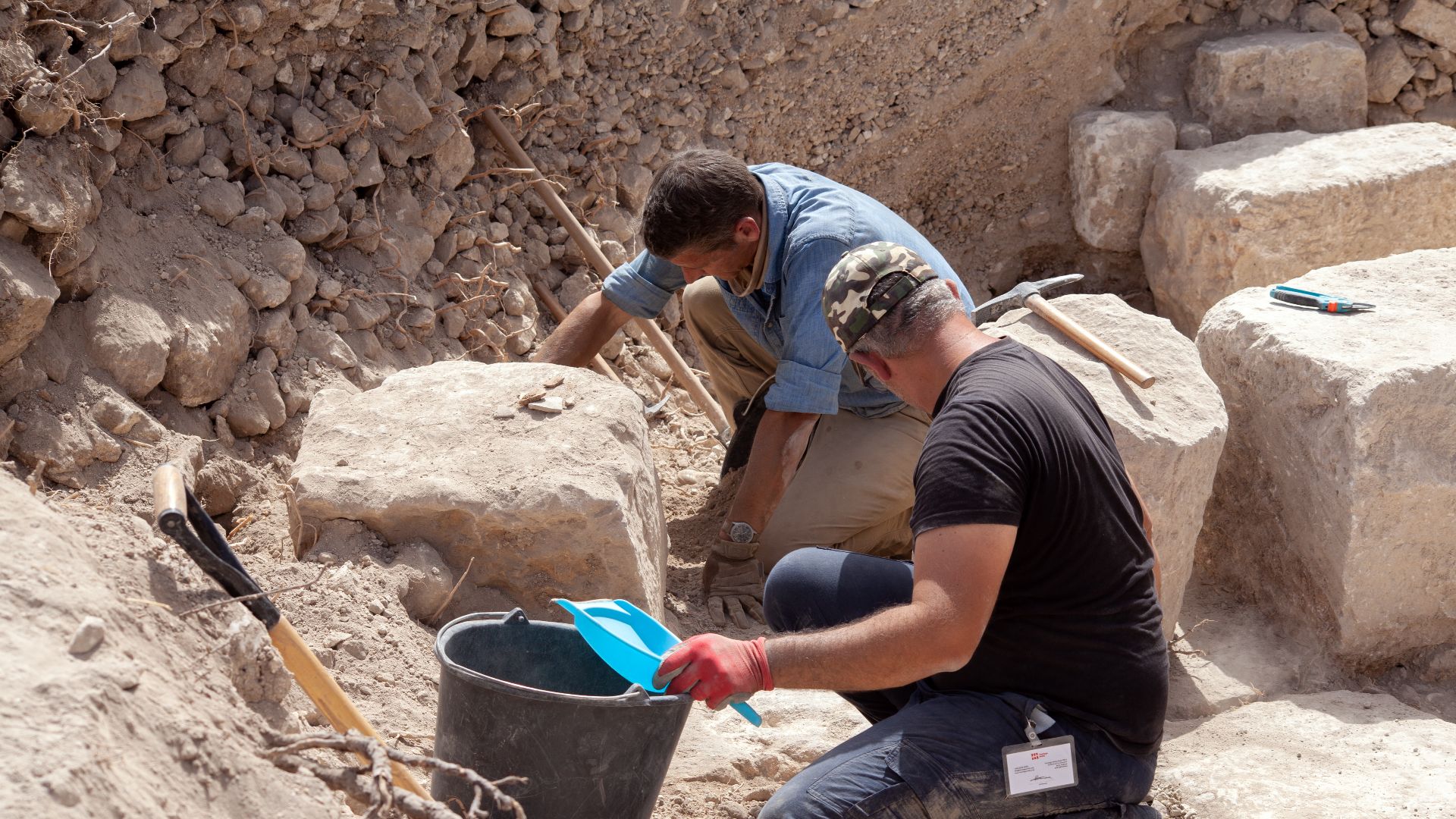
Unlike finding a building with a sign out front, archaeologists have to interpret clues. Standing stones, altars, presses, and artifacts all help tell the story, but there is still room for debate. That's part of what makes discoveries like this so fascinating.
 Godwin Borg, Wikimedia Commons
Jerusalem Keeps Revealing Surprises
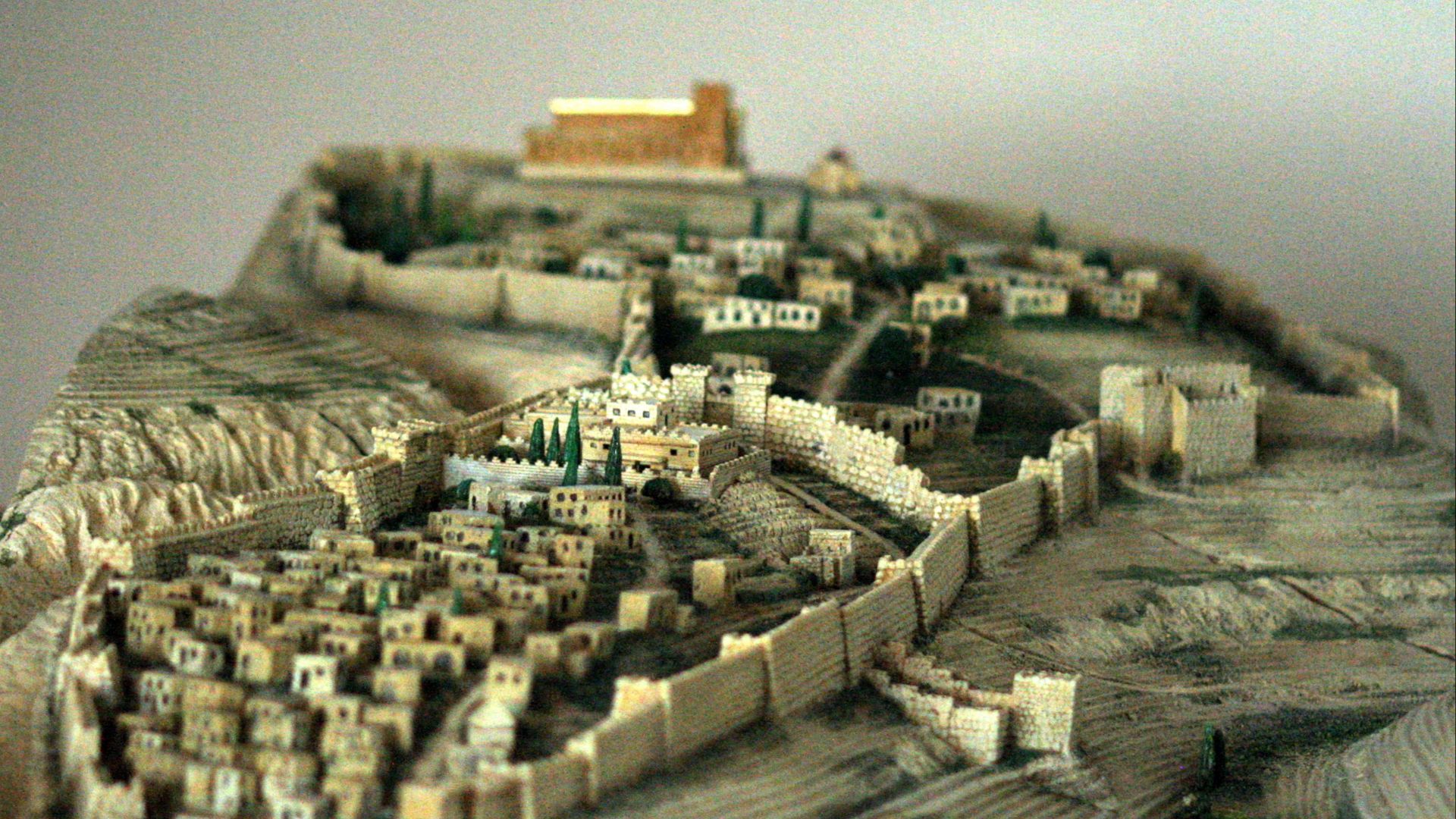
The City of David has produced some of Israel's most significant archaeological discoveries over the past several decades. Every excavation seems to uncover another layer of Jerusalem's incredibly long history.
Why This Doesn't Rewrite The Bible
Ironically, the discovery doesn't necessarily contradict biblical history. Instead, it may reinforce passages describing local places of worship that existed before reforms by kings like Hezekiah and Josiah. The archaeology may simply be giving those passages a physical setting.
 David Castor, Wikimedia Commons
Ancient Worship Was Probably More Complex
Religious life in ancient Judah likely evolved over centuries rather than remaining fixed. Communities may have worshipped in several locations before political and religious leaders pushed for one central temple. This discovery fits that broader historical picture.
 Edward Weller, Wikimedia Commons
Modern Technology Helped Reveal The Past
Although parts of the structure were noticed over a century ago, careful excavation techniques, digital mapping, and modern archaeological analysis allowed researchers to understand the site's layout much more completely. Sometimes the biggest discoveries happen when old excavations get a second look.
 Nataliya Shestakova, Wikimedia Commons
A Discovery That Will Be Debated For Years
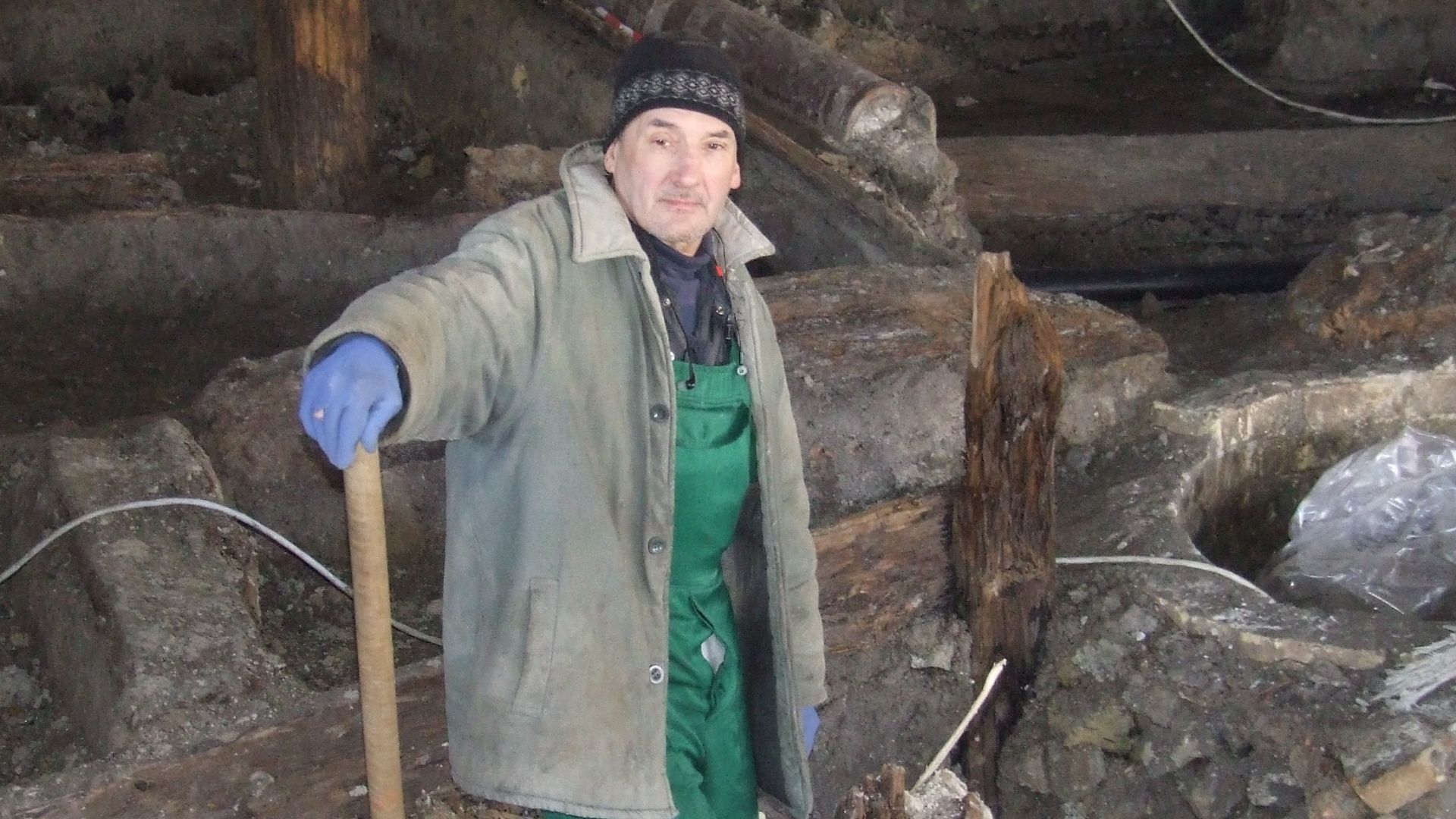
Because the interpretation is so significant, archaeologists will likely study this site for many years to come. New evidence could strengthen—or challenge—the idea that this was an active place of worship during Solomon's Temple period.
 Yulia Kolosova, Wikimedia Commons
The Questions Are Just Beginning
Researchers still hope to learn exactly who used the complex, how often ceremonies took place, and why it was eventually abandoned. Every answer will probably raise another question, which is usually how archaeology works.
When One Discovery Changes The Conversation
Whether this structure ultimately becomes known as a second temple, a ritual center, or something else entirely, it's already changing how scholars think about ancient Jerusalem. Sometimes history isn't rewritten by finding something new—it happens when we realize the old story was more complicated than we thought.
You May Also Like: