Secrets Under The Sand
Something extraordinary just emerged from Egypt’s desert, and it’s stirring one of history’s biggest conversations. Archaeologists uncovered a massive stronghold along a route long linked to the world of Moses.
Fortress On The Horus Road
Centuries before the Exodus story took shape, a massive stronghold anchored Egypt’s eastern edge along the Horus Military Road. Excavations show eleven towers, thick mud brick walls, and a footprint of more than 86,000 square feet.
 Tommy from Arad, Wikimedia Commons
Tell El Kharouba Stronghold
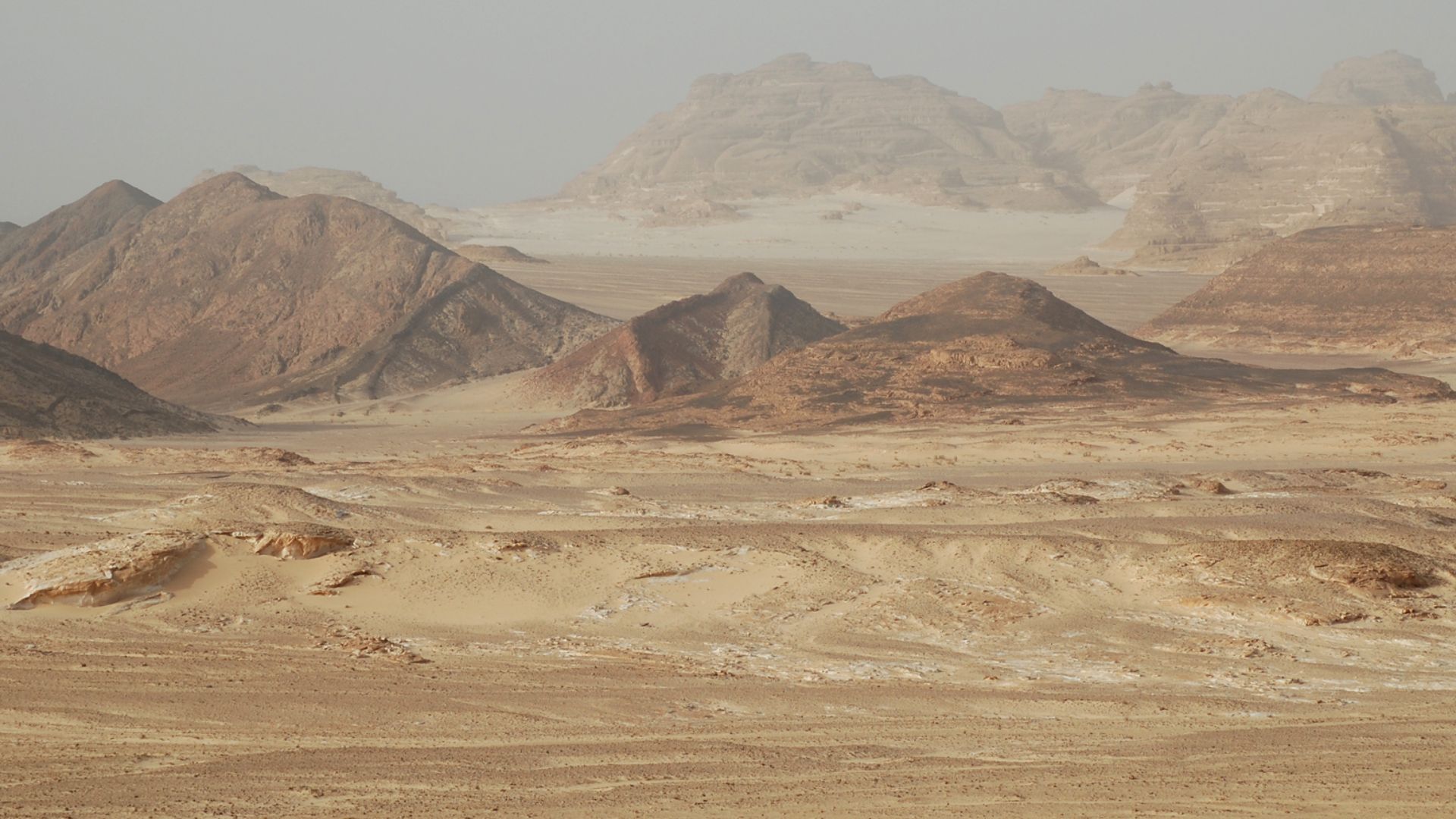
At Tell El Kharouba in North Sinai, the ground opened to reveal a sprawling fortress where soldiers once lived and gathered. Archaeologists mapped its storage areas and domestic spaces, including an oven that still held fossilized dough.
 No machine-readable author provided. Numidix assumed (based on copyright claims)., Wikimedia Commons
New Kingdom Military Outpost
The stronghold belonged to a wider system Egypt built during the New Kingdom to project authority deep into Sinai. Rather than serving only as a lookout, this post functioned as a staffed base where soldiers rotated through long deployments tied to royal military planning from the Nile heartland.
Jar Handle Of Thutmose I
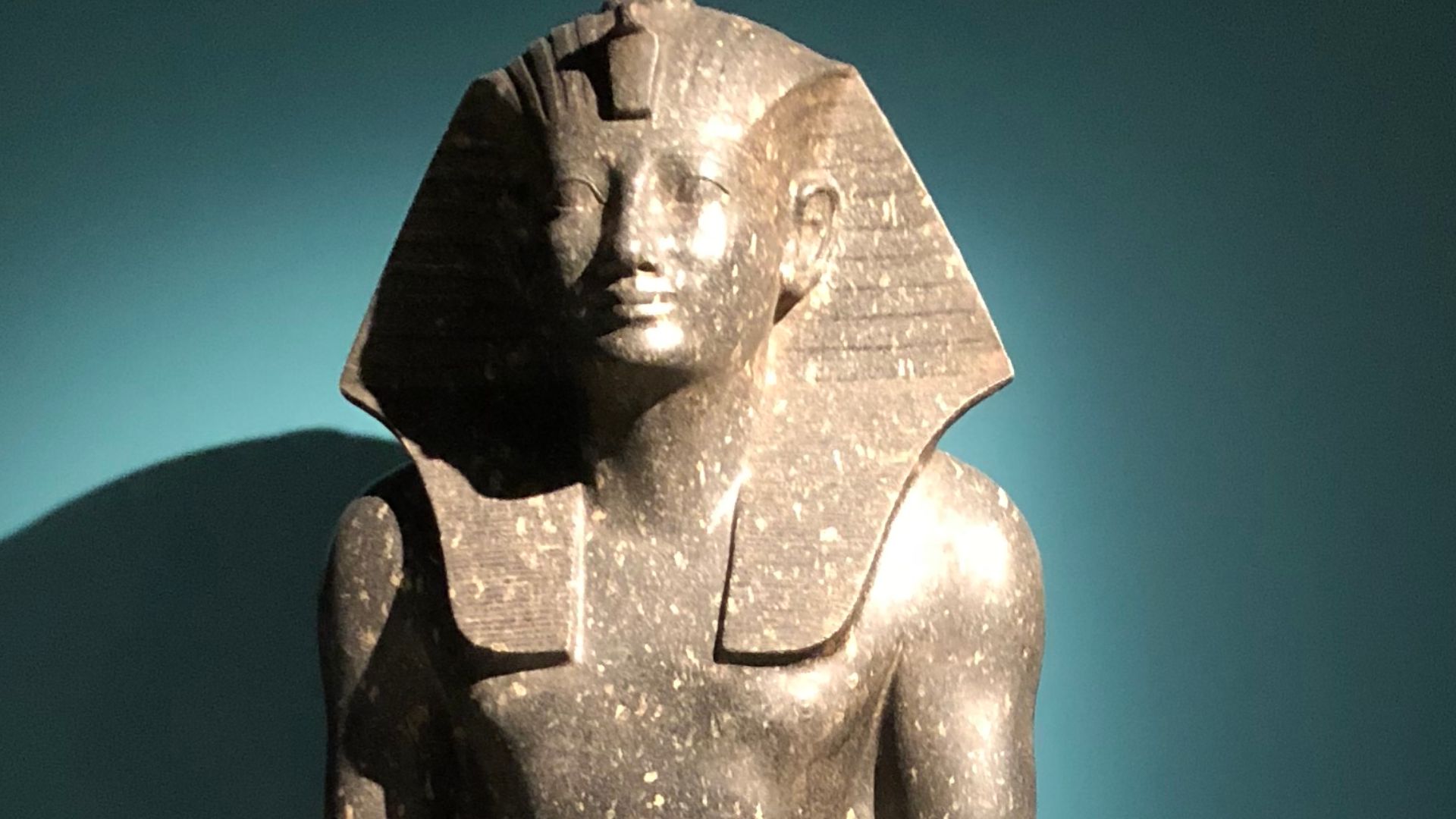
Dating the fortress became easier once a pottery handle stamped with the name of Thutmose I emerged from the sand. His reign from about 1506 to 1493 BC places activity here during a powerful phase of Egyptian expansion.
 Maksim Sokolov (maxergon.com), Wikimedia Commons
Pottery Shards From Soldiers
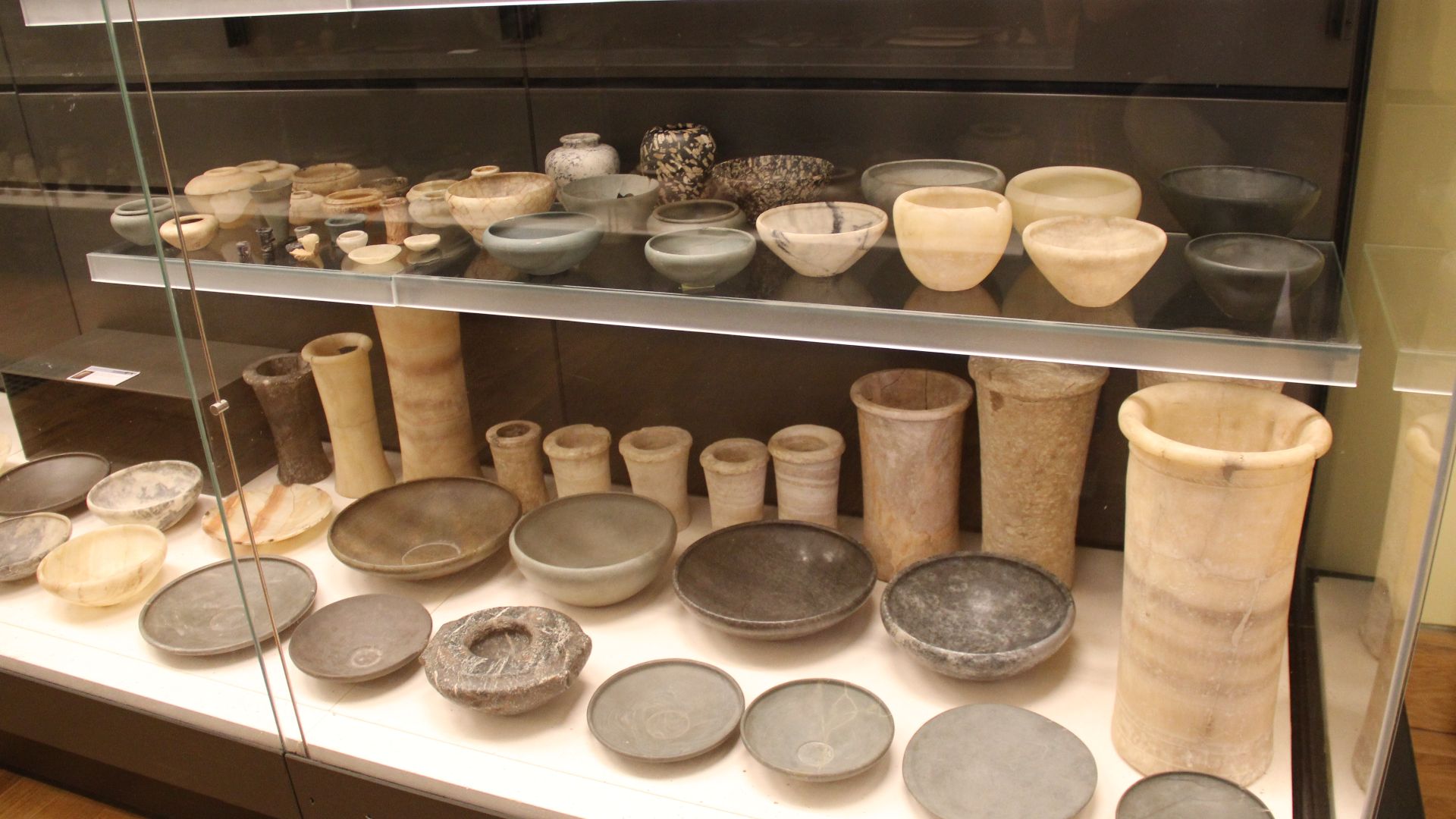
Pottery debris spreads through the settlement, and its variety reveals the routines that kept soldiers functioning. Certain forms align with storage, others with cooking or transport. Together, they trace the movement of food and goods through the Sinai terrain.
 Gary Todd from Xinzheng, China, Wikimedia Commons
Imported Volcanic Stone
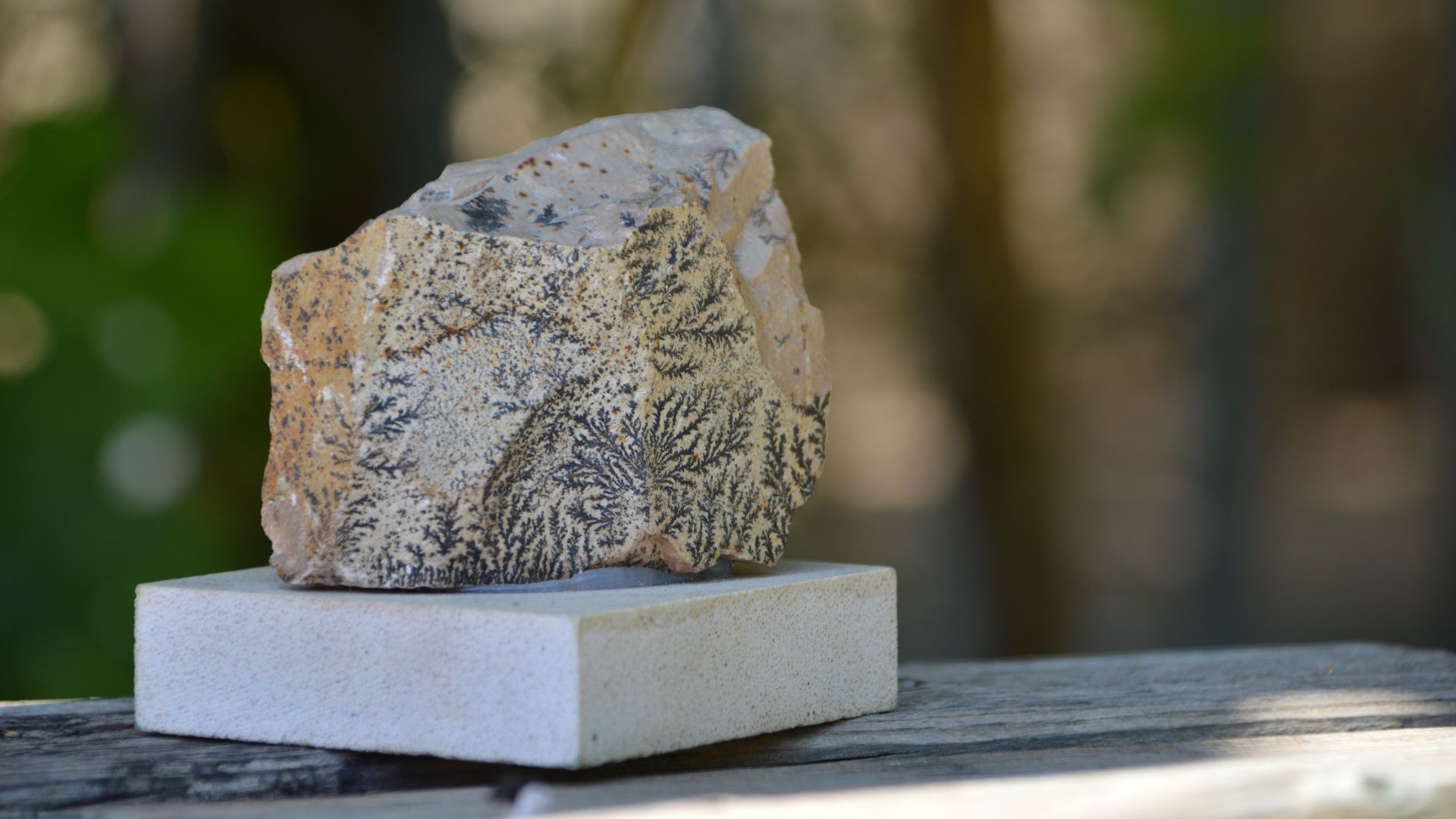
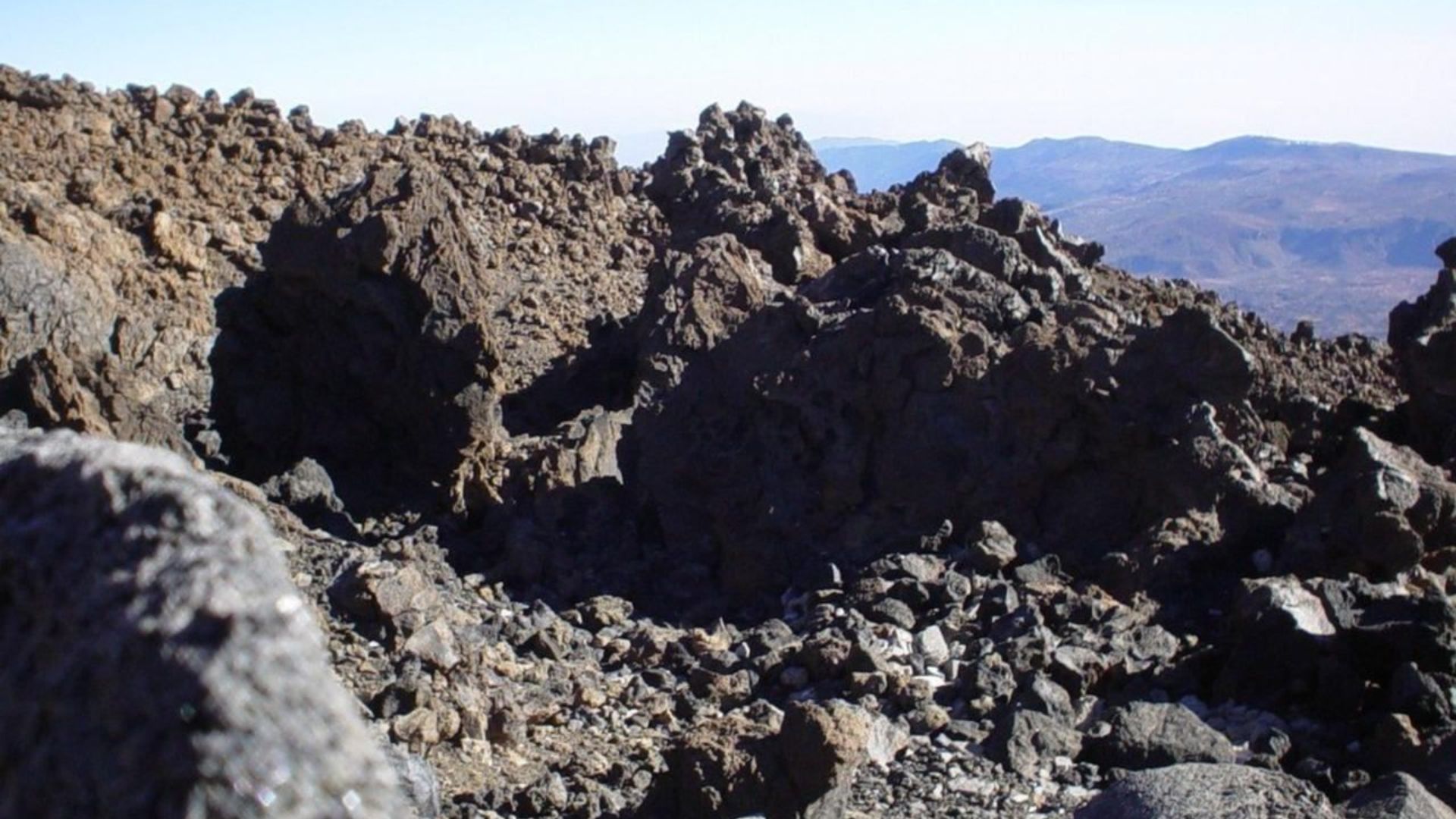
Volcanic stones turned up inside the fortress even though Sinai’s geology couldn’t have produced them. Their presence raises a puzzle: how did material from distant Greek islands end up here at all? The stones could have arrived through long chains of travelers who carried unusual items into frontier spaces.
 Mushki Brichta, Wikimedia Commons
Greek Island Trade Evidence
These volcanic stones point to something larger than the objects themselves. A military post this far out would still depend on supply routes that connected Egypt to territories well beyond the delta. Reaching the Greek islands shows how wide the logistical network could stretch when frontier garrisons needed specialized materials.
Eleven Tower Defense System
Remember the eleven towers we mentioned earlier? The towers around the fortress form a pattern that looks engineered for layered protection. Each one controlled a different slice of terrain, creating overlapping fields of view that let a small garrison manage threats across the desert floor with disciplined, methodical coverage.
 David Berkowitz from New York, NY, USA, Wikimedia Commons
Mud Brick Perimeter Walls
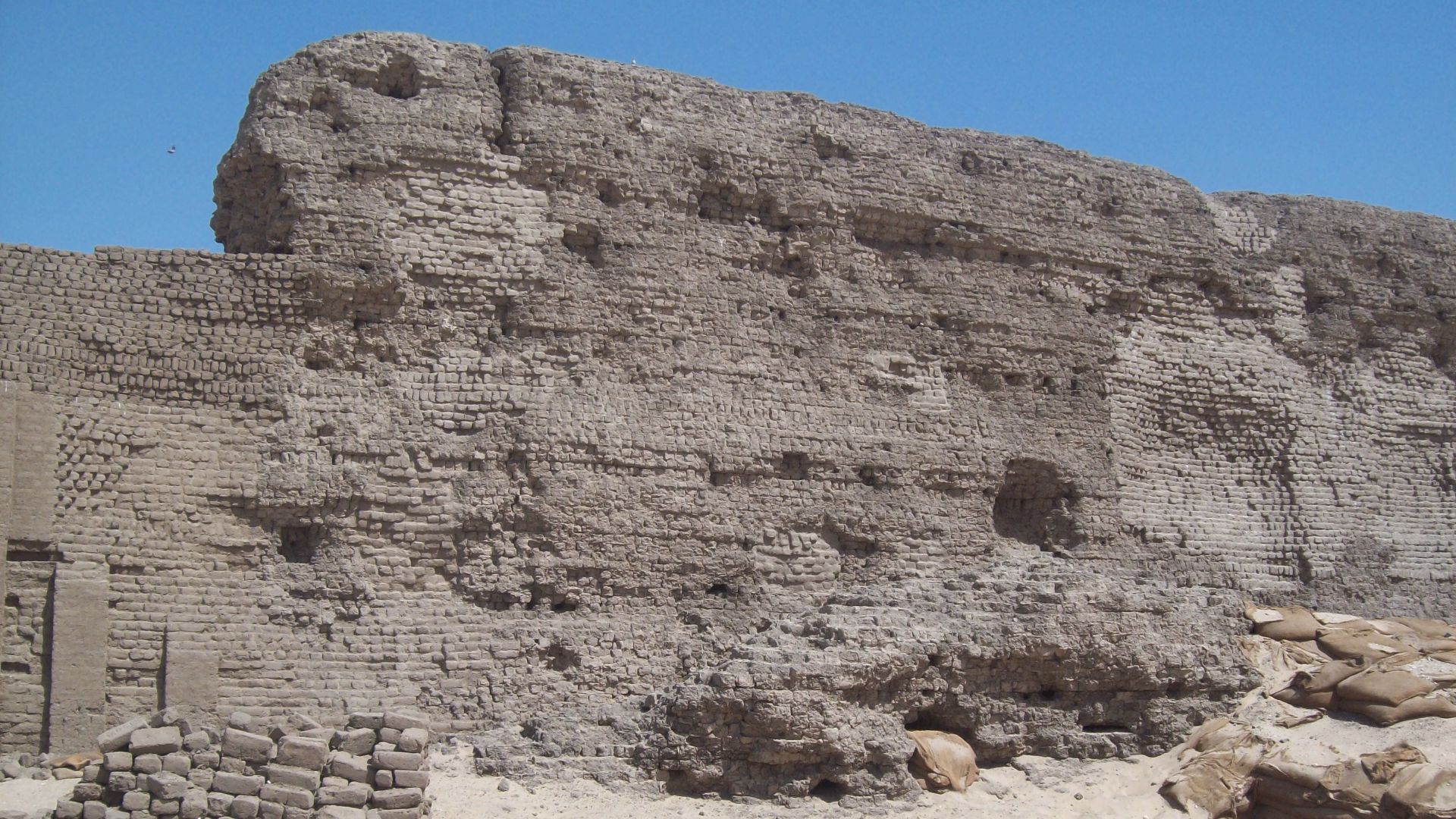
The thick mud brick walls show how Egyptians built formidable defenses with materials they had on hand. It is possible that the layered bricks helped reduce heat and may have expanded swiftly if danger arose.
Bread Oven Installation
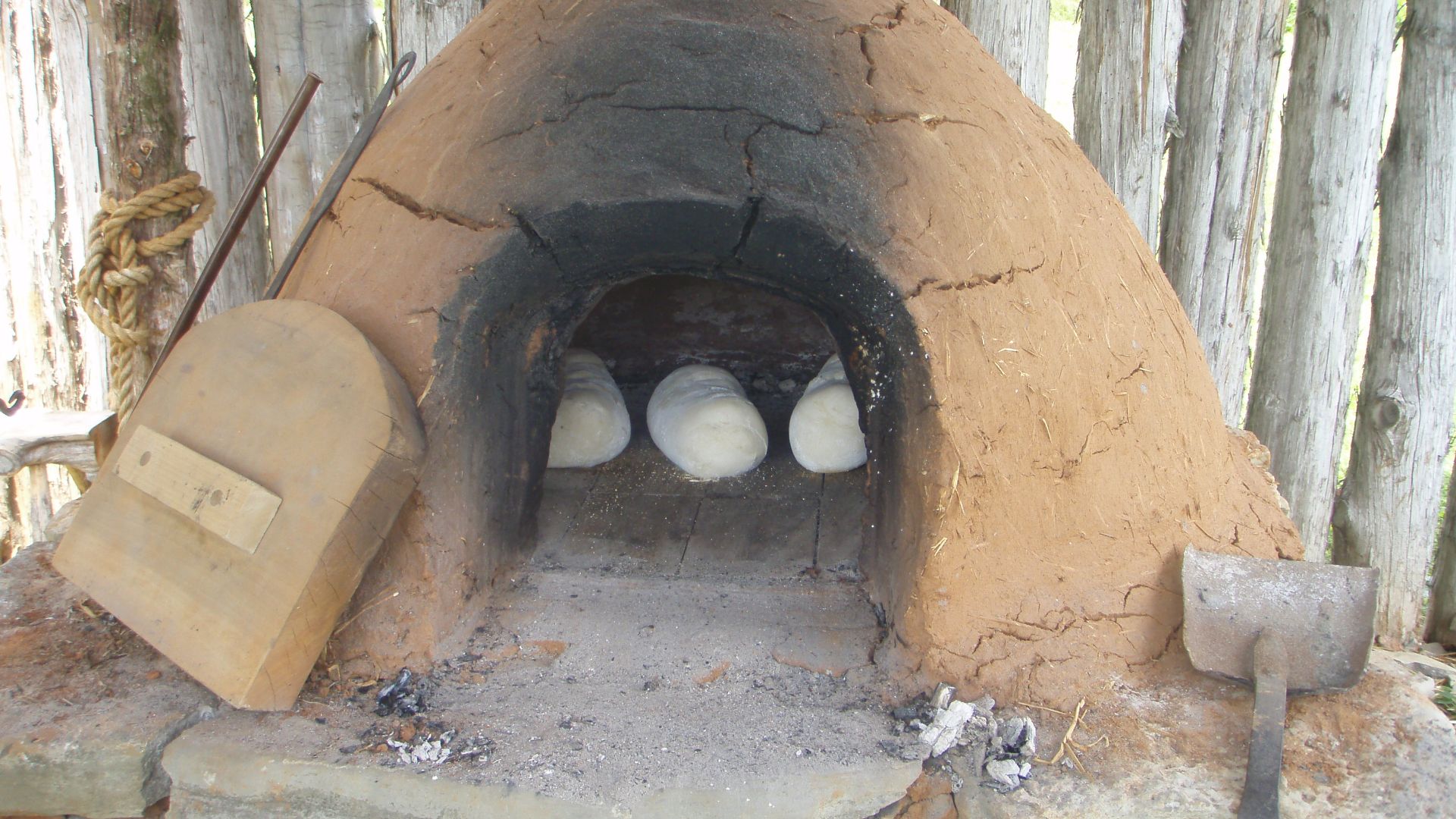
A large bread oven inside the fortress would have kept countless soldiers supplied with warm food each day. Fossilized dough nearby adds a tangible layer to that rhythm. With baking done on-site, the outpost might have managed long stretches without waiting on distant caravans.
 Virginia State Parks staff, Wikimedia Commons
Horus Road Guarding Post
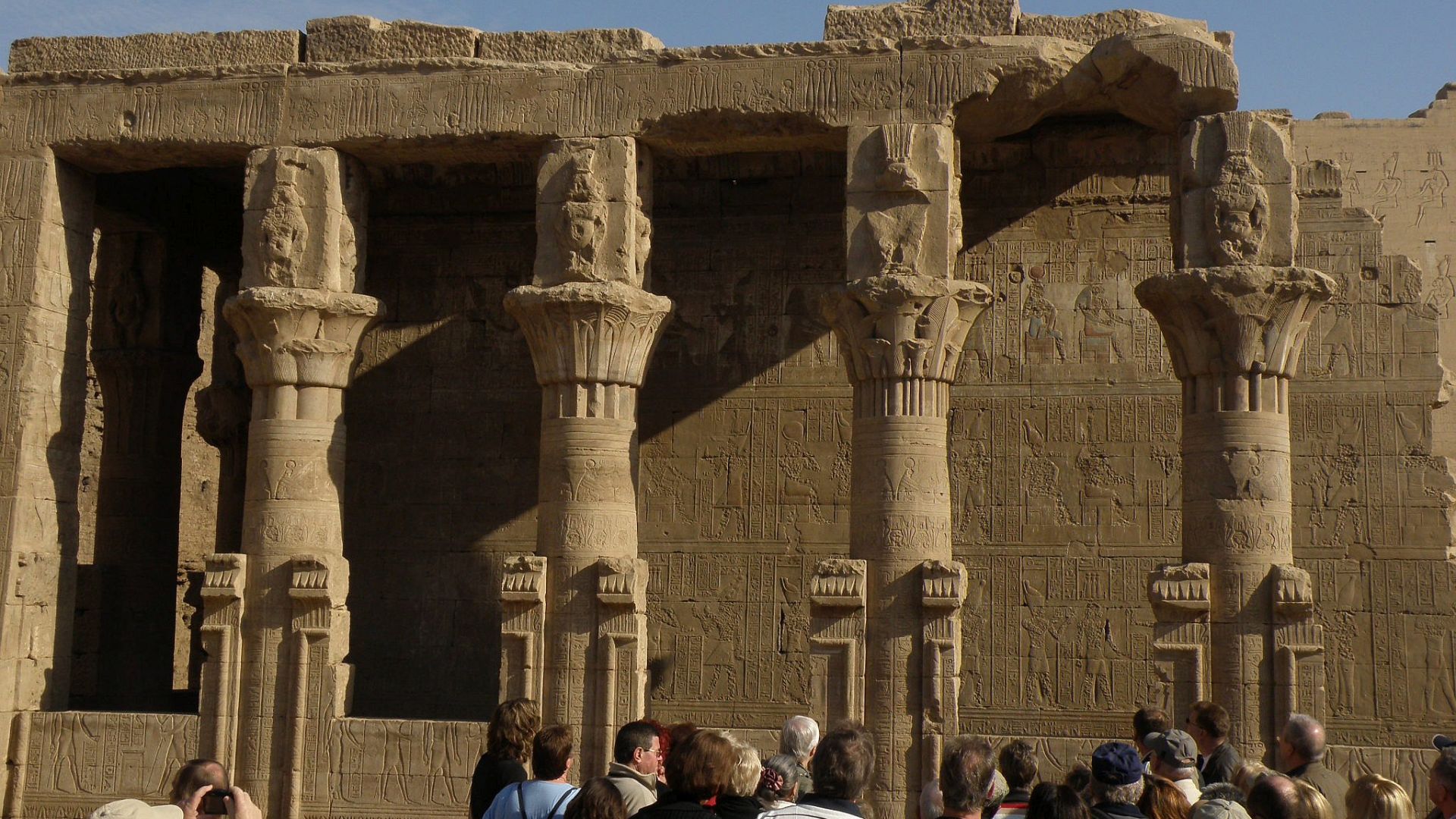
This post played a role in the administrative control Egypt exercised over the Horus Road. Officials passing through would have encountered inspection points, record-keepers, and armed escorts ensuring that every caravan or envoy moved along the route in an orderly, state-regulated manner.
Eastern Frontier Control Point
The fortress's location gave Egypt leverage over a politically sensitive border. Patrols based here focused on identifying who entered or exited Egypt’s sphere of influence, watching for shifts in tribal alliances and migration patterns that could affect regional stability.
Fortress Layout Blueprint
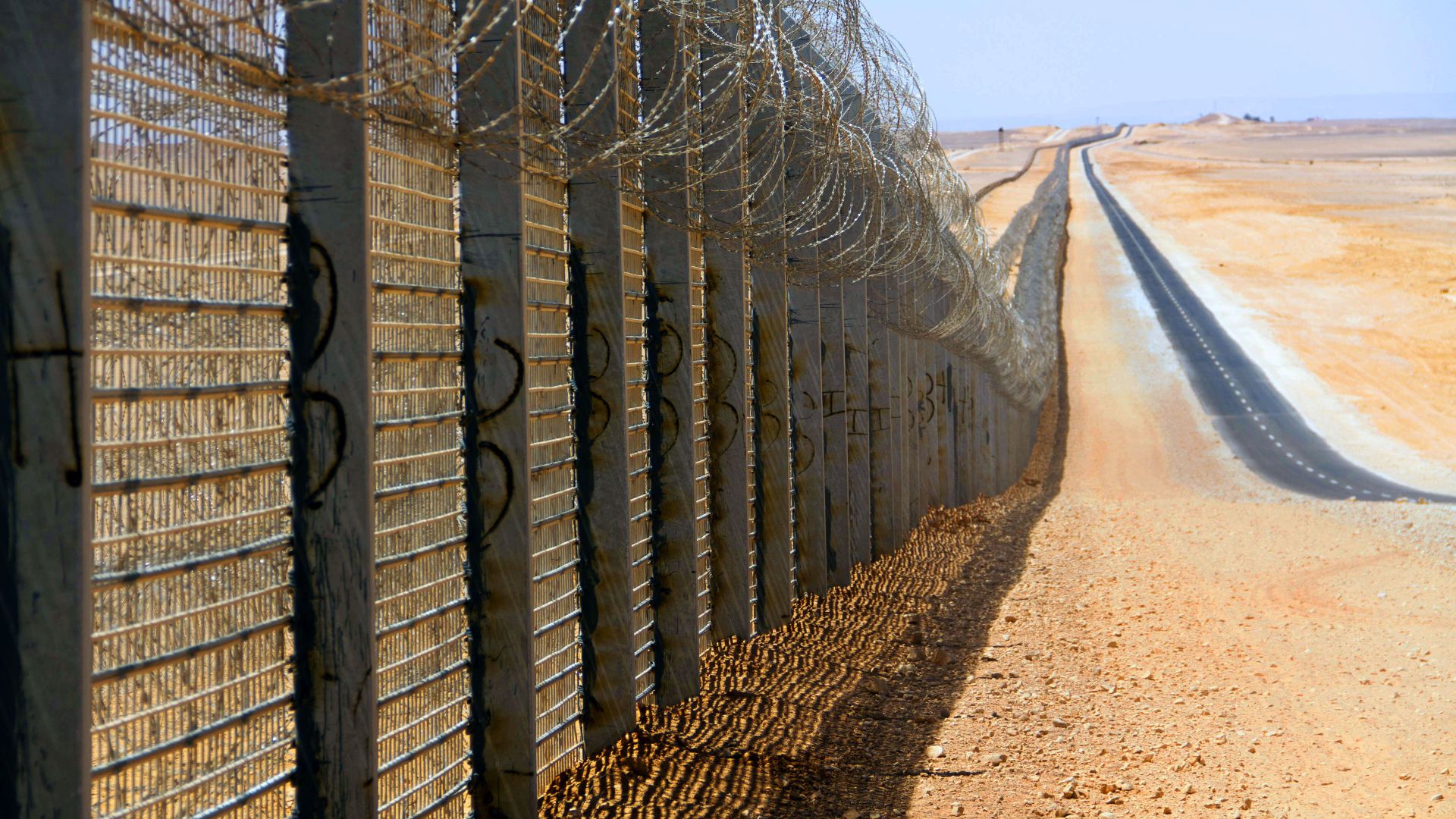
If you’ve ever seen a place built to run smoothly, this fortress layout feels familiar. Archaeologists found rooms arranged around practical work and living zones. The structure reflects planning meant to handle everyday needs while remaining prepared for any threat along the frontier.
 American Colony Jerusalem, Wikimedia Commons
Exodus Route Confirmation
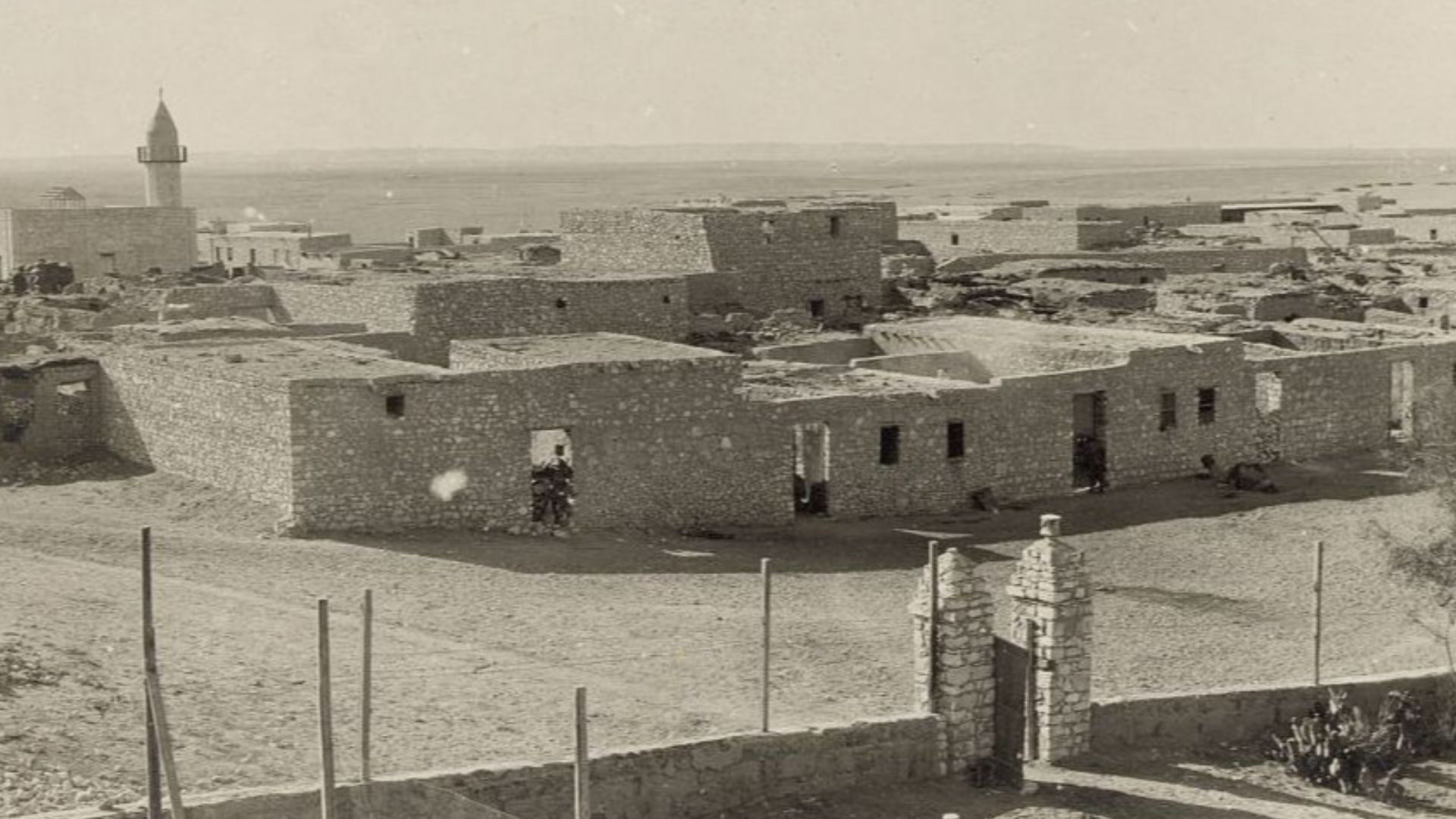
Exodus 13:17 notes a shorter Philistine route the Israelites avoided, and this fortress sits along that very path. The discovery confirms the road’s existence and its heavy fortifications, which match descriptions of a corridor tightly controlled by Egypt.
 Ramesh Raju (User:Redaloes), Wikimedia Commons
Ministry Announcement Site
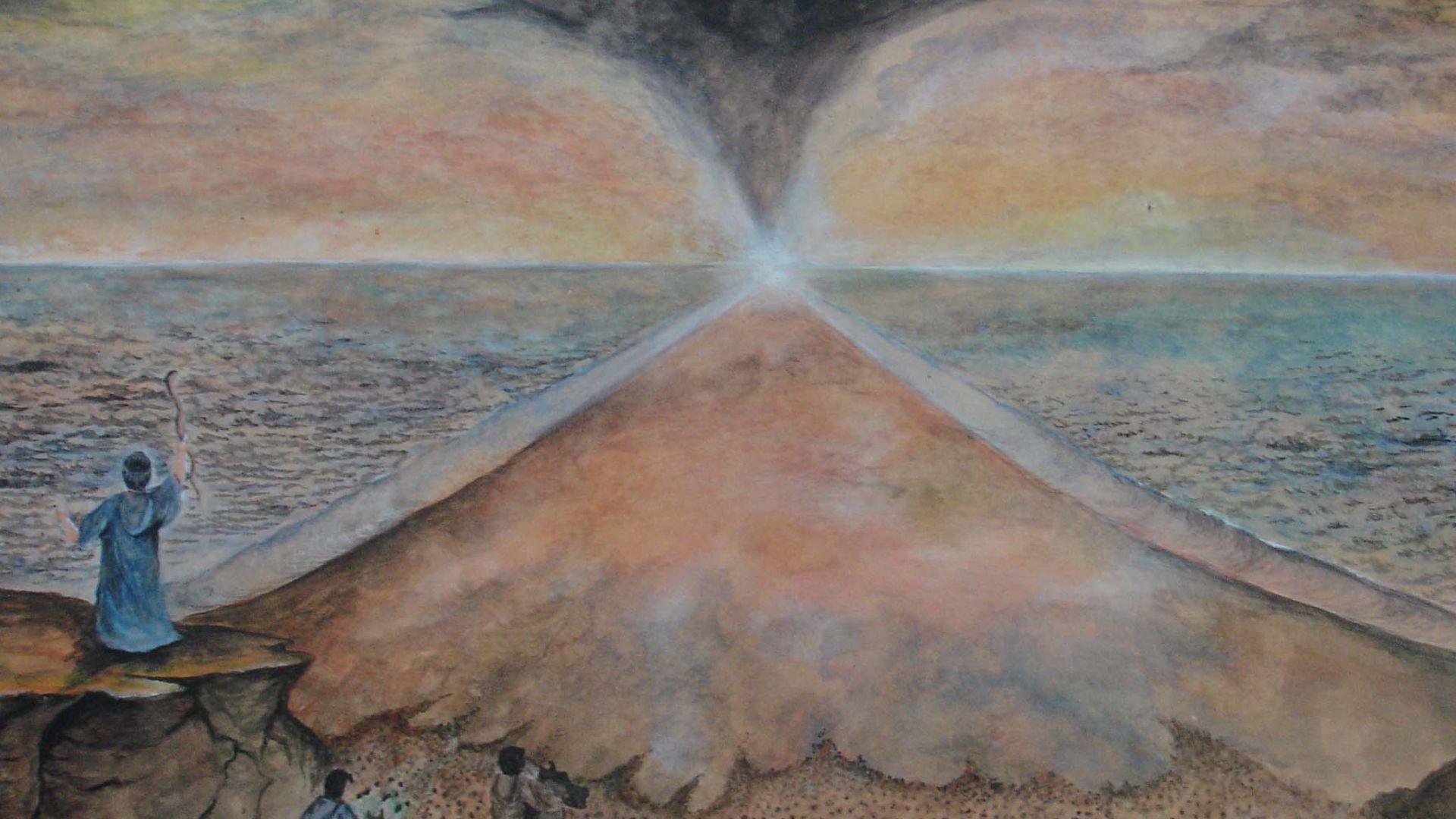
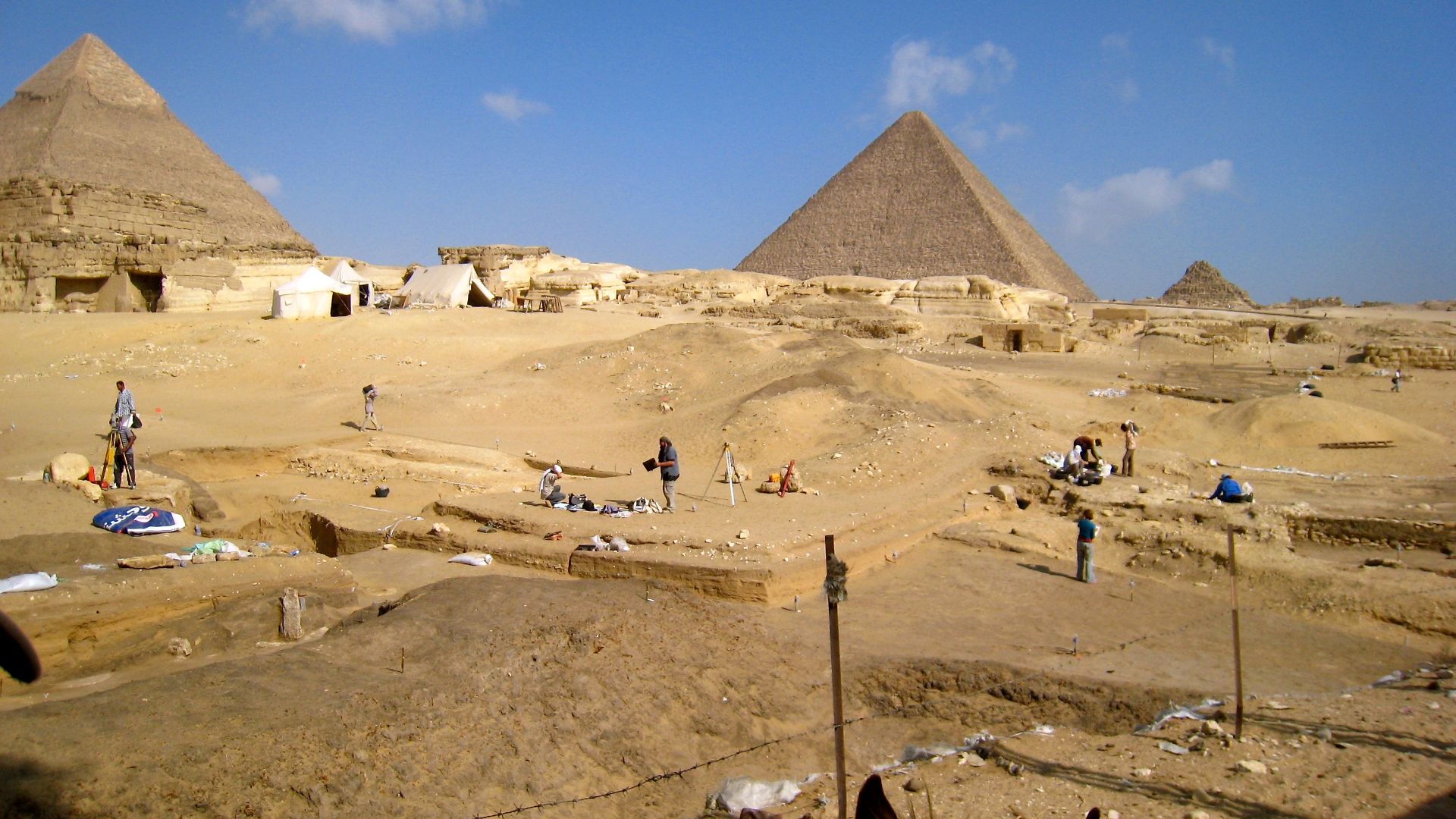
Egypt’s Ministry of Tourism and Antiquities highlighted this stronghold as one of the most significant ever uncovered along the Horus Road. Official recognition also signals ongoing research for more structural details, and defensive features may emerge from continued excavation.
 James Byrum from Nowhere, Wikimedia Commons
Sinai Military Highway Link
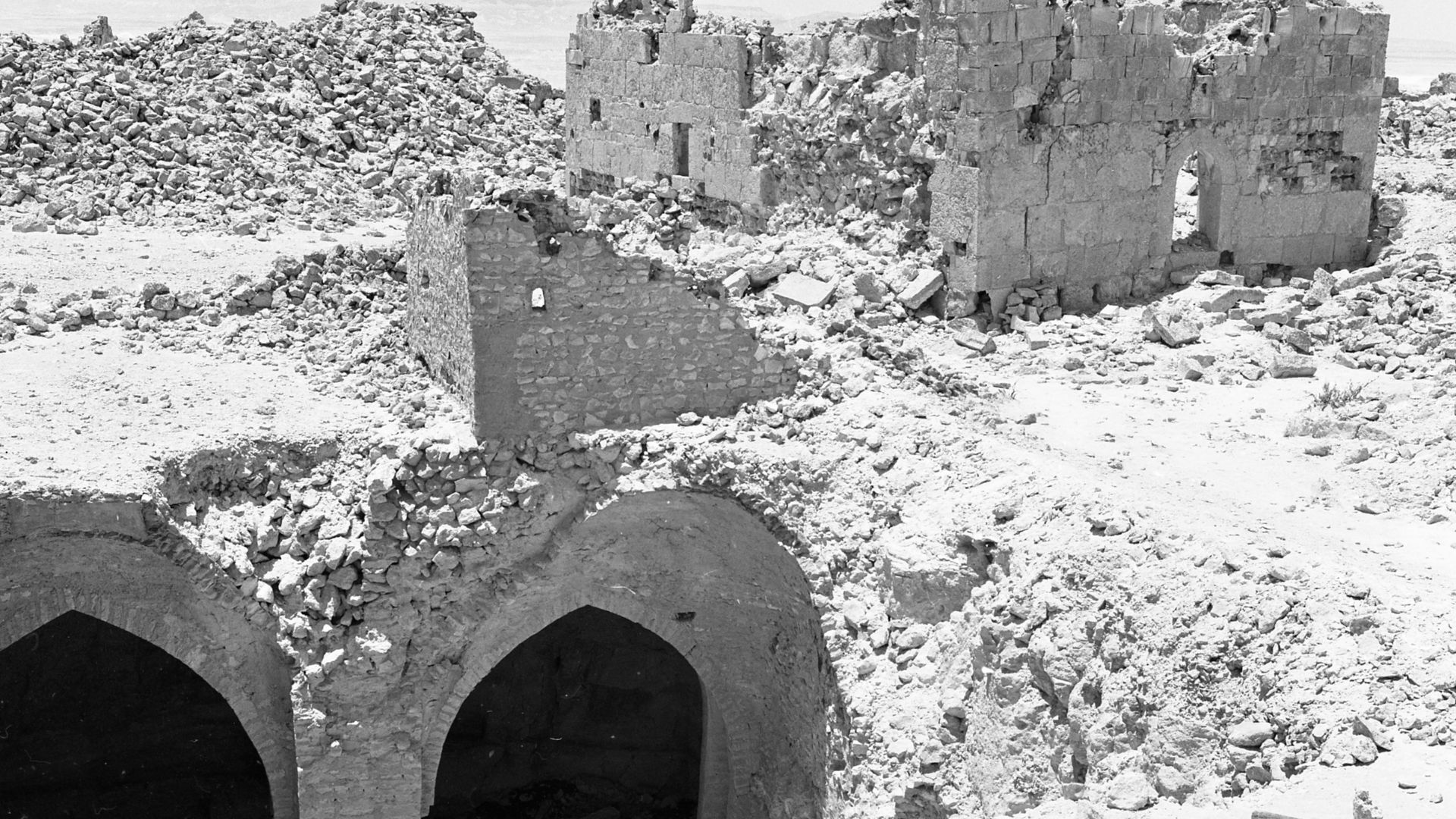
This outpost sat at a chokepoint where terrain narrowed into a natural corridor. Anyone traveling between the Delta and Canaan would funnel past this exact stretch, and the fortress could channel movement through a confined space that made monitoring faster and more efficient.
 Benno Rothenberg, Wikimedia Commons
Tower-Based Signal System
Towers arranged along the perimeter likely formed a communication chain linking distant posts on the Horus Road. Their spacing and height hint at quick visual signaling. This system mirrors practices seen in other Egyptian frontier defenses designed for rapid coordination.
Sinai As A Cultural Crossroads
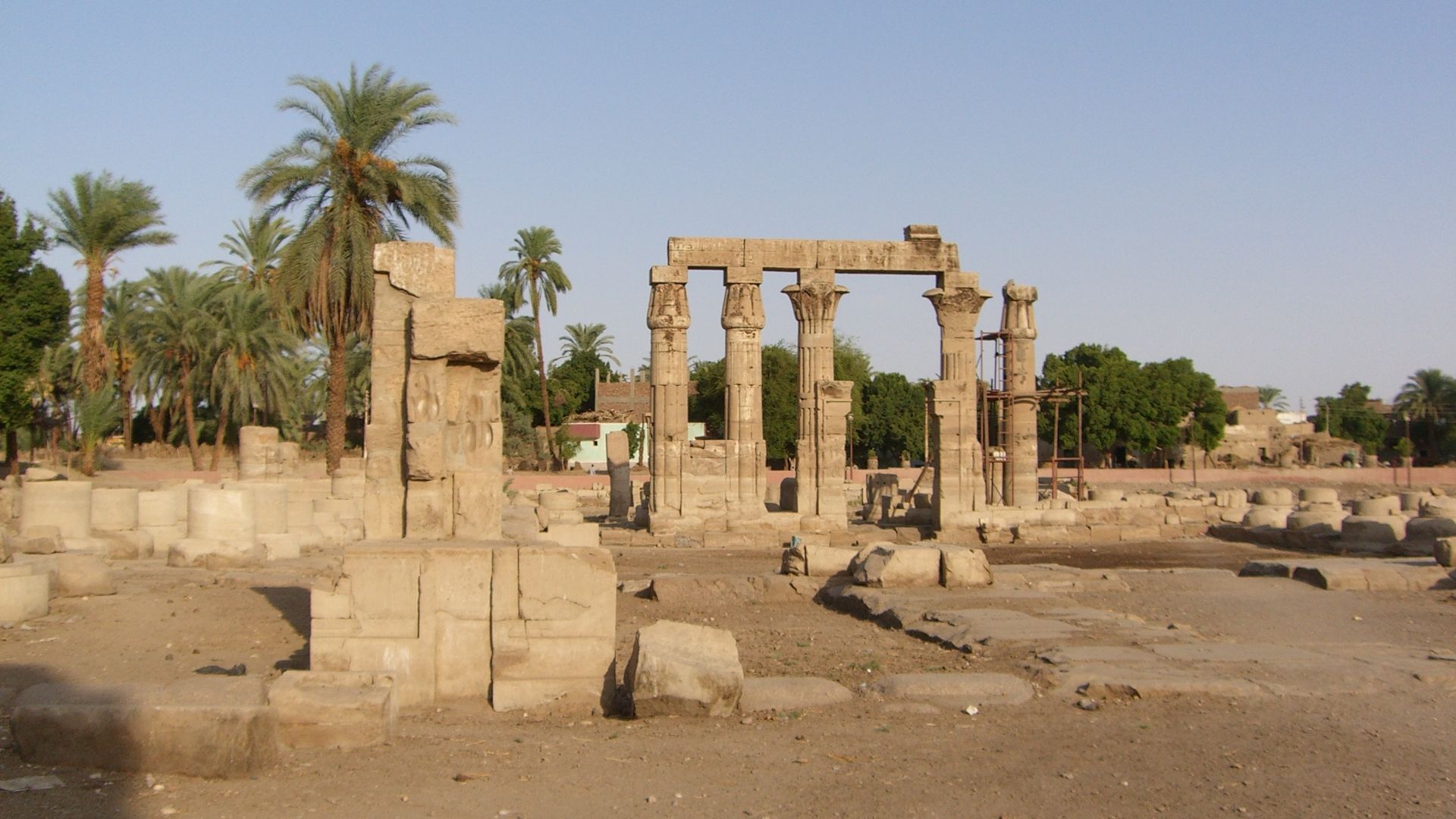
Sinai’s archaeological scene reflects constant movement between Egyptian power and Semitic communities. Artifacts from both groups appear within the region. This mix helps explain why inscriptions and military structures cluster so densely across such a seemingly harsh environment.
 Mohammed Moussa, Wikimedia Commons
"This Is From Moses" Claim
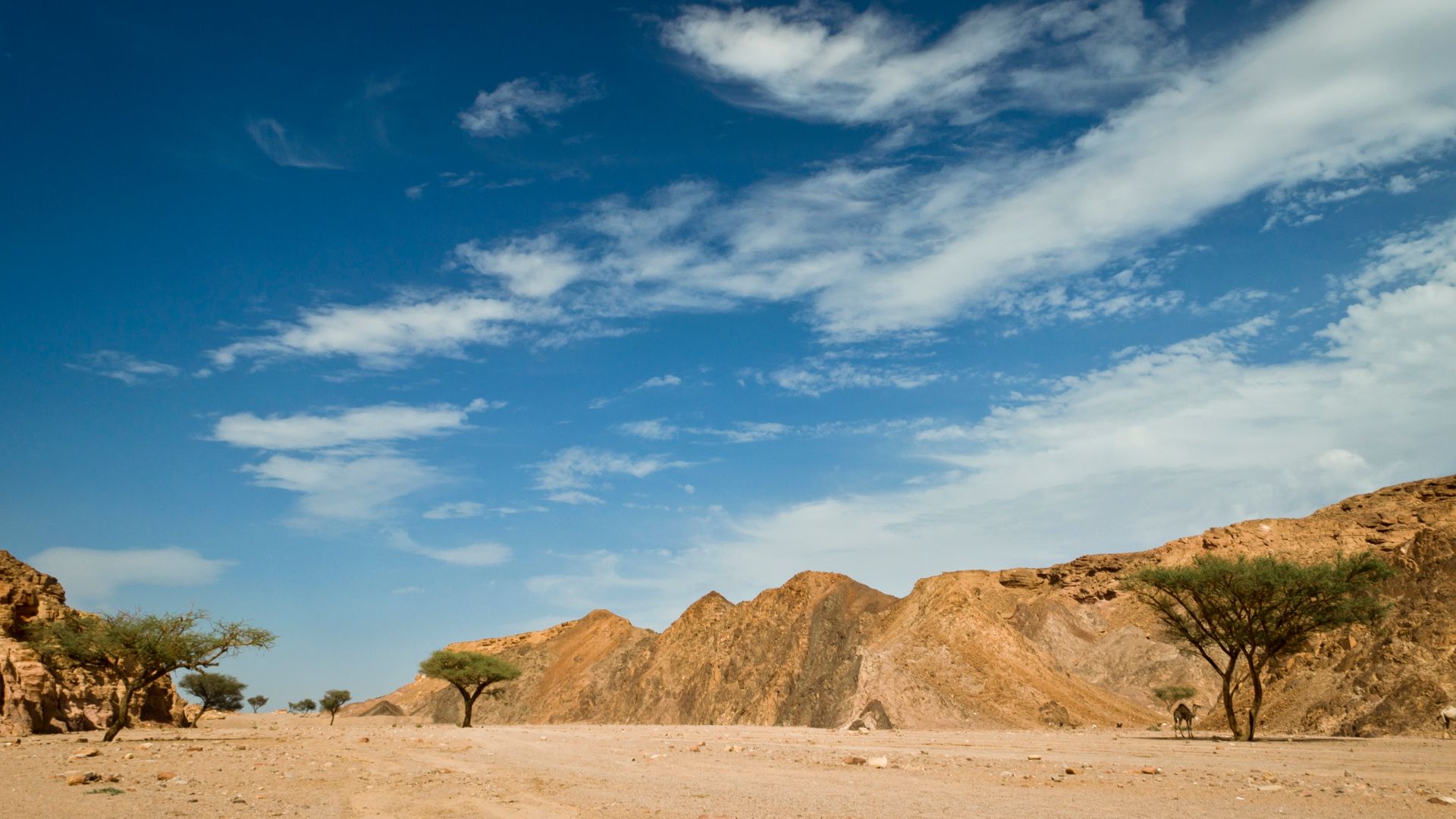
One inscription gained fresh attention after researcher Michael Bar Ron suggested it might read “This is from Moses”. Found near the Sinai, 357 carvings were studied using high-resolution images and 3D scans. The idea keeps scholars returning to the mysterious set of markings.
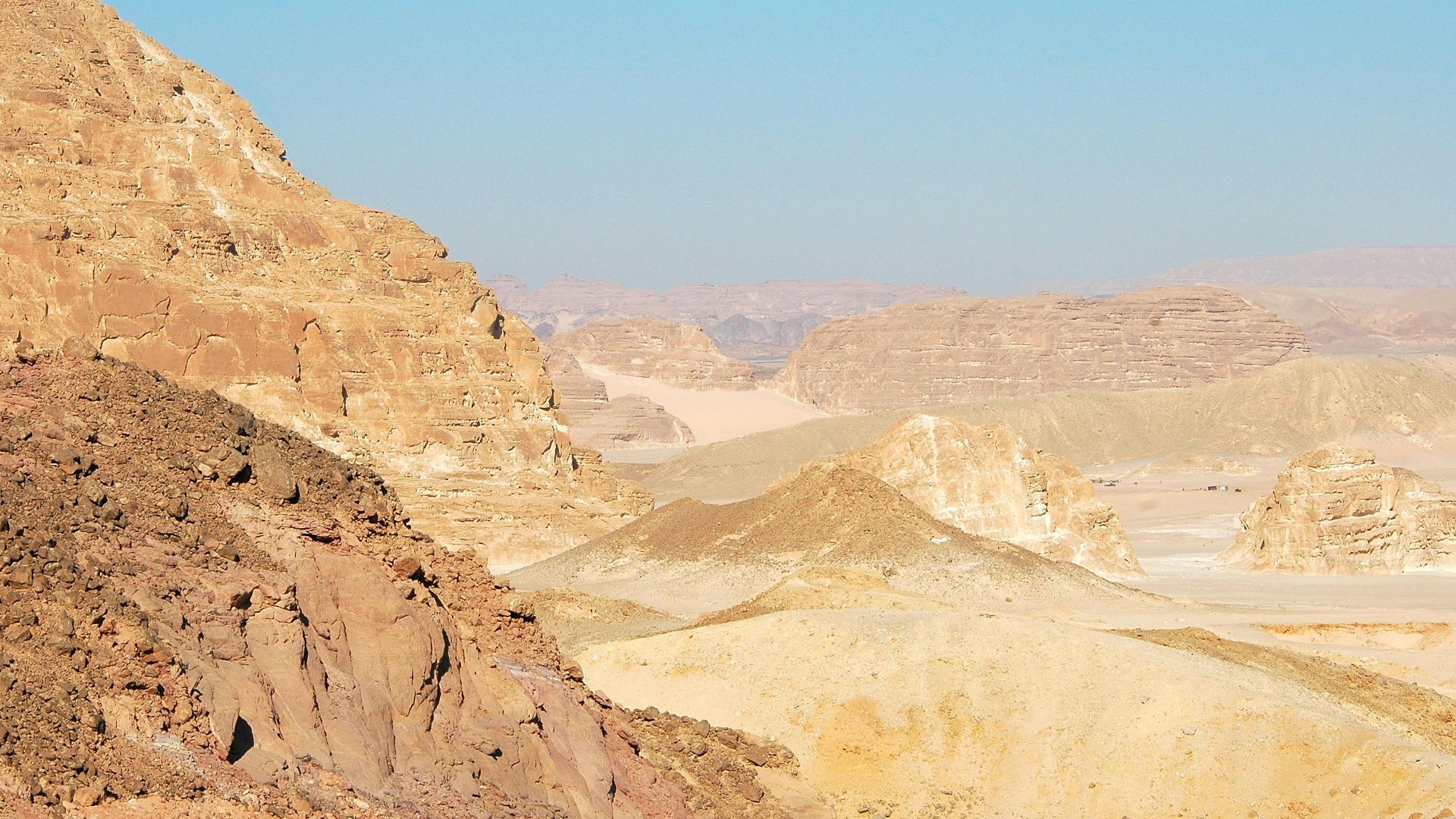
Horus Road Trade Artery
Caravans moving diplomatic letters, tribute goods, and luxury materials would have passed under the watch of this fortress. The placement highlights how Egypt relied on the Horus Road to keep its commercial lifelines open to ensure imports and exports reached the court without interruption.
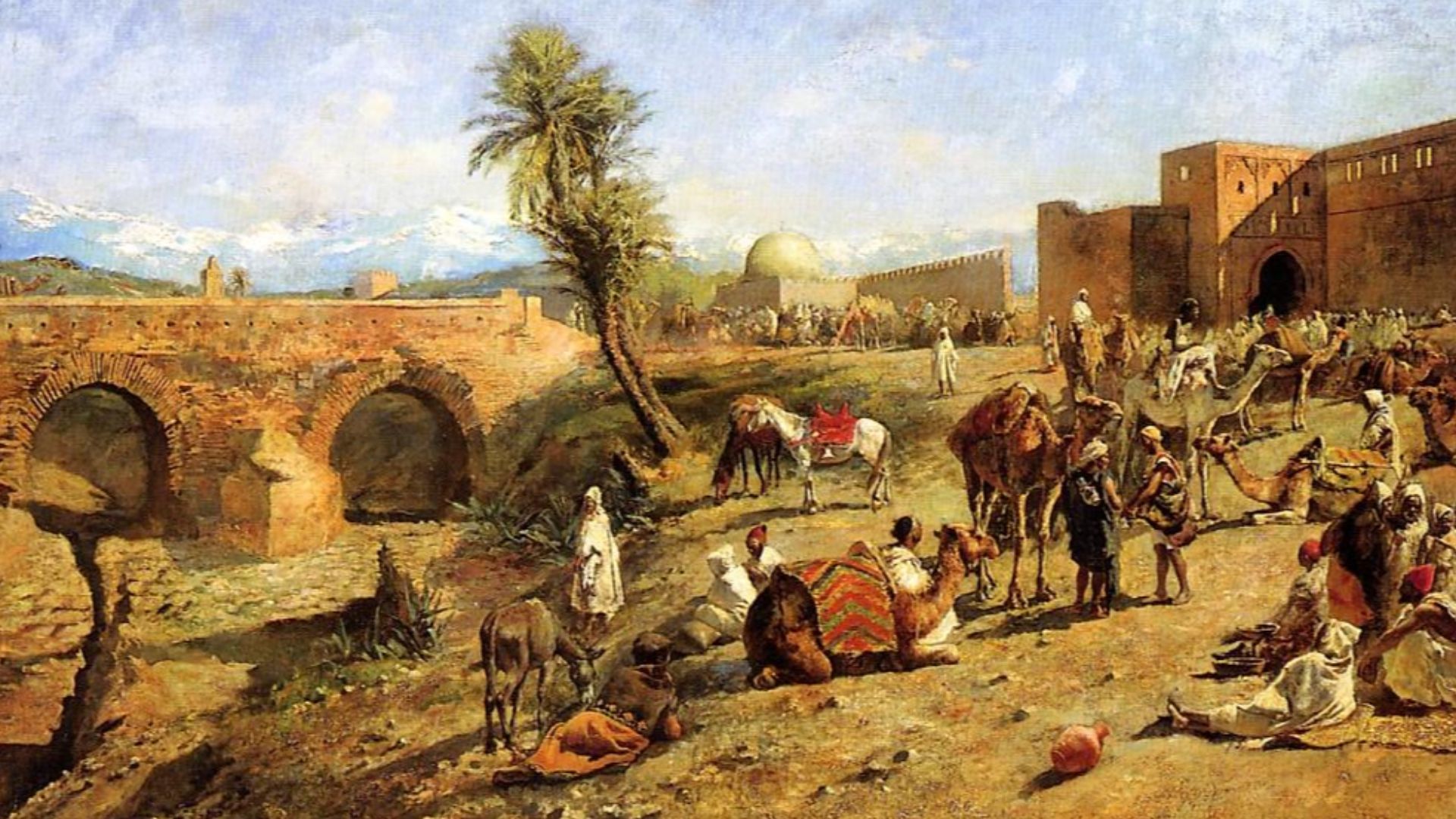 Edwin Lord Weeks, Wikimedia Commons
Fortress As Exodus Backdrop
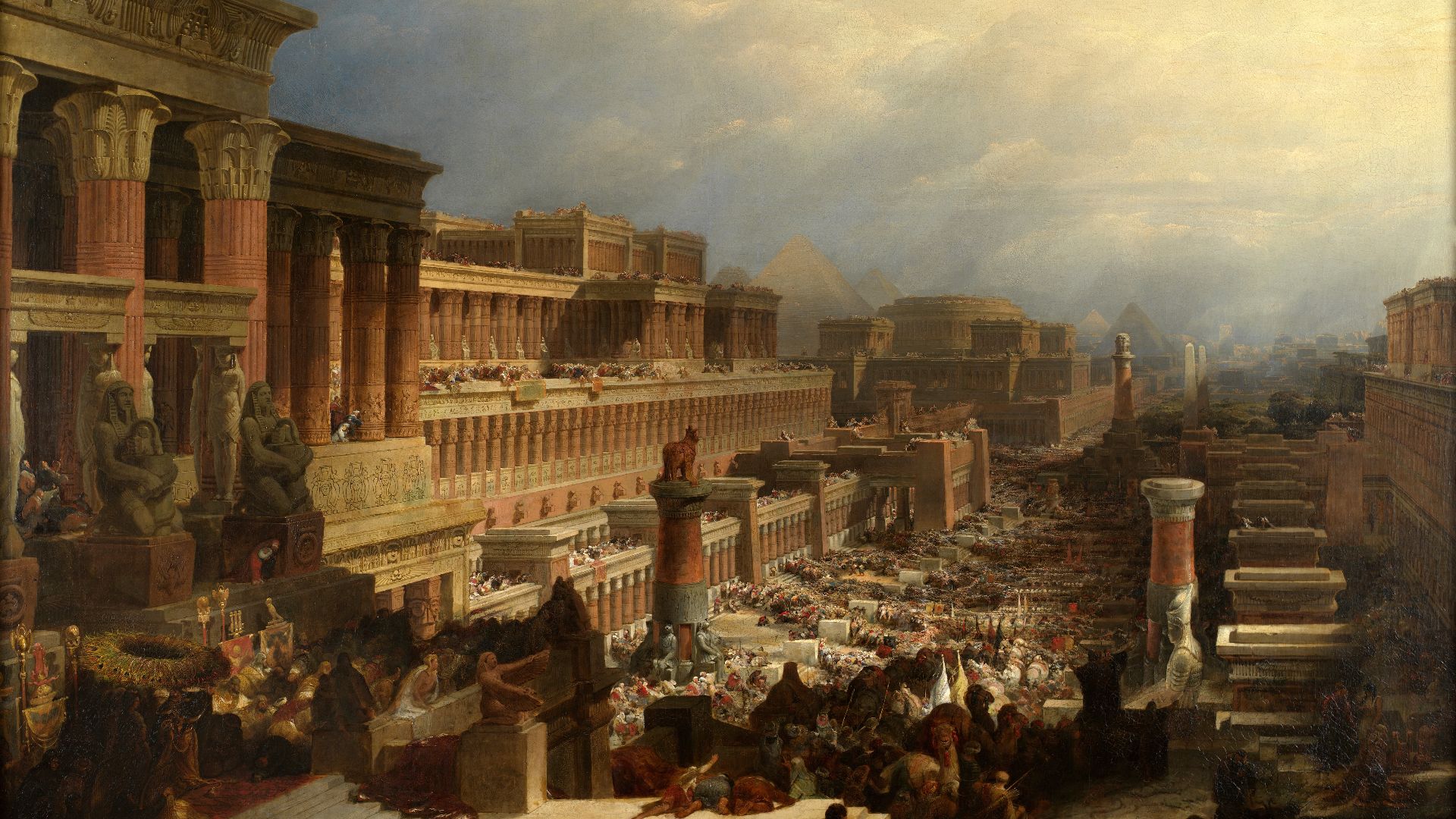
The stronghold’s age and location match descriptions of a fortified route the Israelites were said to avoid. While not proving the full story, it grounds key elements of the backdrop in physical evidence. The presence offers a tangible setting for debates surrounding the Exodus.
 David Roberts, Wikimedia Commons
New Kingdom Frontier Strategy
This discovery fits into a broader blueprint for frontier management. Egypt built a chain of fortified sites not just to guard borders but to push influence outward, creating a controlled buffer zone where logistics and regional diplomacy all converged.
 Berthold Werner, Wikimedia Commons
Thutmose Era Supply Hub
Artifacts linked to the reign of Thutmose I hint that this fortress also worked as a supply stop. Jars, vessels, and storage remains point to organized distribution systems feeding troops across Sinai. It fits a time when Egypt kept tight logistical control over its growing territories.
 Most likely Hamish2k, the first uploader, Wikimedia Commons
Evidence Of Daily Soldier Life
Life here wasn’t just drills and lookout shifts. Tools and storage containers show soldiers preparing meals and settling into daily patterns inside a tightly arranged space. Those everyday objects shift the focus from military strength to the people who lived within it.
 Diamant Hetemi, Wikimedia Commons
Echoes That Reach Into Debate
Each discovery at this fortress adds another piece to a terrain long tied to the Moses story. The towers, pottery, inscriptions, and trade remnants don’t settle the debate, but they deepen it. By grounding biblical settings in real places, the site keeps the conversation alive for anyone tracing the Exodus through history.
 the Providence Lithograph Company, Wikimedia Commons