Egypt’s Princesses May Have Been Fighters
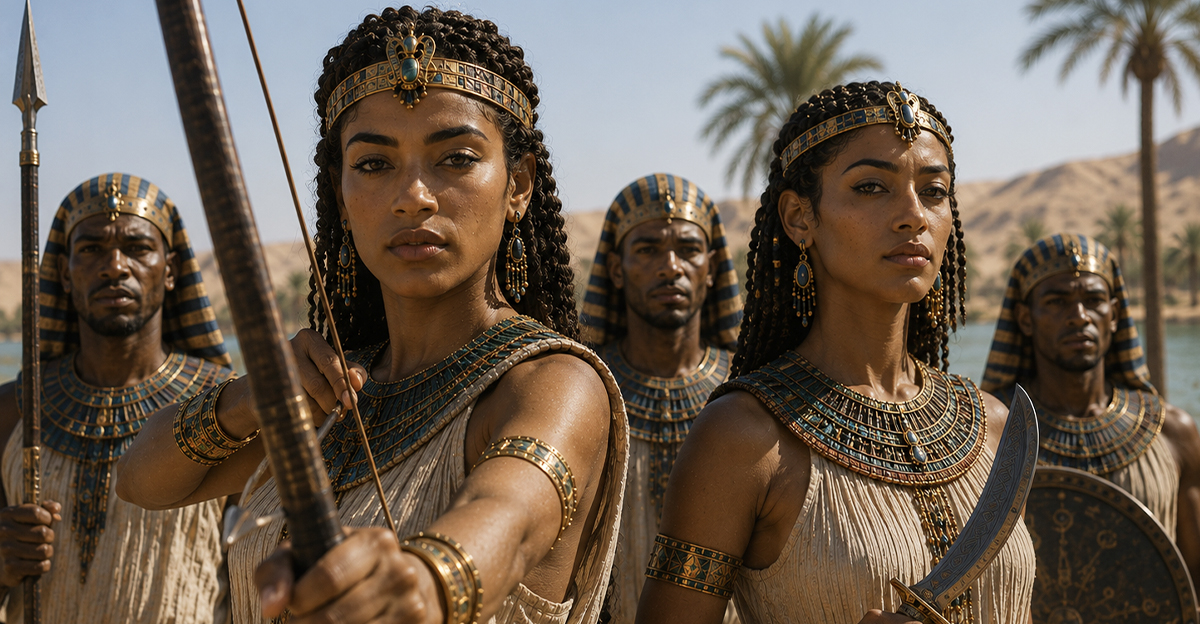
Ancient Egyptian princesses are usually imagined wearing elaborate jewelry, participating in ceremonies, and moving through the royal court. Yet that familiar picture may only capture part of their lives. A recent study suggests that several daughters of Pharaoh Amenemhat II followed a surprisingly physical routine, making them more deadly than historians once thought.
The Clues Were Buried With Them
For more than a century, archaeologists knew that several of these princesses had been buried with weapons. Their tombs contained bows, arrows, maces, daggers, and other objects associated with strength and royal power. What scholars could not agree on was whether the women had actually used those weapons or whether they were simply symbolic gifts for the afterlife.
Their Story Begins At Dahshur
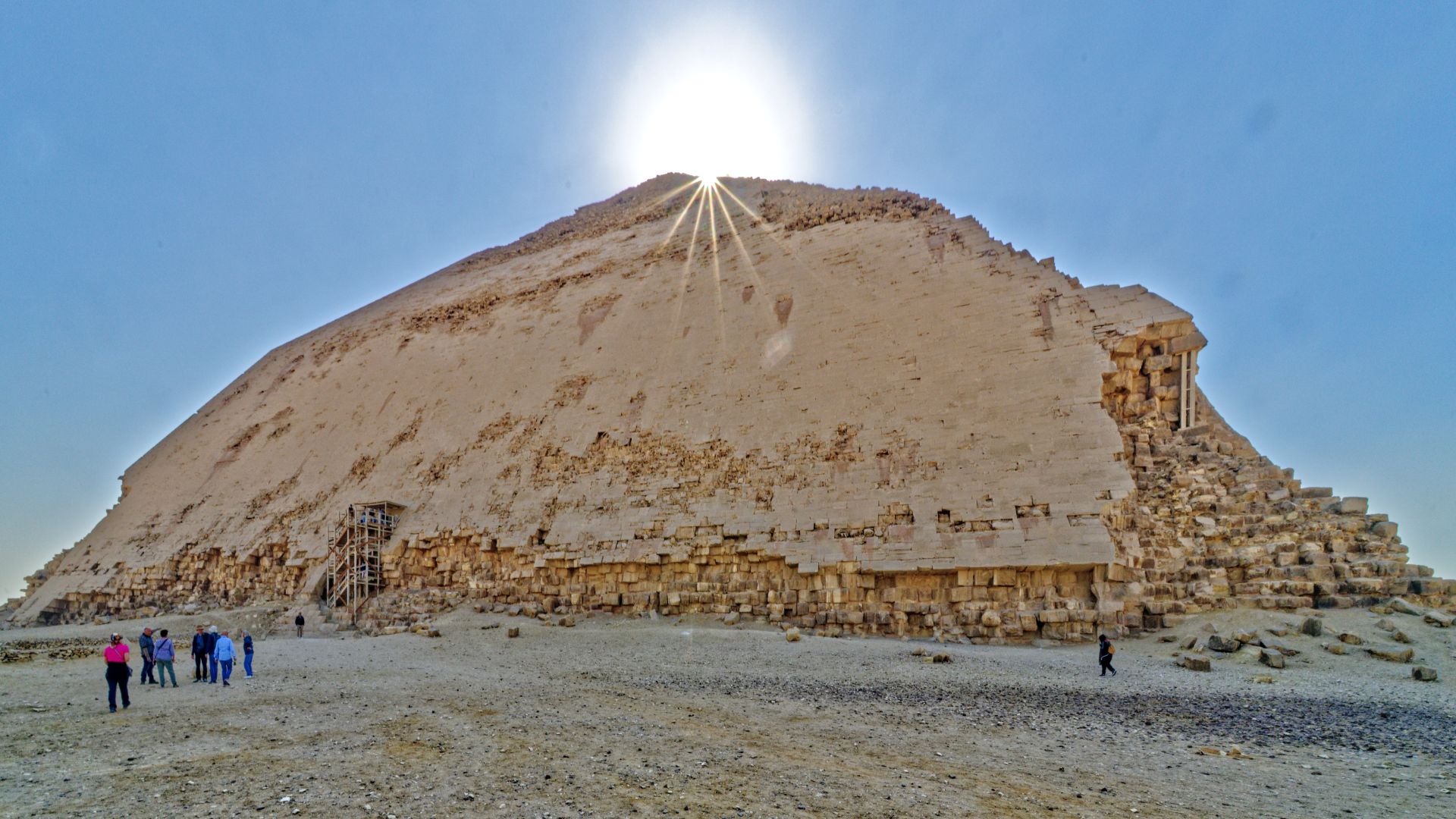
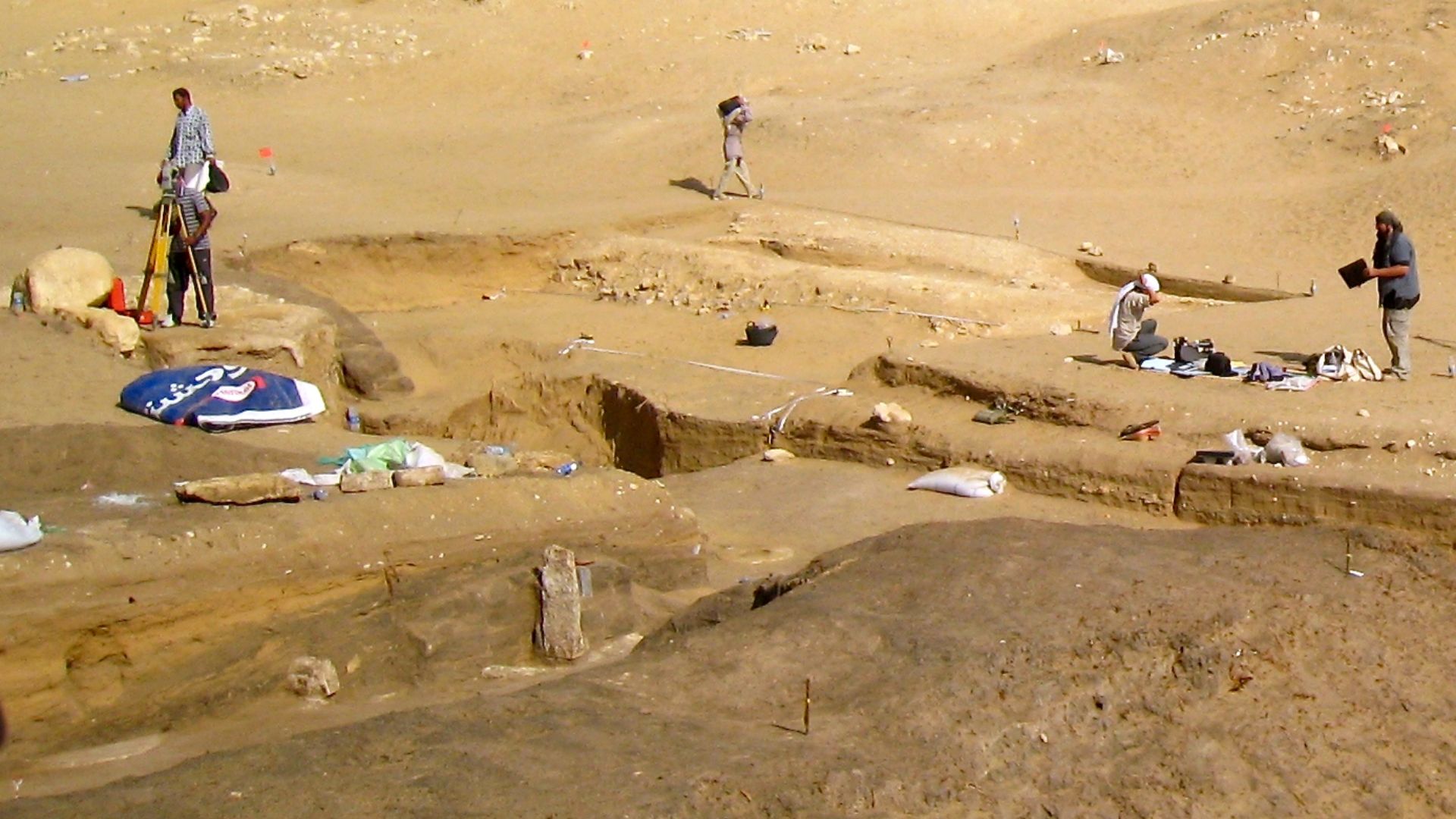
To understand why the discovery matters, it helps to begin at Dahshur, a sprawling royal cemetery south of Cairo. The site contains pyramids, temples, underground chambers, and tombs belonging to some of Egypt’s most powerful families. It was here, near the pyramid of Amenemhat II, that archaeologists discovered the burials at the center of the new research.
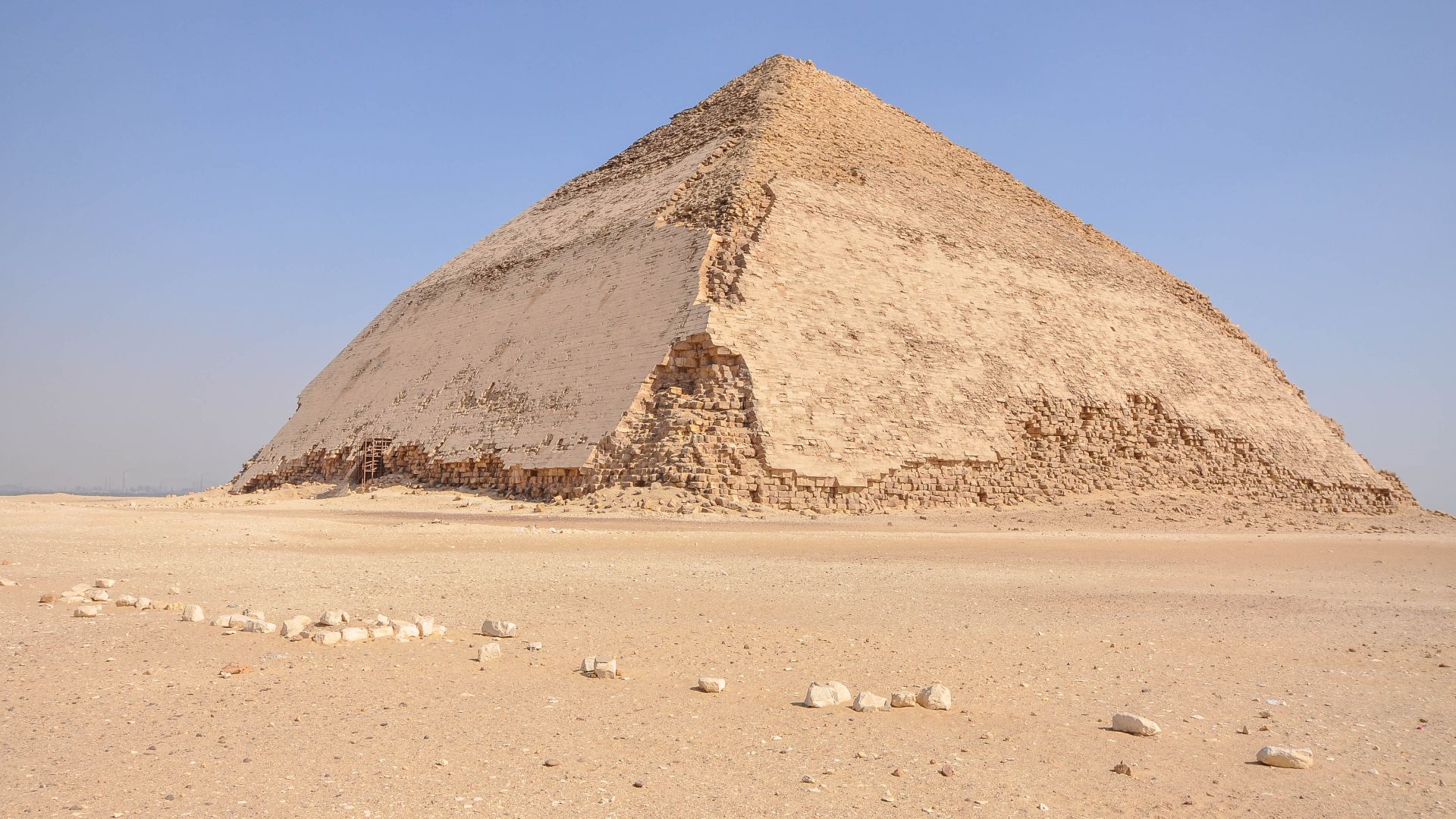 Jorge Lascar from Melbourne, Australia, Wikimedia Commons
Amenemhat II Ruled A Powerful Kingdom
Amenemhat II was the third pharaoh of Egypt’s 12th Dynasty and ruled during the Middle Kingdom, probably in the early second millennium BCE. His reign belonged to a period remembered for expanding trade, greater political stability, ambitious building projects, and military activity beyond Egypt’s traditional borders. His daughters were buried with the wealth and ceremony expected of women at the very top of this powerful society.
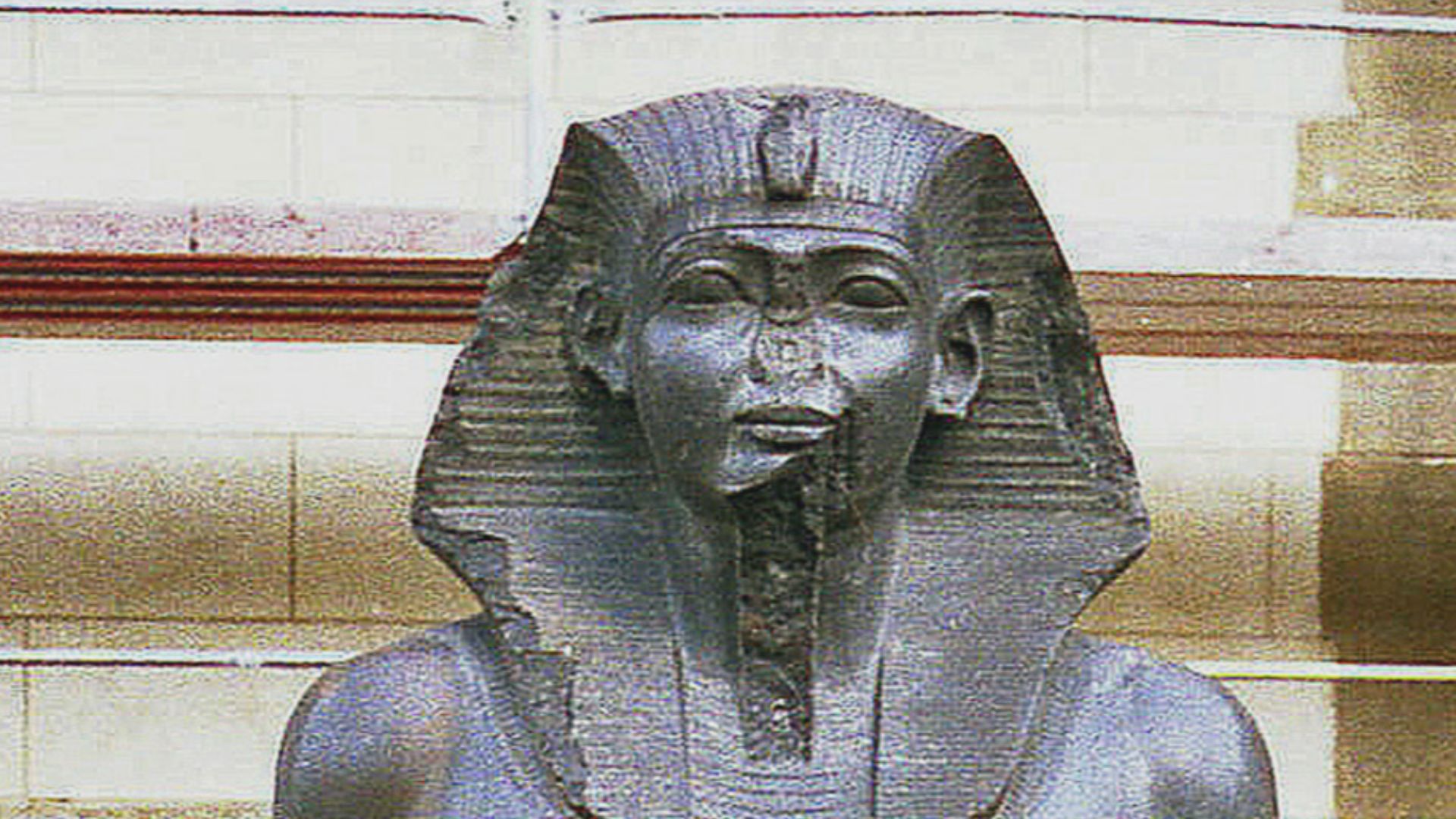 Juan R. Lazaro, Wikimedia Commons
Four Sisters Are Central To The Mystery
The study focused heavily on Princess Ita, Princess Khenmet, Princess Itaweret, and a woman tentatively identified as Princess Sathathormeryt. All four are generally believed to have been daughters of Amenemhat II. Their tomb locations, grave goods, and skeletal similarities suggest that they belonged to the same royal household.
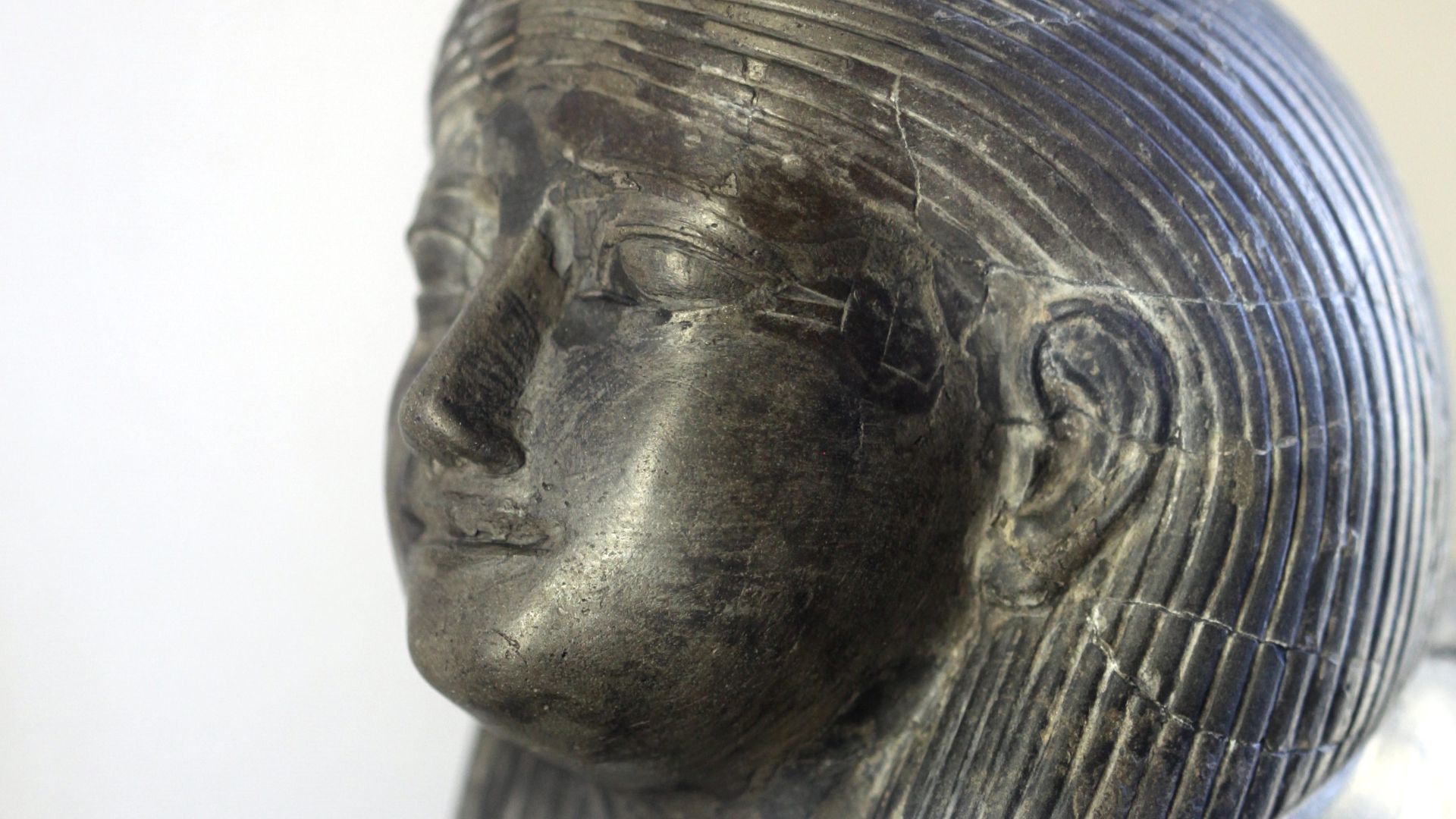
Other Royals Joined The Study
The researchers did not examine the princesses in isolation. They also studied Princess Noub-Hotep and King Hor, whose remains came from nearby burials at Dahshur. King Hor belonged to the later 13th Dynasty, while Noub-Hotep’s exact relationship to Amenemhat II’s family remains uncertain, but rare skeletal traits may point to close biological connections among several of the individuals.
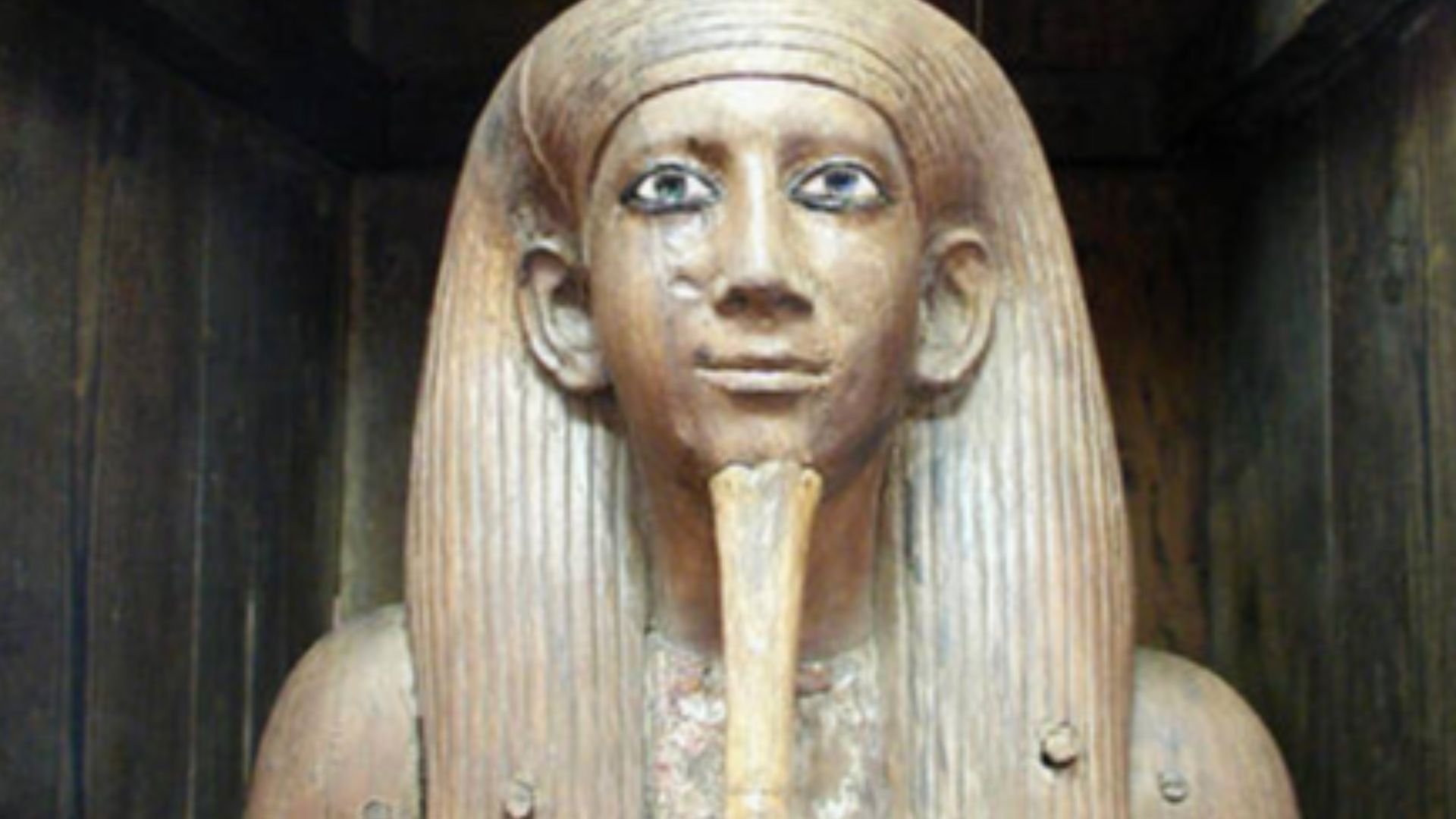 Jon Bodsworth, Wikimedia Commons
The Tombs Were Found In The 1890s
The modern story of the princesses began during excavations led by French archaeologist Jacques de Morgan in 1894 and 1895. His team uncovered underground chambers containing royal bodies, jewelry, coffins, weapons, and other expensive funerary goods. The treasures attracted enormous attention, but the women themselves were not studied nearly as closely as the objects surrounding them.
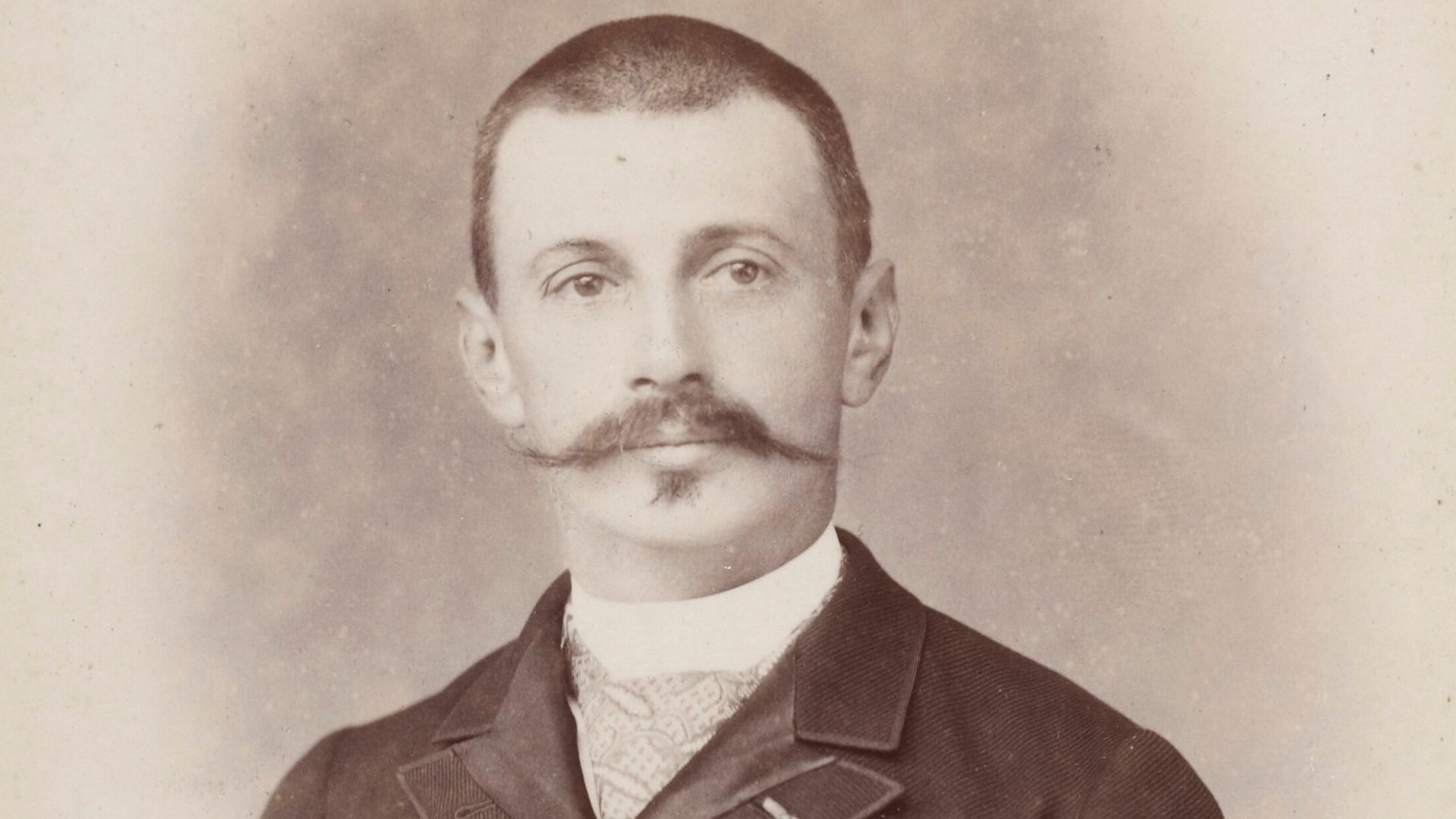 Abdullah freres, Wikimedia Commons
The Weapons Immediately Raised Questions
Finding weapons in the tombs of royal women was unusual enough to spark debate. In ancient Egypt, bows, maces, and daggers were strongly connected with hunting, warfare, protection, and royal authority. Even so, many early scholars were more comfortable interpreting the weapons as symbols than considering the possibility that the princesses had trained with them.
Ita Was Buried With A Remarkable Dagger
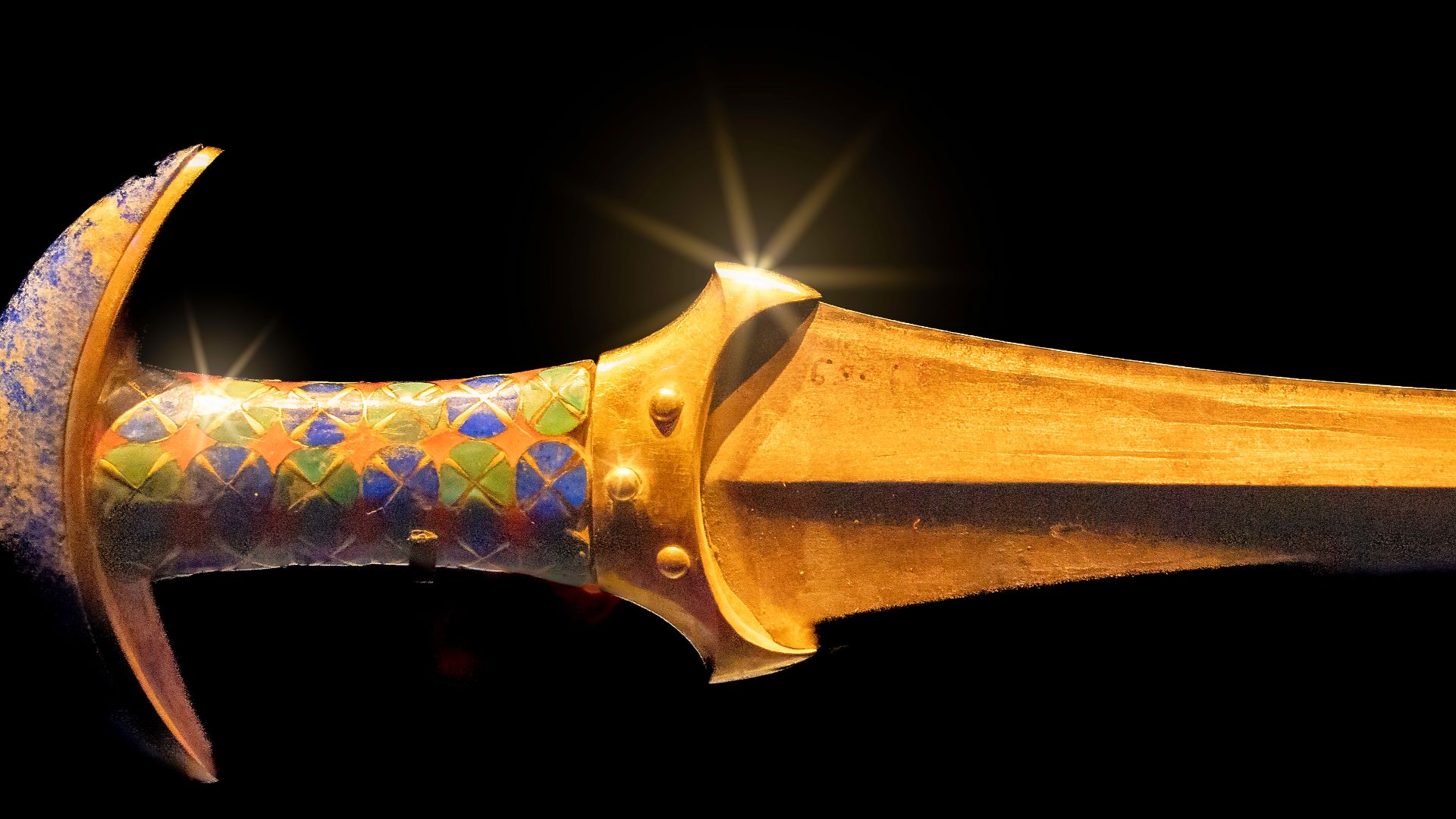
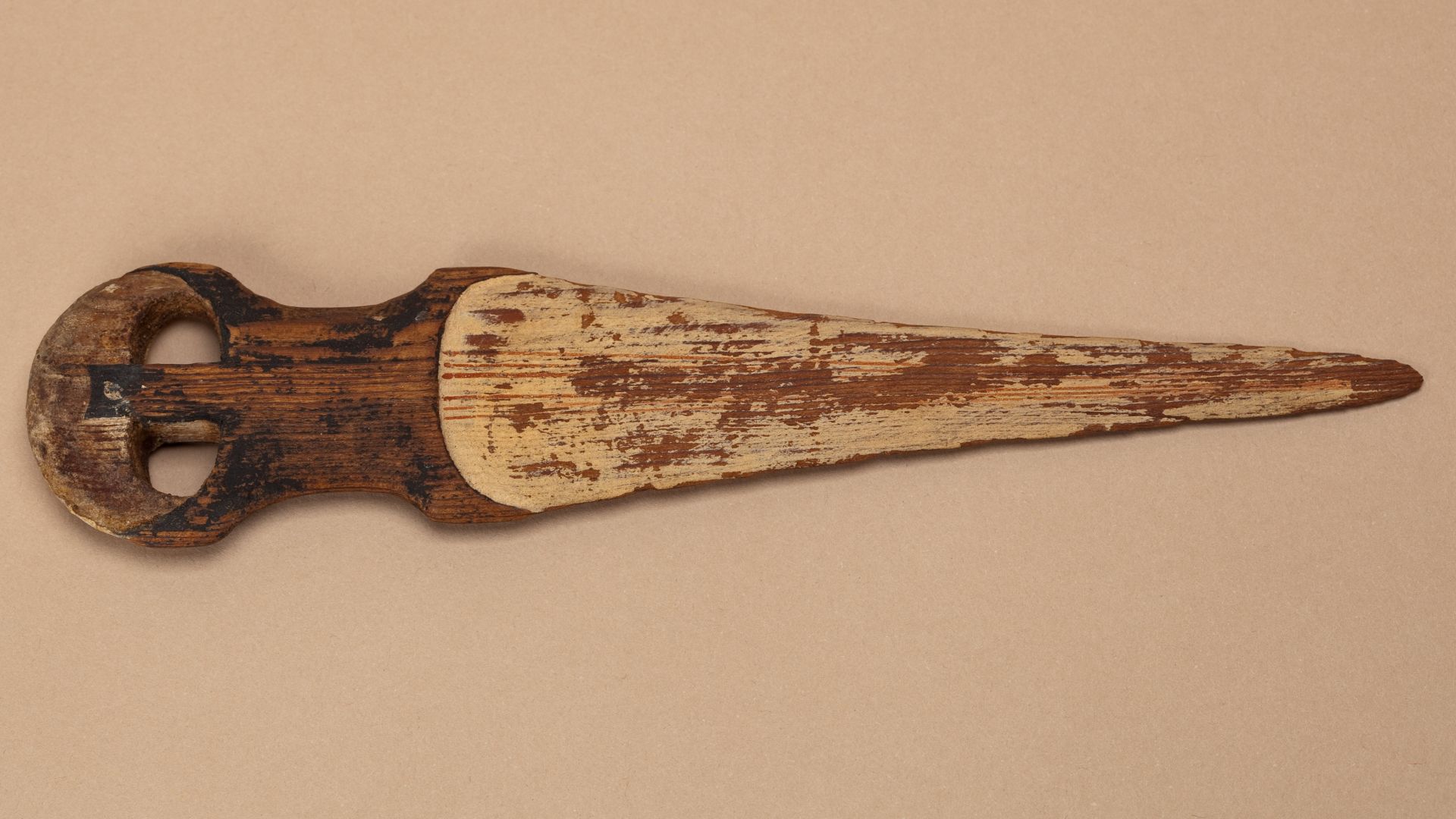
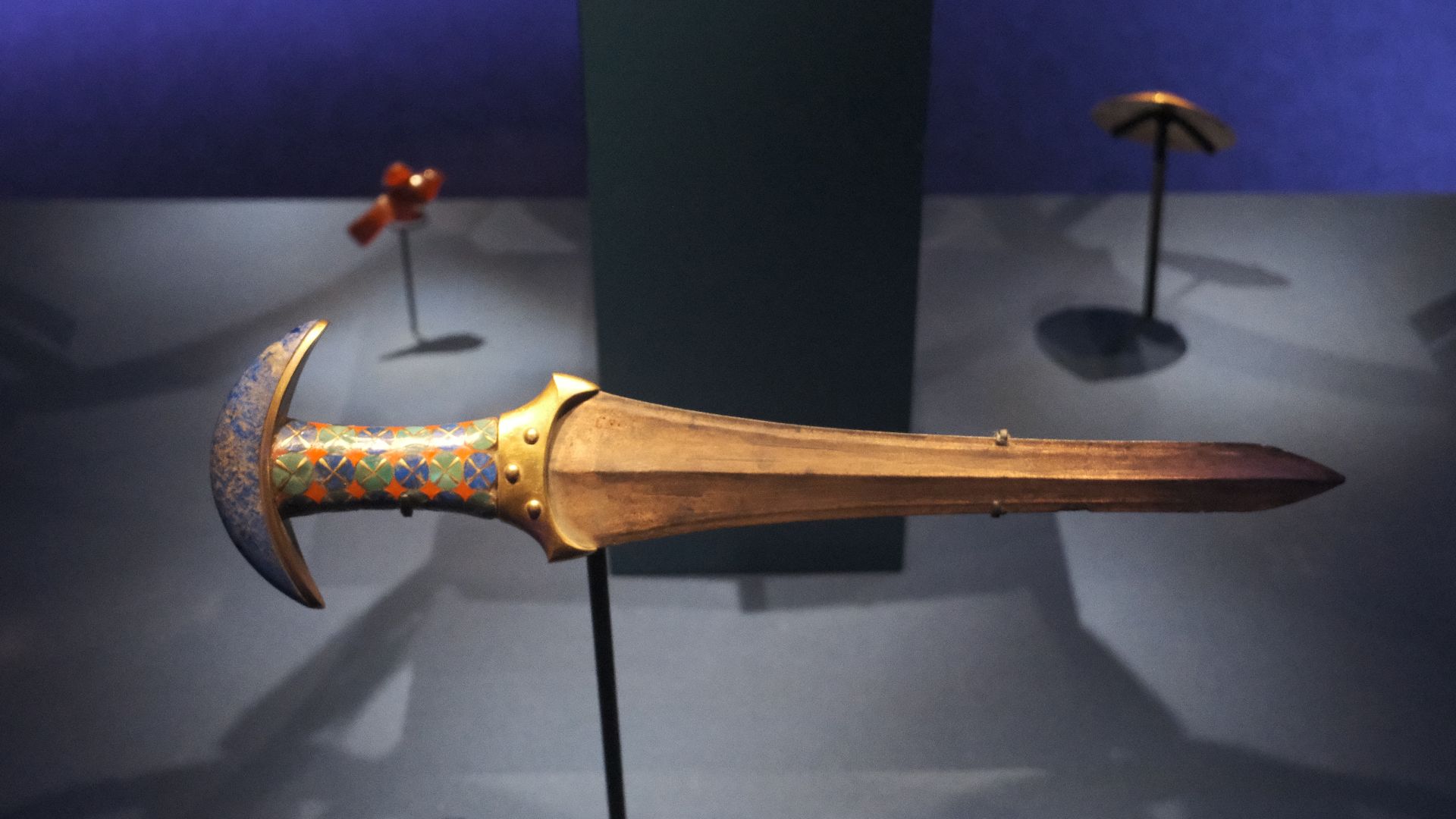
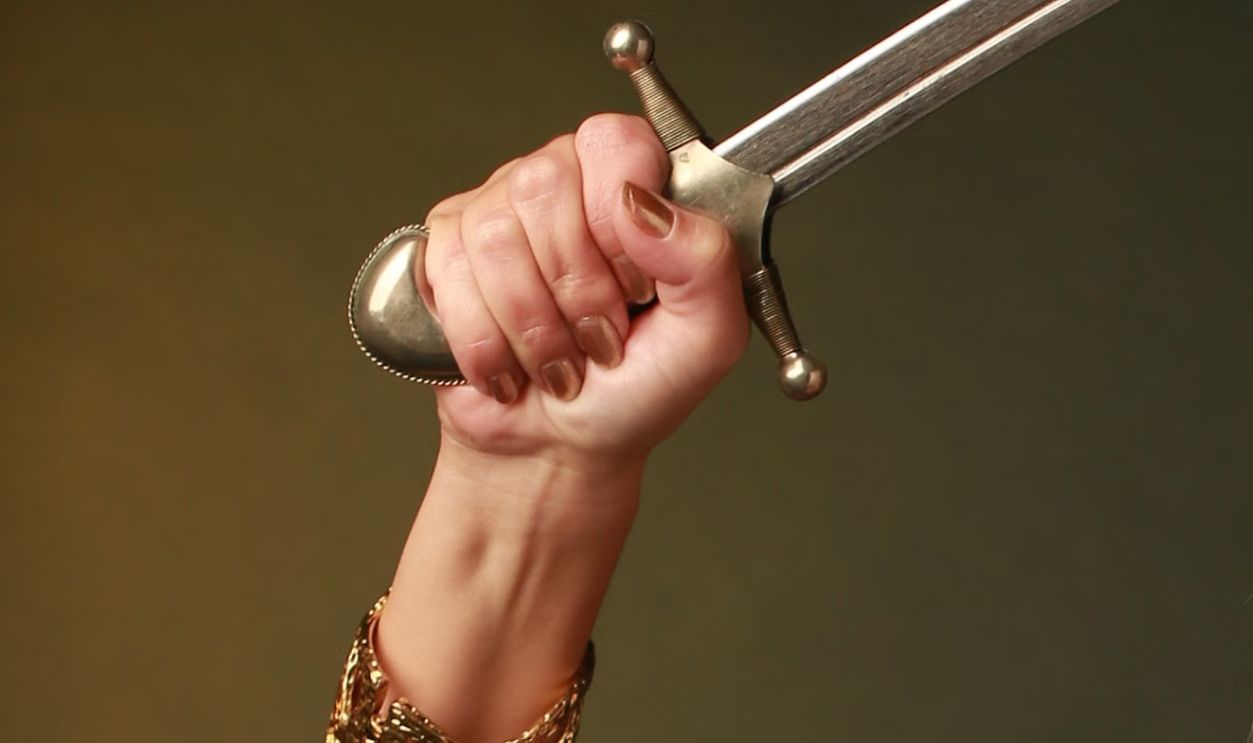
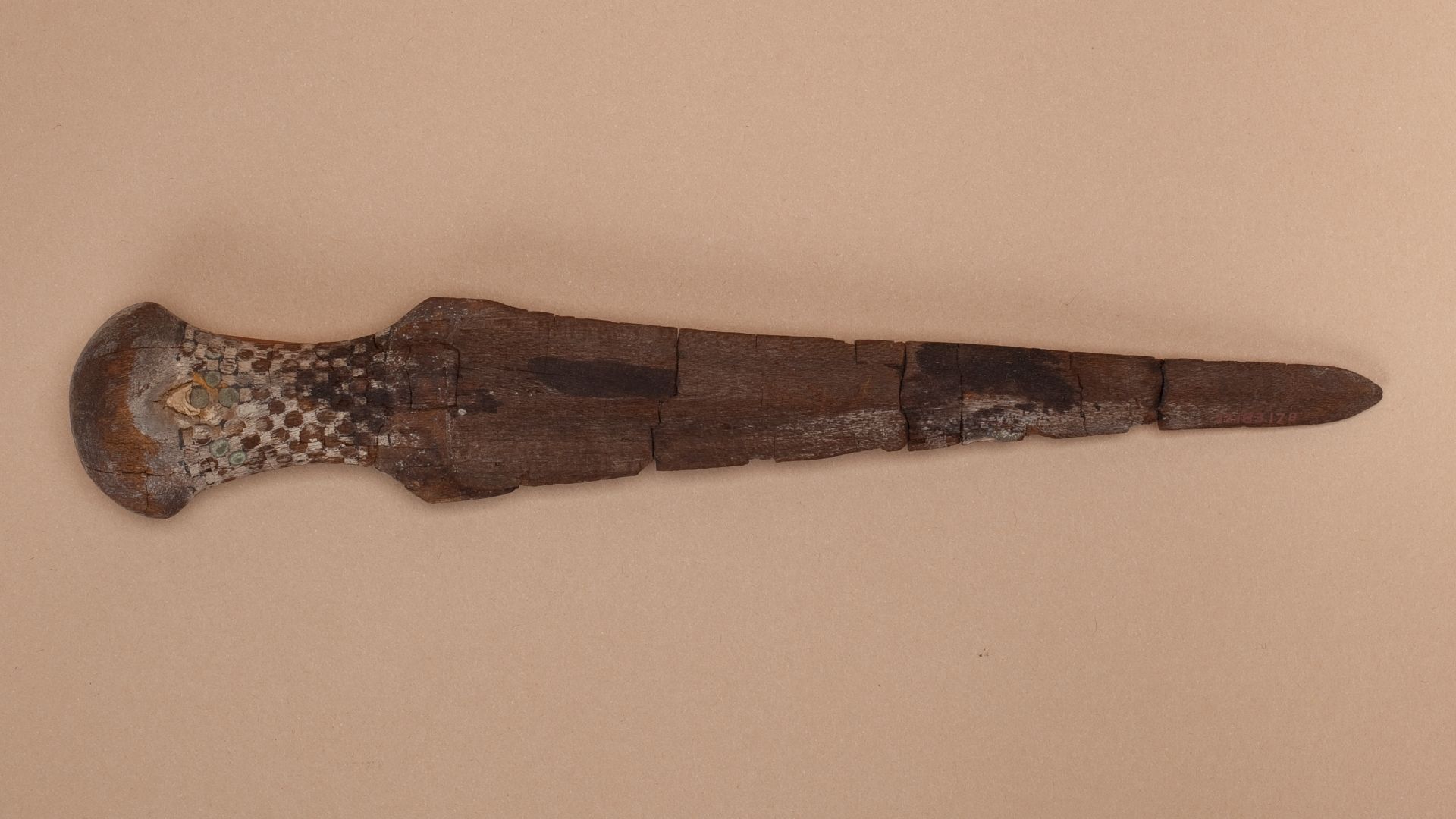
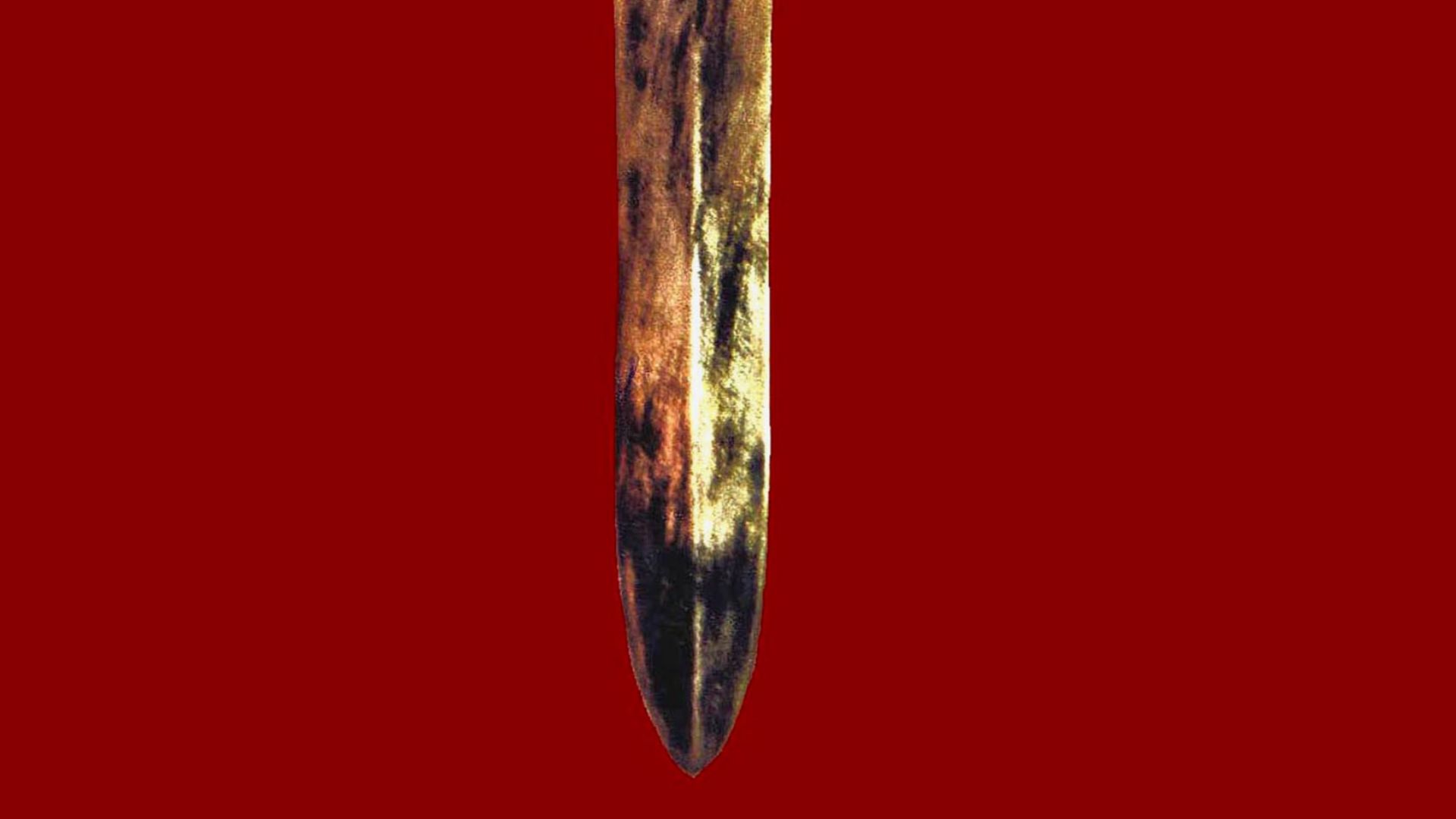
Princess Ita’s burial included an ornate dagger with a metal blade and a carefully crafted handle. She was also laid to rest with jewelry and other valuable objects suited to a daughter of the king. The dagger became one of the most memorable finds from the tomb, although scholars rarely asked whether Ita had once held or practiced with a similar weapon.
 Hyspaosines, Wikimedia Commons
Bows And Arrows Appeared In Other Burials
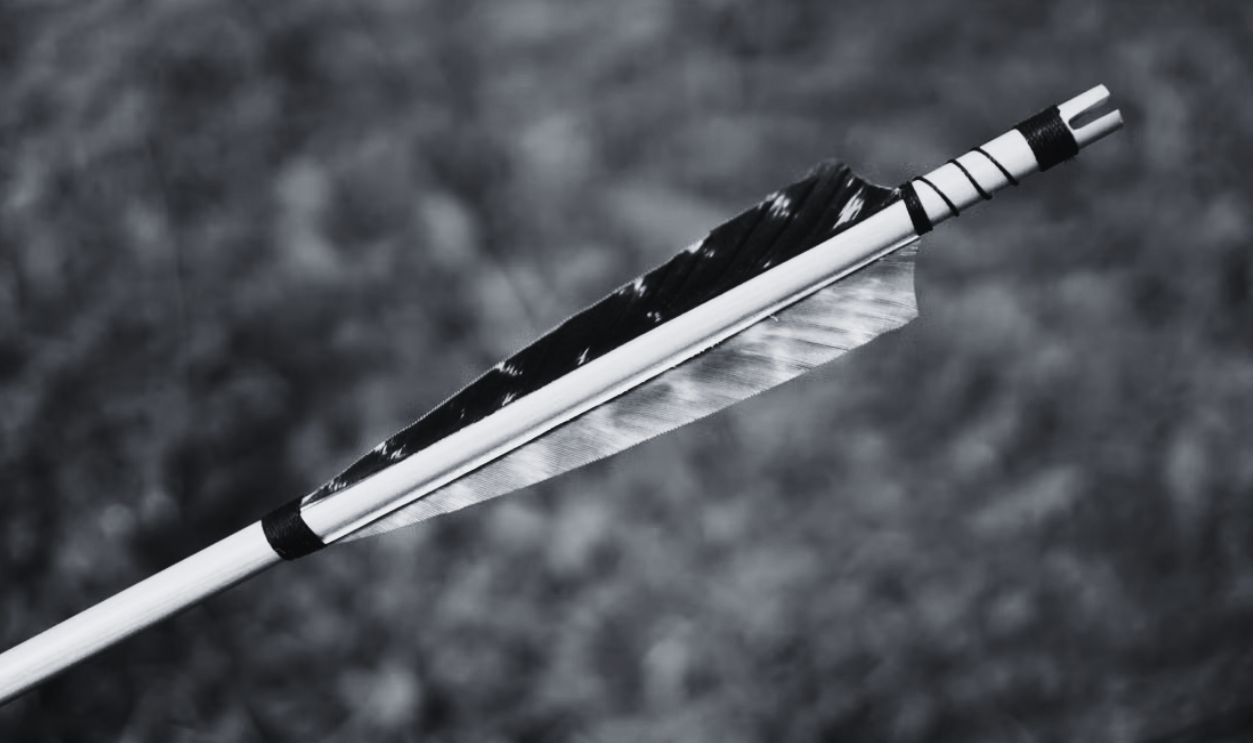
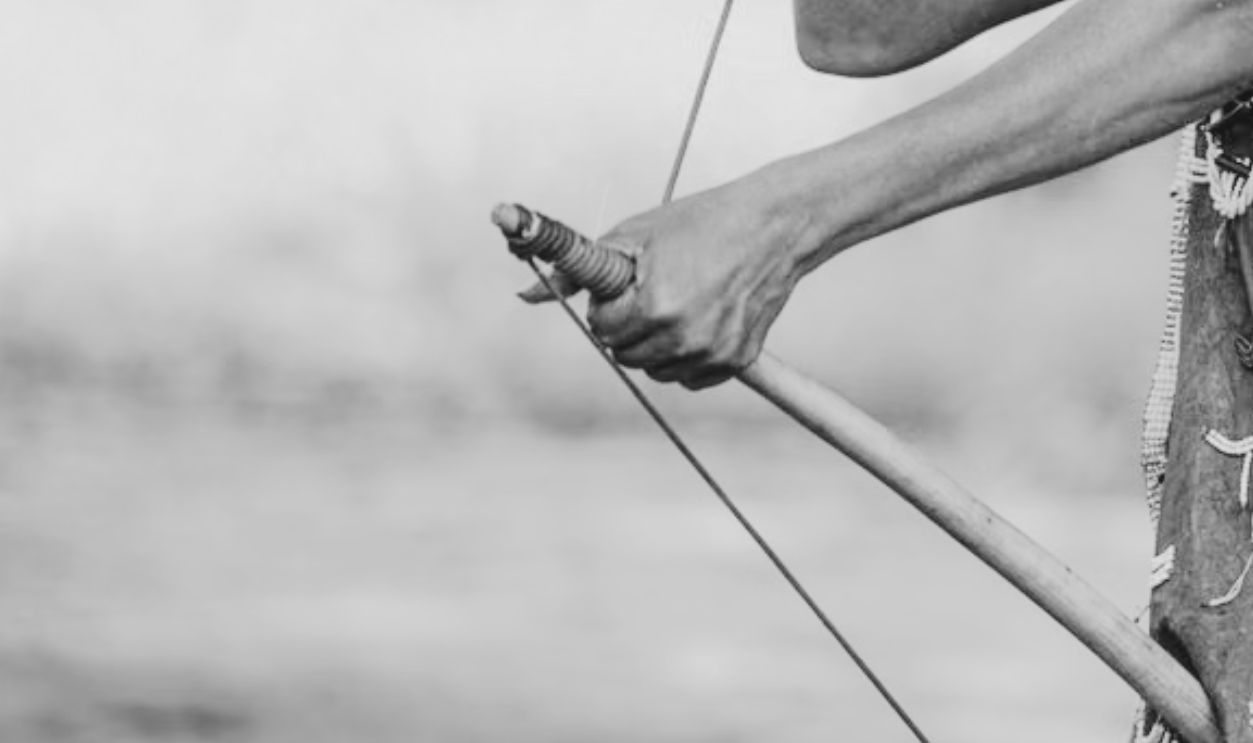
Other women in the Dahshur royal group were buried with bows, arrows, and related equipment. Archery carried several meanings in ancient Egypt because it was used in hunting, warfare, royal ceremony, and displays of physical control. That made the objects difficult to interpret, since a bow could be both a practical weapon and a powerful symbol.
The Bodies Were Nearly Forgotten
While the grave goods were photographed, displayed, and discussed, the human remains gradually slipped into the background. By 1915, several skeletons had been placed together inside a wooden museum box with only a basic identification label. They remained largely unexamined in storage for more than a century.

Their Skulls Had Disappeared
Unfortunately, the remains were already incomplete by the time modern researchers returned to them. Historical records show that most of the skulls were separated from the bodies in 1906 and sent to the Cairo School of Medicine. They were later lost, leaving researchers without important evidence relating to facial injuries, dental health, diet, disease, and ancestry.

The Remains Resurfaced In 2020
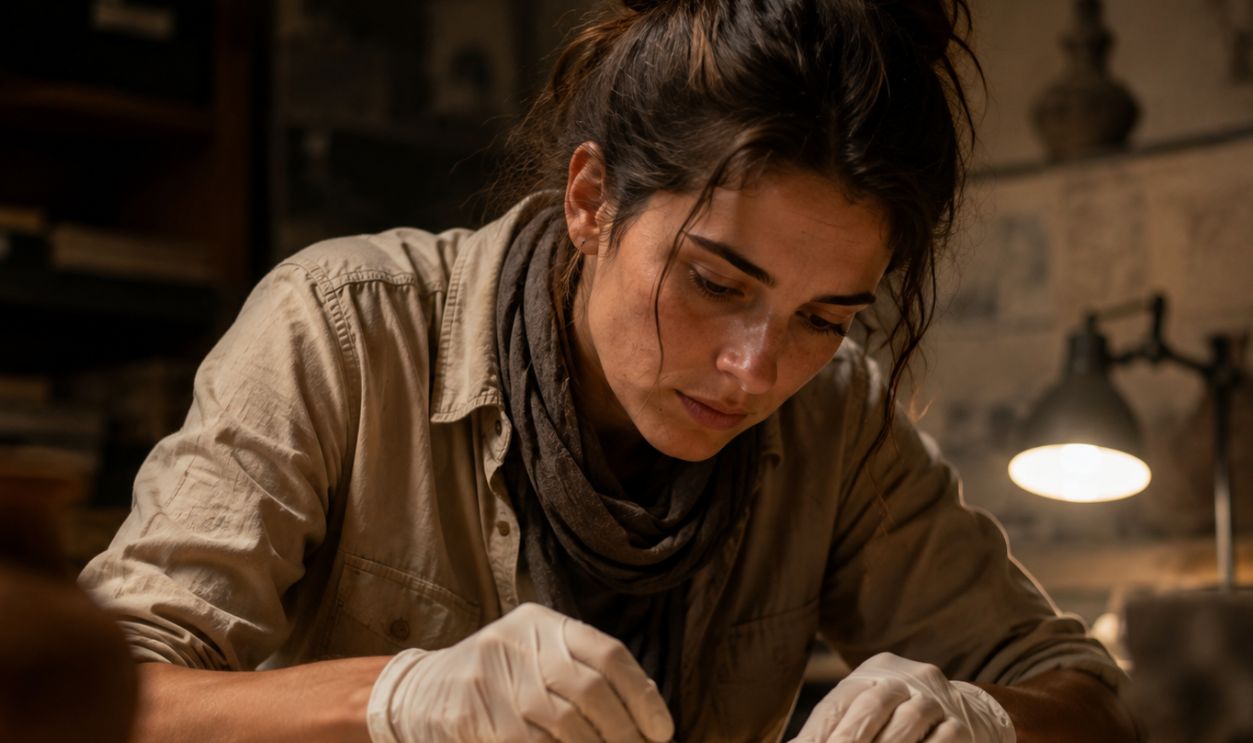
The princesses finally received renewed attention during a museum curation project in 2020. Archaeologist Zeinab Hashesh recognized the Dahshur remains and began examining them as individuals rather than as poorly documented bones in storage. Although the skeletons were incomplete, enough survived to reveal patterns of activity, injury, illness, and physical development.
Bones Can Record A Lifetime Of Movement
A skeleton does not preserve a perfect record of everything a person once did, but it can carry traces of repeated physical strain. Muscles and ligaments pull against bone throughout life, and demanding movements can leave especially pronounced attachment areas. Bioarchaeologists study these changes to reconstruct general activity patterns, although they must be careful not to connect a particular bone feature with only one possible task.

The Princesses Had Powerful Upper Bodies
What stood out most clearly was the development of the women’s arms and shoulders. Several princesses had unusually strong muscle and ligament attachment areas, suggesting that they repeatedly performed physically demanding movements. These patterns are consistent with actions such as drawing a bow, gripping a dagger, controlling a mace, or stabilizing another handheld weapon.
Ita May Have Trained With Handheld Weapons
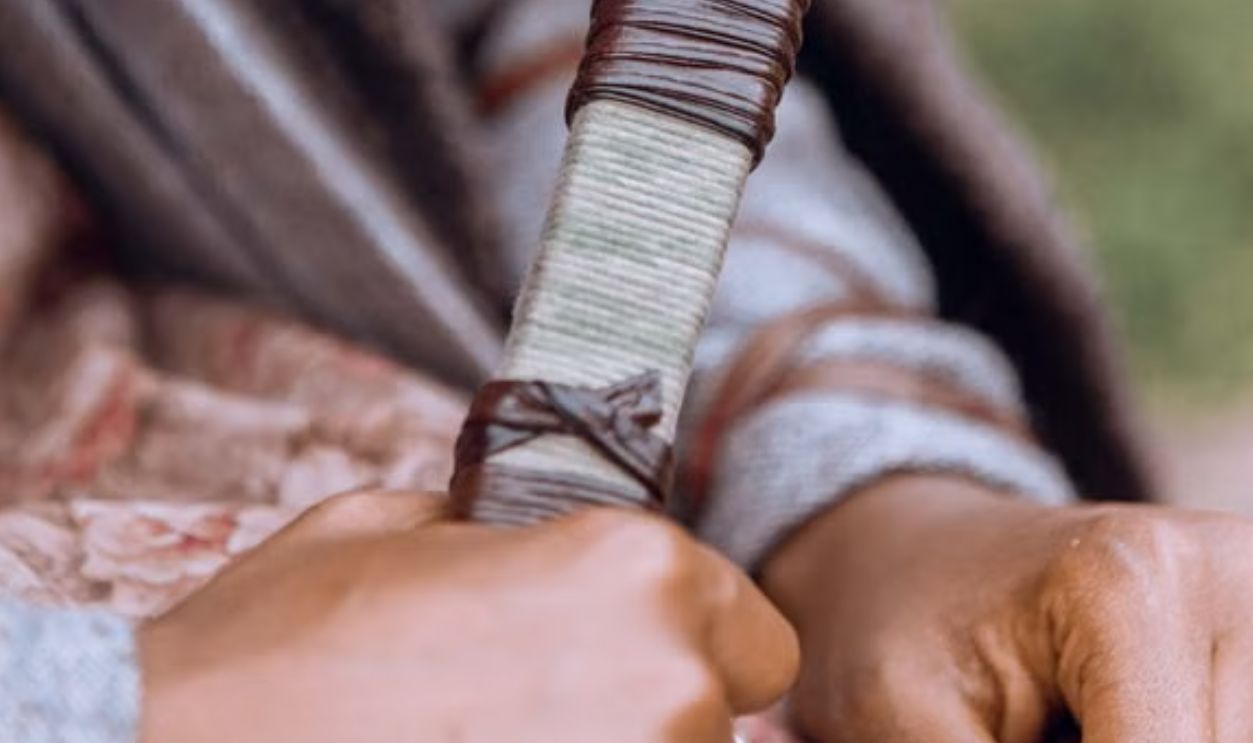
Princess Ita probably died between the ages of 28 and 34. Her surviving bones revealed heavily developed upper-body attachment areas that would have formed through regular, strenuous movement. Because she was buried with a dagger, the researchers suggested that she may have practiced with handheld weapons requiring grip strength, control, and repeated force.
Itaweret Looked Like An Archer
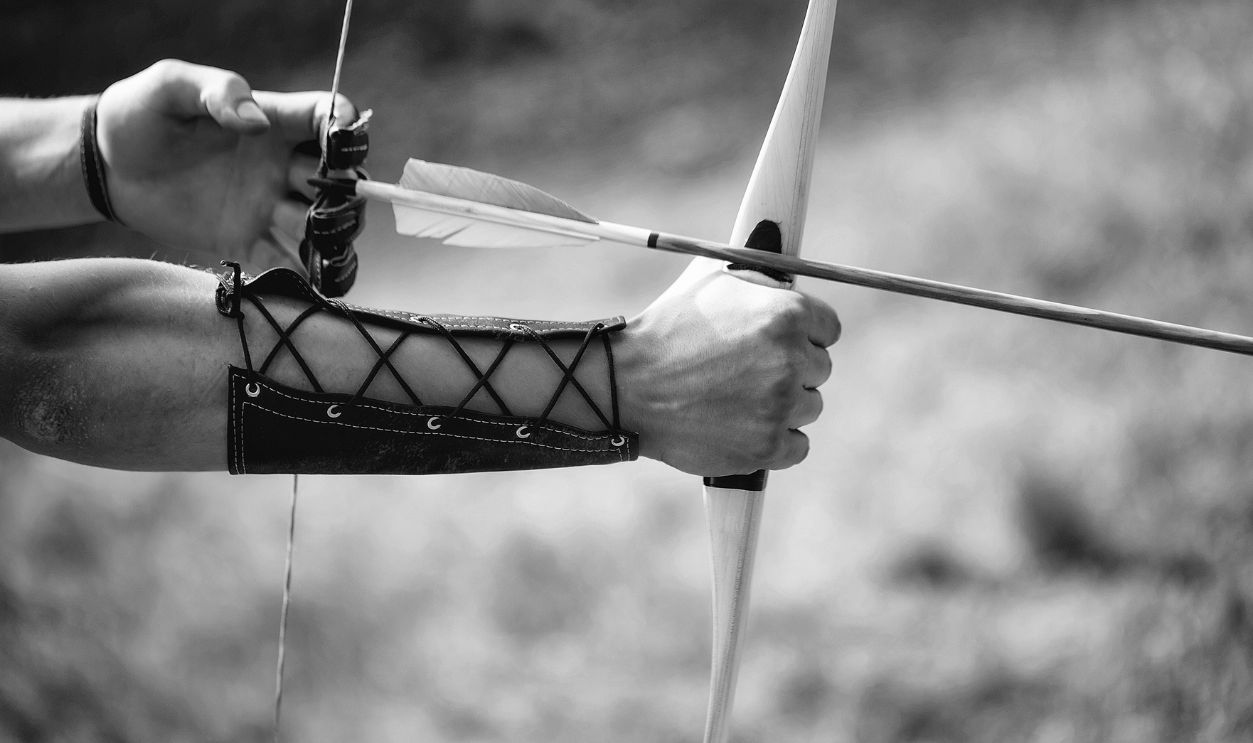
Princess Itaweret appears to have died sometime between her early 20s and mid-30s. Her arms and forearms displayed a pattern the researchers associated with experienced archery. Drawing a traditional bow over and over places intense strain on the shoulders, arms, hands, and upper back, so long-term practice can leave noticeable changes in the skeleton.

Noub-Hotep Had An Archer’s Grip
Princess Noub-Hotep offered some of the study’s most intriguing evidence. Her right hand showed skeletal features described as consistent with the specialized grip used by an archer. Her upper limbs also resembled those of King Hor, raising the possibility that men and women in the royal circle sometimes received similar forms of physical training.
 Volodymyr TVERDOKHLIB, Shutterstock
Khenmet Remained Physically Active
Princess Khenmet was somewhat older when she died, probably in her late 30s or 40s. Her bones showed thinning connected with age or declining health, yet the areas where ligaments attached remained strongly developed. This suggests that she had maintained a physically active lifestyle for a considerable portion of her life.
Their Injuries Had Time To Heal
The princesses’ bodies also carried evidence of accidents and past trauma. Itaweret had recovered from broken ribs and an injured foot, while other individuals showed healed damage that may have resulted from falls, blows, training, or strenuous activity. Because these injuries had time to heal, the women likely received care, nourishment, and protection during their recoveries.

Training Does Not Prove Battlefield Combat
While we now have evidence that the princesses were highly skilled at handling weapons, it does not prove that they fought in wars or led soldiers into battle. Their strength may have come from archery practice, elite hunting, ceremonial performance, defensive preparation, or a mixture of several activities. The term “warrior princess” captures the excitement of the findings, but the exact purpose of their training remains uncertain.
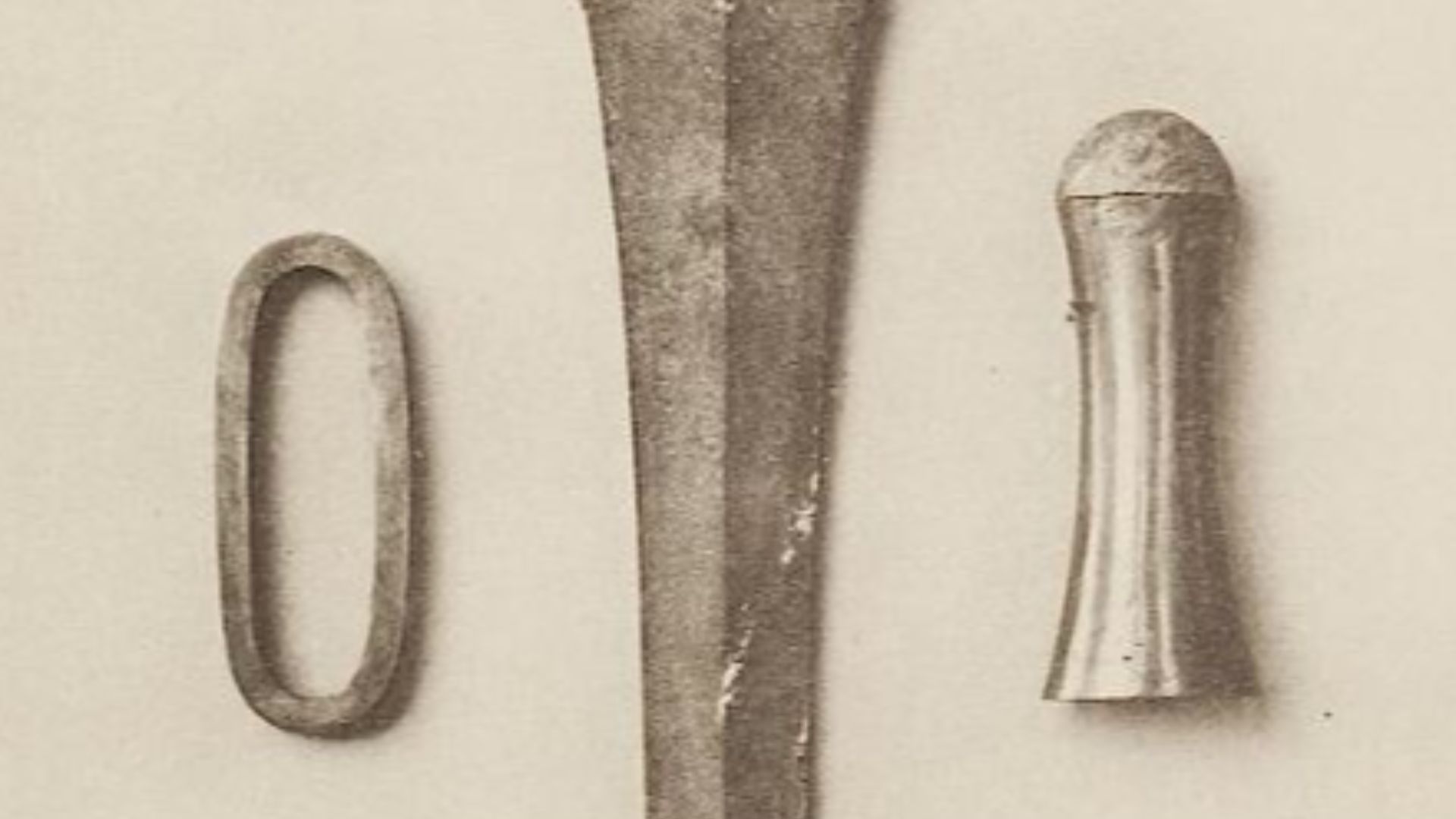 dagger from burial of Ita at Dahshur, Wikimedia Commons
Hunting Was A Royal Activity
One likely possibility is that some of the women participated in royal hunting. Hunting was not simply a pastime in ancient Egypt, since rulers used it to demonstrate courage, discipline, and their ability to control dangerous forces. A princess skilled with a bow could therefore have displayed both athletic ability and her place within the royal family.
Weapons Also Carried Religious Meaning
The practical use of the weapons does not rule out a deeper symbolic purpose. Egyptians placed objects in tombs to protect the dead and help them function in the afterlife, so a dagger or bow could represent safety, strength, and authority. The new evidence suggests that these meanings may have been especially personal because the women could have been buried with objects reflecting skills they had practiced while alive.
Royal Women Were More Than Decoration
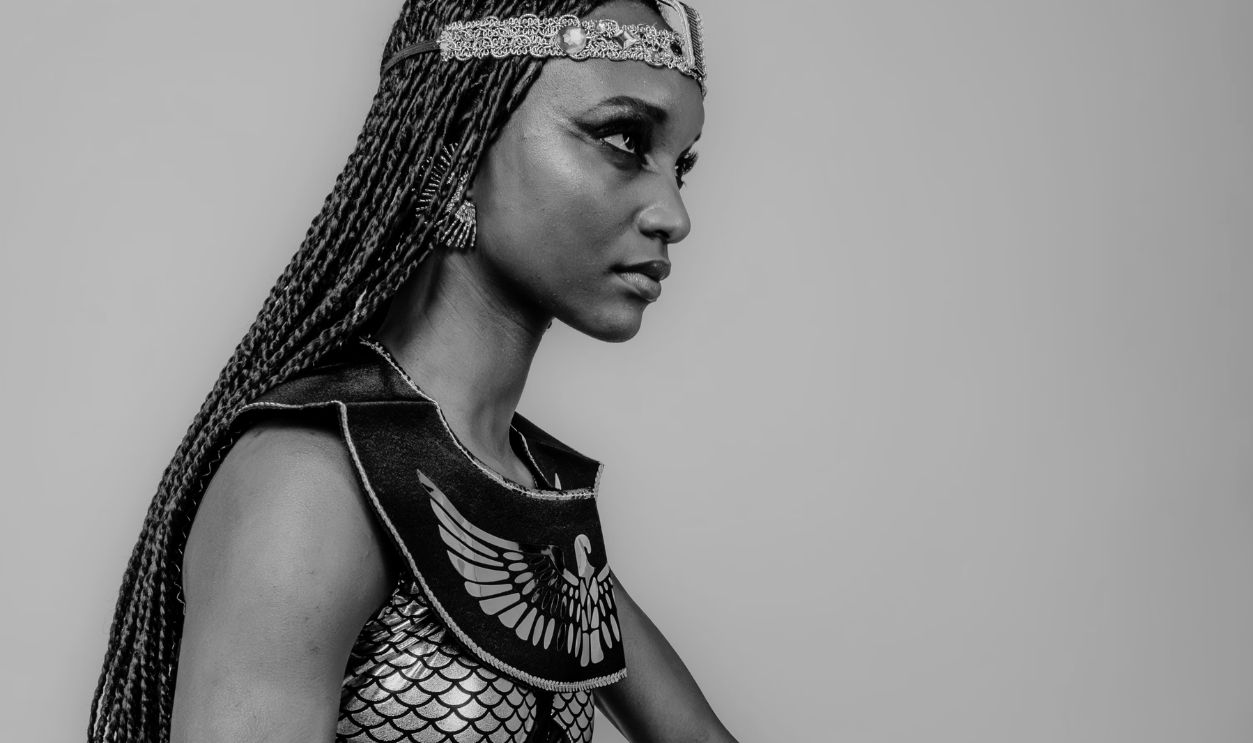
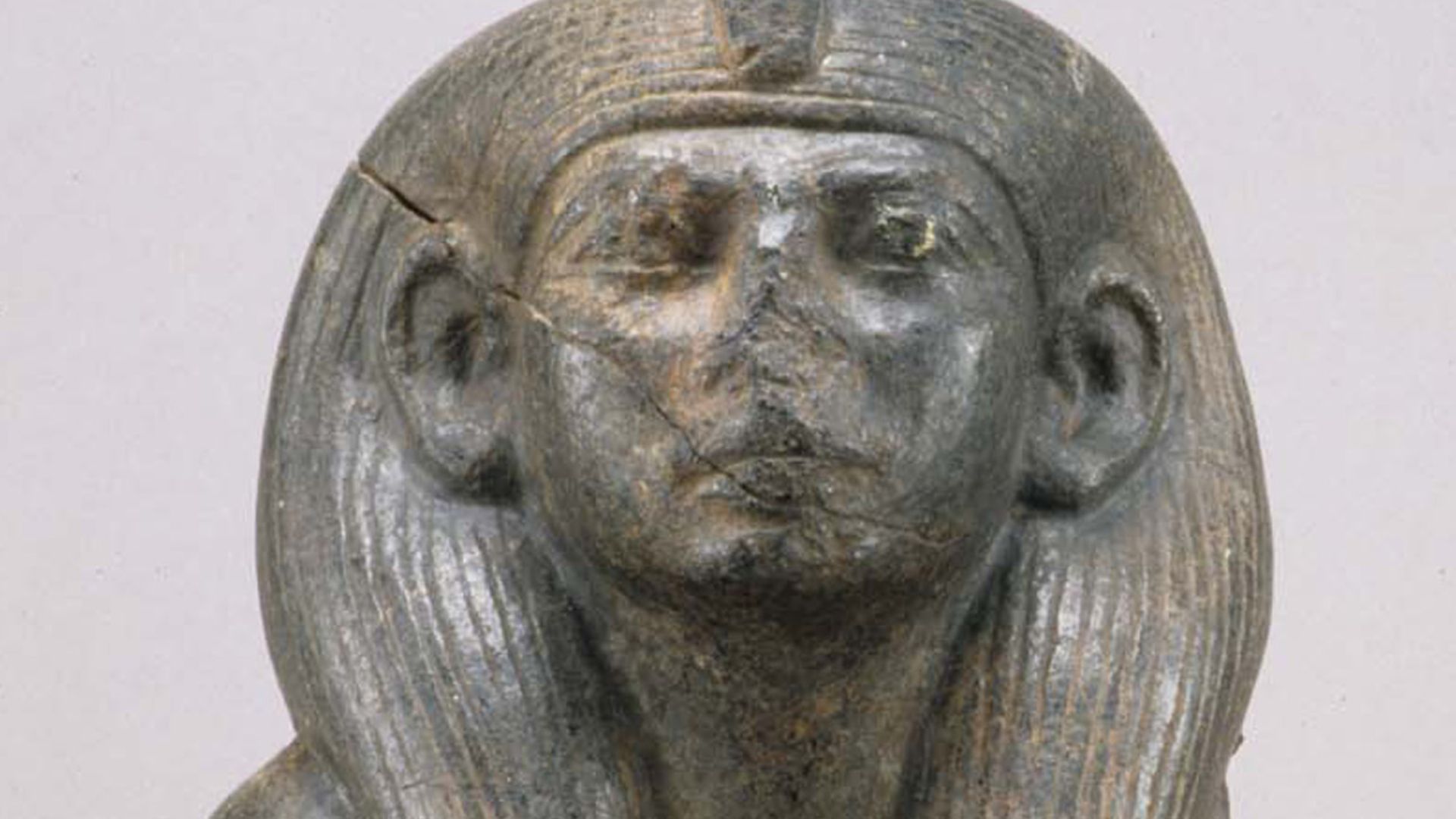
For much of modern history, royal women have been presented mainly as wives, daughters, mothers, or participants in religious ceremonies. The Dahshur skeletons point toward a much more active reality. These women may have trained regularly, developed specialized physical abilities, survived injuries, and taken part in court traditions that demanded strength as well as status.
Family Connections Left Physical Marks
The skeletons also preserved clues about the relationships among the Dahshur royals. Several individuals shared unusual spinal or developmental conditions that may have been inherited. Because Egypt’s royal families sometimes arranged marriages between relatives to protect dynastic legitimacy, these rare traits could help researchers reconstruct connections that are not fully explained by surviving inscriptions.
 Holger Uwe Schmitt, Wikimedia Commons
Some Experts Remain Cautious
The weapon interpretation is compelling, but not every specialist believes the evidence is conclusive. Strong muscle attachment areas can result from many repetitive activities, including exercise, craftwork, riding, hunting, or daily labor. Some researchers have argued that comparisons with larger groups of Egyptian women, archers, soldiers, and workers would strengthen the case.

Burial Objects Can Shape Interpretation
There is also a risk that the grave goods influenced the way the skeletons were interpreted. Because the researchers already knew that the princesses had been buried with weapons, it may have been tempting to connect every strong arm or shoulder feature directly with combat training. The evidence supports repeated physical activity, but bones alone cannot name the exact movement that created every mark.
 Juan R. Lazaro, Wikimedia Commons
Missing Bones Limit The Conclusions
The absence of the women’s skulls and other skeletal elements creates another major obstacle. A complete skeleton might have revealed facial injuries, dental wear, additional muscle development, or signs of diet and disease. What survives is enough to challenge older assumptions, but not enough to reconstruct every part of their lives.
 James Byrum from Nowhere, Wikimedia Commons
Future Tests Could Reveal More
There are still several ways researchers could expand the investigation. Stable isotope testing might reveal where the women grew up and what they ate, while advanced imaging could document injuries and attachment areas in greater detail. Comparisons with known archers, soldiers, craftspeople, and other royal burials could also show whether the princesses truly stood apart from the wider population.
 picture alliance, Getty Images
The Evidence Changes The Conversation
The study does not prove that Amenemhat II’s daughters rode into battle or commanded Egyptian armies. What it does show is that the old image of passive royal women no longer fits the available evidence. Their bodies indicate years of physical discipline, repeated upper-body activity, and skills that may have included the very weapons placed beside them in death.

The Princesses Are Finally Being Seen
For more than a century, the dazzling objects from Dahshur attracted far more attention than the women who owned them. The rediscovery of their skeletons has finally allowed the princesses to move back into the center of their own story. Whether they hunted, practiced archery, trained for ceremony, or prepared for genuine conflict, they appear to have been far more active and formidable than earlier histories suggested.
 https://kaboompics.com/, Pexels
You May Also Like: