A City Is Emerging From The Stone
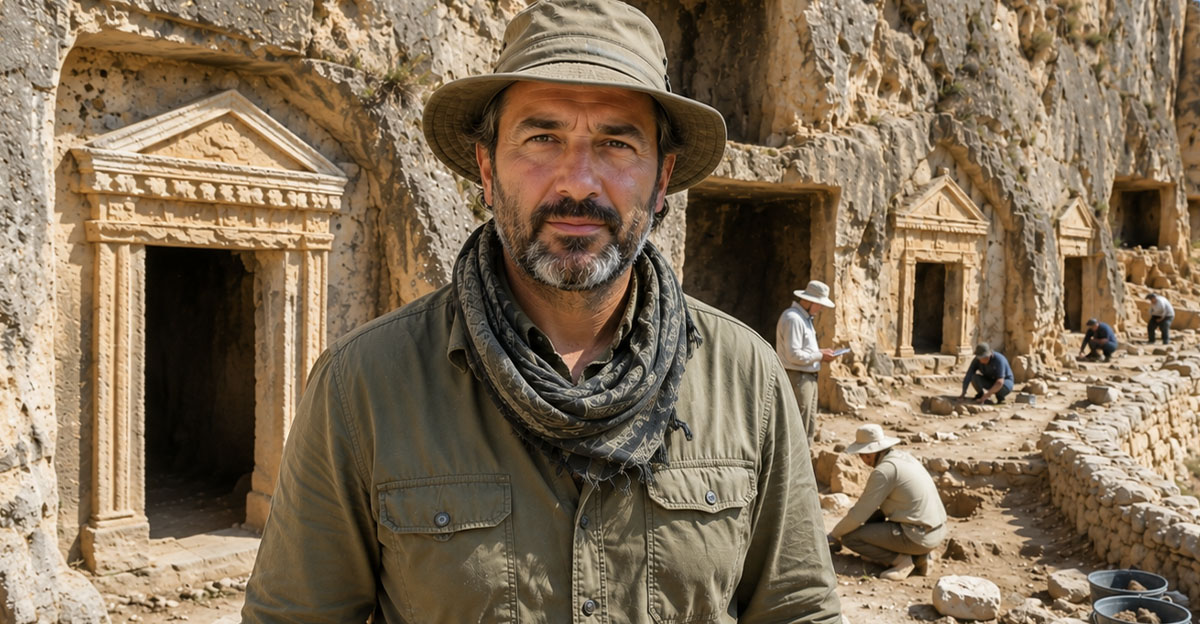
Near the modern city of Adıyaman in southeastern Türkiye, archaeologists are slowly uncovering the remains of ancient Perre. Years, ago, its rock-cut tombs, workshops, mosaics, and houses revealed a settlement that remained active across many centuries. Now, new excavations are filling in the story of how ordinary residents lived beside one of the region’s most spectacular necropolises.
Perre Was Built Into A Rocky Landscape
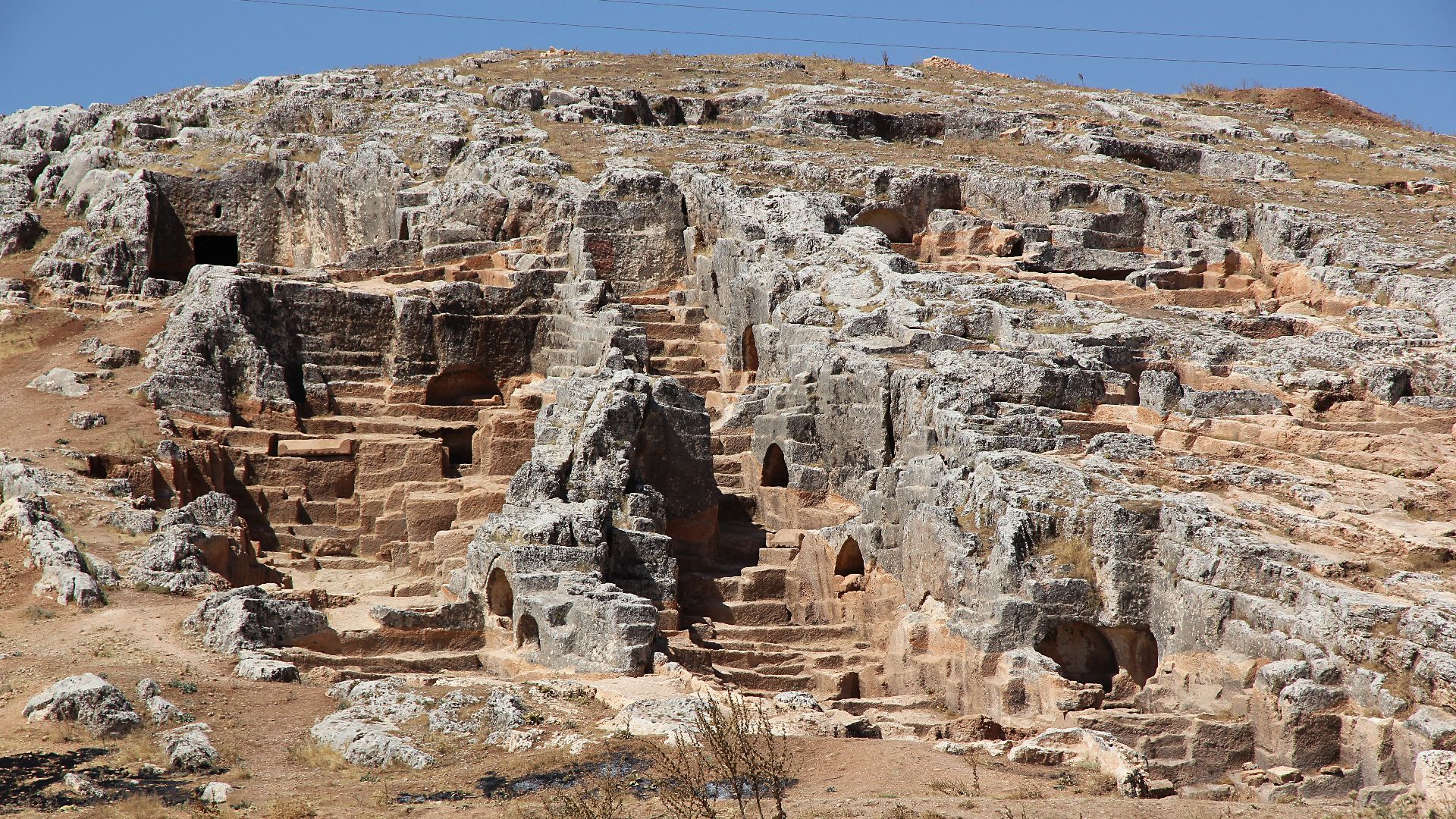
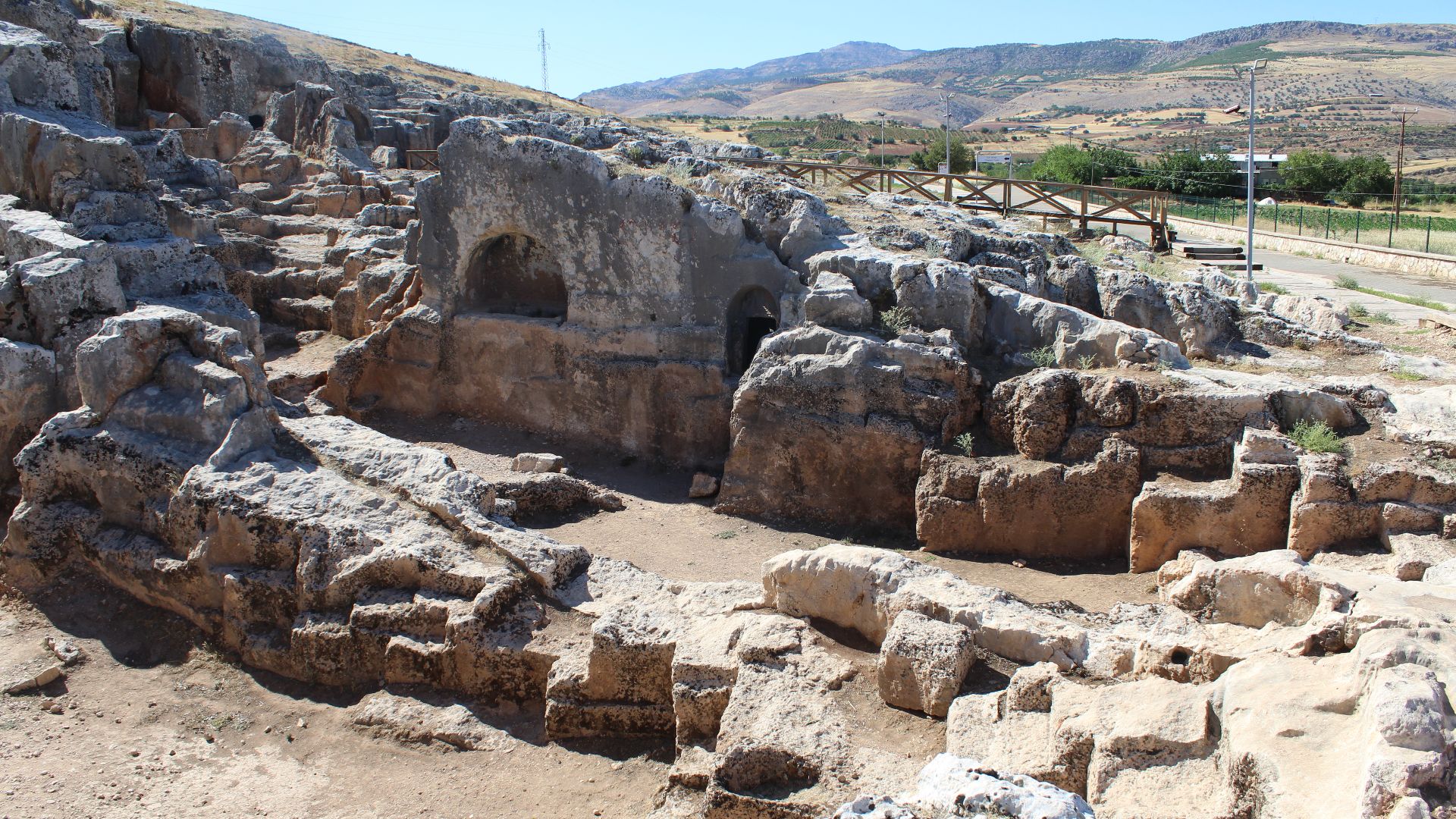
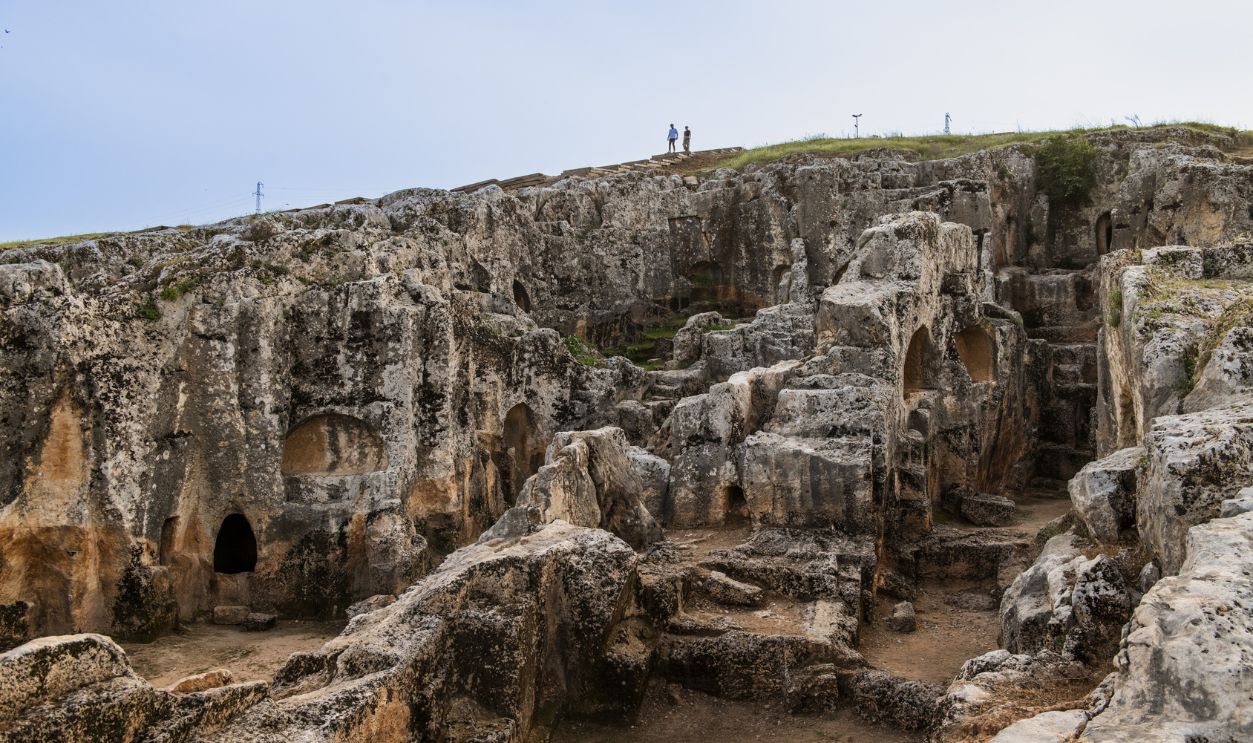
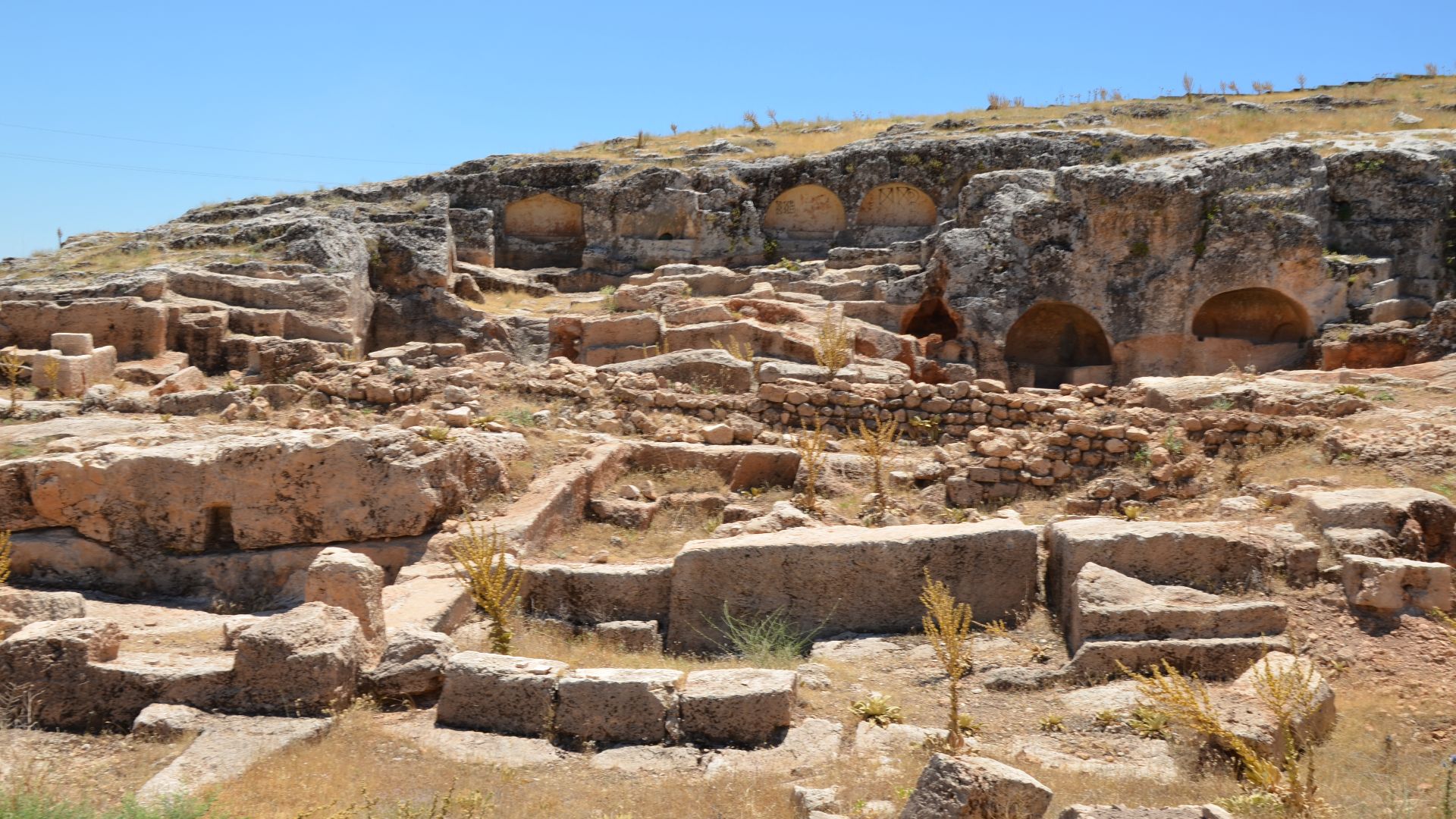
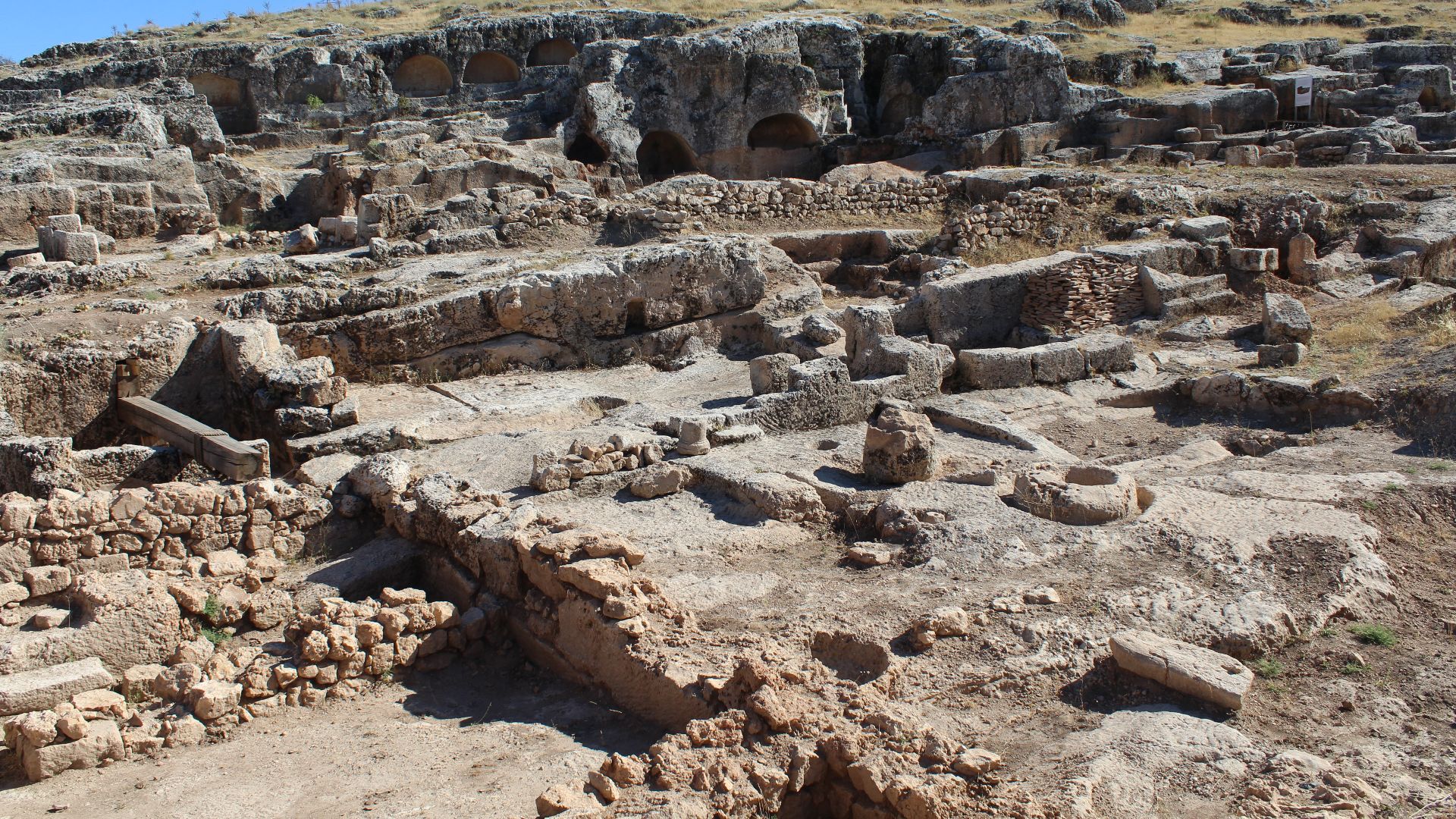
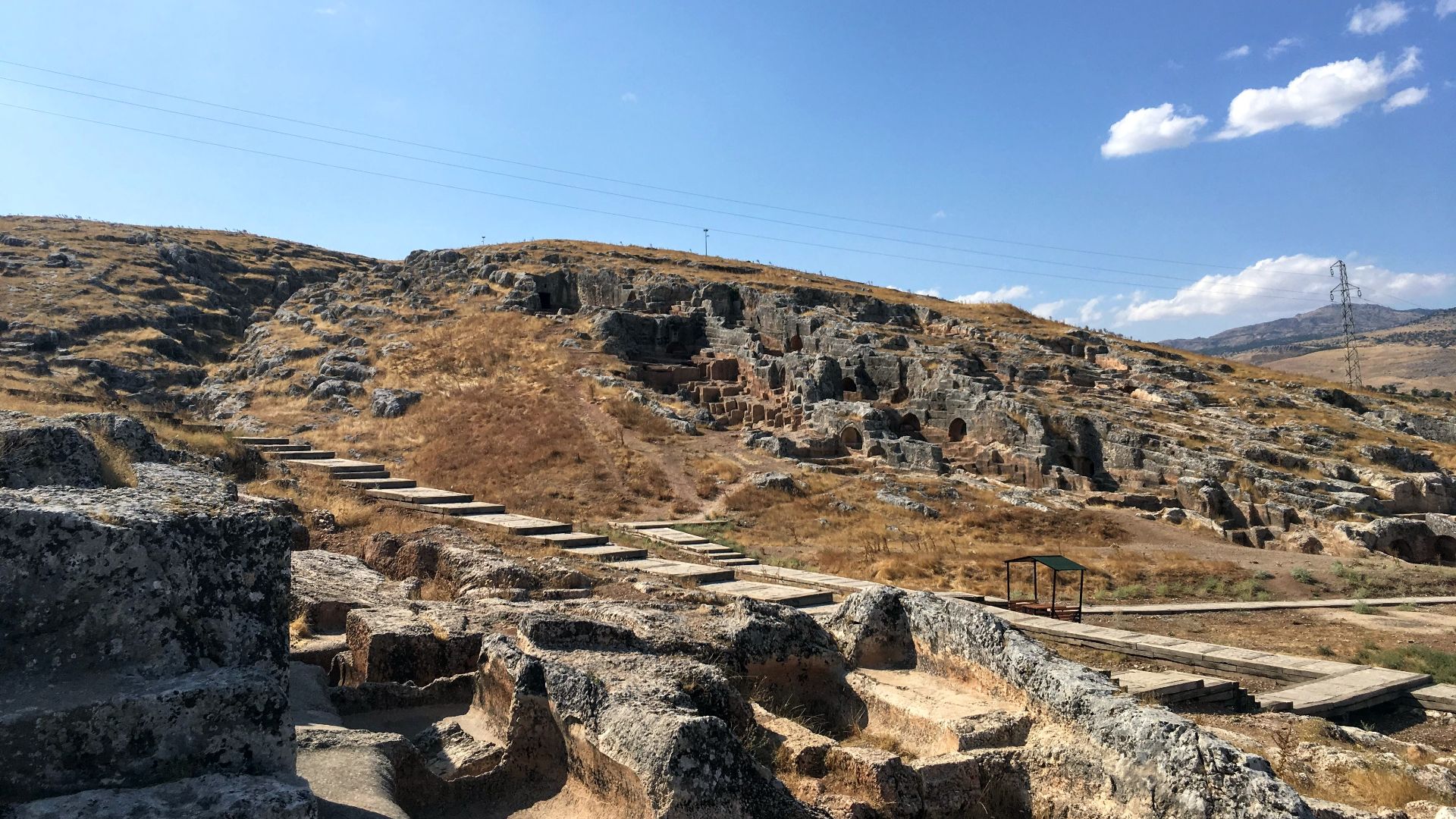
Perre’s builders did not simply place structures on top of the land. They carved stairs, chambers, tomb entrances, platforms, channels, and other features directly into the limestone. The result is a cityscape where the natural hillside and human architecture are often difficult to separate.
 Klaus-Peter Simon, Wikimedia Commons
The City Stood Near Modern Adıyaman
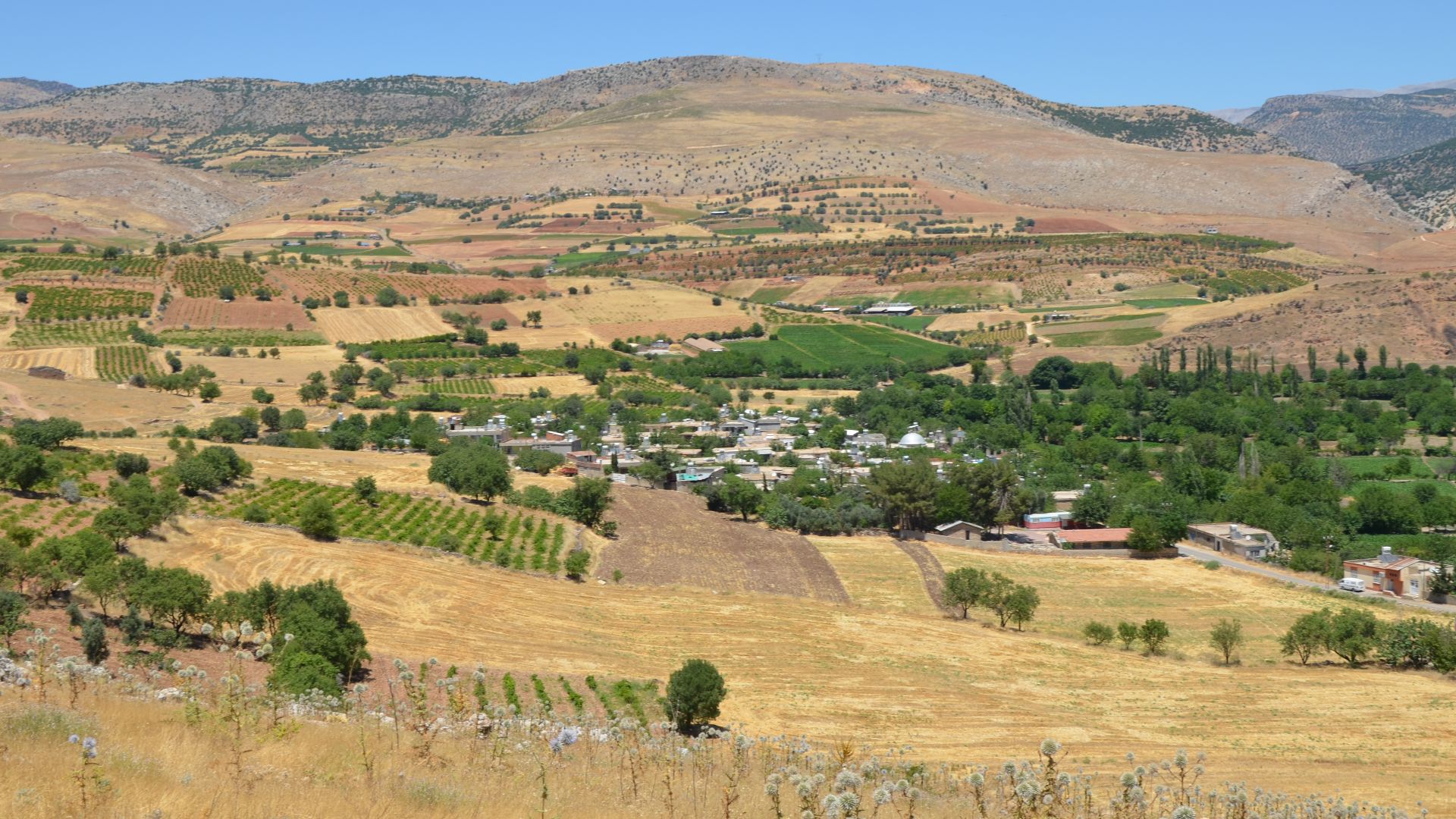
The ruins lie in the Örenli area, only a few miles north of central Adıyaman. Modern development surrounds parts of the ancient site, while houses and roads occupy areas that once belonged to Perre. Archaeologists are therefore investigating a city that has never been completely isolated from later settlement.
 Carole Raddato from FRANKFURT, Germany, Wikimedia Commons
Its Name Appears In Several Forms
The ancient city is commonly called Perre in modern Turkish sources and Perrhe in many historical publications. It has also been connected with names such as Pirin, Perin, and Antiochia on the Taurus. These changing names reflect the many cultures and political powers that shaped the settlement over time.
 Vincent Vega, Wikimedia Commons
Perre Was One Of Commagene’s Great Cities
Perre belonged to the ancient Kingdom of Commagene, which emerged between powerful Greek, Persian, Roman, and local traditions. Official Turkish sources describe it as one of the kingdom’s five major cities. Its importance came from geography, reliable water, and its place within a culturally diverse frontier region.
 Klaus-Peter Simon, Wikimedia Commons
Commagene Mixed Several Worlds
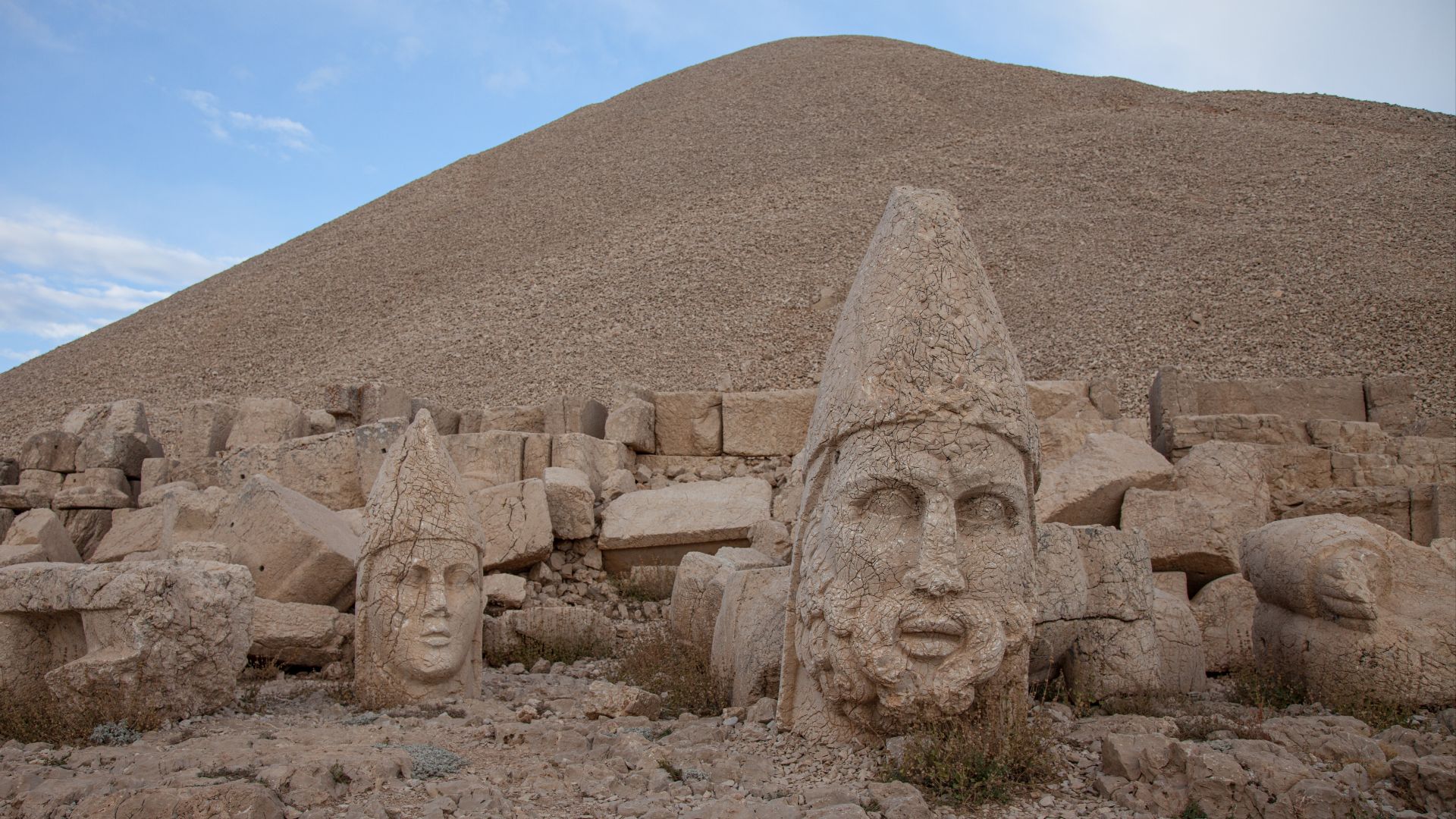
The rulers of Commagene deliberately connected themselves with both Greek and Persian traditions. This cultural mixture is famously visible at Mount Nemrut, where monumental statues represent gods with blended identities. Perre belonged to that same kingdom, although its surviving remains reveal more about urban life, travel, burial, and trade.
 Linda M Caldwell, Wikimedia Commons
Travelers Passed Through Perre
The city stood along a route linking Samosata, the Commagene capital, with Melitene and roads crossing the Taurus Mountains. Merchants, soldiers, officials, and other travelers could stop there before continuing through difficult terrain. Its position helped Perre grow into a useful staging point rather than an isolated mountain settlement.
Fresh Water Made The City Valuable
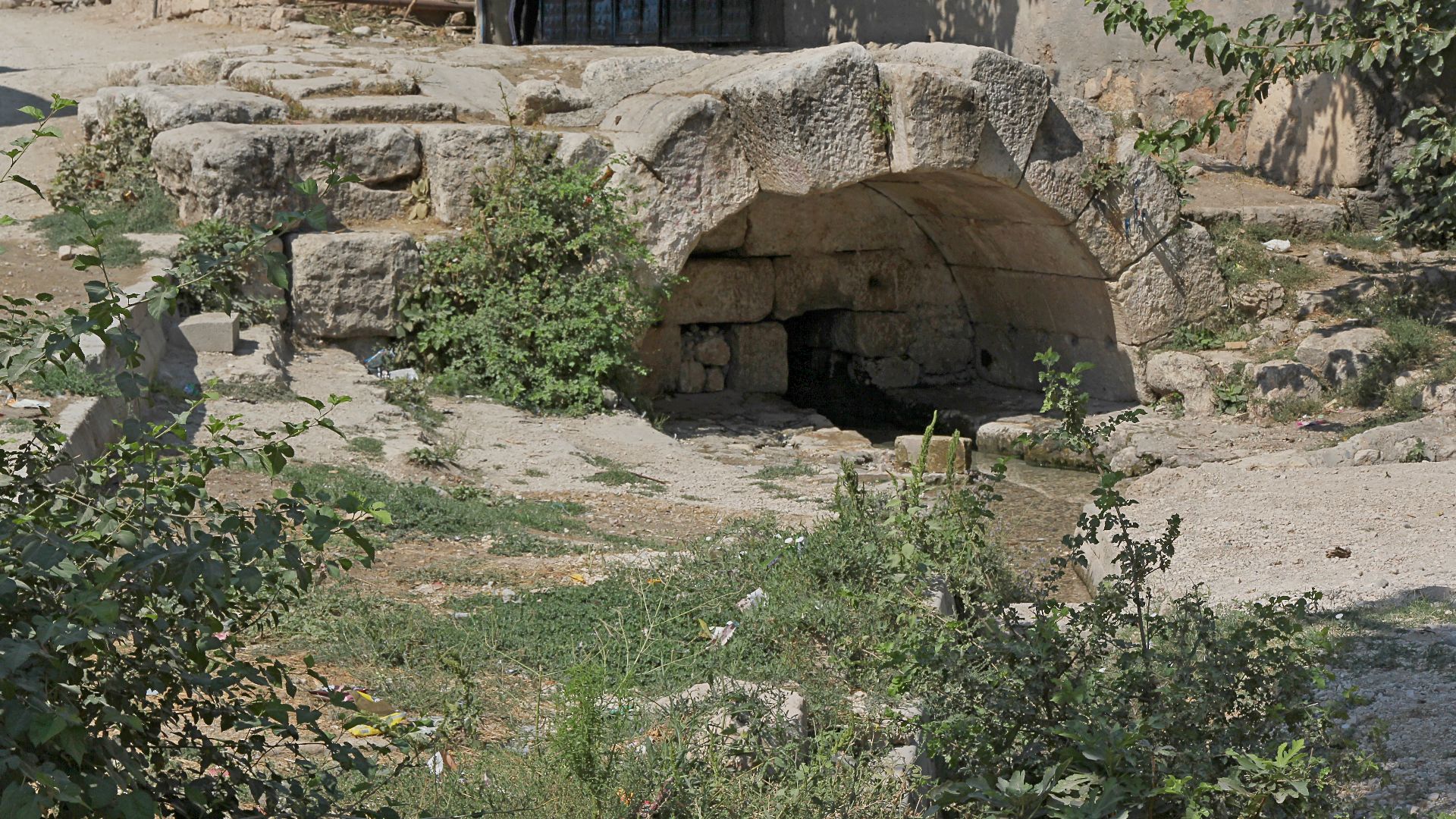
A plentiful spring was one of Perre’s greatest natural advantages. Water flowed through a Roman fountain and a system of channels that supported residents and refreshed passing travelers. In a region where long journeys could be exhausting, dependable water made the city an especially attractive stop.
 Vincent Vega, Wikimedia Commons
The Roman Fountain Still Survives
Remains of Perre’s Roman waterworks can still be seen within the modern settlement. A stone-vaulted channel protected the flow of spring water as it entered the city. The fountain offers a rare connection between ancient infrastructure and a water source remembered for generations.
 Klaus-Peter Simon, Wikimedia Commons
The Necropolis Dominates The Site
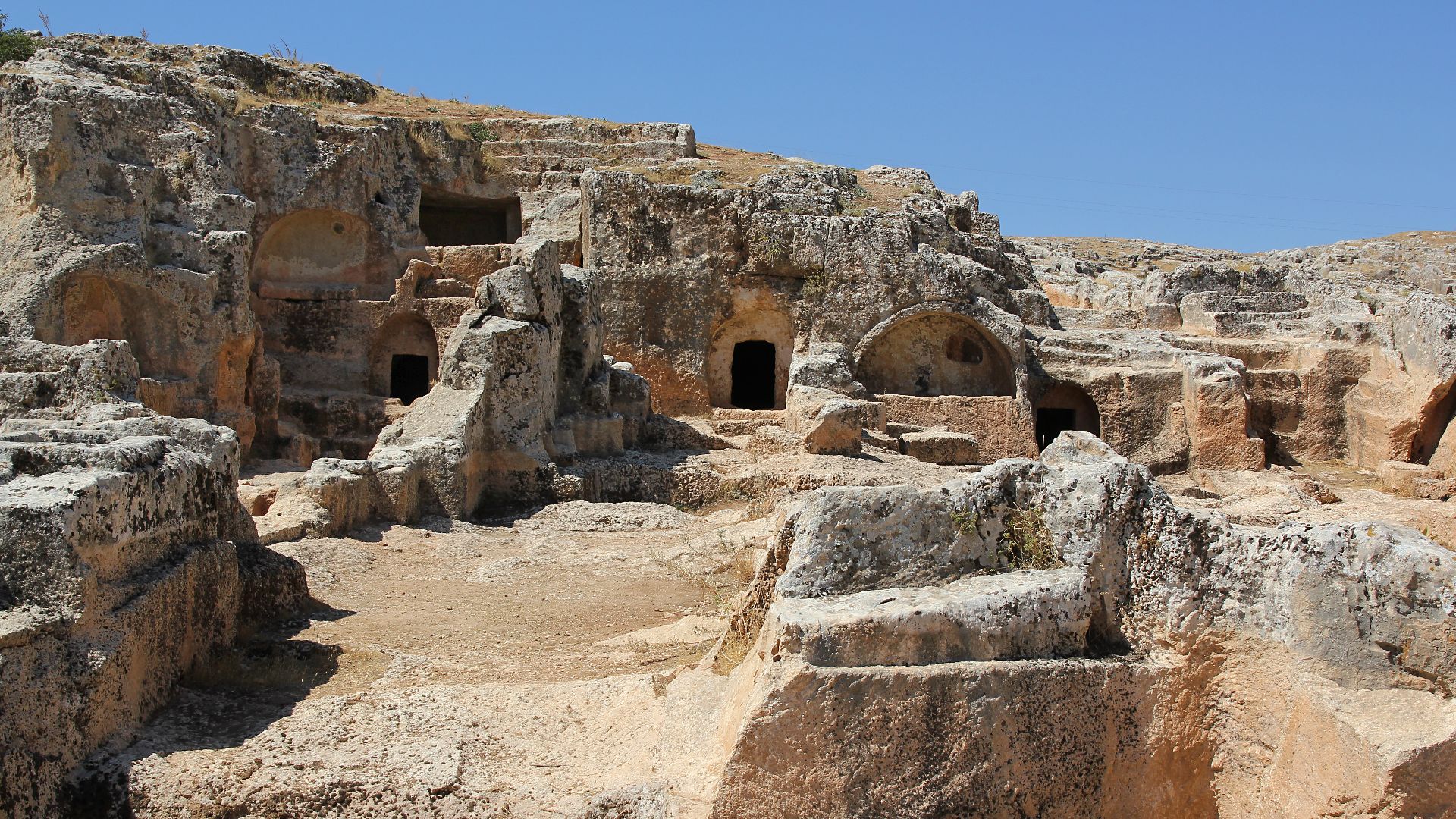
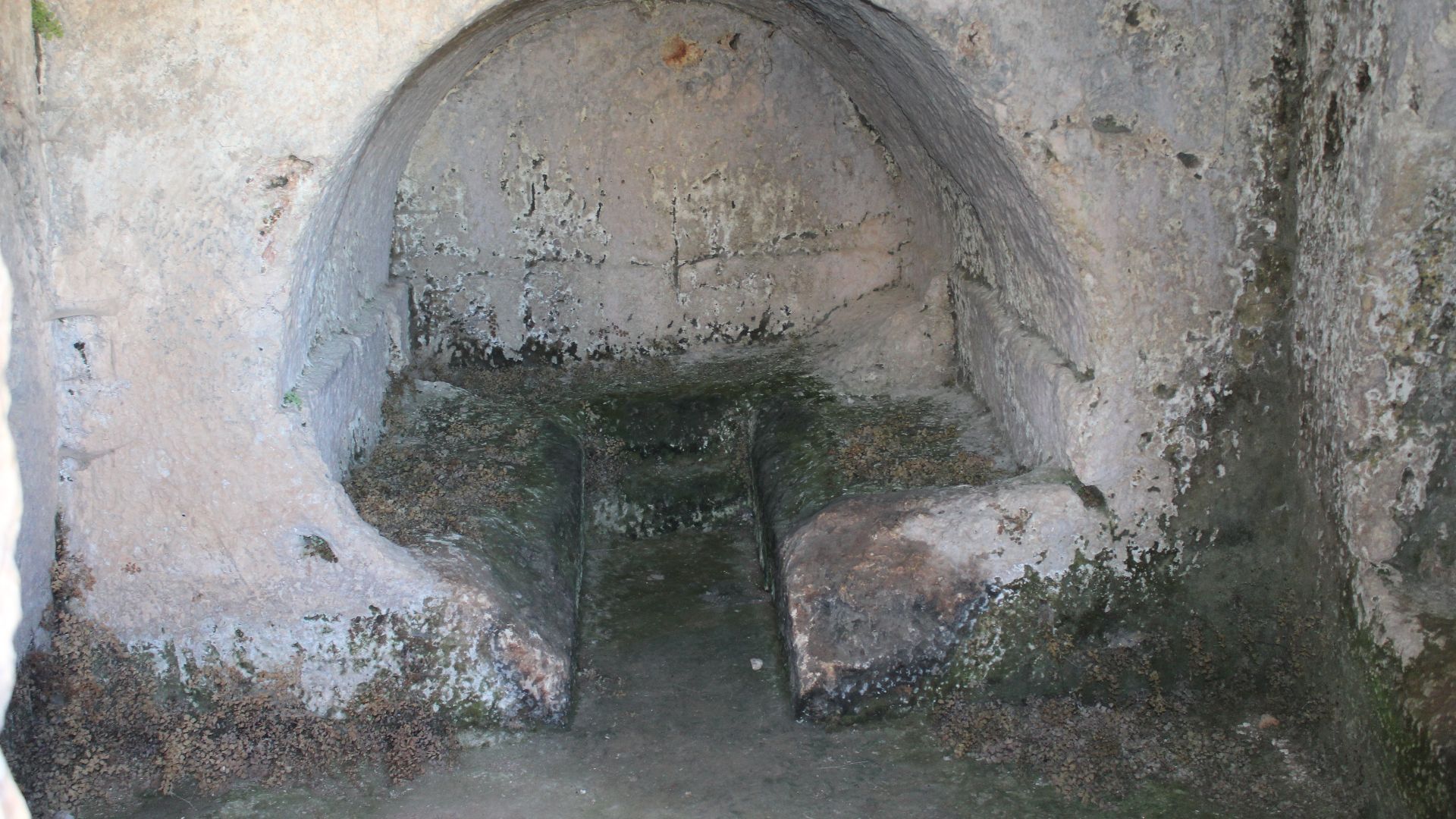
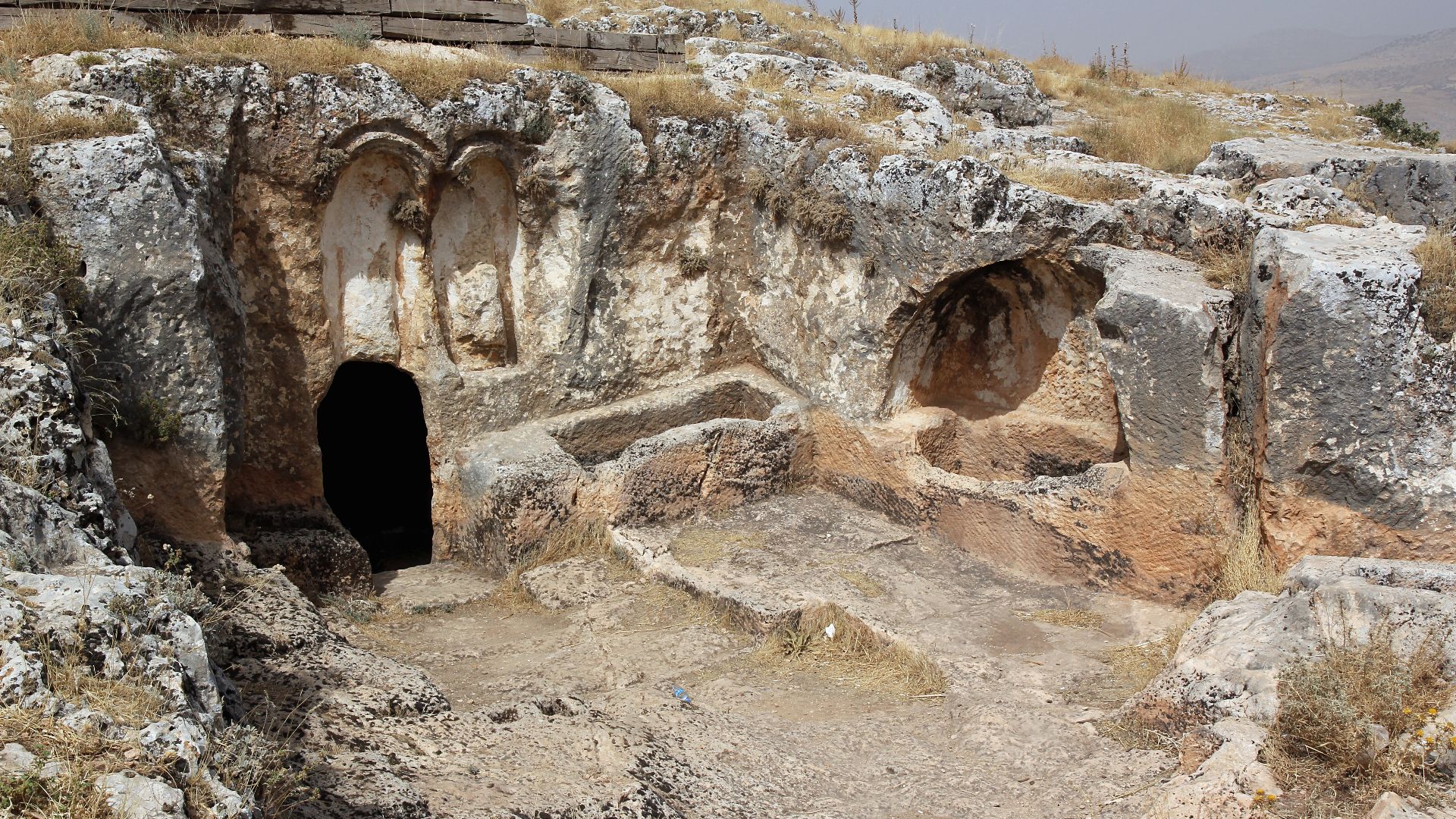
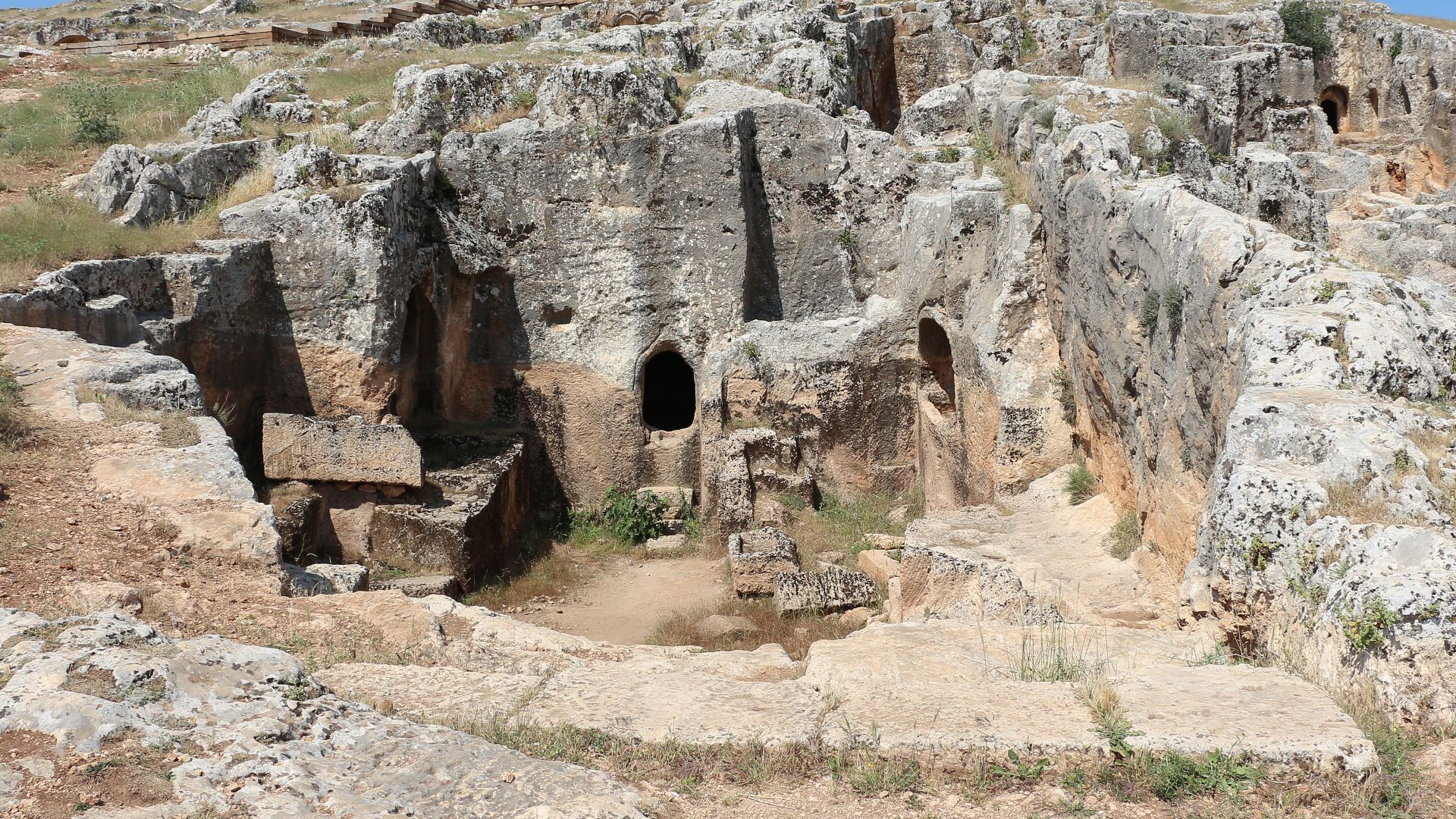
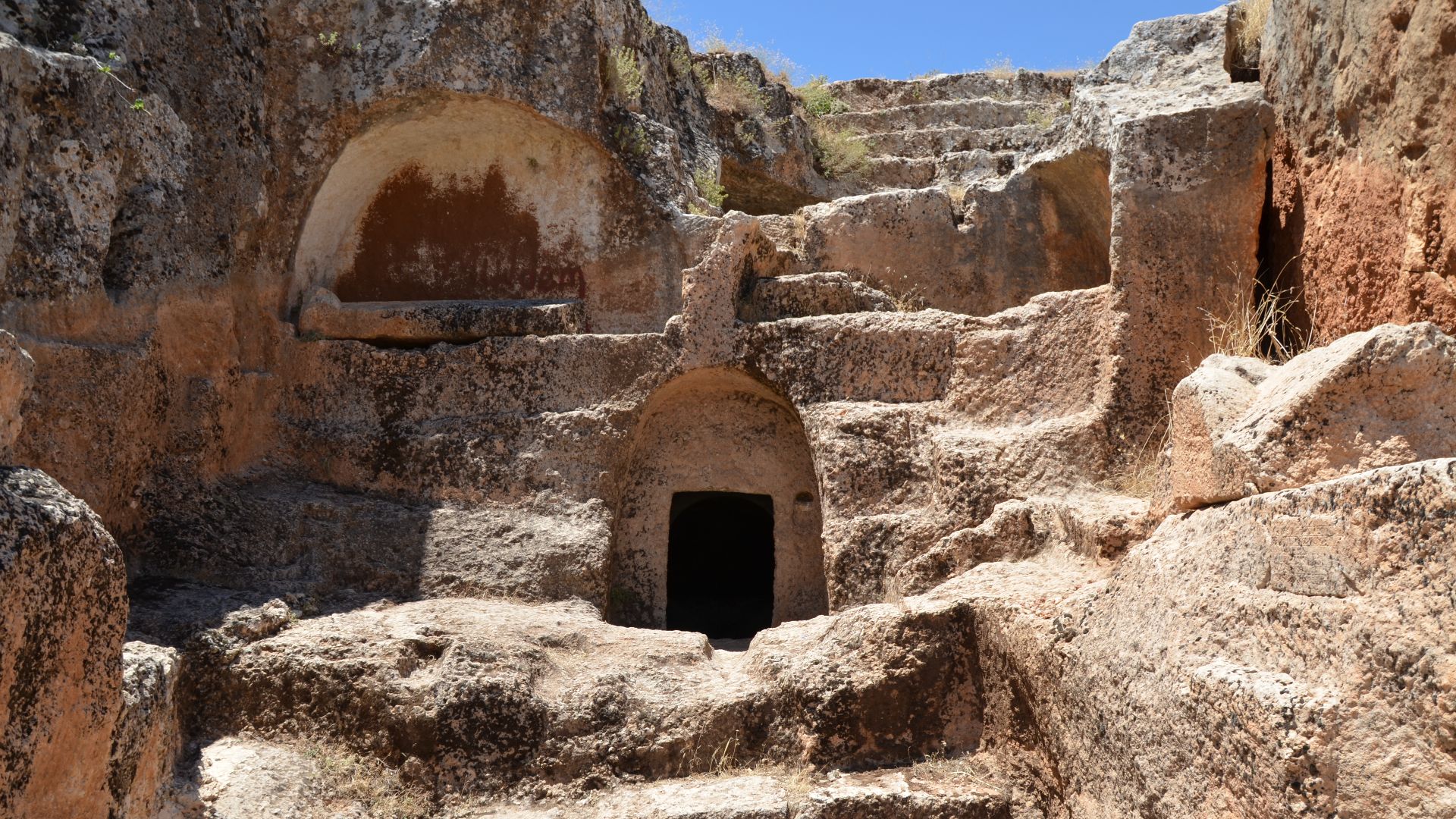
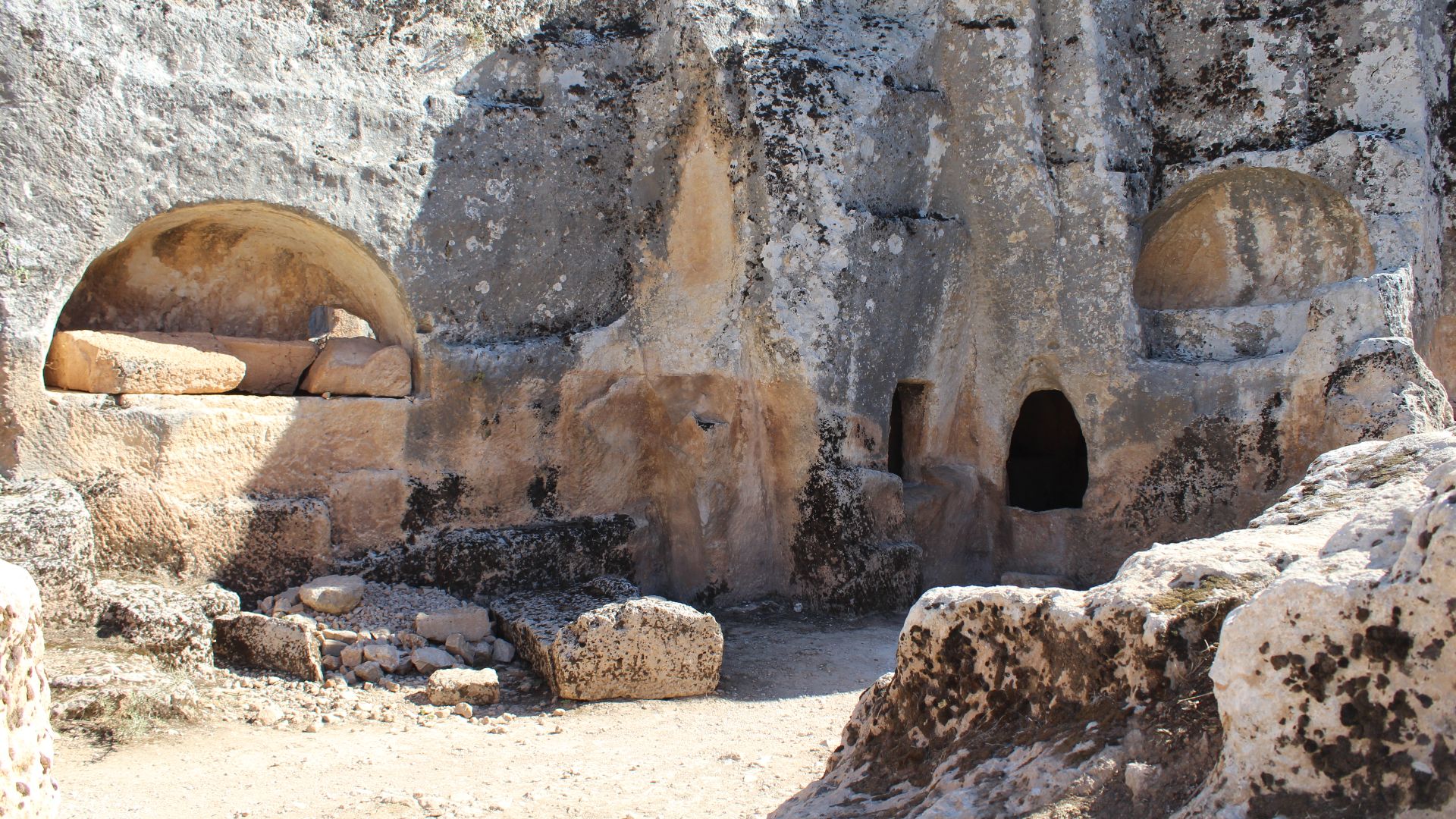
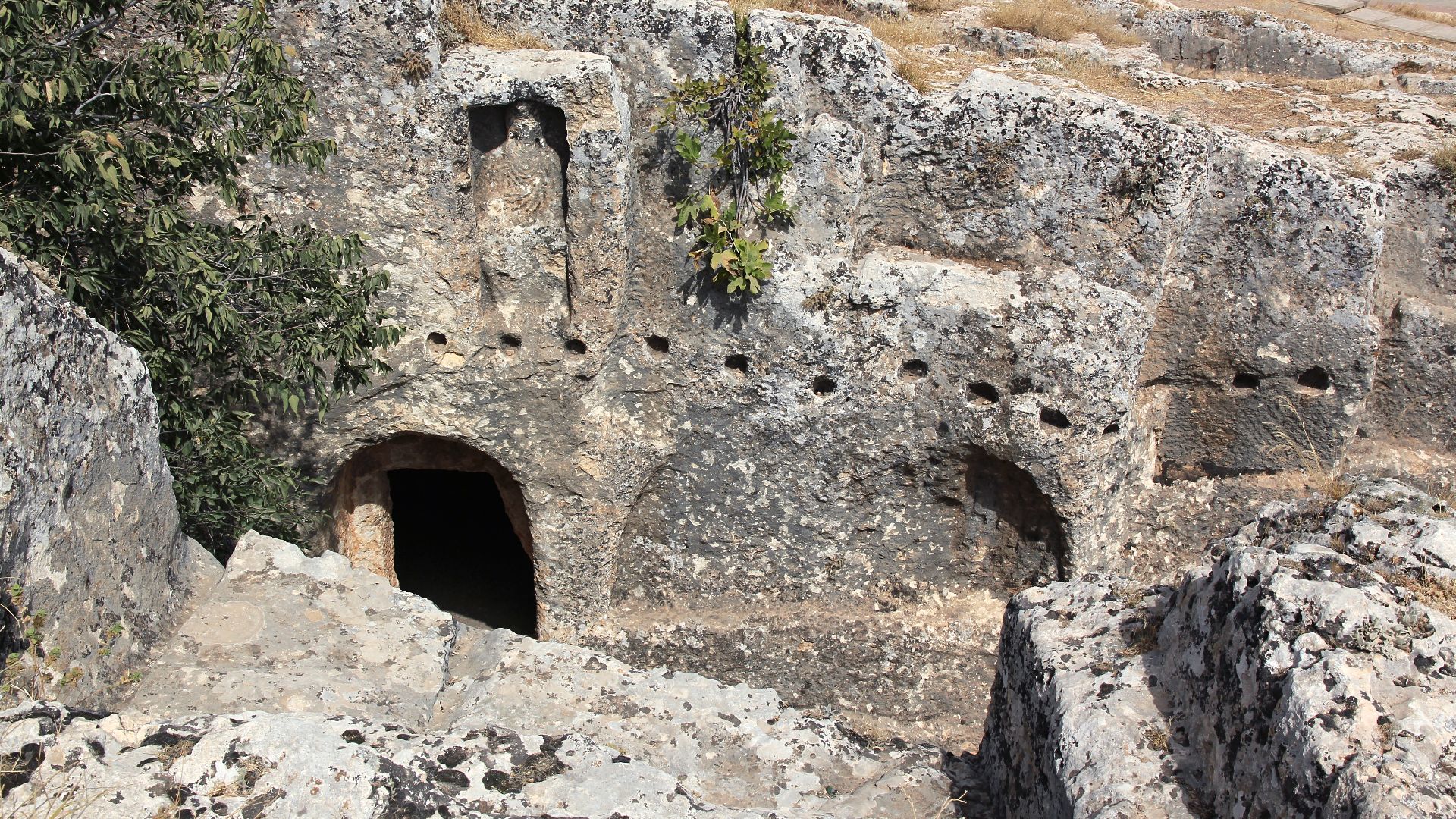
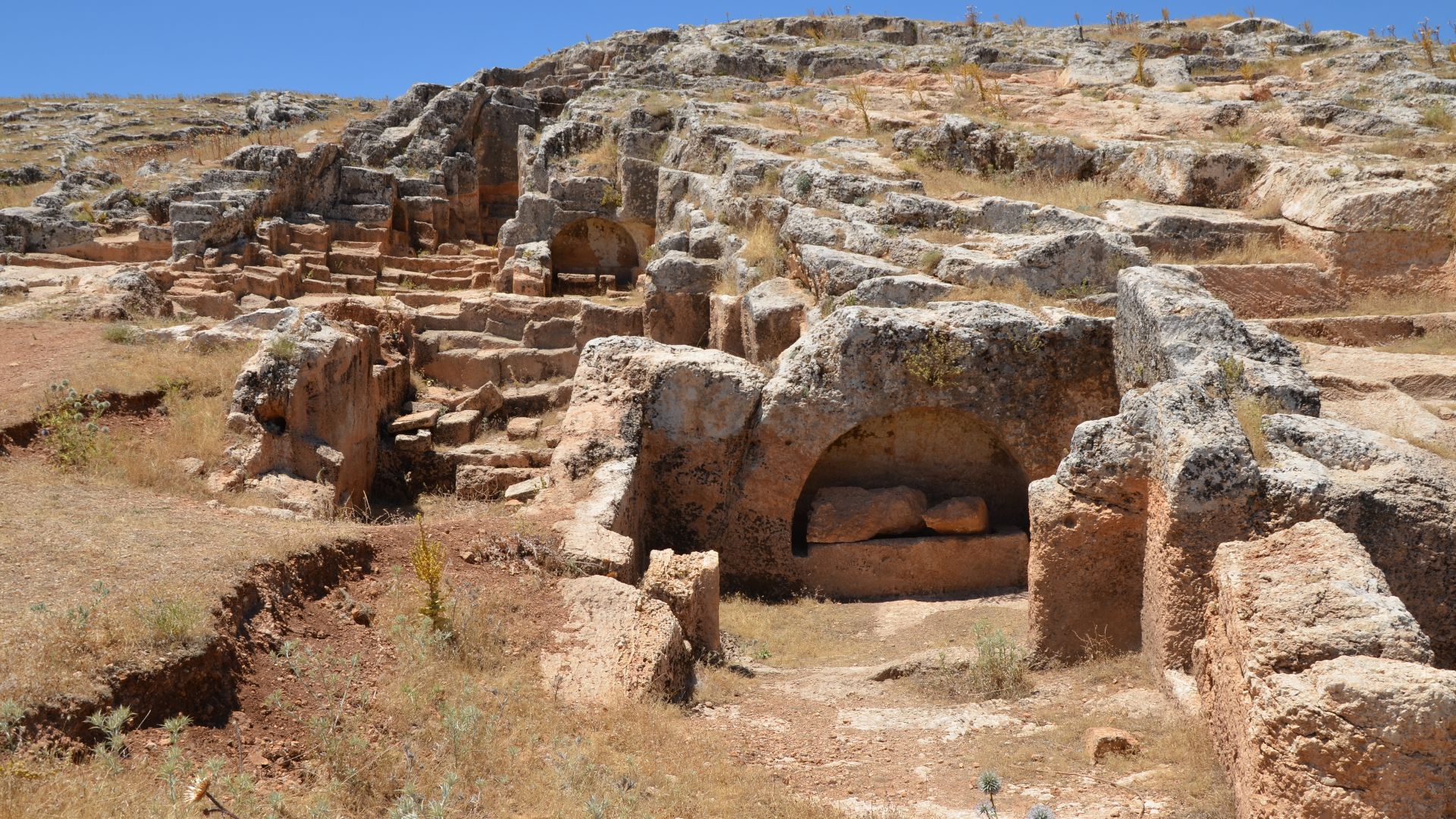
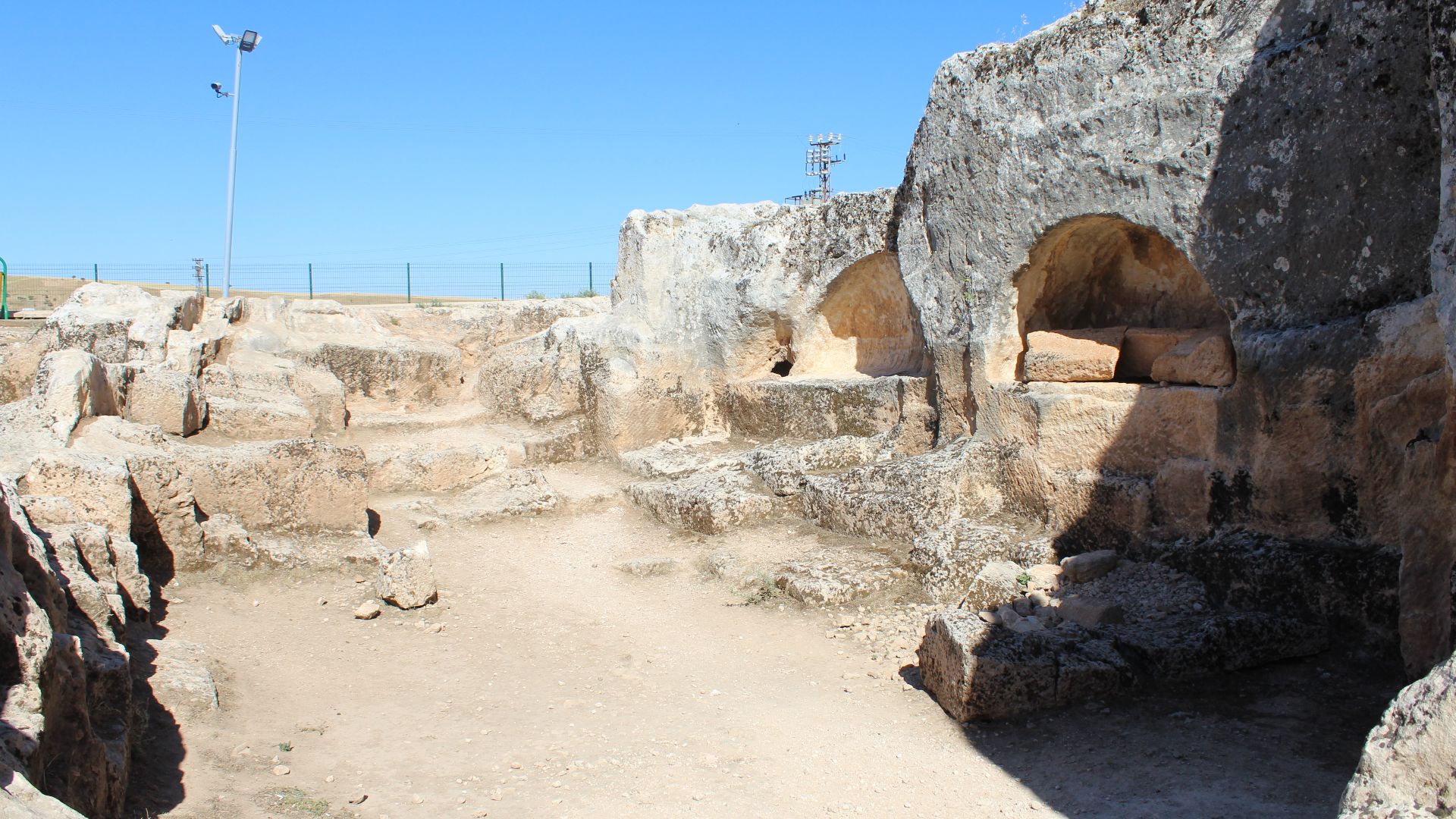
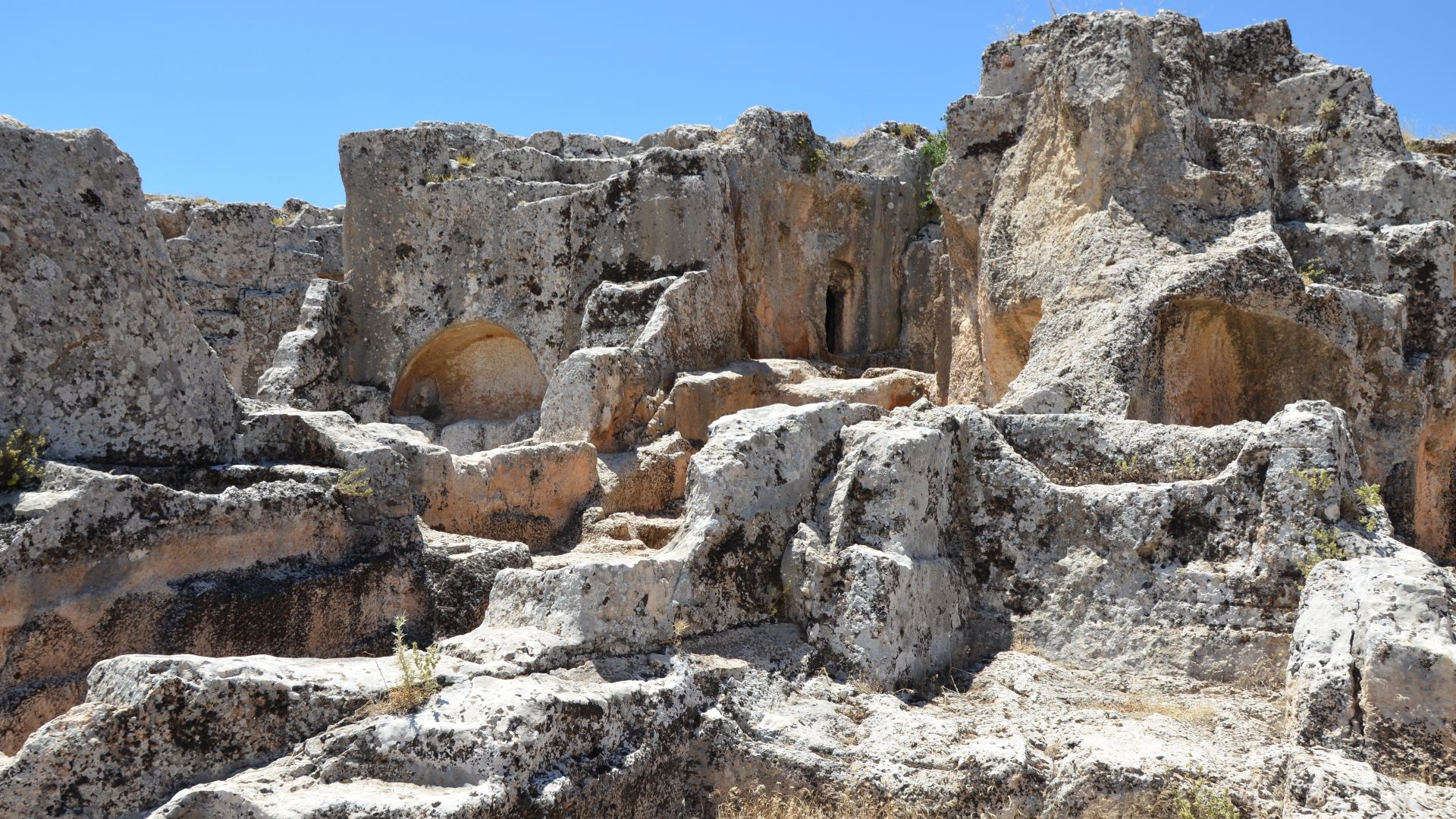
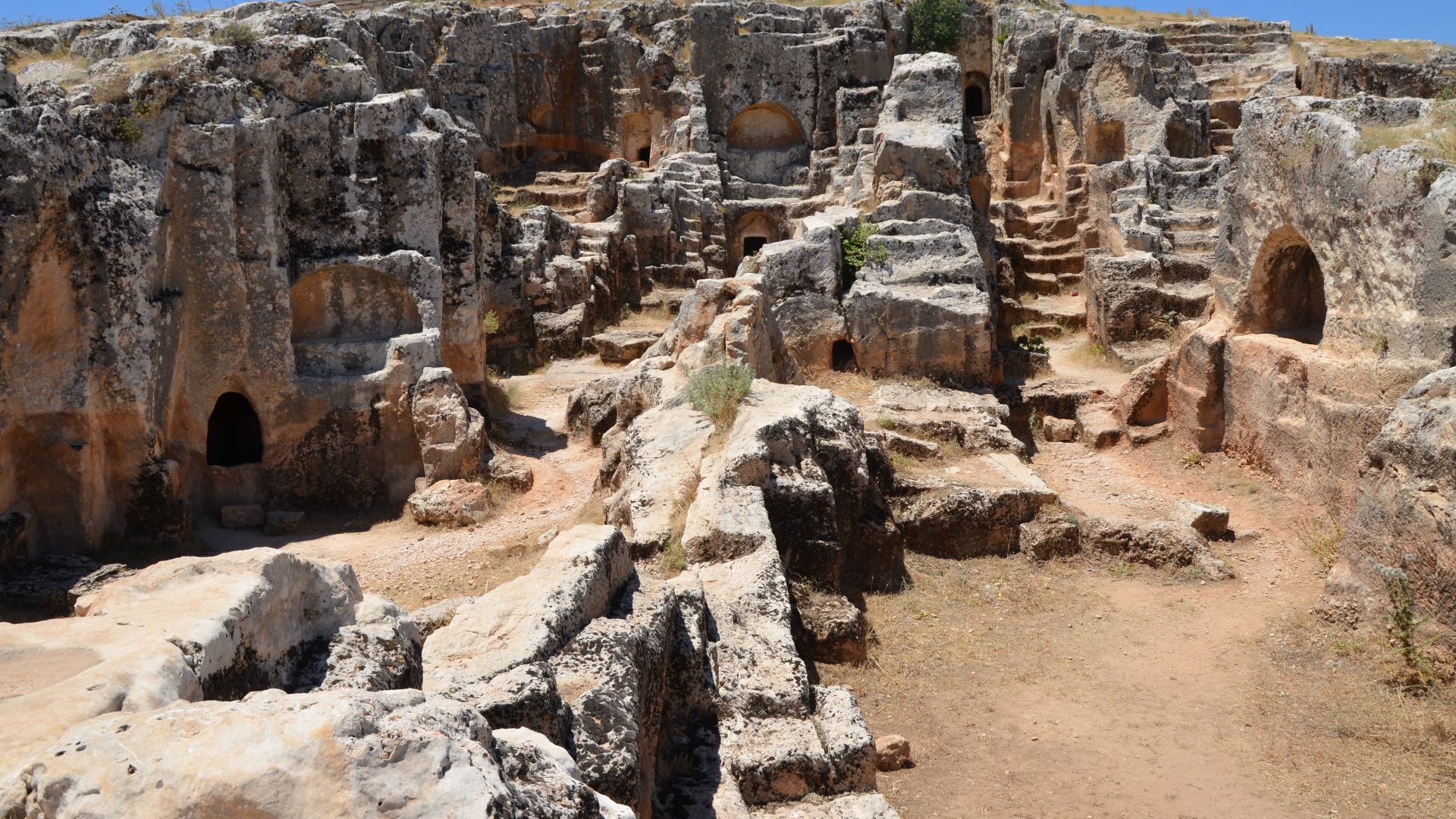
Perre is best known for its enormous burial ground carved across the limestone hillside. Doorways lead into chambers containing niches, benches, and spaces prepared for multiple burials. Some sections are connected by stairways and passages cut directly into the rock.
 Ingeborg Simon, Wikimedia Commons
The Tombs Were Made For Repeated Use
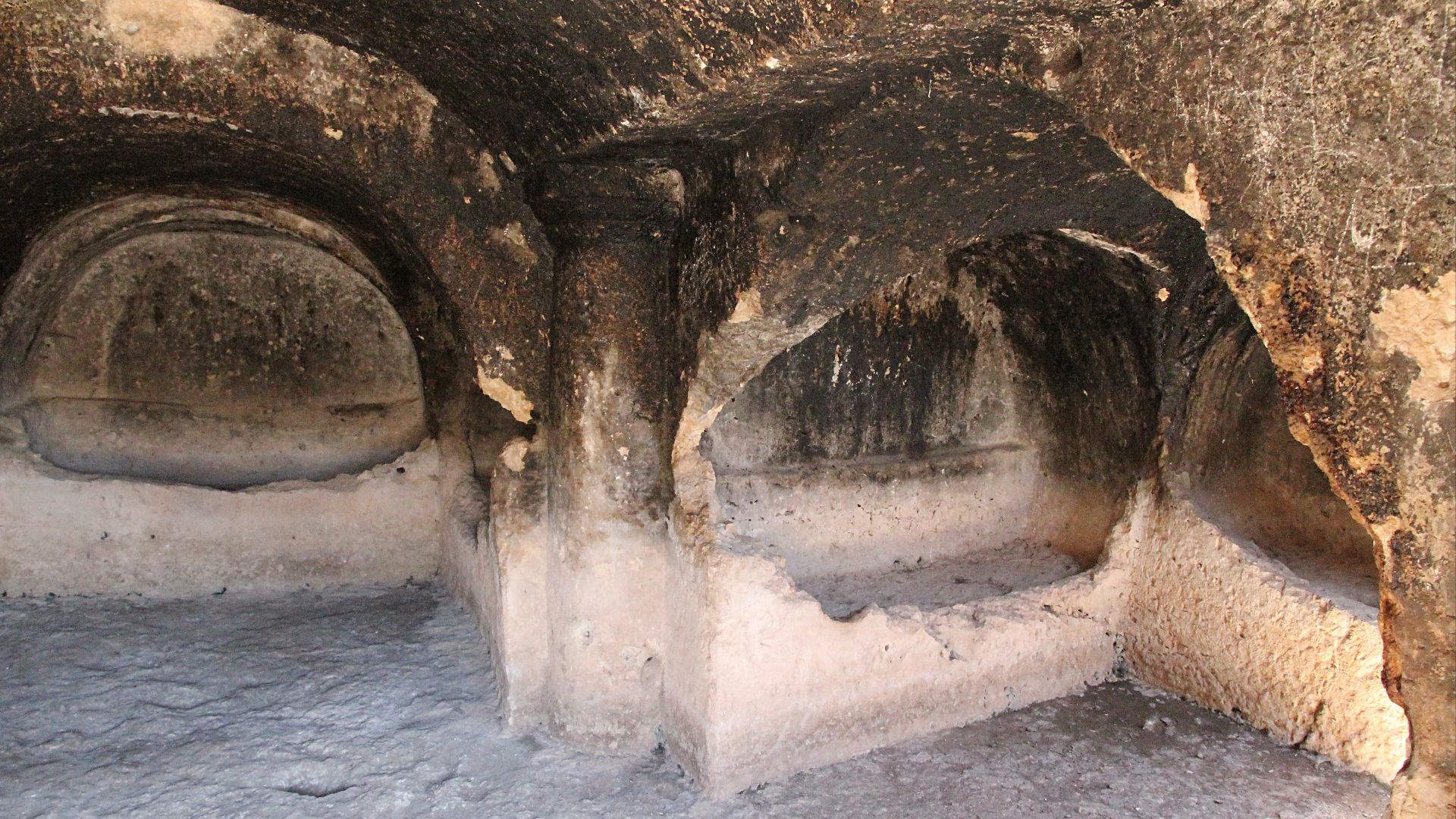
Many chambers were not designed for a single burial. Families or social groups could place several people inside the same rock-cut complex, sometimes using separate niches or adjoining rooms. This arrangement turned the necropolis into a lasting landscape of family memory rather than a collection of isolated graves.
 Klaus-Peter Simon, Wikimedia Commons
Stairs Led Mourners Into The Mountain
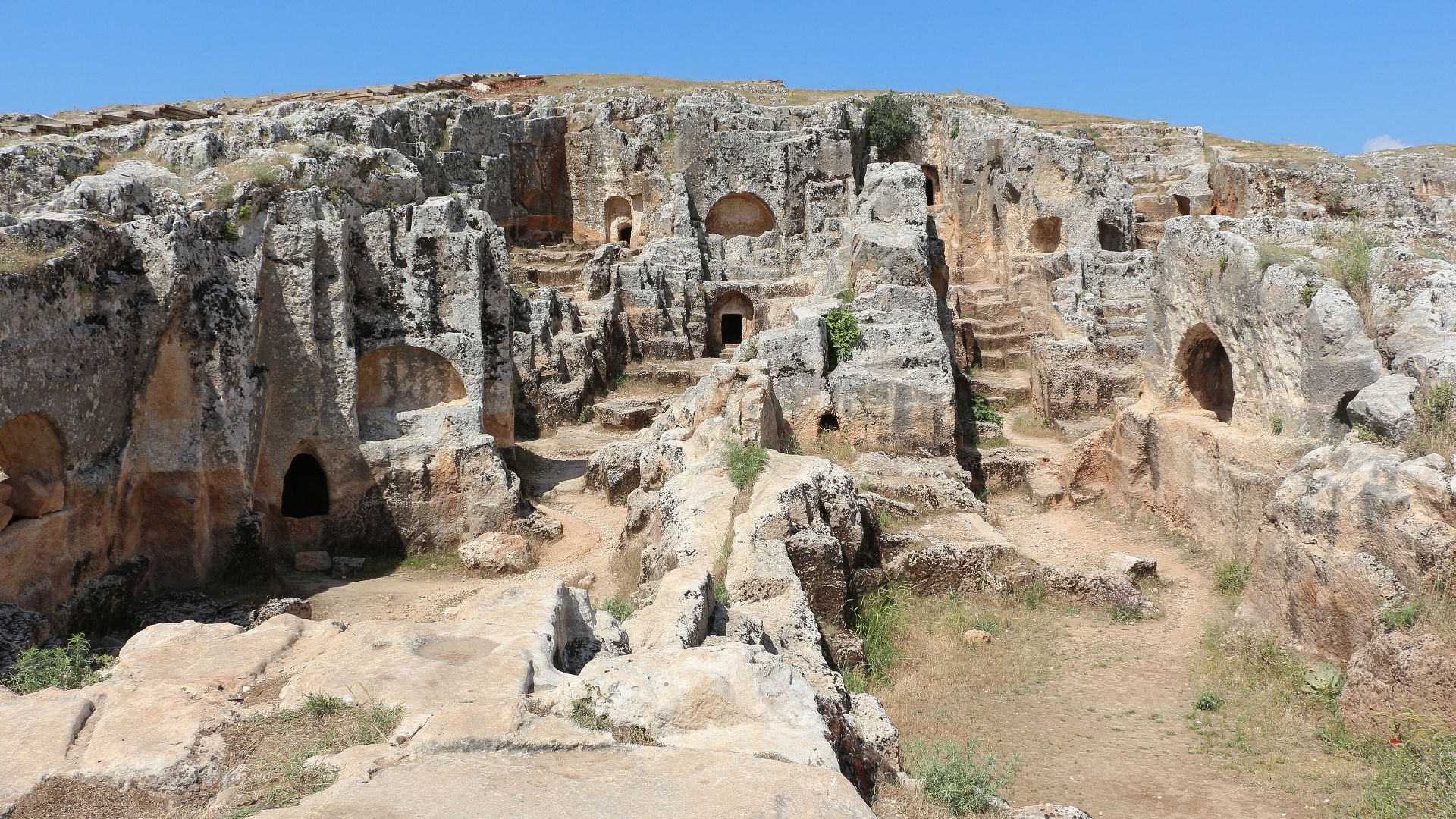
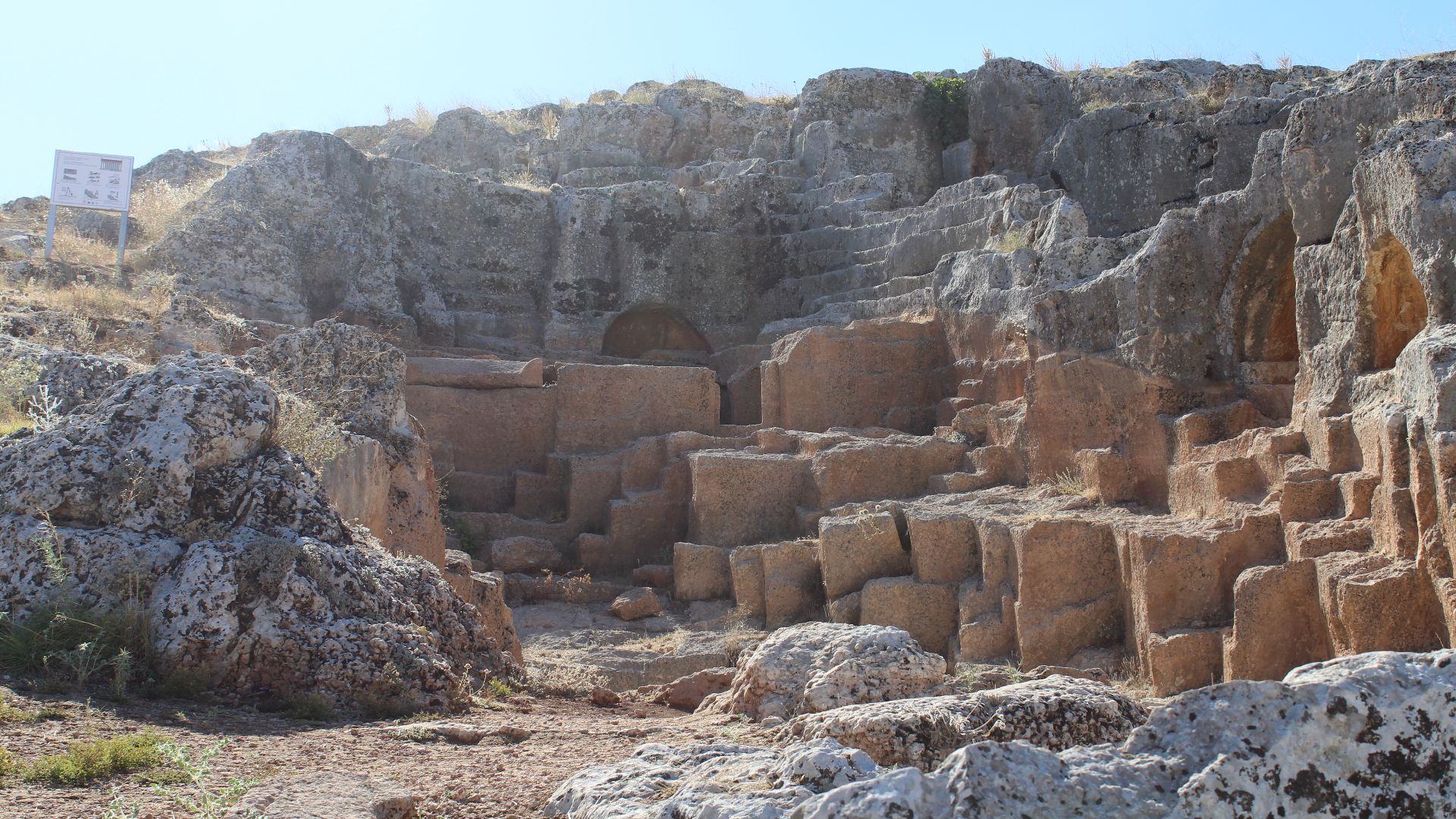
Ancient workers cut stairways into steep sections of the limestone to make tomb groups accessible. Visitors could descend from the surface and move among doorways, burial chambers, and carved platforms. These paths help explain why the necropolis can feel like a separate city built for the dead.
 Bernard Gagnon, Wikimedia Commons
Not Every Grave Looked The Same
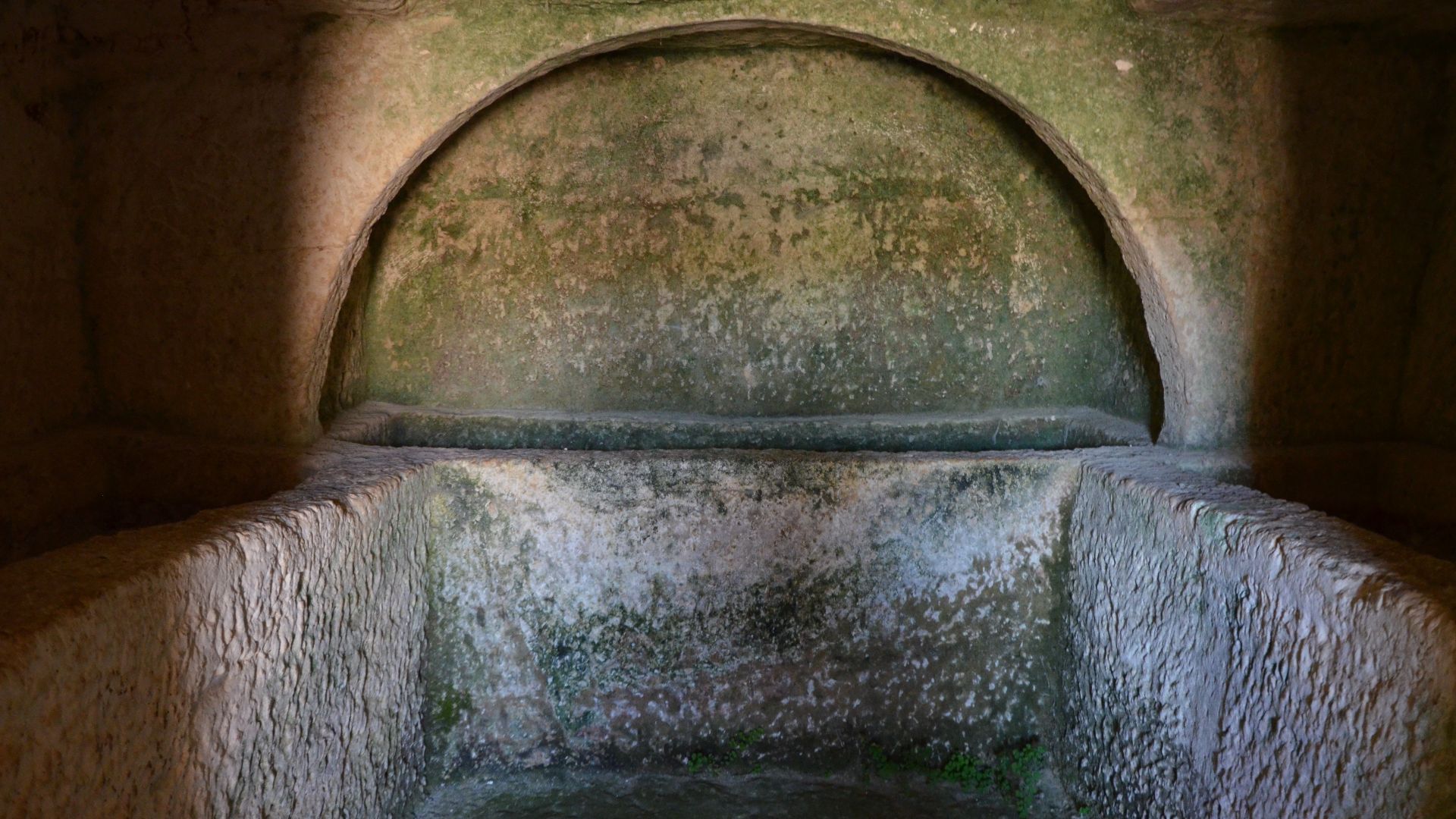
The burial ground contains chamber tombs, vaulted niches, sarcophagi, and simpler graves. Different forms may reflect changing customs, available wealth, family preferences, or the long period during which the cemetery remained in use. Archaeologists can study these variations to trace shifts in Perre’s population and funerary traditions.
 Carole Raddato from FRANKFURT, Germany, Wikimedia Commons
A Tomb Revealed An Egyptian Connection
In 2025, archaeologists announced the discovery of a roughly 2,100-year-old tomb containing a figure associated with Pataikos, an ancient Egyptian protective deity. Anadolu Agency reported that the find was believed to be the first figure of its kind discovered in Anatolia. Its presence suggests that religious objects and ideas traveled surprisingly far across the ancient world.
 Bernard Gagnon, Wikimedia Commons
Perre’s Beliefs Were Far From Simple
Residents lived in a region where local traditions existed beside Greek, Persian, Roman, and later Christian beliefs. A protective Egyptian figure found in a Commagene tomb adds another layer to that religious mixture. Perre was not cut off from distant cultures, even though it stood near a rugged mountain route.
 Carole Raddato from FRANKFURT, Germany, Wikimedia Commons
Excavations Resumed In The Modern Era
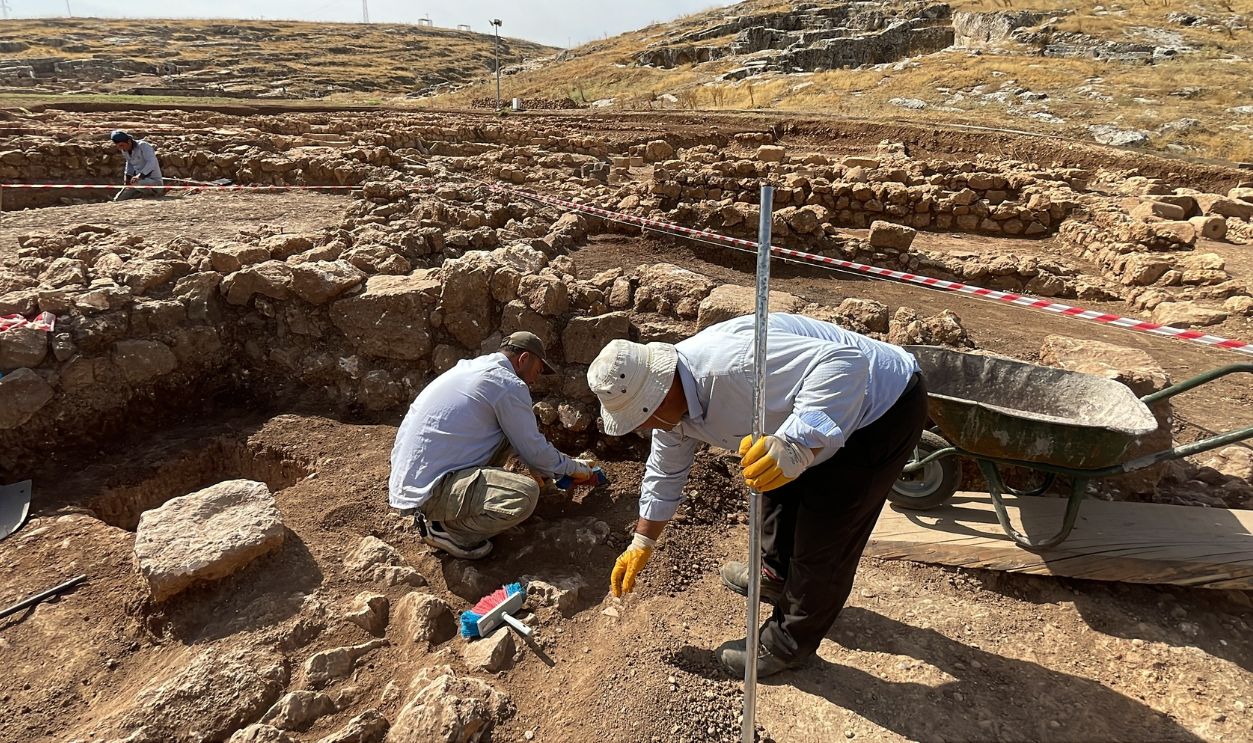
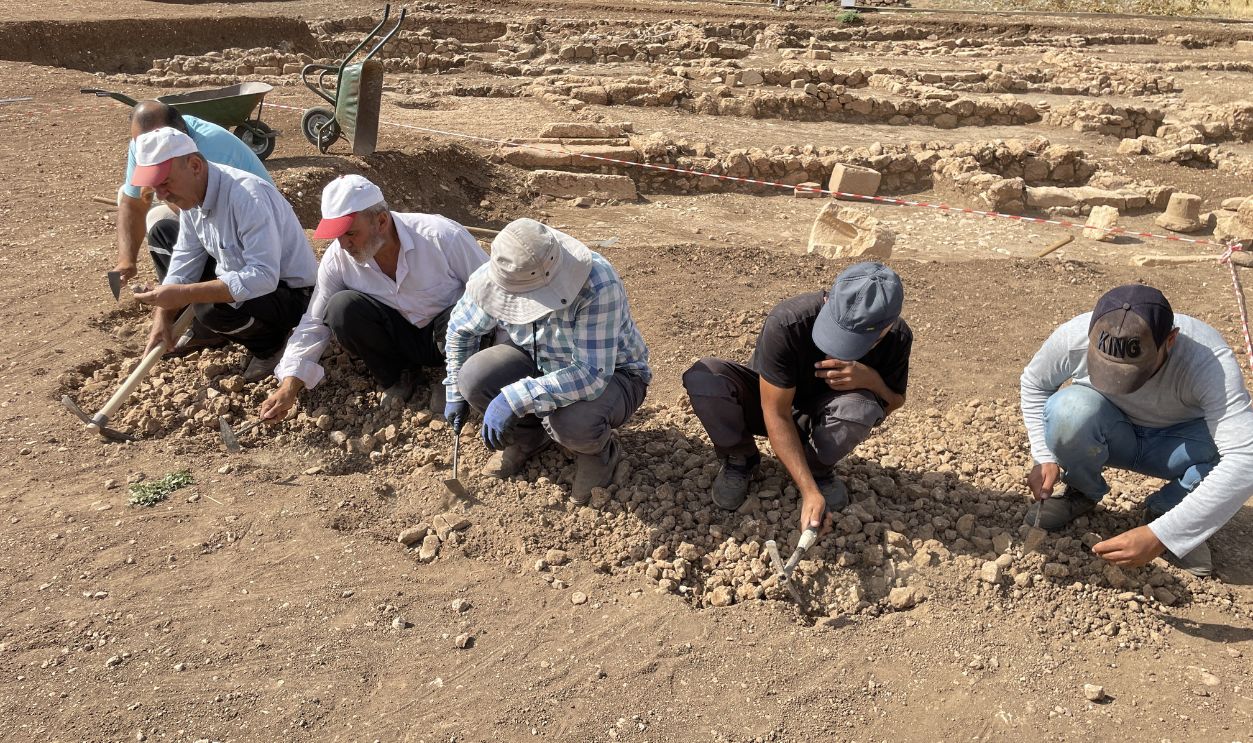
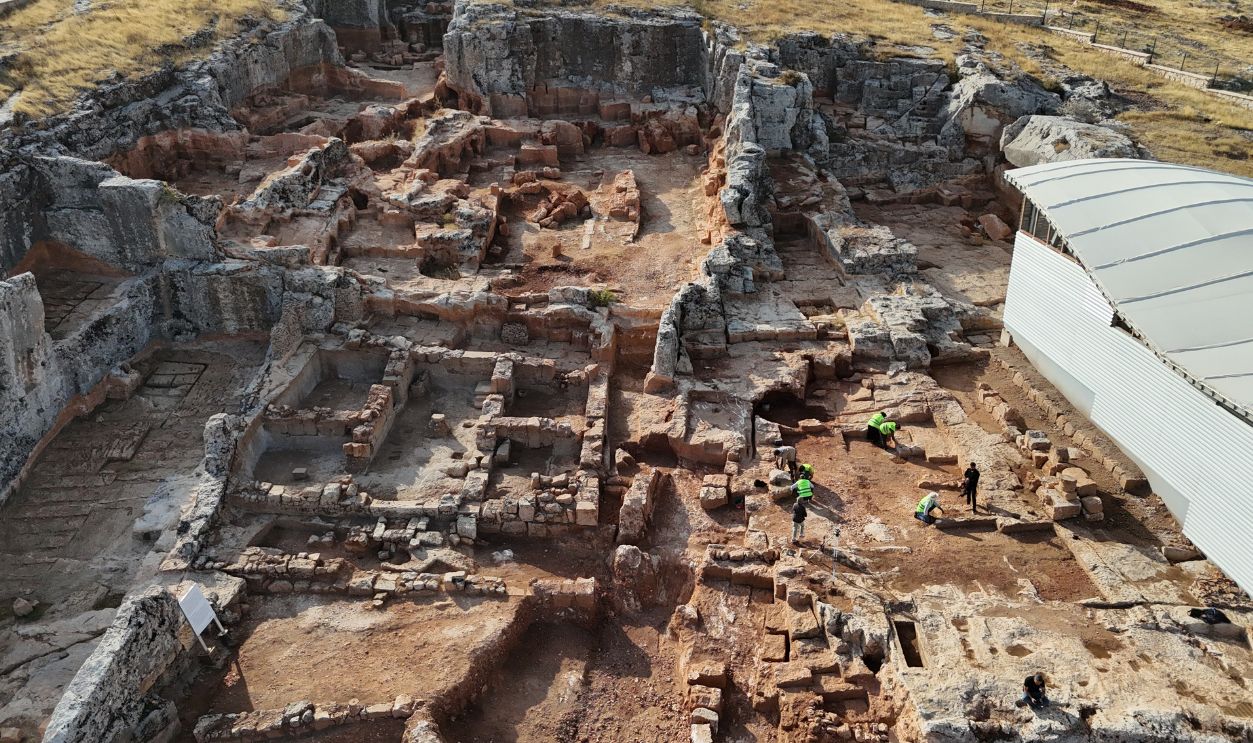
Modern investigation of Perre stretches back more than a century, although systematic excavation has often been interrupted. Research intensified after work began at the site in 2001, and annual excavation has continued without interruption since 2020. The recent campaigns have shifted attention beyond the famous tombs and toward the living city around them.
Archaeologists Found A Roman-Era Home
During the 2025 season, a team uncovered a residential area dated to approximately 1,500 years ago. The complex covered about 154 square meters and included two adjoining rooms. This discovery gave archaeologists a more intimate look at life inside late Roman Perre.
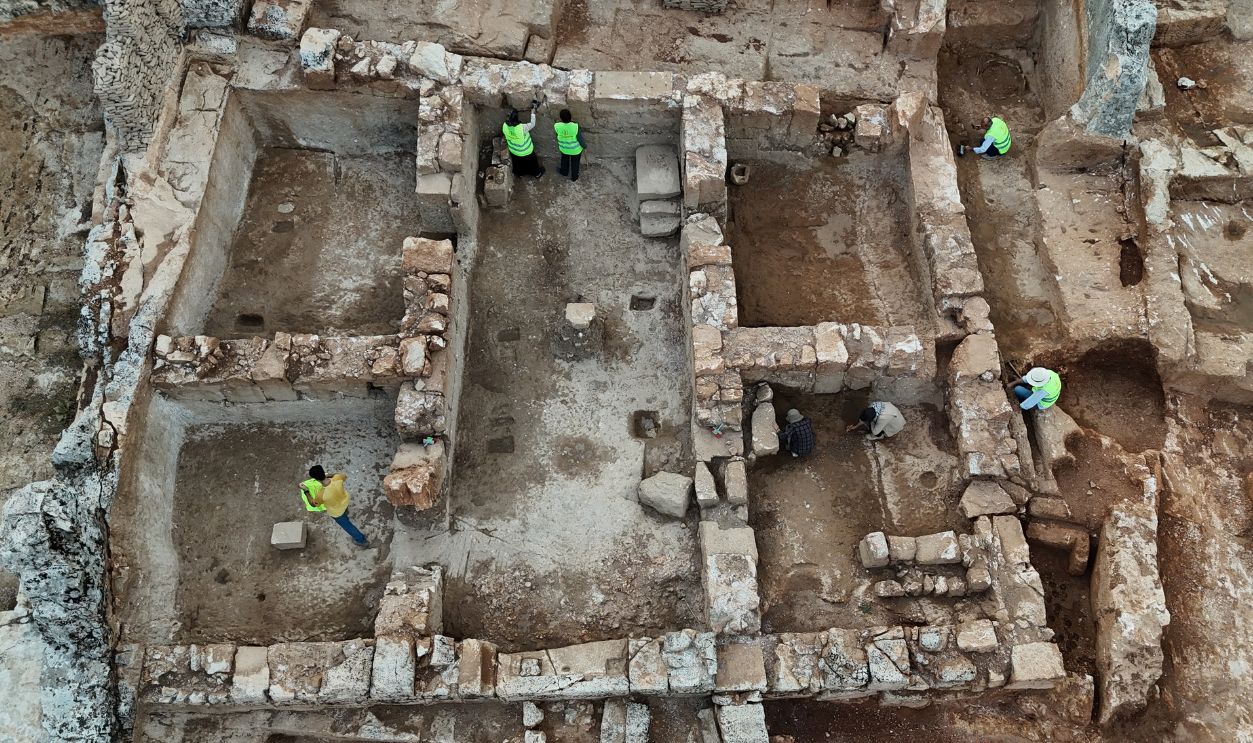
A Tandoor Stood Inside The Living Space
The residence contained a tandoor, a type of oven commonly used for baking and cooking. Its location helped investigators interpret the surrounding rooms as domestic rather than ceremonial or purely industrial. Something as ordinary as an oven can reveal where people prepared meals, gathered, and managed daily household work.
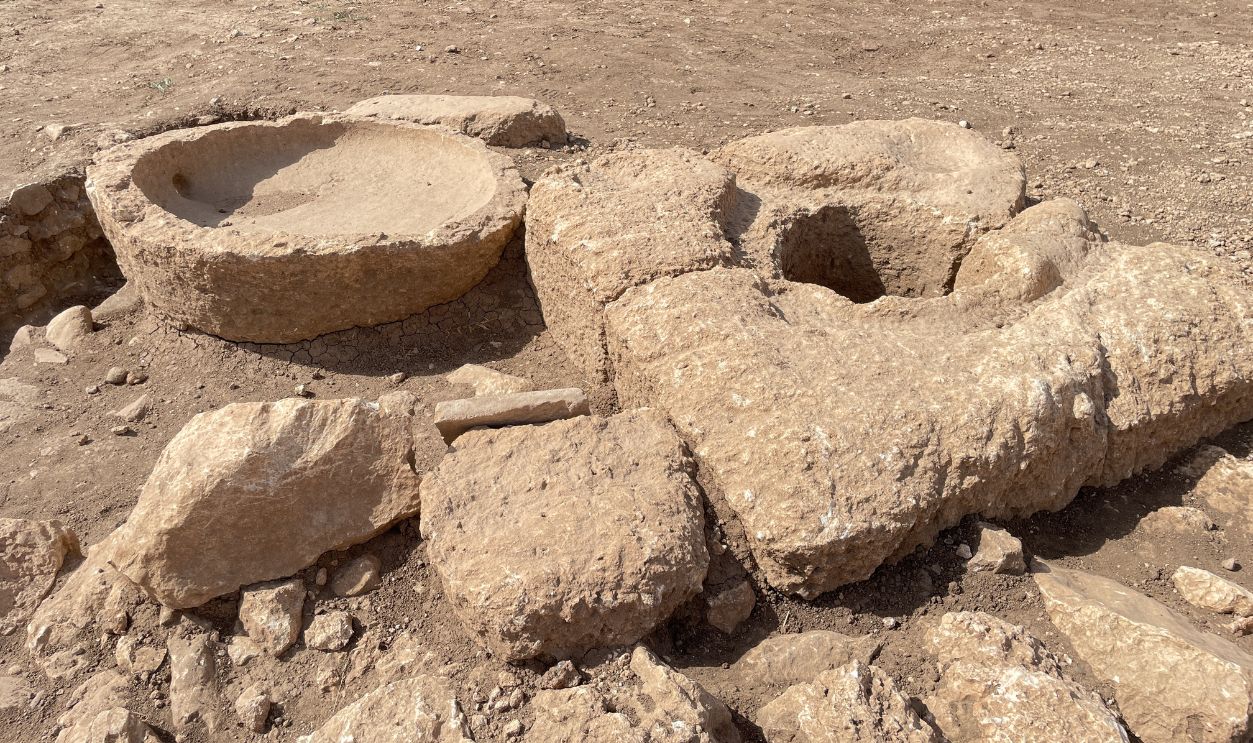
Another Oven Had Already Been Found
A separate 1,500-year-old bread oven was reported at Perre during earlier excavations in 2021. Together, these discoveries show that food preparation was taking place in more than one part of the settlement. They also move the story of Perre away from kings and tombs and into the routines of bakers, families, and workers.
 Carole Raddato from FRANKFURT, Germany, Wikimedia Commons
Residents Also Worked With Textiles
Excavations have uncovered evidence of a weaving workshop dated to roughly 1,700 years ago. Finds included weights used in textile production, while earlier discoveries in the area had revealed dyeing installations. These objects suggest that fabric-making formed part of Perre’s local economy.
Cloth Production Required Skilled Labor
Producing textiles involved far more than placing thread on a loom. Workers had to prepare fibers, spin them, arrange the warp, manage tension with weights, weave the cloth, and sometimes dye the finished material. The workshop therefore represents organized knowledge passed between experienced craftspeople.
 Vincent Vega, Wikimedia Commons
Grapes Were Processed On A Large Scale
Perre also preserves an ancient grape-processing installation dated to around 1,800 years ago. Local authorities have announced plans to restore the grape mill and make it part of the visitor experience. The installation points to agricultural processing and possibly wine production within the ancient city.
A Mosaic Covered An Enormous Floor
One of Perre’s most impressive discoveries is a large floor mosaic covering approximately 125 square meters. Archaeologists date it to the fifth century AD, placing it in the later Roman or early Byzantine life of the city. Its geometric patterns once transformed an ordinary floor into a carefully designed architectural feature.
Conservators Had To Save The Mosaic
Exposure can quickly damage an ancient mosaic after it is excavated. Soil, plant growth, moisture, temperature changes, and loose tesserae can all threaten a floor that survived for centuries underground. Specialists cleaned and stabilized Perre’s mosaic before it reopened to visitors in 2025.
 Vincent Vega, Wikimedia Commons
Burials Appeared Beside The Mosaic
Excavators working in the mosaic area discovered an approximately 1,800-year-old stone burial chamber containing four skeletons. No valuable grave goods were reported inside it. The burial shows how Perre’s spaces could be reused and reorganized as the city changed.
 Ingeborg Simon, Wikimedia Commons
One Building Preserved Evidence Of Disaster
Archaeologists have also uncovered a structure believed to have been damaged by an ancient earthquake. Dense roofing material had collapsed across the building, preserving evidence of its destruction. The remains were dated broadly to the sixth or seventh century AD, when Perre was still occupied but facing major changes.
 Carole Raddato from FRANKFURT, Germany, Wikimedia Commons
A Bronze Document Told A Soldier’s Story
A bronze Roman military diploma found at Perre was reportedly issued in AD 123. These documents recorded privileges granted to qualifying veterans, often including Roman citizenship and legally recognized family rights. The find connects Perre with the administration and military networks of the wider Roman Empire.
 Vincent Vega, Wikimedia Commons
The City Became An Early Christian Center
By late antiquity, Perre had developed an important Christian presence and eventually became a bishopric. Historical research has identified a basilica with a wide central nave, side aisles, and mosaic decoration. This Christian phase added churches and new burial customs to a landscape already shaped by centuries of earlier beliefs.
 Vincent Vega, Wikimedia Commons
Recent Work Is Expanding The Sacred Zone
The 2025 excavation season investigated a newly exposed area covering roughly 2,500 square meters. Researchers reported architectural blocks, stonework, domestic remains, and evidence connected with religious or ceremonial activity. Each new section is helping archaeologists understand how sacred and residential spaces related to one another.
Much Of Perre Is Still Missing
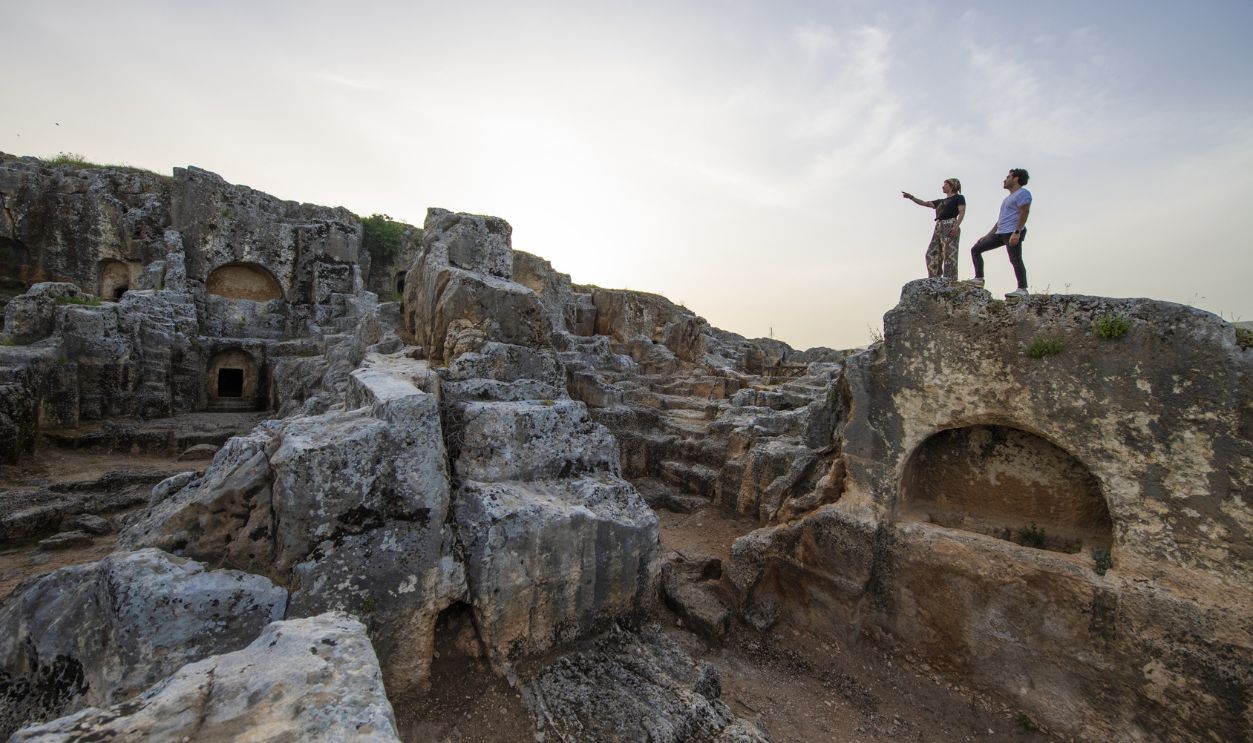
The surviving necropolis is enormous, but the ancient city extended beyond the areas currently open and excavated. Modern construction, later reuse, erosion, and unexcavated ground continue to hide major parts of its street plan. Archaeologists are still trying to determine the size and organization of the settlement at its peak.
 Carole Raddato from FRANKFURT, Germany, Wikimedia Commons
The City’s Ordinary Residents Are Returning
Perre’s rock tombs may create the strongest first impression, but recent excavations are revealing a much fuller community. People baked bread, wove cloth, processed grapes, carried water, decorated floors, worshipped different gods, and buried relatives in the surrounding stone. As work continues, the mountain city is becoming less like a field of ruins and more like a place where real lives unfolded.
 Carole Raddato from FRANKFURT, Germany, Wikimedia Commons
You May Also Like: