A Remarkable Find Beneath Assiut
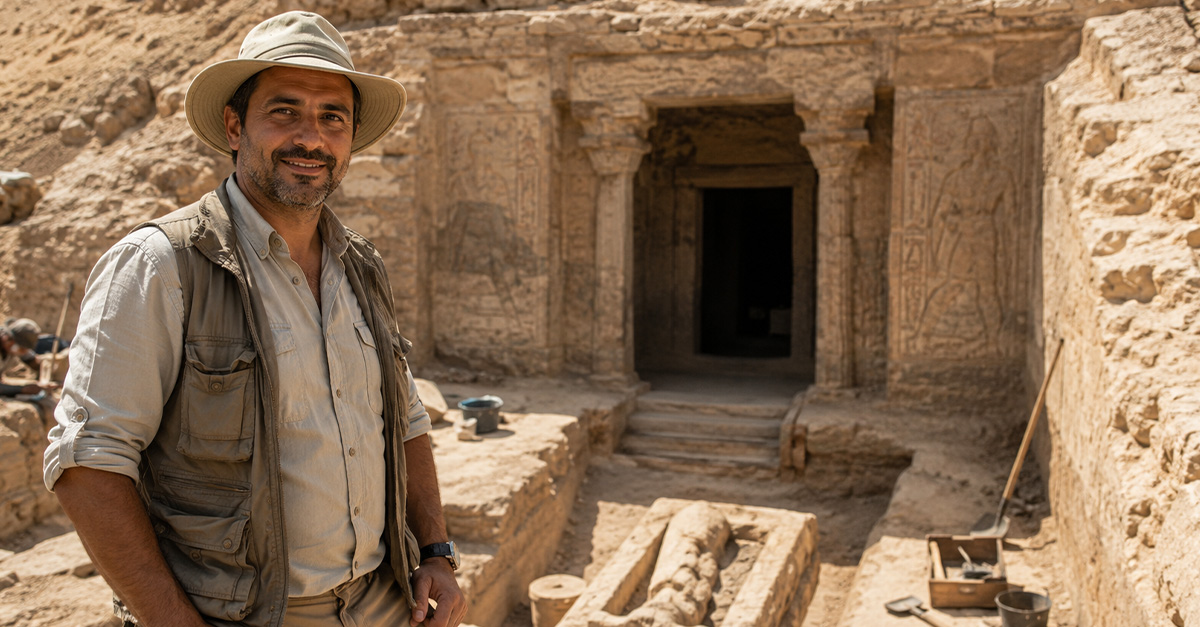
Deep beneath the rocky hills of Assiut, archaeologists uncovered a burial chamber that had remained hidden for roughly 4,000 years. It belonged to Idi, the daughter of a powerful regional governor. Her tomb offers an unusually personal look at wealth, religion, family influence, and female status in Middle Kingdom Egypt.
Hidden Inside Her Father’s Tomb
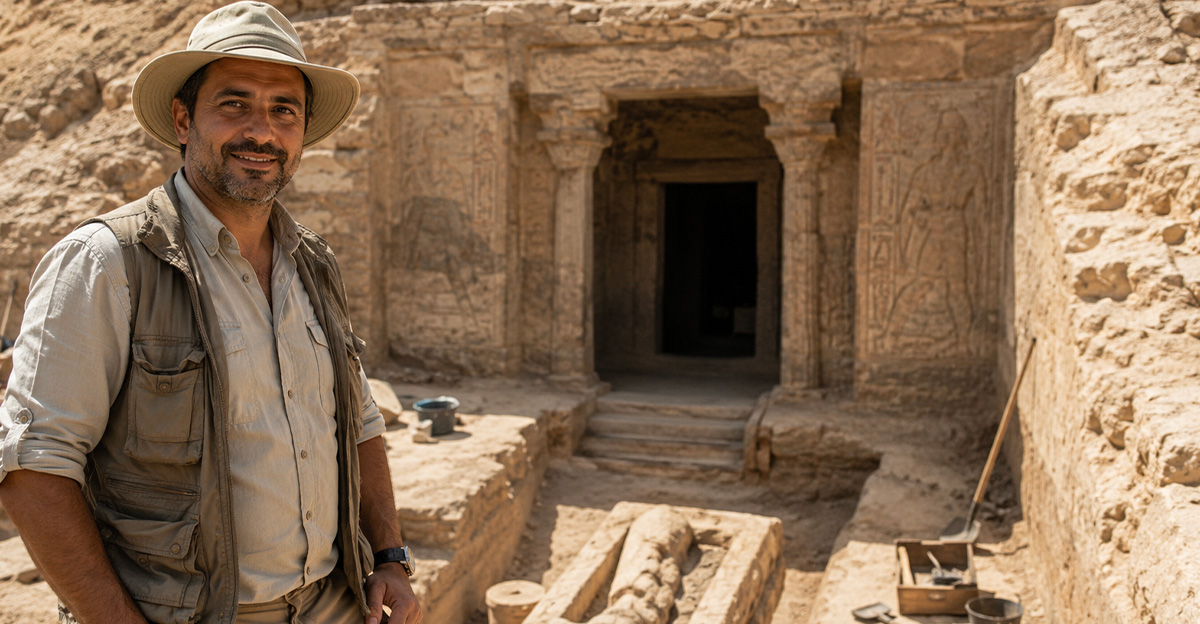
Idi’s chamber was discovered within the enormous tomb complex of her father, Djefai-Hapi I. He governed Assiut during the reign of Pharaoh Senusret I and was important enough to receive one of the largest non-royal tombs known from the Middle Kingdom. Clearly, this was not an ordinary family.
 Jon Bodsworth, Wikimedia Commons
Twenty Years In The Making
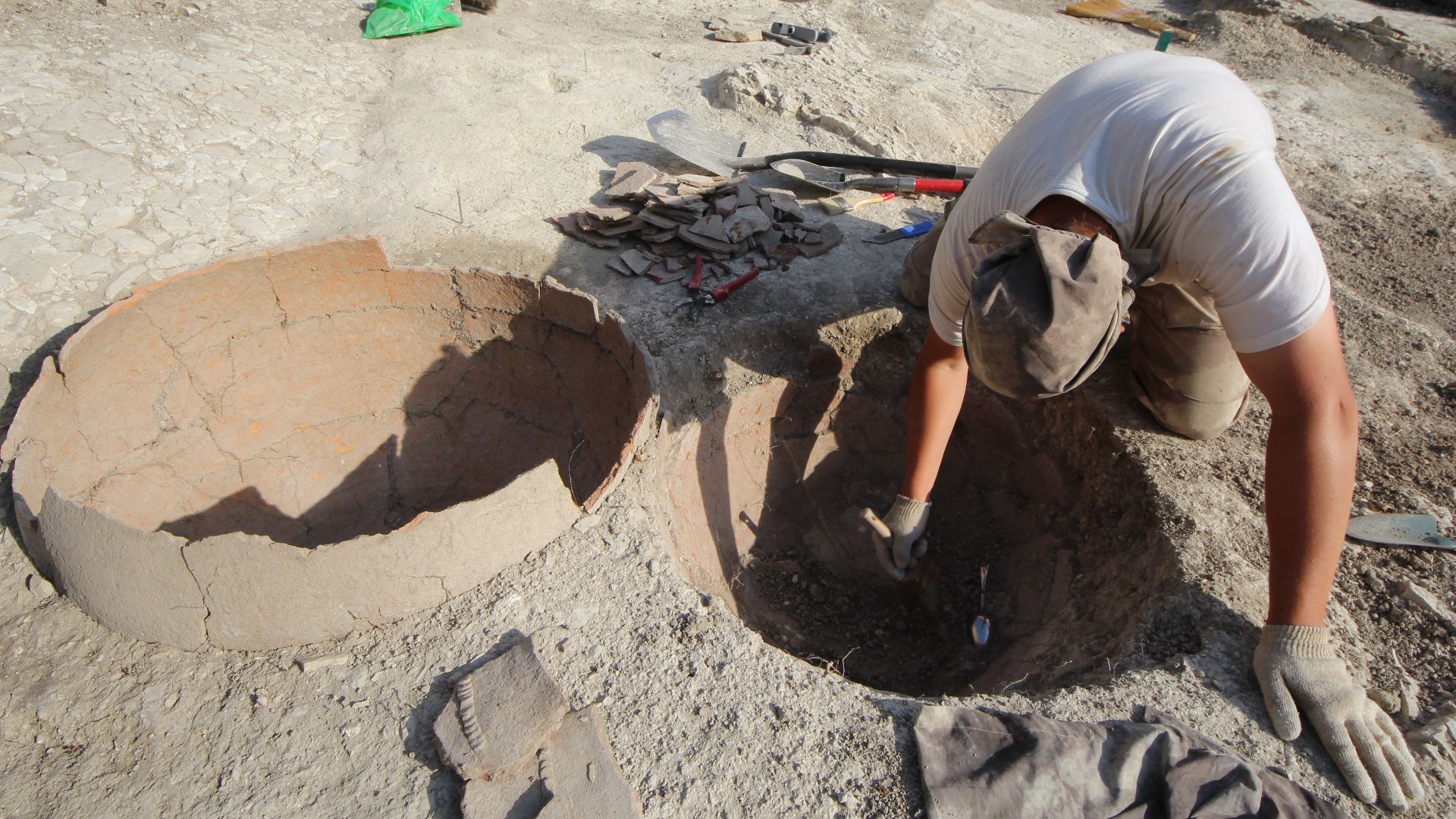
The discovery did not happen after a lucky afternoon with a shovel. Researchers had been studying and excavating the site for about two decades. During the 2024 season, they finally reached a previously inaccessible section and found Idi’s burial chamber at the bottom of a deep shaft.
 MariyaShubina, Wikimedia Commons
Meet Idi, Lady Of The House
Inscriptions identify the tomb’s owner as Idi, sometimes spelled Idy or Edi. They also call her the “Lady of the House,” a title associated with respected women who managed important domestic estates. In Idi’s case, the grand burial suggests that the title carried genuine social weight.
The Governor’s Only Daughter
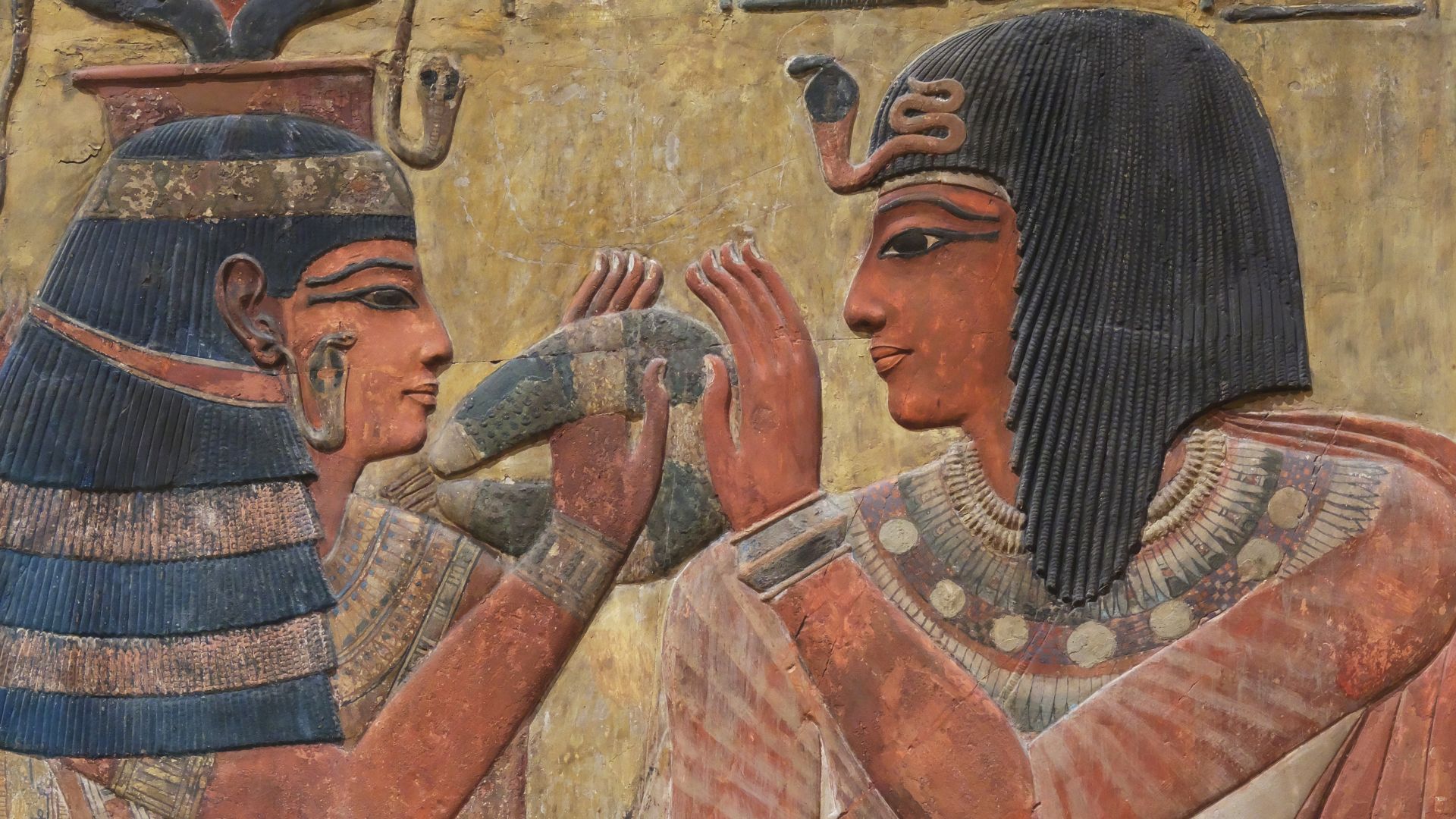
Idi appears to have been the only daughter of Djefai-Hapi I. That relationship probably helped shape her position within Assiut’s elite society. Her burial beside her influential father suggests that she was closely tied to his household, reputation, religious world, and continuing legacy after death.
More Than A Governor’s Daughter
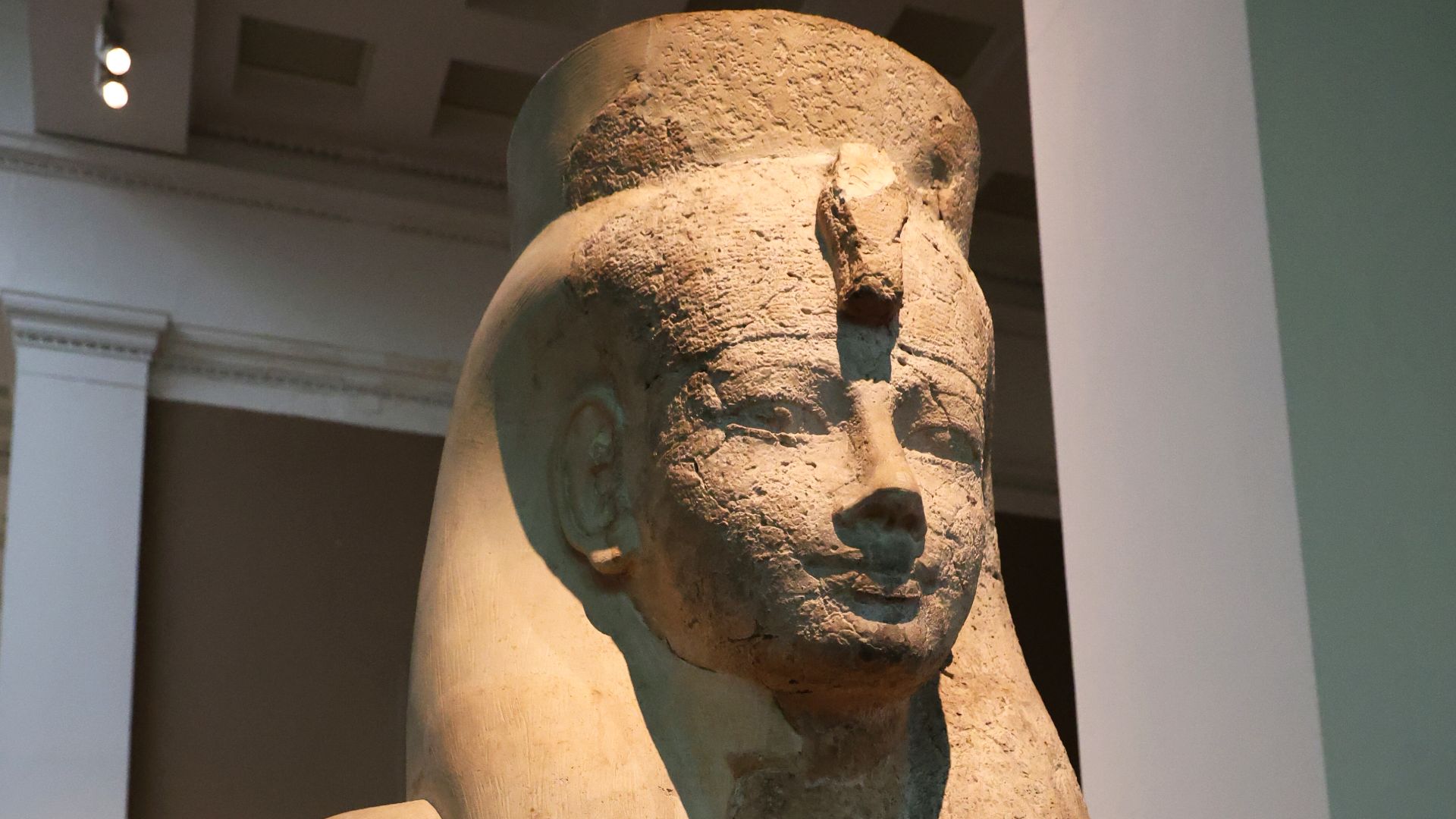
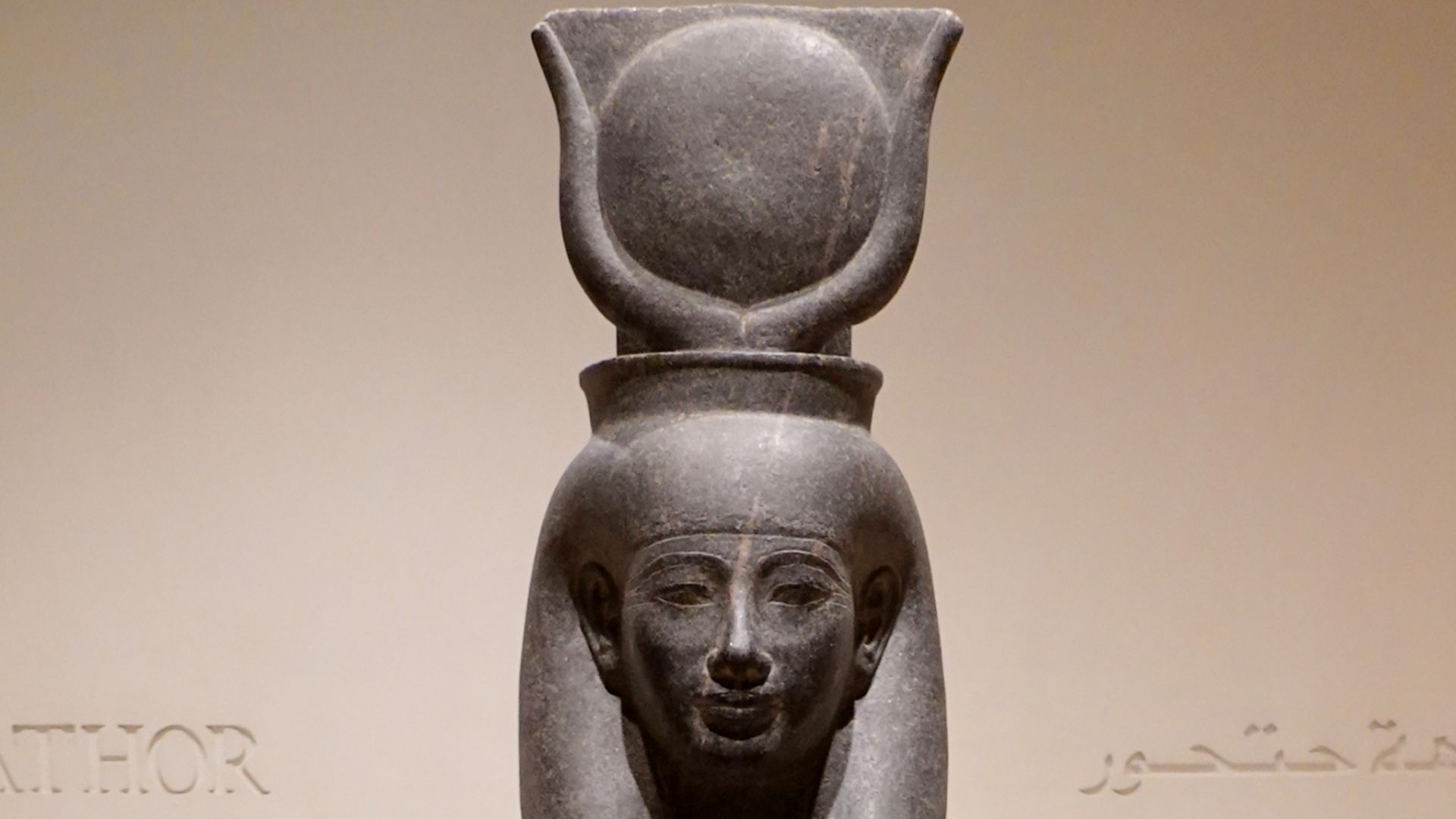
Idi was not remembered only through her father. Evidence from the tomb identifies her as a priestess of Hathor, the Egyptian goddess connected with love, motherhood, music, beauty, and protection. Religious service gave some elite women public identities and responsibilities beyond their family connections.
A Priestess With Prestige
Serving Hathor was no minor weekend commitment. Priestesses could participate in temple ceremonies, oversee property, perform rituals, and hold respected positions within local communities. Idi’s title shows that powerful women could occupy recognized religious offices, even in a society where most political leadership remained male.
Two Coffins, One Stunning Burial
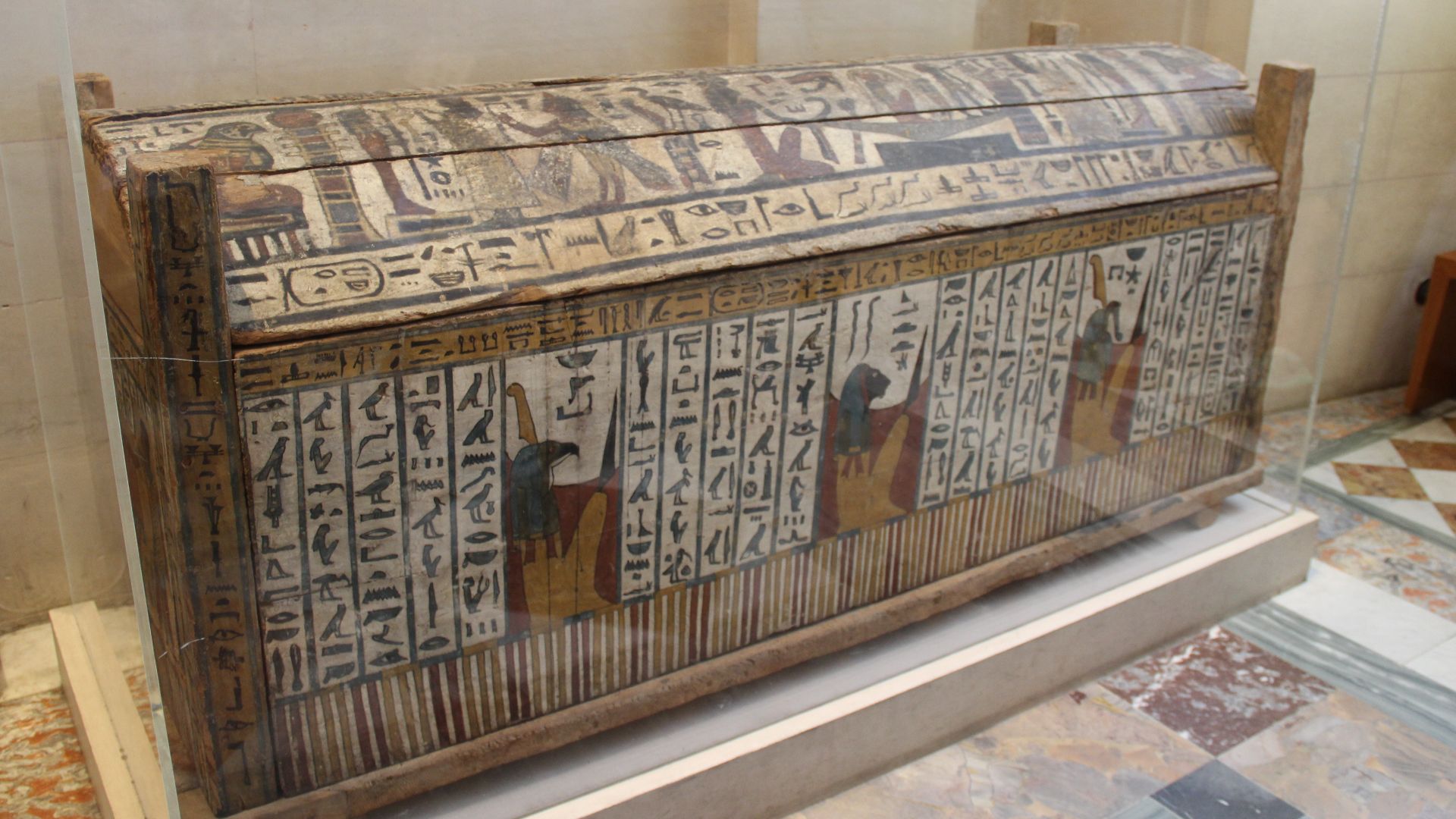
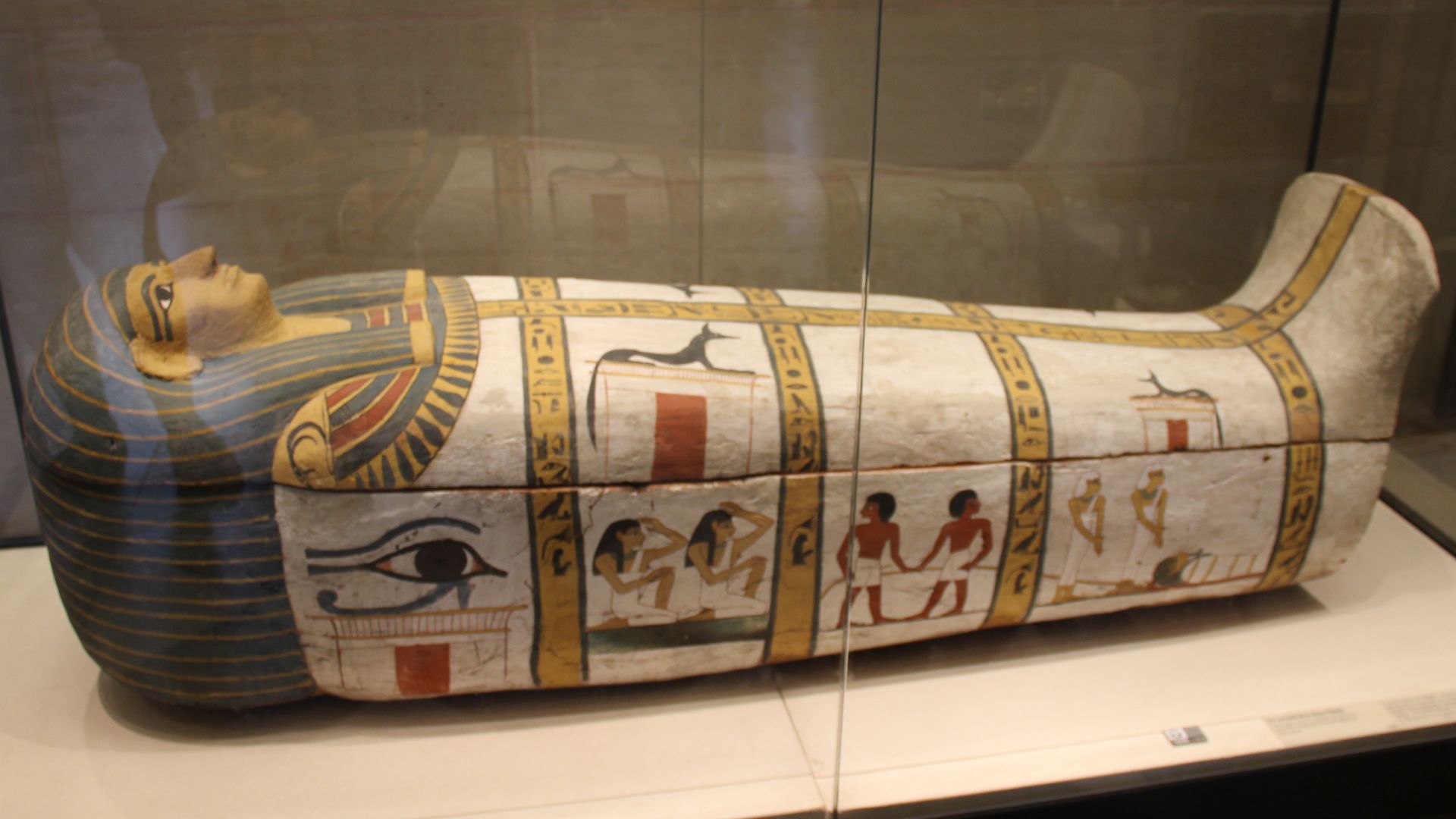
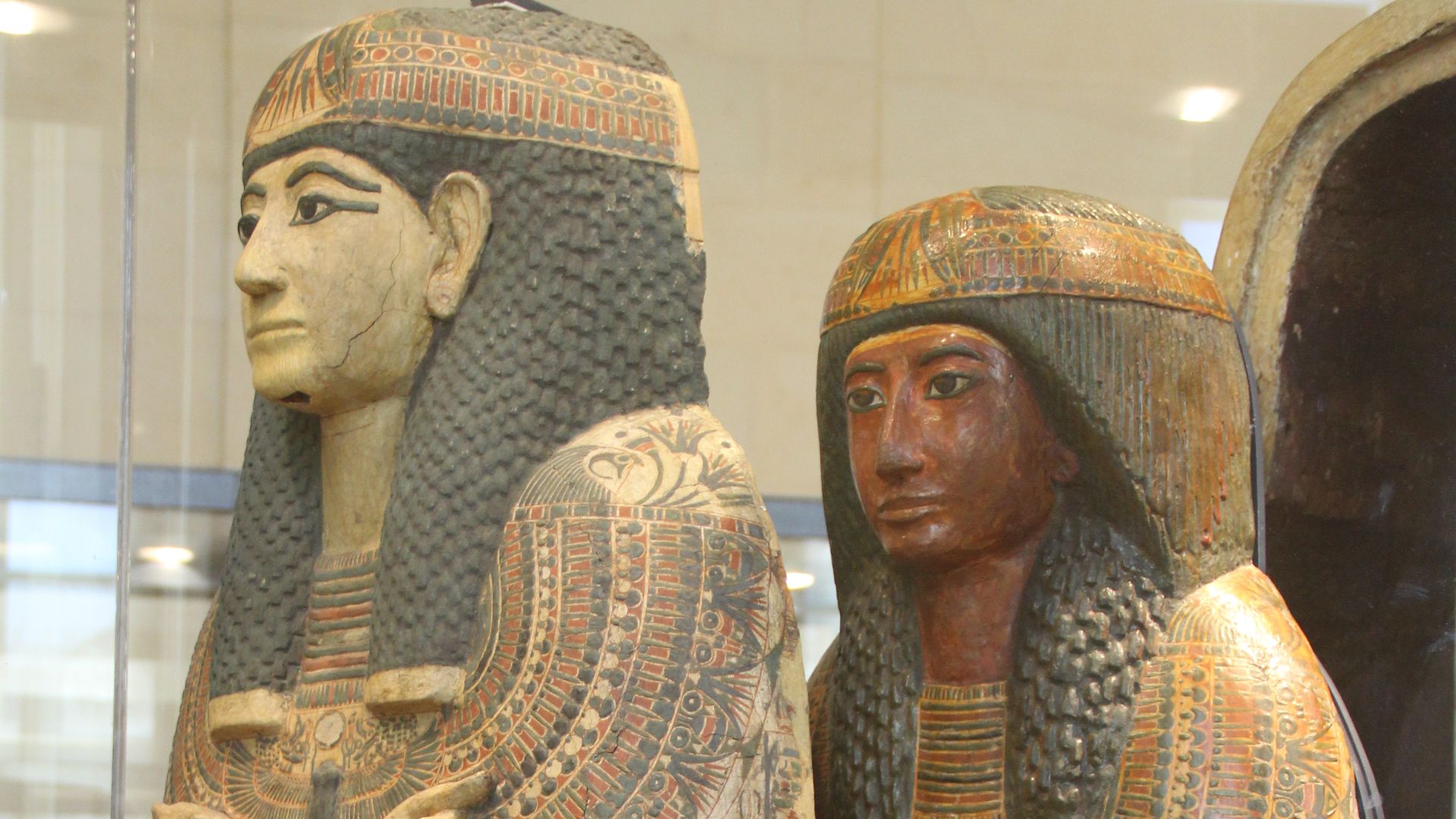
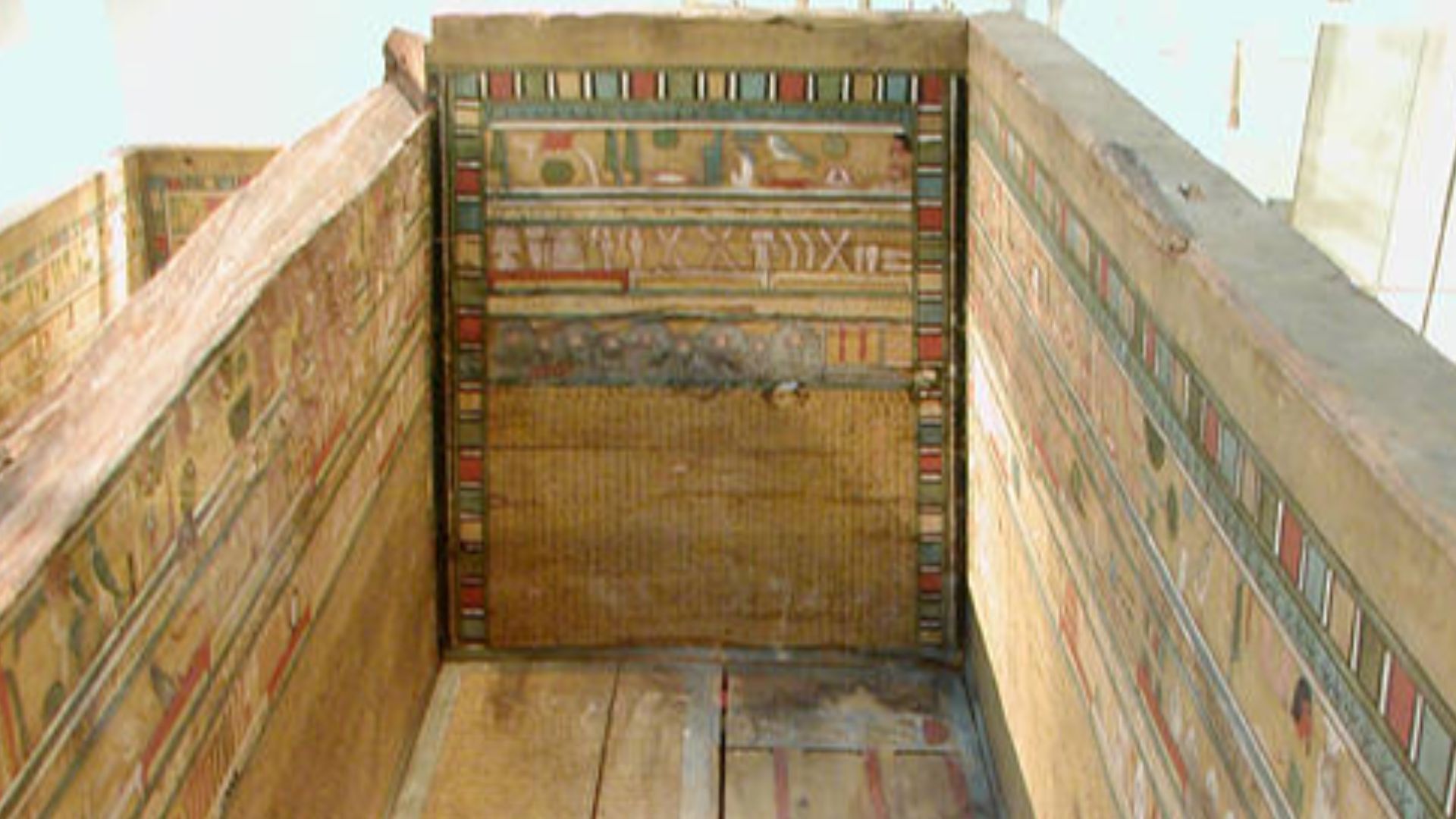
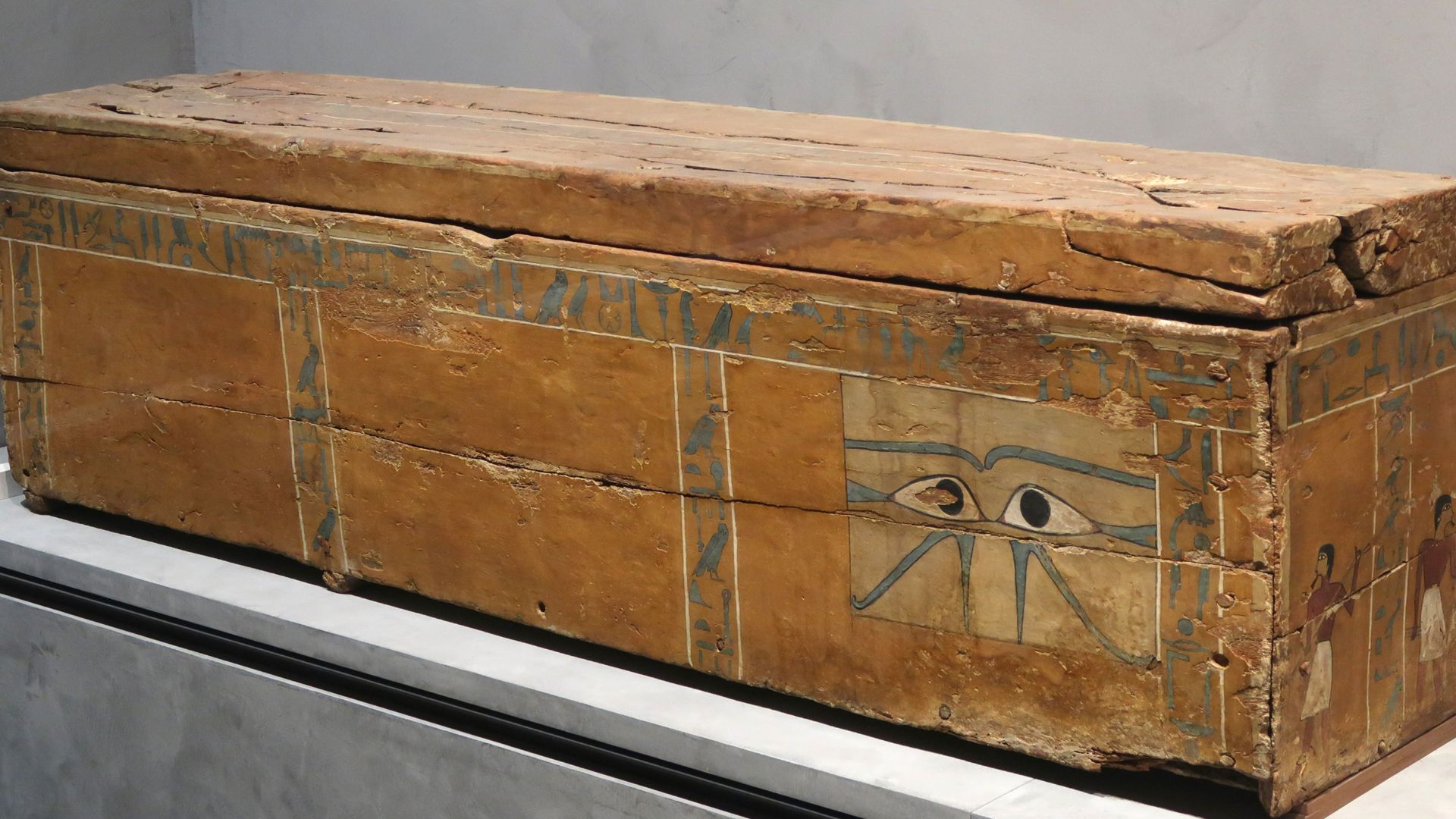
Archaeologists found Idi inside two wooden coffins, one carefully fitted within the other. Both were covered with painted decorations, hieroglyphic inscriptions, and religious scenes. The nested design added protection while also announcing that the woman inside belonged to a family with considerable wealth and influence.
 Gary Todd from Xinzheng, China, Wikimedia Commons
Imported Wood Meant Serious Wealth
Good-quality timber was difficult to obtain in Egypt, where large forests were scarce. The wood used for Idi’s coffins had probably been imported, making the objects expensive before artists even began decorating them. Every plank quietly advertised access to trade networks, skilled workers, and substantial family resources.
 Gary Todd from Xinzheng, China, Wikimedia Commons
Messages For The Afterlife
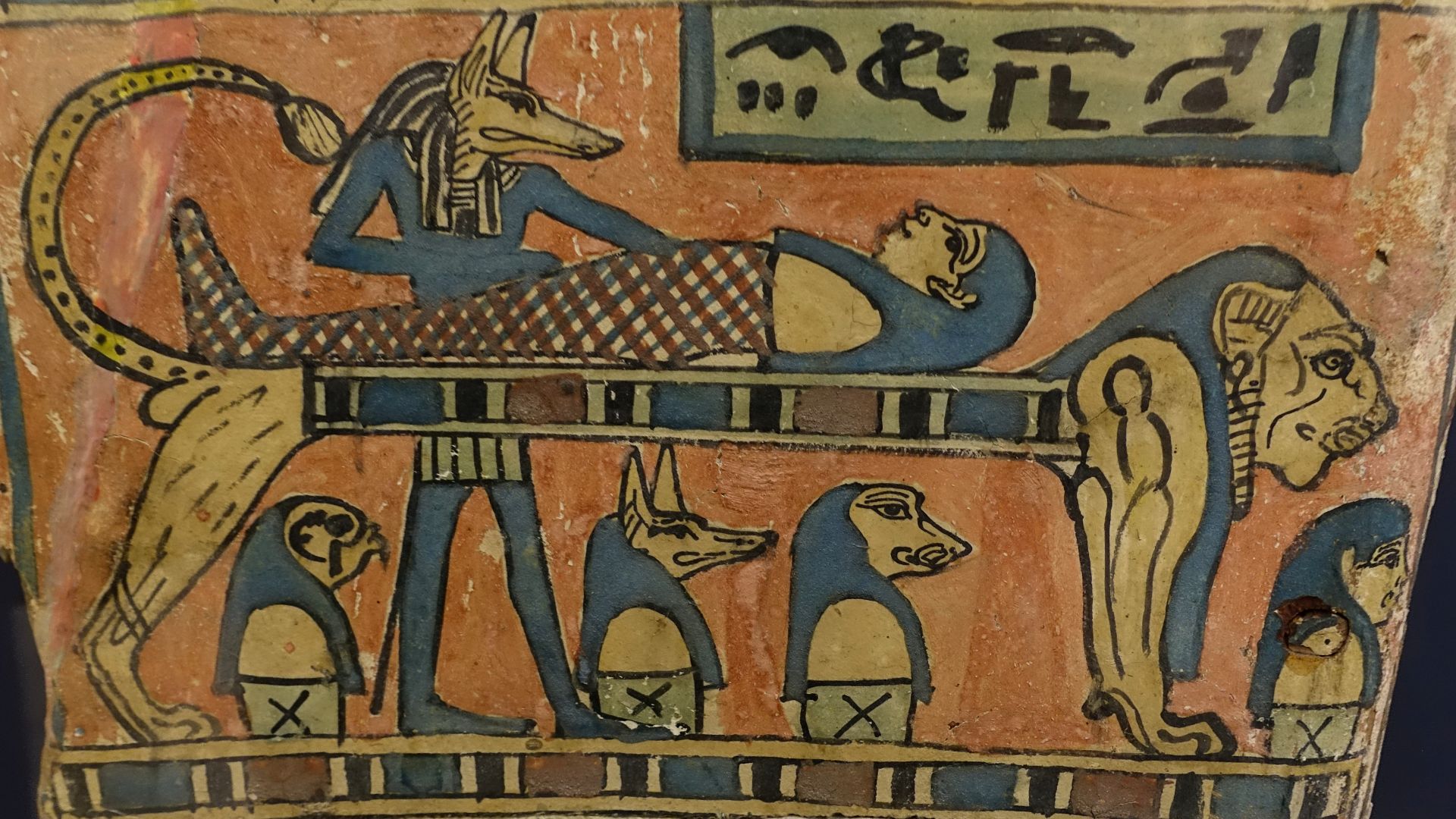
The coffins were not simply beautiful containers. Their inscriptions included prayers, magical spells, and instructions intended to guide Idi safely into the next world. Ancient Egyptians believed the journey after death could be dangerous, so the right words provided protection, knowledge, and a little supernatural insurance.
Coffin Texts Come To Life
Many of the inscriptions belong to a collection now called the Coffin Texts. These writings described the afterlife, named its dangers, and helped the deceased transform into a blessed spirit. Idi’s coffins preserve valuable versions of these texts, making her burial important for understanding Egyptian religion and literacy.
Artists Filled Every Available Space
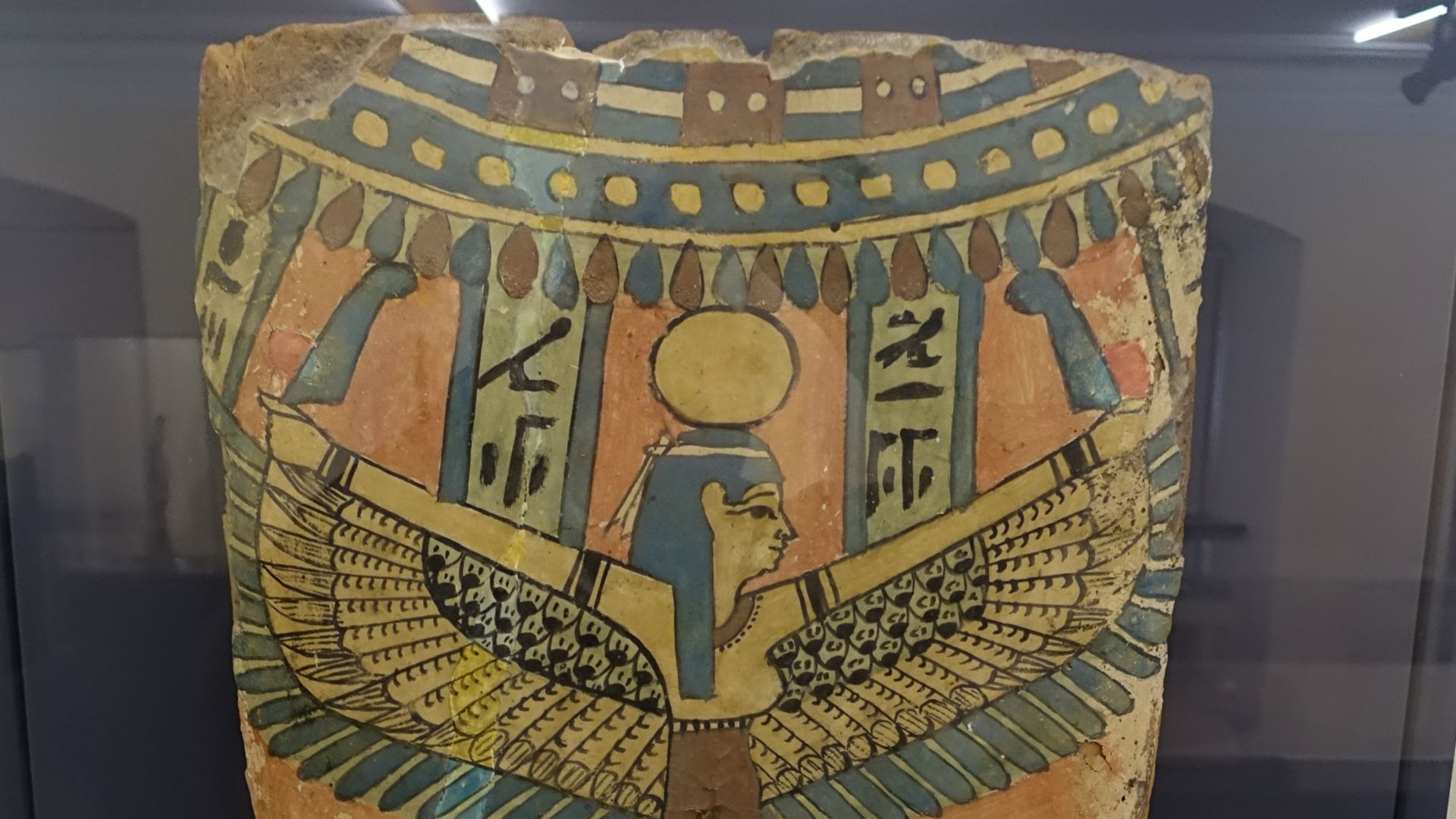
The painted surfaces are remarkably detailed. Rows of hieroglyphs run beside images of offerings, objects, and supernatural symbols. The decoration was meant to work magically, but it also created an impressive visual display. Idi entered eternity surrounded by words and pictures produced by highly trained craftspeople.
 Gary Todd from Xinzheng, China, Wikimedia Commons
A Tomb Built To Last
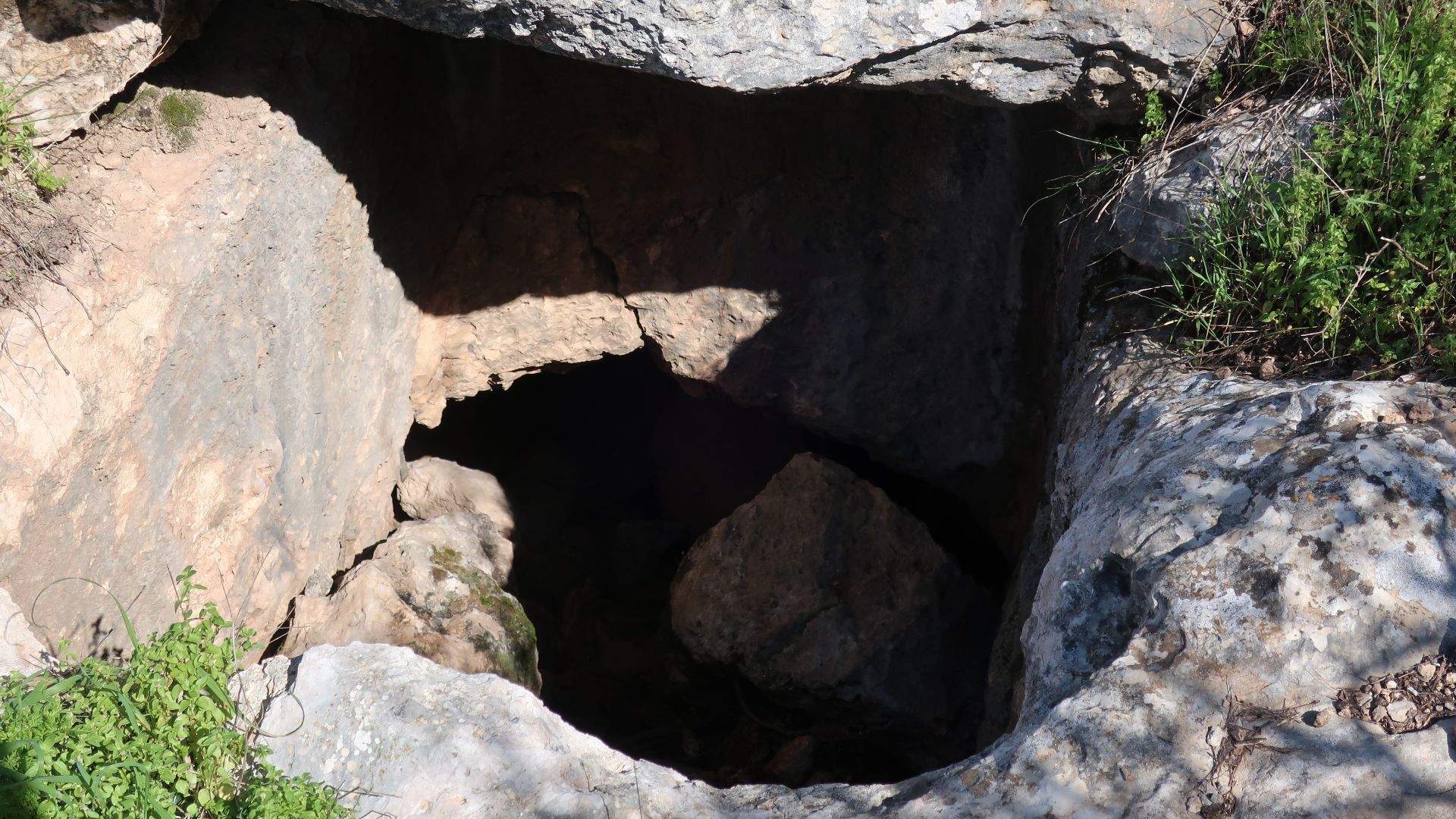
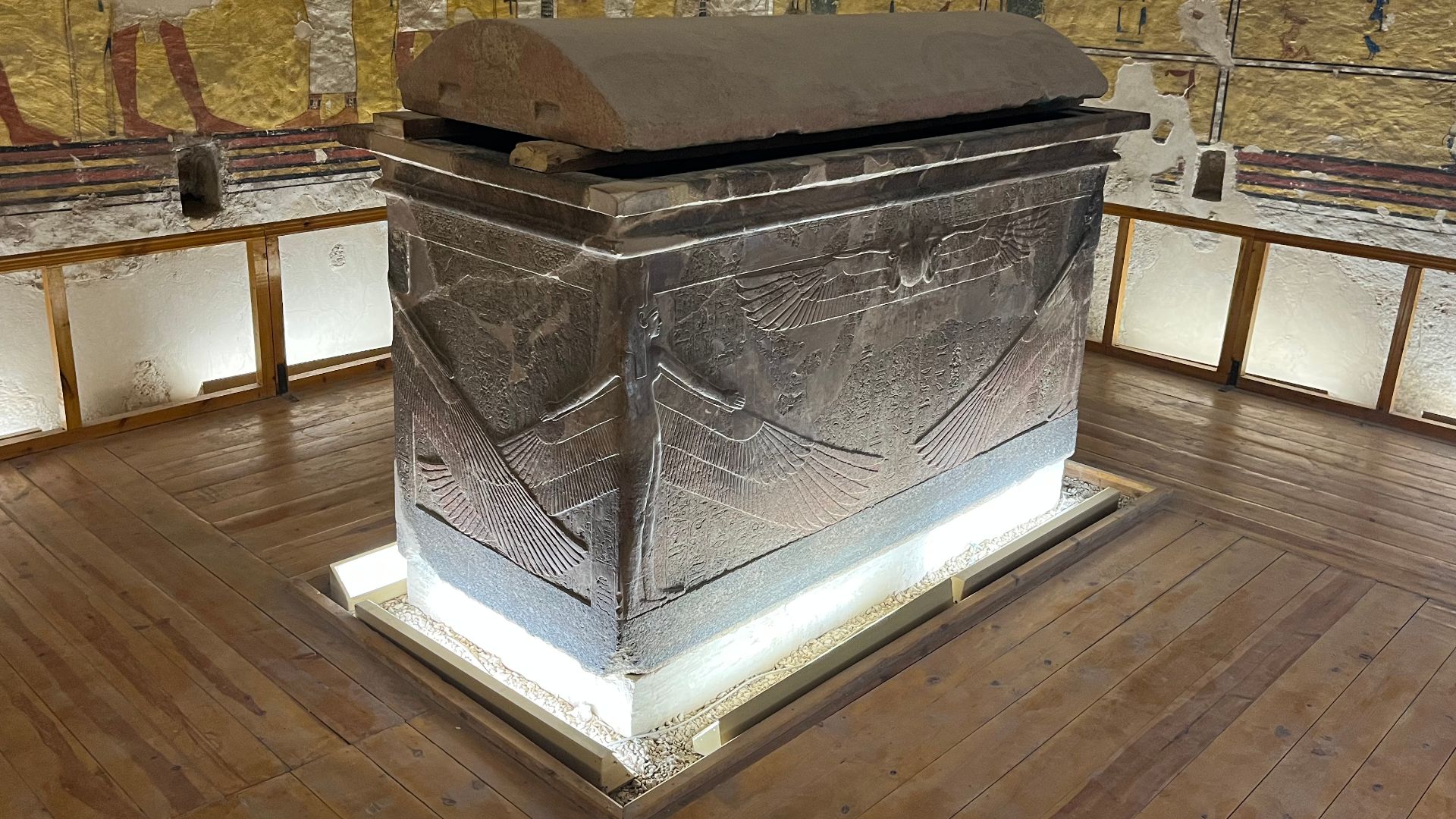
Idi’s burial chamber lay roughly 50 feet below the surface, reached through a shaft descending within her father’s vast tomb. That depth offered privacy, security, and symbolic separation from the living world. Unfortunately, as archaeologists discovered, determined grave robbers were not easily discouraged by a long climb.
 Fabio Achili, Wikimedia Commons
Ancient Thieves Got There First
The chamber had been looted sometime in antiquity. Thieves broke into the burial, disturbed Idi’s mummy, and carried away many valuable objects. Gold, jewelry, and other portable treasures were probably the first things taken. Yet enough material remained behind to reveal the original richness of her funeral.
The Robbers Missed Plenty
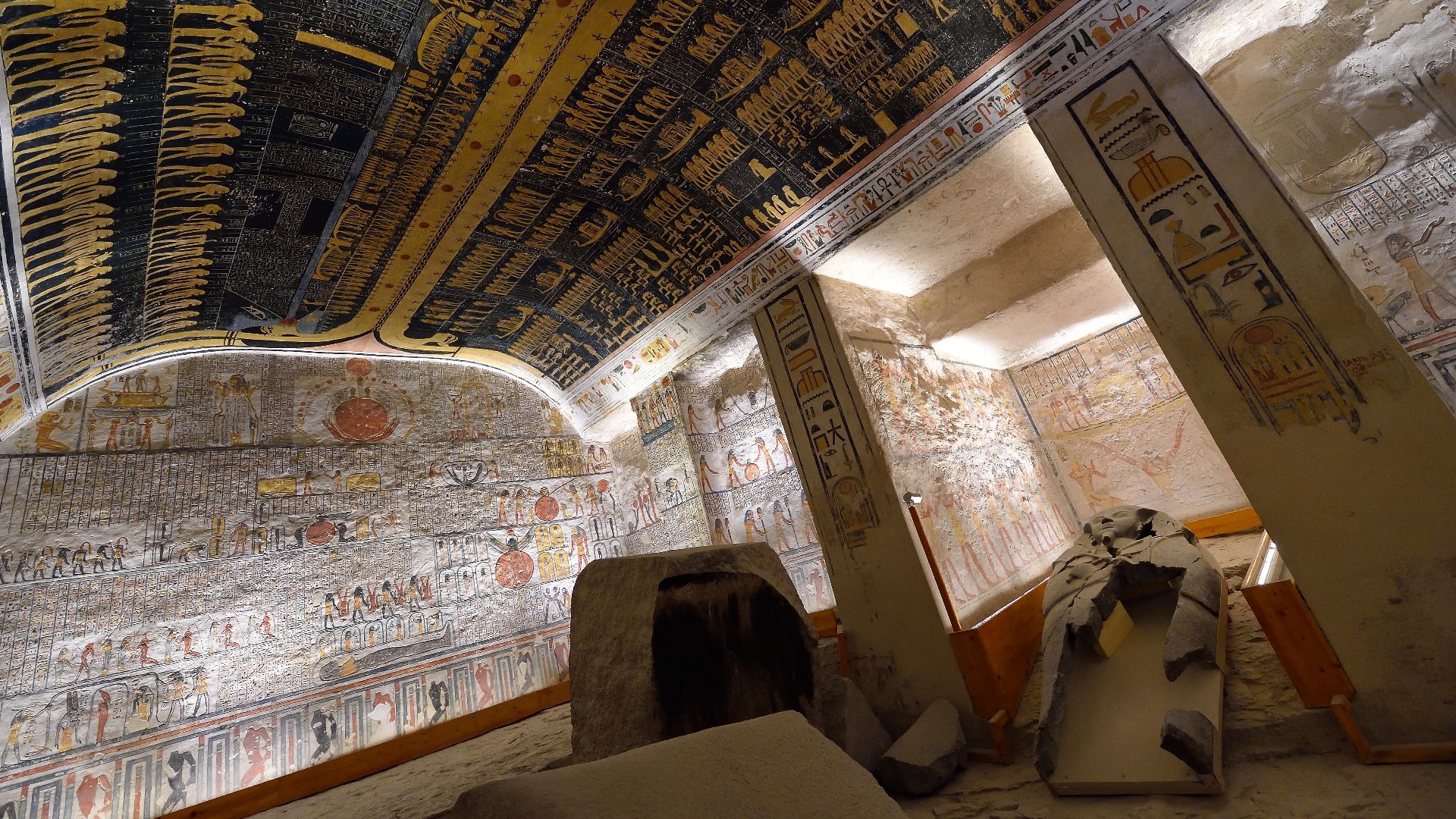
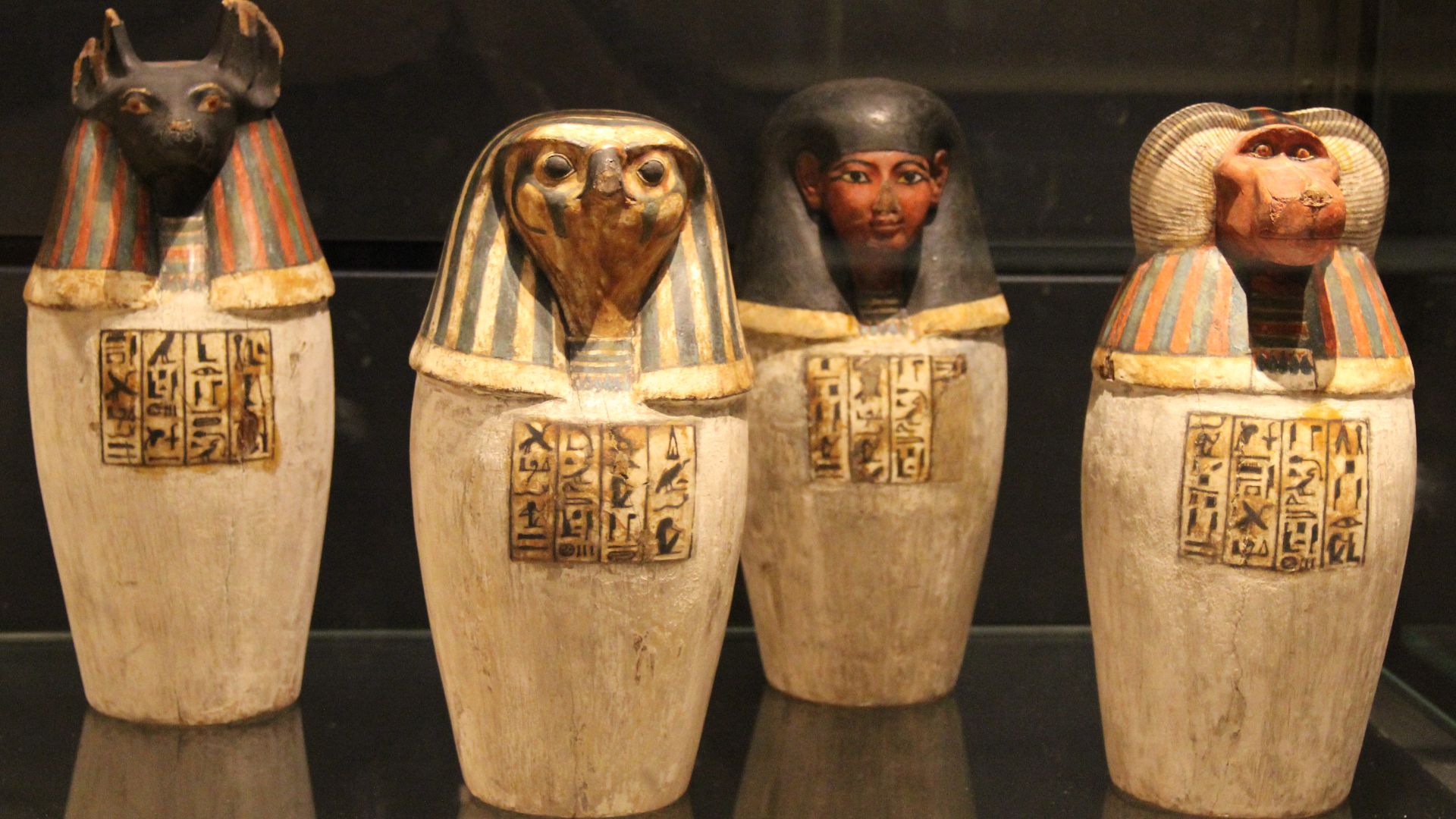
Fragments of jars, wooden statues, ritual objects, and other grave goods survived the robbery. Researchers also recovered parts of Idi’s funerary equipment, including objects intended to supply or protect her in the afterlife. To ancient thieves, some items were worthless. To archaeologists, they are priceless evidence.
 Gary Todd from Xinzheng, China, Wikimedia Commons
Small Statues With Big Jobs
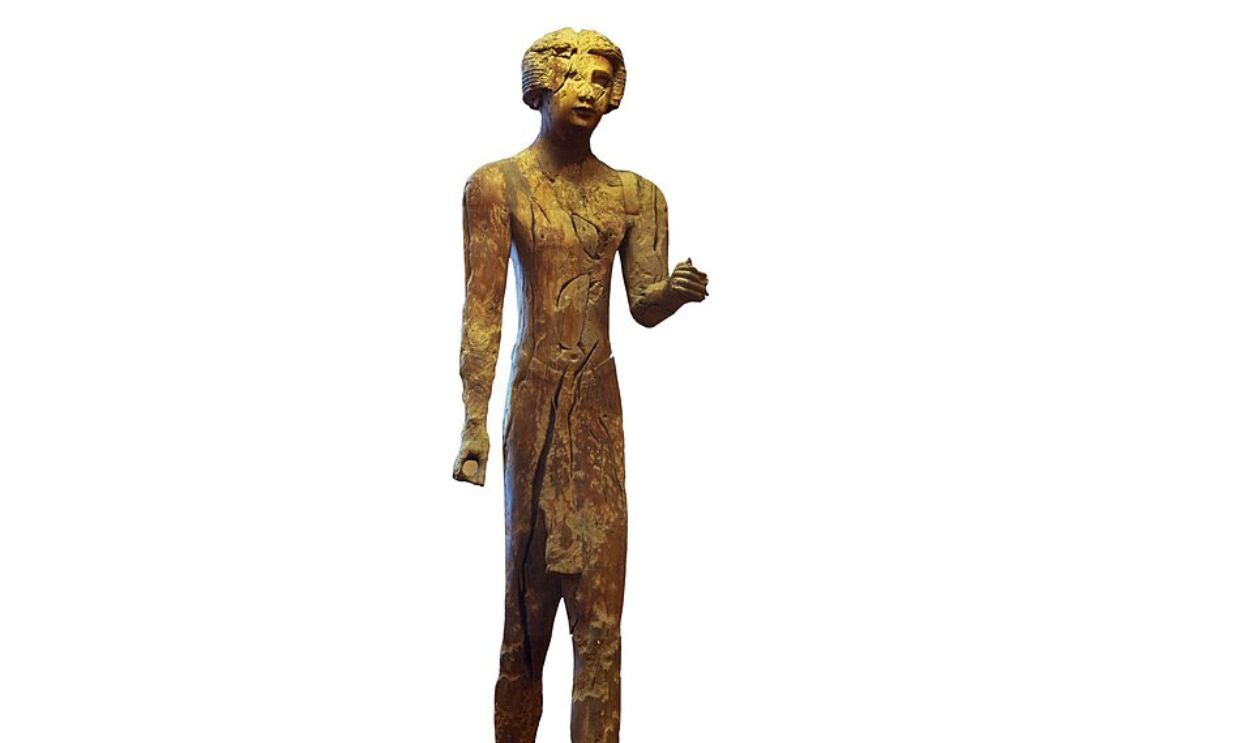
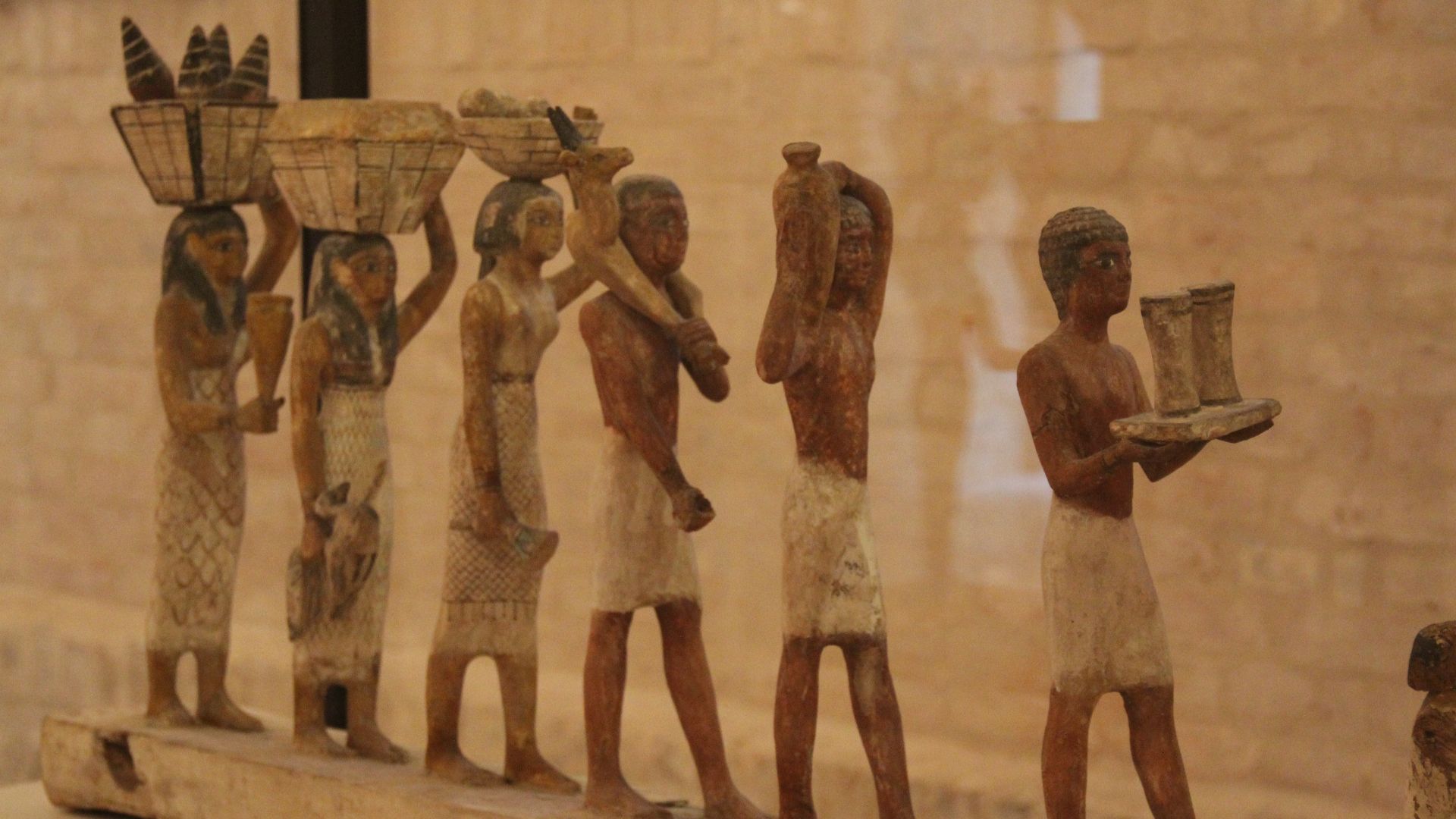
Wooden figurines found in the chamber may have represented servants, offering bearers, or activities needed in the next world. Egyptians often stocked elite tombs with miniature workers so the deceased would remain comfortable. Apparently, even eternity came with staffing requirements and a carefully organized household.
 Gary Todd from Xinzheng, China, Wikimedia Commons
Food For An Eternal Journey
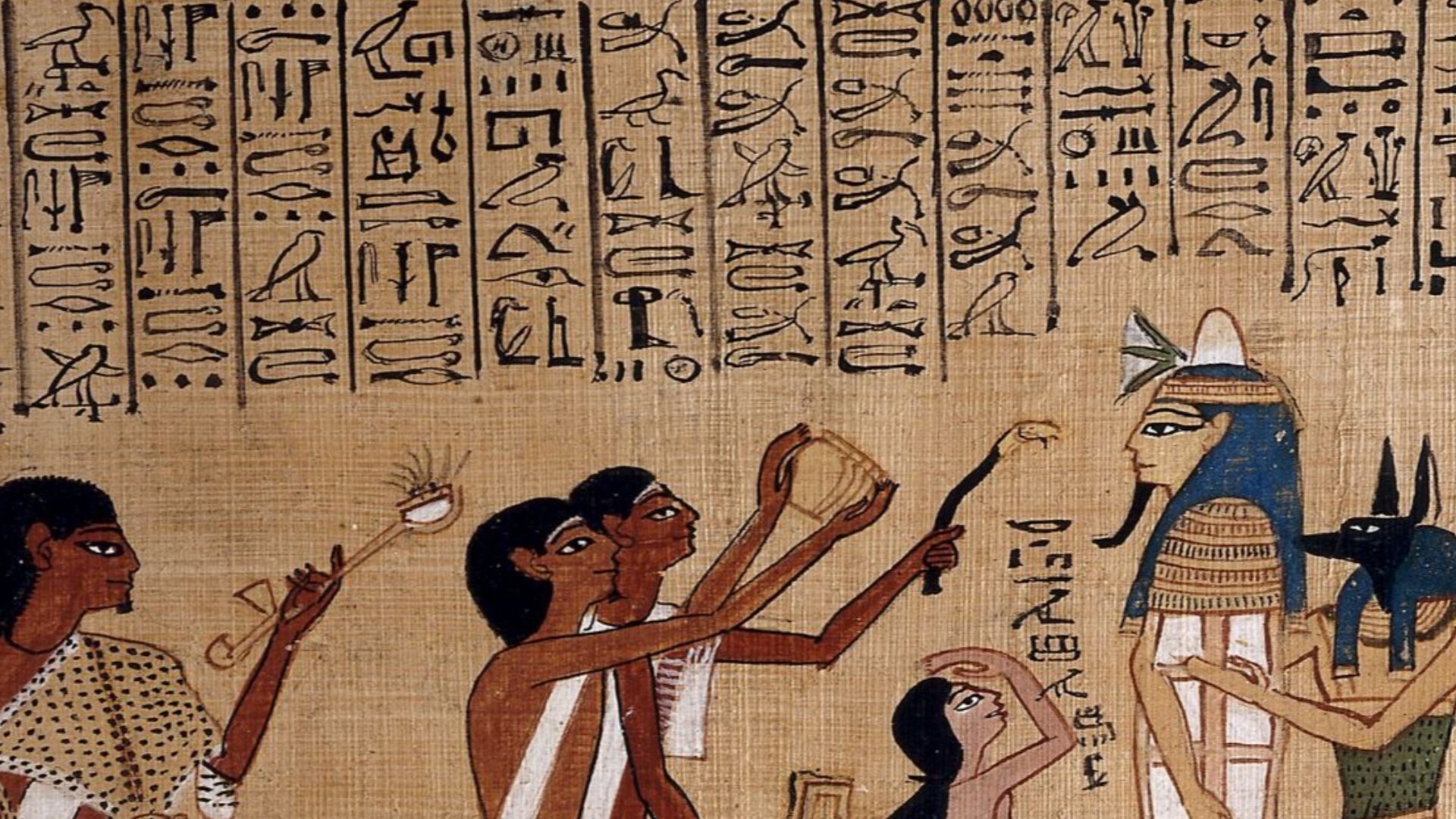
Broken pottery and containers suggest that offerings were once placed beside Idi. Food and drink were considered essential for continued existence after death. Families could also present fresh offerings at tomb chapels, while painted and inscribed versions magically ensured that the supply would never completely disappear.
Her Body Tells A Story
Although robbers damaged and scattered Idi’s remains, researchers were still able to begin examining her bones. Preliminary study suggested that she died before reaching 40. Her skeleton also showed signs of a congenital condition affecting one of her feet, providing a rare glimpse of her physical life.
 Charles Edwin Wilbour Fund, Wikimedia Commons
Status Did Not Prevent Hardship
Idi’s elite position brought privileges that most Egyptians could never imagine, but wealth did not guarantee perfect health. Her foot condition may have affected the way she walked or moved through daily life. The discovery gently reminds us that ancient elites were real people, not just impressive titles.
 AnonymousUnknown author, Wikimedia Commons
A Woman At The Center
Idi’s elaborate burial challenges the idea that women always stood quietly at the edges of ancient Egyptian elite life. Her priestly title, imported coffins, extensive inscriptions, and place inside a governor’s monumental tomb show that she held a recognized and carefully protected position within her community.
 Olaf Tausch, Wikimedia Commons
Power Worked Through Families
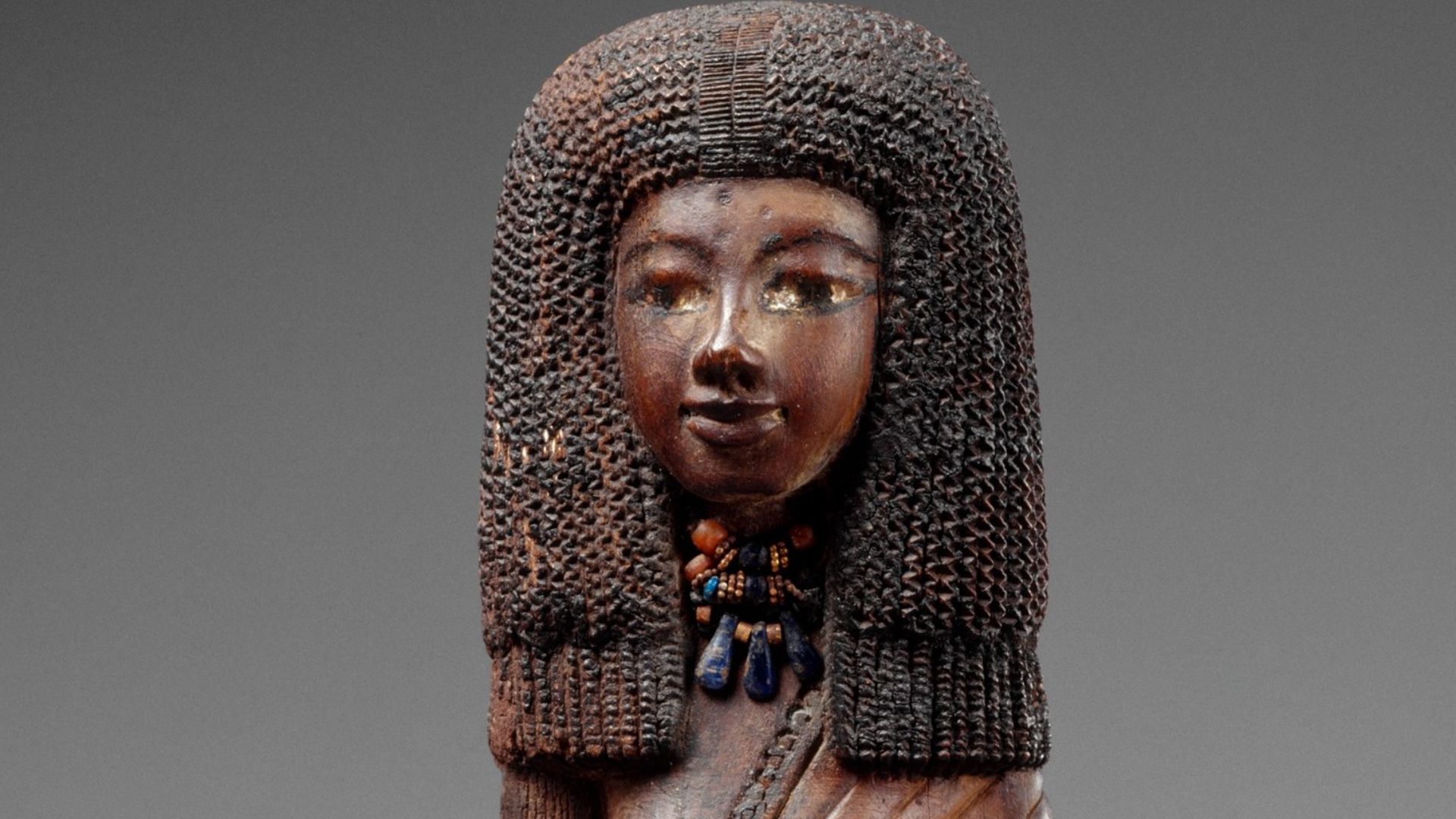
Ancient Egyptian power did not always come from holding an official government job. Elite women could gain authority through estates, temples, marriages, inheritance, household management, and family networks. Idi’s burial shows how status could pass through a powerful family while still producing a distinct identity for a daughter.
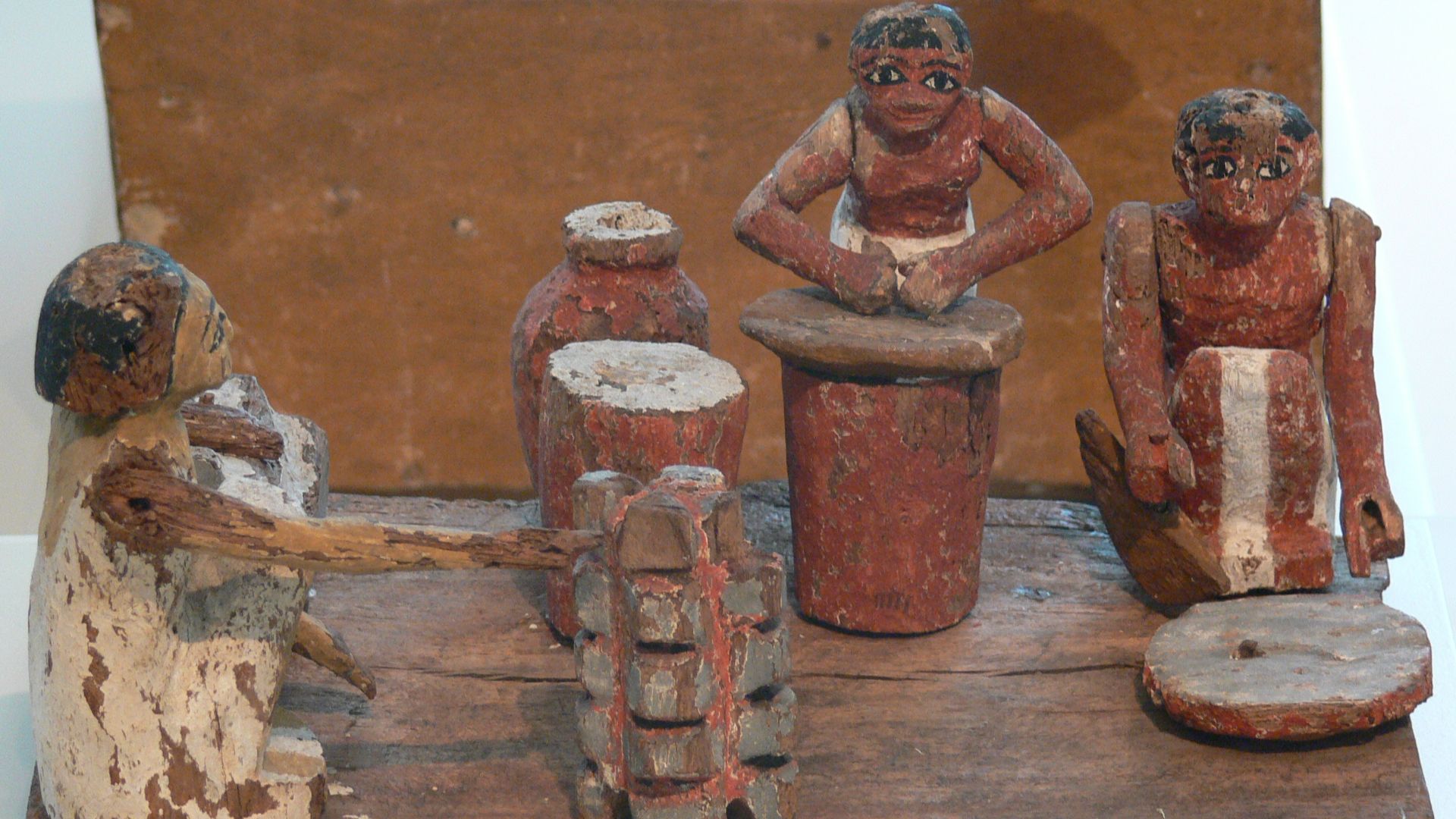 Photo: Andreas Praefcke, Wikimedia Commons
The Meaning Of Lady Of The House
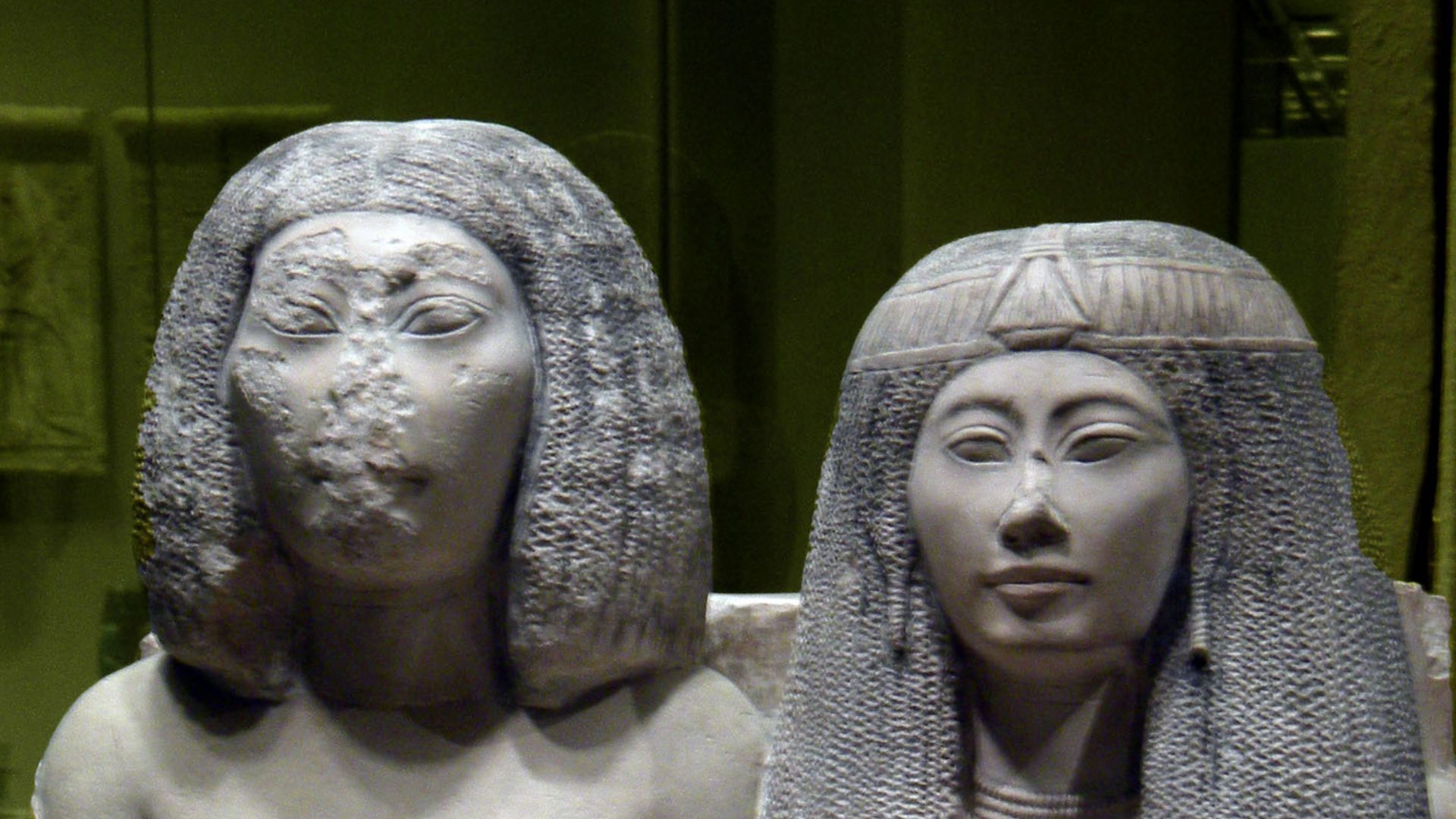
The title “Lady of the House” once sounded to some modern readers like a simple description of a married woman. Scholars now recognize that it could signal responsibility, respectability, and control within an estate. In a wealthy household, managing people, supplies, land, and rituals was serious work.
Assiut Was A Powerful City
Assiut sat in Upper Egypt at an important point along the Nile. Its governors controlled regional resources and maintained strong local identities, even while serving the pharaoh. Djefai-Hapi’s enormous tomb reflects that authority, while Idi’s chamber reveals how women participated in the same elite world.
 Jorge Elias, Wikimedia Commons
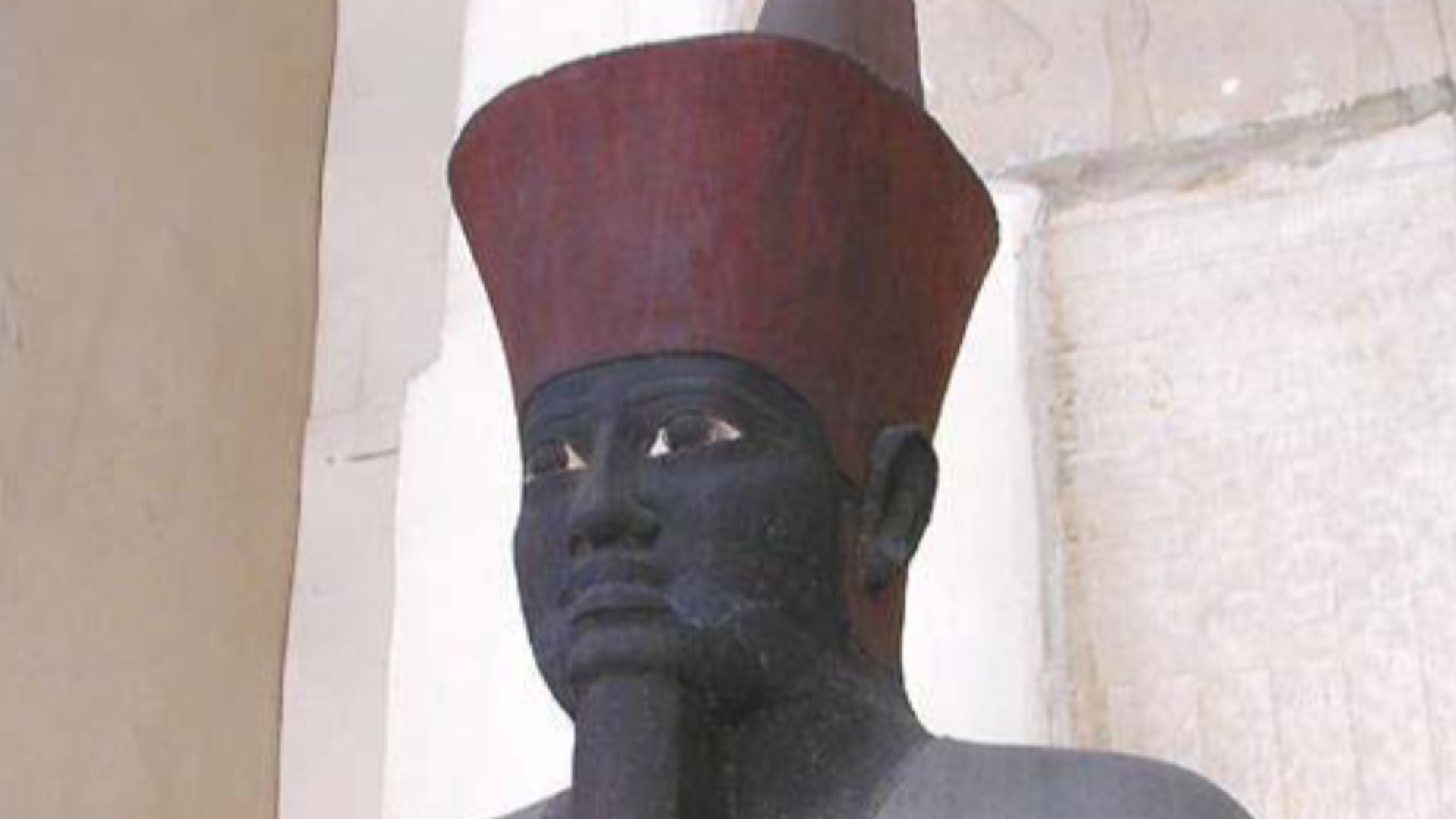
Egypt’s Middle Kingdom Revival
Idi lived around 1880 BCE, during the Middle Kingdom, when Egypt had been reunited after a period of political division. Royal authority strengthened, major building projects expanded, and art and literature flourished. Provincial families also remained influential, creating a delicate balance between local power and royal control.
 Jon Bodsworth, Wikimedia Commons
Why Her Coffins Matter
Researchers have described Idi’s coffins as exceptional examples of Middle Kingdom craftsmanship. Their texts may preserve religious traditions connected specifically with Assiut. By comparing them with coffins from other regions, Egyptologists can trace how beliefs, artistic styles, and sacred knowledge moved across the country.
New Questions Beneath The Mountain
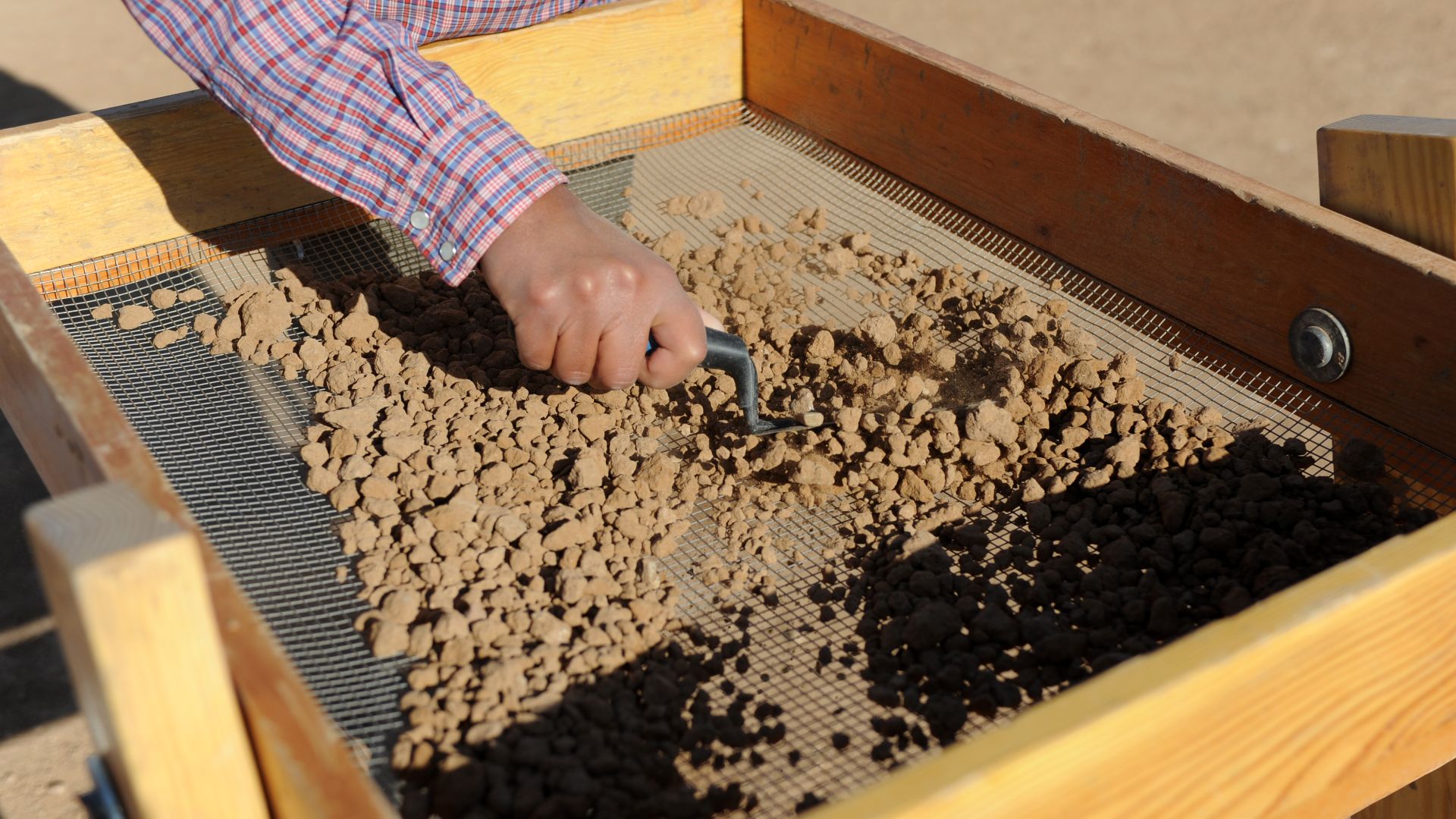
The discovery is far from the end of the investigation. Researchers are studying Idi’s remains, inscriptions, coffin construction, and surviving grave goods. Further work may reveal where the wood originated, how local artists worked, what rituals were performed, and how Idi’s life connected with her father’s administration.
 U.S. Air Force photo/Airman 1st Class Devante Williams, Wikimedia Commons
Idi Steps Back Into History
Idi’s tomb survived robbers, collapsing debris, and thousands of years of silence. Today, its painted coffins and scattered objects allow her story to be told again. She was a daughter, priestess, estate leader, and elite woman whose burial shows that female status in ancient Egypt could be both visible and powerful.
 Ismoon (talk) 20:58, 27 July 2020 (UTC), Wikimedia Commons
You May Also Like:
Ancient Routes That Modern Travelers Can Still Follow—Which One Would You Explore First?