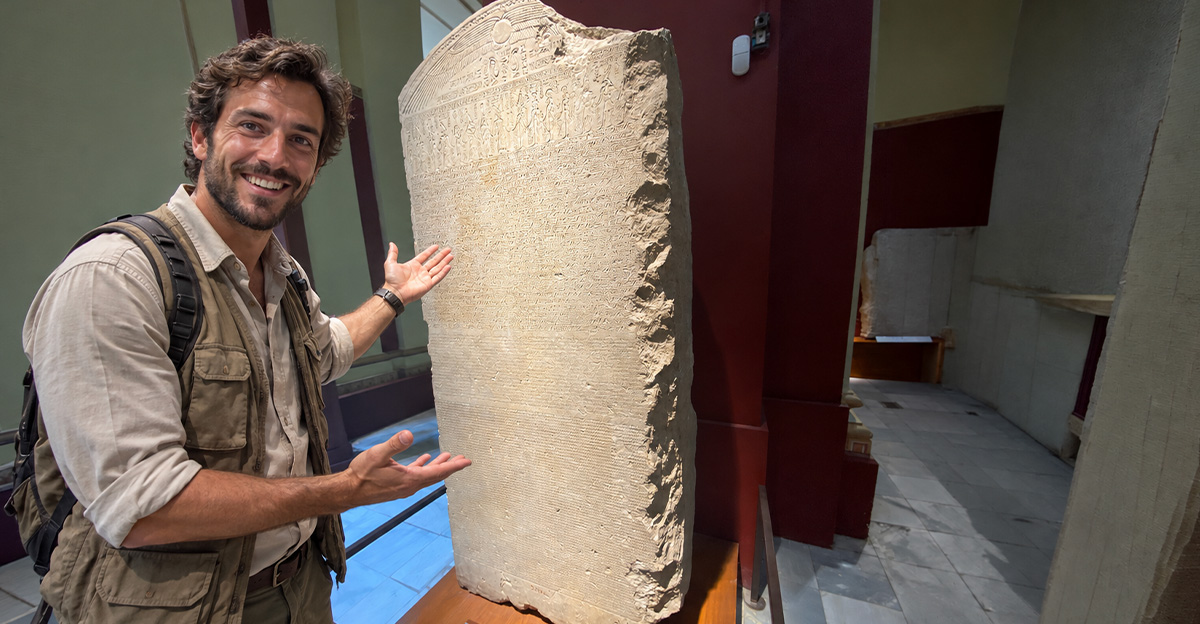
A Stone With More To Say
Ancient Egypt has no shortage of mysterious inscriptions, but the Canopus Decree is something special. Created in 238 BCE during the reign of Ptolemy III, it praised a royal family and recorded the decisions of Egypt’s priests. Yet centuries later, its greatest importance would lie in something its makers could never have imagined: helping scholars test whether they had truly learned to read hieroglyphs.
Egypt Had Greek Pharaohs
By Ptolemy III’s time, Egypt was ruled by a dynasty descended from one of Alexander the Great’s Macedonian generals. The Ptolemies governed a land where Greek-speaking elites existed alongside millions of Egyptians whose religion and traditions stretched back thousands of years. Keeping those worlds together required more than wearing a crown.
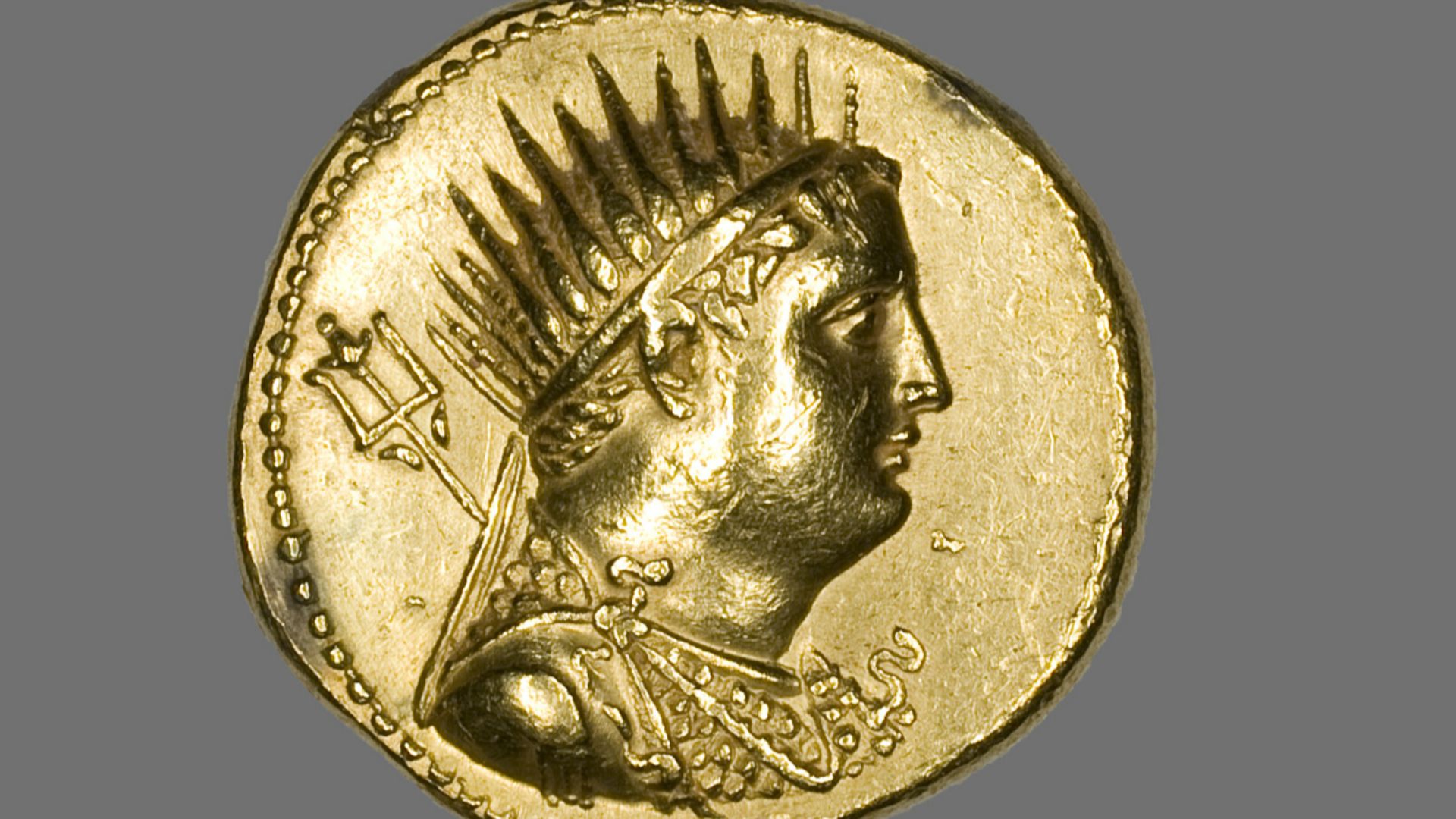
Meet Ptolemy III
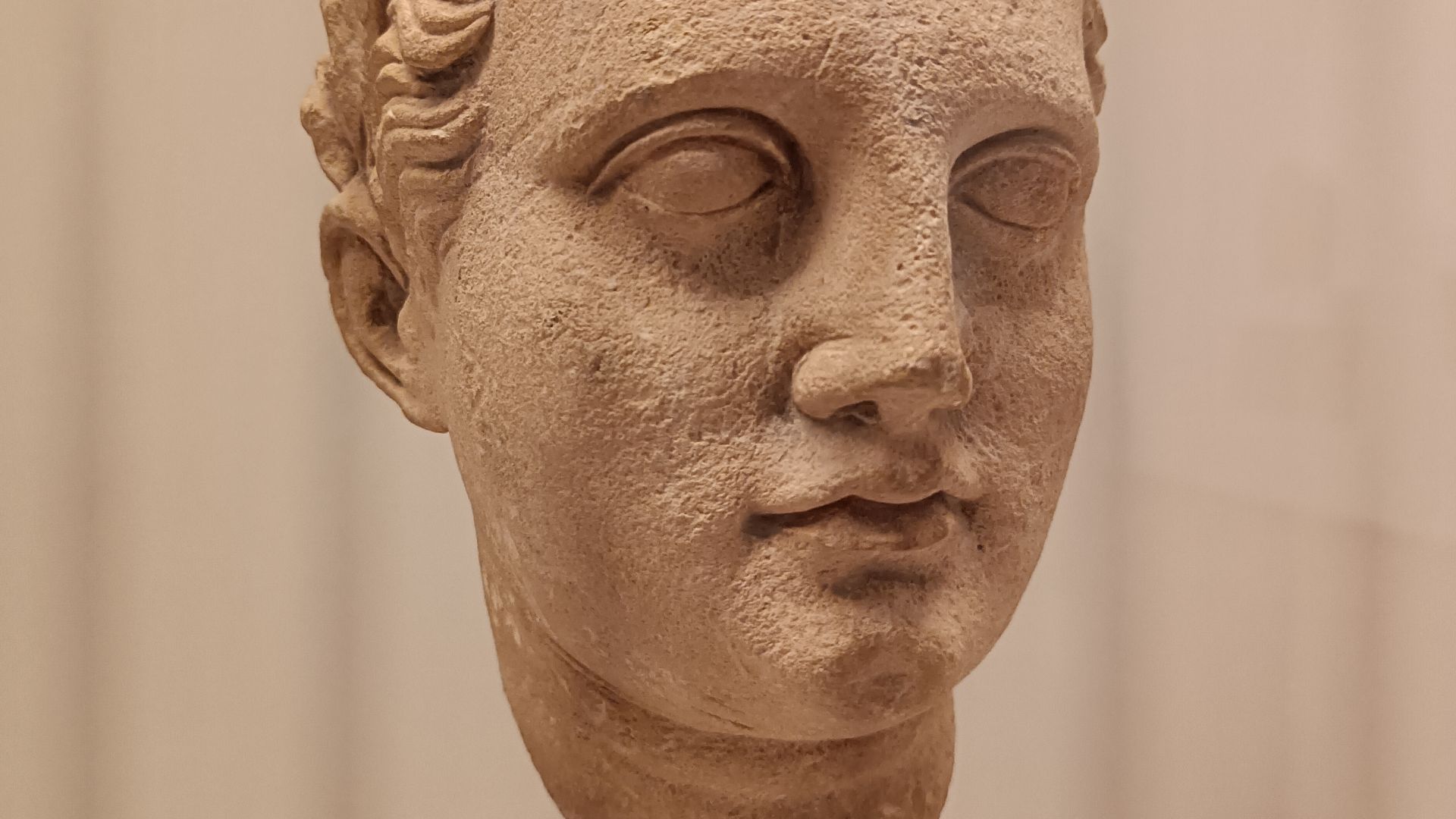
Ptolemy III Euergetes ruled from 246 to 222 BCE and presided over one of the more powerful periods of Ptolemaic Egypt. He fought the Seleucid Empire, supported major temples, and cultivated close relationships with Egypt’s priesthood. His monuments deliberately blended the political world of Hellenistic kings with the traditions of the pharaohs.
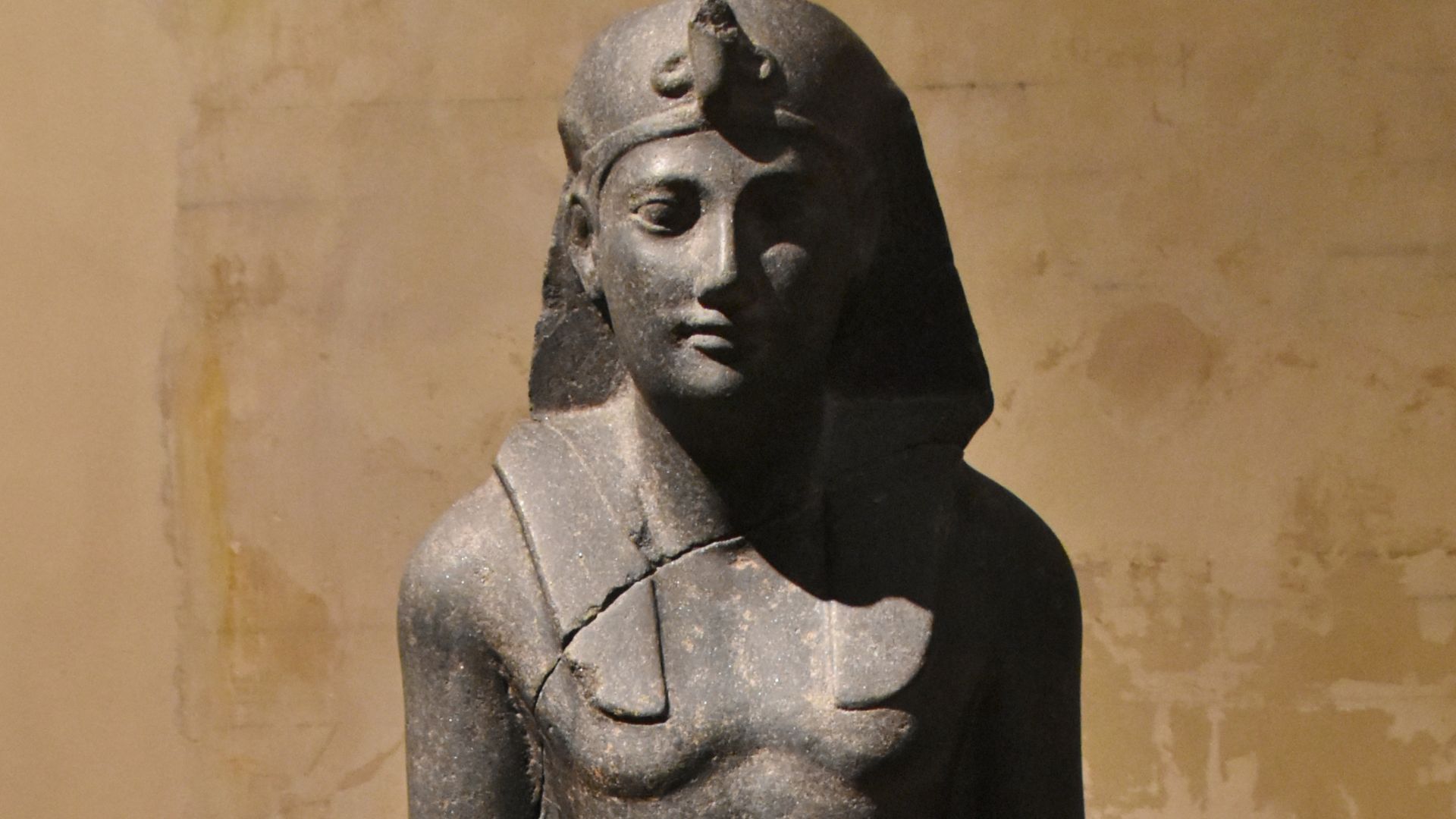 Richard Mortel from Riyadh, Saudi Arabia, Wikimedia Commons
The Priests Gathered At Canopus
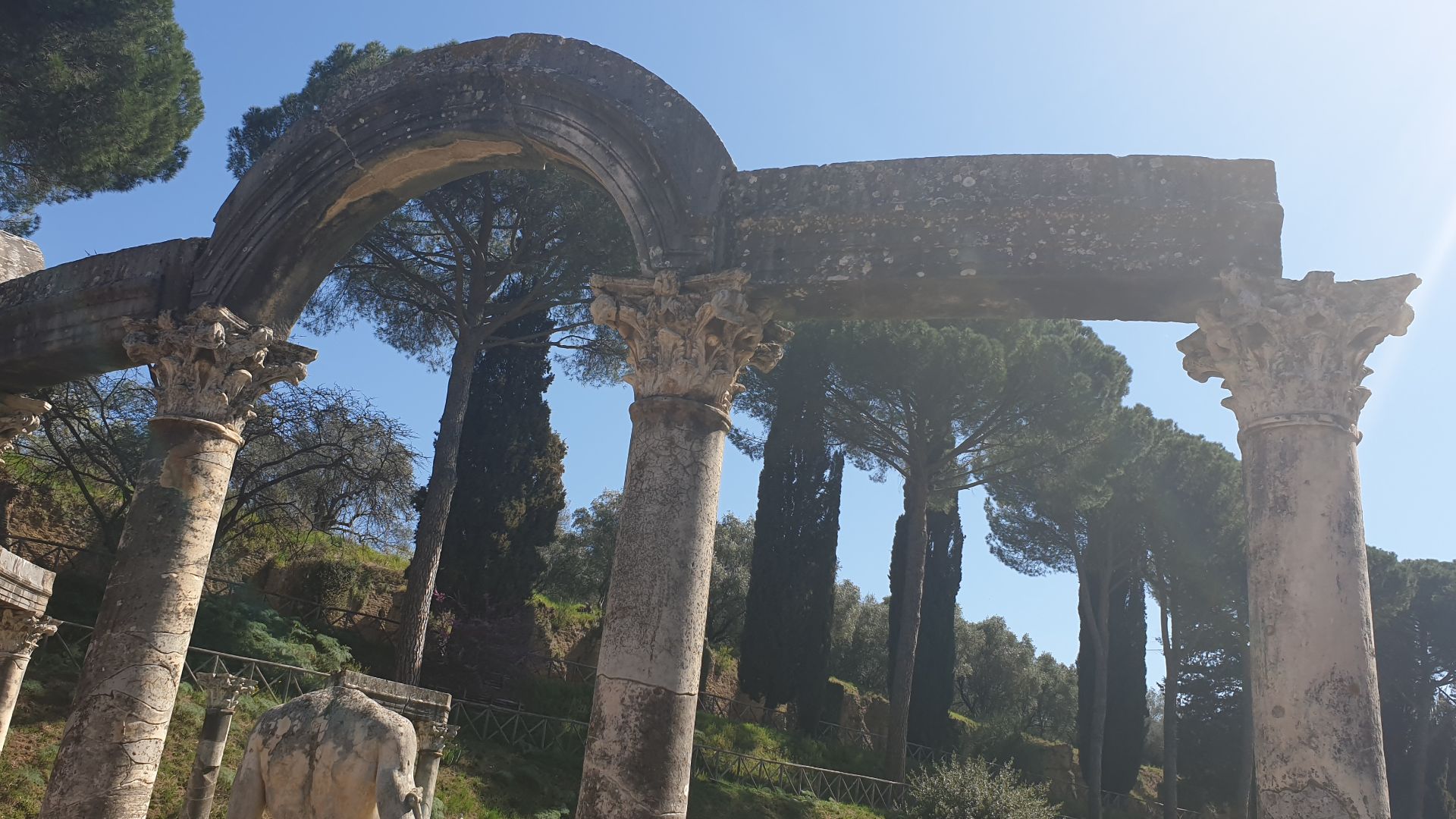
In 238 BCE, senior priests from across Egypt assembled at Canopus, an important religious center near Alexandria. Their resulting decree honored Ptolemy III, Queen Berenice II, and their daughter Berenice. This was no scribbled memo. Copies were intended for prominent temples, turning royal praise into something resembling an ancient nationwide announcement.
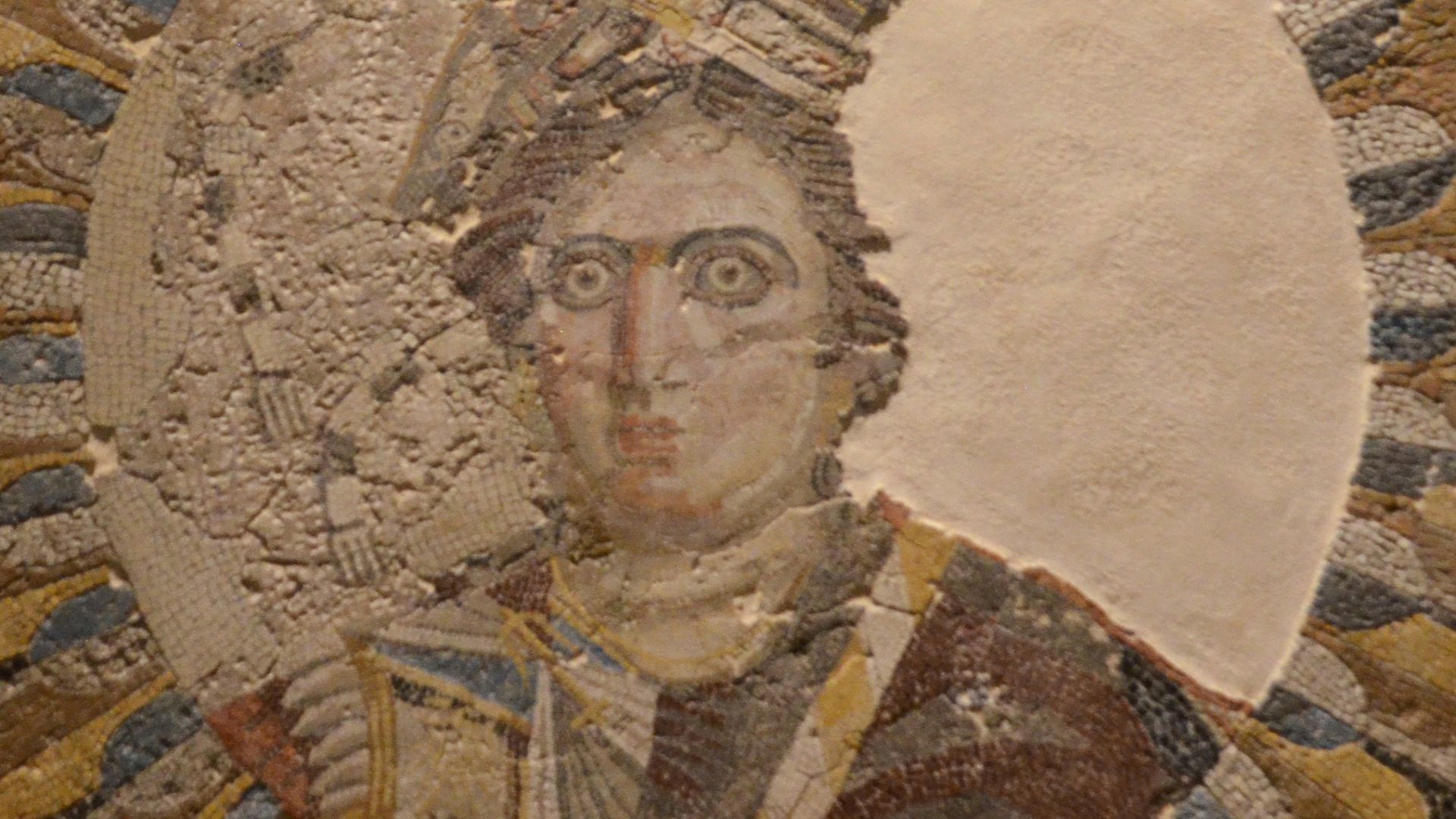 Following Hadrian, Wikimedia Commons
Royal Praise Was Serious Business
The decree listed acts that justified honoring the royal family, including support for temples and measures portrayed as benefiting Egypt. Such declarations strengthened the relationship between rulers and priests. The Ptolemies needed the powerful temple establishment, while the temples benefited greatly from royal patronage. Politics, religion, and public relations were already sharing an office.
 MumblerJamie, Wikimedia Commons
A Princess Became Part Of The Story
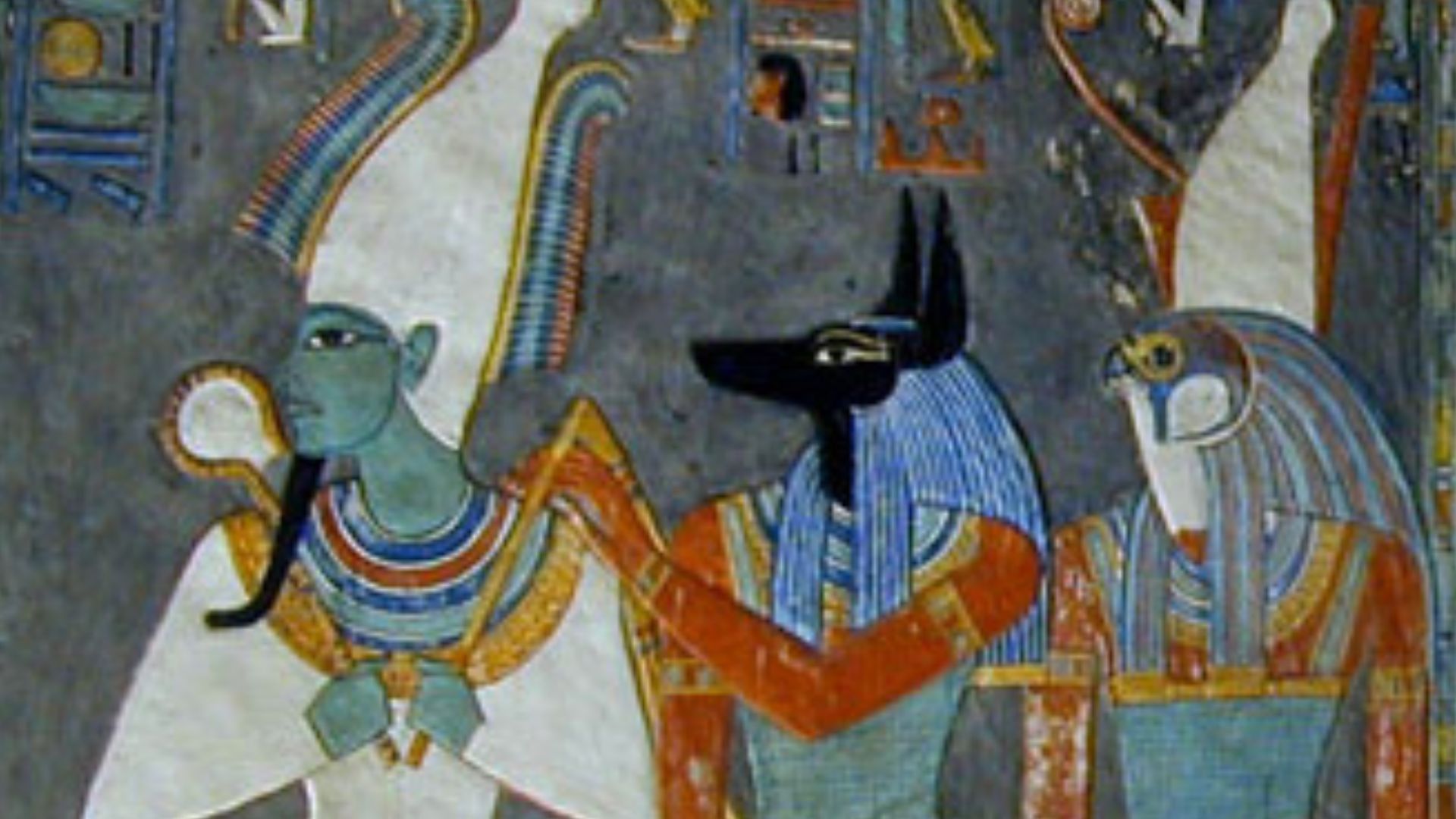
The decree also commemorated the royal daughter Berenice, whose death led the priesthood to establish divine honors for her. That detail gives the document an unexpectedly personal dimension. Behind all the grand titles and official language was a ruling family turning bereavement into religious commemoration, just as earlier pharaohs had connected royalty with the gods.
Three Scripts Changed Everything
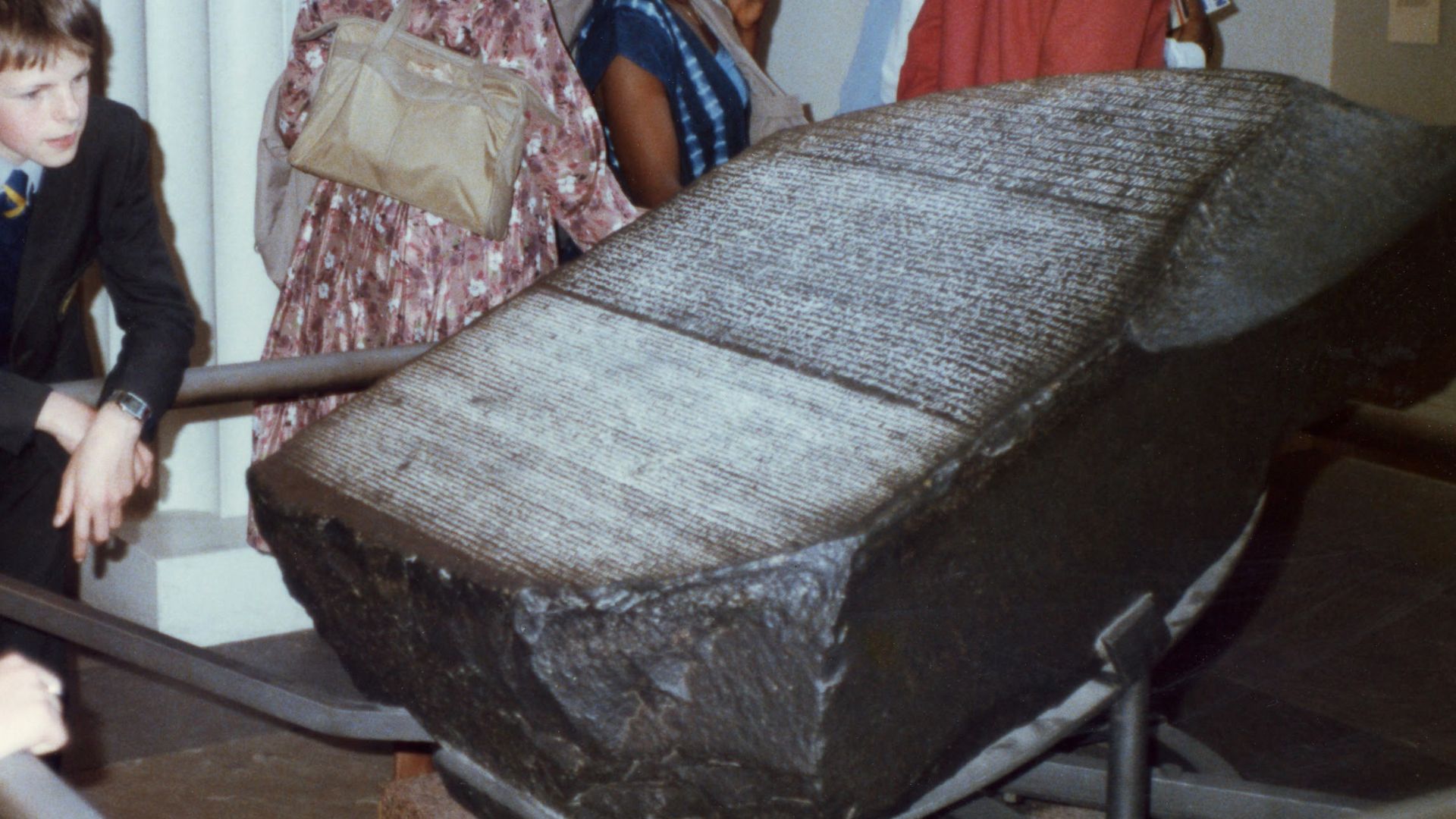
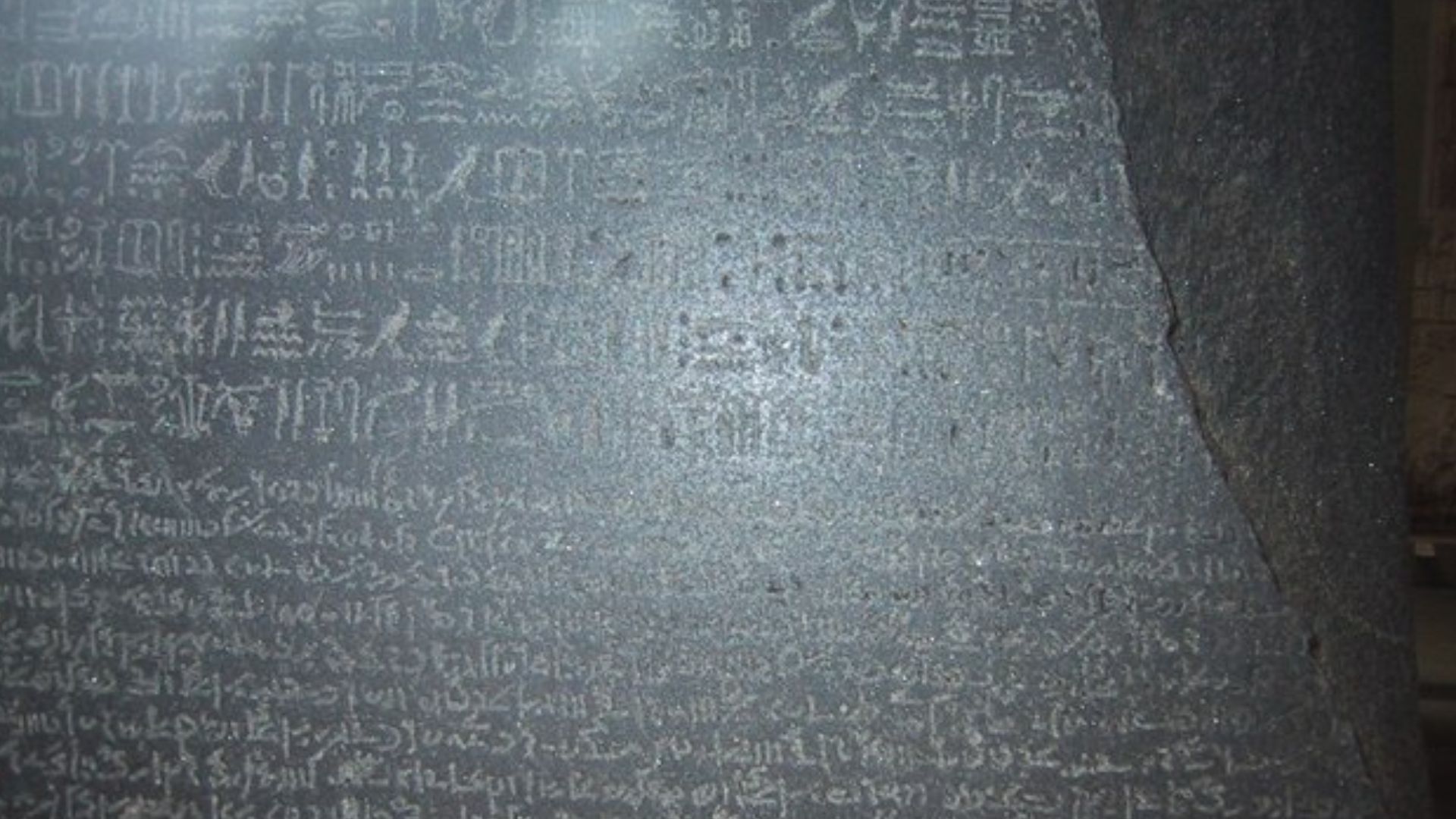
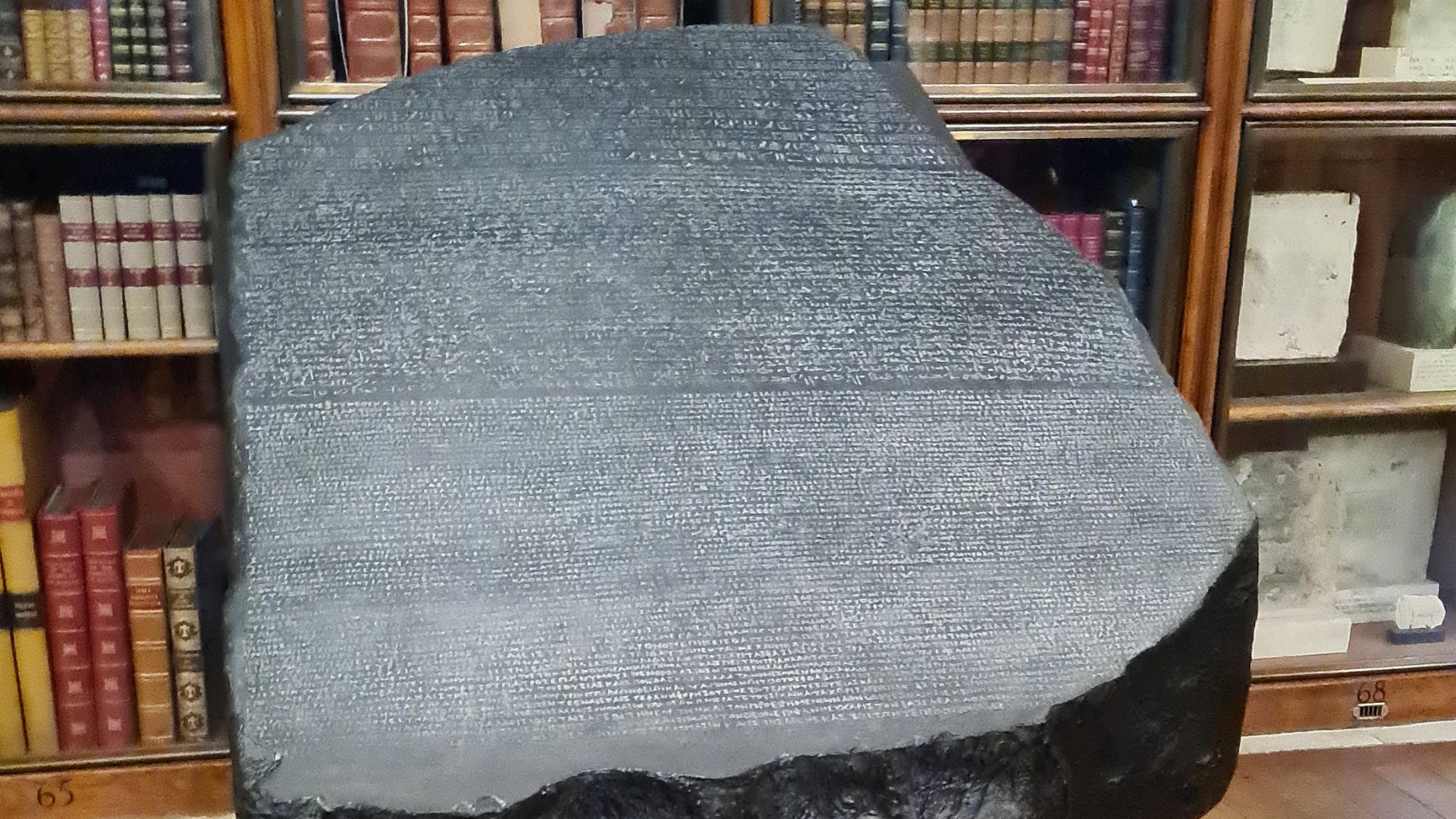
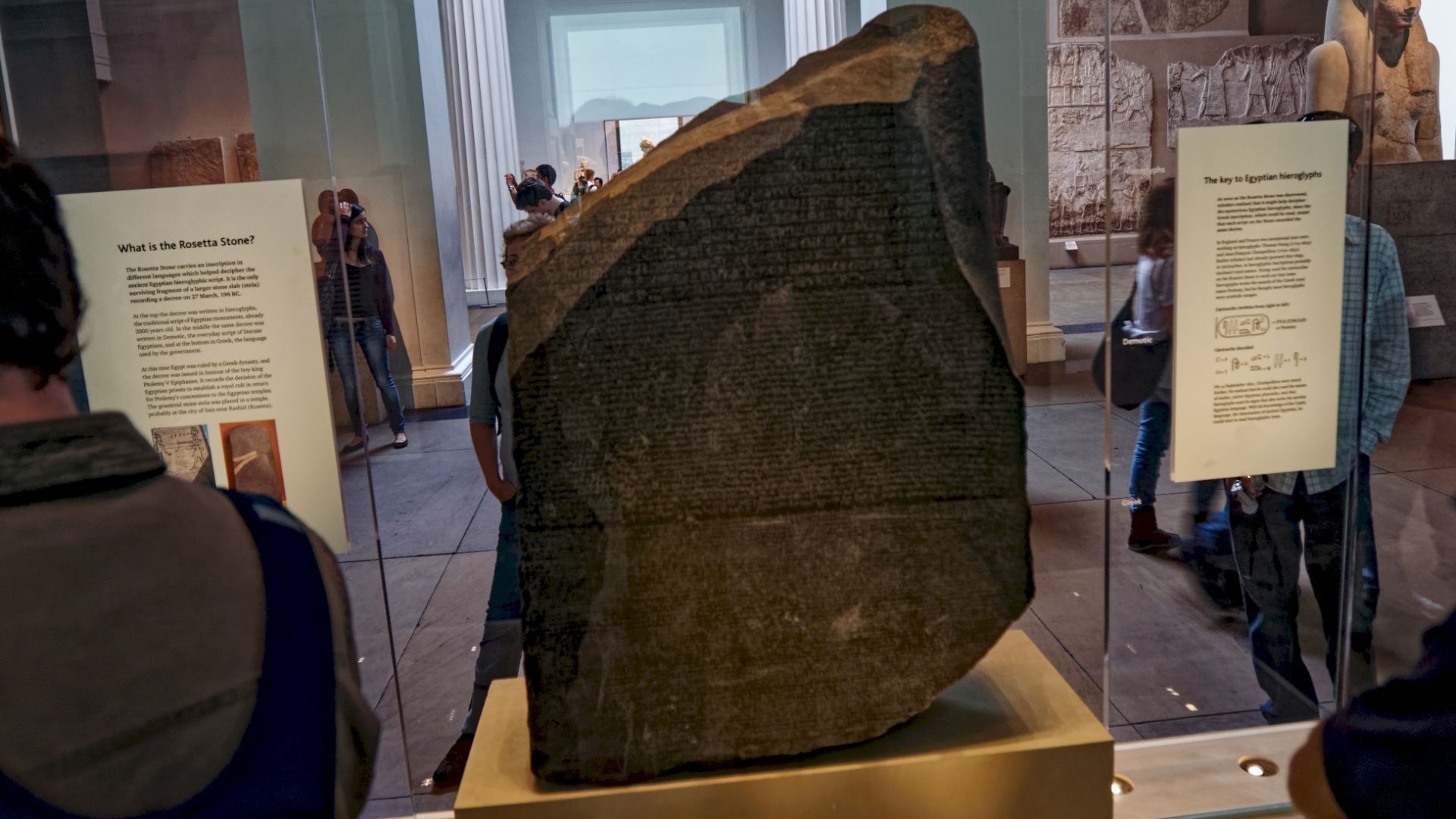
The most famous versions of the decree contain Egyptian hieroglyphs, Demotic Egyptian, and Greek. That arrangement should sound familiar. The Rosetta Stone, created more than four decades later, also records a priestly decree in those same three writing systems, reflecting the multilingual world of Ptolemaic Egypt.
 RickDikeman, Wikimedia Commons
Hieroglyphs Were The Prestigious Script
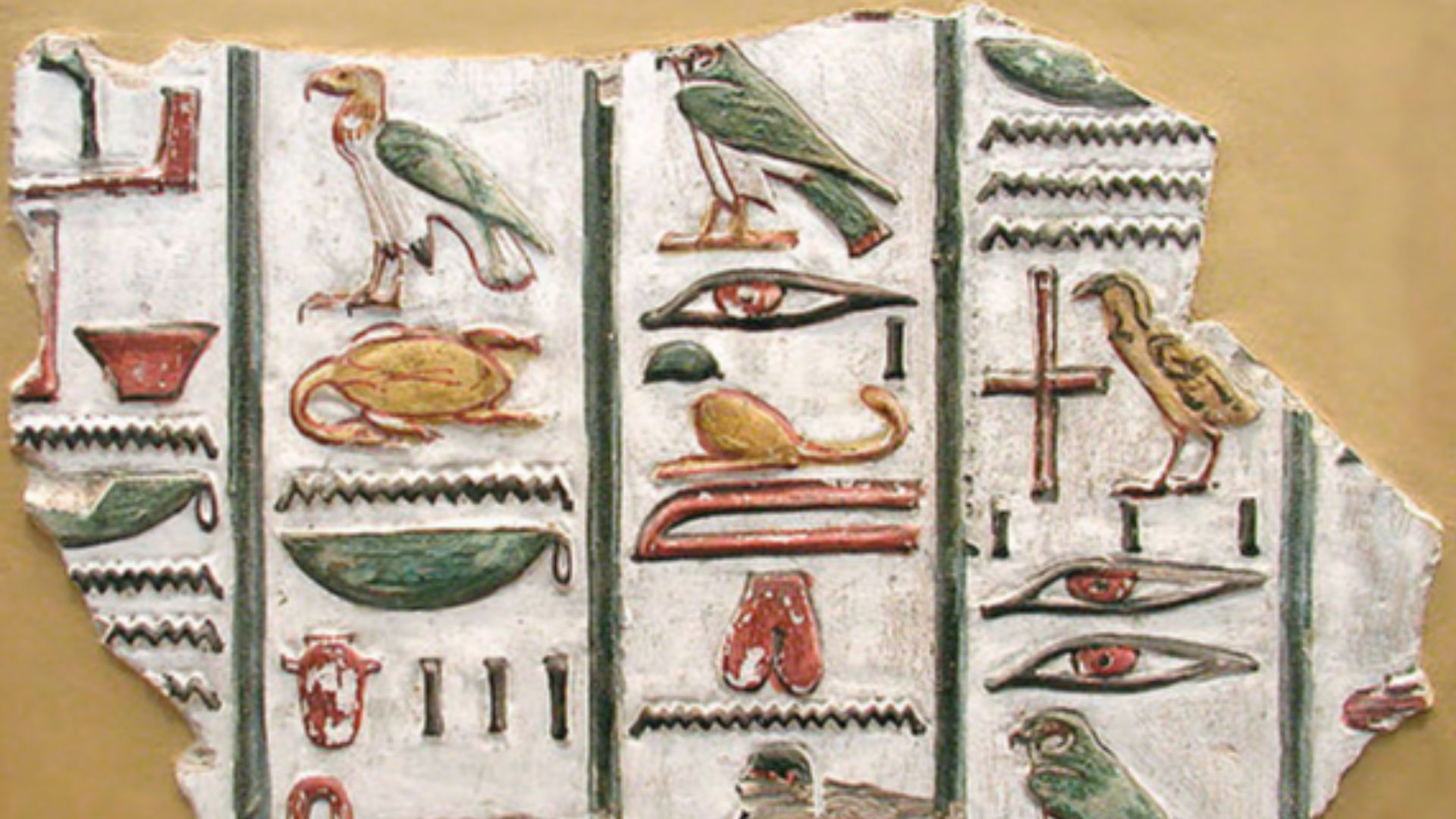
Hieroglyphs were well suited to monuments, temples, and religious proclamations. They carried the weight of an Egyptian writing tradition already thousands of years old when the Ptolemies arrived. To a Greek-speaking dynasty eager to look like legitimate pharaohs, presenting official messages in this ancient script sent a very useful political message.
 Sarah Charlesworth, Wikimedia Commons
Demotic Spoke To Another Egypt
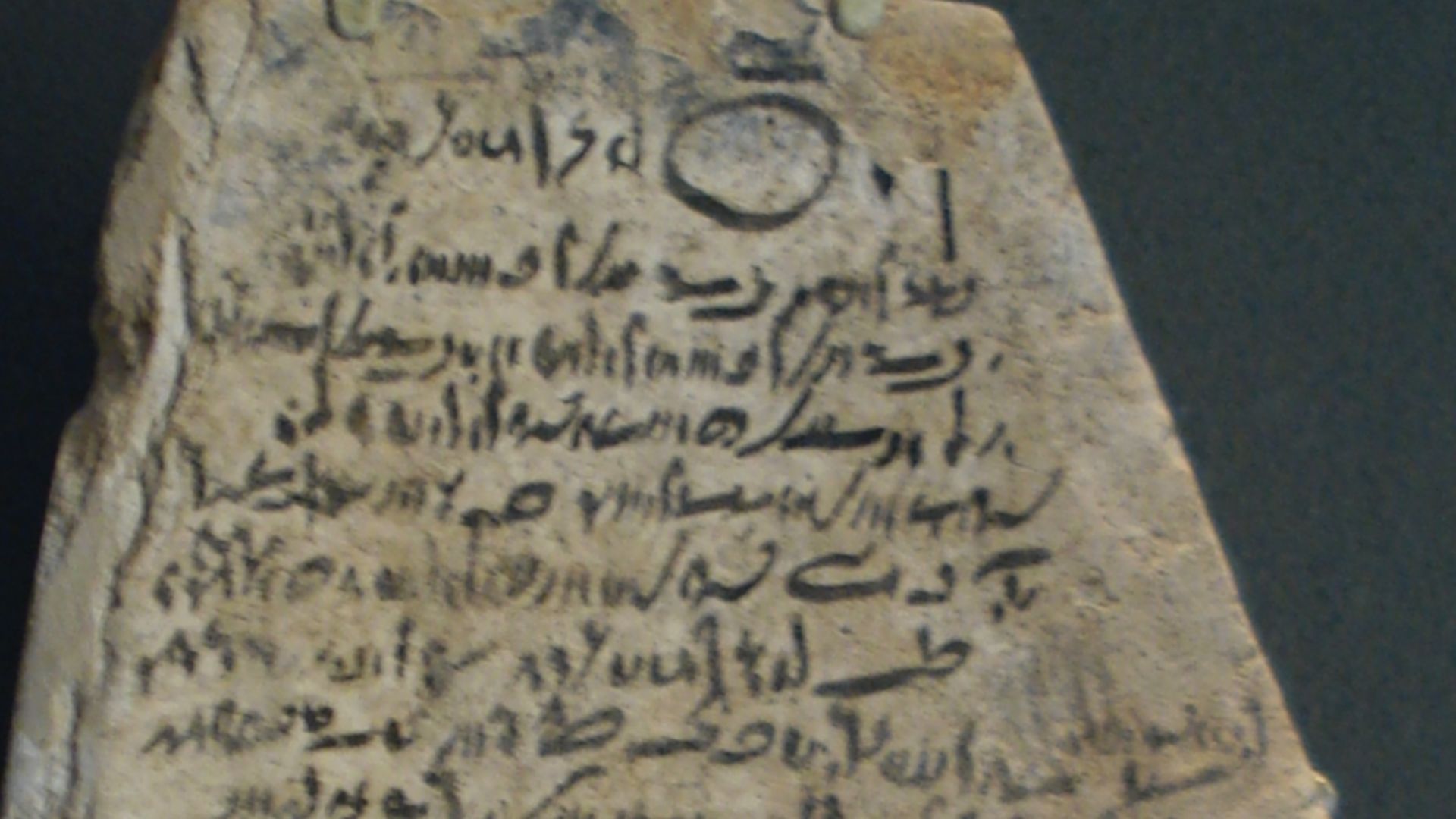
Demotic was the more cursive Egyptian script commonly employed in administrative, commercial, legal, and everyday written contexts. Including it meant that the decree did not exist only in the ceremonial world of temple hieroglyphs. Ptolemaic officials operated in a society where several linguistic communities and writing traditions overlapped.
 One dead president, David Liam Moran, Wikimedia Commons
Greek Completed The Puzzle
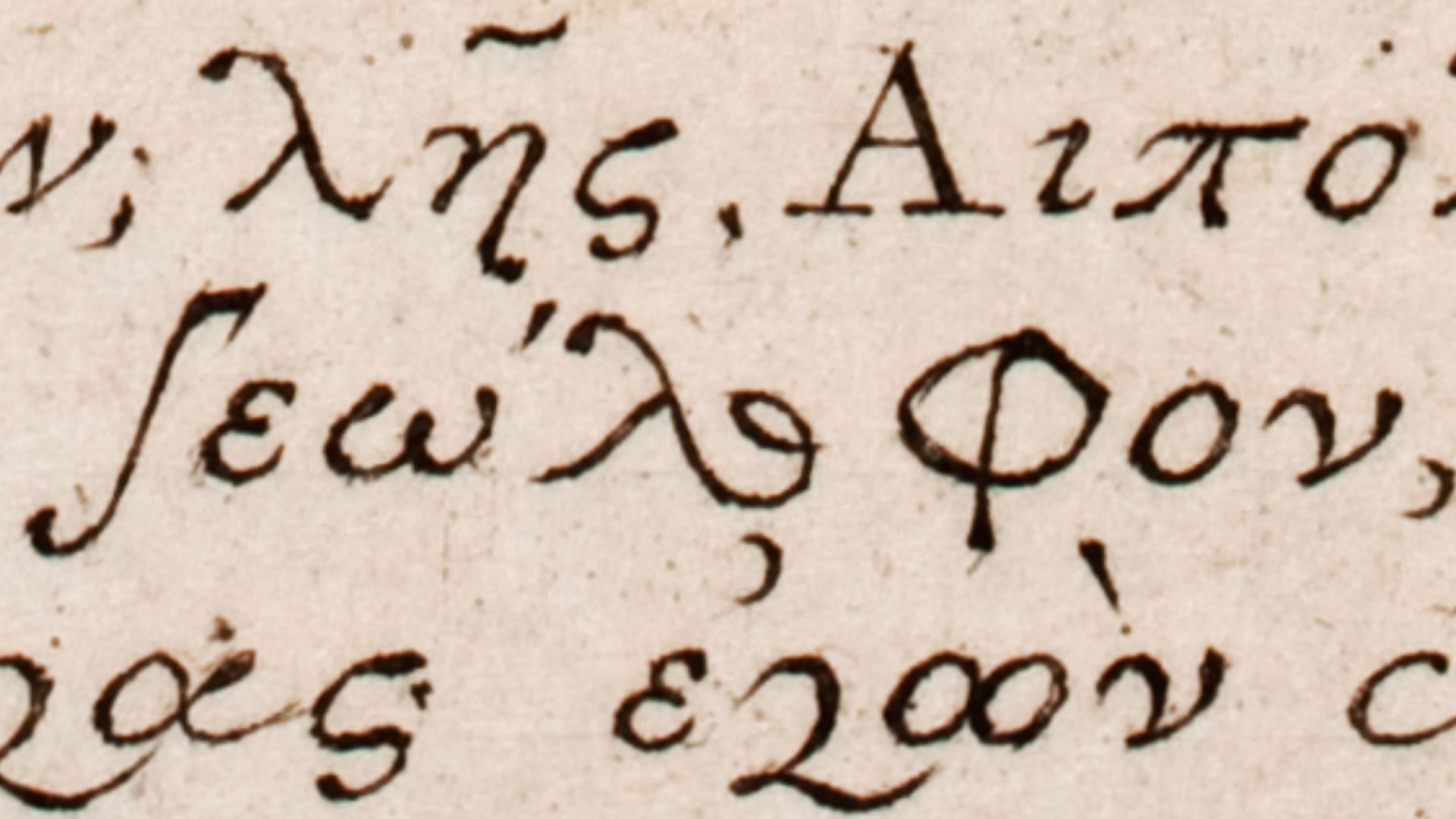
Greek was the language of much of the Ptolemaic administration and ruling class. Putting Greek beside Egyptian versions created something extraordinarily valuable for later scholars: passages conveying corresponding information in a language Europeans could read and scripts they initially could not. It was the ancient equivalent of finding instructions with a built-in translation.
 Barent de Bakker, Wikimedia Commons
Copies Were Supposed To Travel
These decrees were never meant to be unique museum pieces. The text directed that versions be erected at important temples, explaining why archaeologists have uncovered multiple copies and fragments. The famous Rosetta Stone followed the same general tradition. Ancient Egypt, it turns out, had something surprisingly close to standardized government distribution.
Then The Ability To Read Hieroglyphs Vanished
By late antiquity, knowledge of hieroglyphic writing gradually disappeared. For centuries, Europeans looking at Egyptian inscriptions could admire the pictures but could not reliably read them. Some scholars imagined every symbol represented an elaborate mystical idea. The real system was far more flexible, mixing phonetic and other kinds of signs.
 unknown Egyptian scribe, Wikimedia Commons
The Rosetta Stone Arrived First
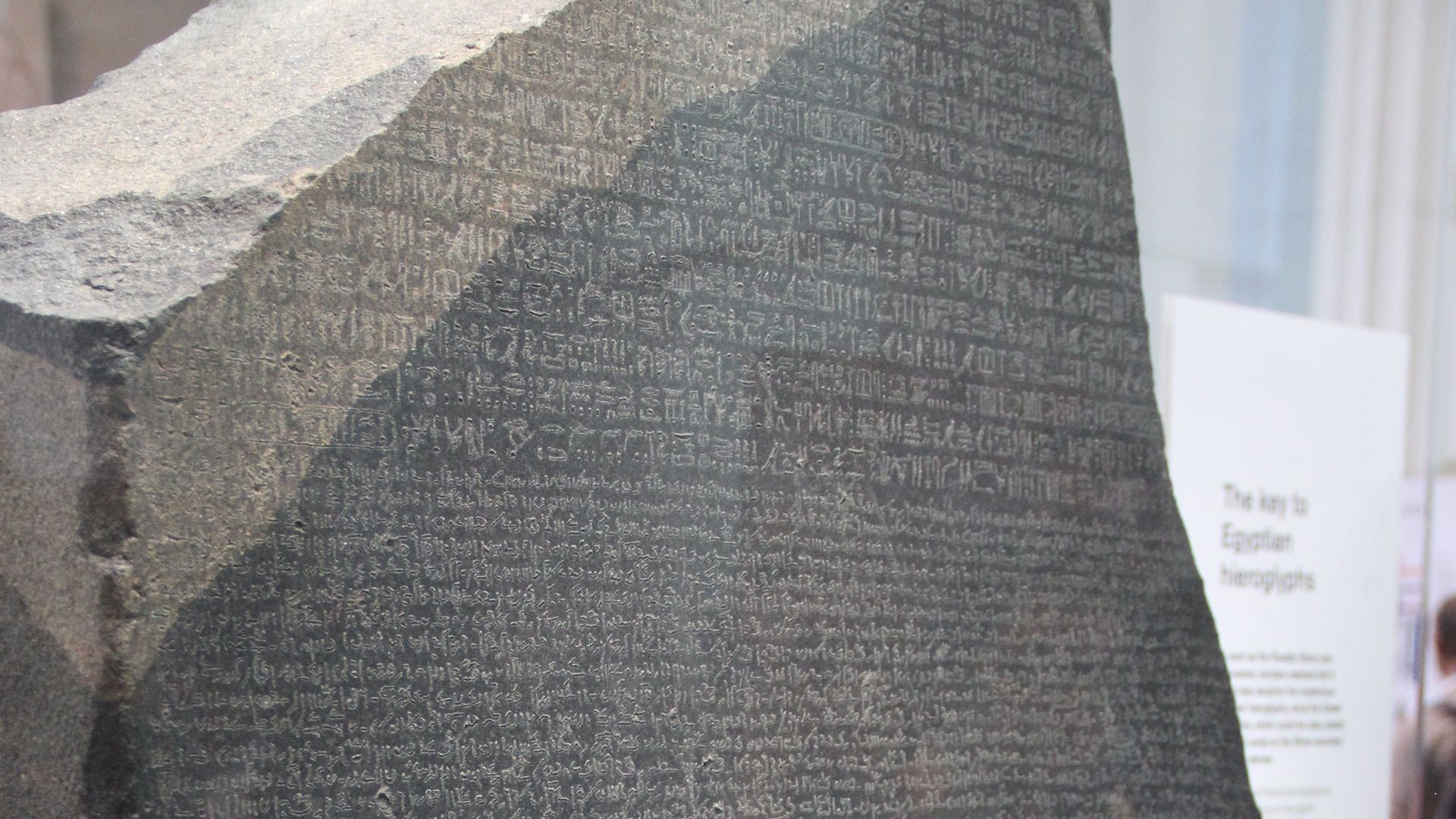
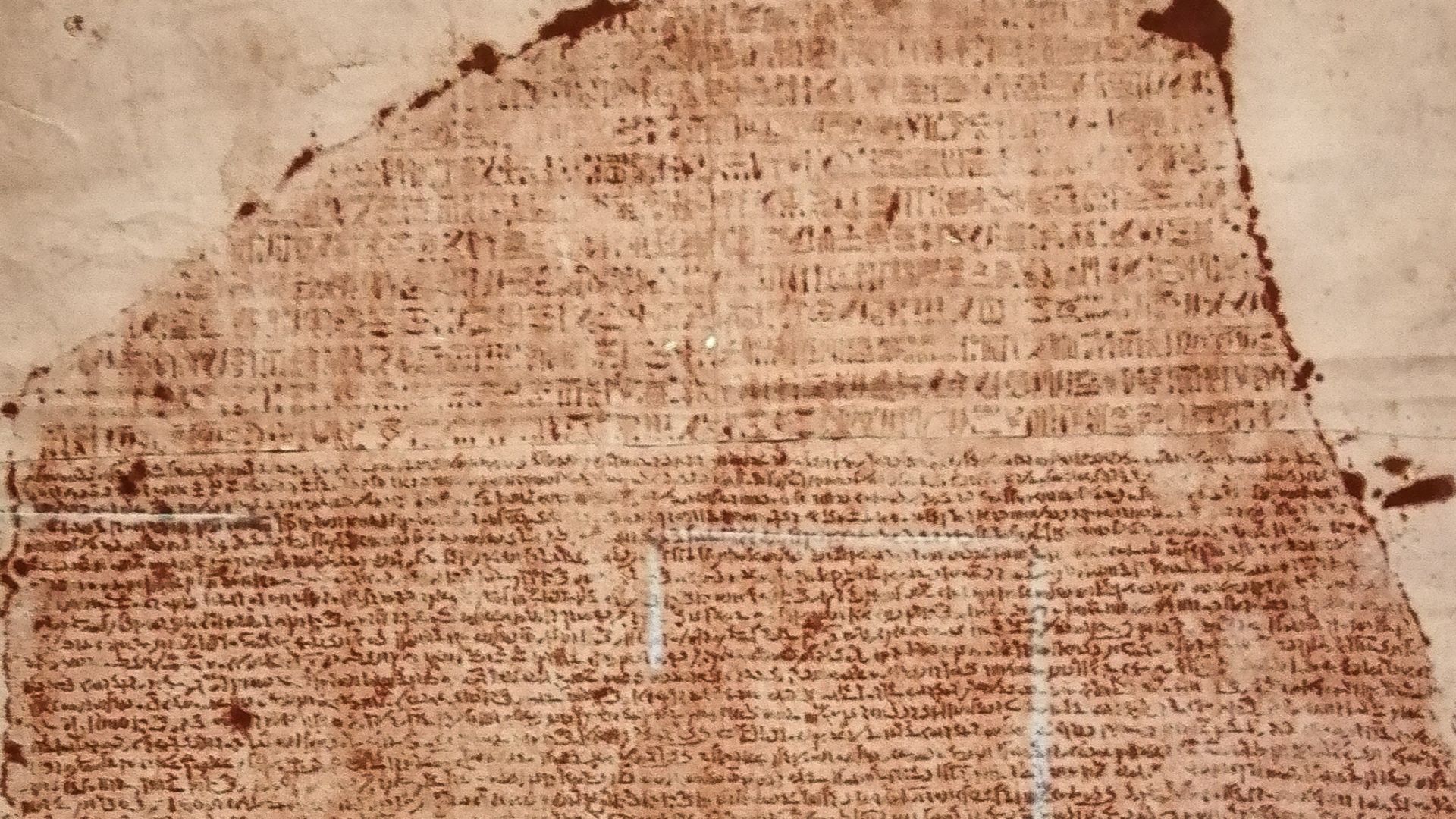
When the Rosetta Stone was discovered in 1799, its surviving Greek inscription supplied scholars with an enormous advantage. The stone carried a decree from 196 BCE under Ptolemy V, written in Greek, Demotic, and hieroglyphs. Suddenly, researchers had corresponding versions of a known text with which to attack Egypt’s lost script.
 Gary Todd from Xinzheng, China, Wikimedia Commons
Young Began Spotting Patterns
English polymath Thomas Young recognized that certain hieroglyphic groups represented sounds, particularly within royal names such as Ptolemy. This was a major crack in the old belief that hieroglyphs were purely symbolic pictures. Young did not solve the entire system, but he helped move the investigation from imaginative guesswork toward linguistic analysis.
 Credit Line: AIP Emilio Segrè Visual Archives, Wikimedia Commons
Champollion Broke Through
Jean-François Champollion pushed the work much further. Combining evidence from the Rosetta Stone with Coptic and other inscriptions, he recognized that phonetic signs were used not merely for foreign rulers but throughout Egyptian writing. His famous 1822 announcement helped open thousands of previously unread monuments to modern scholarship.
 Léon Cogniet, Wikimedia Commons
Then Came Tanis
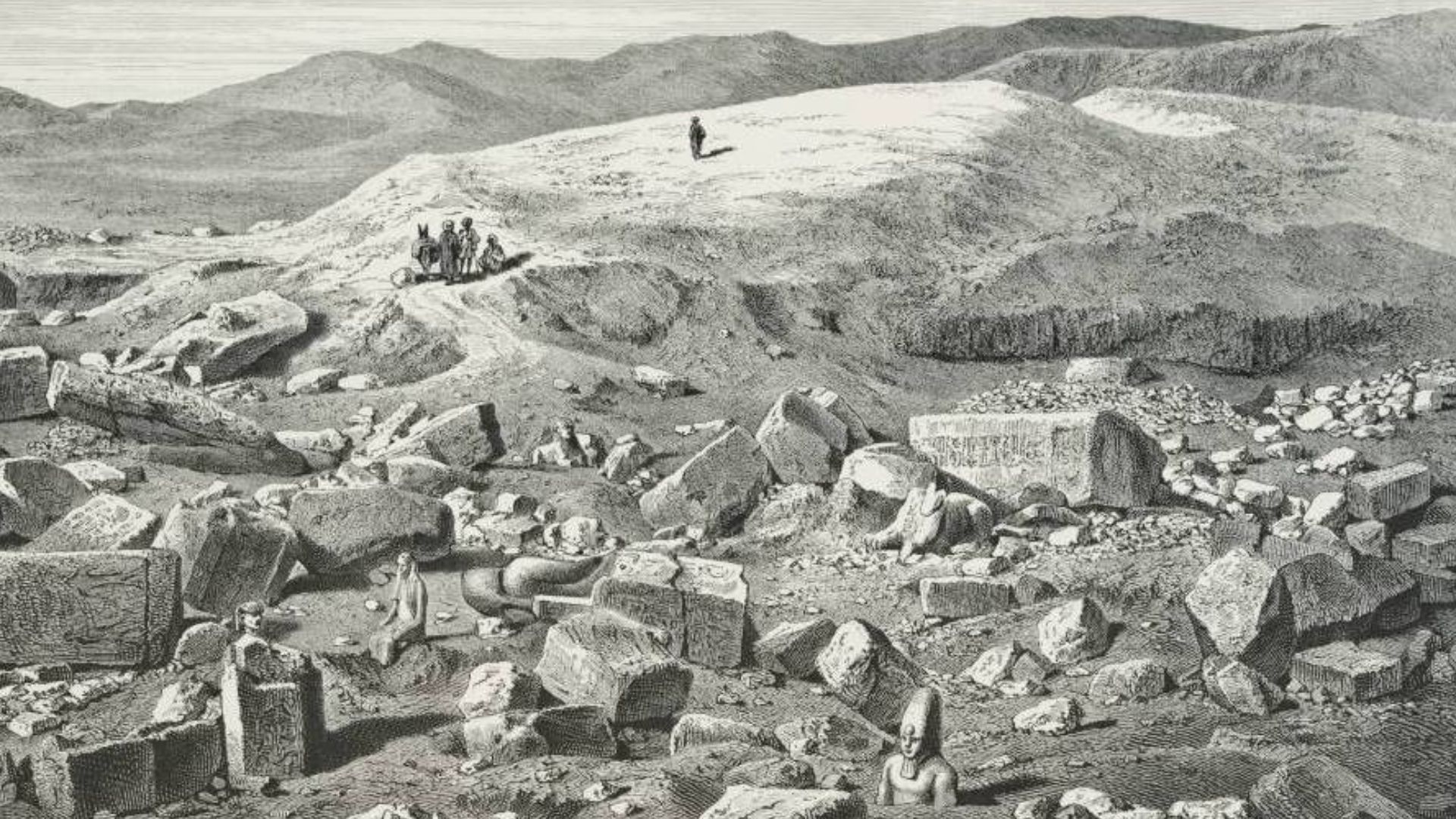
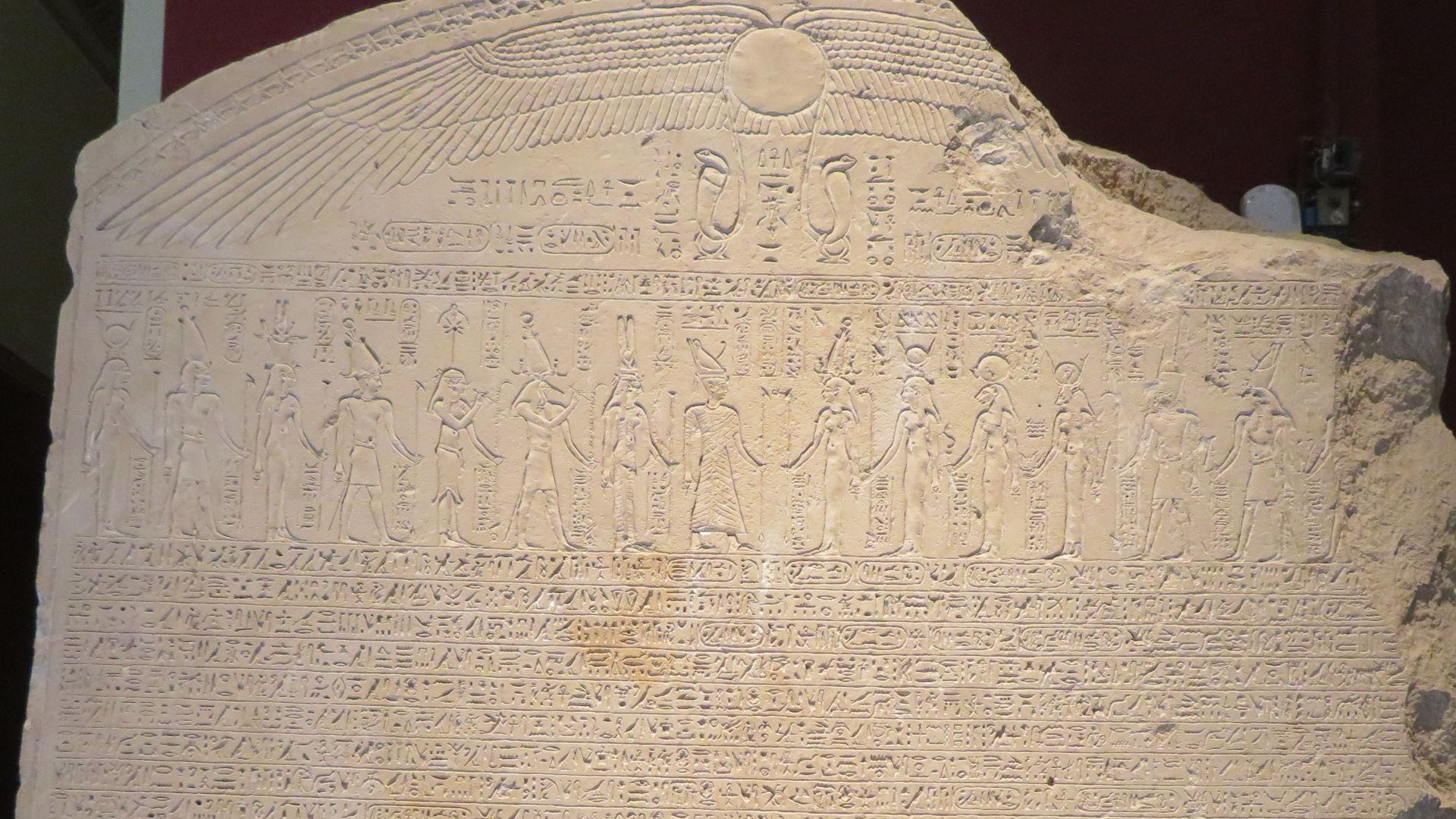
More than four decades after Champollion’s breakthrough, scholars exploring Tanis made another remarkable discovery. In 1866, Karl Richard Lepsius, Johannes Dümichen's contemporaries and other European scholars working at the ruins helped uncover and document a large inscribed stele carrying the Canopus Decree. Its lengthy, well-preserved text immediately attracted attention.
 Strassberger, B., Wikimedia Commons
It Was Like Finding A Second Rosetta Stone
Contemporary scholars instantly understood the significance. The Tanis inscription offered a substantial hieroglyphic text corresponding to Greek, much like the Rosetta Stone but with far more complete material available for comparison. The discovery was described at the time as potentially offering enormous assistance in checking the progress already made in decipherment.
Champollion Faced A Posthumous Test
Champollion had died in 1832, so he never saw the Tanis stele. But the Canopus Decree provided later Egyptologists with something almost as dramatic as an examination paper appearing after the student had left the room. If the decipherment system worked on this newly discovered text, confidence in the method would soar.
 René Hourdry, Wikimedia Commons
And The Method Worked
The comparison strongly supported the foundations laid by Champollion and other early decipherers. Scholars could match royal names, titles, grammatical structures, and passages across the different scripts. The Rosetta Stone had helped provide the key; the Canopus Decree supplied an independent lock on which that key could be tried.
 Julien Peytard, Wikimedia Commons
The Decree Hid A Calendar Surprise
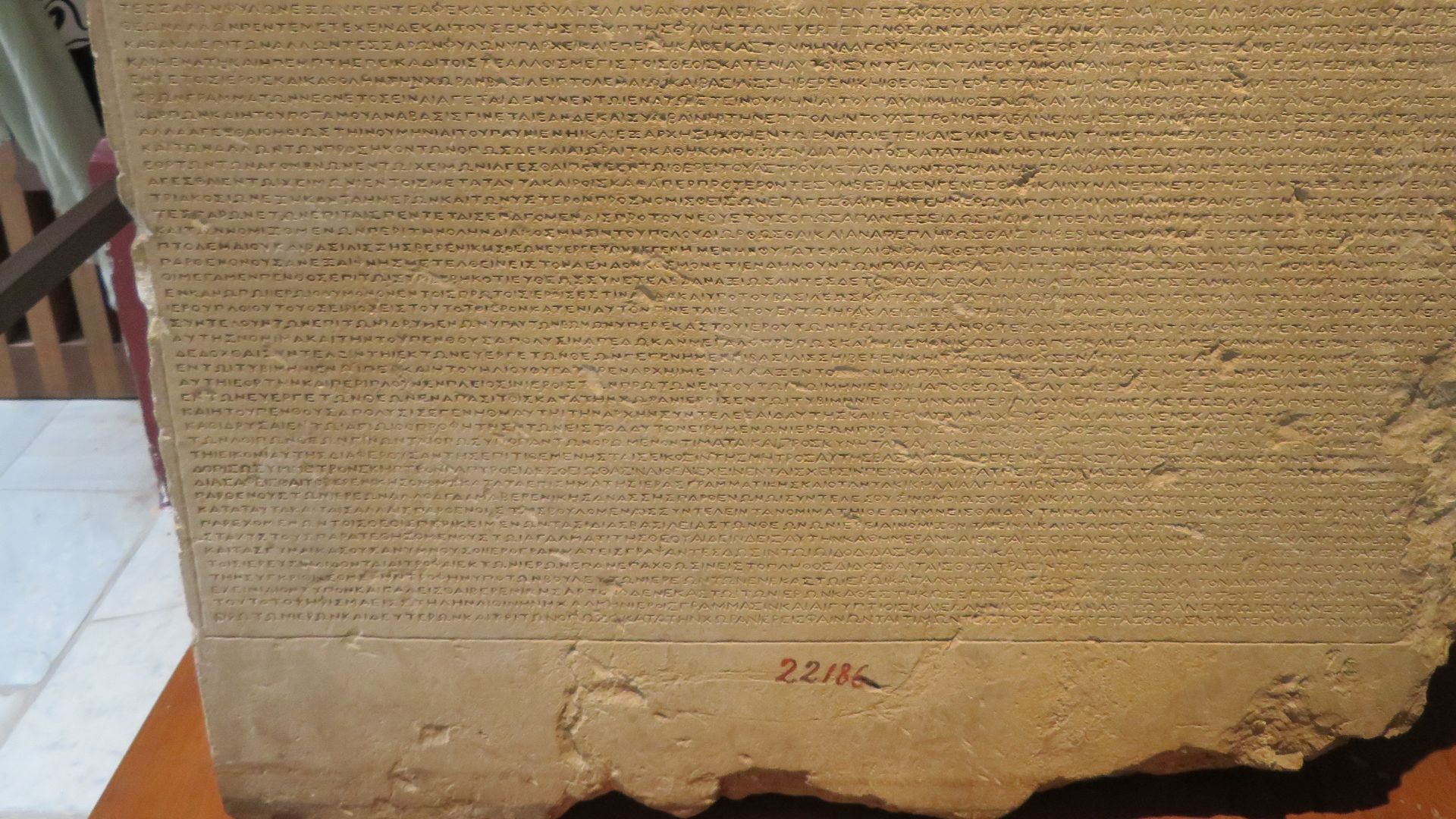
Language was not its only remarkable feature. The Canopus Decree proposed changing Egypt’s traditional 365-day civil calendar by adding an extra festival day every fourth year. That was intended to keep the calendar more closely aligned with the solar year rather than allowing dates gradually to wander through the seasons.
Egypt Had Noticed The Problem
A 365-day year is just a little too short compared with the solar year. That tiny difference accumulates over generations. Egyptian observers had long paid close attention to astronomical and seasonal cycles, including the heliacal rising of Sirius, so the drift was hardly invisible to people whose agriculture depended on understanding time and the Nile.
 shaimaa ahmed saleh from egypt, Wikimedia Commons
The Reform Was Ahead Of Its Time
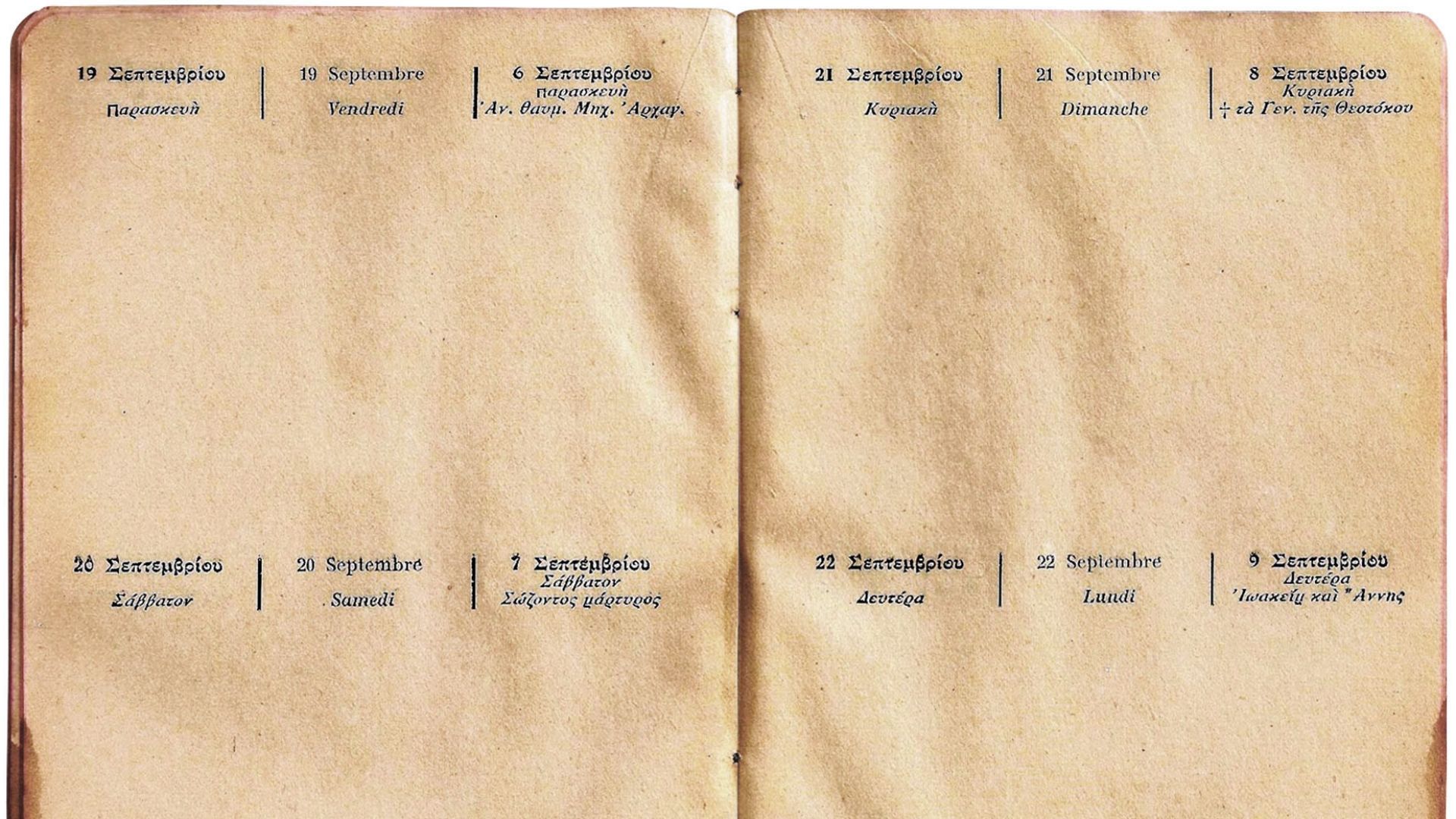
The proposed leap-day adjustment did not permanently reform the Egyptian civil calendar at that moment. A comparable four-year leap system later became famous through the Julian calendar under Julius Caesar. The Canopus text therefore provides striking evidence that Egyptian priests were formally discussing this type of correction more than two centuries earlier.
 Unknown authorUnknown author, Wikimedia Commons
Canopus Had Another Secret Waiting
The city where the priests originally met eventually suffered a very different fate. Parts of ancient Canopus now lie beneath Abu Qir Bay, where underwater archaeology has revealed temples, monuments, and other remains. Modern mapping has helped identify submerged areas of both Canopus and neighboring Thonis-Heracleion.
 Earth Science and Remote Sensing Unit, Lyndon B. Johnson Space Center, Wikimedia Commons
More Copies Kept Appearing
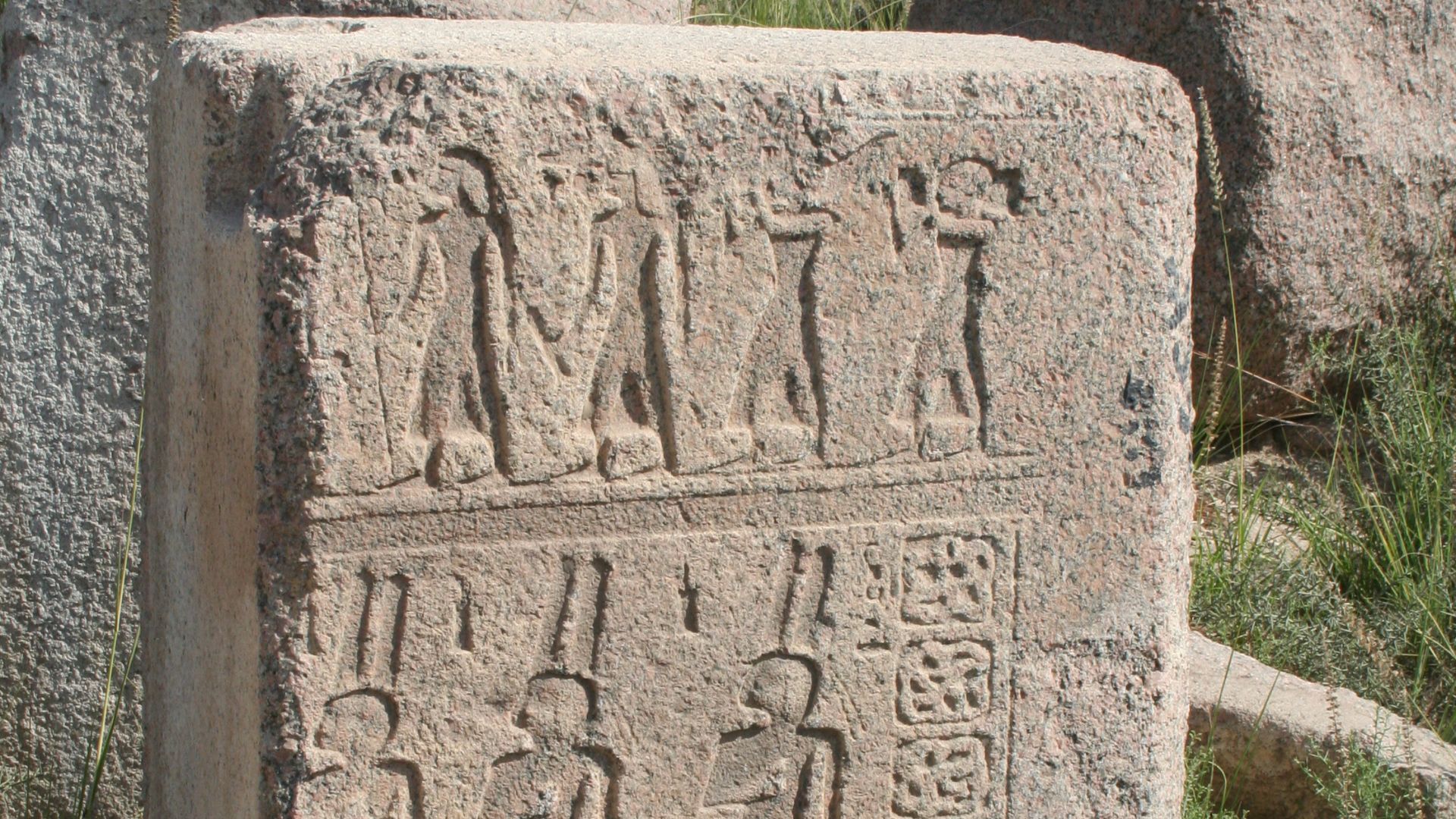
The Tanis stele was not alone. Another important copy was found at Kom el-Hisn in 1881, while later fragments and versions appeared at sites including Tell Basta. Each discovery lets specialists compare wording, spelling, carving, and layout, helping reveal how supposedly standardized decrees actually circulated around the country.
 Einsamer Schütze, Wikimedia Commons
Then 2025 Delivered A Surprise
In 2025, an Egyptian archaeological mission announced another extraordinary find at Tell al-Faraun in the eastern Nile Delta: a complete sandstone stele carrying the Canopus Decree. It was described as the first newly discovered complete copy in roughly 150 years, bringing a familiar ancient document suddenly back into archaeological headlines.
 Hatem Moushir, Wikimedia Commons
This Copy Was Different
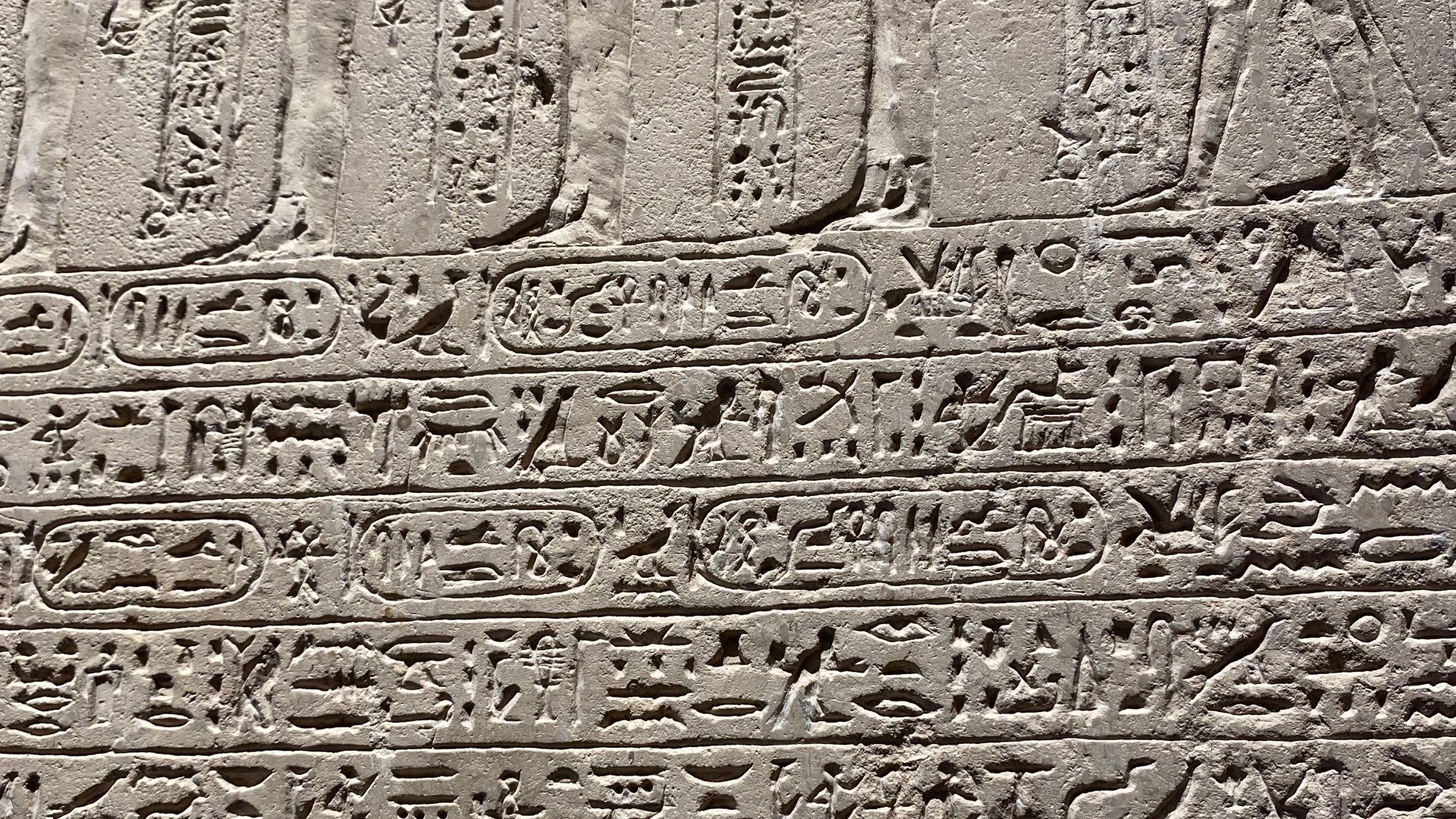
The newly discovered stele measures about 1.28 meters tall and carries 30 lines of hieroglyphs. Most intriguingly, it is written entirely in hieroglyphic script rather than presenting the familiar three-script arrangement. That gives scholars another opportunity to investigate how official royal and religious language changed depending on where and how a decree was displayed.
The Greater Mystery Is How Egypt Spoke To Itself
There is probably no secret treasure map concealed in the Canopus Decree. Its deeper mystery is better: how did Greek rulers, Egyptian priests, administrators, and temple communities communicate across different languages and traditions while still presenting one kingdom? Comparing surviving versions may reveal subtle differences in translation, ritual language, and political messaging that no single stone can provide.
 Brigade Piron, Wikimedia Commons
An Ancient Message Still Being Decoded
The Canopus Decree began as a celebration of Ptolemy III and his family. It became evidence for an ingenious calendar reform, a crucial confirmation of the decipherment of hieroglyphs, and a companion to the Rosetta Stone. With a new complete version appearing as recently as 2025, this 2,200-year-old announcement clearly has not finished talking yet.
 Txllxt TxllxT, Wikimedia Commons
You May Also Like:
Things Canadians Notice Immediately When They Drive Through The American Southwest
Top Five Restaurants In The World
The U.S. Cities That Canadians Say Are Better Tourist Destinations Than They Expected