A Sweet Discovery In Deep Space
Astronomers have found something extraordinary floating between the stars: sugar. Not just a sugar-like chemical, but a real sugar molecule thousands of light-years from Earth. And scientists believe it could offer a surprising clue about how life on our planet began.
Scientists Have Been Searching For Decades
For decades, astronomers suspected that sugars might exist in the vast clouds scattered throughout our galaxy. They had already discovered numerous organic compounds, but finding a true sugar proved surprisingly difficult. Then, in July 2026, an international research team announced a breakthrough.

Meet The Sugar Called Erythrulose
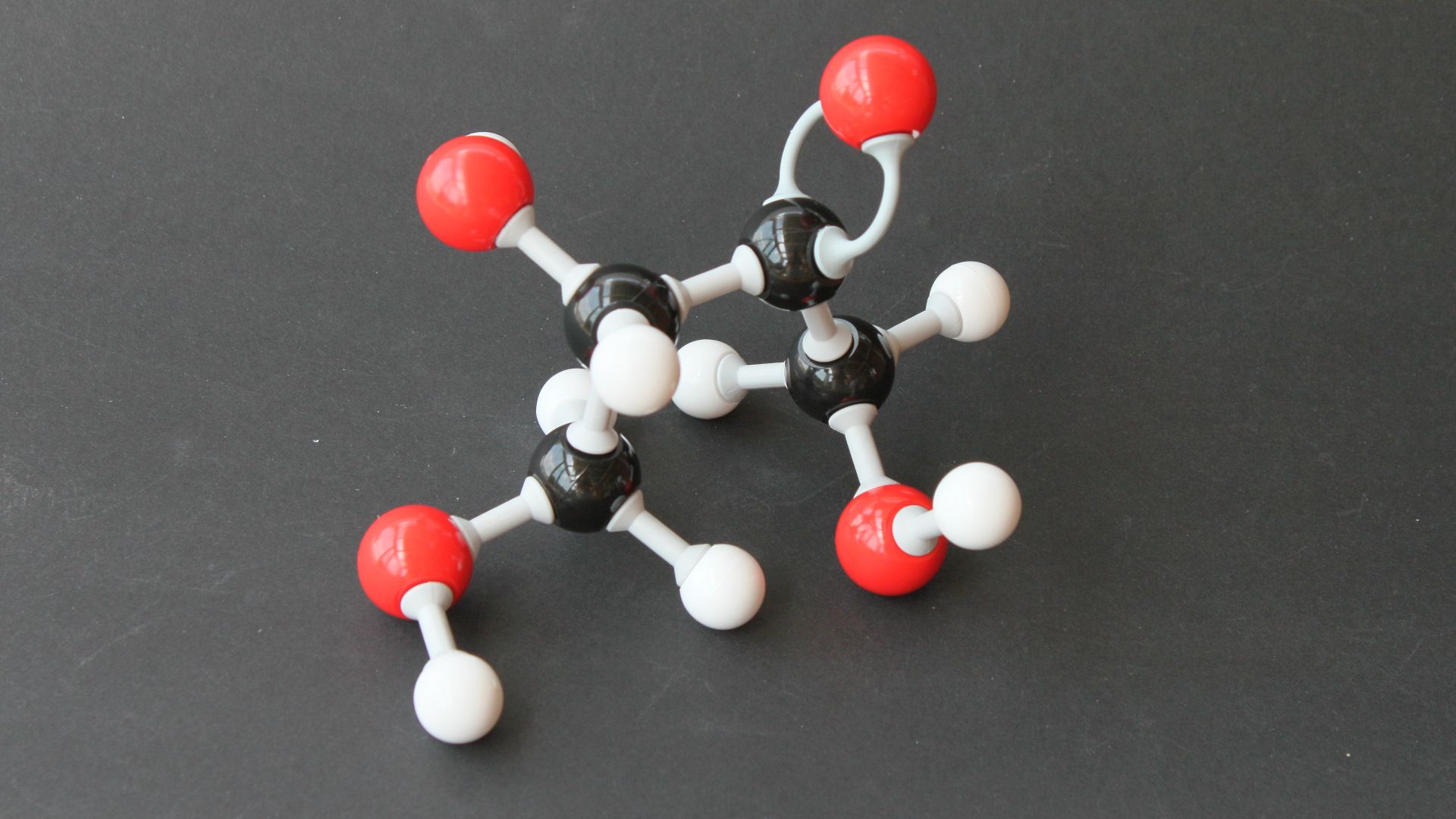
The newly discovered molecule is called erythrulose, a simple sugar containing four carbon atoms. Unlike ordinary table sugar, it belongs to a group known as monosaccharides. Its detection marks the first time astronomers have confirmed a true sugar in interstellar space.
It's Also Found In Raspberries
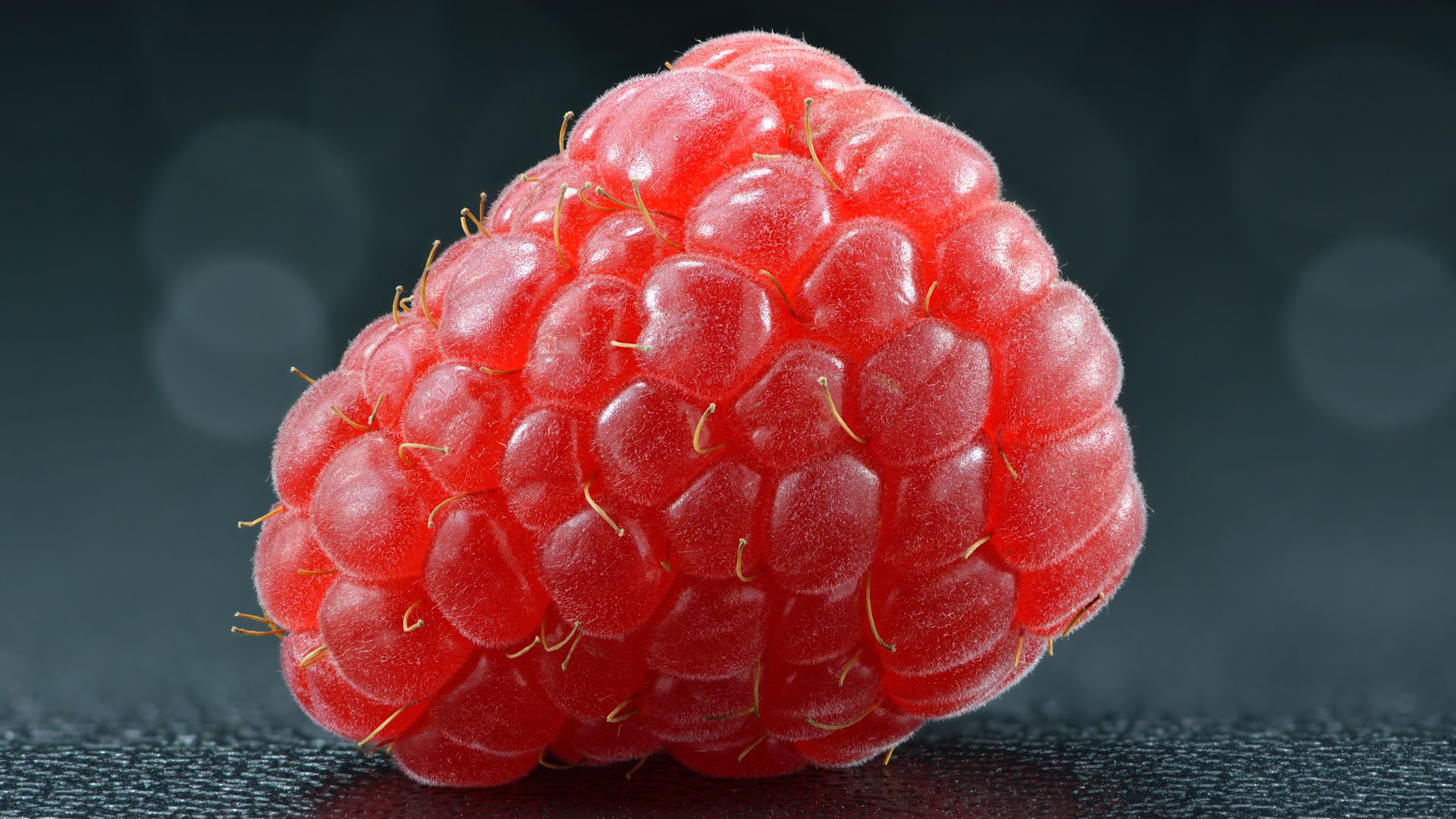
Here's an unexpected connection between deep space and everyday life. Erythrulose occurs naturally in raspberries and certain other fruits, and it's also used in self-tanning cosmetics. Finding this familiar molecule in a distant cloud of gas and dust was a remarkable scientific first.
 Ivar Leidus, Wikimedia Commons
The Discovery Happened Near The Milky Way's Center
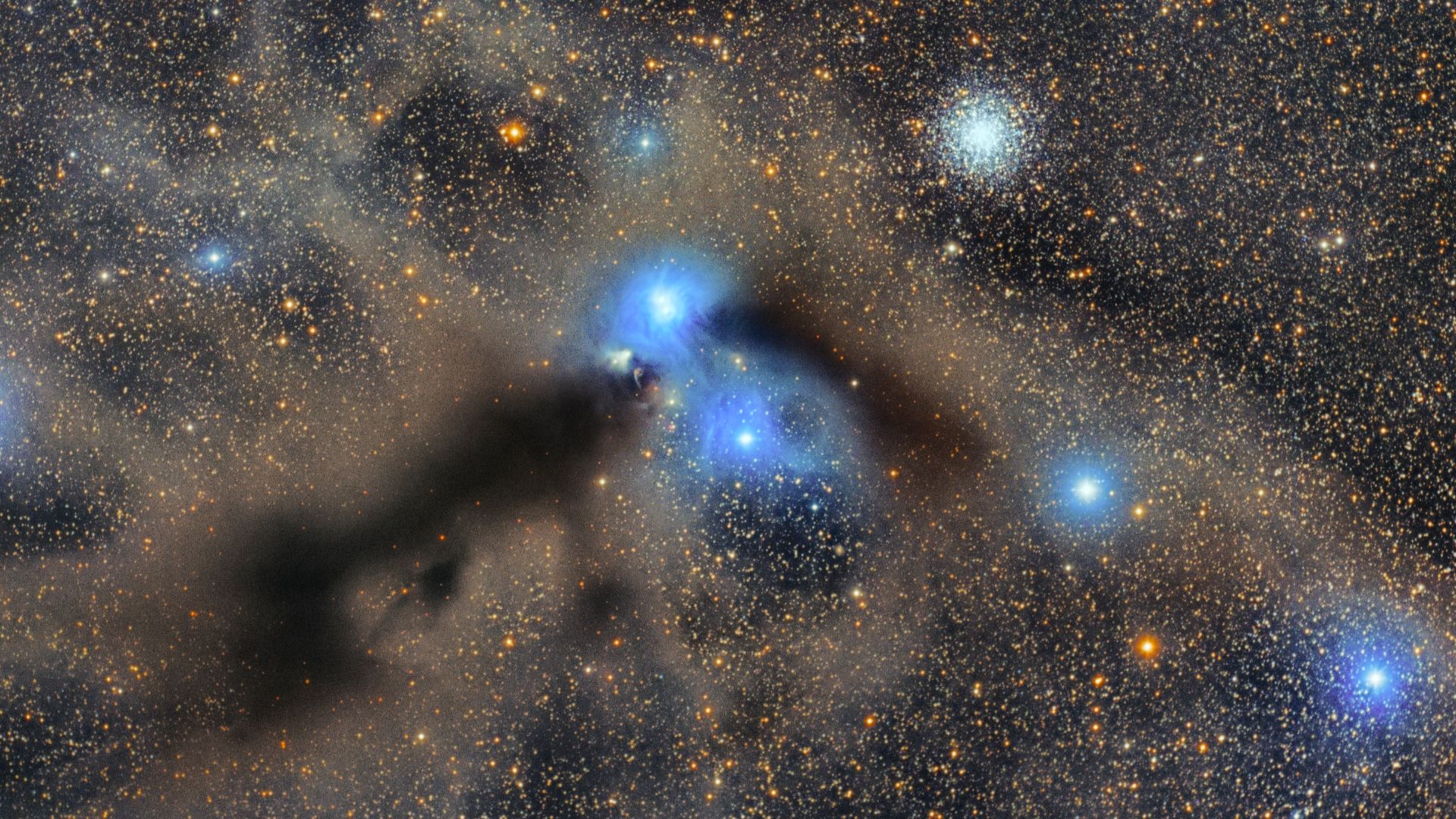
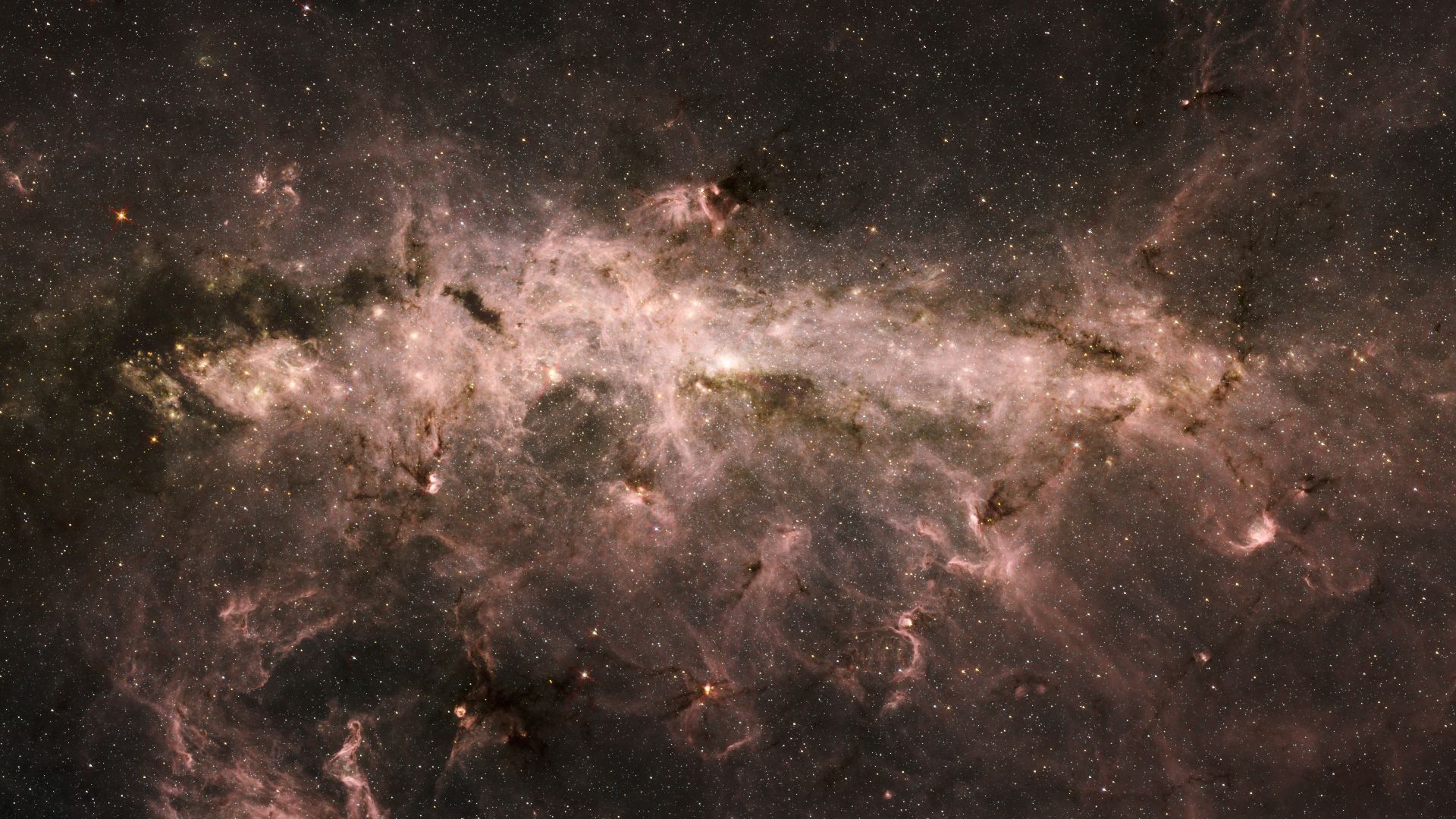
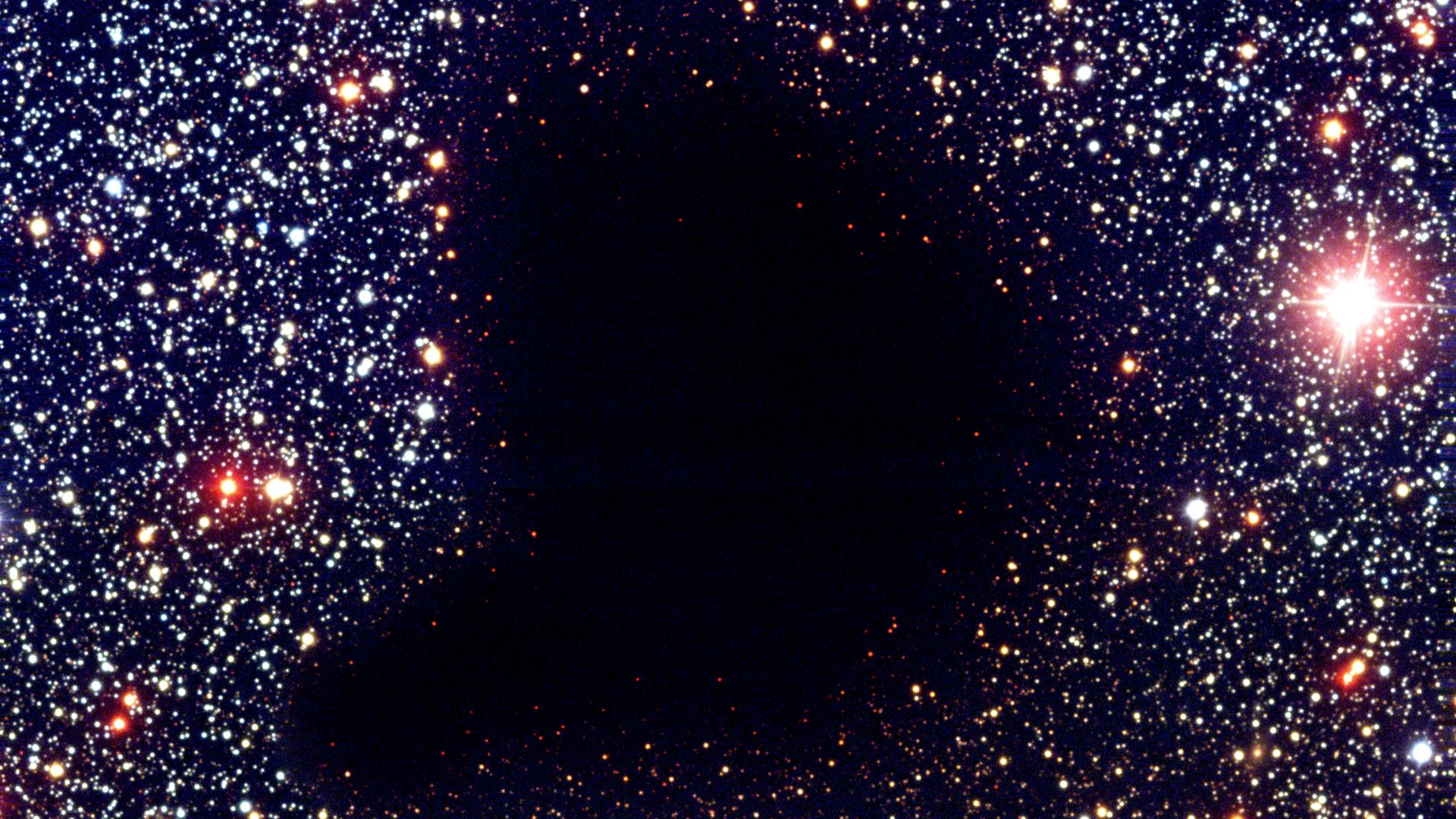
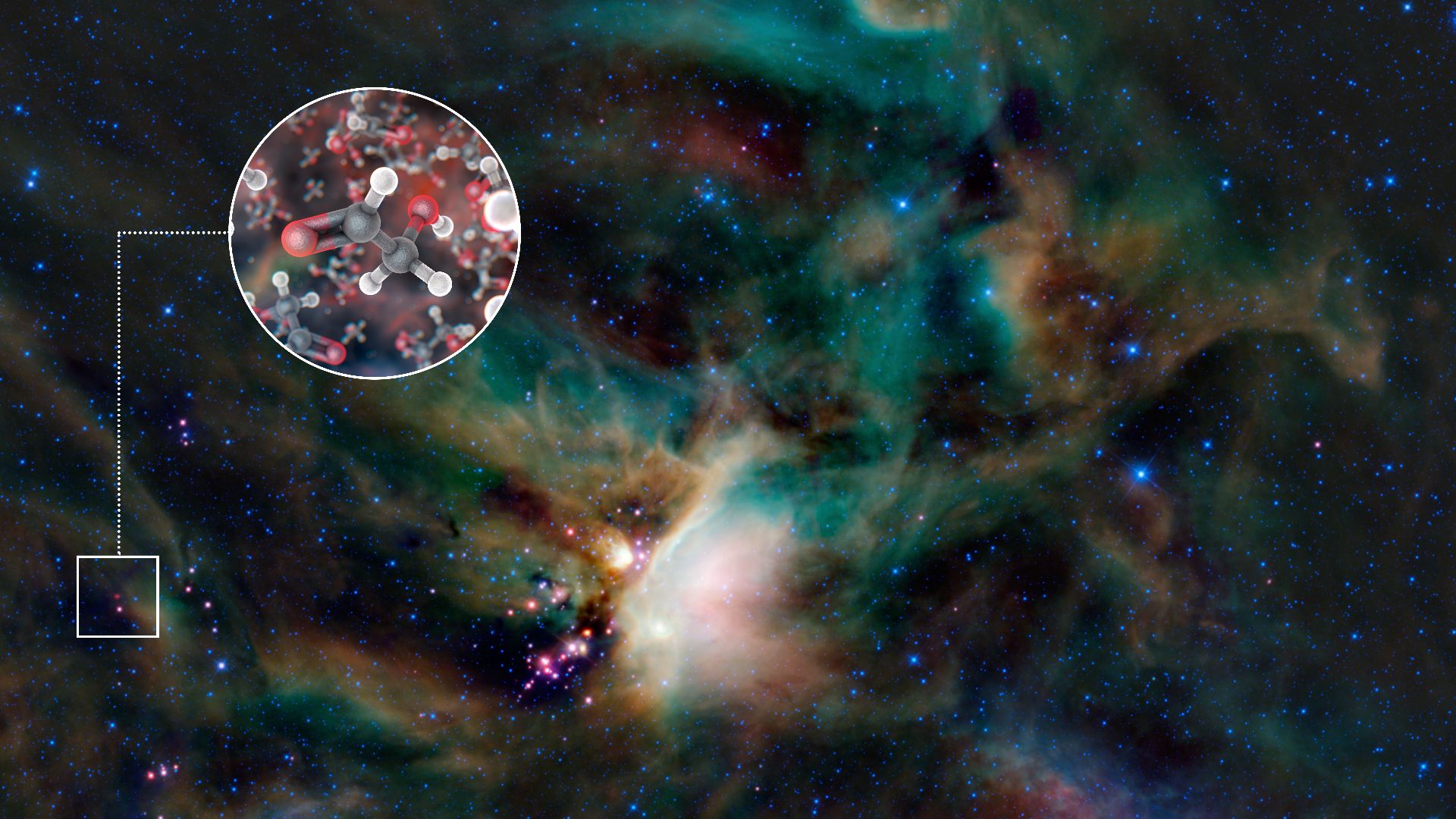
Astronomers detected the sugar inside a molecular cloud called G+0.693-0.027, approximately 27,000 light-years from Earth. The cloud lies near the center of the Milky Way, in a region famous for its rich chemistry. Scientists had already discovered numerous complex molecules there, making it a promising place to search for something new.
These Clouds Are Cosmic Chemical Factories
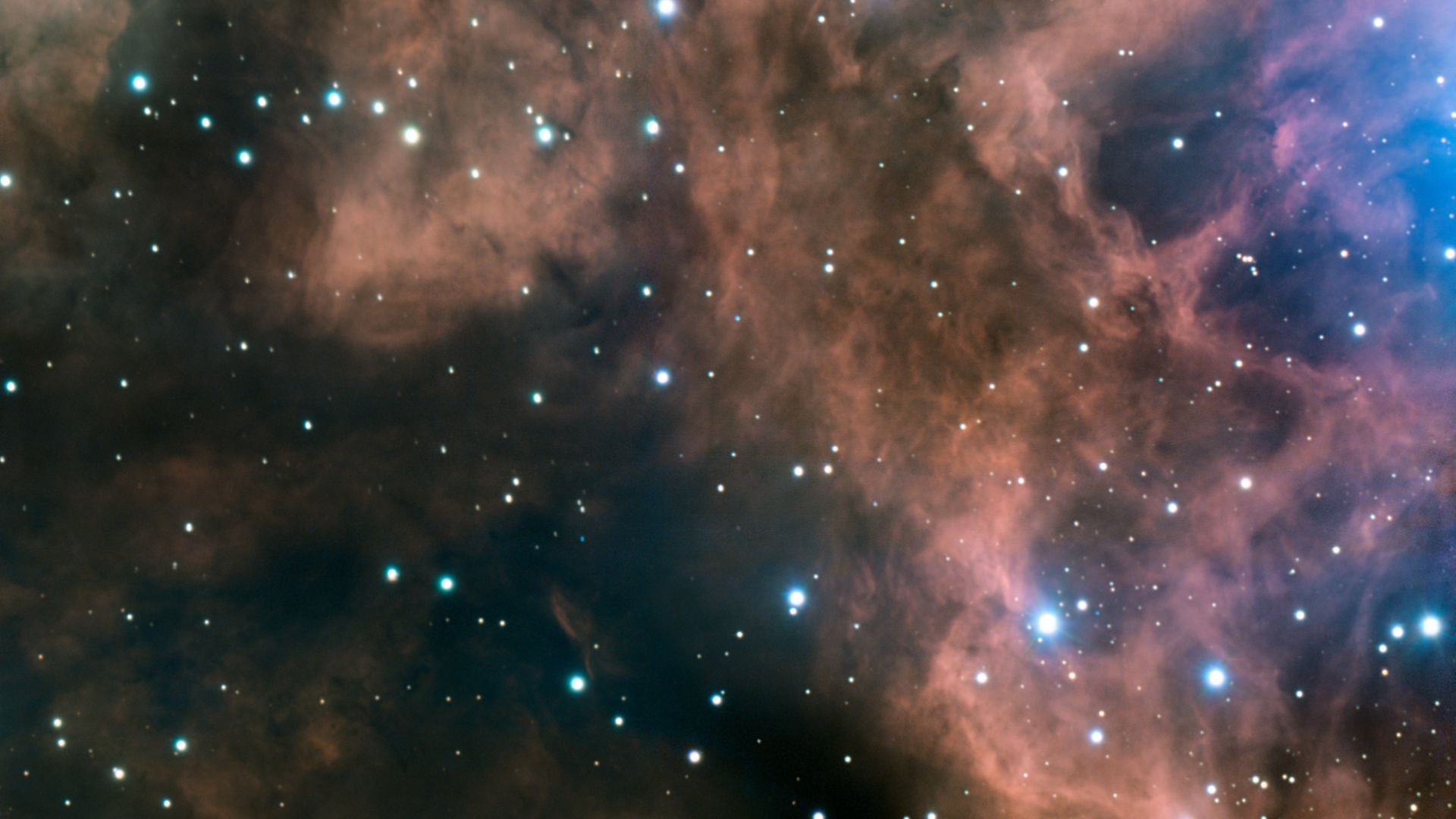
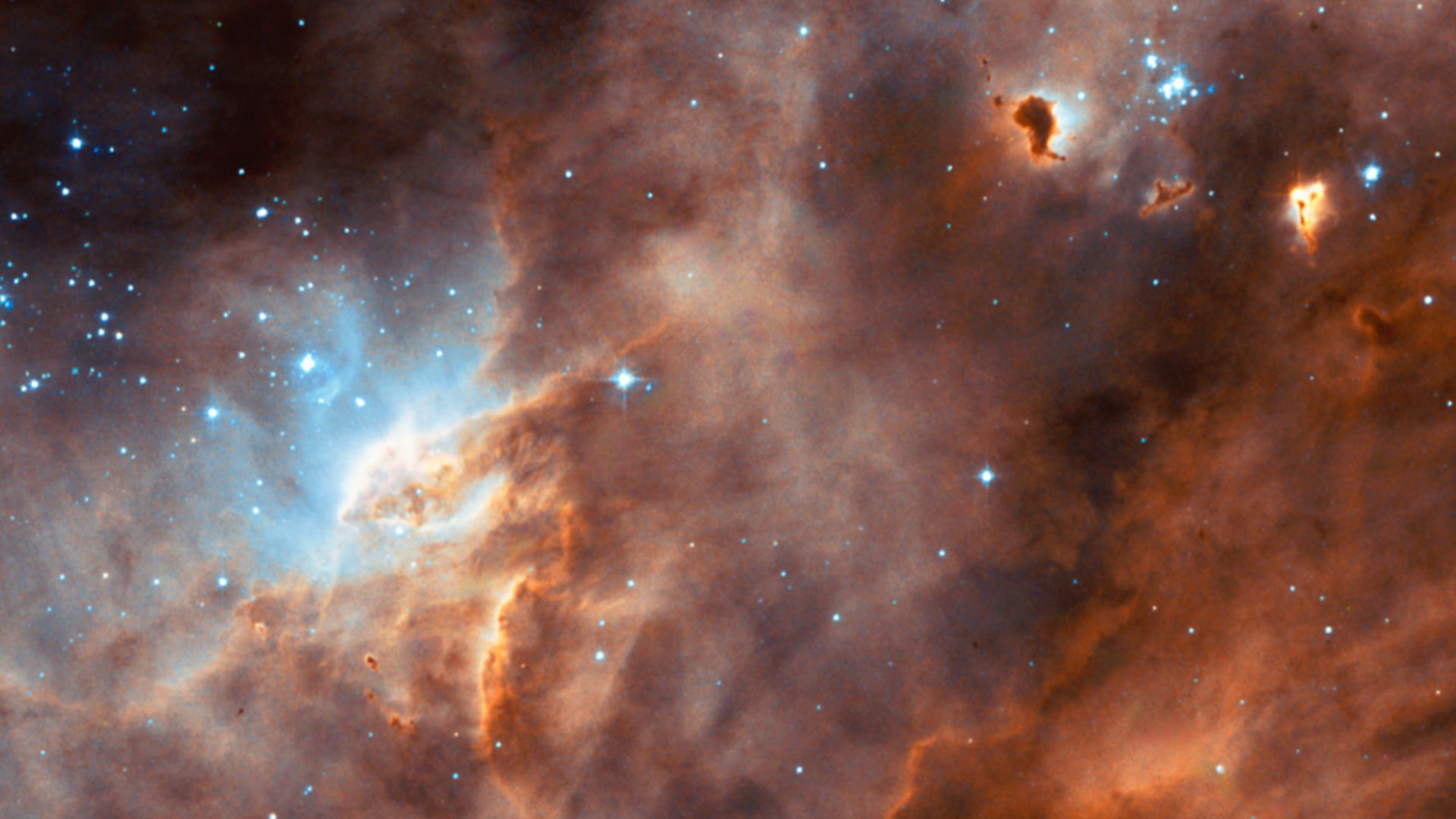
Molecular clouds are enormous collections of gas and dust where surprisingly complex chemistry can occur. Atoms and molecules interact, forming compounds that can eventually become part of new stars and planetary systems. Some of the ingredients associated with life may therefore exist long before planets form.
Scientists Have Found Hundreds Of Space Molecules
Erythrulose joins an extraordinary collection of more than 340 molecules identified in interstellar space. These include compounds such as urea, ethanolamine, and hydroxylamine, which are relevant to research into life's origins. Scientists are discovering that the supposedly empty space between stars is filled with chemical activity.
 NASA/ESA and the Hubble Heritage Team (AURA/STScI)/HEIC, Wikimedia Commons
Tiny Dust Grains Might Be Responsible
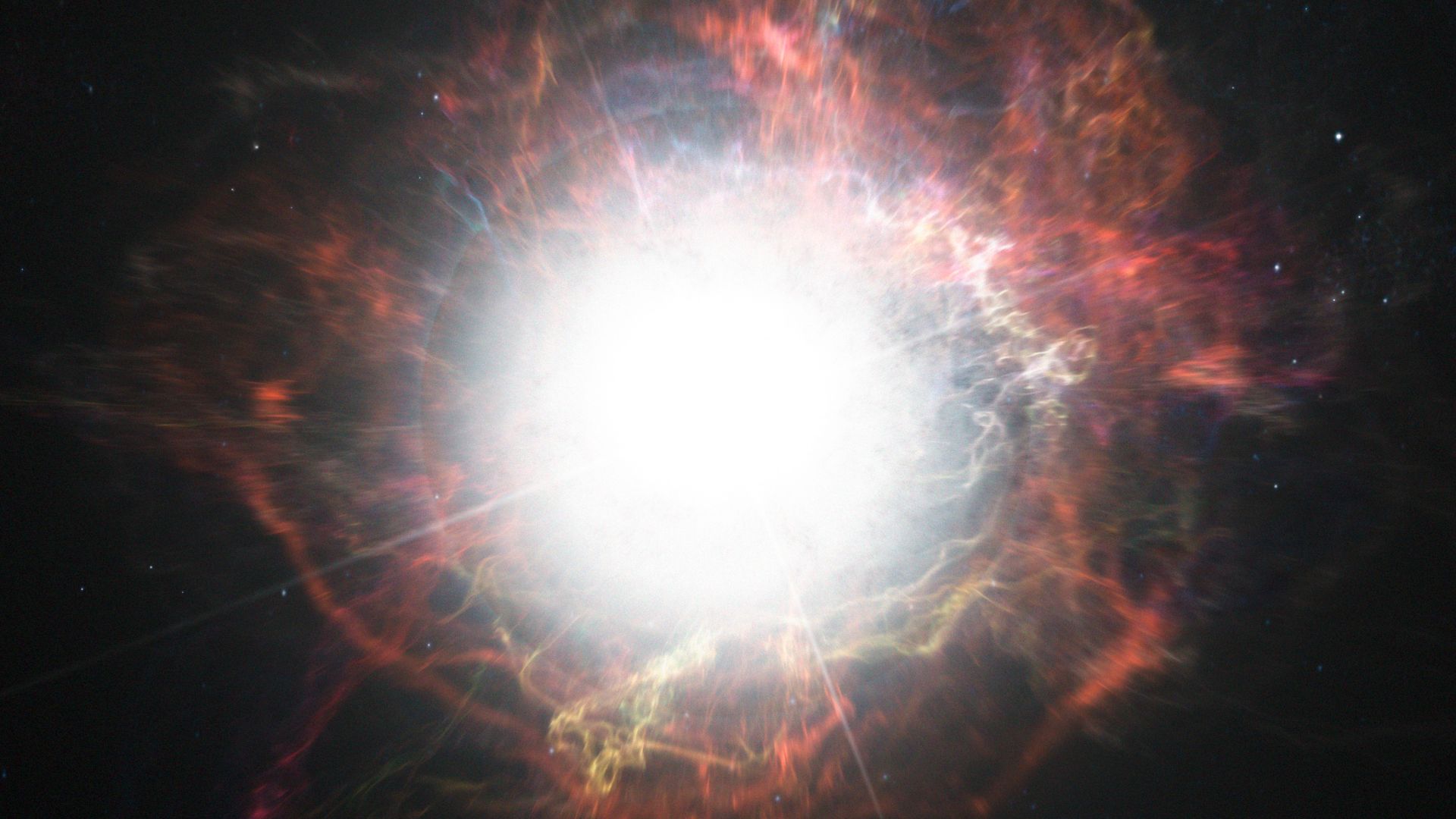
One possible explanation for the sugar's formation involves microscopic grains of interstellar dust. These particles provide surfaces where simpler compounds can meet and react. Scientists believe this process could help assemble complicated molecules that might otherwise be difficult to produce in space.
 ESO/M. Kornmesser, Wikimedia Commons
The Chemistry Happens In Extreme Cold
What's particularly remarkable is that these reactions can occur at temperatures around minus 250 degrees Celsius. That's far colder than anything naturally experienced on Earth's surface. Yet computer models suggest that sugar-forming reactions can still take place on tiny interstellar dust grains.
Two Powerful Telescopes Made The Discovery Possible
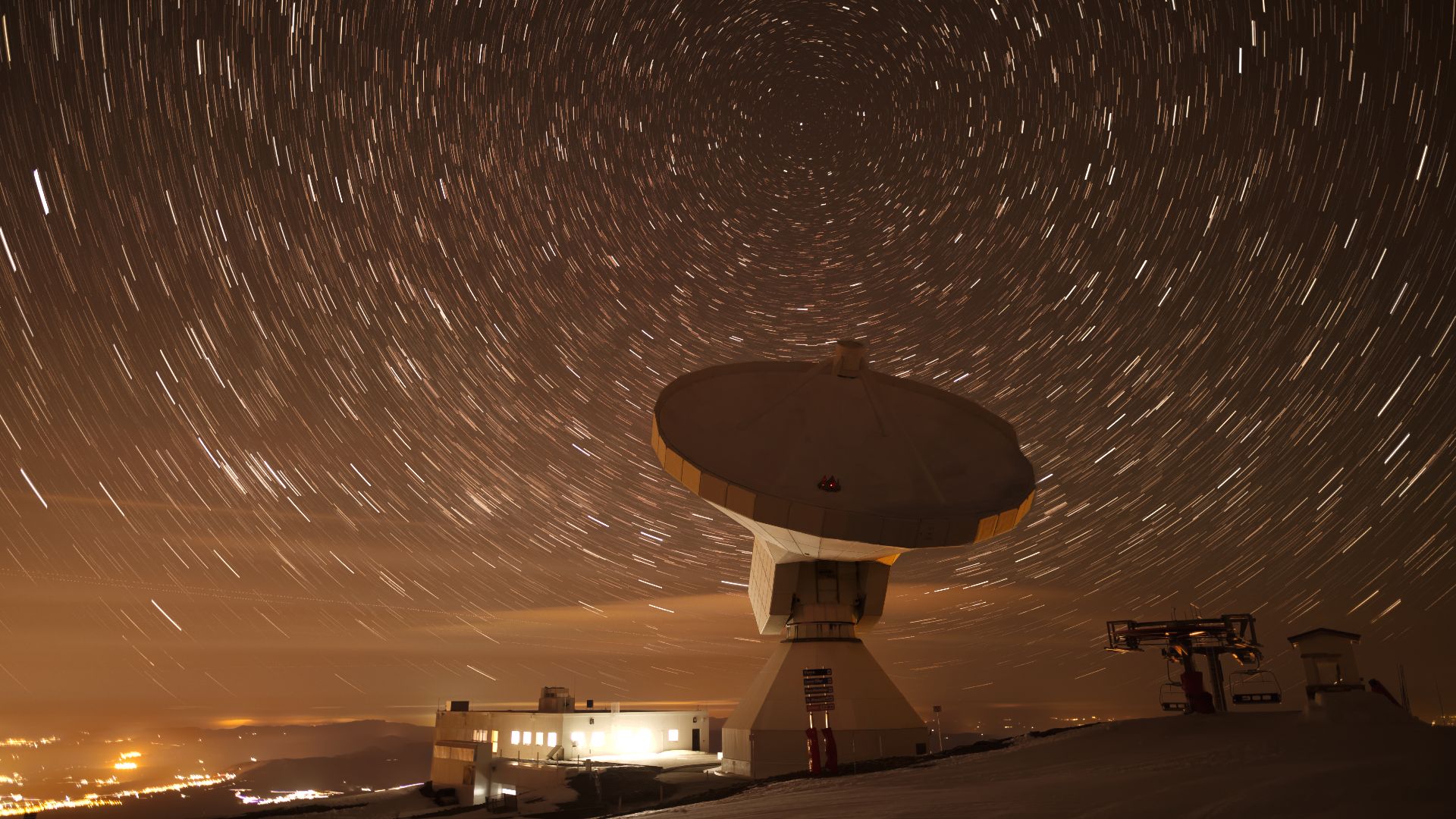
Researchers used two radio telescopes in Spain to investigate the distant cloud. One was the 40-meter telescope at Yebes Observatory, while the other was the 30-meter IRAM telescope in the Sierra Nevada mountains. Their sensitive instruments captured radio signals that revealed the presence of the sugar molecule.
They Didn't Actually See The Sugar
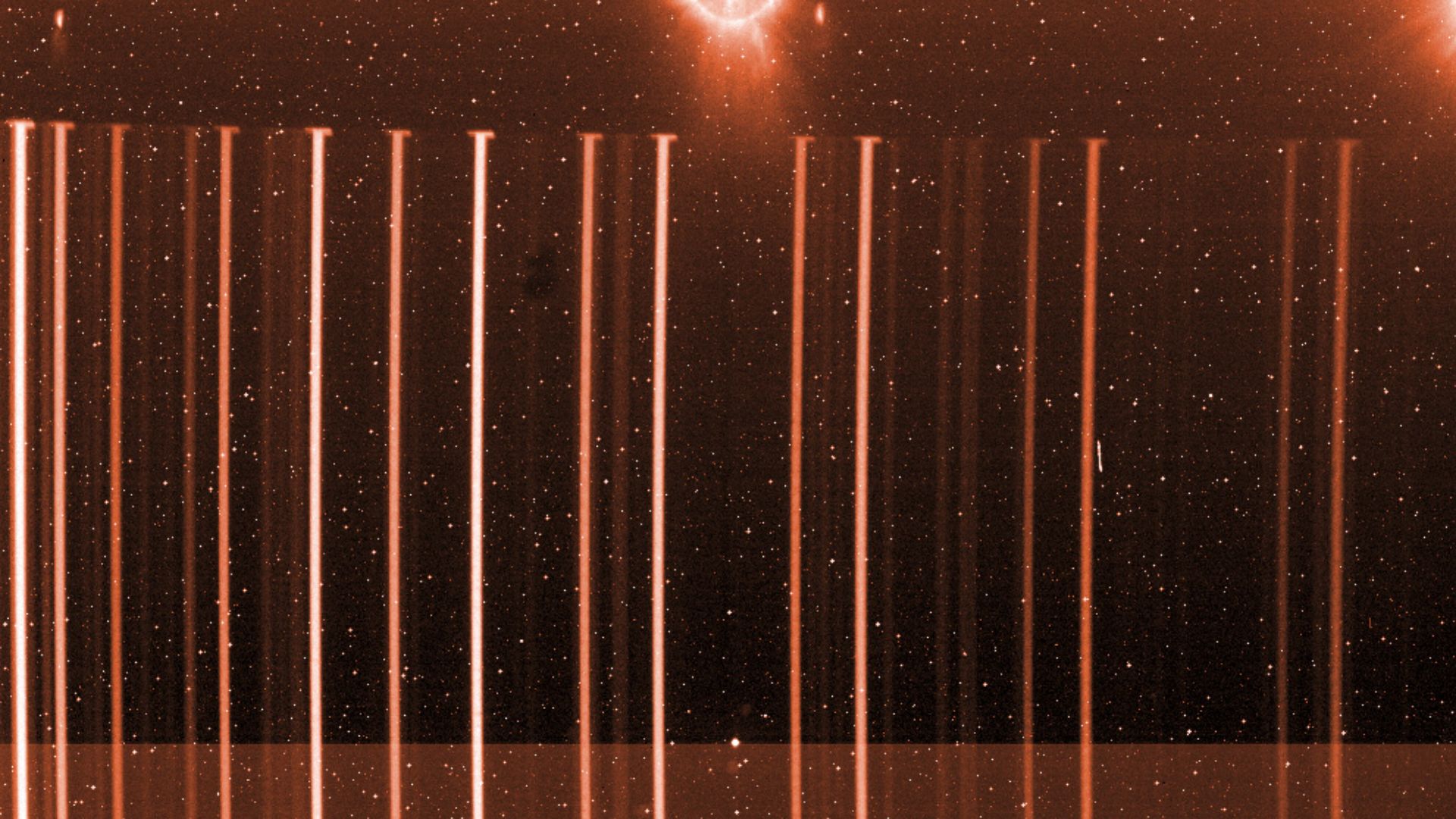
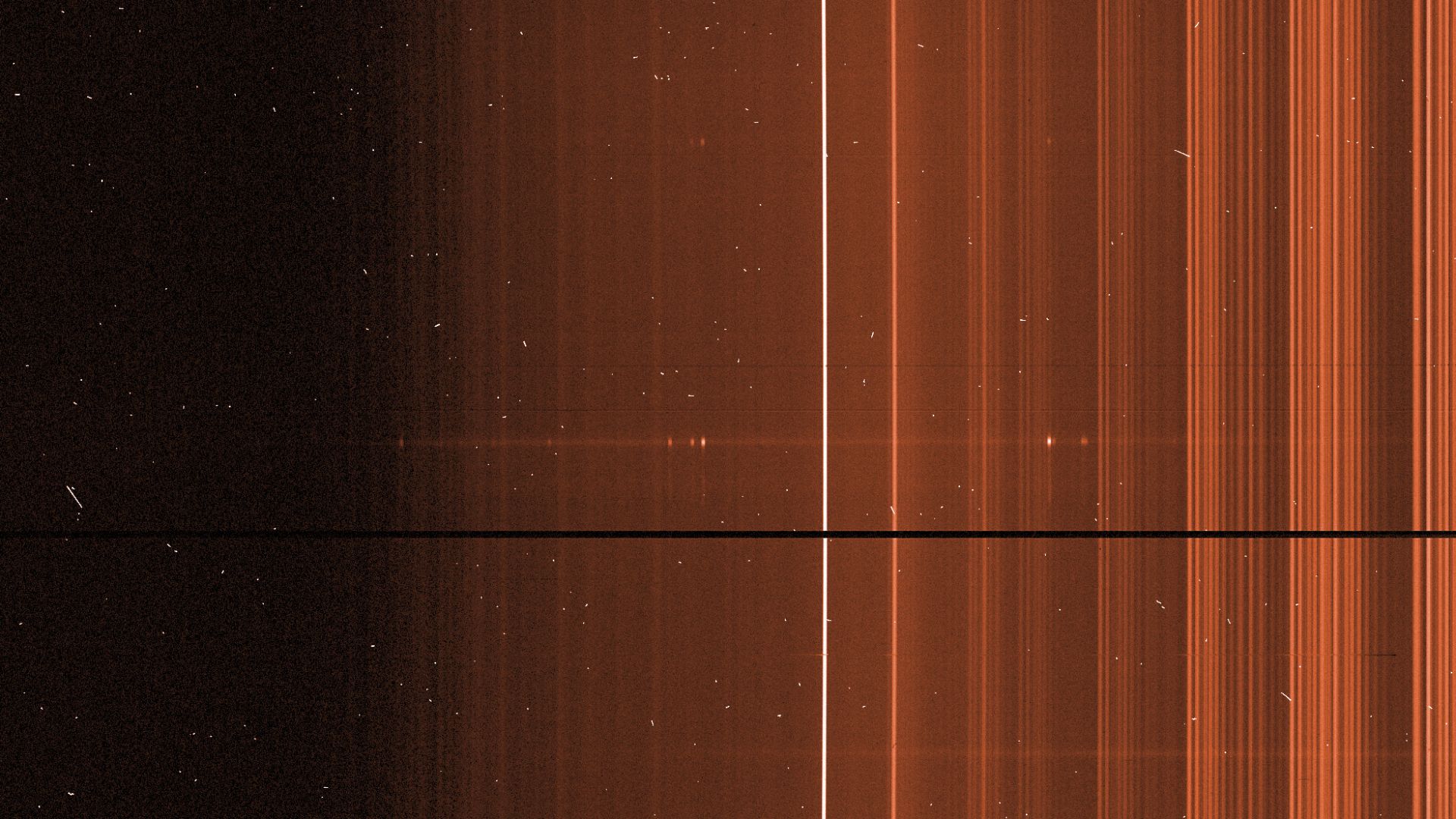
Astronomers didn't photograph individual sugar molecules floating through space. Instead, they identified distinctive patterns of radio frequencies emitted by molecules in the cloud. Every molecule has its own spectral fingerprint, allowing researchers to recognize it from thousands of light-years away.
A Laser Helped Crack The Mystery
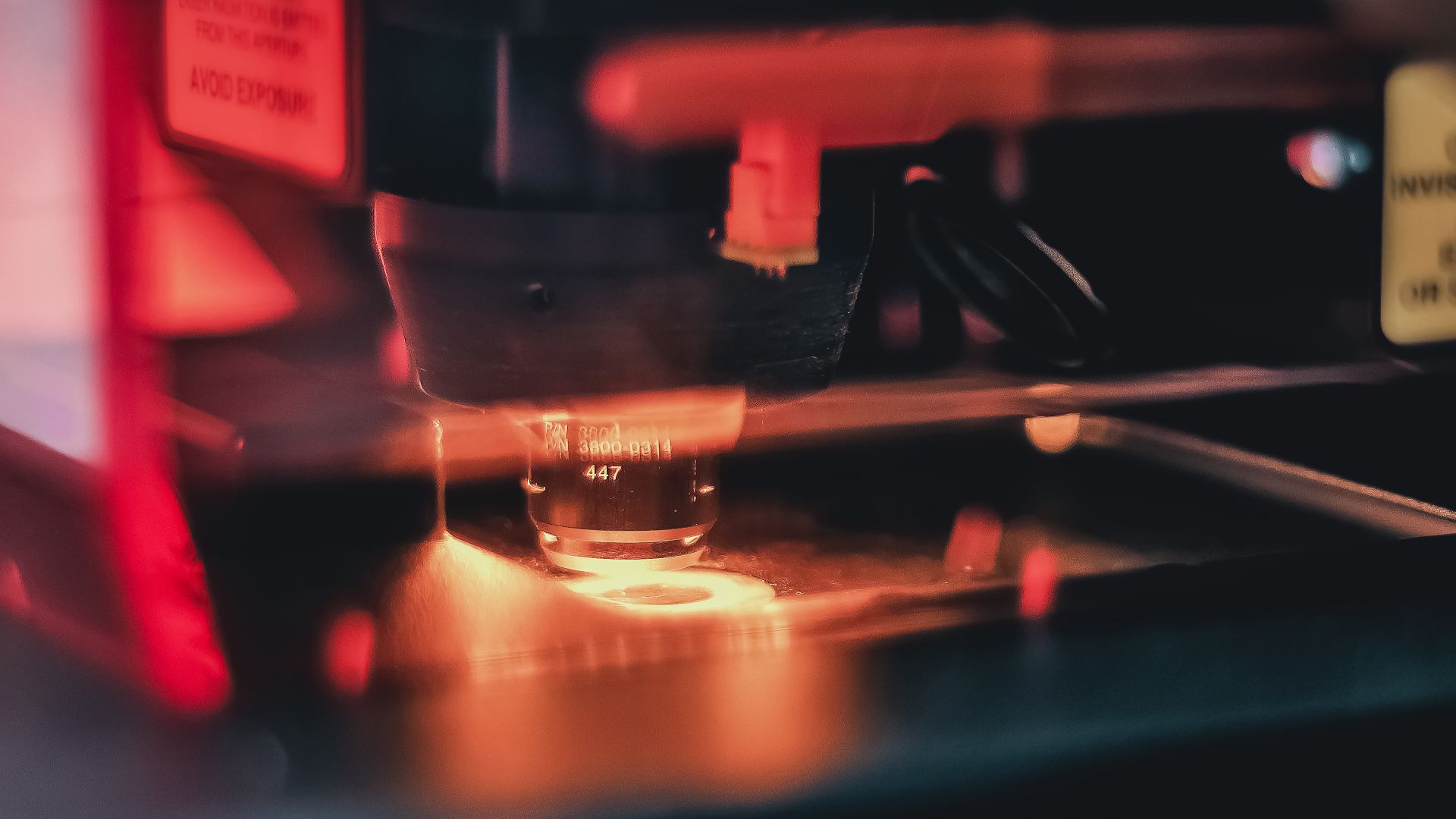
Before searching for erythrulose, scientists needed to measure its unique spectral signature in a laboratory. That was difficult because sugars are fragile and can break down when heated. An advanced laser-vaporization technique helped researchers obtain the measurements needed to identify the molecule in space.
 Martin Schaier, Wikimedia Commons
Twelve Matching Signals Confirmed The Discovery
When researchers compared their laboratory measurements with telescope observations, they found 12 matching sets of spectral lines. Together, these represented 17 individual molecular transitions consistent with erythrulose. The results provided strong evidence for the discovery, which was published in Nature Astronomy on July 13, 2026.
This Tiny Molecule Has Just 16 Atoms
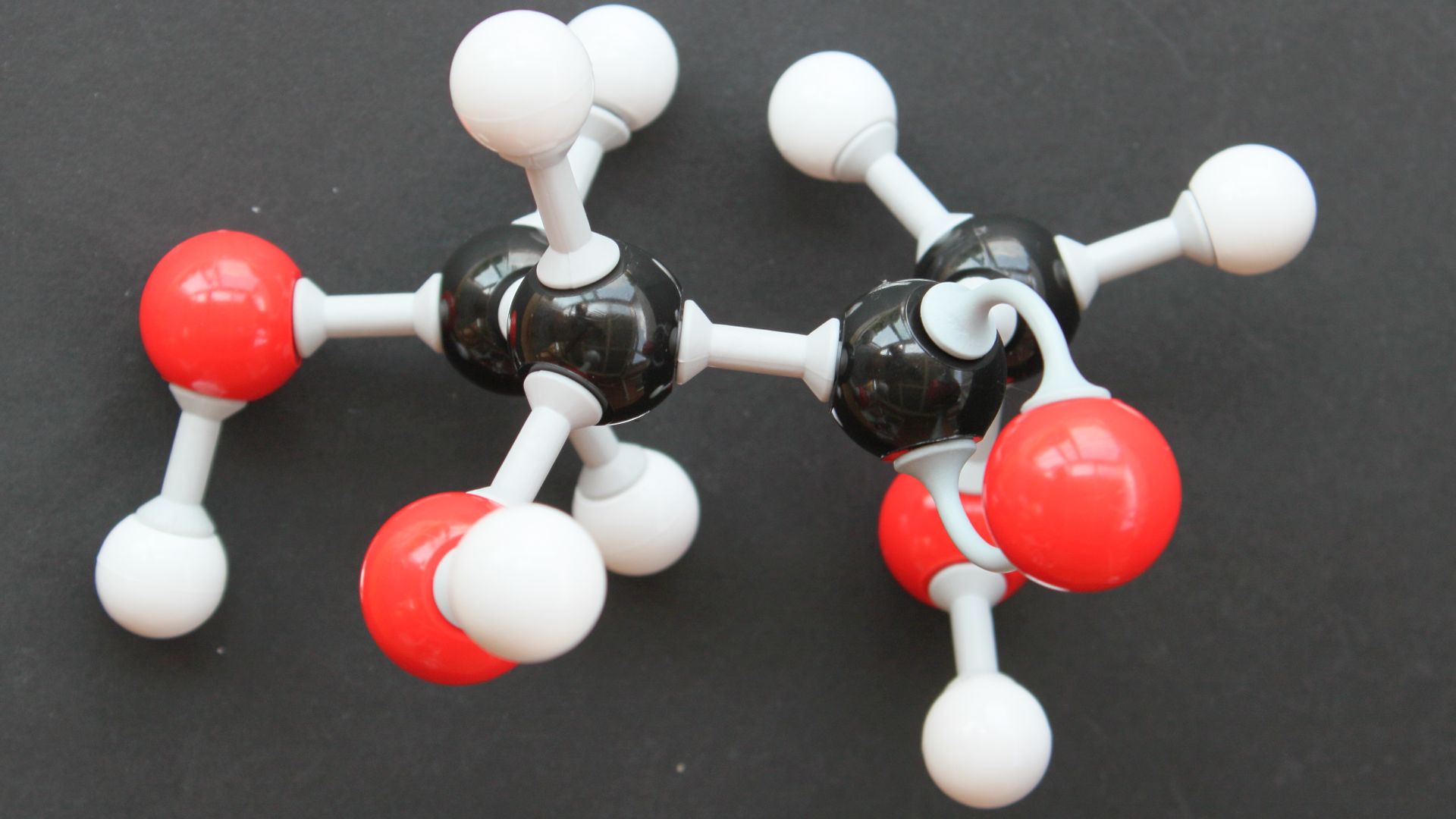
Erythrulose contains four carbon atoms, eight hydrogen atoms, and four oxygen atoms. That might sound simple, but identifying such a molecule across thousands of light-years is extraordinarily challenging. The discovery demonstrated just how sophisticated modern astronomical observations have become.
 Bin im Garten, Wikimedia Commons
Astronomers Had Found Something Similar Before
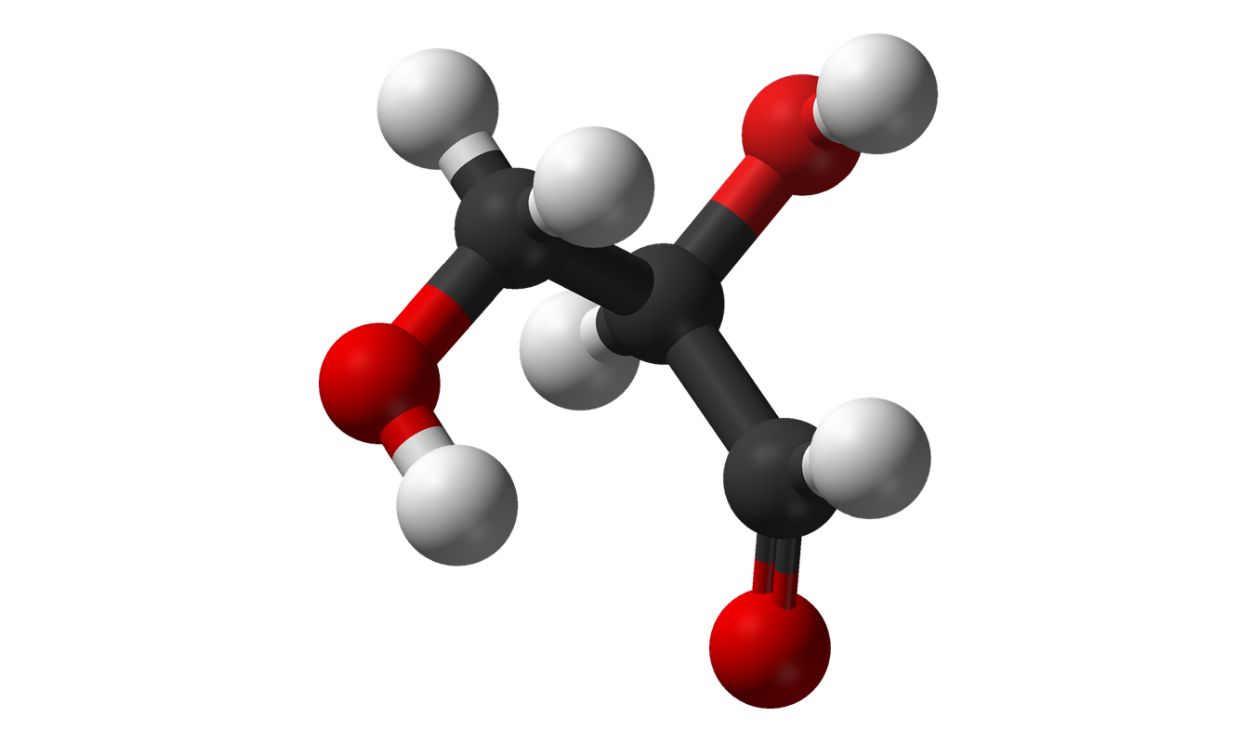
Back in 2000, researchers detected glycolaldehyde in interstellar space, generating excitement about the possibility of cosmic sugar. However, glycolaldehyde contains only two carbon atoms and isn't formally classified as a true sugar. Erythrulose, with its four carbon atoms, represents an important step beyond that earlier finding.
 ALMA (ESO/NAOJ/NRAO)/L. Calçada (ESO) & NASA/JPL-Caltech/WISE Team, Wikimedia Commons
But Something About The Discovery Was Strange
The scientists originally searched for simpler sugars containing three carbon atoms. Surprisingly, they couldn't detect those molecules, even though they found the more complex four-carbon erythrulose. This unexpected result raised questions about how sugars develop in space.
 Jynto and Ben Mills, Wikimedia Commons
The More Complicated Sugar Was More Abundant
The researchers calculated that erythrulose was at least eight times more abundant than the undetected three-carbon sugars, based on their detection limits. That challenged the expectation that smaller molecules would necessarily be more plentiful. It also suggested that some complex sugars might form through previously underappreciated chemical pathways.
 Bin im Garten, Wikimedia Commons
Two Smaller Molecules Might Hold The Answer
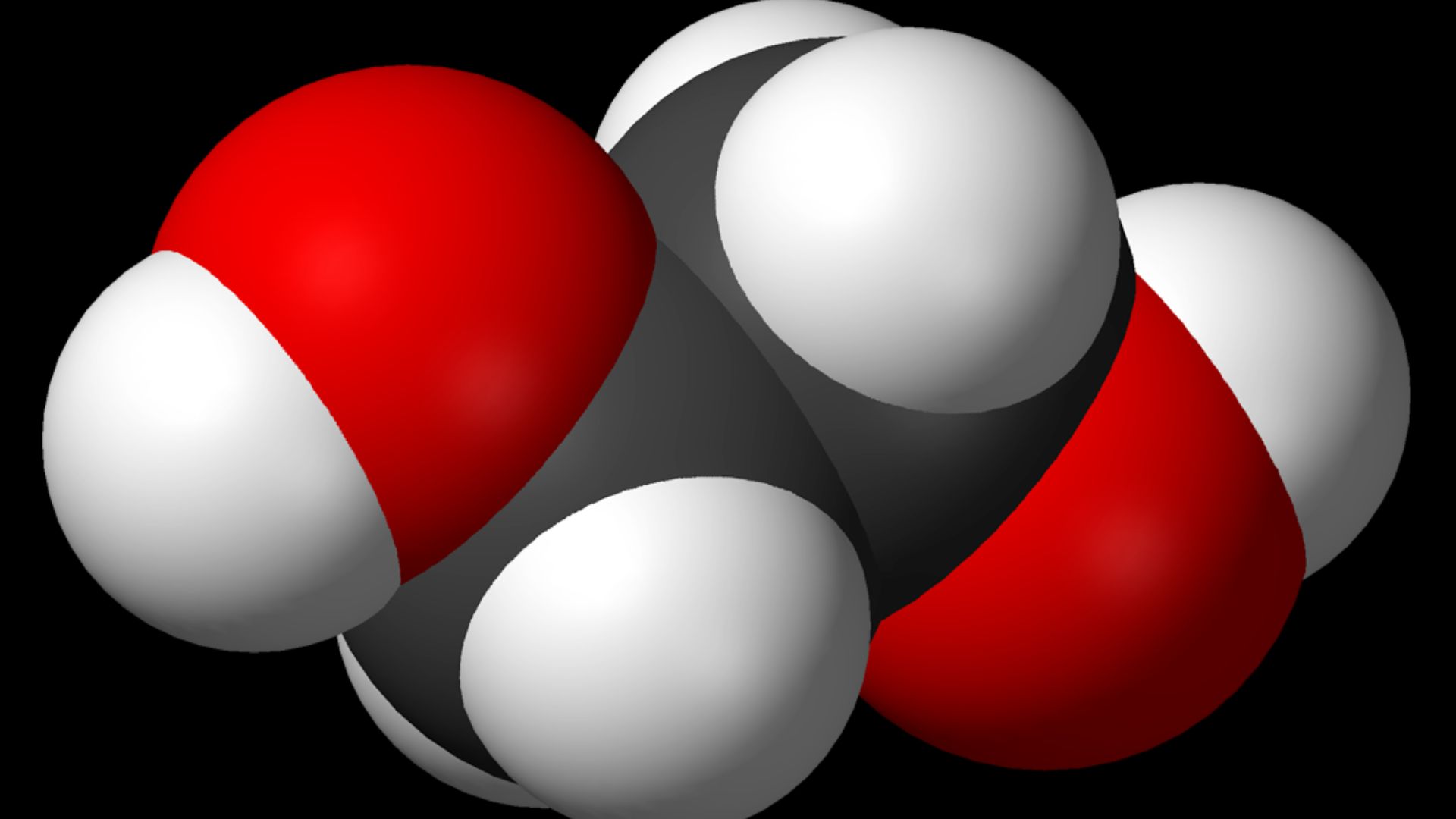
One possibility involves two compounds called glycolaldehyde and ethylene glycol. Both contain two carbon atoms and have already been detected in the same cloud. Computer models suggest that reactions involving these compounds on dust grains could produce the four-carbon sugar erythrulose.
Water Could Change The Sugar Into Something Else
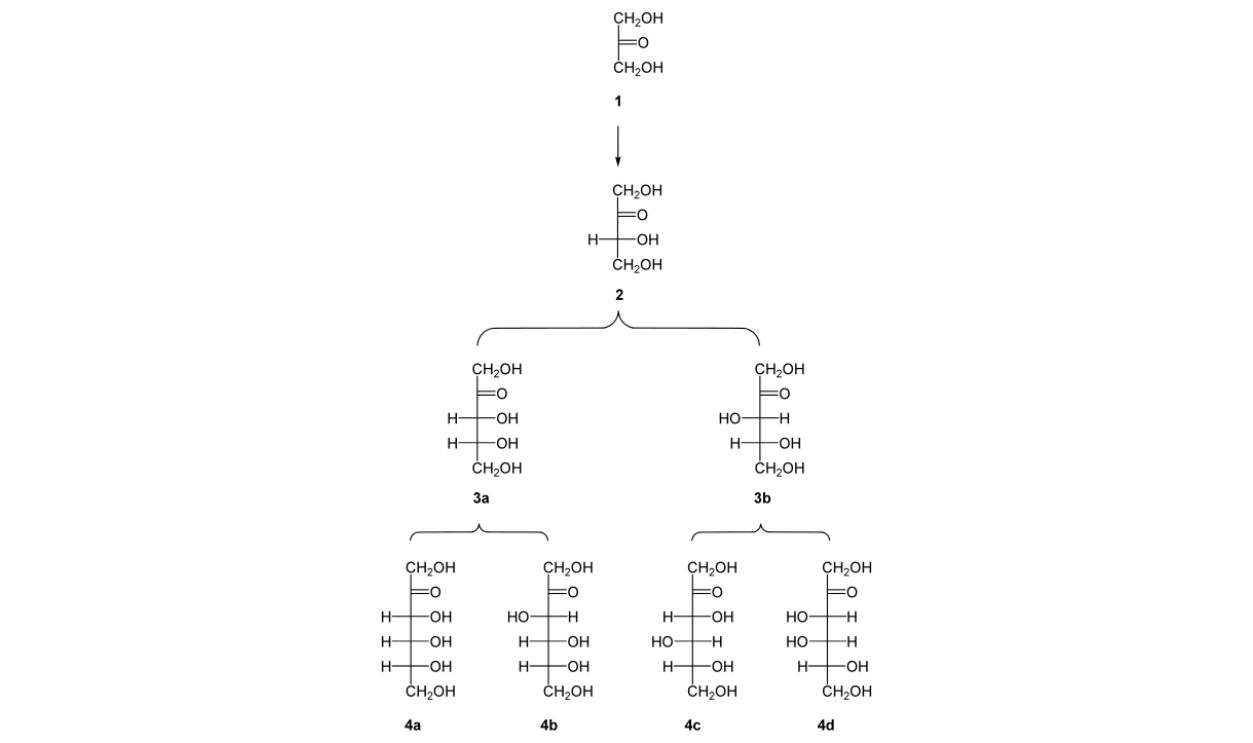
Erythrulose belongs to a family of sugars called ketoses. Under suitable conditions, including in the presence of water, these sugars can rearrange into related compounds called aldoses. Scientists believe such transformations could help produce other sugars involved in early biological chemistry.
Sugar Had Already Turned Up On Space Rocks
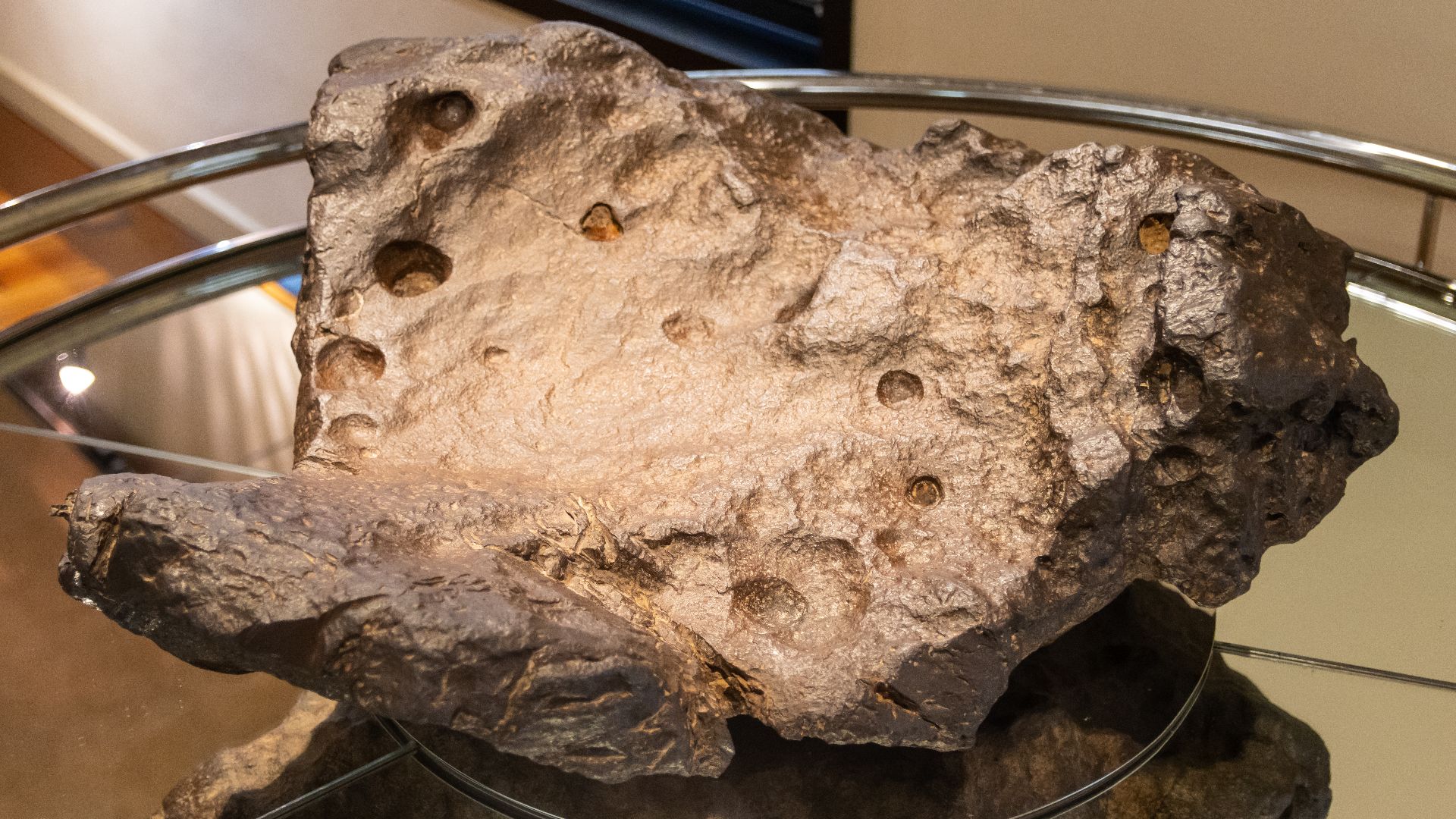
Although this was the first confirmed detection of a true sugar in interstellar space, scientists had previously found sugars in meteorites. A 2019 study identified ribose and other biologically important sugars in ancient space rocks. Those discoveries suggested that some of life's chemical ingredients might have formed beyond Earth.
 Photograph by Mike Peel (www.mikepeel.net)., Wikimedia Commons
NASA's Asteroid Bennu Offered Another Clue
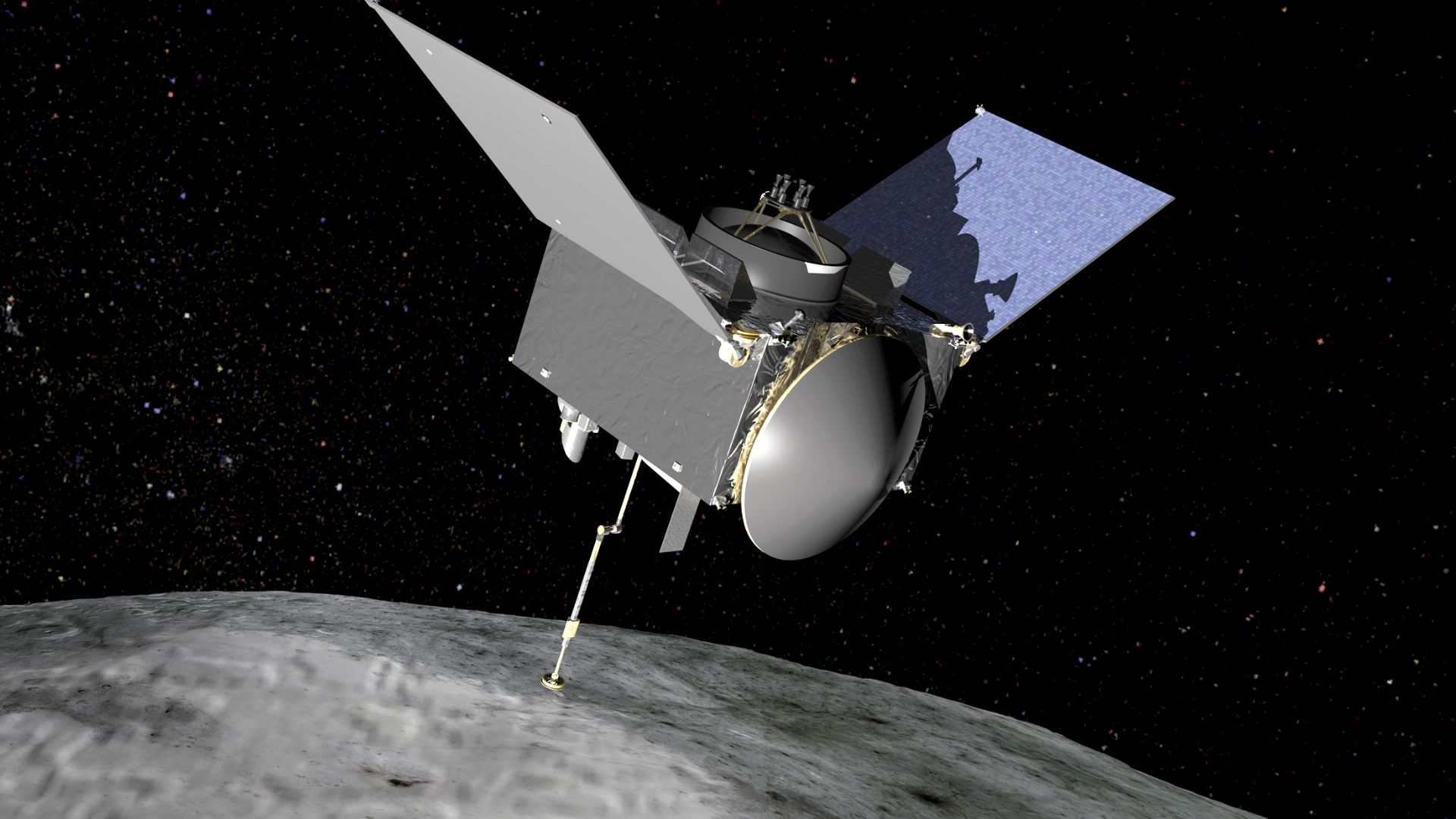
In 2023, NASA's OSIRIS-REx spacecraft delivered samples from the asteroid Bennu to Earth. Scientists later identified several sugars in the material, including ribose and glucose. Because the samples were collected directly from an asteroid, they provided particularly valuable evidence about organic chemistry in space.
Here's Why Sugars Matter For Life
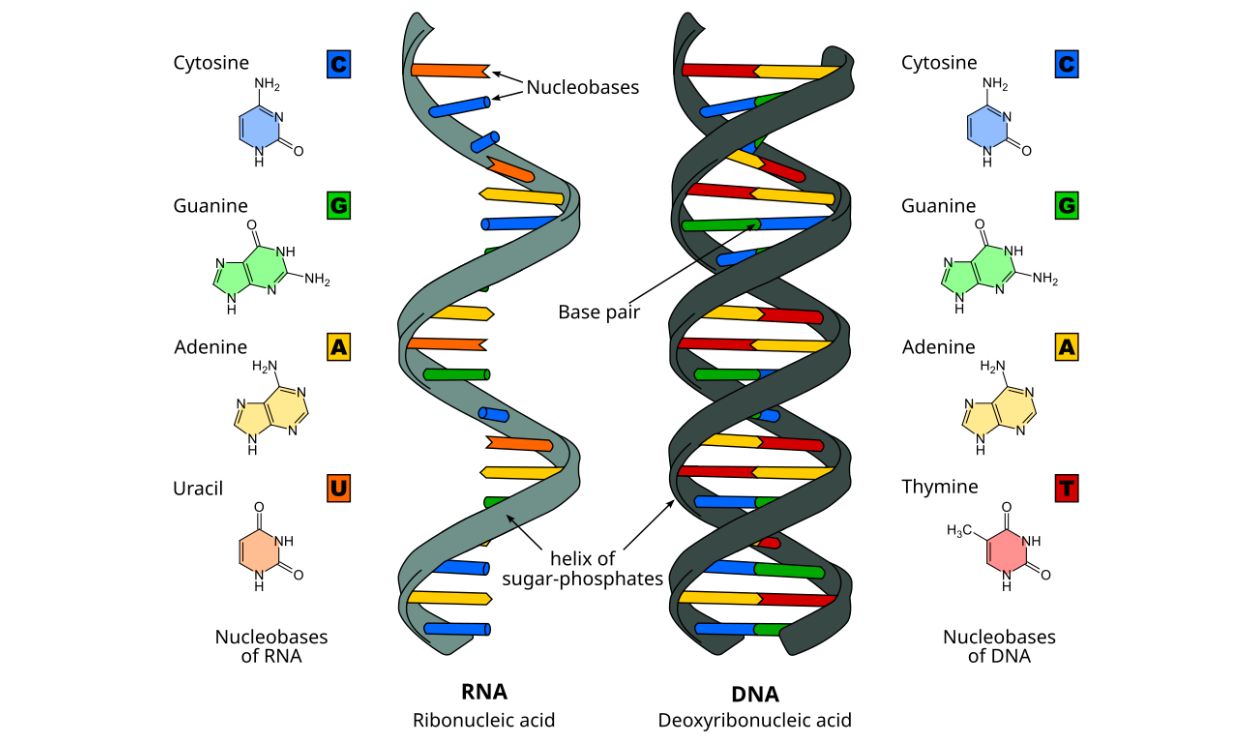
Sugars are essential ingredients in the genetic material of every known living organism. DNA contains a sugar called deoxyribose, while RNA contains ribose, and both help support the molecules' structures. Although erythrulose isn't one of those sugars, its discovery shows that complex sugar chemistry can occur beyond Earth.
 Sponk, CC BY-SA 3.0, Wikimedia Commons
RNA Could Be Part Of The Answer
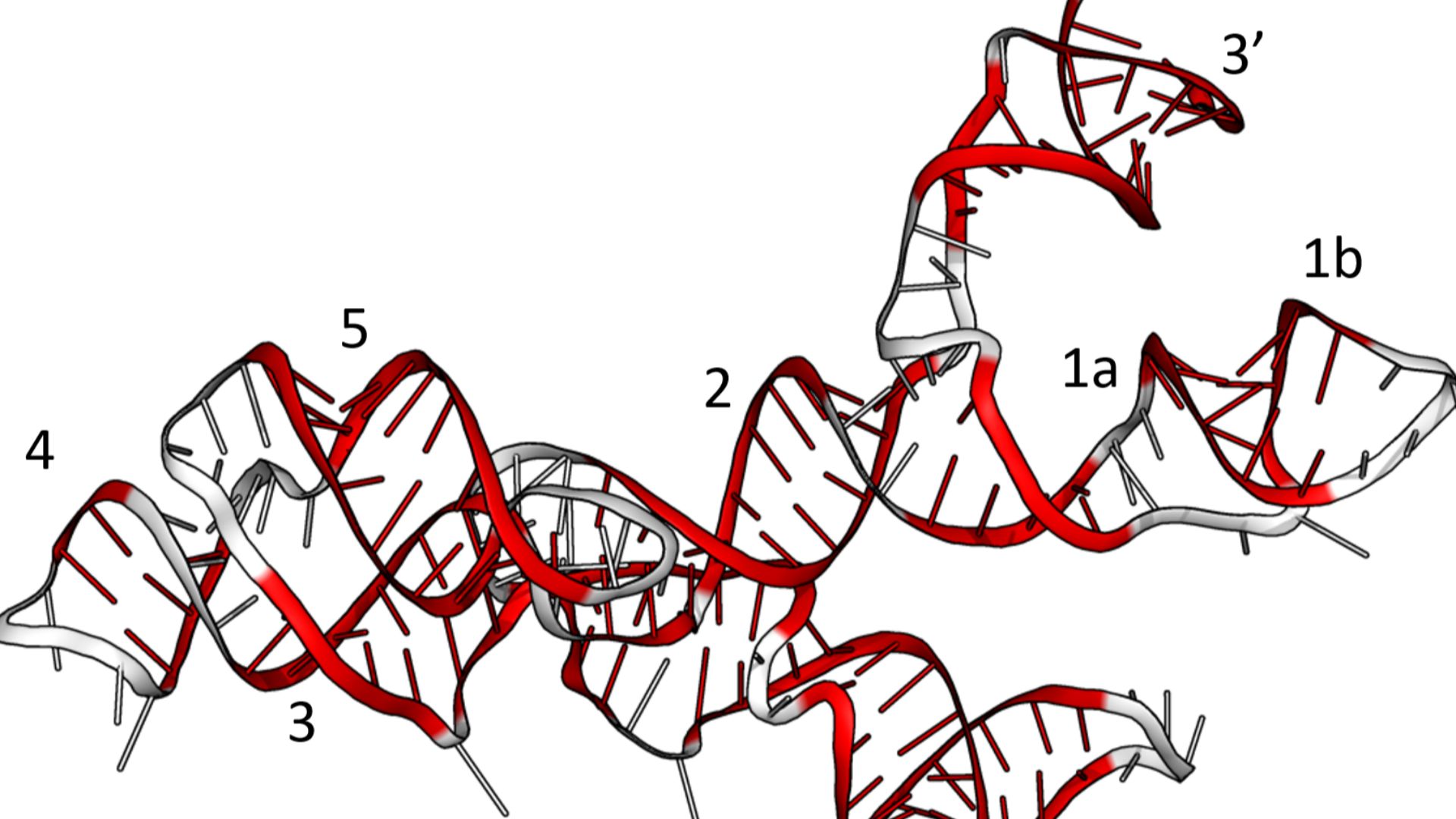
Some scientists believe RNA played an important role in the earliest stages of life. Unlike DNA, RNA can both carry genetic information and participate directly in certain chemical reactions. This idea, known as the RNA world hypothesis, makes understanding the natural formation of sugars especially important.
 Evolution and evolvability, Wikimedia Commons
Early Earth Had A Chemistry Problem
Scientists still don't know exactly how sufficient quantities of life's essential molecules accumulated on the young Earth. Laboratory experiments suggest that producing certain sugars under plausible early Earth conditions can be difficult. This has encouraged researchers to investigate whether some of the necessary chemicals arrived from elsewhere.

What If Some Ingredients Came From Space?
One possibility is that sugars formed in interstellar clouds before becoming incorporated into asteroids and comets. Those objects could eventually have delivered organic compounds to the young Earth through impacts. If that happened, some of the chemicals involved in life's origins might actually be older than our planet.

Millions Of Tons Of Sugar Could Have Reached Earth
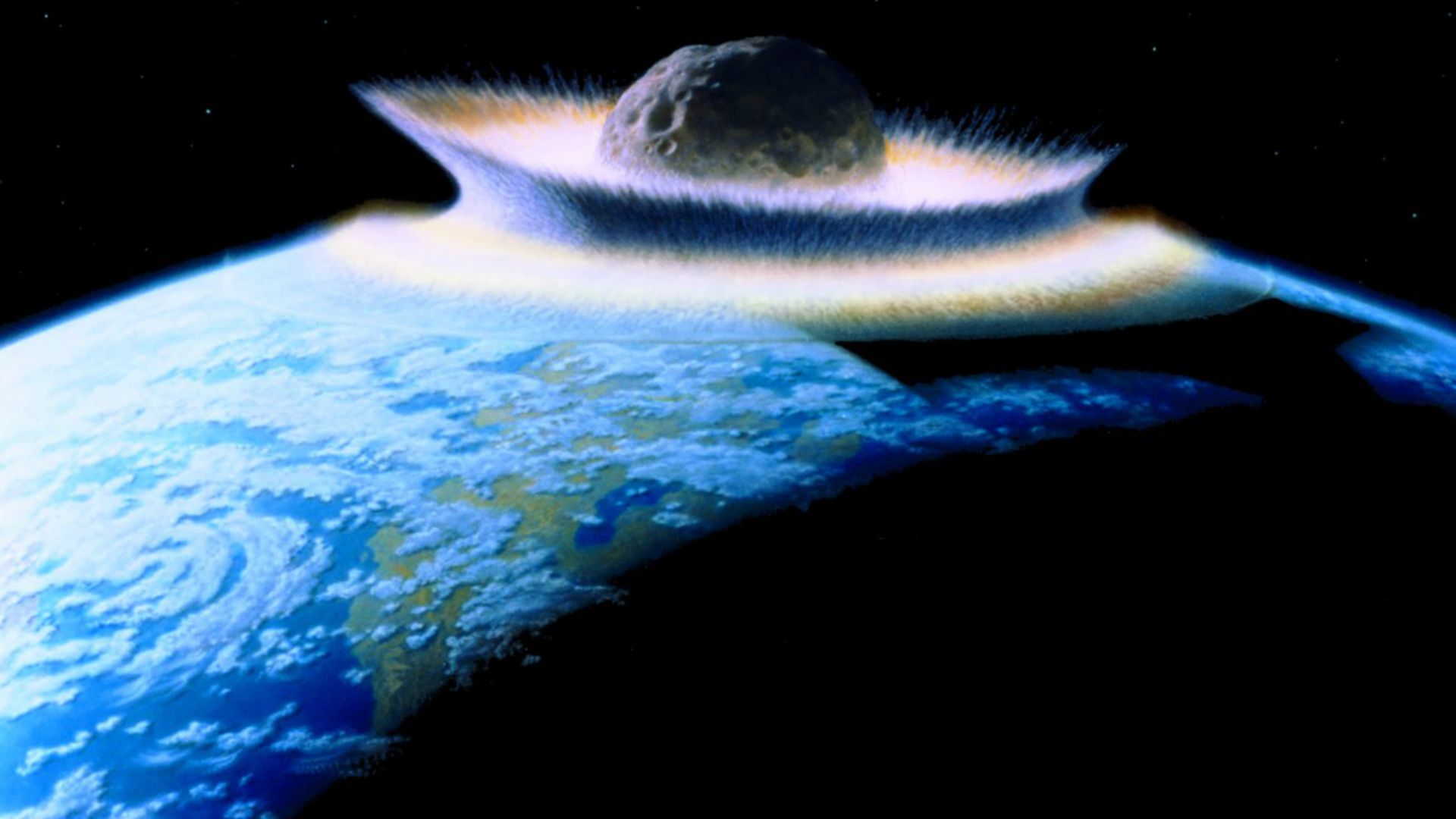
The researchers estimated that roughly 500,000 to 50 million metric tons of erythrulose could have reached Earth during a proposed period of intense asteroid impacts around four billion years ago. Those figures are theoretical estimates, not measurements of sugar that actually arrived. Scientists also continue to debate whether the distinct bombardment episode assumed in the calculation occurred.
 Don Davis (work commissioned by NASA), Wikimedia Commons
But This Doesn't Mean Scientists Found Life
Finding a sugar molecule in space isn't the same as discovering an extraterrestrial organism. Erythrulose can form through chemical reactions that don't involve anything living. The significance of the discovery is that some biologically relevant compounds can exist in space without life already being present.
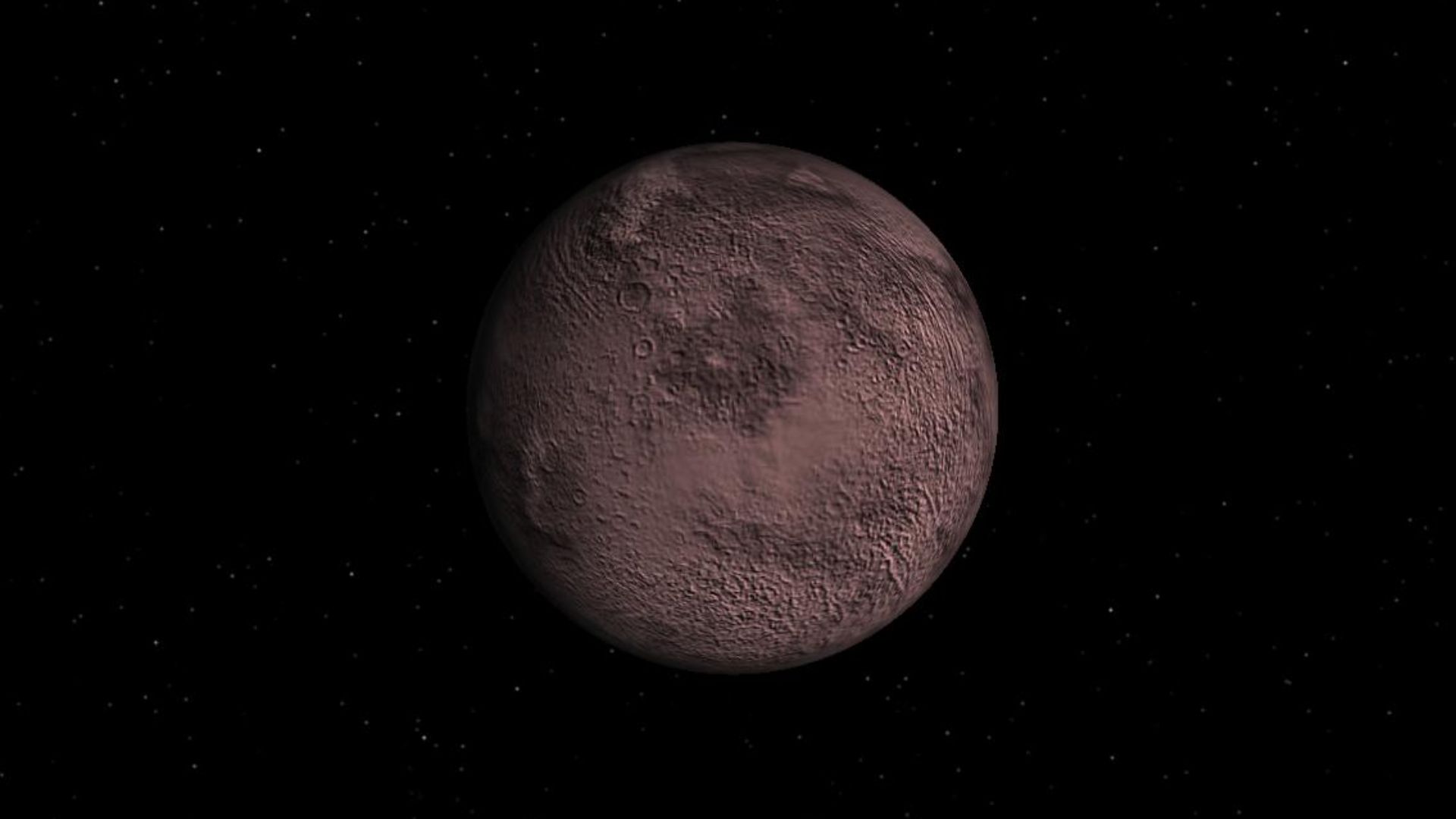 This image was created with Celestia., Wikimedia Commons
The Search Is Far From Over
Scientists now hope to identify other sugars in interstellar space, including ribose, which is essential to RNA. They also want to understand how these molecules form, survive, and eventually become incorporated into planets. One tiny sugar molecule has opened a much bigger question: How many of life's earliest ingredients were already waiting among the stars?
You May Also Like:
The Most Chilling Answers Scientists Have Given To The Fermi Paradox