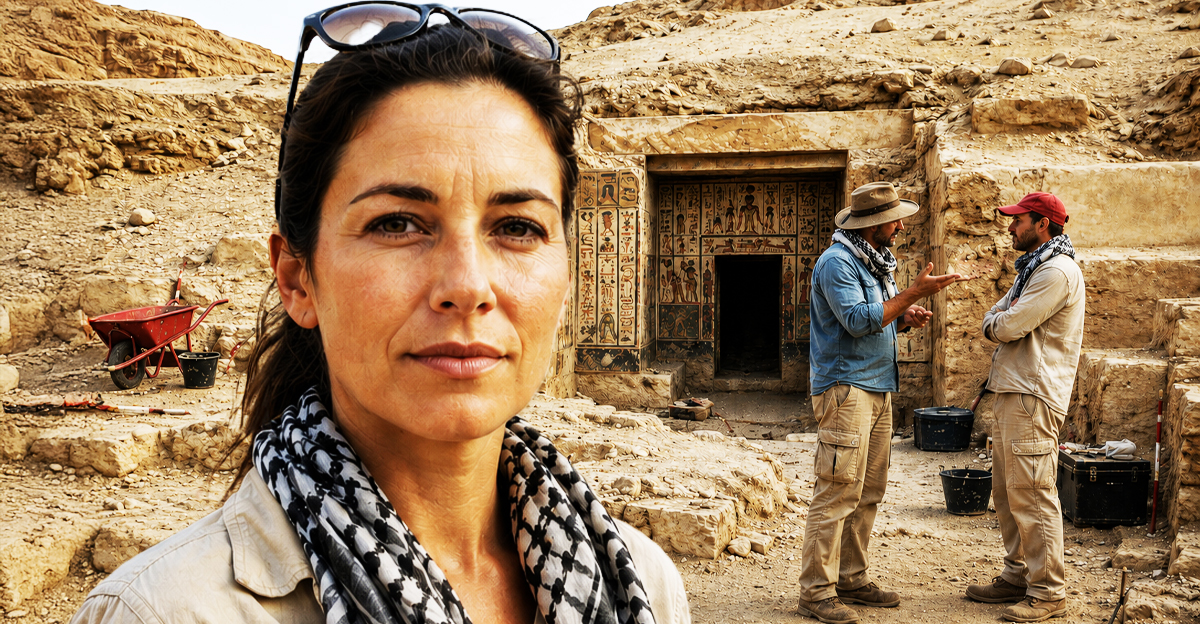
A Forgotten King's Final Resting Place
For more than 3,600 years, one Egyptian pharaoh lay buried beneath the desert at Abydos, his identity erased by time and tomb robbers. Now archaeologists have uncovered his impressive burial chamber, but instead of solving one of ancient Egypt's greatest mysteries, the discovery has deepened it. Who was this forgotten ruler, and what exactly was the mysterious Abydos Dynasty?
A Stunning Discovery Beneath The Desert
In early 2025, a joint team from the Penn Museum and Egypt's Ministry of Tourism and Antiquities uncovered a massive limestone royal tomb beneath Abydos in southern Egypt. Buried nearly 23 feet below the surface, the structure dates to approximately 1600 BCE, during one of the most turbulent periods in Egyptian history.
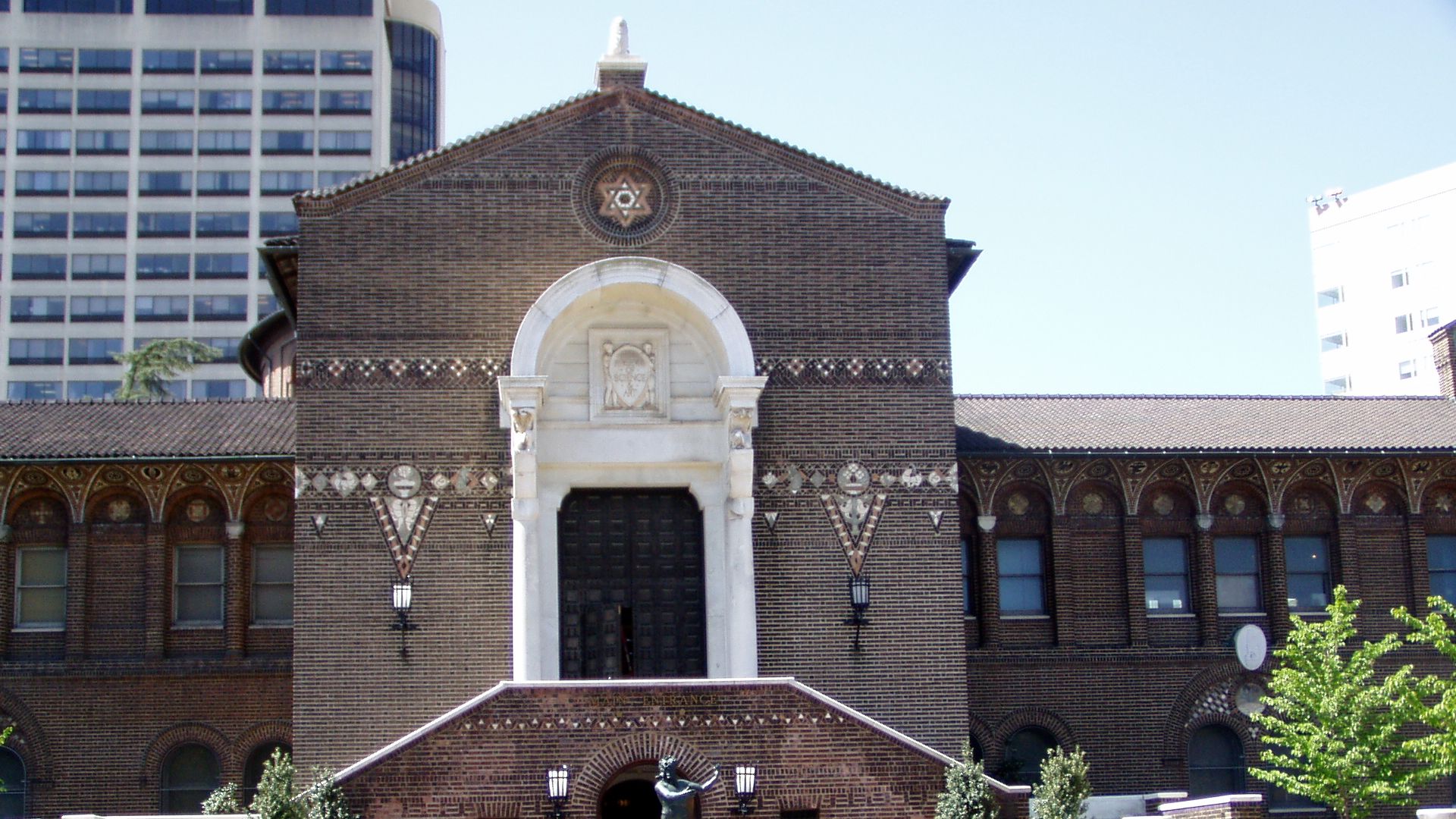 Jeffrey M. Vinocur, Wikimedia Commons
Egypt's "Lost" Dynasty
The tomb belongs to the enigmatic Abydos Dynasty, a short-lived line of kings that ruled part of Upper Egypt during the Second Intermediate Period. Unlike famous dynasties that built pyramids and left abundant inscriptions, these rulers governed during an era of political fragmentation, leaving behind remarkably little evidence of their existence.
 User:Iry-Hor, User:Ortisa, Wikimedia Commons
The Dynasty Almost Nobody Believed Existed
For years, many Egyptologists questioned whether the Abydos Dynasty had ever existed at all. In 1997, Danish Egyptologist Kim Ryholt proposed that a previously unrecognized local dynasty had ruled from Abydos, but direct archaeological proof remained elusive until Penn Museum excavations uncovered the tomb of King Senebkay in 2014.
Why Abydos Was So Important
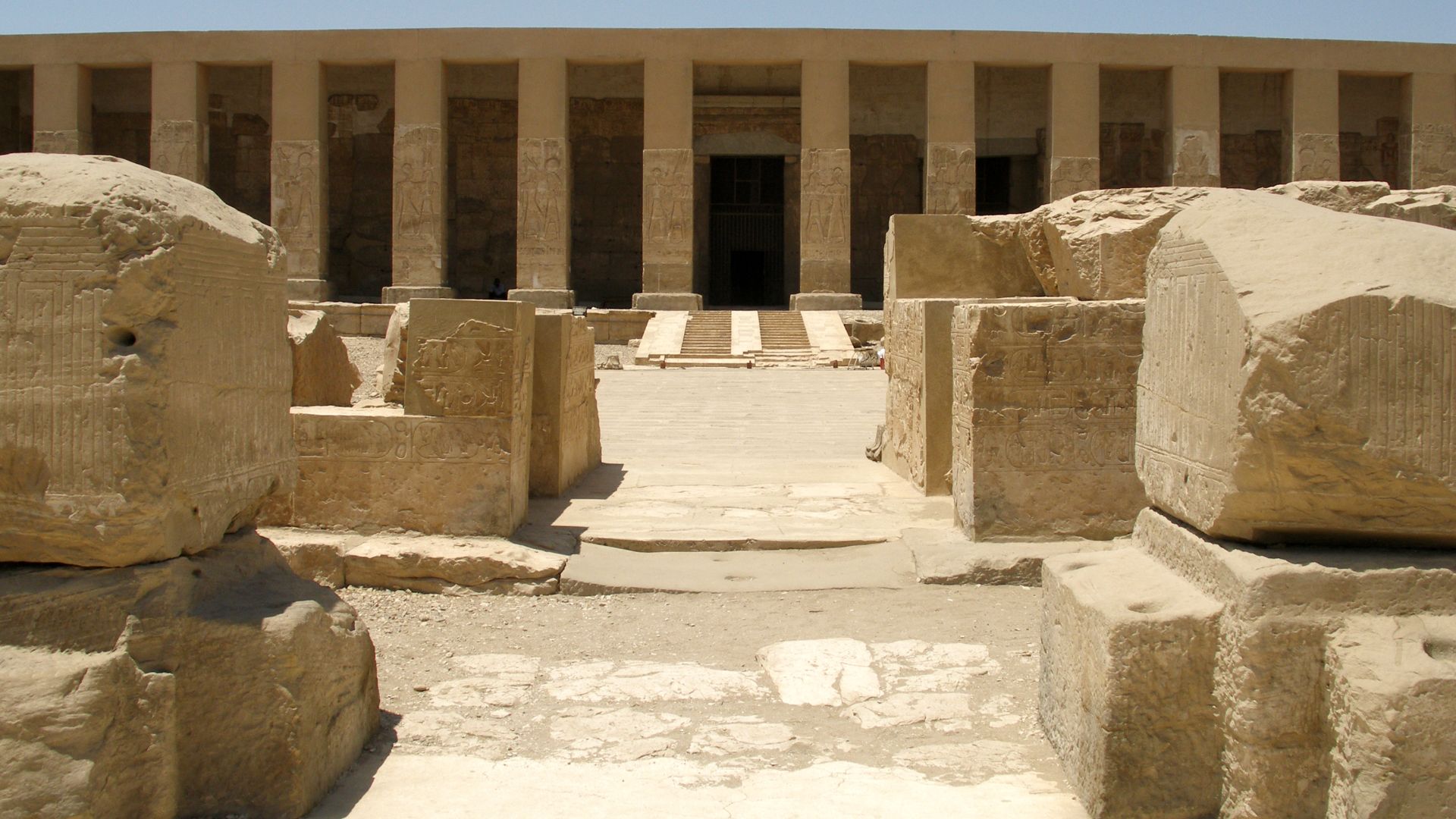
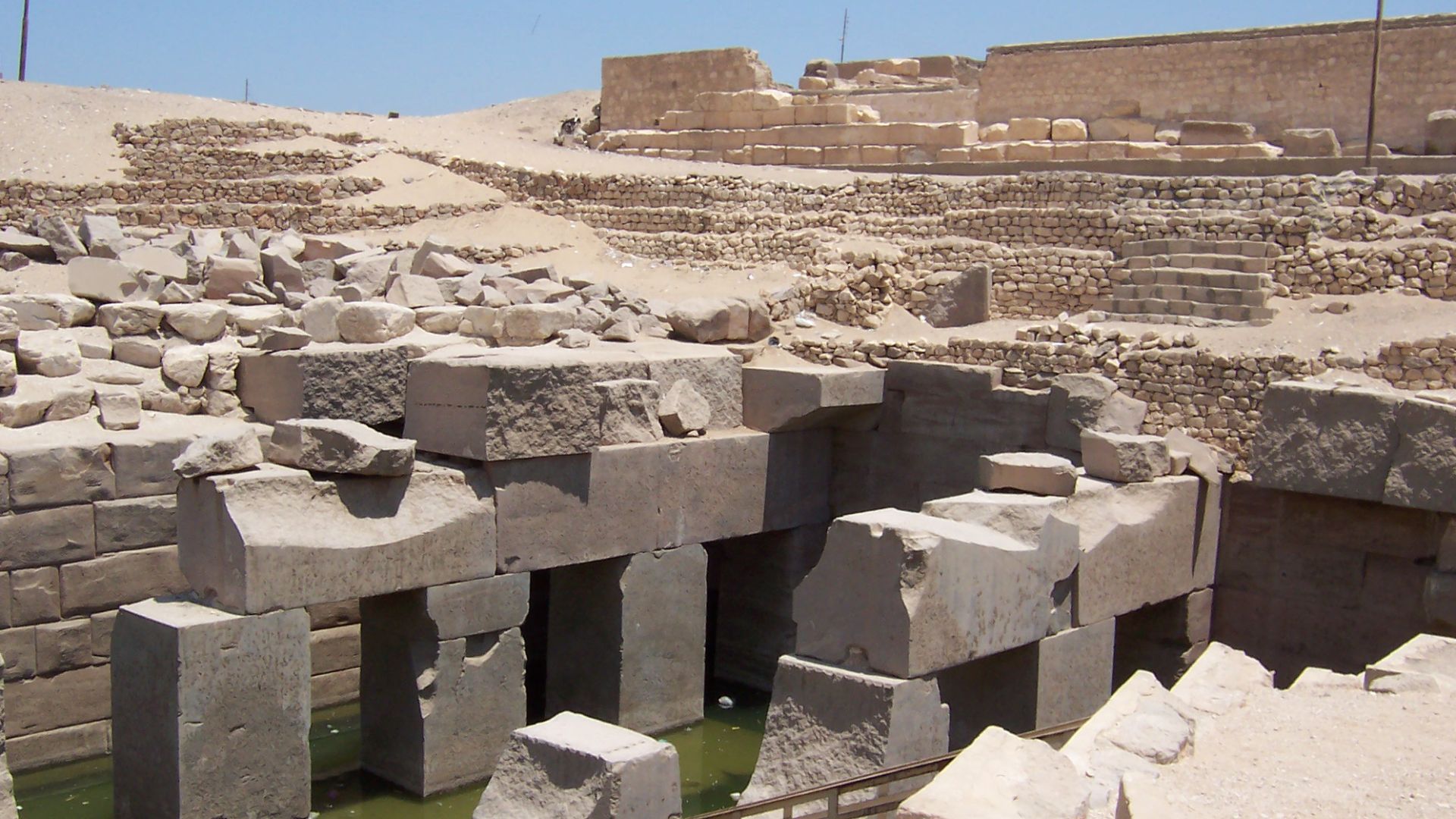
Long before this forgotten dynasty emerged, Abydos had already become one of ancient Egypt's holiest cities. It served as the burial place of Egypt's earliest pharaohs and later became the principal cult center of Osiris, the god of the underworld. Royal burials there carried enormous religious significance for Egyptian rulers.
 Vyacheslav Argenberg, Wikimedia Commons
A Tomb Built For A King
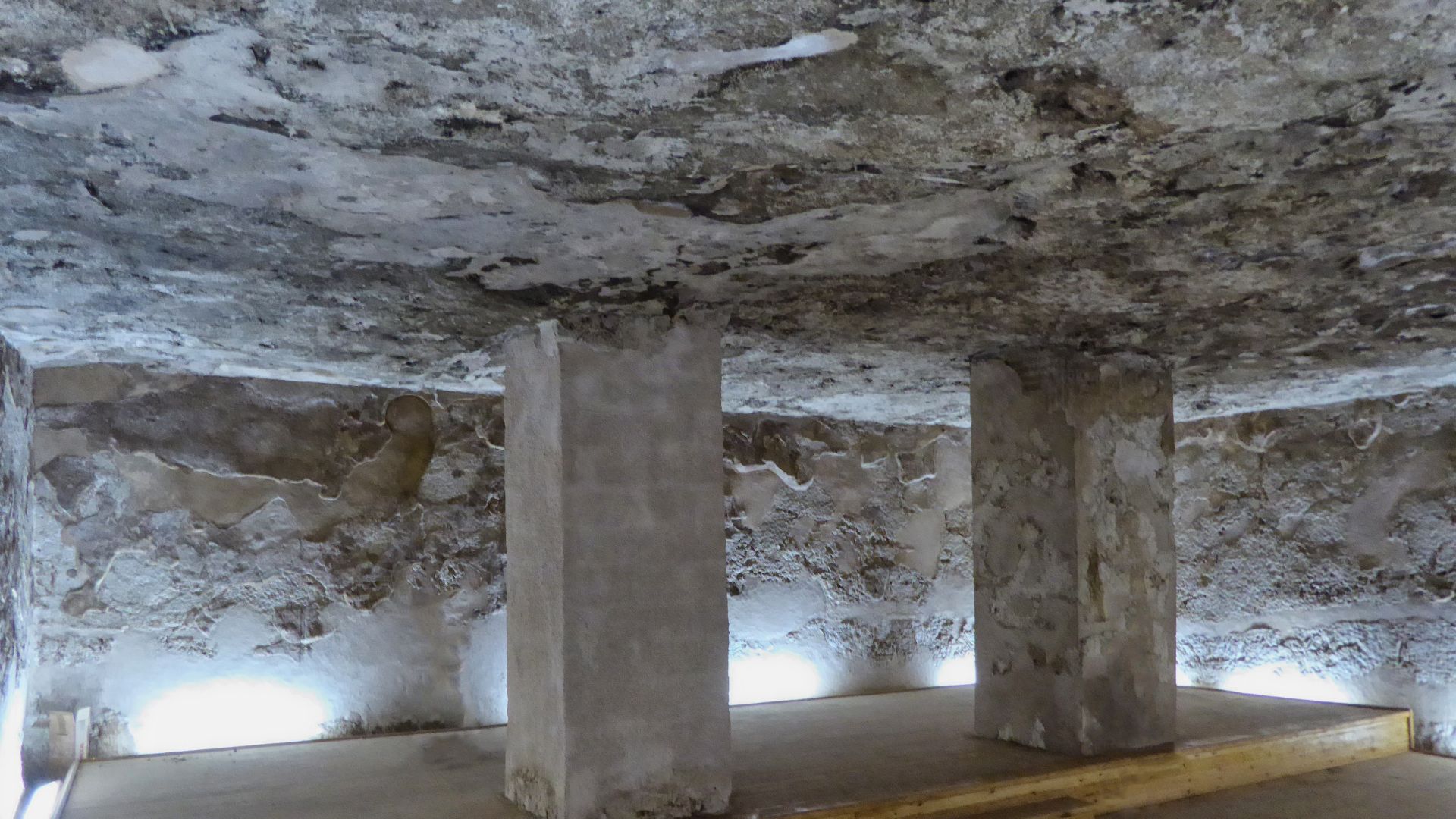
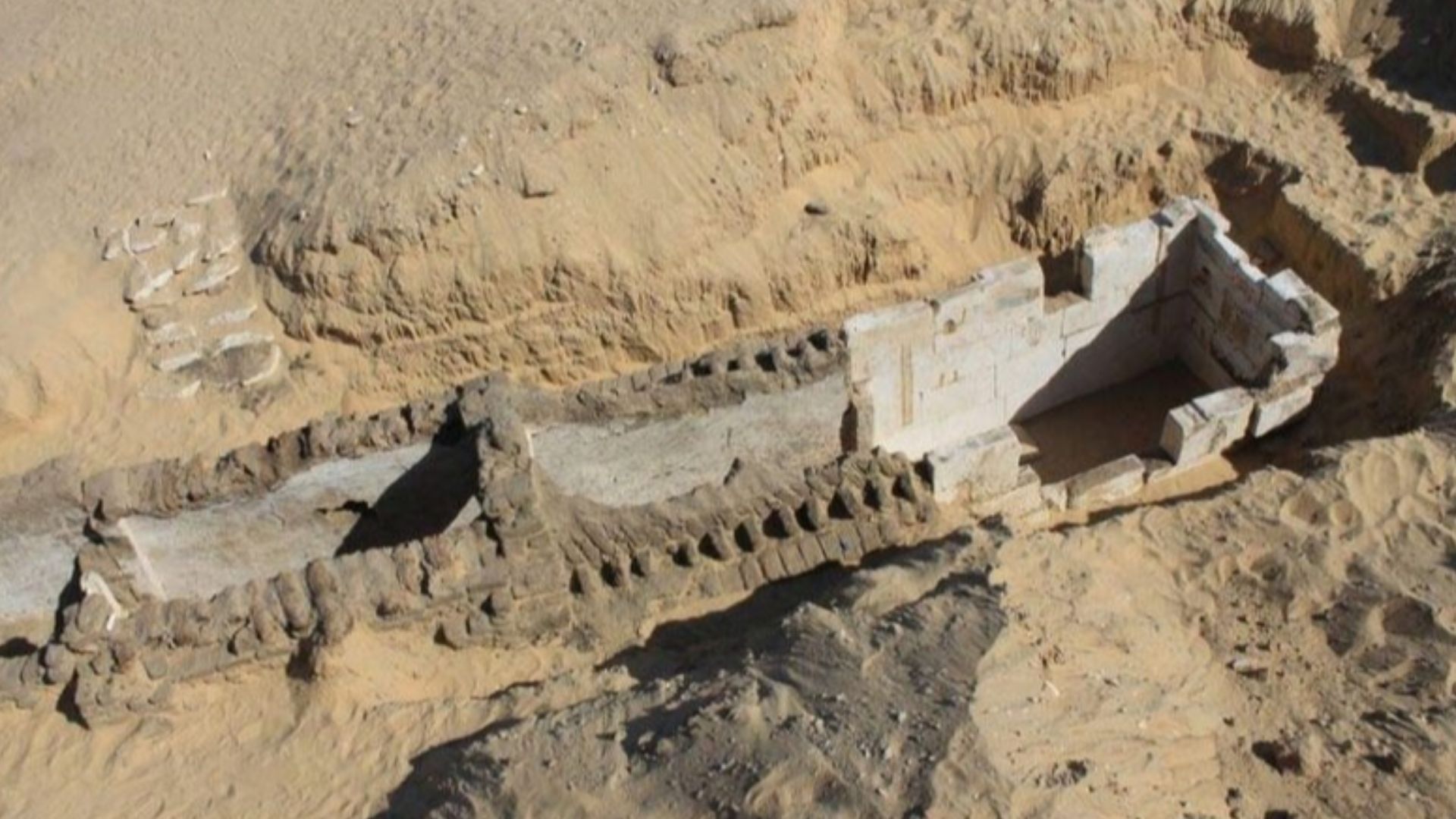
Although heavily damaged by ancient looters, the newly discovered tomb still reflects royal ambitions. Archaeologists uncovered a limestone burial chamber surrounded by additional rooms and capped with mudbrick vaults reaching roughly sixteen feet high. Even in its ruined condition, the monument demonstrates that its owner commanded considerable wealth and authority.
 Aidan McRae Thomson, Wikimedia Commons
The Missing Name
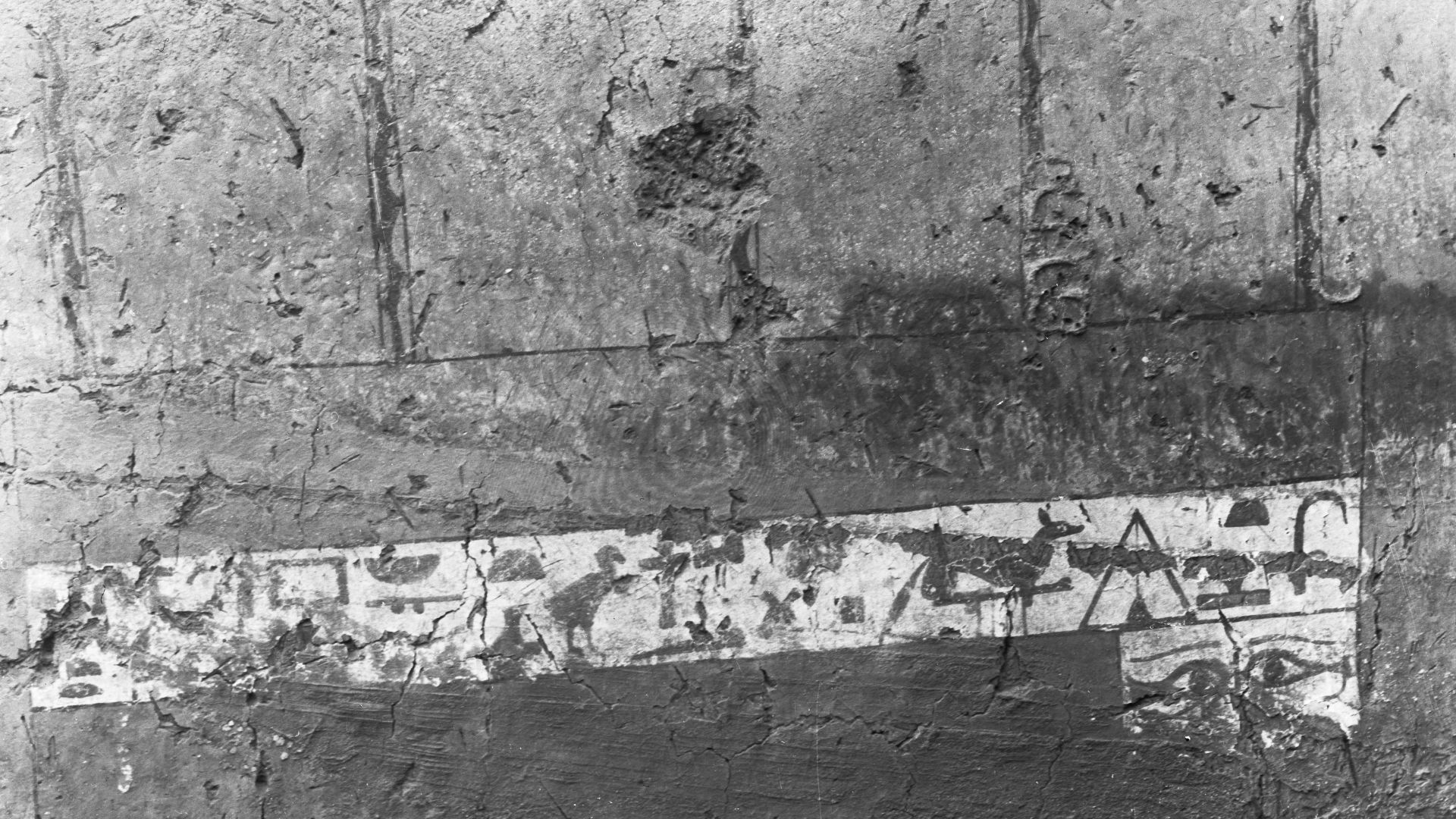
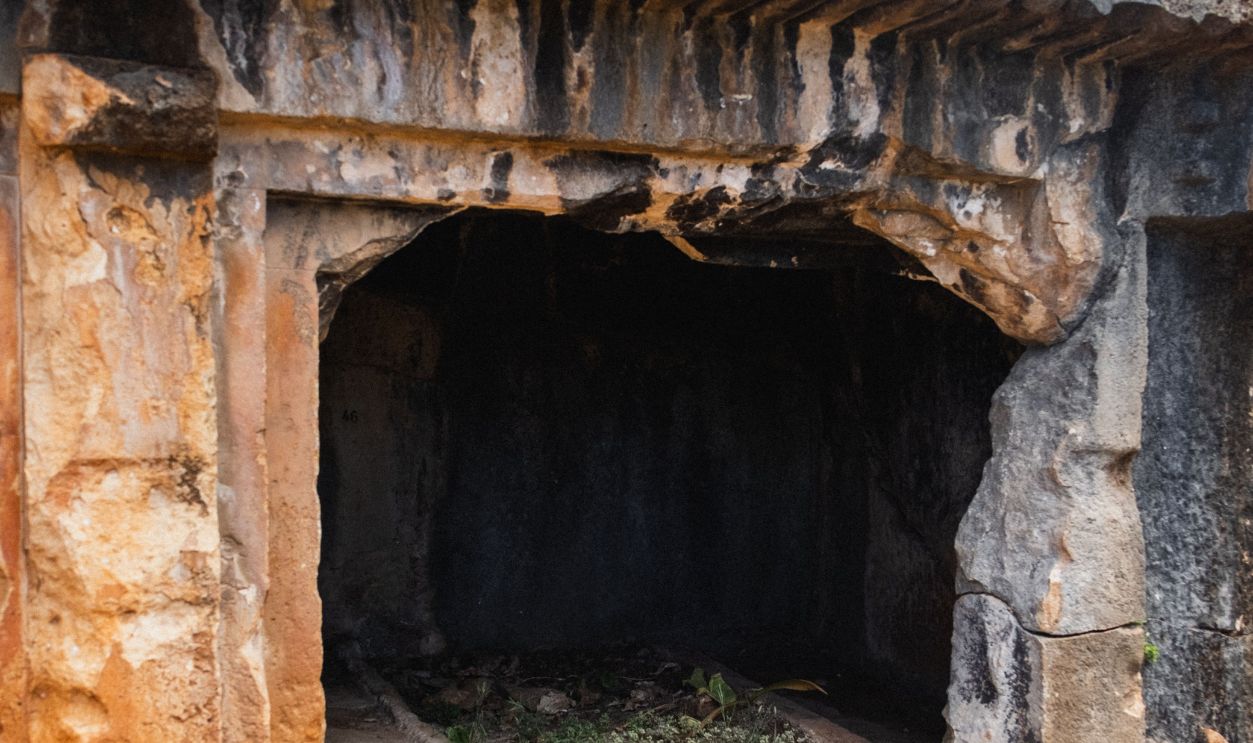
Perhaps the greatest frustration for archaeologists is that the pharaoh's name once appeared prominently at the entrance. Painted hieroglyphic inscriptions identified the king beside images of the goddesses Isis and Nephthys. Unfortunately, ancient tomb robbers destroyed precisely the portions containing the royal name, leaving the tomb's owner anonymous.
 Virginio Rosa, Wikimedia Commons
Robbers Reached The Tomb Long Ago
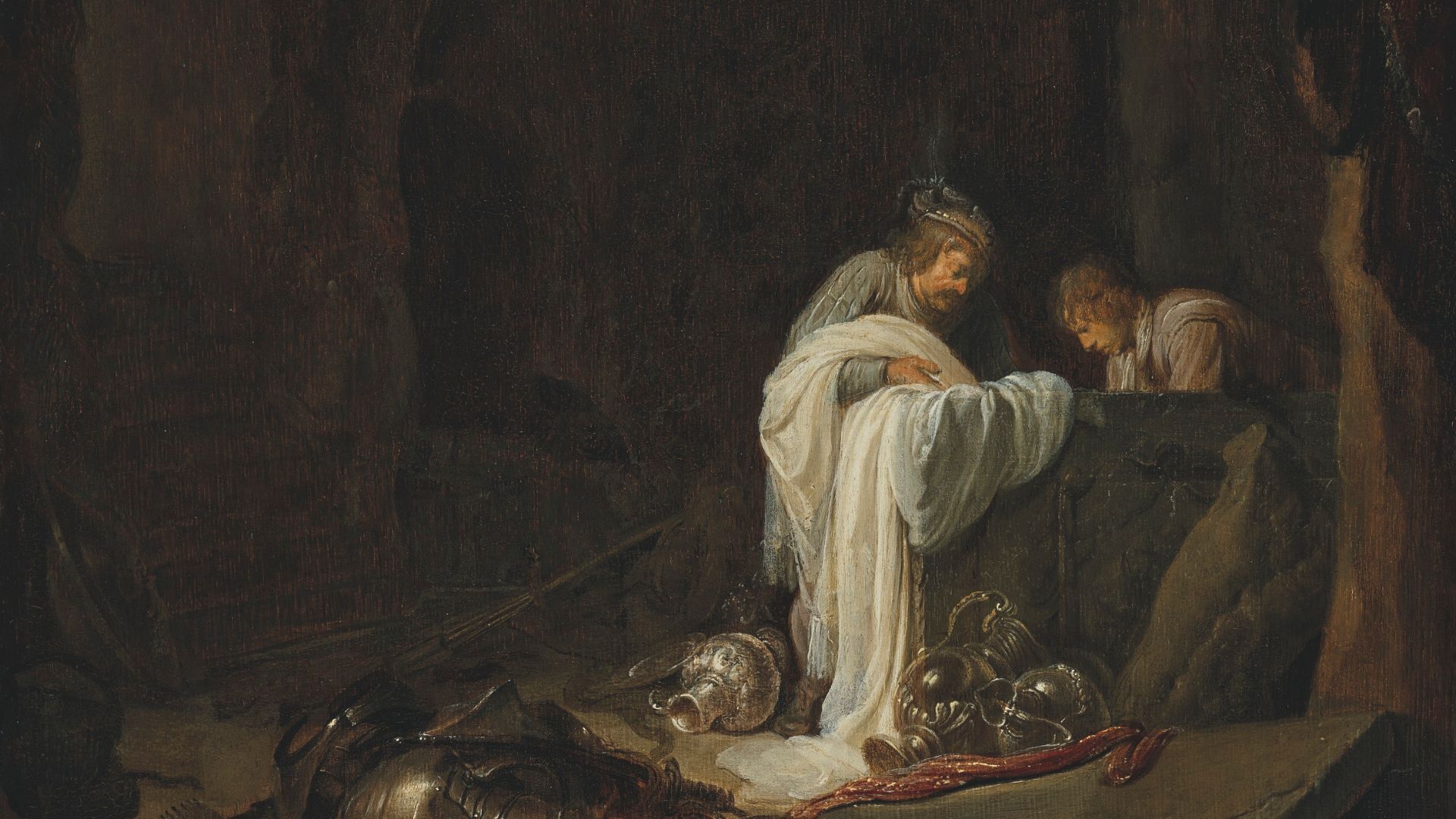
The mystery is compounded by extensive ancient looting. Grave robbers stripped away nearly everything of value thousands of years ago, removing funerary equipment, precious objects, and even any human remains that might have helped identify the occupant. Modern archaeologists inherited little more than the remarkable architecture itself.
 Willem de Poorter, Wikimedia Commons
Larger Than Expected
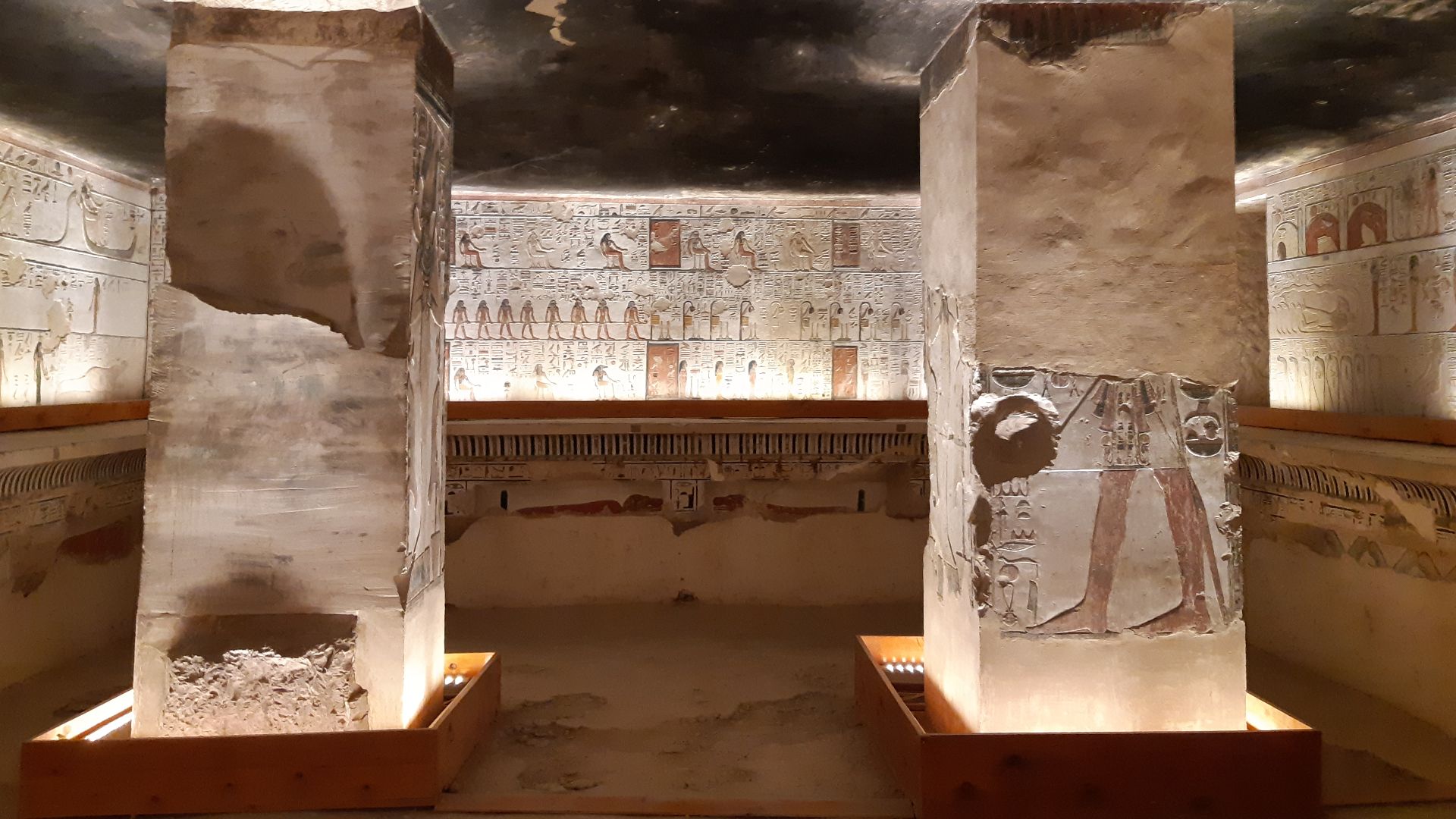
One feature immediately surprised researchers: this tomb is considerably larger than the previously discovered tomb of King Senebkay. The increased size suggests that the unknown ruler may have governed earlier, when the dynasty was stronger, or perhaps exercised greater political influence than historians previously believed.
 Leon petrosyan, Wikimedia Commons
The Shadow Of Senebkay
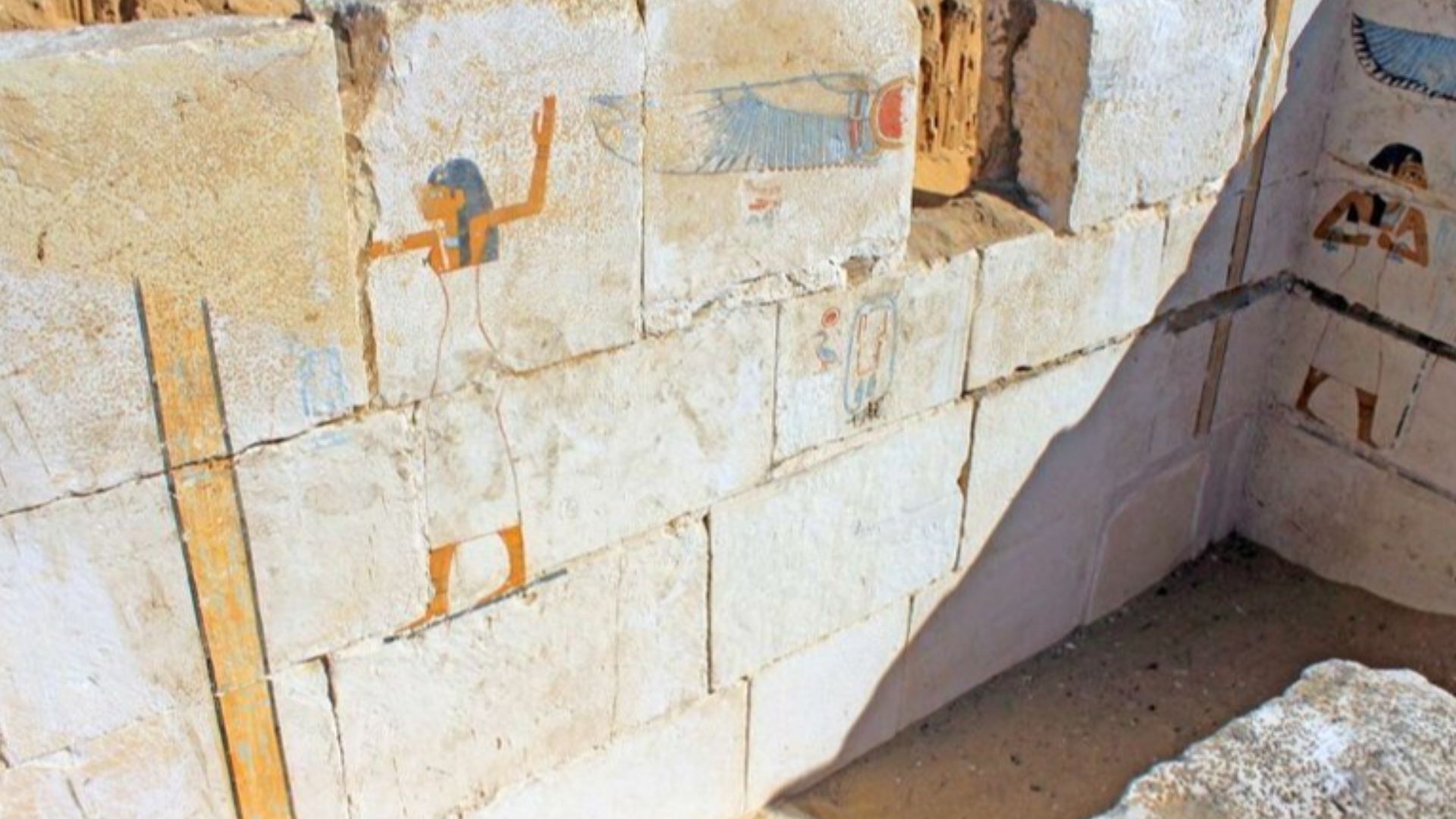
The discovery naturally recalls King Woseribre Senebkay, whose tomb was uncovered nearby in 2014. Before that excavation, historians had never even heard his name. His discovery transformed scholarly understanding of Egypt's Second Intermediate Period and provided the first concrete proof that the Abydos Dynasty truly existed.
 Думаюкккккккккк, Wikimedia Commons
Who Might The Pharaoh Be?
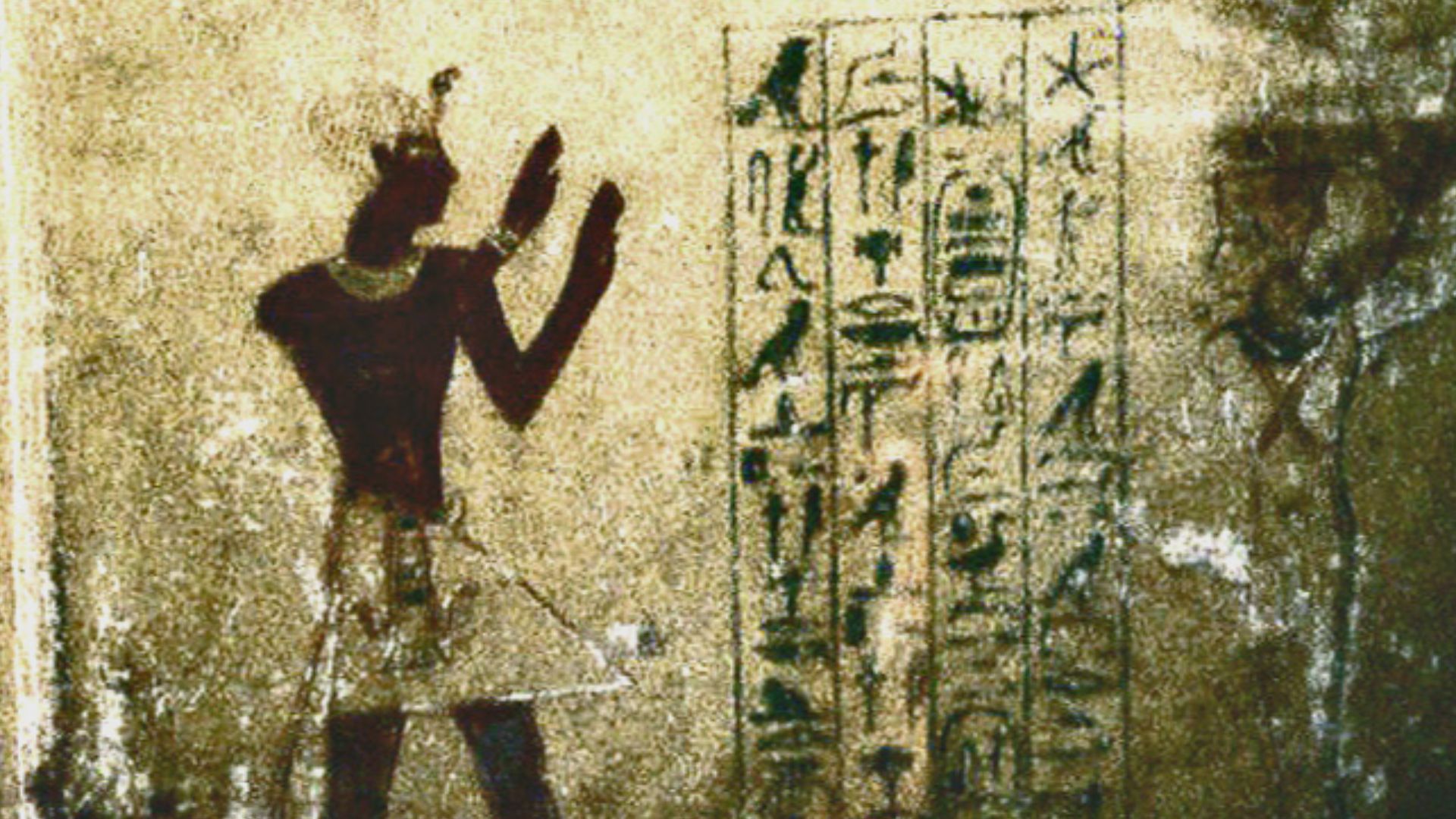
Without surviving inscriptions, identifying the newly discovered king remains speculative. Some Egyptologists suggest the tomb could belong to rulers known only from fragmentary king lists, including Senaiib or Paentjeni. At present, however, no evidence is sufficient to confirm the identity of the tomb's mysterious occupant.
 Juan R. Lazaro, Wikimedia Commons
A Kingdom Divided
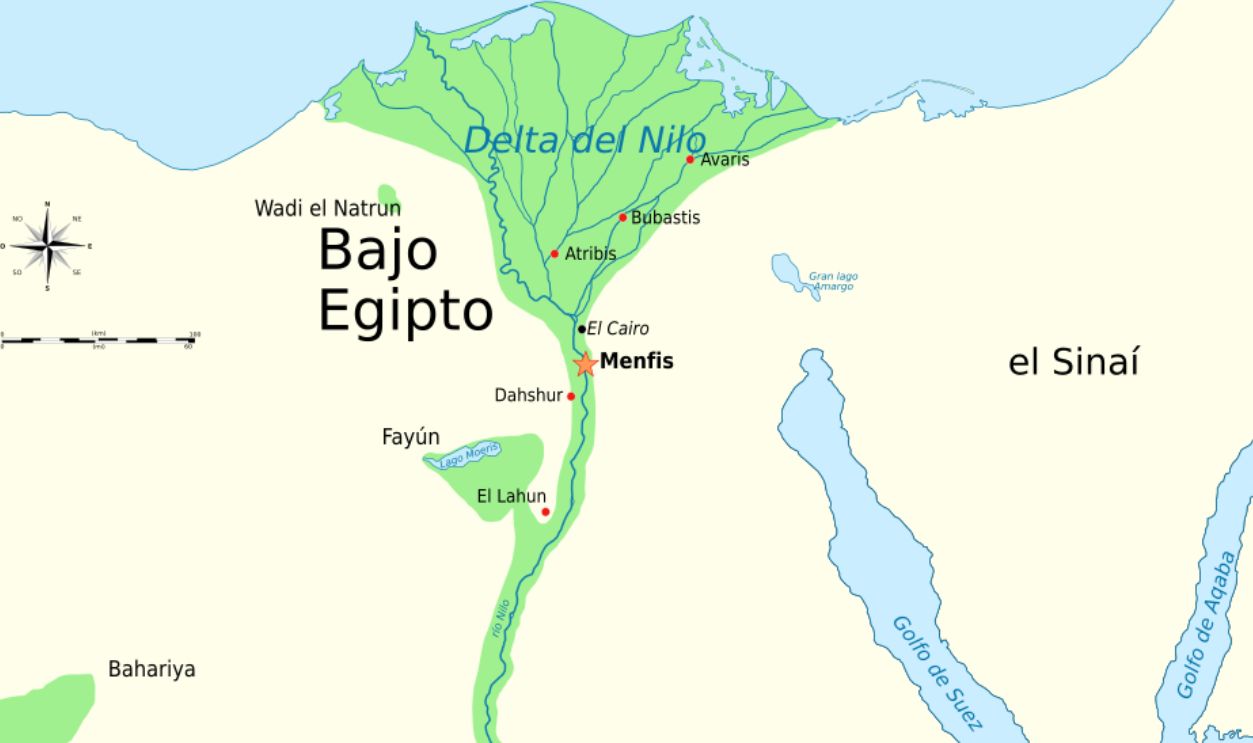
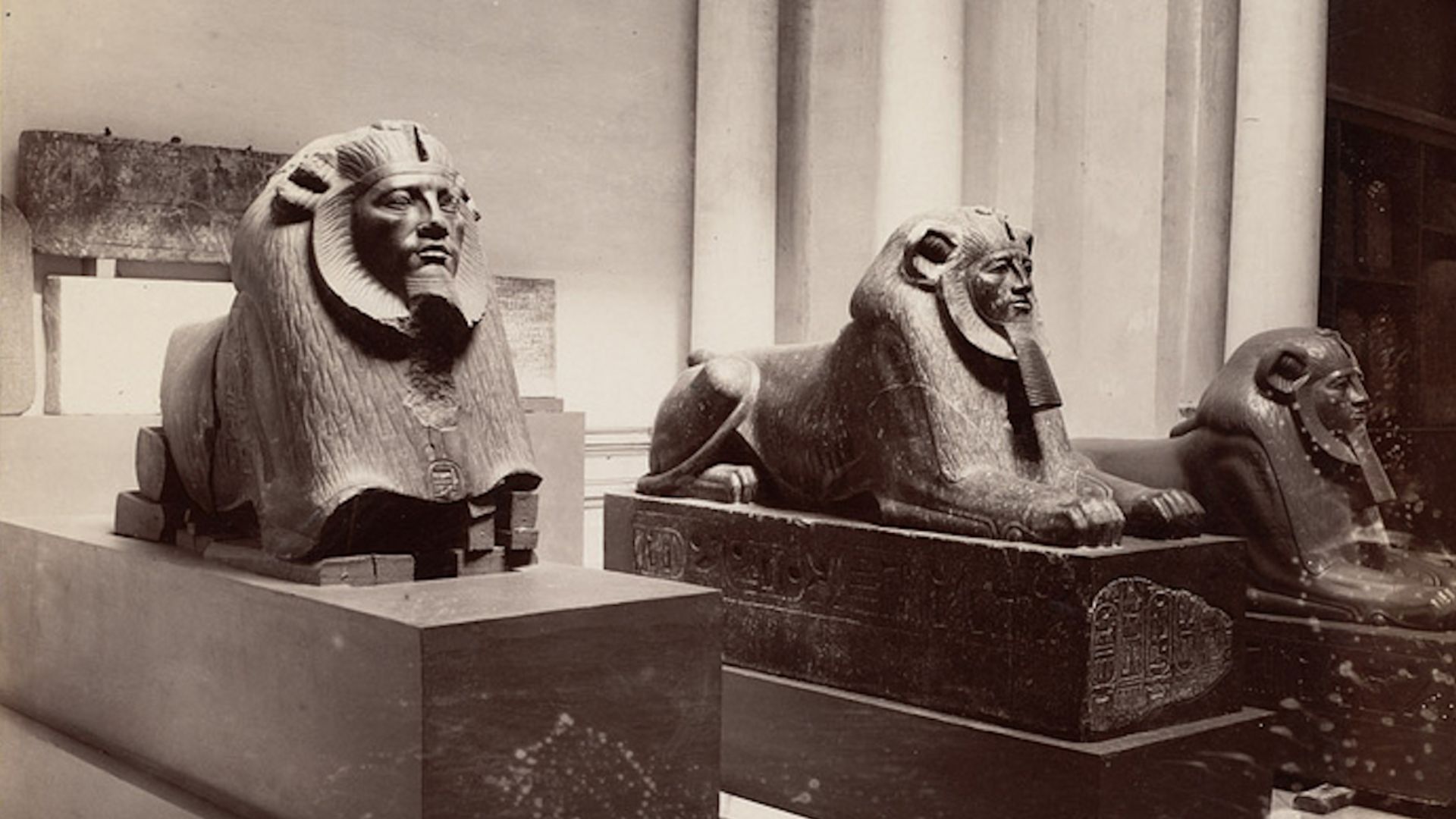
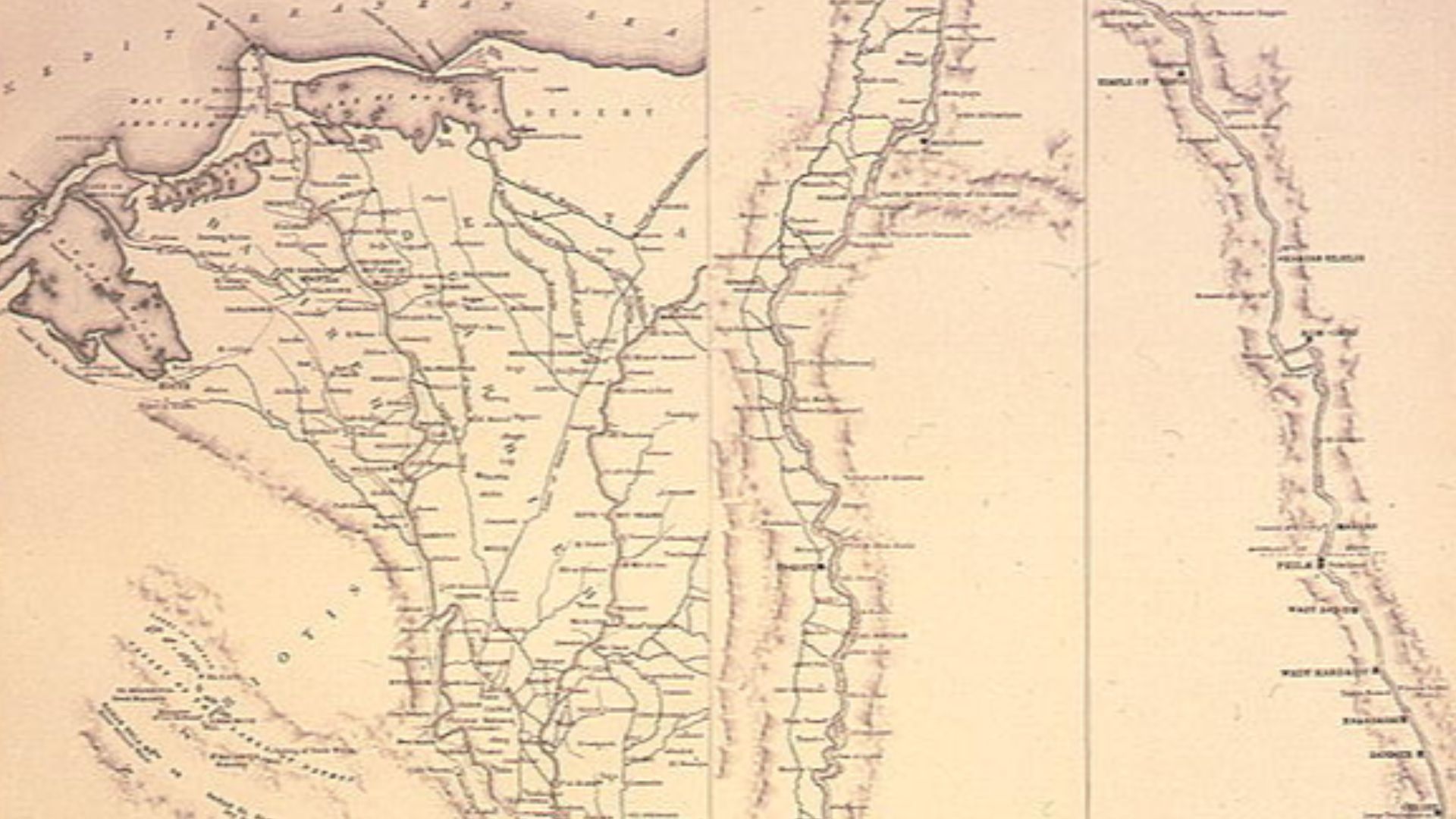
The pharaoh ruled during Egypt's Second Intermediate Period, when multiple dynasties governed different regions simultaneously. While the Hyksos controlled much of the Nile Delta in the north, several Egyptian kingdoms—including the rulers at Abydos—competed for power in Upper Egypt. It was one of the most politically fragmented eras in Egyptian history.
 Mariette, 1863, Wikimedia Commons
The Architecture Tells A Story
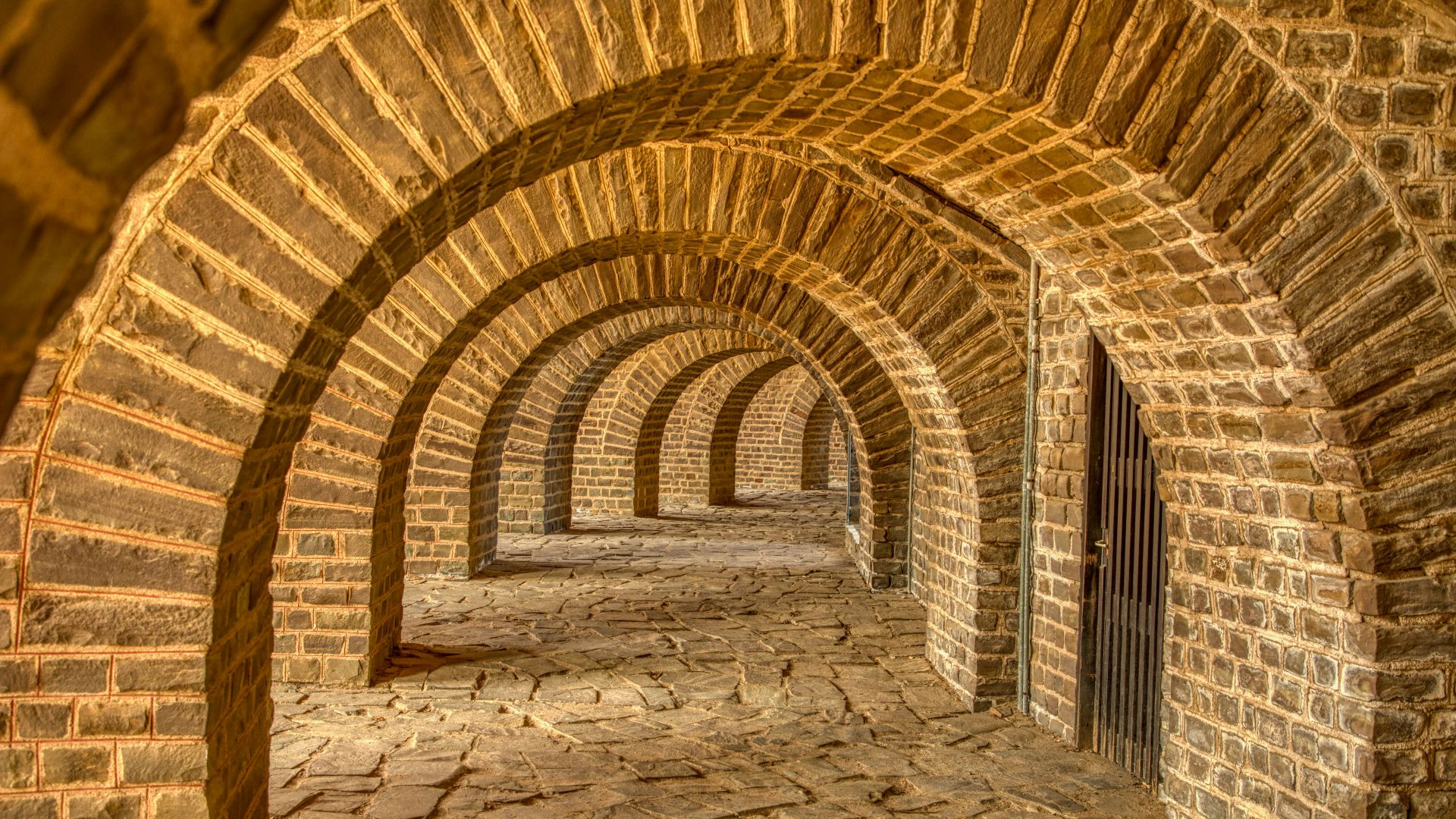
Even without inscriptions identifying its owner, the tomb itself offers important clues. Its carefully planned limestone burial chamber, lofty mudbrick vaults, and multiple adjoining rooms required substantial resources to construct. The impressive scale suggests that the Abydos kings commanded far greater wealth and influence than historians once imagined.
Why Build At Anubis Mountain?
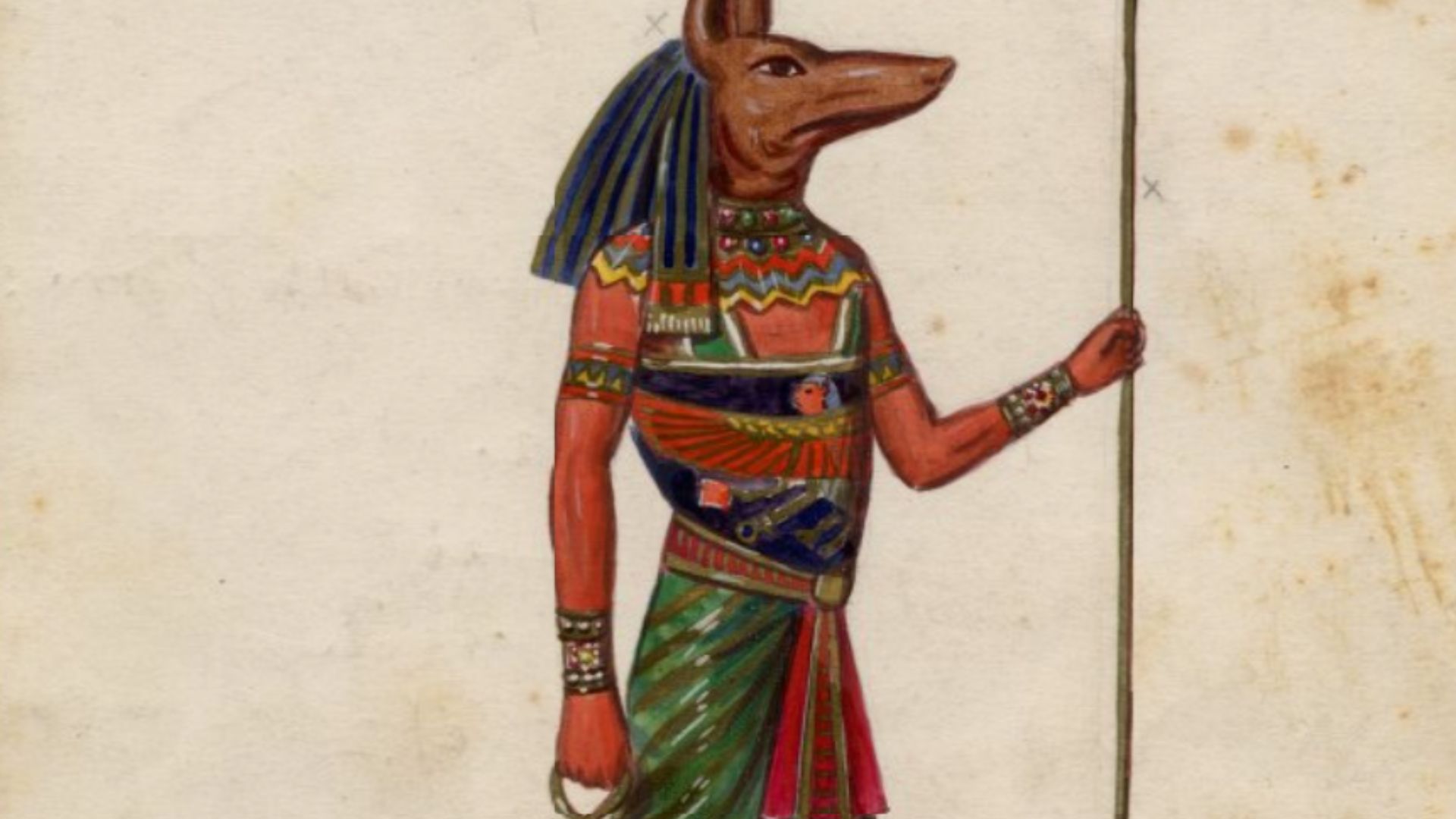
The tomb lies within the ancient necropolis known as Anubis Mountain, named for its natural resemblance to the jackal-headed god of embalming and the dead. For centuries, Egyptian rulers viewed this sacred landscape as an ideal resting place, believing its religious associations strengthened their journey into the afterlife.
 Charles Briton (d. 1884), Wikimedia Commons
A Royal Cemetery Still Giving Up Its Secrets
The newly discovered burial is only the latest remarkable find from the Anubis Mountain cemetery. Excavations over the past two decades have uncovered royal tombs, workshops, temples, and administrative buildings, steadily revealing that Abydos remained an important political and religious center long after Egypt's earliest dynasties faded into history.
The Hyksos Were Changing Egypt
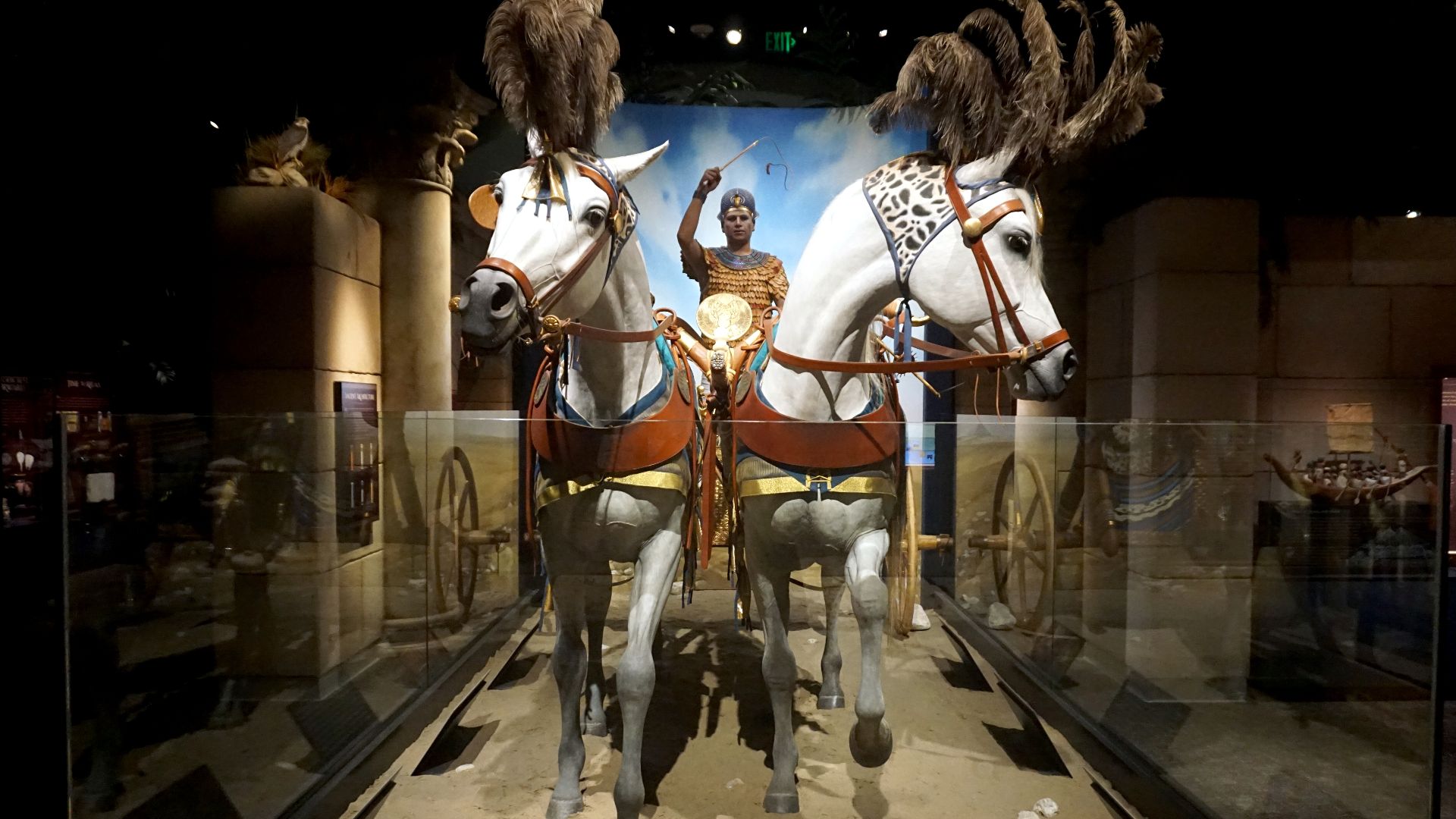
While the unknown king ruled in southern Egypt, powerful Hyksos rulers controlled much of the Nile Delta from their capital at Avaris. They introduced new military technologies—including horse-drawn chariots and advanced composite bows—that would permanently reshape Egyptian warfare. The Abydos kings governed during this period of intense political competition.
 Michael Barera, Wikimedia Commons
A "Warring States" Period
Josef Wegner has described the Second Intermediate Period as something resembling a "warring states" era. Instead of one unified kingdom, several rival rulers competed for territory and legitimacy. Understanding how the Abydos Dynasty fit into this fractured political landscape has become one of Egyptology's most intriguing unanswered questions.

The Search Is Far From Over
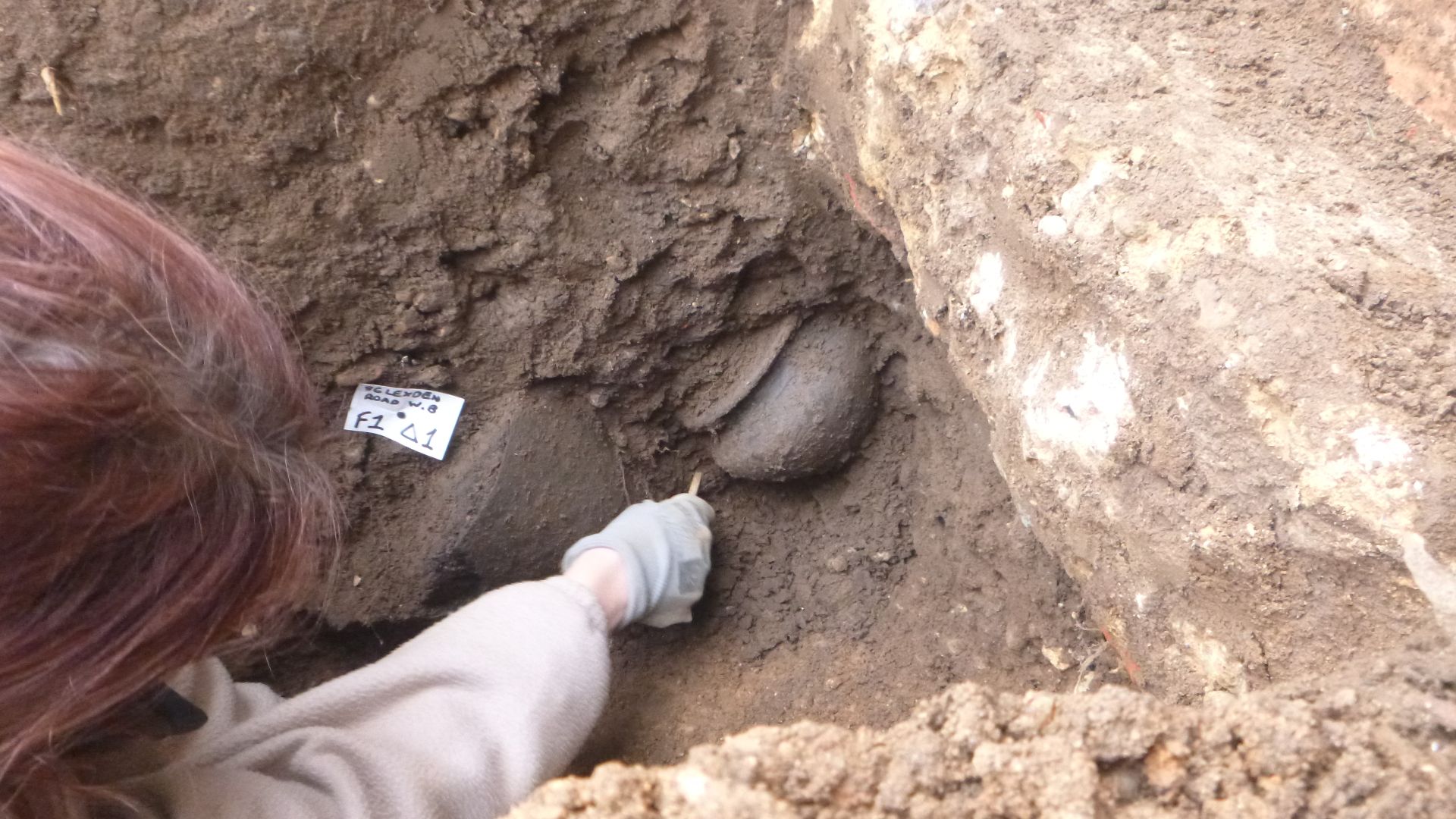
Archaeologists believe additional royal tombs almost certainly remain hidden beneath the desert sands surrounding the latest discovery. Each new excavation has the potential to uncover inscriptions, burial equipment, or human remains that could finally identify the anonymous king and clarify the order of Abydos's forgotten rulers.
 Tabitha Lawrence, Colchester Archaeological Trust, Wikimedia Commons
Small Clues May Solve A Big Mystery
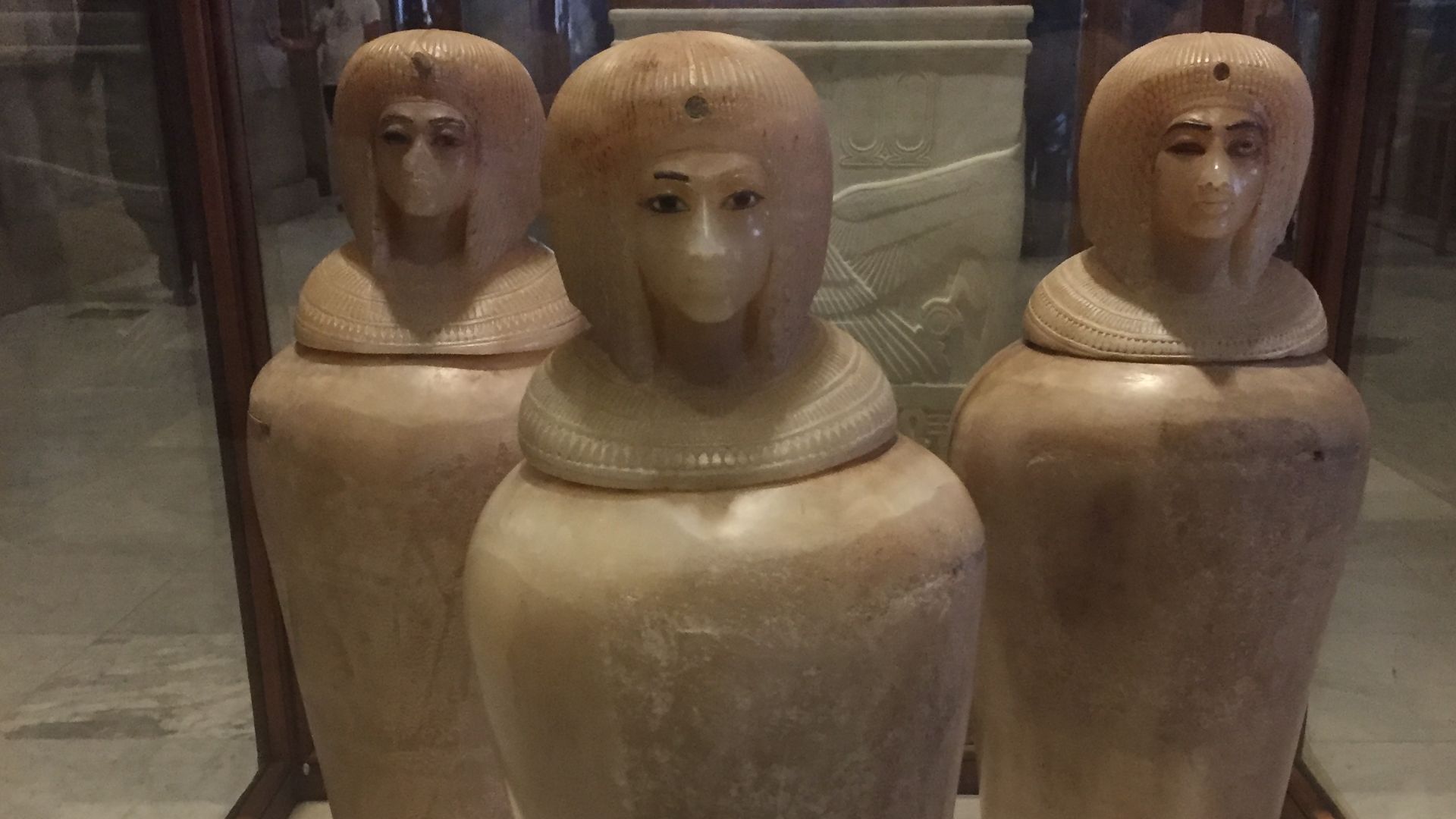
Researchers are not expecting to find a spectacular golden treasure like Tutankhamun's tomb. Instead, even a fragment of an inscribed canopic jar, a broken funerary object, or a surviving section of painted plaster bearing the king's name could be enough to identify the tomb's owner with confidence.
Why The Discovery Matters
The discovery is important not because of glittering artifacts, but because it fills a major gap in Egyptian history. Every new royal burial helps scholars better understand how Egypt survived one of its most unstable eras before reuniting under the powerful pharaohs of the New Kingdom, whose empire would eventually stretch from Syria to Nubia.
 Haghe, Louis, 1806-1885, lithographer; Roberts, David, 1796-1864, artist, Wikimedia Commons
Ancient Tomb Robbers Changed History
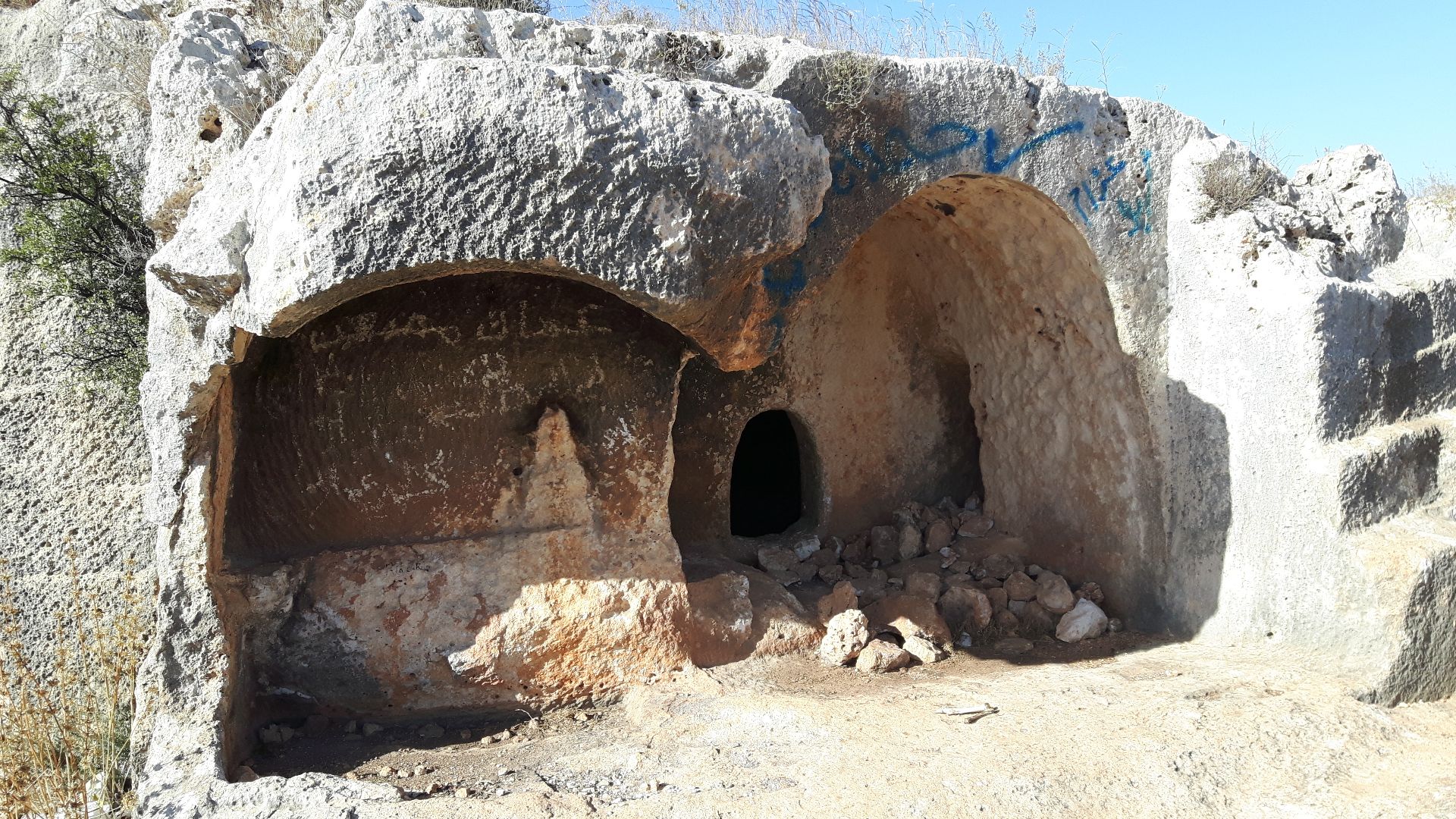
The greatest obstacle facing archaeologists today is not the passage of time but the work of thieves thousands of years ago. By stripping tombs of valuables and destroying inscriptions, ancient robbers erased crucial historical evidence, leaving modern researchers to reconstruct Egypt's past from only scattered fragments that survived their raids.
 Owenglyndur, Wikimedia Commons
Technology May Provide New Answers
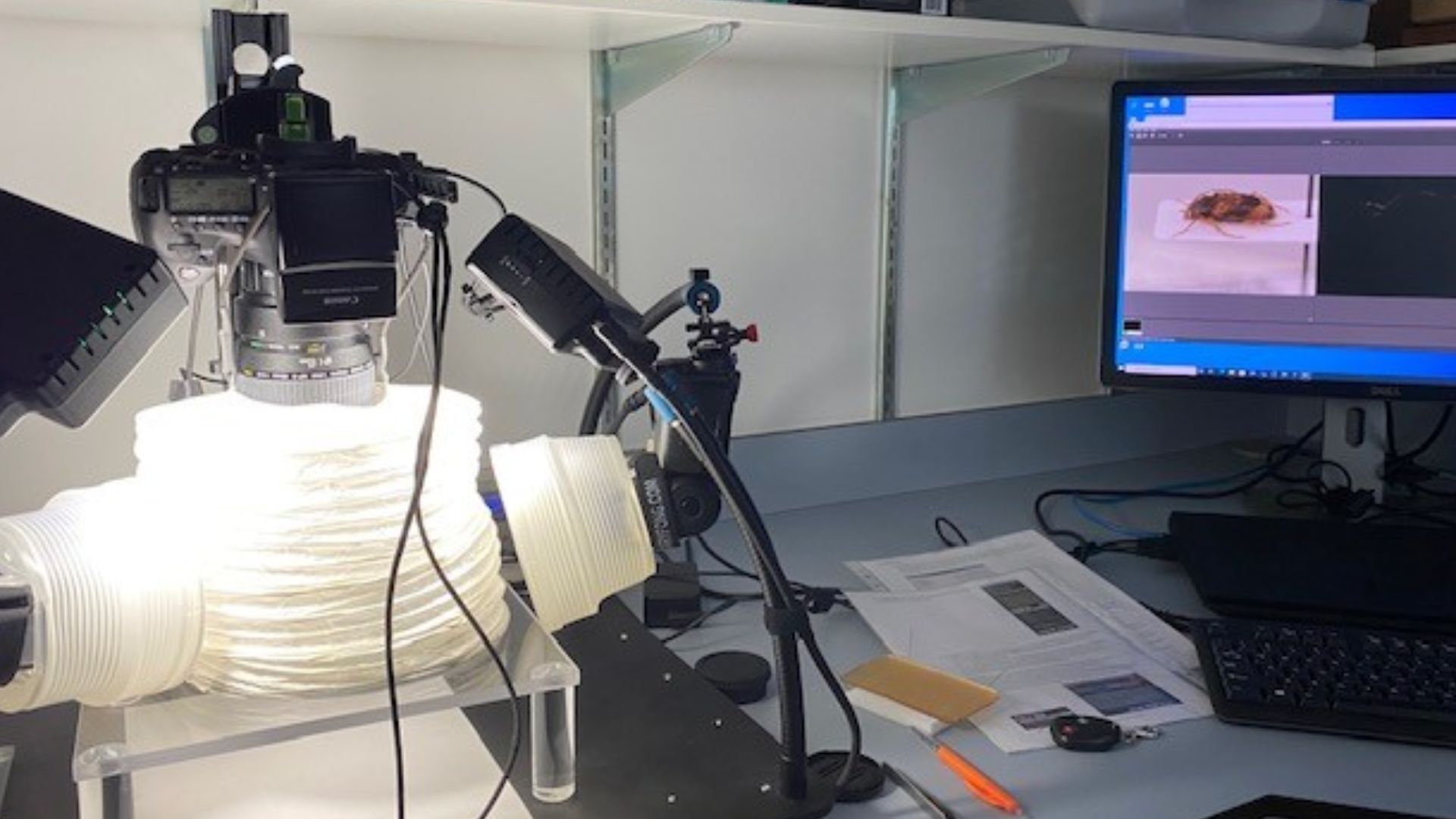
Modern archaeology is far more than excavation with brushes and shovels. Researchers increasingly rely on digital imaging, 3D mapping, microscopic analysis, and advanced conservation techniques to recover information invisible to earlier generations. Even faint traces of pigment or damaged inscriptions may eventually reveal new clues about the mysterious pharaoh.
 ZoologicalLee, Wikimedia Commons
One Discovery Changes An Entire Dynasty
Only a generation ago, the Abydos Dynasty was little more than a scholarly hypothesis. Today, thanks to the prior discoveries of Senebkay's tomb and this newly unearthed royal burial, historians can confidently say that an entire forgotten line of kings once ruled southern Egypt. Each new excavation is steadily transforming speculation into documented history.
 Думаюкккккккккк, Wikimedia Commons
More Questions Than Answers
The newly discovered tomb reminds us that even one of history's best-known civilizations still guards countless secrets beneath its scorching sands. Archaeologists know they have found the resting place of a forgotten king, yet they cannot say his name or fully explain his kingdom. For now, Egypt's mysterious Abydos Dynasty remains one of archaeology's most fascinating unsolved puzzles.
You May Also Like: