

Ambition Frozen In Stone
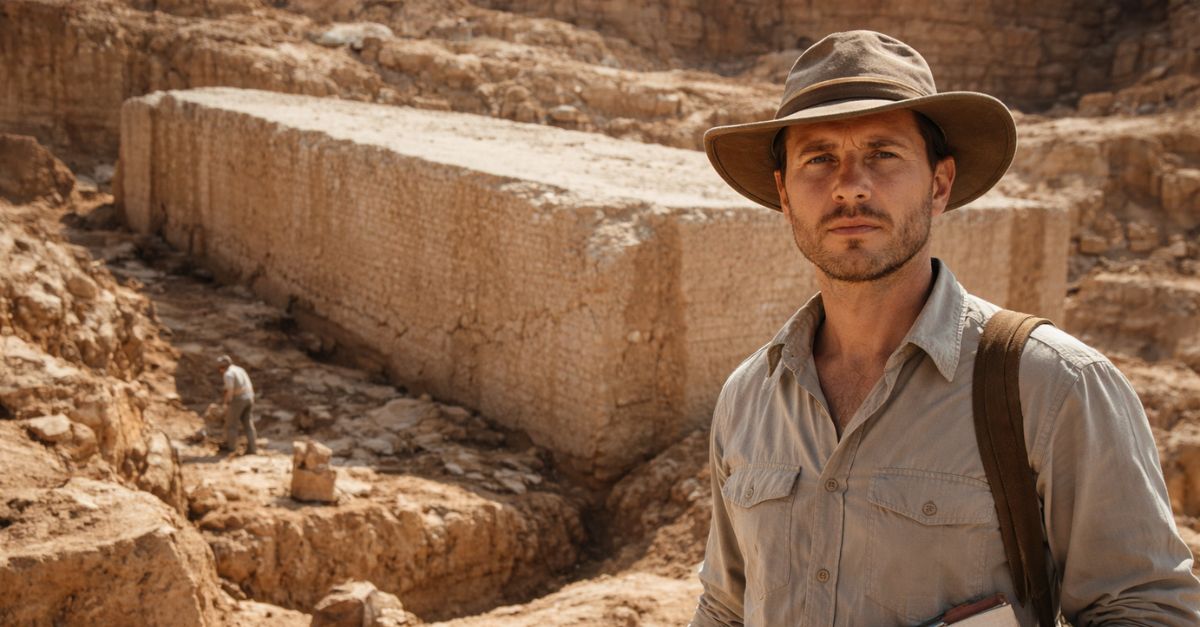
Far from Egypt’s crowded archaeological icons rests an unfinished giant, carved with purpose but left suspended in time. The sheer magnitude of the stone challenges assumptions about ancient capability and the limits of royal ambition.
A Quarry That Most People Have Never Heard Of
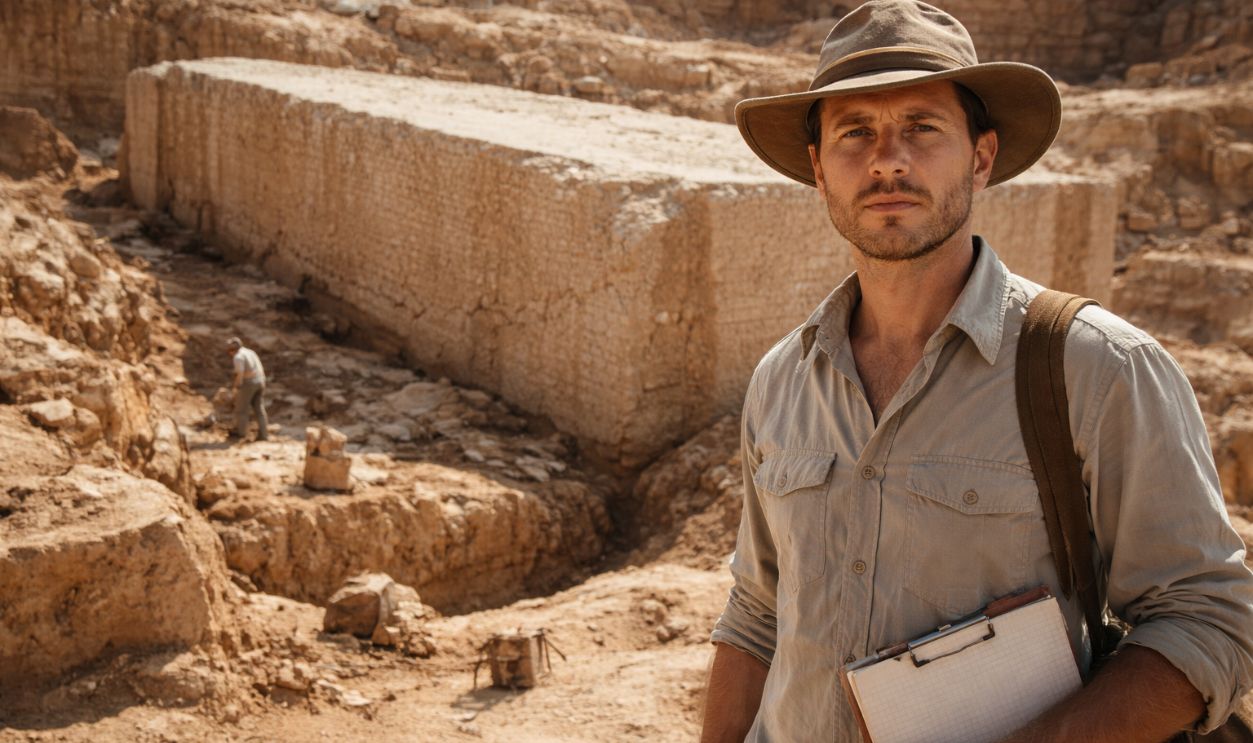
Near the modern city of Minya in Middle Egypt, archaeologists documented something extraordinary: a single limestone mass still attached to bedrock, already outlined for a colossal royal statue. It was not erosion or an accident. It was a project in progress, abruptly halted before extraction began.
 Mona Hassan Abo-Abda, Wikimedia Commons
The Numbers That Stop You In Your Tracks
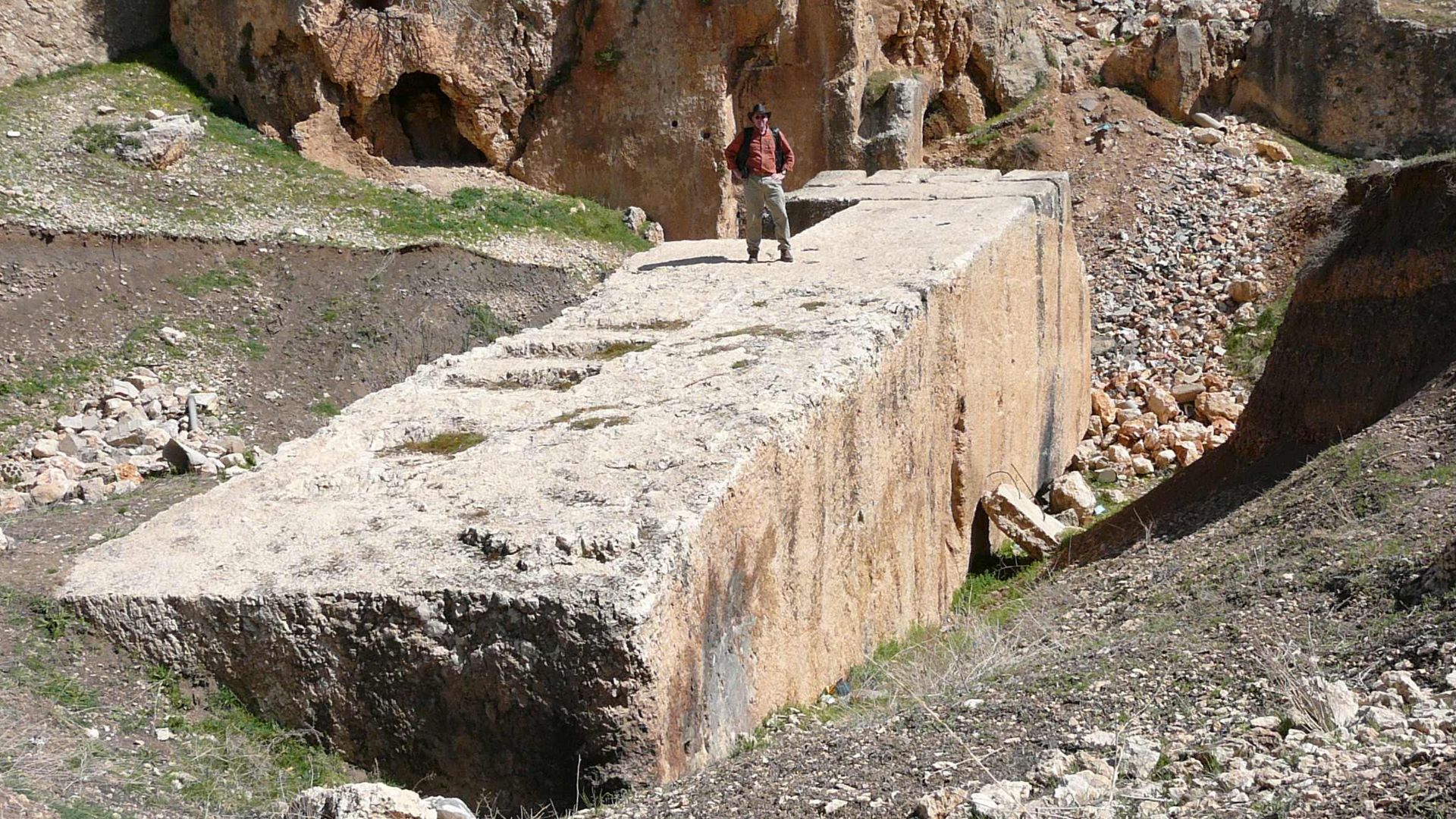
This block measures 22 meters long, 8 meters wide, and roughly 8.5 meters deep. That's about 72 feet in length. To put it simply, it's bigger than most buildings. Based on the limestone's density and those dimensions, researchers estimate it could weigh over well over 2,000 tons, though in its current state no accurate measurement is possible.
 Ralph Ellis, Wikimedia Commons
Even Baalbek Can't Beat This
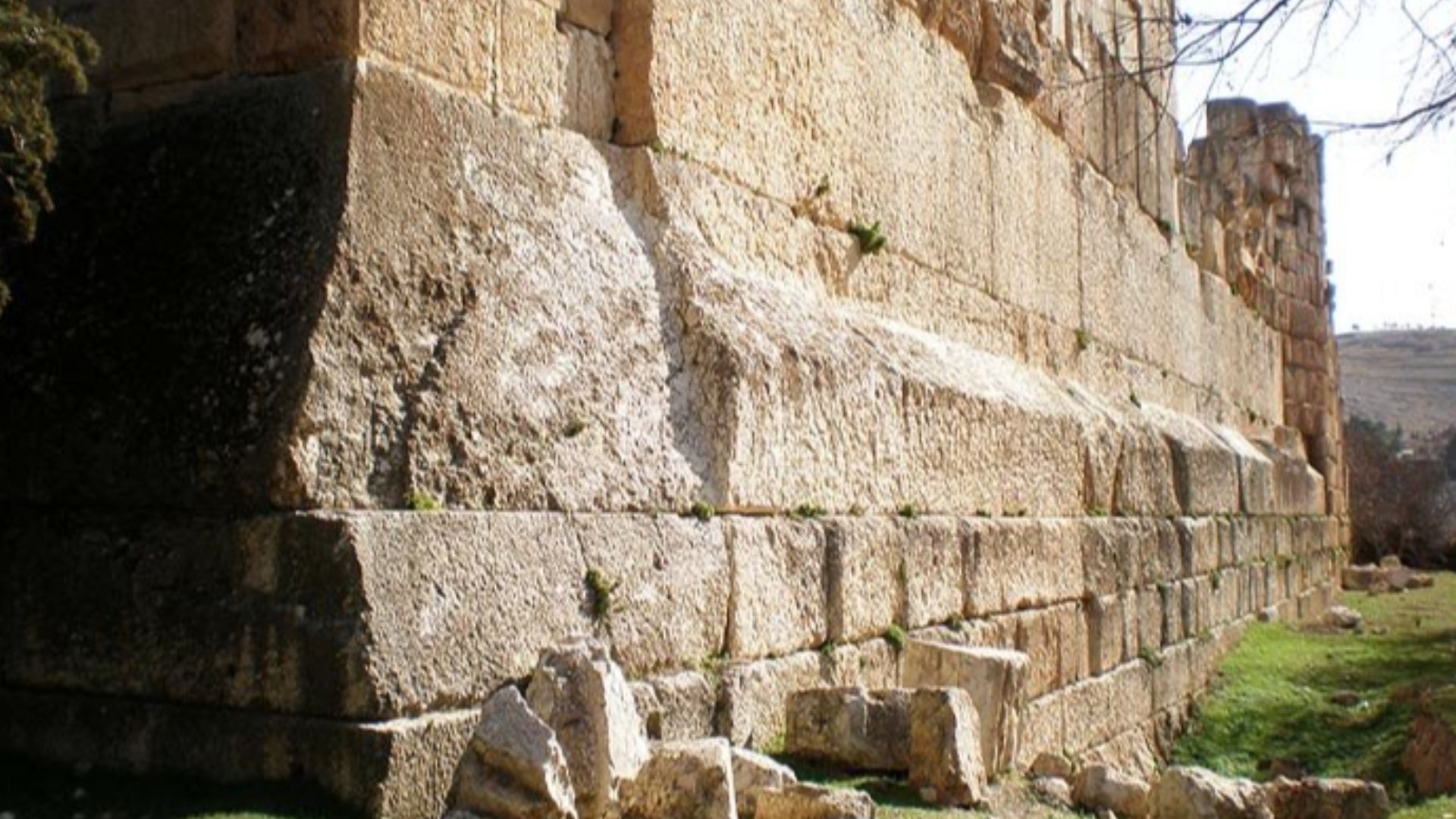
Lebanon's Baalbek trilithon stones, long considered among the heaviest ever quarried, weigh around 800 tons each. The largest unquarried stone at Baalbek, the so-called "Forgotten Stone" discovered in 2014, reaches roughly 1,650 tons. The Minya block appears to outweigh even that.
It Was Never Meant To Stay In The Ground
Ancient Egyptian workers had already chiselled the outline of a colossal statue directly onto its upper surface. This wasn't just a quarrying project; somebody had a very specific, very grand vision for what this stone was going to become. But who exactly built it remains a mystery.
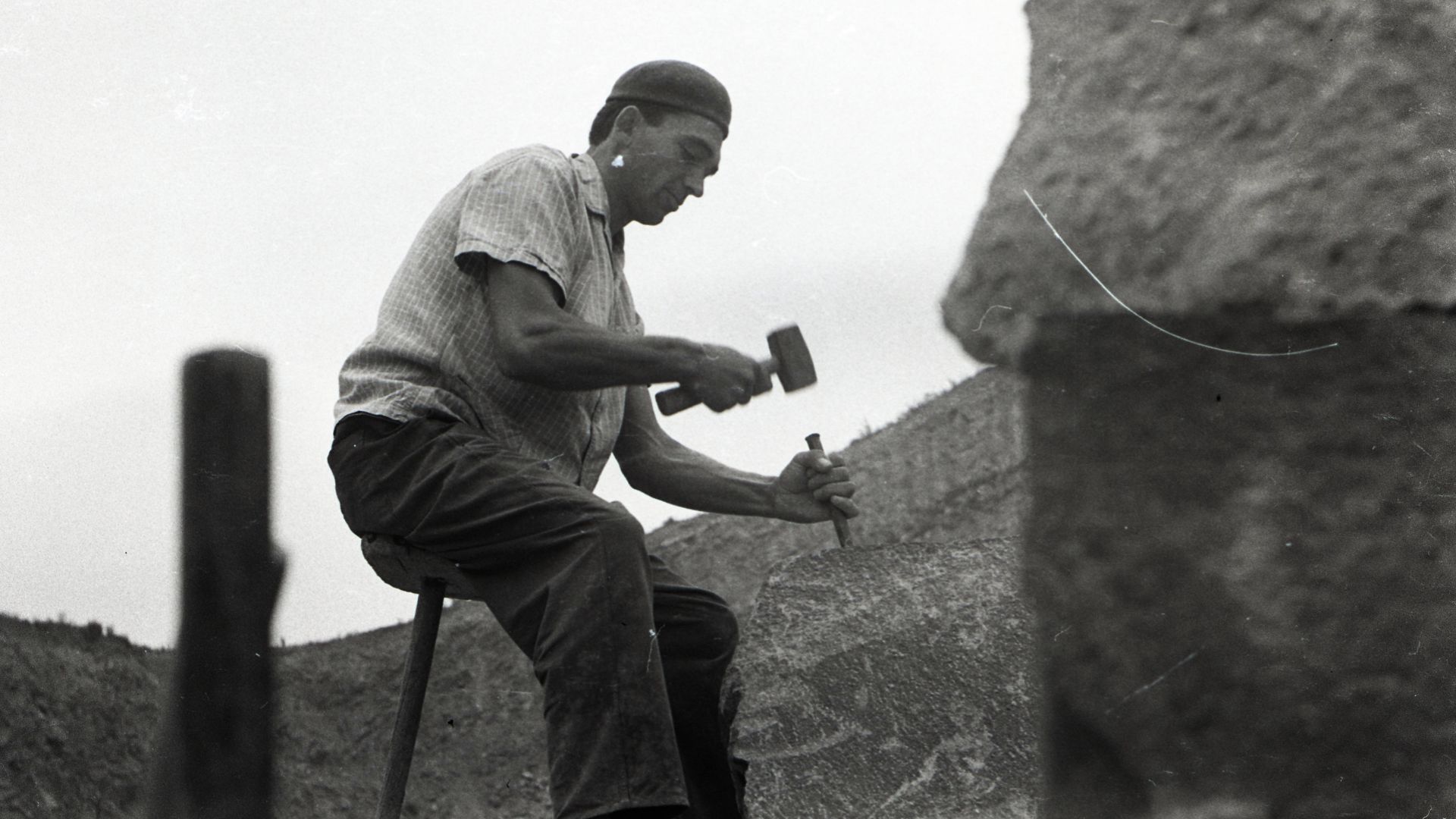 FOTO:Fortepan — ID 89605: Adomanyozo/Donor: Urban Tamas., Wikimedia Commons
The Statue Was Never Finished
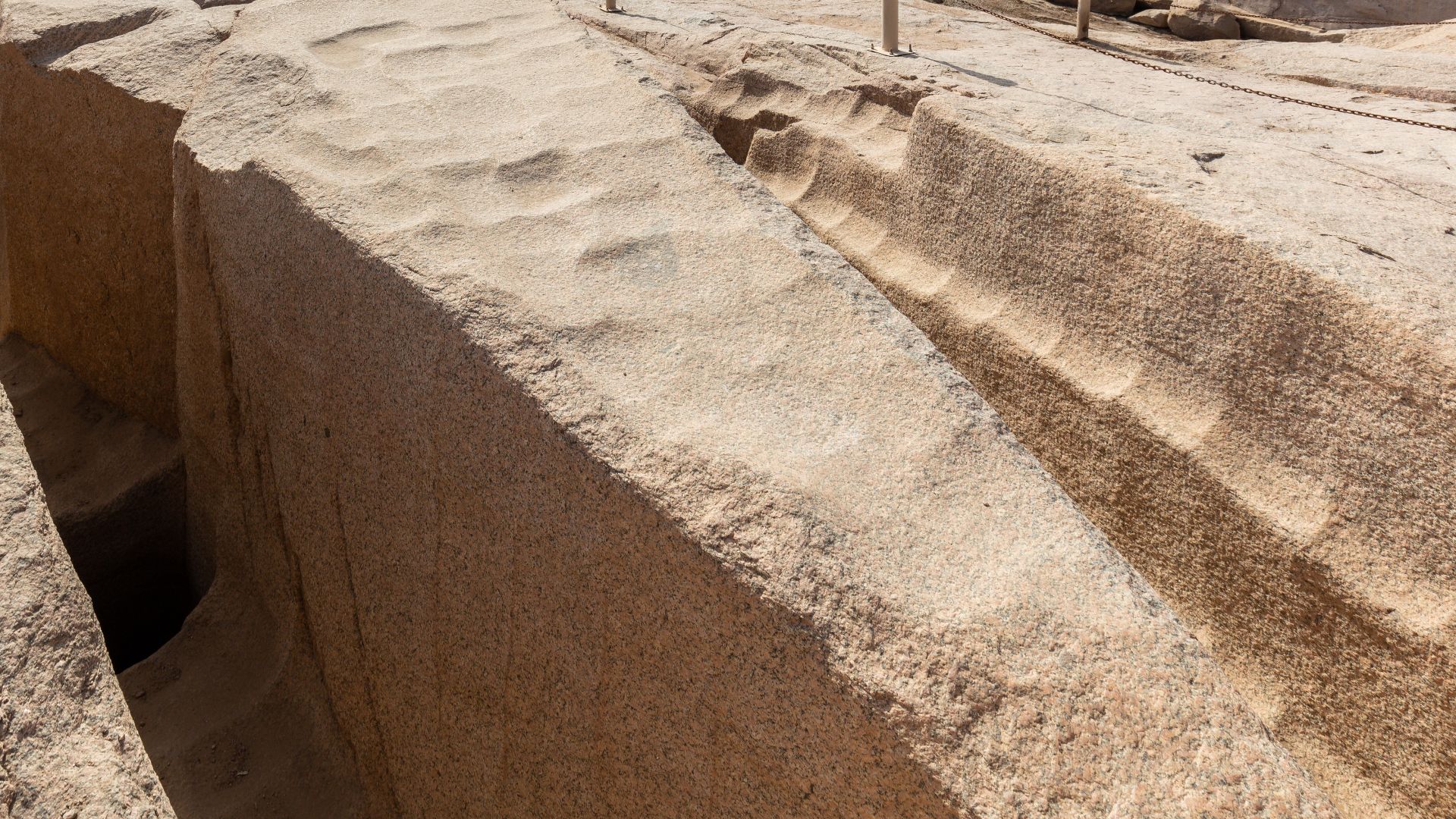
Unlike the famous Unfinished Obelisk in Aswan, which was abandoned because cracks appeared in the granite, there's no such clear explanation for why work stopped on this truly colossal monolith. The stone shows no obvious fracturing. The abandonment reason remains genuinely unknown, making the site even stranger to stand in front of.
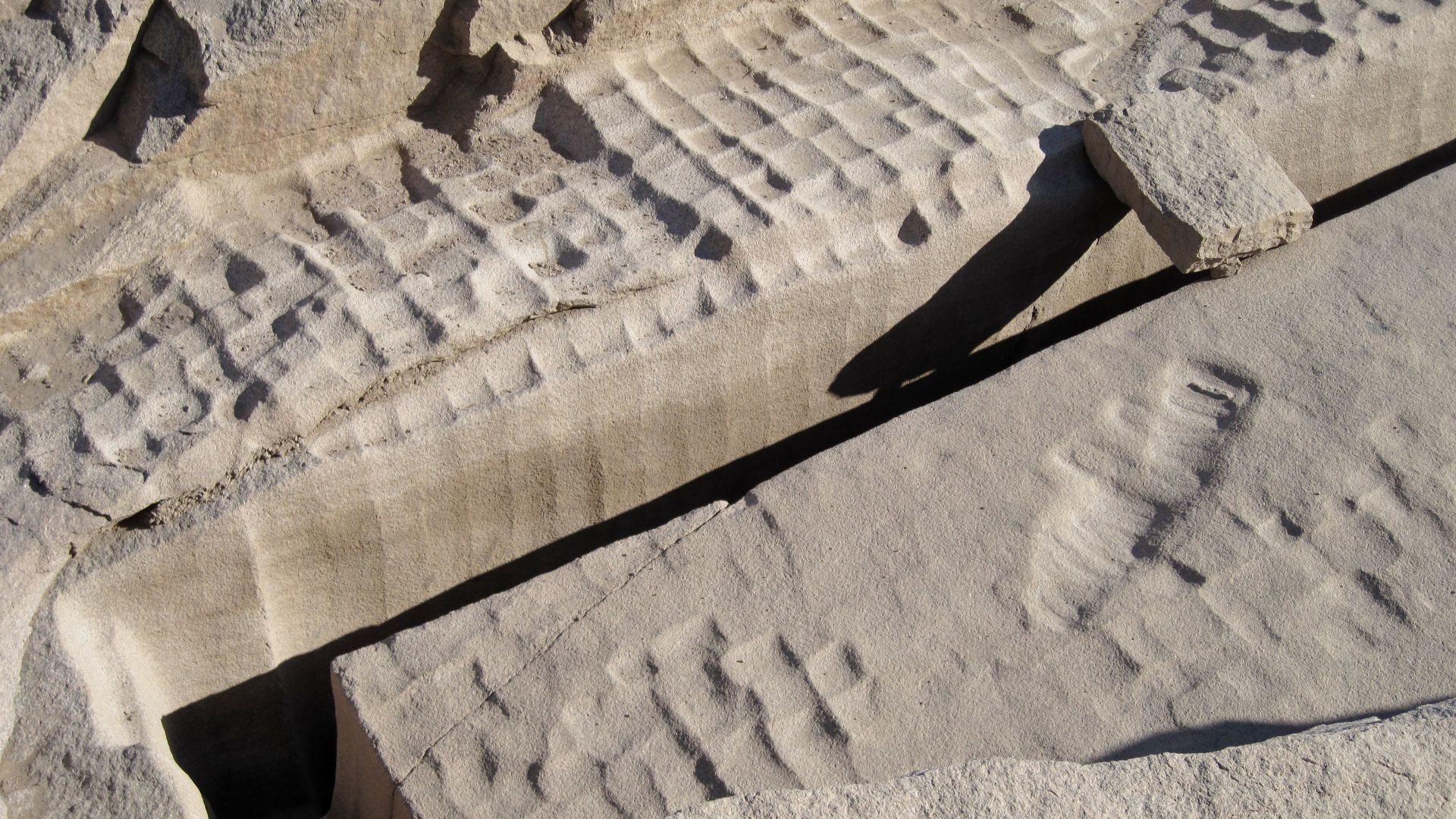 Olaf Tausch, Wikimedia Commons
Tunnels Underneath The Block Hint At The Plan
Beneath the massive limestone block, workers had carved a series of horizontal passages, each around 60 centimetres high. These low tunnels appear to have been part of the extraction and removal process. But exactly how they would have worked, nobody has been able to confirm.
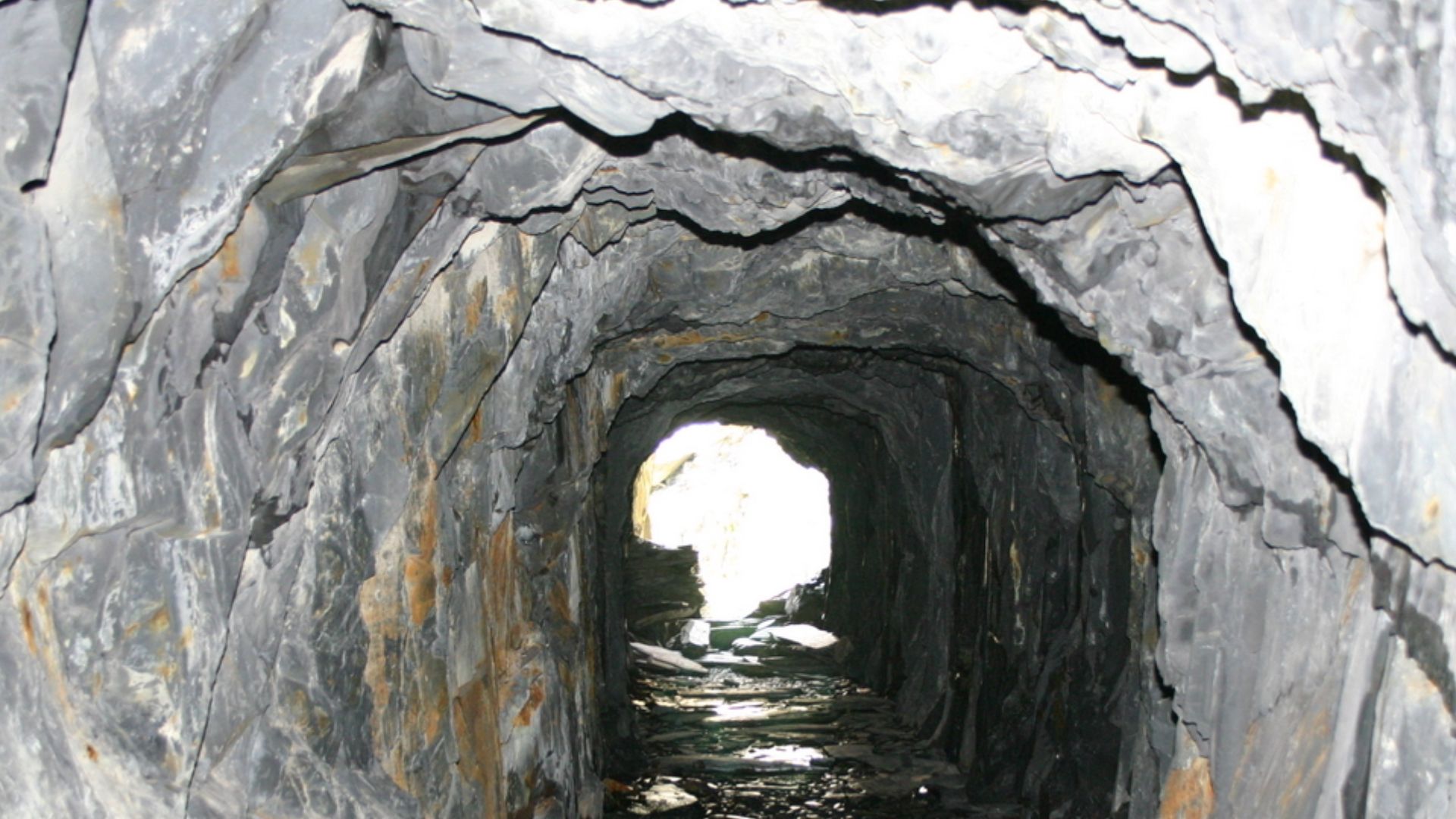 Simon Melhuish , Wikimedia Commons
The Tunnels Raise More Questions Than They Answer
At only 24 inches wide, the tunnels barely allow a person to crawl, let alone use levers or ropes. Running horizontally beneath the block’s base, some researchers suggest they created clearance for beams or sledges. Others remain uncertain, since no ancient parallel exists.
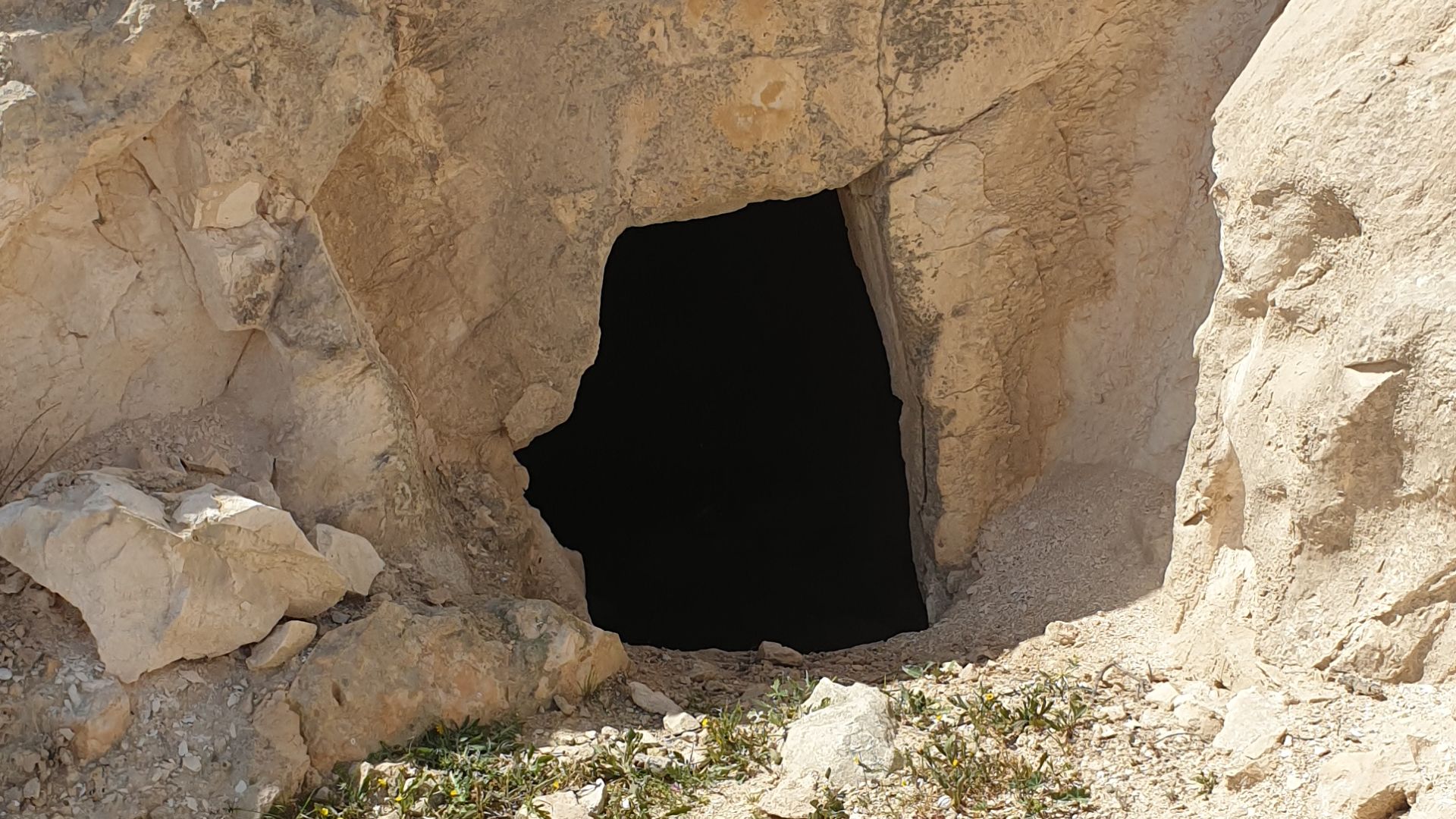 Owenglyndur, Wikimedia Commons
Moving 2,000 Tons Was Never Going To Be Simple
For comparison, modern heavy-lift cranes, the kind used to assemble skyscrapers, typically max out around 3,000 to 4,000 tons. The Egyptians had no cranes. What they had were ramps, ropes, sledges, water-lubricated pathways, and enormous workforces. Whether any combination of those tools could have moved this particular block is something engineers still debate.
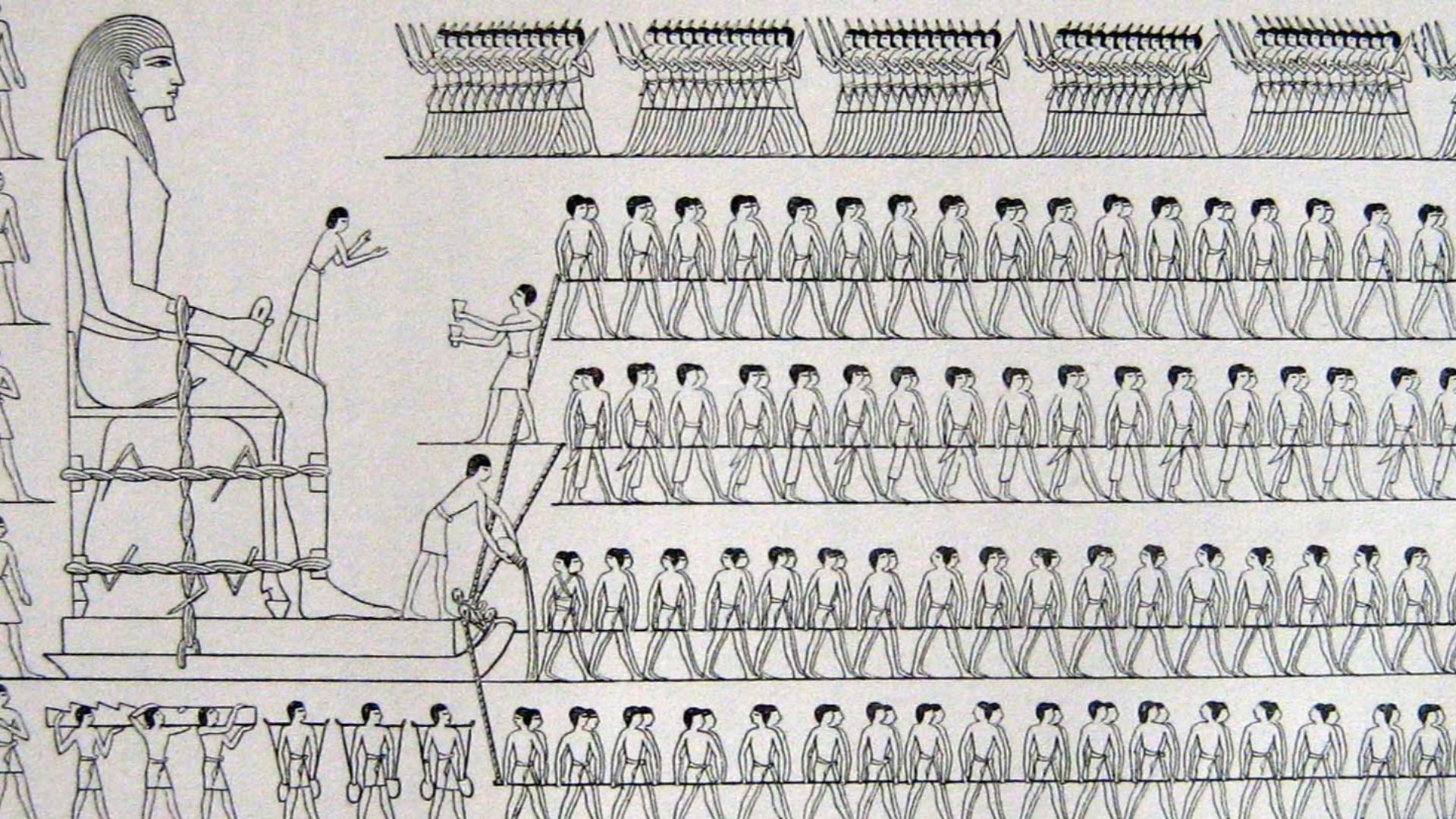 sir john gardner wilkinson, Wikimedia Commons
Close To The Nile, Yet Out Of Reach
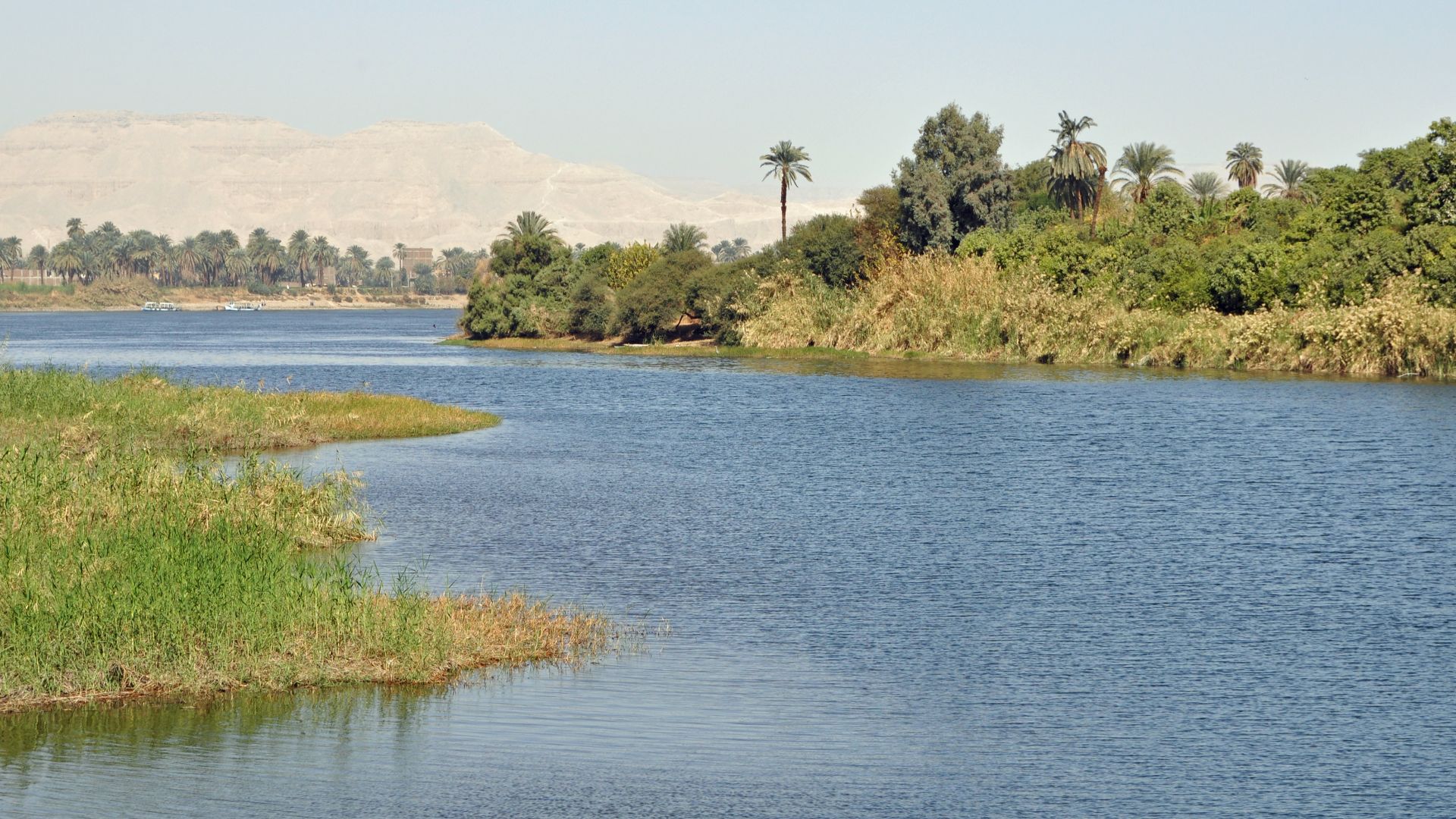
The quarry sits near the Nile, and like most Egyptian mega-projects, the river would have been the most logical transport route. But the block would first need to travel from the quarry to the riverbank. Even 650 feet of movement on land, with 2,000 tons, would have required infrastructure of staggering scale.
 Marc Ryckaert (MJJR), Wikimedia Commons
Limestone Made This Harder Than Aswan's Granite Projects
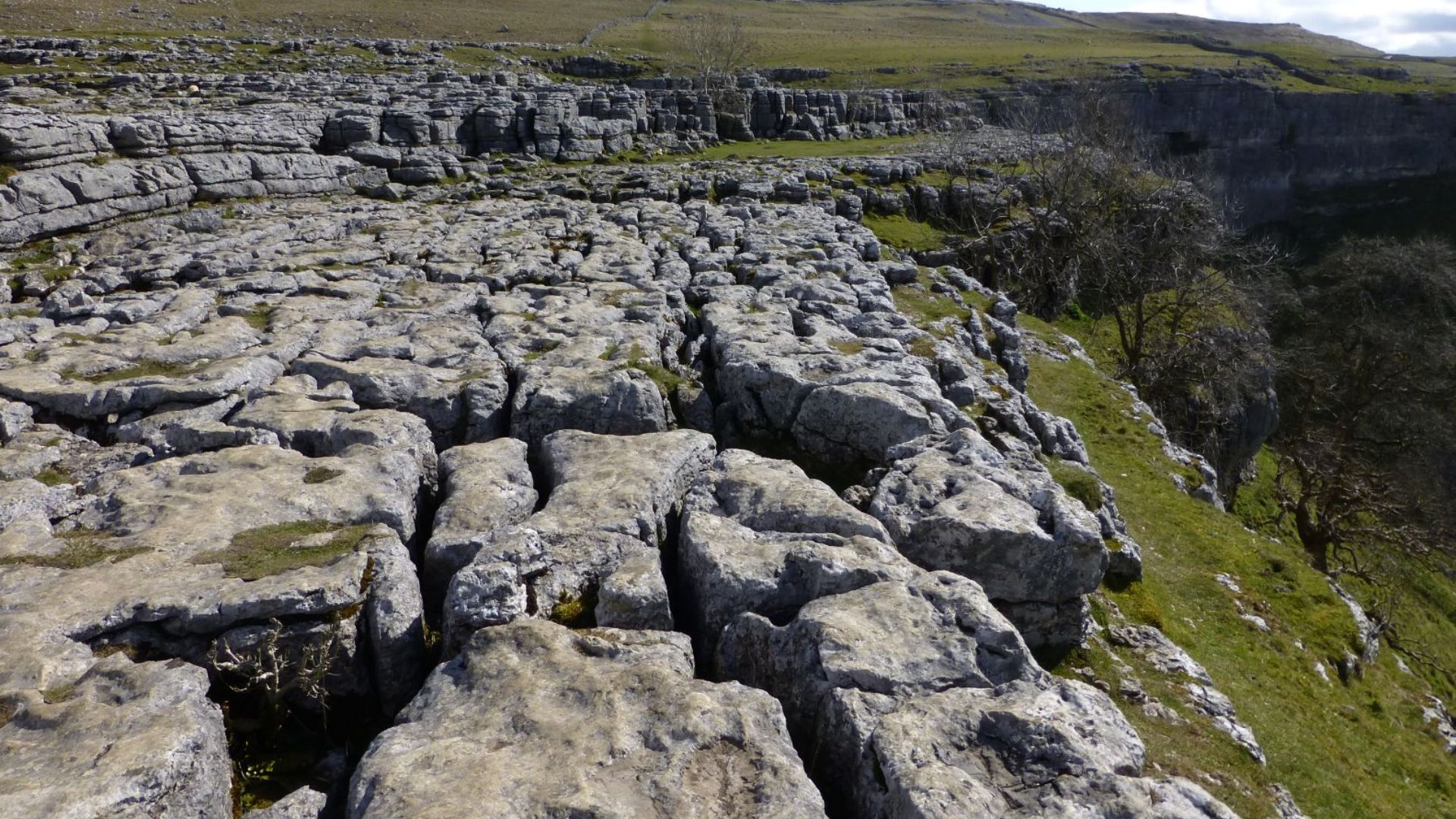
The famous Unfinished Obelisk at Aswan was cut from red granite using dolerite pounders, hard volcanic stones that could grind through rock. Limestone is softer and easier to carve, which explains the finer details already visible on the Minya block.
 Russel Wills , Wikimedia Commons
There's A Second Unfinished Obelisk At The Same Site
About 100 to 130 feet from the giant statue block lies another surprise: an unfinished obelisk, 69 feet long and 8 feet wide. What makes it unusual is the material. It's also limestone, not granite, which was the standard material for obelisks. Finding a limestone obelisk this size is genuinely rare in Egyptology.
 Diego Delso, Wikimedia Commons
Limestone Obelisks Were Unusual By Ancient Standards
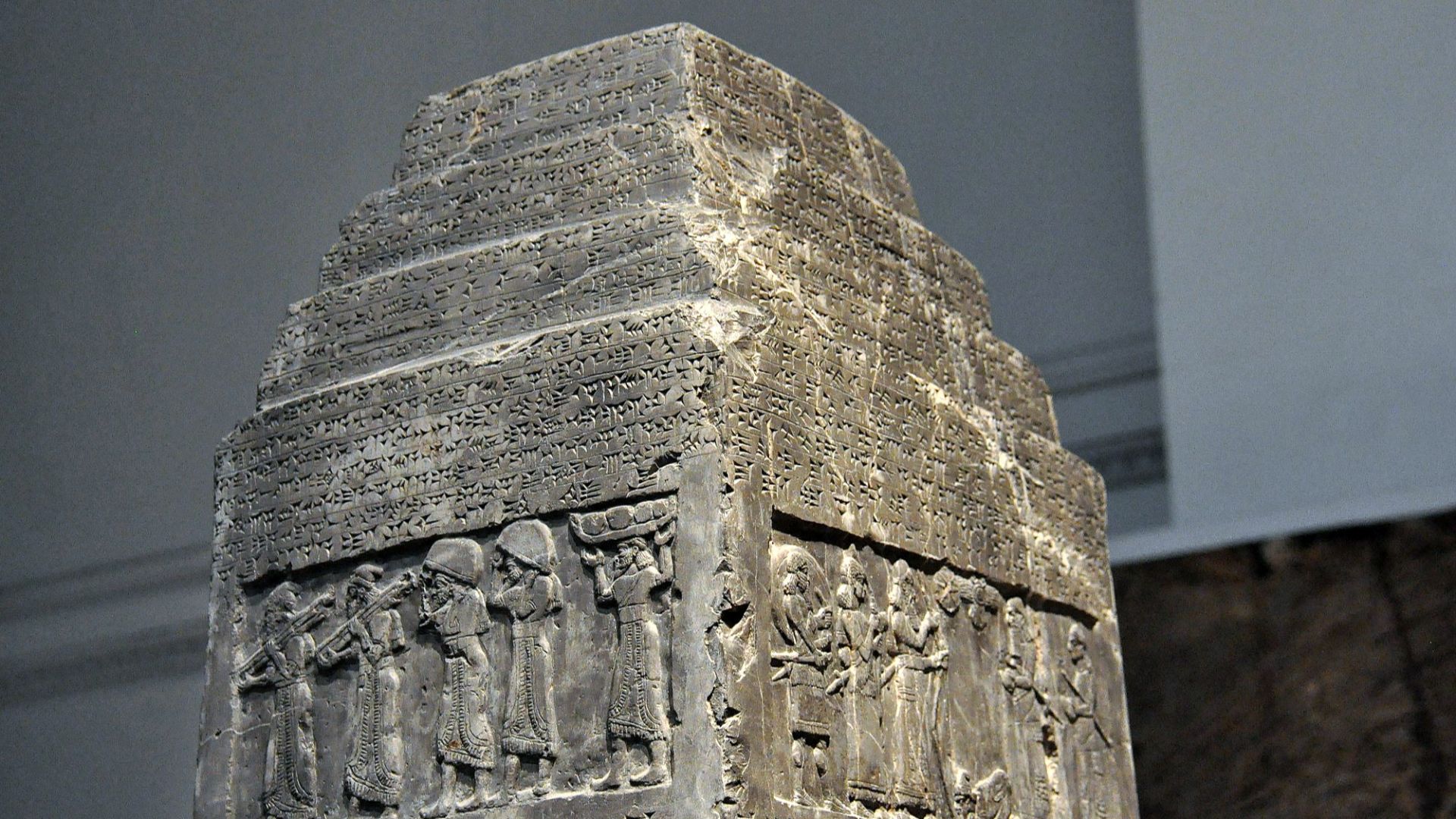
Egyptian obelisks were almost always carved from Aswan granite—dense, durable, and capable of taking fine inscriptions. The presence of a limestone obelisk at Minya suggests either a deliberate local choice, a shortage of granite resources for this particular project, or an experimental approach.
 Osama Shukir Muhammed Amin FRCP(Glasg), Wikimedia Commons
The Site Is Rarely Discussed In Mainstream Archaeology
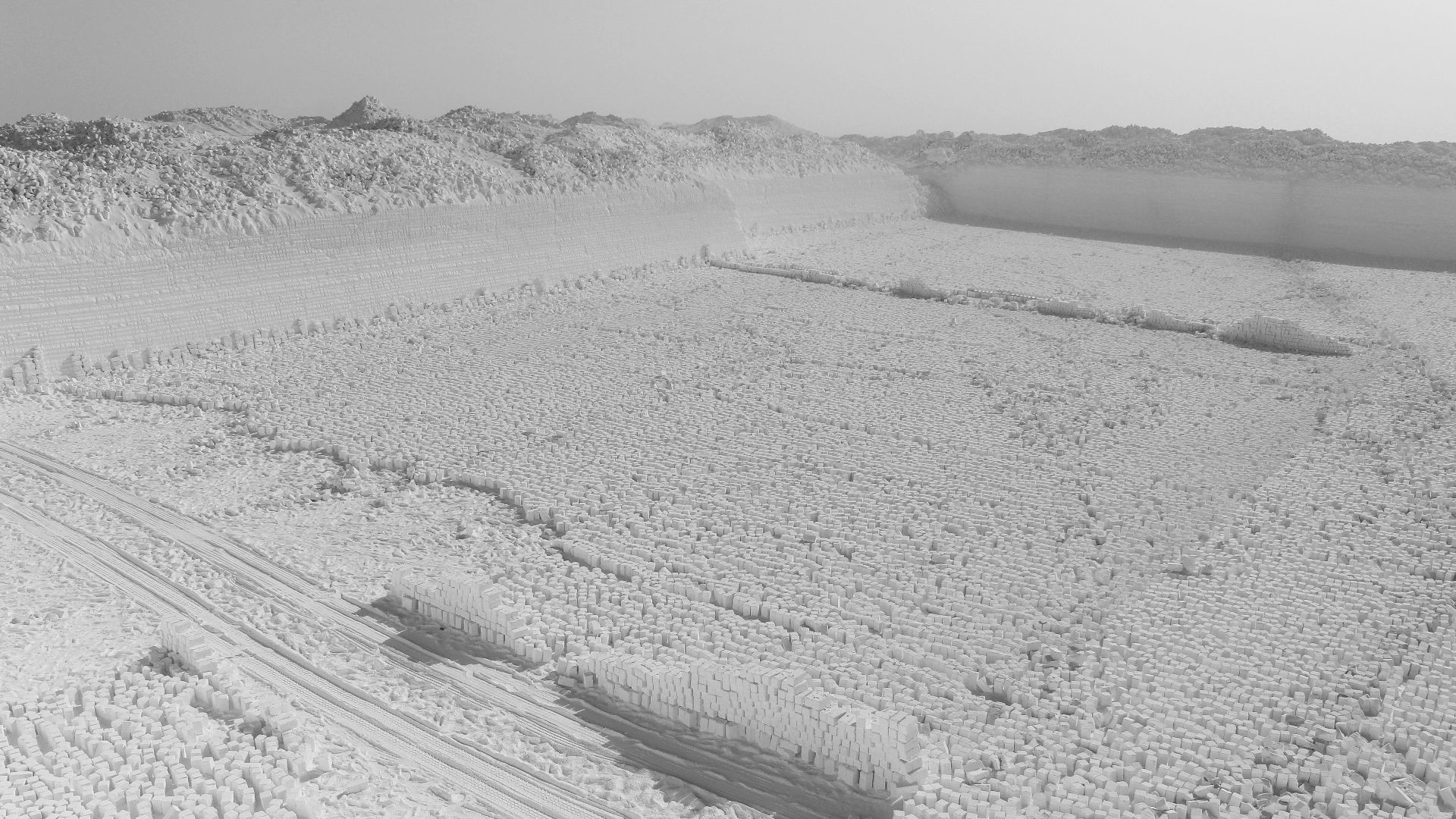
Despite its extraordinary scale, the Minya quarry gets very little coverage compared to sites like Giza or Luxor. It sits in a region of Egypt that sees far fewer tourists and receives less archaeological funding. The site is accessible but not formally developed as a heritage destination.
 AmiraAdel93, Wikimedia Commons
Reginald Engelbach Studied Similar Problems A Century Ago
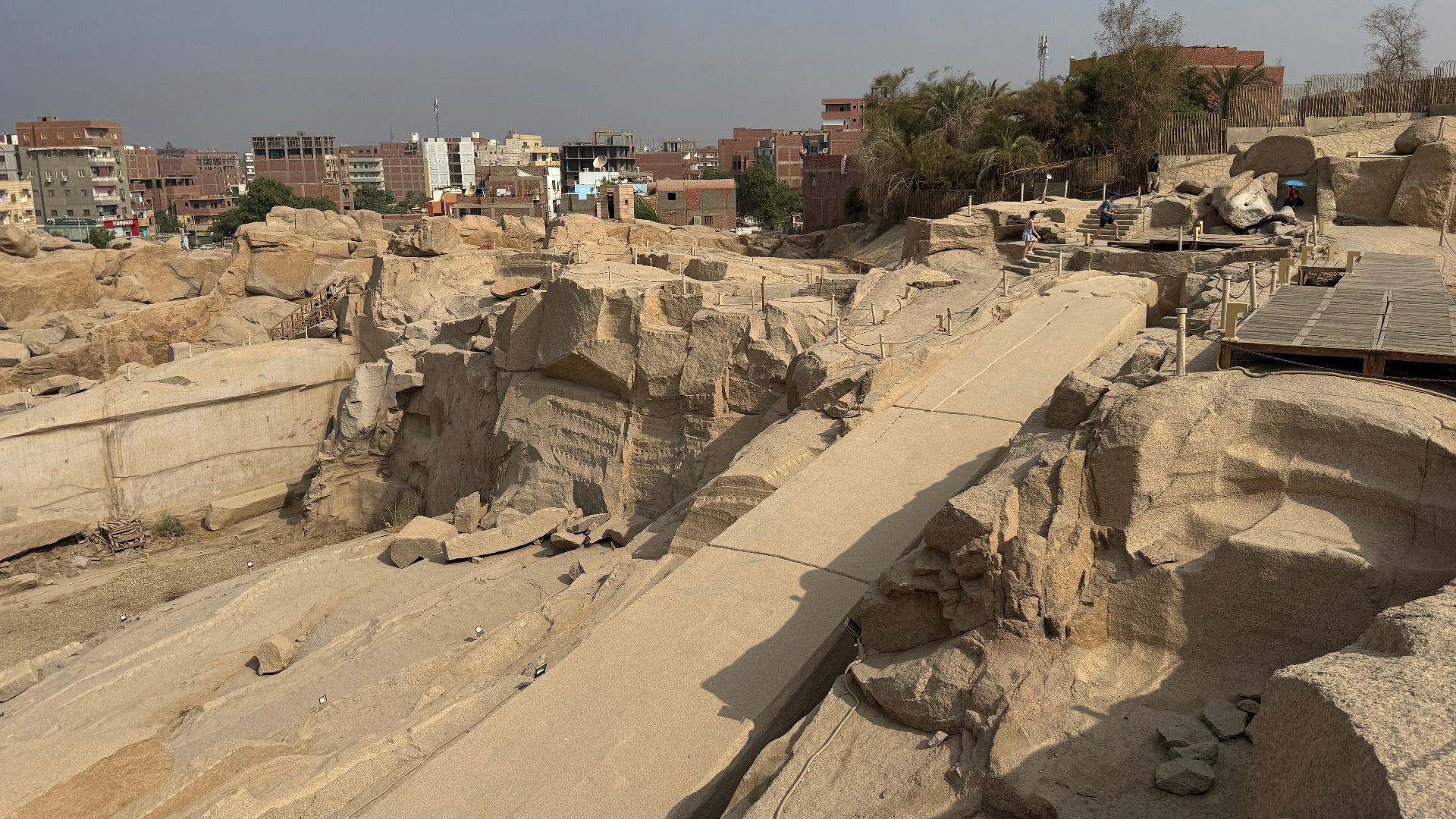
British Egyptologist Reginald Engelbach studied the Unfinished Obelisk at Aswan in 1921–22 and published The Problem of the Obelisks in 1923. His detailed theories on quarrying and transport remain influential. Though focused on Aswan, his insights apply to Minya, where similar engineering challenges continue to shape modern archaeological research.
Ancient Quarry Workers Left Tool Marks Behind
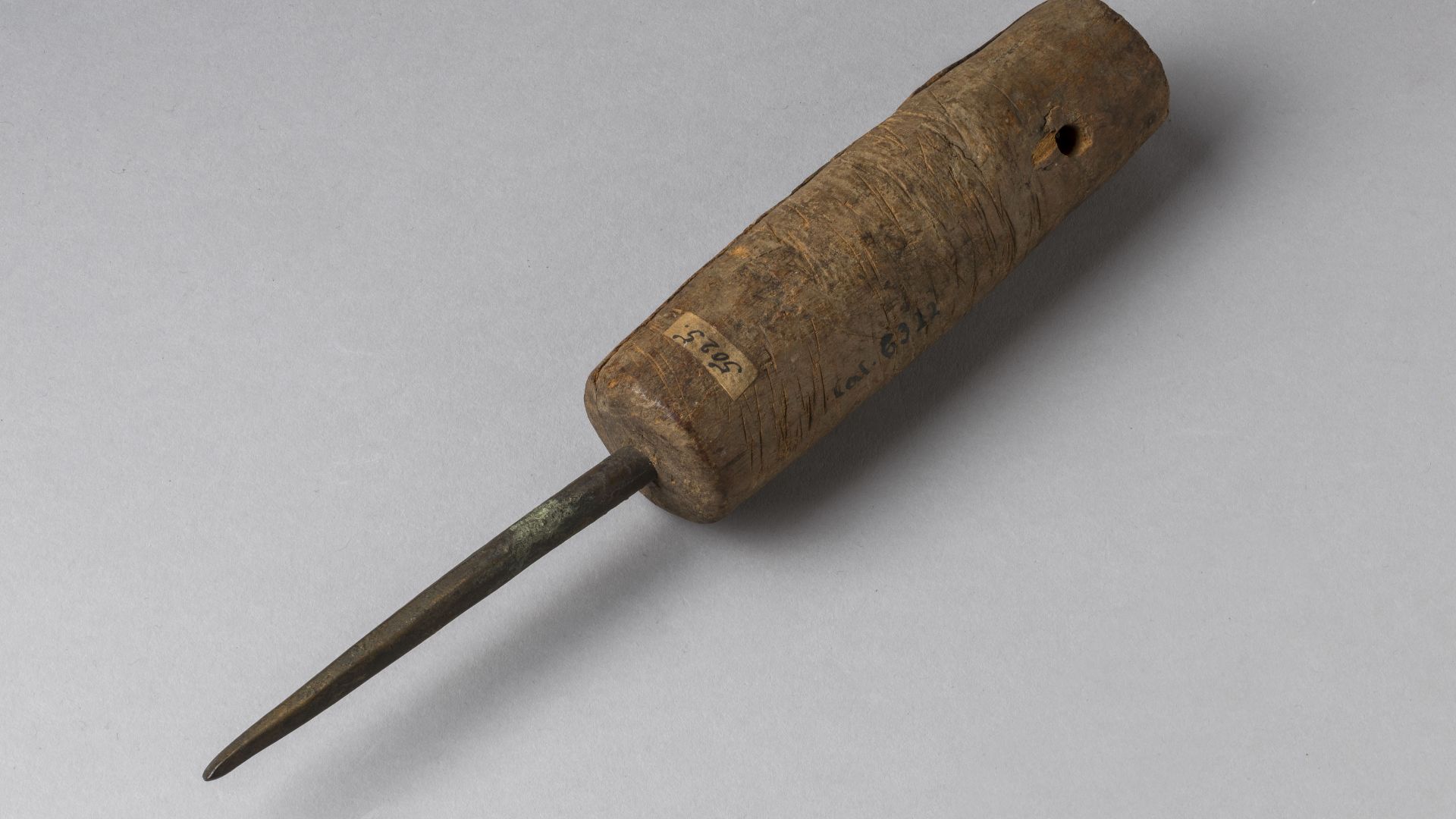
At Minya, tool marks show ancient quarrying. Workers used copper and bronze chisels, later shifting in Egypt’s New Kingdom under Ramses II to longer versions over 20 inches. These enabled deeper, more efficient cuts into the limestone. The surviving marks remain a vivid record of human labor, still legible after 3,000 years.
 Marco Chemello (WMIT), Wikimedia Commons
The Lifting Challenge
Sliding a 2,000‑ton block across land was daunting, but raising it vertically posed an even greater problem. Lifting such weight requires immense counterforce. Scholars suggest mudbrick ramps, lever systems, or capstans, yet none have been proven effective at this scale, leaving the Egyptians’ solution an enduring mystery.
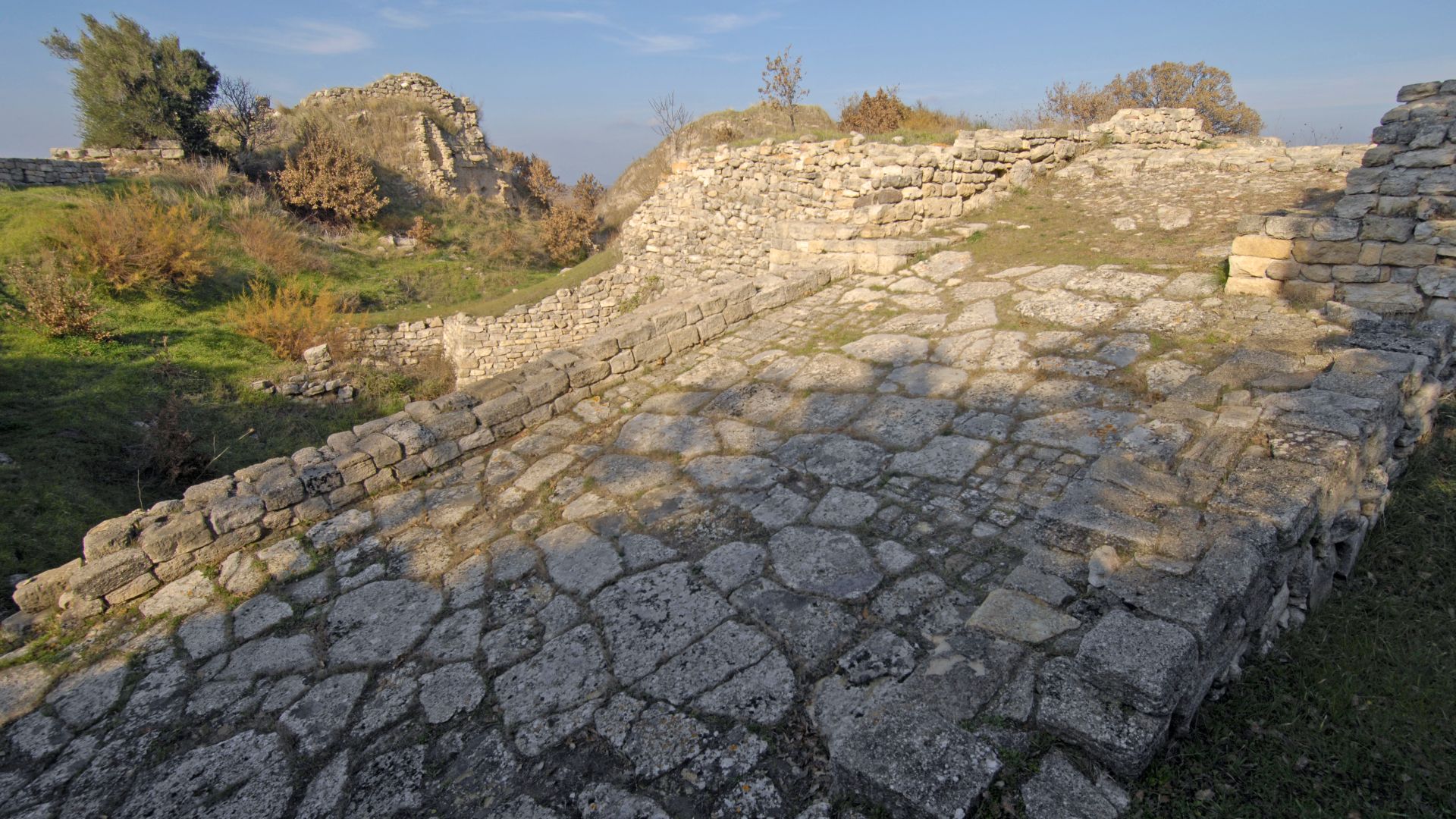
The Site Puts Egyptian Ambition In A New Light
The pyramids used blocks averaging 2.5 tons, but the Minya block is 800 times heavier. Planning a statue from a single 2,000‑ton stone shows extraordinary ambition. Egyptian builders clearly attempted feats they may not have fully mastered, which reveals boldness beyond their proven engineering capabilities.
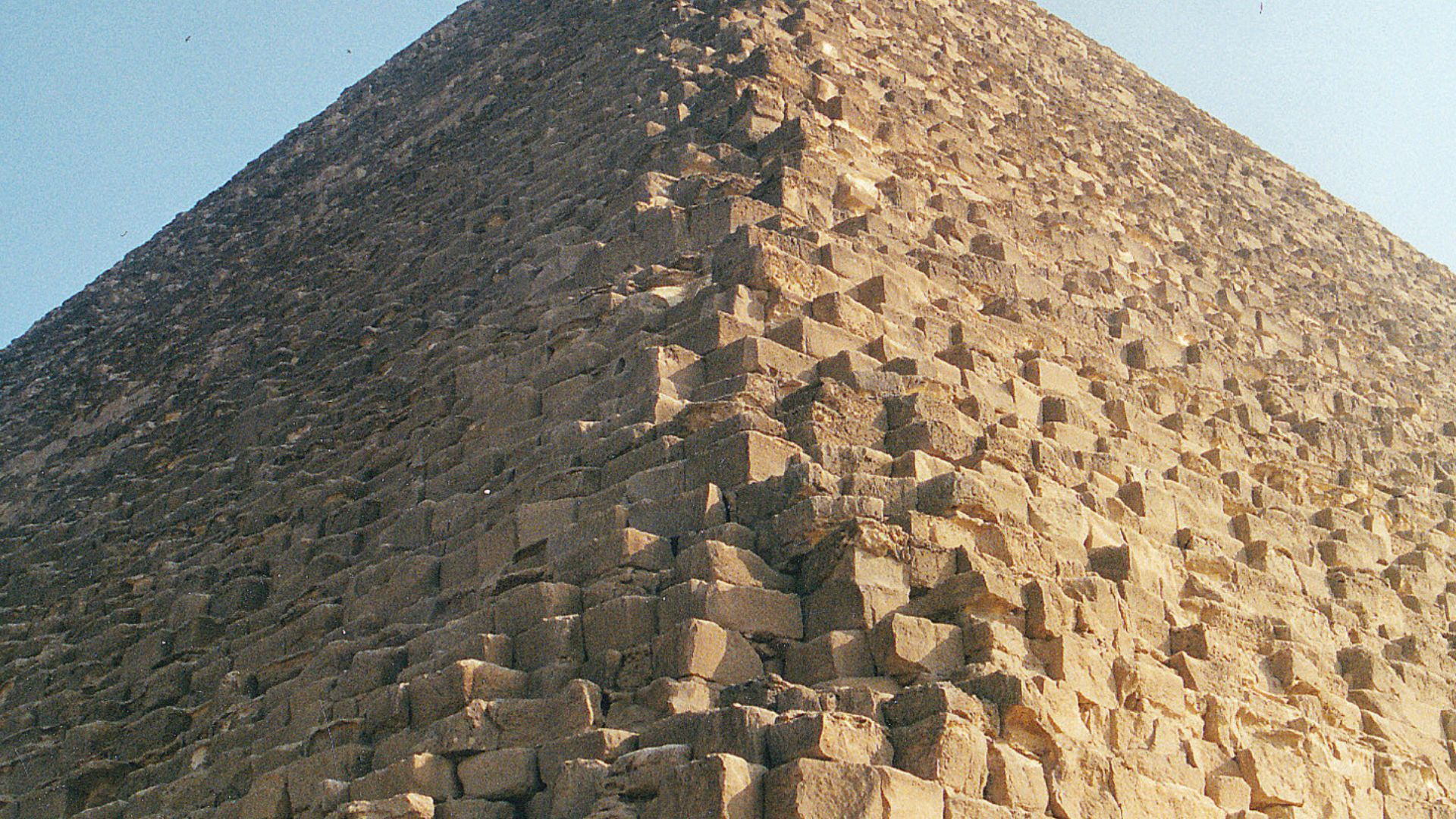 Peter van der Sluijs, Wikimedia Commons
Minya Itself Was Historically Significant
Ancient Minya, then called Oryx, was a major administrative and religious center in Middle Egypt. It was home to temples dedicated to Thoth, the god of wisdom and writing. Placing a giant royal colossus here wasn't random; it was a calculated political move to stamp royal authority on one of Egypt's most important internal regions.
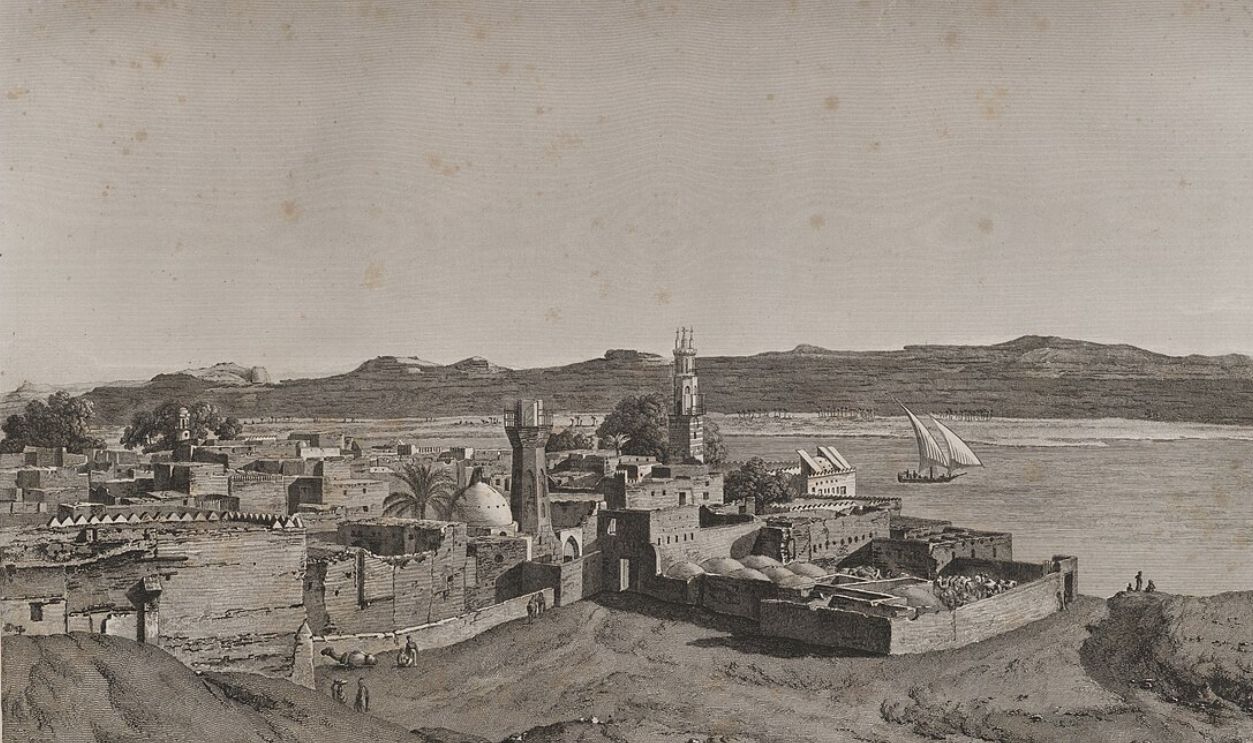 Impr. imperiale, Wikimedia Commons
The Block's Abandonment May Have Been Sudden
The tunnels below the block weren't completed, and the statue's outline was chiselled, but the full carving hadn't begun. This points less to a planned cancellation than to a sudden halt—possibly a change in reign, a shift in resources, or an engineering problem that was discovered too late.
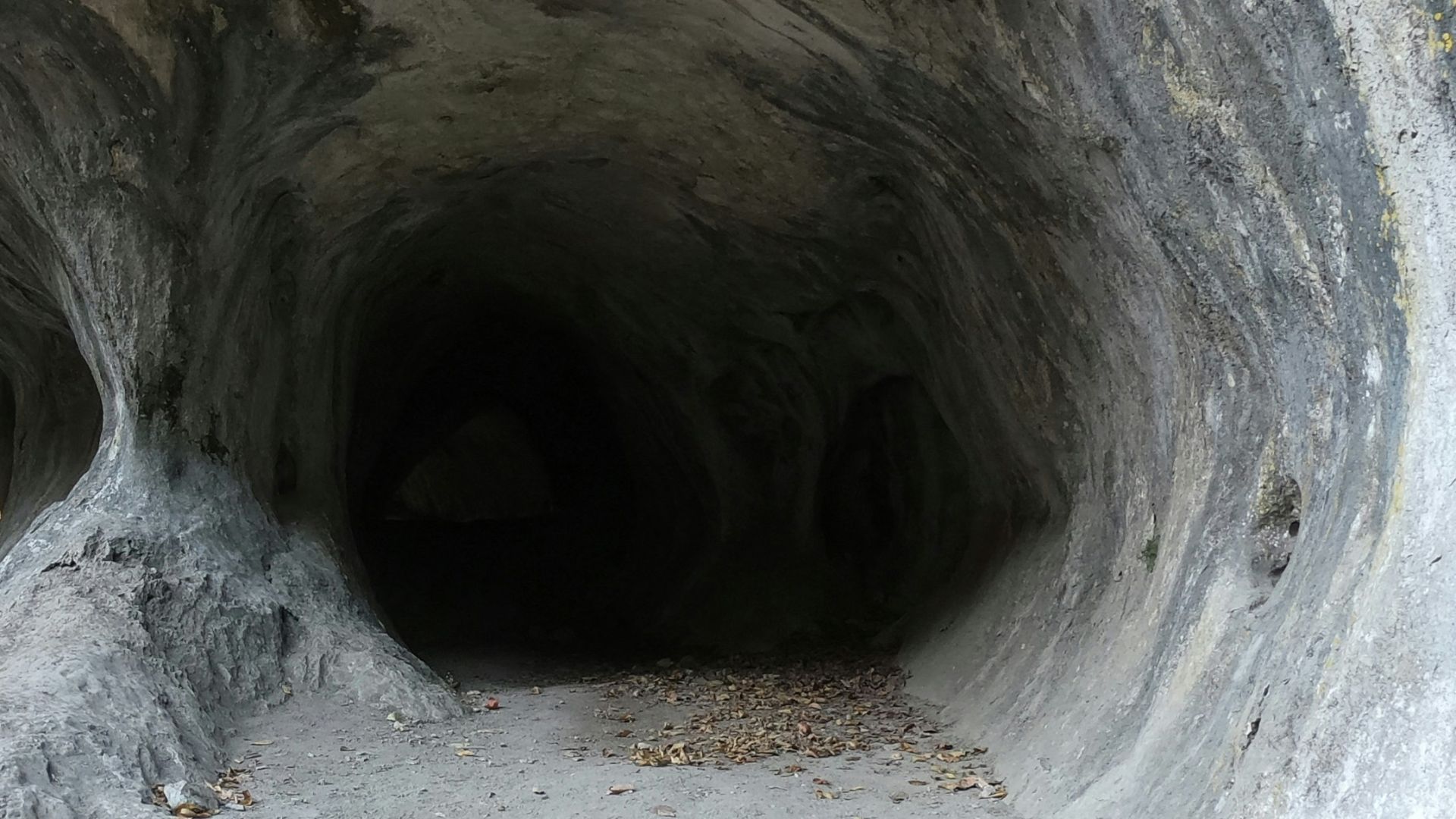
It's Bigger Than The Aswan Unfinished Obelisk Too
The Unfinished Obelisk at Aswan, visited by most tourists, weighs about 1,090–1,200 tons and measures 131 feet. The Minya block is heavier. Yet Aswan’s obelisk is on UNESCO’s World Heritage List and internationally recognized, while Minya’s massive block remains largely unknown beyond specialist circles.
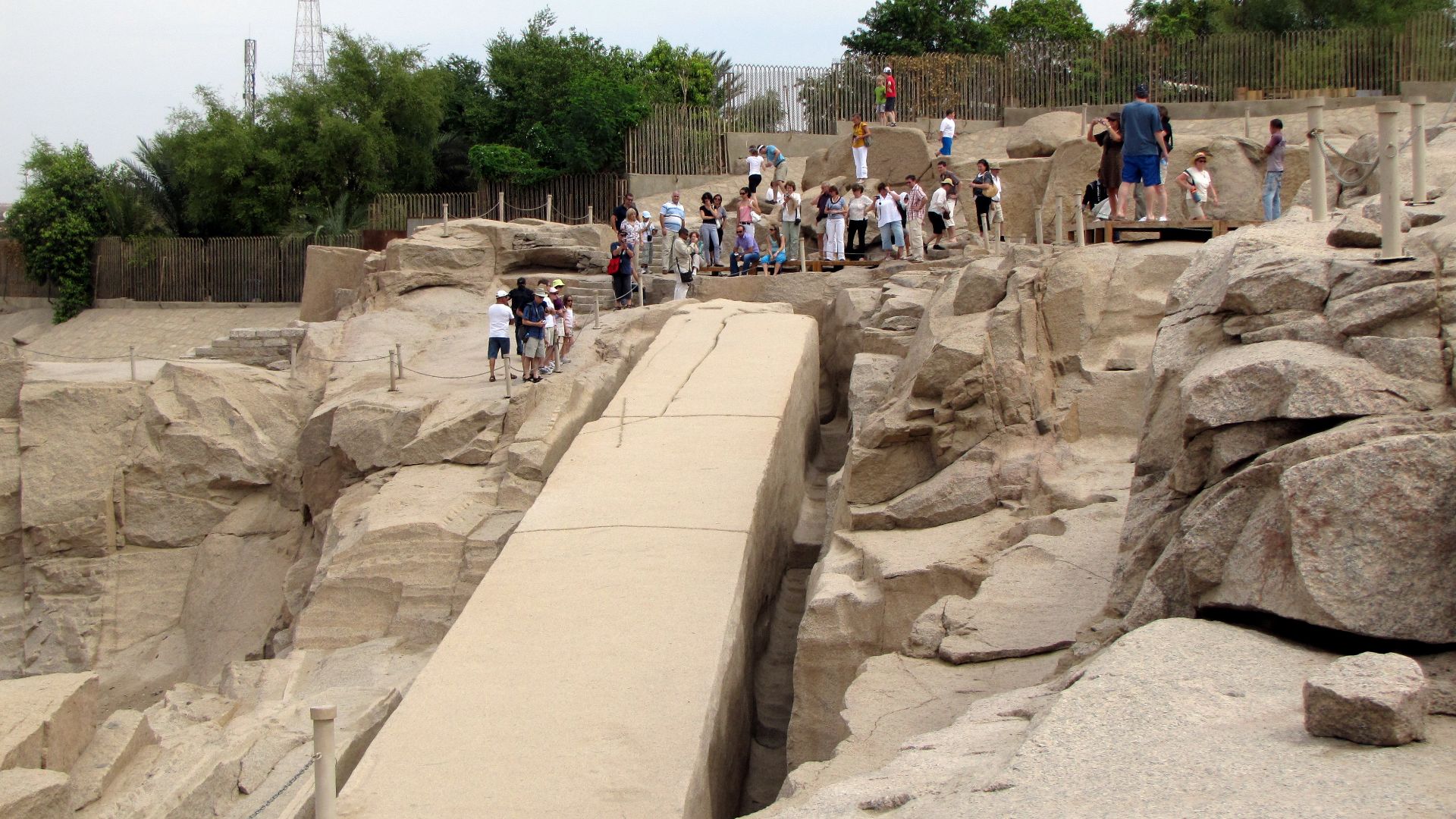 David Berkowitz from New York, NY, USA, Wikimedia Commons
This Stone Challenges What We Think We Know
The conventional story about ancient Egyptian construction is that the engineers were brilliant, and they were, but always working within understood limits. The Minya block pushes against those limits so hard that it raises a genuine question: Were the ancient builders themselves uncertain whether they could actually move it?
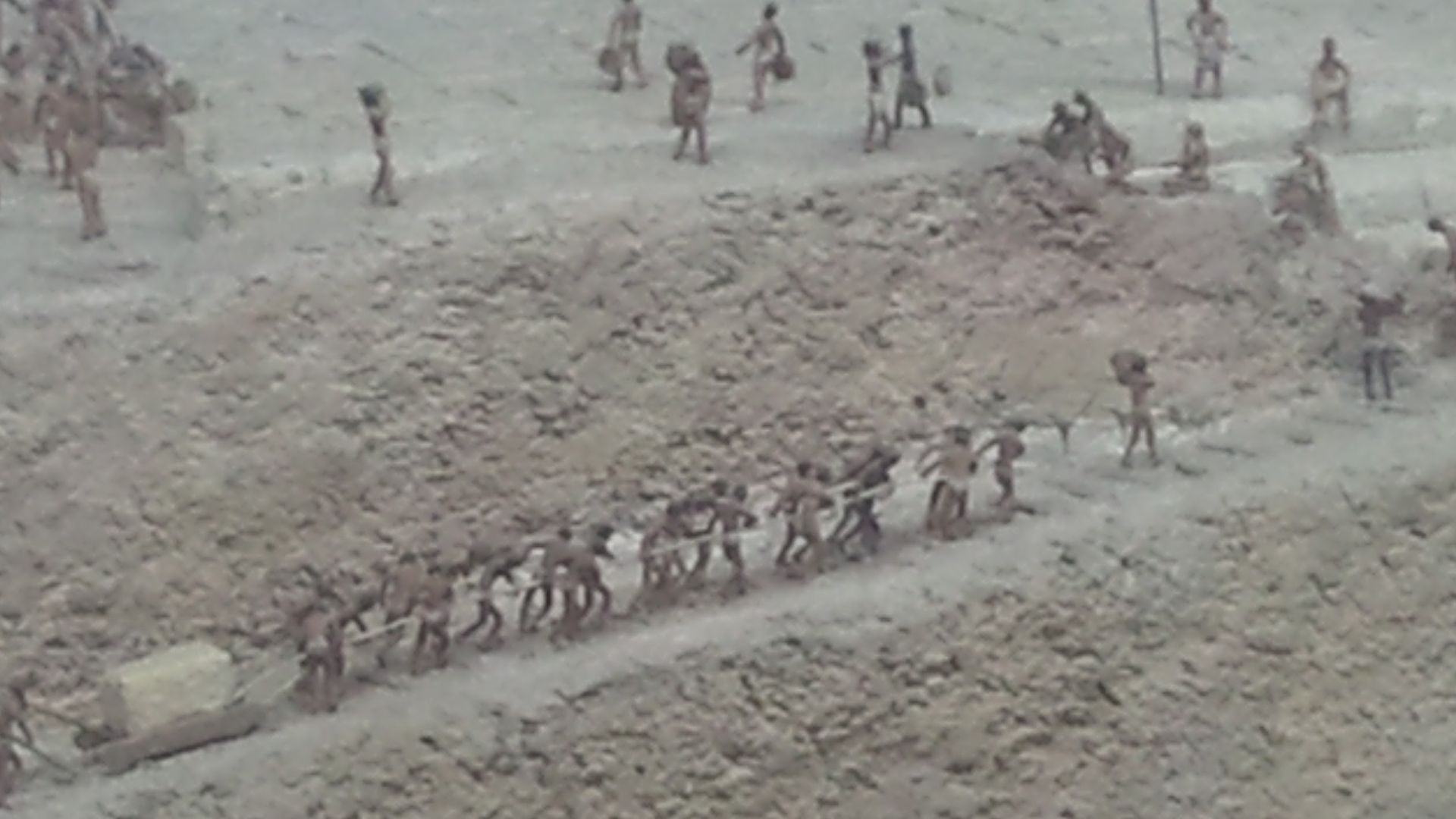 EgorovaSvetlana, Wikimedia Commons
There Are No Inscriptions Or Labels
Unlike nearly every other major Egyptian monument, this block carries no royal cartouche, no dedication text, no hieroglyphic label identifying its purpose. That absence is unusual. Egyptian builders almost always marked their work. The silence here makes it even harder for Egyptologists to date this truly monumental project precisely or confirm who commissioned it.
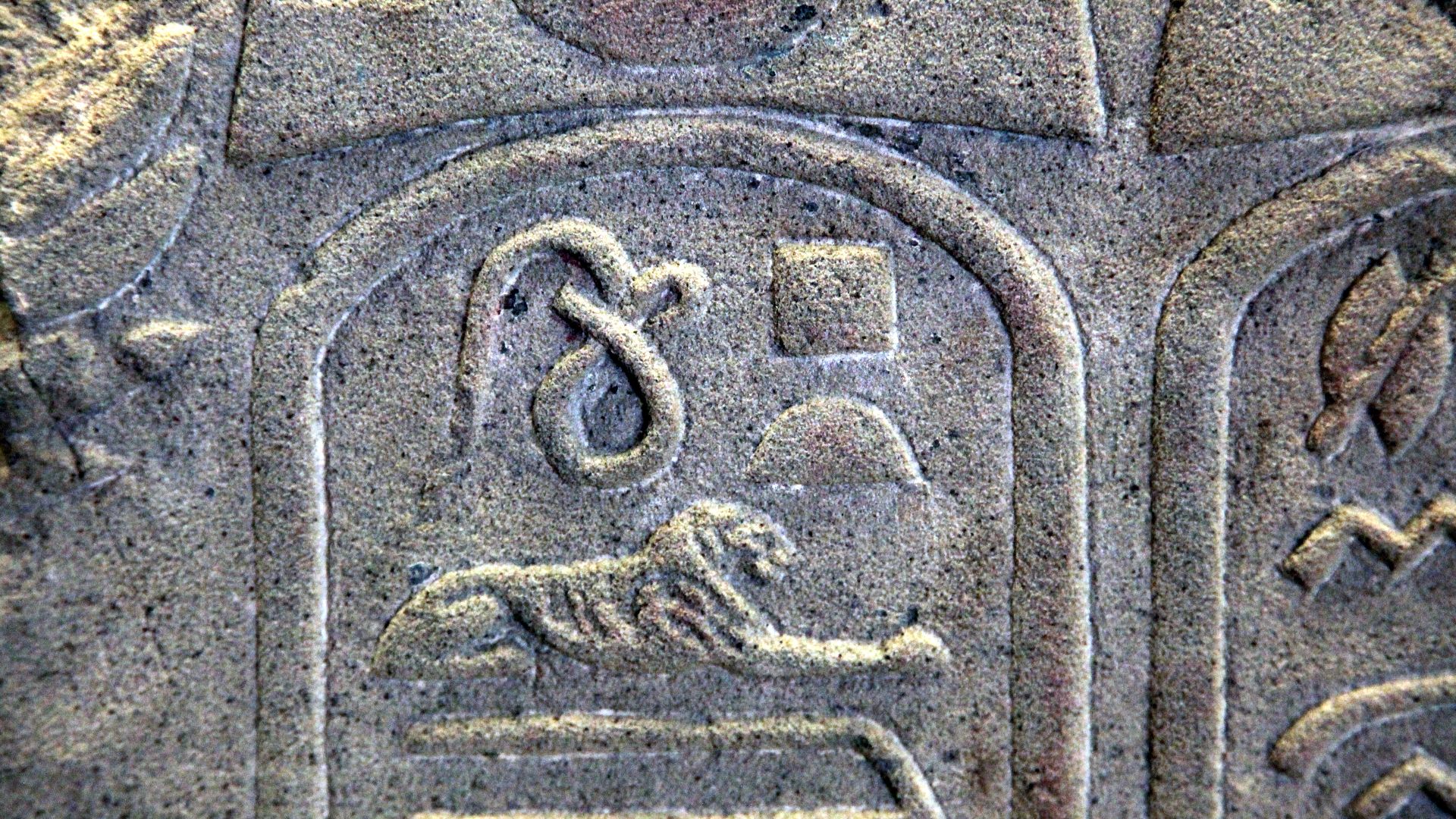





._Vue_de_la_ville_et_de_la_chaine_arabique,_prise_du_couchant_(NYPL_b14212718-1268715).jpg)