Clues Buried In Sand
Sand preserves and erases at the same time. For all its monuments and inscriptions, Ancient Egypt still guards unanswered questions—missing people, lost knowledge, and clues that suggest parts of its story were never meant to be fully told.
Construction Of The Pyramids
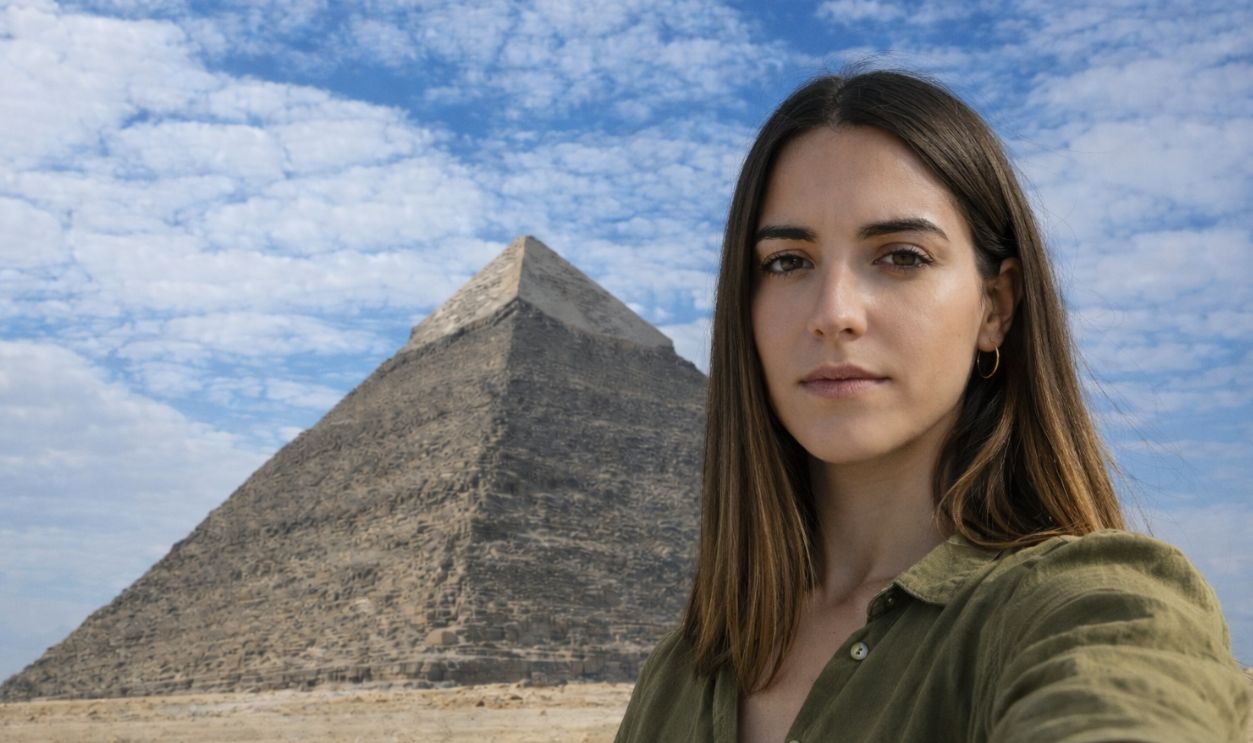
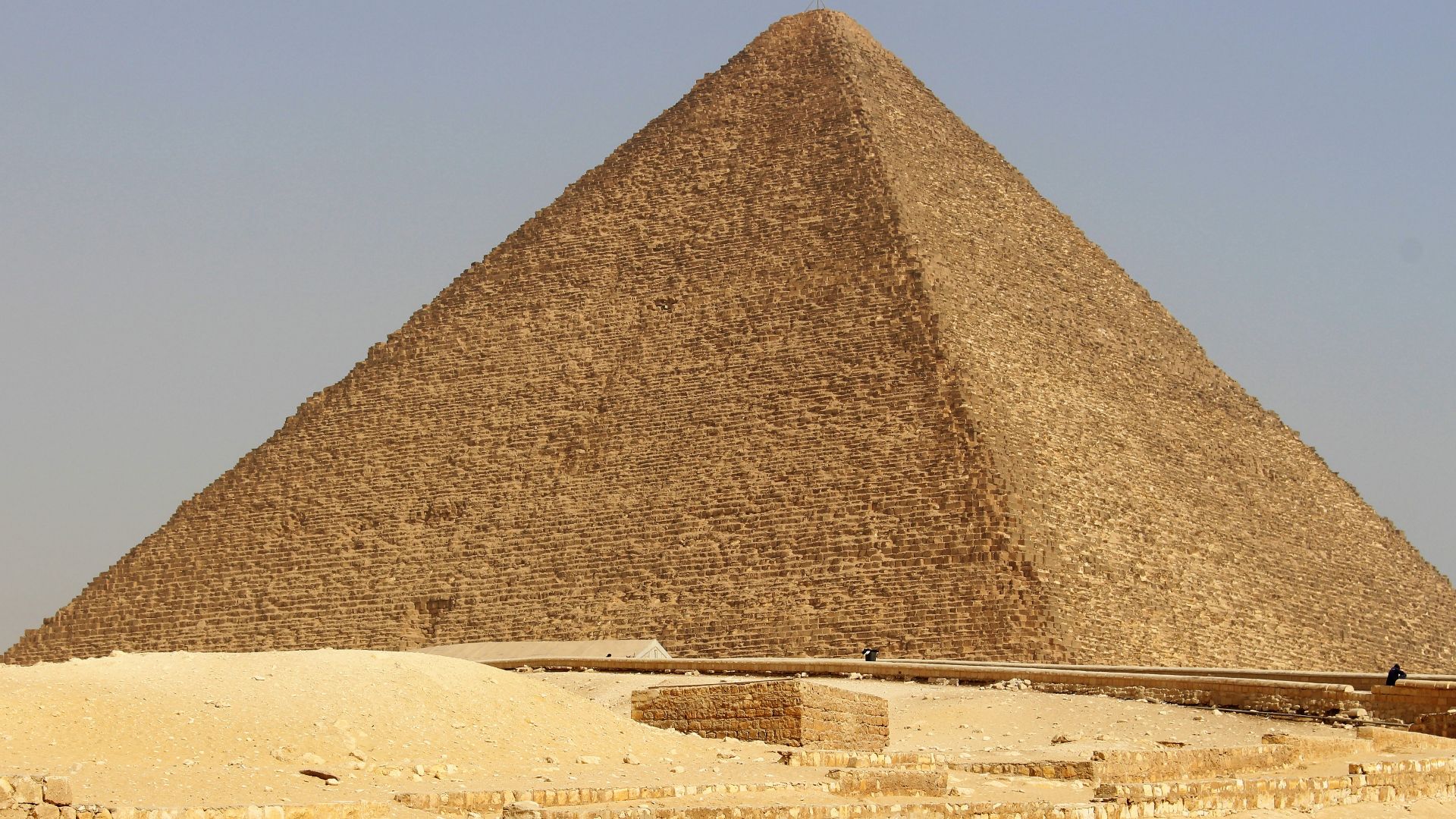
Ancient Egyptians somehow transported and stacked multi-ton stone blocks with incredible precision. While ramps are often suggested, solid proof is missing. What adds to the mystery is the Great Pyramid’s near-perfect alignment with the cardinal points, achieved without any surviving instructions or construction manuals.
 Emoke Denes, Wikimedia Commons
Purpose Of The Pyramids
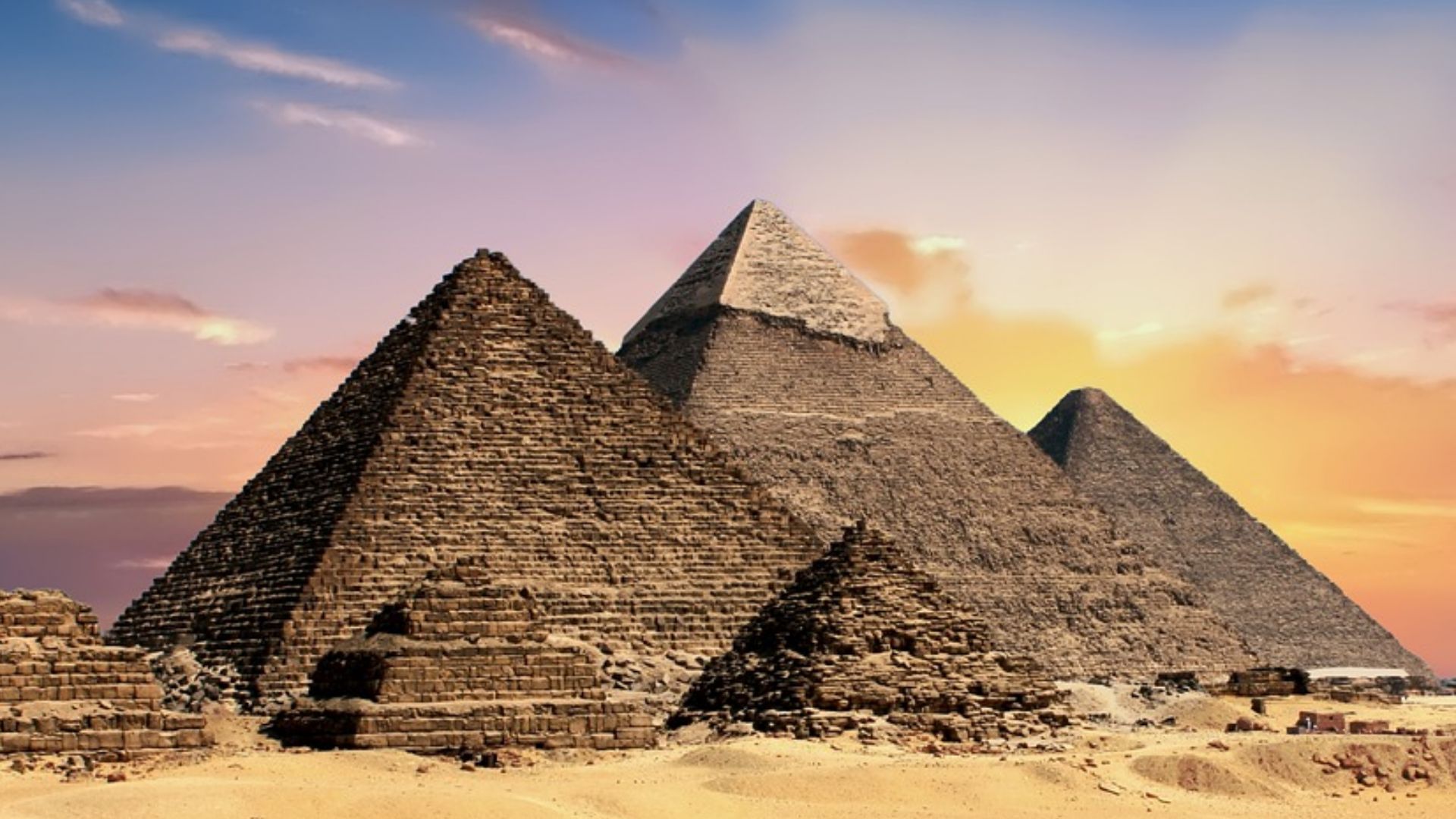
Pyramids are commonly described as royal tombs, but that explanation may not cover everything. Internal shafts line up with stars linked to Orion’s Belt, hinting at a deeper meaning. Many believe they symbolized cosmic balance or divine passageways.
Disappearance Of Queen Nefertiti
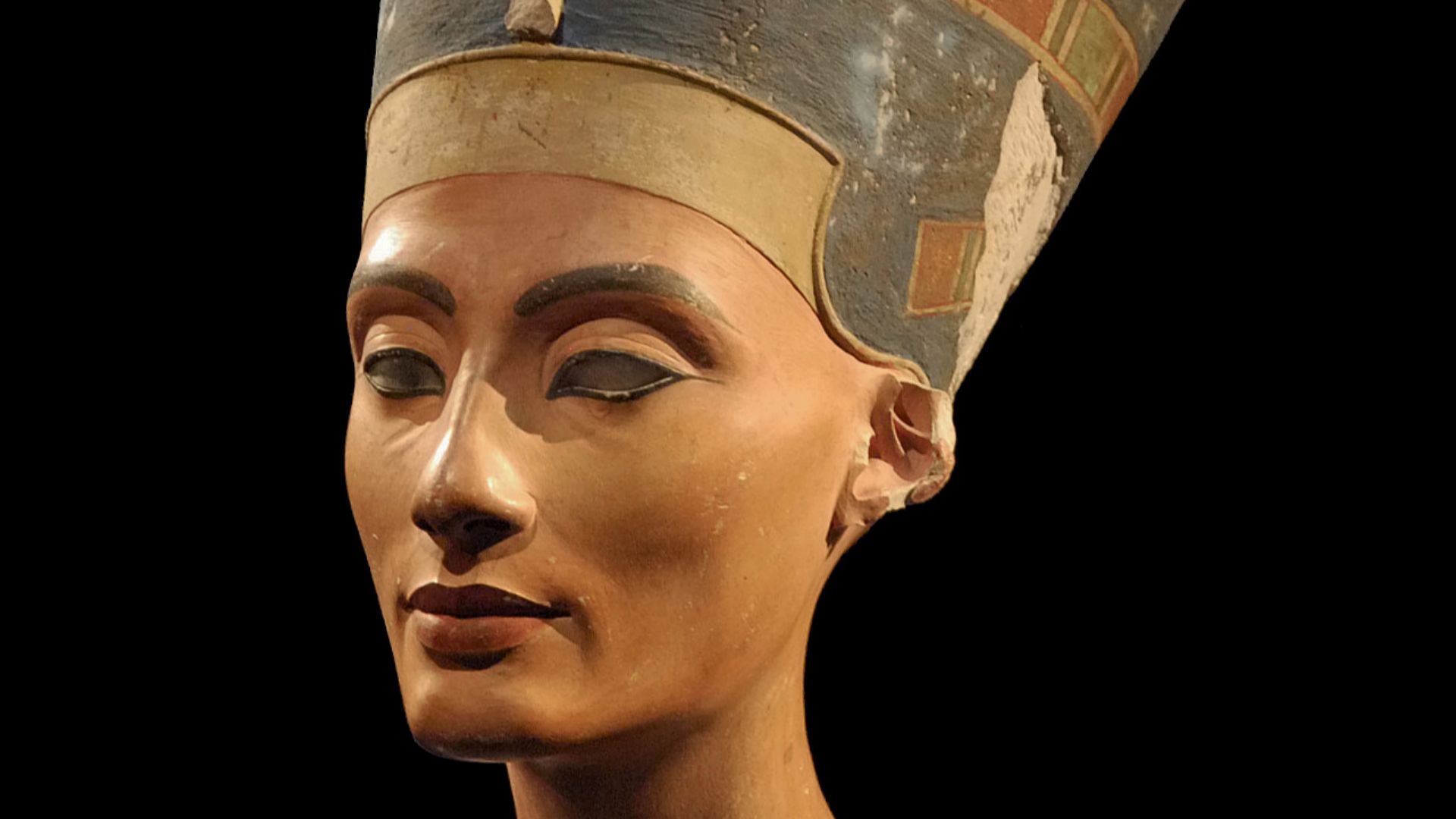
Queen Nefertiti, Akhenaten’s Great Royal Wife, remains one of Egypt’s most recognizable figures thanks to her famous bust from Amarna. Yet after her husband’s reign, she suddenly vanishes from historical records. With no confirmed tomb or remains found, theories about her fate continue to multiply.
 Philip Pikart, Wikimedia Commons
The Lost Labyrinth Of Hawara
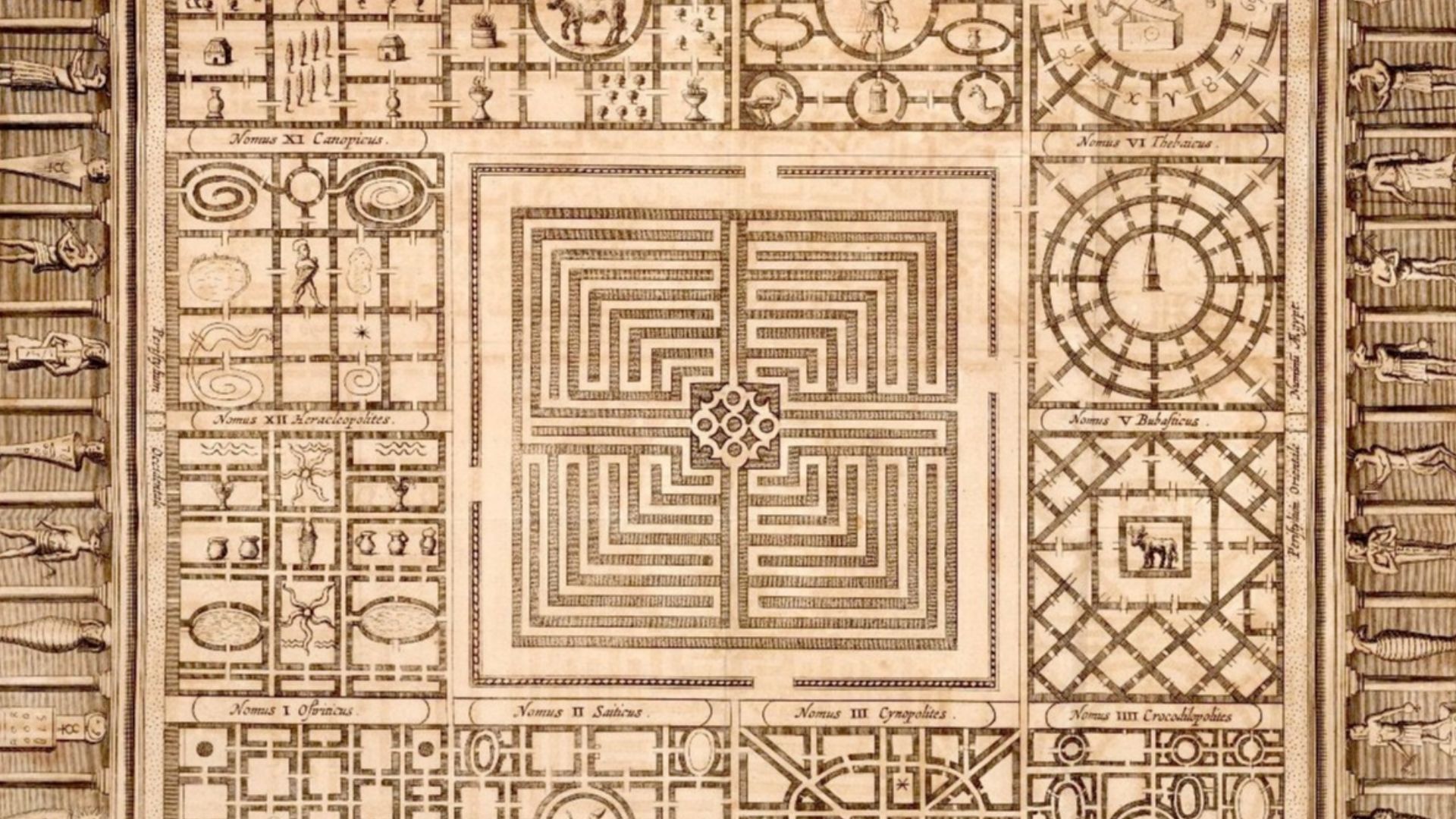
Ancient writers described the Labyrinth of Hawara as a massive complex with countless chambers, said to rival the pyramids. Linked to Amenemhat III near Fayoum, only fragments have been found. Its true role—temple, tomb, or something else—remains uncertain.
 Athanasius Kircher, Wikimedia Commons
The Sphinx’s Missing Nose
Standing for thousands of years, the Sphinx has lost one of its most defining features. The nose vanished long ago, and blame shifts between invading armies and religious destruction. Despite popular stories, historians still lack clear proof explaining what actually caused the damage.
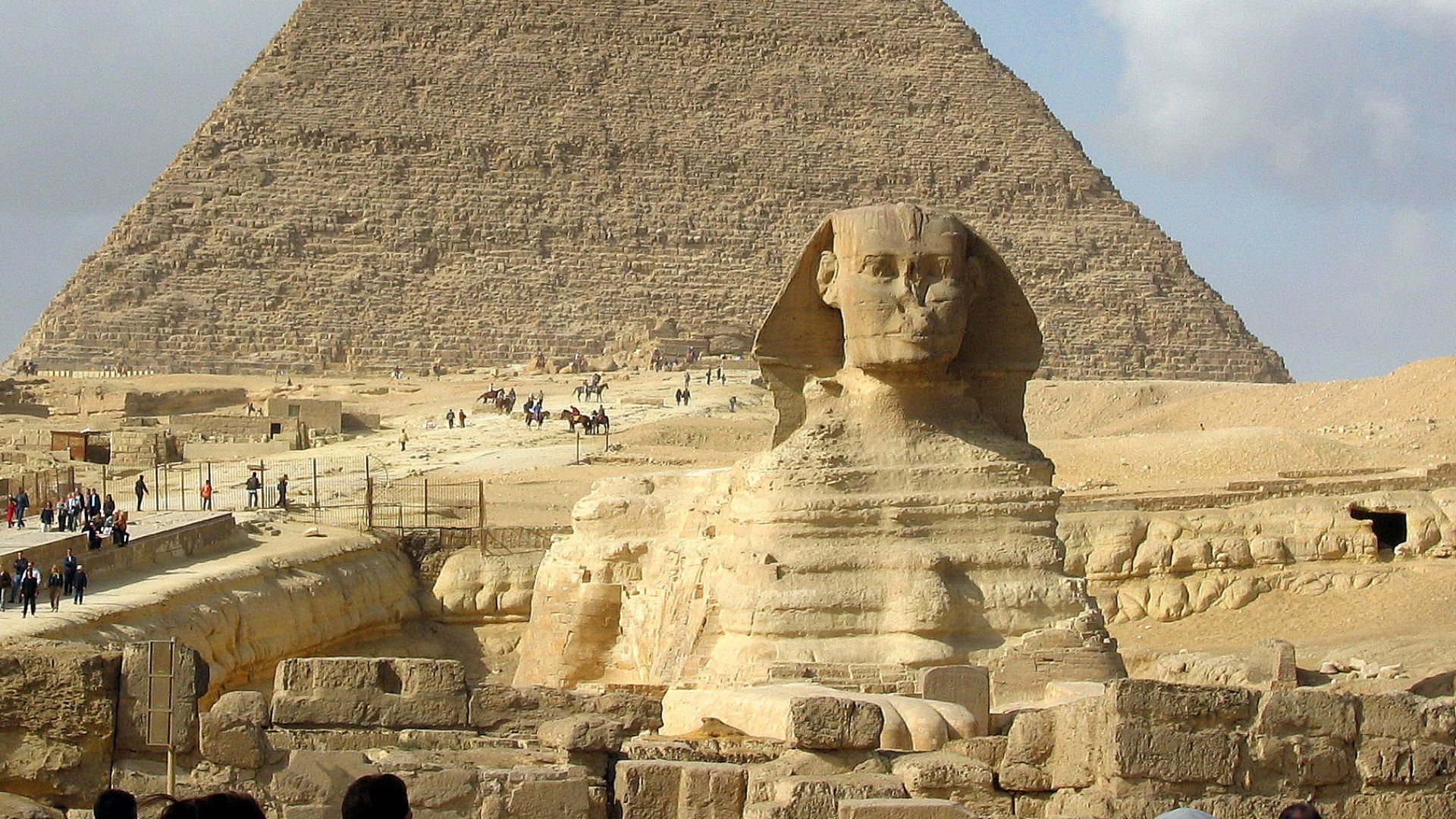 Most likely Hamish2k, the first uploader, Wikimedia Commons
Hidden Chambers In The Great Pyramid
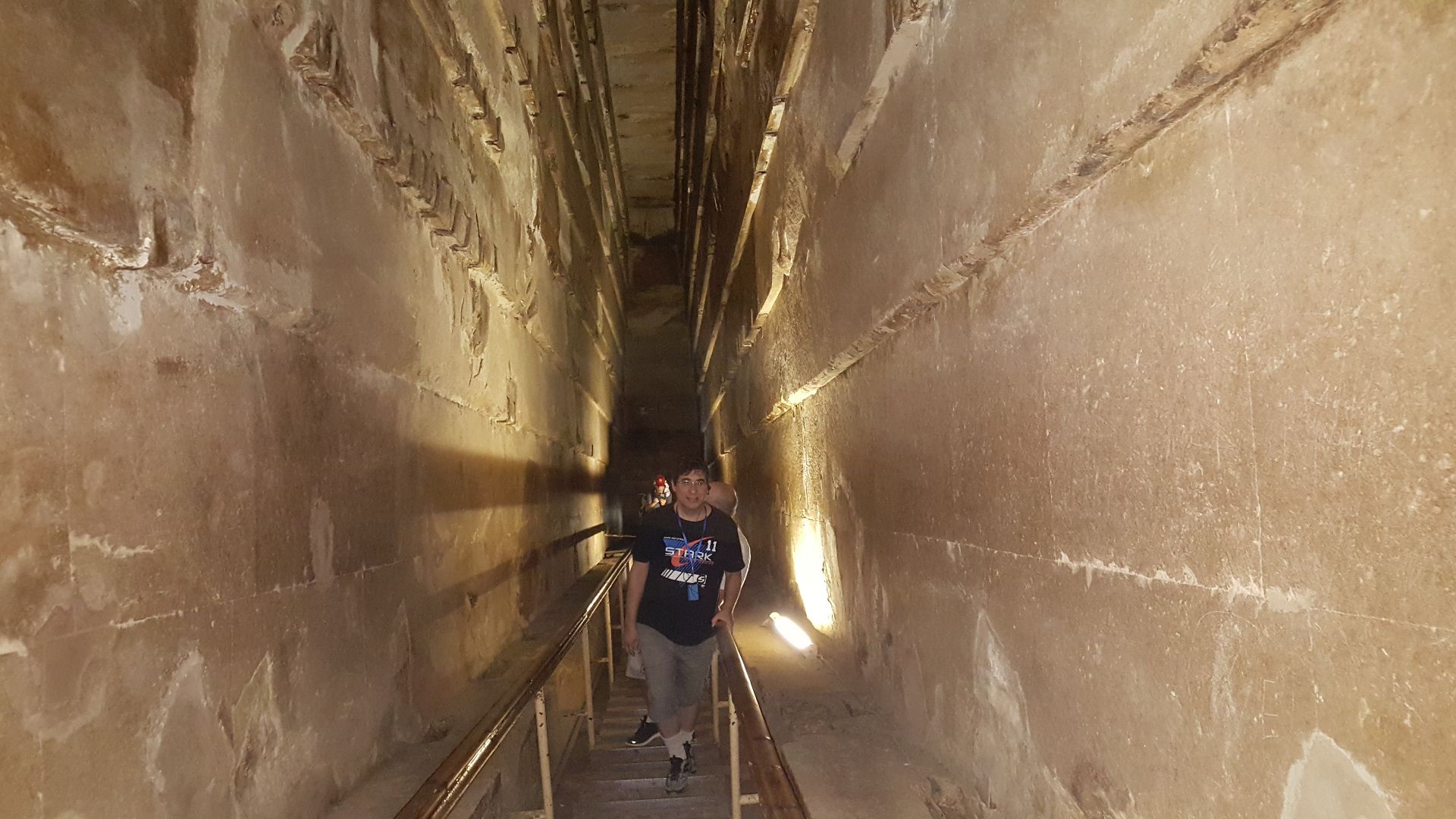
Modern technology has added new questions to an ancient monument. Muon scans show empty spaces within the Great Pyramid that were previously invisible. These hidden voids may be chambers or passageways, but their function remains speculative.
Origins Of Hieroglyphs
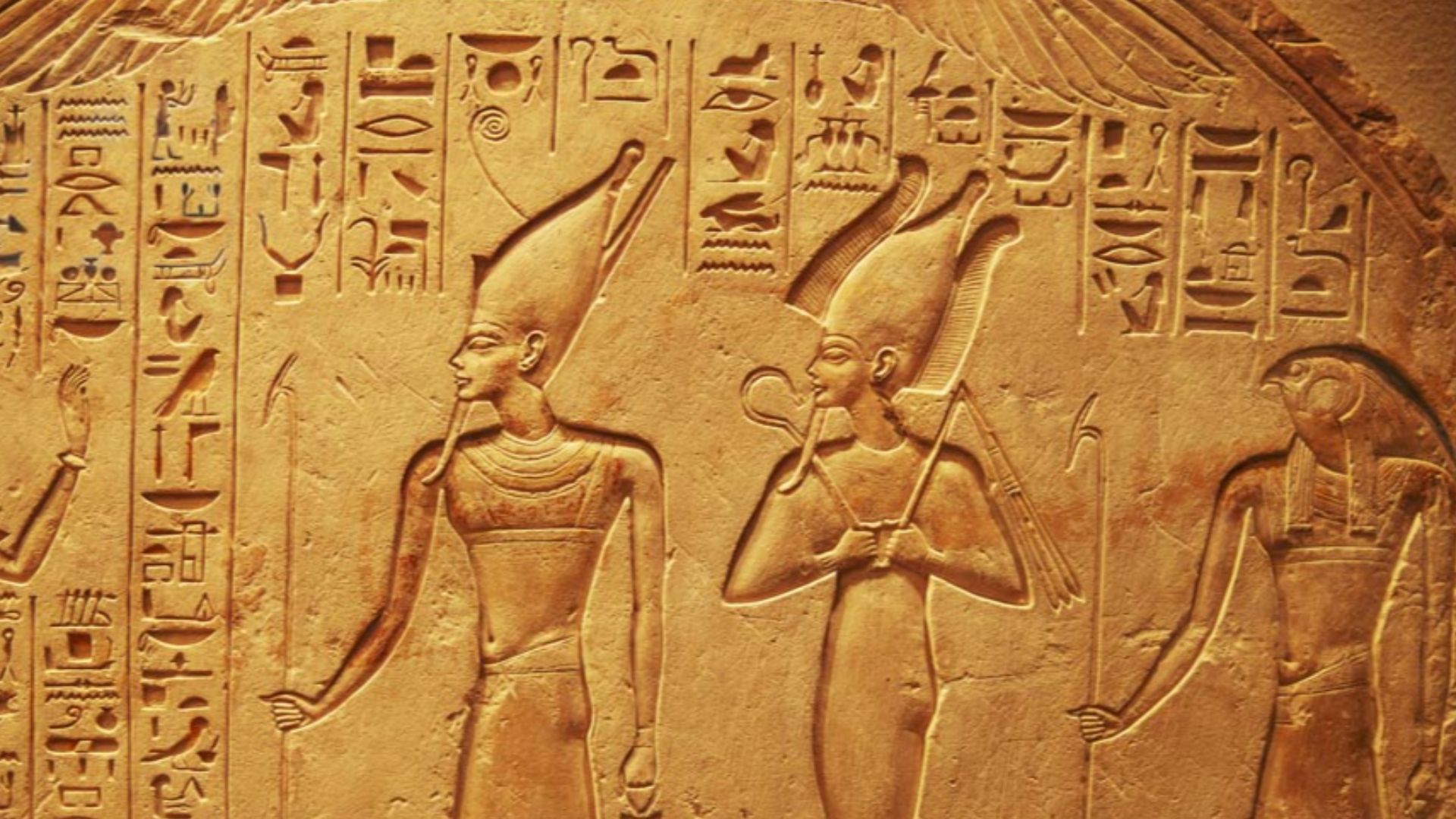
One of Egypt’s earliest surprises is how advanced hieroglyphs were from the start. Appearing around 3100 BCE, they used an extensive symbol set with no clear trial phase. The question remains whether this writing system was uniquely Egyptian or shaped by outside contact.
The Sphinx’s True Age
Most historians date the Great Sphinx to around 2500 BCE, linking it to Pharaoh Khafre. However, some geologists argue that erosion patterns suggest it could be far older. Claims of water erosion remain disputed, which leaves the Sphinx’s true age an open and heated debate.
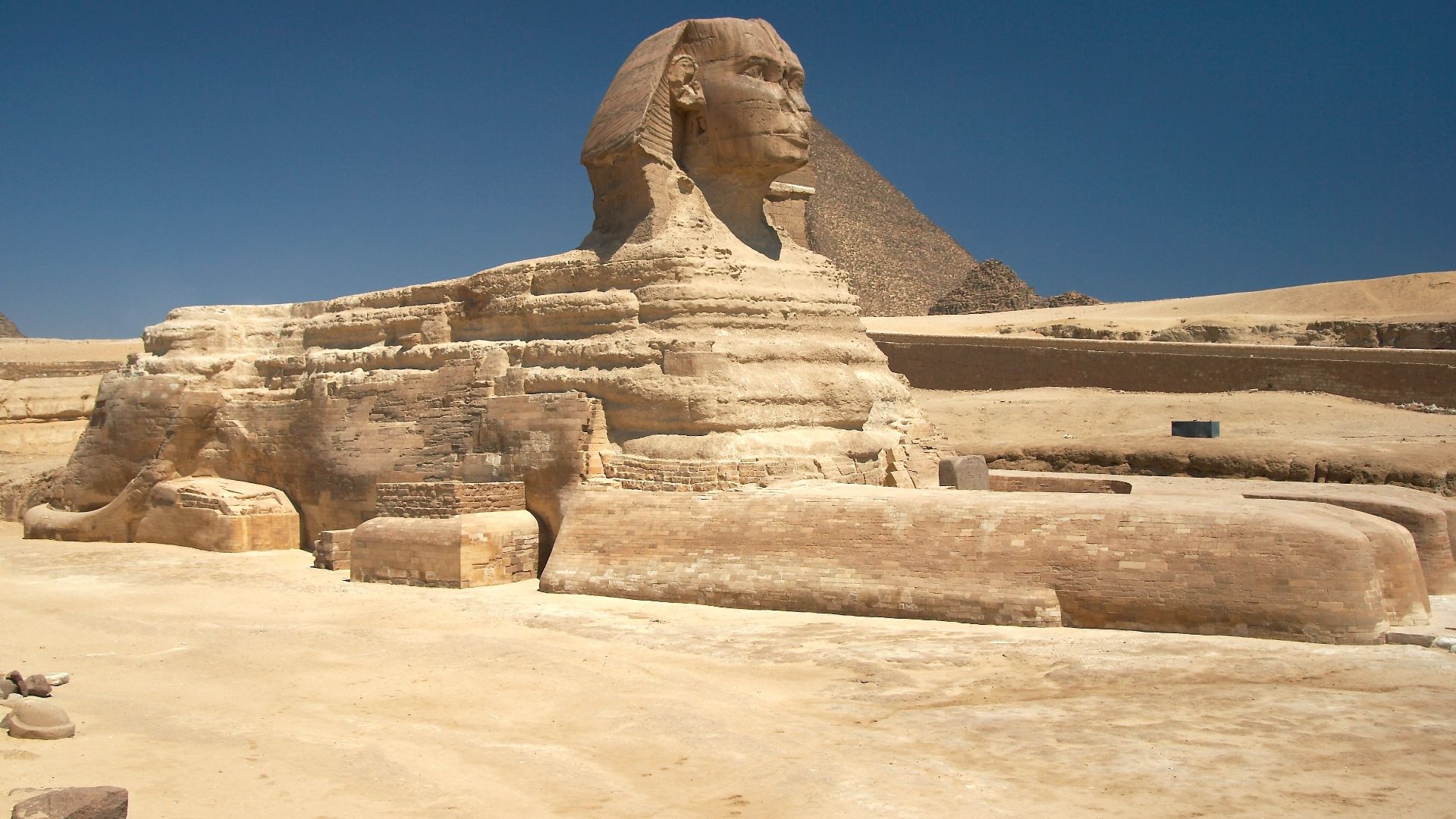 Taken by the uploader, w:es:Usuario:Barcex, Wikimedia Commons
The Curse Of The Pharaohs
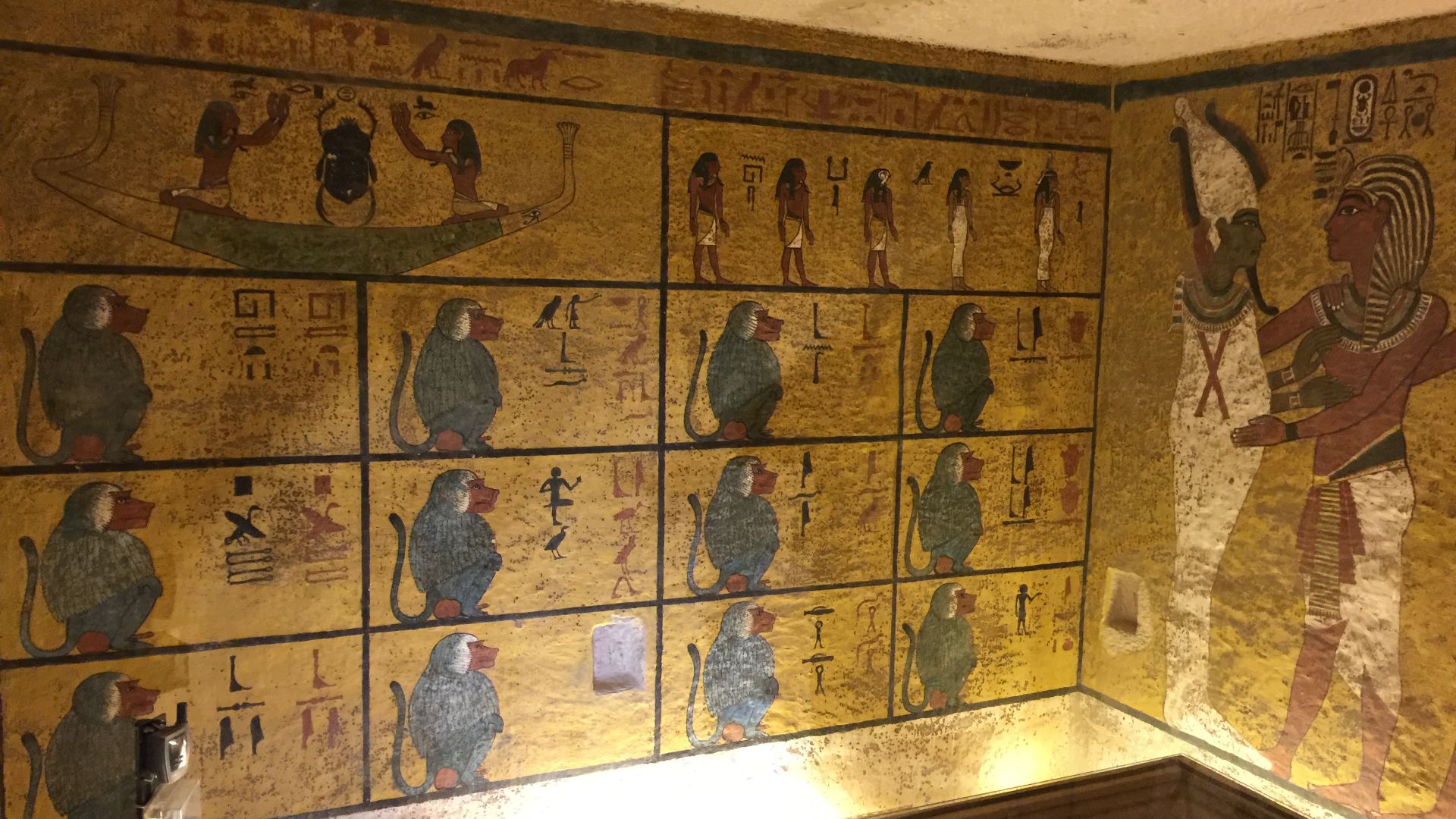
Stories of a deadly curse gained fame after the opening of Tutankhamun’s tomb, when several people involved later died. While science suggests mold or bacteria as explanations, the idea of a supernatural warning captured public imagination and refuses to fade.
 EditorfromMars, Wikimedia Commons
The Lost Tomb Of Cleopatra
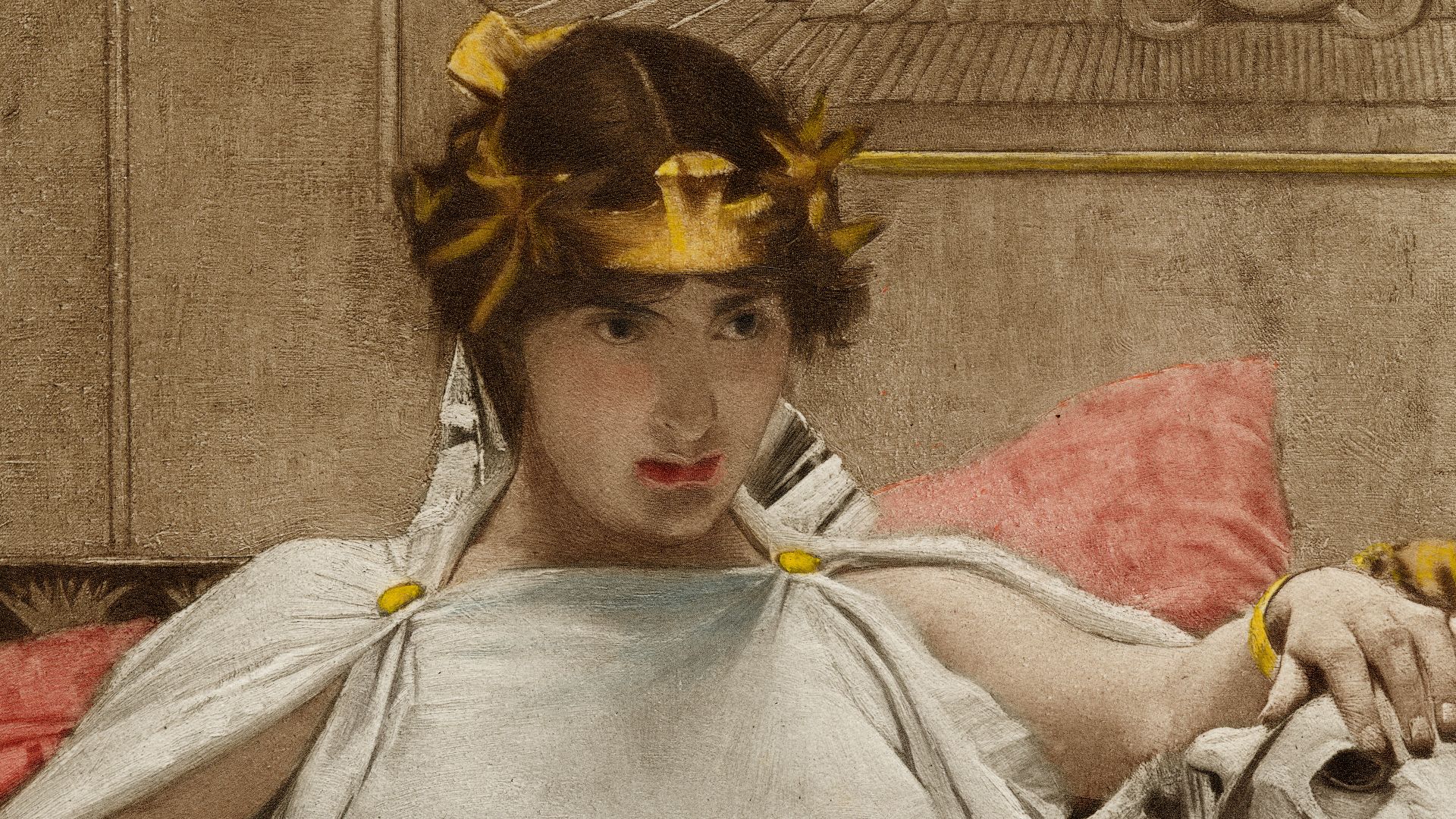
Few historical figures are as well documented as Cleopatra, yet her tomb has never been located. Texts hint at a burial near Alexandria with Mark Antony—a powerful Roman general, ally of Julius Caesar, and later Cleopatra’s partner—but archaeology hasn’t caught up.
 John William Waterhouse, Wikimedia Commons
The Solar Boats Of Khufu
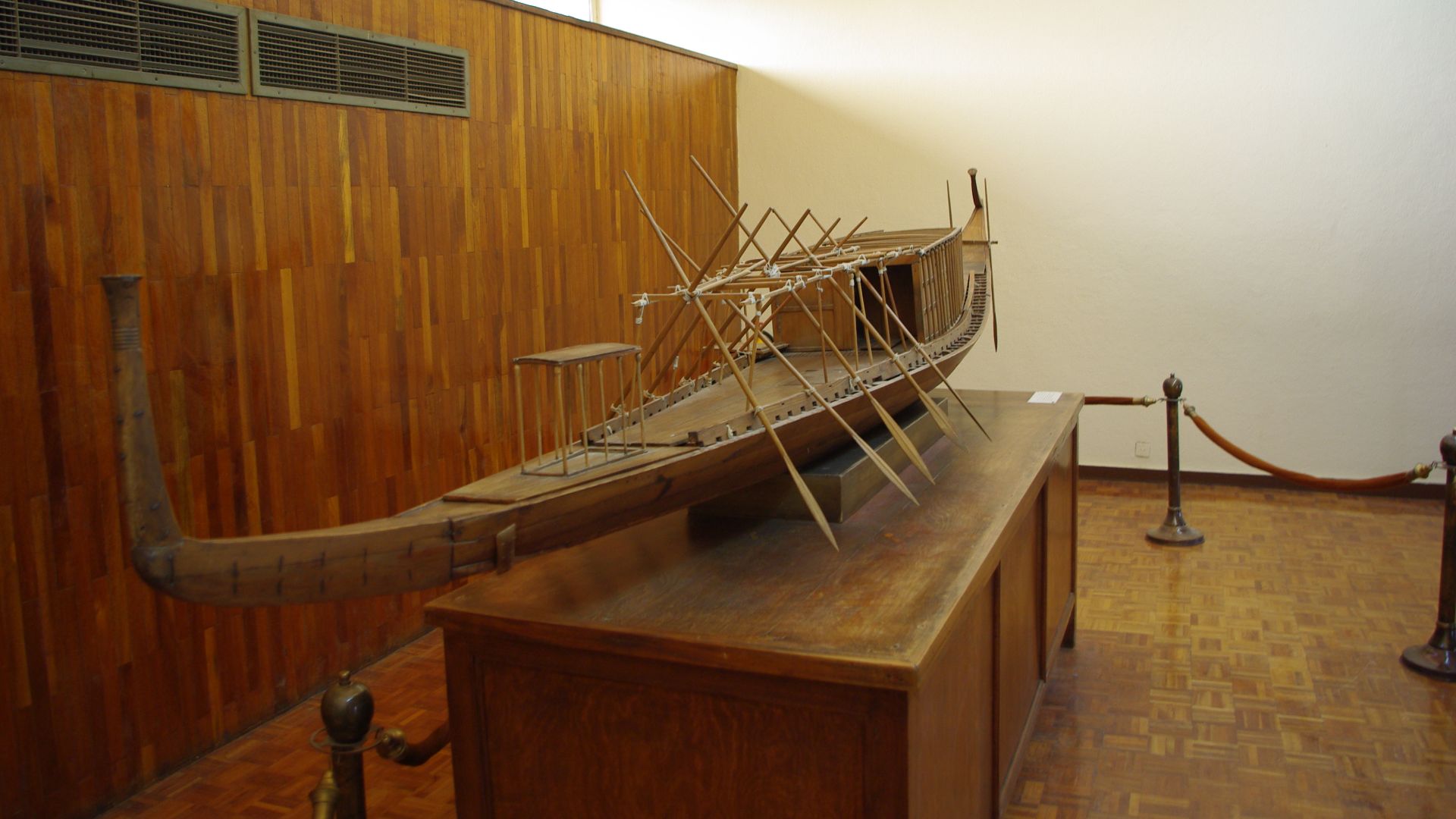
Why ancient Egyptians buried massive wooden boats beside the Great Pyramid is still debated. Found dismantled near Khufu’s pyramid, these vessels were built without nails and linked to the pharaoh’s journey beyond death. Their size and precision suggest techniques far more advanced than expected for the time.
 WLU (t) (c) Wikipedia's rules:simple/complex, Wikimedia Commons
Disappearance Of Ankhesenamun
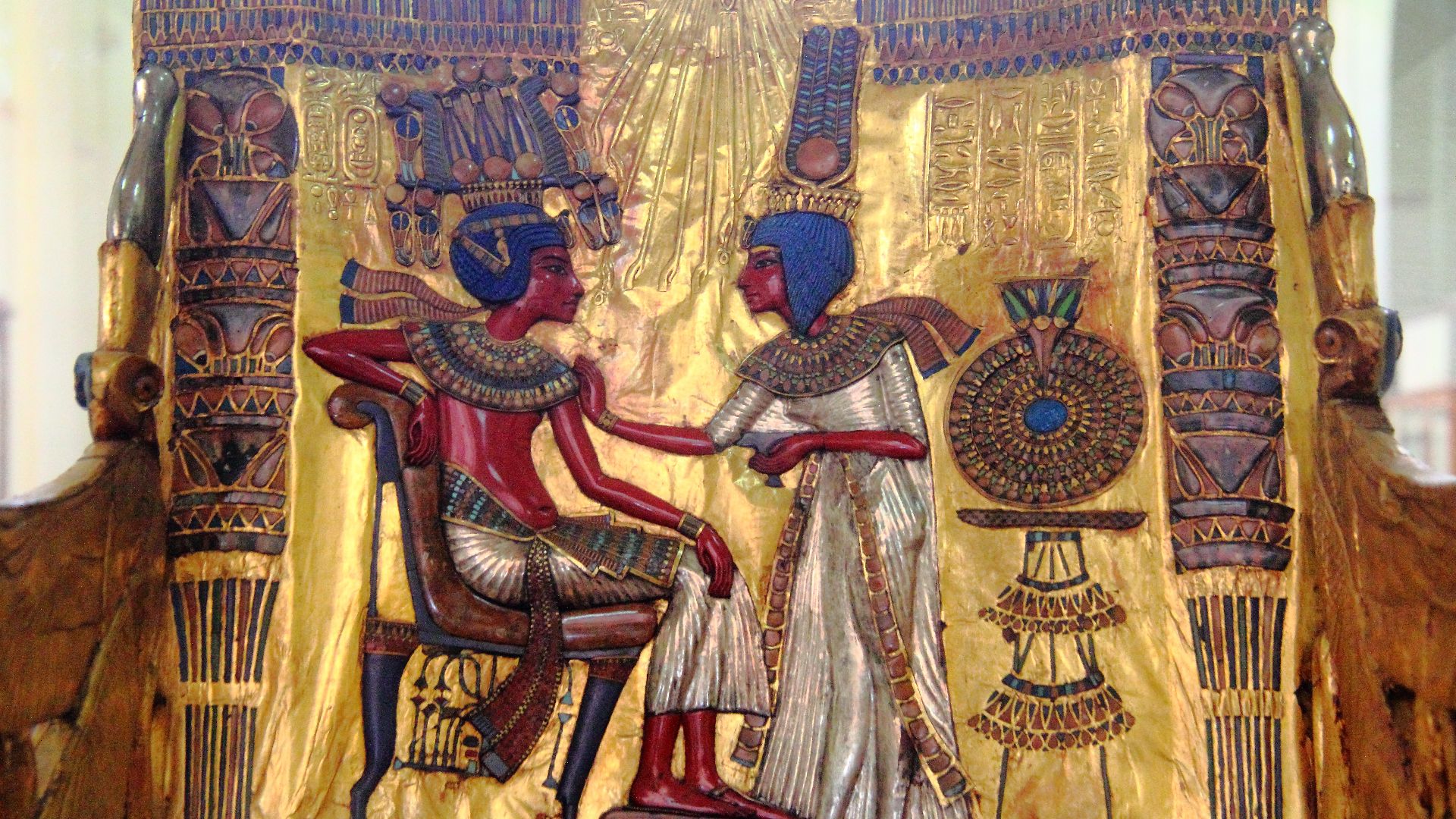
History falls strangely silent around Ankhesenamun after the death of the Egyptian pharaoh Tutankhamun. Married young and once central to royal power, she briefly appears in records suggesting a political shift, then vanishes entirely. The absence of her tomb deepens uncertainty around what truly happened to her.
The Dendera Light
The mystery of the Dendera Light begins with its unusual shape. Carved figures appear to hold bulb-like objects, inviting bold theories about electricity. Egyptologists, however, read these scenes as symbolic storytelling rooted in religious belief.
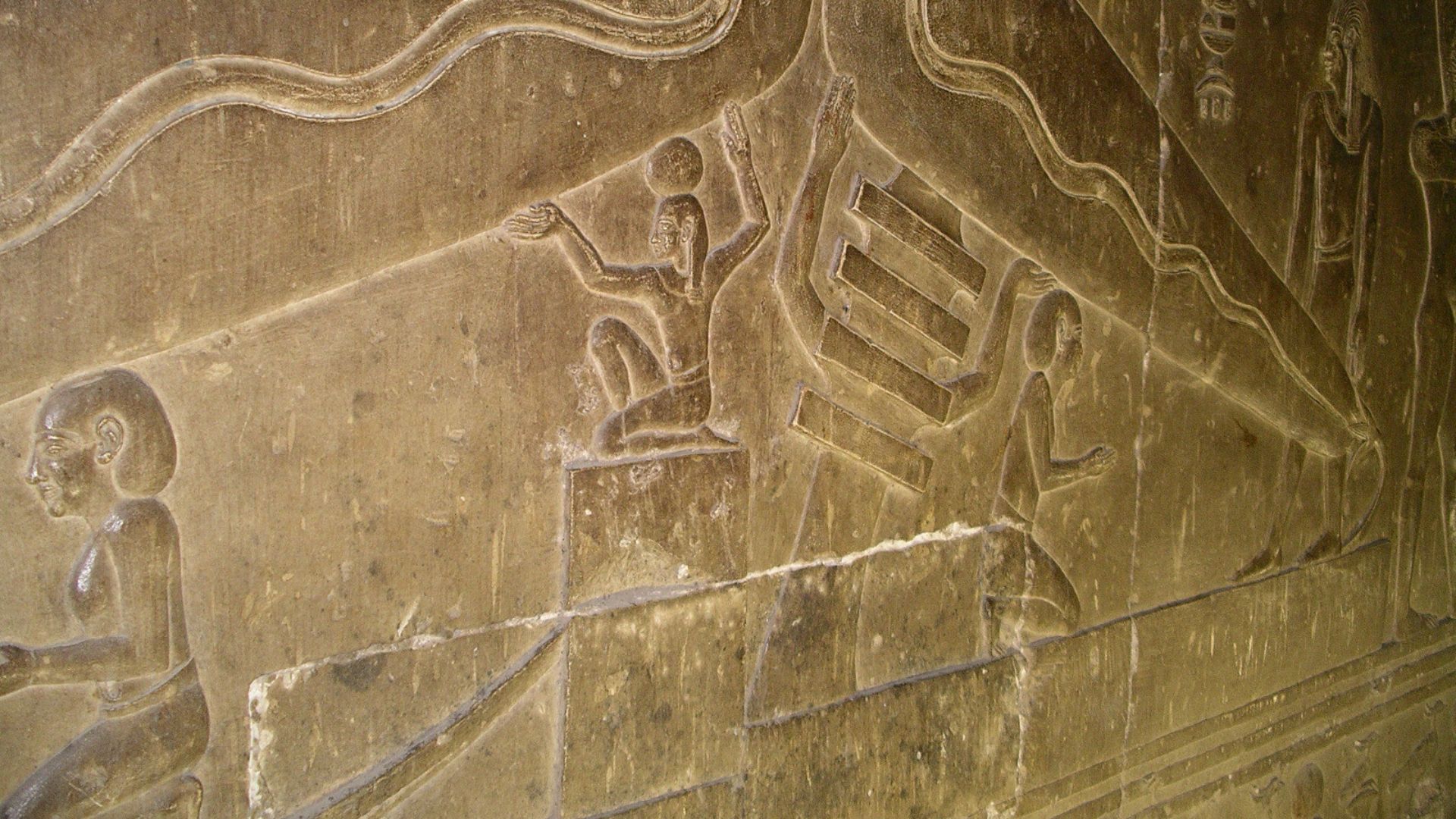 The original uploader was Twthmoses at English Wikipedia., Wikimedia Commons
The Lost City Of Tanis
Tanis emerged as a major political center before slowly disappearing from prominence. Archaeologists uncovered impressive structures, which suggest long-term importance. Environmental changes, including river movement, likely played a role, but no single explanation fully accounts for why the city was ultimately abandoned.
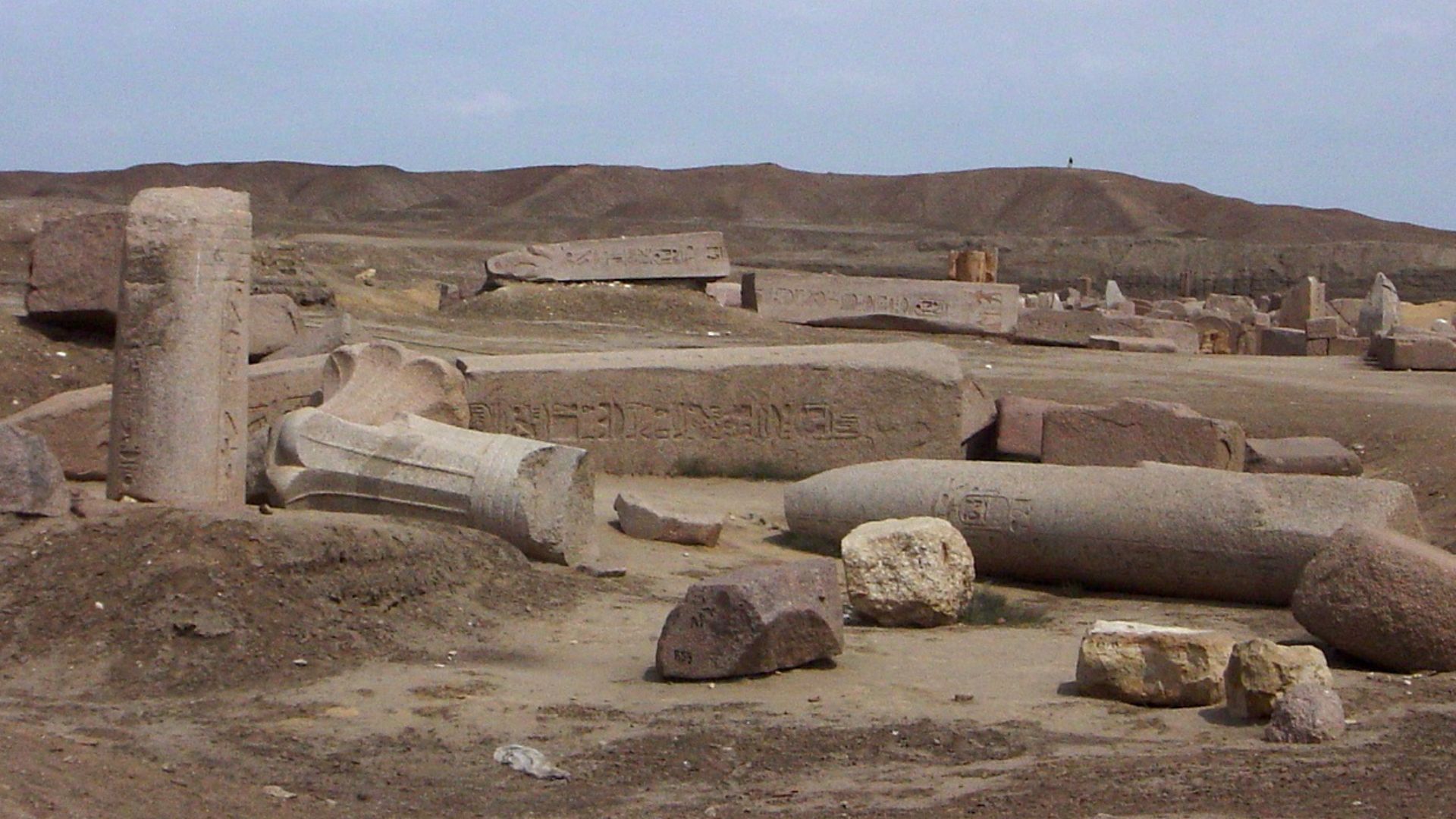 Original uploader was Markh at en.wikipedia, Wikimedia Commons
The Black Pyramid Of Amenemhat III
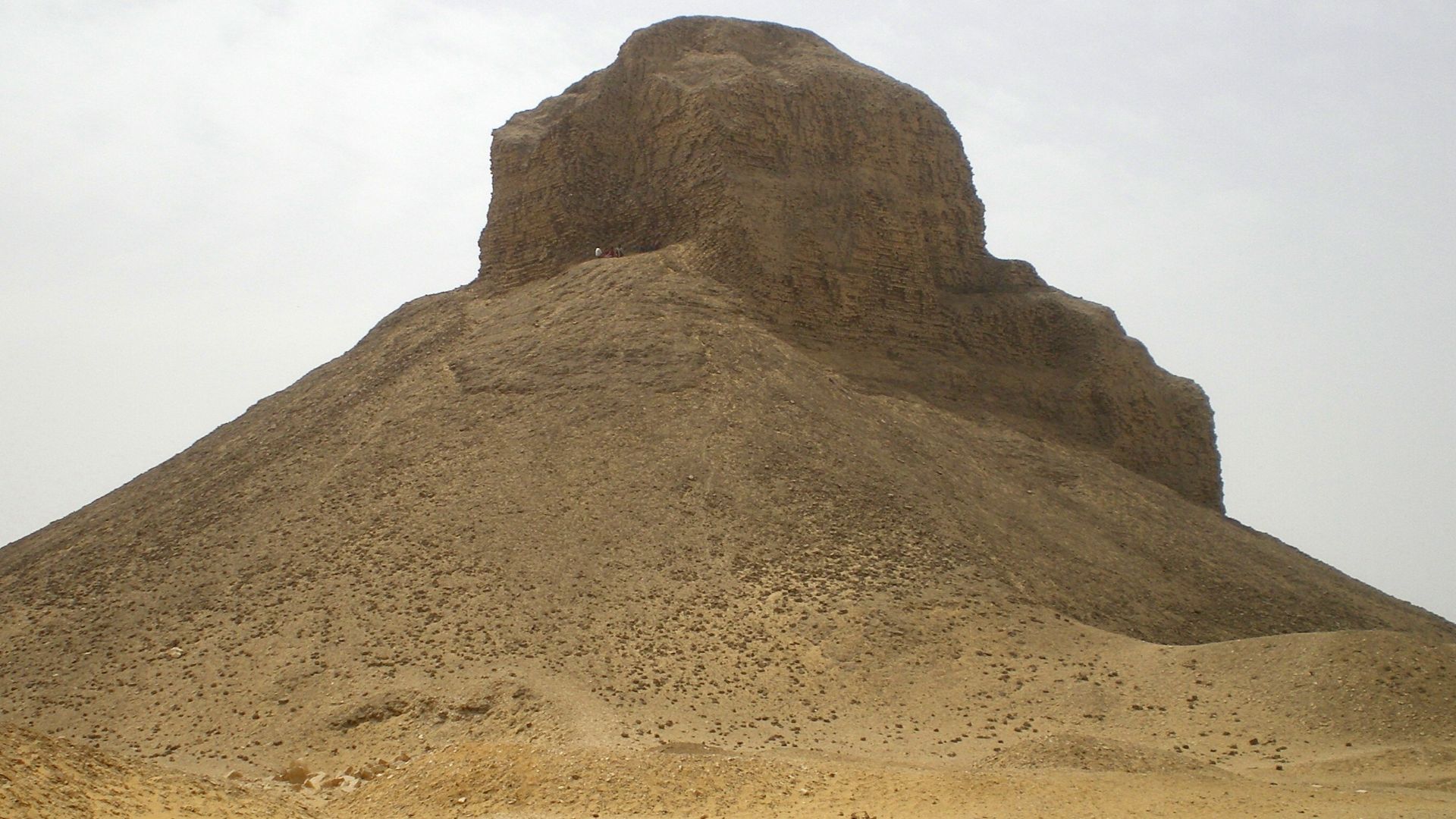
The Black Pyramid stands out for the wrong reasons. Constructed during Amenemhat III’s reign, its mudbrick interior proved unable to support the weight above. Structural failure followed quickly, and historians still struggle to explain why such an unstable design was used for a royal monument.
The Mummy Of KV55
The discovery of the KV55 mummy raised immediate questions about royal identity. Found in the Valley of the Kings, DNA evidence points to close ties with Tutankhamun’s family. Some believe the remains belong to Akhenaten, though conflicting clues have kept the debate unresolved.
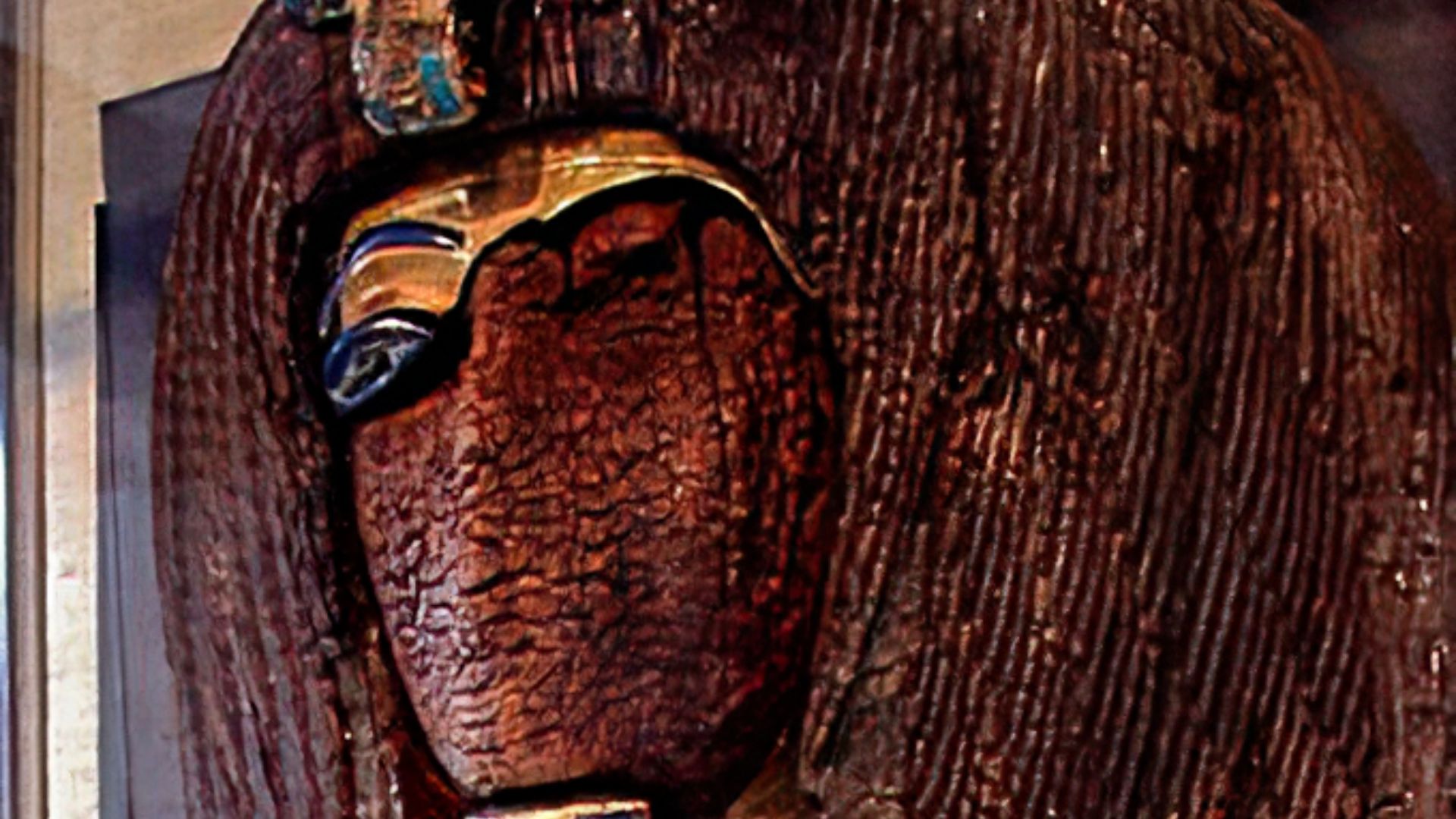 Hans Ollermann, Wikimedia Commons
The Rosetta Stone’s Missing Pieces
Even the most famous translation key has its own mystery. While the Rosetta Stone links Greek, Demotic, and hieroglyphs, damaged areas limit what can be read. The absence of those sections hints that more insight into ancient writing may have been lost forever.
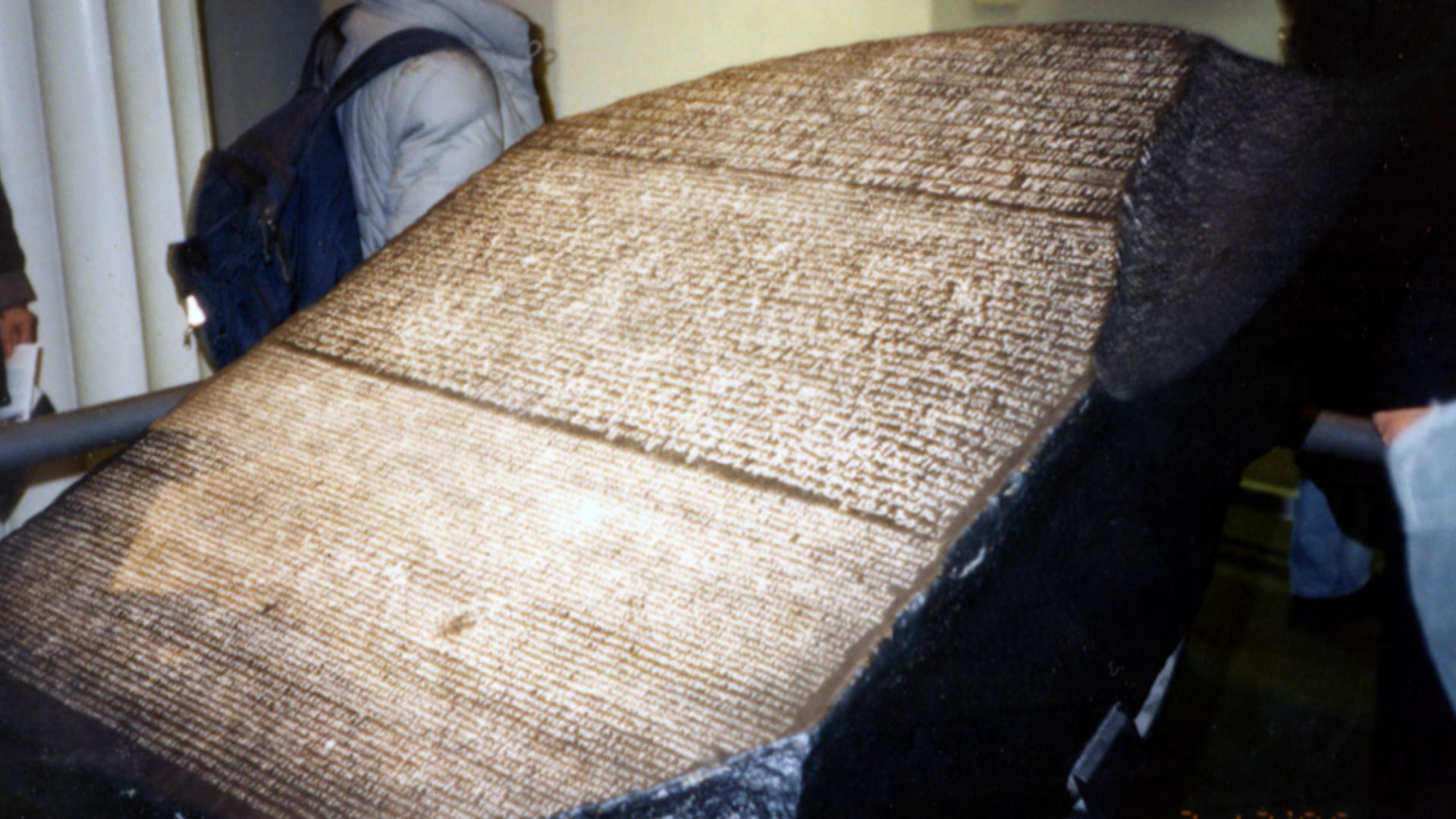 InSapphoWeTrust from Los Angeles, California, USA, Wikimedia Commons
The Tomb Of Imhotep
Imhotep rose from royal architect to divine figure, designing Djoser’s Step Pyramid before later being worshipped as a god of medicine. Despite his importance, no confirmed tomb has been found. Many believe it lies somewhere in Saqqara, though repeated searches have come up empty.
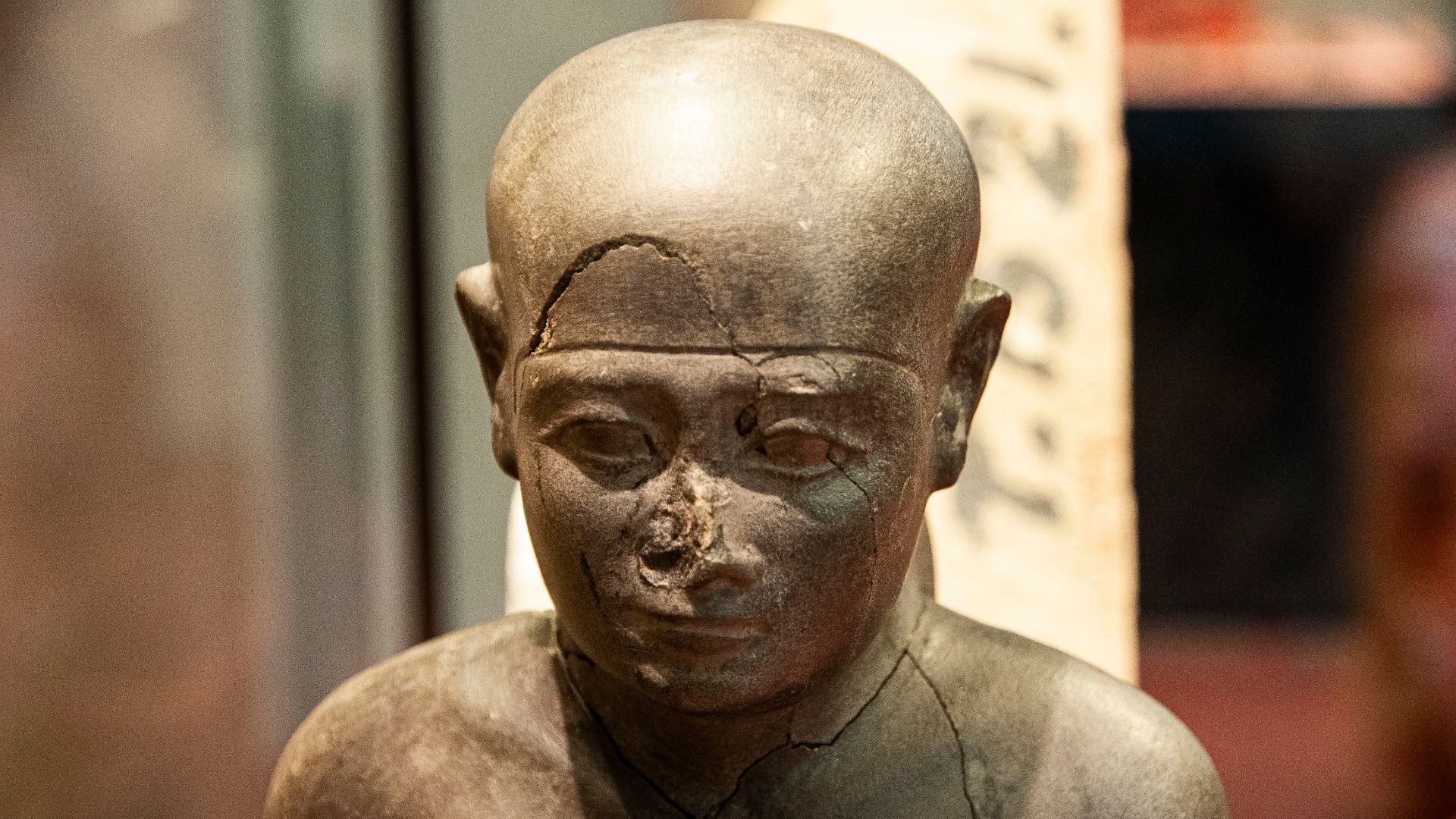 Photographie Andre Alliot, Wikimedia Commons
The Famine Stela
Carved centuries after Djoser’s rule, the Famine Stela raises immediate questions about accuracy. It tells of prolonged drought and divine intervention tied to Khnum, the god of creation. The mix of historical names and symbolic language makes it difficult to separate recorded memory from spiritual narrative.
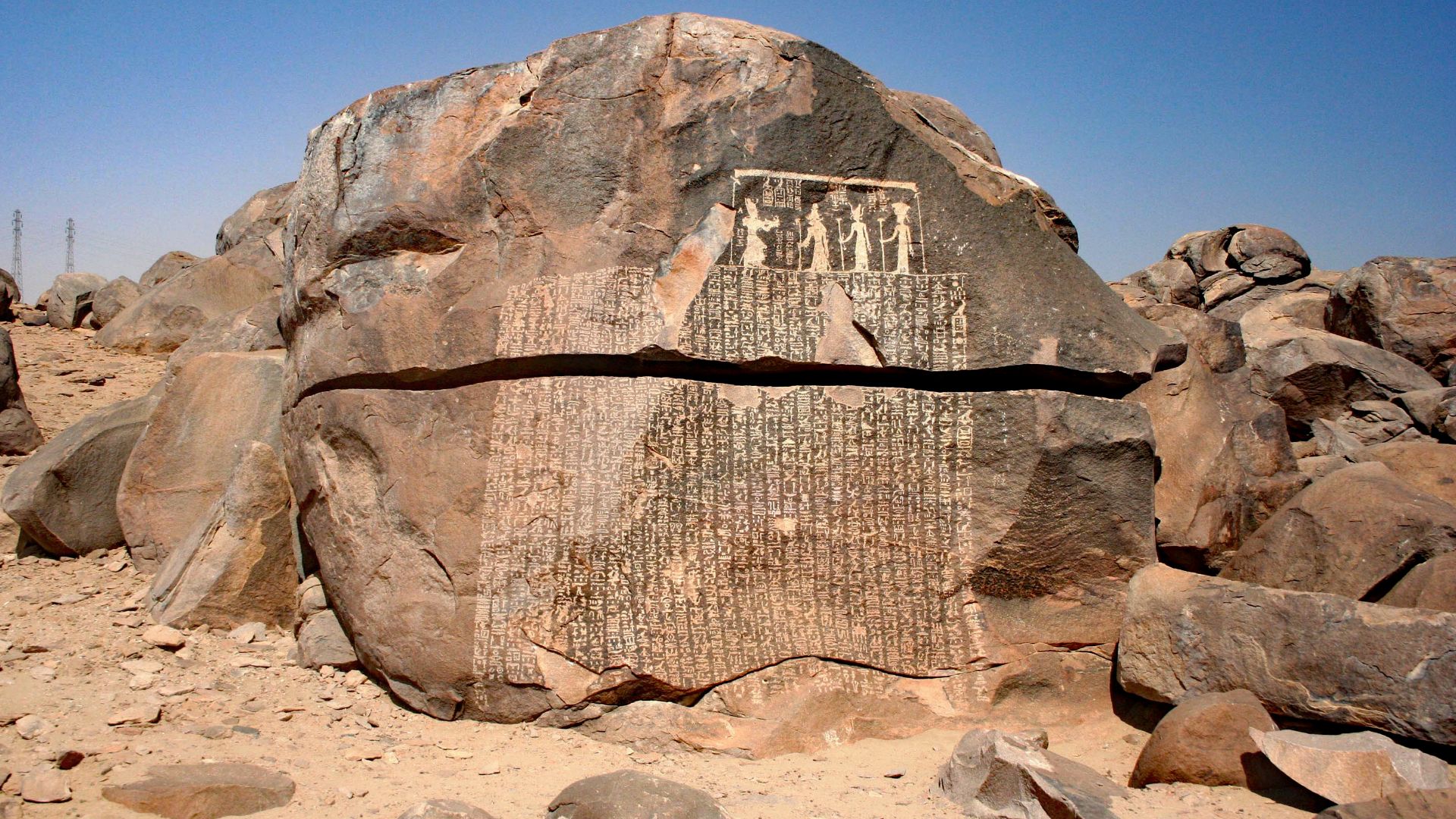
The Lost Obelisks
Scattered across Egypt are signs of obelisks that were never completed or raised. The massive unfinished obelisk at Aswan shows quarrying on an enormous scale, yet how such stones were transported and erected remains unclear, hinting at techniques that haven’t fully survived.
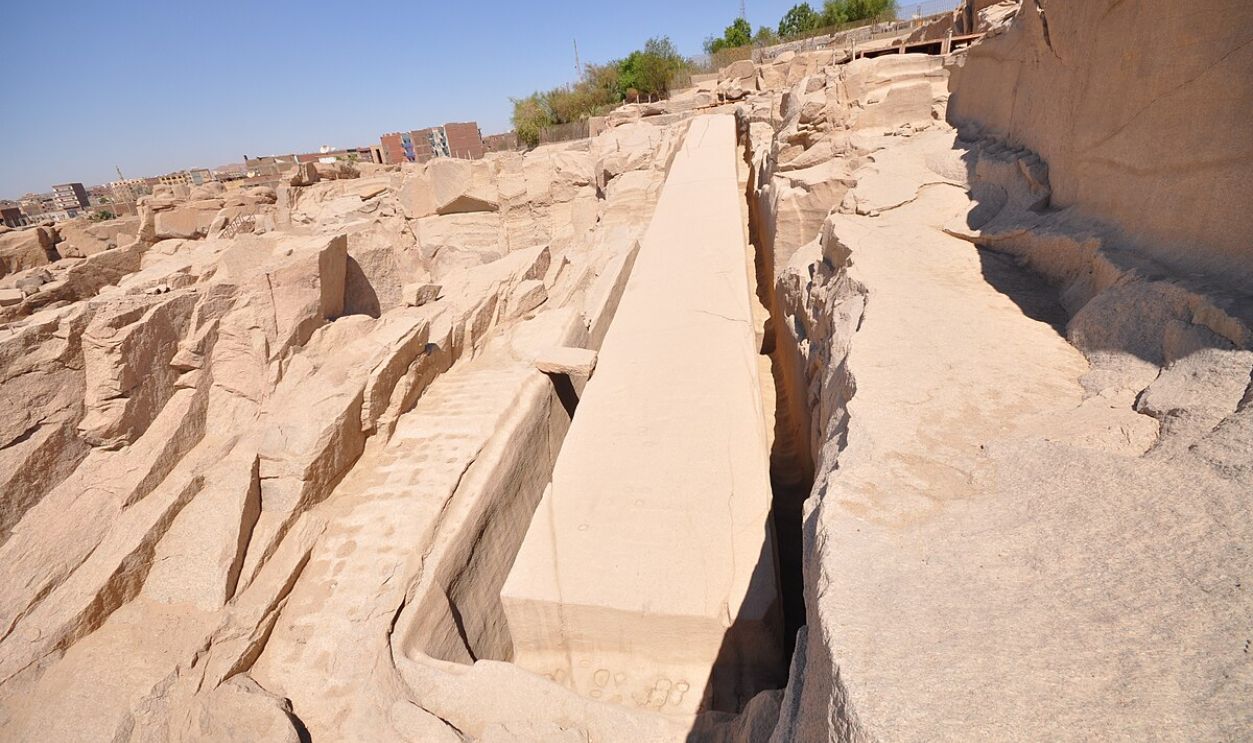 Jorge Lascar from Melbourne, Australia, CC BY 2.0, Wikimedia Commons
The Tomb Of Alexander The Great
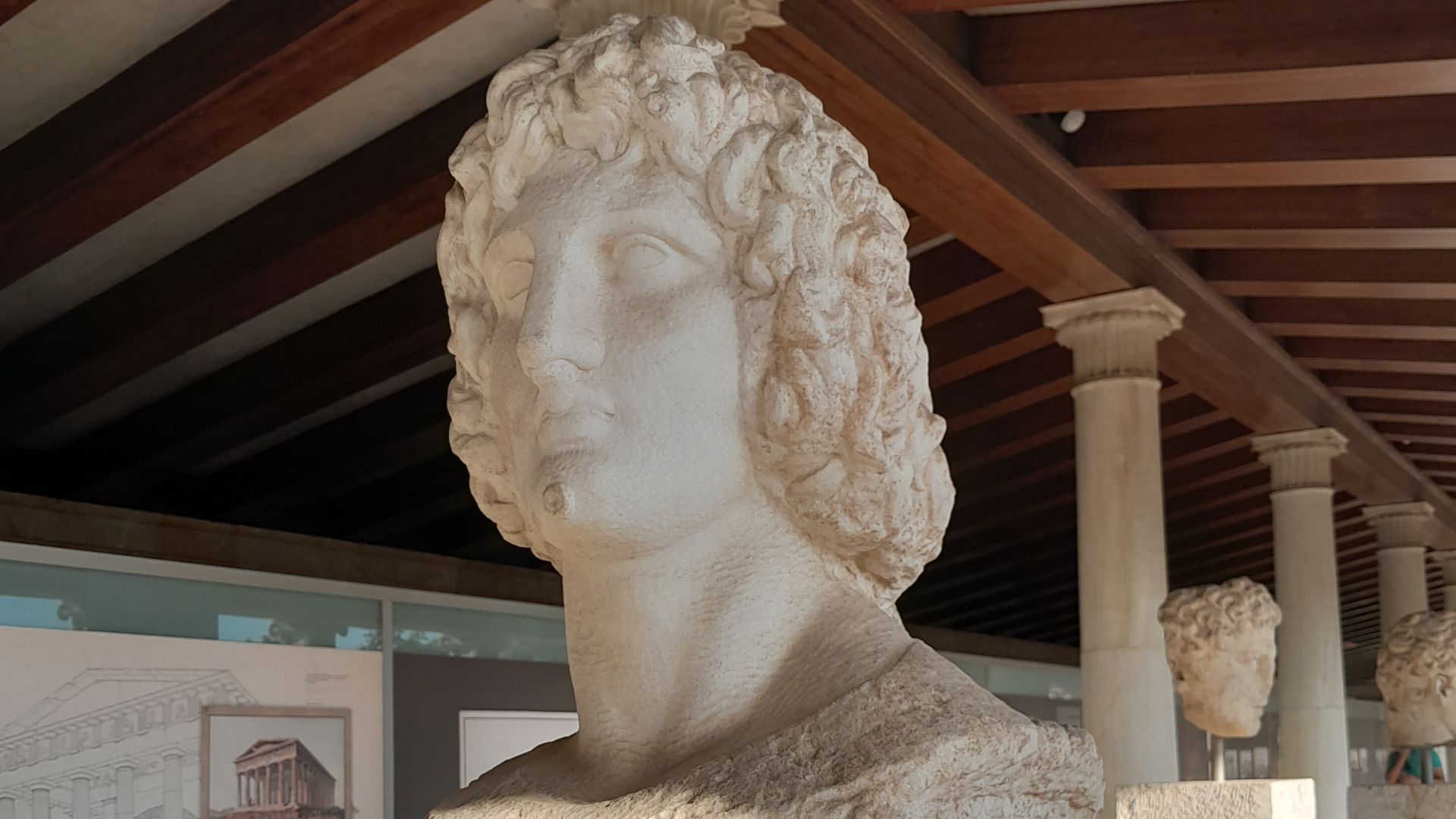
In 323 BCE, the death of Alexander the Great sparked accounts of his burial in Alexandria. For centuries, the tomb was visited and revered, then references abruptly stop. How a monument so famous could disappear from records and the landscape remains one of history’s most baffling vanishing acts.
 Deiadameian, Wikimedia Commons
The Meaning Of Pyramid Texts
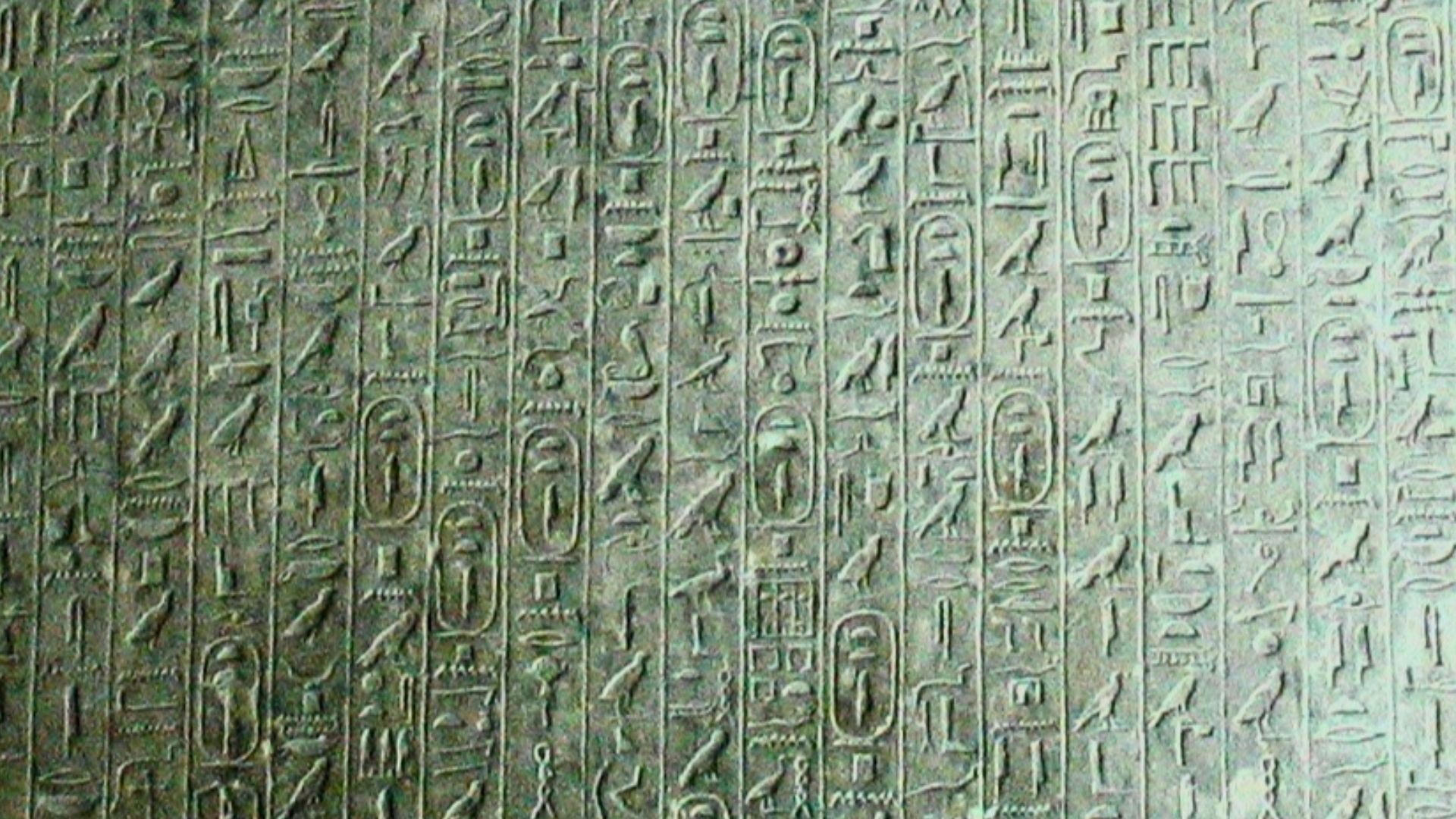
Carved inside Egypt’s oldest pyramids, the Pyramid Texts describe a pharaoh’s journey beyond death using dense symbolism. Their poetic language, spells, and imagery resist simple explanation, leaving scholars to piece together meanings that shift depending on context rather than offering one clear interpretation.
The Origins Of Mummification
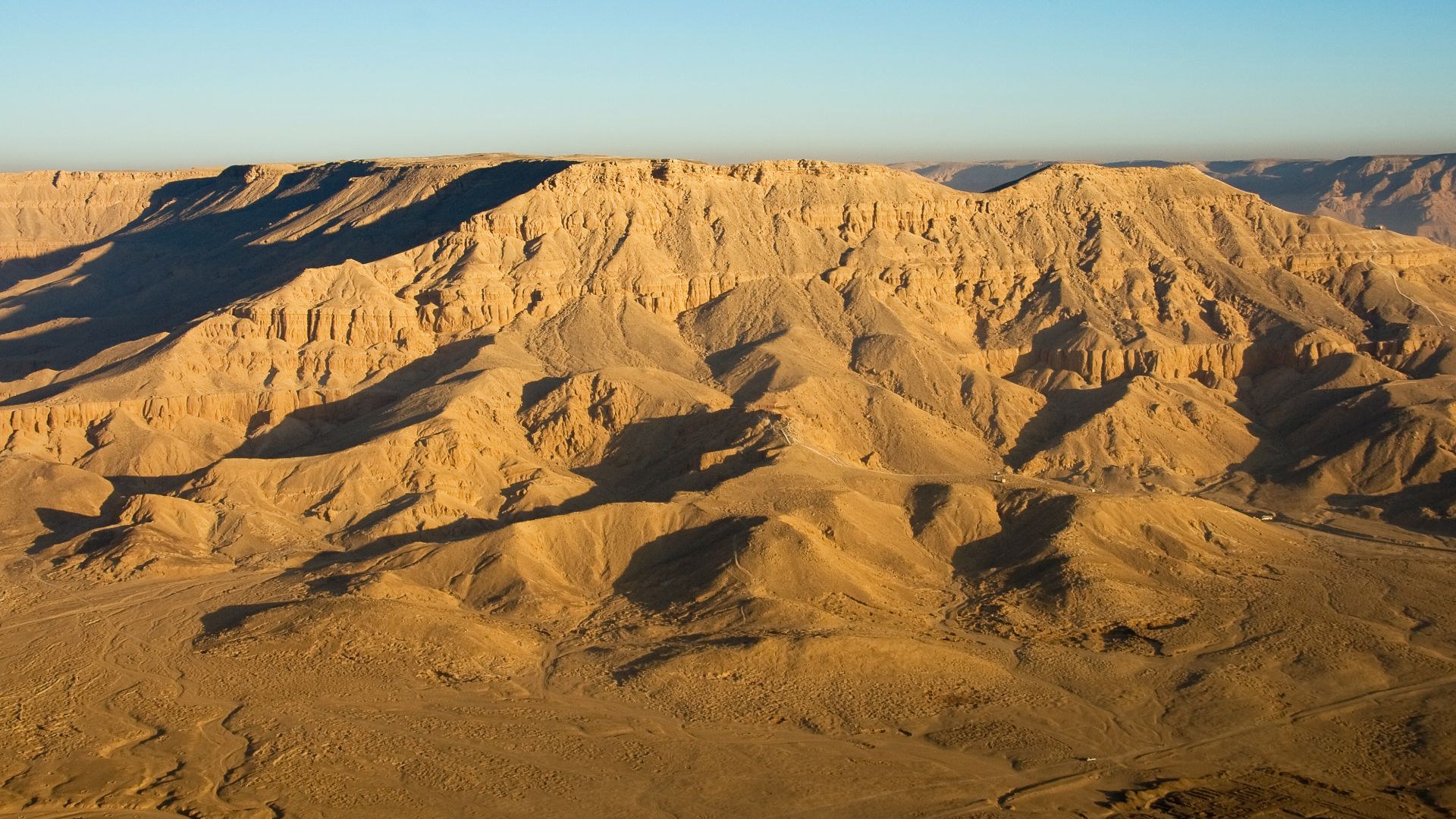
Why ancient Egyptians began preserving bodies remains uncertain. Early burials in desert sand naturally preserved the dead, which may have inspired later practices. By 2600 BCE, the practice of embalming was highly ritualized, though whether the process began for spiritual beliefs or practical observation is still debated.
The Abydos Helicopter Carving
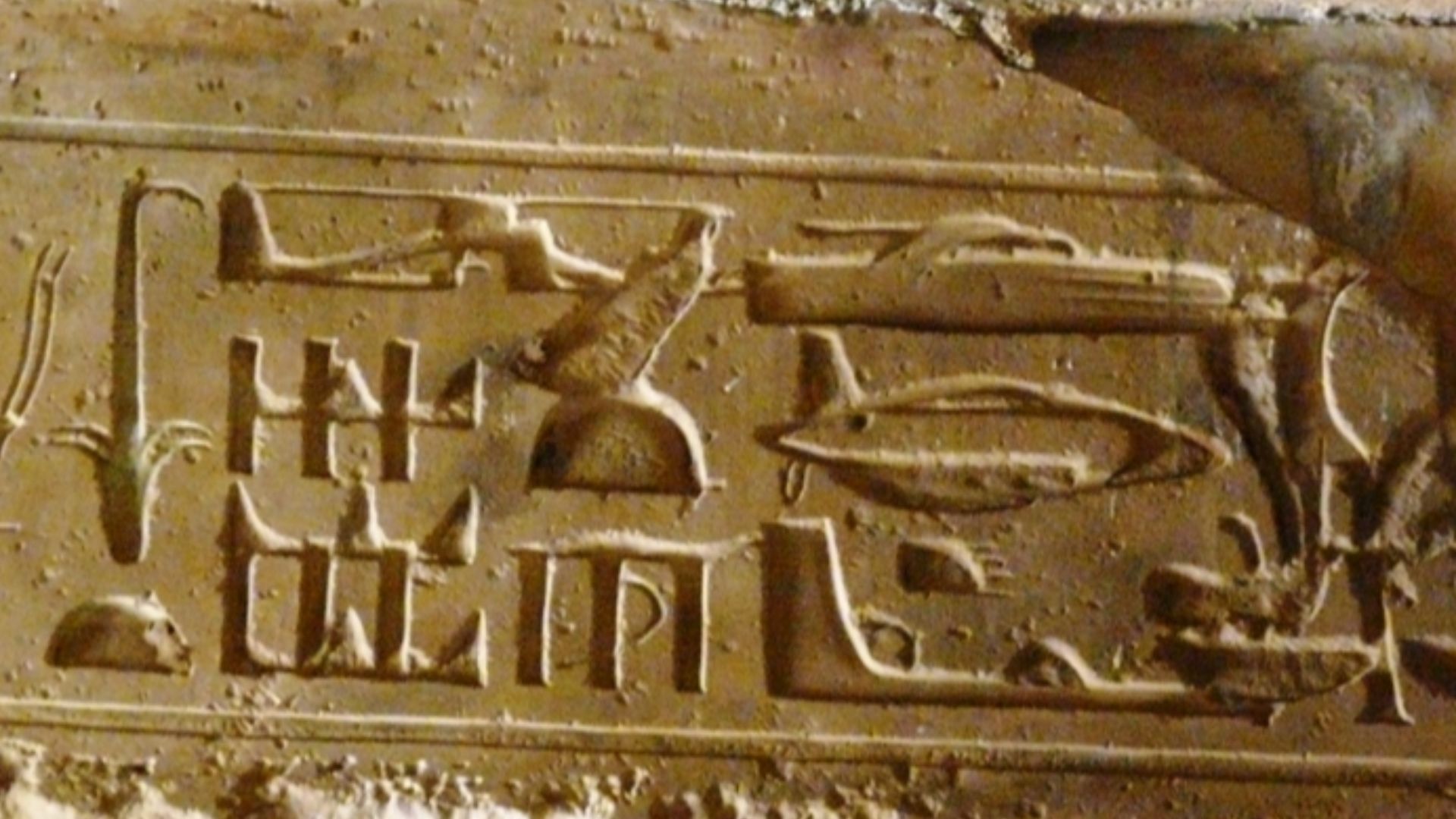
At Abydos, carvings inside the Temple of Seti I have puzzled visitors for decades. Certain shapes resemble modern machines, sparking bold theories. Egyptologists explain them as overlapping hieroglyphs created by later re-carving, but the unusual visuals continue to fuel debate.
The Lost Library Of Alexandria
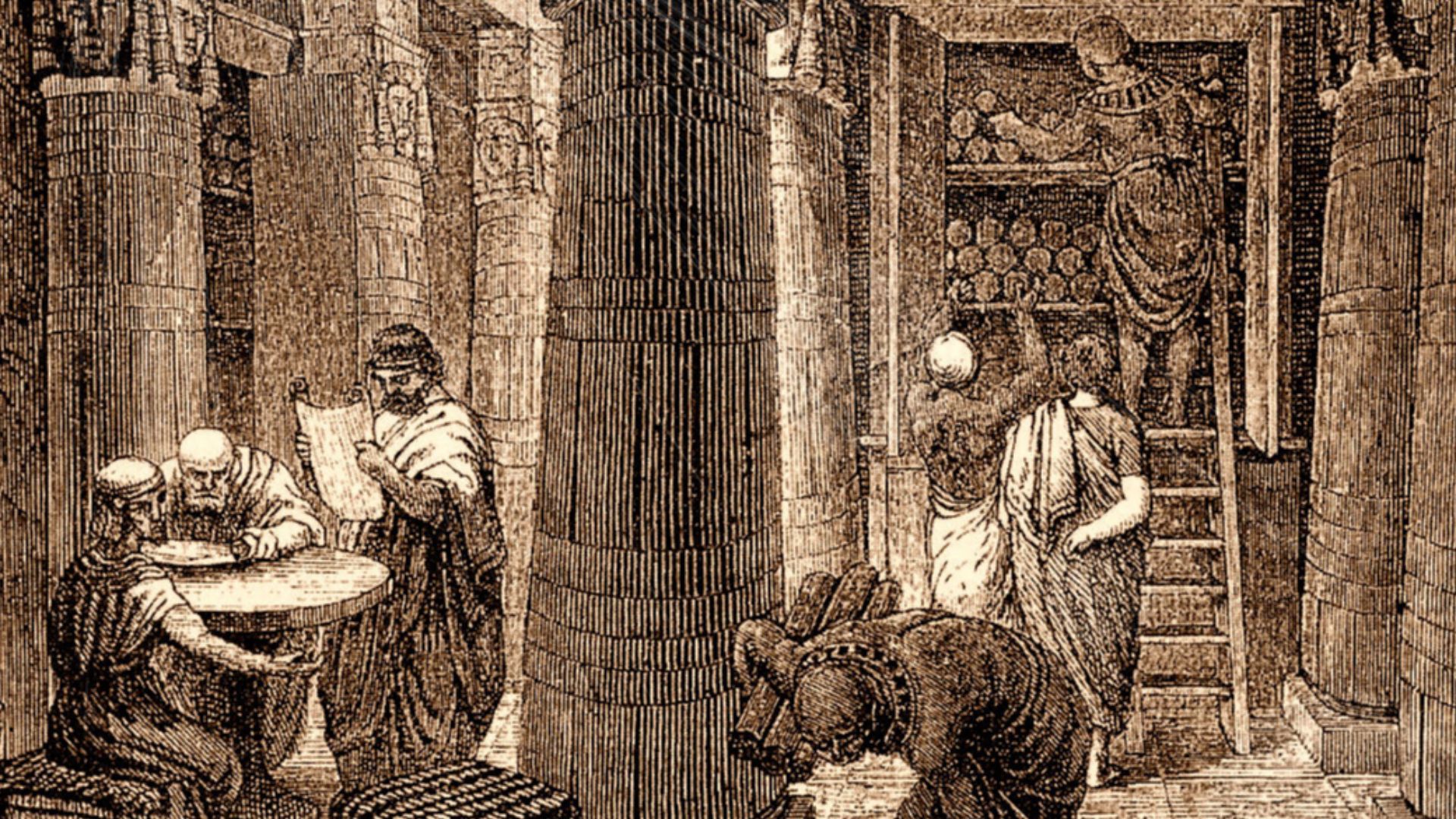
Once imagined as the world’s greatest center of knowledge, the Library of Alexandria was built under the Ptolemaic dynasty and filled with vast collections of scrolls. Fires, invasions, and neglect are often blamed for its loss, but the exact moment and manner of its destruction remain unclear.