A Riverbank With A Very Long Memory
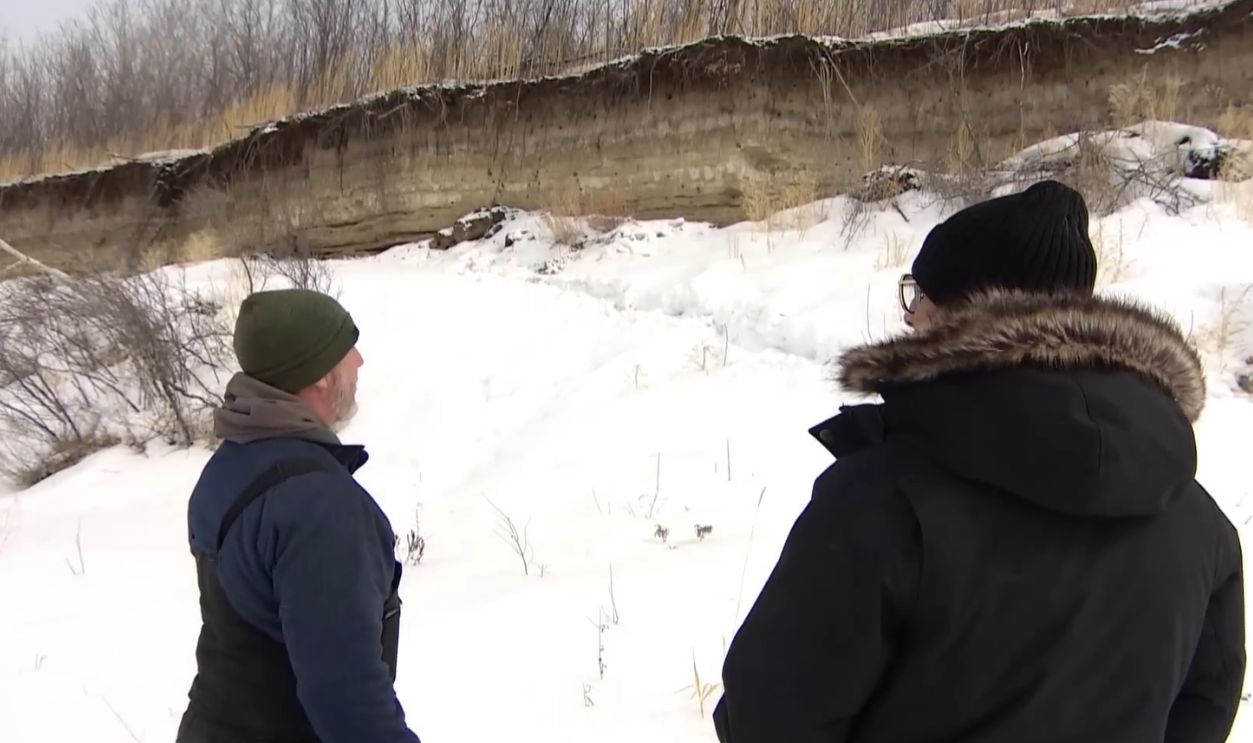
Along the North Saskatchewan River, erosion exposed something far more interesting than another layer of dirt. Archaeologists are now studying Âsowanânihk, an Indigenous site dating to roughly 10,700 years ago. The discovery pushes securely dated habitation in this part of Saskatchewan back by about 1,000 years.
Welcome To Âsowanânihk
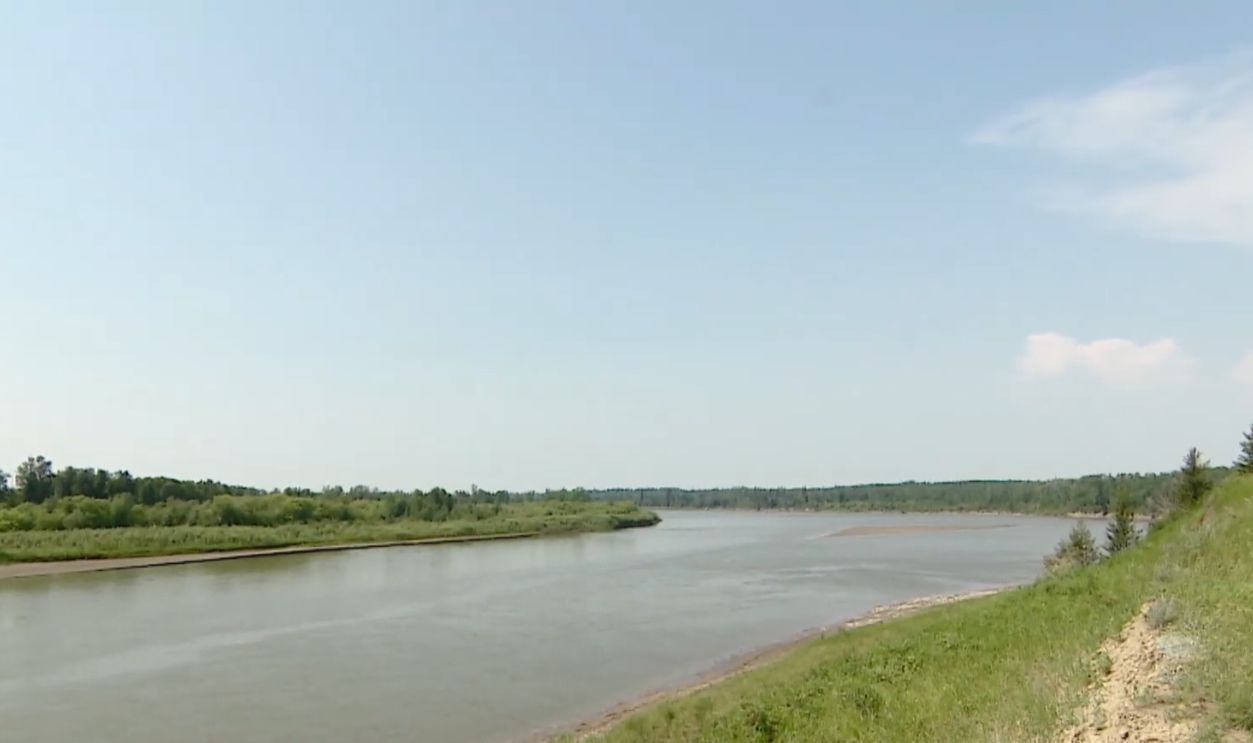
The site is known as Âsowanânihk, Cree for “A Place to Cross.” It lies along the North Saskatchewan River near Prince Albert and within Sturgeon Lake First Nation territory. The name is wonderfully appropriate: evidence suggests people repeatedly returned to this river crossing for thousands of years.
 Screenshot from CBC News, Canadian Broadcasting Corporation (1941–)
The River Did The First Digging
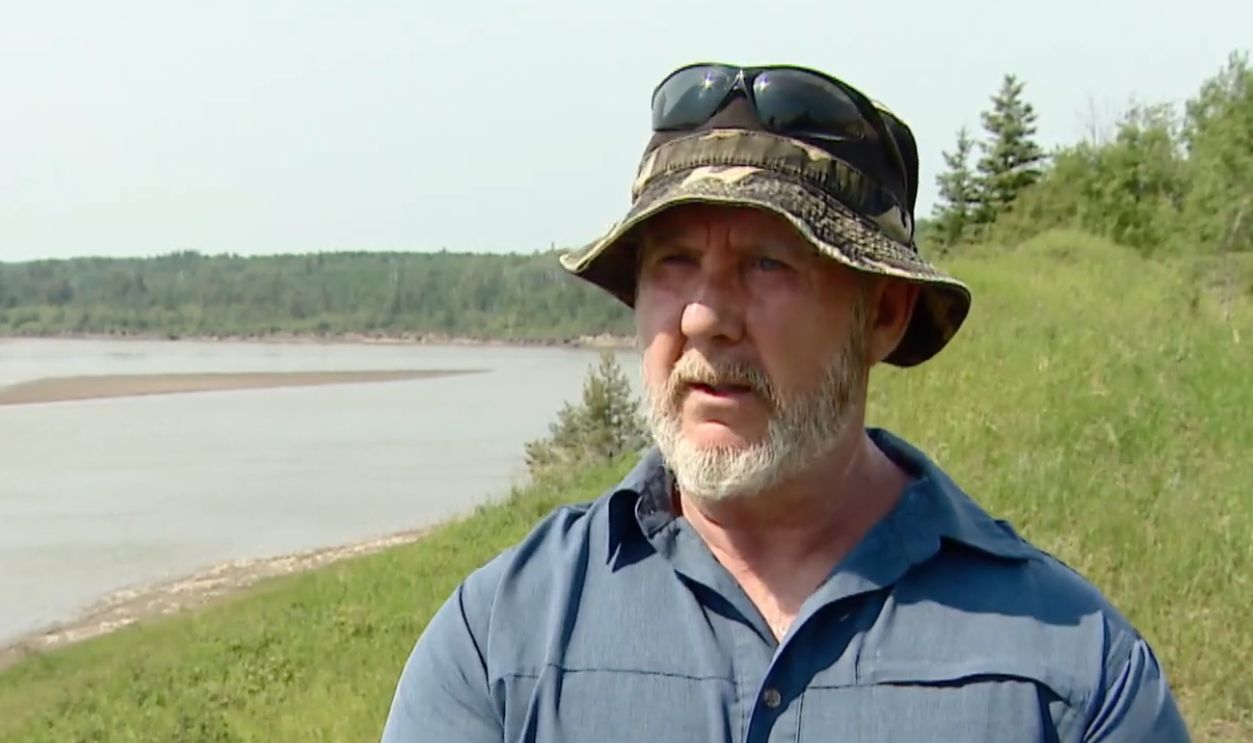
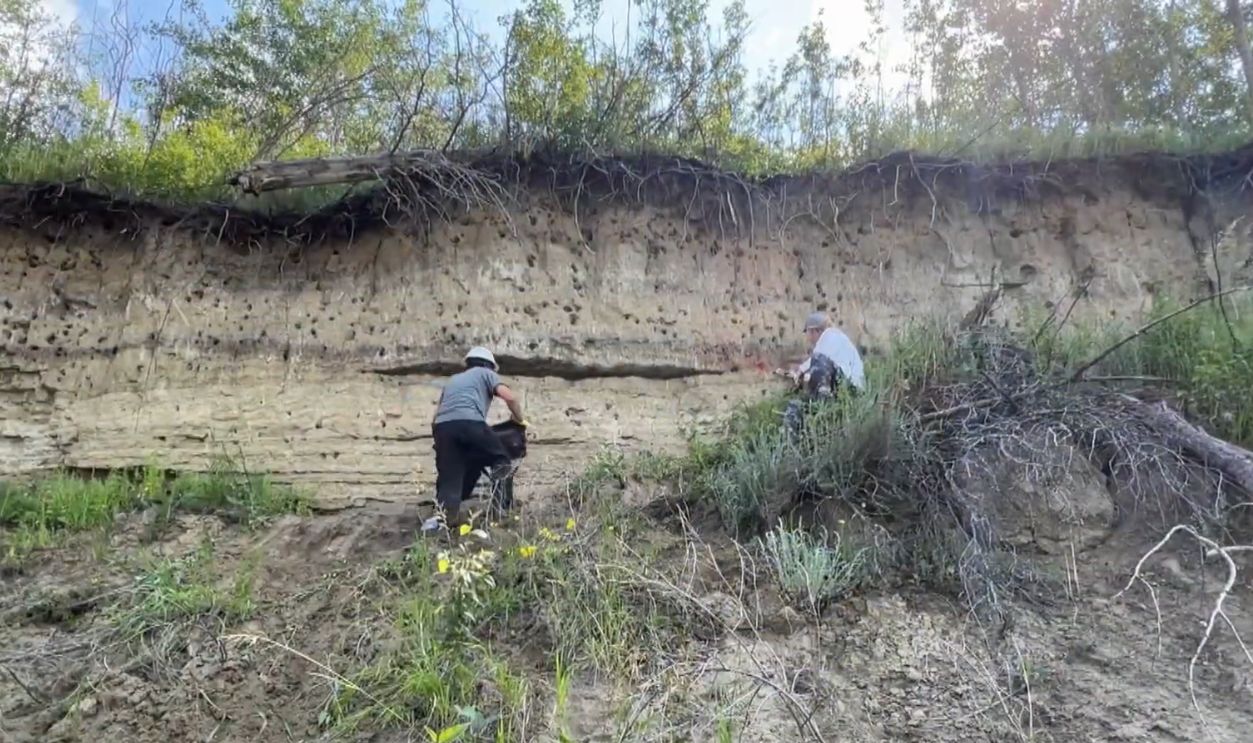
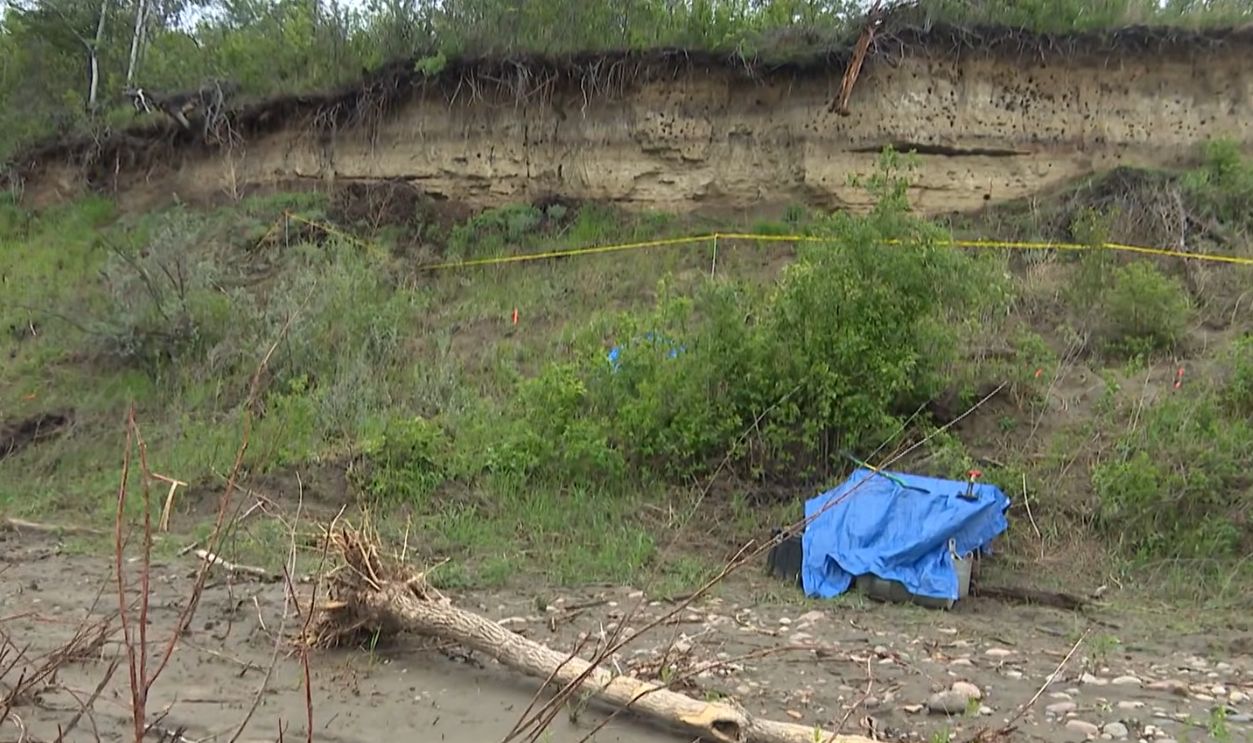
Researcher and avocational archaeologist Dave Rondeau recognized the site after riverbank erosion exposed artifacts and ancient soil layers. Rather than beginning with someone digging a neat archaeological square, this discovery began with the river slicing open a cross-section of Saskatchewan’s remarkably deep human history.
 Screenshot from CBC News, Canadian Broadcasting Corporation (1941–)
A Campfire Changed The Timeline
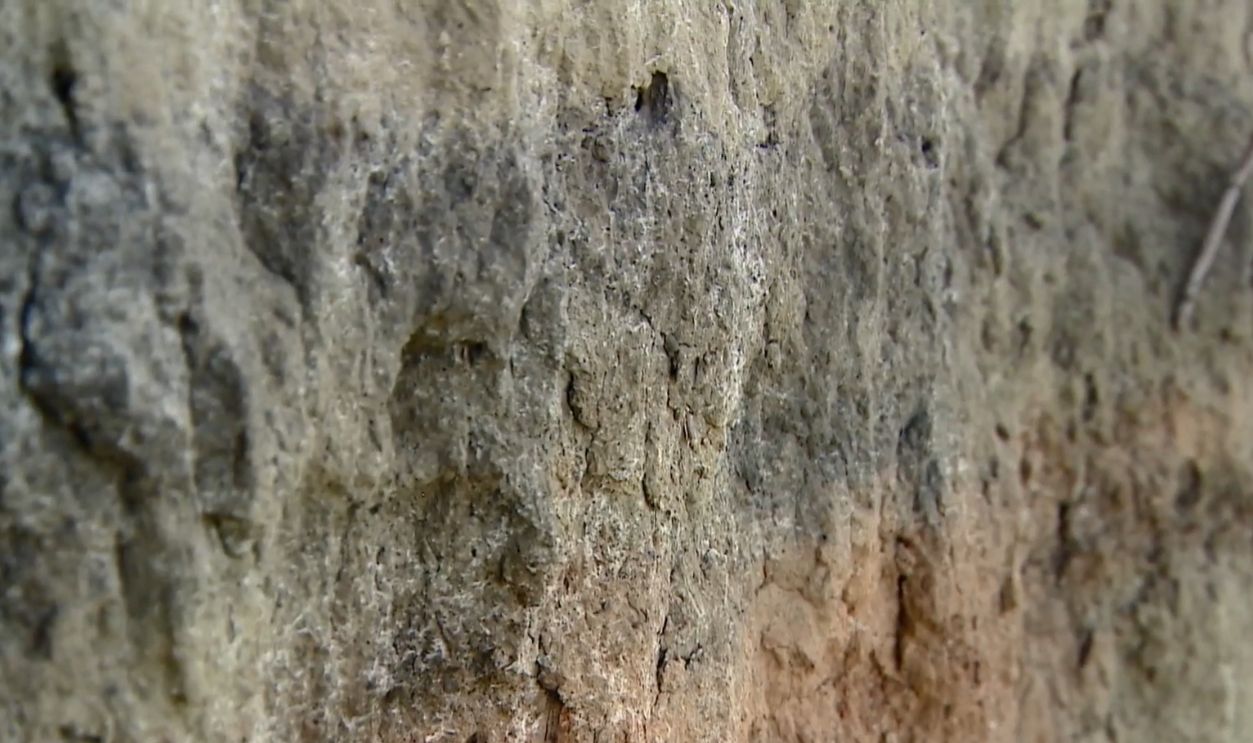
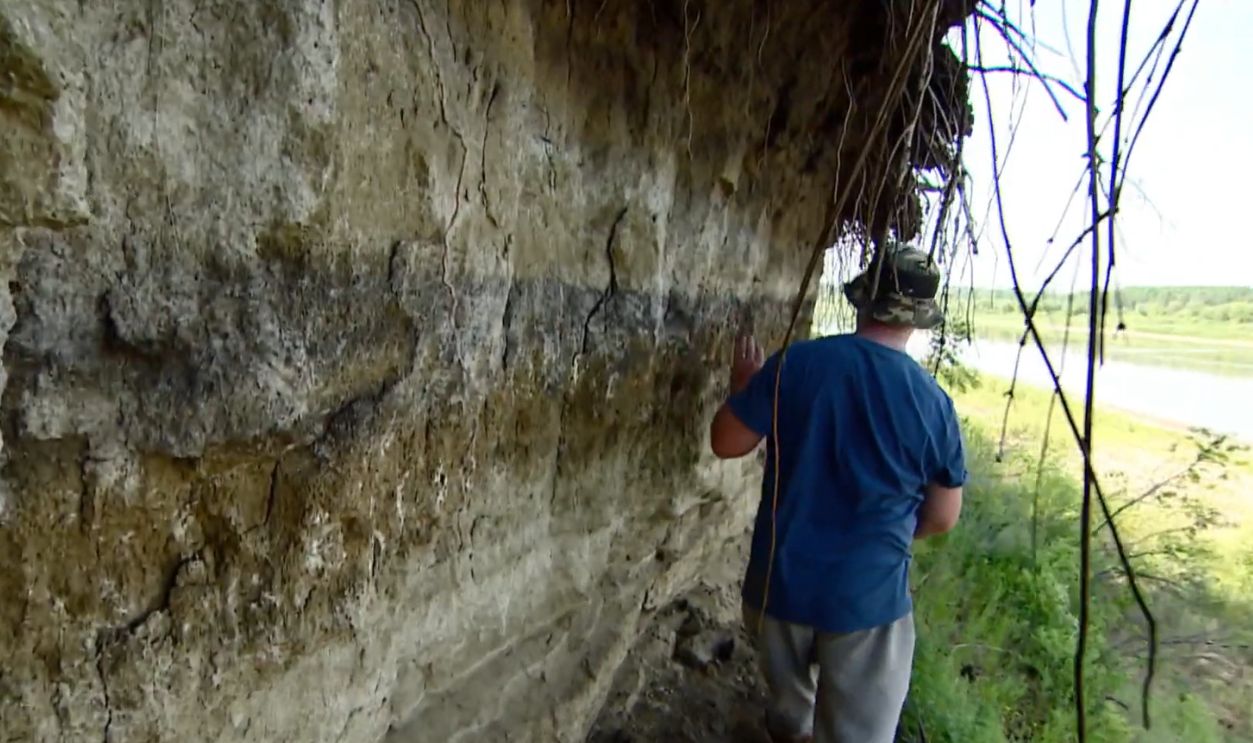
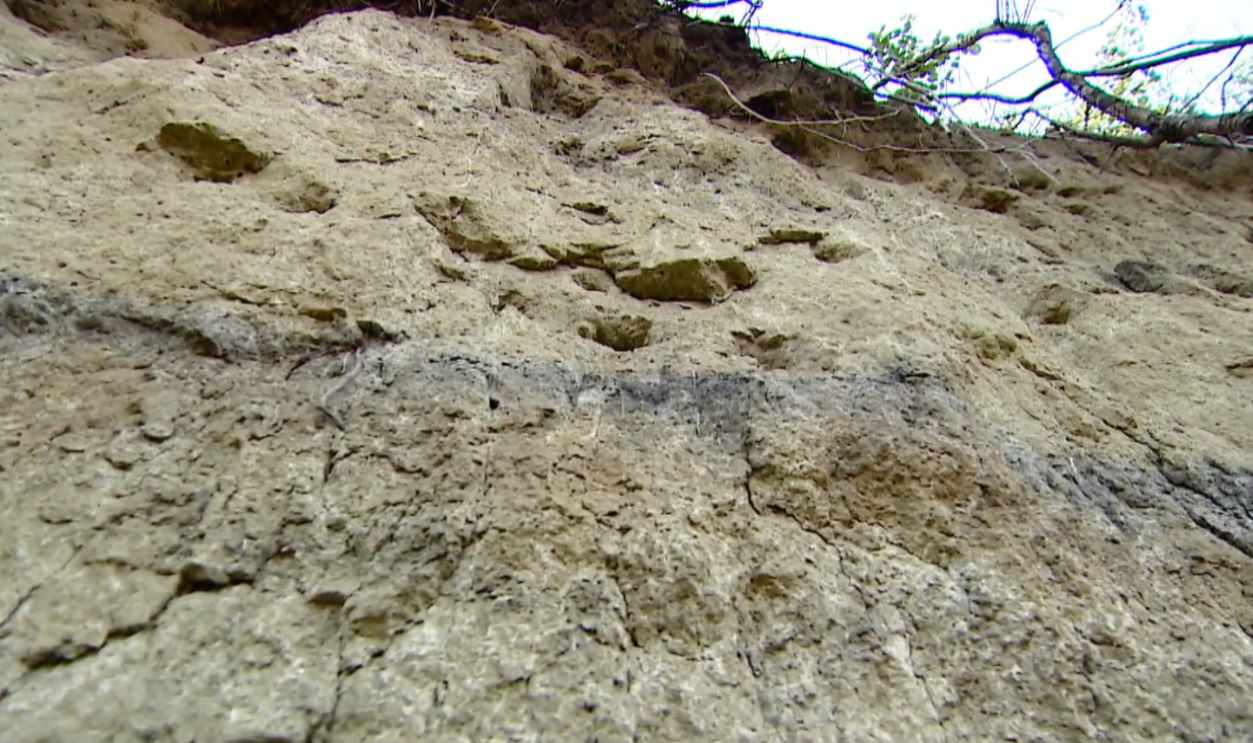
One of the most important discoveries was charcoal preserved in an ancient hearth. Radiocarbon analysis placed human activity there about 10,700 years ago. That date moved the securely documented occupation of the immediate region roughly a millennium earlier than researchers had previously established.
 Screenshot from CBC News, Canadian Broadcasting Corporation (1941–)
Older Than Previously Expected
Older archaeological evidence was already known elsewhere in Saskatchewan, and provincial chronologies extend human presence back roughly 11,000 years or more. What makes Âsowanânihk striking is its securely dated local context and the evidence that people repeatedly used this particular river landscape.
 Screenshot from CBC News, Canadian Broadcasting Corporation (1941–)
Right Behind The Ice
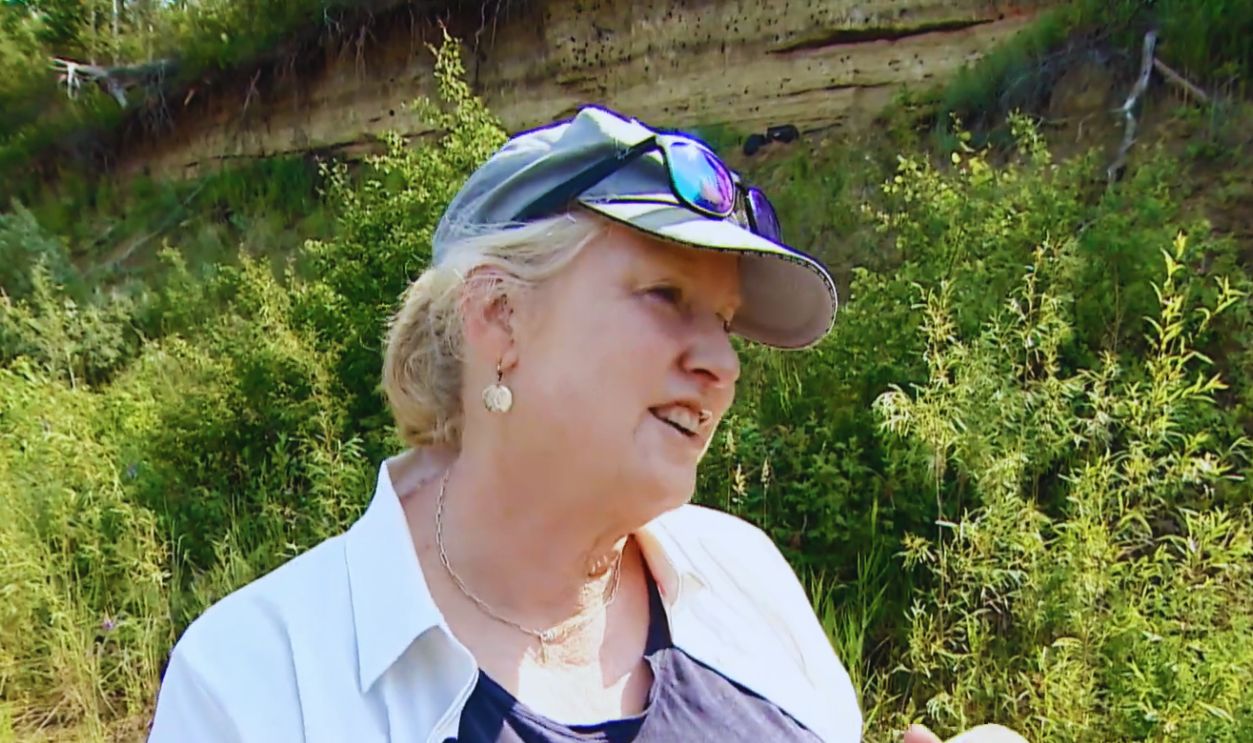
Around the time people occupied Âsowanânihk, the landscape was still adjusting to the end of the last Ice Age. University of Calgary geoarchaeologist Andrea Freeman describes the occupation as occurring shortly after glaciers left the area, as people moved into newly available territory.
 Screenshot from CBC News, Canadian Broadcasting Corporation (1941–)
The River Was Prime Real Estate
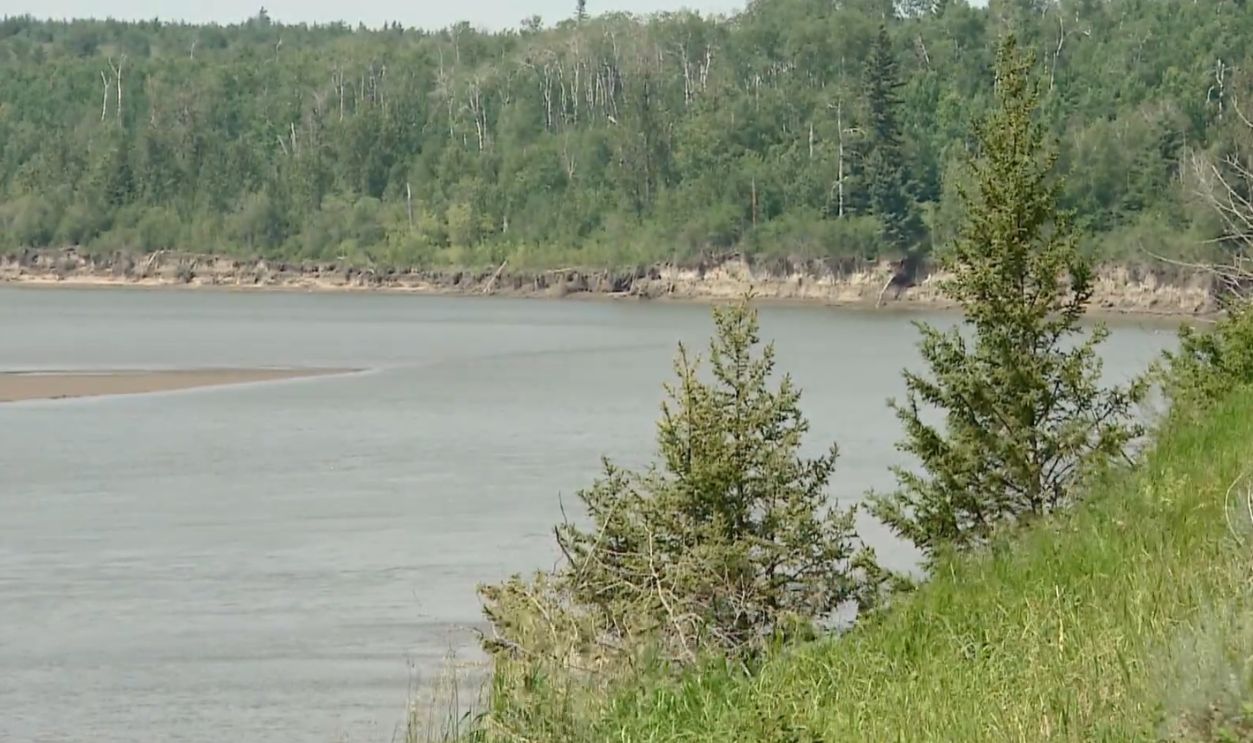
A river crossing was not simply picturesque scenery. Water attracted animals, created travel corridors, and offered dependable resources. Archaeologists believe migrating bison repeatedly passed through this landscape, giving people an excellent reason to know the crossing and return whenever conditions were favourable.
 Screenshot from CBC News, Canadian Broadcasting Corporation (1941–)
More Than A Quick Hunting Stop
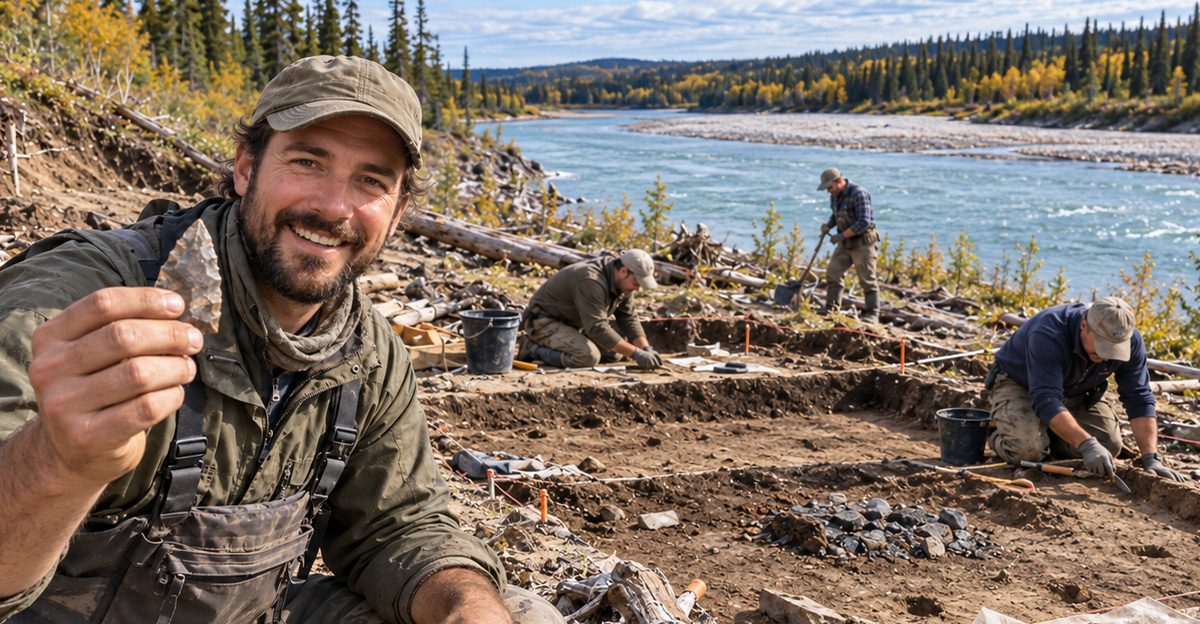
Researchers have described Âsowanânihk as something more substantial than a brief hunting camp. Hearths, tools, manufacturing debris, animal remains, and repeated occupation layers suggest people spent meaningful periods here and came back again and again rather than simply passing through once.
 Screenshot from CBC News, Canadian Broadcasting Corporation (1941–)
One Very Serious Hearth
A hearth may not look as glamorous as a gold mask, but archaeologists love context. Fire features can preserve charcoal suitable for dating while revealing where people cooked, gathered, worked, or warmed themselves. At Âsowanânihk, the ancient fire features became anchors for reconstructing human activity.
 Screenshot from CBC News, Canadian Broadcasting Corporation (1941–)
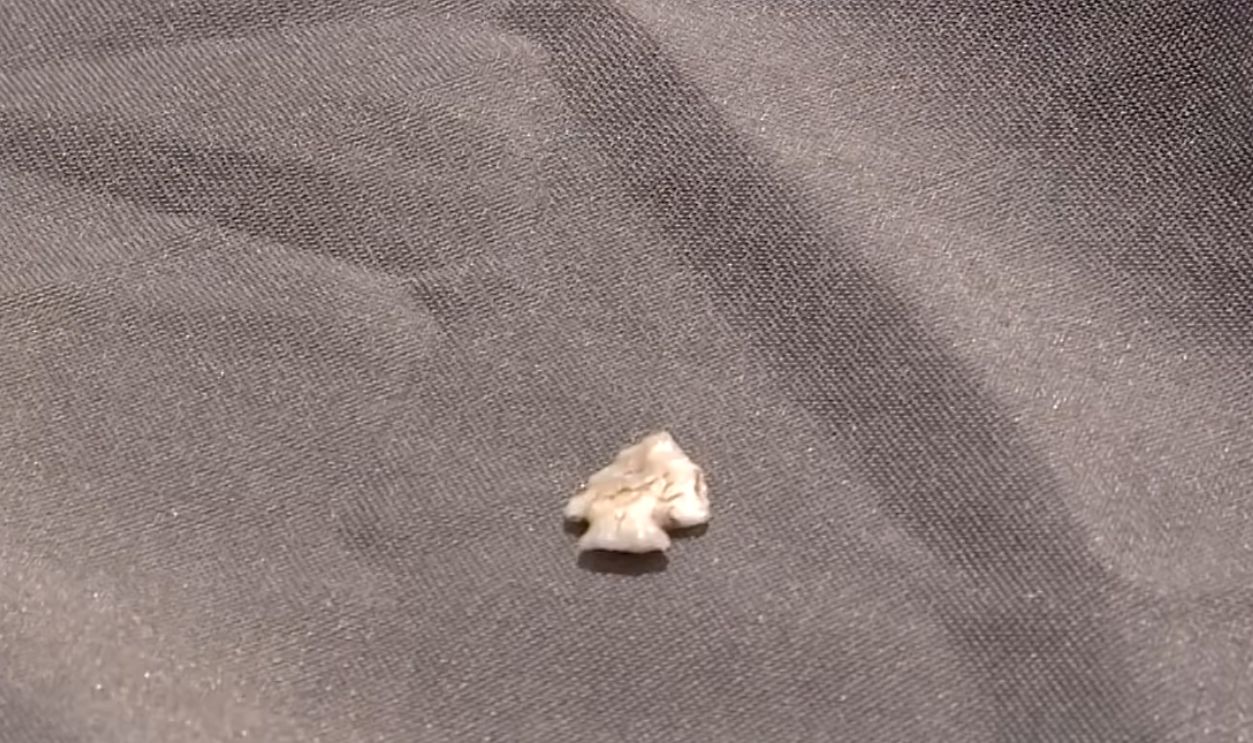
Stone Tools Fill In The Picture
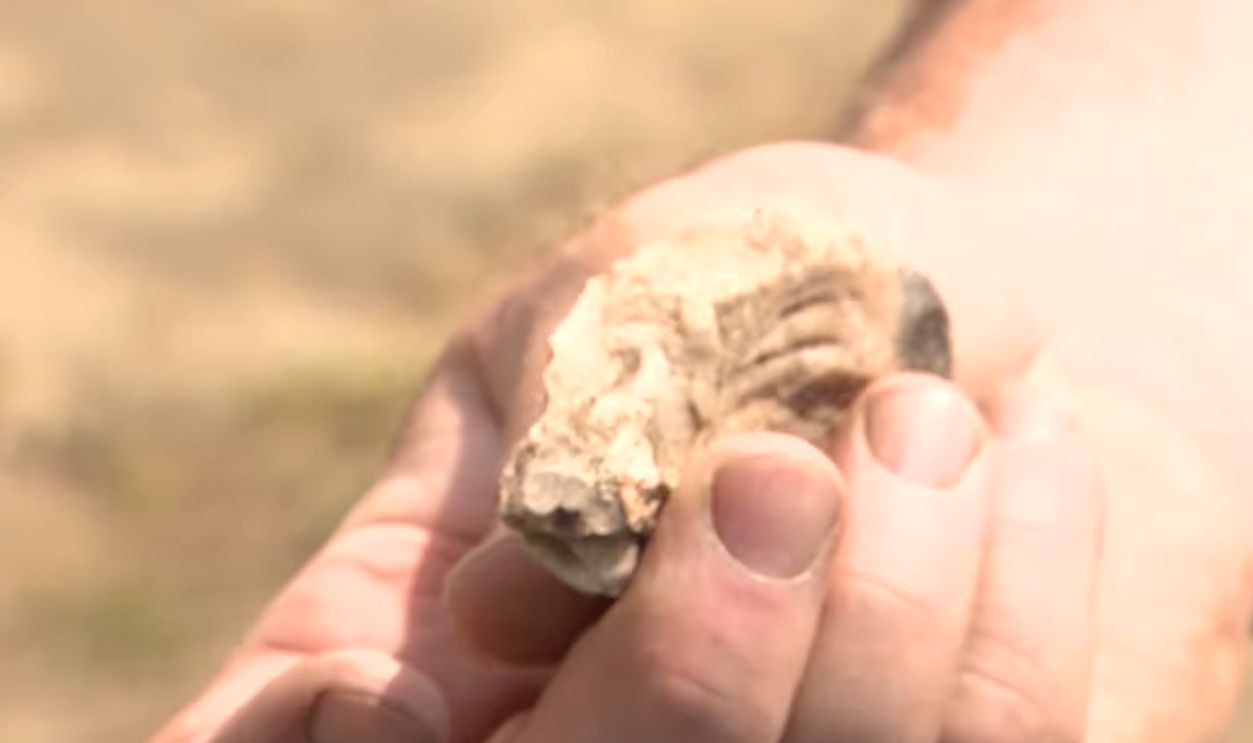
Archaeologists have recovered stone tools and other lithic materials from the site. These objects provide evidence of the everyday work people performed there, while flakes and manufacturing debris can show that tools were being produced or repaired rather than merely carried through the area.
 Screenshot from CBC News, Canadian Broadcasting Corporation (1941–)
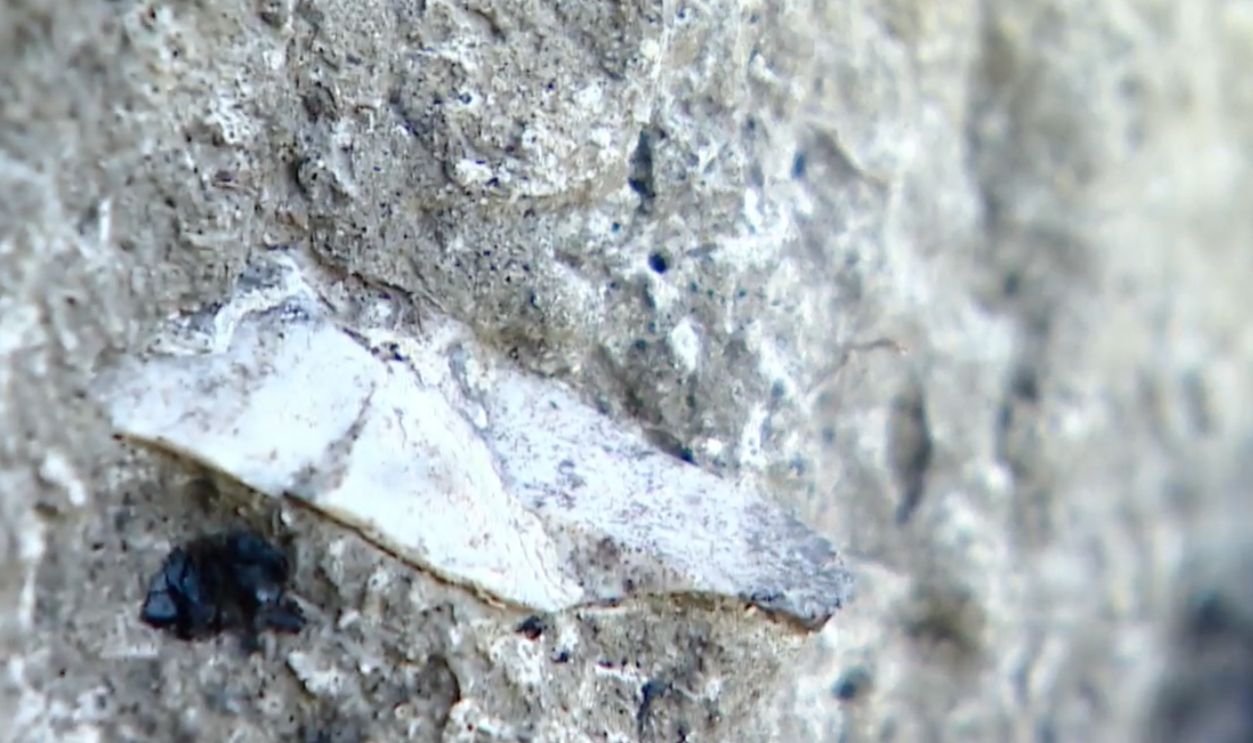
Even The Scraps Matter
To most people, a tiny stone flake looks like exactly that: a tiny stone flake. To archaeologists, toolmaking debris can reveal technology, raw-material choices, and activity areas. Student Jayda Boux has been among those studying Âsowanânihk’s lithic material as the project develops.
 Screenshot from CBC News, Canadian Broadcasting Corporation (1941–)
Meet The Ancient Bison
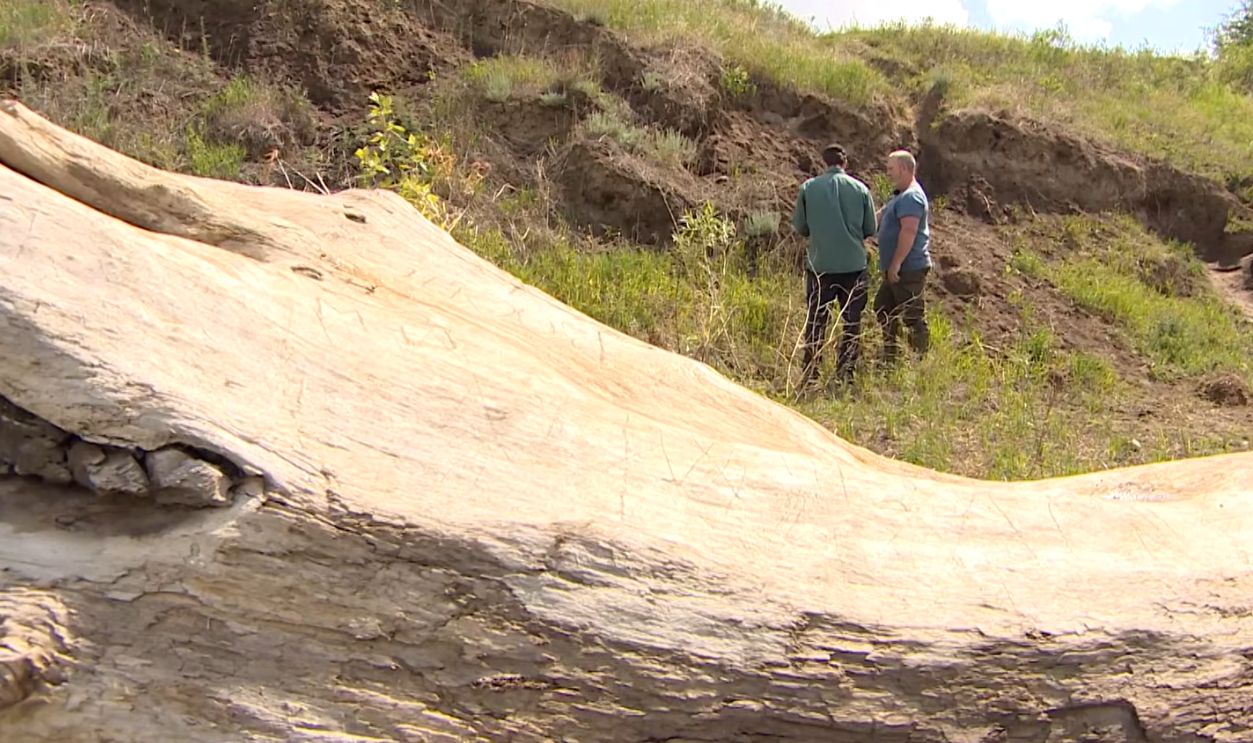
Animal remains recovered from the site include ancient bison. Reports identify some as Bison antiquus, the larger extinct relative of modern North American bison. Their presence gives archaeologists another clue to the resources drawing people toward this river corridor thousands of years ago.
 Screenshot from CBC News, Canadian Broadcasting Corporation (1941–)
Hunters Knew The Landscape
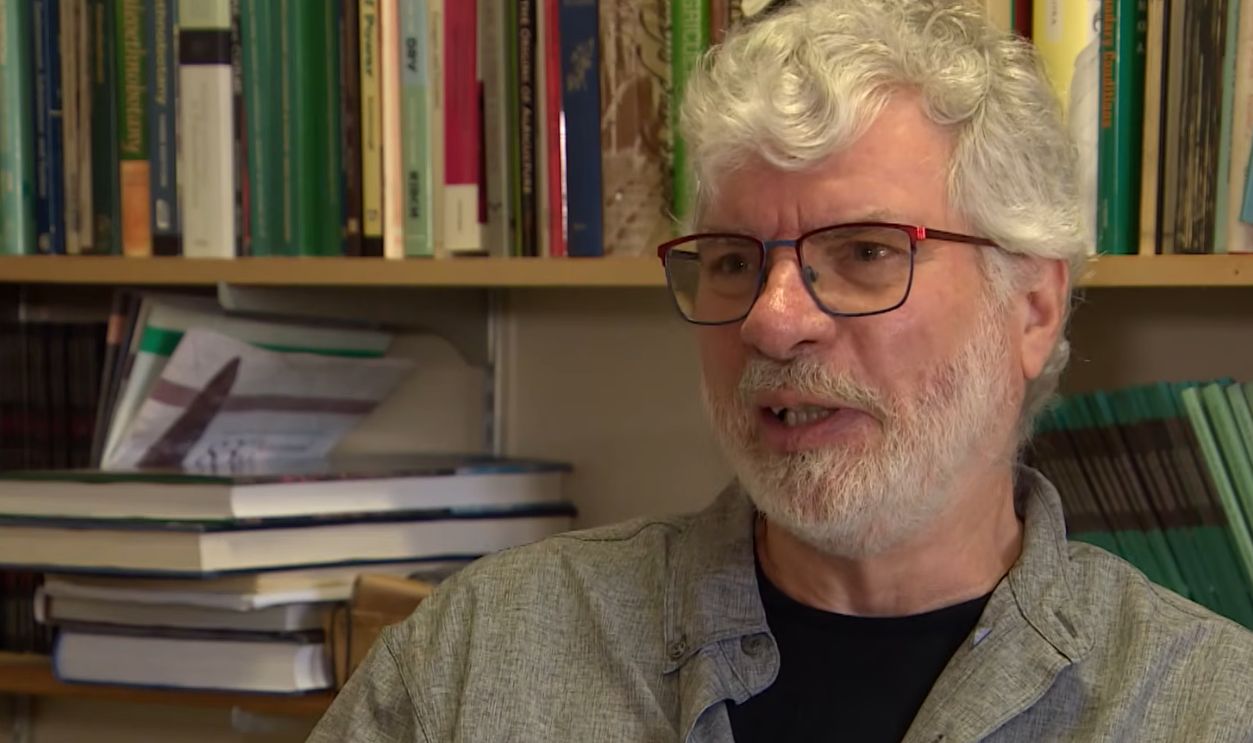
People living here were hardly wandering without a plan. Returning to locations where animals predictably crossed rivers required detailed environmental knowledge. Glenn Stuart of the University of Saskatchewan has noted that generations could have returned to the same strategically useful location despite gaps between individual occupations.
 Screenshot from CBC News, Canadian Broadcasting Corporation (1941–)
The Settlement Was Not Frozen In Time
Âsowanânihk was not necessarily one continuously occupied village lasting 11,000 years. The evidence instead points toward repeated use over an extraordinary span of time. Later artifacts show people continued returning to the broader location millennia after its earliest known occupants.
 Screenshot from CBC News, Canadian Broadcasting Corporation (1941–)
Fire May Tell Another Story
Charcoal layers may also preserve evidence connected with deliberate burning and landscape management. Researchers have suggested such practices could fit longstanding Indigenous traditions of managing land with fire, although continued study is needed to establish precisely what individual burned layers represent.
 Screenshot from CBC News, Canadian Broadcasting Corporation (1941–)
Rethinking The “Constantly Nomadic” Picture
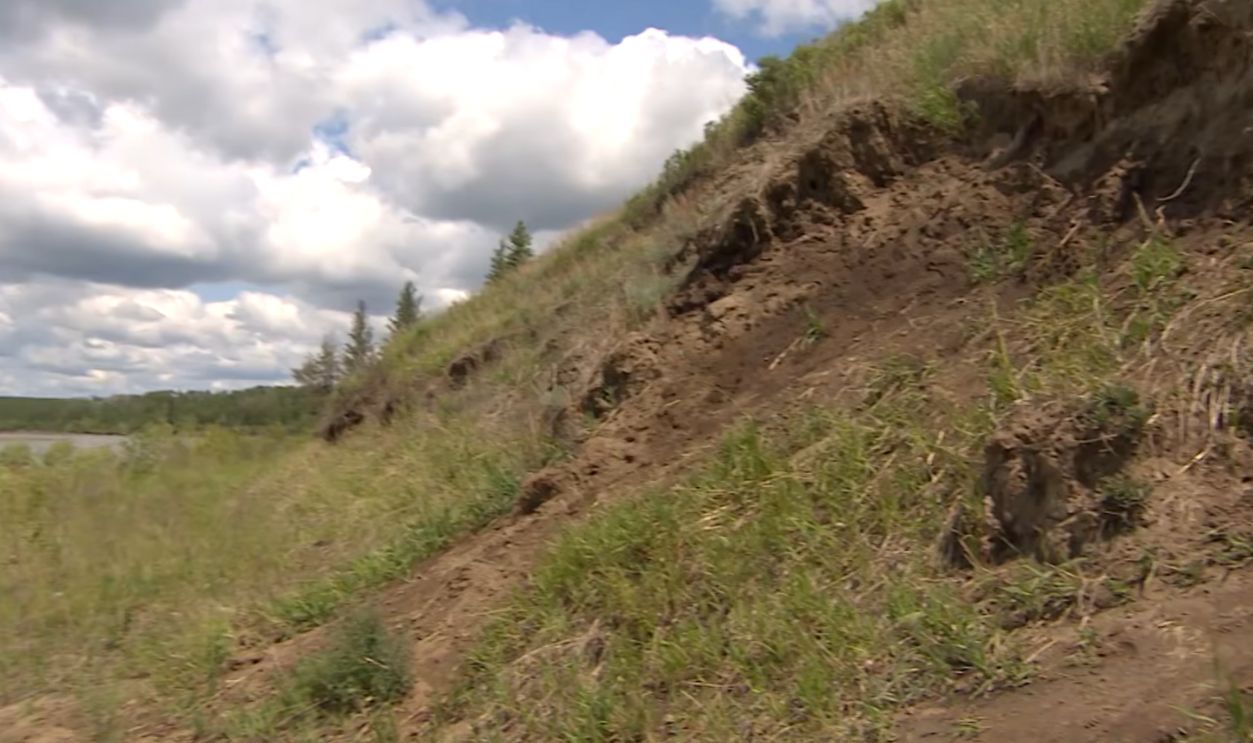
The discovery complicates an old stereotype that early Indigenous peoples simply wandered endlessly behind game herds. Mobility certainly mattered, but repeated occupation of a carefully chosen place shows a much richer picture involving familiar territories, planned returns, environmental knowledge, and persistent connections to particular landscapes.
 Screenshot from CBC News, Canadian Broadcasting Corporation (1941–)
Mobility And Settlement Can Coexist
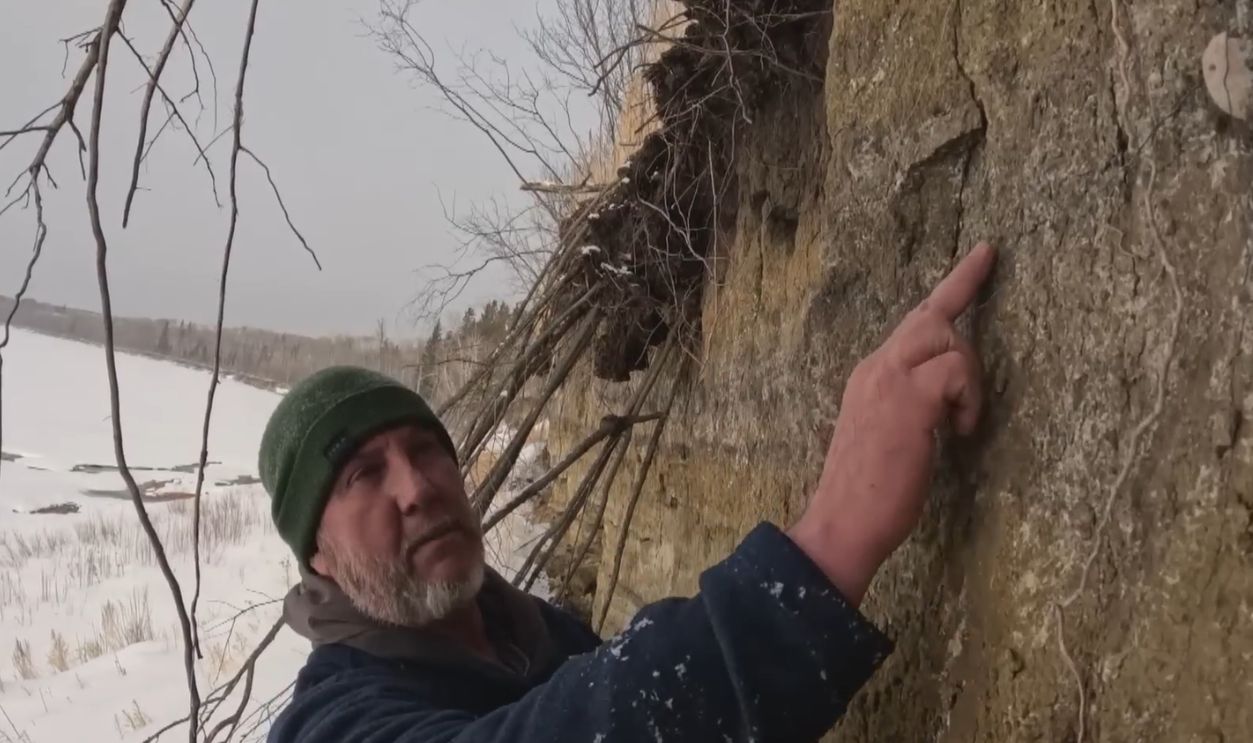
Calling Âsowanânihk a long-term settlement does not mean its inhabitants lived like later farming communities. Hunter-gatherer societies can be mobile while repeatedly occupying important locations. Archaeology increasingly recognizes that movement and strong attachments to particular places are perfectly capable of existing together.
 Screenshot from CBC News, Canadian Broadcasting Corporation (1941–)
Oral History Matters Here
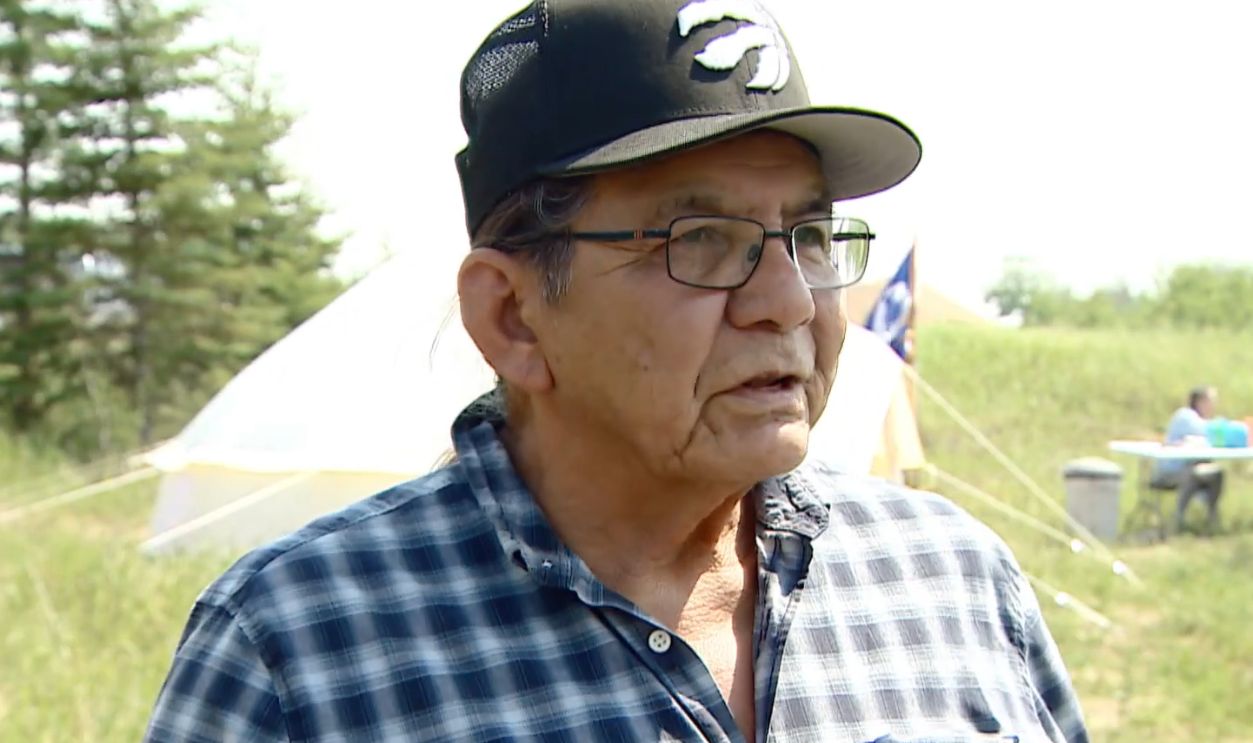
Sturgeon Lake First Nation leaders and Knowledge Keepers have emphasized that the discovery complements traditions describing a deep connection to the land. Archaeological dates supply one kind of evidence, while Indigenous oral traditions preserve another body of knowledge about landscape, ancestry, and community history.
 Screenshot from CBC News, Canadian Broadcasting Corporation (1941–)
The Community Is Leading The Conversation
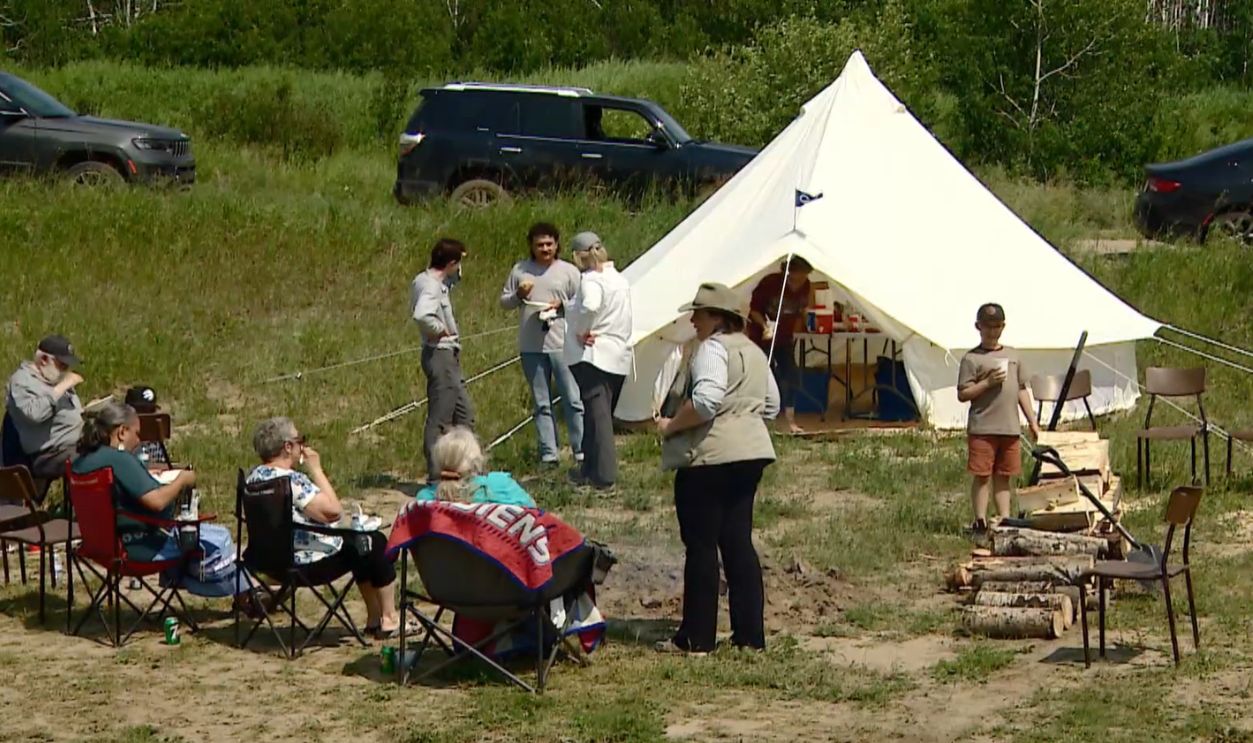
The Âsowanânihk Council includes Elders, Knowledge Keepers, educators, youth, and academics. Rather than treating the location simply as a scientific specimen, the project puts archaeological research alongside community stewardship, education, cultural knowledge, and decisions about how the site should be protected.
 Screenshot from CBC News, Canadian Broadcasting Corporation (1941–)
Universities Joined The Work
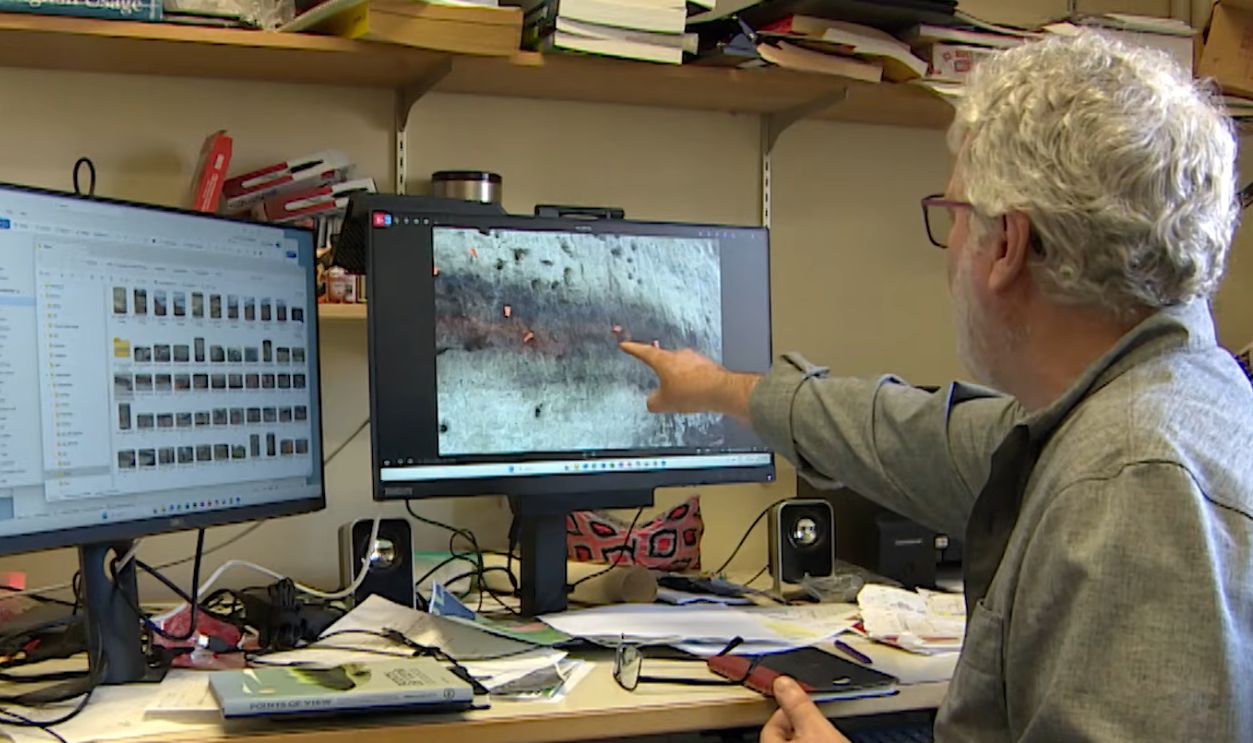
Researchers connected with both the University of Saskatchewan and University of Calgary are studying the site. Archaeologist Glenn Stuart and geoarchaeologist Andrea Freeman bring expertise ranging from Indigenous archaeology to ancient river systems, soils, Paleoindian landscapes, and the complicated preservation of very old sites.
 Screenshot from CBC News, Canadian Broadcasting Corporation (1941–)
Dirt Has Its Own Timeline
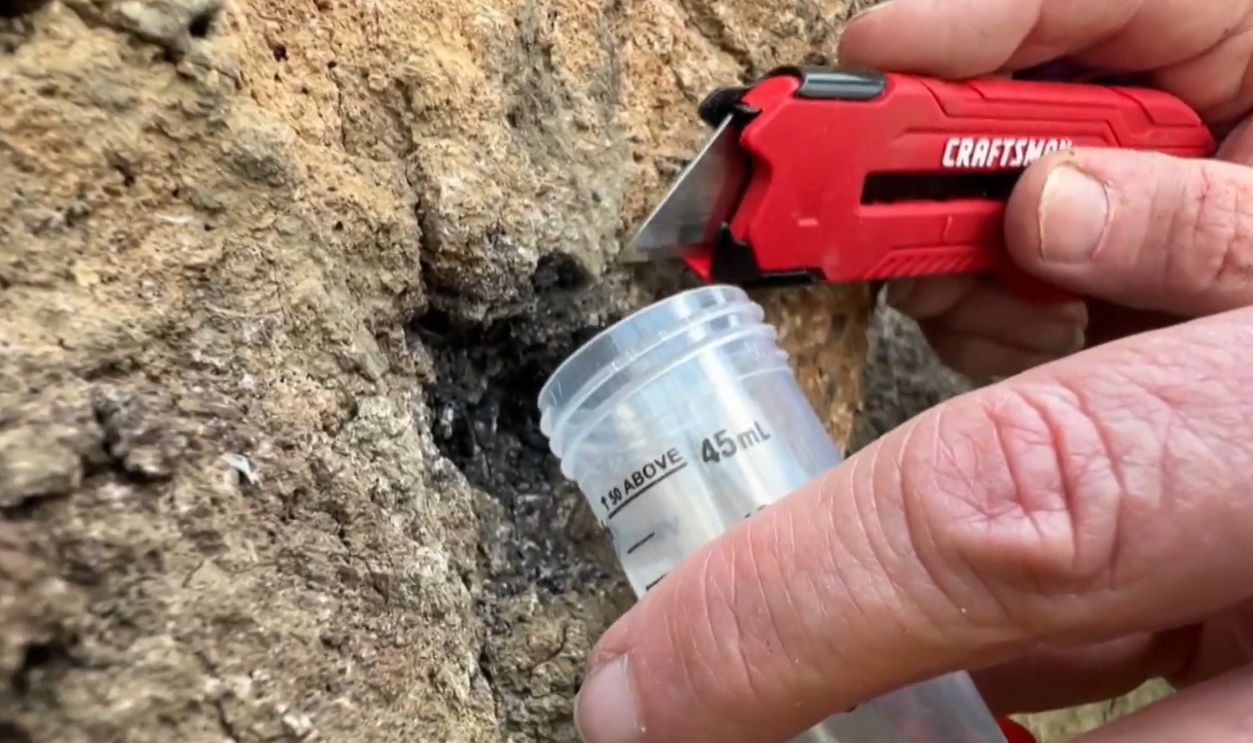
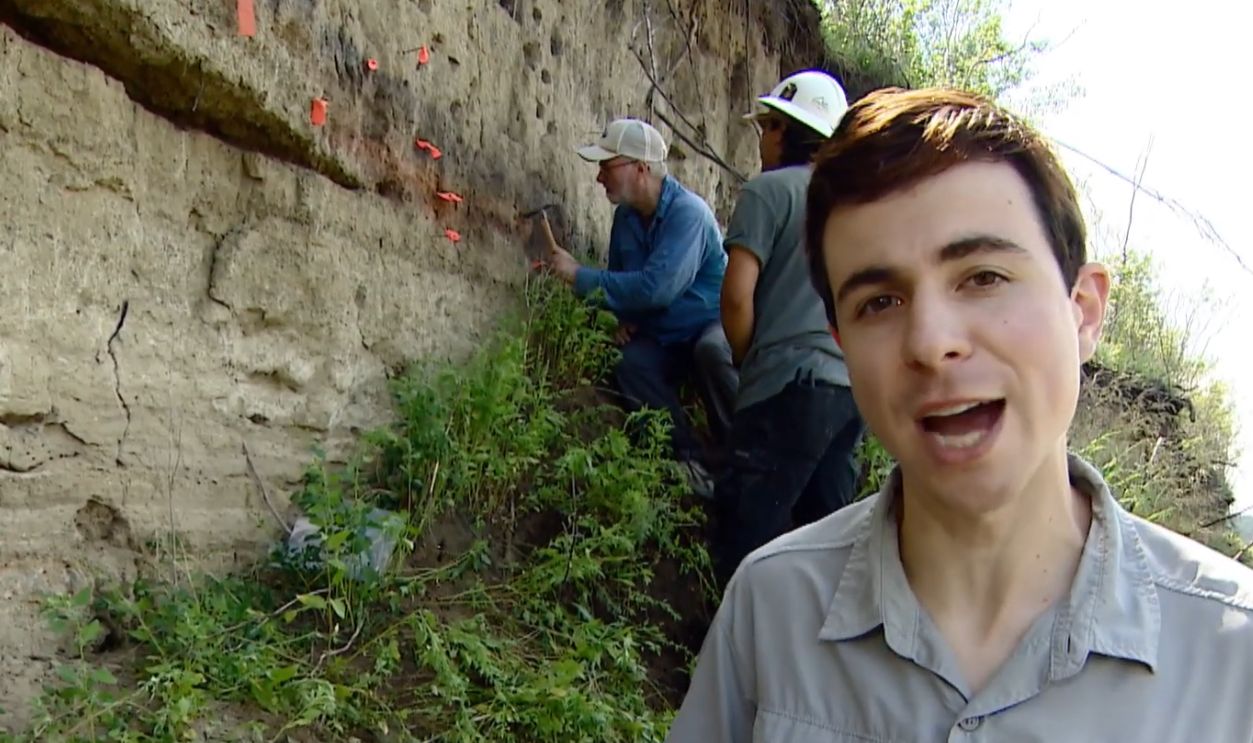
Geoarchaeology is especially useful at a riverbank site. Researchers study sediment layers, buried soils, erosion, and ancient landforms to determine which artifacts belong together. Without that context, an old-looking stone sitting loose on the ground can tell archaeologists surprisingly little about when it was actually used.
 Screenshot from CBC News, Canadian Broadcasting Corporation (1941–)
Radiocarbon Dating Needs Context Too
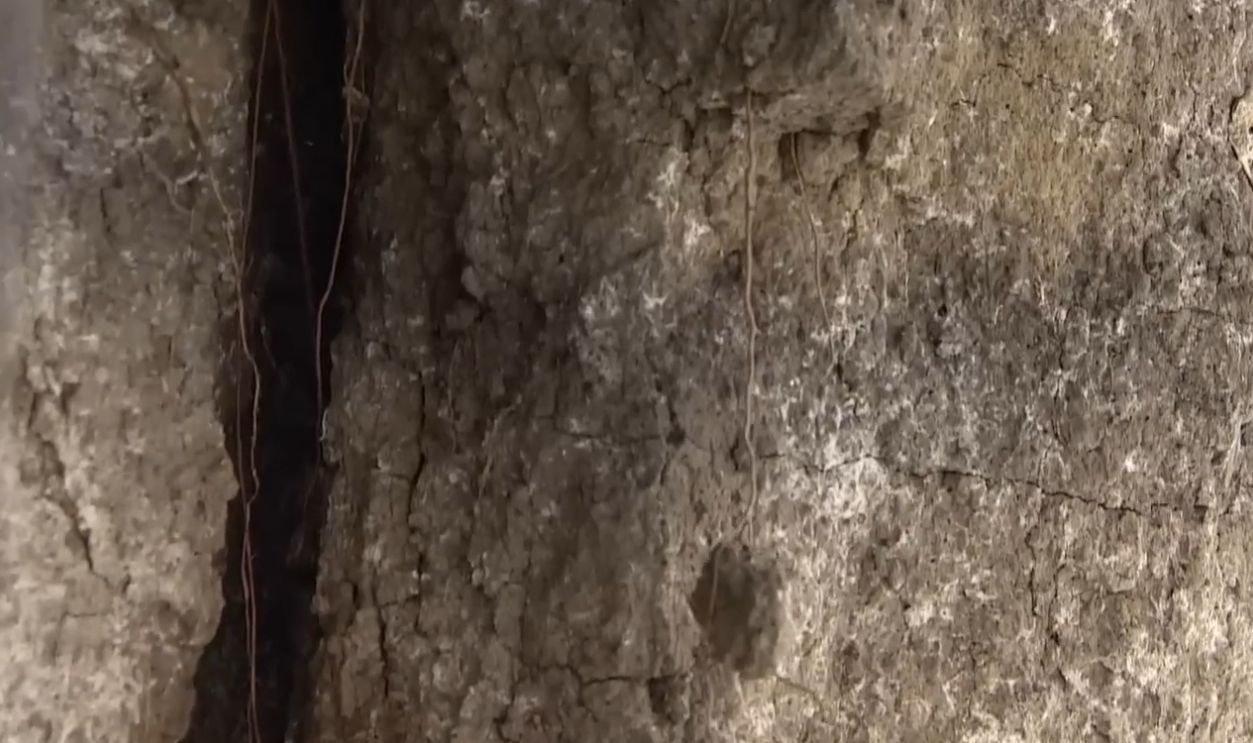
Radiocarbon dating measures once-living material such as charcoal, not a stone tool sitting nearby. That means archaeologists must establish that dated charcoal genuinely belongs with the human activity they are studying. At Âsowanânihk, charcoal from a hearth provided the crucial roughly 10,700-year date.
 Screenshot from CBC News, Canadian Broadcasting Corporation (1941–)
“Rewriting History” Needs A Little Caution
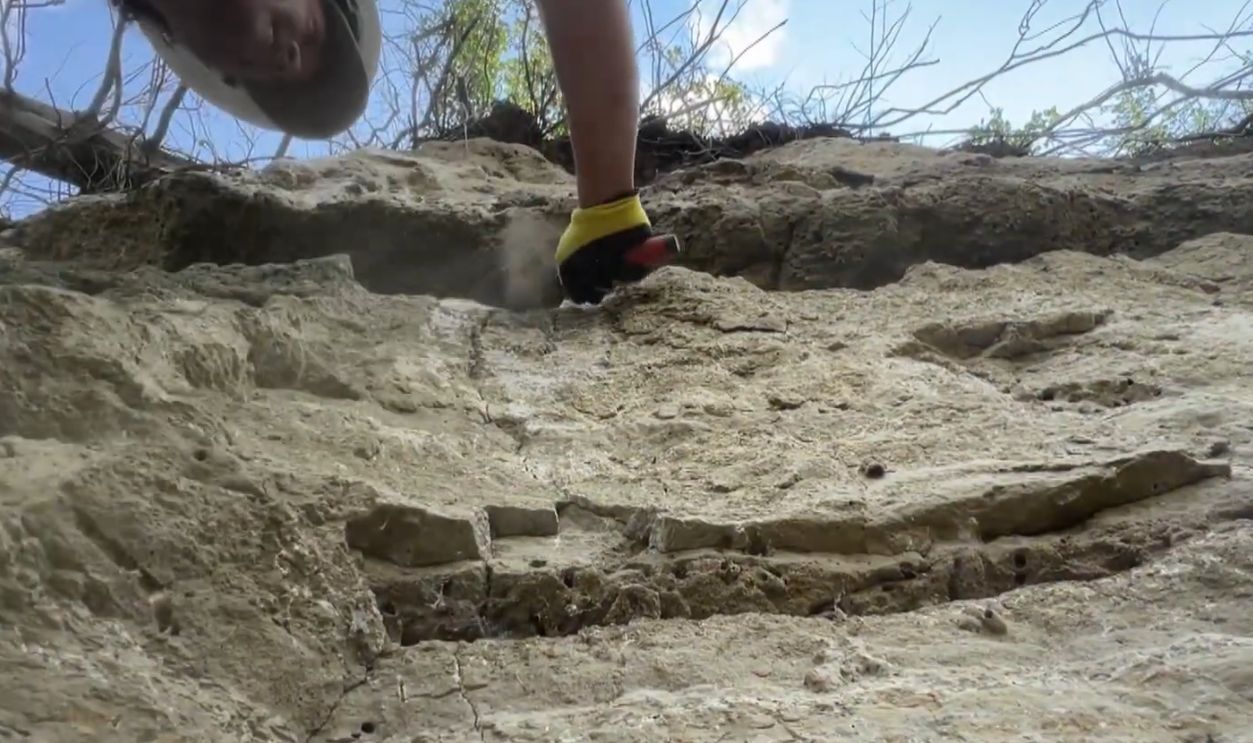
Headlines understandably call Âsowanânihk history-changing, but the evidence does not suddenly add 1,000 years to all Indigenous history in North America. Archaeologists already knew people were present elsewhere earlier. The discovery importantly pushes the securely dated chronology of this particular Saskatchewan region deeper into the past.
 Screenshot from CBC News, Canadian Broadcasting Corporation (1941–)
Saskatchewan Was Already Ancient
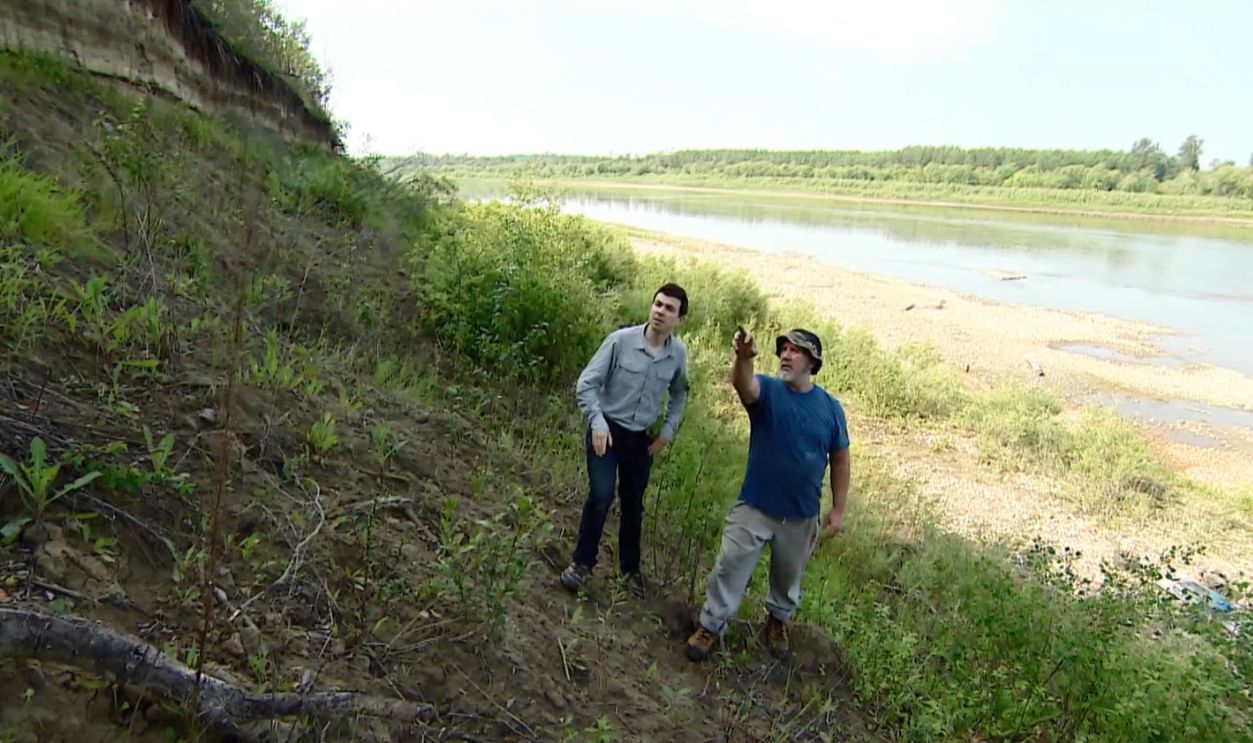
Saskatchewan’s archaeological record stretches back to the closing stages of the Ice Age. Earlier provincial overviews cited a roughly 10,000-year-old radiocarbon-dated site near Ponteix while recognizing potentially older occupations. Âsowanânihk adds an especially important northern riverine site to that bigger picture.
 Screenshot from CBC News, Canadian Broadcasting Corporation (1941–)
The Next Generation Is Already Involved
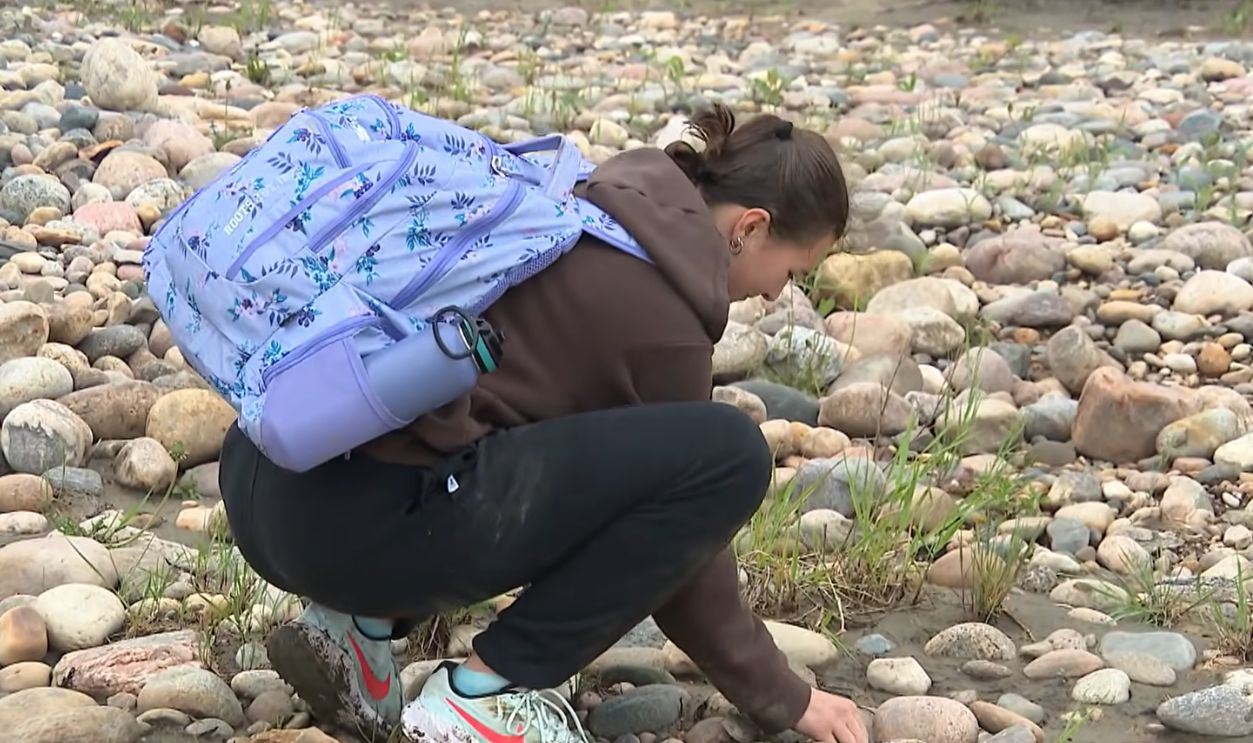
The site is becoming an educational resource as well as an excavation. In 2026, Stuart described youth learning directly at Âsowanânihk, while local reporting noted that an intact diagnostic projectile point was discovered by 11-year-old Piper Baldhead. Archaeology does not get much more hands-on than that.
 Screenshot from CBC News, Canadian Broadcasting Corporation (1941–)
Ancient Sites Can Vanish Quickly
Ironically, the erosion that revealed Âsowanânihk is also one of the things threatening it. Sturgeon Lake First Nation and the Âsowanânihk Council have sought stronger protection while raising concerns about environmental disturbance, logging, and the continuing loss of archaeological deposits along the landscape.
 Screenshot from CBC News, Canadian Broadcasting Corporation (1941–)
Research Is Only Getting Started
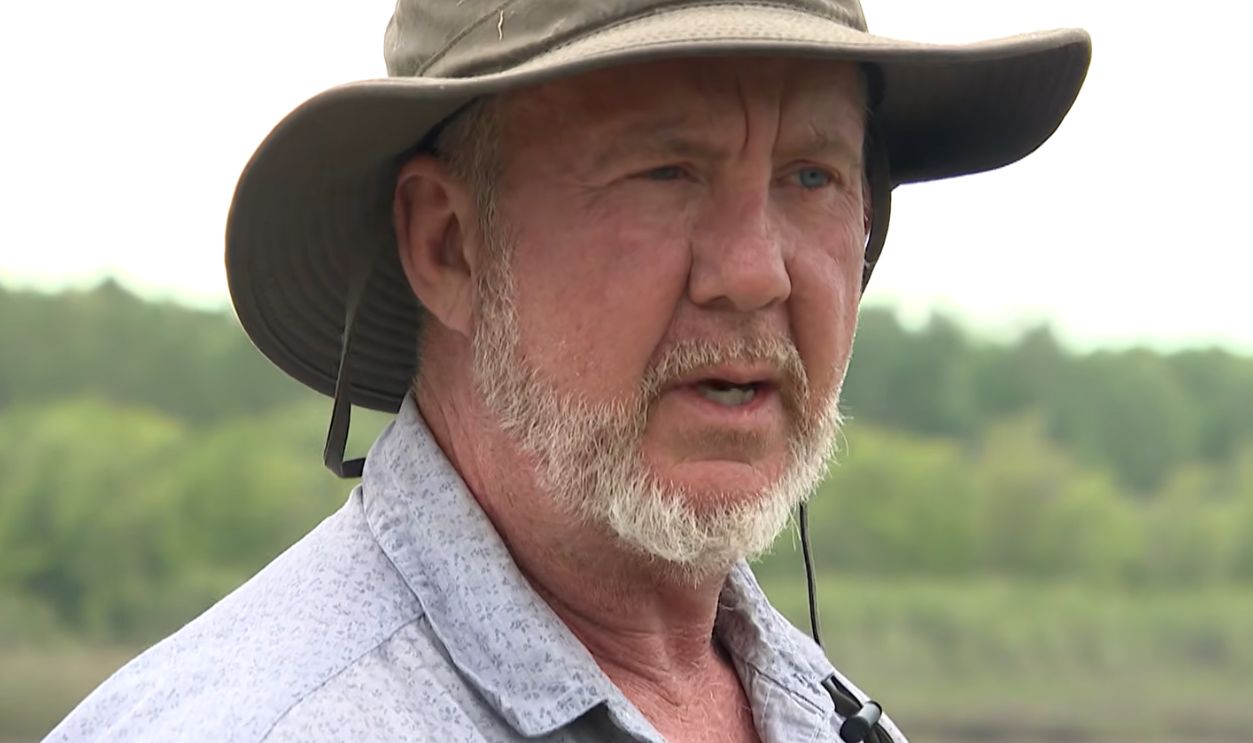
The project has received formal support for continued collaboration. Canada’s Social Sciences and Humanities Research Council awarded a partnership grant to Glenn Stuart, Andrea Freeman, Dave Rondeau, and Sturgeon Lake First Nation for the project “Âsowanânihk: coming together,” underscoring how much work remains ahead.
 Screenshot from CBC News, Canadian Broadcasting Corporation (1941–)
Saskatchewan’s River Keeps Telling Stories
Âsowanânihk gives archaeologists something wonderfully rare: an ancient place where landscape, artifacts, animal remains, fire, science, and community knowledge meet. Its 10,700-year-old hearth pushes local history deeper than researchers had securely documented before—and reminds us that Saskatchewan’s rivers have been gathering human stories for an astonishingly long time.
 Screenshot from CBC News, Canadian Broadcasting Corporation (1941–)
You May Also Like:
Things Canadians Notice Immediately When They Drive Through The American Southwest
Top Five Restaurants In The World
The U.S. Cities That Canadians Say Are Better Tourist Destinations Than They Expected