We May Have Gotten Them Completely Wrong
For decades, these ancient weapons appeared to confirm one of the most persistent beliefs about Neanderthals. Then archaeologists recreated them, placed them in the hands of six trained athletes and switched on the high-speed cameras. What happened next raised an uncomfortable question: How much else have we gotten wrong about Neanderthals?
It Began Inside A Coal Mine
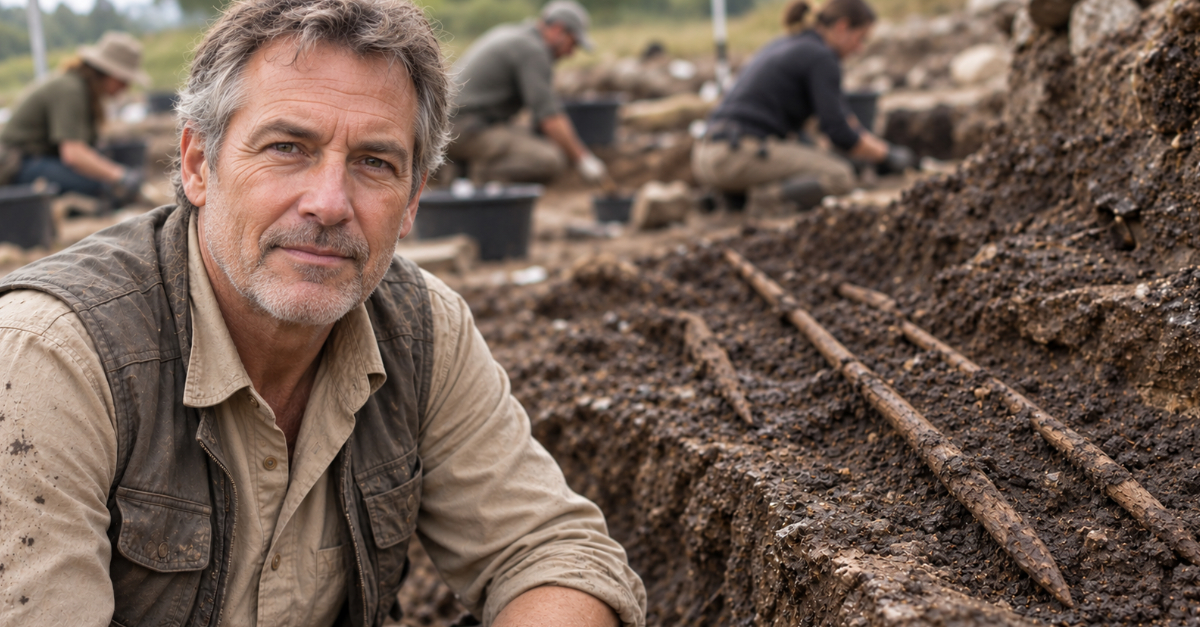
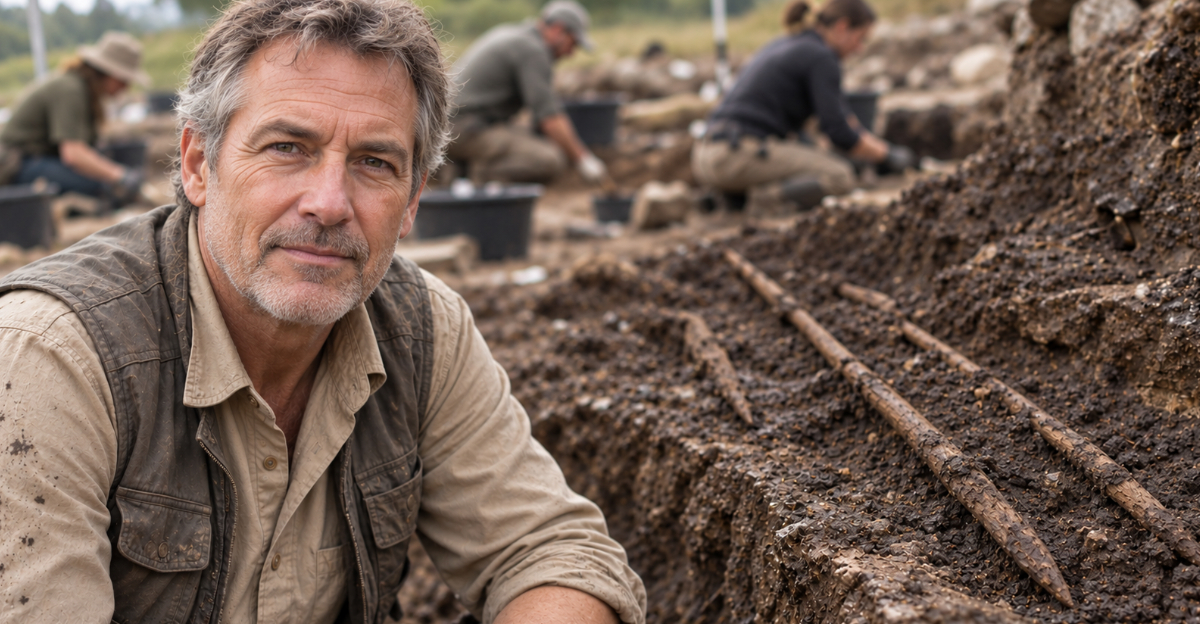
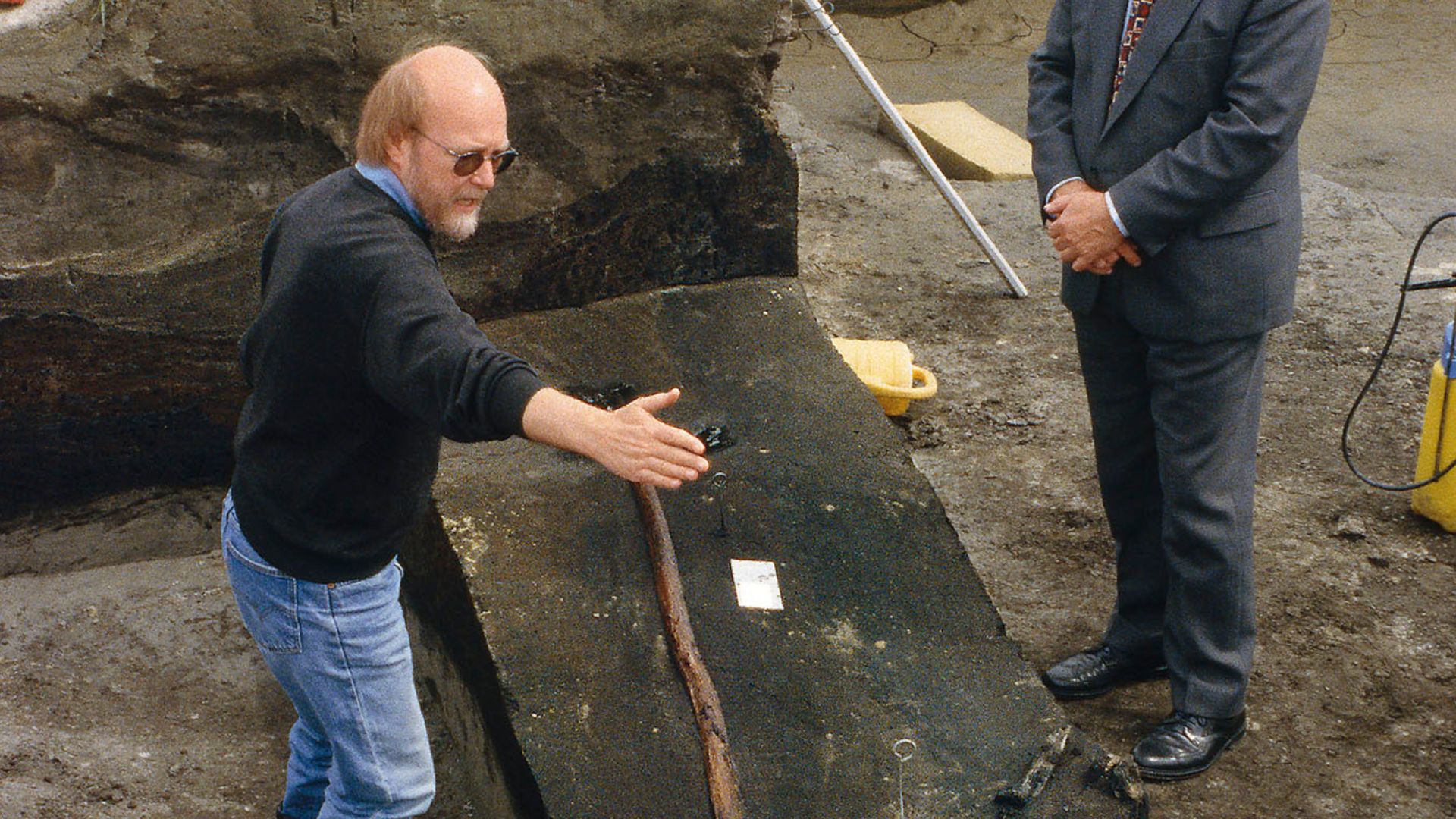
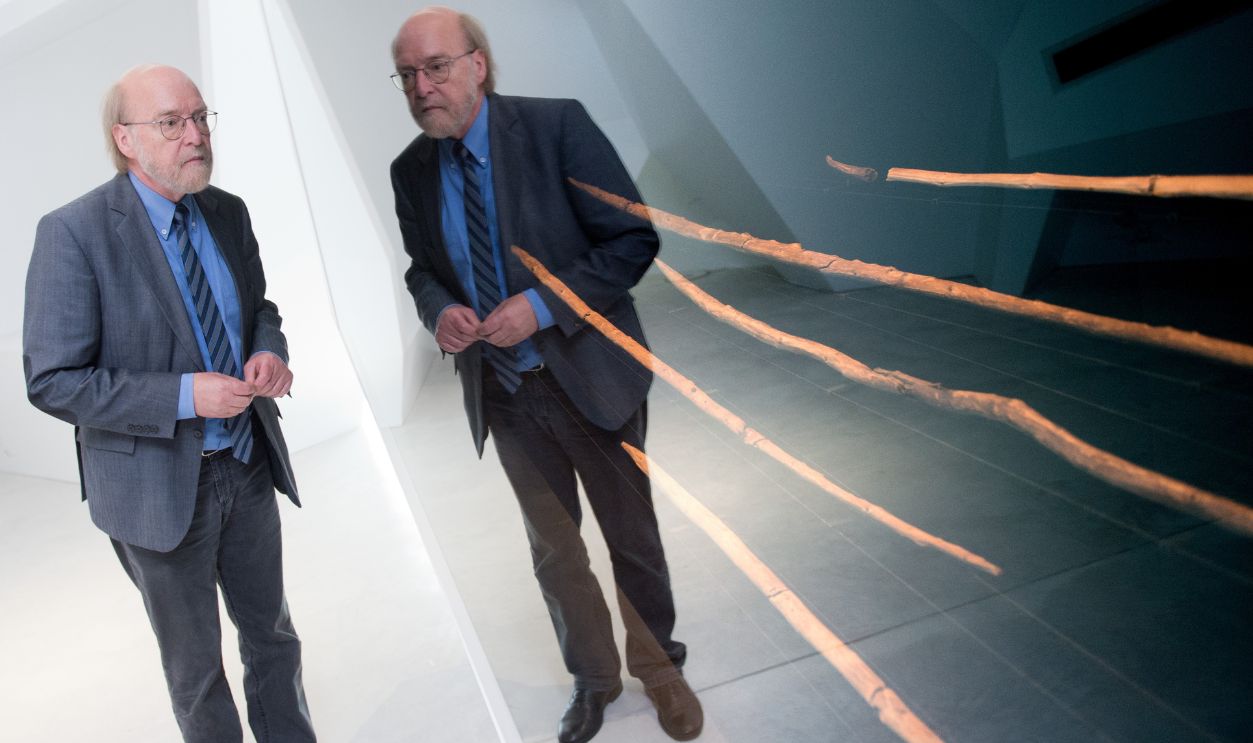
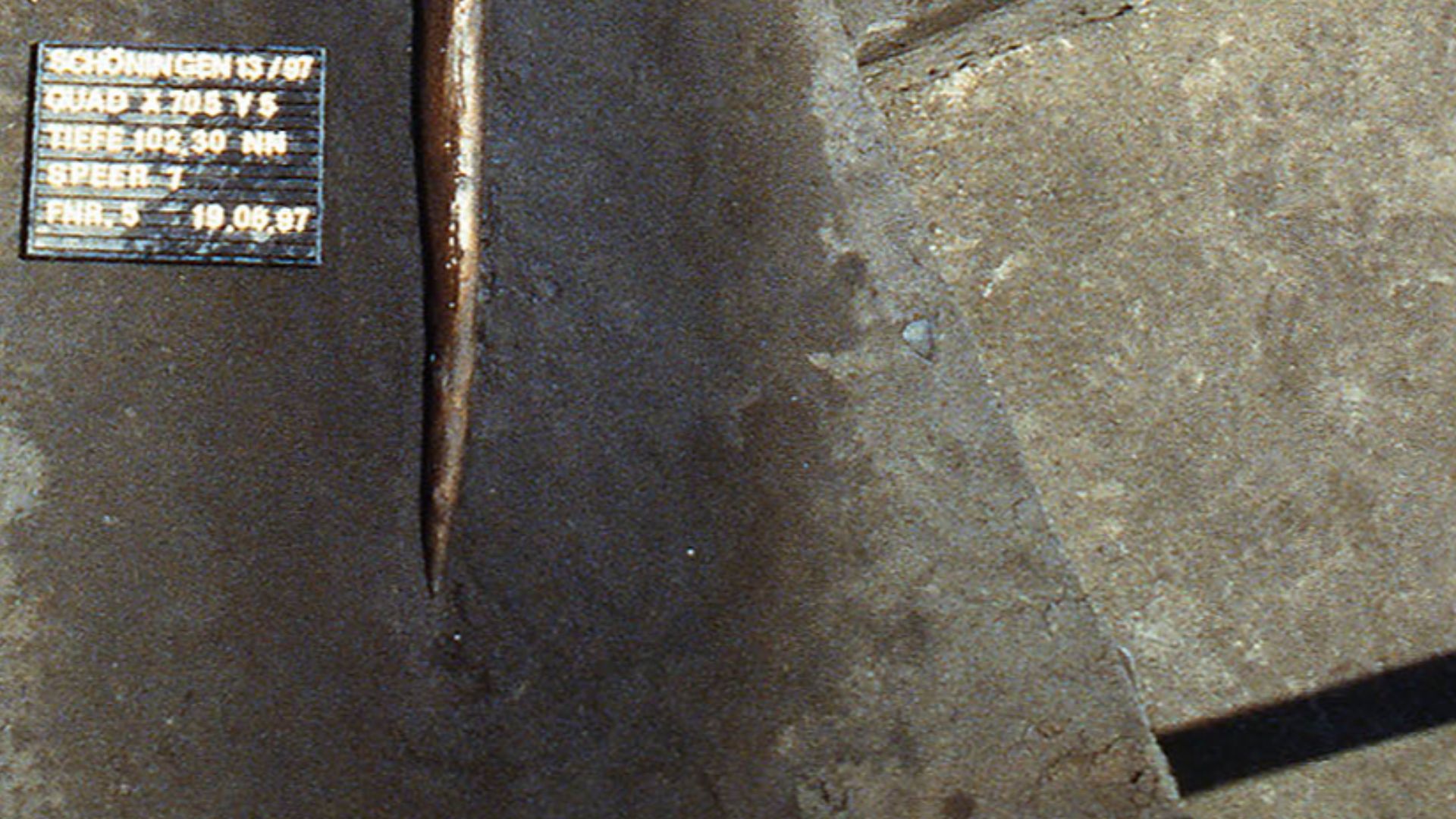
The original spears were discovered during excavations at an open-cast lignite mine near Schöningen, Germany. The first emerged in 1994 from layers of sediment that had once formed the shoreline of a lake. More wooden weapons appeared as excavations continued.
 Axel Hindemith, Wikimedia Commons
The Water Preserved Almost Everything
Wood normally disappears from the archaeological record as it decays. At Schöningen, waterlogged sediments limited oxygen exposure and preserved objects that should have vanished long ago. Archaeologists were suddenly looking at some of the oldest complete wooden hunting weapons ever found.
 Norm Andreiw, Wikimedia Commons
They Found More Than Spears
The 2025 study described nine spears, one lance and six double-pointed sticks. A broader 2024 analysis that included weapon fragments concluded that at least 20 spears and throwing sticks were represented. Researchers also recovered approximately 1,500 stone artifacts and numerous other wooden objects.
 P. Pfarr NLD, Wikimedia Commons
Then They Found The Horses
Mixed among the weapons were the butchered remains of more than 50 horses. Their location and condition suggested that groups of animals had repeatedly been hunted near the lakeshore, then processed at the site. Whatever happened there, it was organized and it happened more than once.
These Were Not Scavenged Leftovers
Early humans were once frequently portrayed as opportunistic scavengers waiting for more capable predators to finish eating. Schöningen helped overturn that idea. The weapons, cut marks and horse remains pointed toward planned ambushes carried out by hunters who knew precisely what they were doing.
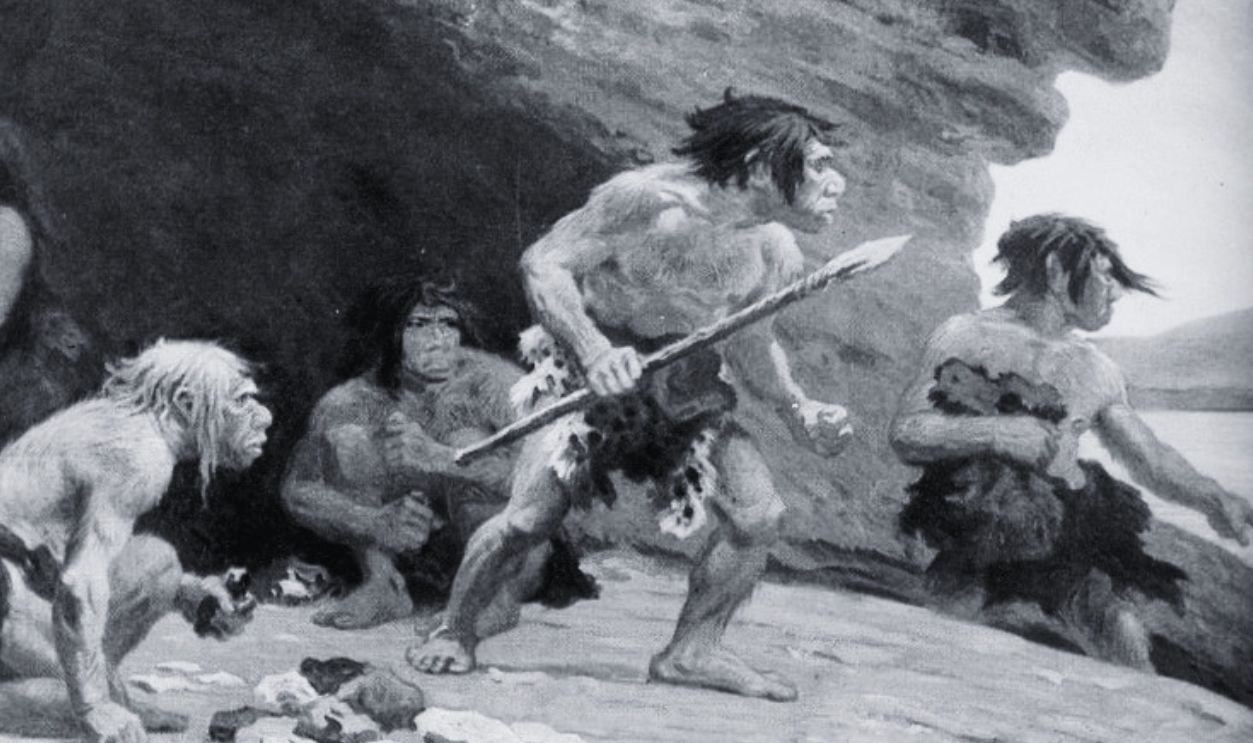 Charles Robert Knight, Wikimedia Commons
But One Question Remained
Researchers could see that the spears were hunting weapons. What they could not agree on was how they had been used. Were they thrust into animals at extremely close range, or could Neanderthals launch them through the air and strike from farther away?
 Neanderthal-Museum, Mettmann, Wikimedia Commons
Close-Range Hunting Was The Accepted Answer
An influential estimate placed the effective range of early hand-thrown spears at only five to 10 metres. Some experts doubted they were genuine projectiles at all. That left ancient hunters confronting horses and other powerful animals from distances at which one wrong move could become disastrous.
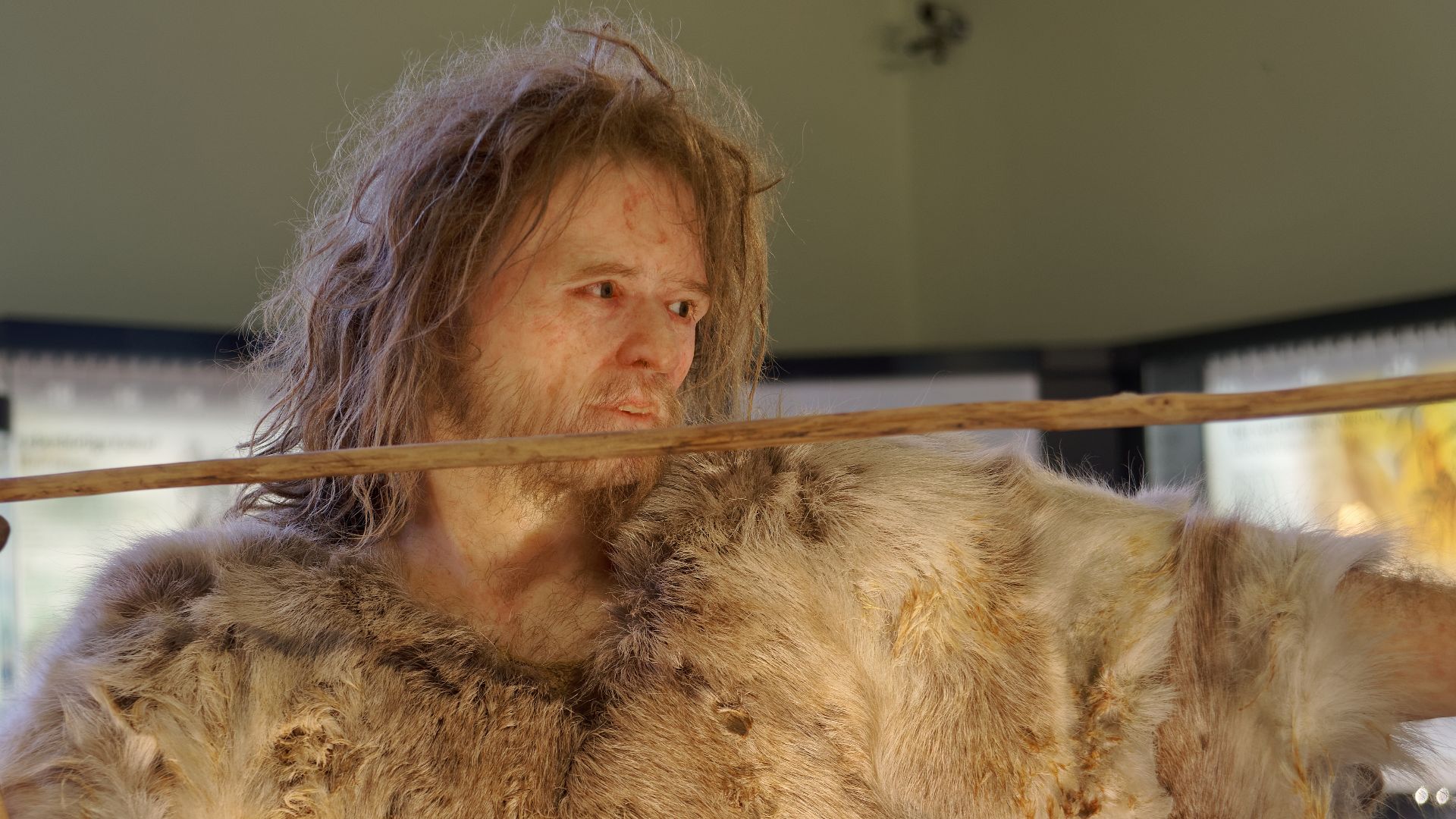 Jakub Halun, Wikimedia Commons
The Spears Looked Surprisingly Advanced
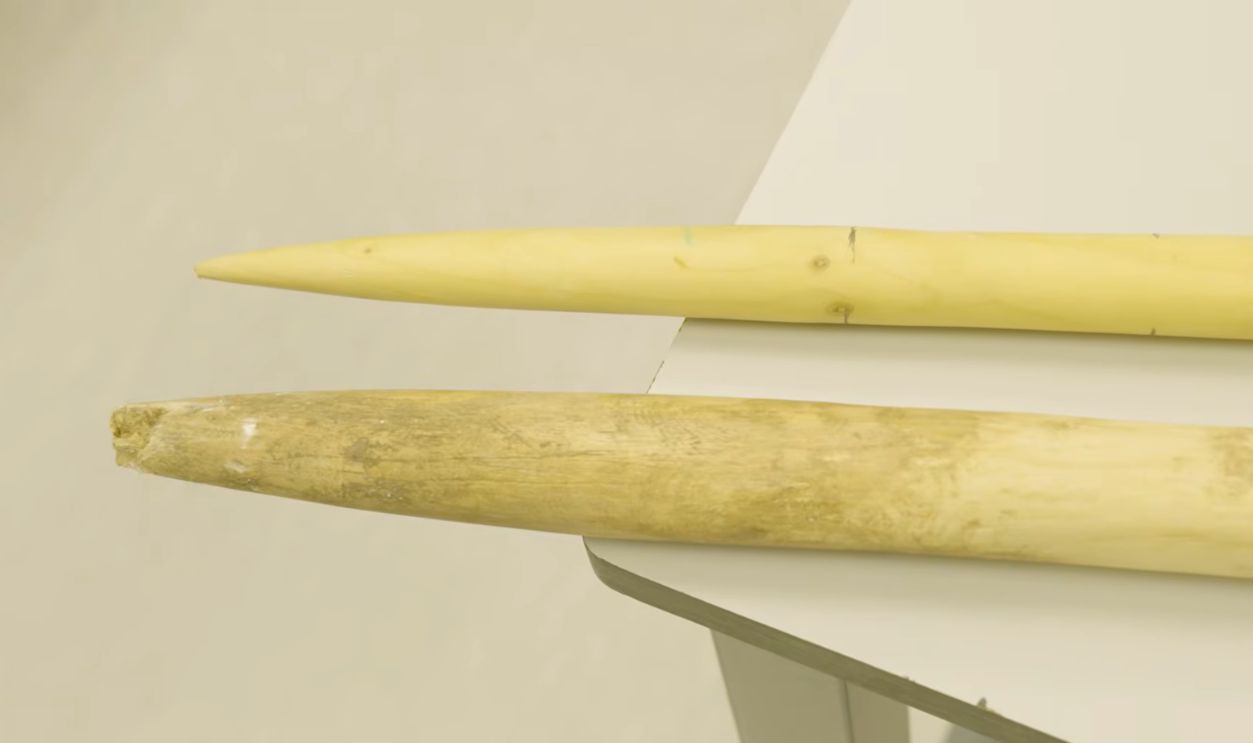
The Schöningen weapons were not simply sharpened branches. Their makers selected suitable trees, removed bark and carefully shaped the wood. Several were tapered at both ends, while their thickest sections sat forward of the centre, suggesting that at least some were intentionally designed to fly.
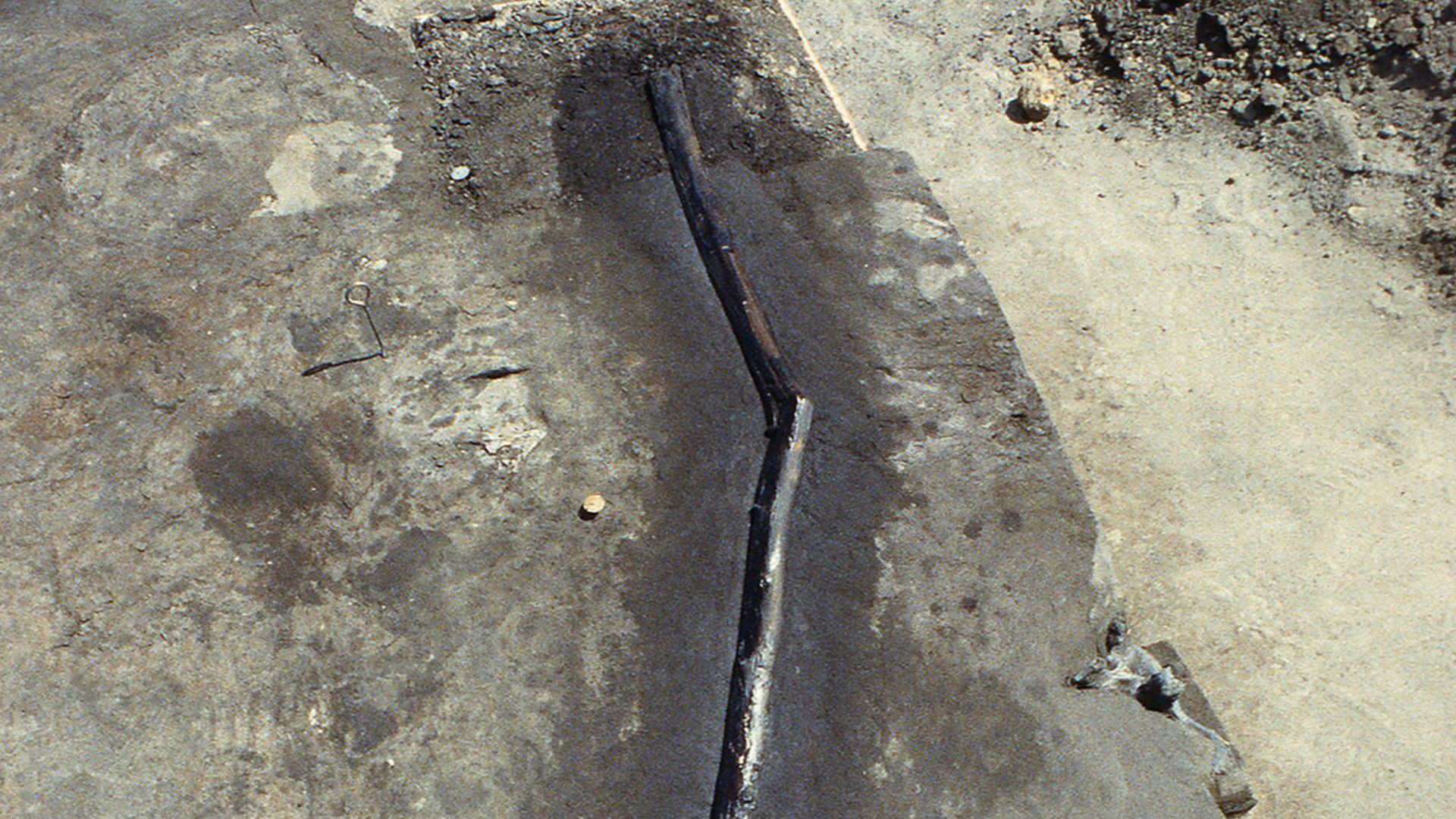 P. Pfarr NLD, Wikimedia Commons
One Spear Became The Blueprint
For their experiment, archaeologists selected Schöningen Spear II because it was complete and its measurements had been thoroughly documented. Its dimensions also placed it close to the average of the Schöningen spears known when the study was designed.
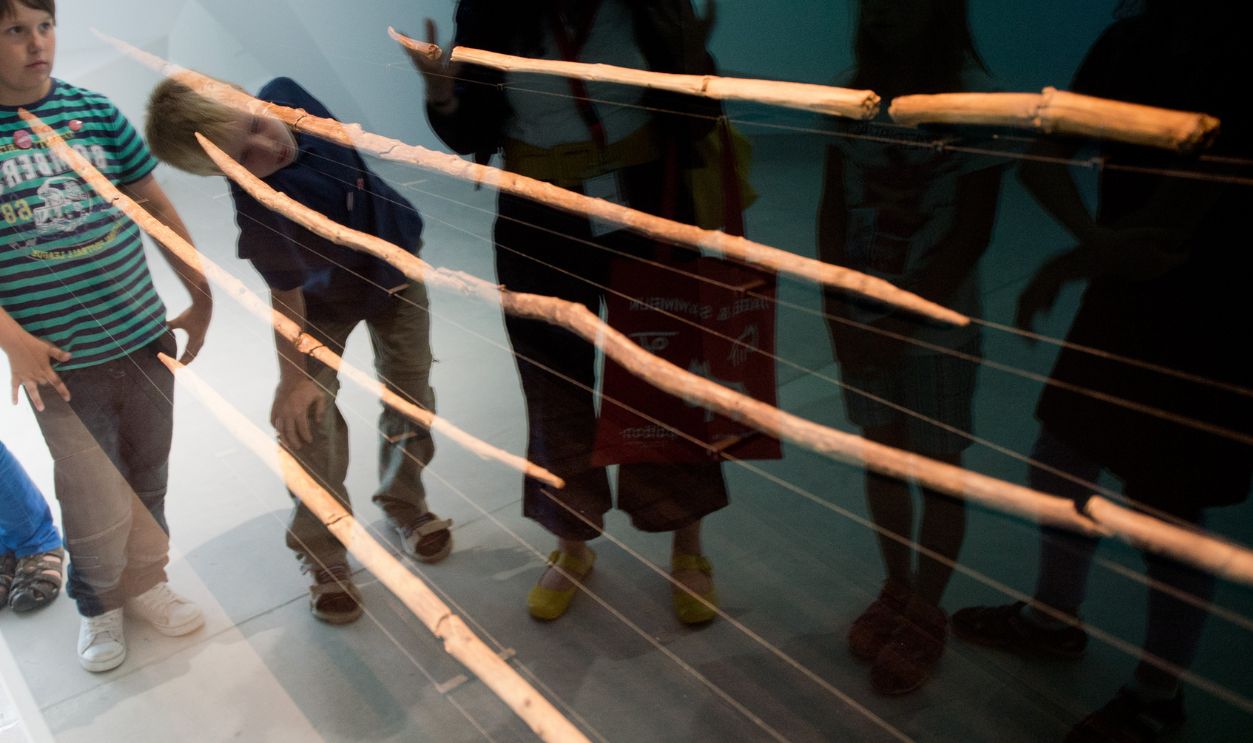 picture alliance, Getty Images
They Recreated It By Hand
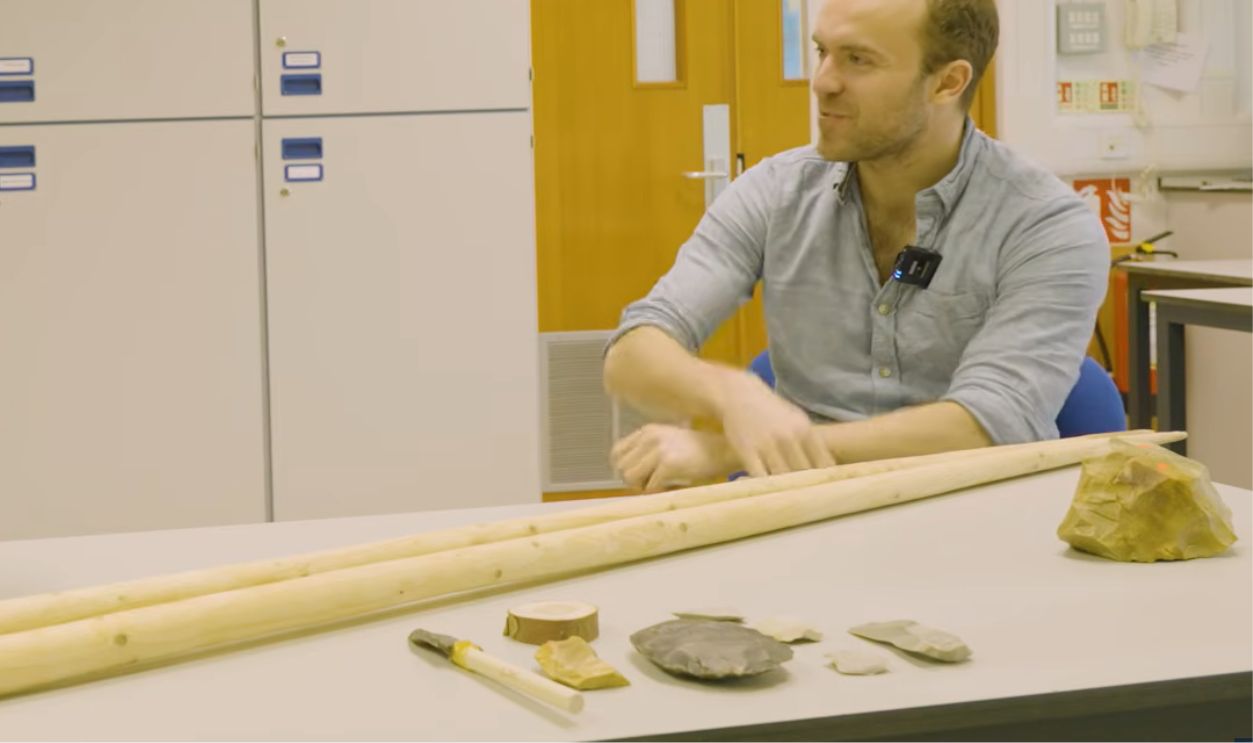
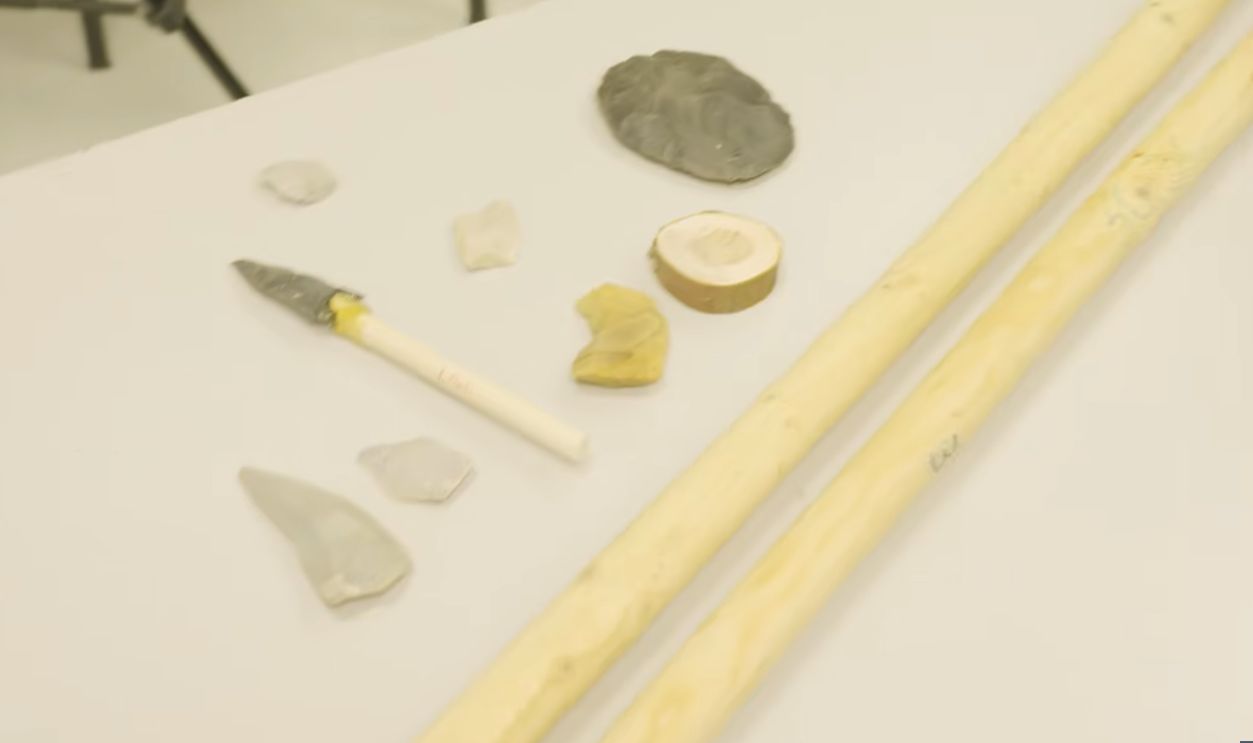
Two replicas were made from Norwegian spruce grown in Kent, England. Metal tools handled most of the shaping, but stone tools were used during the final stage to recreate the surface of a Pleistocene weapon. The finished spears weighed 760 and 800 grams.
 Screenshot from History Hit, History Hit (2015–)
These Were Not Modern Javelins
Competition javelins are engineered using modern materials and designed for athletic distance. These replicas were solid wooden weapons with no metal or stone points. They were heavier, thicker and considerably less forgiving than the equipment the athletes normally threw.
 Screenshot from History Hit, History Hit (2015–)
Why Use Javelin Athletes?
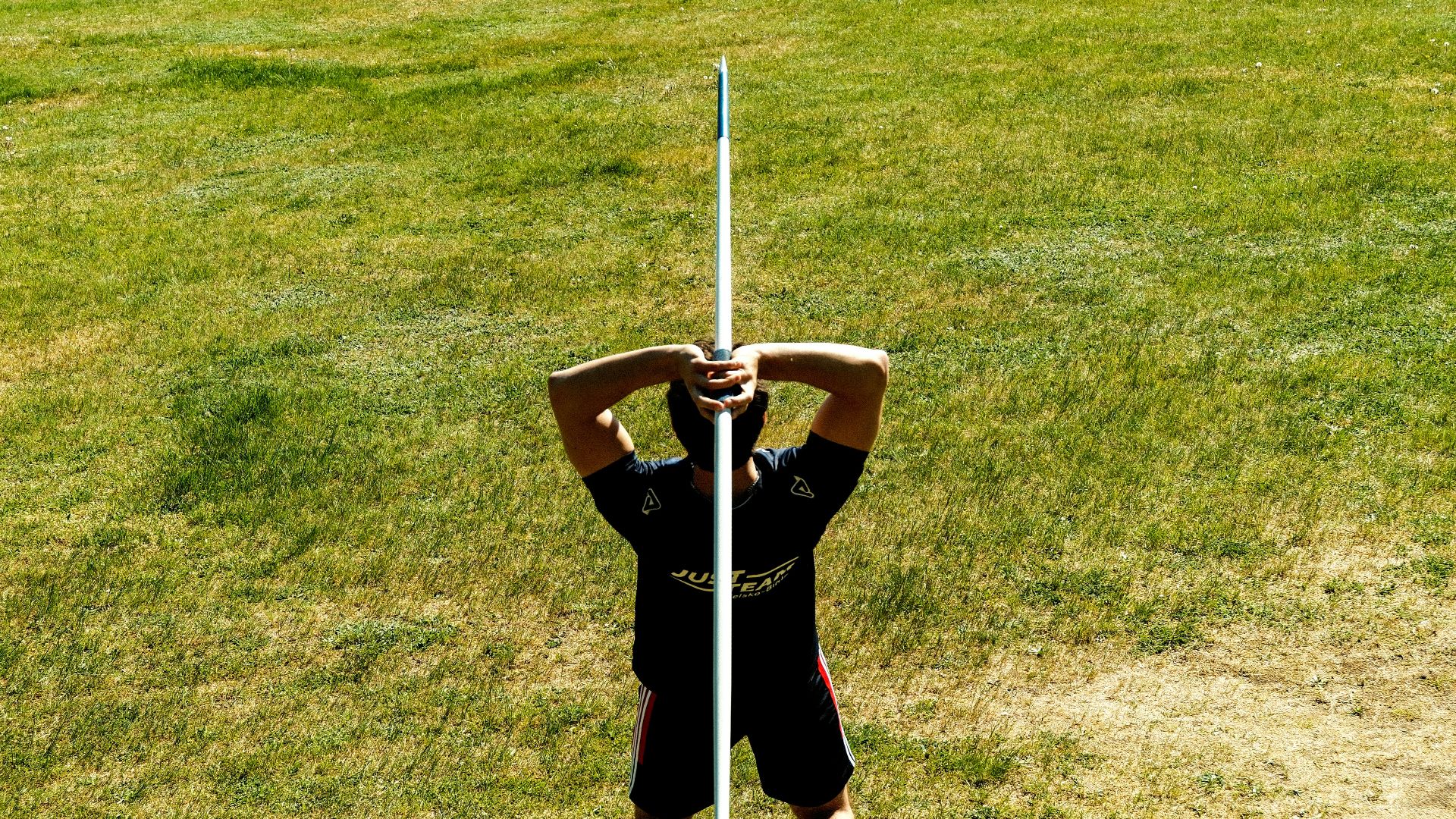
Previous experiments often used people with little throwing experience. That risked measuring the participants’ inexperience instead of the weapons’ true capabilities. The researchers needed strong, trained throwers who understood release angles, body movement and how to control a long projectile in flight.
Six Athletes Accepted The Challenge
The team recruited six men between 18 and 34 who had received formal javelin coaching. Their experience ranged from one year to 24 years. Researchers believed their height, body mass and throwing ability made them reasonable physical stand-ins for skilled Middle Pleistocene hunters.

The Athletes Made 120 Throws
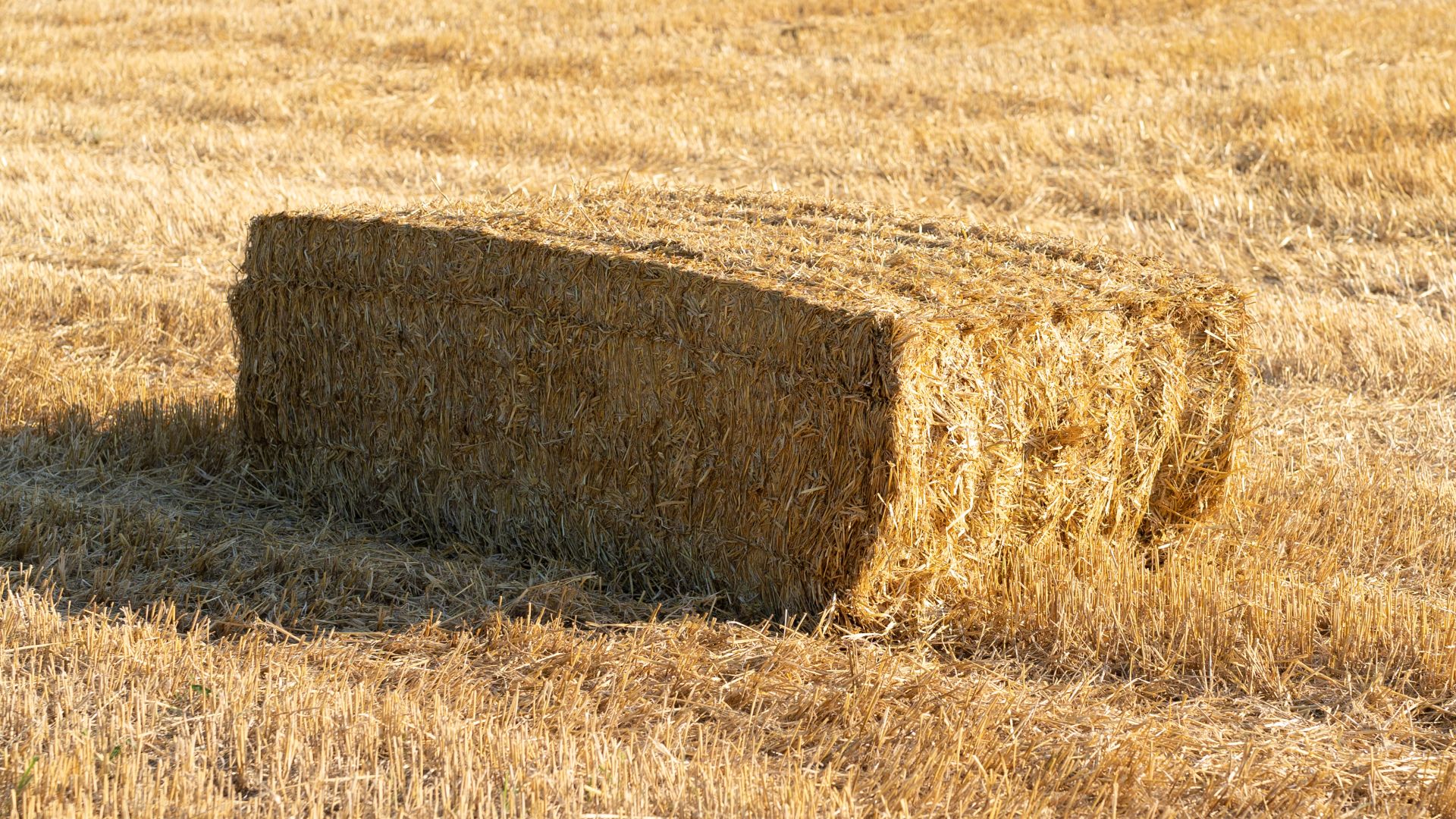
Participants launched the spears at a hay-bale target placed at varying distances between five and 25 metres. They were not given a full javelin run-up. For aimed throws, they could take no more than three steps before releasing the weapon.
 Tobias ToMar Maier, Wikimedia Commons
High-Speed Cameras Captured The Trial
Cameras operating at 1,000 frames per second filmed releases, flight paths and impacts, capturing 92% of the target impacts. Detailed velocity data came from 36 recorded throws, allowing researchers to calculate release speed, impact speed, momentum, kinetic energy and flight angles.
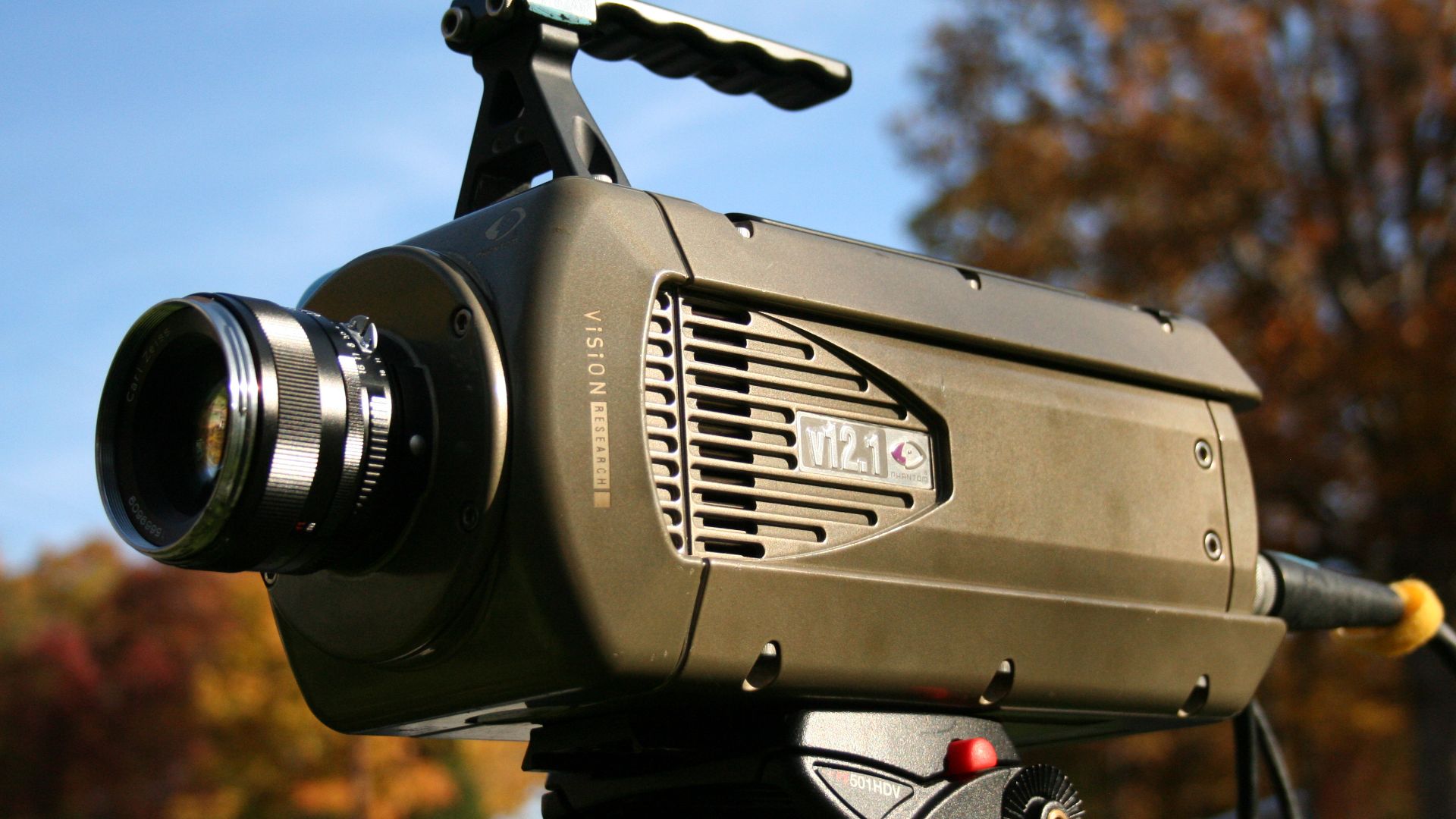 Nathan Boor of Aimed Research, Wikimedia Commons
The Spears Flew
The athletes could launch the heavy replicas with considerable speed and control. Rather than tumbling uselessly through the air, the spears followed recognizable flight paths. Throwers could use flatter trajectories at close range and increasingly arched trajectories as the target moved farther away.
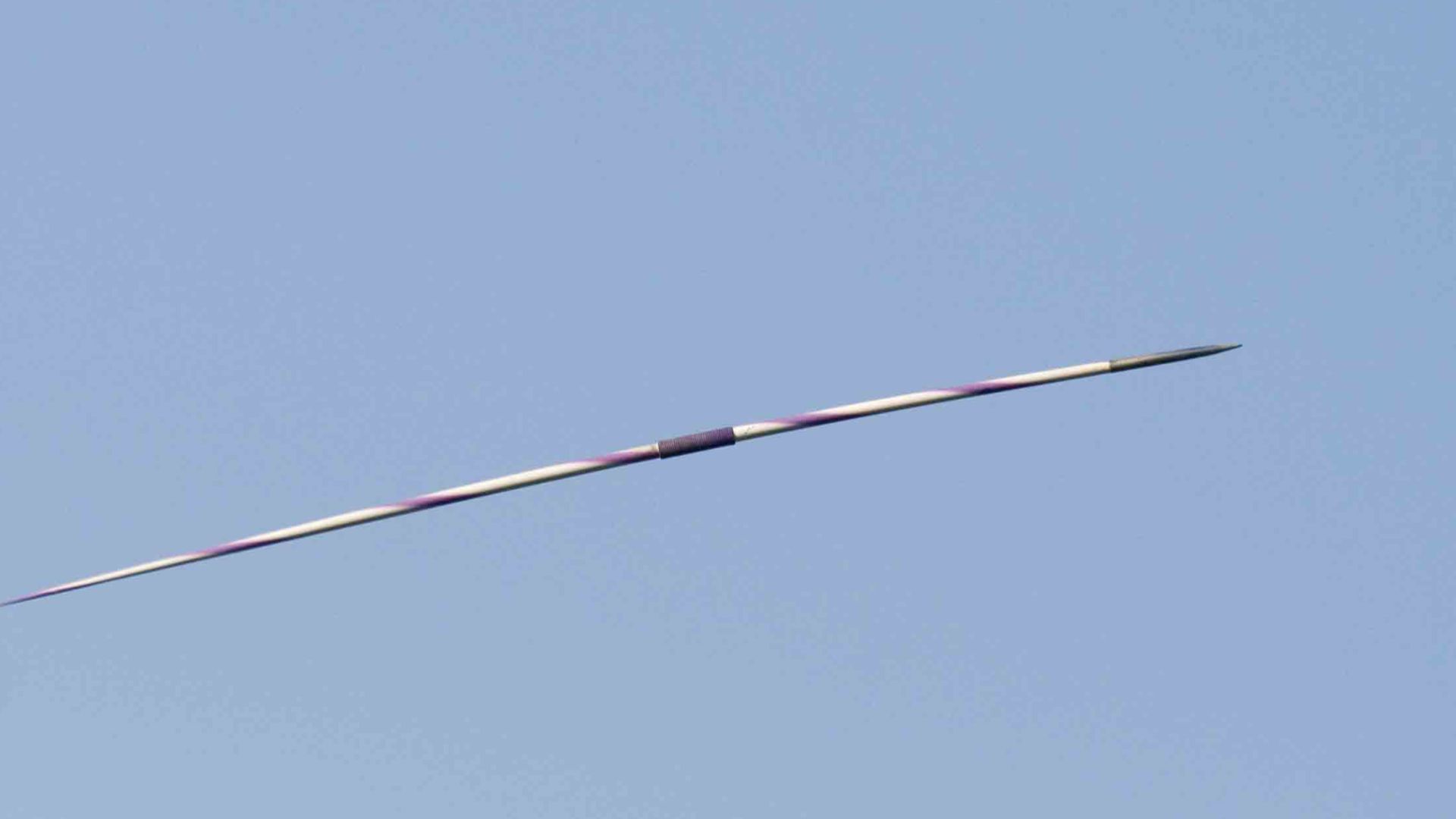 Ragnar Singsaas, Wikimedia Commons
They Struck From 20 Metres
The athletes successfully hit the target from as far as 20 metres, roughly twice the distance proposed by a widely cited estimate for early hand-thrown spears. The experiment showed that a skilled hunter did not necessarily have to stand almost within reach of the animal.

Not Every Throw Found Its Target
Of the 102 aimed throws analyzed, 25 struck the target. Accuracy dropped as distance increased, and no participant hit it beyond 20 metres. However, these were javelin athletes accustomed to throwing for distance, not prehistoric hunters trained from childhood to strike moving animals.
Some Spears Traveled Even Farther
During throws intended to test maximum range, the replicas traveled between 19.4 and 31.2 metres. Many of the longest throws failed to land point-first, making them less useful for hunting. Still, they demonstrated that the weapons were far from unthrowable.
The Impacts Carried Serious Force
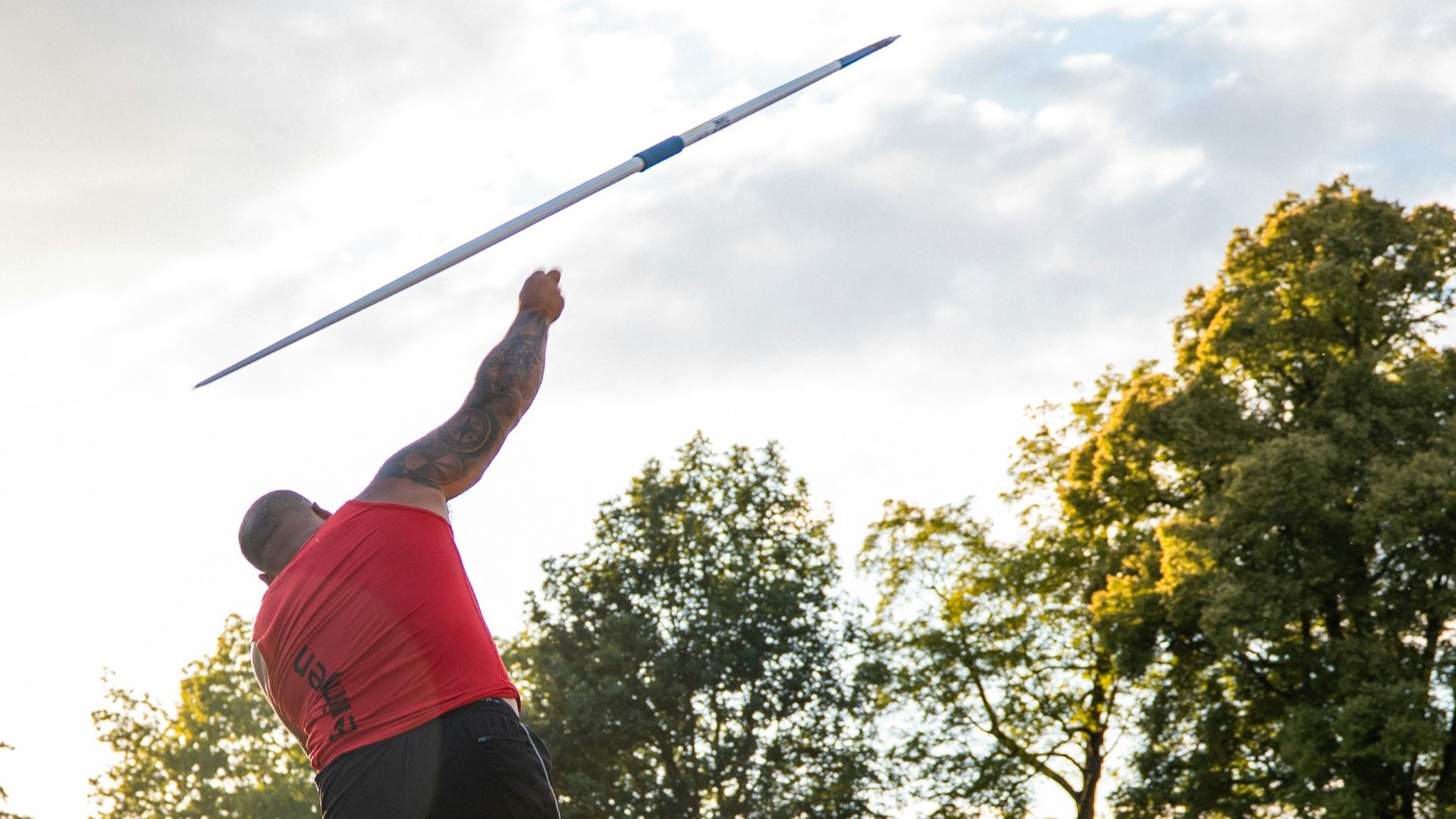
Aimed throws produced between 71 and 179 joules of kinetic energy, with an average of approximately 108 joules. The researchers said those figures reached levels suggested to be sufficient for hunting large animals, although the experiment did not directly test penetration or injuries.

Their Weight Was Not The Problem Researchers Expected
The spears were slower than modern athletic javelins, but their greater mass produced substantial momentum and impact energy. Researchers found no clear loss of velocity across the short distances tested. However, that same weight also demanded considerable strength and made accurate throwing more difficult.
 Screenshot from History Hit, History Hit (2015–)
Skill Changed Everything
The athletes with stronger performances generally produced faster impacts and more target hits. That suggested the weapon demanded training, strength and repeated practice. A Neanderthal hunter who had handled spears since childhood could potentially have performed better than athletes encountering these replicas for the first time.
 Nobu Tamura, Wikimedia Commons
The Old Hunting Story Became Harder To Defend
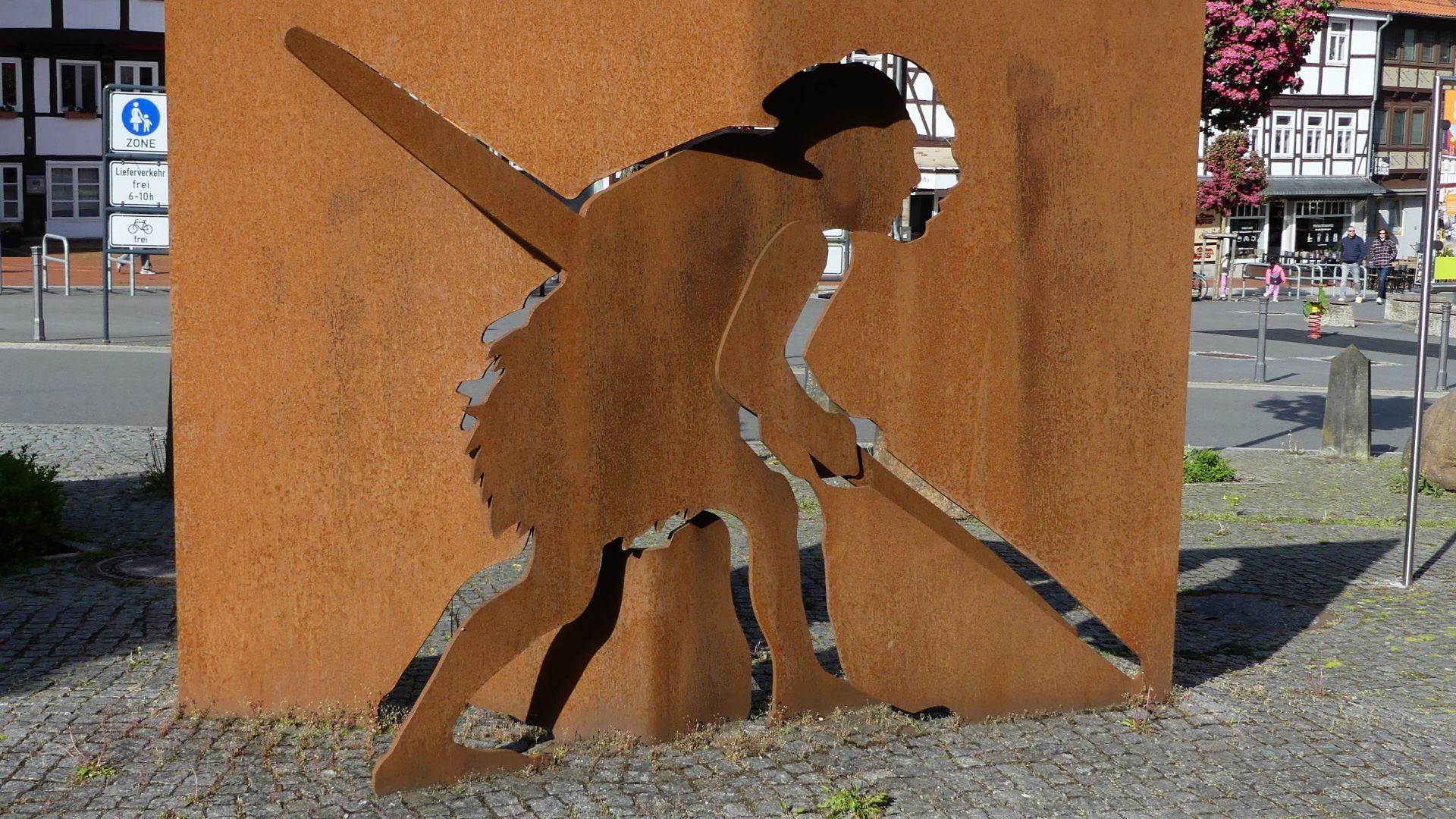
The experiment did not prove that every Schöningen spear was thrown. Hunters may have used them as both thrusting and distance weapons. But it supported a revised effective range of 15 to 20 metres and showed that ancient hunters had more tactical options than previously assumed.
 Bärbel Miemietz, Wikimedia Commons
Then The Spears Became Younger
When the throwing study appeared in 2019, the Schöningen spears were generally described as approximately 300,000 years old. That date complicated claims about their makers because it placed them near the uncertain boundary between earlier European humans and recognizable Neanderthals.
 P. Pfarr NLD, Wikimedia Commons
Scientists Found A New Clock
A 2025 study examined fossil material recovered directly from the deposits surrounding the weapons. Researchers measured changes in ancient amino acids preserved inside tiny calcified trapdoors from freshwater snails, supported by evidence from ostracods and horse teeth found in the same archaeological layer.

The New Estimate Was 200,000 Years
The results placed the Spear Horizon at approximately 200,000 years ago, around 100,000 years younger than previously believed. The estimate remains debated, but it brings the weapons into a period associated with European Neanderthals and the Middle Paleolithic.
 picture alliance, Getty Images
Suddenly, The Pieces Fit Together
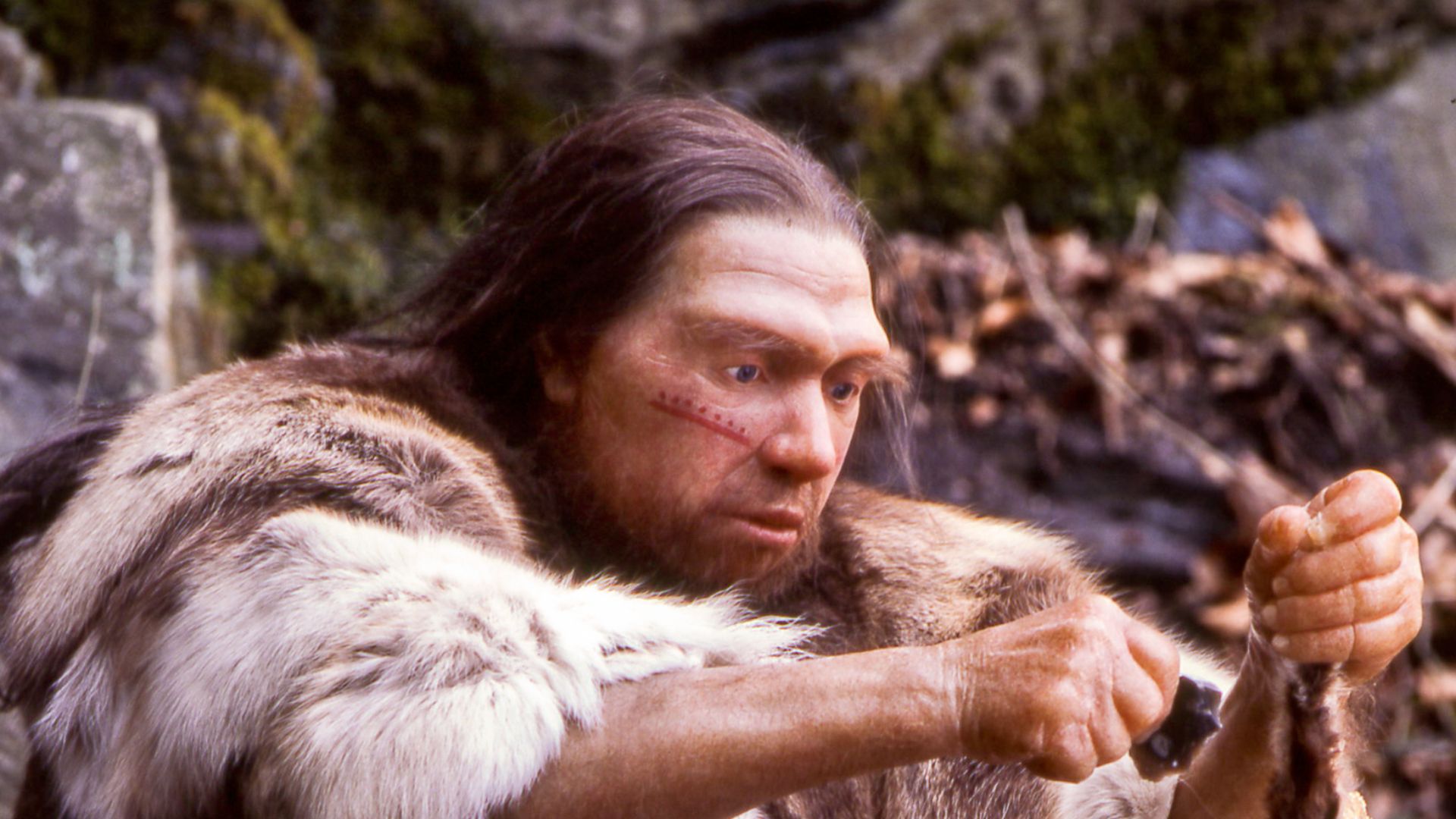
The revised age made Neanderthals the leading candidates for the weapons’ makers. The hominins at Schöningen appear to have repeatedly ambushed horse groups, selected and shaped specialized weapons, worked together and processed large quantities of meat along the ancient lakeshore.
 Neanderthal-Museum, Mettmann, Wikimedia Commons
Their Woodworking Was Remarkable Too
A newer inventory identified 187 wooden artifacts from the Spear Horizon, including at least 20 hunting weapons and 35 tools believed to have served other purposes. Some weapons had been repaired or recycled, revealing a level of planning and resourcefulness that went well beyond sharpening convenient branches.
 P. Pfarr NLD, Wikimedia Commons
It Does Not Prove Everything
No Neanderthal remains were discovered beside the weapons, so researchers cannot identify their makers with absolute certainty. The experiment also involved stationary hay bales and a tailwind of approximately 19 to 32 kilometres per hour, which may have helped the spears maintain velocity.
 Jakub Halun, Wikimedia Commons
But The Old Neanderthal Is Disappearing
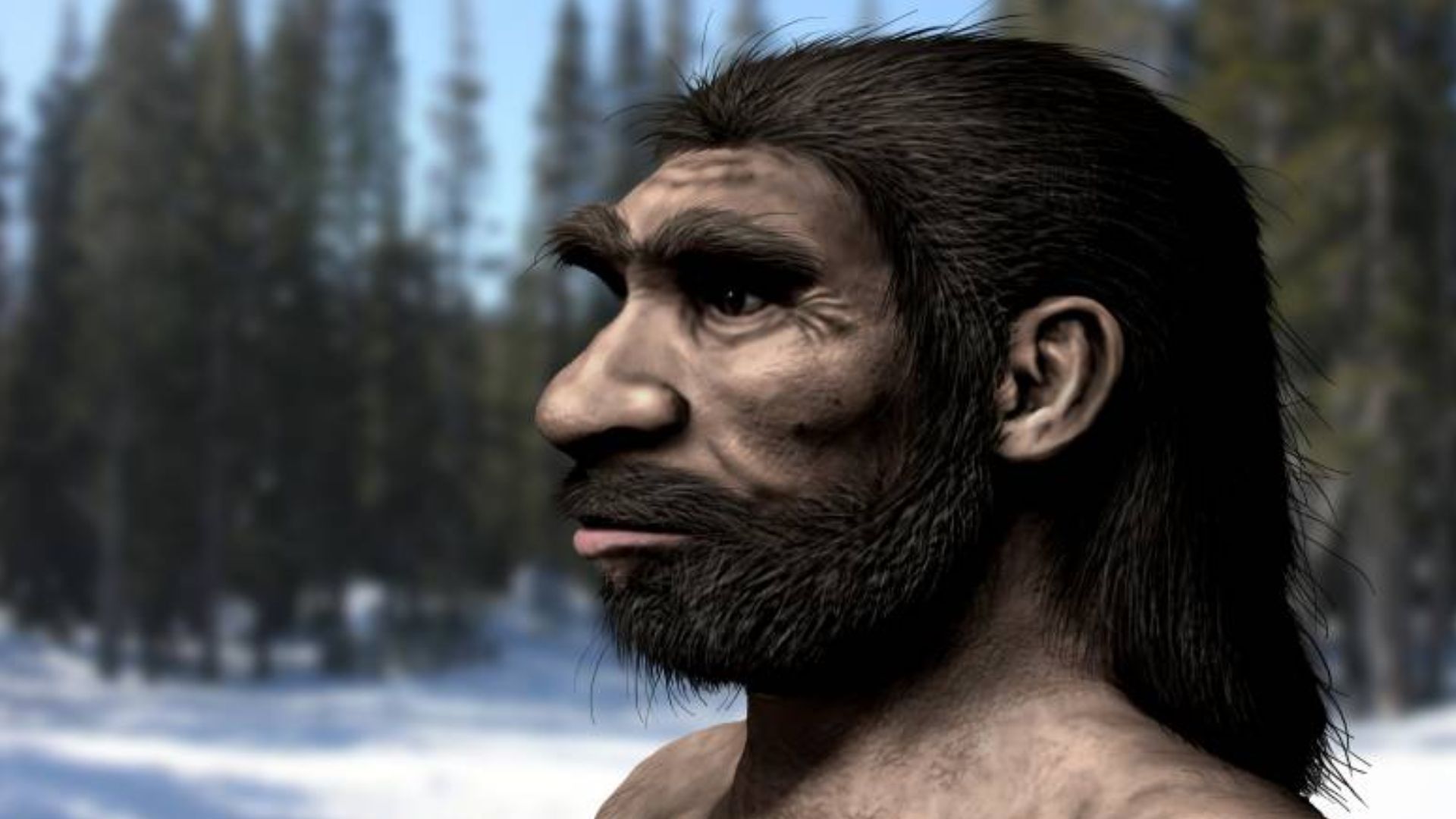
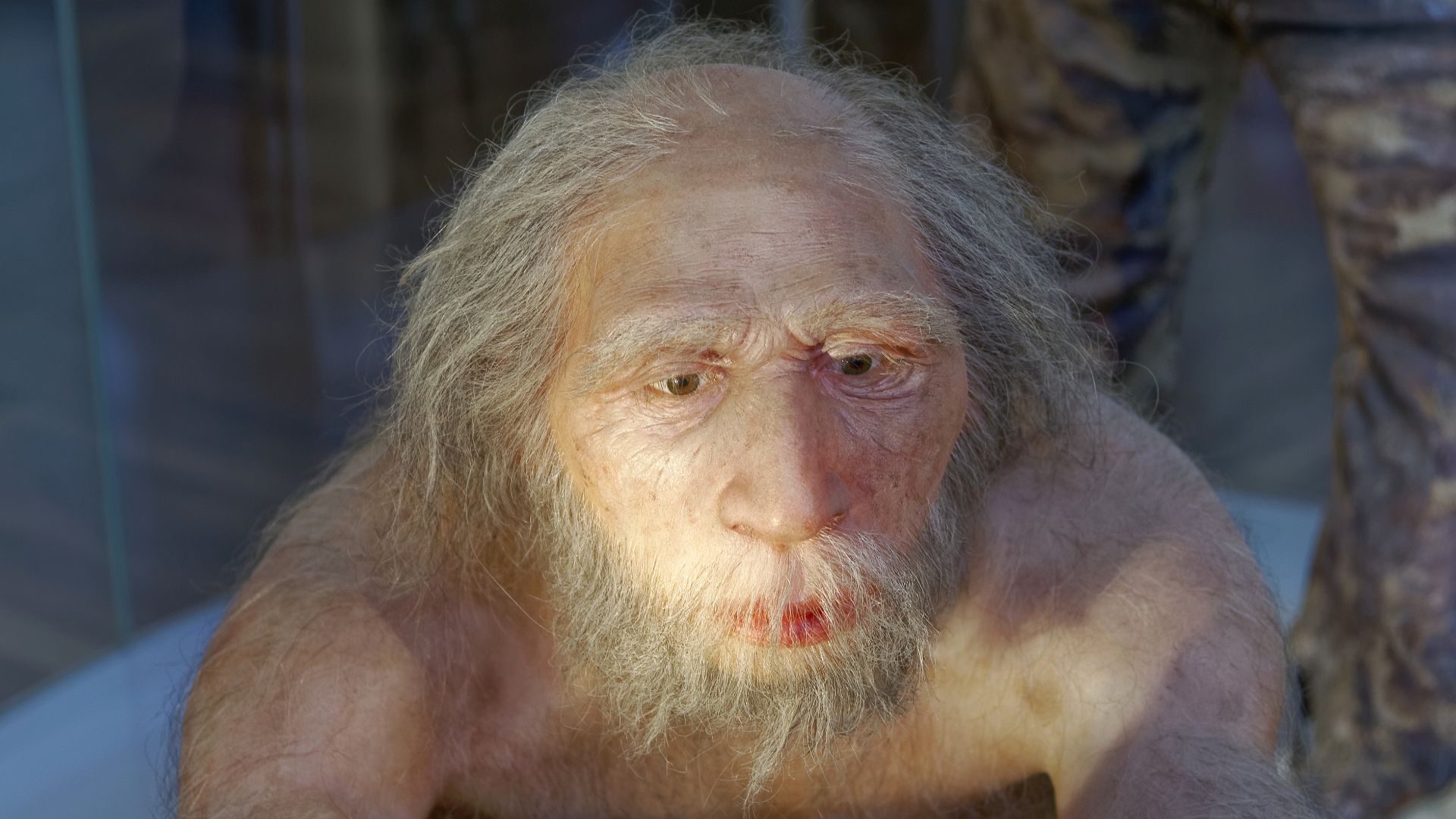
Neanderthals were once imagined as lumbering hunters armed with little more than brute strength. Schöningen tells a different story: carefully engineered weapons, skilled throwing, repeated cooperative hunts and people who understood wood astonishingly well. The spears were simple only if we ignored the intelligence behind them.
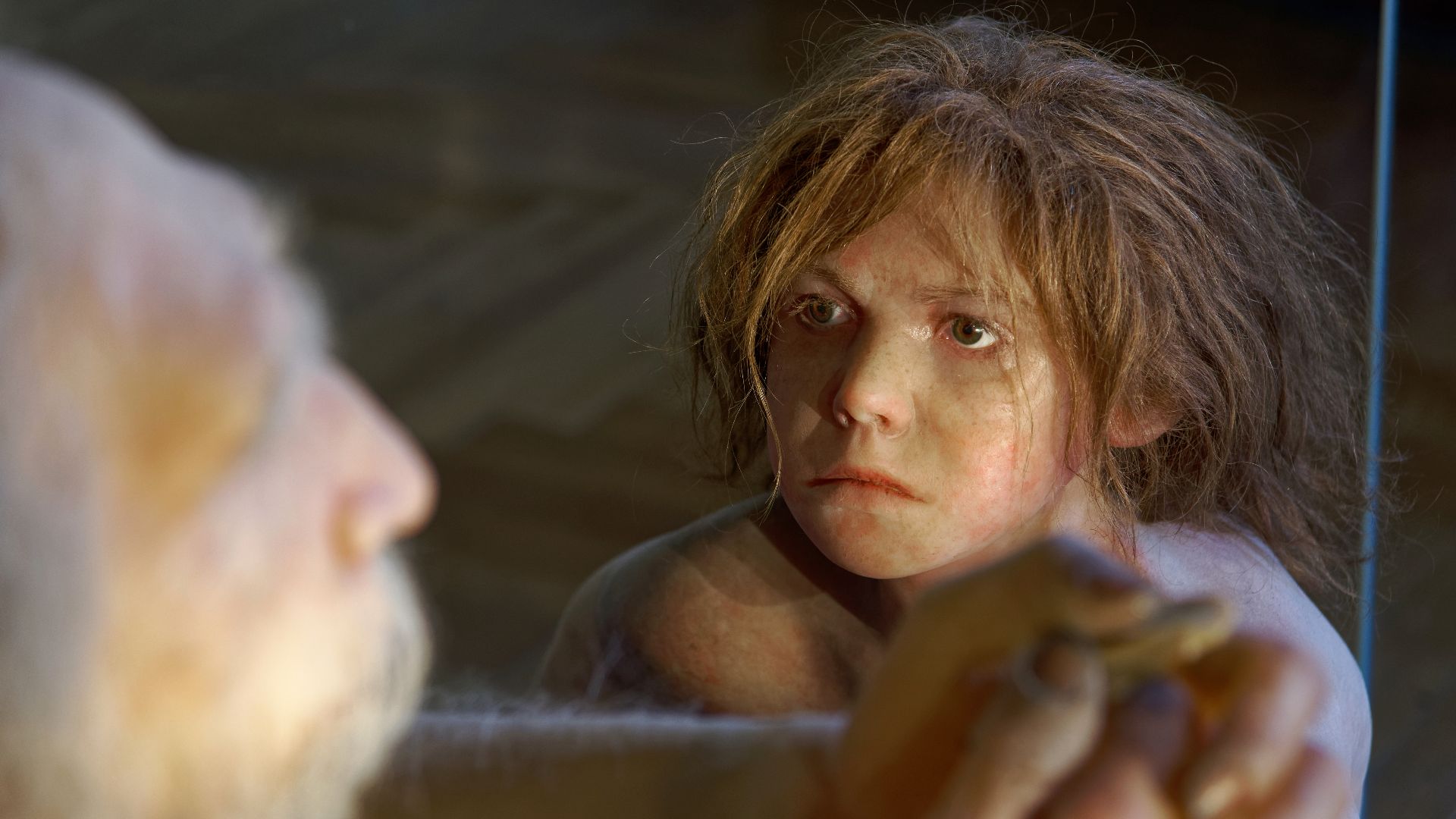 Jakub Halun, Wikimedia Commons
You Might Also Like:
The Ice Age Migration Routes Out Of Africa That May Be Hidden Underwater Today