A Discovery Nobody Saw Coming
Archaeologists excavating a 1,600-year-old cemetery in Poland were preparing to pack up when they spotted something strange in the dirt. What they uncovered was a 5,000-year-old necklace made from 42 carefully drilled teeth. But that was only the beginning. Beneath the necklace lay a man's skeleton, two other skulls, amber beads, and an ancient stone ax that raised a disturbing question: What exactly happened here?
It Happened In Southern Poland
The discovery took place near Żórawina, a village just south of Wrocław in southwestern Poland. The region, known as Lower Silesia, has a rich archaeological history. Researchers were investigating a cemetery containing burials from the later Roman period, with little indication that something much older was waiting beneath the ground.
The Cemetery Was Already 1,600 Years Old
The cemetery dates to approximately 350 to 430 CE, near the end of the Roman influence period in this part of Europe. It was a time of major political and social changes, as migrations reshaped communities across the continent. Archaeologists had already uncovered several graves from this period before their investigation took an unexpected turn.
The Researchers Were Nearly Finished
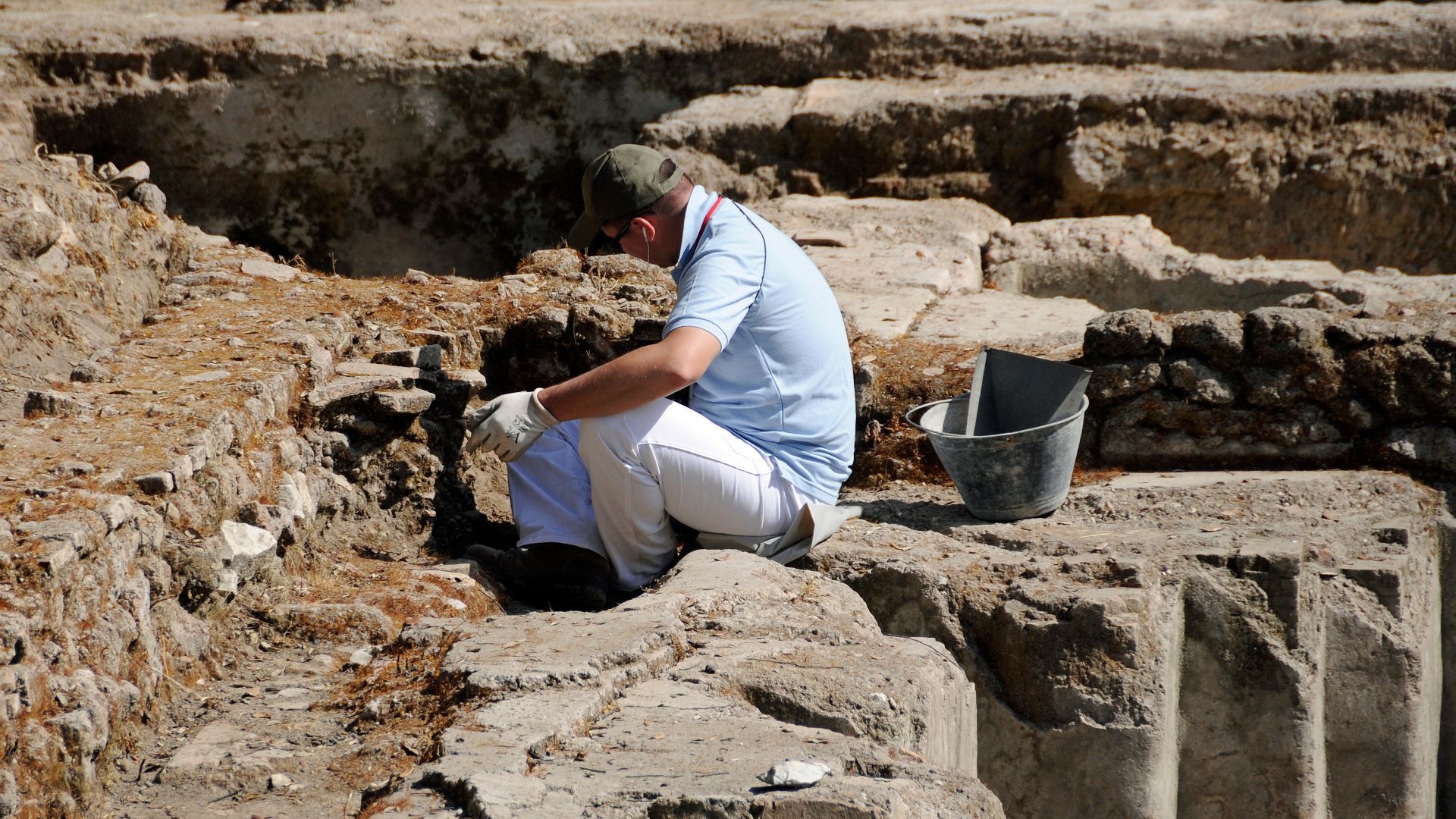
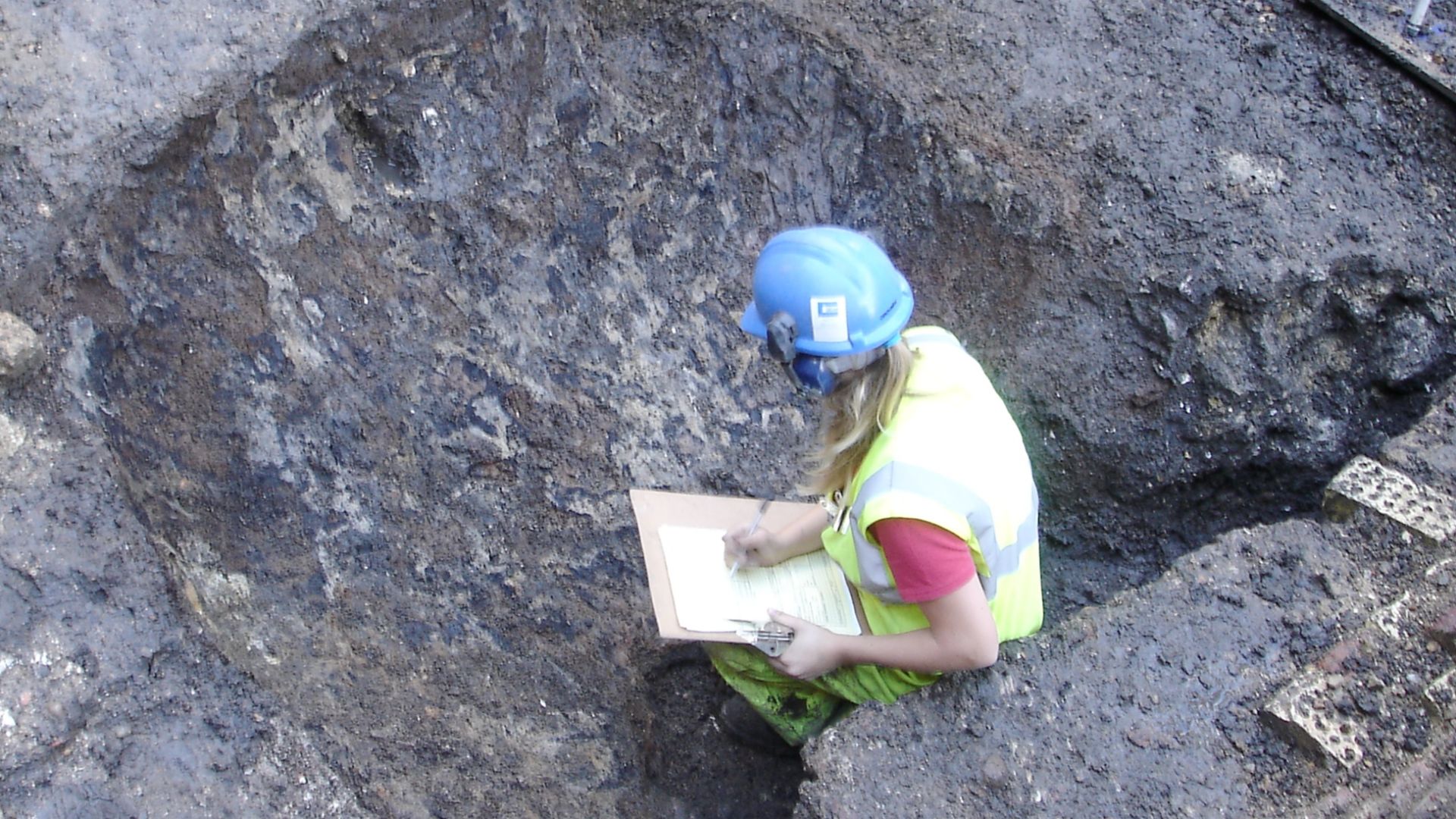
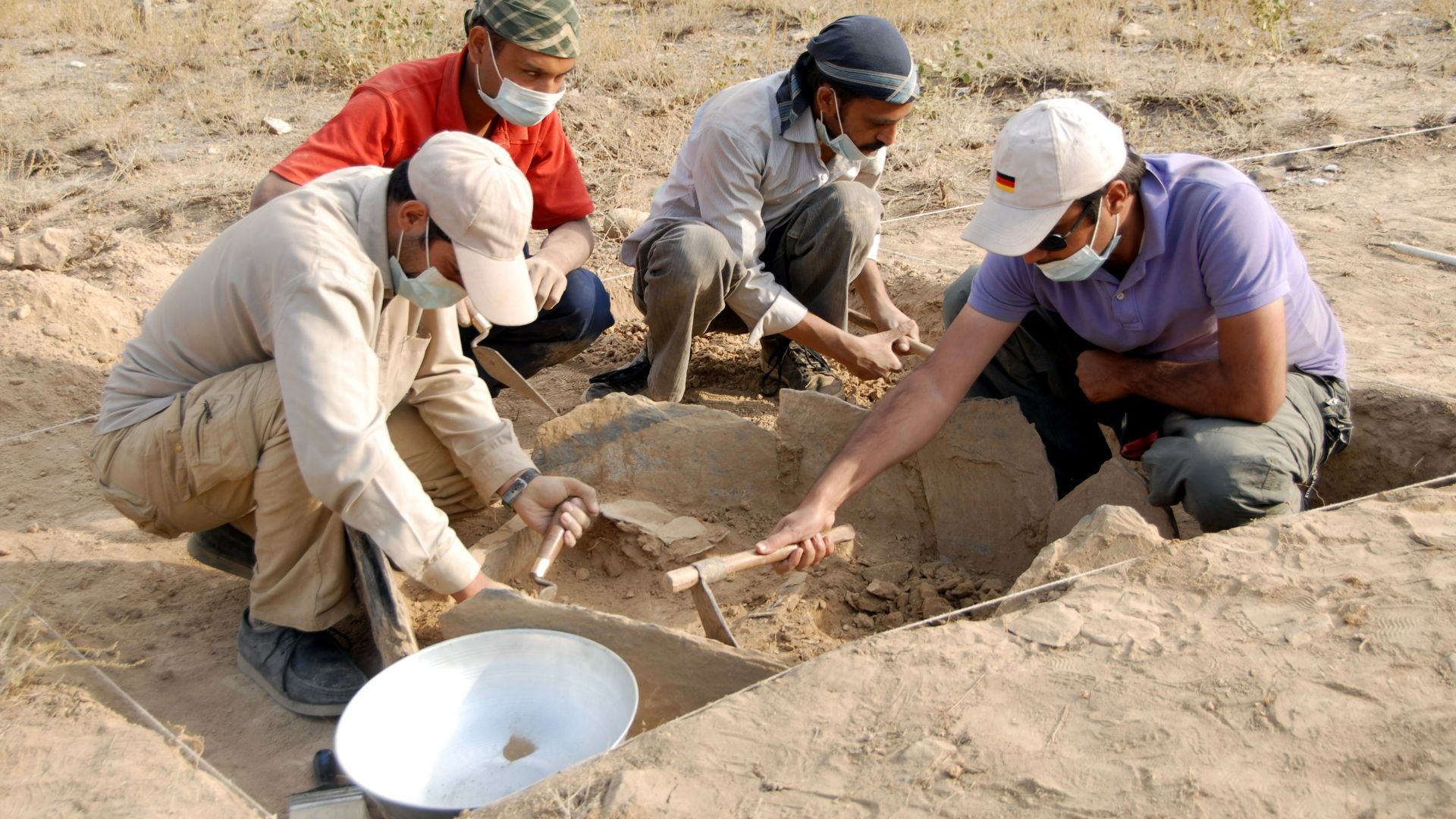
In the summer of 2026, archaeologists from the University of Wrocław worked alongside specialists from Wrocław Medical University. Professor Tomasz Gralak directed the excavation, while anthropologist Paweł Dąbrowski led the examination of human remains. After weeks of work, the team was preparing to wrap up when someone noticed something unusual in the soil.
 Son of Groucho from Scotland, Wikimedia Commons
A Strange Circle Appeared In The Ground
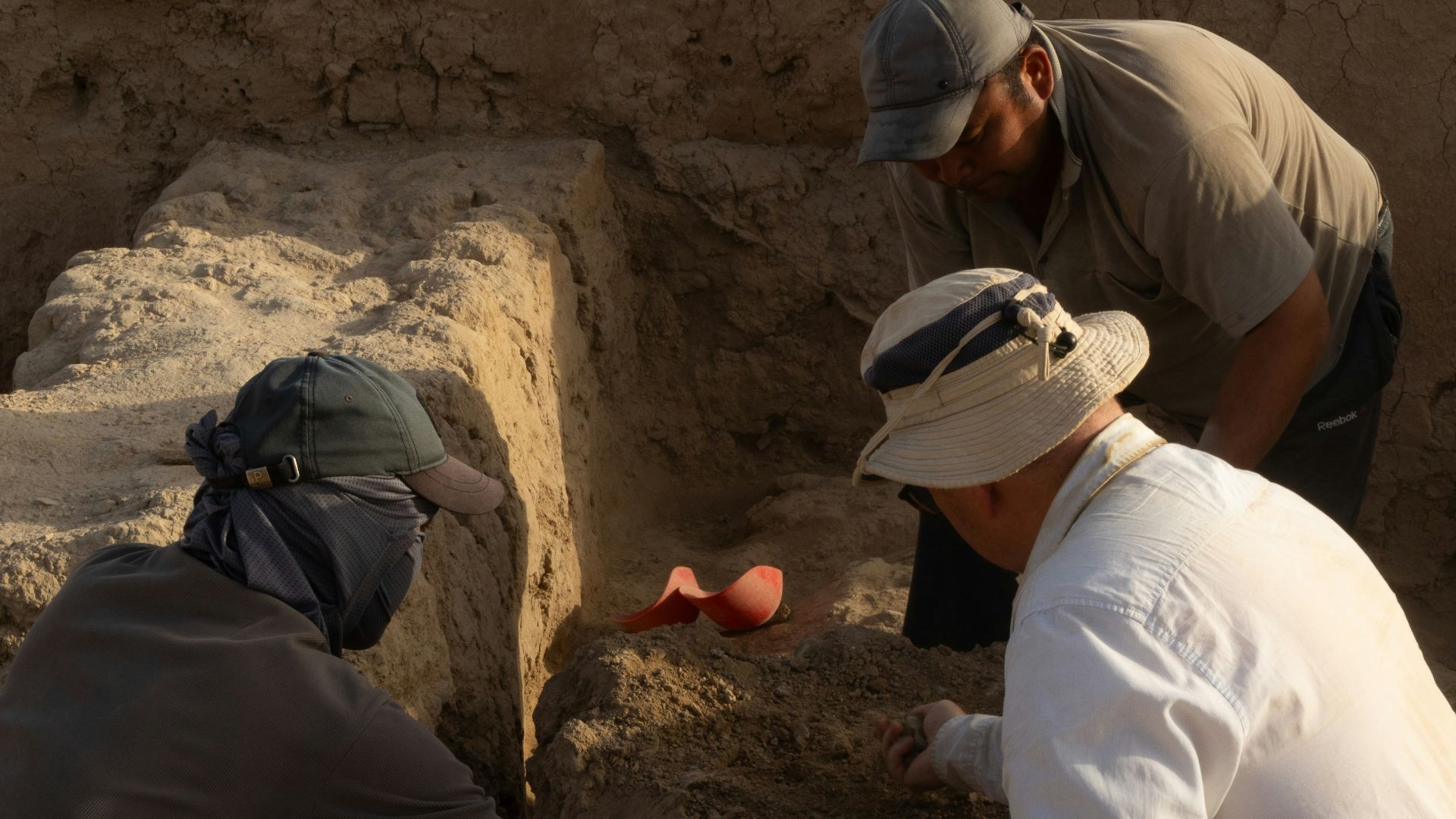
The researchers spotted a roughly circular outline measuring about 13 feet, or four meters, across. Its shape resembled an ancient burial mound, known as a barrow. Rather than dismissing the mark as an ordinary disturbance in the earth, the team decided to investigate. That decision led them into an entirely different period of history.
 Aleksander Stypczynski, Unsplash
The First Surprise Was A Row Of Teeth
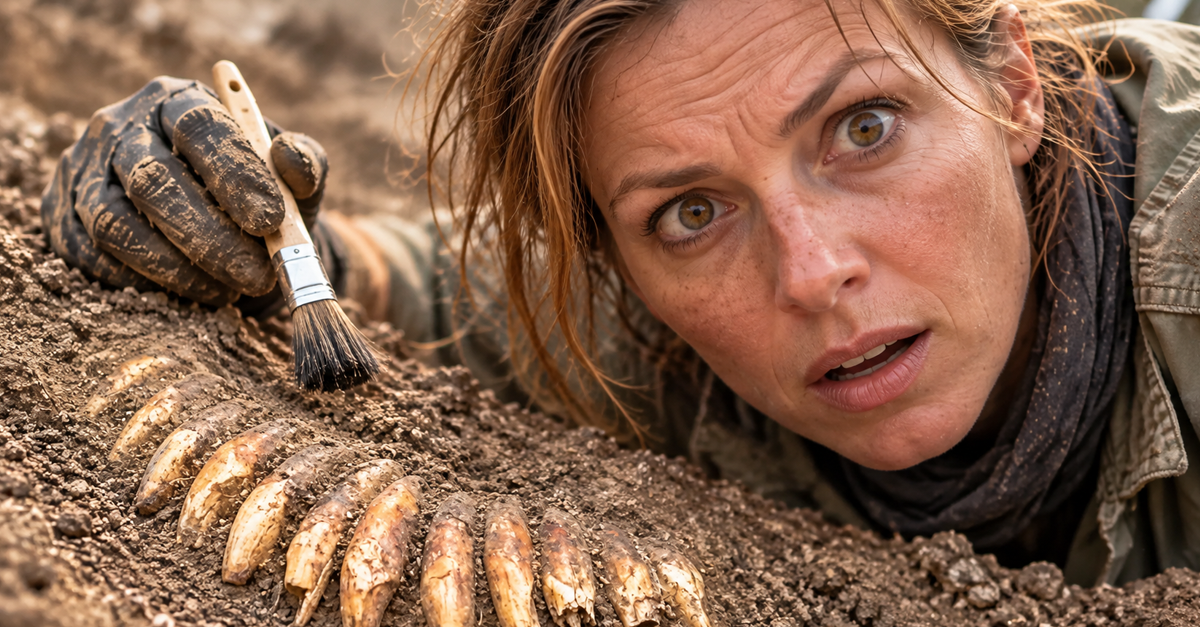
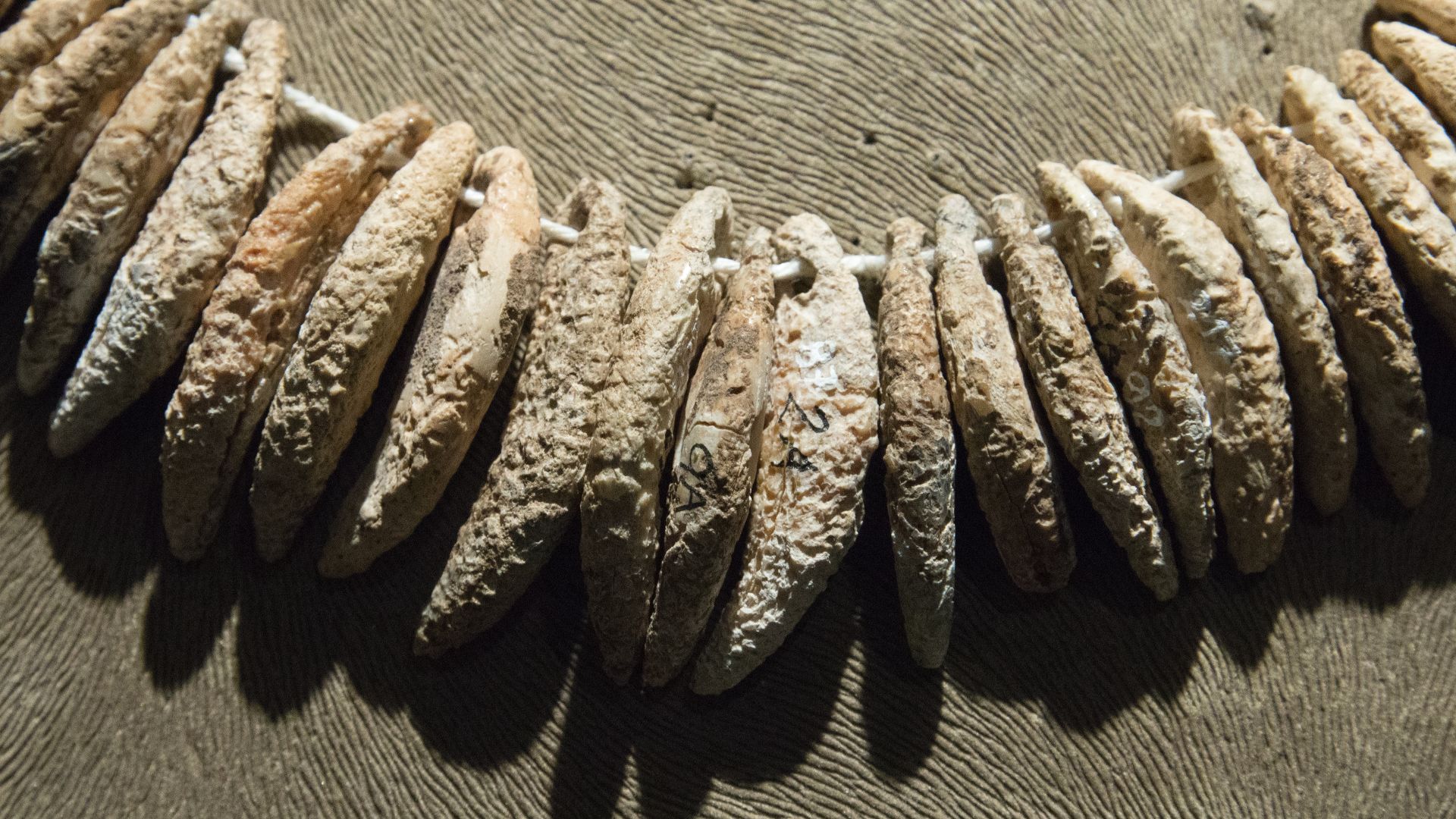
Inside the burial chamber, archaeologists uncovered a remarkably orderly arrangement of animal teeth. They were positioned so precisely that researchers suspected they belonged to a deliberately constructed object. The teeth had survived surprisingly well despite spending thousands of years underground. Closer examination revealed something even more intriguing.
Every Tooth Had Been Drilled
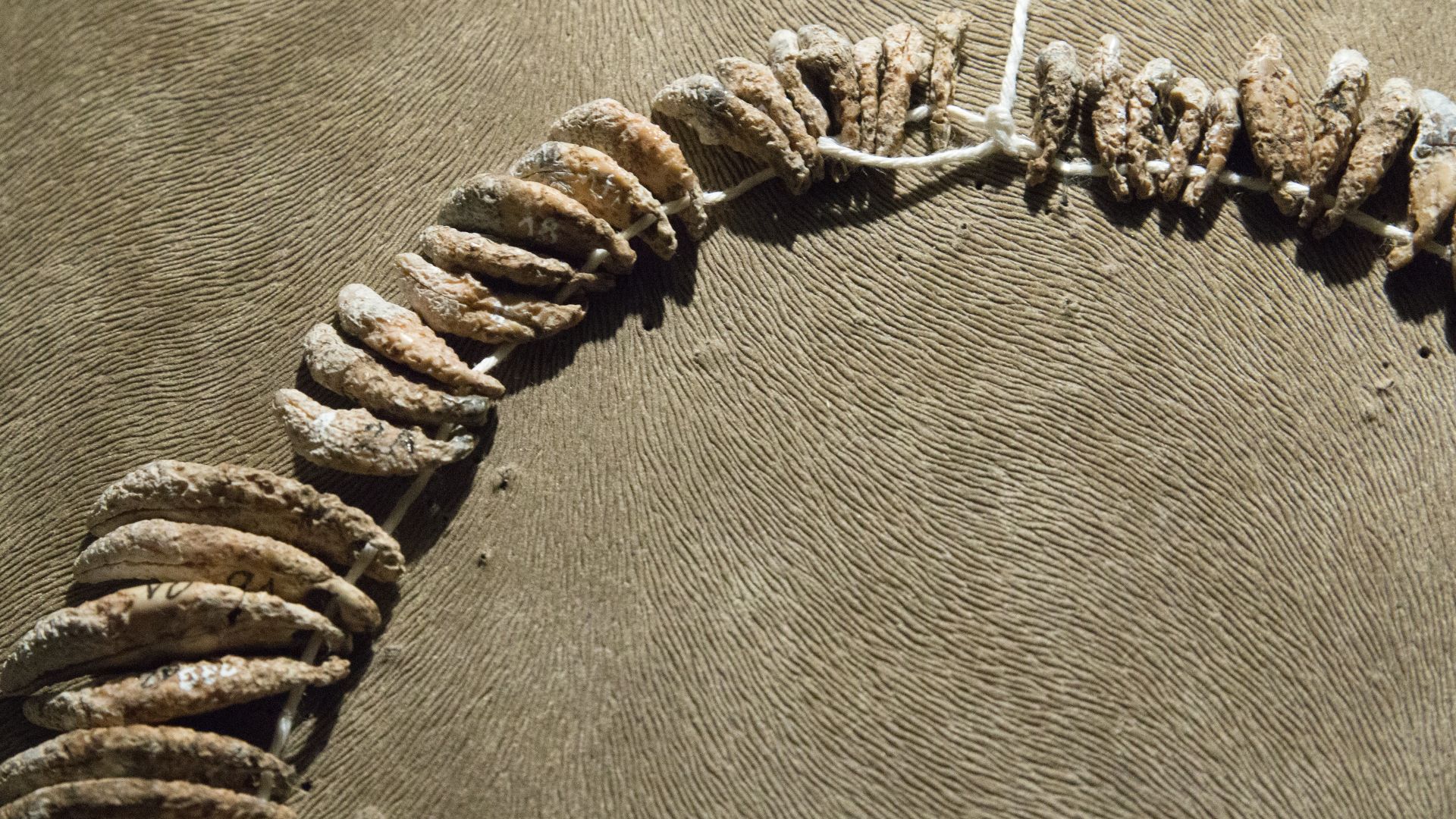
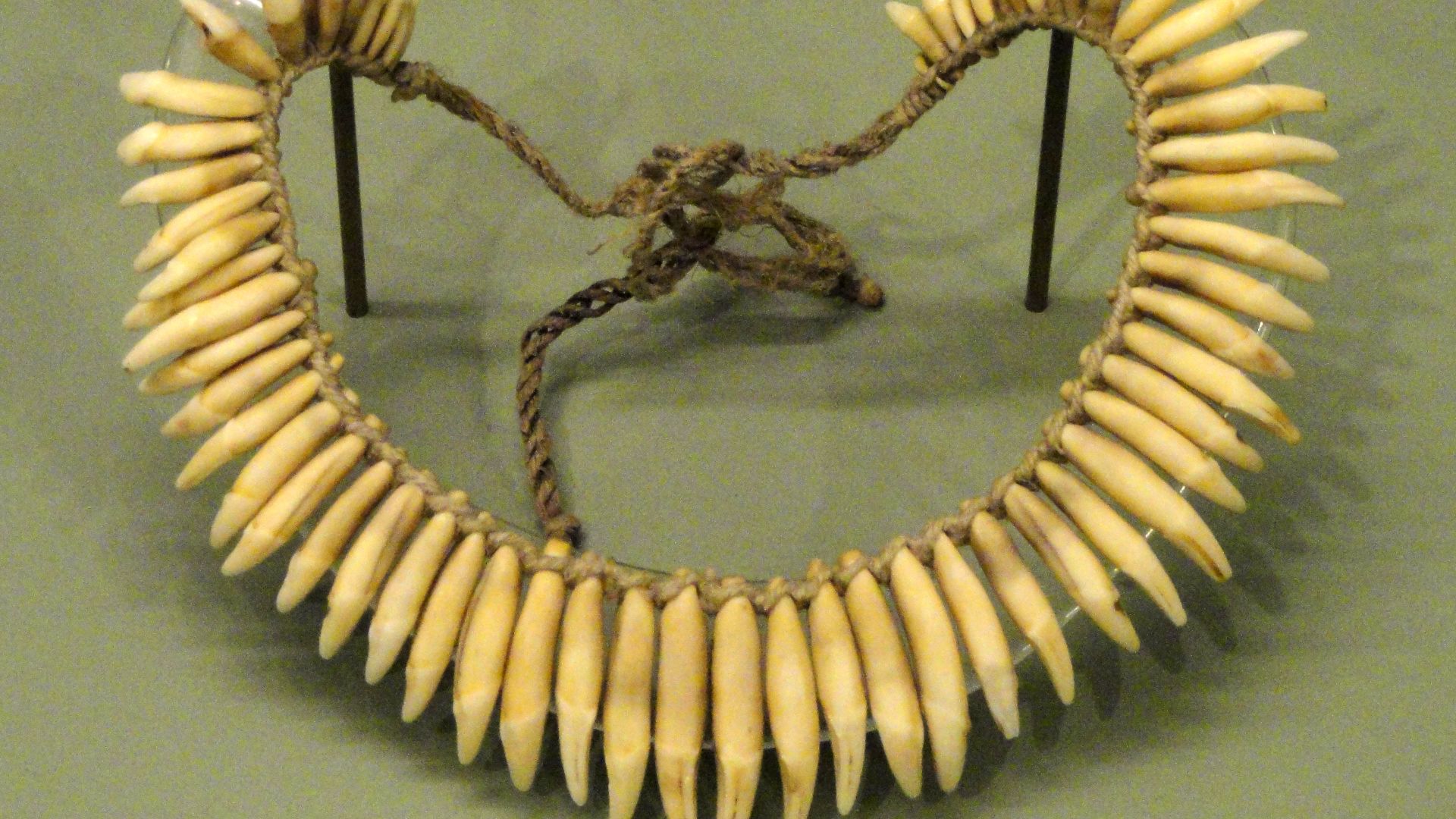
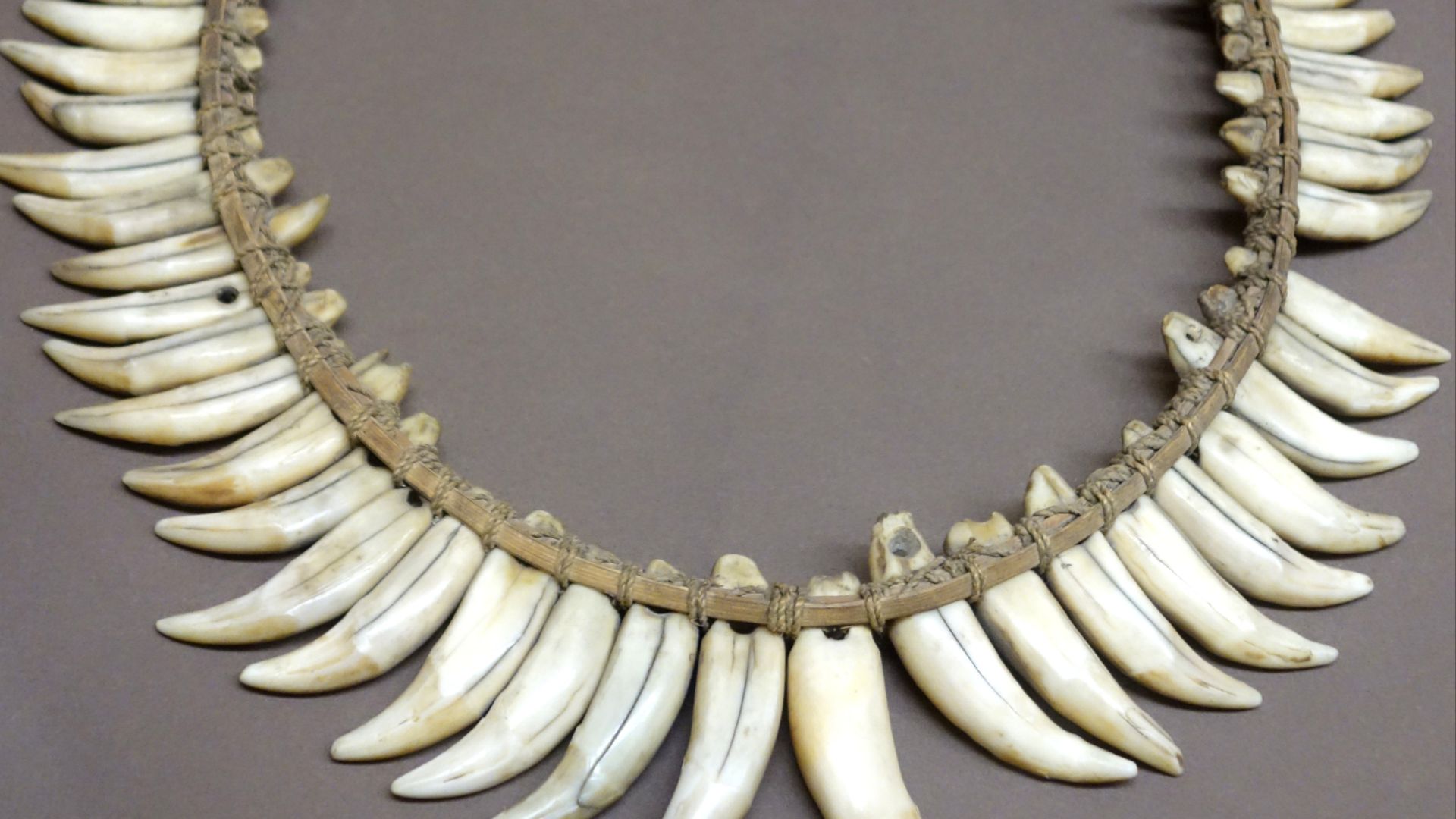
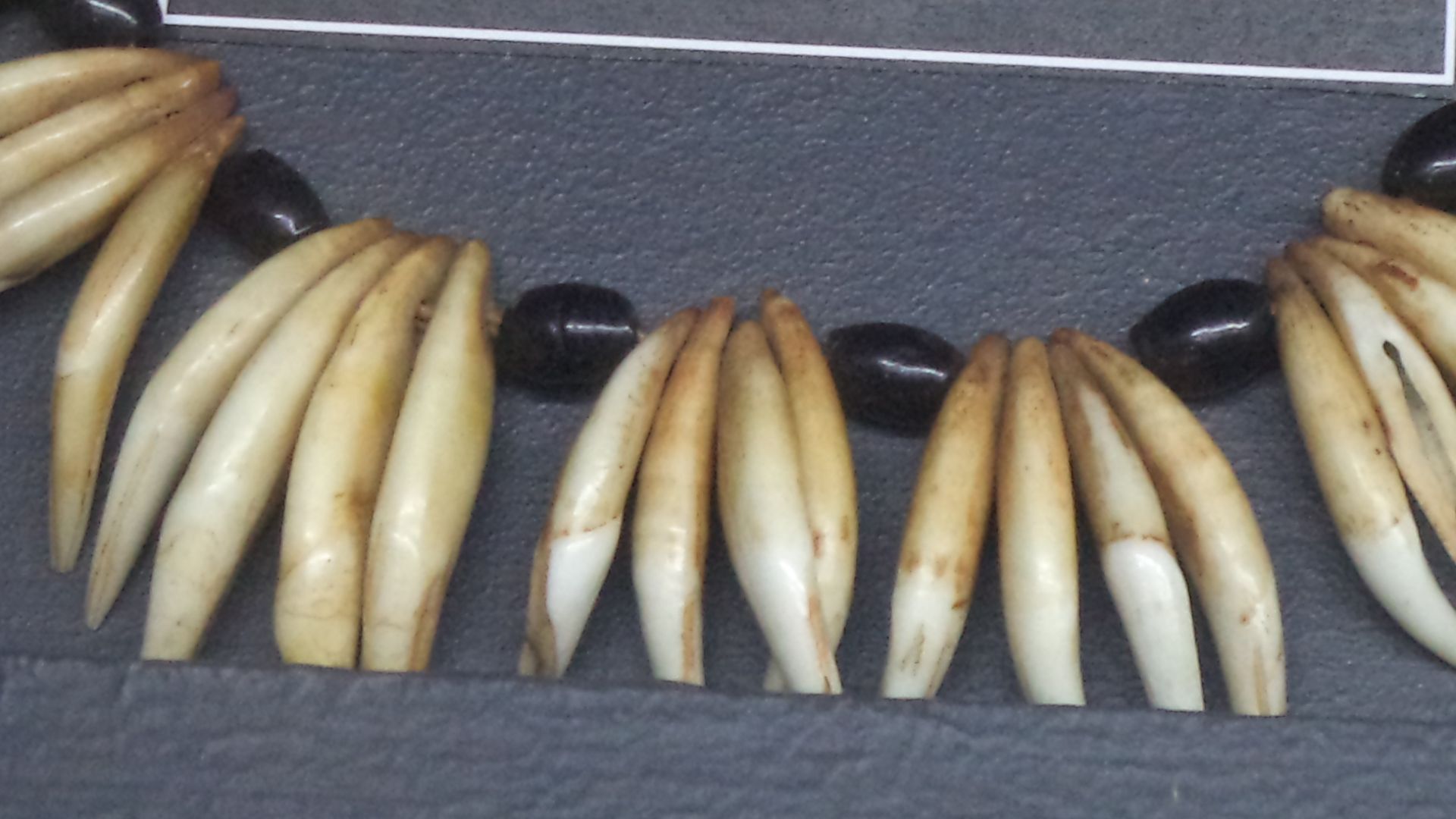
The researchers counted 42 teeth, each with a small hole bored through its root. Those holes showed that someone had intentionally prepared the teeth to be strung together. Although the original cord had long since decomposed, the arrangement left little doubt that the teeth once formed a necklace. This was no accidental collection of prehistoric remains.
The Teeth Came From Large Animals
Preliminary examination suggested that the necklace contained incisors and canine teeth from large mammals. Possible sources included wolves, deer relatives, and young bears. Researchers have not yet identified every species represented in the necklace. That uncertainty has left an especially unsettling possibility open.
Some Teeth Might Even Be Human
Dąbrowski has not ruled out the possibility that some teeth came from humans. This remains a hypothesis rather than a confirmed finding, and further testing is needed to determine their origins. If human teeth are identified, researchers will have another mystery to explain. For now, the necklace's craftsmanship is remarkable enough.
Nothing Quite Like It Had Been Found Nearby
Gralak described the necklace as an exceptionally rare discovery in Poland. He pointed to a comparable ornament from Wojkowice, but that example contained only four teeth and dated to the Bronze Age. The Żórawina necklace contained more than ten times as many teeth and was considerably older. Its unusual construction immediately attracted archaeological attention.
Then The Archaeologists Dug Deeper
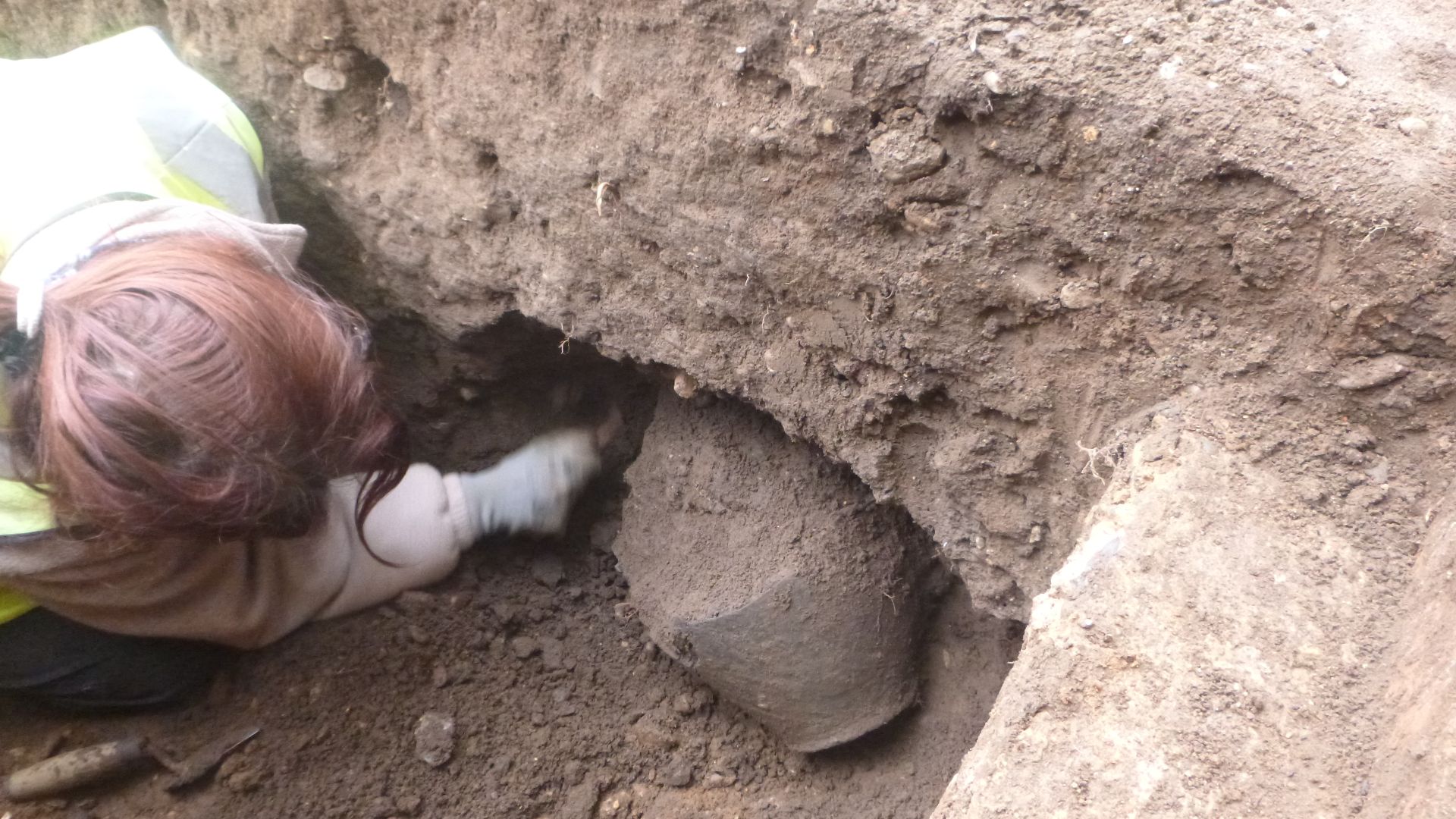
The necklace was not the only remarkable object inside the burial chamber. As excavation continued, researchers uncovered the nearly complete skeleton of an adult man. They believe he was probably the person associated with the unusual ornament. But several other discoveries suggested this was no ordinary burial.
 Tabitha Lawrence, Colchester Archaeological Trust, Wikimedia Commons
The Skeleton Was Extremely Fragile
Although much of the man's skeleton had survived, some bones were close to crumbling. Researchers removed particularly delicate remains together with the surrounding soil to prevent further damage. They planned to use X-ray imaging before attempting the painstaking work of separating the bones from the earth. Preserving these remains would be essential to understanding the man's life.
A Stone Ax Provided The Biggest Clue
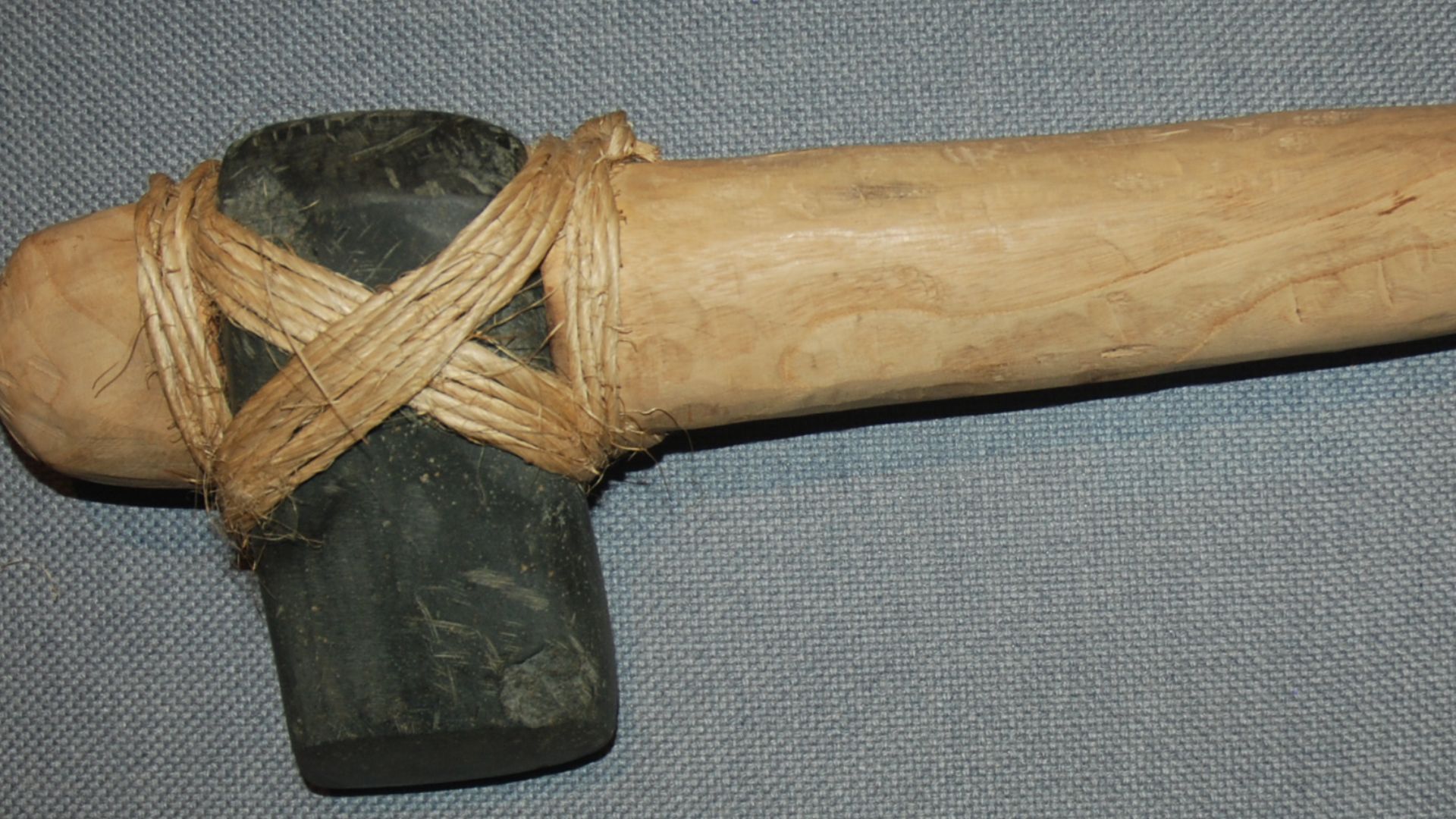
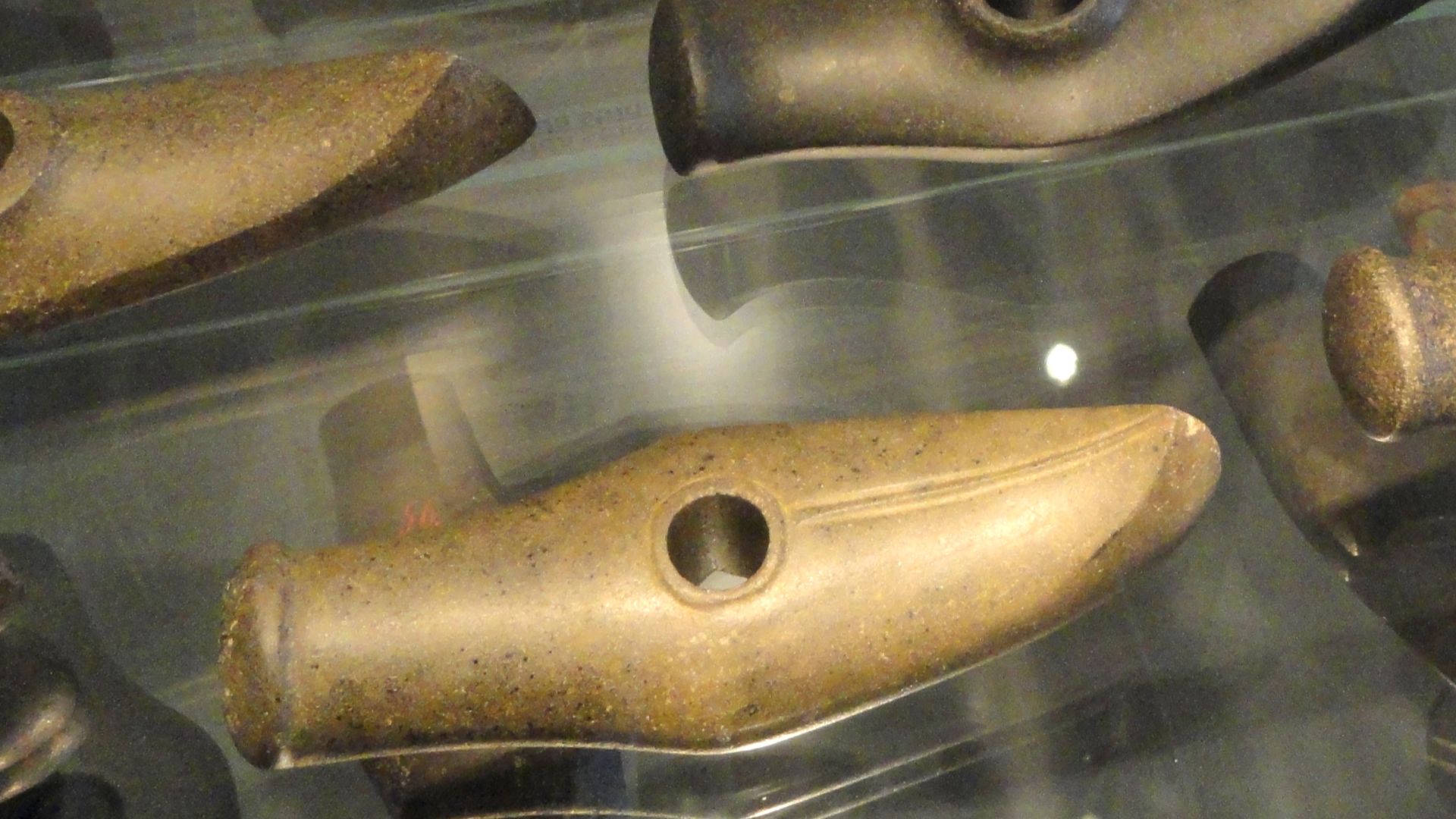
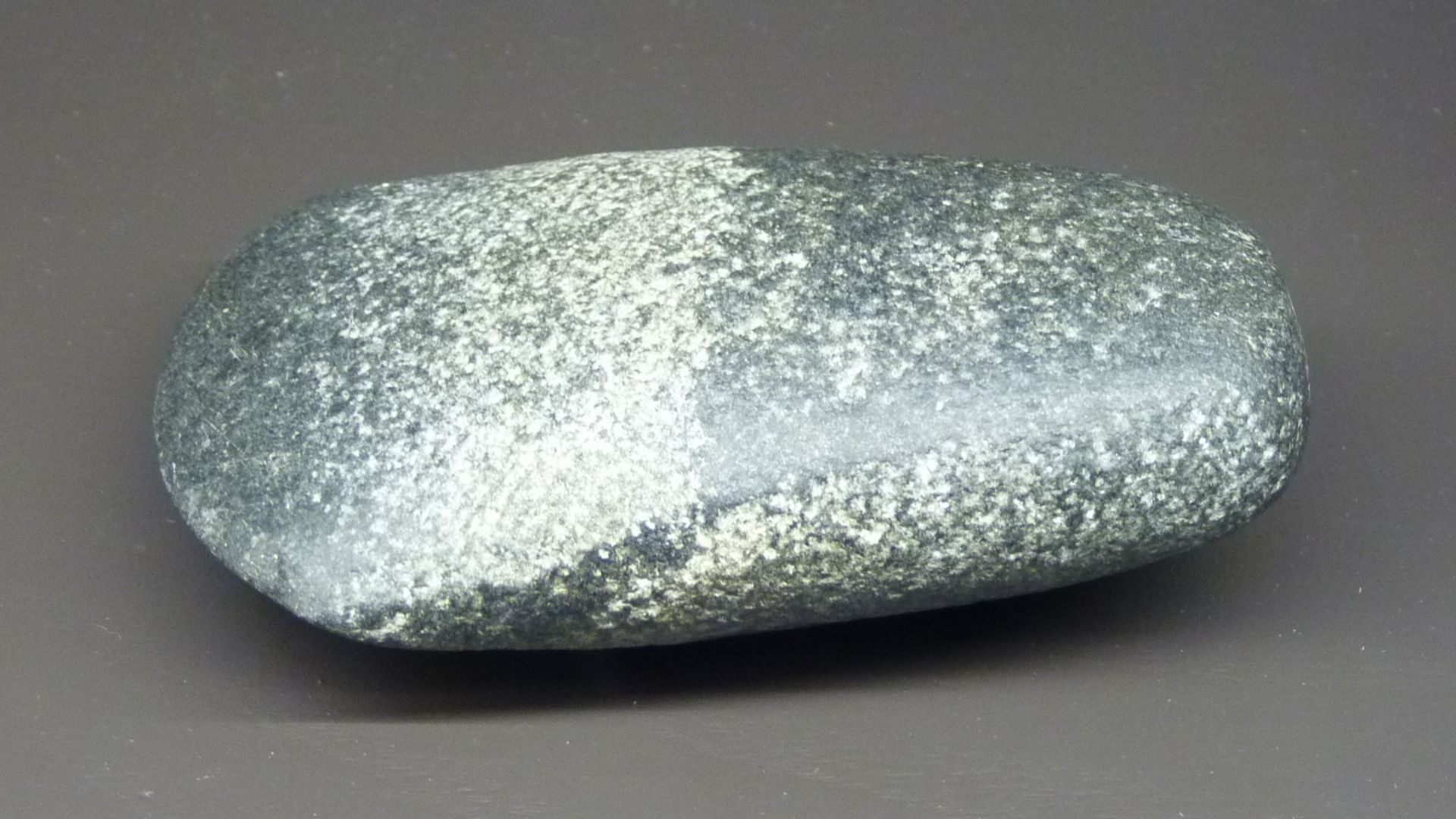
Among the objects buried with the man was a battle ax fashioned from serpentinite, a greenish metamorphic rock. It was discovered beneath his right elbow and had a distinctive shape familiar to archaeologists. That shape allowed researchers to estimate the burial's age. Suddenly, they realized they were dealing with something thousands of years older than the surrounding cemetery.
 Kang Byeong Kee, Wikimedia Commons
The Grave Was Approximately 5,000 Years Old
The ax's design suggested a date around 2900 BCE, placing the burial in Poland's Neolithic period. That meant the grave was roughly 3,000 years older than the Roman-era burials the team had been investigating. What began as an excavation of a late-antique cemetery had unexpectedly revealed a much earlier chapter of European history.
The Ax Had Actually Been Used
The serpentinite ax showed small chips and signs of wear along its cutting edge. Researchers believed it was more likely a functional fighting implement than an object made purely for display. Its presence raised the possibility that the deceased had been a warrior or hunter. However, the weapon alone cannot establish exactly what he did during his lifetime.
He May Have Been A Clan Leader
The elaborate burial also prompted speculation that the man held an important position in his community. Dąbrowski and Gralak suggested he might have been a family patriarch or clan leader. The unusual necklace and accompanying objects could have reflected his social standing. Yet another discovery inside the chamber made his burial even more mysterious.
Two Additional Skulls Were Inside
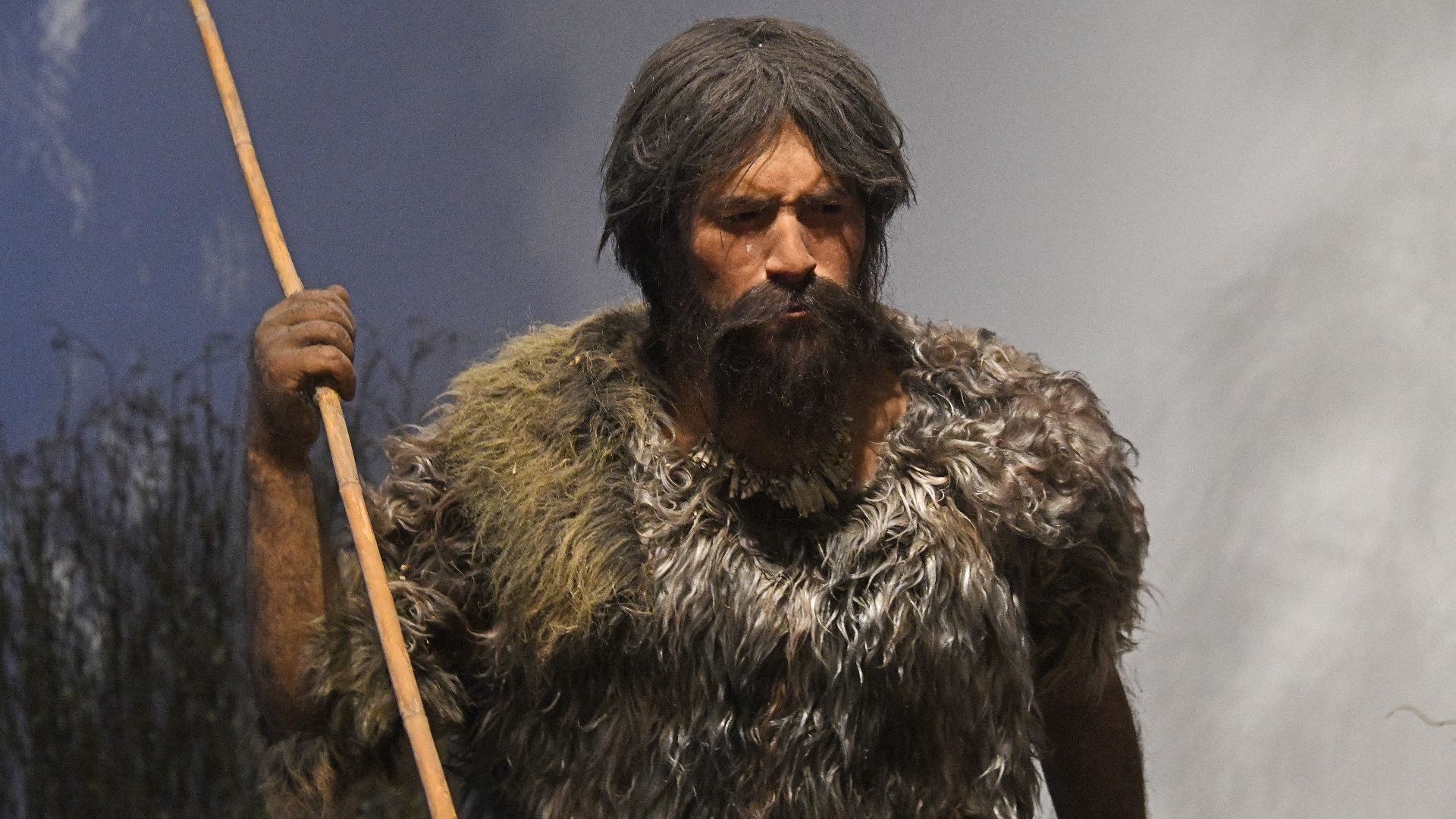
Alongside the man's skeleton, archaeologists discovered fragments of two other adult human skulls. Neither belonged to the nearly complete skeleton at the center of the grave. Their presence raised immediate questions about the circumstances of the burial. Researchers began considering whether the additional remains had been deliberately placed there as offerings.
Were The Two People Decapitated?
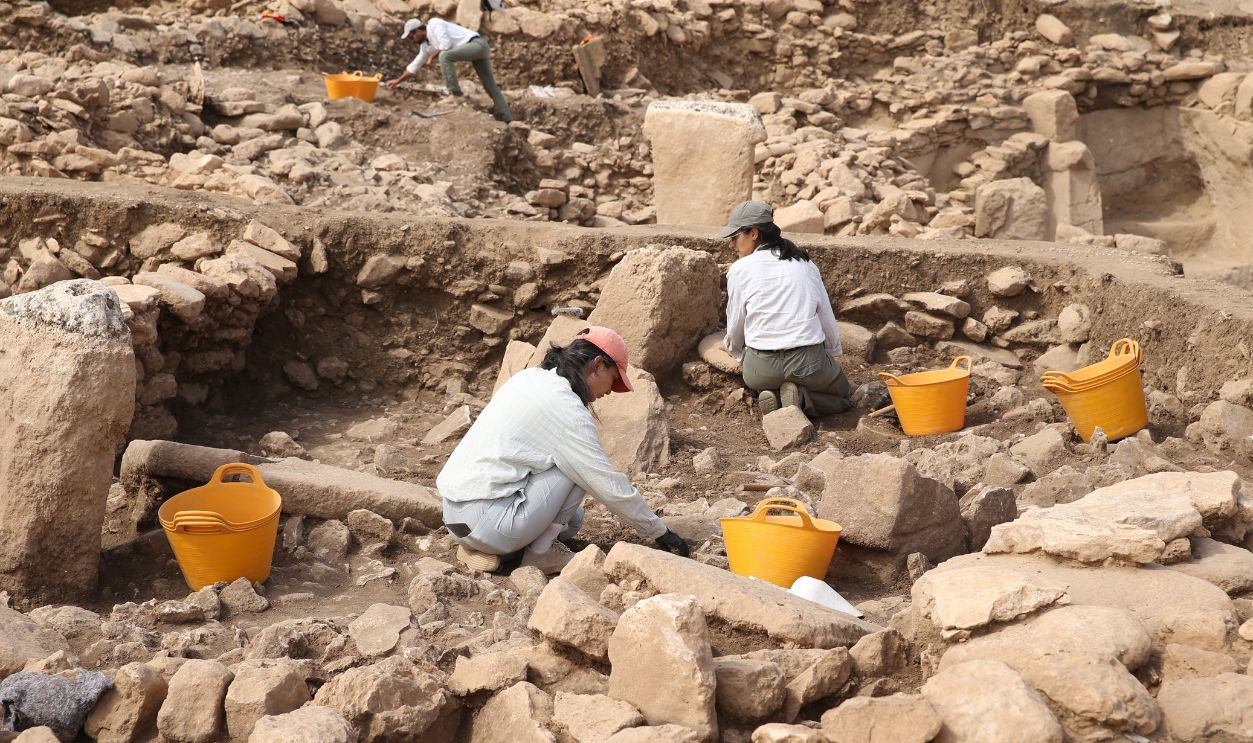
One preliminary theory suggests that the skulls belonged to people whose heads had been intentionally removed. If correct, they might represent unusual funerary offerings associated with the deceased man. However, the researchers have not established whether decapitation actually occurred. Detailed examinations will look for evidence of deliberate injuries or other clues about how the individuals died.
The Grave Contained More Than Weapons
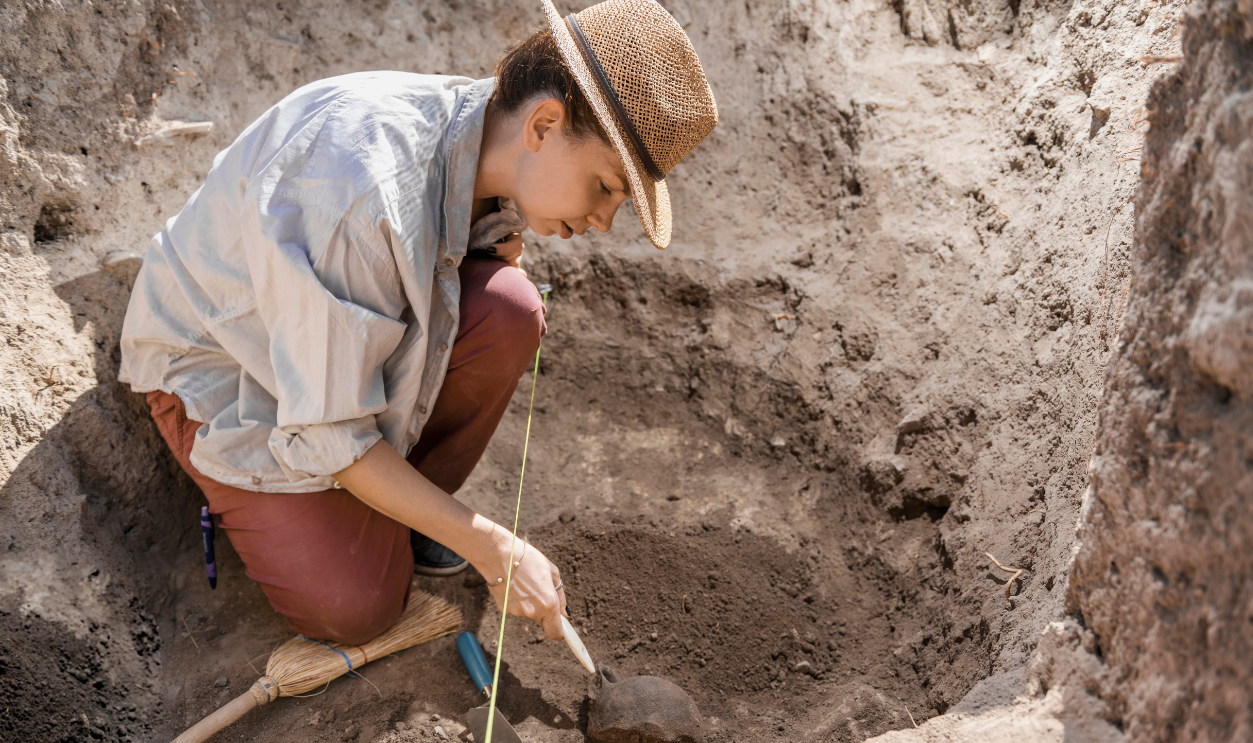
The chamber also contained amber beads, small bone ornaments, and two flint implements, including a small point and a knife-like blade. Some of these objects may once have formed part of additional jewelry. Together, they suggest considerable care went into preparing the burial. The variety of materials also gives researchers several different sources of evidence to investigate.
 Nathalie von Essen, Wikimedia Commons
The Necklace Might Have Been A Trophy
Gralak suggested that the teeth could have been collected as hunting trophies, although other explanations remain possible. The necklace might also have been a treasured gift or an ornament with special meaning. Identifying the animals represented could help researchers understand how the object was assembled. For now, nobody knows exactly why someone gathered so many teeth.
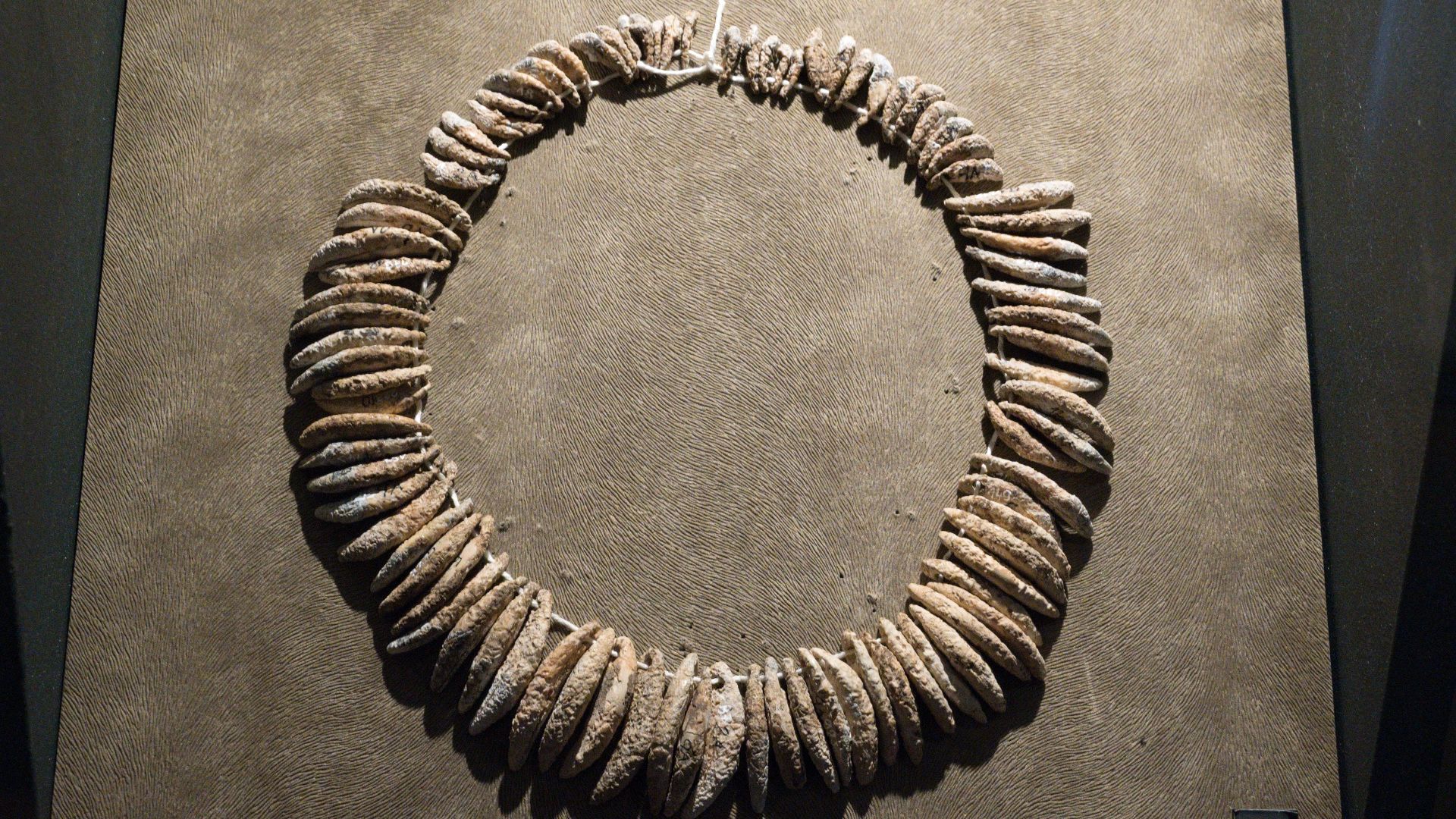
The Burial May Belong To The Corded Ware Culture
Researchers suspect the grave may be associated with the Corded Ware culture, which spread across much of Europe during the third millennium BCE. The culture takes its name from pottery decorated with impressions resembling twisted cords. Its burial traditions included stone battle axes and distinctive grave goods. The Żórawina discovery could provide new evidence about these communities in southwestern Poland.
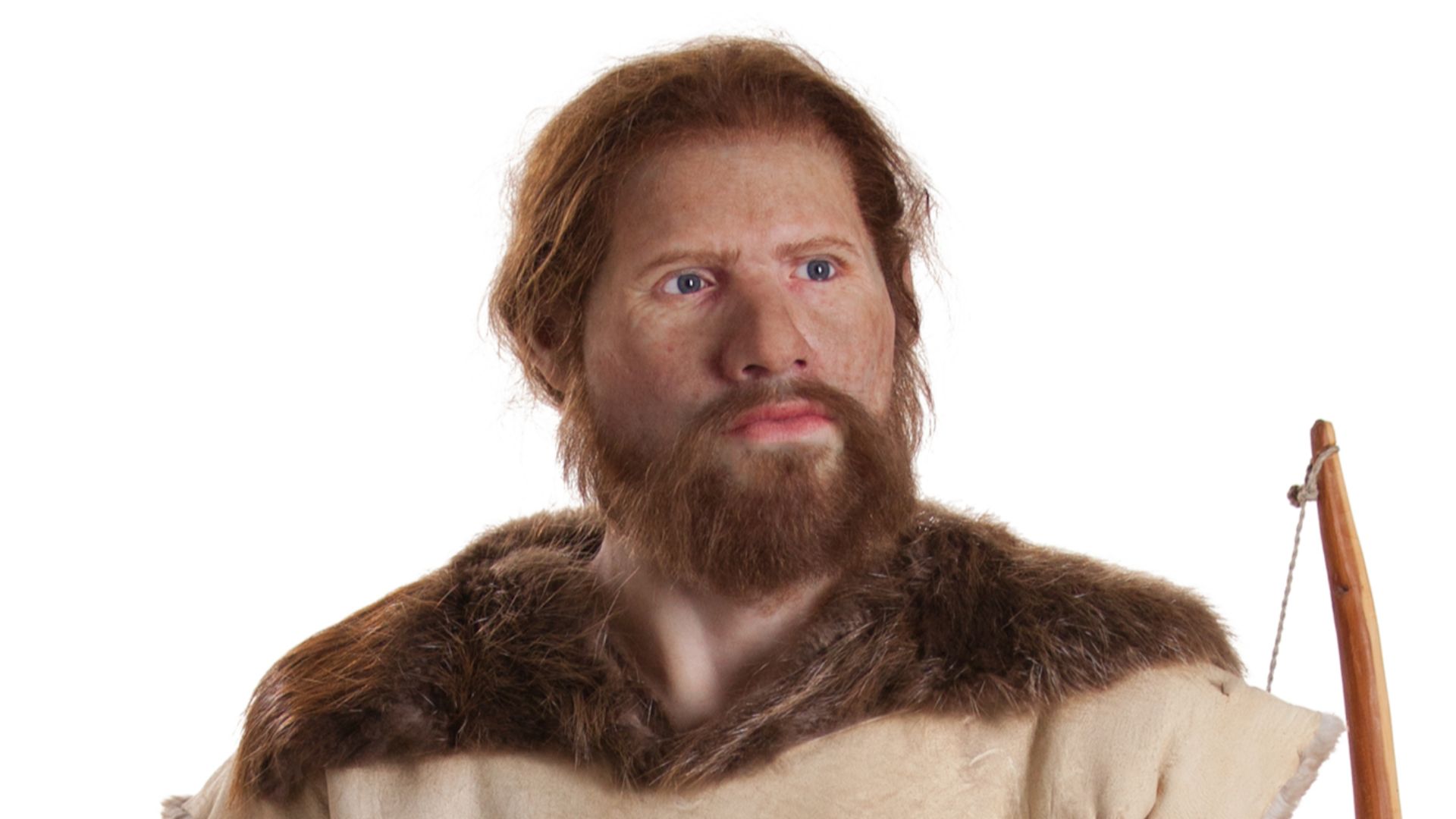 1. Kenneth Stamp 2. Silar, Wikimedia Commons
Another Important Grave Was Found Nearby
Around the same time, a separate archaeological team uncovered a comparable prehistoric burial mound near Iwiny, another village close to Wrocław. That grave contained human remains, axes, flint tools, and amber ornaments. Its similarities to the Żórawina burial immediately attracted attention. Researchers now hope to compare the two sites to understand the people buried there.
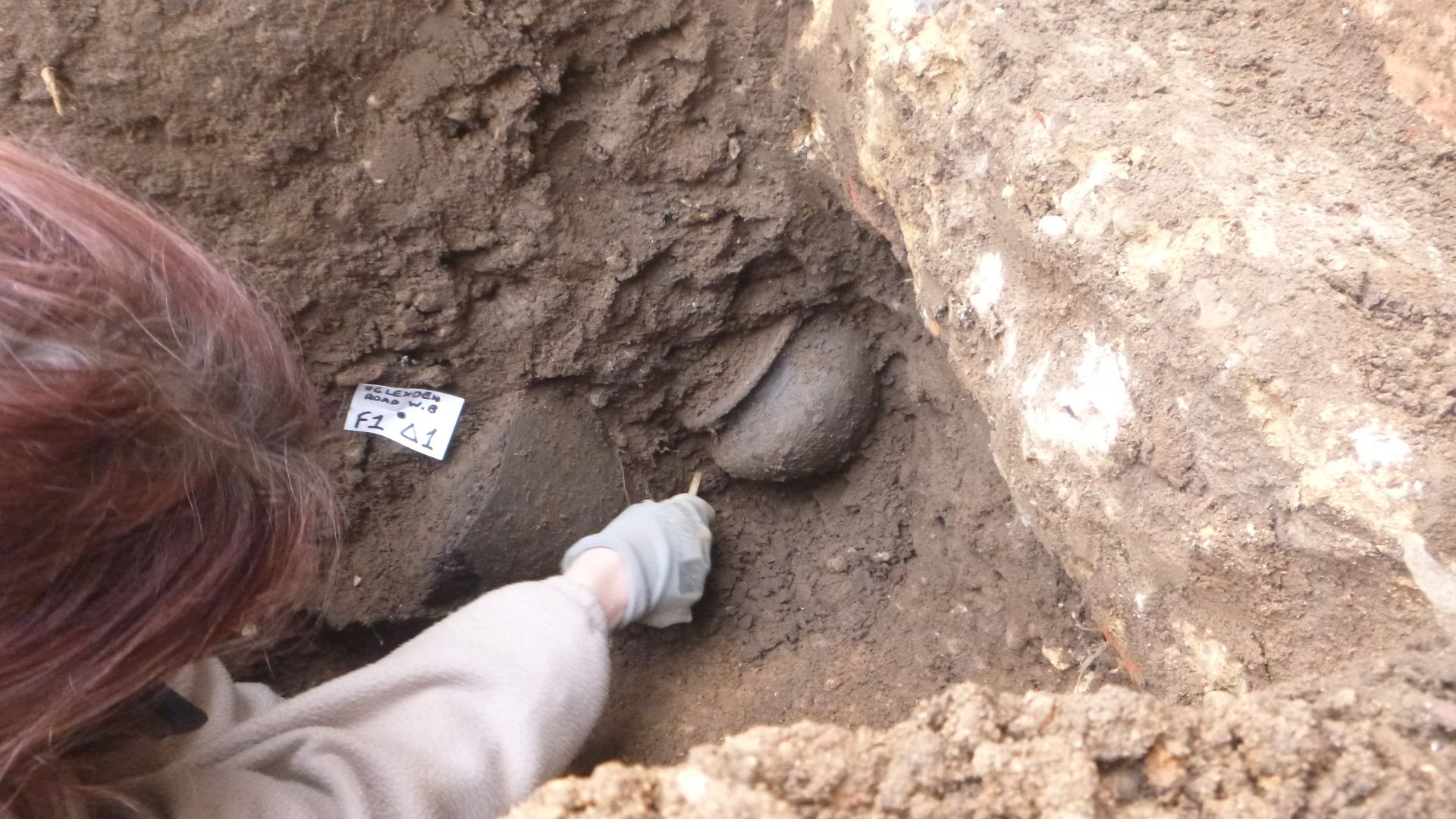 Tabitha Lawrence, Colchester Archaeological Trust, Wikimedia Commons
The Second Site Contained Animal Bones
Archaeologists working near Iwiny also discovered another mound containing the bones of a calf. Researchers suggested that the animal might have been placed there as a funerary offering. Although that interpretation remains unconfirmed, the discovery provides another intriguing detail about possible burial customs. It also gives archaeologists something different to compare with the unusual human remains at Żórawina.
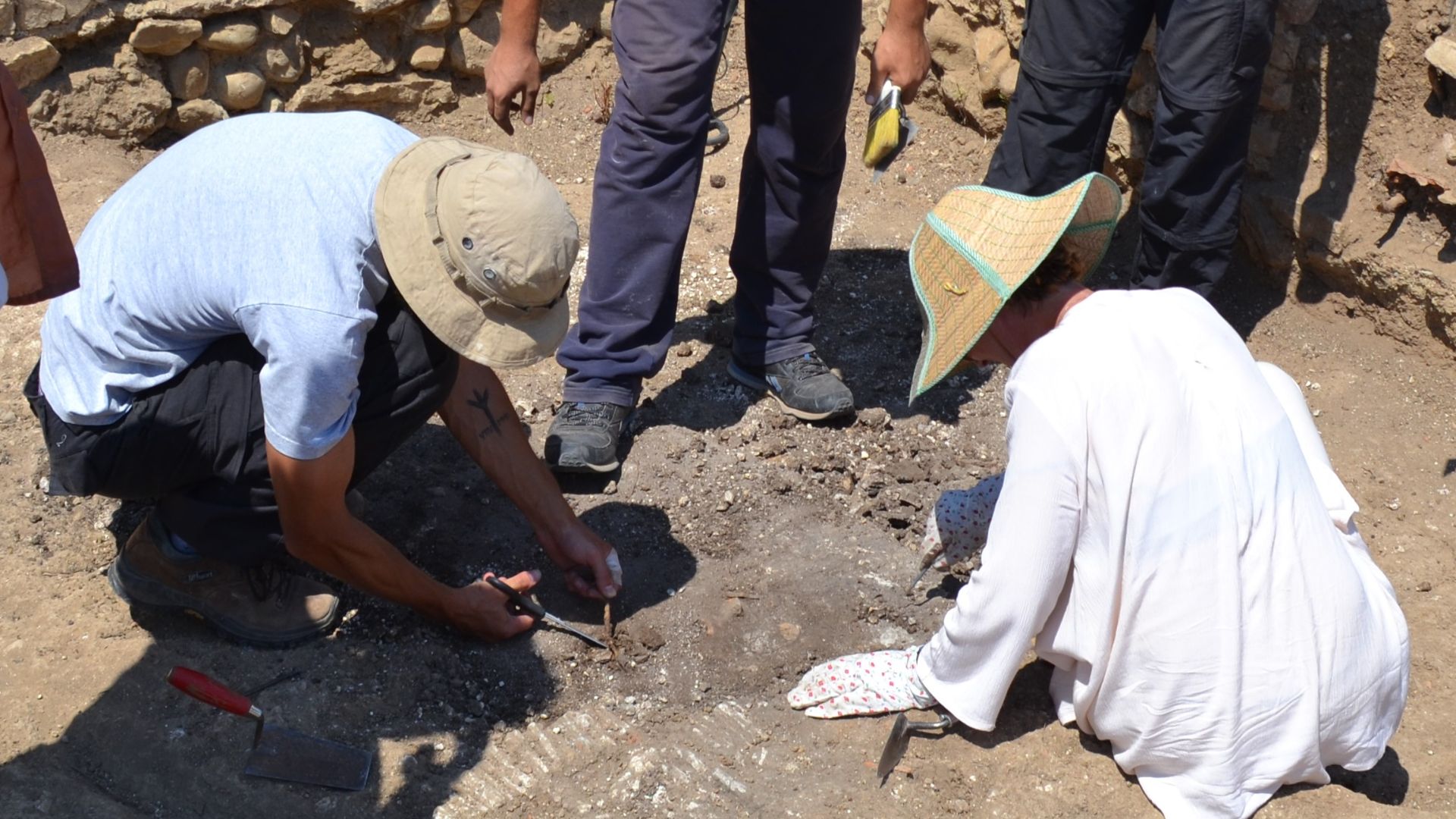
These Graves Were A First For The Region
The discoveries were particularly significant because researchers had not previously identified burial mounds of this age around Wrocław. Although comparable graves exist elsewhere in Europe, their appearance in Lower Silesia offers new evidence of prehistoric activity in the area. Finding multiple examples during the same excavation season made the discovery even more valuable.
 Junaid Ahmad, Wikimedia Commons
The Graves Could Reveal Ancient Migration Routes
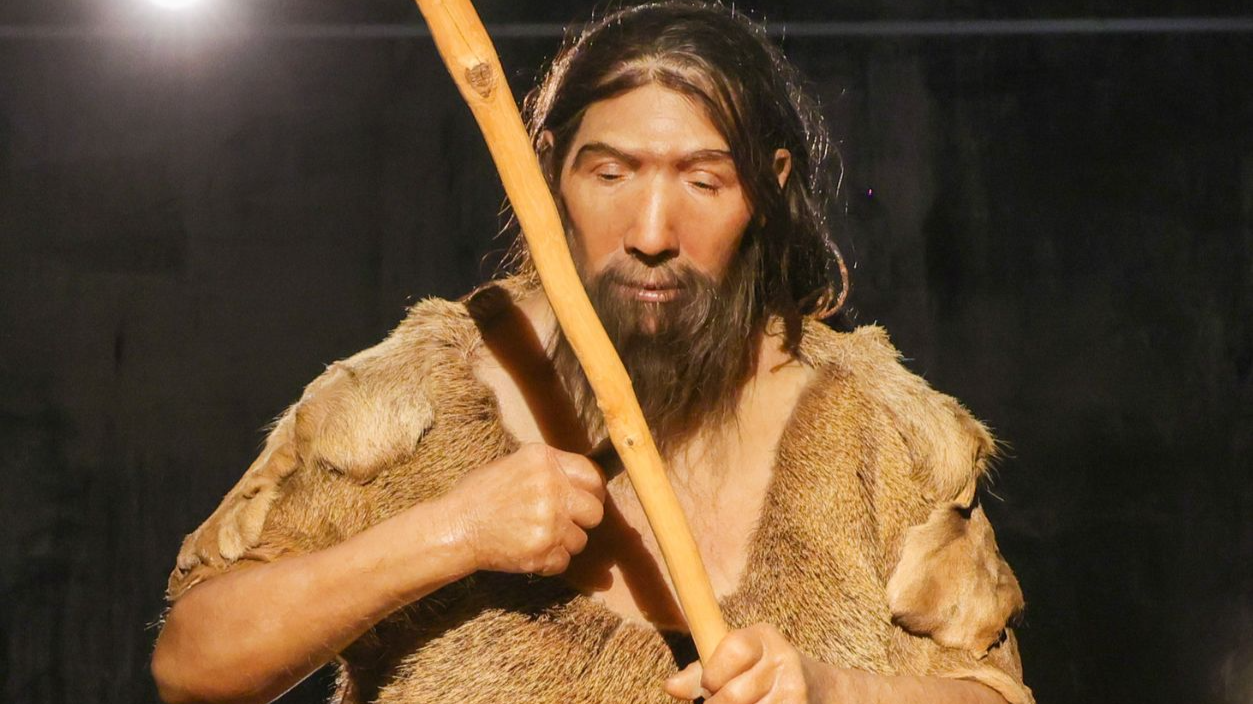
Researchers want to determine whether the people buried at Żórawina and Iwiny belonged to communities that migrated westward from eastern Europe. Possible ancestral connections extend toward regions around the Black Sea and Caspian Sea. However, the origins of these particular individuals remain unknown. Genetic research could help establish whether they were part of wider prehistoric population movements.
 picture alliance, Getty Images
The Teeth Could Reveal Where Their Owners Lived
Scientists plan to examine chemical signatures preserved in the ancient teeth, including strontium isotopes. These signatures can reflect the geological environments in which people or animals lived while their teeth were developing. Comparing the results with regional geological patterns may reveal whether individuals were local or came from elsewhere. The necklace could therefore provide clues about more than just prehistoric jewelry.
 Vassia Atanassova - Spiritia, Wikimedia Commons
Ancient DNA Could Solve Several Mysteries
Genetic testing could help identify the animal species represented in the necklace, including whether any teeth were human. Researchers also intend to examine DNA from the human remains to investigate biological relationships and ancestry. The results may reveal connections between individuals buried at Żórawina and those discovered nearby. Such evidence could clarify details that the objects alone cannot explain.

Scientists Still Need To Confirm The Grave's Age
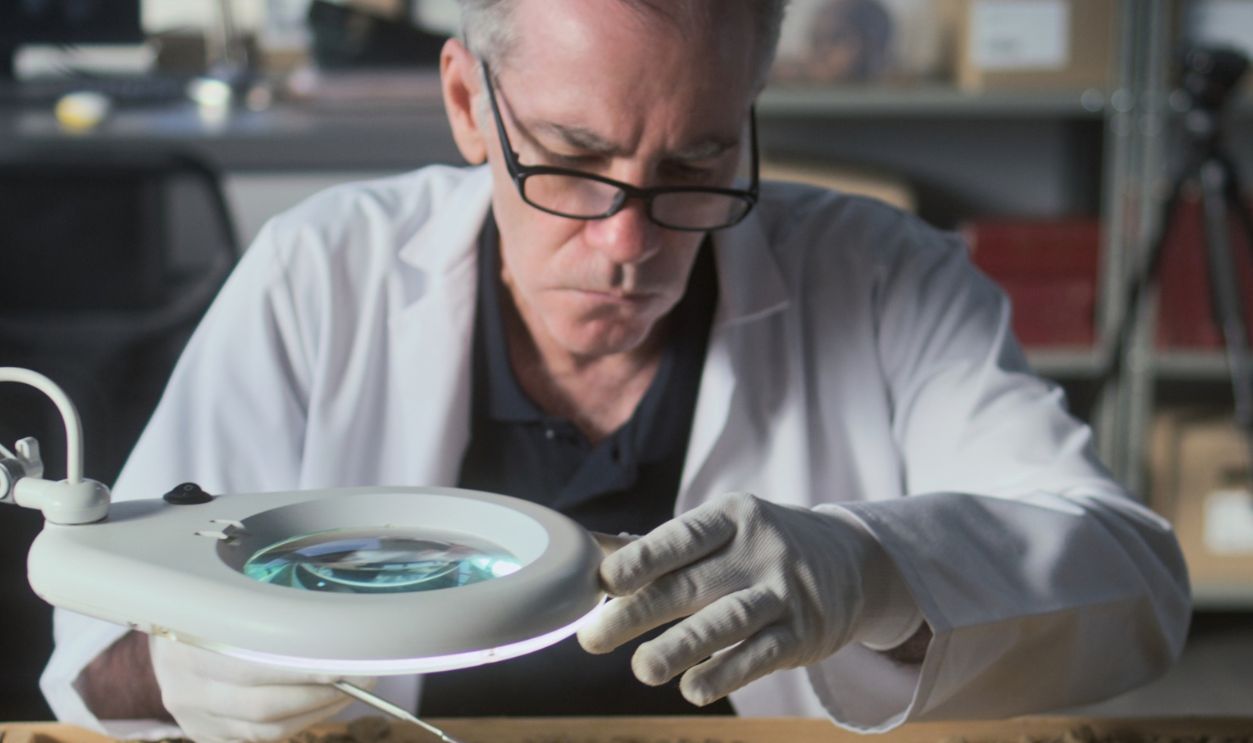
The estimate of approximately 2900 BCE comes primarily from the style of the serpentinite ax. Researchers have prepared bone samples for radiocarbon dating to establish a more precise timeline. They also want to determine whether the man's skeleton and the two additional skulls belong to the same period. Those findings could prove crucial to interpreting the entire burial.
 Frame Stock Footage, Shutterstock
The Biggest Mystery Is Still Waiting To Be Solved
Almost 5,000 years after the burial, researchers still cannot explain why the man was buried with 42 teeth and the remains of two other people. Was he a powerful clan leader, a respected warrior, or someone whose importance came from a role archaeologists have yet to understand? The planned scientific tests may eventually provide answers. For now, one extraordinary discovery beneath a Roman-era cemetery has opened an entirely new window into prehistoric Poland.
 Network Archaeology Ltd, Wikimedia Commons
You May Also Like:
Exciting New Animal Experiments Are Changing What Archaeologists Think About Ancient Tools