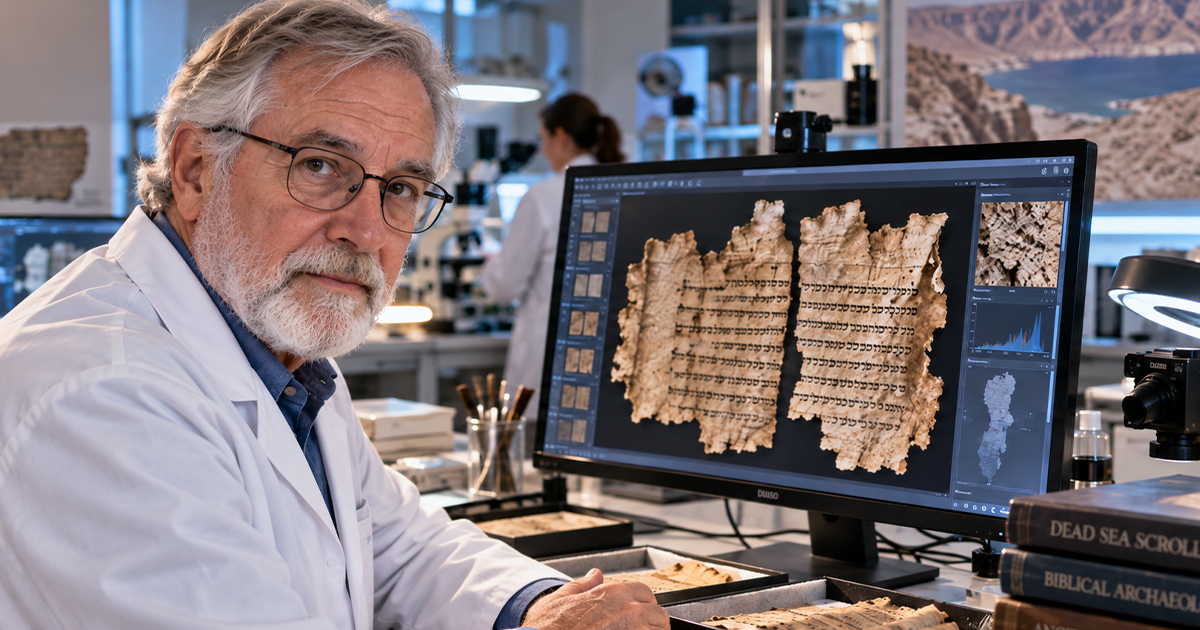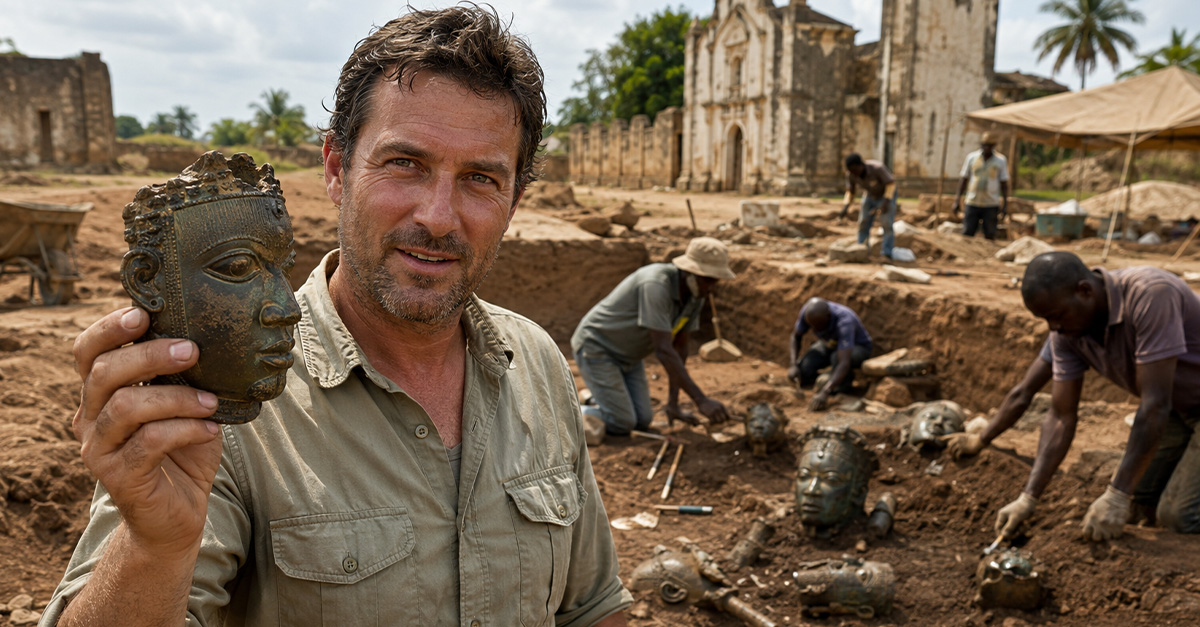
A Surprise Beneath The Mission
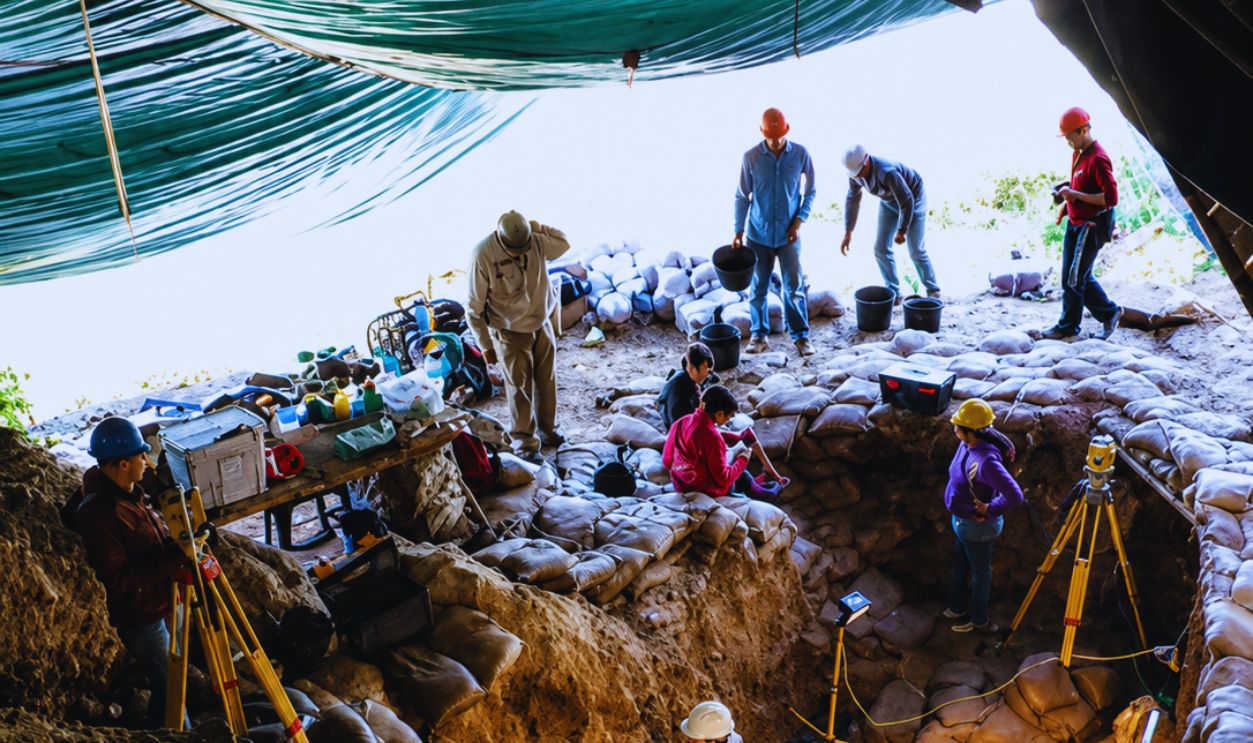
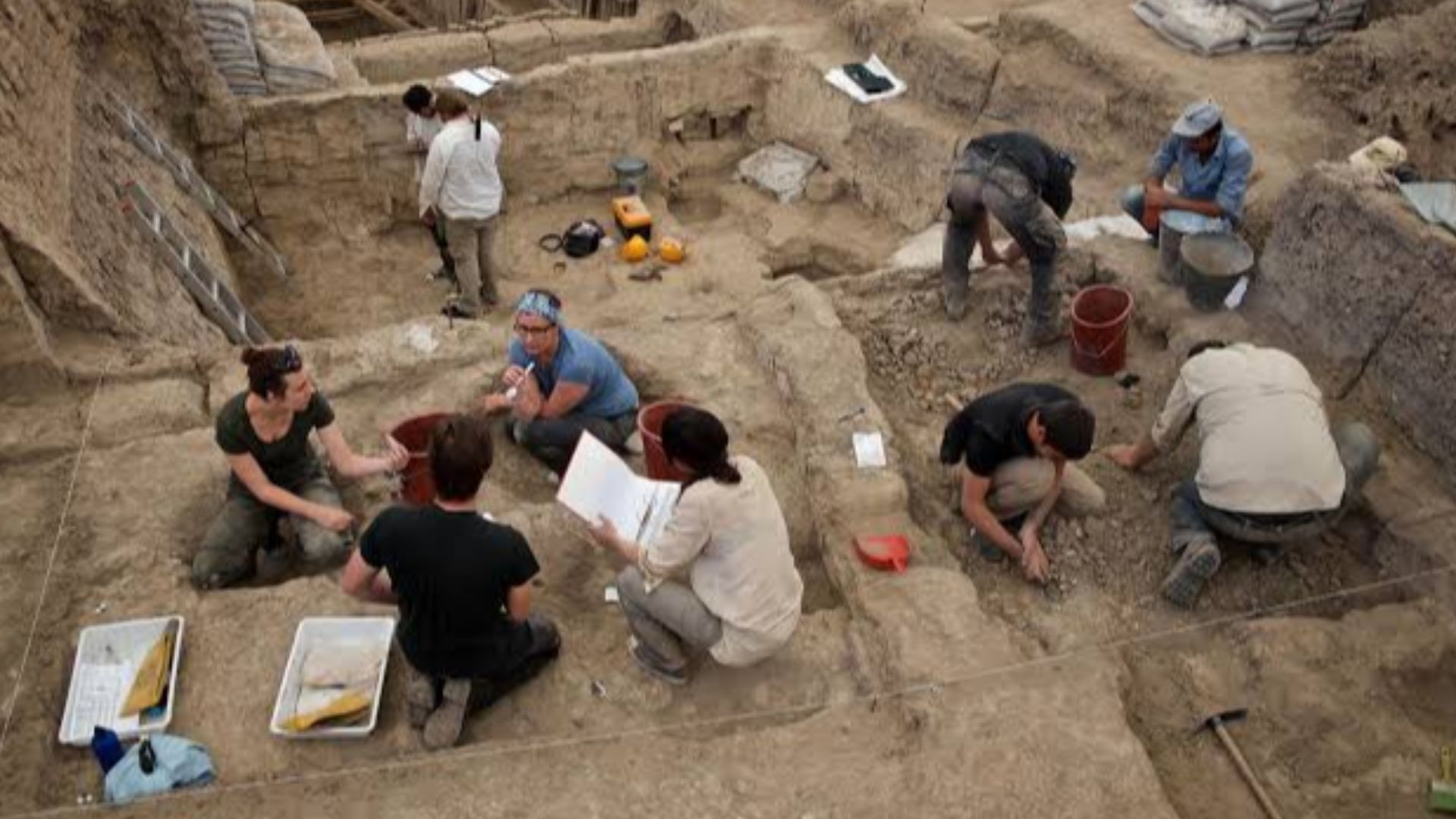
Archaeologists working beneath an old colonial-era mission in Benin thought they knew what they might find: broken pottery, building foundations, maybe a few everyday objects. Instead, they uncovered a group of bronze heads hidden underground, turning an ordinary excavation into a mystery tied to war, royalty, and survival.
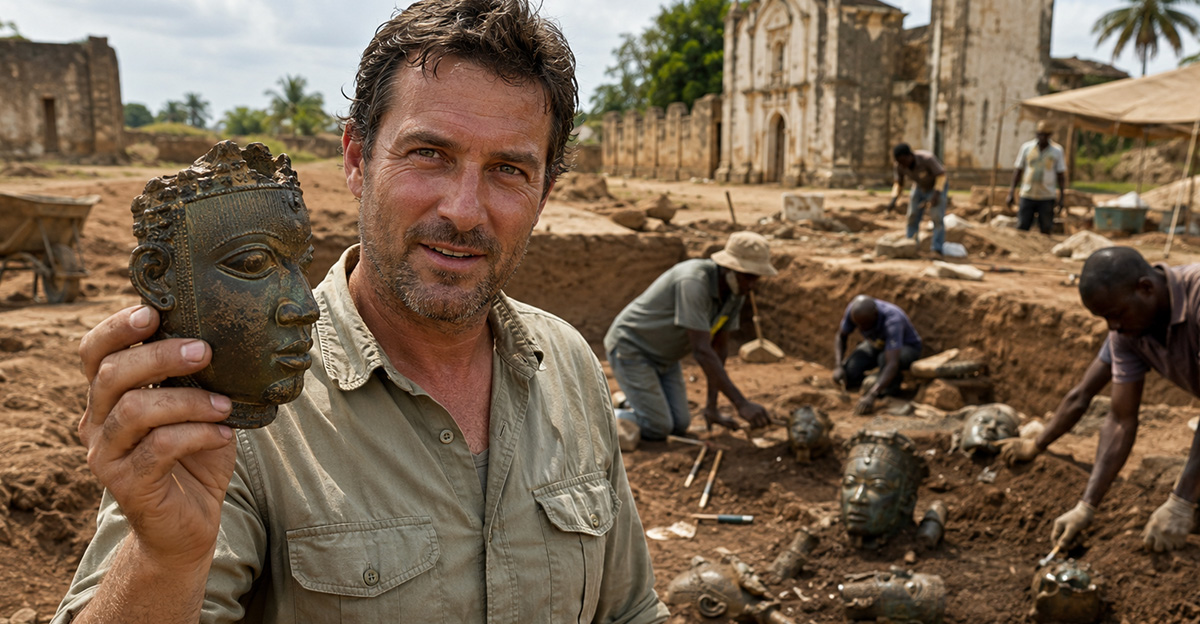
Hidden For More Than A Century
For generations, people walked across the site without knowing what was buried below. Buildings were raised, repaired, and altered while the bronze heads remained out of sight. Whoever placed them there likely expected to return, but history seems to have intervened before that could happen.
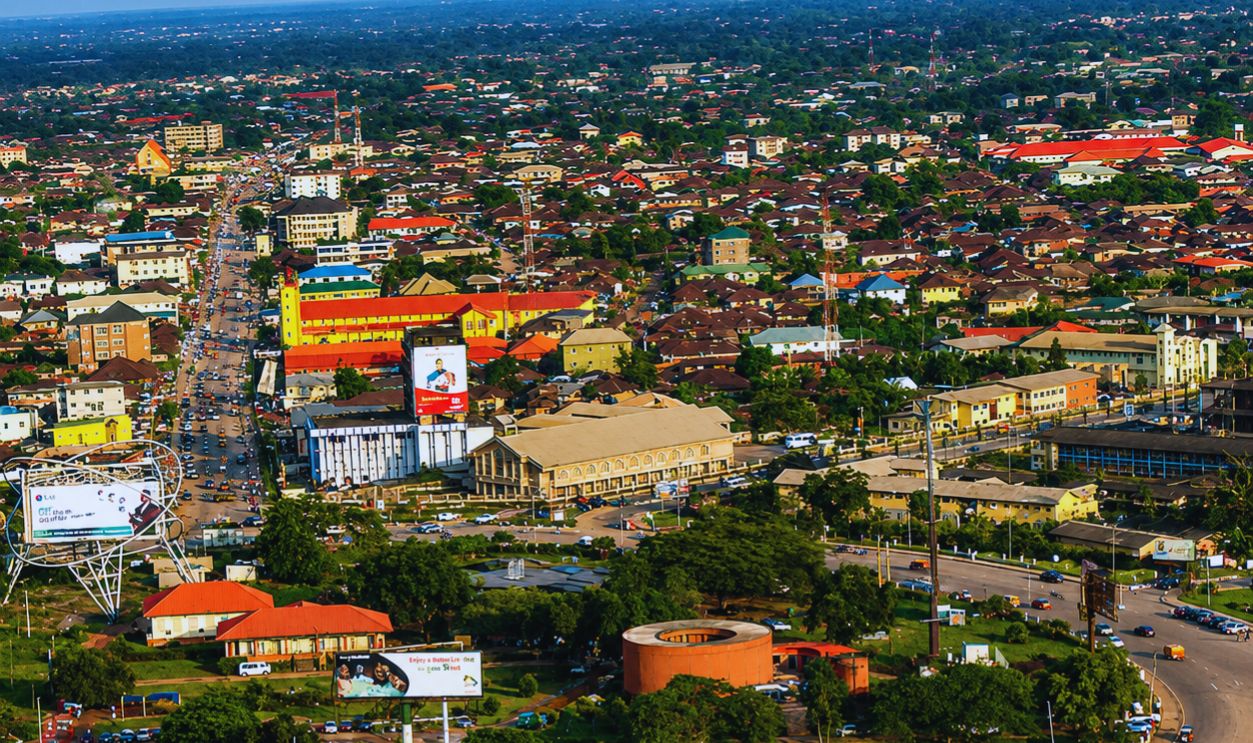
This Was No Accidental Burial
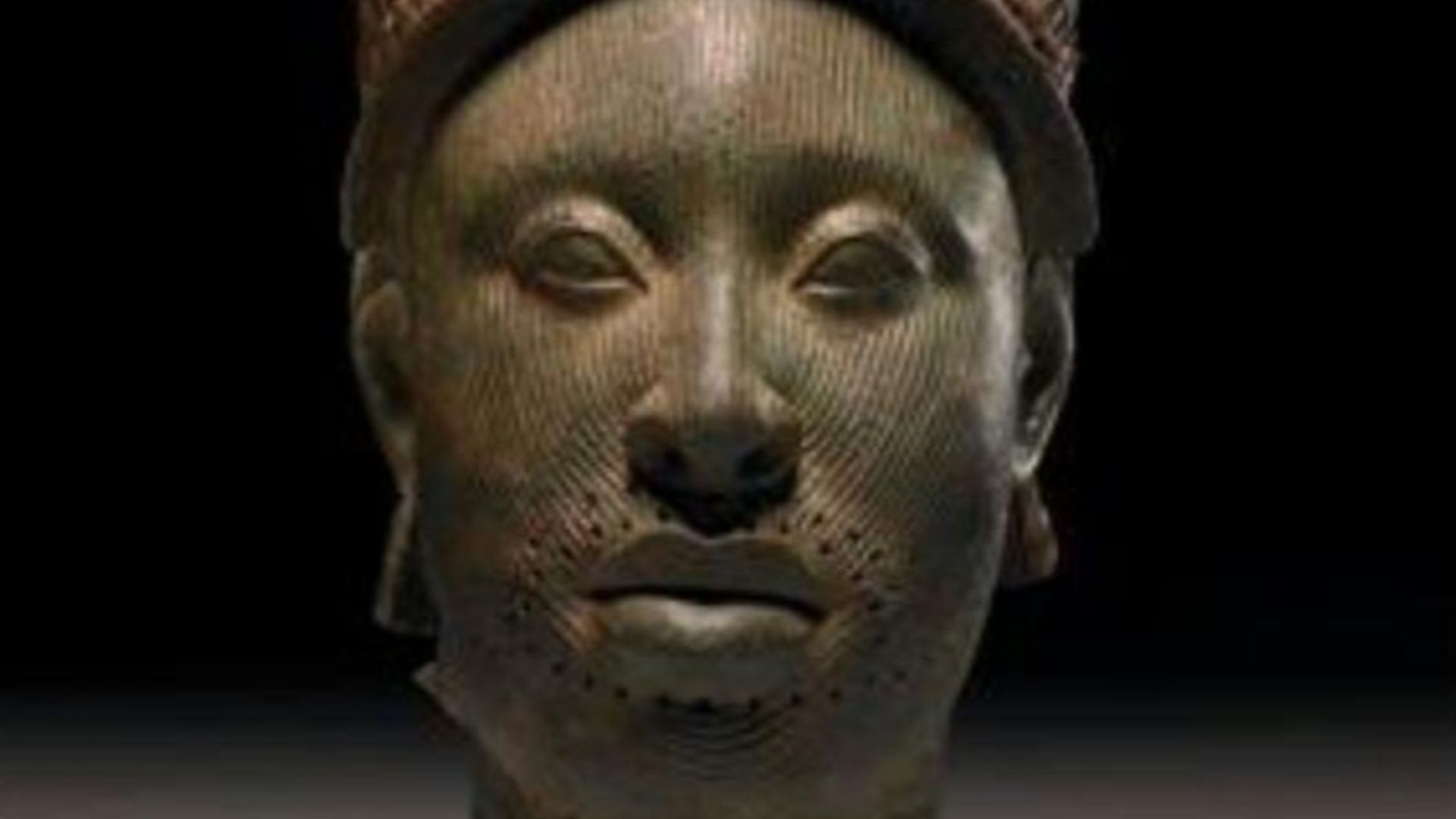
The heads were apparently found together, suggesting they had been deliberately concealed rather than lost one by one. That immediately raises questions. Who buried them? Were they trying to protect them from soldiers? And why was the hiding place eventually forgotten?
 Undefined Yoruba artist., Wikimedia Commons
More Than Beautiful Decorations
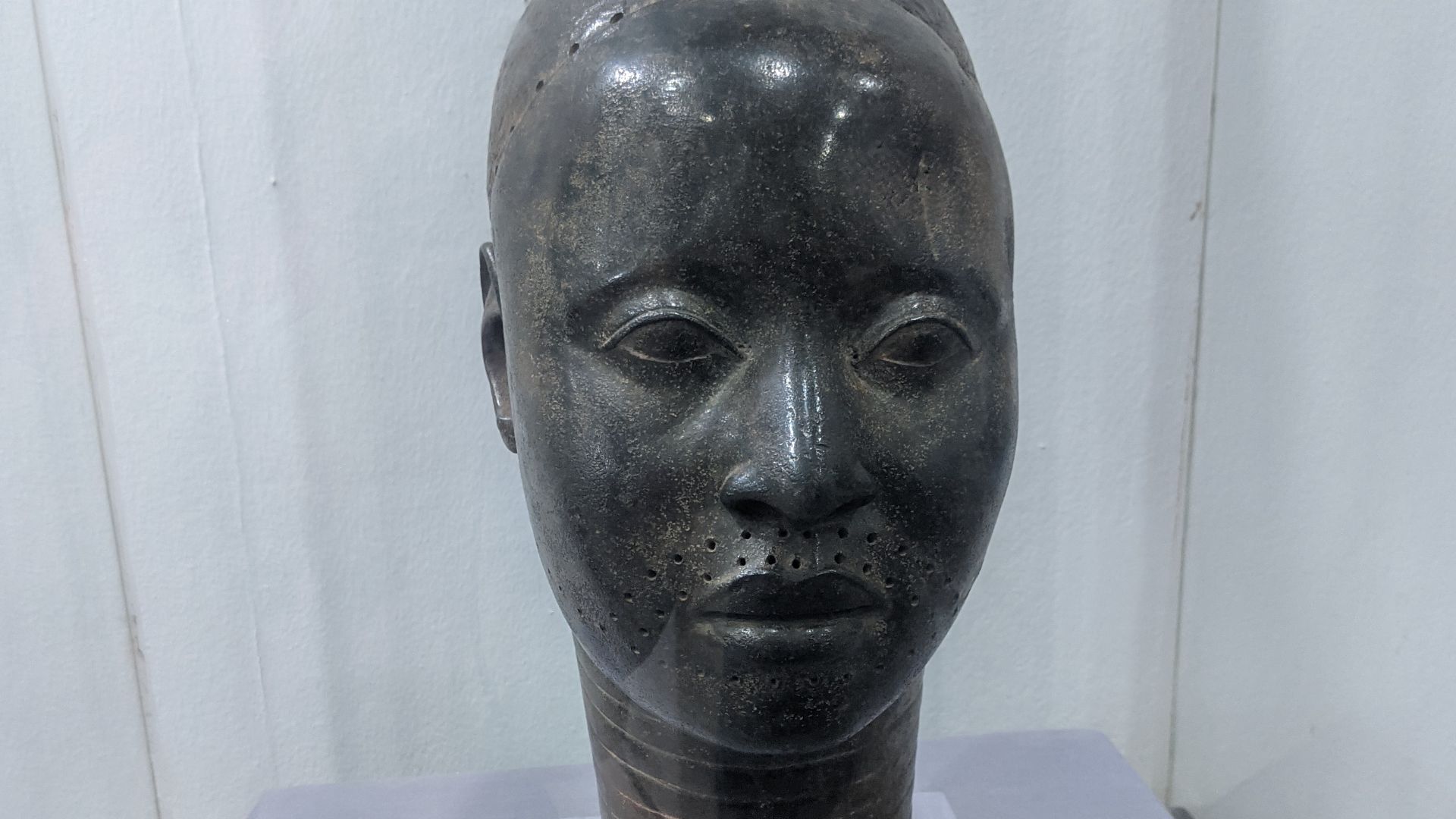
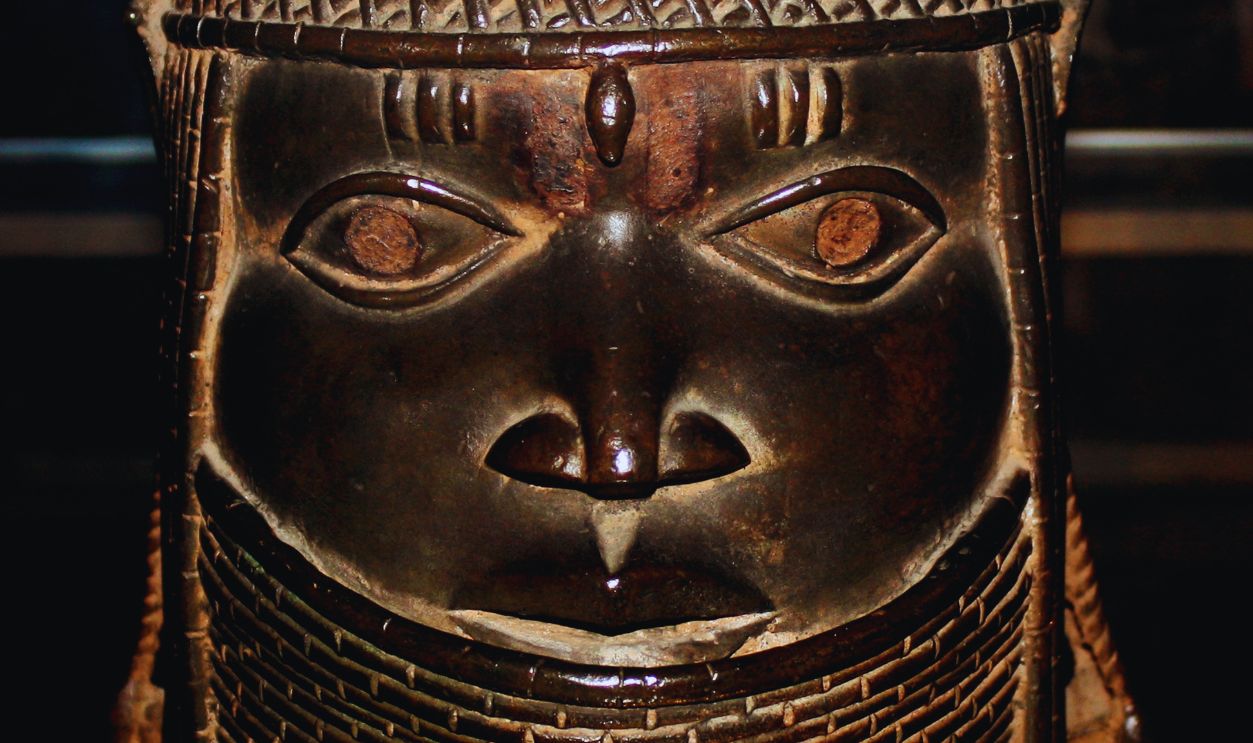
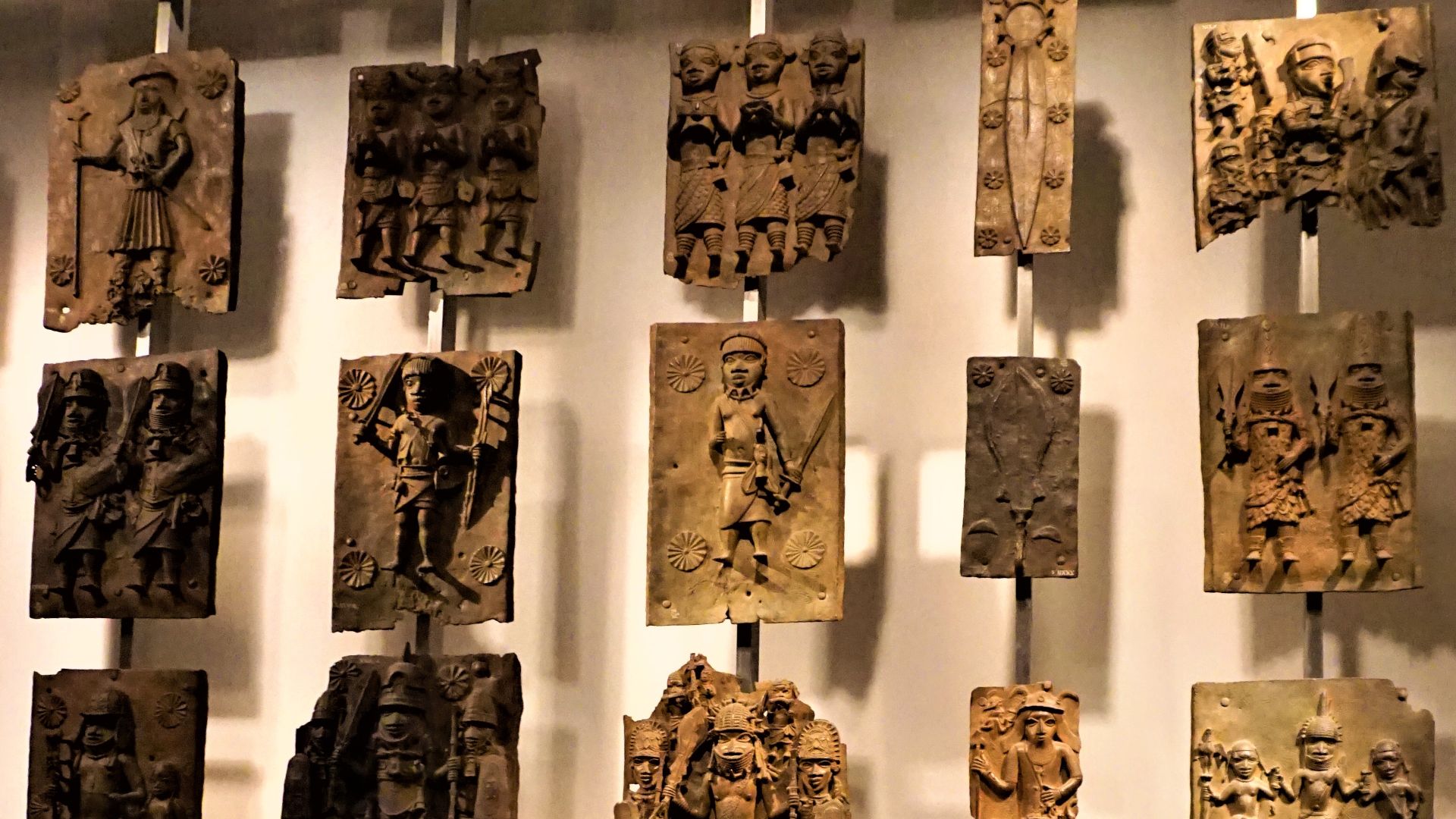
These objects were probably not made simply to look impressive. Across West African royal traditions, metal sculptures could represent rulers, ancestors, spiritual figures, or important members of the court. They carried meaning, authority, and memory, making them far more valuable than the metal used to create them.
 Stephanie cheks, Wikimedia Commons
Made With Extraordinary Skill
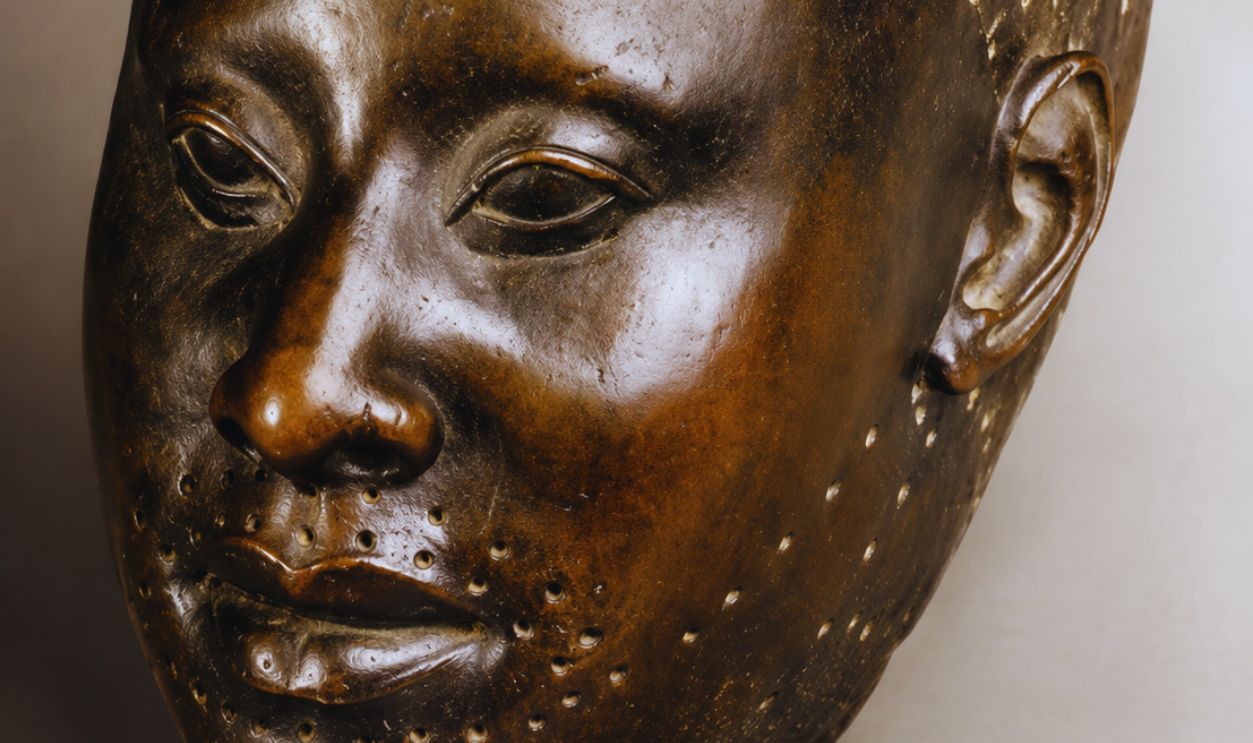
Producing a bronze head was a complicated job. Artists first shaped the figure in wax, surrounded it with clay, melted the wax away, and poured hot metal into the empty space. The process demanded patience and precision, especially when creating tiny details such as jewellery, hairstyles, and facial markings.
 WaynaQhapaq, Wikimedia Commons
Faces Filled With Clues
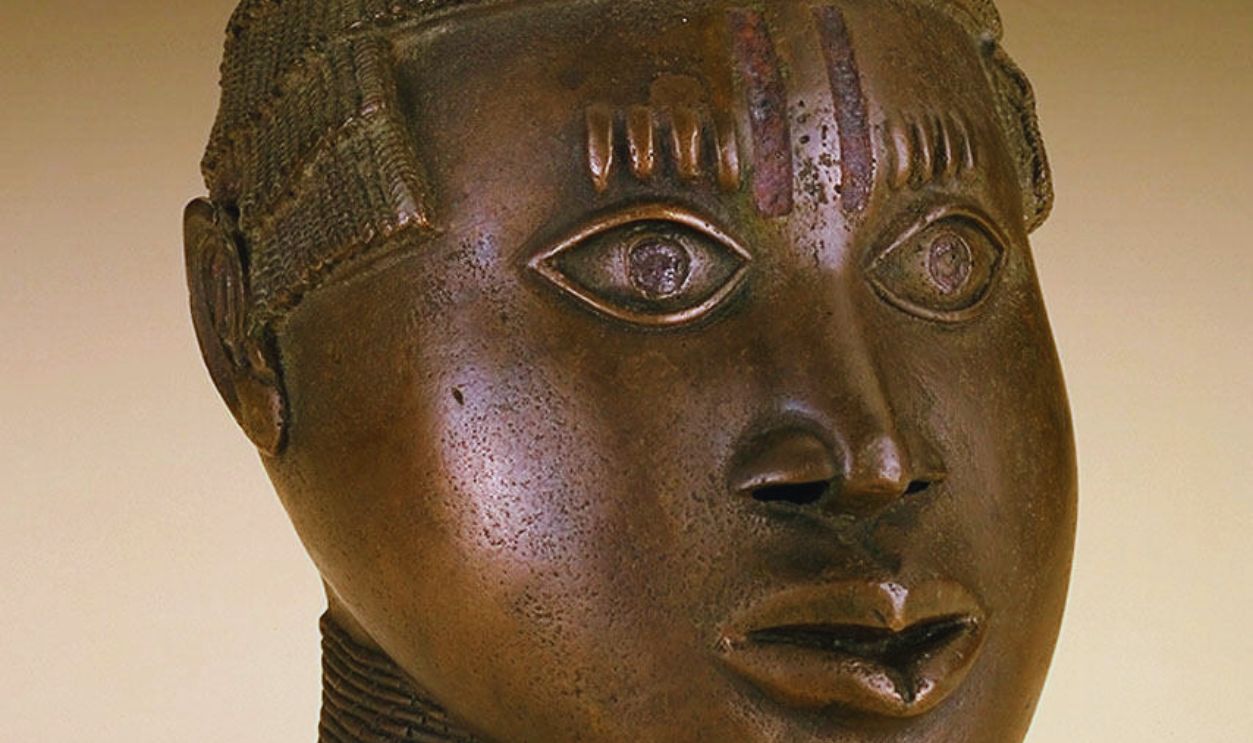
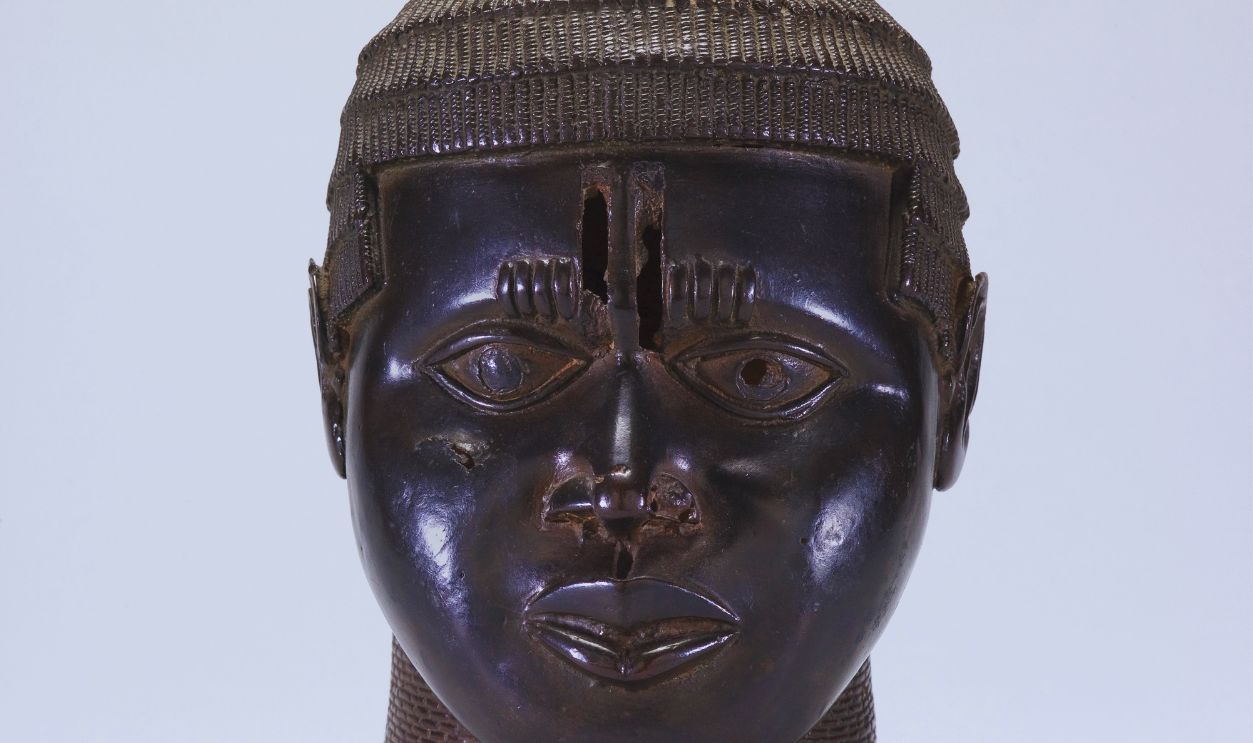
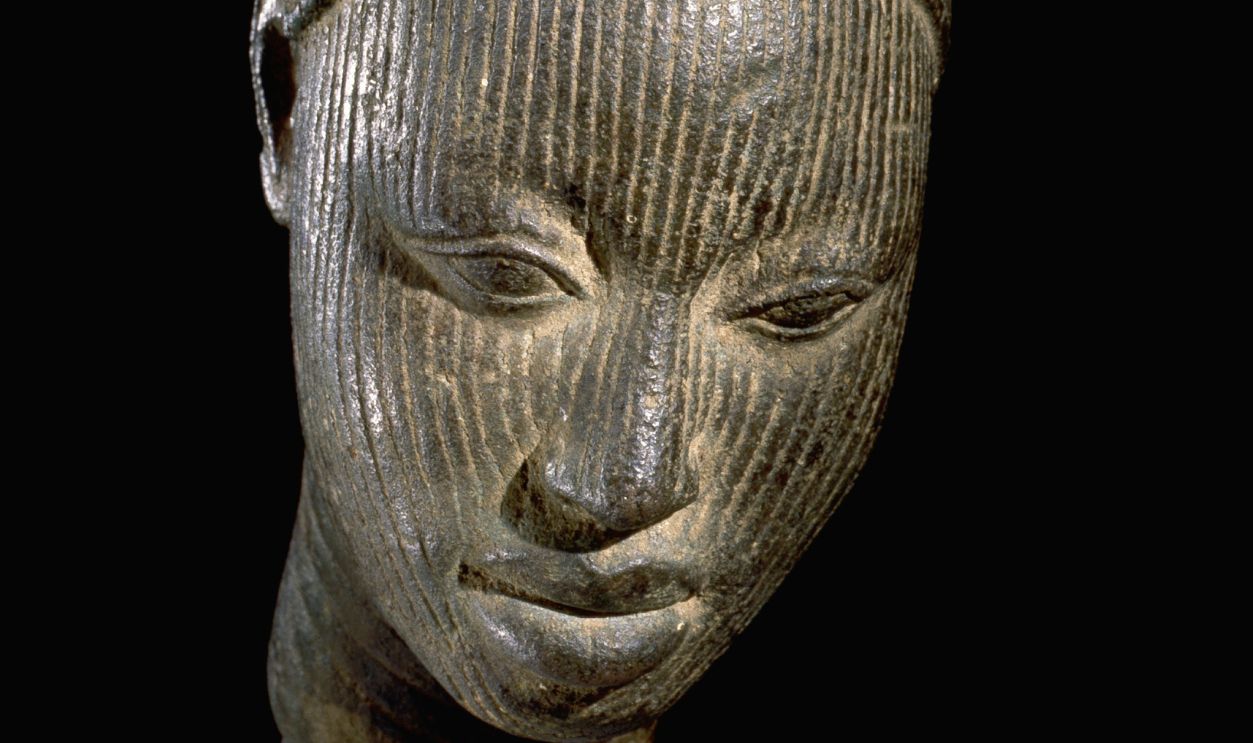
Every detail on the heads may tell researchers something. A crown could point to royalty. A necklace might suggest rank or ceremonial importance. Even the way the hair was arranged could connect a figure to a certain period, workshop, community, or ruler.
The Kingdom Behind The Story
Present-day Benin was once home to the powerful Kingdom of Dahomey. Centred around Abomey, Dahomey became known for its royal court, disciplined army, palace compounds, and striking artistic traditions. Art was not separate from politics there. It helped explain who ruled and why their authority mattered.
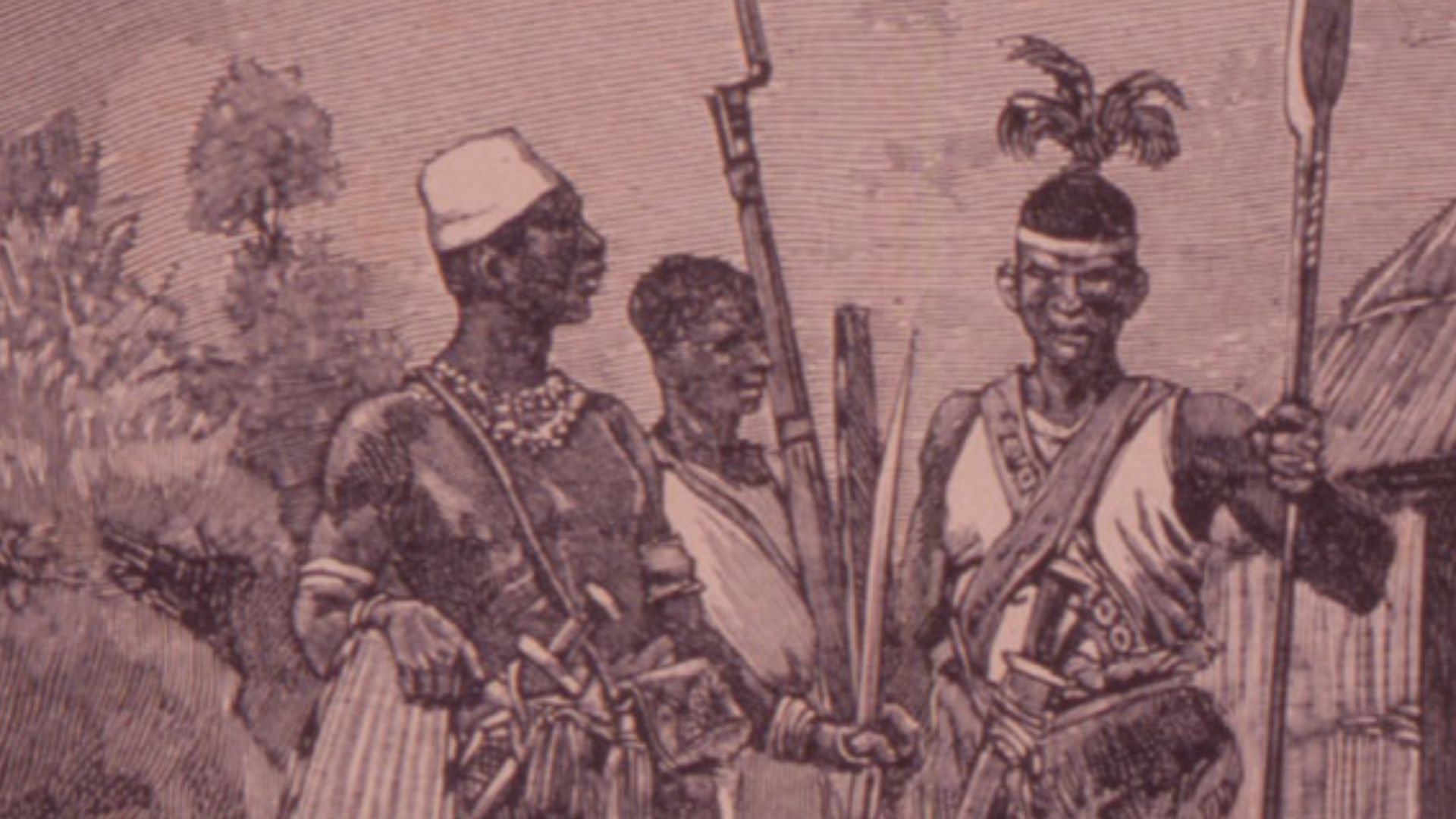 Unknown authorUnknown author, Wikimedia Commons
Inside The Royal Palaces
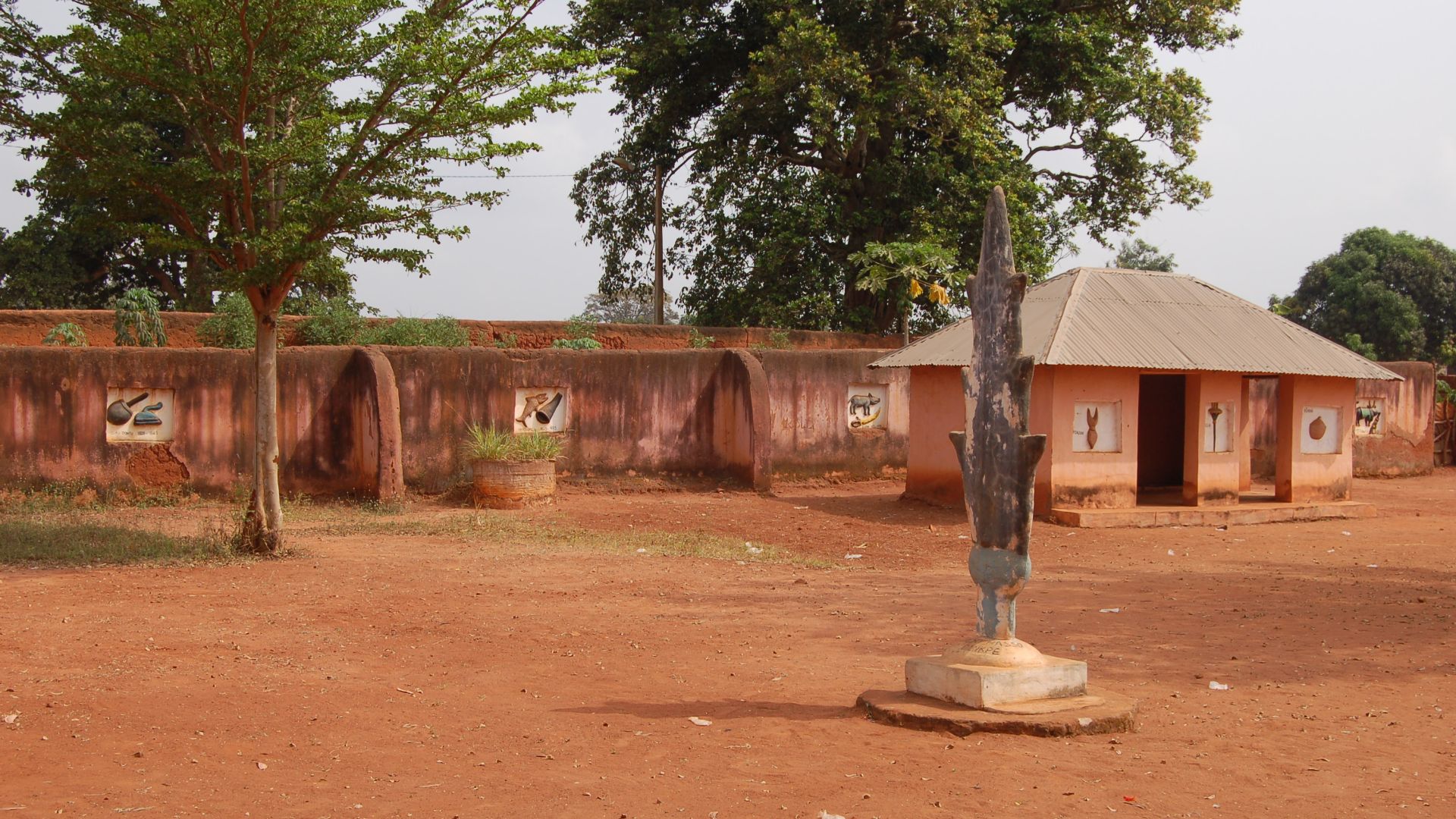
The Royal Palaces of Abomey were not one giant residence. Each ruler built a court of his own, creating a sprawling complex over time. Earthen walls, painted reliefs, ceremonial spaces, and royal objects turned the site into a record of the kingdom’s changing fortunes.
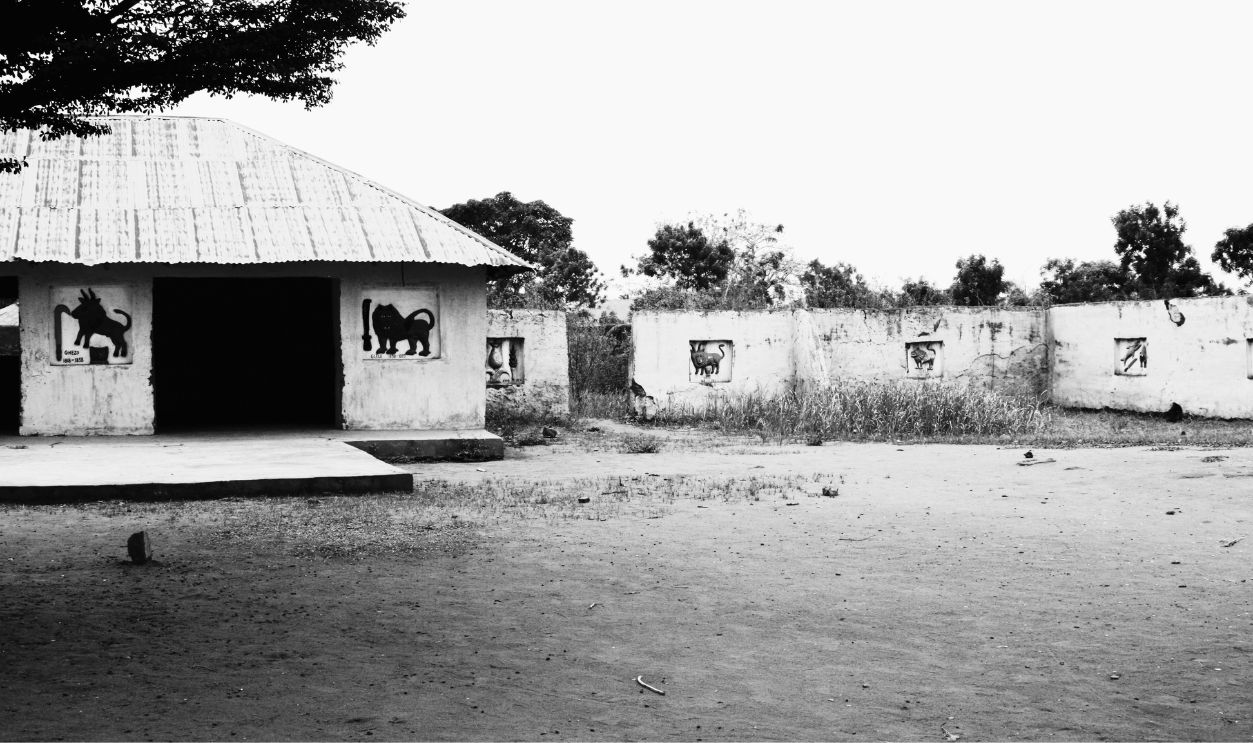 Dominik Schwarz, Wikimedia Commons
France Moves Into The Region
During the late 1800s, France was expanding its colonial control across West Africa. Dahomey resisted, leading to a series of wars between 1890 and 1894. French forces eventually defeated King Béhanzin, and the kingdom was absorbed into the growing French colonial empire.
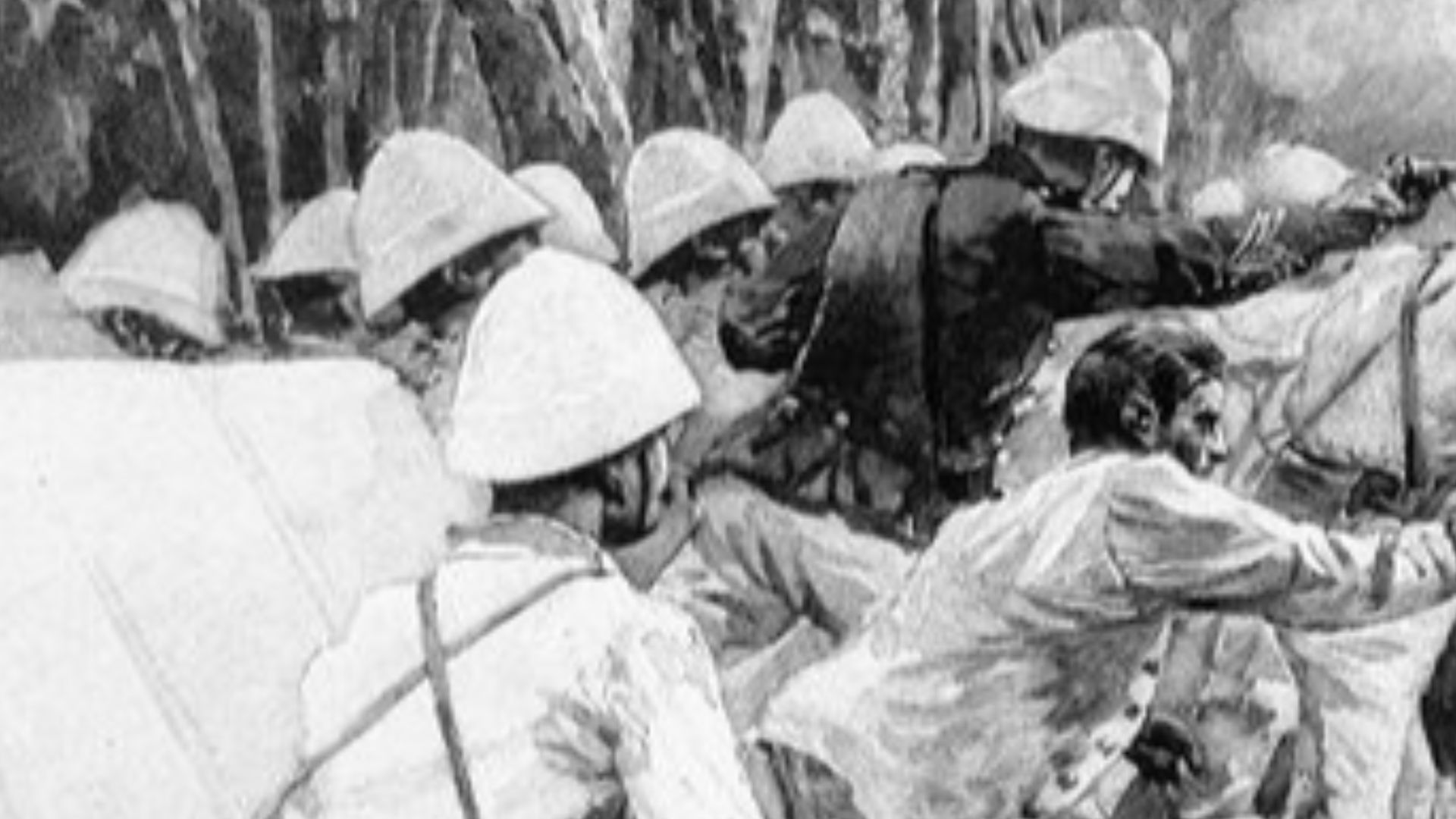 Alexandre d'Albéca, Wikimedia Commons
A Dangerous Time For Royal Treasures
When armies advanced, important objects were often at risk. Palaces could be searched, damaged, or looted, while royal treasures might be carried away as trophies. Hiding bronze heads would have been a sensible move for anyone hoping to keep them out of French hands.
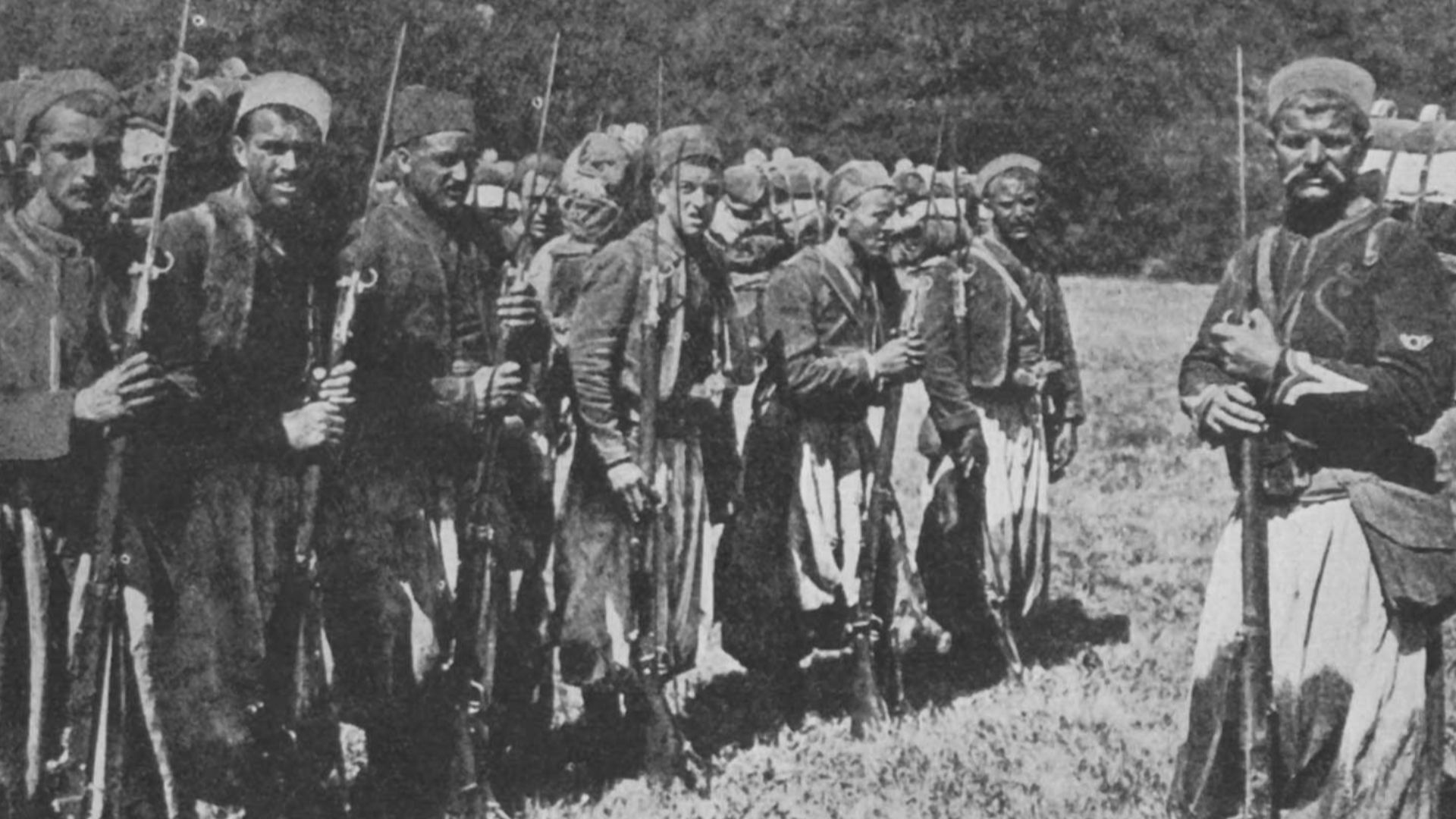 Unknown authorUnknown author, Wikimedia Commons
Buried In A Hurry
The cache may have been hidden quickly as fighting approached. Someone could have gathered the heads, found a spot they believed was safe, and covered them before leaving. They may have expected the danger to pass within weeks or months. Instead, the old political world disappeared.
Why Choose A Mission Site?
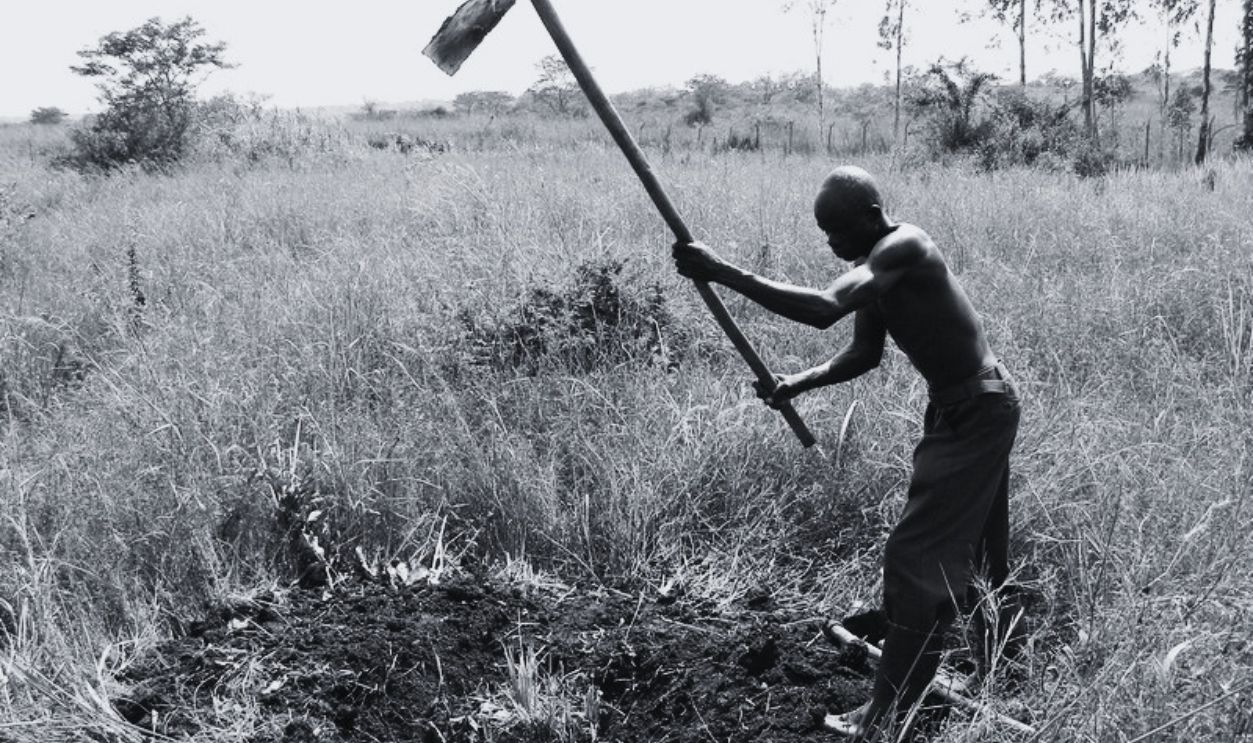
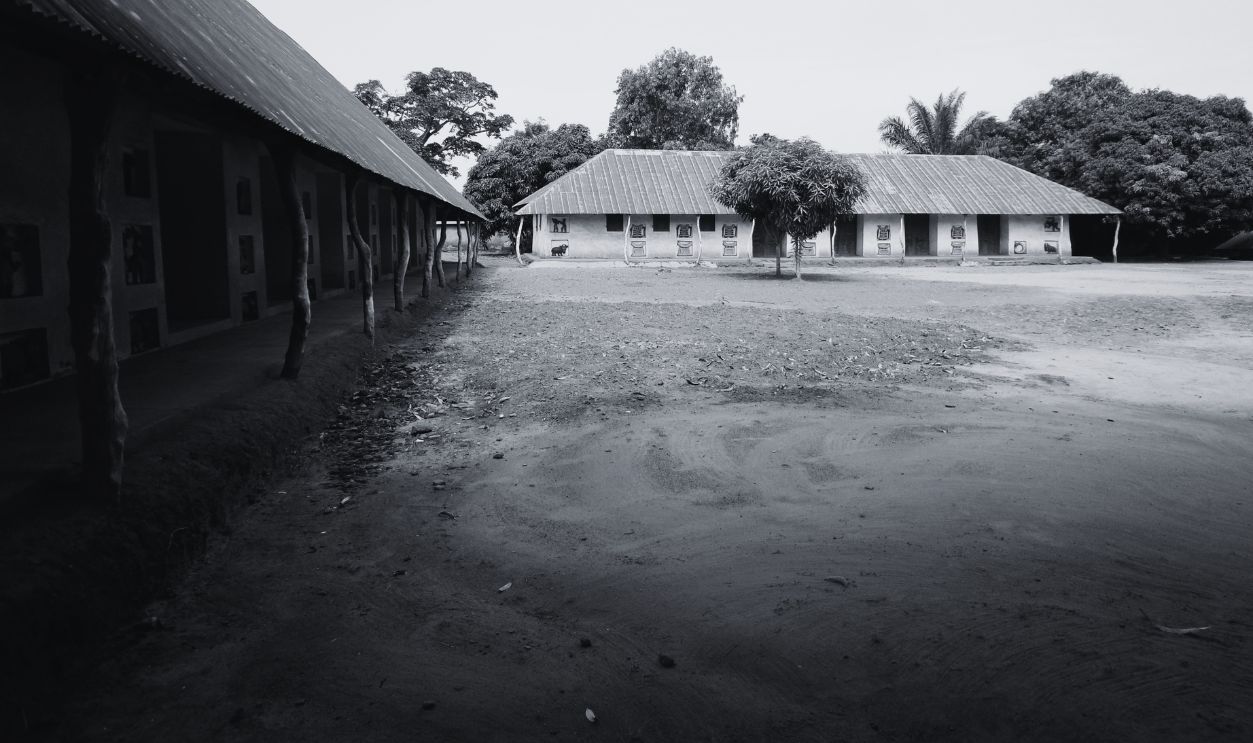
At first, a mission may seem like a strange place to hide royal objects. Yet that may have been exactly why it worked. Religious compounds could offer solid buildings, recognizable landmarks, and places soldiers might not immediately suspect. The site may also have stood on land that already held local importance.
 Karalyn Monteil, Wikimedia Commons
Which Came First?
Researchers will need to determine whether the mission was already standing when the heads were hidden. If it came later, its foundations may have unknowingly sealed the objects underground. If it was already there, the location was probably selected with much more care.
The Soil Holds The Timeline
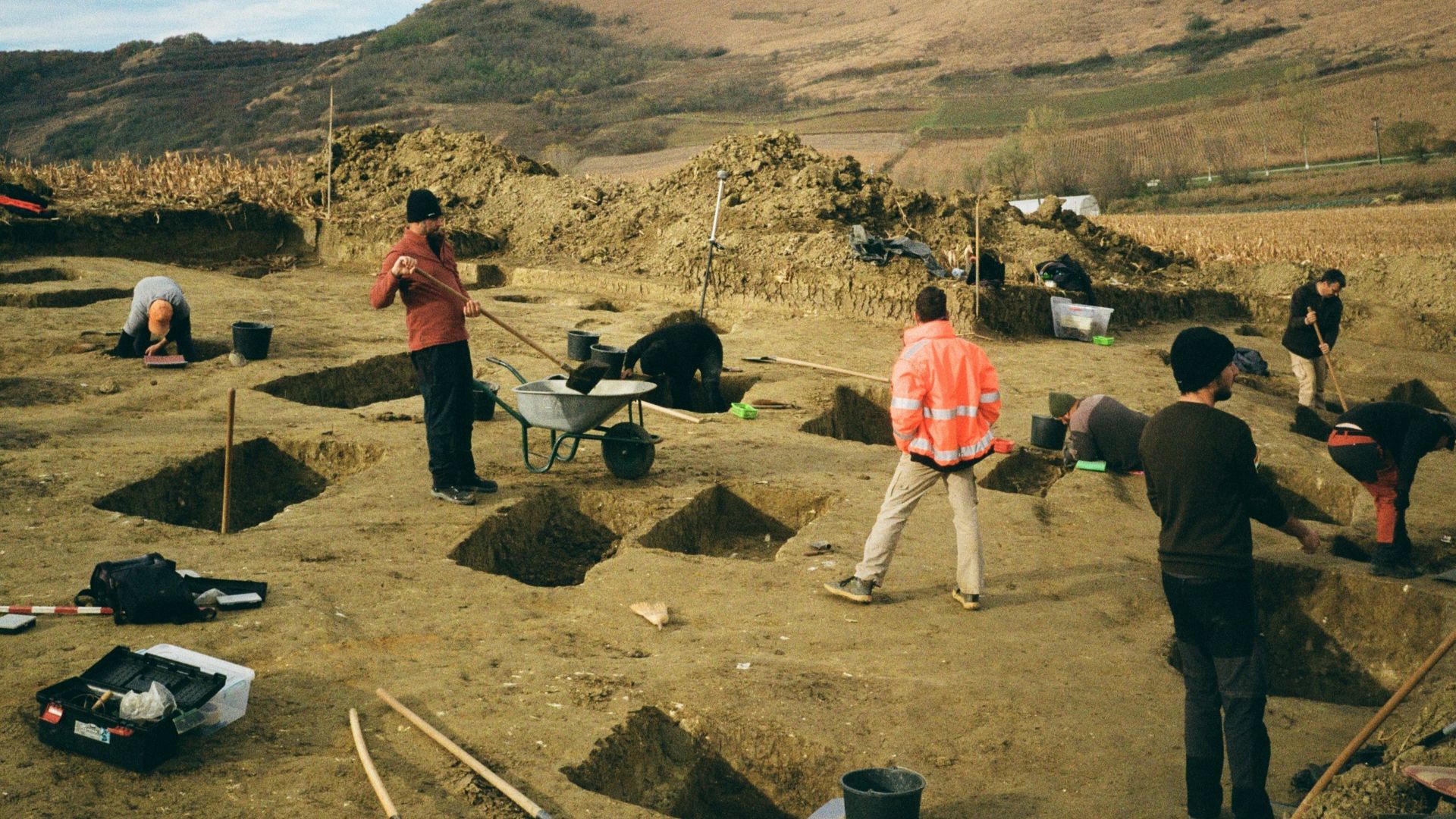
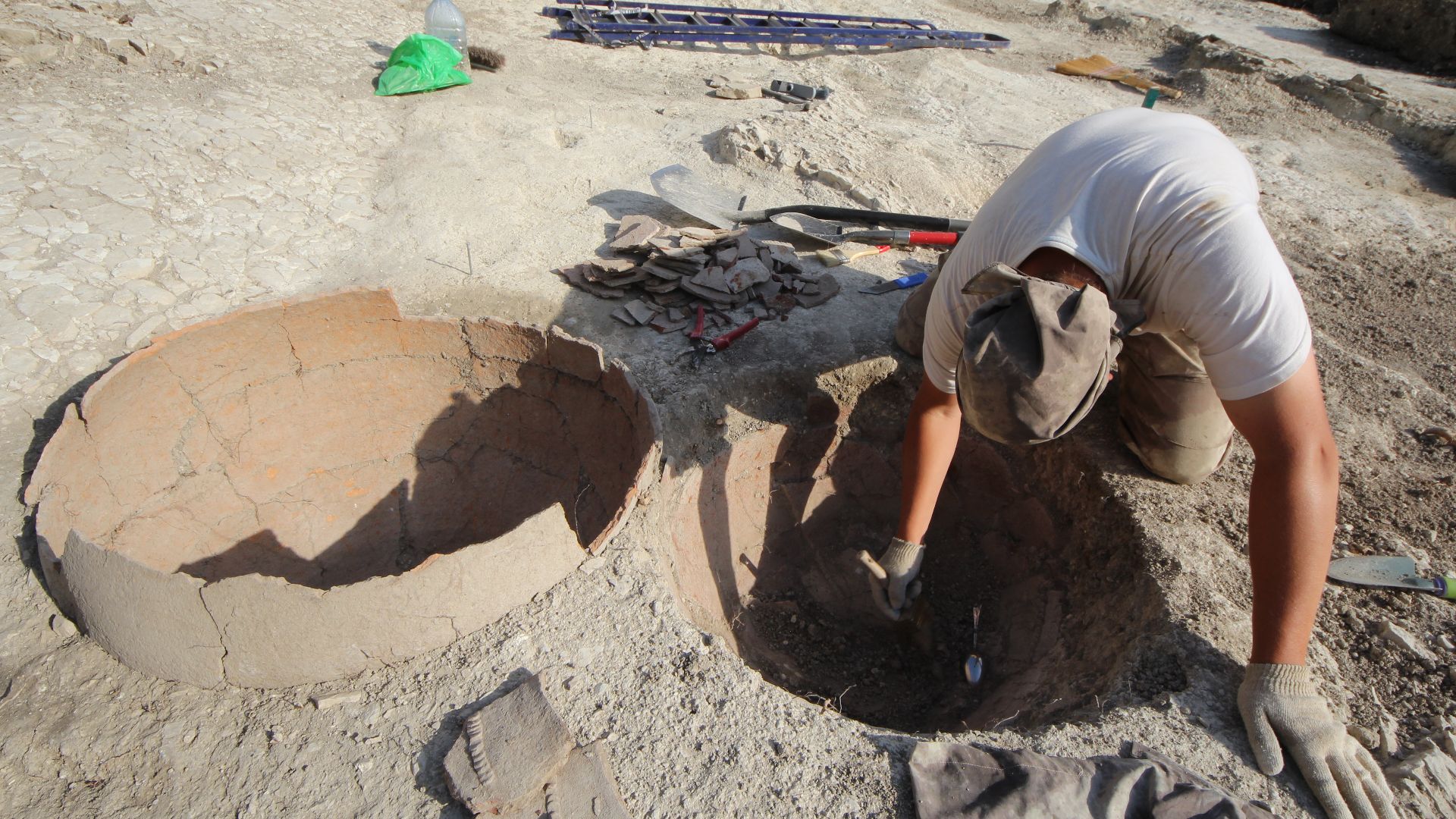
Archaeologists can often date a burial by studying the layers around it. Pieces of charcoal, pottery, nails, roof tiles, or imported goods may help narrow down when the pit was dug. Even the way the soil was replaced can reveal whether the burial was hurried or carefully planned.
 MariyaShubina, Wikimedia Commons
Surviving Underground Was Not Guaranteed
Bronze can last for centuries, but it is not indestructible. Damp soil, minerals, plant roots, and temperature changes can eat away at the surface. The fact that the heads survived at all is remarkable, though conservators will need to move slowly to prevent further damage.
 Universal History Archive, Getty Images
Cleaning Can Do More Harm Than Good
It may be tempting to polish the heads immediately, but experts rarely rush that process. Dirt and corrosion can contain valuable clues. A scratch, repair, pigment trace, or patch of soil may reveal how an object was used, displayed, buried, or handled before it disappeared underground.
 Frame Stock Footage, Shutterstock
Do The Heads Show Real People?
One of the biggest questions is whether the faces represent individual rulers. They may be portraits, but they could also be idealized royal figures. In many traditions, symbols such as crowns, beads, scars, and animals were more important than creating a perfectly realistic likeness.
The Metal Has Its Own Story
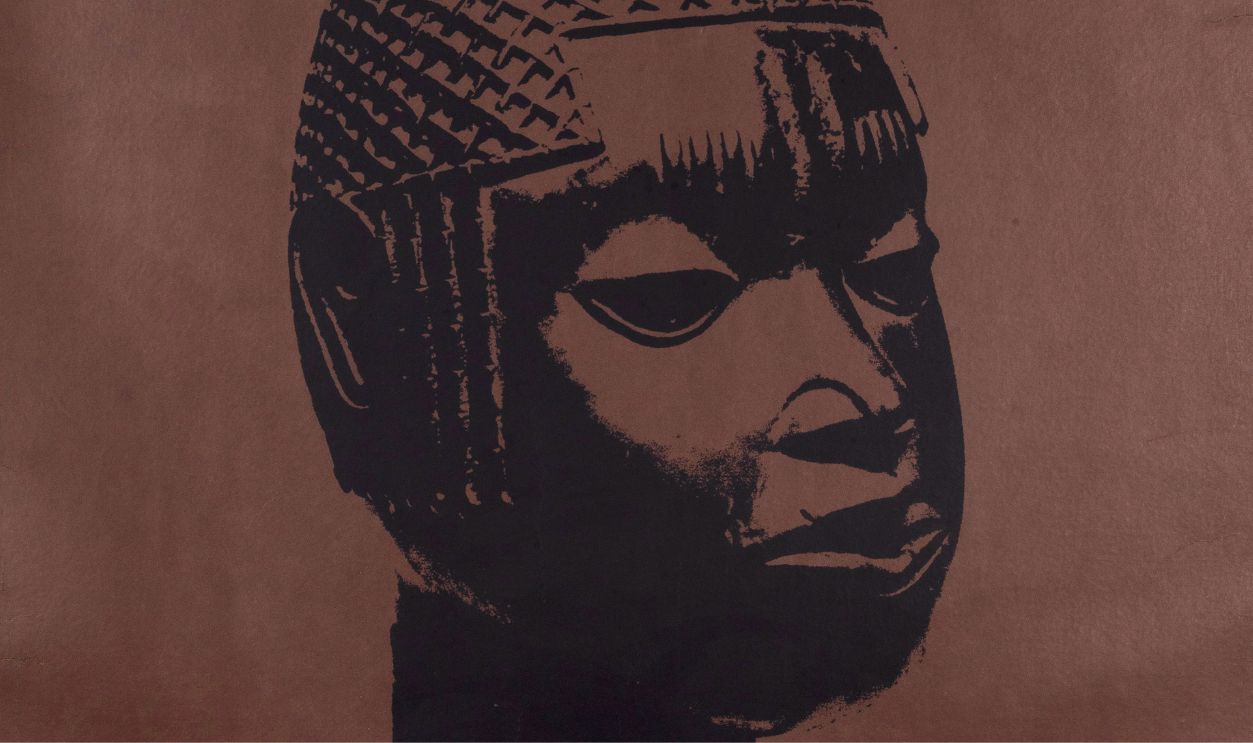
Scientists may study the exact mixture of copper, zinc, tin, and lead inside the heads. Those results could show whether the objects came from the same workshop or were made years apart. They might even help connect the cache to other pieces held in museums.
 Potter and Potter Auctions/Gado, Getty Images
Local Voices Will Be Essential
Laboratory tests can only reveal so much. Traditional leaders, local historians, craftspeople, religious specialists, and families may recognize details that outside researchers miss. Oral history could hold memories of royal objects being hidden during the invasion, even if the exact location was forgotten.
 UCL Institute of Archaeology, Wikimedia Commons
One Site, Many Histories
The mission site brings several different stories together. It may contain traces of precolonial life, royal power, French conquest, Christian missionary activity, and modern community use. The bronze heads sit right in the middle of those histories, linking them in a way few written records can.
 Andrew Hall, Wikimedia Commons
Many Treasures Were Taken Away
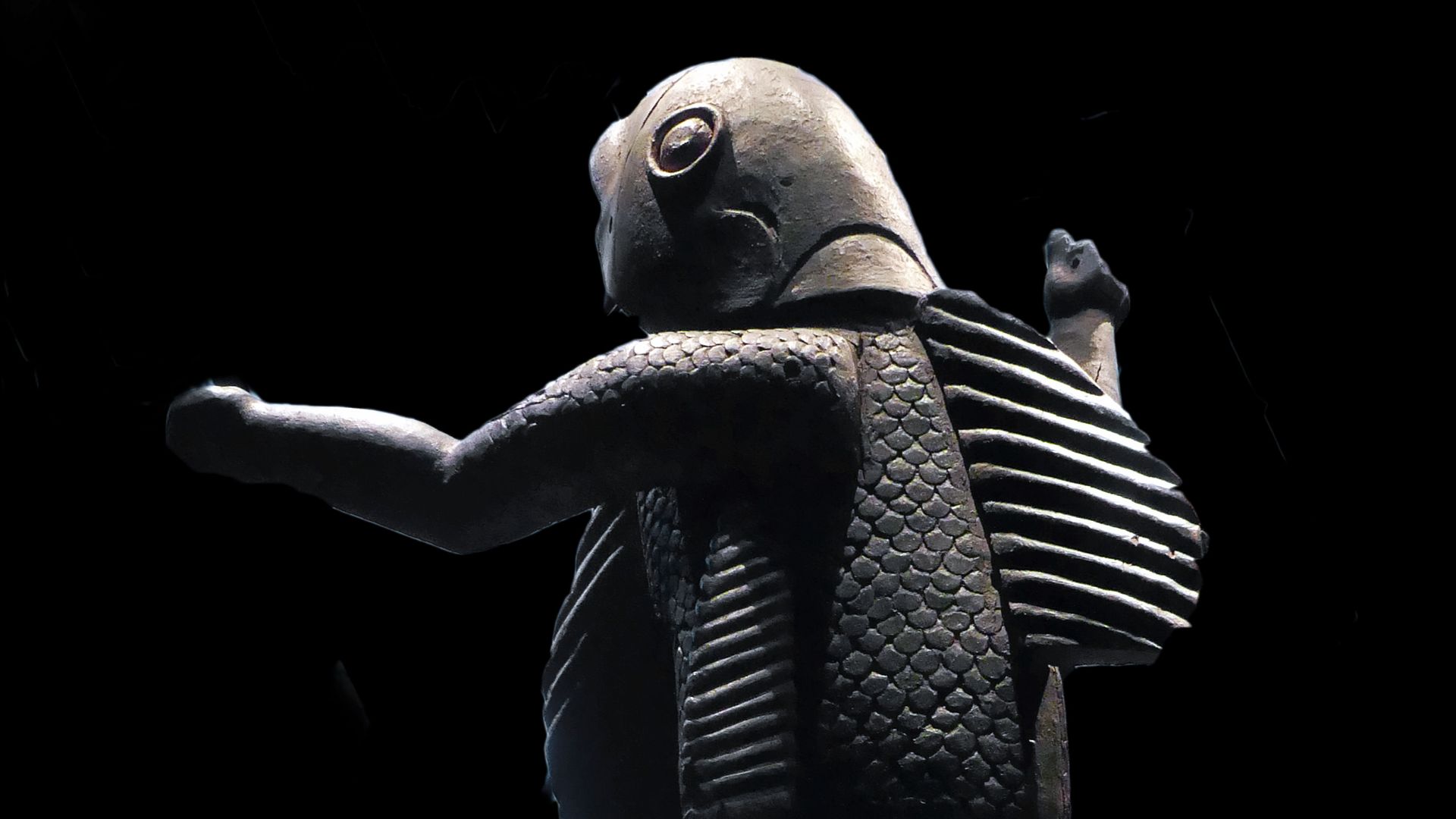
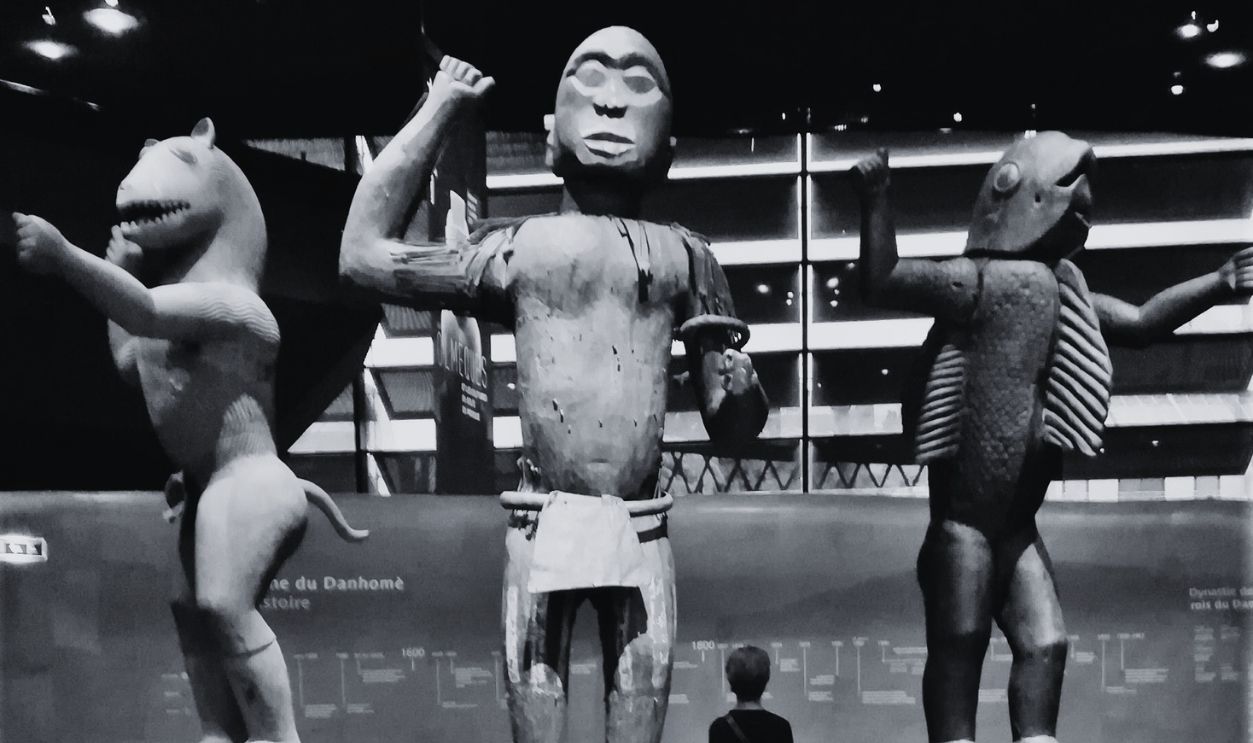
French forces removed important royal objects during the conquest of Dahomey. Thrones, statues, doors, and ceremonial pieces eventually entered collections in France. For decades, many were displayed with little explanation of the violence and unequal power that brought them there.
Some Objects Have Finally Returned
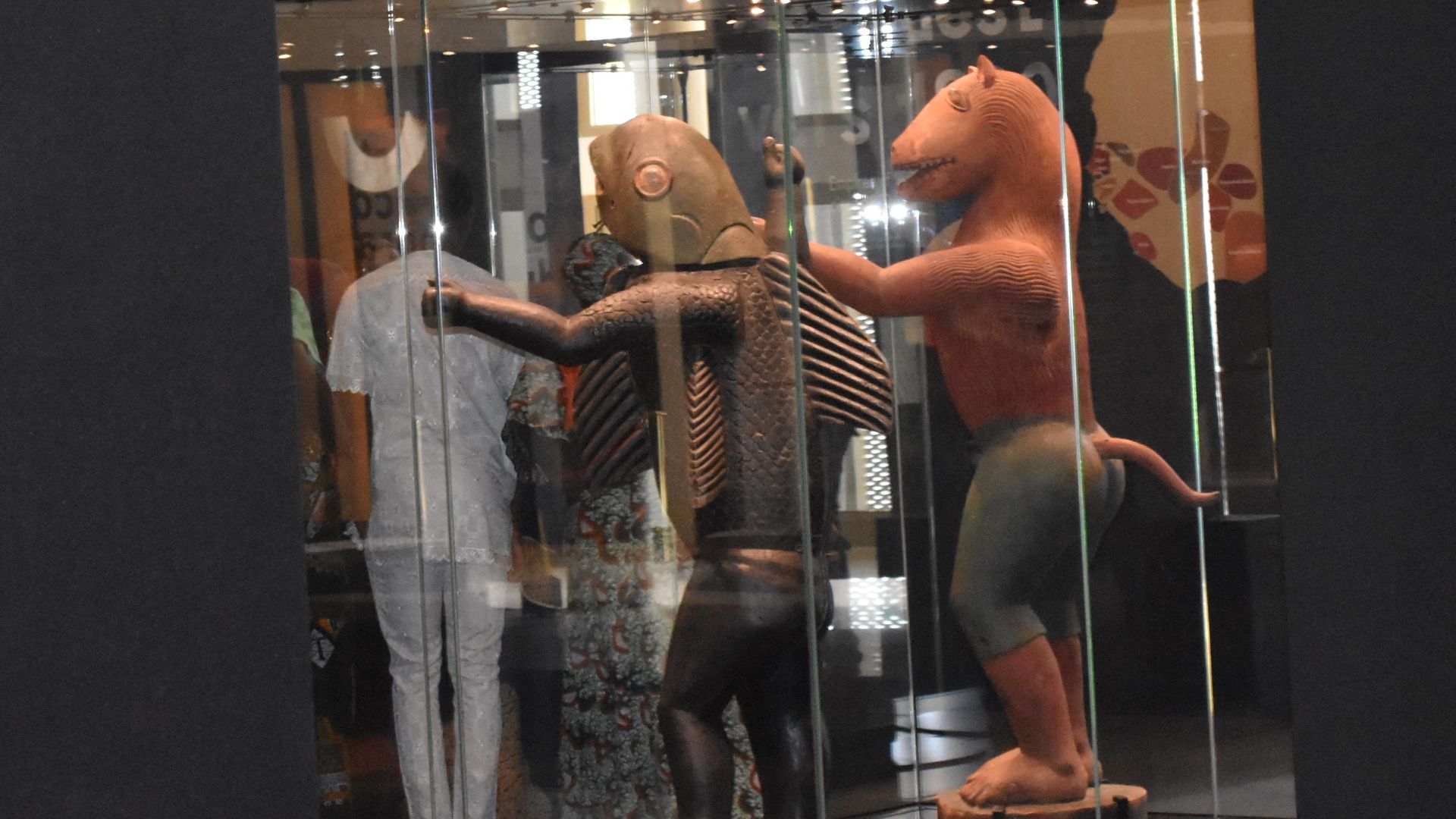
In 2021, France returned 26 royal treasures to Benin after years of requests. Their homecoming drew huge attention and renewed debate over who should own objects taken during colonial rule. The newly found heads add a different chapter because they appear never to have left the country.
Not The Famous Nigerian Bronzes
The name can cause confusion. These objects are linked to present-day Benin and the former Kingdom of Dahomey. They are not the same as the famous Benin Bronzes looted by British forces from Benin City, in present-day Nigeria, during the invasion of 1897.
A New Reason To Visit Benin
Discoveries like this remind travellers how rich Benin’s history is. Beyond its coastline and wildlife, the country offers royal palaces, sacred sites, museums, historic towns, and living artistic traditions. The past is not tucked away in one place. It can be felt throughout the landscape.
 Joachim Huber, Wikimedia Commons
Travel With Curiosity And Respect
Sites connected to conquest and colonialism are not just interesting attractions. They can still carry deep emotional and spiritual meaning. Visitors should listen to local guides, respect areas that are closed, and remember that these objects belong to communities with their own ideas about how they should be treated.
 Joyofmuseums, Wikimedia Commons
The Research Is Only Beginning
It may take years before experts fully understand the cache. The heads will need conservation, scientific testing, historical comparison, and consultation with local authorities. Some early theories may change along the way. That is part of archaeology, where each answer often leads to another question.
The Past Came Back To The Surface
Whoever buried the bronze heads may have believed they were protecting them until the danger passed. More than a century later, they have finally returned to view. Their discovery is not just a story about buried art. It is a story about resistance, memory, and a past that refused to disappear.
You May Also Like:
My neighbor put up an enormous flag that completely blocks our view and flaps loudly all day. Can we force them to move it?