The Waterfront Path That Started A Neighbor War
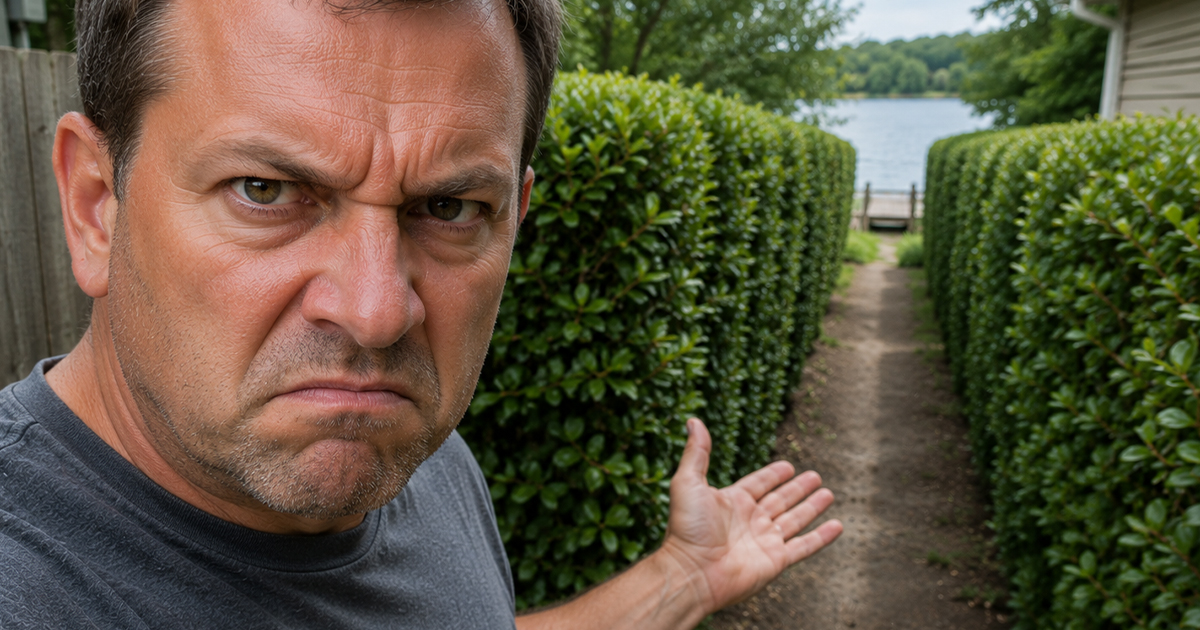
You have a legal easement that lets you cross your neighbor's property to reach the river. Then one day, your neighbor plants a long hedge along both sides of the easement, leaving only a four-foot-wide path. You can still get to the water—but can they really do that?
It Feels Like They're Blocking You
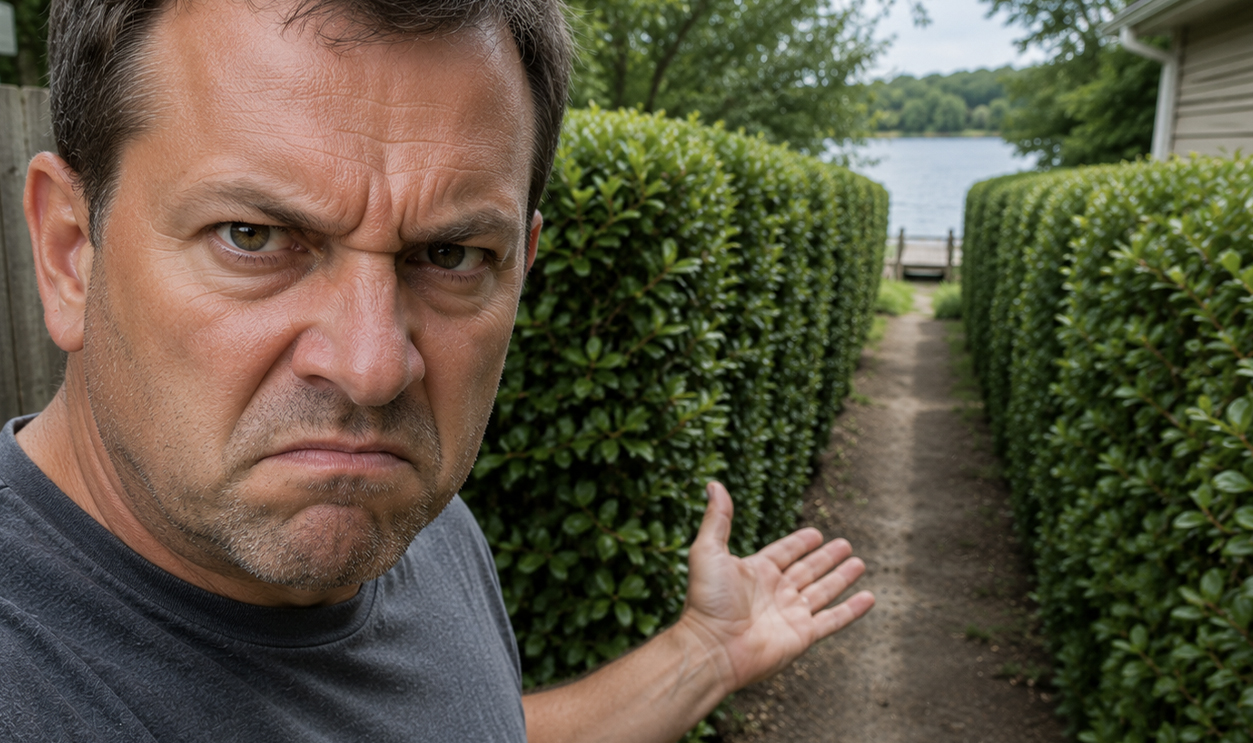
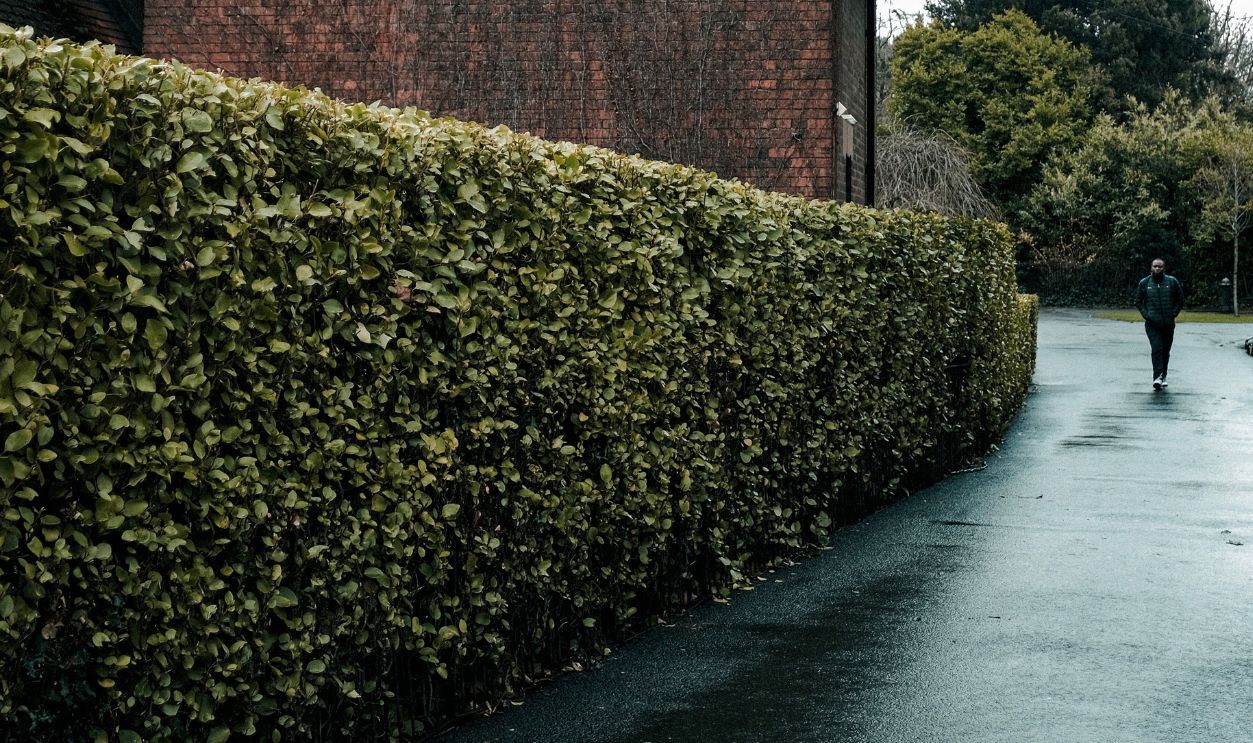
From your perspective, the hedge completely changes the experience. What used to feel like open access now feels like walking through a green hallway.
 Anastasiia Lopushynska, Pexels
So, Can You Just Cut The Hedges Down?
Usually, no. Even if you have a legal easement, that generally doesn't give you the right to destroy landscaping that belongs to the property owner.
What Exactly Is An Easement?
An easement gives someone the legal right to use another person's land for a specific purpose. It does not usually transfer ownership of the land itself.

The Property Still Belongs To Your Neighbor
This is where many disputes begin. Even though you have the right to cross the property, your neighbor still owns the land surrounding the easement.

Easements Aren't Always Wide Open
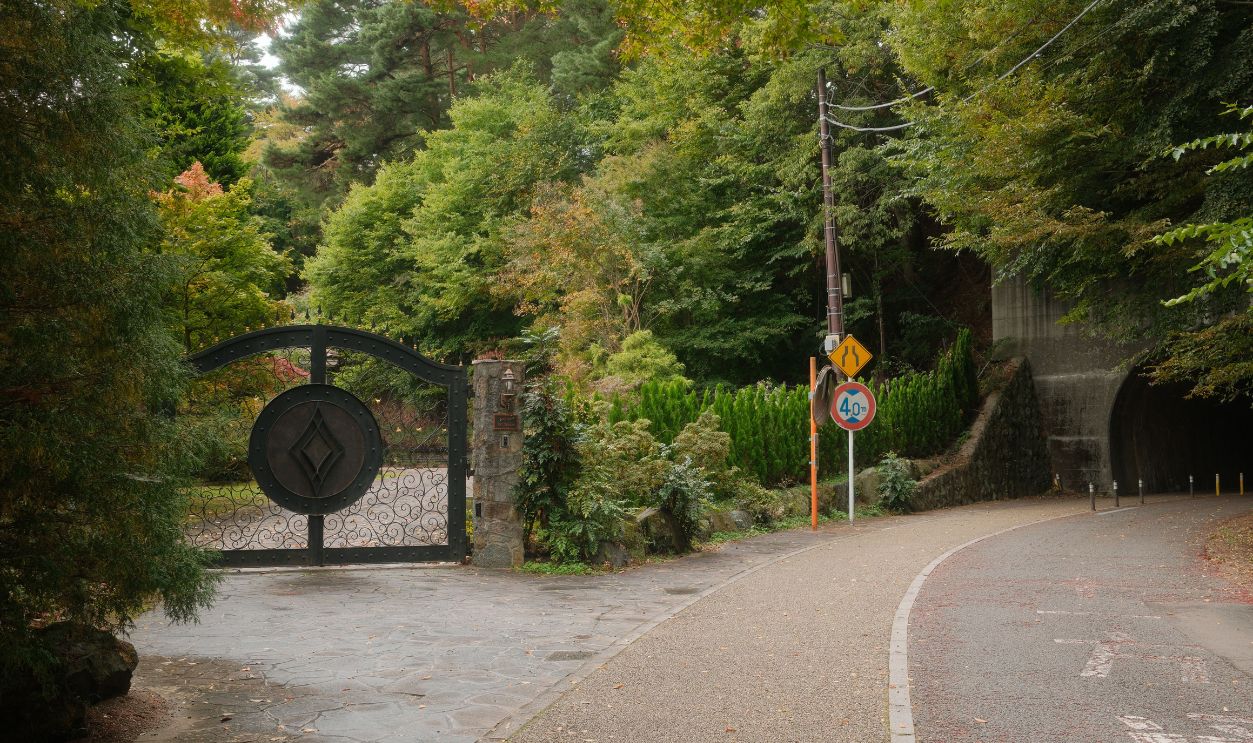
Many people imagine an easement as an open strip of land. In reality, easements often exist as simple driveways, footpaths, or narrow corridors.
The Easement Documents Matter Most
Every easement is different. The deed, survey, or recorded easement agreement often specifies exactly where the easement is located and, in some cases, how wide it is.

What If The Width Isn't Listed?
If the easement doesn't specify a width, courts often look at what is reasonably necessary for its intended purpose. The answer depends on the facts of each situation.

Reasonable Access Is The Key
Most easement disputes come down to one question: can you still reasonably use the easement for its intended purpose? If the answer is yes, your legal options may be limited.

Is A Four-Foot Path Enough?
For someone walking to the water, a four-foot-wide path may very well be considered reasonable access. If you can comfortably reach the river, a court may find that the easement is still usable.

The Property Owner Still Has Rights
The owner of the land doesn't lose all control just because an easement exists. They may often continue using and landscaping the surrounding property as long as they don't unreasonably interfere with the easement.

Hedges Aren't Automatically Illegal
Planting hedges next to an easement isn't necessarily a violation. The question is whether the hedges actually prevent you from exercising your legal access rights.
What Counts As Interference?
A locked gate, a solid fence across the path, large boulders, or thick bushes blocking the walkway entirely may interfere with an easement. Hedges beside a usable path are often viewed differently.
You Don't Usually Get Unlimited Space
Having an easement doesn't normally mean you're entitled to the entire surrounding yard. Your rights are generally limited to the area reasonably needed for access.

Scenic Views Usually Aren't Protected
You may have enjoyed an open walk to the river for years. Unfortunately, an easement usually protects access—not the view on either side of the path.

Can You Trim The Hedges Yourself?
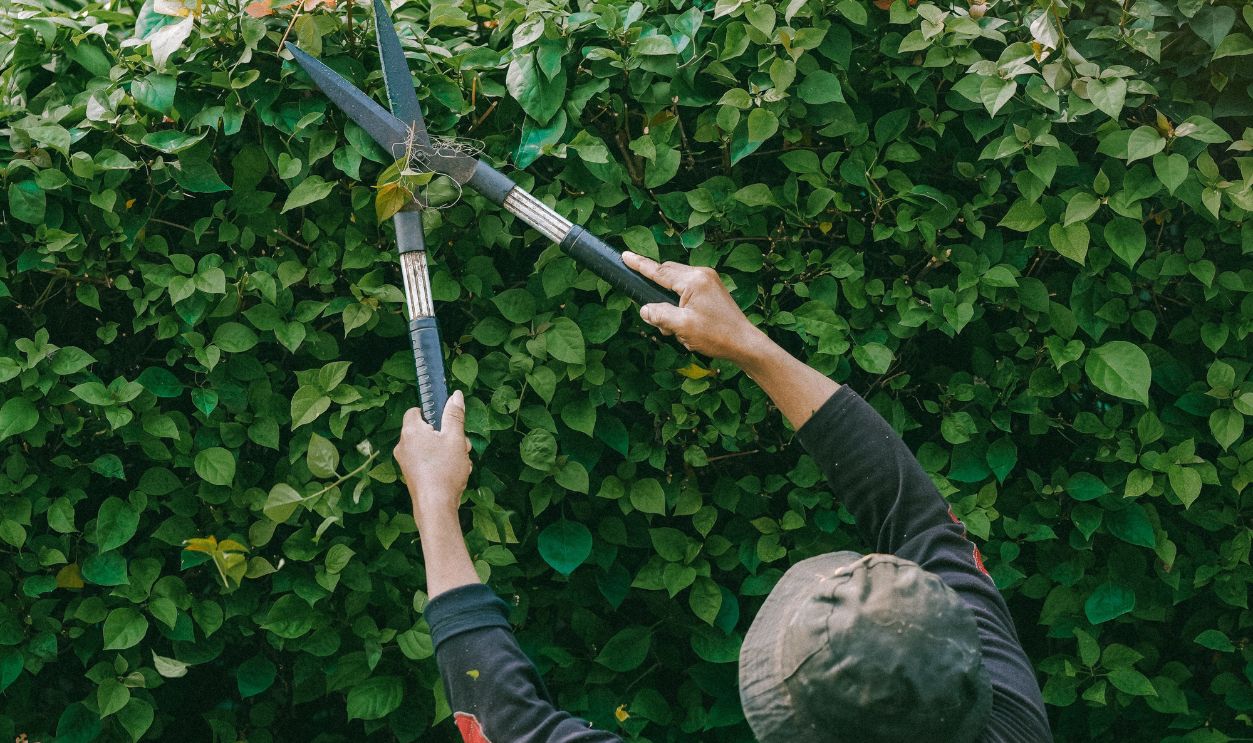
Generally, you should avoid cutting or removing your neighbor's landscaping without permission. Doing so could expose you to liability for property damage.
Cutting Them Down Could Be Expensive
If you intentionally destroy someone else's hedges, you could end up paying for replacement costs. Mature landscaping can be surprisingly valuable.

What If Branches Block The Path?
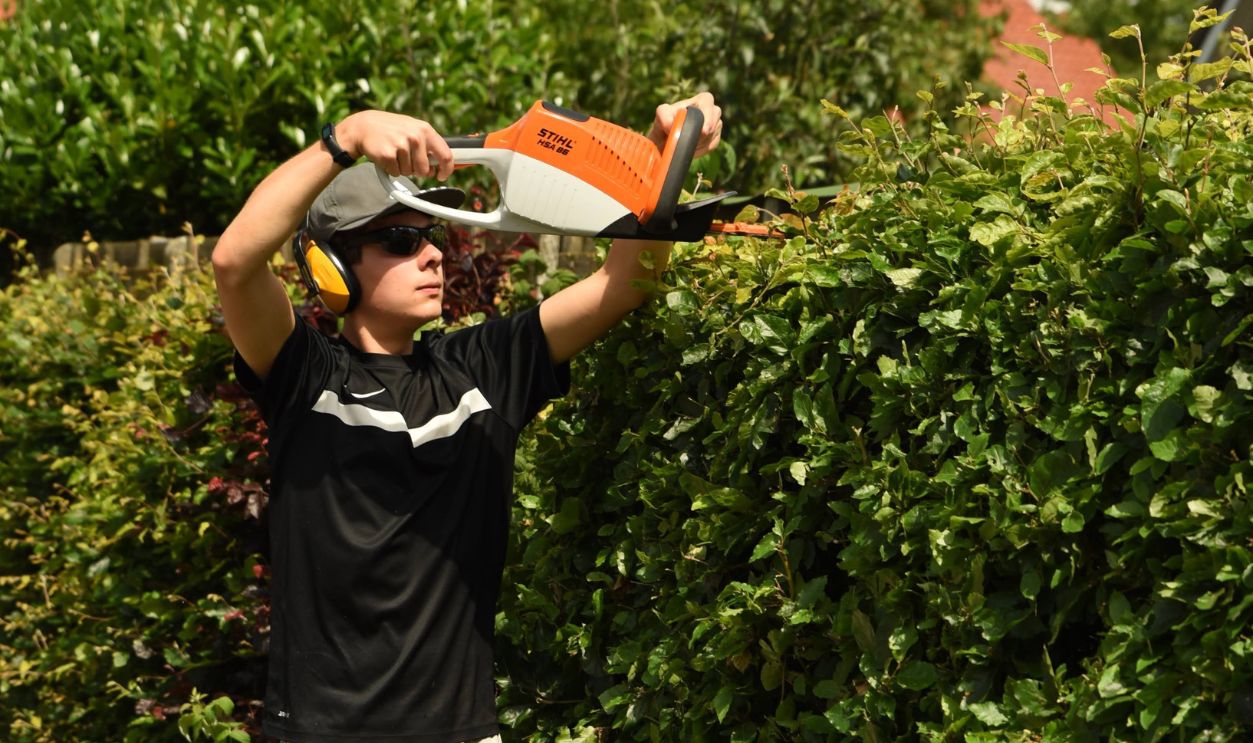
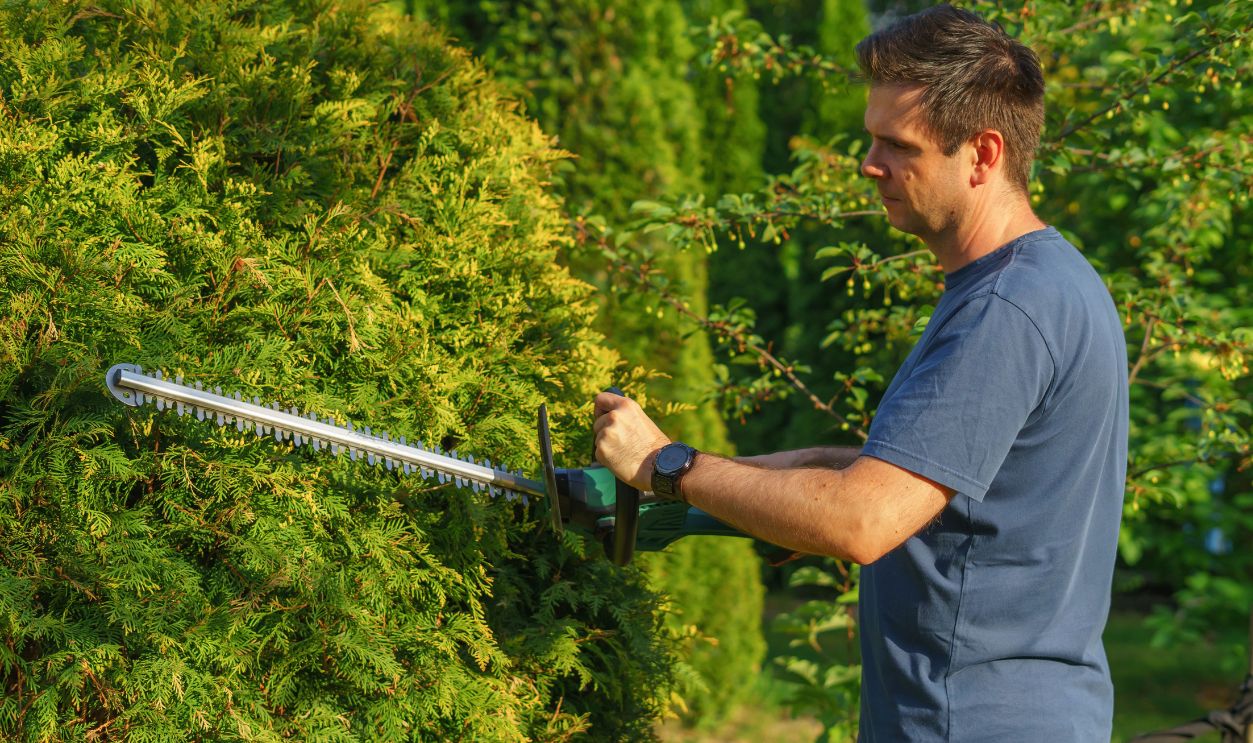
If the hedges grow into the easement itself and physically obstruct the walkway, the situation changes. In many places, you may have limited rights to trim only the portions that actually interfere with your lawful access.
Don't Assume Self-Help Is Legal
Many property disputes get worse because one neighbor decides to 'fix' the problem without talking to anyone first. That approach often leads to lawsuits instead of solutions.

Start With A Conversation
It may sound obvious, but many easement disputes can be resolved by simply asking your neighbor to widen the path or trim the hedges.

A Survey Can Prevent Arguments
If nobody agrees on where the easement begins or ends, a professional survey can settle the location before the conflict becomes more expensive.

Easement Laws Differ Between States
State property laws can vary considerably. The exact rights of both neighbors may depend on where the property is located and how the easement was created.

Mediation Is Often Cheaper Than Court
Many neighbor disputes are resolved through mediation before anyone files a lawsuit. It's usually faster, cheaper, and less stressful than litigation.

Courts Usually Look For Balance
Judges often try to balance the rights of both parties. The easement holder deserves meaningful access, while the property owner generally keeps the right to enjoy and landscape their land.

Document The Situation
Take photographs showing the width of the pathway and how the hedges affect your access. Good documentation can become important if the dispute continues.

The Biggest Mistake Easement Holders Make
Many people assume an easement gives them complete control over the surrounding land. In reality, it usually provides only the rights necessary to accomplish its specific purpose.

So, Can You Cut Down The Hedges?
Usually not. If the four-foot pathway still provides reasonable access to the river and the hedges remain on your neighbor's property, cutting them down yourself could expose you to civil liability for damaging someone else's landscaping.

The Reality Behind Most Easement Disputes
An easement gives you the right to get to the water—not necessarily the right to decide what the rest of your neighbor's yard looks like. As long as access remains reasonably usable, the law often allows both neighbors to exercise their respective property rights.

You May Also Like:
We just moved into a new house and found someone's military medals hidden in a crawl space. Can we legally keep them?
My rude neighbor trimmed his bushes in offensive shapes so that I see them when I look out my window. Can I report this to someone?