Algeria’s Forgotten Pyramids
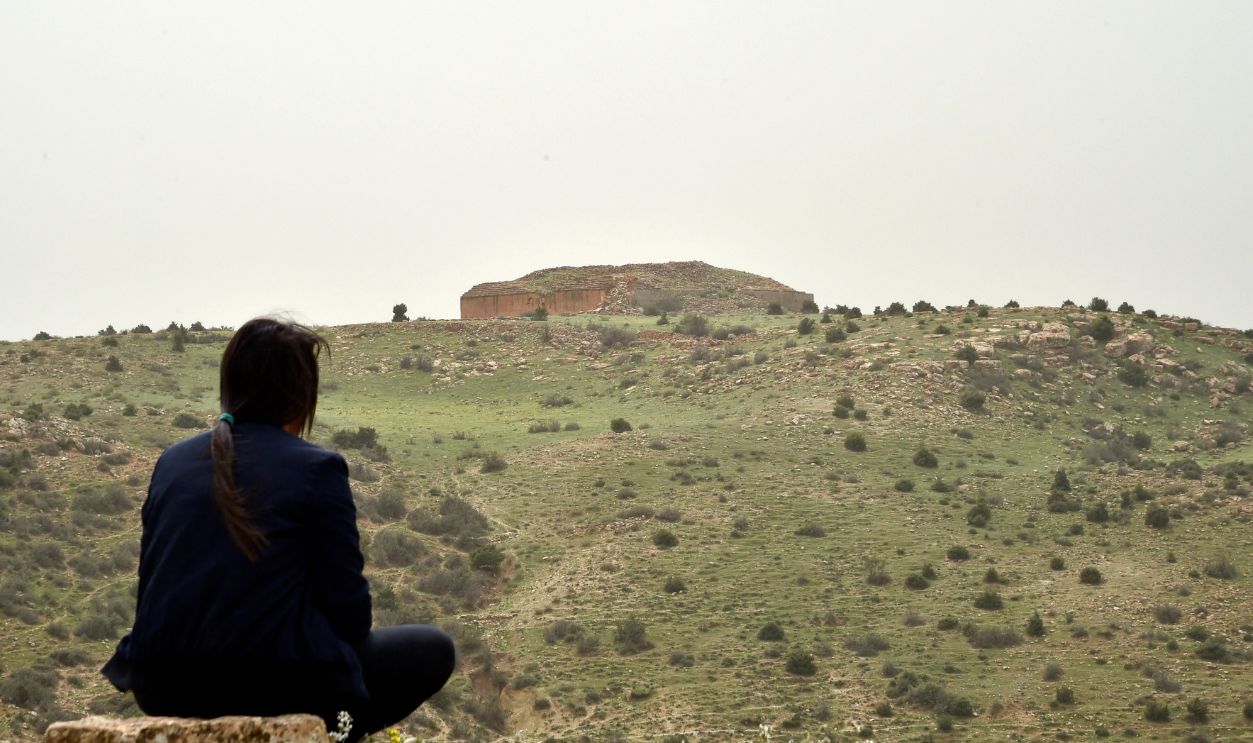
High on two windswept hills near Tiaret, Algeria, enormous stone tombs rise above the surrounding plains. Known as the Jeddars, these pyramid-shaped monuments may have been built for powerful Amazigh rulers. The trouble is, nobody knows exactly who those rulers were.
These Aren’t Egyptian Pyramids
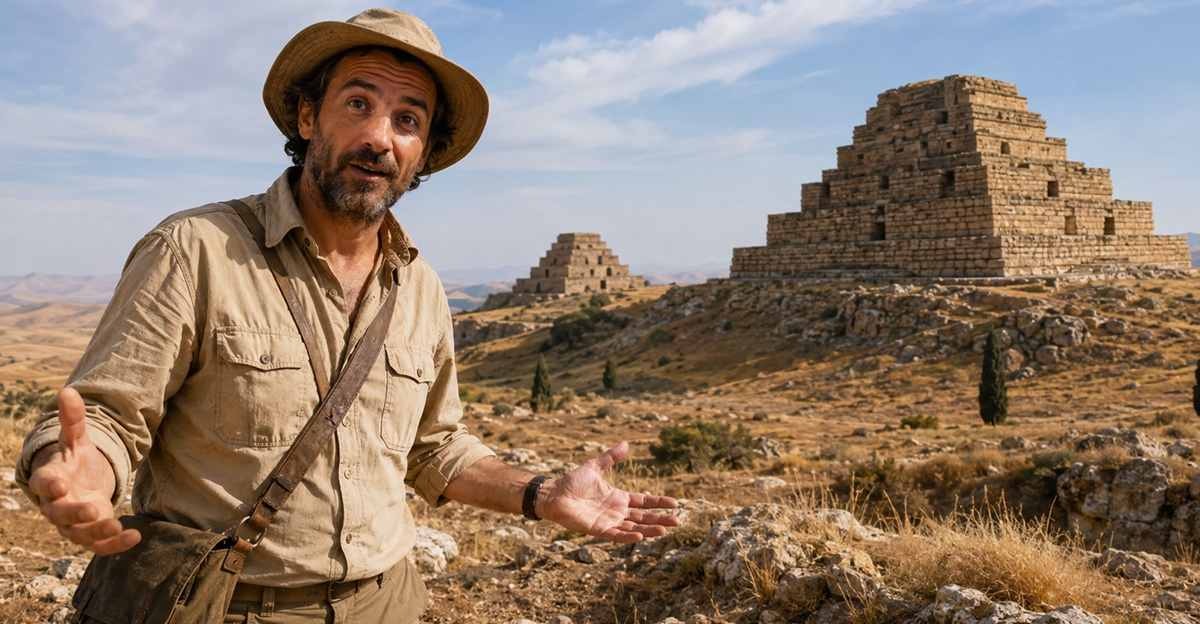
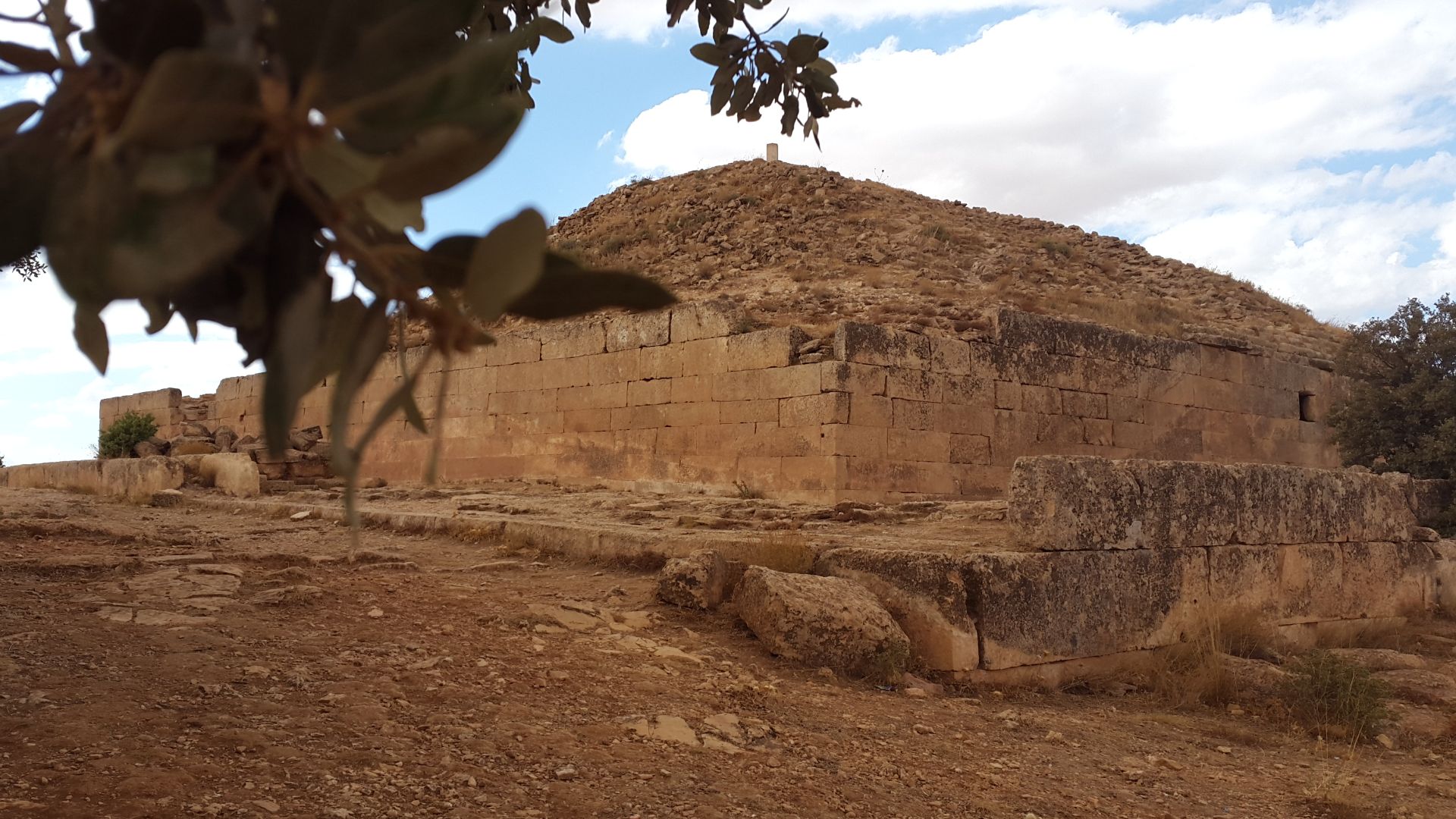
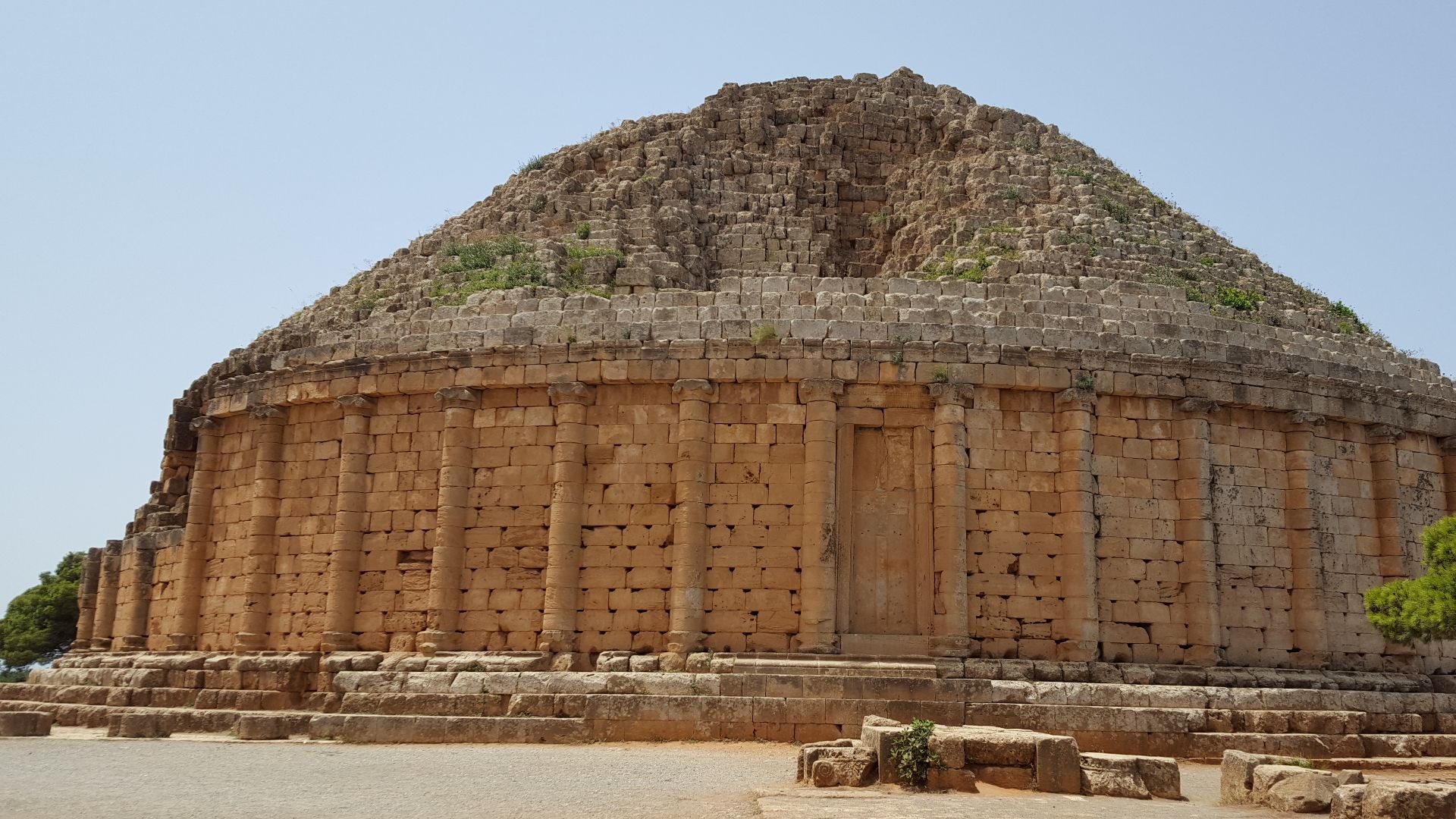
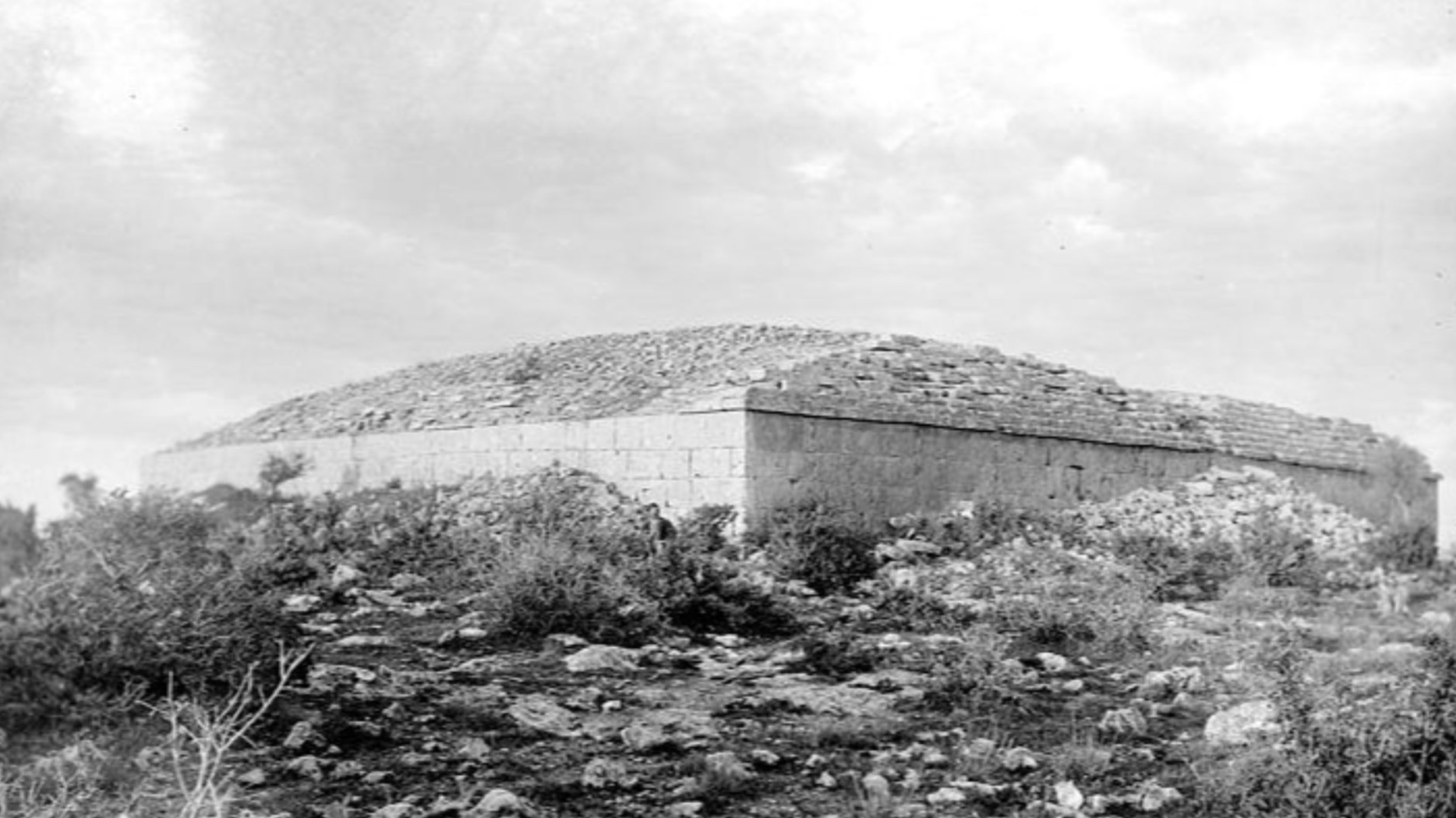
The Jeddars may look a little like pyramids, but they are very different from the famous monuments of Egypt. Each one has a broad square base topped by a stepped or sloping mound of stone, creating a shape that looks part pyramid and part fortress.
 Redouane Guelailia, Wikimedia Commons
A Collection Of Thirteen Tombs
There are 13 Jeddars in total, forming one of North Africa’s most unusual groups of ancient mausoleums. Archaeologists generally date them to Late Antiquity, roughly between the fourth and seventh centuries, when Roman control in the region was weakening and new Amazigh kingdoms were emerging.
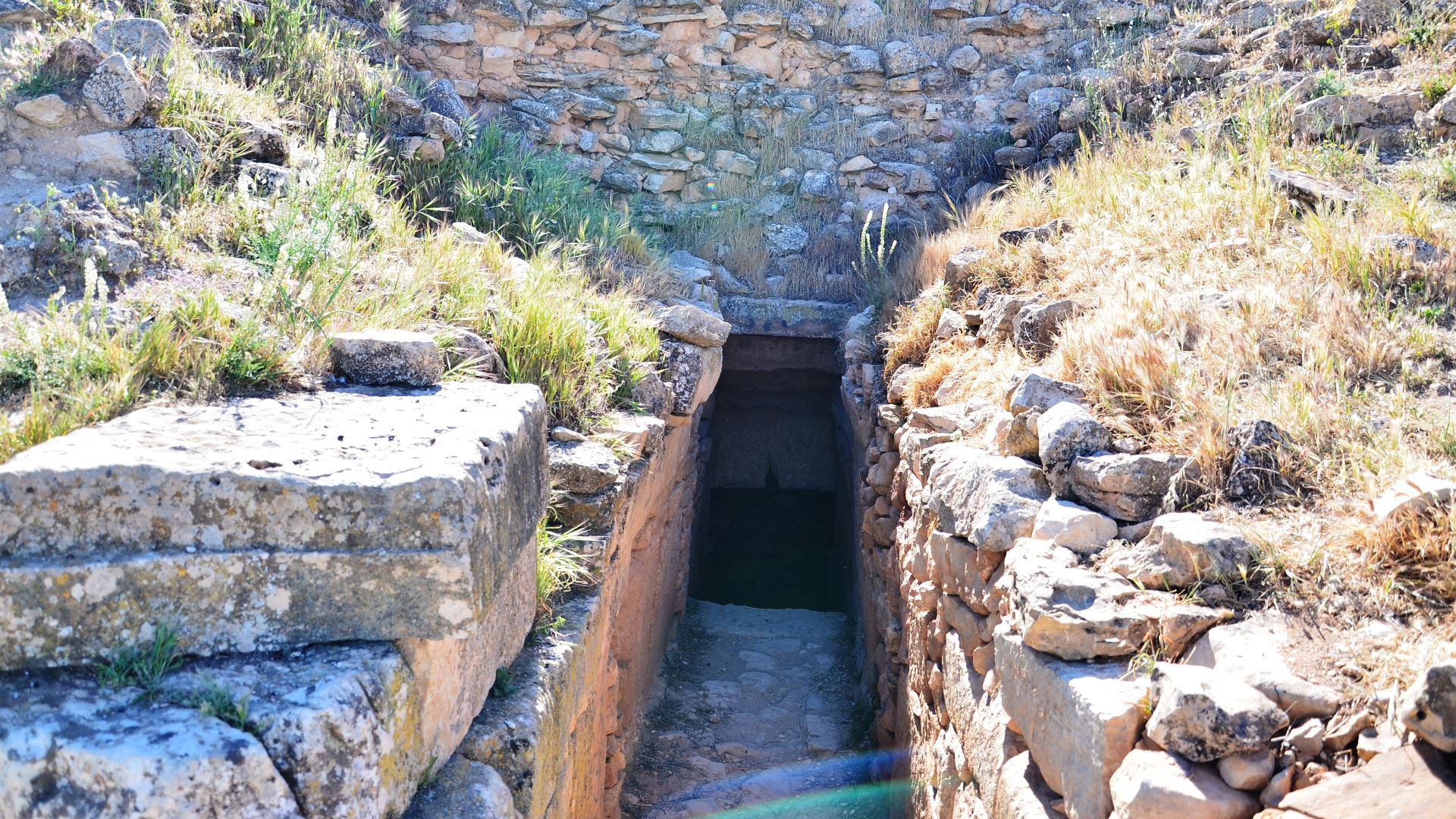
Built Across Two Hilltops
The monuments are divided between two elevated locations near Frenda, south of Tiaret. Three tombs—known as Jeddars A, B, and C—stand on Djebel Lakhdar. Ten more, labelled D through M, sit about six kilometres away on Djebel Araoui.
Even Their Name Is Mysterious
The word “Jeddar,” sometimes written “Djeddar” or “Djedar,” comes from an Arabic word connected with walls or buildings. Local people apparently used the name for the massive ruins long before archaeologists began carefully documenting what was hidden inside them.
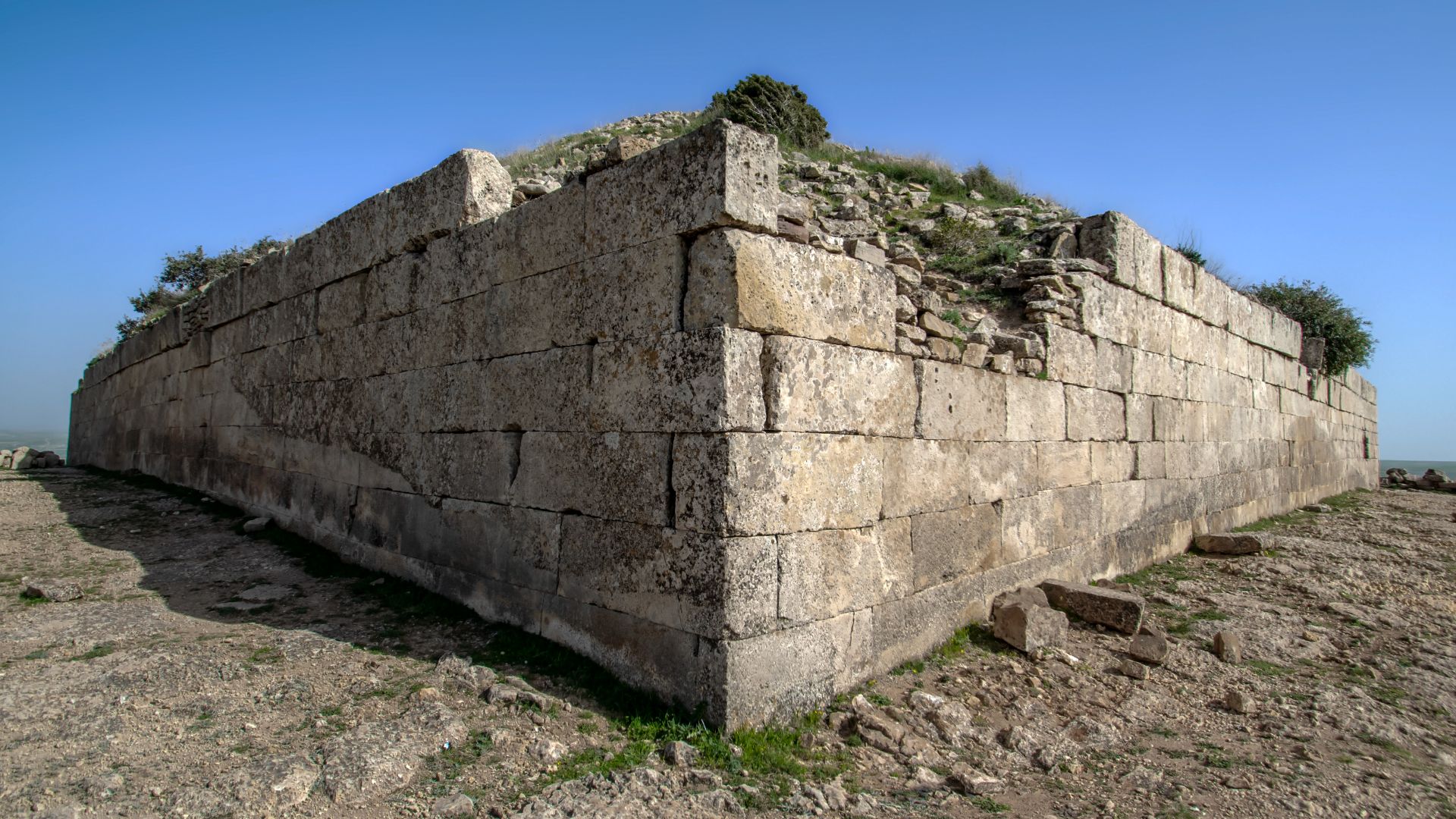 Terki hassaine samir, Wikimedia Commons
Built During A Changing World
The tombs appeared during a turbulent chapter in North African history. The Western Roman Empire was falling apart, Vandals had entered the region, Byzantine armies were attempting to reclaim territory, and local Amazigh rulers were building kingdoms of their own.
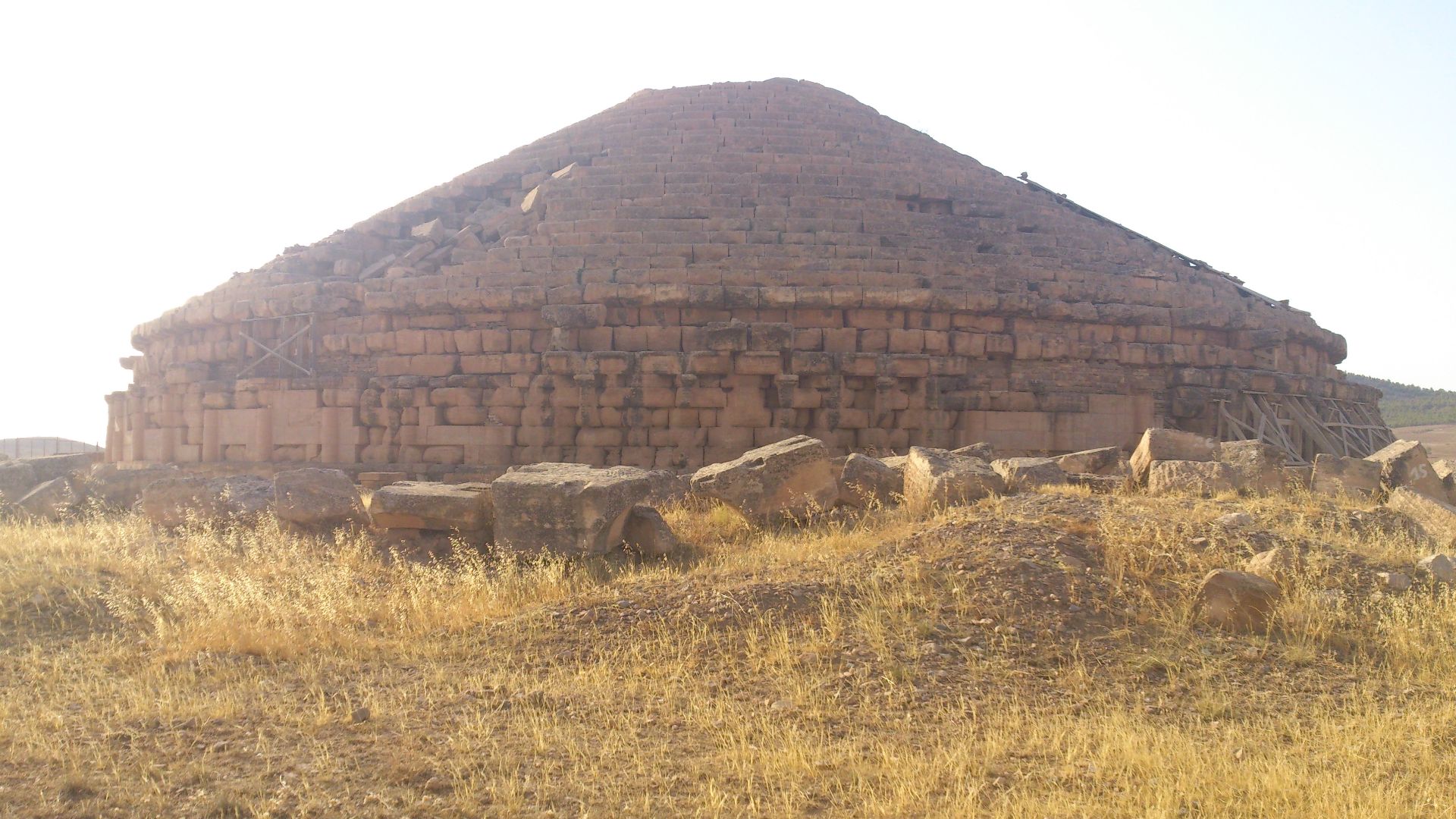 Credits to Reda Kerbush / Wikimedia Commons, Wikimedia Commons
Were They Royal Resting Places?
Their enormous size, complicated interiors, and dramatic hilltop locations suggest that the Jeddars belonged to people of extremely high status. Many researchers believe they were mausoleums for Amazigh kings, queens, princes, or powerful dynasties that controlled the surrounding territory.
 Terki hassaine samir, Wikimedia Commons
The Royal Names Are Missing
Unfortunately, the Jeddars have not given up the names of their occupants. No clear royal inscriptions have survived, and centuries of damage removed much of the evidence. Archaeologists can describe the tombs, but identifying the people buried inside remains much more difficult.
Designed To Dominate The Landscape
These were not monuments meant to disappear quietly into the countryside. They stood on high, open ground where travellers and local communities could see them from a distance. Even in death, the people inside were making a very public statement about power.
 Rchrischris, Wikimedia Commons
Jeddar A Was The Giant
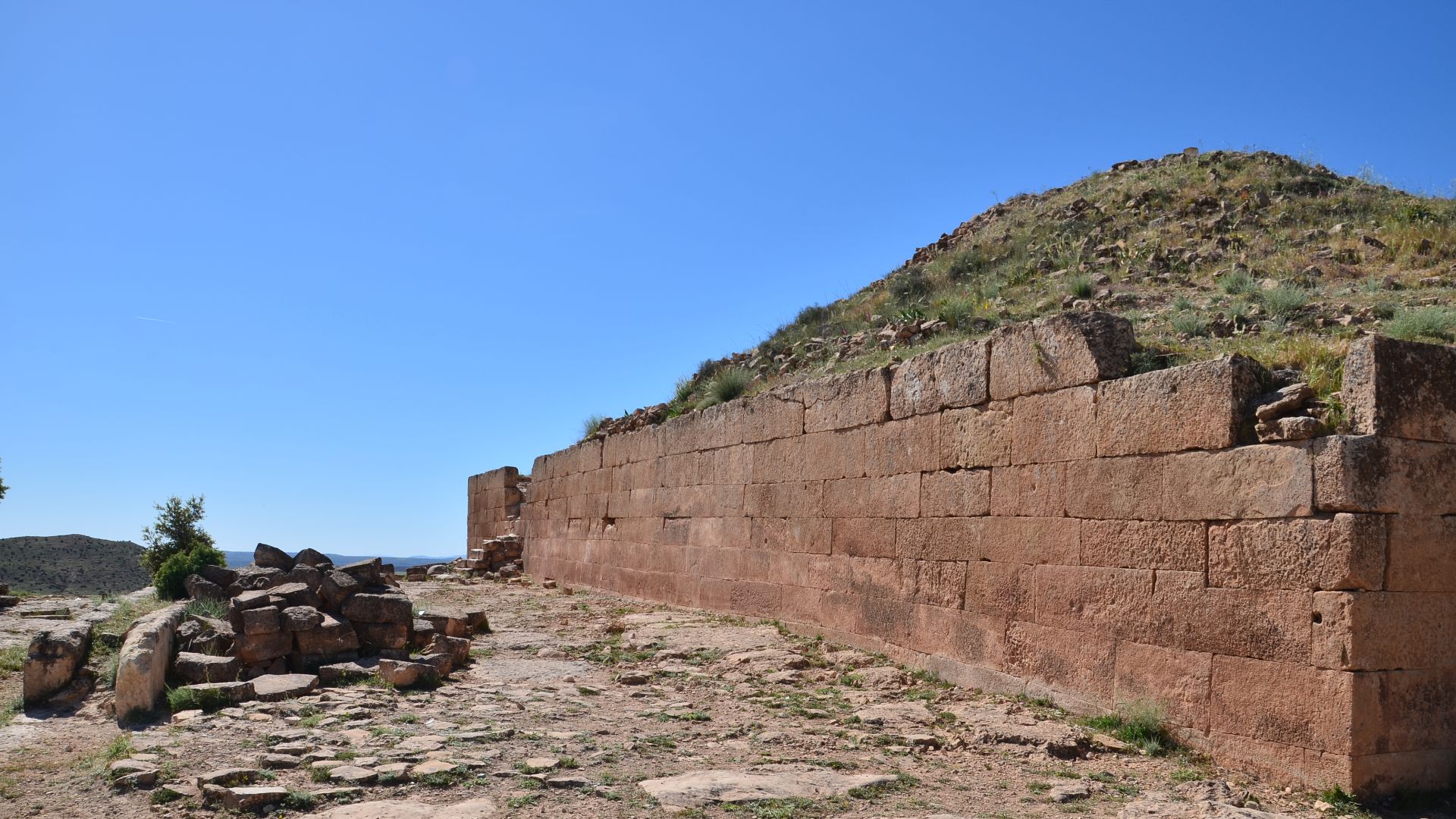
Jeddar A is among the most impressive of the group. Its slightly uneven square base measures roughly 34 metres across, while the complete monument may once have stood around 17 metres tall. That would have made it impossible to ignore.
The Entrance Was Carefully Hidden
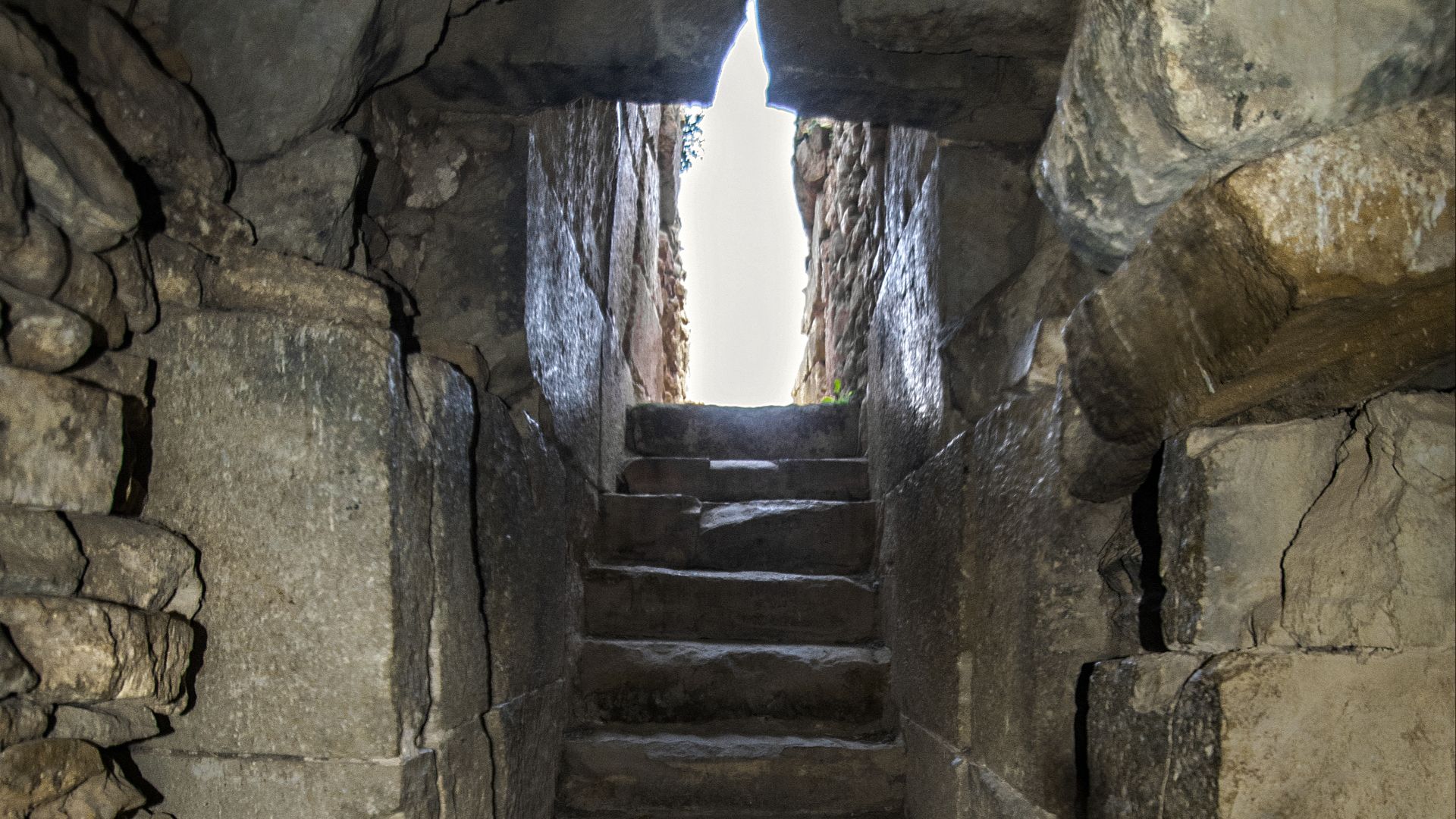
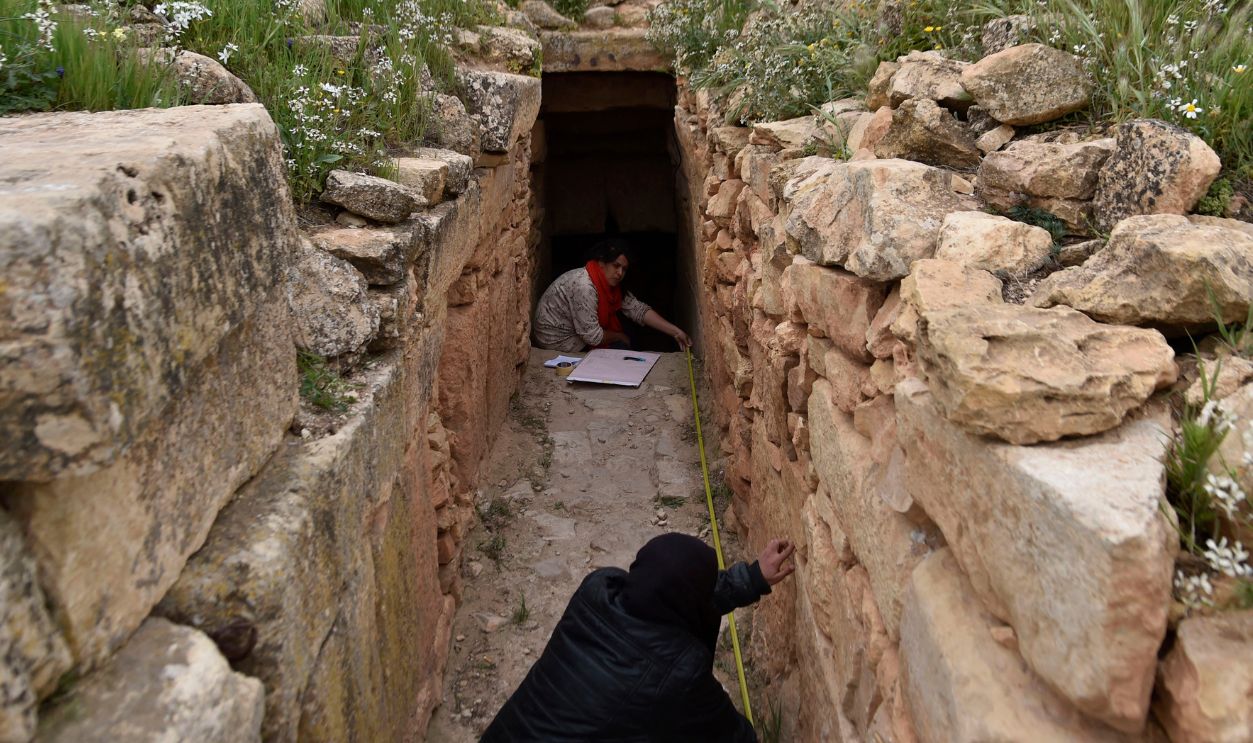
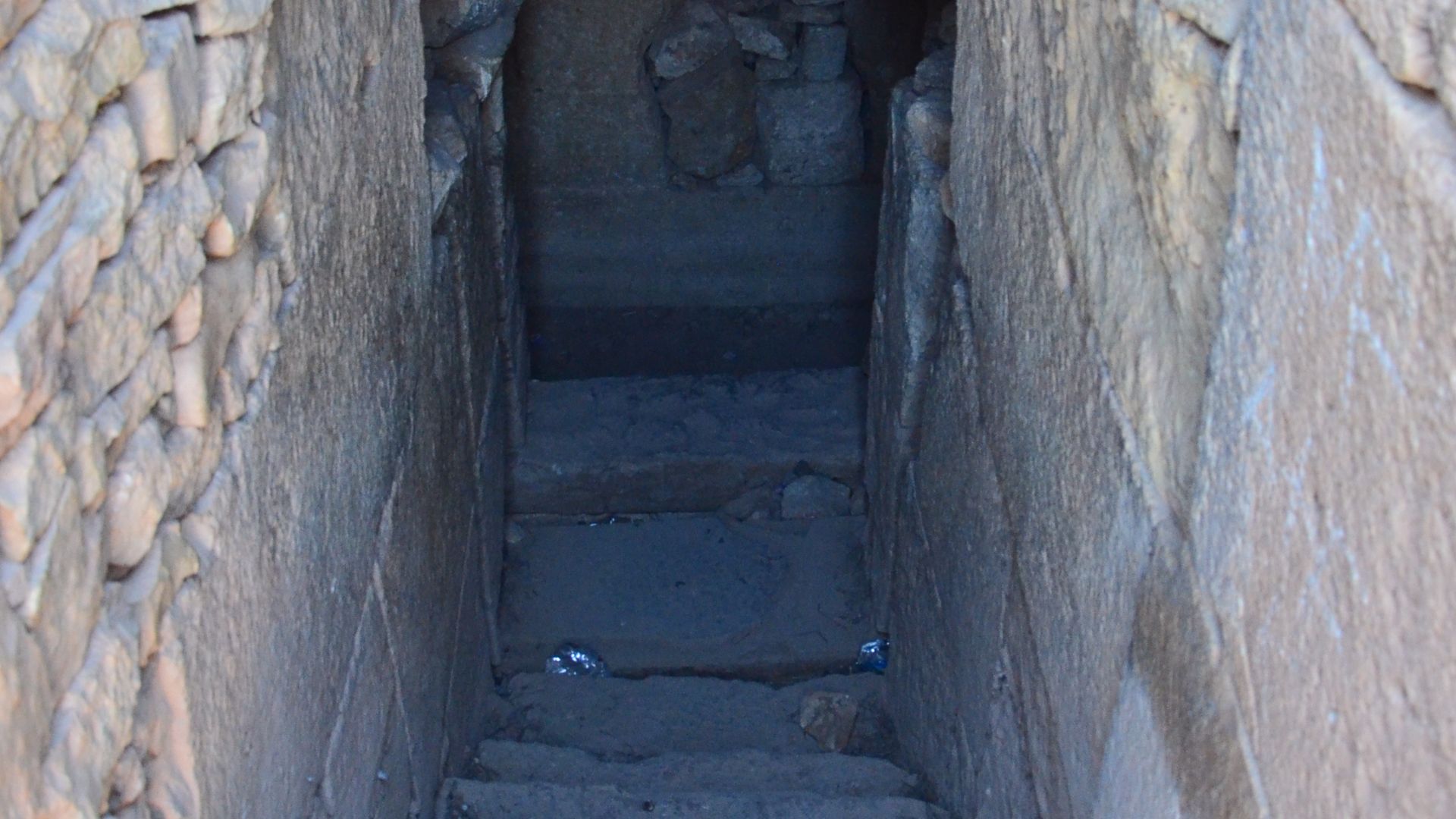
Getting inside Jeddar A was not meant to be easy. Its entrance was concealed among the stonework on the eastern side. Beyond it, a narrow passage led visitors into a U-shaped gallery wrapping around the monument’s central core.
Corridors Led To Secret Chambers
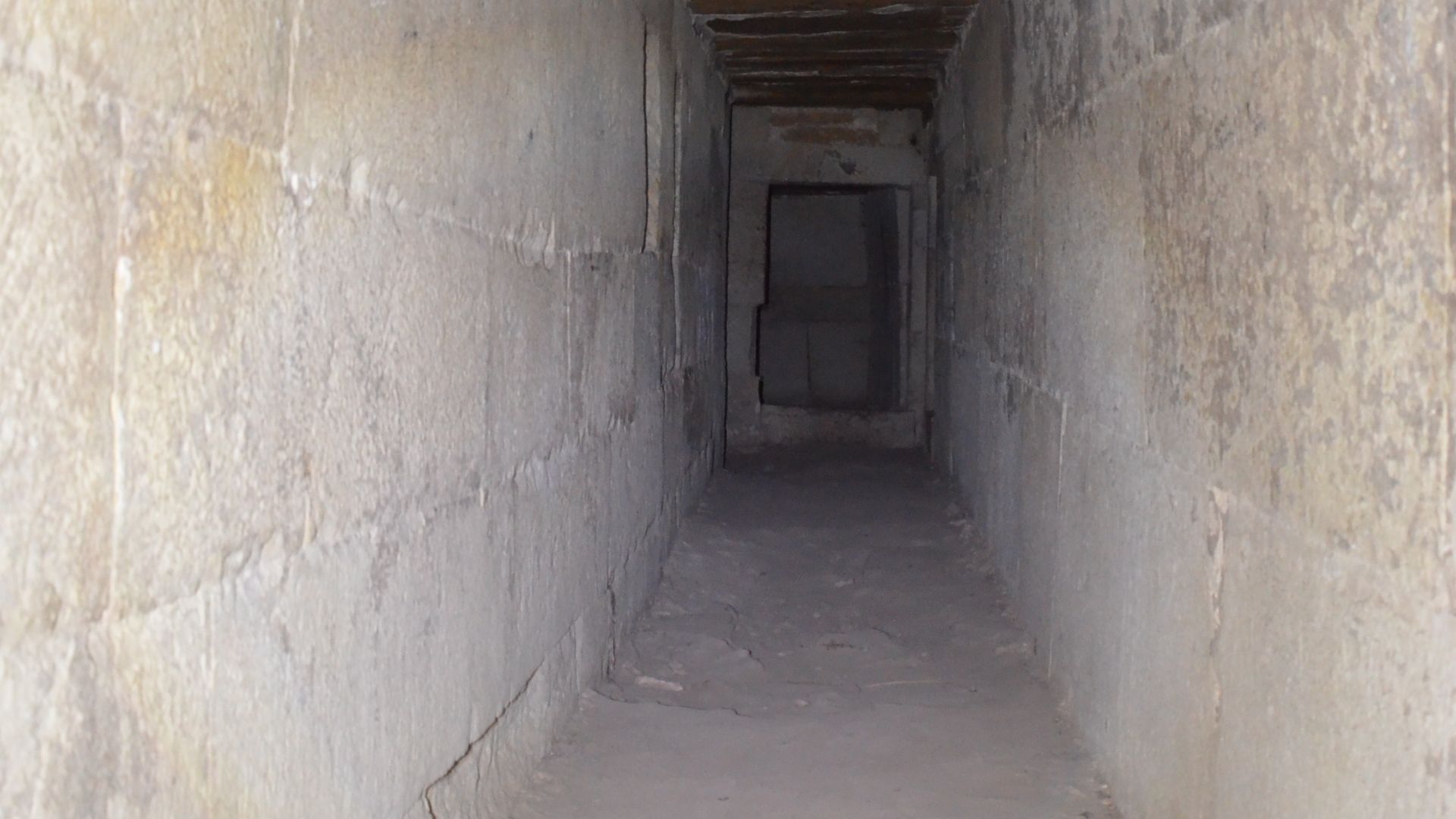
The interiors could be surprisingly complicated. Some Jeddars contain several rooms connected by tight corridors, while the largest includes a maze of roughly 20 compartments. These spaces included burial chambers and possibly rooms used during ceremonies.
Rituals May Have Happened Here
Archaeologists discovered stone basins near Jeddar A that may have held offerings or ritual liquids. Certain interior rooms also contain benches. Together, these features suggest that people did more than simply seal a body inside and walk away.
Animals Appear In The Stone
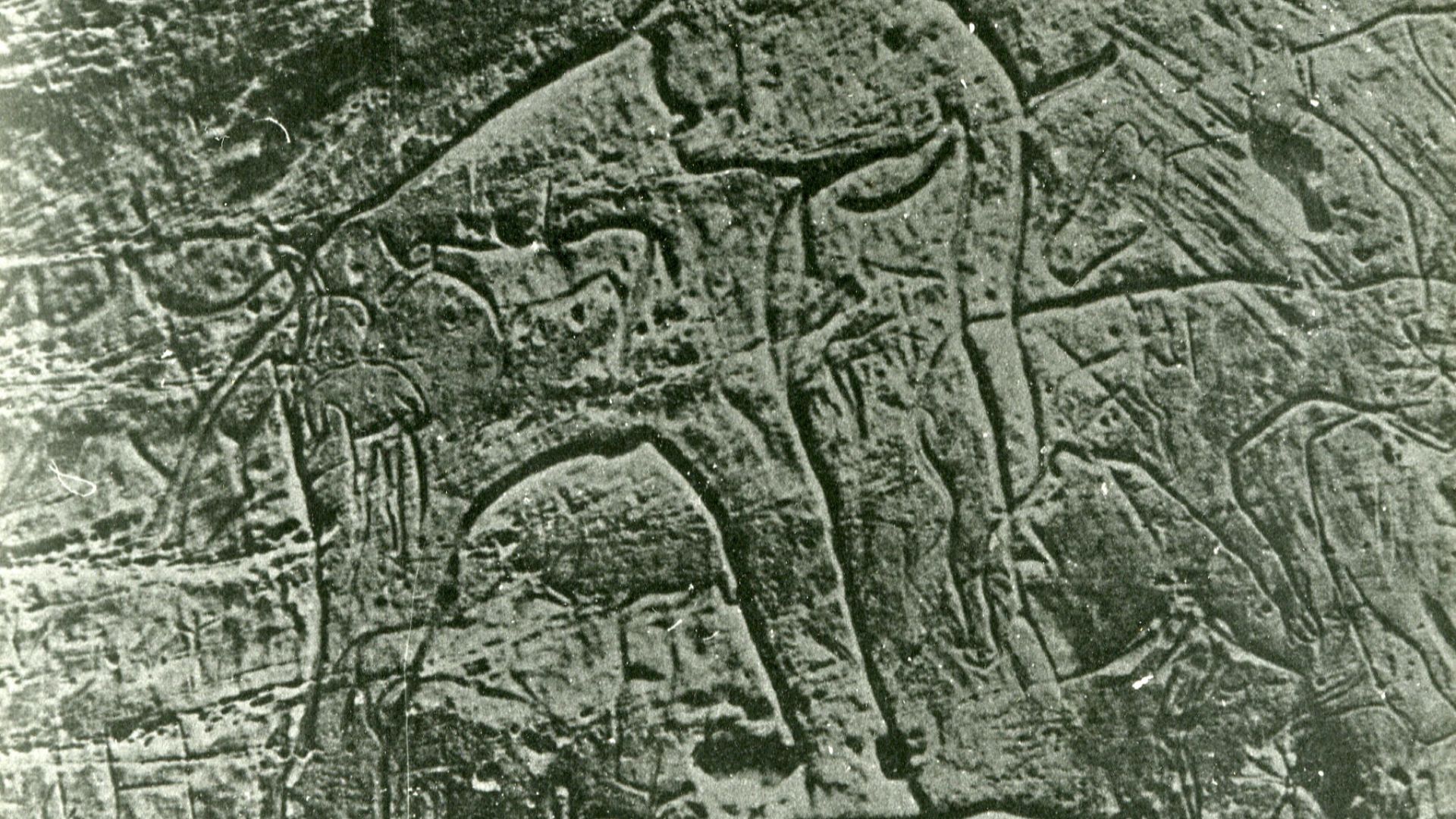
Carved decorations include birds, horses, cattle, a large antelope, and a feline. Some are simple and even slightly awkward, but that makes them feel strangely personal. They offer rare glimpses of the animals, symbols, and artistic traditions familiar to the builders.
 Michel-georges bernard, Wikimedia Commons
Christian Symbols Add Another Puzzle
Crosses, doves, chalices, and decorative patterns associated with early Christianity appear within the monuments. However, that does not necessarily prove the buried rulers were Christian. The symbols may reflect local communities, craftsmen, political relationships, or a mixture of religious traditions.
Faded Writing Refuses To Talk
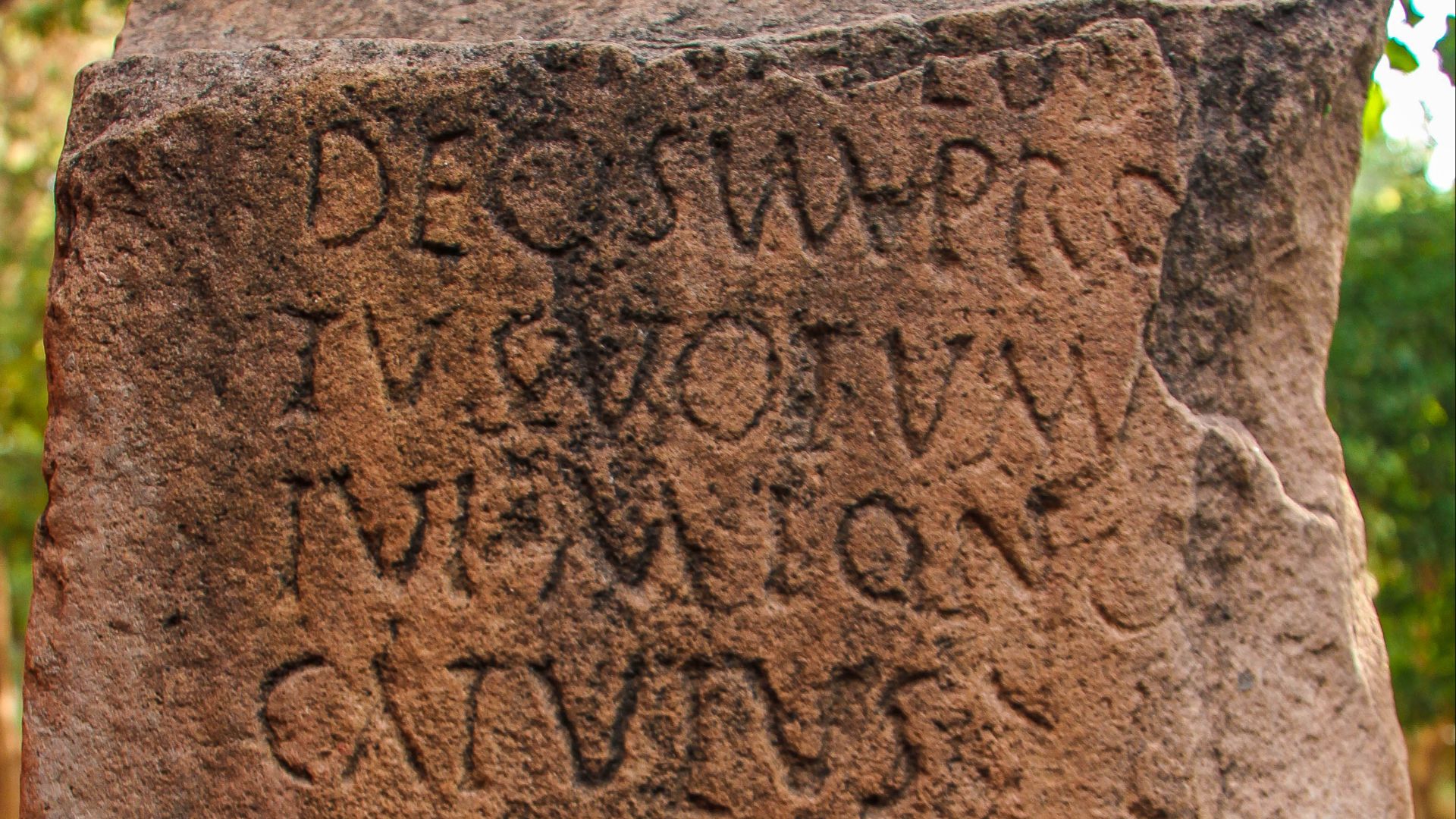
Traces of lettering have also been reported on the walls. Some inscriptions appear to have been written in Latin, while possible Greek letters remain disputed. Time has worn many of the markings down so badly that researchers cannot confidently read their messages.
 Djilali TAHRI, Wikimedia Commons
Local Ideas Met Mediterranean Influences
The Jeddars combine long-standing North African burial traditions with architectural ideas connected to the Roman and Mediterranean worlds. That mixture makes them especially valuable. They show Amazigh builders borrowing outside techniques without abandoning their own cultural identity.
 Son of Groucho from Scotland, Wikimedia Commons
Their Builders Knew Stone
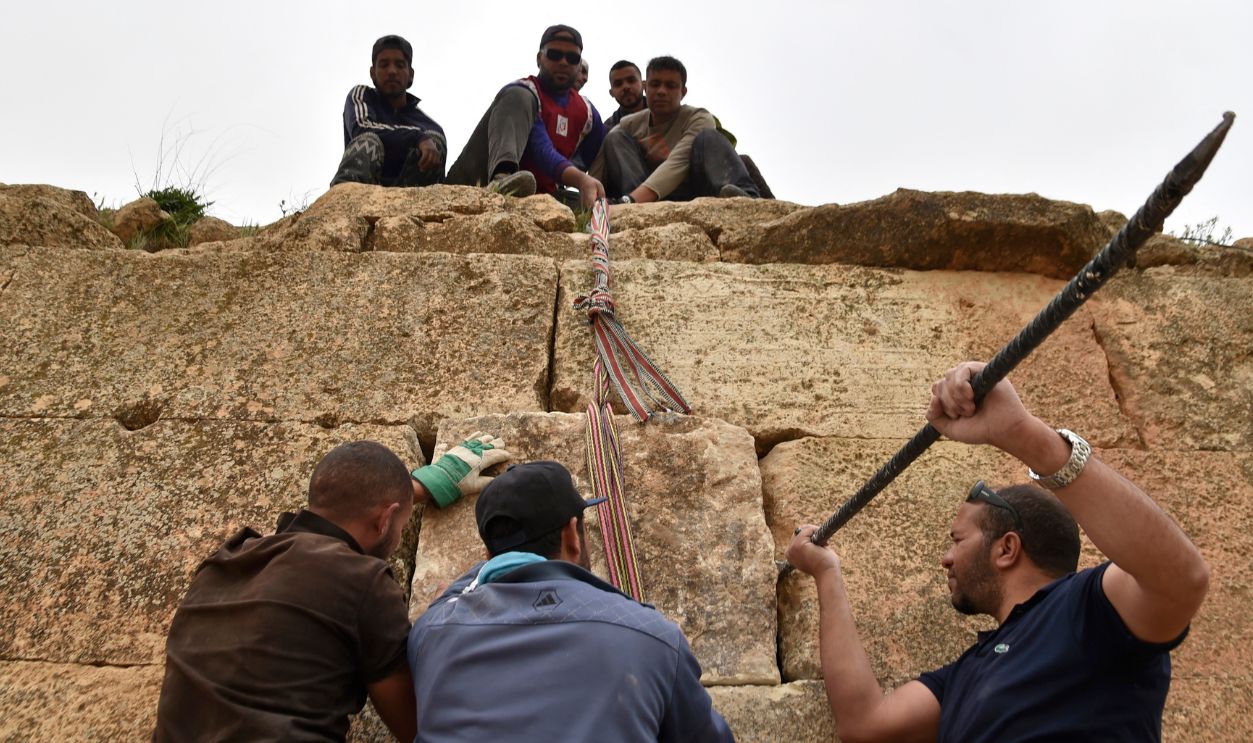
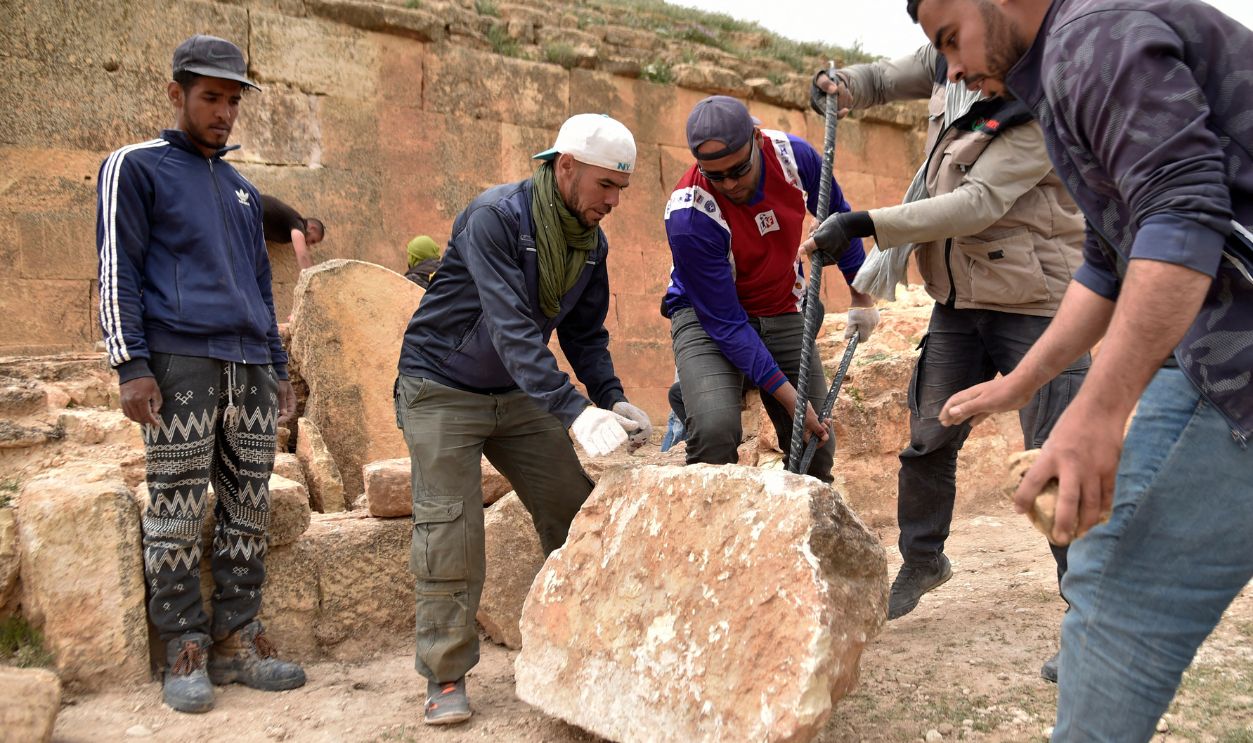
Constructing these monuments demanded organisation and skill. Workers had to quarry, shape, transport, and stack large stone blocks while creating stable galleries beneath thousands of tonnes of material. Marks cut into the stones may identify different workers or construction teams.
Some Materials Had Older Stories
Several Jeddars contain stones reused from earlier Roman buildings, cemeteries, or monuments. Old inscriptions and carved blocks were placed into new walls. It was practical recycling, but it also means the tombs physically contain pieces of several different historical periods.
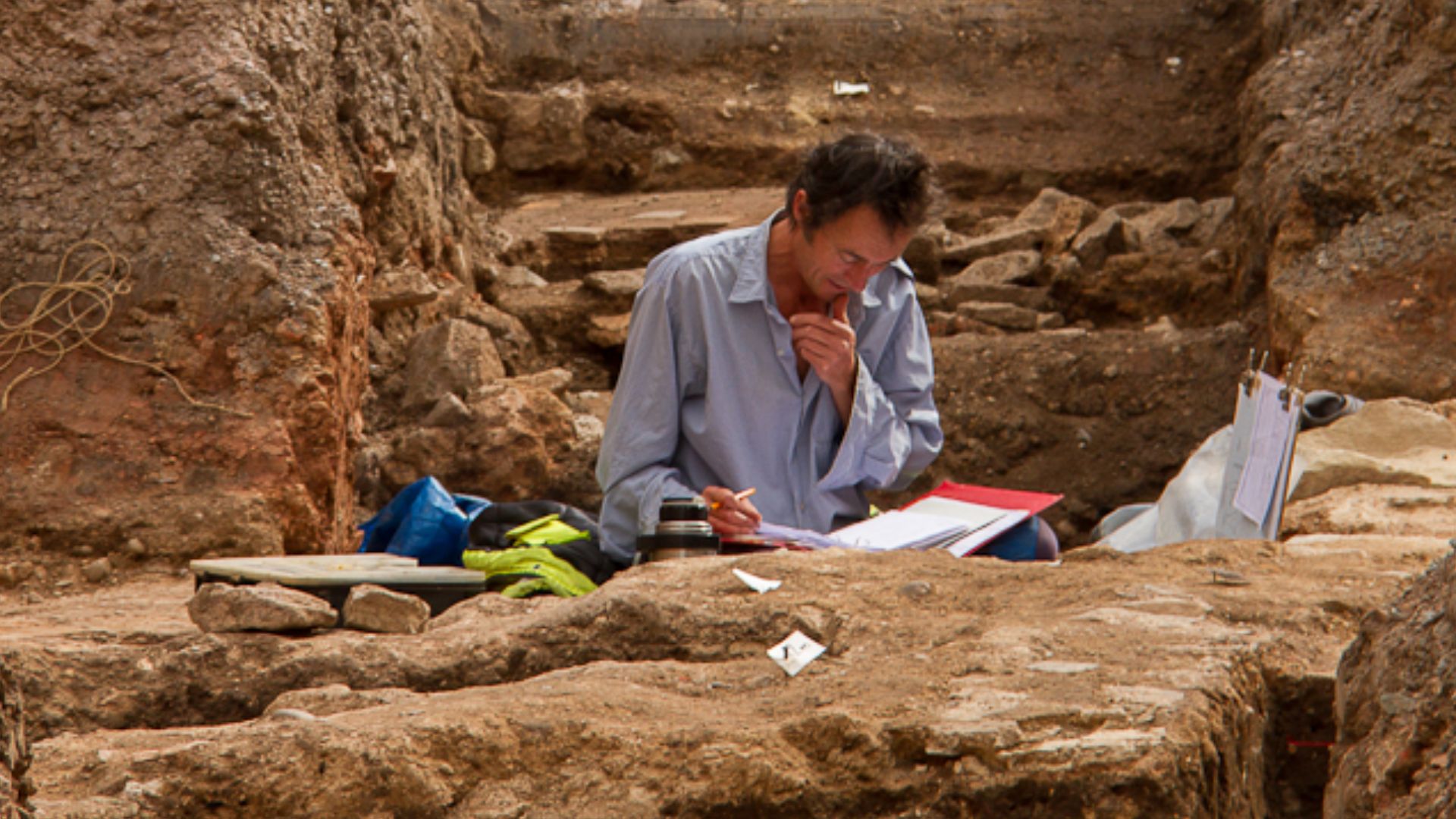
They Grew From Older Traditions
North African communities had built burial mounds for thousands of years. Over time, simple piles of earth and stone developed into more organised structures called bazinas. The Jeddars may represent the grand final stage of that ancient architectural tradition.
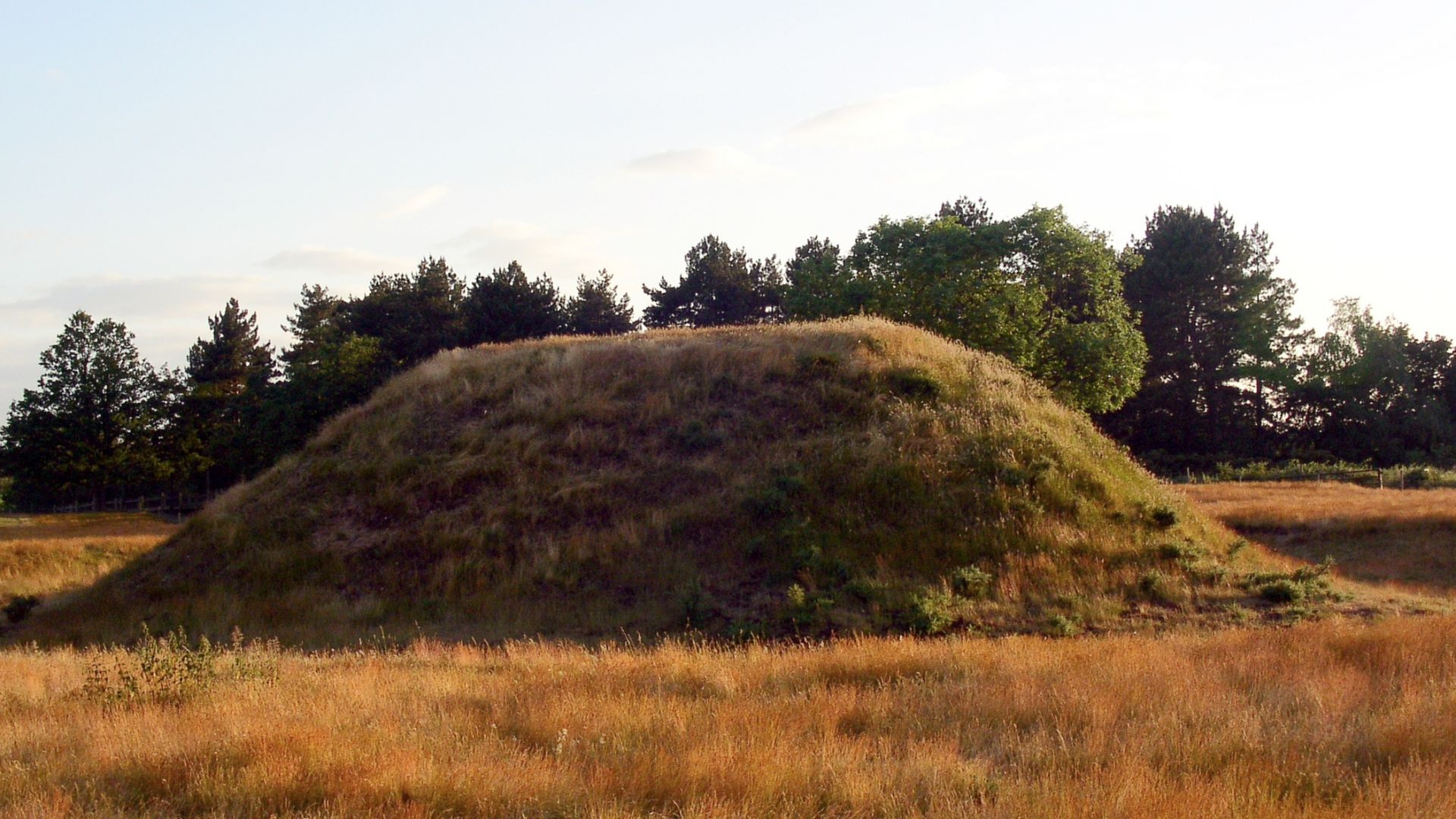 Sutton_Hoo_Burial_Mound.jpg: Geoff Dallimore
derivative work: SilkTork (talk), Wikimedia Commons
Sutton_Hoo_Burial_Mound.jpg: Geoff Dallimore
derivative work: SilkTork (talk), Wikimedia Commons
Looters Arrived Before Archaeologists
By the time researchers seriously investigated the tombs, treasure hunters had already been there. Burial goods disappeared, chambers were disturbed, and human remains were removed. The damage destroyed clues that might have revealed the names, dates, and relationships of the occupants.
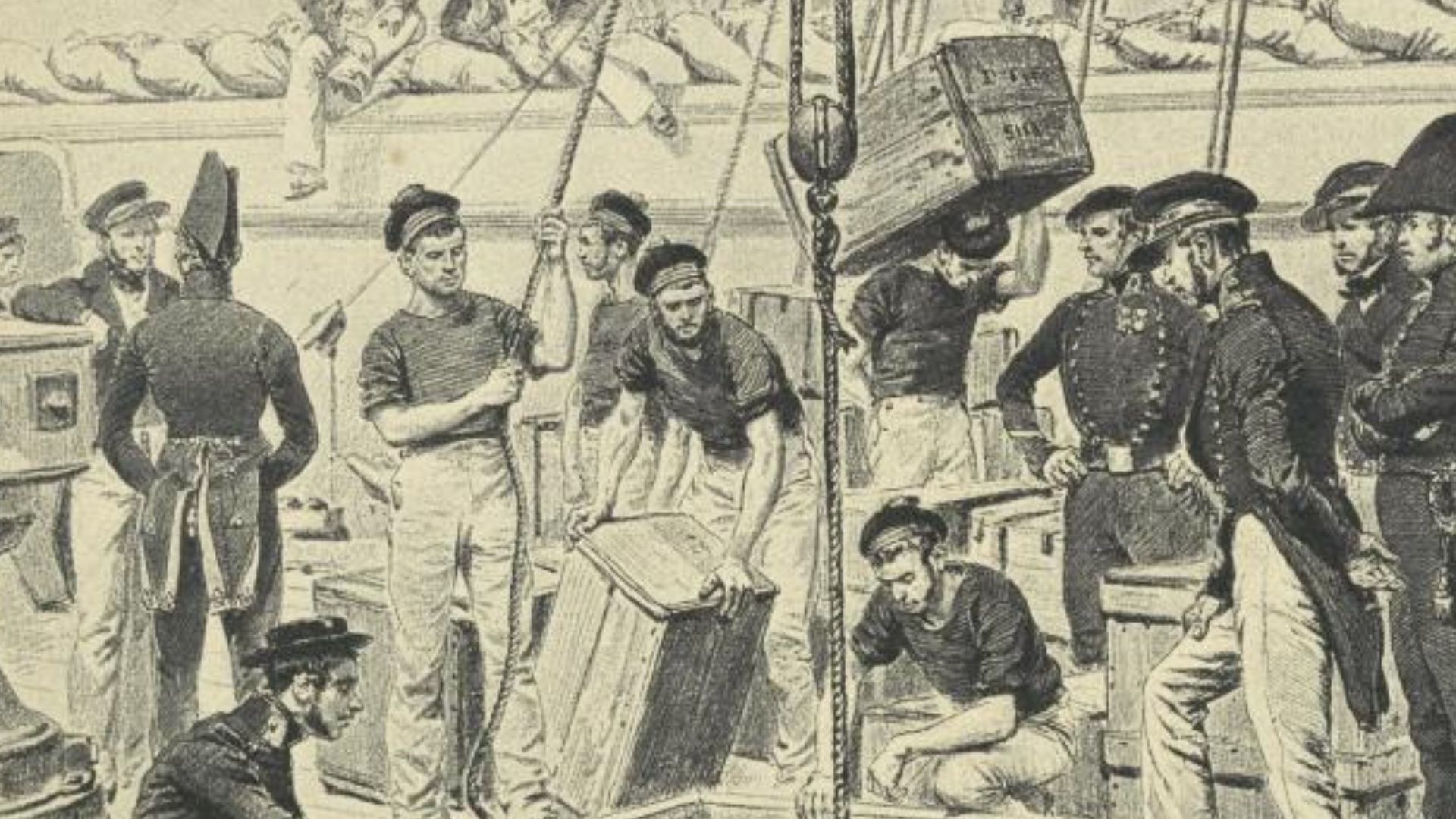
Early Exploration Was Not Gentle
French colonial expeditions began describing the Jeddars during the 19th century. Some early investigators forced their way into the structures using methods that would horrify modern archaeologists. Their incomplete records created almost as many questions as their discoveries answered.
 Unknown authorUnknown author, Wikimedia Commons
Fatima Kadra Changed The Story
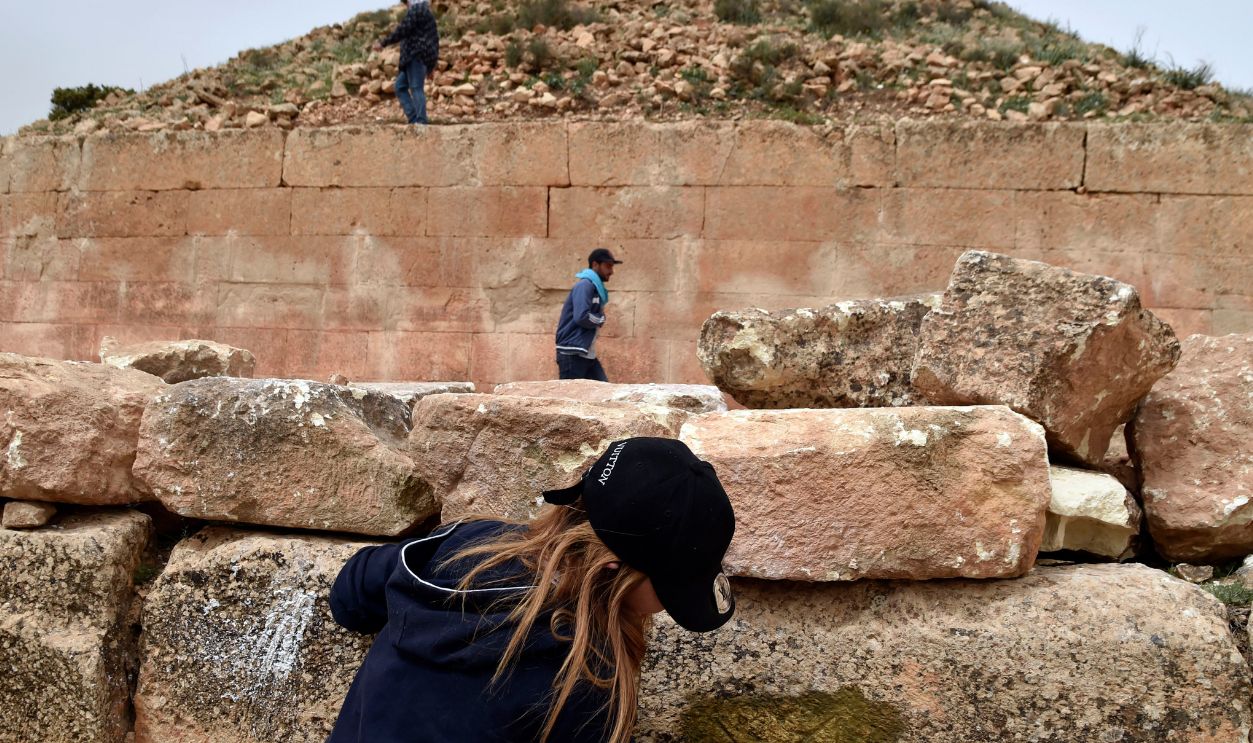
During the late 1960s, Algerian archaeologist Fatima Kadra carried out the first major systematic study of Jeddars A, B, and C. Her careful work documented their architecture, decorations, and layout, forming the foundation for much of what researchers understand today.
A New Generation Returned
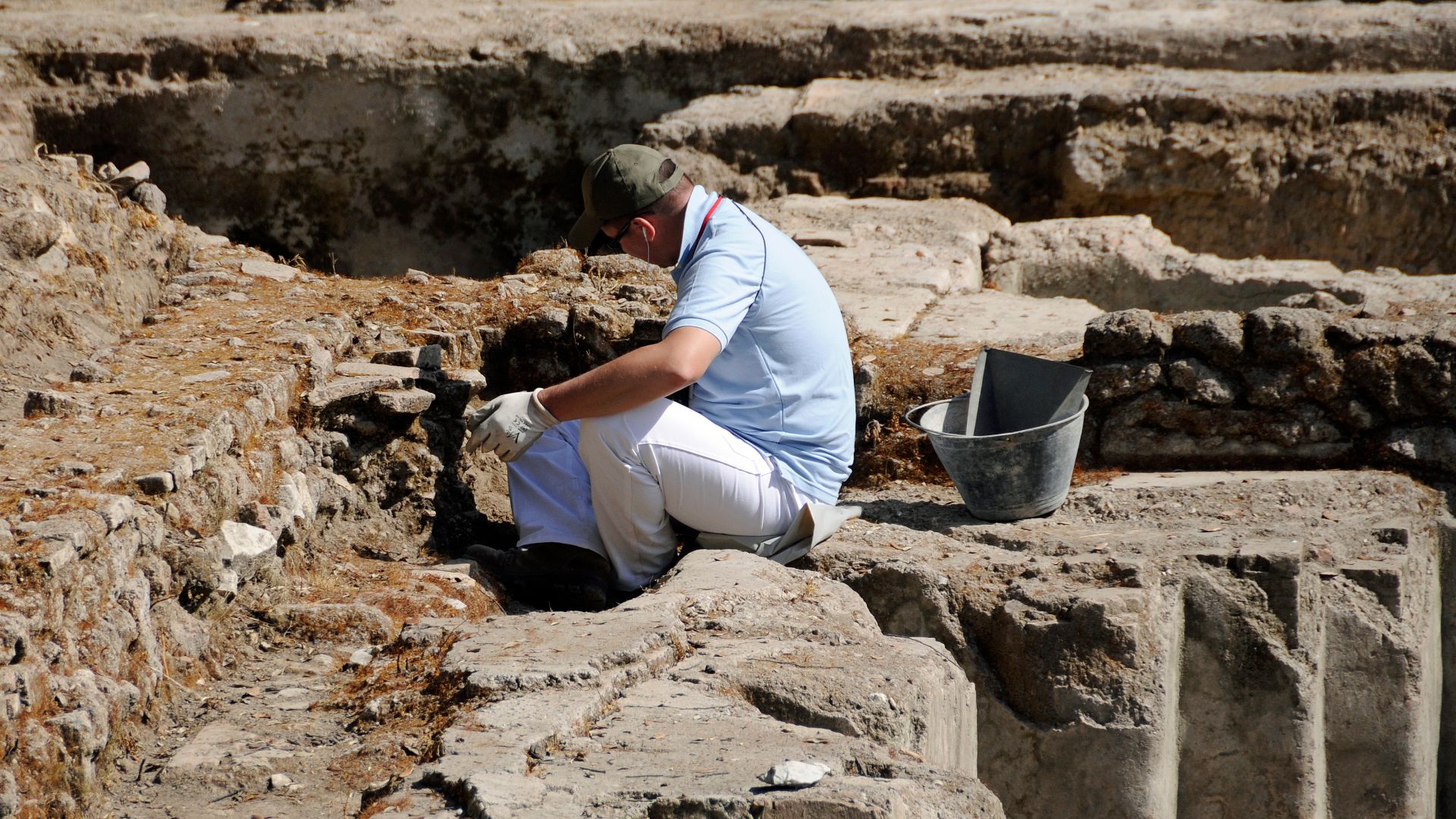
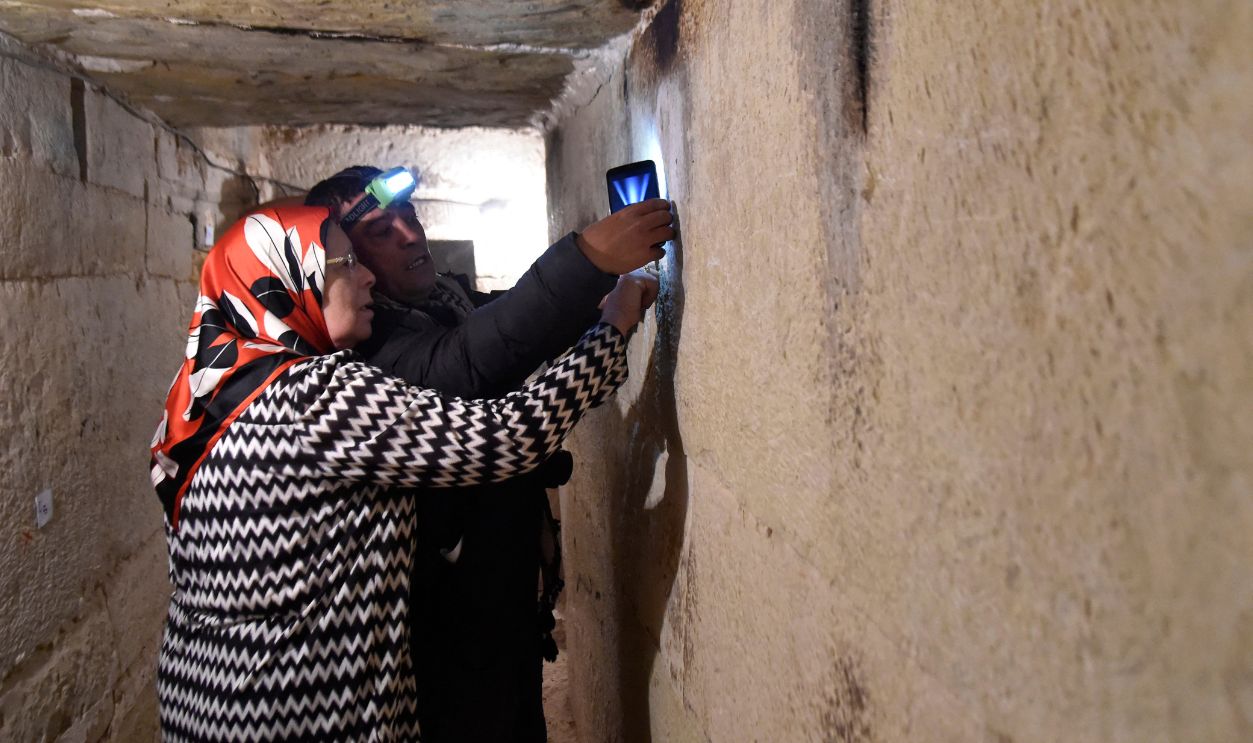
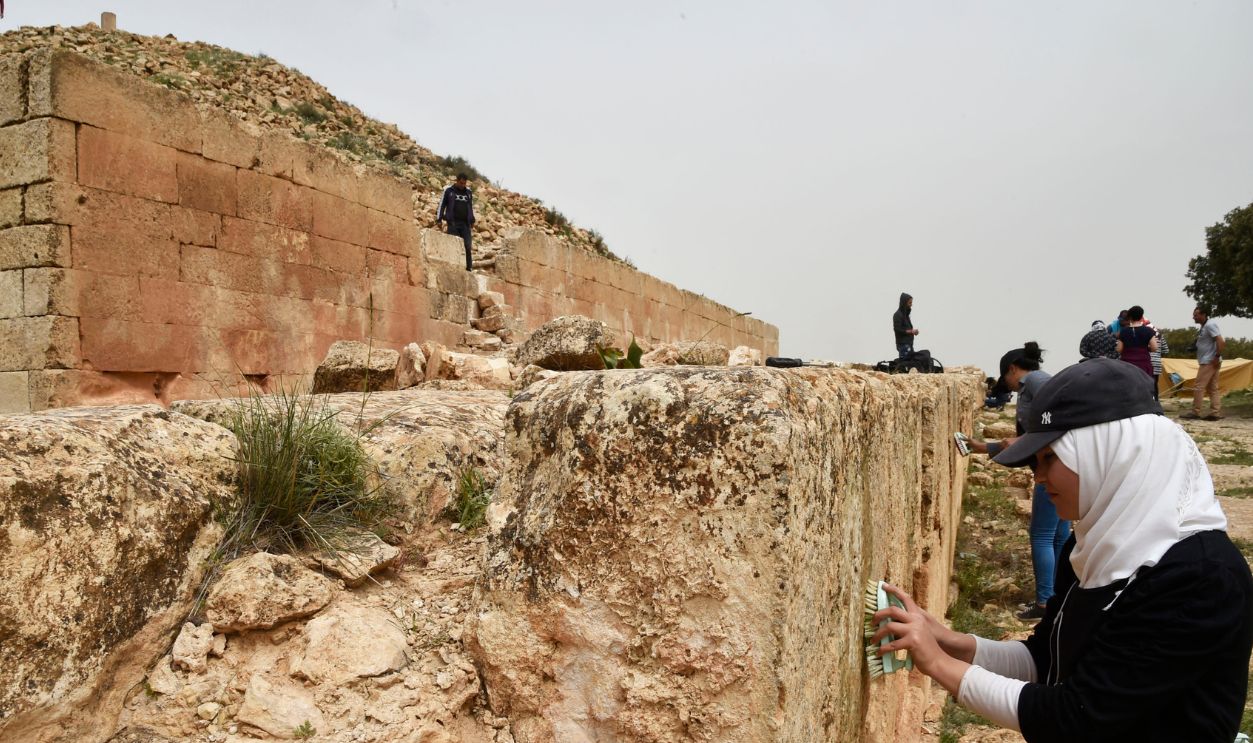
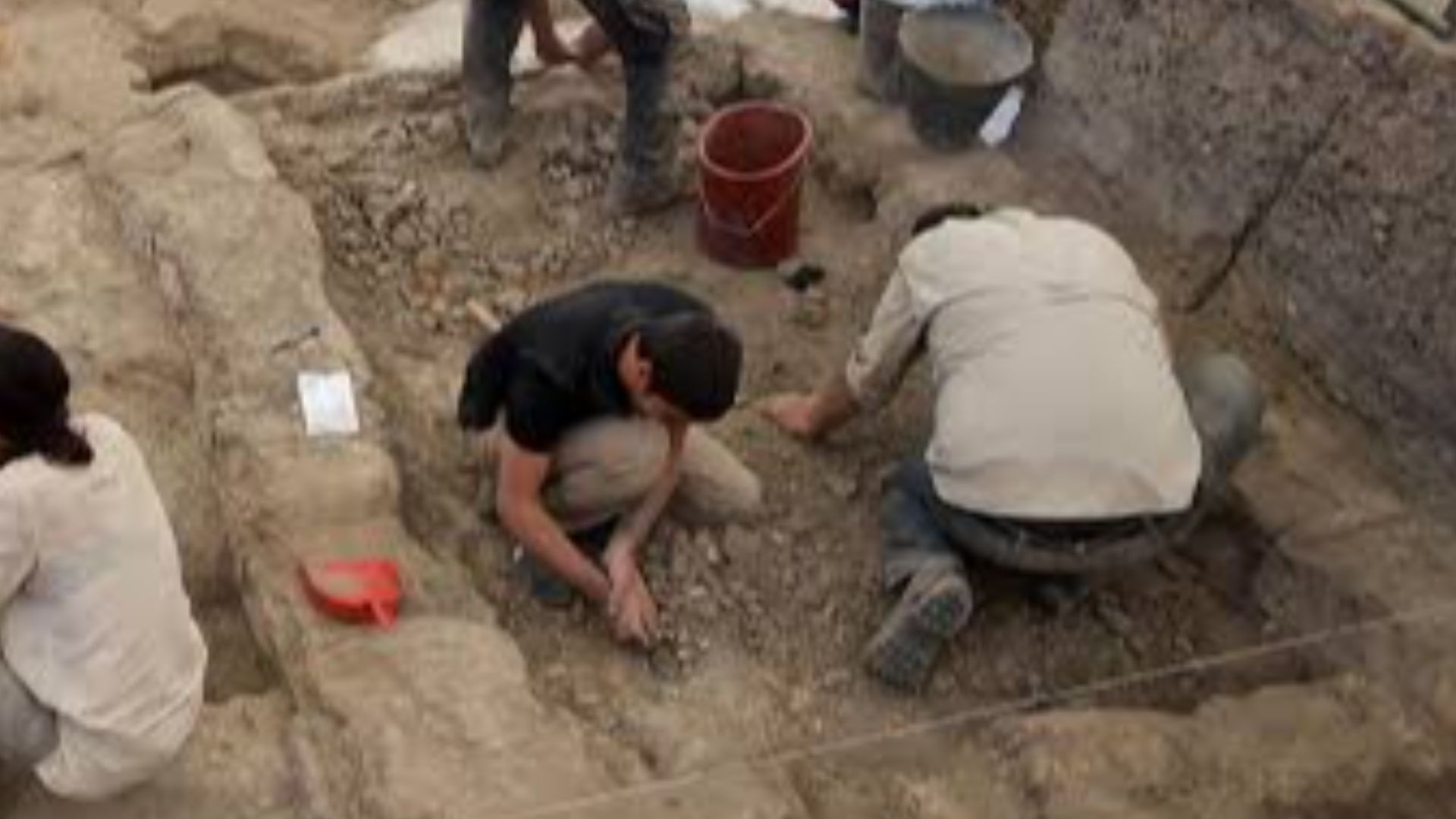
More recently, Algerian students and archaeologists have returned to record carvings, examine damage, clean engraved surfaces, and measure the structures. Progress can be painfully slow, but every symbol and stone may preserve information missed by earlier explorers.
Evidence Of Forgotten Kingdoms
The Jeddars suggest that powerful regional dynasties survived after Roman political control weakened. These rulers were not simply hiding in the mountains. They commanded enough workers, wealth, and territory to build monuments designed to last for centuries.
 Adrien de Mortillet, Wikimedia Commons
Protecting The Jeddars
The Jeddars are now included in Algeria’s tentative UNESCO proposal covering the royal mausoleums of ancient Algeria. Greater recognition could support conservation, archaeological research, and protection against erosion, vandalism, and further looting.
 Susan Stratton, Archaeology Wales, Wikimedia Commons
The Mystery Still Stands
The Jeddars have survived collapsing empires, religious change, treasure hunters, rough excavations, and more than a thousand years of weather. Their royal occupants may remain nameless, but the monuments still speak loudly—reminding us that ancient North Africa had powerful kingdoms whose stories are only beginning to return.
You May Also Like:
A Catholic Nun Just Issued A Warning About Aliens—And It Wasn't What Anyone Expected