A Discovery Beneath Paris
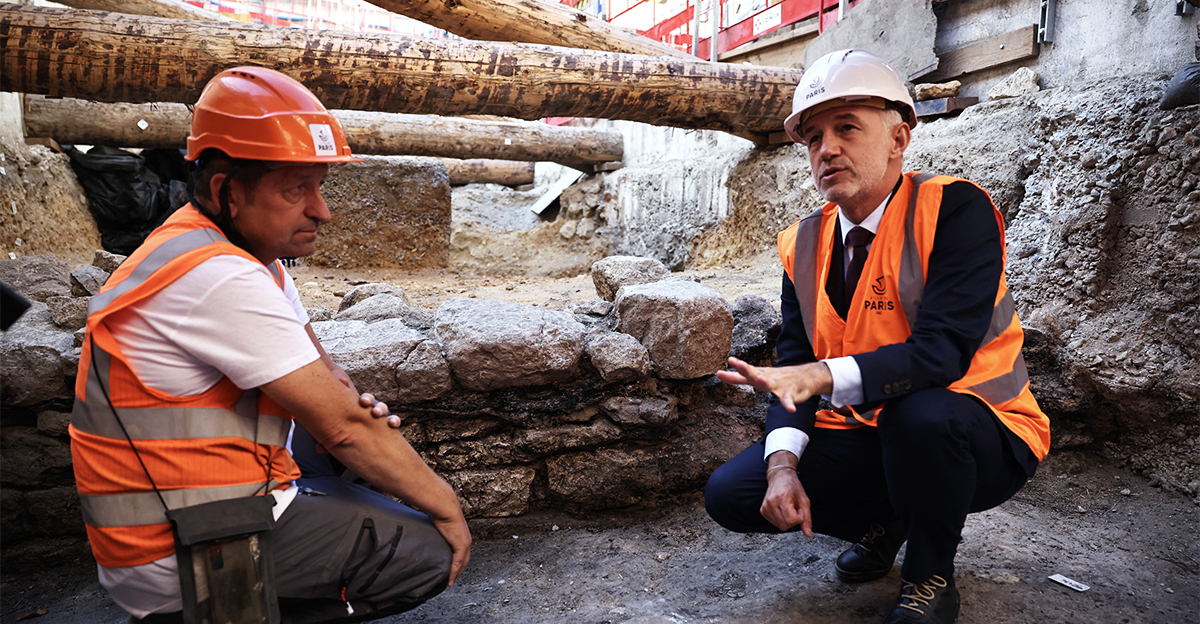
More than 2,000 years of Parisian history lie beneath the modern city, but archaeologists may have just found something extraordinary. Beneath the Hôtel-Dieu hospital beside Notre-Dame, they uncovered a massive ancient fortification that could belong to the Celtic settlement described by Julius Caesar.
 Photo by SIMON WOHLFAHRT / AFP via Getty Images
It Happened At Hôtel-Dieu
The discovery emerged from archaeological excavations accompanying the redevelopment of Hôtel-Dieu on the Île de la Cité. Work began in February 2026, with archaeologists expecting evidence from several periods of Parisian history. What appeared that summer was considerably older and potentially far more important.

Then A Wall Appeared
Archaeologists uncovered approximately 20 metres of an imposing structure built from stone and wood. Its construction immediately attracted attention because it resembled fortifications erected by Gauls during the late Iron Age, centuries before Paris became the Roman city familiar to historians.
 Bibracte_EPCC, Wikimedia Commons
This Wasn't Roman
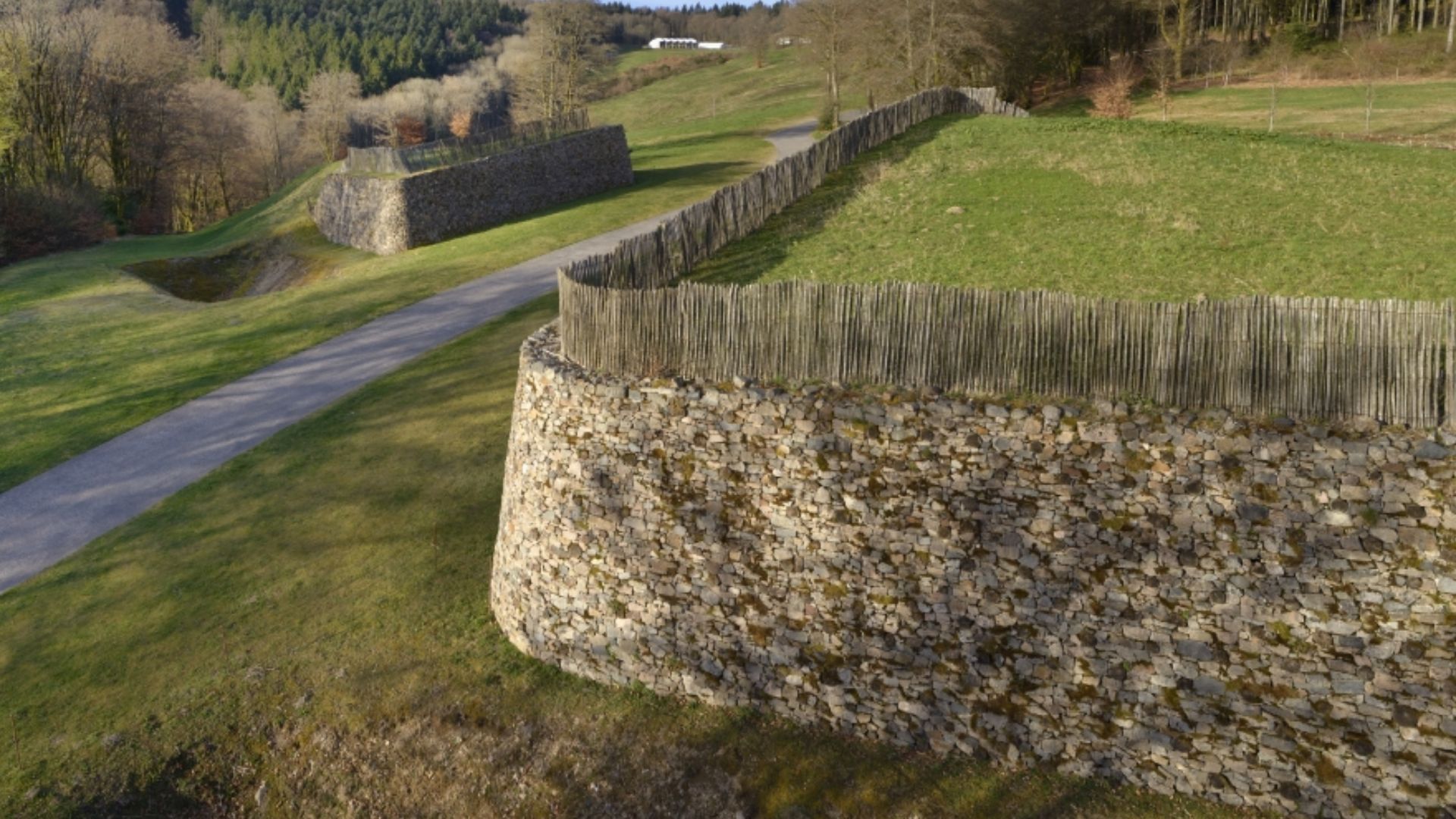
The wall combines large stone blocks with horizontal wooden elements, a building technique characteristic of some fortified Gallic settlements, or oppida. If further investigation confirms the interpretation, archaeologists may finally possess physical evidence of the fortified Celtic settlement that preceded Roman Lutetia.
 Wolfgang Sauber, Wikimedia Commons
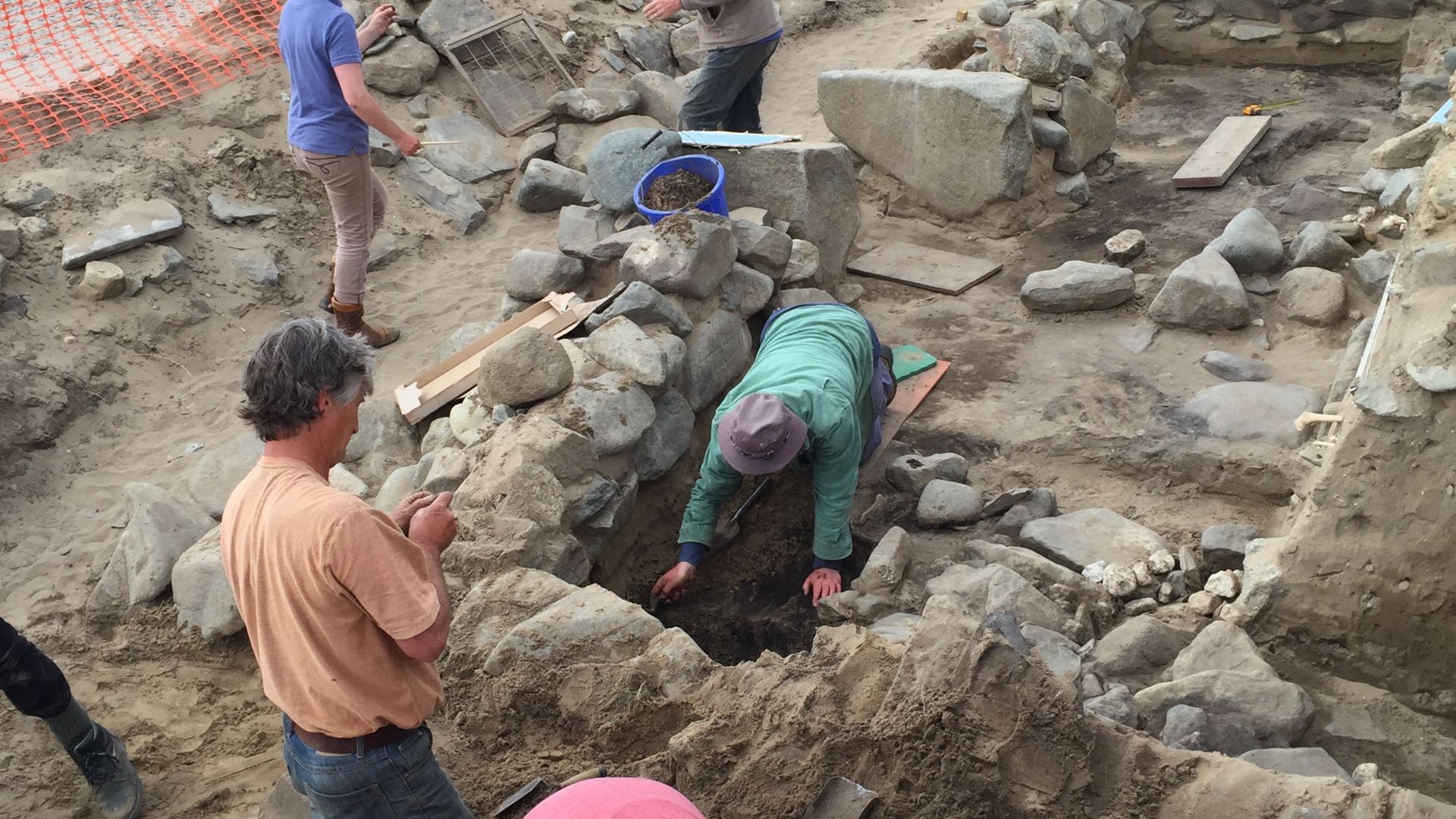
The Timber Was Crucial
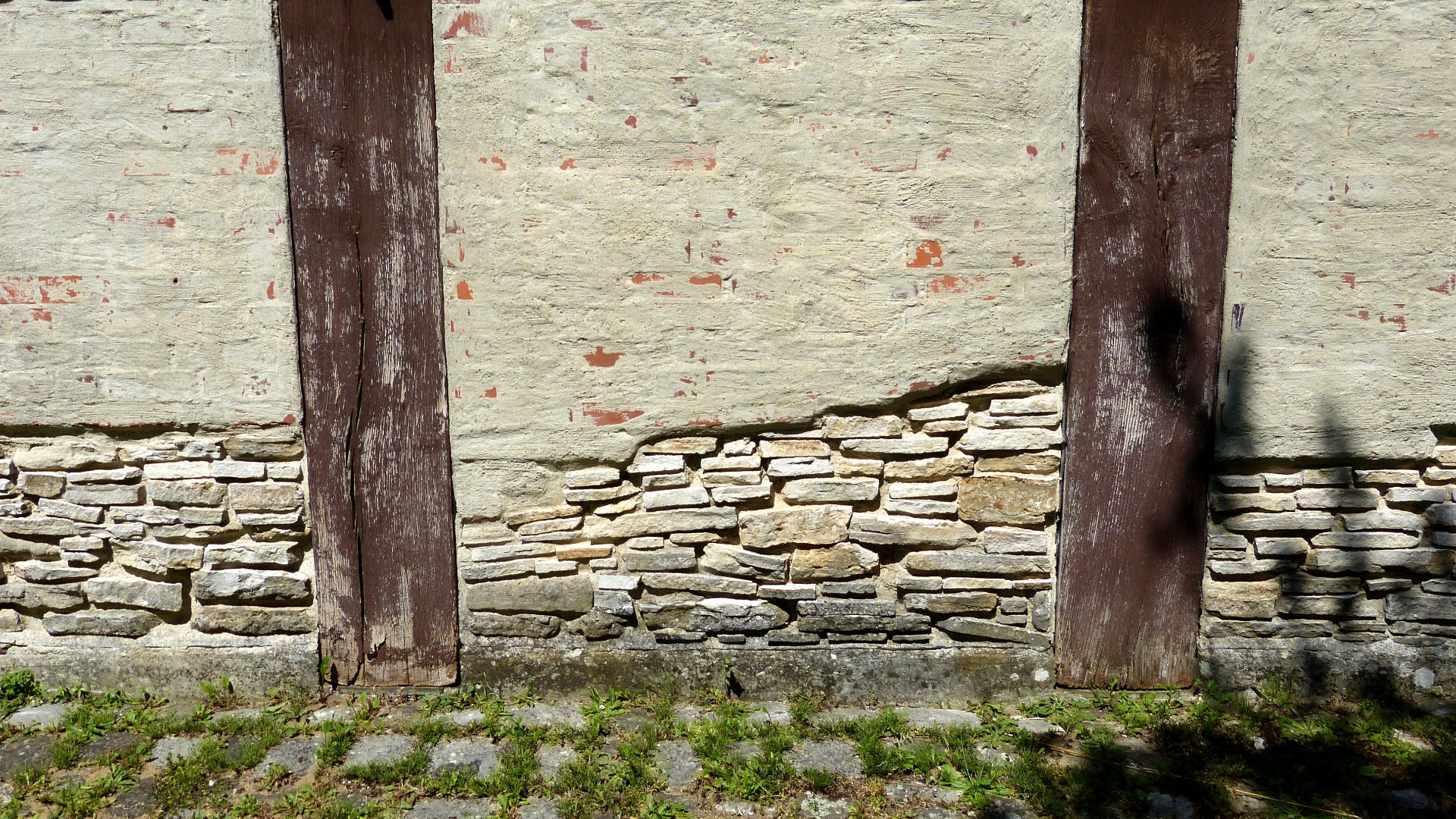
Those wooden components help distinguish the structure from later Roman construction. Archaeologists found substantial blocks combined with a system of interlocking timbers. Together with the wall's location and associated finds, that distinctive architecture pointed researchers toward an intriguing possibility: this might be a Gallic defensive wall.
 Alan Hughes , Wikimedia Commons
Something Had Burned Here
Even more tantalizing was what happened to the wall. Its stone facing and wooden elements showed evidence of an intense fire. That discovery immediately raised an extraordinary historical possibility because ancient accounts describe Lutetia being deliberately burned during Rome's campaign against the Parisii.

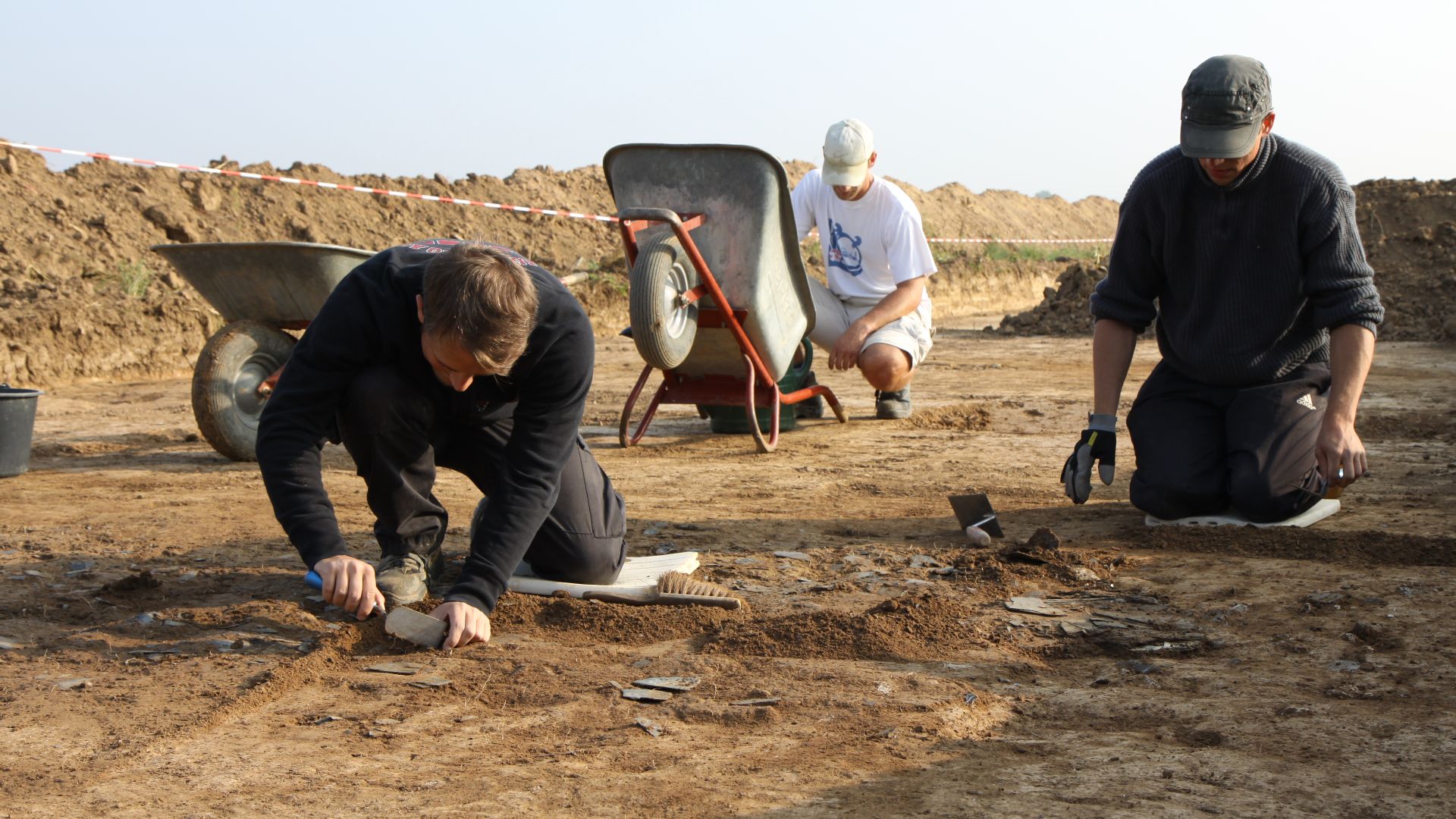
More Evidence Of Fire
The wall wasn't the only thing that burned. Archaeologists also discovered carbonized seeds and the remains of a wooden building destroyed by fire immediately in front of the structure. Together, the finds suggest that this area experienced a substantial episode of destruction sometime around the end of the Iron Age.
 Rachel Goodspeed (U.S. Corps of Engineers Europe District), Wikimedia Commons
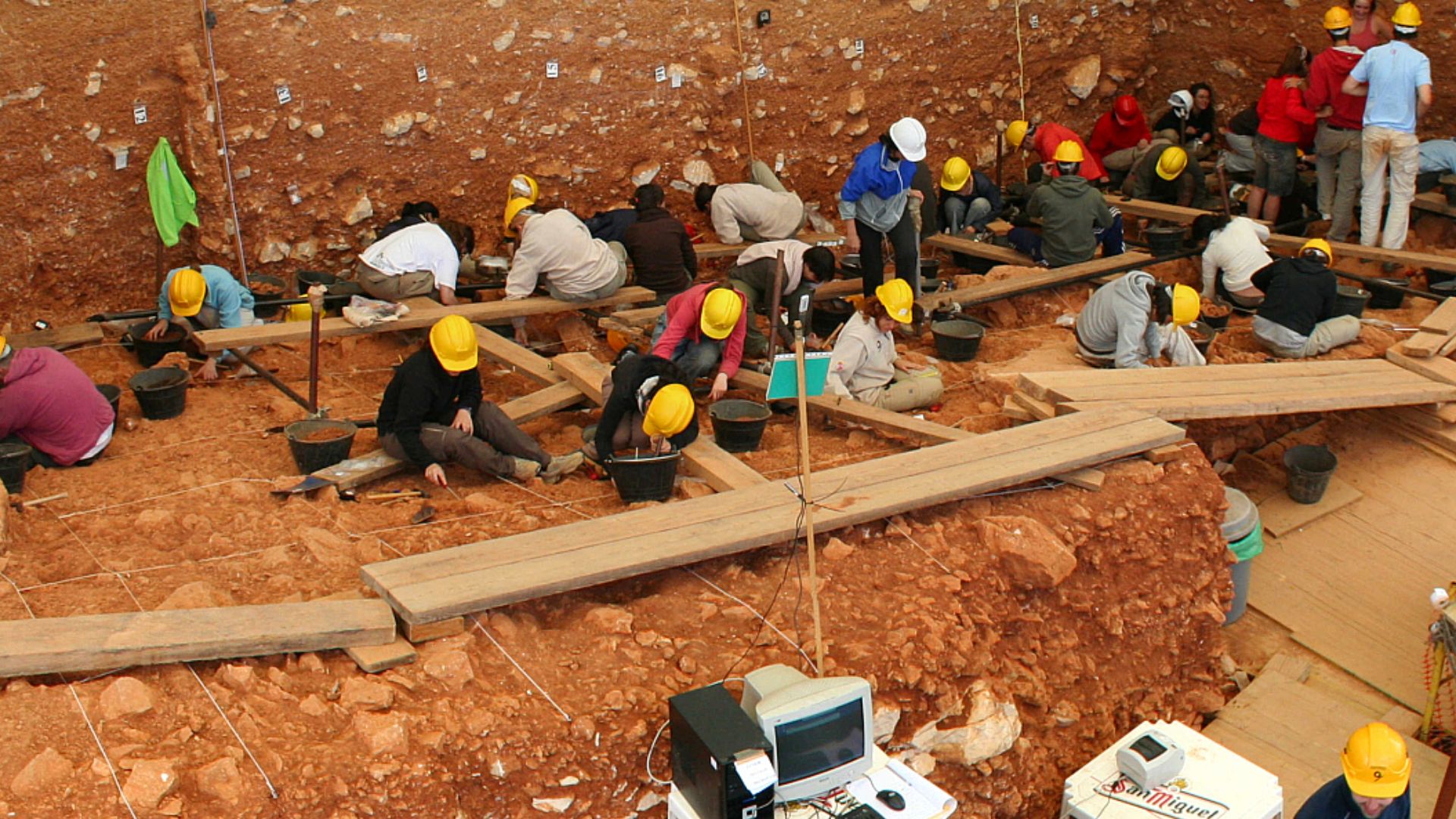
There Was More Underground
Behind the wall, researchers identified a large artificial platform composed of sand and gravel. Remarkably, portions survive to nearly two metres thick. Archaeologists are now investigating whether the wall was purely defensive, also functioned as a retaining structure, or formed part of something more complicated.
 Mario Modesto Mata, Wikimedia Commons
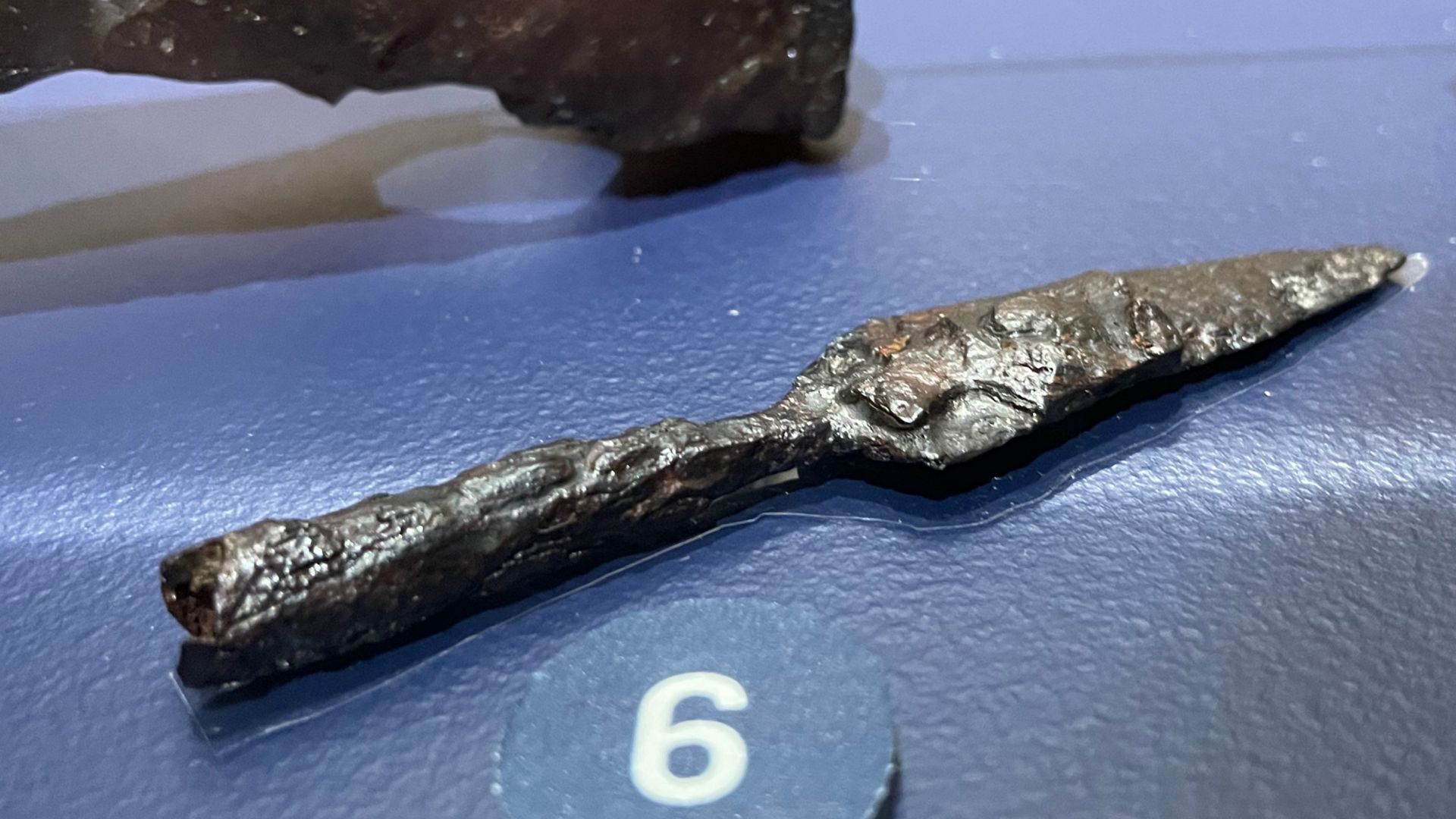
Then Came A Spearhead
One small object made the discovery even more intriguing. Archaeologists found an iron Gallic spearhead at the foot of the wall. It doesn't prove a battle happened at this exact spot, but it adds another distinctly Gallic artifact to a site already producing remarkable evidence.
 Christelle Molinié, Wikimedia Commons
The Dates Were Intriguing
Initial radiocarbon analysis of wood from the structure produced a broad range between approximately 200 and 10 BC. That comfortably places the wall in the late Iron Age and encompasses one particularly important year in Parisian history: 52 BC, when Roman forces fought the Parisii.
Meet The Parisii
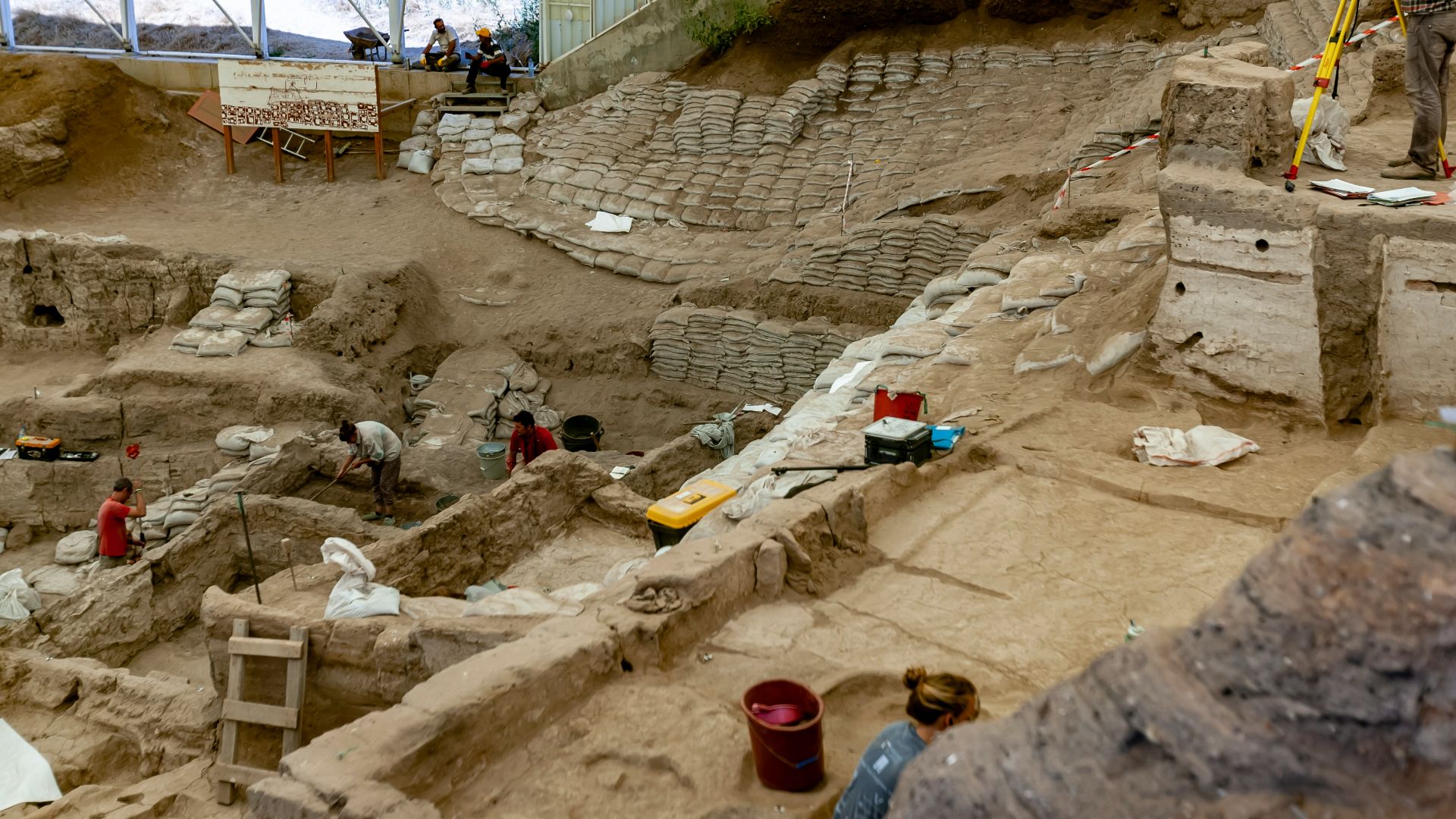
Long before tourists arrived on the Seine, the Paris region was inhabited by the Parisii, a Gallic people whose name ultimately survives in “Paris.” They occupied territory around the river and were already established there when Julius Caesar's campaigns brought Roman armies deep into Gaul.
 Jan Janssonius, Wikimedia Commons
Their City Was Lutetia
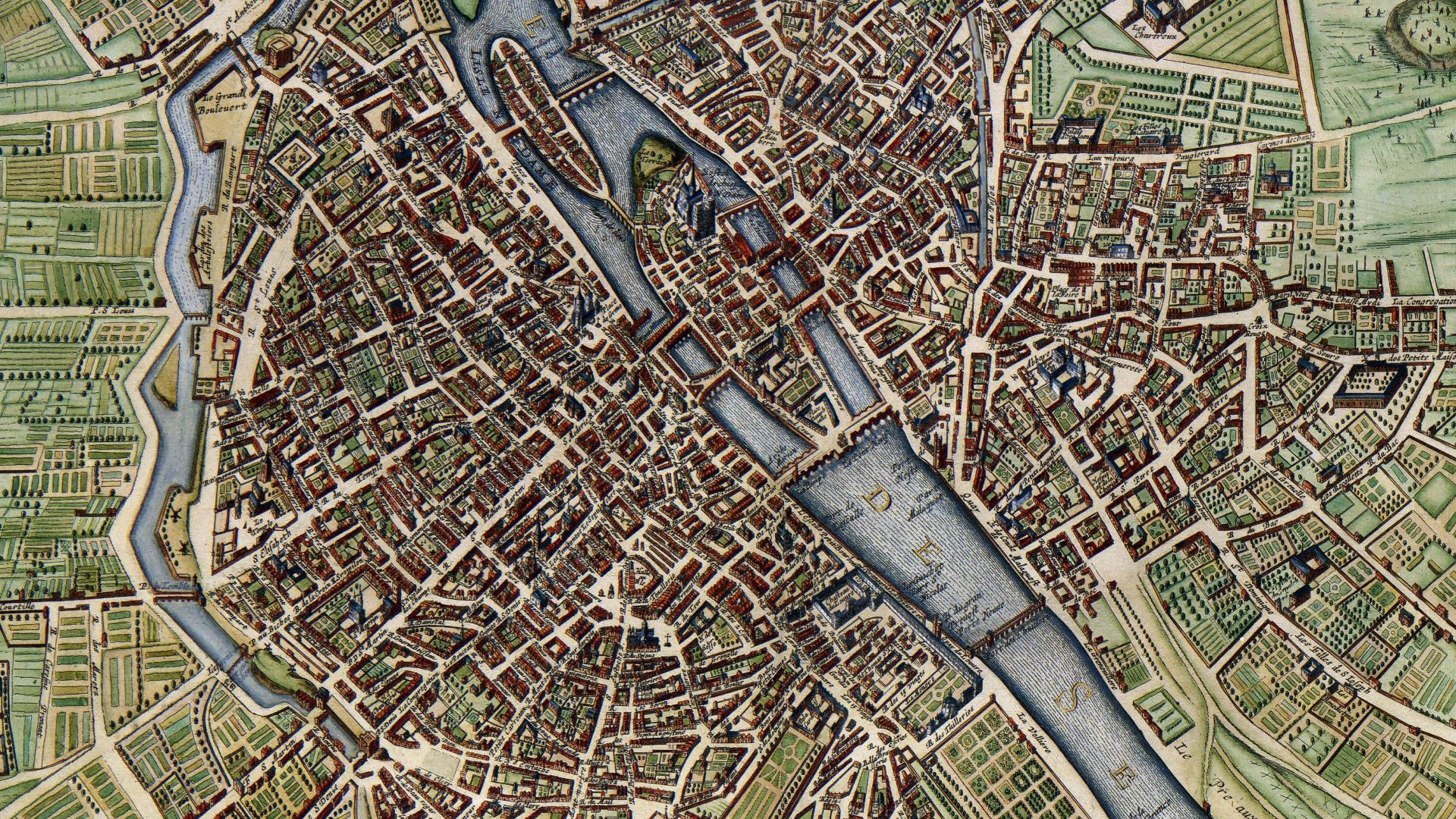
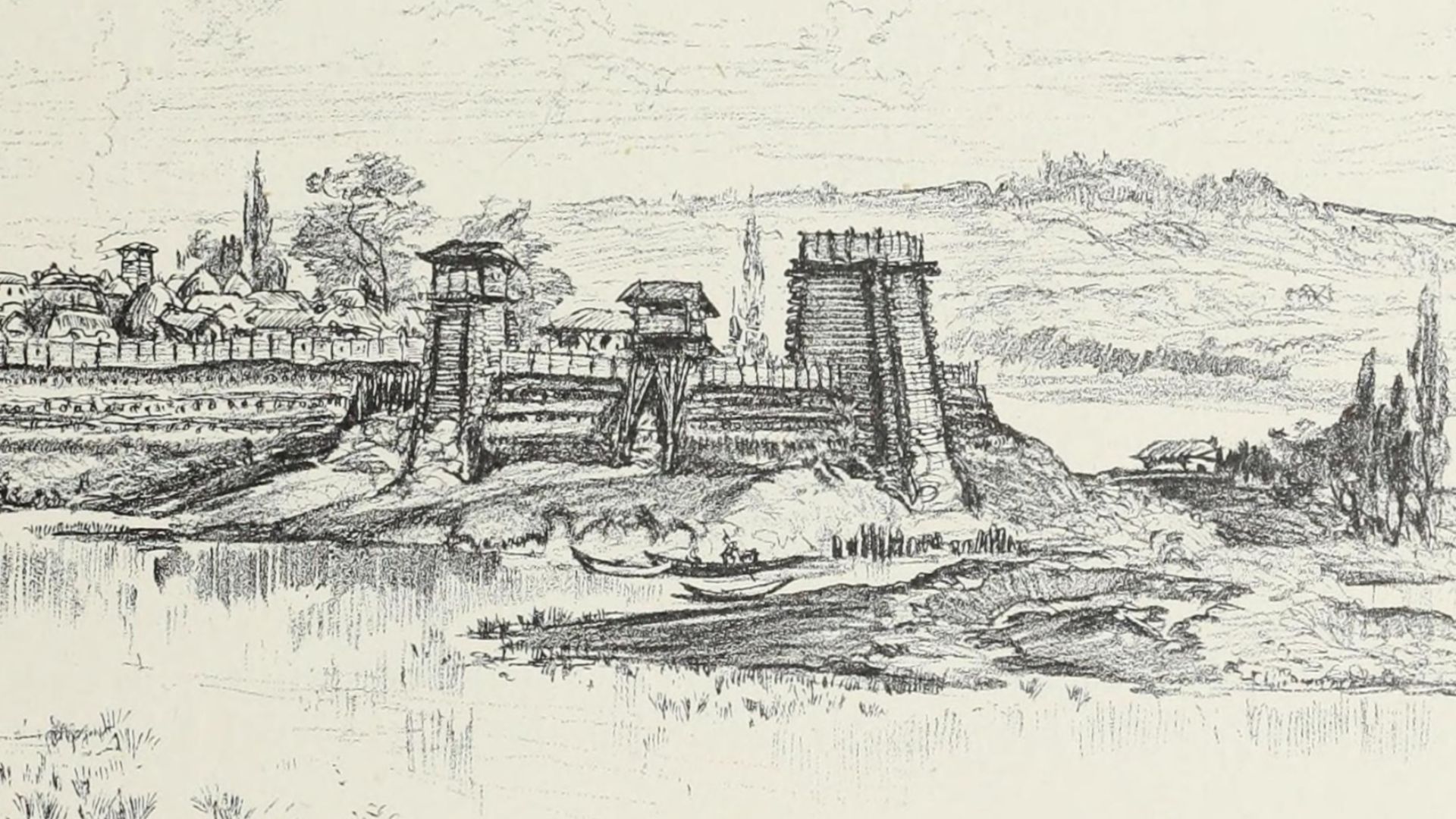
Caesar identified their settlement as Lutetia, an oppidum of the Parisii located on an island in the Seine. An oppidum could be a fortified settlement, making the newly discovered wall especially important to archaeologists attempting to connect Caesar's written account with physical remains.
 Albert Robida, Wikimedia Commons
Caesar Actually Went There
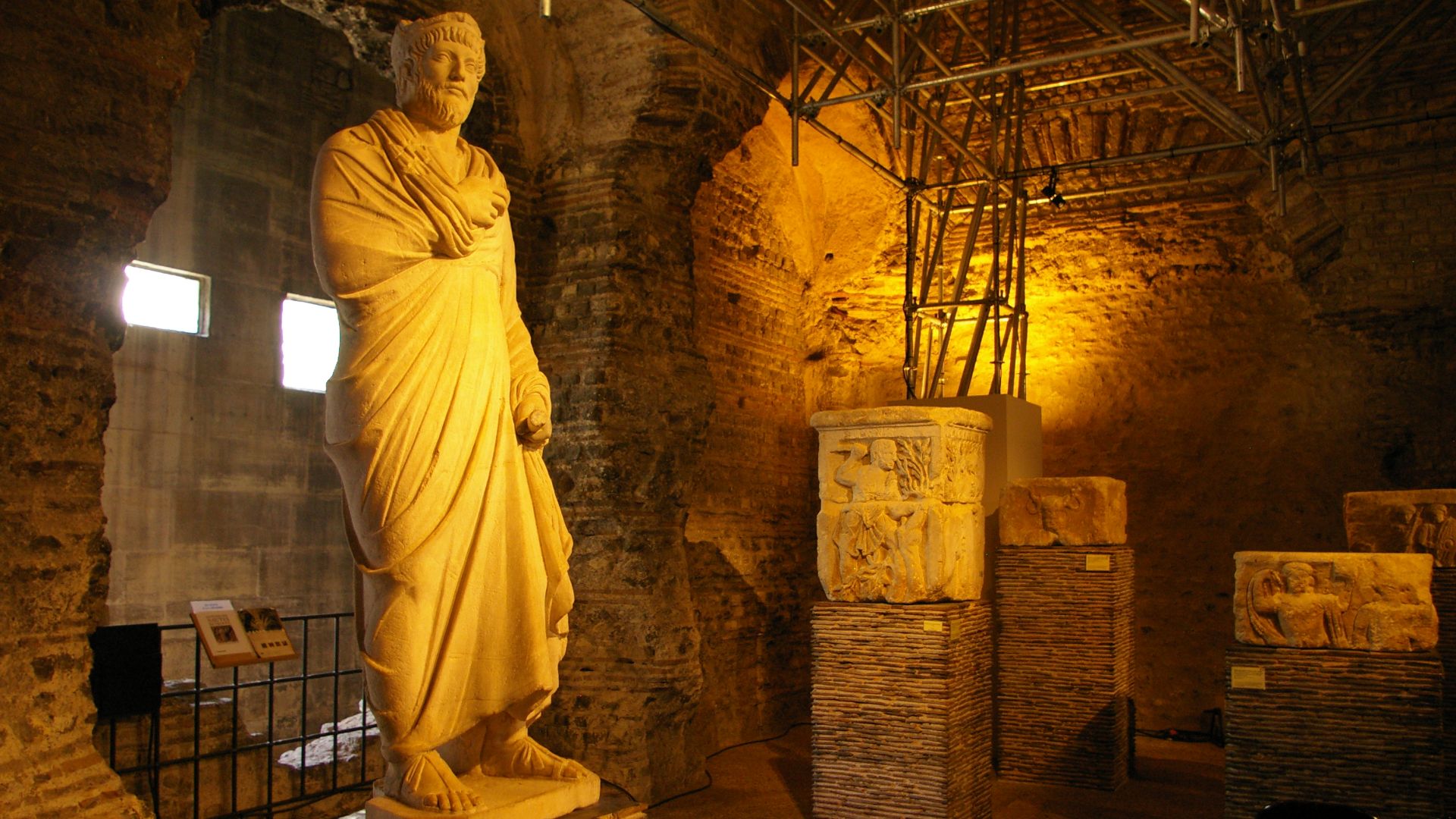
Lutetia first enters written history through Caesar himself. In 53 BC, he recorded convening an assembly of Gallic peoples in Parisii territory at Lutetia. A year later, however, the settlement would become involved in a much more violent chapter of the Roman conquest.
 Michael Kooiman, Wikimedia Commons
Then Gaul Rebelled
In 52 BC, resistance to Roman rule erupted across Gaul under Vercingetorix. The Parisii joined the revolt. While Caesar was occupied elsewhere, his lieutenant Titus Labienus led Roman forces toward Lutetia, where the Romans faced a Gallic coalition commanded by the elderly warrior Camulogenus.
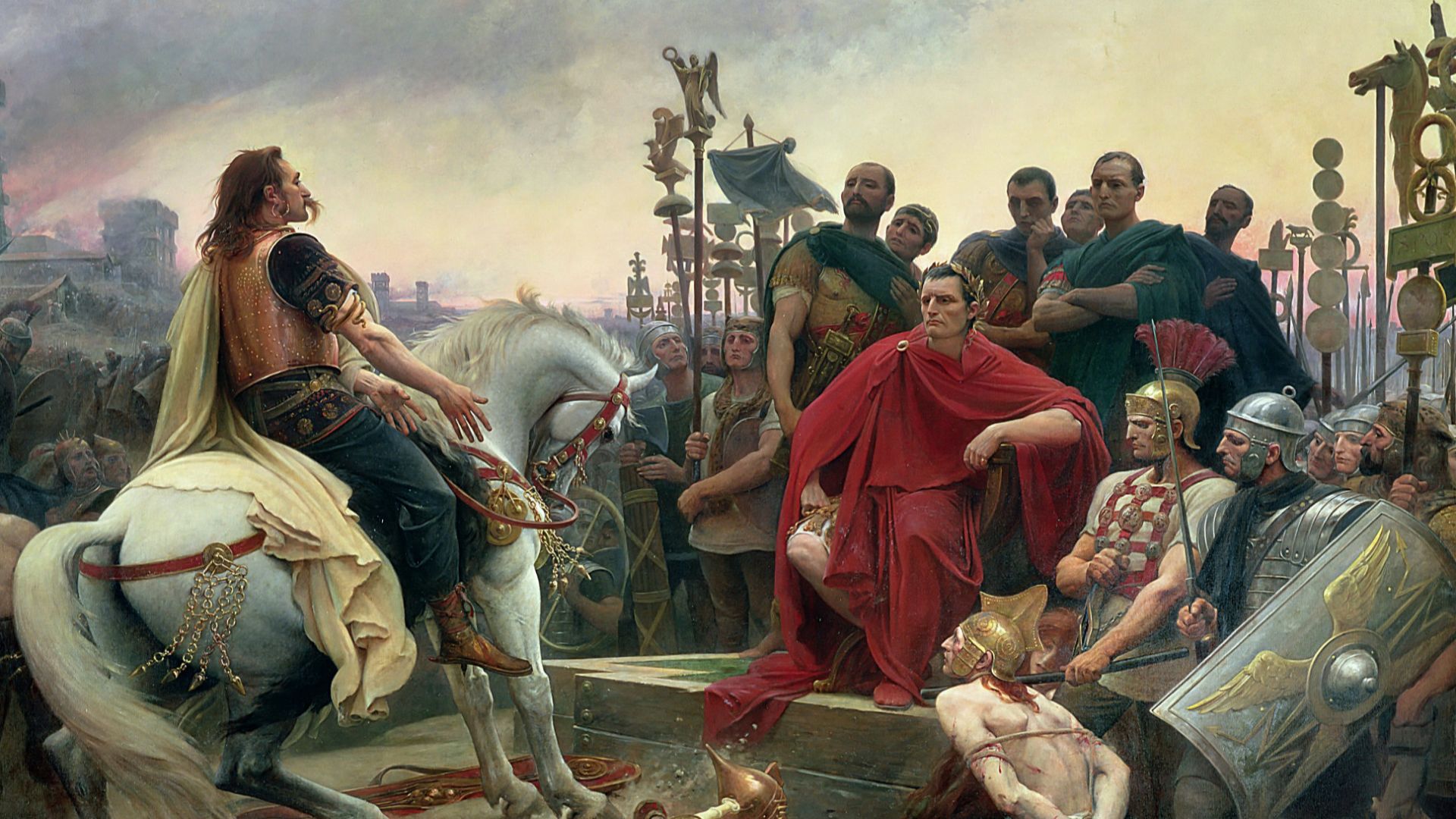 Lionel Royer, Wikimedia Commons
Rome Sent Labienus
Labienus advanced with four Roman legions. After encountering difficult marshy terrain, he changed his approach, moved through Melun and proceeded toward Lutetia along the Seine. The Gallic defenders realized what was happening and responded with an extraordinary act of destruction.
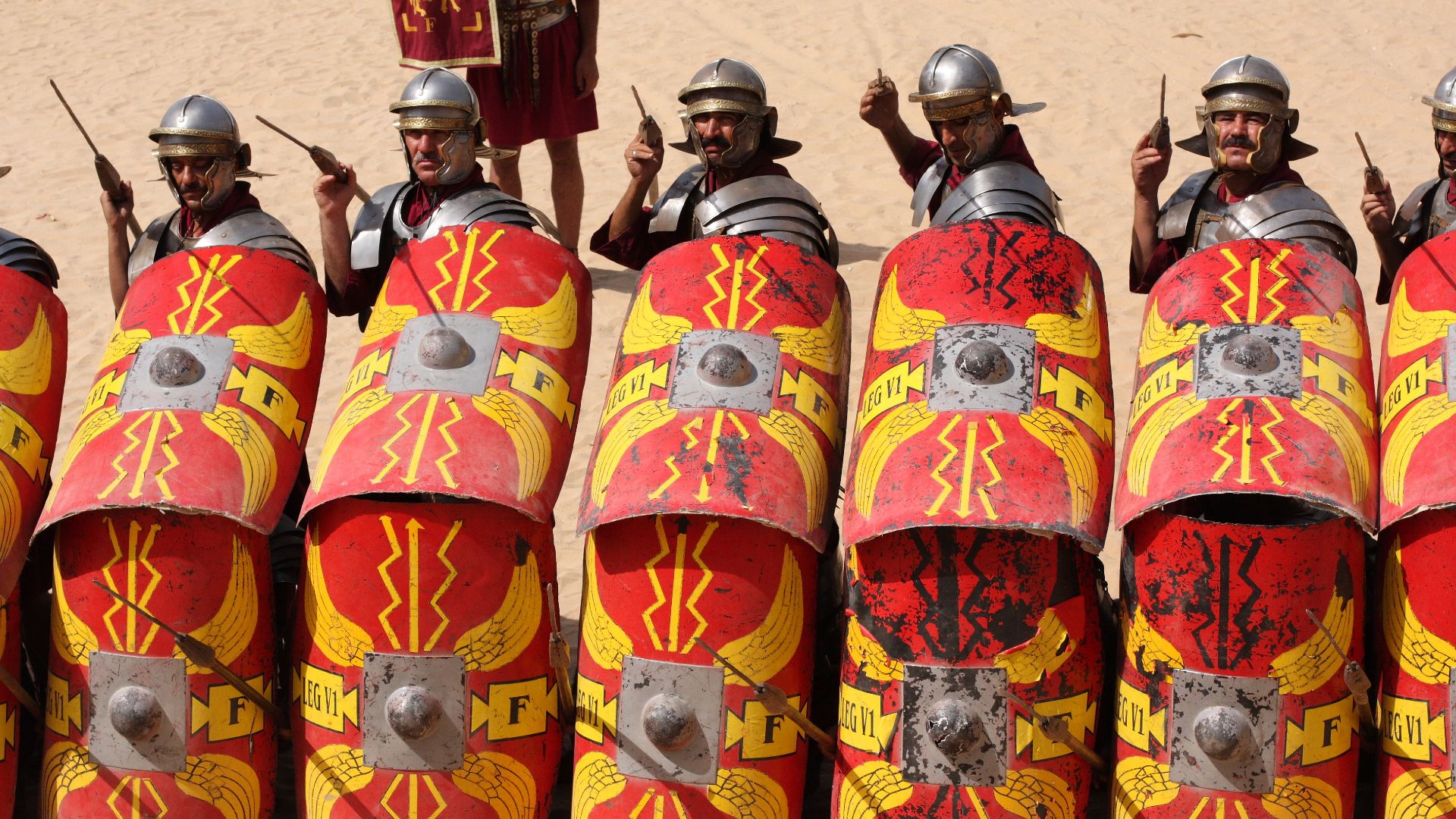
The Gauls Made A Choice
According to Caesar's account, the Gauls burned Lutetia and destroyed its bridges rather than leave the settlement intact for the advancing Romans. Labienus eventually maneuvered across the Seine and defeated Camulogenus's forces in what became known as the Battle of Lutetia.
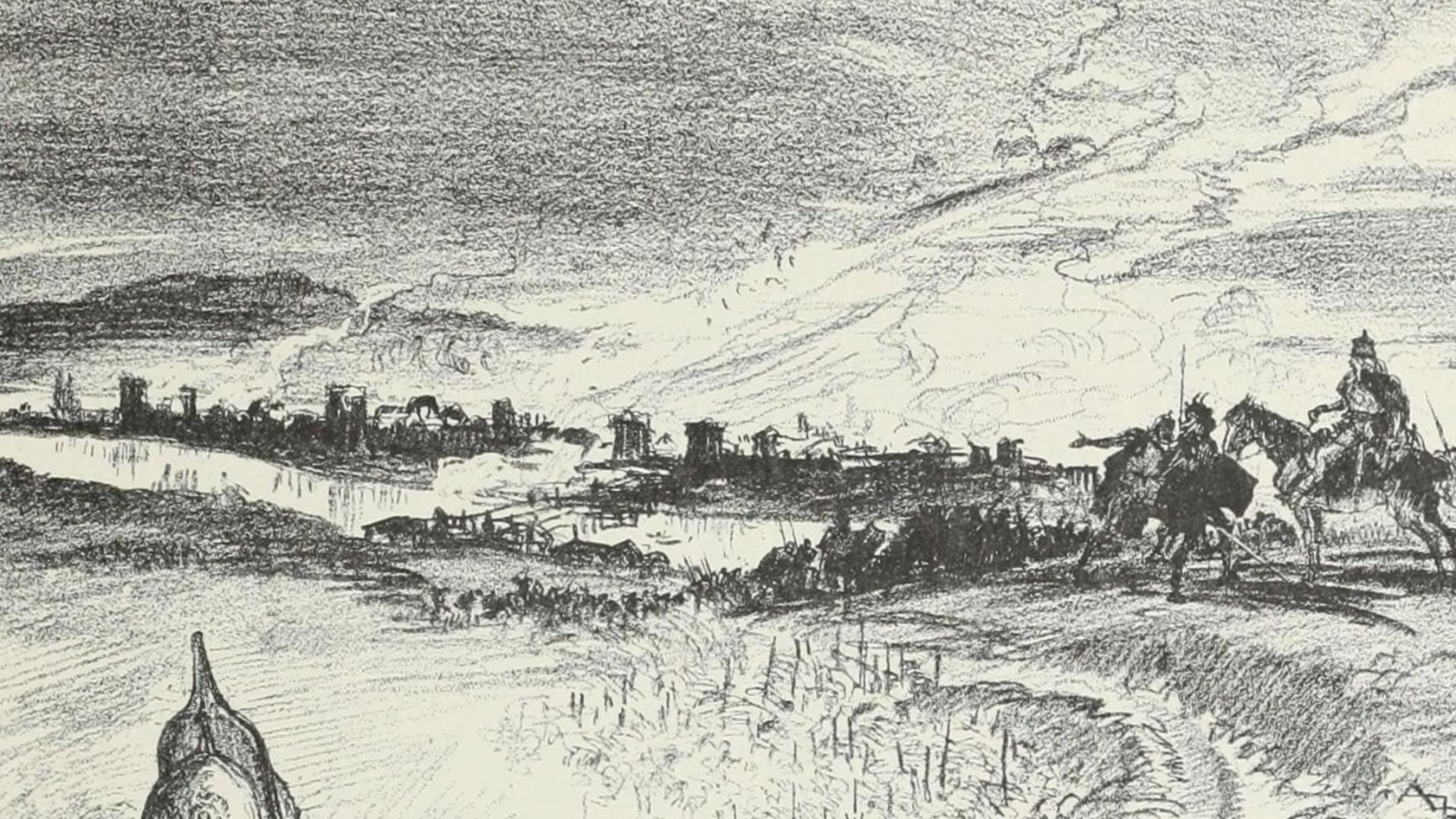 Albert Robida, Wikimedia Commons
That's Where It Gets Interesting
More than two millennia later, archaeologists have found a Gallic-style fortification on the Île de la Cité showing evidence of intense burning. Suddenly, the ancient story and the archaeological evidence appear tantalizingly close to intersecting beneath the heart of modern Paris.
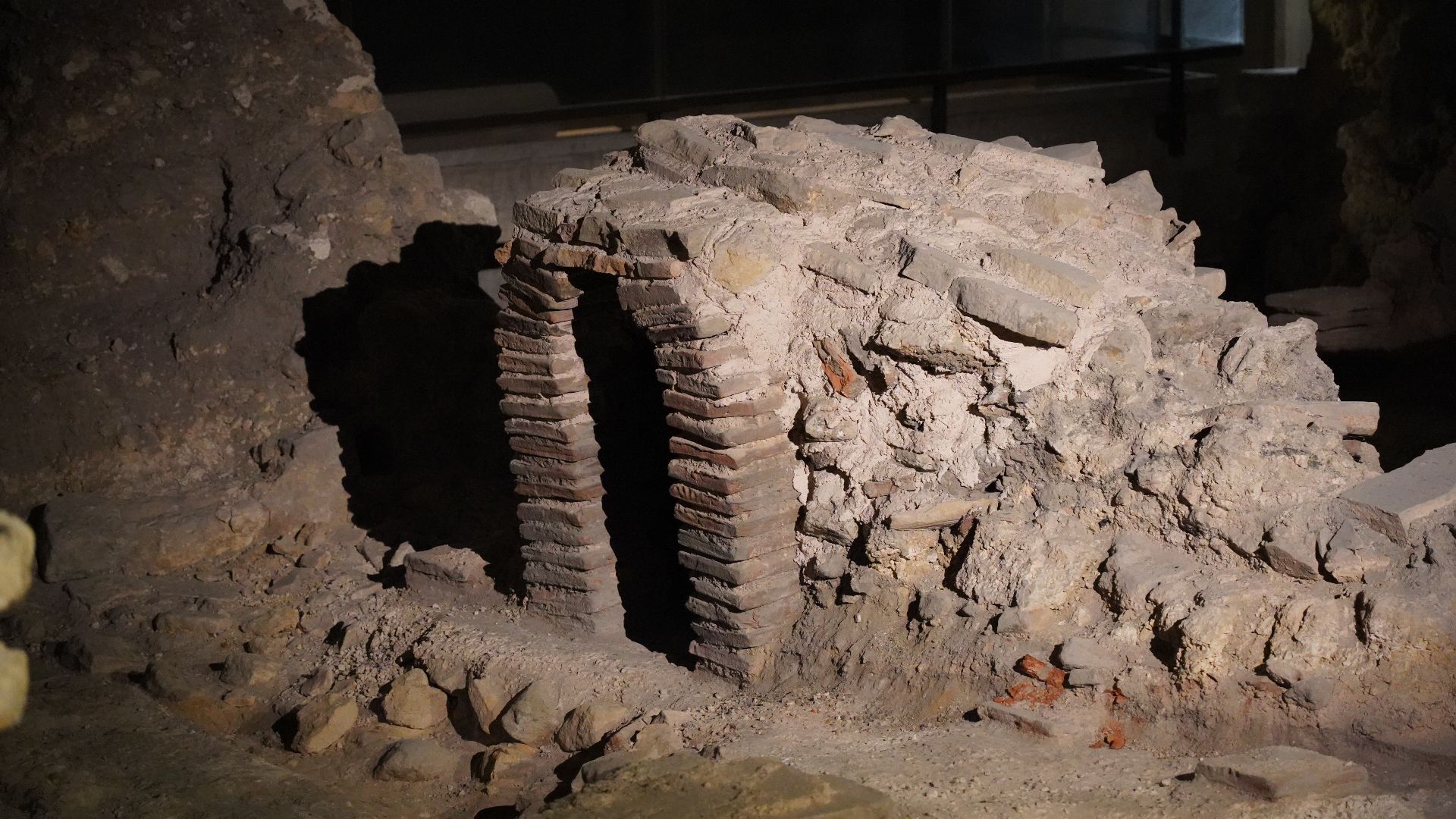 TimeTravelRome, Wikimedia Commons
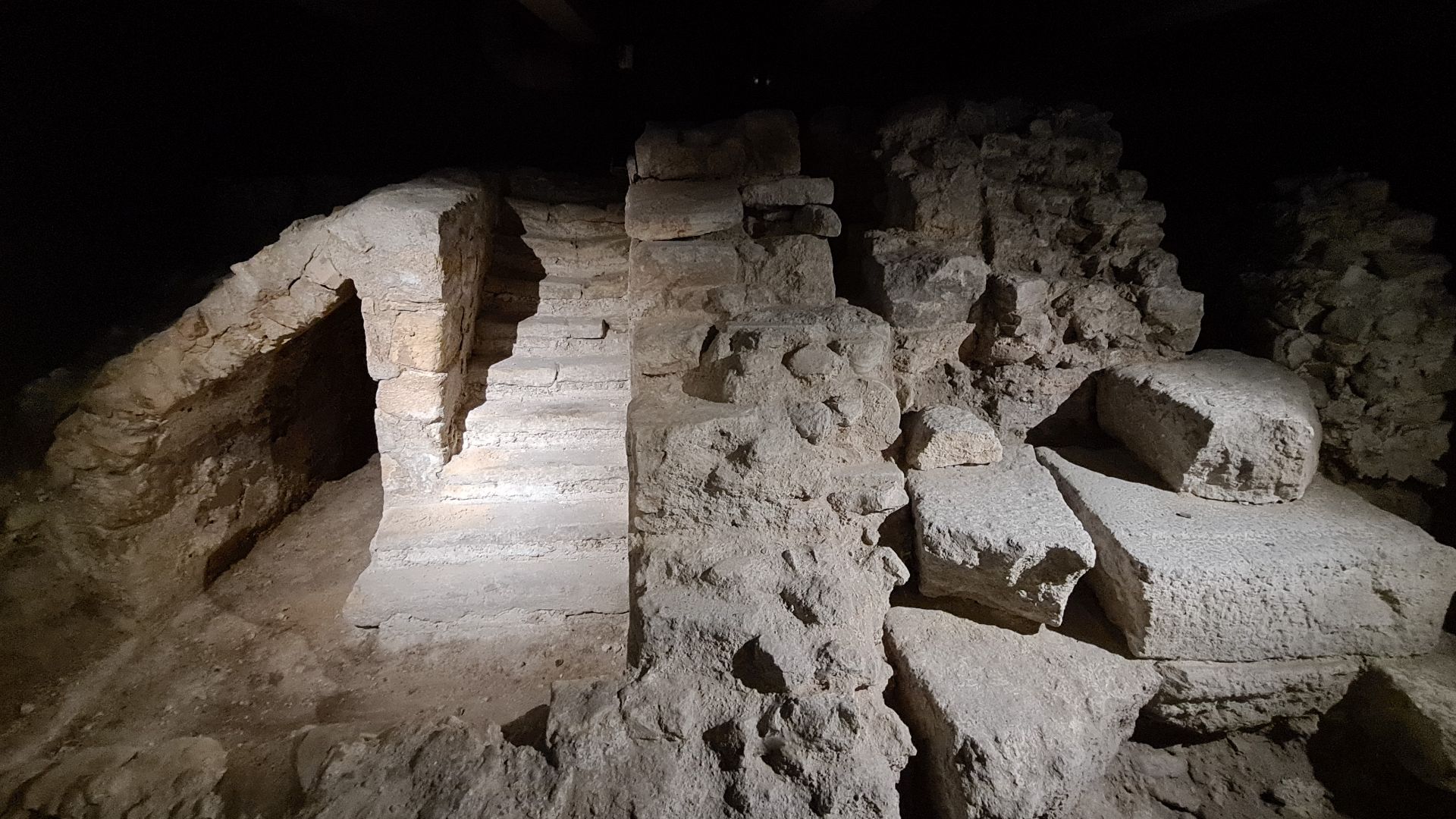
But There's A Catch
Nobody can yet say that this wall burned in 52 BC. The radiocarbon age range is much wider, and researchers stress that the fire's precise date remains unknown. The evidence is compatible with Caesar's story, but compatibility isn't the same thing as proof.
 TimeTravelRome, Wikimedia Commons
Where Was Celtic Paris?
That caution matters because archaeologists have spent generations trying to answer a surprisingly difficult question: where exactly was Celtic Lutetia? Roman Paris left substantial archaeological remains, but convincing evidence for the Parisii settlement described by Caesar has historically been frustratingly scarce.
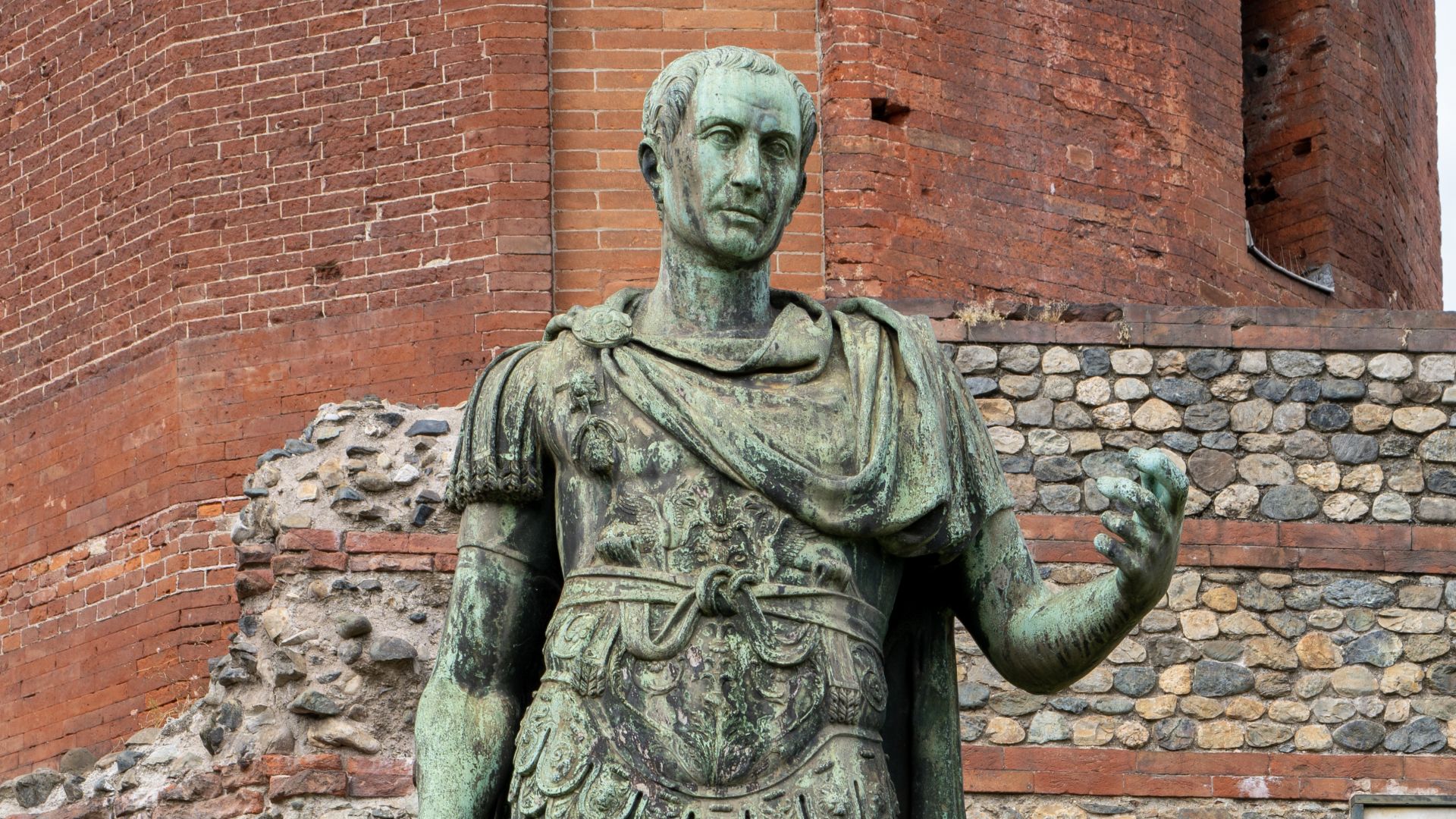
Caesar Gave A Clue
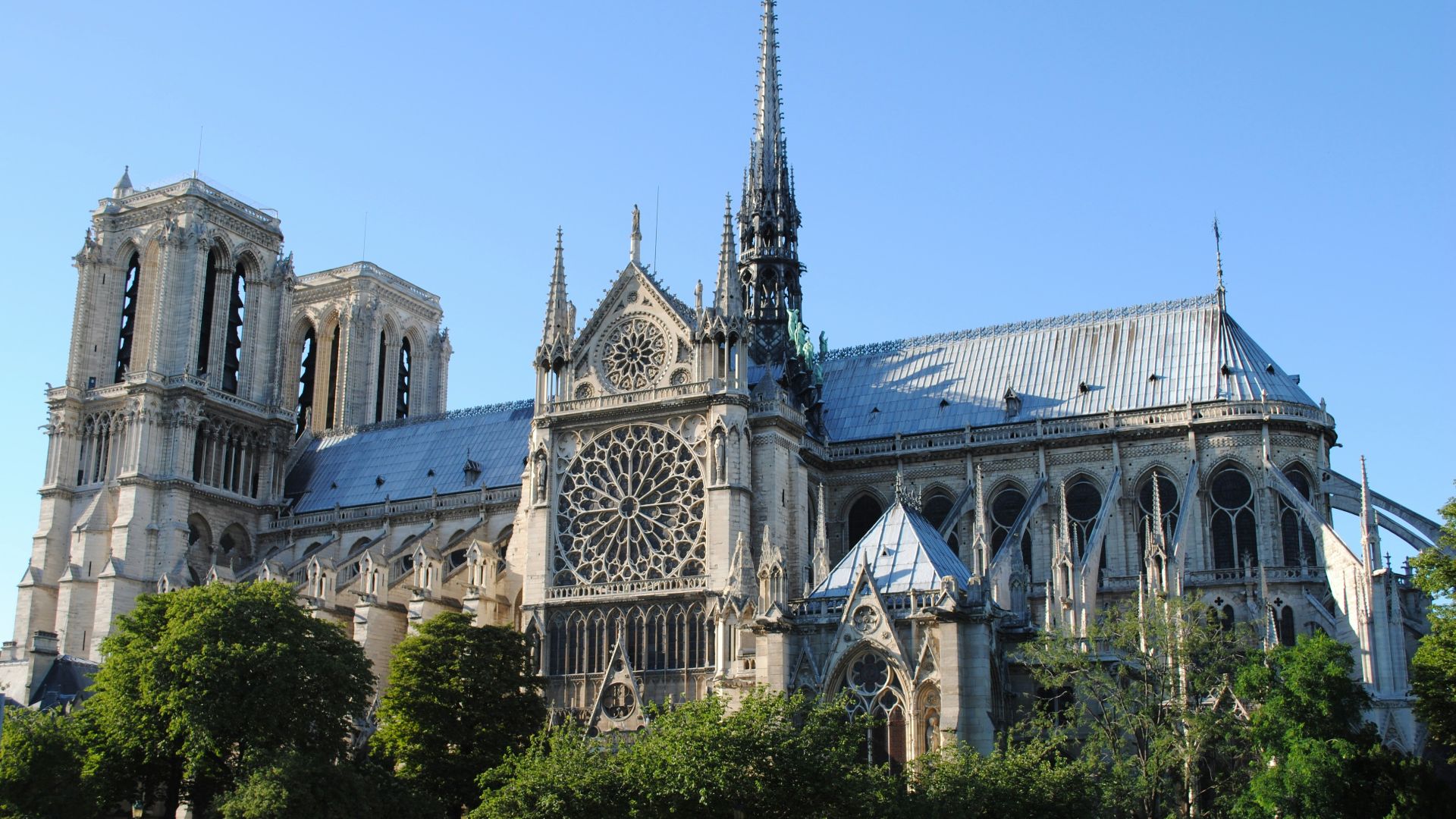
Caesar's description seemed straightforward enough. Lutetia was an oppidum belonging to the Parisii and situated on an island in the Seine. That naturally encouraged historians to look toward the island occupying the center of Paris today.
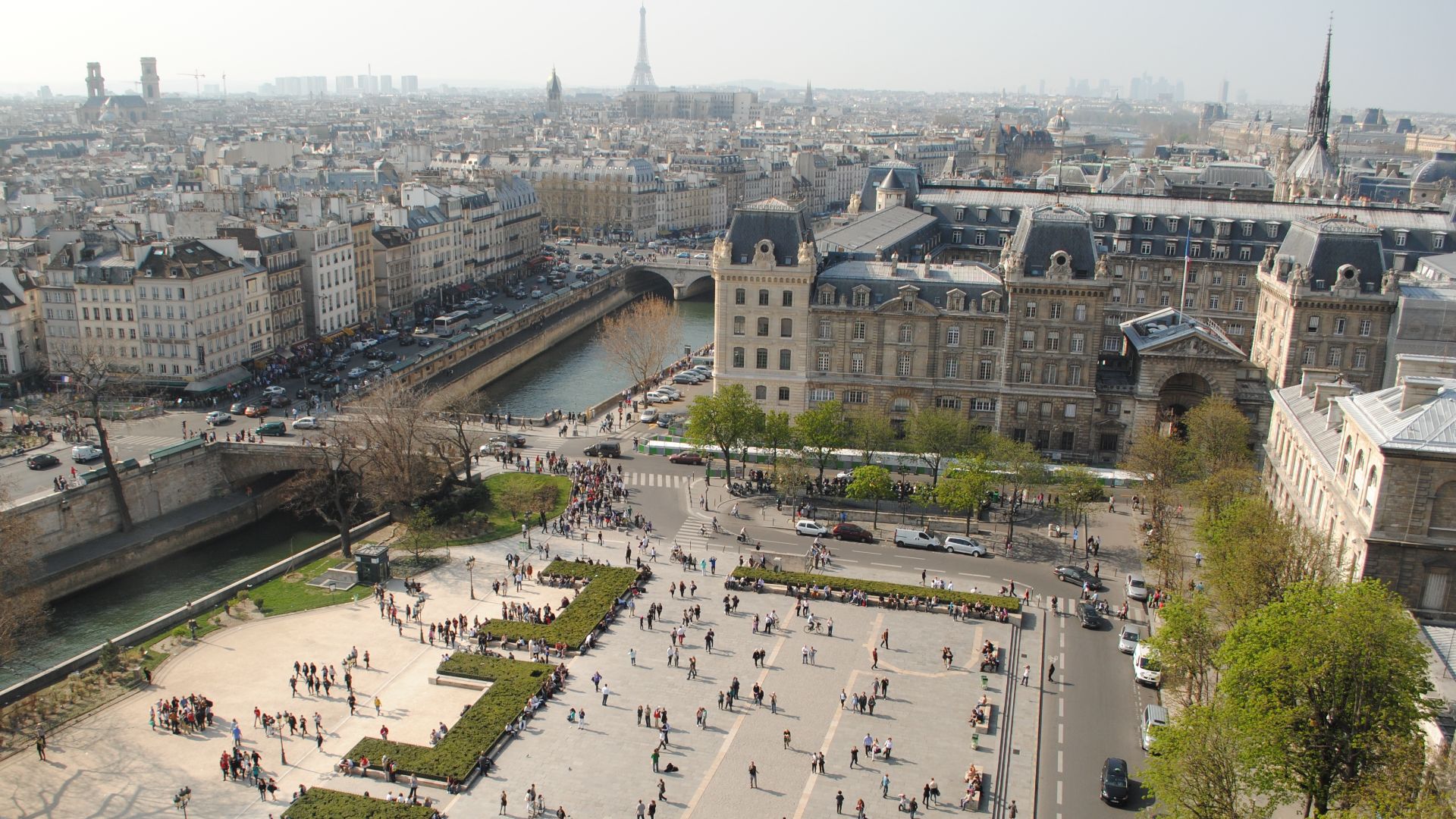
Île De La Cité Fit
Île de la Cité seemed an obvious candidate. It occupies a strategically important position in the Seine, later Roman routes crossed it, and Notre-Dame stands there today. For generations, it was widely regarded as the logical birthplace of Paris. There was just one irritating problem.
 Vinicius Pinheiro, Wikimedia Commons
But Evidence Was Missing
Archaeology hadn't produced the expected remains of a substantial Gallic oppidum. France's Ministry of Culture previously acknowledged how little evidence existed for Gallic occupation of Paris around Caesar's time. Researchers had never found the fortifications that such an important settlement might be expected to possess.
Nanterre Became A Rival
That absence helped encourage an alternative theory: perhaps Caesar's Lutetia wasn't on Île de la Cité at all. Archaeological discoveries around Nanterre, in another bend of the Seine west of central Paris, made that area a serious contender for the location of the lost Parisii settlement.
 Ana Paula Hirama, Wikimedia Commons
This Could Change Everything
Now archaeologists have something they conspicuously lacked before: a substantial Gallic fortification on Île de la Cité itself. If researchers confirm that it belonged to the Parisii oppidum, the discovery could dramatically strengthen the traditional identification of Celtic Lutetia within the heart of modern Paris.
 MOLA/Crossrail, Wikimedia Commons
Archaeologists Aren't Finished
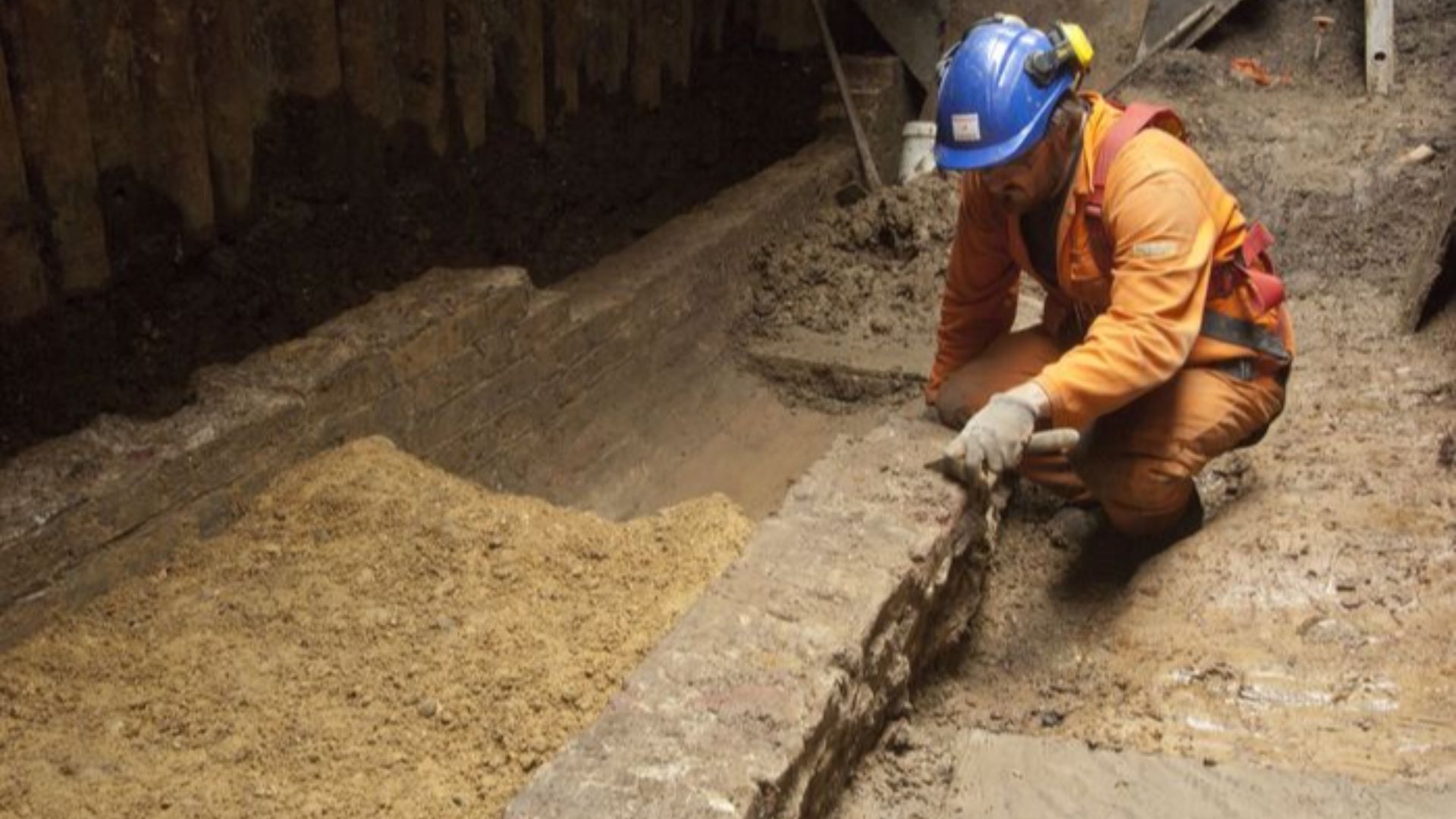
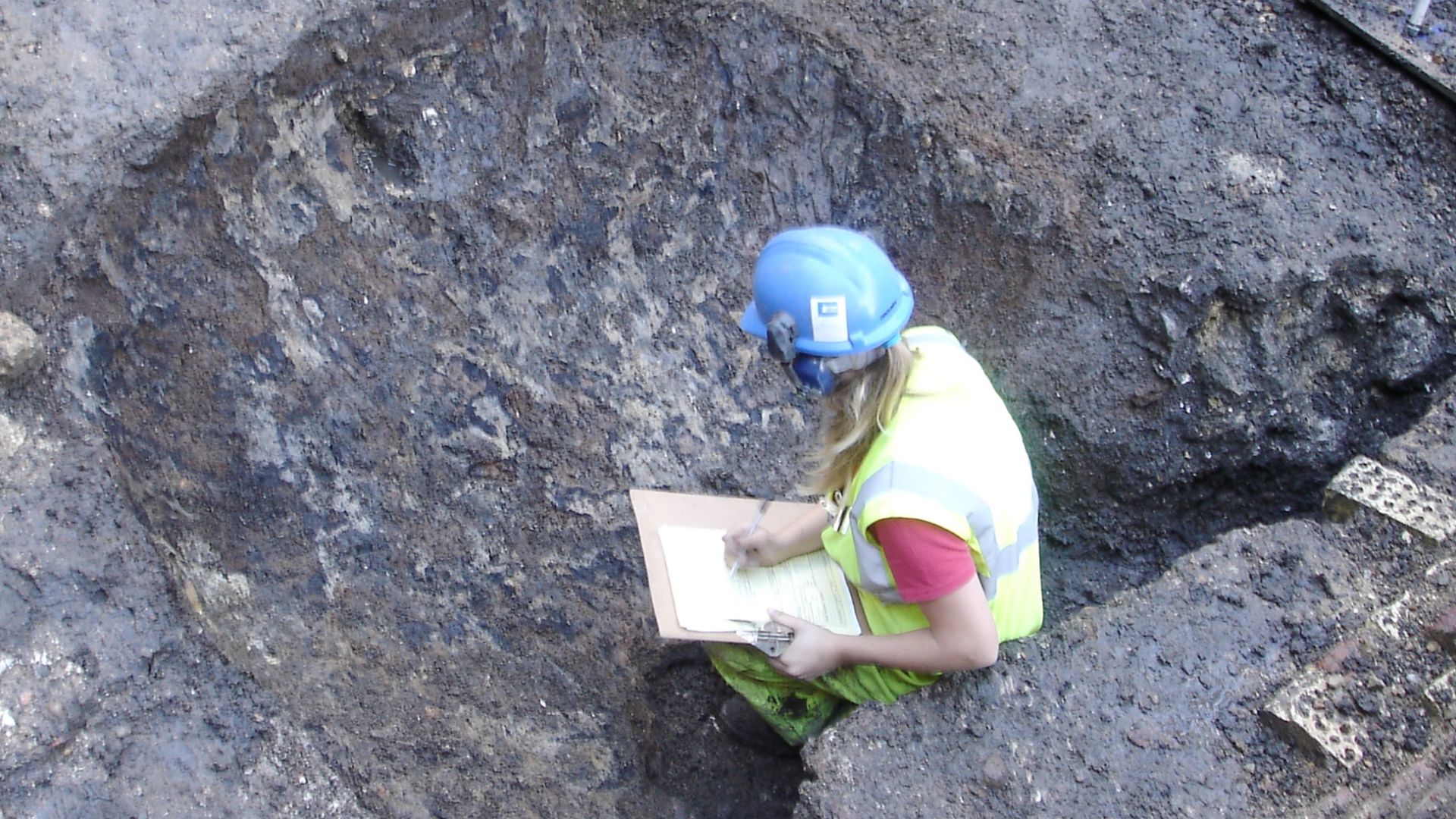
Researchers still need to determine exactly when the wall was built, what function it performed and how and when it was destroyed. They'll also investigate its relationship with the artificial platform, search for possible structures toward the Seine and examine whether even older occupation survives underneath.
The Wall Is Fragile
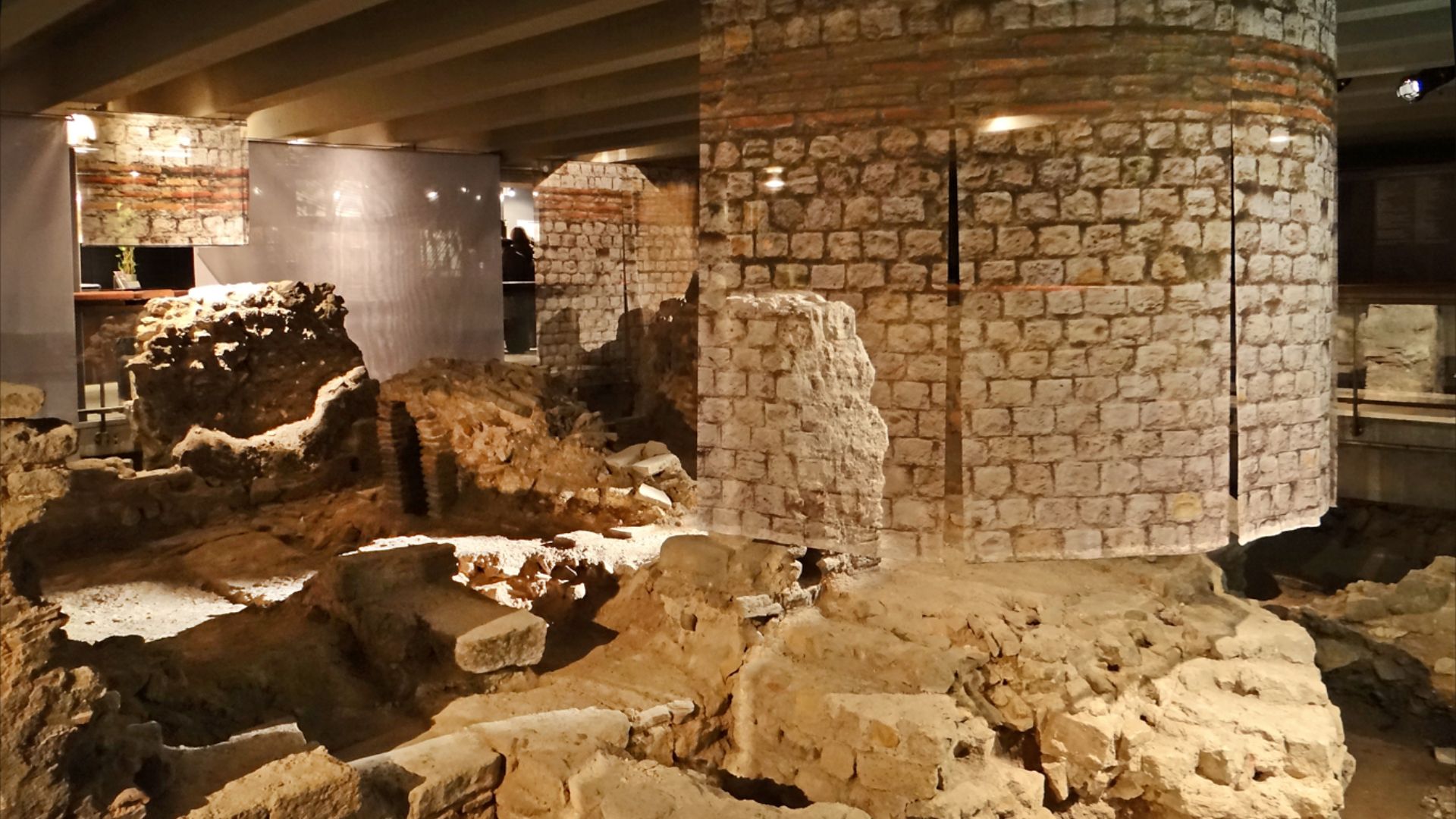
Unfortunately, the ancient fire badly damaged both stone and timber. Archaeologists are extensively documenting the remains through photogrammetry and 3D reconstruction before dismantling them. A reconstructed portion incorporating original facing stones is eventually expected to go on public display at a Paris museum.
 Jean-Pierre Dalbéra from Paris, France, Wikimedia Commons
Paris Before Paris
For now, one of archaeology's most intriguing possibilities sits beneath one of Paris's most historic locations. The wall hasn't yet proved Caesar's account of Lutetia's destruction. But after centuries of searching for Celtic Paris, archaeologists may finally be looking at part of the fortified city he described.
 Charles Fichot, Wikimedia Commons
You May Also Like:
Archaeologists Discovered A 1,600-Year-Old Roman Guardian Spirit Buried Beneath Hadrian's Wall