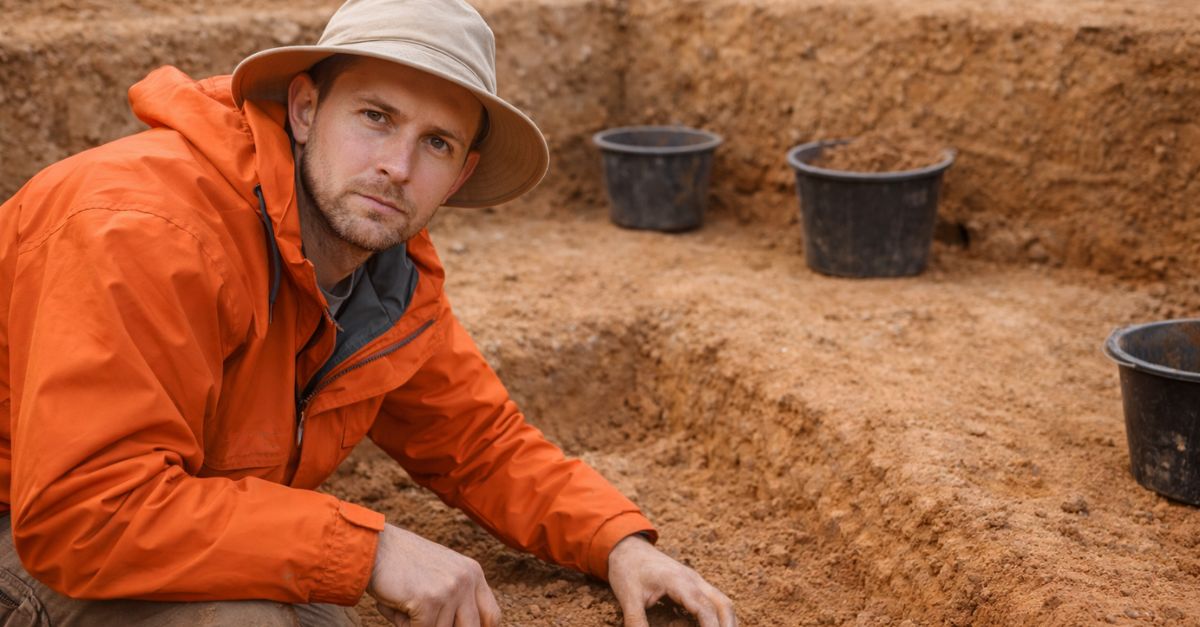
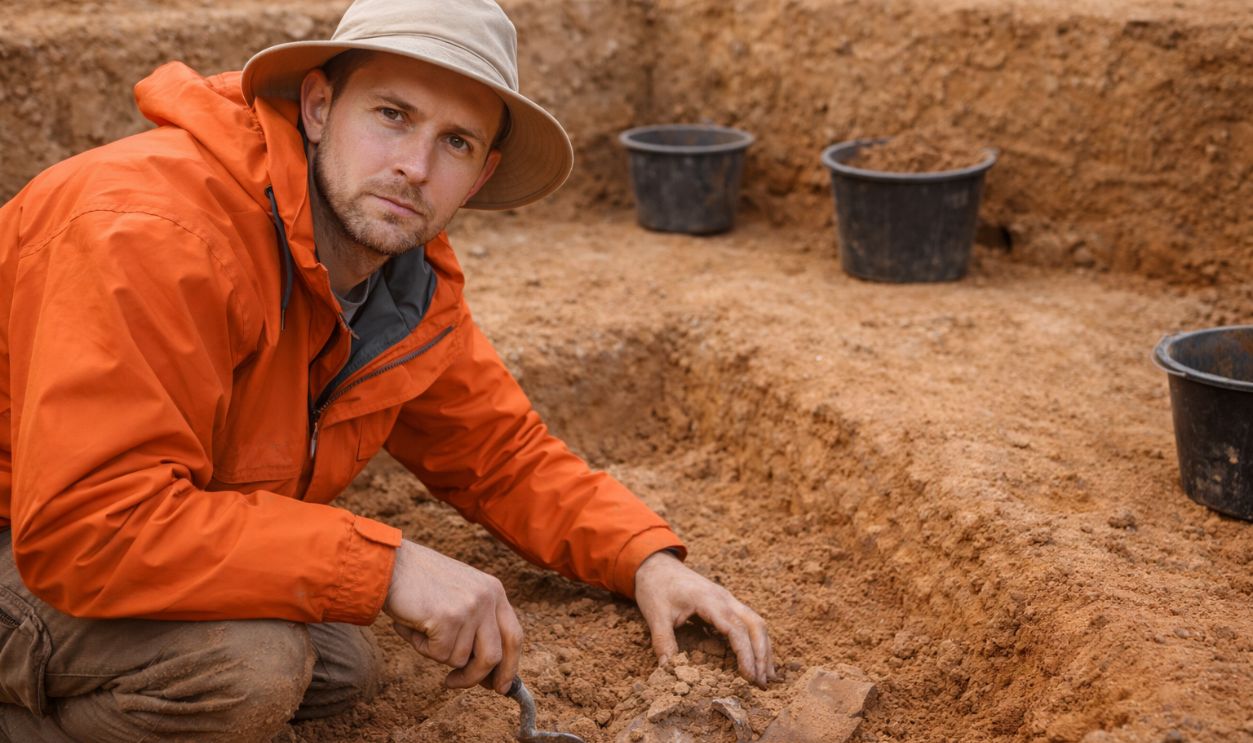
 FactinateWith Paris's ever expanding rail network, construction plans for a new exit at Port-Royal station seemed routine. Then in March 2023, France's National Institute of Preventive Archaeological Research arrived to conduct mandatory excavations. The grim discovery that emerged from the 200-square-meter dig zone stopped everyone in their tracks. Fifty graves appeared beneath the intersection of Avenue de l'Observatoire and Boulevard de Port-Royal, perfectly preserved despite centuries of development overhead. Thousands of modern commuters had been treading ground just three meters above people who died nearly two thousand years ago when Paris was called Lutetia, and the Parisii tribe controlled the Seine's banks under Roman rule.
The Saint Jacques Necropolis Rediscovered
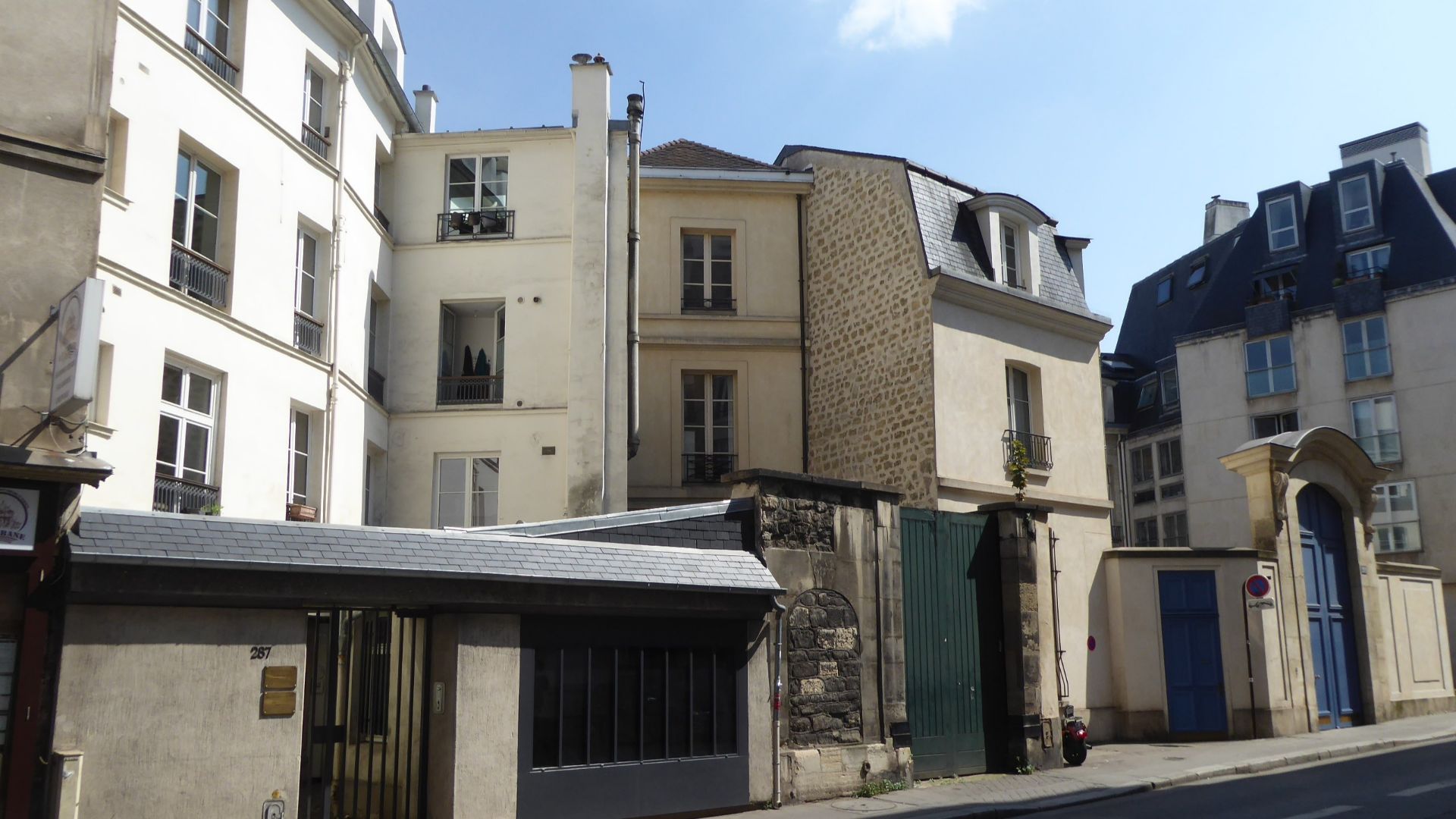
The burial site belongs to Saint Jacques necropolis, Lutetia's largest and most important cemetery that sprawled along the cardo maximus—the main Roman thoroughfare now known as Rue Saint-Jacques. The necropolis was partially excavated in the 1800s during a hasty survey where treasure hunters grabbed valuable objects and abandoned everything else. Skeletons, wooden coffins, ceramic vessels, and countless artifacts were reburied and forgotten as the city expanded rapidly during Baron Haussmann's massive urban renewal projects. Road construction and the original RER-B line installation in the 1970s somehow missed this preserved pocket entirely. Dominique Garcia, INRAP's president, emphasized that no one had seen this particular section since antiquity, making it one of Paris's greatest archaeological finds in over a century. The location sits at the southern edge of ancient Lutetia, where the city met the countryside, explaining why the Romans established their primary burial ground here following the cultural prohibition against burials within city limits.
The graves date primarily to the second century CE based on coins discovered during excavation, with usage extending from the first through third centuries before abandonment in the fourth. High burial density created frequent overlaps where new graves were dug directly into older ones, showing how intensively the space was used over generations. Unlike typical Roman practices where cremation coexisted with burial, this section contained exclusively inhumations—bodies placed in wooden coffins whose planks had long since decayed but left distinctive nail patterns archaeologists could identify. The Parisii buried their dead without apparent organization or consistent orientation, with grave pits varying dramatically from narrow shallow depressions to massive excavations several meters deep. All bodies were interred fully clothed in coffins positioned along the edge of an ancient lane leading south from Lutetia's urban core. This arrangement suggests families traveled this road specifically to reach the necropolis, making it a well-known destination for funeral processions during the height of Roman occupation.
 VVVCFFrance, Wikimedia Commons
What The Graves Revealed About Ancient Life
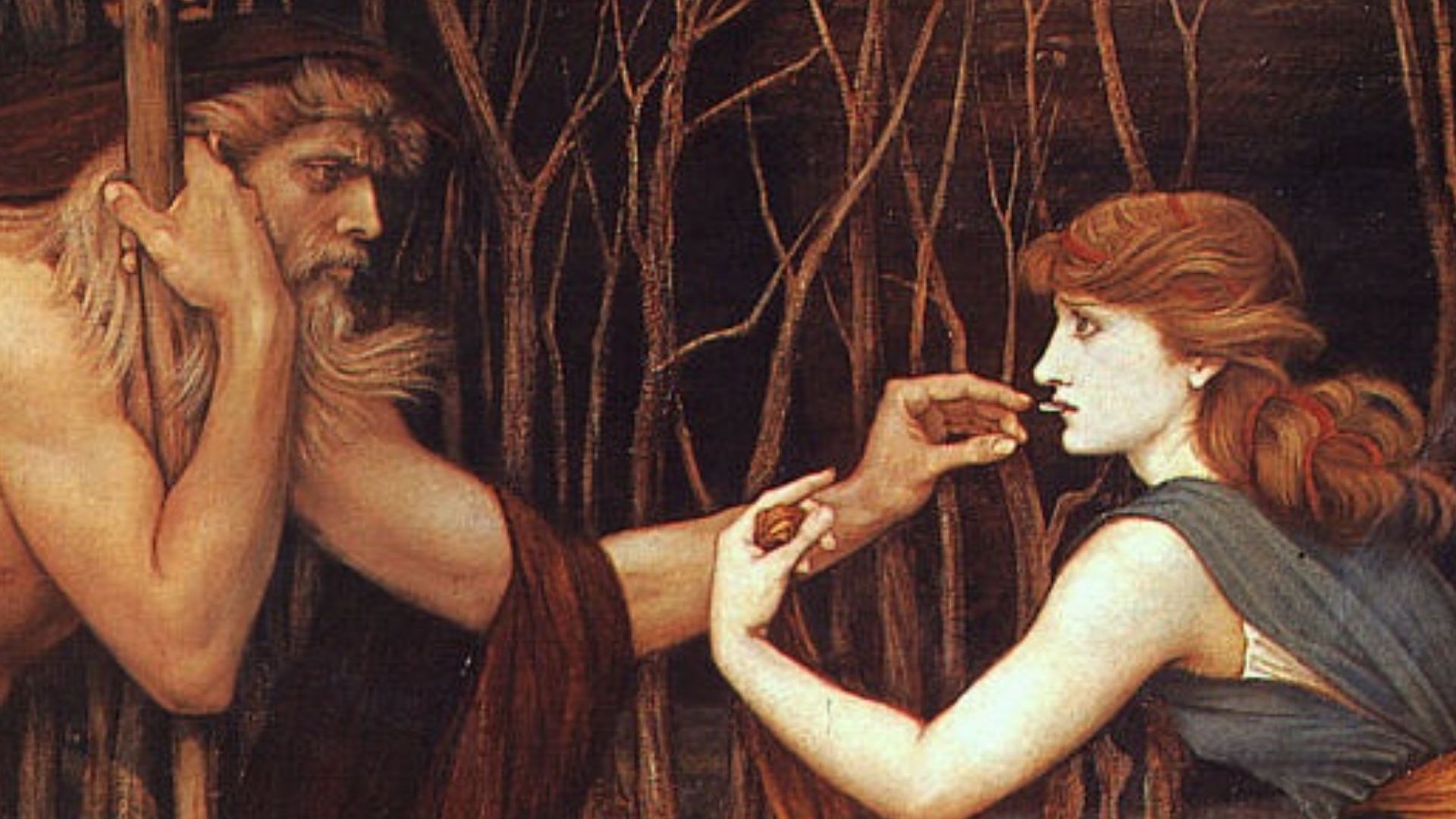
Under half the burials contained funerary offerings, including ceramic jugs, goblets, dishes, and glass vessels that help researchers understand ancient customs and beliefs about the afterlife. Personal effects scattered throughout graves included jewelry, hairpins, belts, and remarkably preserved shoe remains identifiable by the small nails used in soles. Some individuals were buried with multiple pairs of shoes placed alongside them for reasons that remain mysterious but possibly related to journey symbolism in Gallo-Roman beliefs. The most exciting find was a skeleton with a coin placed directly in its mouth—a practice called Charon's obol that confirms Greek mythological beliefs had penetrated Gallo-Roman funeral customs even this far north. According to legend, Charon ferried souls across the River Styx into the underworld but demanded payment, so families buried coins with the dead to guarantee safe passage. This discovery proves that cultural exchange between Mediterranean and Celtic traditions was more extensive than previously documented.
The remains represent typical Parisii demographics with adults and children of both sexes buried together without apparent social stratification based on grave wealth or location. Unlike the careless 1800s excavation that discarded skeletal material as worthless, INRAP removed every object for comprehensive study. This approach illuminates how the necropolis evolved and expanded over centuries, what organizational principles governed burial placement despite apparent randomness, and how funeral rites reflected the Parisii’s cultural identity under Roman occupation. Garcia noted that Paris's ancient history remains poorly understood compared to other European capitals like Rome or London, making these graves an invaluable window into daily life when the city was just a fishing village transitioning into a Roman provincial center. The Parisii left behind no written records of their own, so physical evidence like these burials becomes the only voice they have across two millennia.
 John Roddam Spencer Stanhope, Wikimedia Commons