
A Discovery That Changed The Technological Timeline
For decades, archaeologists believed early hominins occasionally picked up bones and used them as convenient tools. A collection discovered at Tanzania’s Olduvai Gorge tells a much more complicated story.
27 Tools Made The Difference
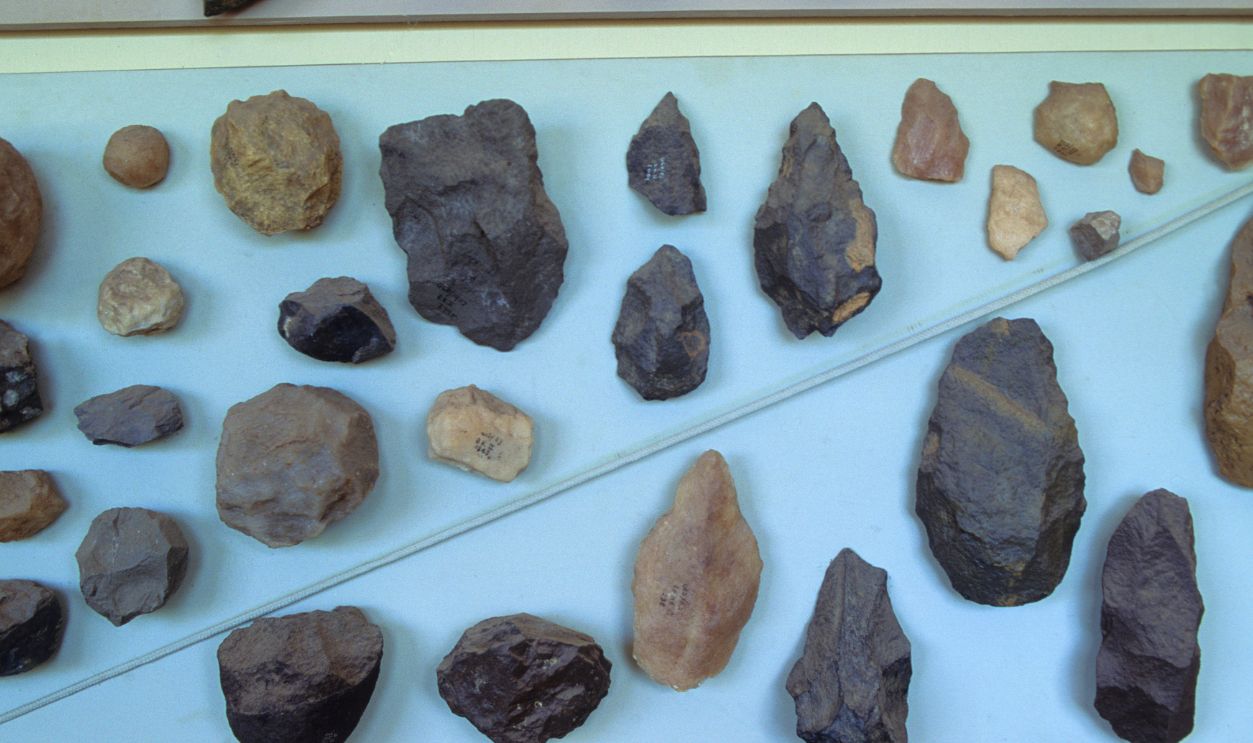
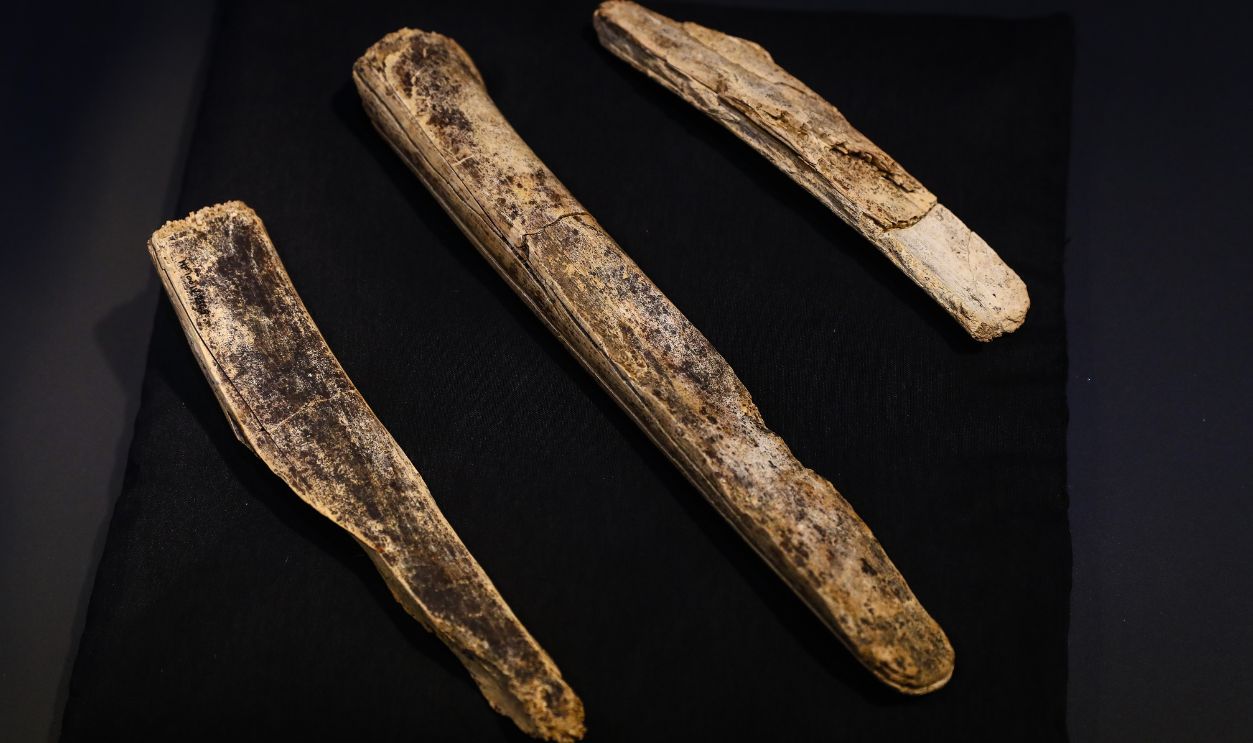
Researchers identified 27 bone artifacts within the same archaeological layer at the T69 Complex in Olduvai Gorge. Finding so many examples together allowed the team to recognize consistent manufacturing choices rather than a few isolated accidents. The assemblage represents the earliest convincing evidence of systematic bone-tool production currently known.
 Wolfgang Kaehler, Getty Images
The Tools Are 1.5 Million Years Old
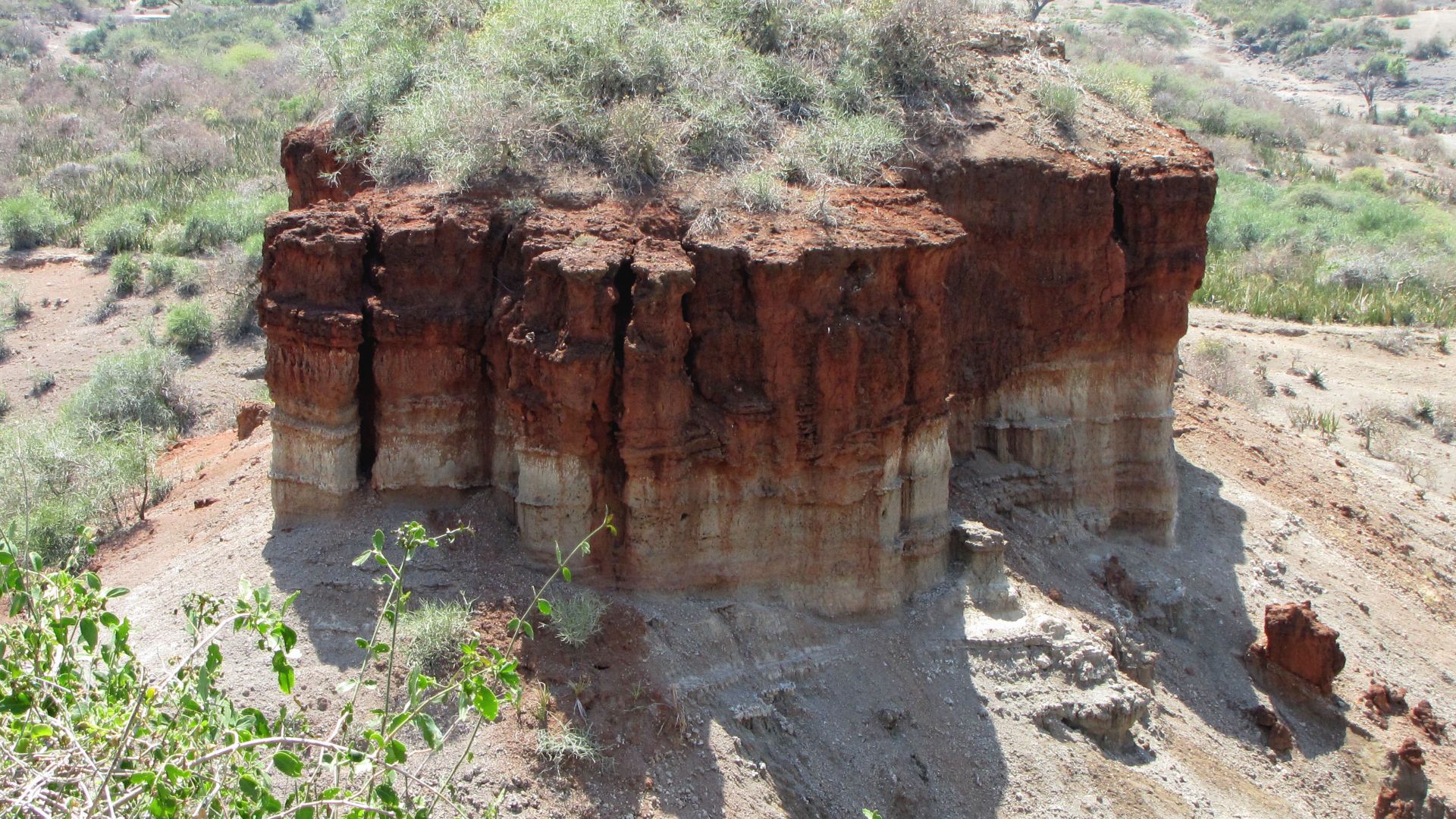
Radiometric evidence and the site’s carefully documented geological sequence place the artifacts at approximately 1.5 million years old. All 27 specimens were discovered in their original sedimentary positions rather than lying loose on the surface. That secure context gives researchers unusual confidence in the age of the collection.
 D. Gordon E. Robertson, Wikimedia Commons
The Previous Record Was Much Younger
Before this discovery, the earliest widely accepted examples of systematic knapped bone-tool production came from sites dating to roughly 500,000 years ago or later. Older bone objects had been reported, but they were generally isolated, unmodified, or difficult to interpret. The Olduvai collection therefore moves organized bone-tool manufacturing back by more than 1 million years.
The Discovery Came From Olduvai Gorge
Olduvai Gorge lies in northern Tanzania and forms part of the wider Ngorongoro Conservation Area. Its deep geological layers preserve fossils, tools, and environmental evidence covering a vast stretch of human evolution. Few archaeological locations have contributed more to our understanding of how early hominins lived and changed.
 Mohamed Amin/Camerapix, Getty Images
The Site Has A Famous History
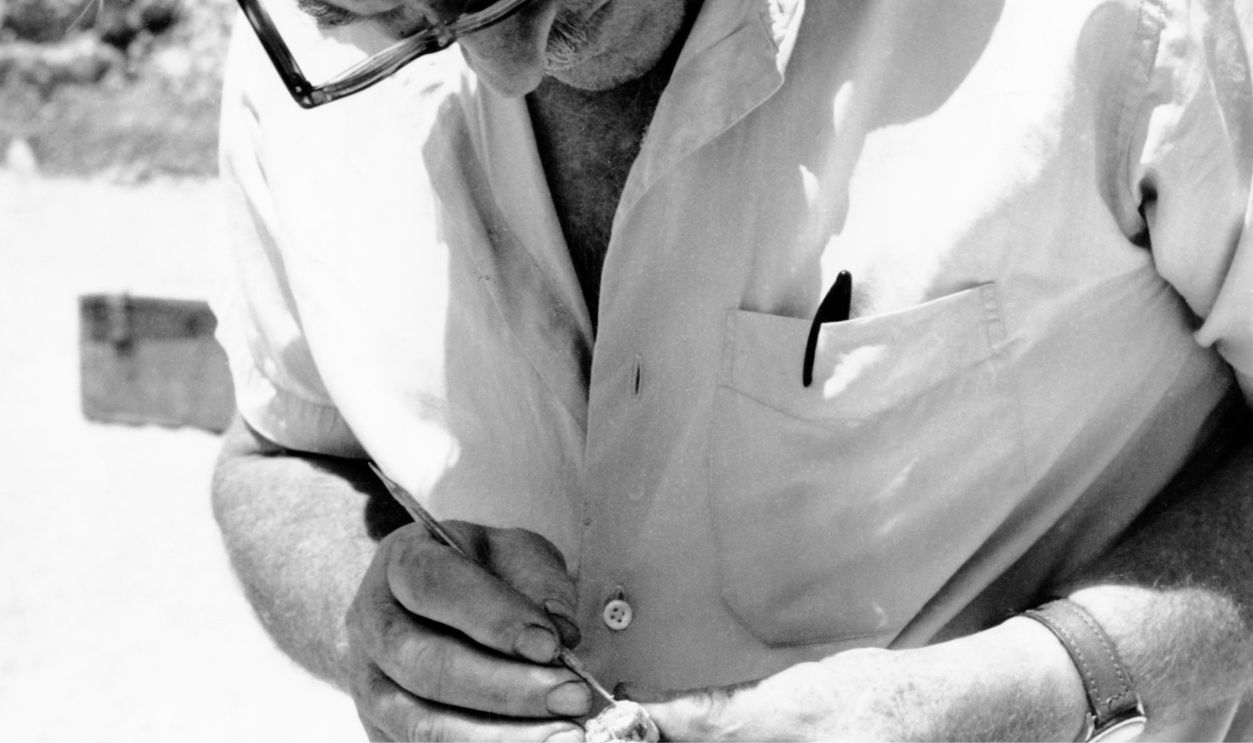
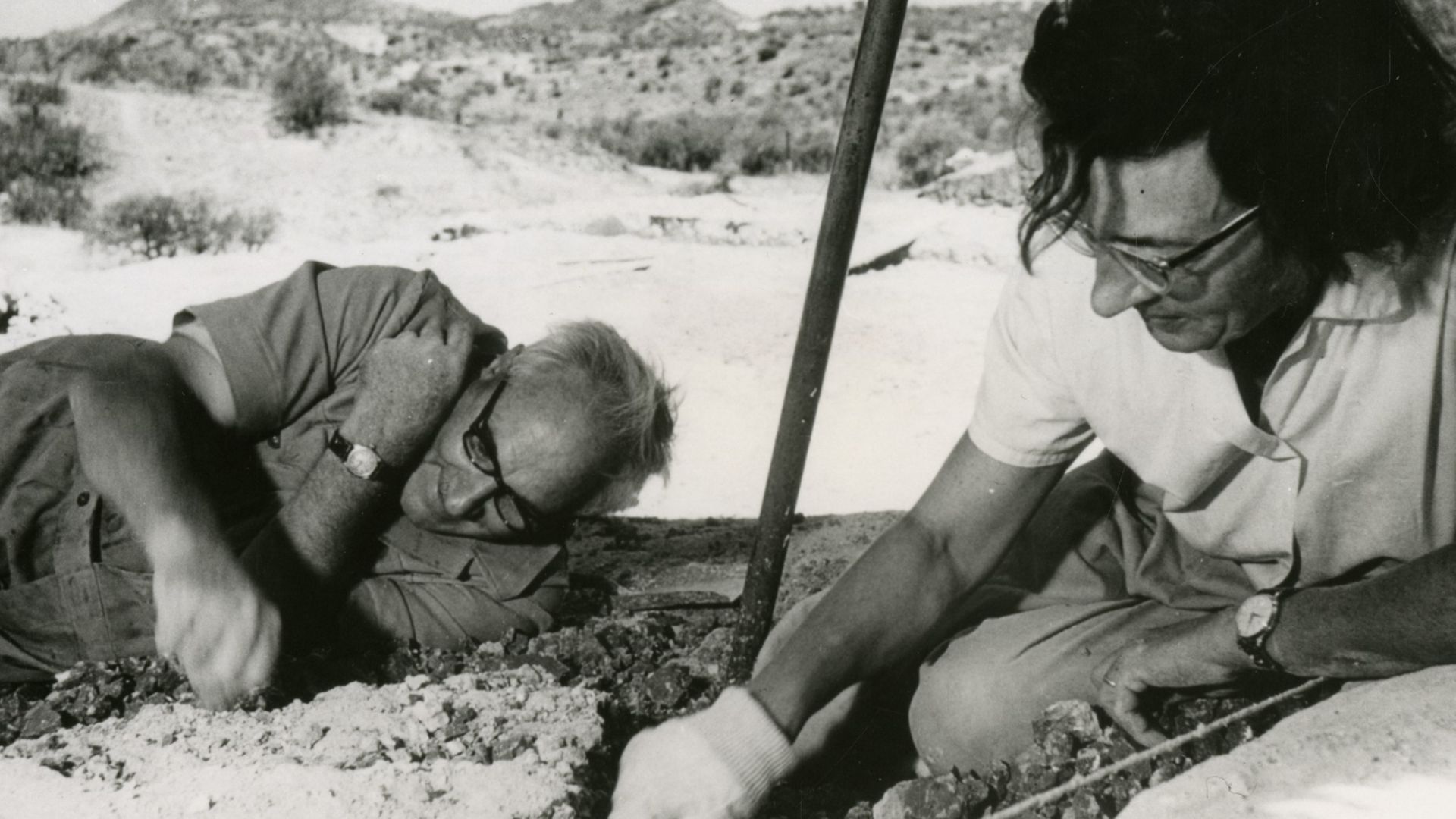
Olduvai became internationally famous through discoveries made by researchers including Mary and Louis Leakey. Fossils and stone tools found there helped demonstrate that important stages of human evolution occurred in Africa. New excavations continue to show that the gorge still has major surprises hidden within its sediments.
 Smithsonian Institution from United States, Wikimedia Commons
Excavations Continued For Several Years
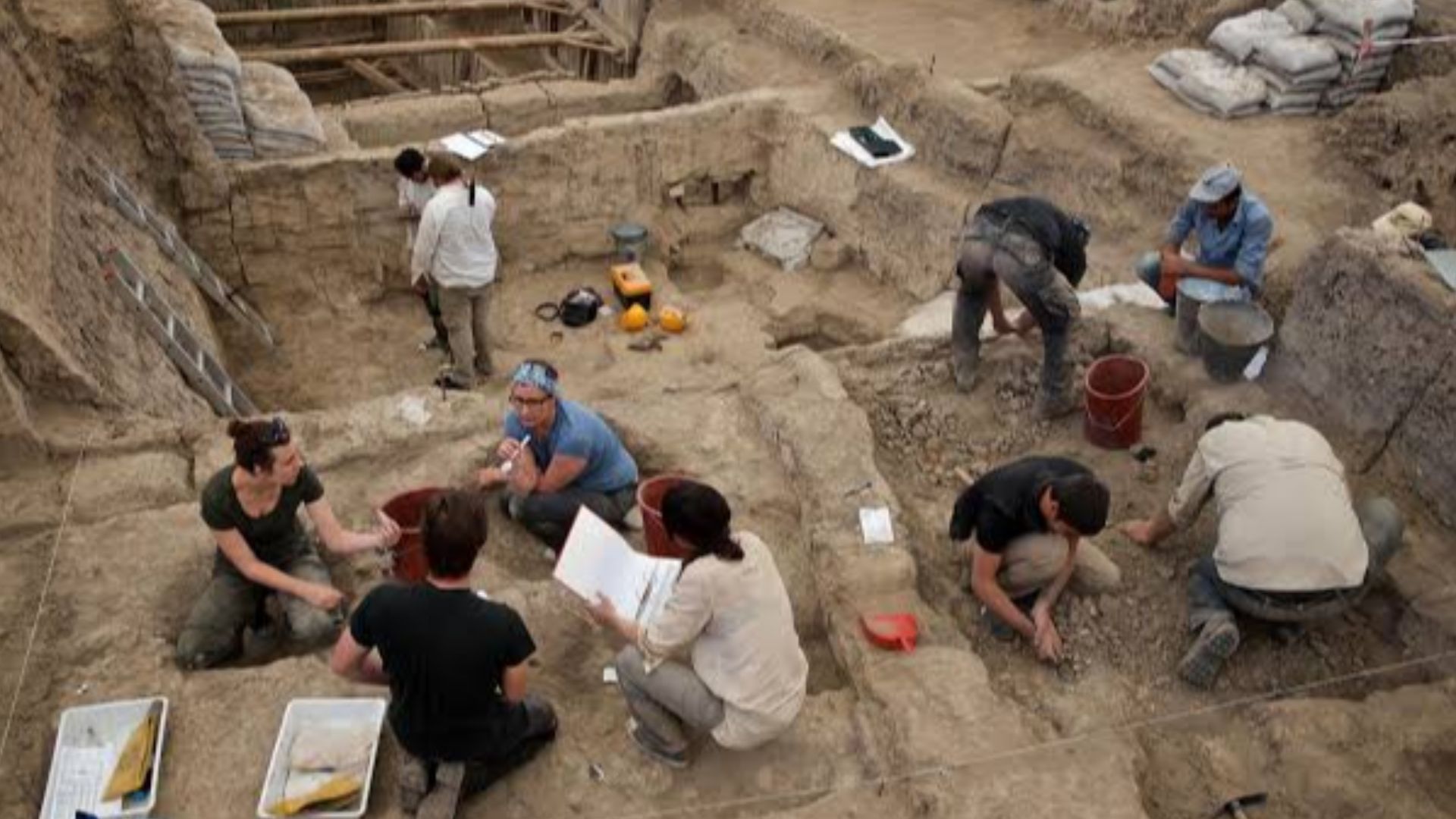
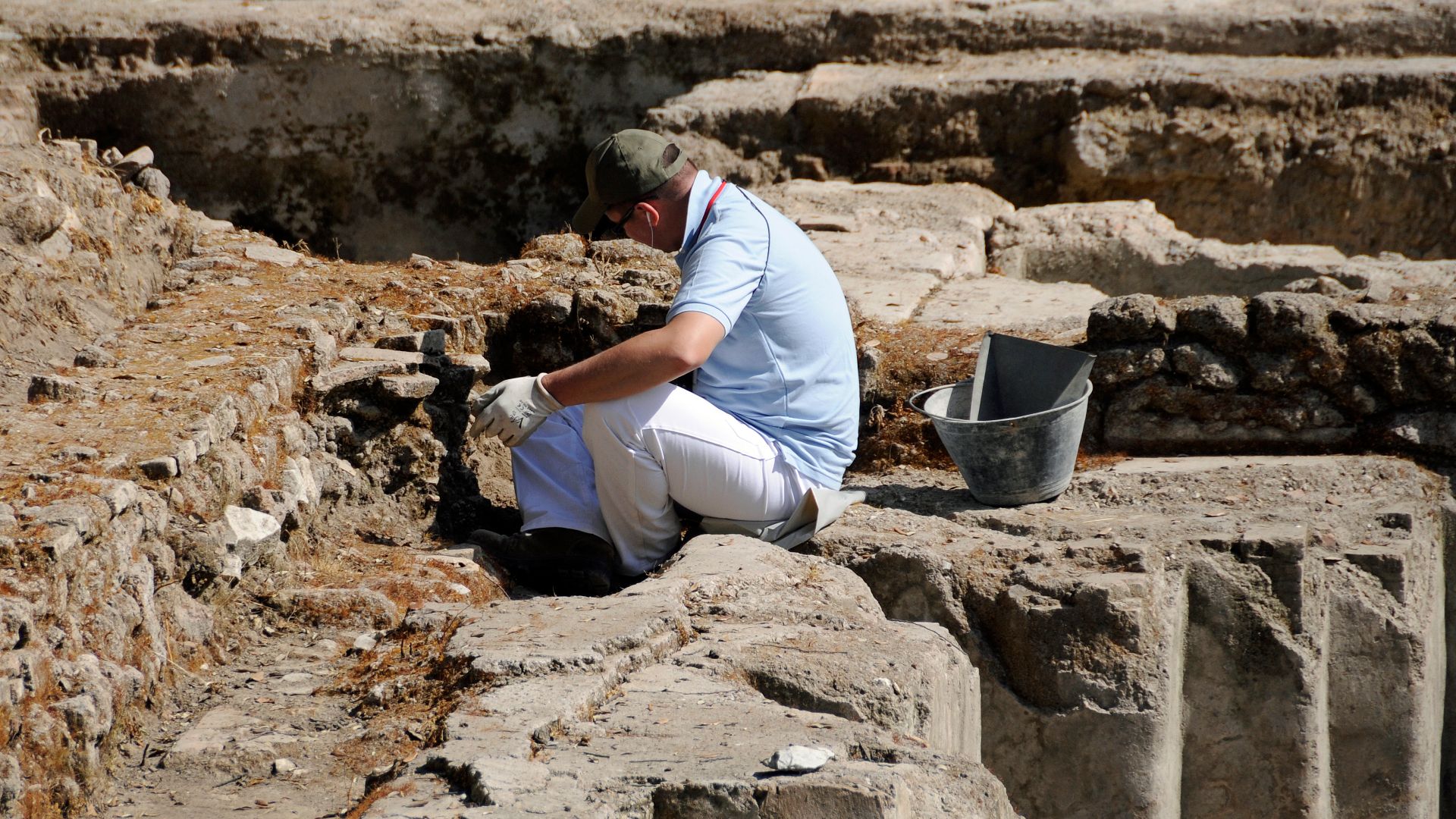
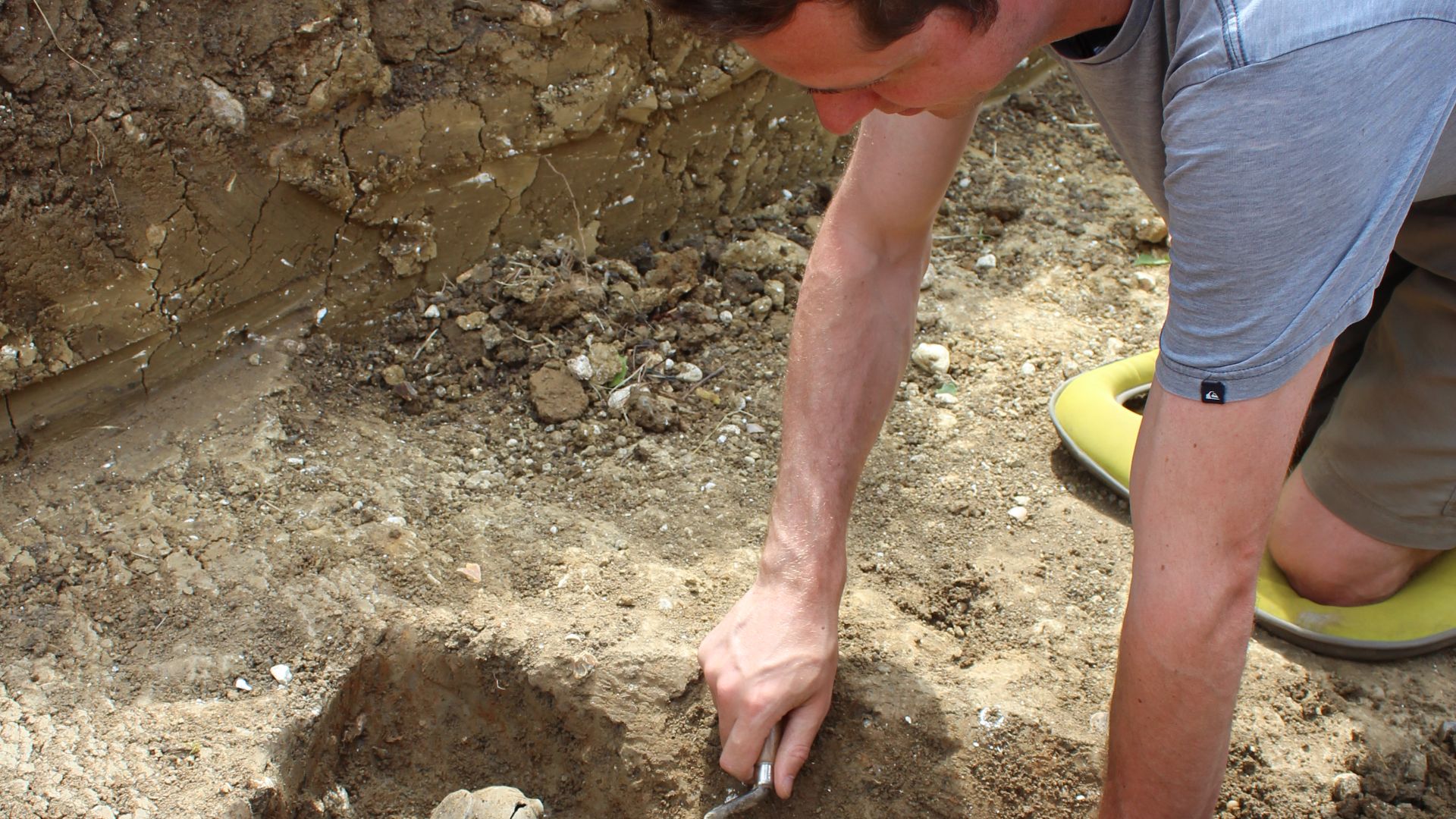
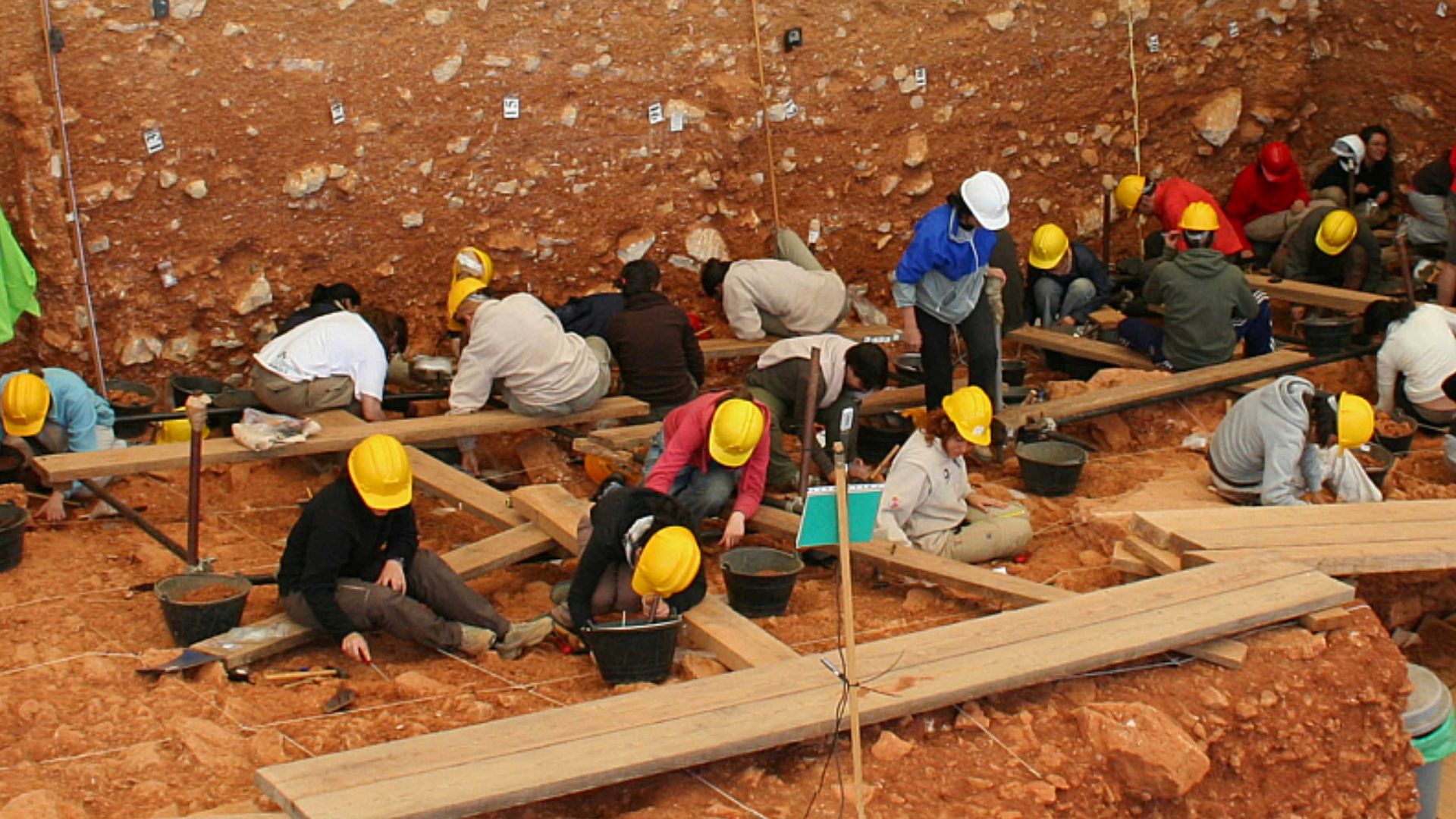
The T69 Complex includes seven trenches excavated between 2015 and 2022. The bone tools came from layers of sand and silt deposited on an ancient alluvial plain where water levels and flows changed over time. Researchers recovered the tools alongside an enormous collection of stone artifacts and animal fossils.
This Was A Busy Archaeological Landscape
The same archaeological horizon contained more than 10,900 stone artifacts measuring at least two centimeters, plus more than 41,000 smaller pieces. Researchers also catalogued thousands of identifiable animal fossils and many additional bone fragments. The density of material suggests that hominins repeatedly carried out demanding activities at the site.
Water Drew Animals To The Area
Fish, crocodile, and hippopotamus remains indicate that water sources were located nearby. Hippopotamus bones are especially common, and many show evidence of hominin processing. The availability of large carcasses may have attracted early toolmakers who were searching for both food and useful raw materials.
Hippos Supplied More Than Meat
The researchers believe some hippopotamus bones were obtained directly from carcasses processed at the site. Every hippo tool examined came from a bone that was broken while it was still fresh and nutritionally useful. Once the meat and marrow were accessed, parts of the skeleton could be turned into heavy implements.
 Son of Groucho from Scotland, Wikimedia Commons
Elephant Bones Were Surprisingly Popular
At least eight of the identifiable tools were made from elephant bones, while six came from hippopotamuses and two came from bovids. Elephants made up only a small portion of the animals represented at the site, yet their bones were heavily favored for tool production. This imbalance suggests deliberate selection rather than simple convenience.
 Wessex Archaeology, Wikimedia Commons
Size Clearly Mattered
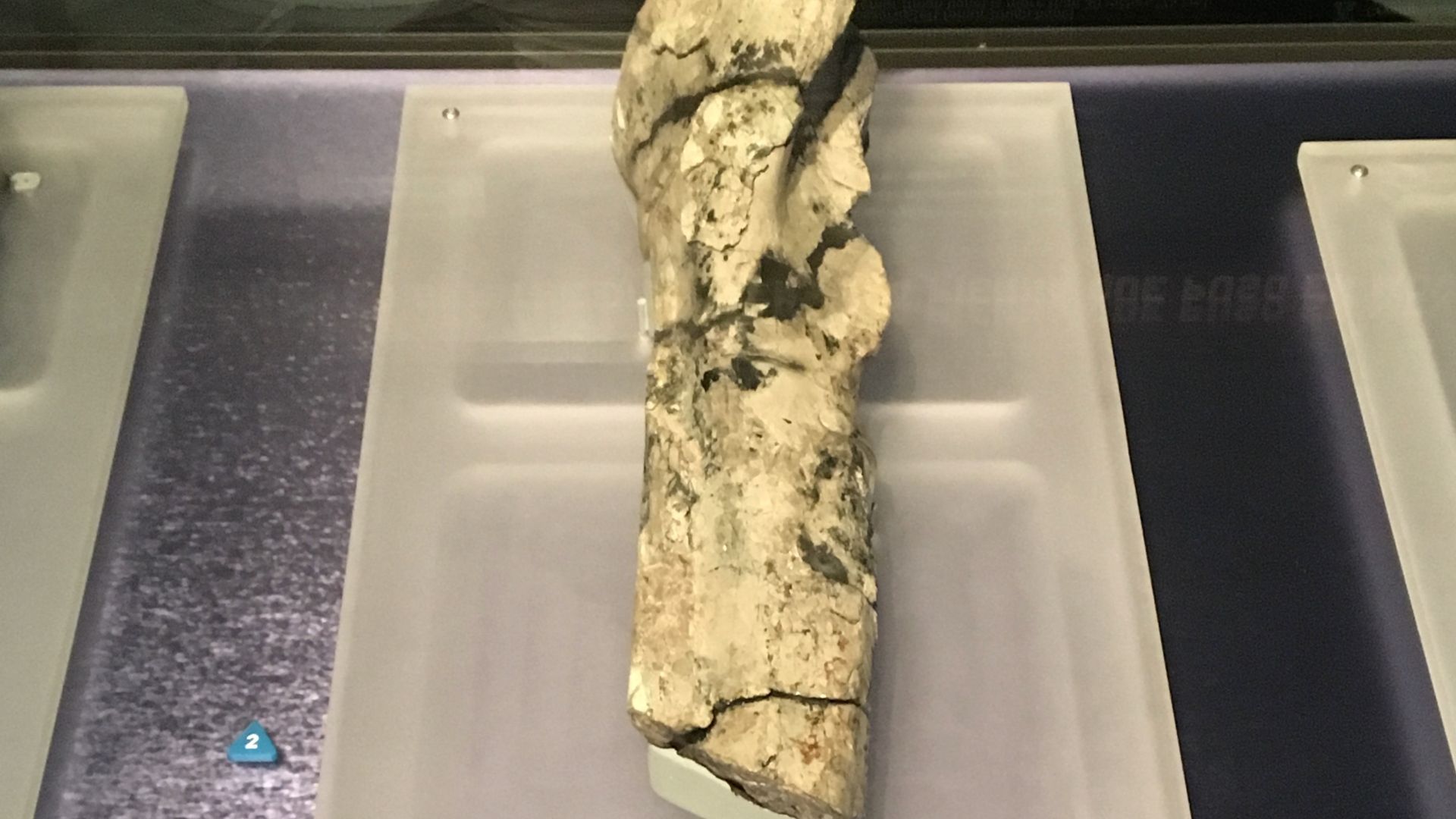
18 of the 27 tools came from animals estimated to have weighed more than two tonnes. Toolmakers generally chose thick sections of limb bones, including pieces of femurs, tibias, and humeri. These sturdy bones provided large blanks that could withstand forceful shaping and demanding use.
 Zissoudisctrucker, Wikimedia Commons
Bone Was Not An Easy Material
Bone reacts differently from stone when it is struck, which means successful shaping requires an understanding of its grain, thickness, and fracture patterns. The Olduvai toolmakers consistently chose parts of the skeleton that were suitable for controlled flaking. Their choices indicate practical knowledge developed through experience rather than random experimentation.
 Harrygouvas at Greek Wikipedia, Wikimedia Commons
They Borrowed A Stoneworking Technique
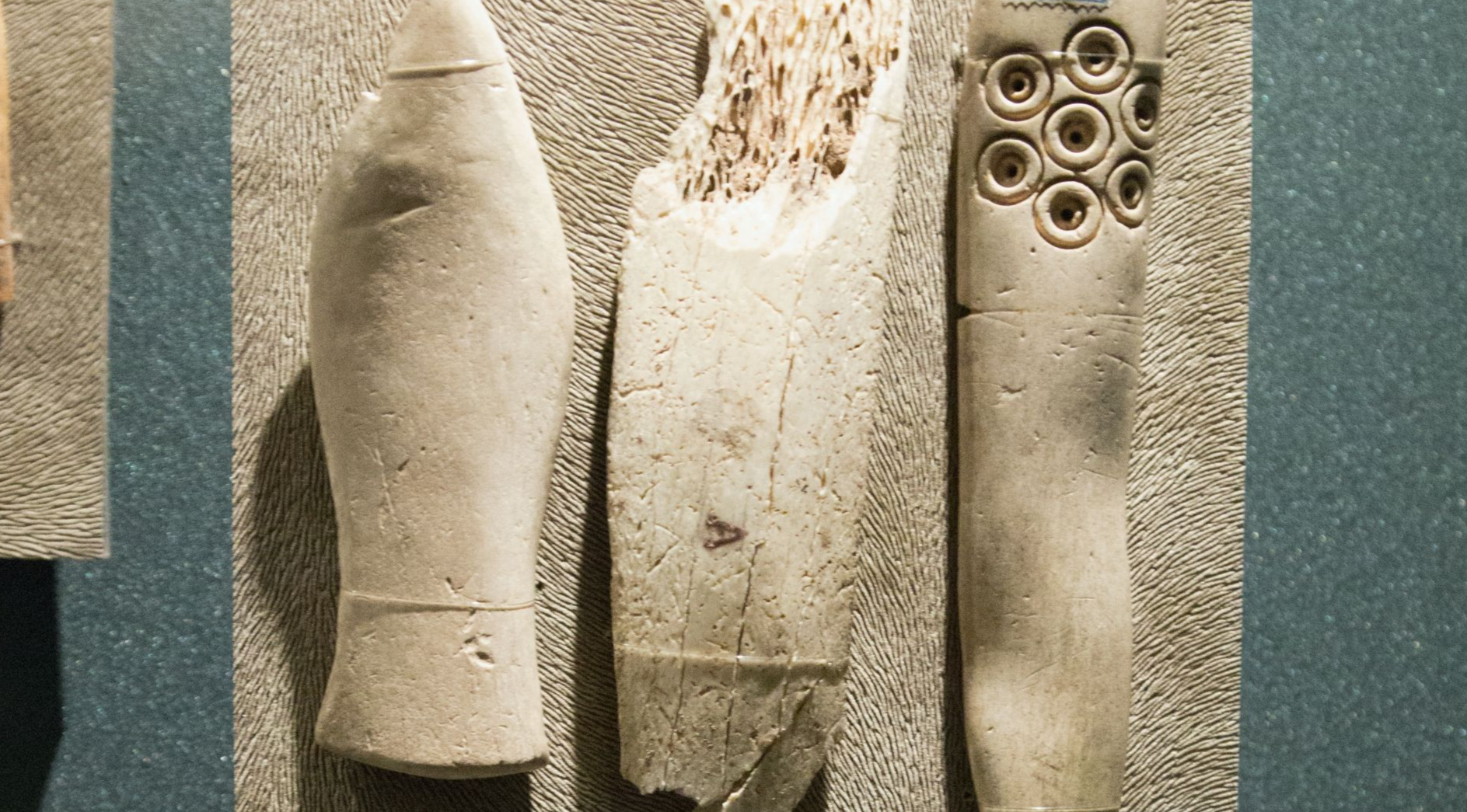
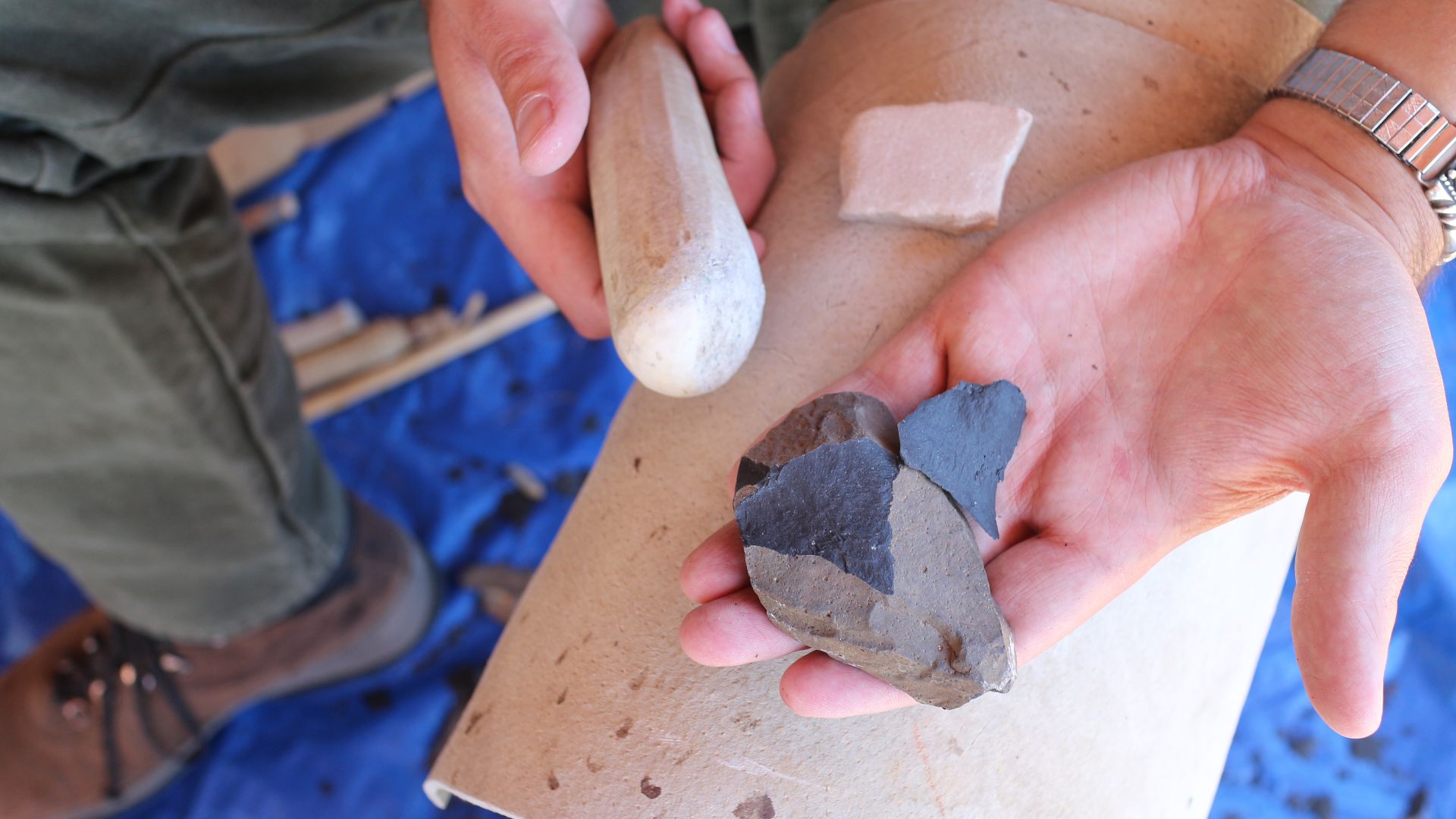
The artifacts were shaped through knapping, the controlled removal of flakes using repeated blows. Early hominins had already been applying versions of this method to stone for a very long time. At Olduvai, they adapted that familiar process to a material with very different physical properties.
 Tonto National Monument, Wikimedia Commons
Heavy Stones Started The Process
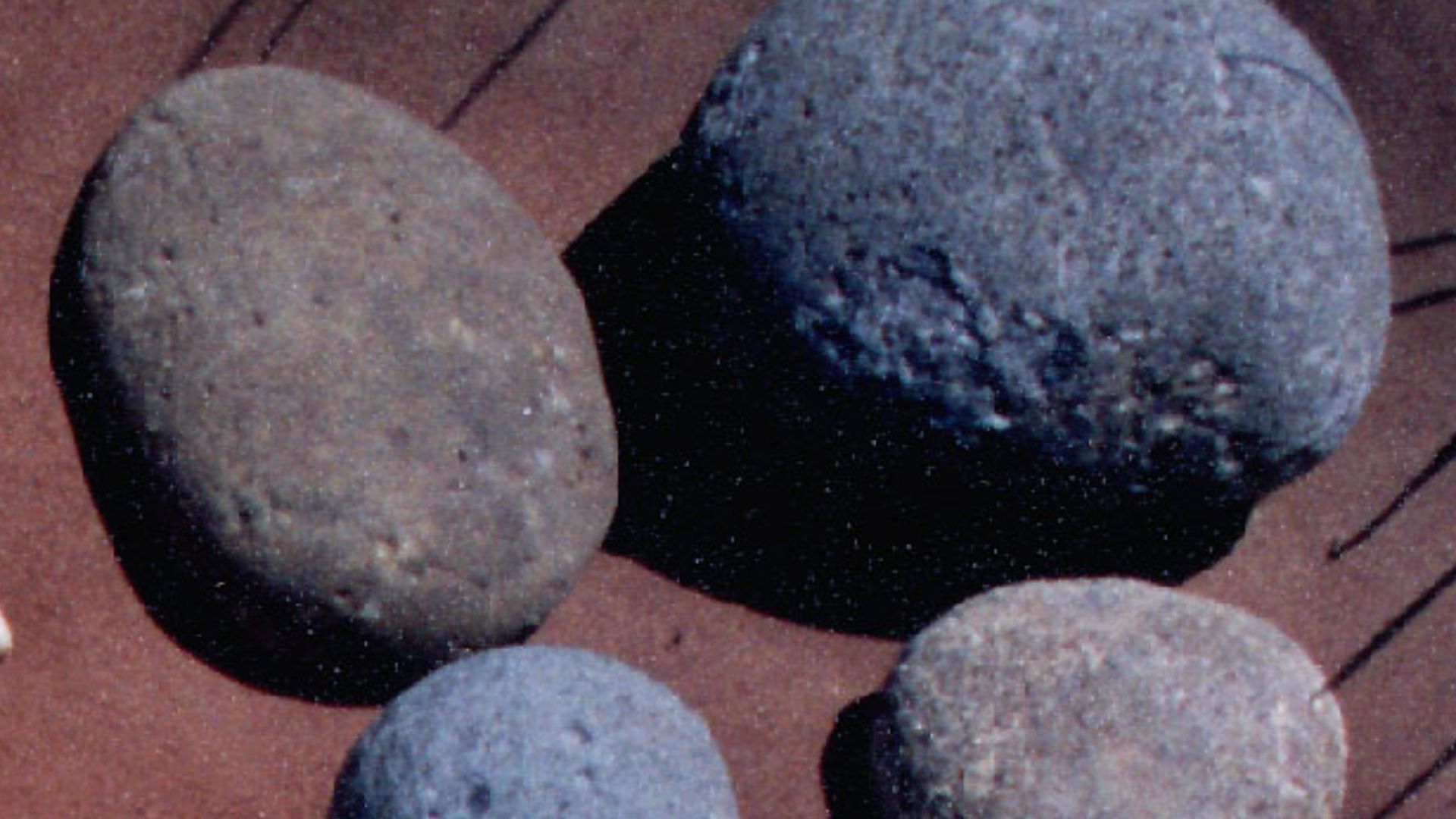
Producing the largest bone blanks probably required hitting stationary limb bones with sizeable stone percussors. Once an appropriate section had been separated, handheld hammerstones could remove flakes and shape its edges. The manufacturing sequence involved more than simply smashing a bone and using whatever fragment happened to break loose.
 My Tools - Dudi_B, Wikimedia Commons
The Tools Were Carefully Refined
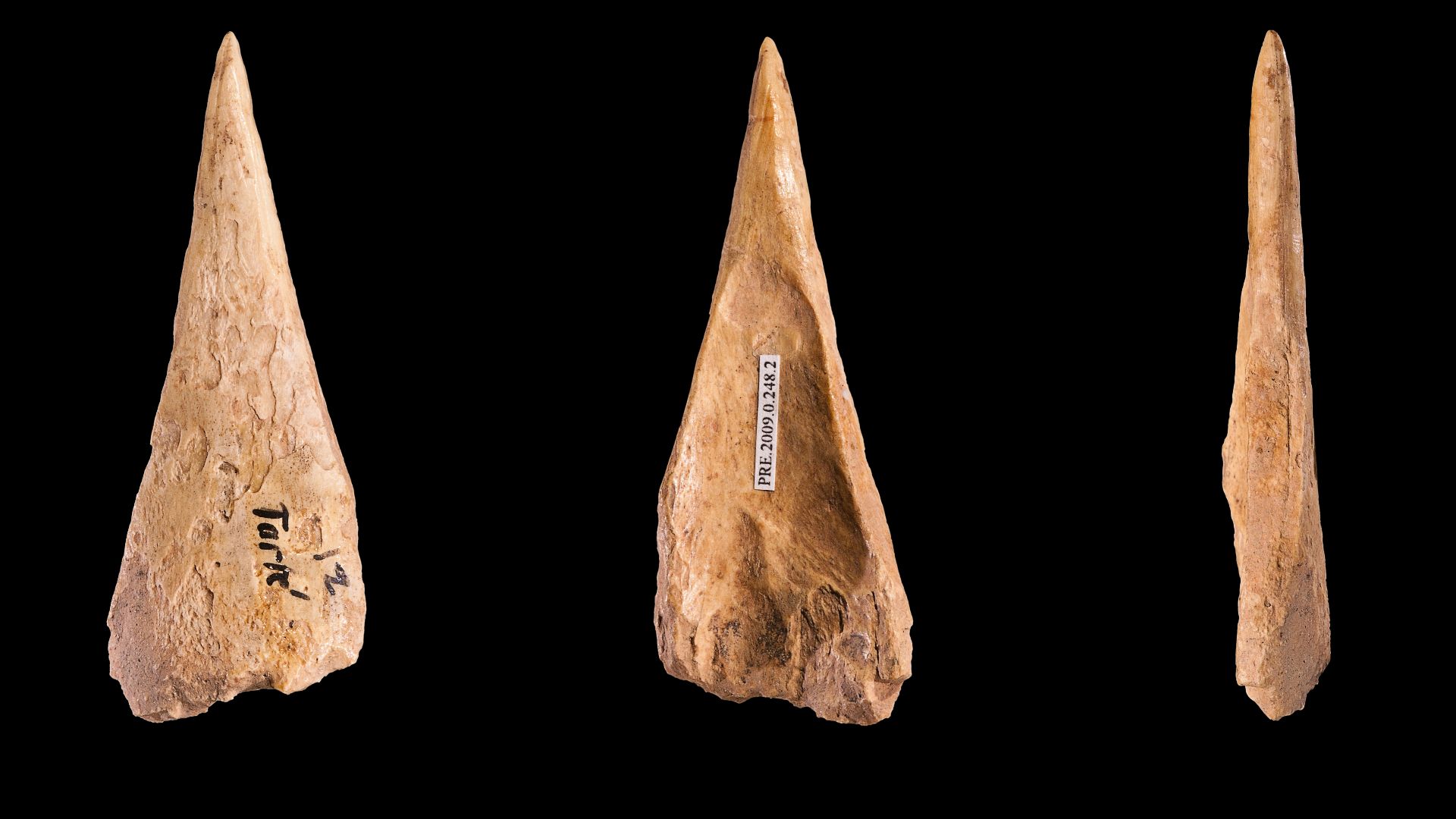
Researchers identified evidence of at least two major shaping stages. Toolmakers first removed large, invasive flakes to establish the artifact’s overall form, then used smaller removals to trim and regularize its edges. That extra finishing work reveals a sustained investment of time and effort.
 Archaeodontosaurus, Wikimedia Commons
The Flake Scars Told The Story
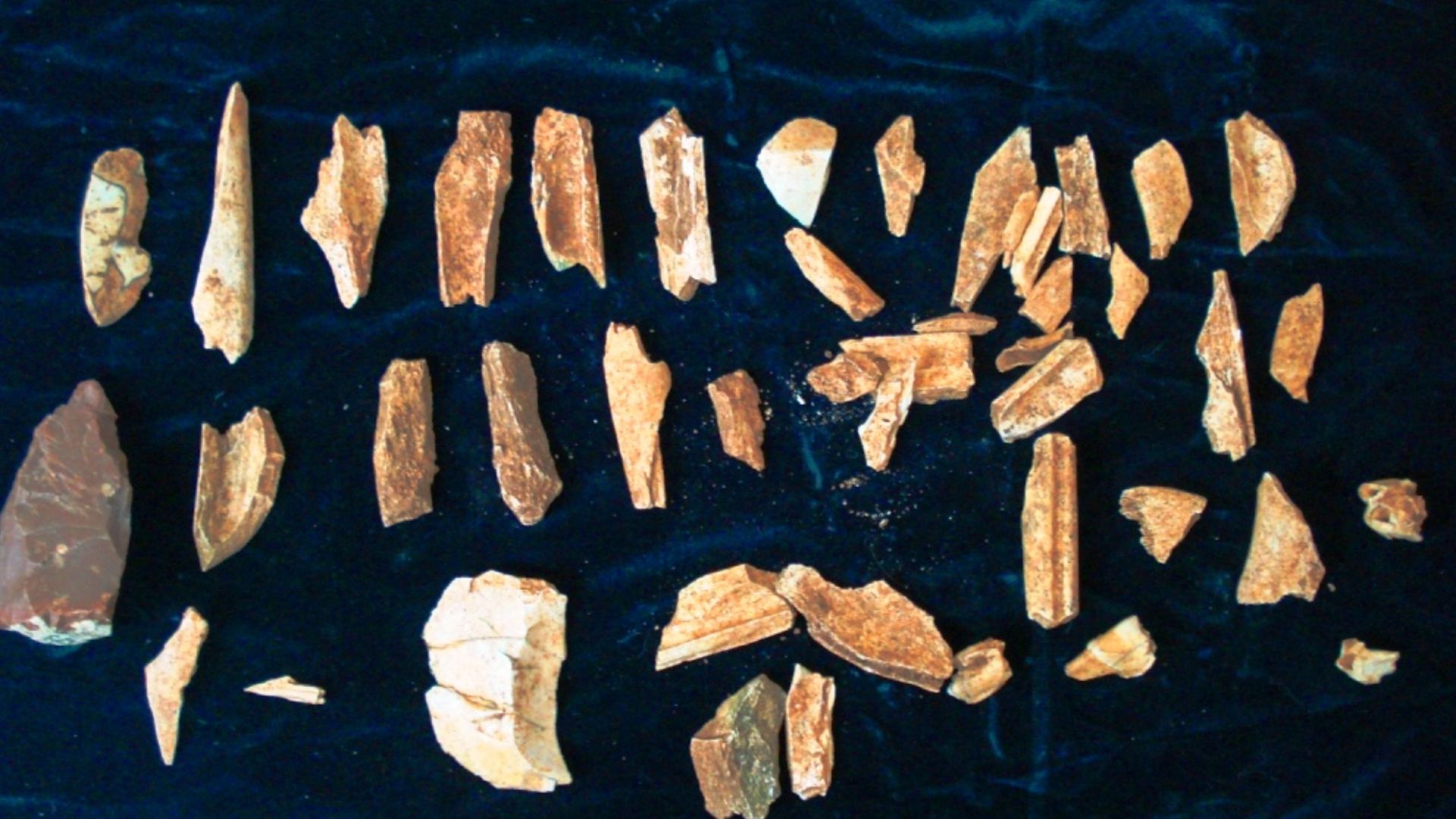
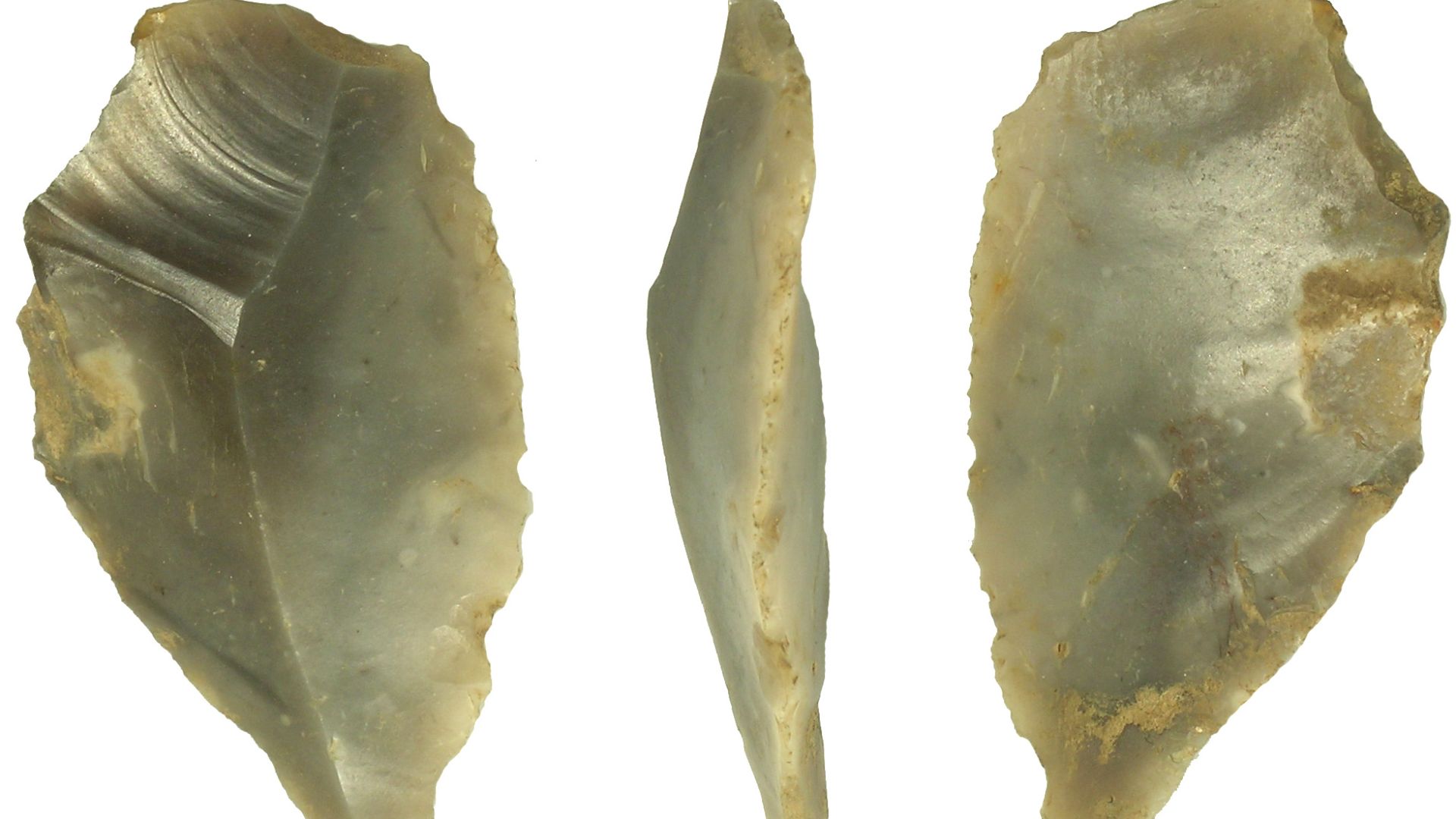
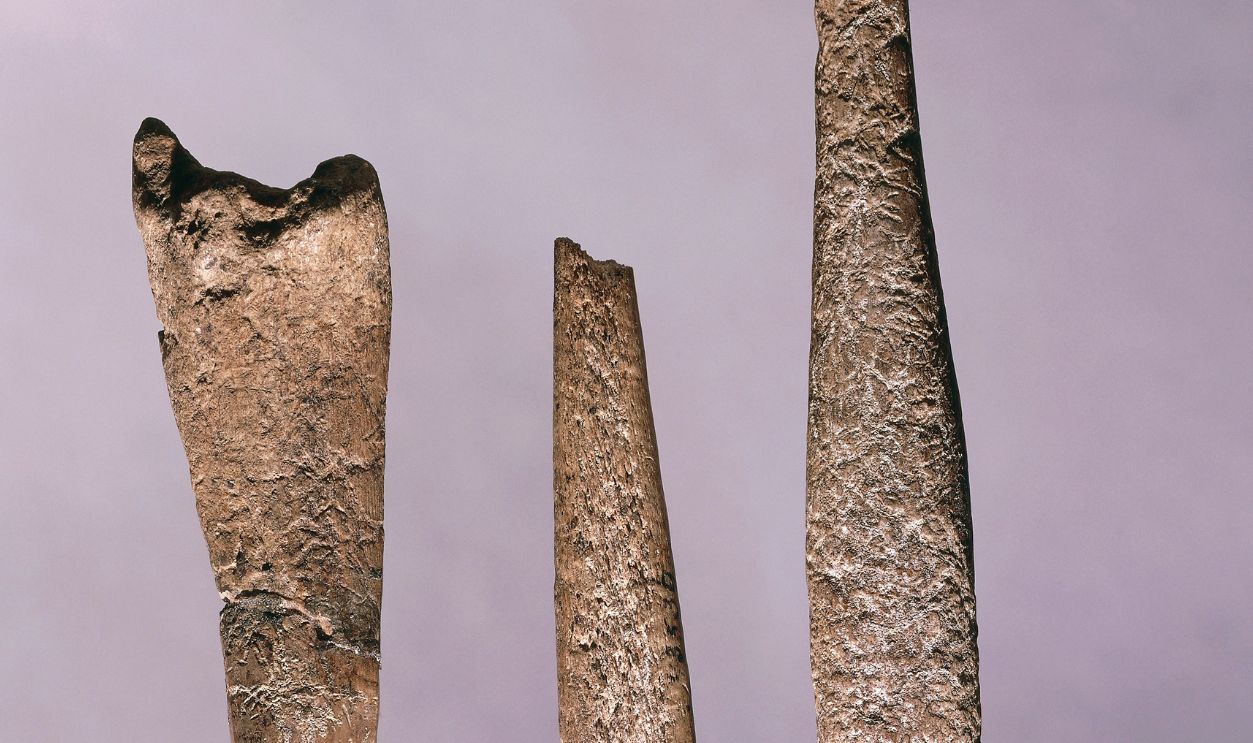
Bones broken simply to obtain marrow usually carry only a few isolated flake scars. The Olduvai tools had an average of 12.9 scars, commonly arranged in connected sequences along their edges. Some artifacts had been struck more than a dozen times, making an accidental explanation extremely unlikely.
 None, Julian Watters, 2008-07-10 12:00:02, Wikimedia Commons
Several Tools Shared The Same Design
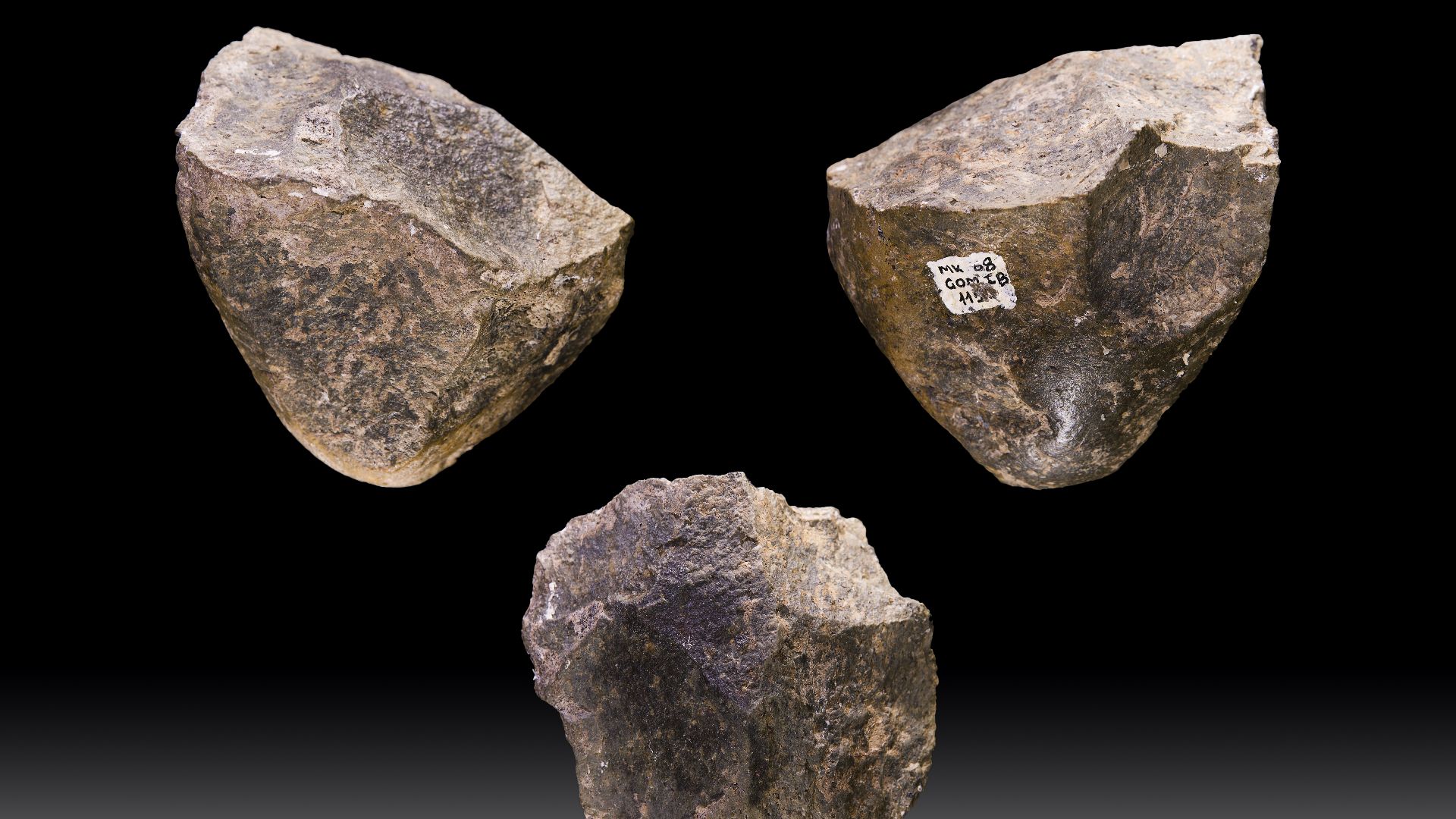
Six large artifacts displayed a particularly consistent combination of features. Each had a pointed end, a rounded or crescent-shaped end, and a substantial notch cut into its middle section. Repeating such a specific form suggests that the makers were working toward a recognizable design.
![A variety of tools made of mussel shells.[1]](https://www.factinate.com/storage/app/media/splashtravels/2026/7/23/1784805664d100d7b10ef07d411fe4cd63f141d32a2337528f.jpg)
The Notches May Have Improved Grip
The large notches could have made the heavy tools easier to hold securely. Their placement preserved the artifacts’ strength while potentially giving the user greater control during forceful work. Researchers remain cautious about assigning exact functions, but the pattern appears too consistent to dismiss.
 picture alliance, Getty Images
These Were Substantial Implements
Some of the artifacts measured up to approximately 40 centimeters long. The largest examples were more elongated and more intensively shaped than many of the stone cutting tools recovered nearby. Their weight, however, fell within the range of the large stone implements from the same archaeological layer.
 DEA / E. LESSING, Getty Images
They May Have Worked Like Hand Axes
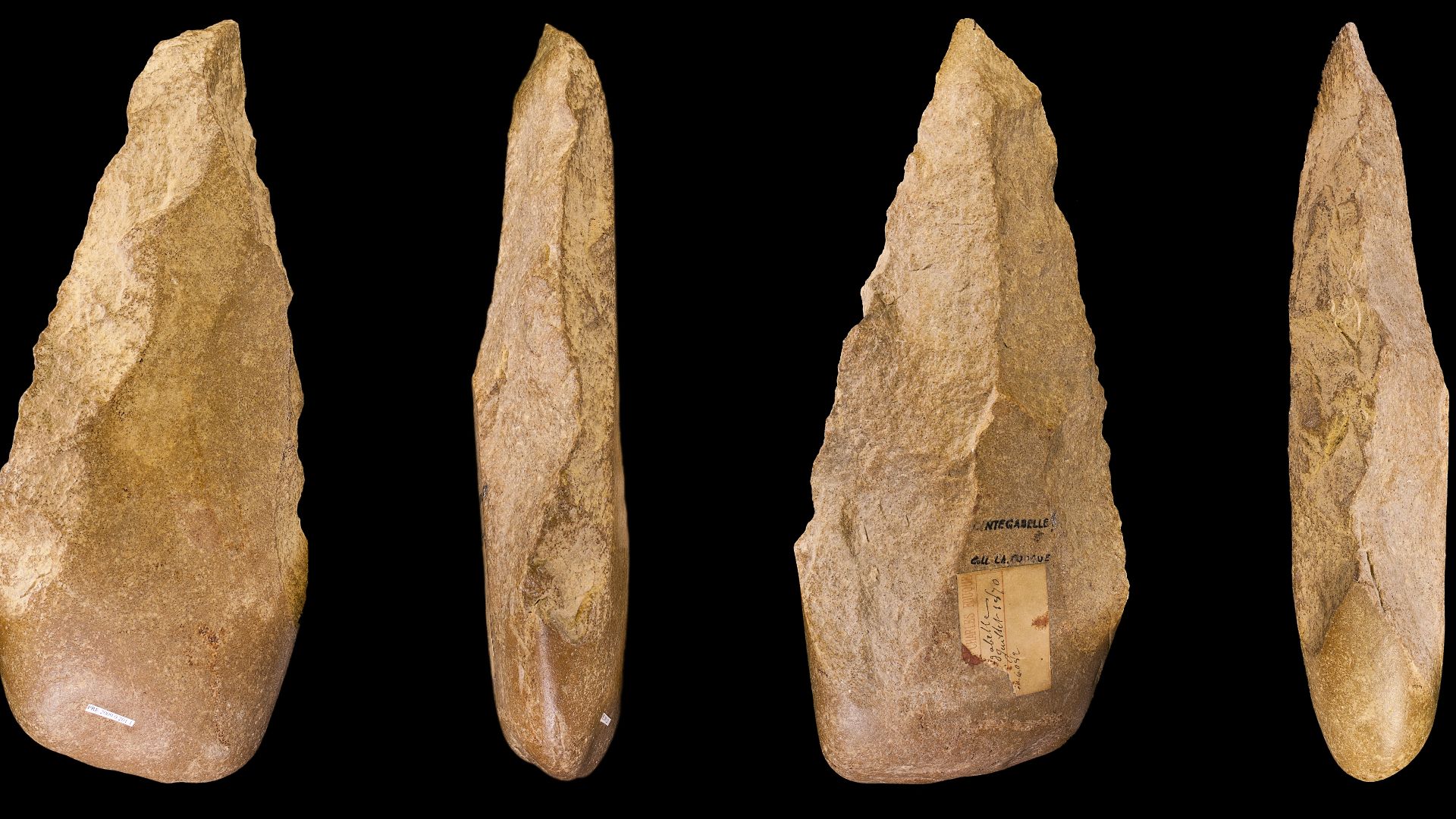
The researchers propose that some of the bone artifacts served as heavy-duty handheld tools. They may have been useful for butchering, chopping, cutting, or striking while processing large animal carcasses. They were not mounted spear points, and the evidence does not show that they were used to hunt elephants or hippopotamuses.
 Archaeodontosaurus, Wikimedia Commons
Scavenging Was A Likely Strategy
At least some of the large carcasses may have been scavenged rather than hunted. Early hominins could have removed meat, opened bones for marrow, and then converted useful skeletal sections into tools. One carcass could therefore provide calories, fat, and the raw material needed to process additional resources.
 Cotswold Archaeology, Wikimedia Commons
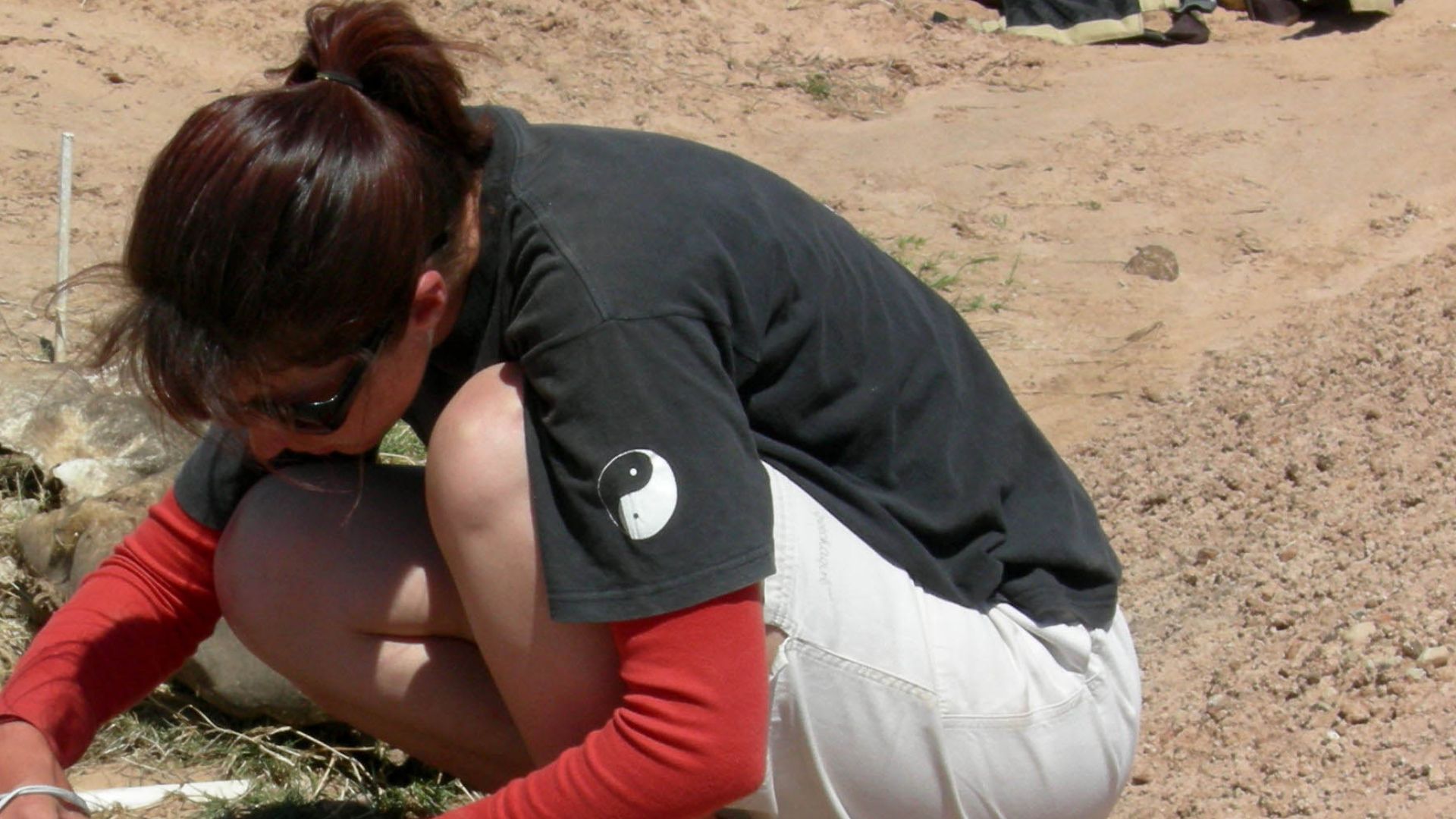
Natural Damage Was Carefully Ruled Out
Crocodile bites, carnivore teeth, trampling, sediment pressure, and marrow extraction can sometimes create marks that resemble human flaking. The team compared those processes with the locations, sizes, and patterns of the scars on the 27 artifacts. Minimal gnawing and trampling damage, combined with repeated edge shaping, strongly supported deliberate manufacture.
 Lucinda Backwell, Wikimedia Commons
The Maker Remains A Mystery
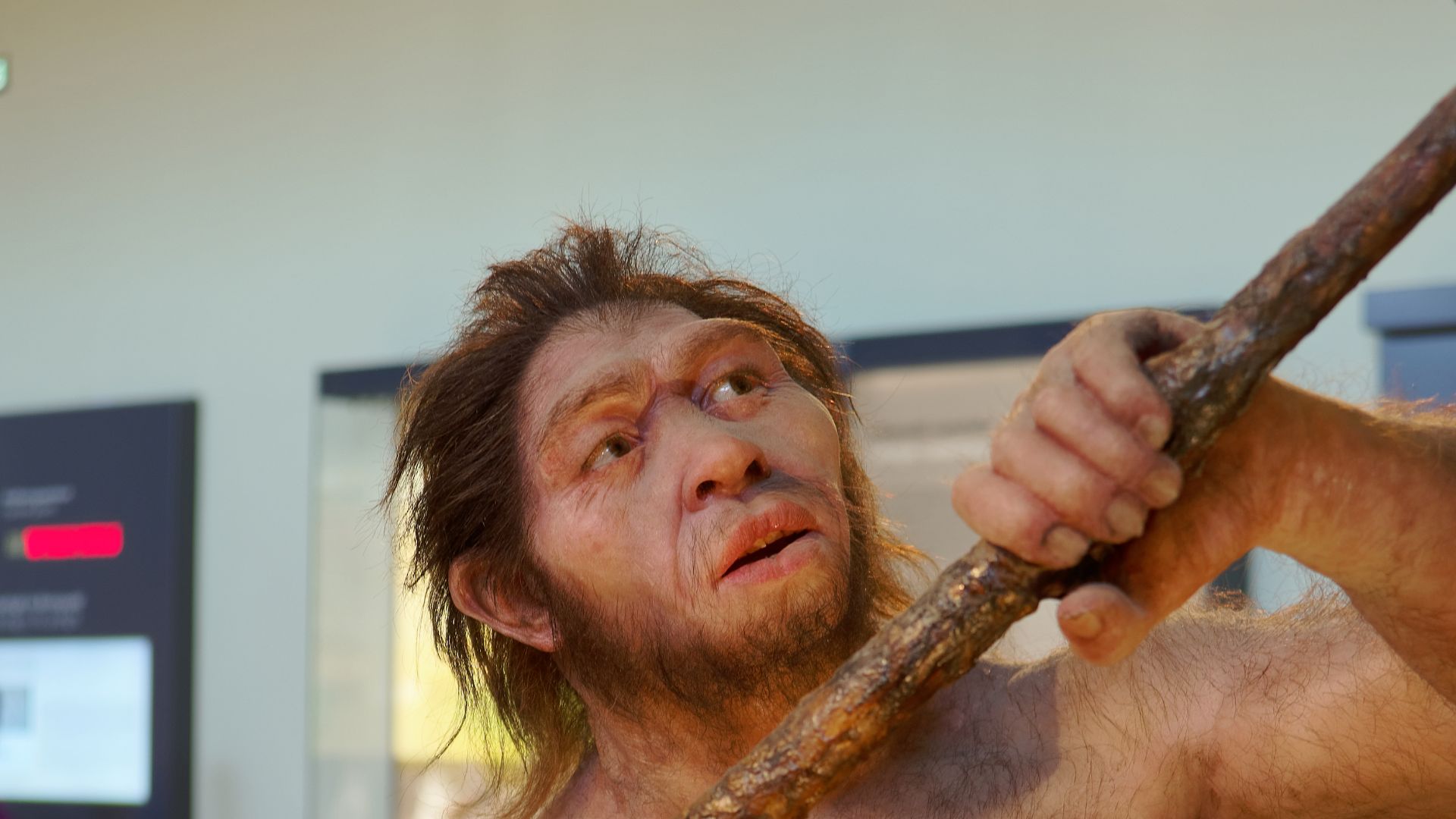
No hominin remains were found with a clear connection to the tools, so researchers cannot name their manufacturer with certainty. Homo erectus, Homo habilis, and Paranthropus boisei were all present in East Africa around this broad period. Any one of them could potentially have participated in the technology.
 Werner Ustorf], Wikimedia Commons
The Timing Makes The Find Even More Important
The tools appeared during the transition from the Oldowan tradition to the early Acheulean. Oldowan technology is generally associated with relatively simple cores and flakes, while the Acheulean eventually became famous for larger shaped tools such as hand axes and cleavers. The bone collection captures experimentation during a particularly important technological shift.
 Didier Descouens, Wikimedia Commons
Early Minds Were More Flexible Than Expected
Applying knapping skills to bone required toolmakers to recognize that knowledge learned from one material could be adapted to another. They also had to select appropriate animal species, skeletal elements, and bone conditions. This flexibility does not reveal exactly how they thought, but it does demonstrate sophisticated practical decision-making.
 Mauricio Antón. Published by Bartolini-Lucenti, S et al., Wikimedia Commons
Knowledge May Have Been Shared Socially
A group of artifacts with similar shapes and manufacturing sequences raises the possibility that techniques were taught or learned through observation. Archaeologists refer to the intended form behind a repeated design as a mental template. Maintaining such consistency may have required knowledge to pass between individuals and possibly across generations.
 Jakub Hałun, Wikimedia Commons
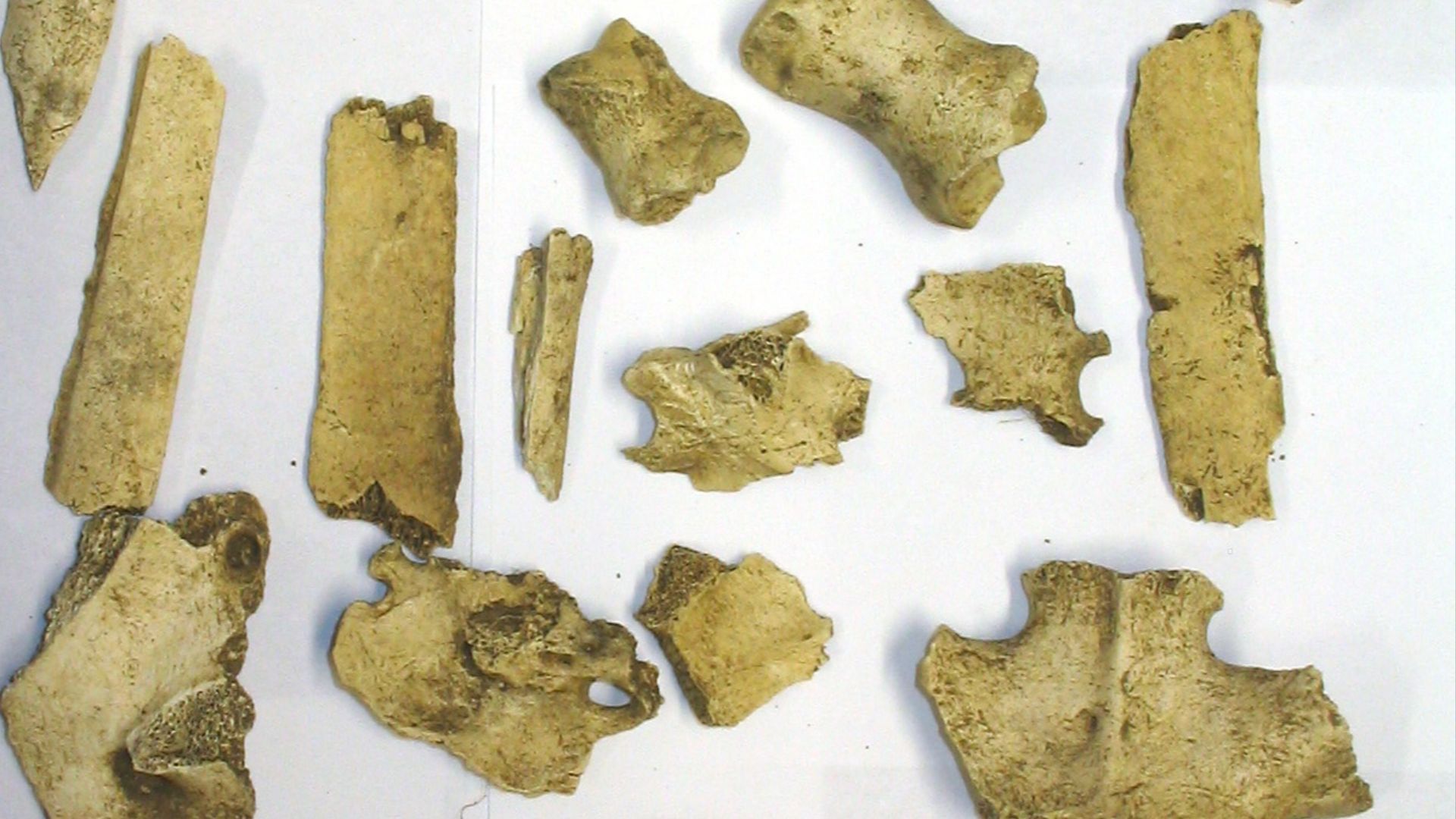
Bone Technology May Be Missing From The Record
Bone is less likely than stone to survive for hundreds of thousands of years. Weathering, flowing water, scavengers, trampling, and chemical decay can erase organic artifacts before they fossilize. Archaeologists may also have overlooked some knapped bone fragments because they were not expecting to find systematic bone technology in such ancient layers.
 Northamptonshire County Council, Steven Ashby, 2007-10-22 23:00:45, Wikimedia Commons
The Technology May Have Disappeared
Comparable collections do not appear continuously throughout the following million years. Heavy bone tools may have become less useful once large stone hand axes grew more refined, efficient, and widespread. Another possibility is that bone technology continued in places where preservation conditions were too poor to leave an obvious archaeological record.
 Ali A. Fazal, Wikimedia Commons
The Search Is Only Beginning
Researchers now want to determine whether similar artifacts existed before 1.5 million years ago and whether the tradition continued through later Acheulean periods. Older fossil collections may also deserve another examination using the identification methods applied at Olduvai. The discovery shows that even familiar archaeological materials can reveal something entirely new when scientists know what to look for.
 Mario Modesto Mata, Wikimedia Commons
You May Also Like: