When Iowa Hid A Dinosaur Surprise
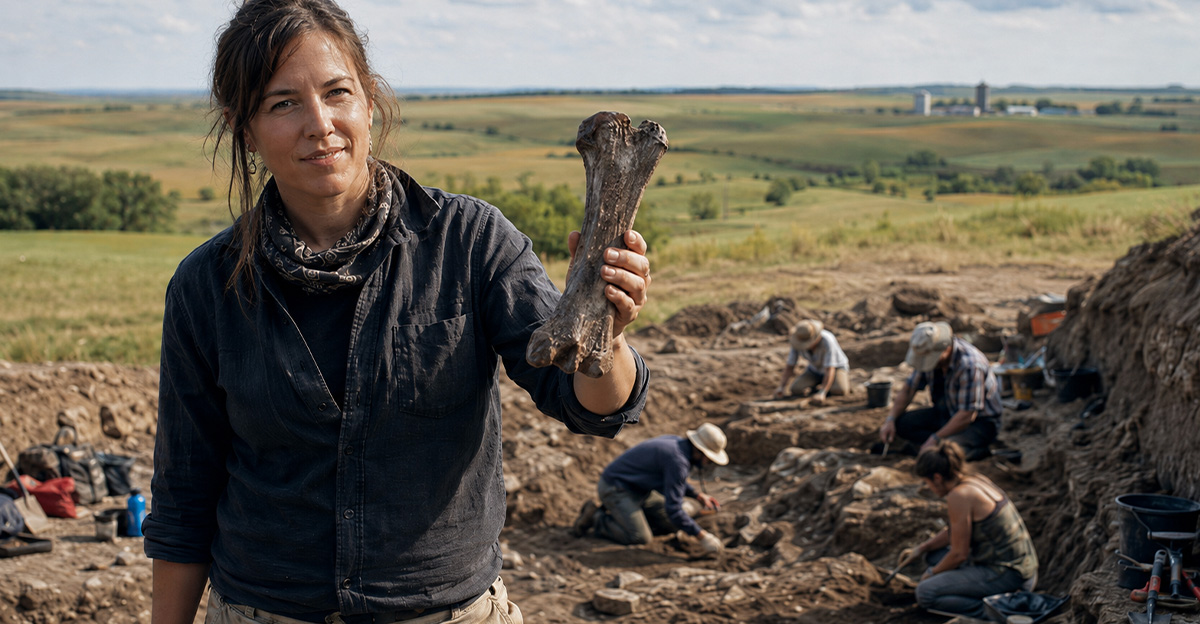
Iowa is not the first place most people picture when they hear the word “dinosaur.” The mind usually bolts westward to Montana badlands, Utah quarries, or the red-rock drama of Wyoming. But Iowa has its own prehistoric secrets, tucked into gravel pits, Cretaceous rocks, and museum collections. The state’s dinosaur record is rare, fragmentary, and wonderfully stubborn—but that is exactly what makes it so fascinating.
The Midwest Was Not Always Cornfields
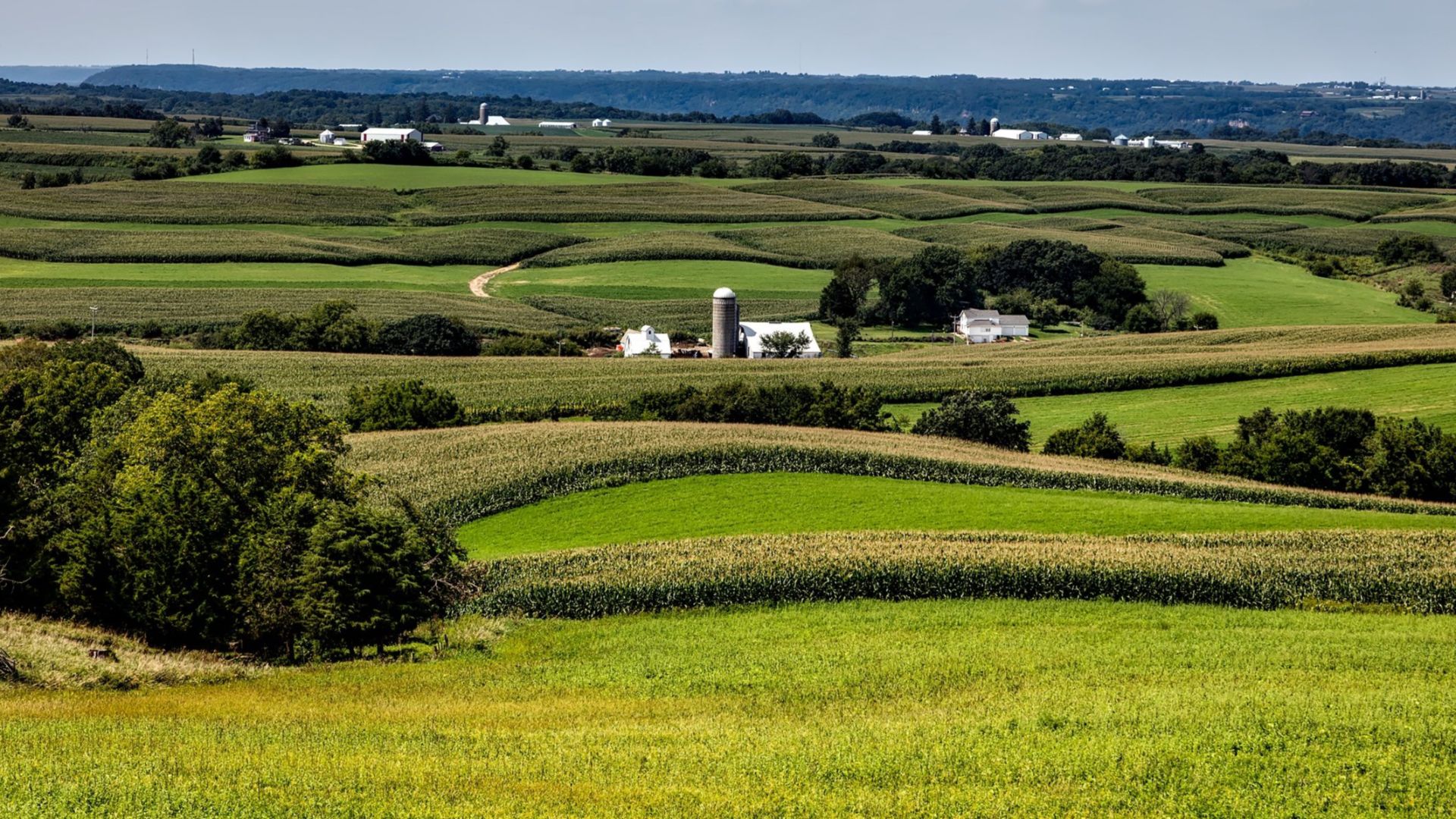
Before Iowa became a patchwork of farms, rivers, and small towns, it lived many different geological lives. Sometimes it was seafloor. Sometimes it was tropical lowland. Sometimes it sat near broad river systems where plants flourished and dinosaurs could have wandered through muddy floodplains. The Midwest was not a prehistoric blank spot. It was a changing stage, and the actors included far more than mammoths and trilobites.
The Dinosaur Question
So, did dinosaurs live in Iowa? The answer is yes—but the evidence comes with a wink and a footnote. The Iowa Geological Survey says dinosaur fossils from the state are limited to only a few known finds. That may sound disappointing, but in paleontology, even a single bone can be a fireworks show. A lonely vertebra can tell scientists where an animal lived, how far its relatives ranged, and what kinds of landscapes existed under today’s fields.
A Bone In The Gravel
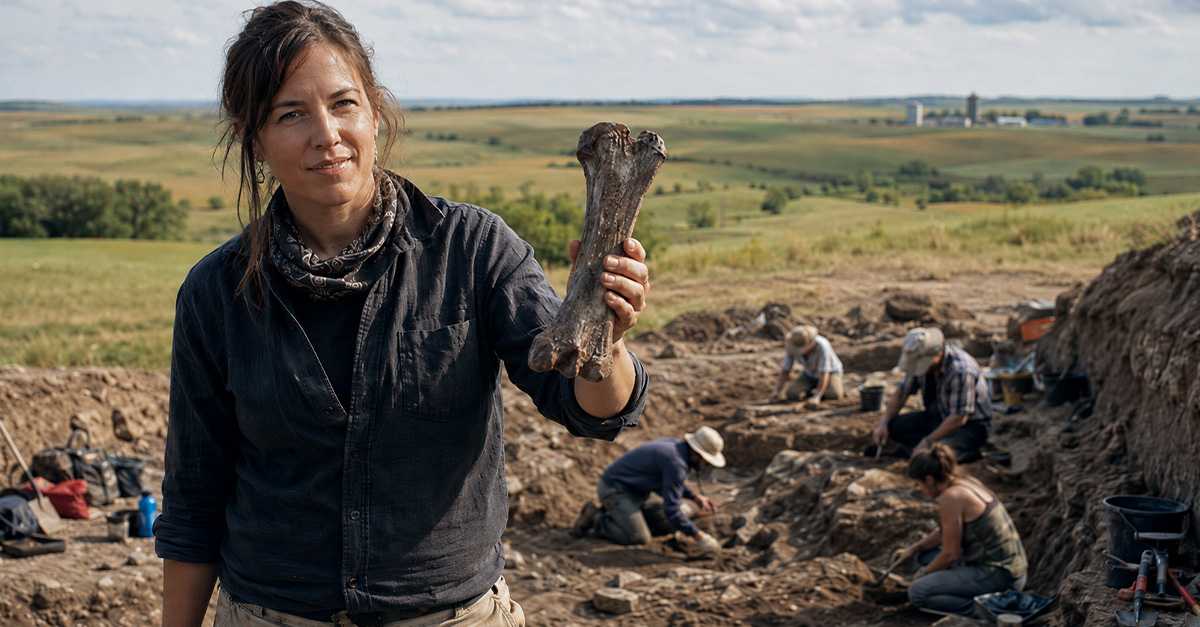
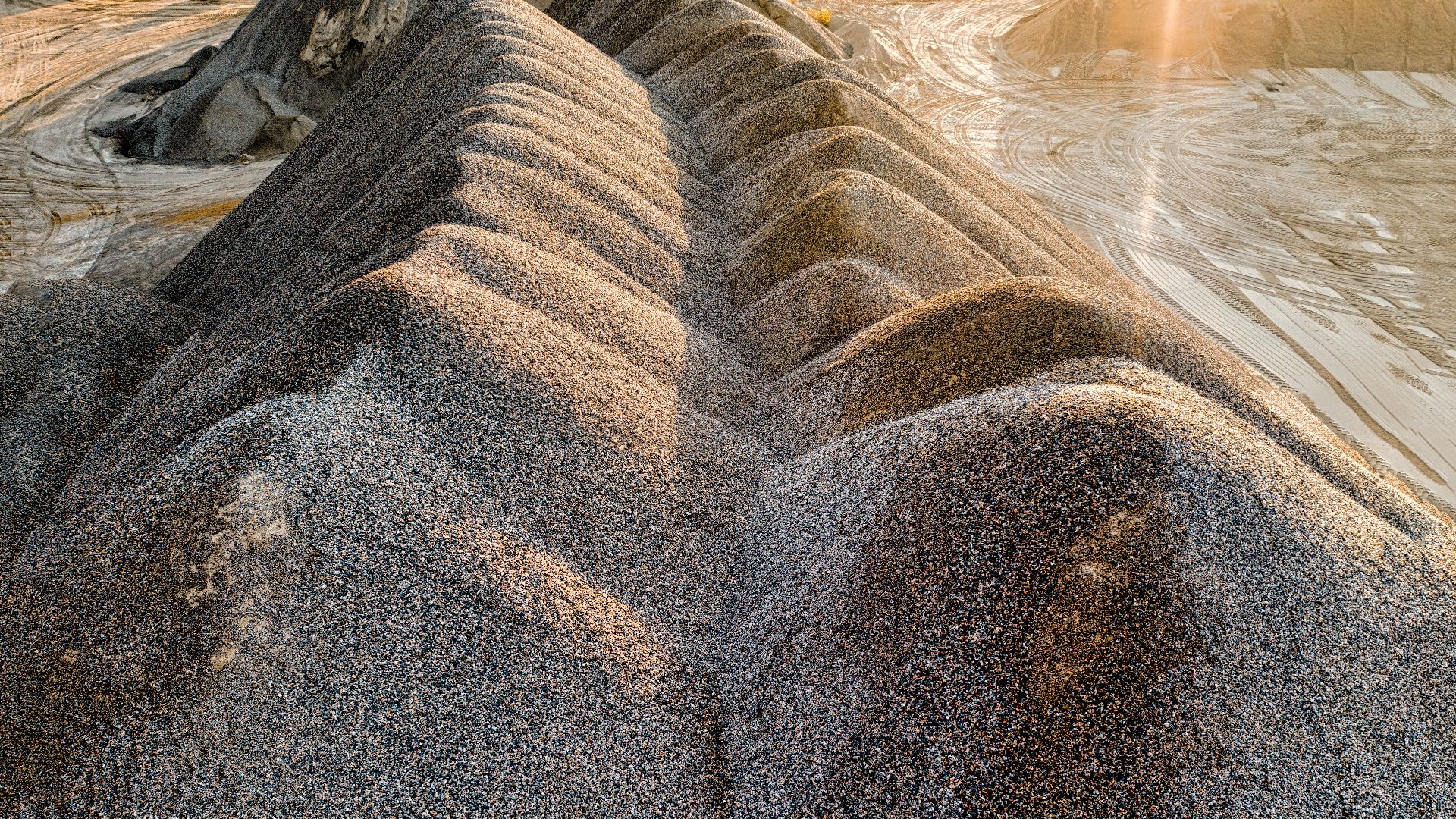
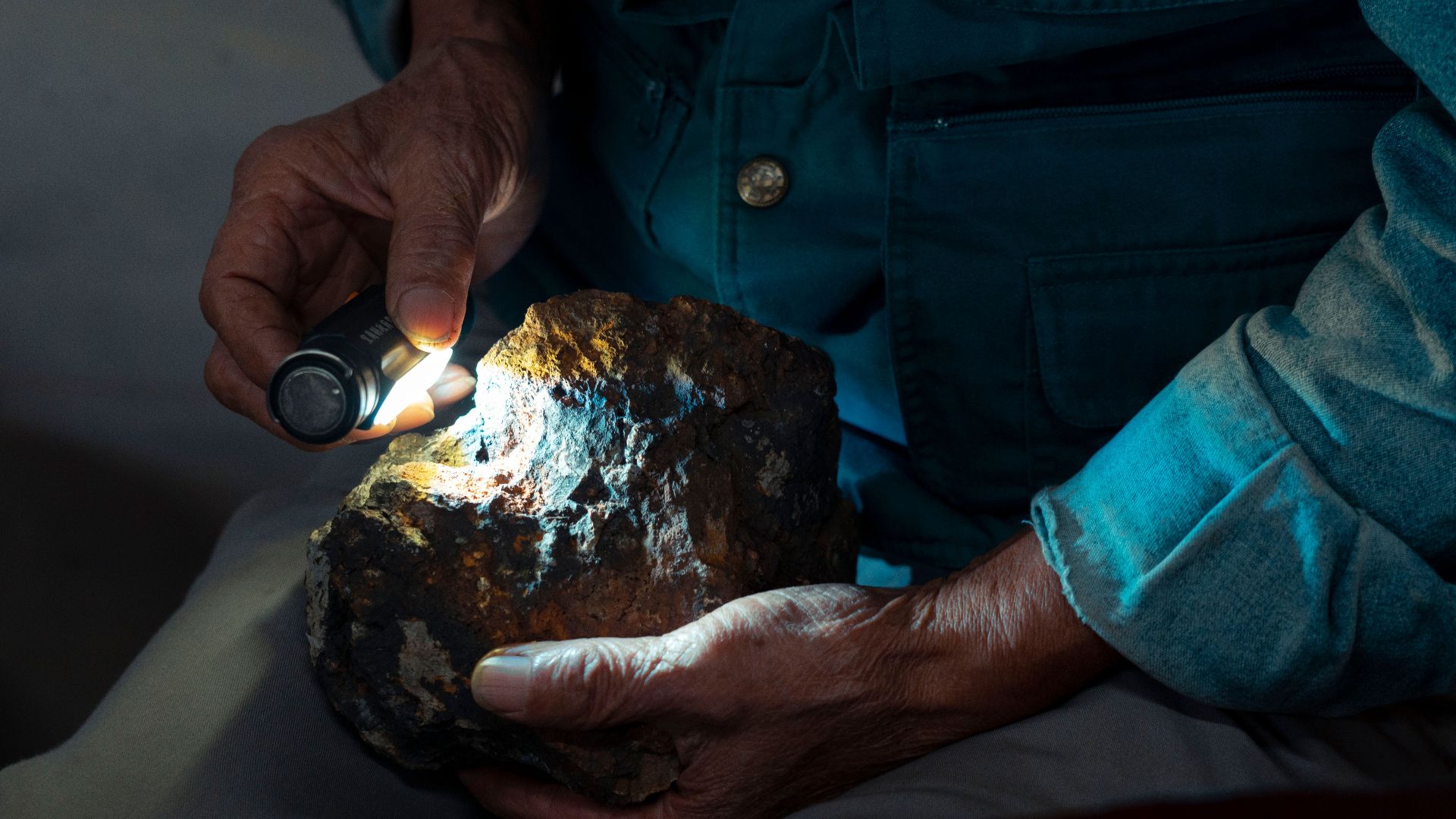
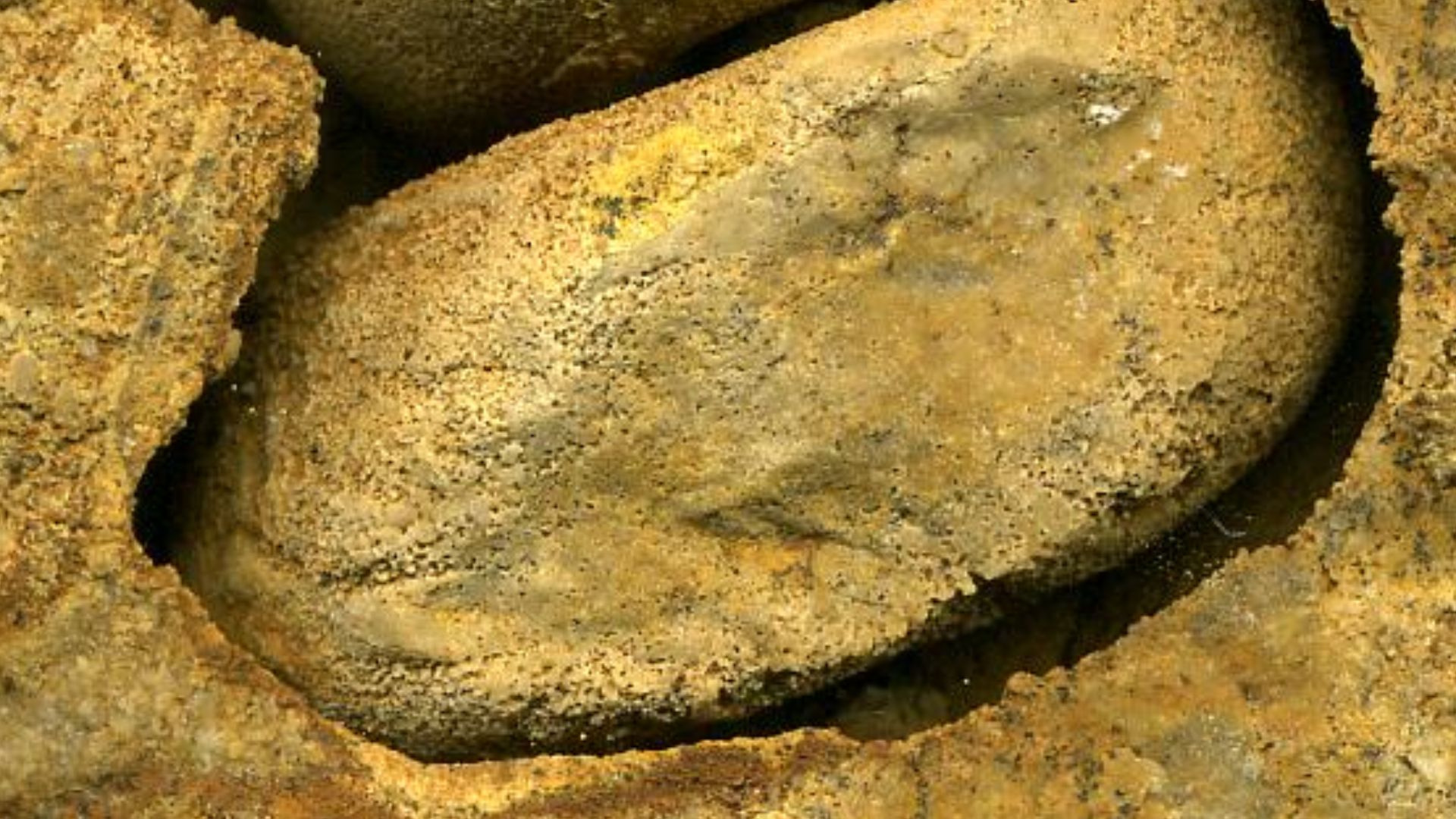
One of Iowa’s best-known dinosaur discoveries began not with a dramatic desert expedition, but with landscaping gravel. Charlie Gillette of Dickinson County picked up a dark, three-inch fossil bone from gravel that came from a nearby pit. His uncle, Jack Neuzil, suspected it might be a dinosaur vertebra. Experts agreed. Suddenly, Iowa had an identifiable dinosaur bone to brag about.
Meet The Possible Hadrosaur
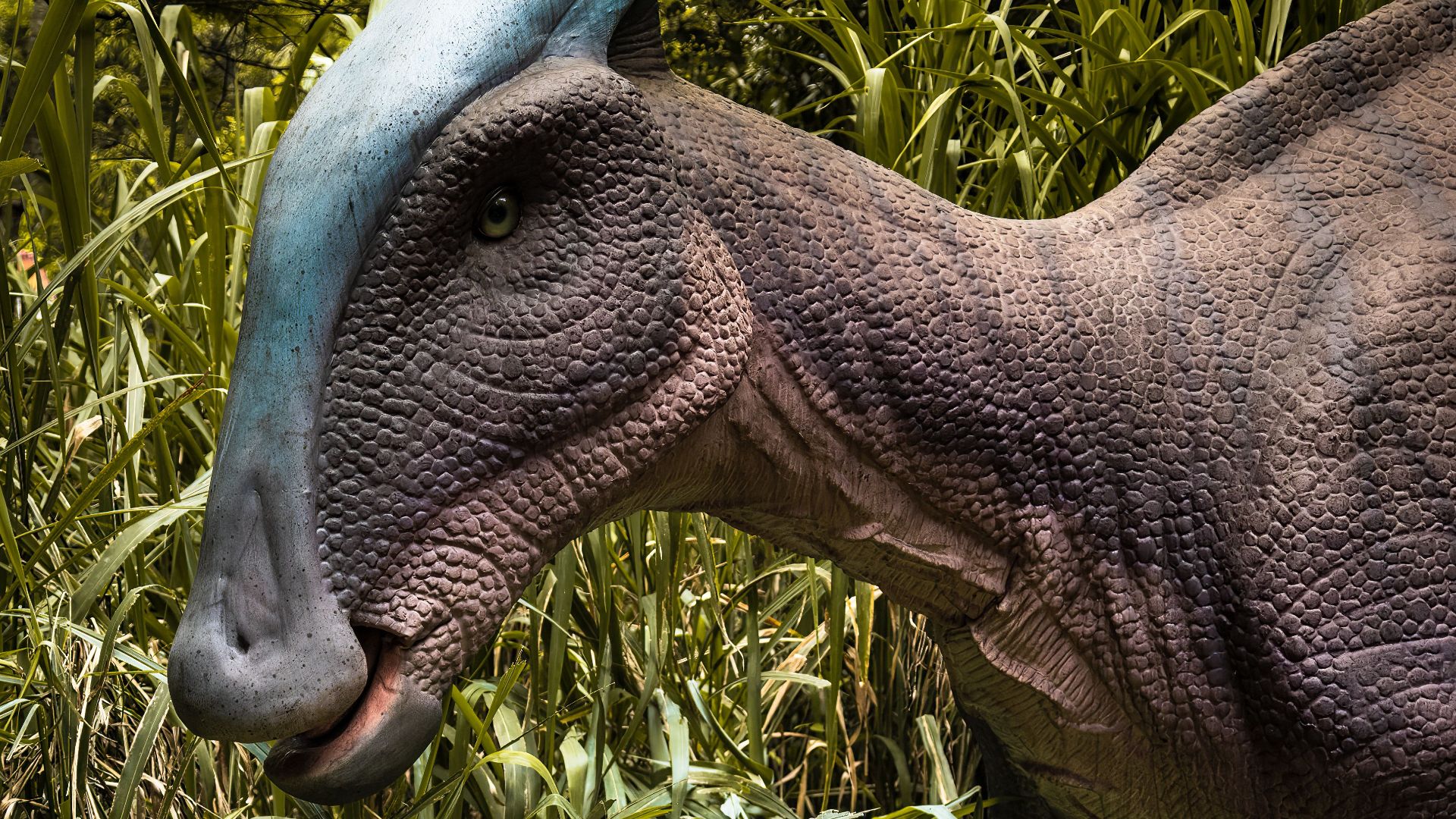
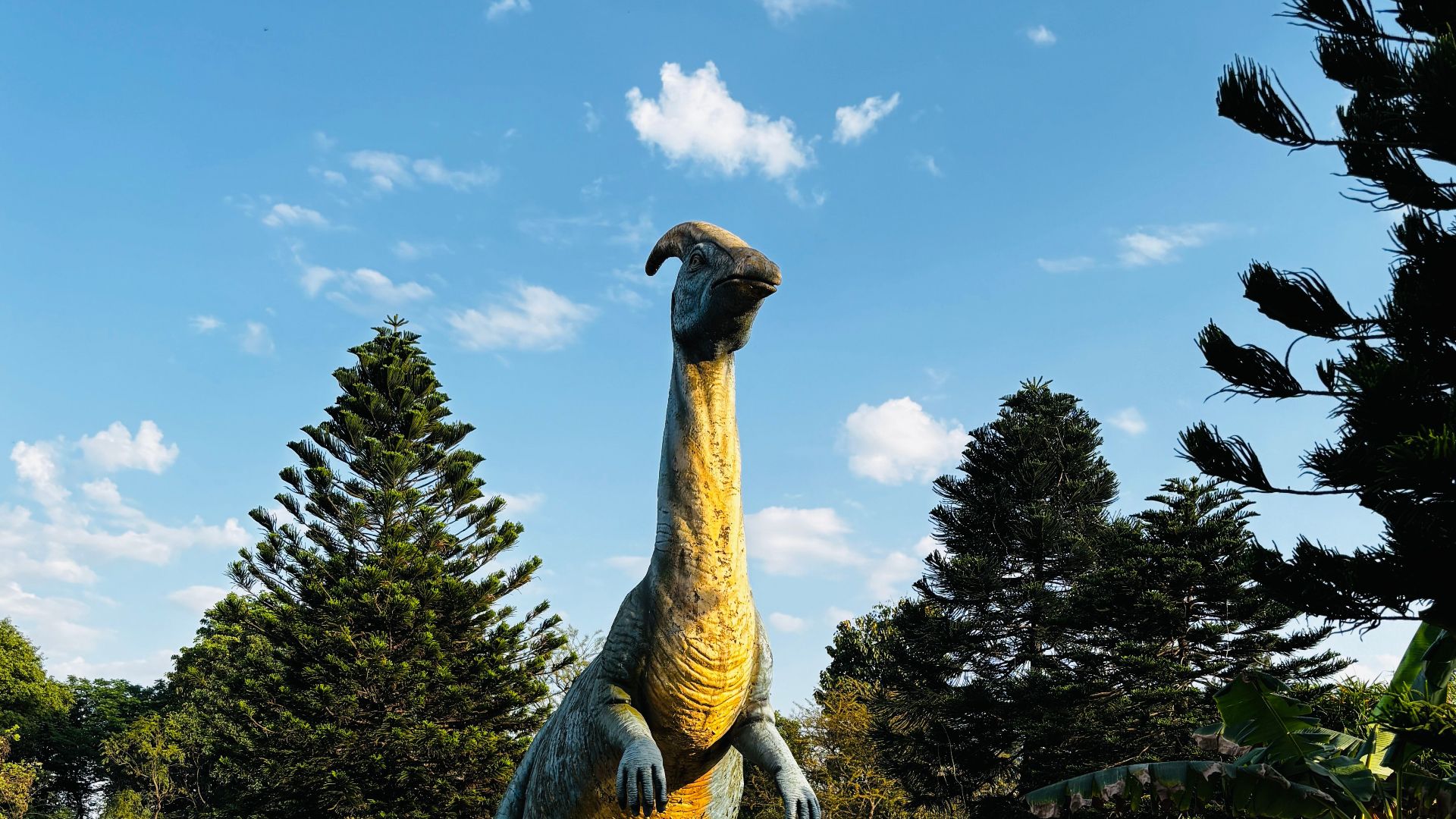
The fossil was identified as a tail vertebra from an unknown dinosaur, possibly a hadrosaur. Hadrosaurs, often nicknamed duck-billed dinosaurs, were plant-eating animals that became some of the great grazers and browsers of the Late Cretaceous world. Imagine a bulky, herd-living herbivore nosing through green river lowlands. Now imagine one of its bones turning up in Iowa gravel millions of years later. That is a pretty good plot twist.
The Doorstop Dinosaur
Even better, Iowa had another dinosaur clue hiding almost in plain sight. A partially weathered four-inch vertebra, likely from a hadrosaur, had been collected in the 1930s by John Holdefer near Akron in Plymouth County. For years, it sat in a family home and was reportedly used as a doorstop. Paleontology is full of elegant Latin names, but sometimes the story is beautifully simple: the dinosaur was holding the door open.
Why So Few Dinosaurs?
Iowa’s dinosaur fossils are rare because fossilization is picky. Bones need to be buried quickly, protected from decay, and left undisturbed long enough to mineralize. Then the right rocks must survive erosion, glaciation, construction, farming, and time itself. In Iowa, many rocks from the dinosaur age are hidden, worn away, or covered. The dinosaurs may have been there, but the record kept only a few scraps of their guestbook.
The Cretaceous Connection
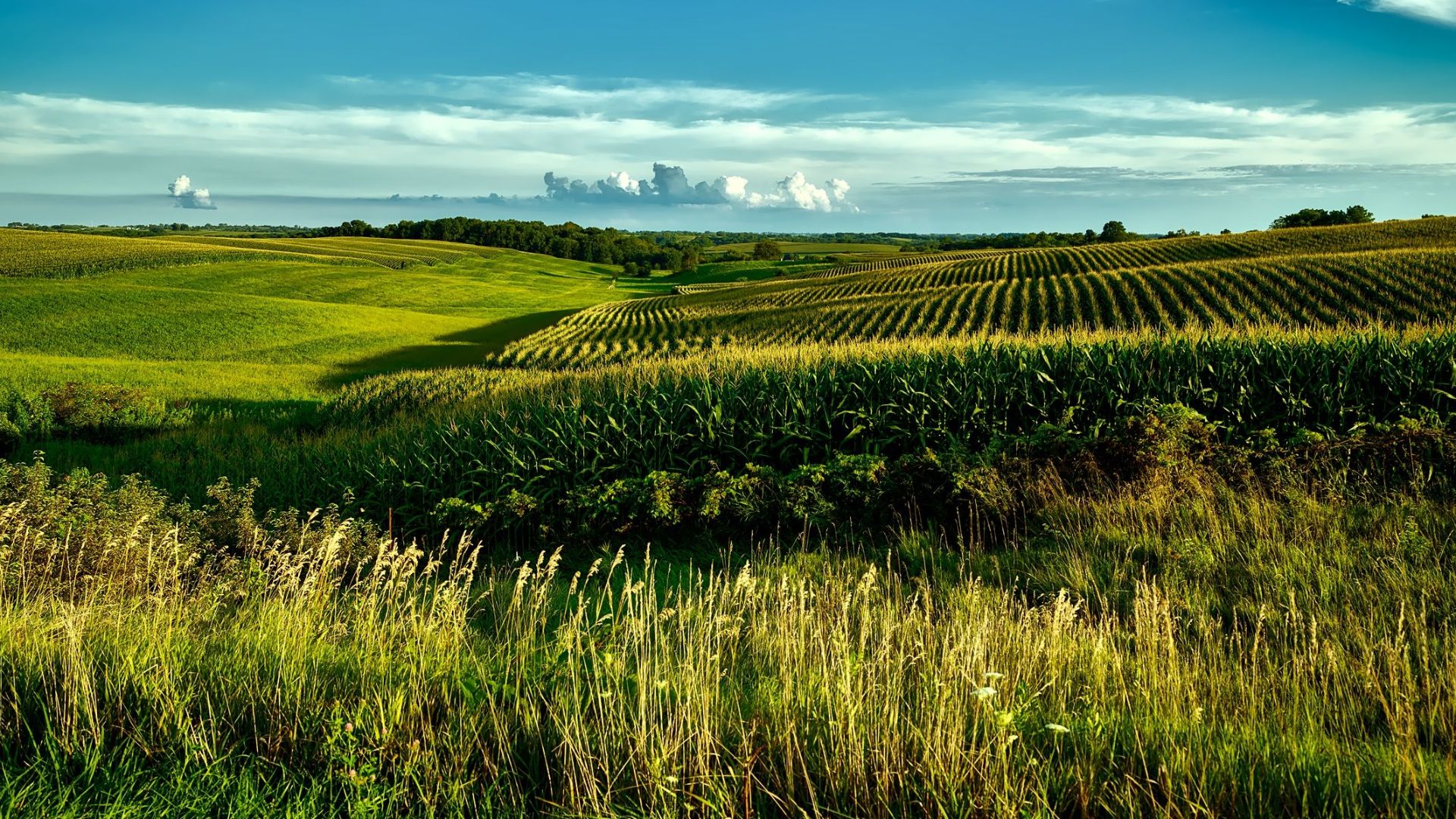
The Cretaceous Period is the key chapter for Iowa’s dinosaur story. Cretaceous formations are more widespread in the state than Jurassic ones, and similar rocks across the central United States have produced dinosaur fossils. Iowa’s Cretaceous landscapes likely included rivers, floodplains, and coastal lowlands. These were the kinds of places where plant-eaters could roam—and where bones might occasionally be buried in sediment.
 Farragutful, Wikimedia Commons
No Jurassic Dinosaurs Yet
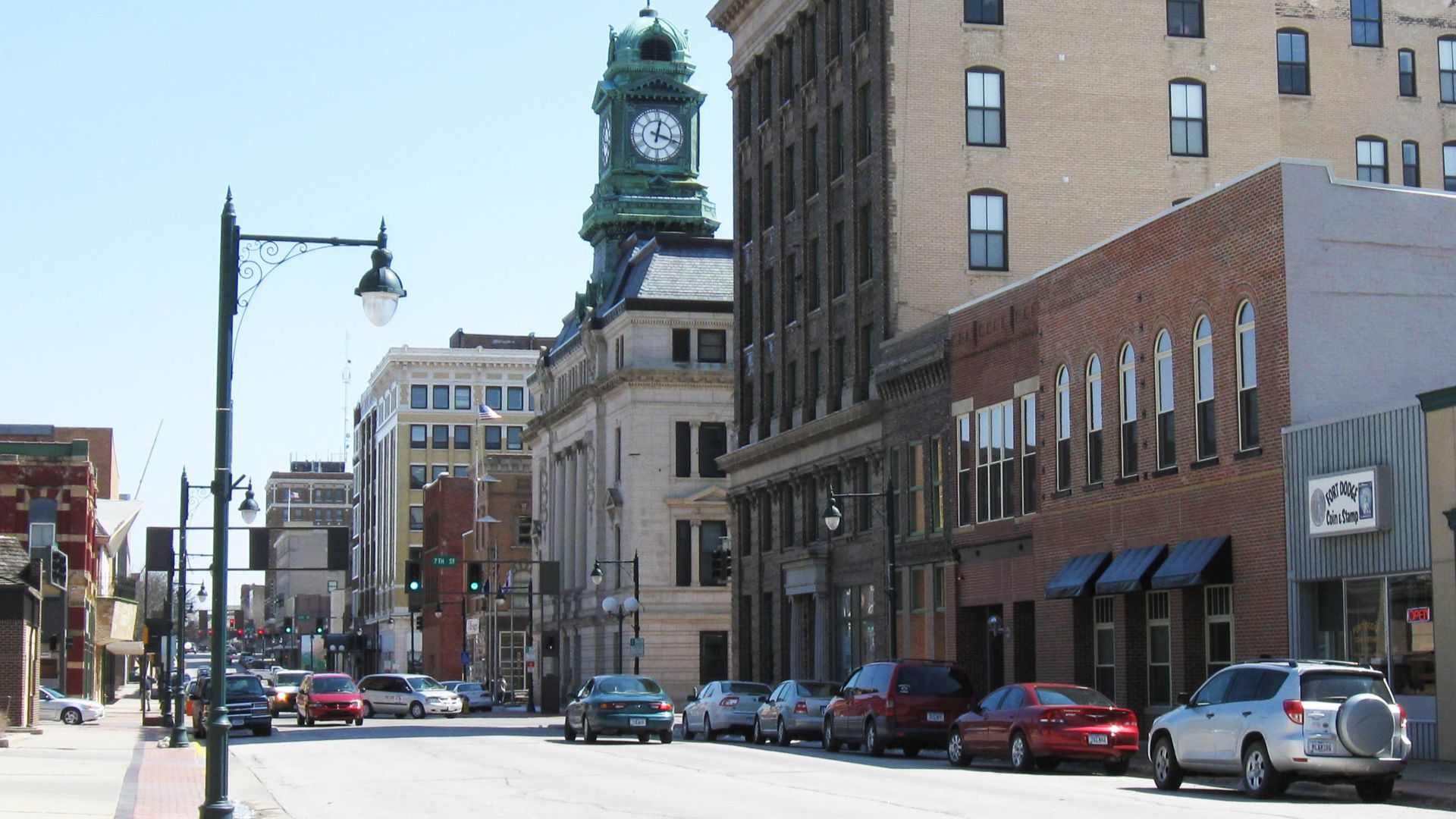
Iowa also has Jurassic-age rocks, including the Fort Dodge Formation, laid down around the same broad era as dinosaur-bearing rocks in the American West. But so far, no Jurassic dinosaur fossils have been found in Iowa. That “so far” matters. Paleontology is a patient science. A missing fossil today can become tomorrow’s headline, especially when geologists know which rocks have potential.
 Bill Whittaker (talk), Wikimedia Commons
The Glacial Shuffle
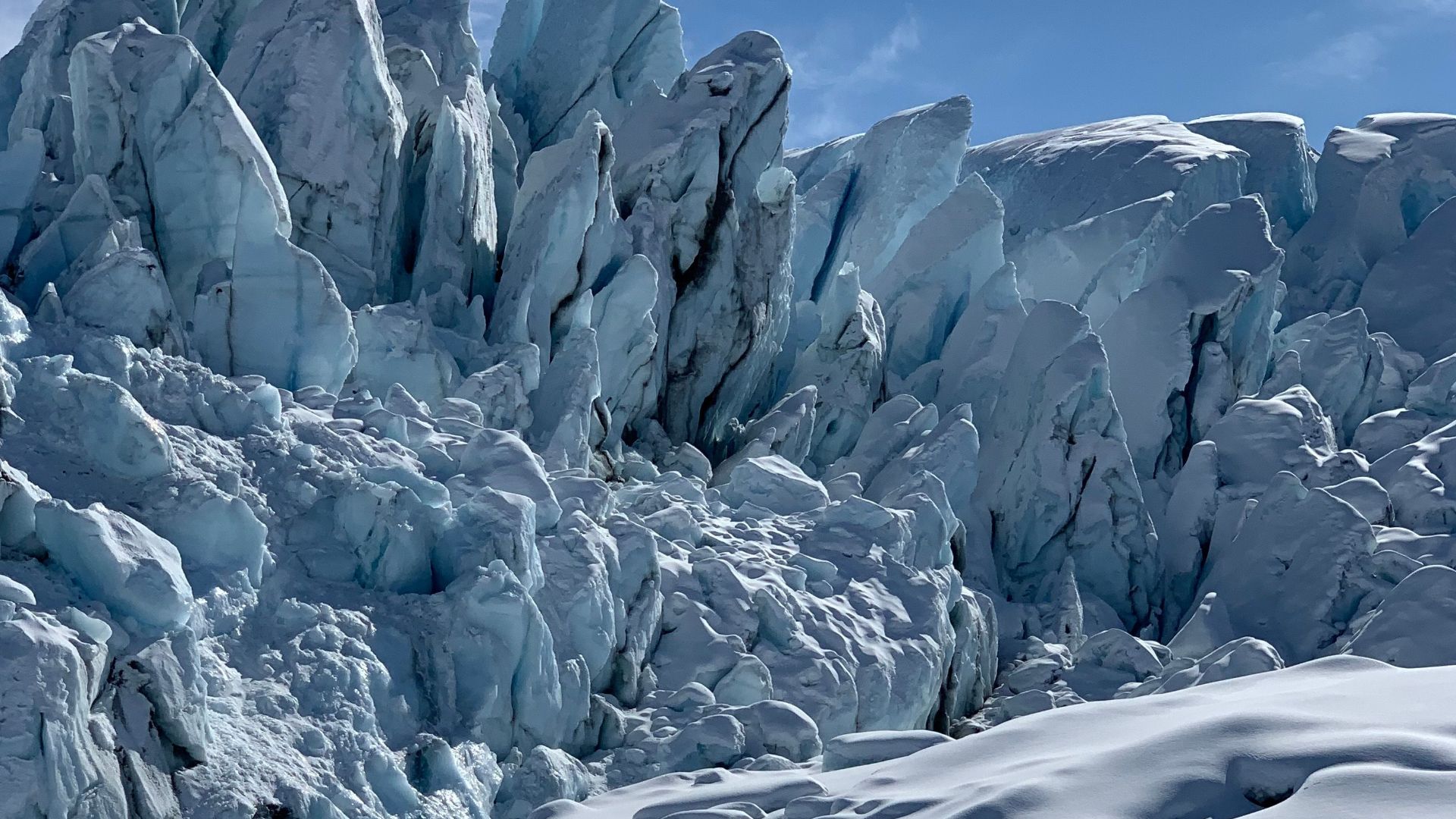
The Ice Age added another complication. Glaciers bulldozed across Iowa, grinding, carrying, and redepositing rocks and fossils. Some dinosaur bones found in gravel may have been moved from their original resting places. That means a fossil in one county might not have started there. It is like finding a postcard after the mail truck crashed: exciting, useful, but not always easy to trace.
A State Built On Ancient Seas
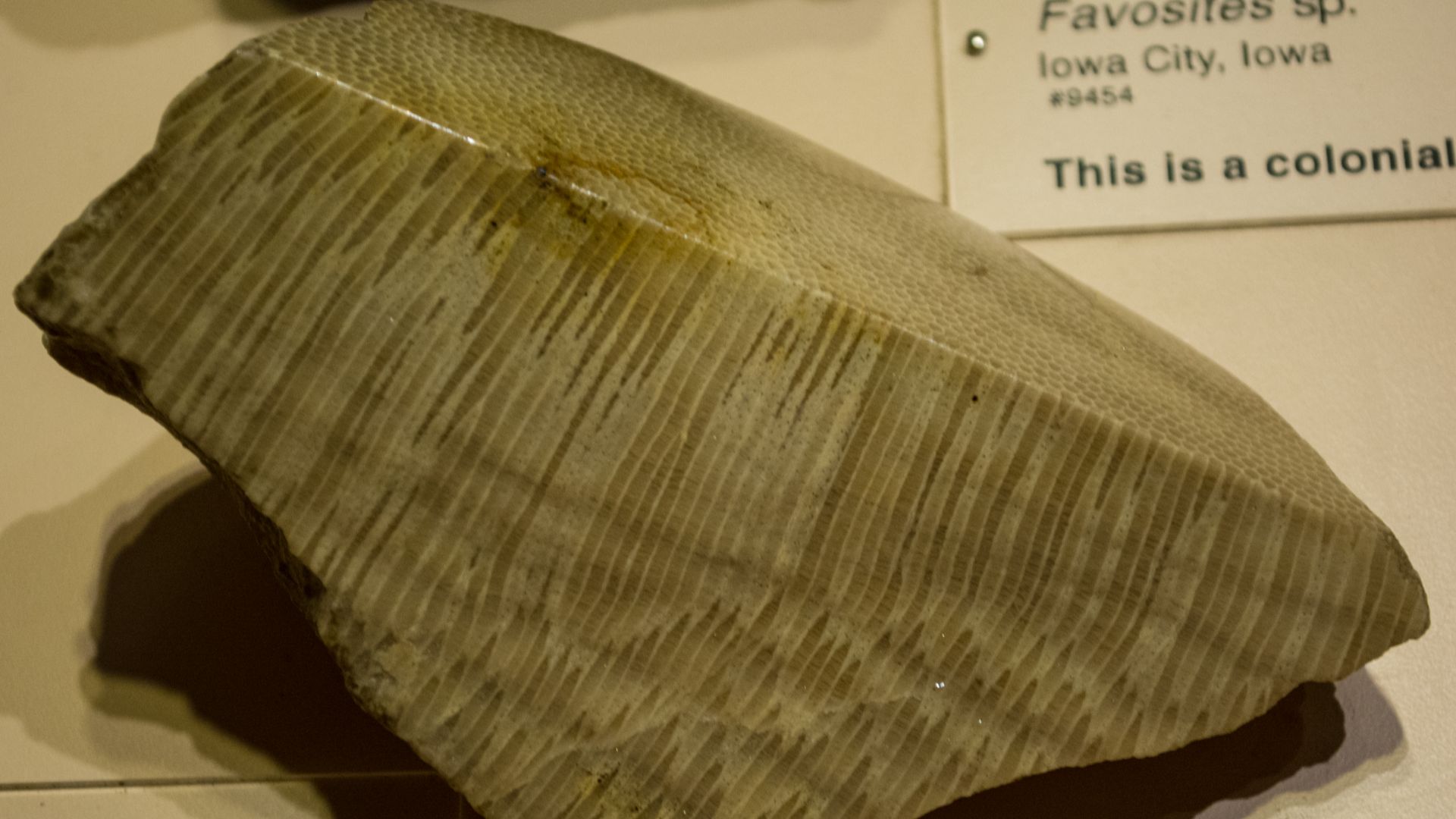
Long before dinosaurs, Iowa spent huge stretches of time under ancient seas. That is why many of the state’s most abundant fossils are marine animals: brachiopods, corals, crinoids, trilobites, cephalopods, and other ocean-dwelling creatures. For fossil lovers, Iowa is less “Jurassic Park” and more “ancient aquarium”—with the occasional dinosaur cameo sneaking in from the wings.
 Tim Evanson from Cleveland Heights, Ohio, USA, Wikimedia Commons
The Decorah Detour
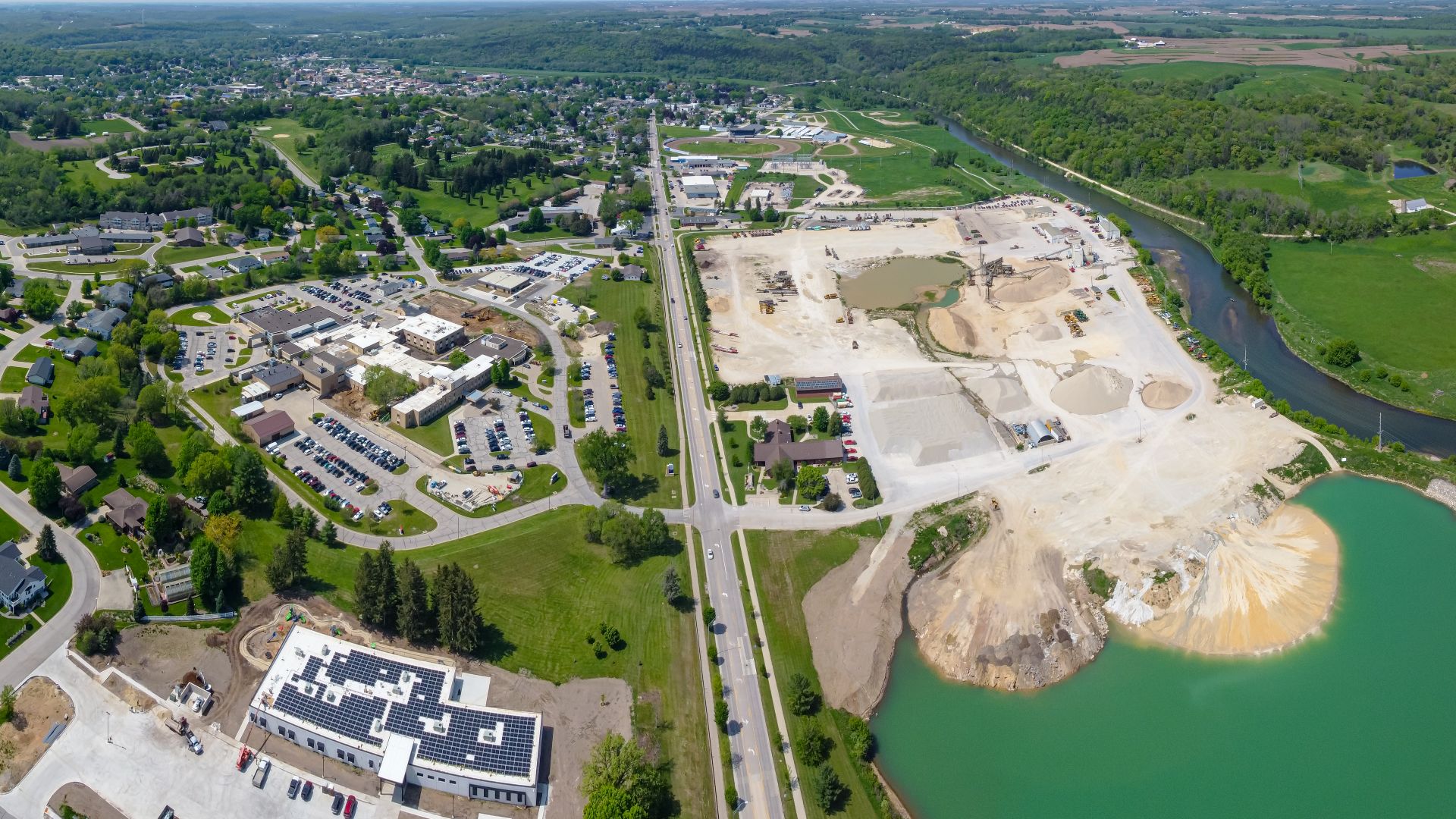
The most spectacular well-preserved fossil discovery in Iowa is not a dinosaur site at all. Near Decorah, scientists found the Winneshiek Lagerstätte, a Middle Ordovician fossil deposit preserved inside an ancient impact structure. It is hundreds of millions of years older than the dinosaurs. Instead of T. rex teeth, it offers soft tissues, rare arthropods, conodonts, algae, and strange marine life from a vanished world.
 Derek E.G. Briggs; Huaibao P. Liu; Robert M. McKay; Brian J. Witzke, Wikimedia Commons
What Is A Lagerstätte?
A Lagerstätte is a fossil deposit with exceptional preservation. In normal fossil sites, soft tissues usually vanish. In a Lagerstätte, delicate details can survive as impressions, carbon films, or three-dimensional remains. These sites are scientific treasure chests because they show not just bones and shells, but bodies, ecosystems, and evolutionary experiments that would otherwise be invisible.
Iowa’s Sea Scorpion Star
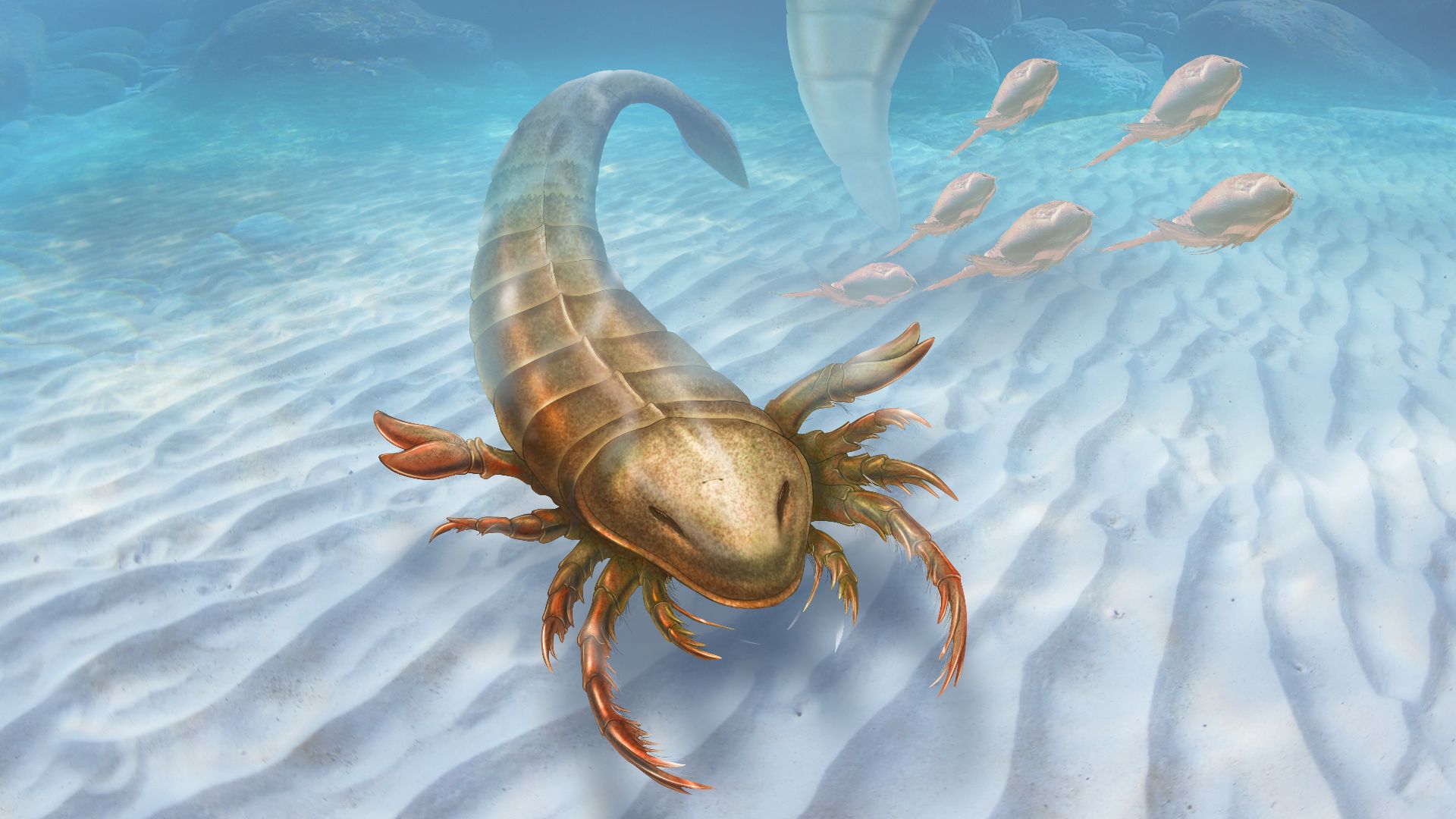
One of the celebrity fossils from the Winneshiek deposit is Pentecopterus decorahensis, an enormous ancient sea scorpion. It lived roughly 467 million years ago and could reach nearly six feet long. Picture something with a long head shield, grasping limbs, and the attitude of a nightmare lobster. It was not a dinosaur, but it proves Iowa’s prehistoric past was never boring.
 Patrick Lynch, Wikimedia Commons
Why The Winneshiek Site Matters
The Winneshiek fossils are important because exceptional preservation from this time interval is rare. The site captured a strange ecosystem that lacked many typical shelly marine animals and included unusual soft-bodied forms. It gives scientists a rare look at life during the Great Ordovician Biodiversification Event, when marine ecosystems were expanding in complexity. Iowa, once again, becomes a surprise keyhole into deep time.
Dinosaurs And Sea Monsters
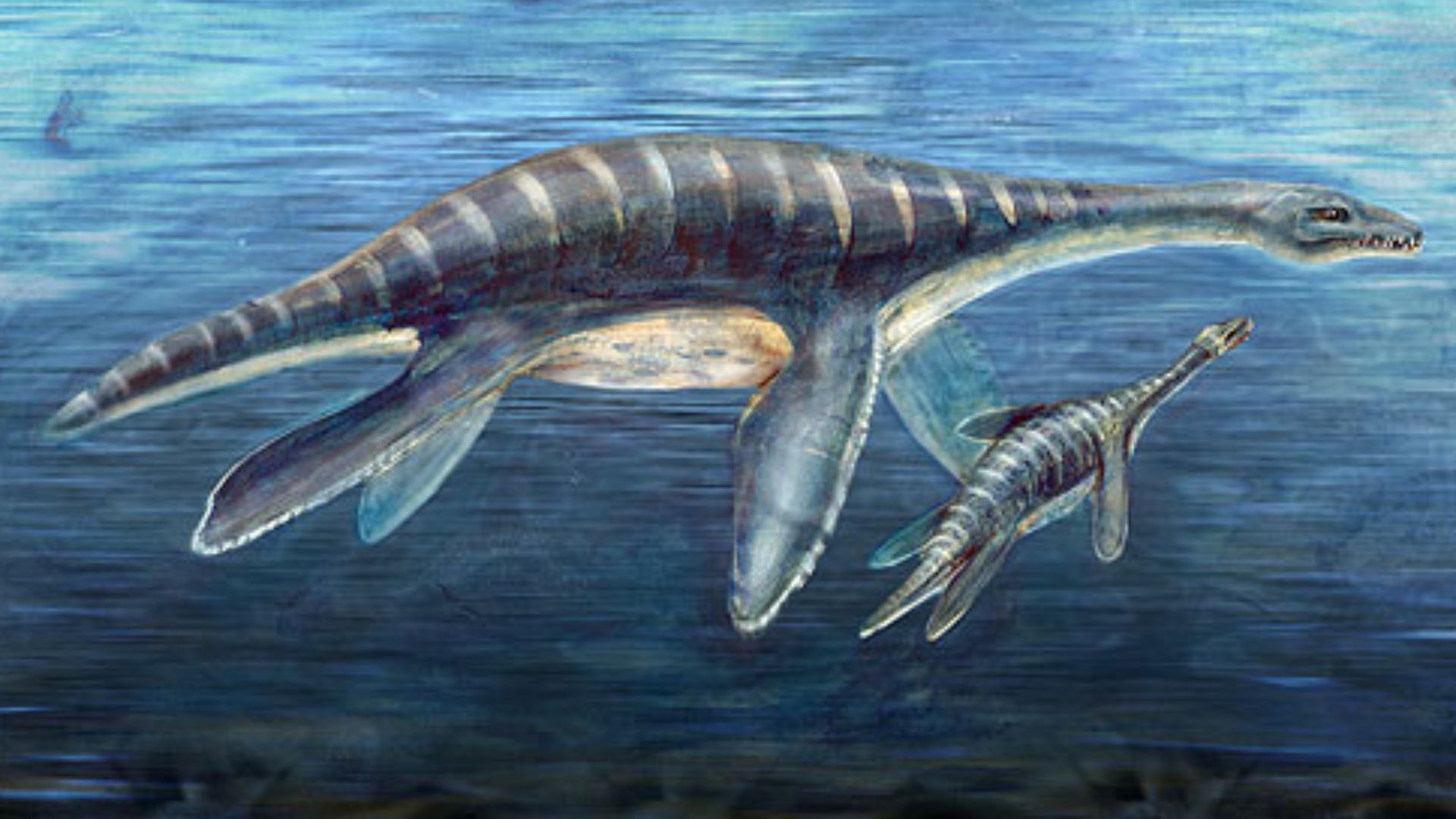
Iowa’s fossil record also includes marine reptiles from later times, including plesiosaur remains from deposits linked to the Western Interior Seaway. During parts of the Cretaceous, this inland sea split North America, turning the middle of the continent into a watery world. While dinosaurs walked nearby land, long-necked reptiles, fish, sharks, and other animals moved through seaways that covered parts of the region.
 National Science Foundation, Wikimedia Commons
Rethinking The Midwest
For years, popular dinosaur culture has leaned heavily on the West. That makes sense; the exposed rocks are fantastic. But Iowa reminds us that prehistoric life did not respect modern state lines. Dinosaurs, marine reptiles, giant arthropods, and Ice Age mammals all passed through versions of the Midwest that would look wildly unfamiliar today. The region was not empty. It was just harder to read.
The Power Of Small Fossils
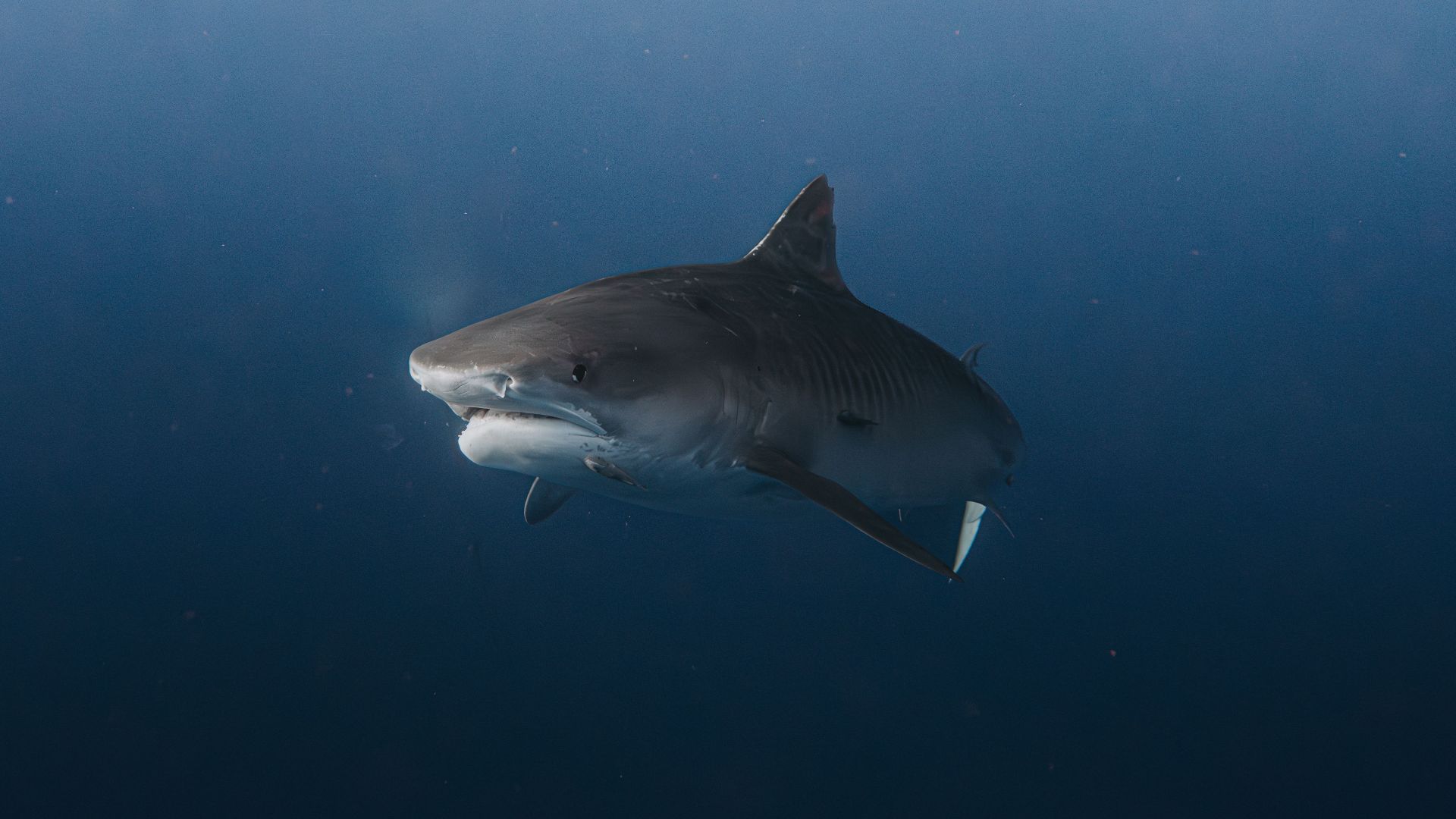
A three-inch vertebra may not look like much beside a museum-mounted skeleton, but small fossils can punch above their weight. They help map ancient animal ranges. They guide future fieldwork. They prove that the right rocks are worth revisiting. They also teach a humbling lesson: discovery does not always arrive as a roaring monster. Sometimes it fits in your hand.
Why Paleontologists Love Fragments
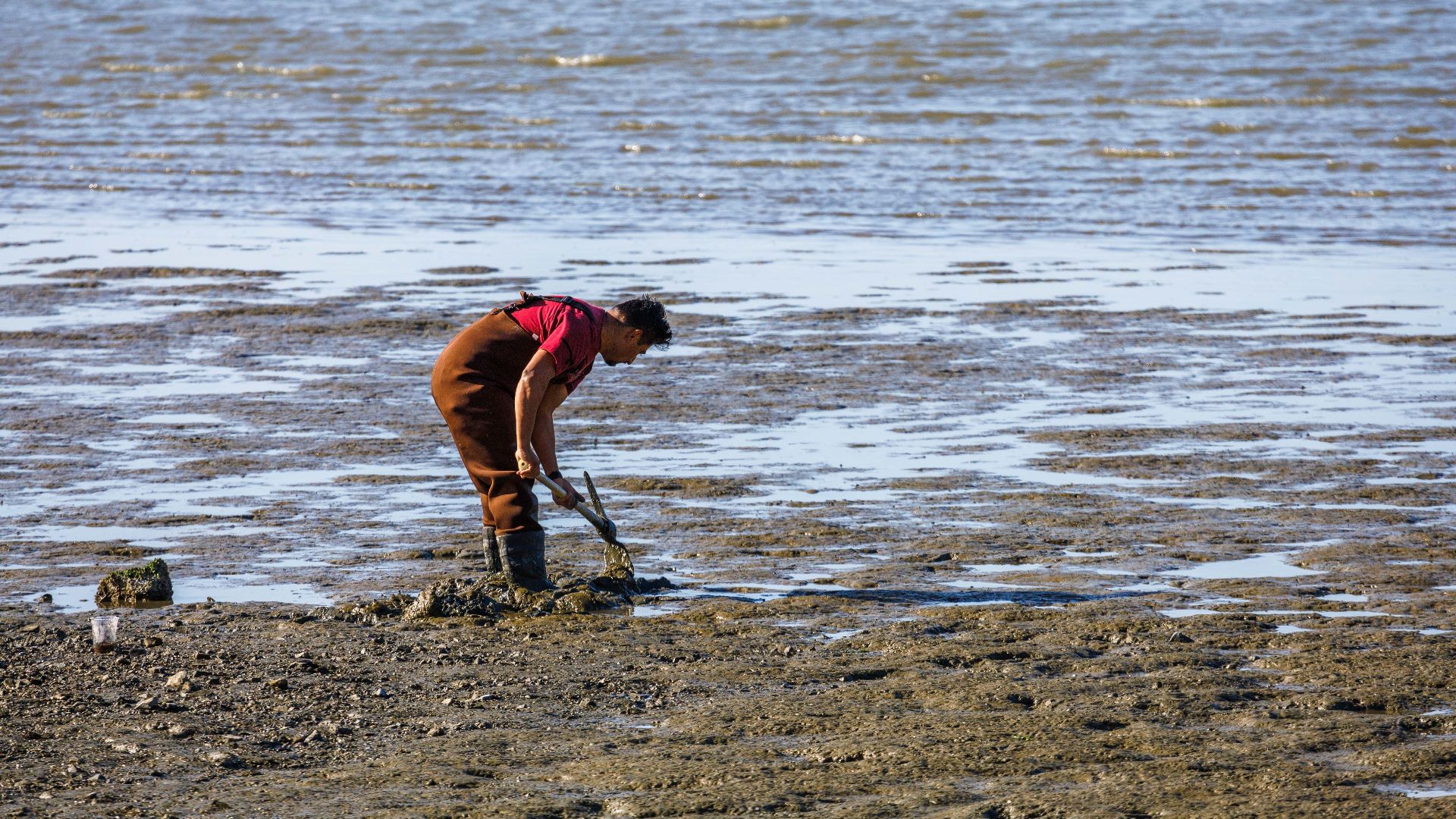
Fragments are puzzles with most of the pieces missing, which is exactly why paleontologists obsess over them. A bone’s shape, texture, internal structure, and preservation can reveal whether it belonged to a dinosaur, marine reptile, mammal, or something else entirely. In Iowa, where complete dinosaur skeletons are not popping out of hillsides, these details are everything.

Gravel Pits As Time Machines
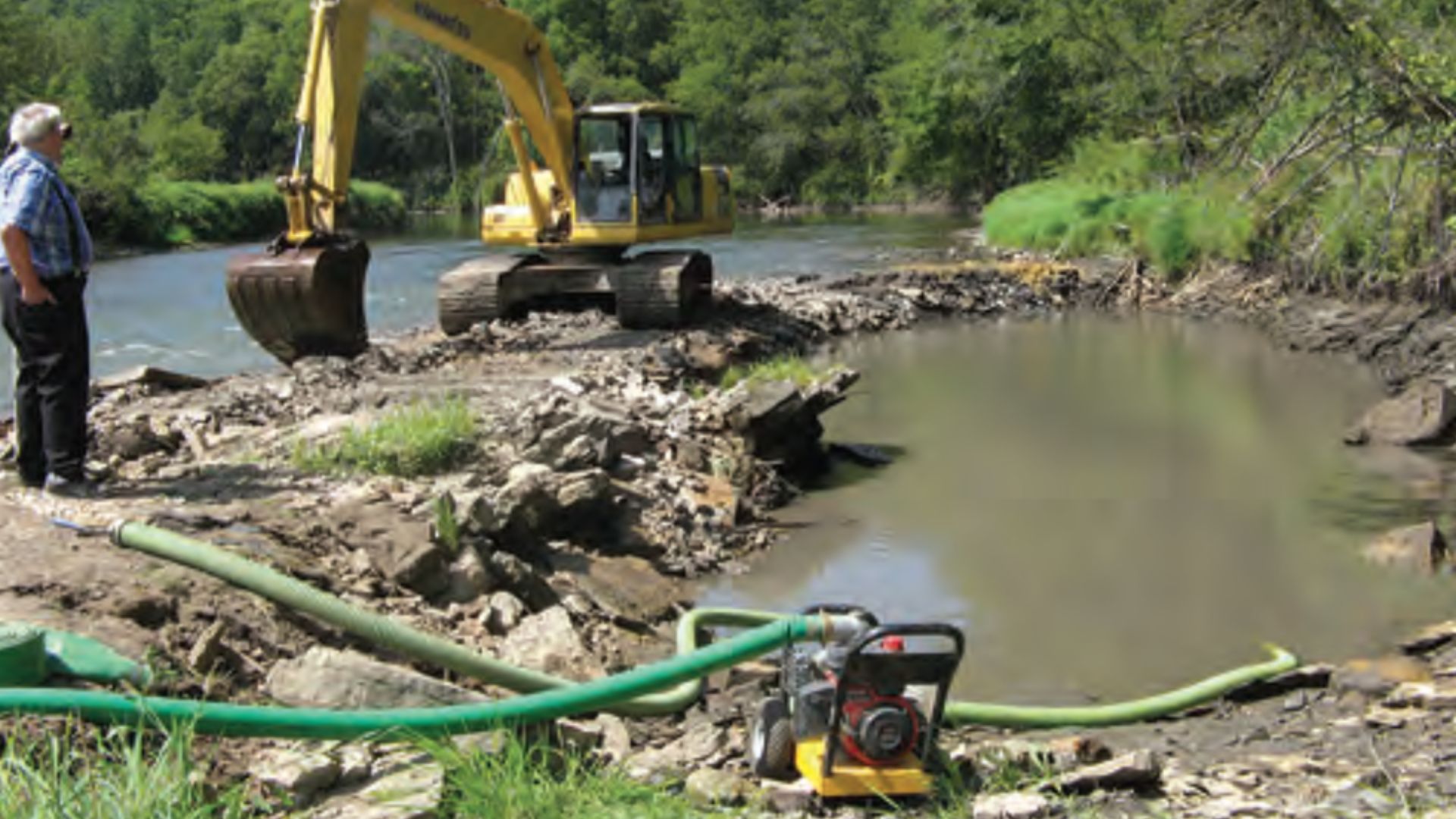
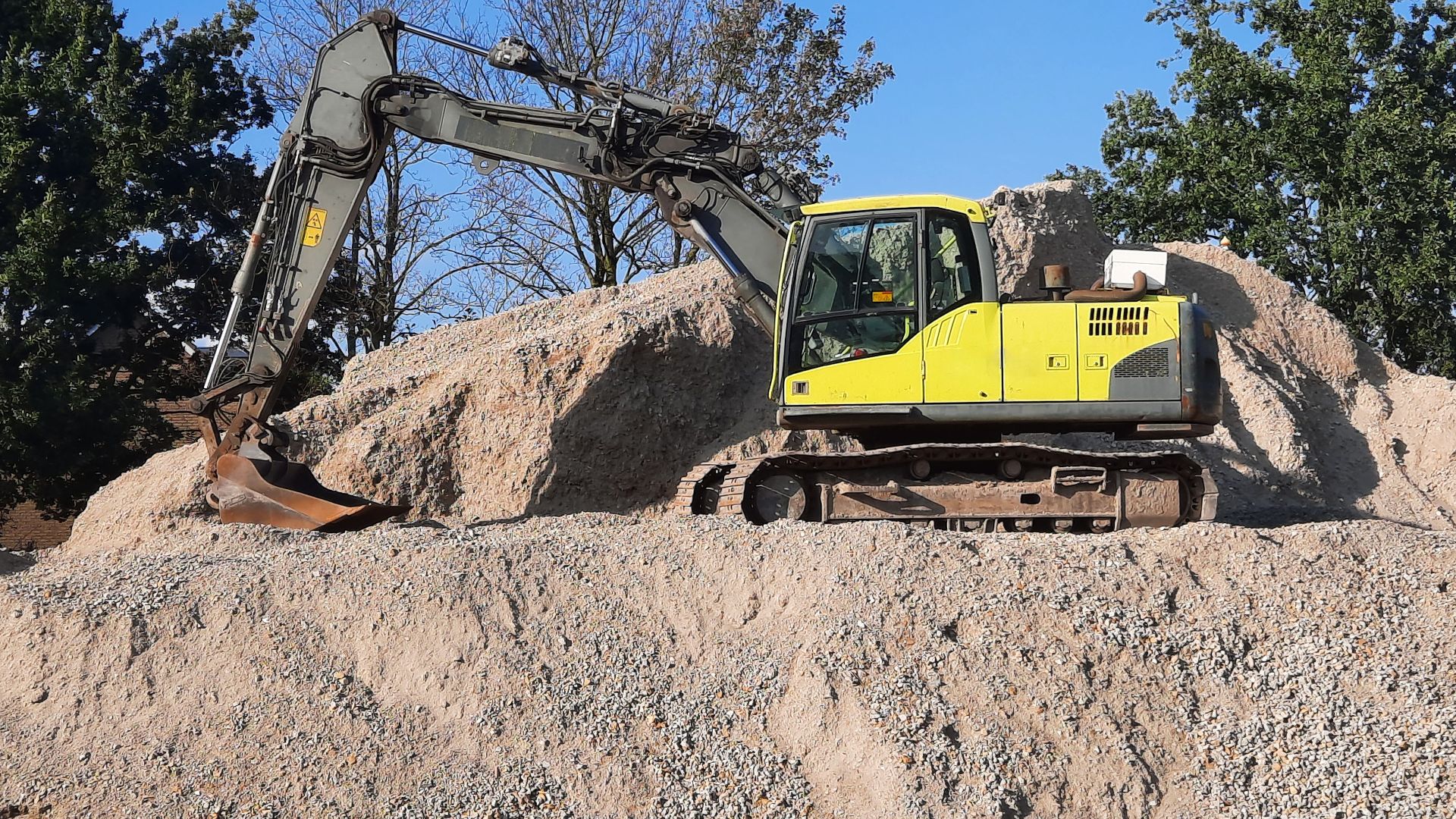
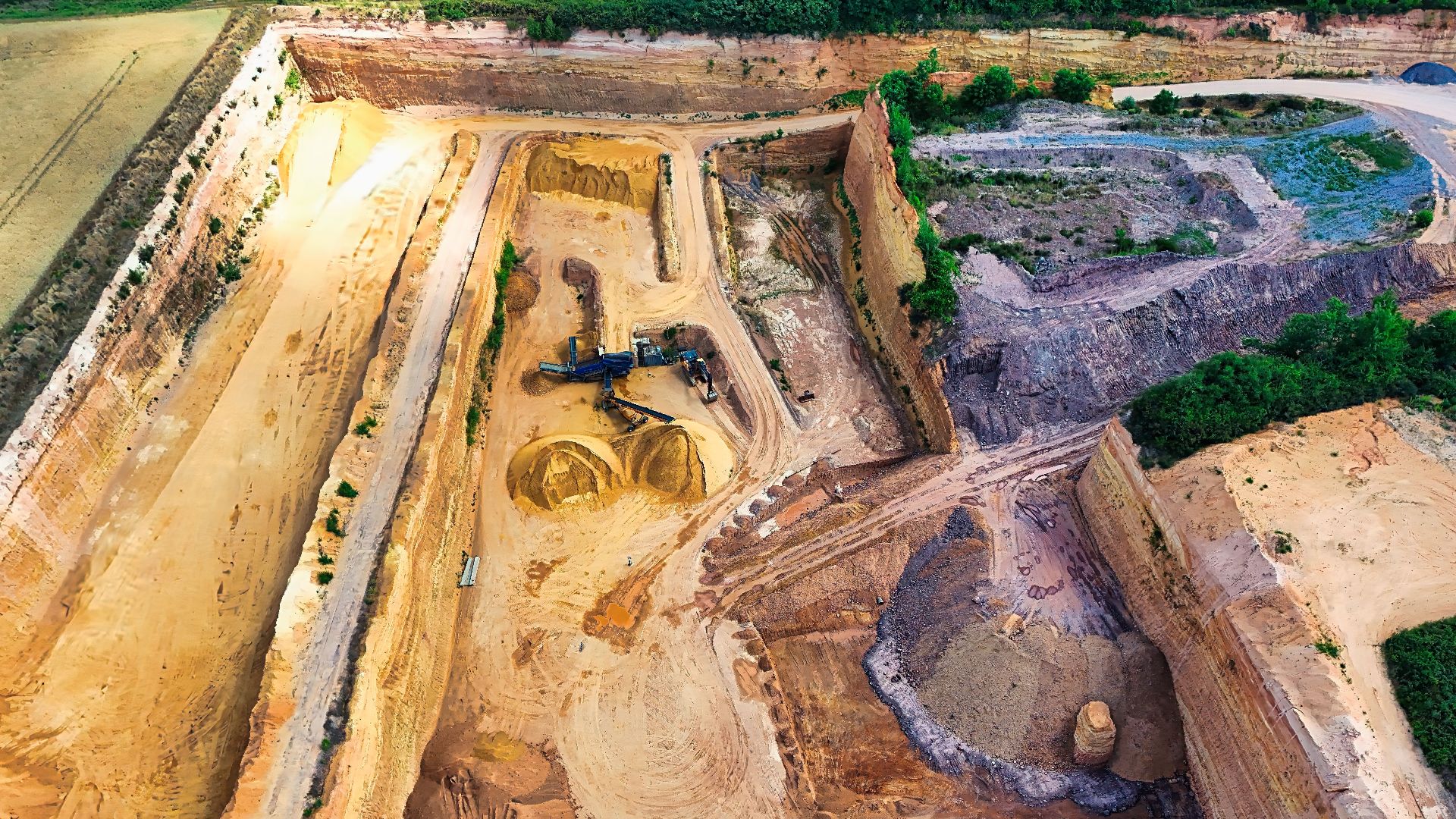
Many Iowa fossil finds come from quarries, construction sites, riverbanks, and gravel pits. These places may not look romantic, but they expose layers and transported stones that otherwise stay hidden. A gravel pile can contain rocks from different places and ages. To the trained eye—or the lucky amateur—it can become a scrambled archive of deep time.
The Human Element
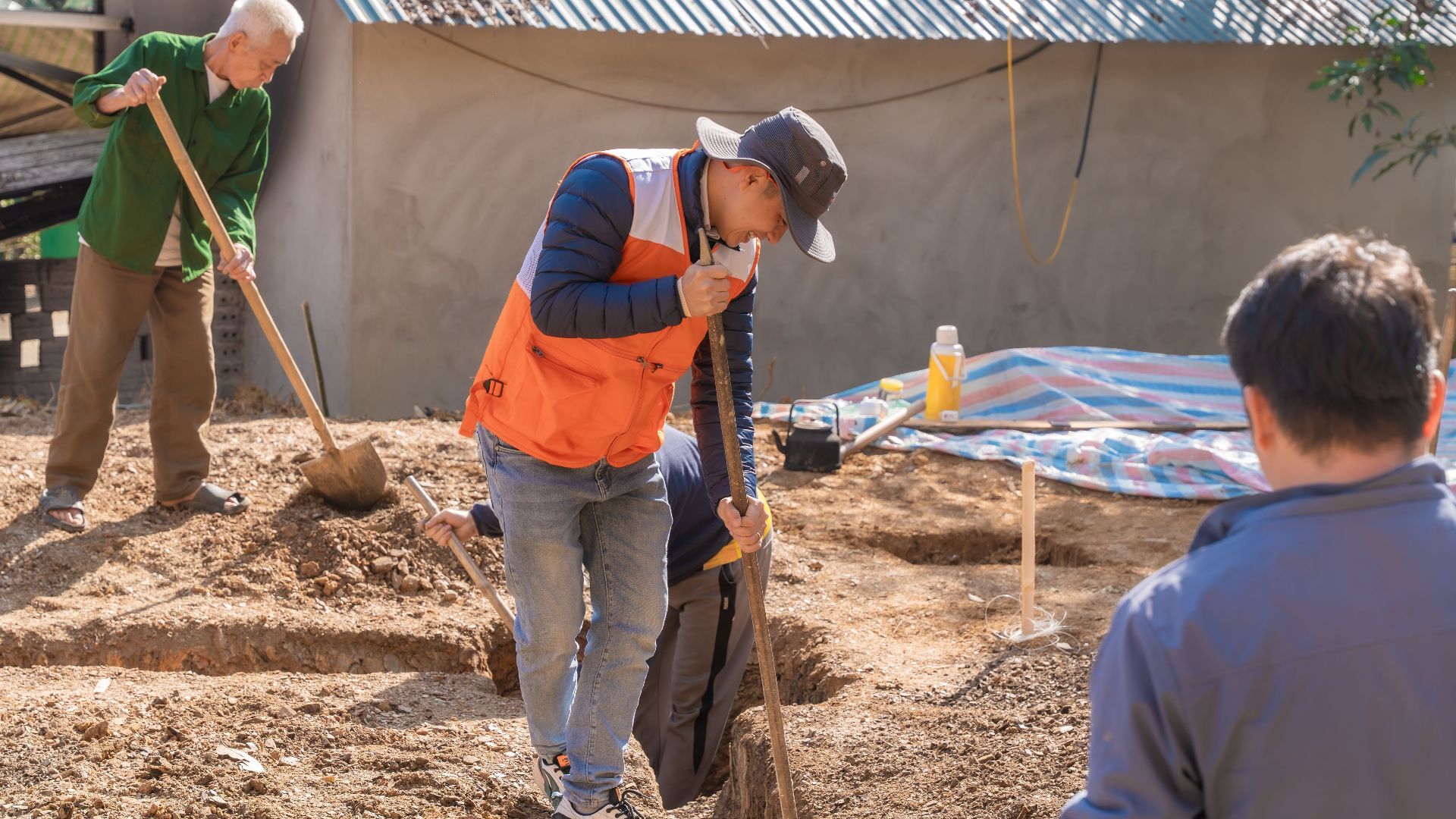
Iowa’s dinosaur story is also a story about sharp-eyed people. A curious collector, a retired educator, a highway inspector, a geologist, a museum specialist—each plays a part. Fossils do not explain themselves. Someone has to notice the odd shape, ask the question, make the call, and bring the specimen to experts who can test the hunch.
The Midwest Fossil Network
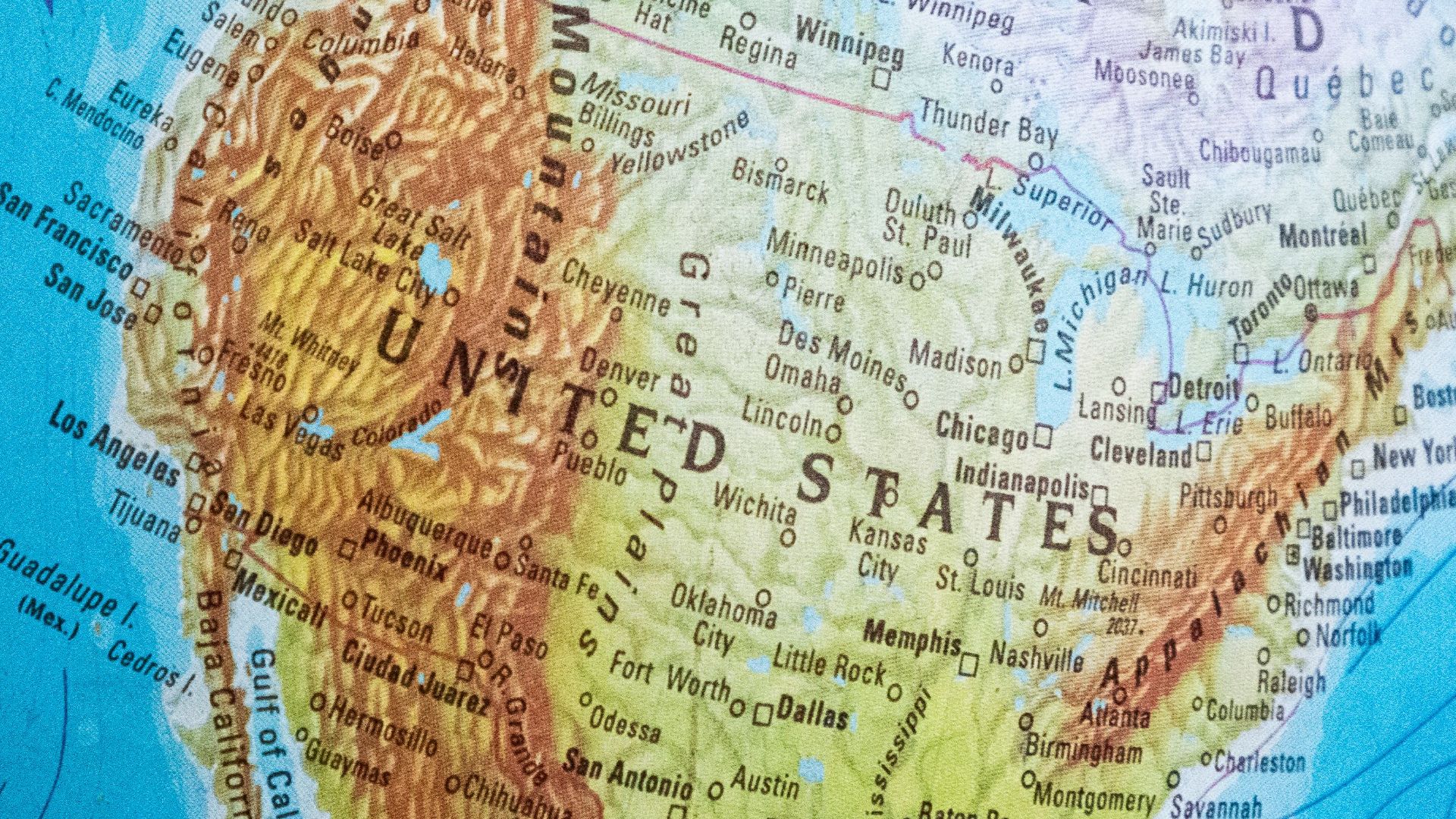
Iowa’s finds make more sense when viewed alongside neighboring states. Dinosaur fossils are known from Nebraska, Minnesota, Missouri, South Dakota, and beyond. Ancient ecosystems crossed what are now borders, highways, and county lines. A dinosaur wandering through Cretaceous river country did not stop at the future Iowa state line and check a map.
What Has Changed
The Iowa dinosaur record has not suddenly produced a herd of complete skeletons. What it has done is reshape expectations. It shows that dinosaur evidence can exist in places long overshadowed by western fossil beds. It also pushes scientists and collectors to look again at overlooked rocks, old collections, and ordinary gravel. Sometimes the map changes because one small bone refuses to stay quiet.
What Scientists Still Want
Paleontologists would love more diagnostic dinosaur material from Iowa: teeth, limb bones, skull fragments, trackways, or fossils still preserved in their original rock layers. Context is gold. A bone found exactly where it was buried can tell a fuller story about age, environment, and neighboring species. The next big Iowa discovery may be sitting in a formation, a gravel pit, or a forgotten drawer.
A Prehistoric State Of Surprises
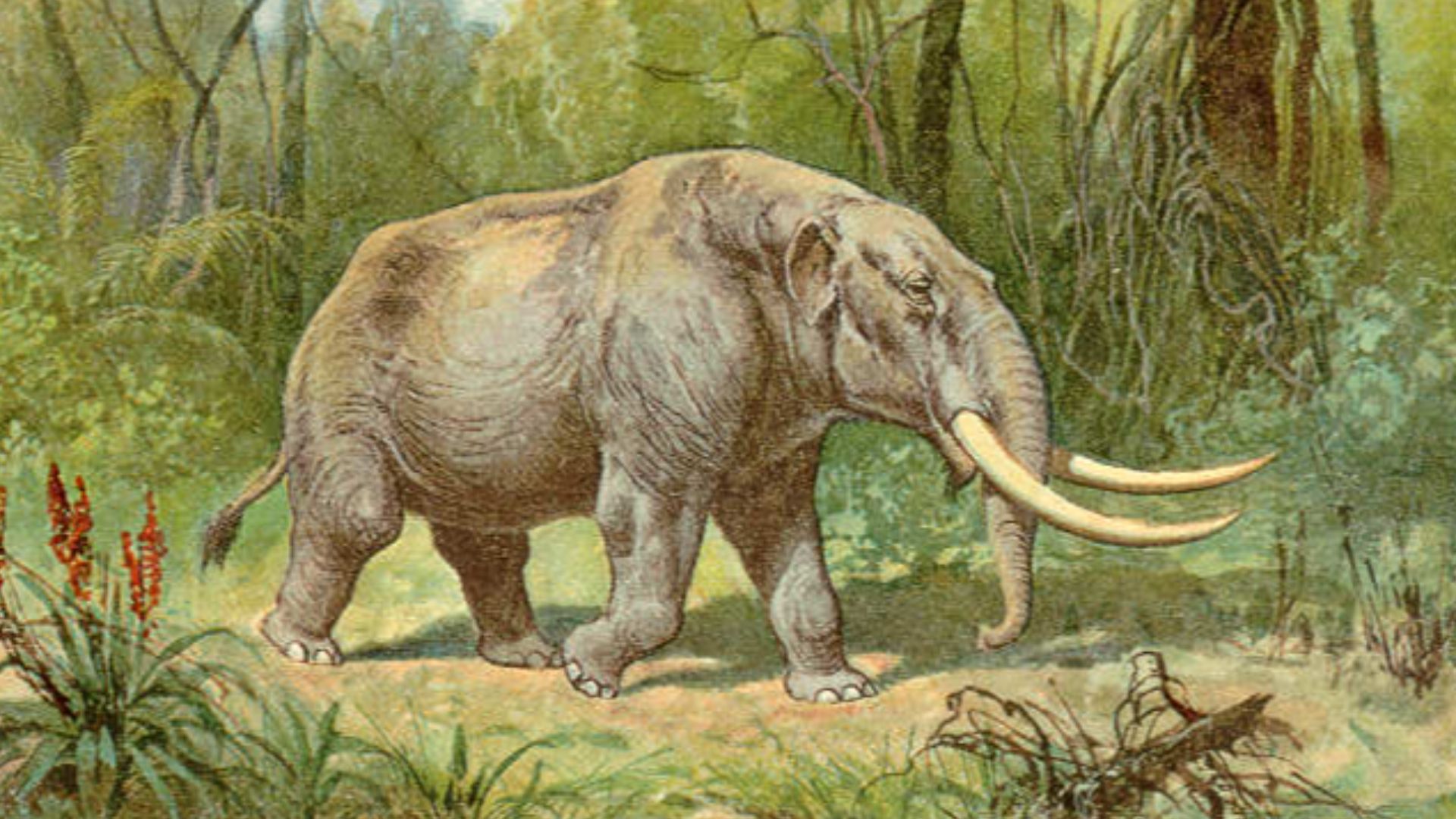
Iowa’s fossil story is wonderfully crowded. It has ancient seas, meteorite craters, giant sea scorpions, plesiosaurs, mammoths, mastodons, and yes, a few tantalizing dinosaur bones. The state does not need to compete with Montana or Utah to matter. Its charm lies in being unexpected. Iowa’s prehistoric past is less blockbuster explosion and more mystery novel—quiet, clever, and full of clues.
 Heinrich Harder (1858-1935), Wikimedia Commons
The Big Takeaway
The real story is not that Iowa suddenly became the dinosaur capital of America. It is that the Midwest still has deep-time surprises left to share. Rare dinosaur bones hint at Cretaceous animals moving through the region, while exceptionally preserved fossils from Decorah reveal an even older world in astonishing detail. Together, they make Iowa a reminder that ancient life is everywhere—sometimes under a cornfield, sometimes in a gravel pile, and sometimes holding open a door.
 James St. John, Wikimedia Commons
Keep Looking Down
Iowa’s fossils invite us to look at familiar ground differently. A road cut, a riverbank, a quarry, or a scoop of gravel might hold evidence of worlds that vanished millions of years before humans arrived. The dinosaurs of Iowa are rare, but rarity gives them power. They whisper instead of roar—and for paleontologists, that whisper is more than enough reason to keep listening.
You May Also Like:
The world's most misunderstood tourist attractions—how many have you visited?