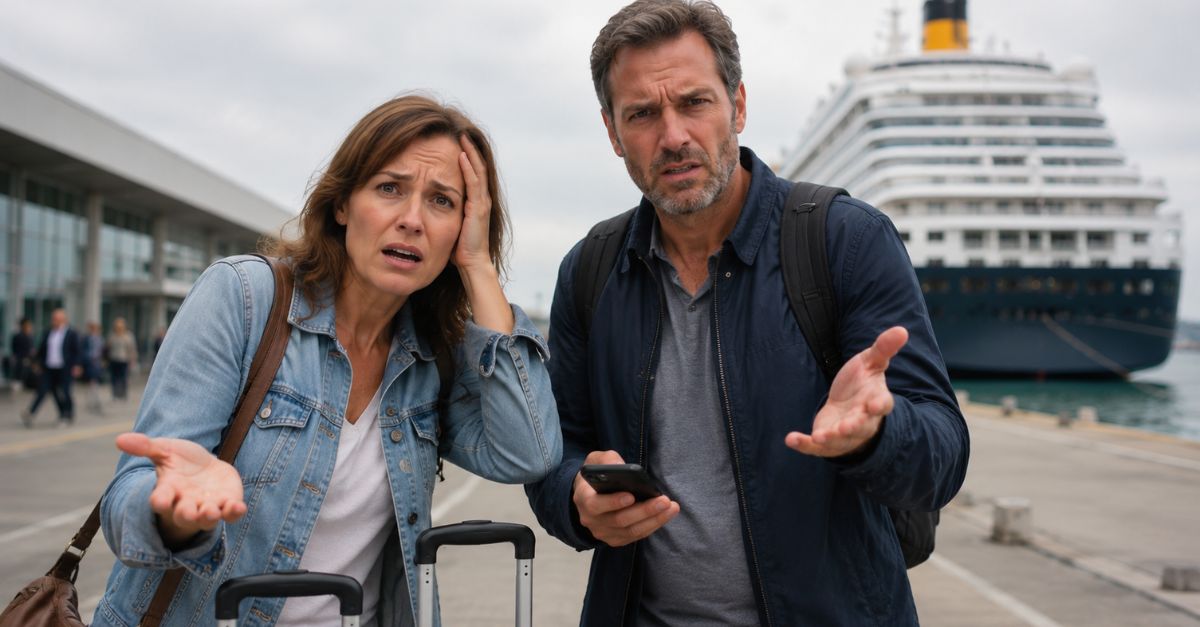
A Cruise Countdown Gone Sideways
It's the kind of travel mess that people have nightmares about. You book flights that should get you to port on time, then the airline changes the schedule again and again until your arrival slips past sailaway. At that point, the question gets painfully simple: Are you the one who's on hook?

Why This Problem Hurts So Much
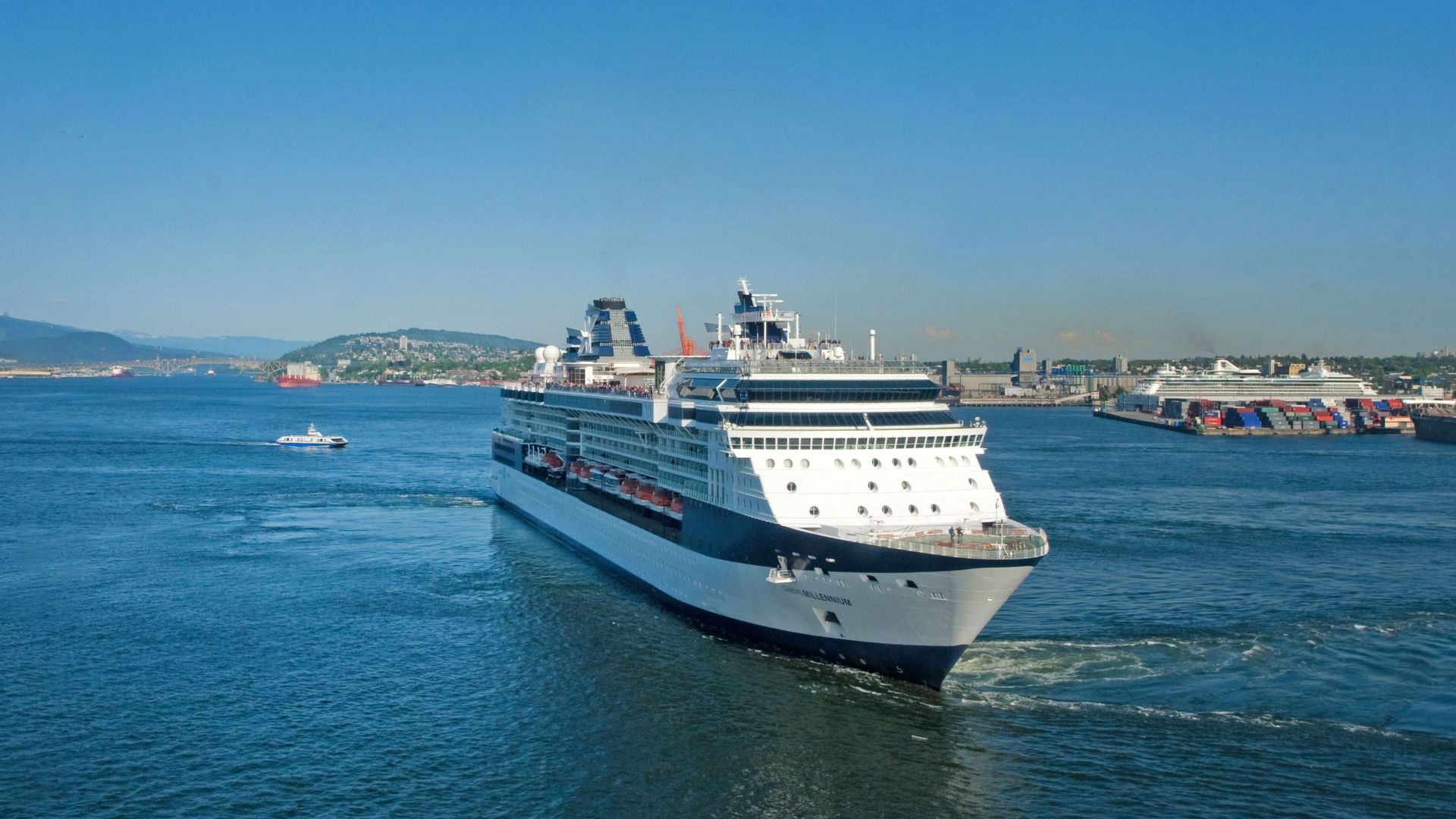
Missing a cruise is not like showing up late to a hotel. Cruise ships run on fixed boarding windows, and they usually do not wait for delayed or rescheduled airline passengers. Once the ship leaves, you may be stuck trying to catch up at the next port, if that is even possible.
The First Hard Truth
If your airline changes your flight three times and the final itinerary gets you in after the ship departs, the airline is usually responsible only for your flight under its contract of carriage. That does not automatically make the airline responsible for your lost cruise fare, hotel costs, or other vacation expenses. In many cases, those extra losses fall into a frustrating gray area unless you have strong travel insurance or booked a protected package.

What The Department Of Transportation Says
The U.S. Department of Transportation says airlines must give a prompt refund if they cancel or significantly change a flight and the passenger chooses not to accept the alternative. That rule applies even to nonrefundable tickets in covered situations. The key point is that a refund for the unused ticket is not the same as compensation for every other part of your trip.
What Counts As A Significant Change
The DOT finalized a rule in April 2024 that spells out when passengers are entitled to automatic refunds for major changes or cancellations. The rule says a significant change can include a departure or arrival moved by more than three hours for domestic trips or more than six hours for international ones, among other disruptions. It also covers things like added connections, airport changes, a lower class of service, or less accessible service.
Why That Rule Matters For Cruise Travelers
If the airline's final revised schedule gets you to the port city after your cruise leaves, you may have a clear right to reject the ticket and get your money back. That helps, but only so much. A refund on airfare does not bring back a seven-night cruise that sailed without you.
The Airline Contract Is Usually Narrow
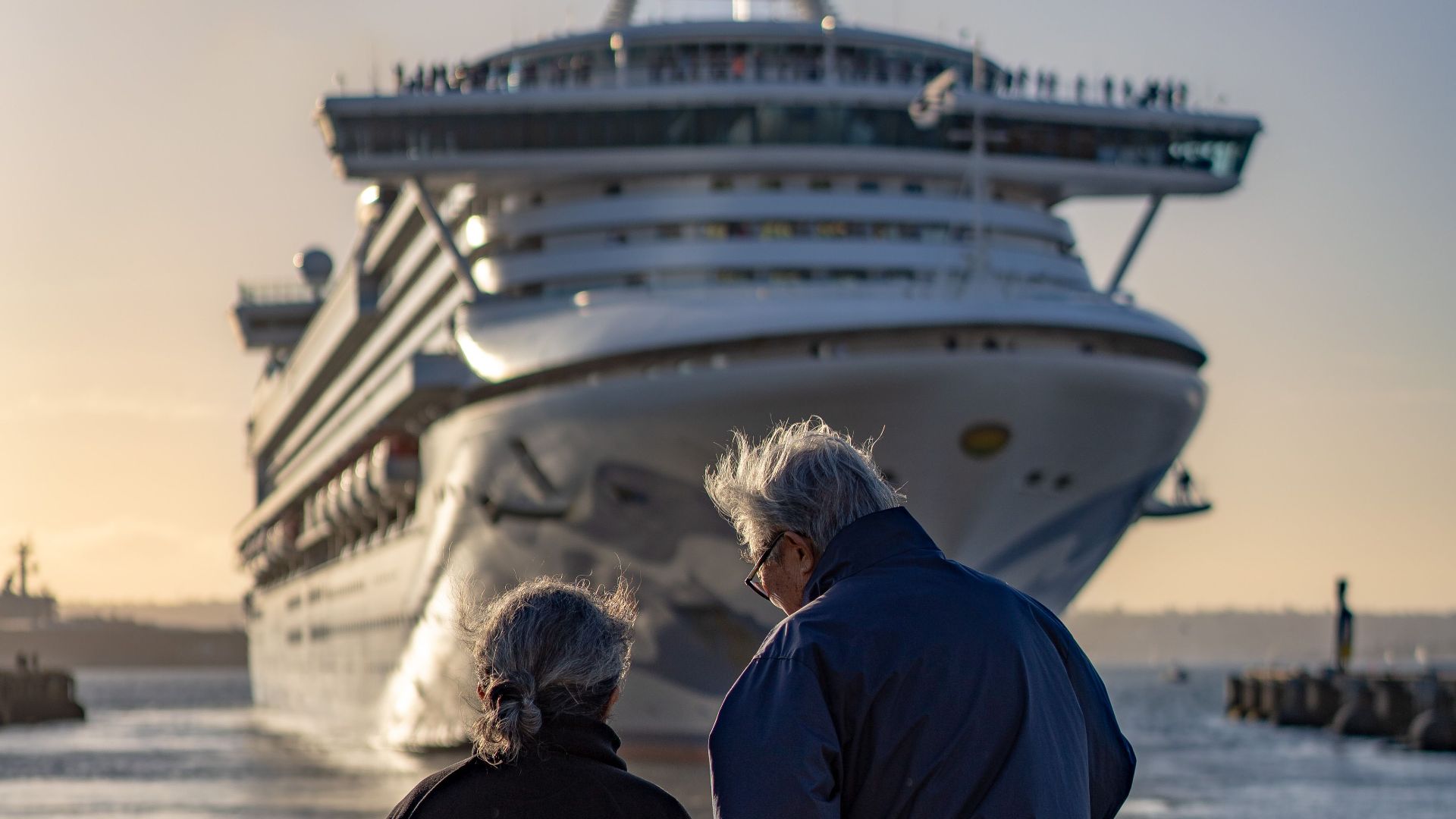
Most major airlines limit their liability for indirect or knock-on losses in their contracts of carriage. That often includes cruise fares, prepaid tours, missed hotel nights, and event tickets. In plain English, the airline may owe you transportation or a refund, but not the full chain reaction of a ruined vacation.
American Airlines Spells It Out
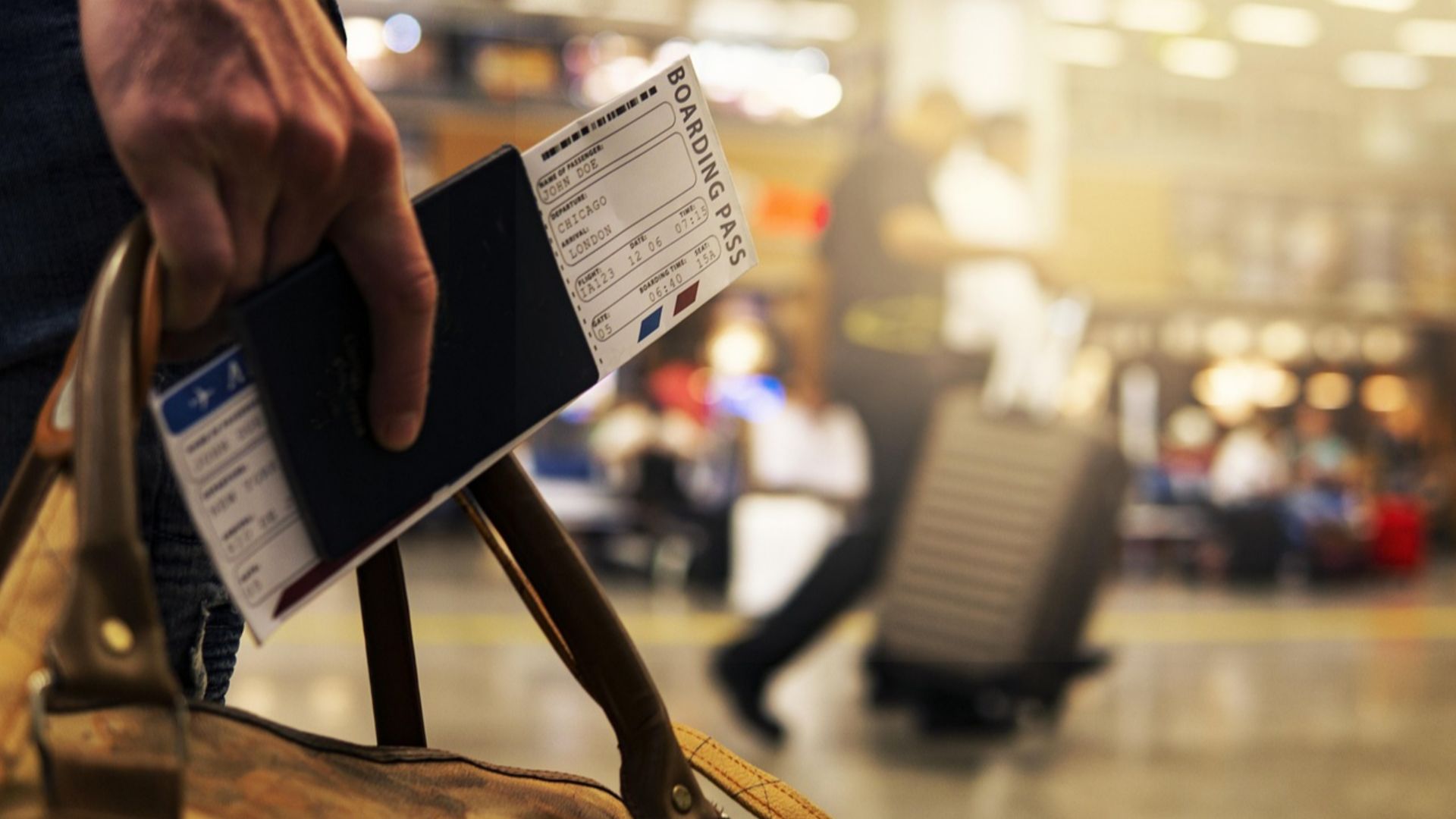
American Airlines' conditions of carriage say schedules are subject to change without notice and that times shown in timetables are not guaranteed. The same contract also limits liability for special, incidental, or consequential damages to the extent allowed by law. That is a clear warning for travelers hoping to recover the cost of a missed cruise from the airline.

Delta Uses Similar Limits
Delta's contract of carriage also says published schedules are not guaranteed and can change without notice. Like other carriers, Delta limits liability for special or consequential damages in many situations. These terms are common across the industry, and they shape what passengers can realistically recover.

United Takes A Similar Approach
United's contract of carriage likewise says that flight schedules are not guaranteed and are not part of the contract. It also includes liability limits that can block claims for downstream vacation losses. That does not mean you have no rights, but it does mean the airline's obligations are often much smaller than travelers expect.

So Who Usually Pays For The Cruise Loss
In many real-world cases, the answer is nobody unless you bought the right protection. If you booked air and cruise separately, each company may point to the other and to its own fine print. That is why flight-and-cruise mismatches can get expensive so quickly.
 AI25.Studio AI GENERATIVE, Pexels
When The Cruise Line Might Share Responsibility
The cruise line may have more responsibility if it sold you the flights as part of its own package or travel program. Some cruise companies offer air arrangements and certain protections when those flights are delayed or changed. The exact help depends on the cruise line's written terms, but this is one of the few situations where a traveler may have more than a basic refund option.

Princess Highlights The Risk Clearly
Princess Cruises tells guests in its travel documents that it is the passenger's responsibility to be onboard by the published departure time unless the cruise line specifically says otherwise. The company also urges travelers to arrive at least a day before embarkation. That advice may sound cautious, but it exists because flight problems happen all the time.

Carnival Gives Similar Advice
Carnival's cruise ticket contract says guests are responsible for arriving at the terminal on time and warns that the carrier is not responsible for a guest's failure to board on time. Carnival also strongly recommends flying in at least one day before a cruise. It is not glamorous advice, but it is some of the best in travel.
Travel Insurance Is Often The Real Safety Net
Travel insurance can be the difference between a painful setback and a financial disaster. Policies vary, but missed connection, trip delay, and trip interruption coverage may help when a common carrier disruption causes you to miss your departure. The catch is that coverage depends on the policy language, timing rules, and documentation.

What A Missed Connection Benefit Can Do
InsureMyTrip explains that missed connection benefits may reimburse costs when a delay by a common carrier causes you to miss a cruise or tour departure. Covered expenses can include transportation to rejoin the trip and sometimes prepaid losses, depending on the plan. Travelers still need to read the fine print because not every policy covers every scenario.

The Fine Print That Can Make Or Break A Claim
Insurance companies often require a minimum delay before coverage kicks in. They may also require receipts, airline notices, and proof that the disruption was outside your control. If you wait too long to notify the insurer or fail to document the schedule changes, even a strong claim can fall apart fast.

Credit Card Protections May Help Too
Some travel credit cards include trip delay or trip cancellation and interruption benefits when you pay for the trip with the card. Those benefits usually come with strict limits and narrow definitions of covered events. They are worth checking, but they are not a substitute for reading a full insurance policy before you travel.

What To Do The Moment The First Change Hits
Do not wait for a third schedule change before acting. As soon as the airline moves your itinerary in a way that threatens your cruise, contact the airline and ask for options that arrive earlier, even on partner flights if allowed. Also contact the cruise line that same day to ask what options exist if your arrival becomes impossible.

Ask For A Different Routing Fast
Airlines sometimes have room to move passengers to a more workable flight when there is a schedule change. The earlier you call, the better your odds of finding seats on acceptable options. Once the best replacements are gone, your choices can shrink in a hurry.
 CBP Photography, Wikimedia Commons
Document Every Change
Take screenshots of the original itinerary and every revised version. Save emails, app alerts, text messages, and notes from phone calls, including the time and the name of the representative. If you later seek a refund, an insurance payout, or goodwill compensation, that paper trail matters.

Know When To Cut Your Losses
If the airline's final option clearly gets you in after embarkation, ask for a refund rather than accepting a useless ticket. Under DOT rules, a significant change or cancellation can trigger refund rights if you decline the replacement itinerary. That refund can at least free up money to look for last-minute alternatives.

Try Reaching The Ship Only If The Numbers Work
Sometimes travelers can fly to the first port of call and board there, but that is never guaranteed. You need the cruise line's permission, valid travel documents, and enough time to get there legally and safely. In many cases, especially on international sailings, catching up costs more than it is worth.

Why Flying In The Same Day Is So Risky
Cruise lines and insurance experts routinely say to arrive a day early for a reason. Even a basic weather issue, aircraft swap, crew problem, or air traffic delay can wreck a same-day plan. Add multiple airline schedule changes, and the odds get worse fast.
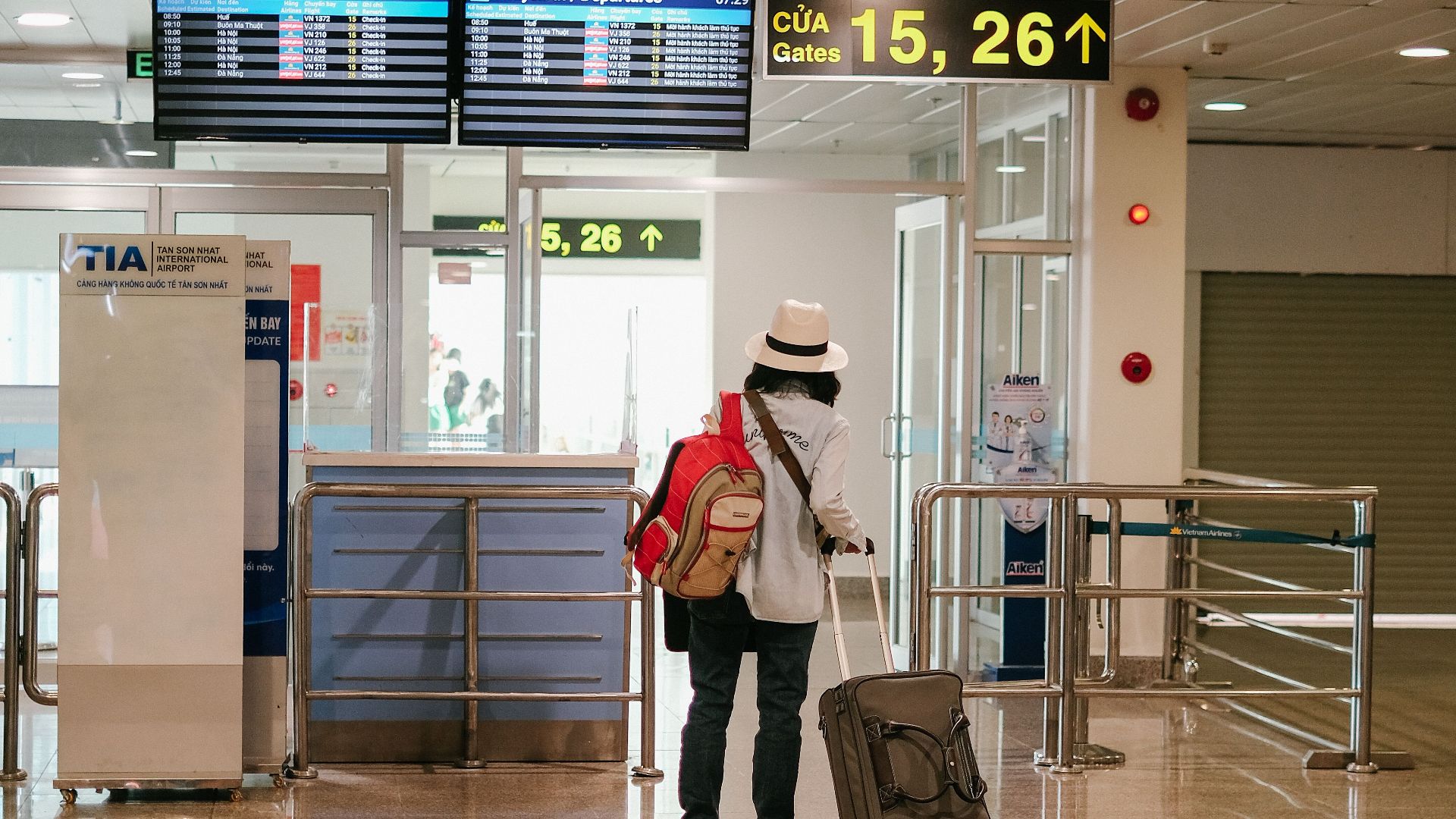
The Practical Verdict On Responsibility
If you booked airfare and cruise separately, the airline is generally responsible for refunding or rebooking the flight under the rules and its own contract. The cruise line is generally responsible only for the cruise under its ticket terms, not for rescuing you from a bad flight schedule. The financial gap between those two bookings is usually where insurance, credit card benefits, or a package booking matters most.

The Best Way To Avoid This Headache
Book flights that arrive at least one day before embarkation, especially for sailings that leave from busy or weather-prone airports. Consider booking the cruise line's air program if the terms offer meaningful protection, and buy travel insurance soon after making your initial trip deposit. Those steps cost more upfront, but they can save a trip when the airline starts tinkering with your itinerary.

A Messy Situation With A Clear Lesson
Three flight changes that turn a cruise vacation into a race you cannot win feels outrageous, and for travelers it absolutely is. But in the fine-print world of airline and cruise contracts, outrage and legal responsibility are not always the same thing. The safest takeaway is simple: separate bookings create separate problems, and the best defense is planning for disruption before it happens.