Some Famous Attractions Have Surprisingly Wrong Reputations
Many of the world's most famous tourist destinations suffer from misconceptions. Movies, social media, travel brochures, and word of mouth often create expectations that don't match reality. As a result, visitors sometimes leave confused, disappointed, or pleasantly surprised by what they actually find.
 kovgabor79, Adobe Stock Images / Alexandr, Adobe Stock Images
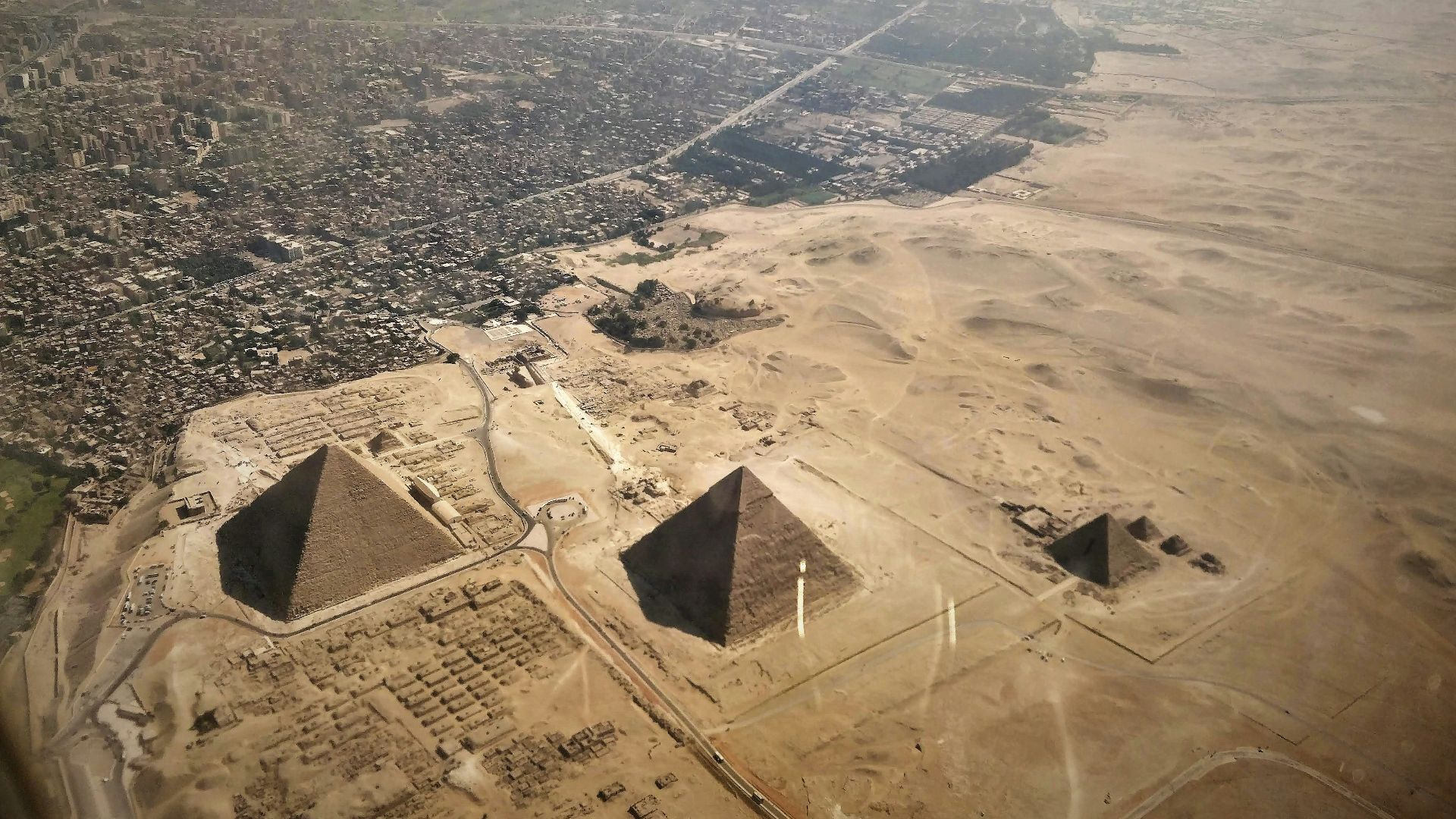
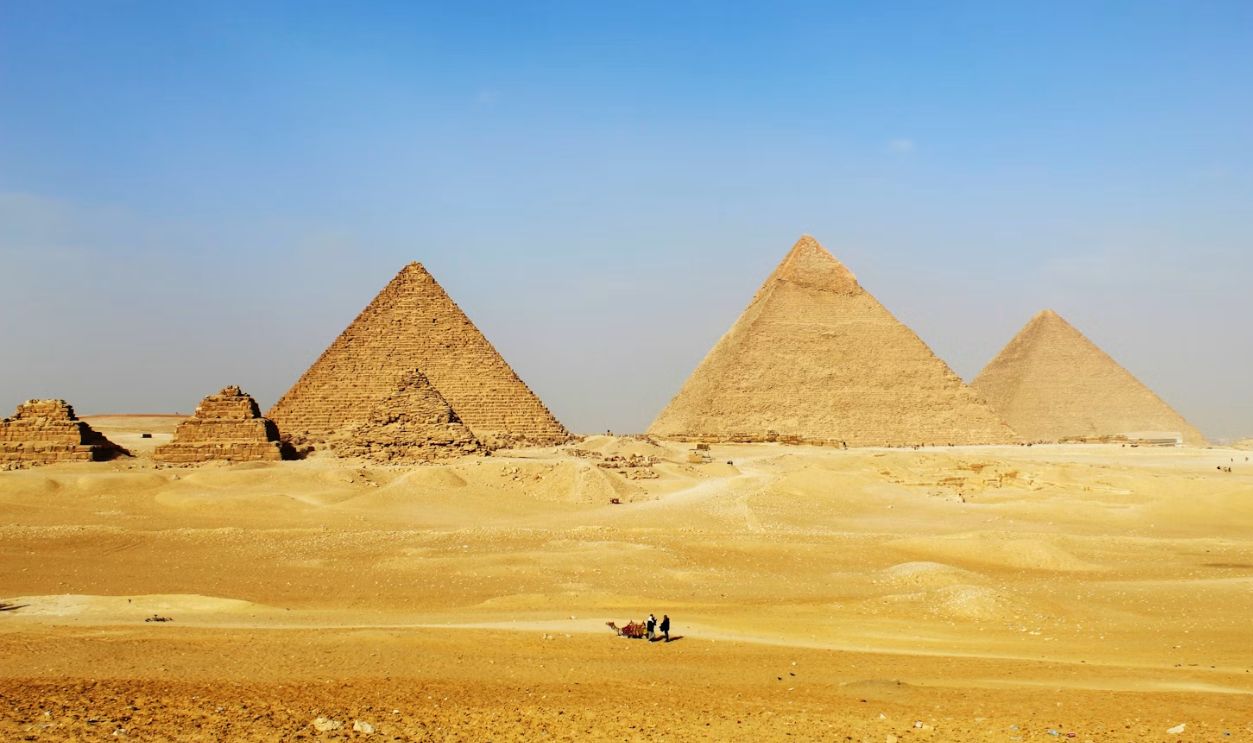
The Pyramids Of Giza Aren't In The Middle Of The Desert
Photographs often make the pyramids appear isolated in endless sand. Visitors are frequently surprised to discover modern Cairo sits remarkably close by. Urban development has gradually expanded toward one of the world's oldest surviving wonders.
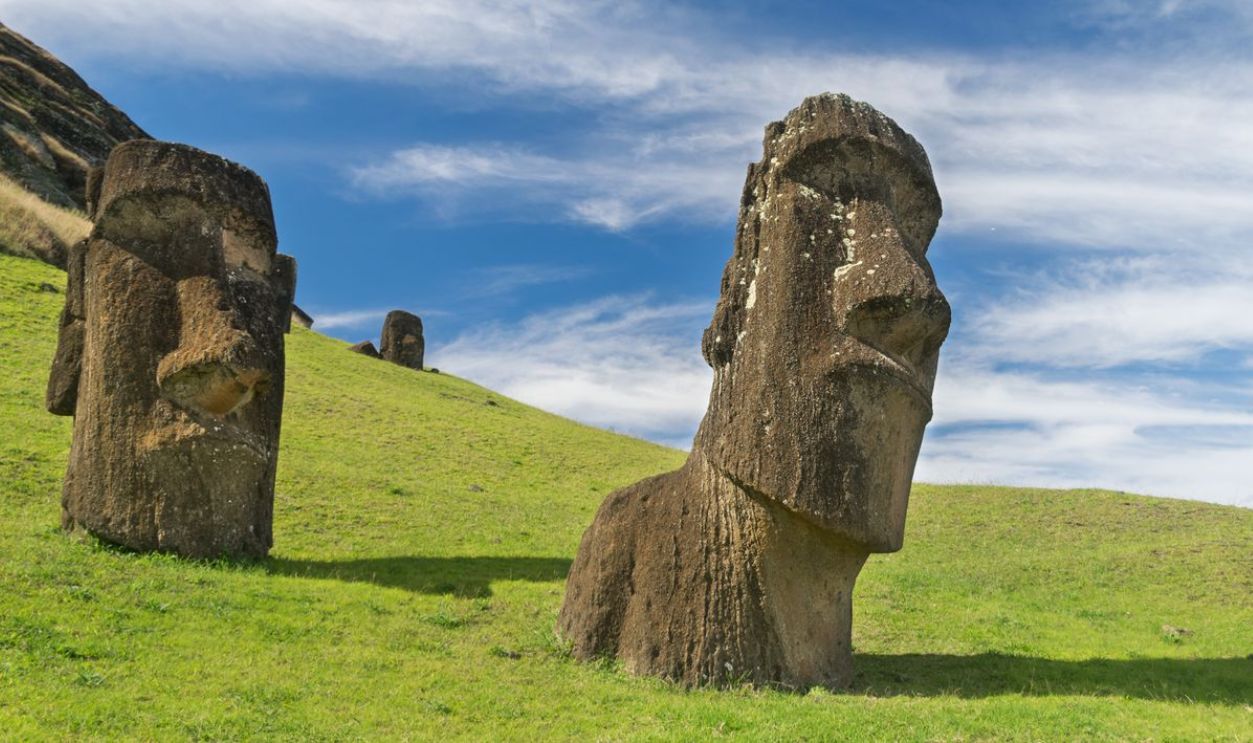
Easter Island Statues Have Bodies
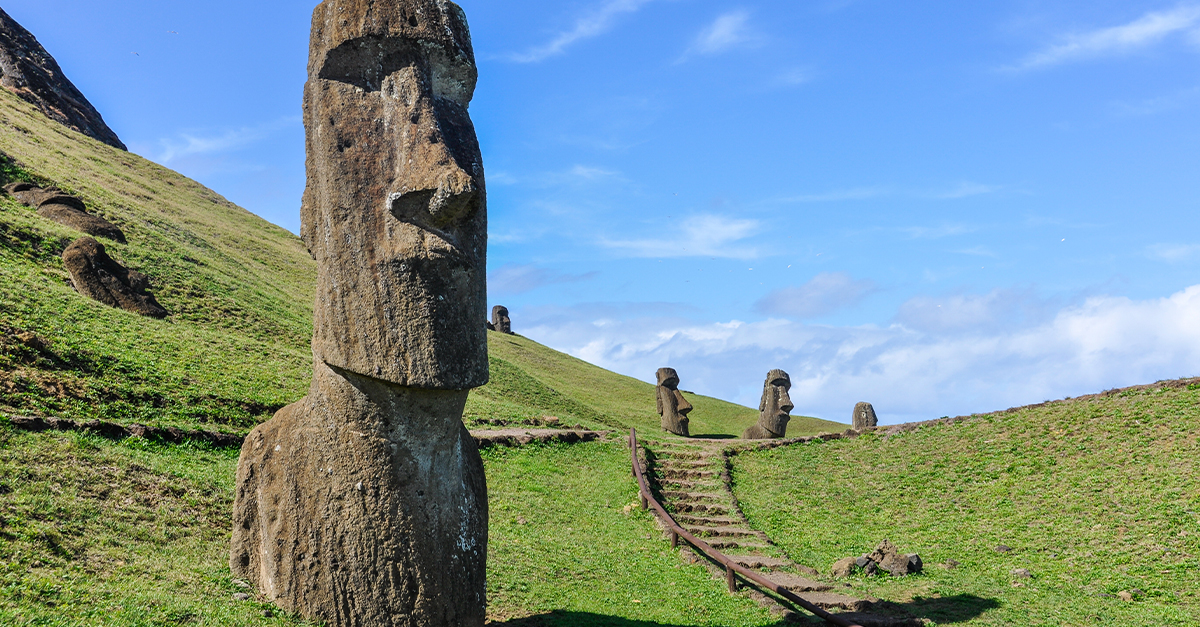
Photographs often show only the heads of Easter Island's famous moai statues. Many visitors are surprised to learn the statues actually have full bodies buried beneath centuries of accumulated soil and sediment.
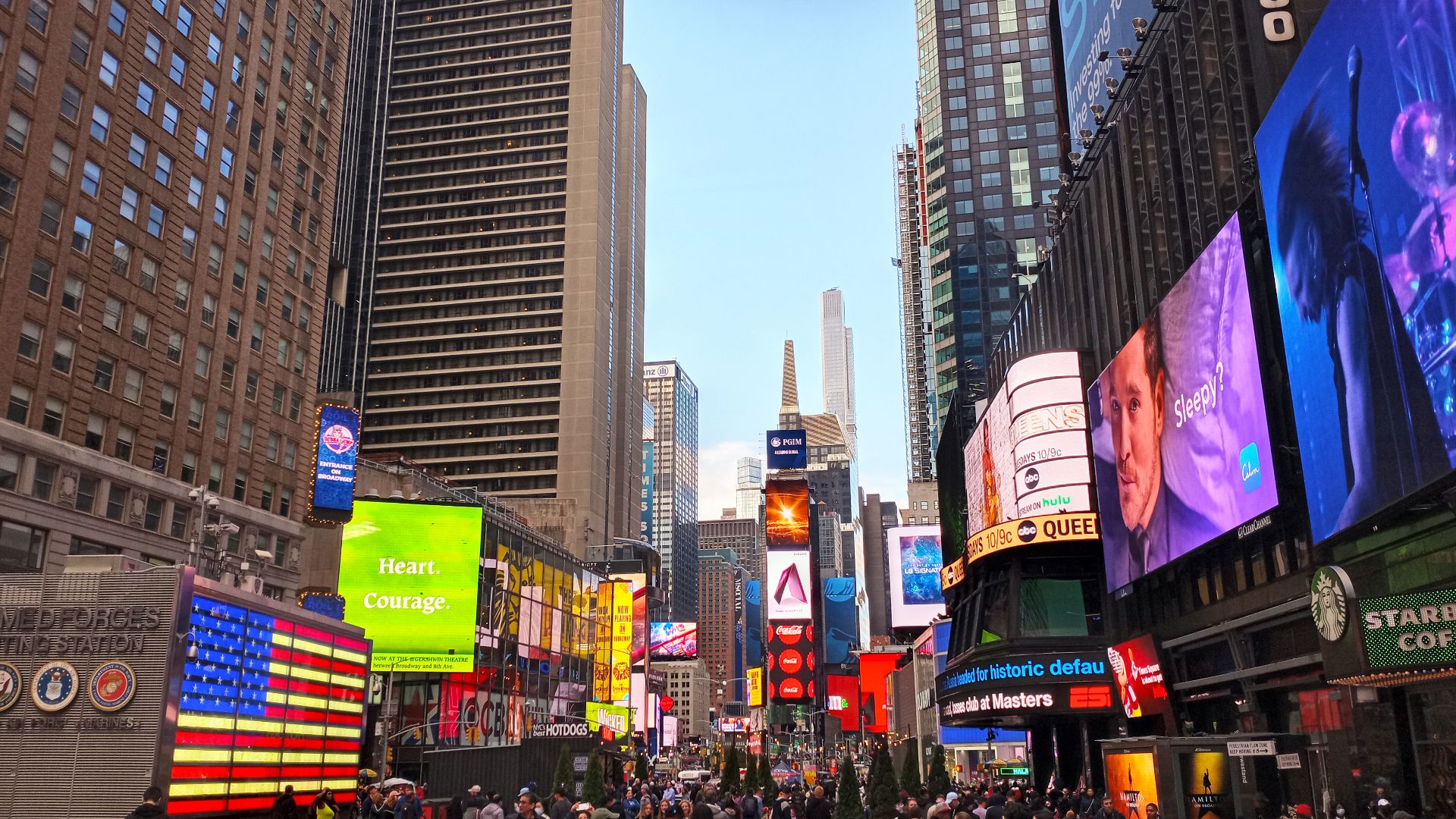
Times Square Isn't Actually A Square
The famous intersection in New York City is technically shaped more like a bow tie than a square. The name survived because of the area's history and cultural importance rather than its precise geometry.
 Don Ramey Logan, Wikimedia Commons
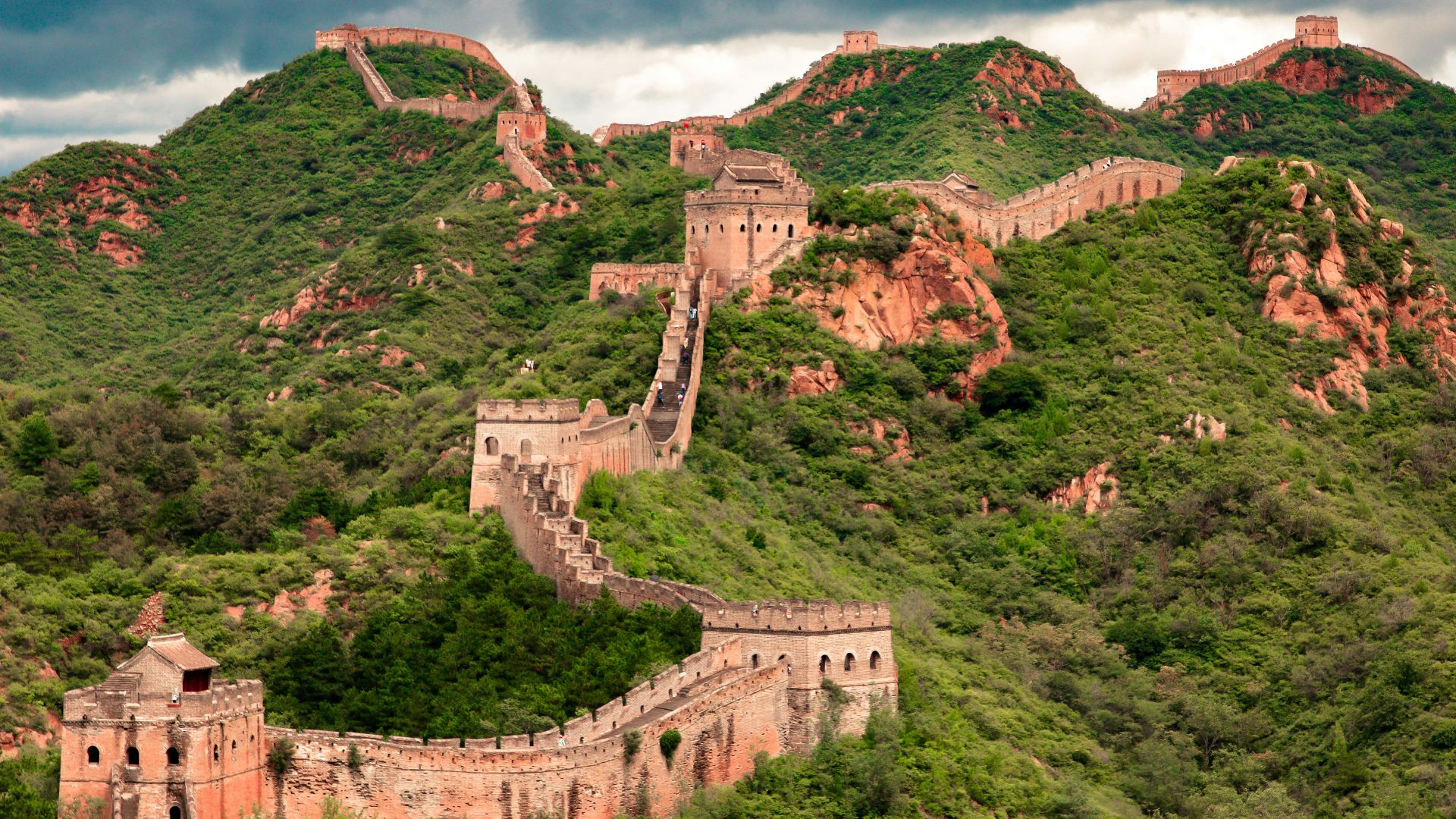
The Great Wall Of China Isn't Visible From Space
One of the most persistent travel myths claims the Great Wall of China is visible from space with the naked eye. Astronauts and space agencies have repeatedly clarified that this is generally untrue. Despite the myth, the wall remains one of humanity's most impressive engineering achievements.
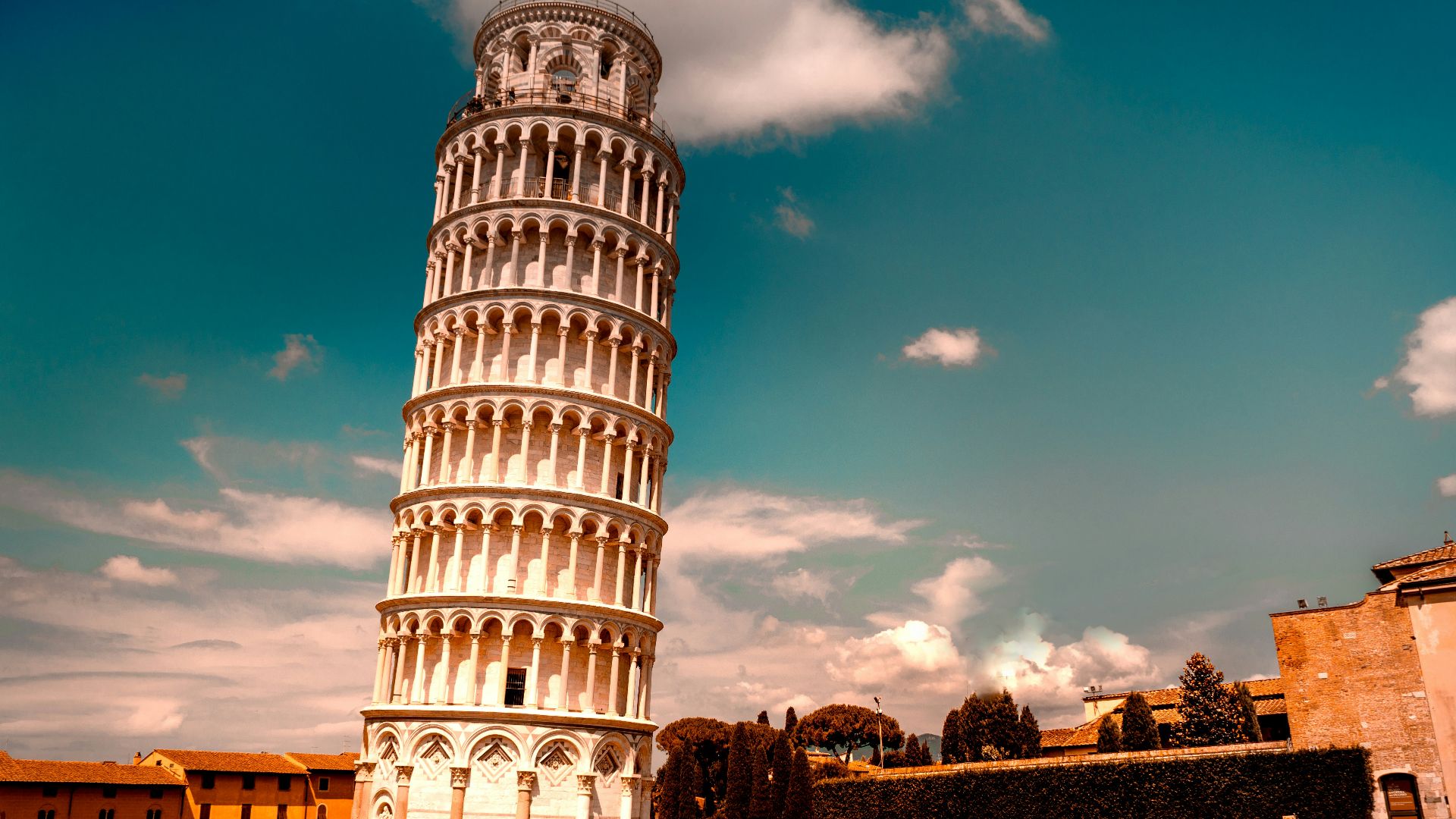
The Leaning Tower Of Pisa Was Never Meant To Lean
Many people assume the famous tilt was intentional. In reality, the tower began leaning during construction because of unstable soil beneath the foundation. Engineers spent centuries preventing collapse, turning what was originally a construction problem into Italy's most recognizable landmark.
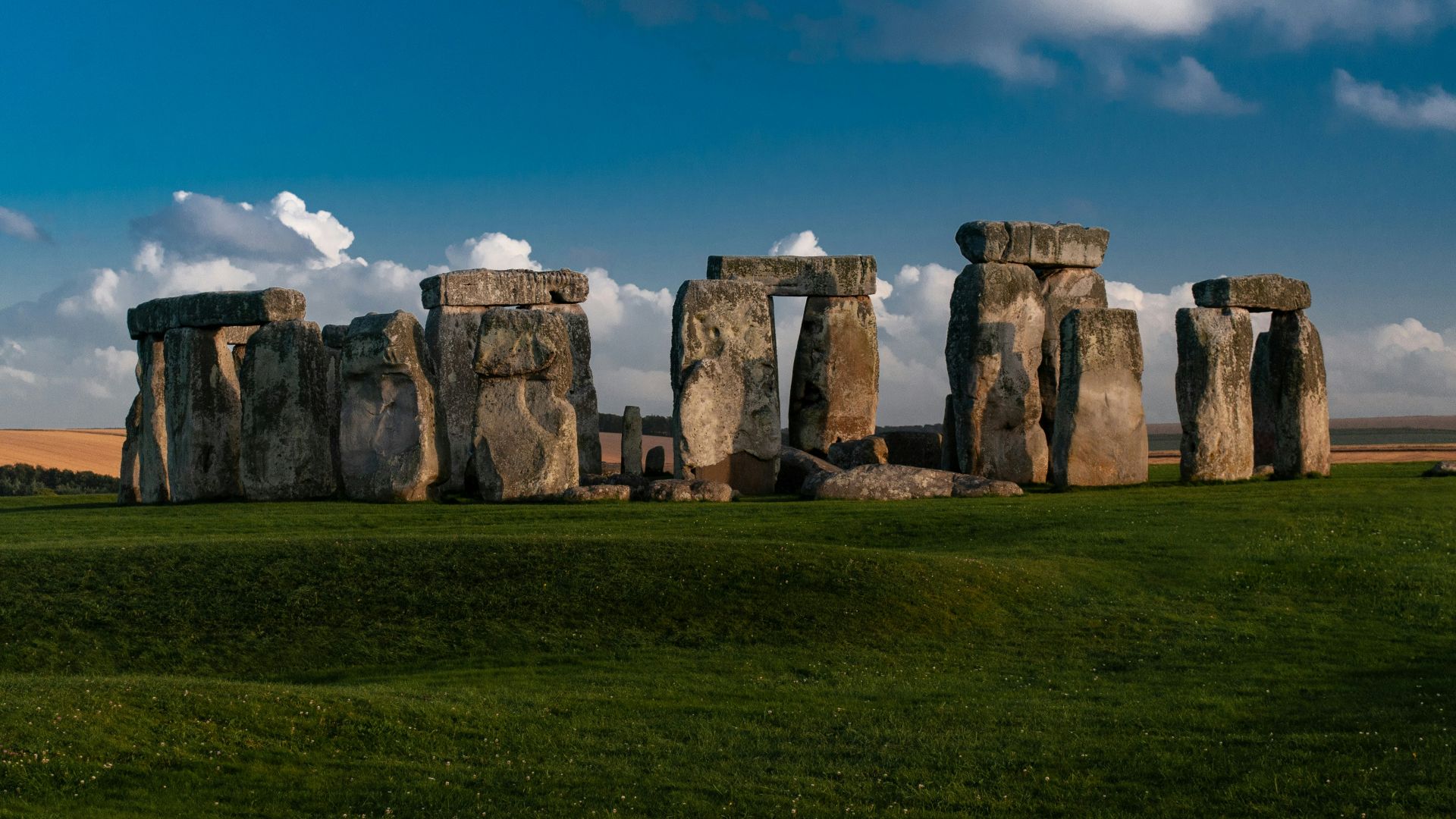
Stonehenge Wasn't Built By Druids
Modern Druids have adopted Stonehenge as a spiritual site, leading many visitors to believe they built it. Archaeologists now know the monument predates the Druids by thousands of years, making the true origins even more mysterious than popular myths suggest.
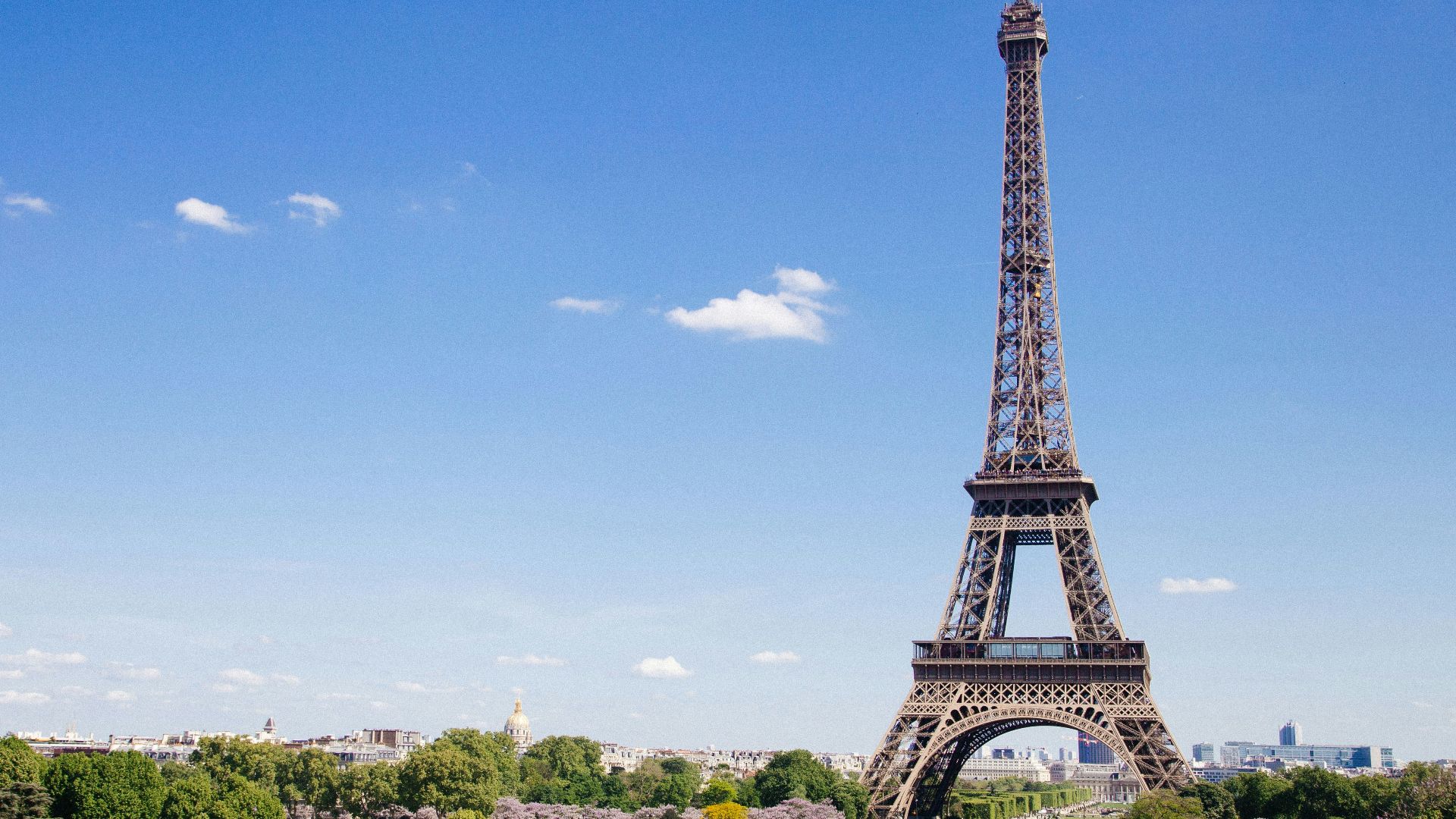
The Eiffel Tower Was Originally Hated
Today, the Eiffel Tower symbolizes Paris itself. However, many artists and intellectuals fiercely opposed its construction in the late nineteenth century. Critics called it ugly and out of place. Few could have predicted it would become one of the world's most beloved landmarks.
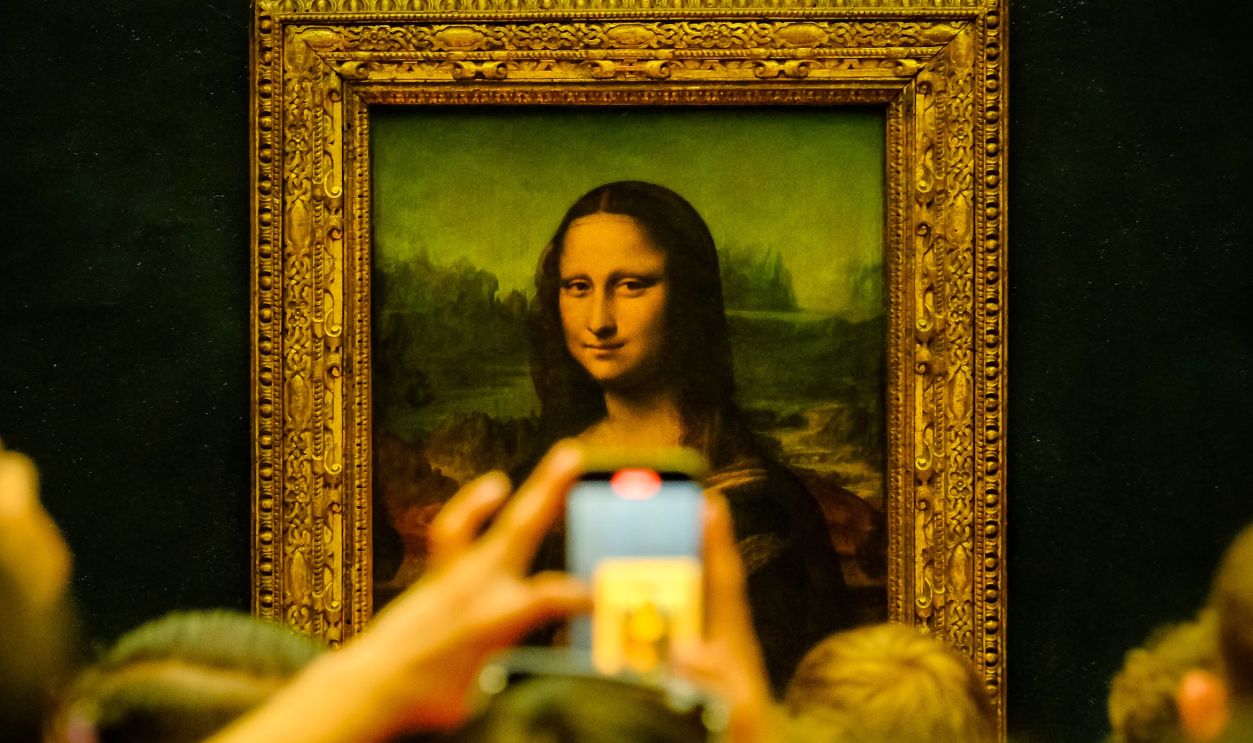
The Mona Lisa Is Smaller Than Most Visitors Expect
Countless tourists are shocked by the size of Leonardo da Vinci's masterpiece. Years of seeing enlarged reproductions create the impression of a massive painting. In reality, the Mona Lisa measures only about 30 inches tall and sits behind heavy protective glass.
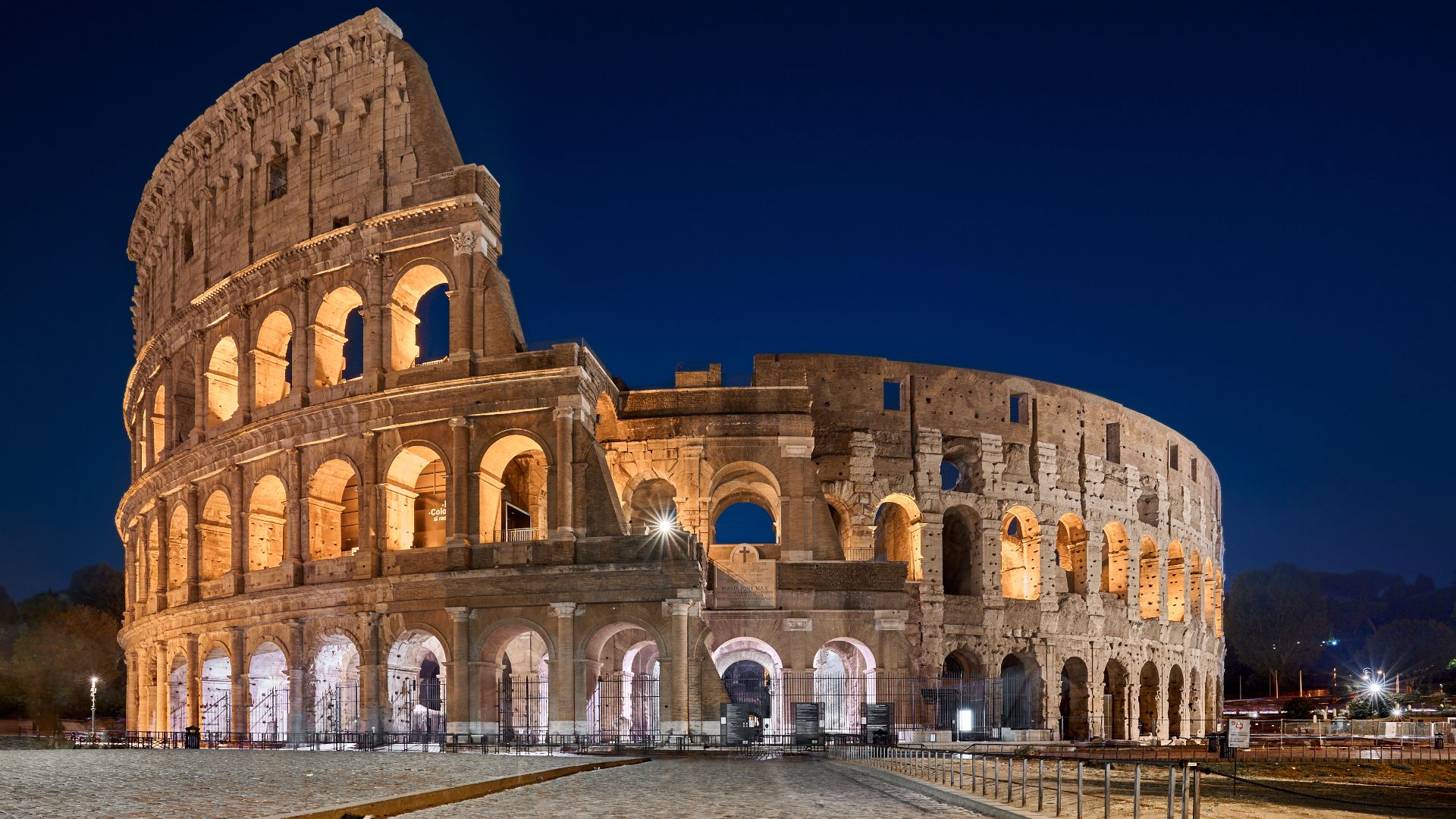
The Colosseum Wasn't Always A Ruin
Visitors often assume the Colosseum has looked like a crumbling monument for centuries. In fact, much of its damage came from earthquakes, stone removal, and later construction projects. Parts of ancient Rome literally helped build the city that surrounds it today.
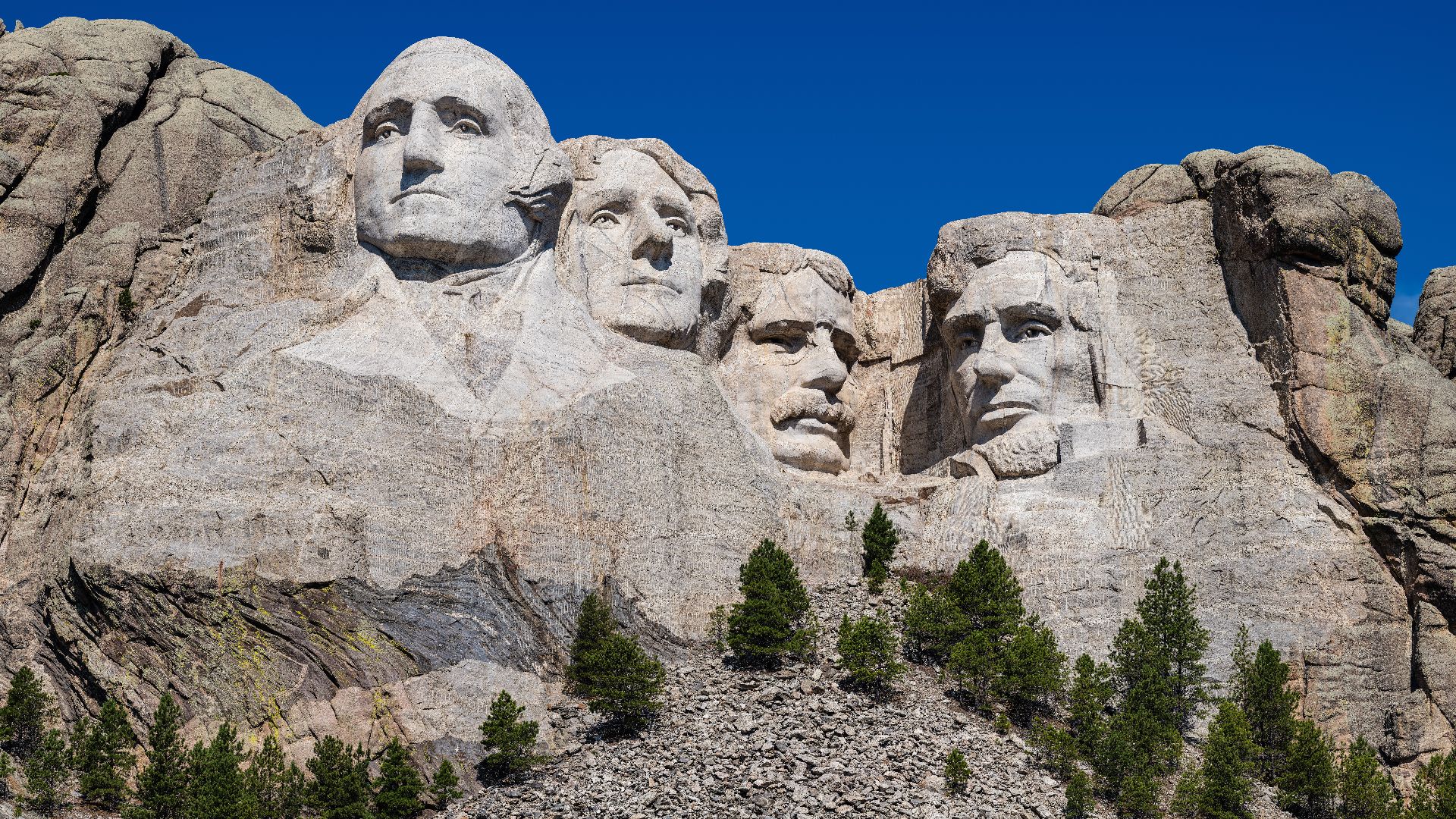
Mount Rushmore Was Never Fully Completed
Many people believe the monument looks exactly as originally planned. The sculptor, Gutzon Borglum, envisioned far more extensive carvings including upper bodies and inscriptions. Funding shortages and Borglum's death ended the project before completion.
 Thomas Wolf, www.foto-tw.de, Wikimedia Commons
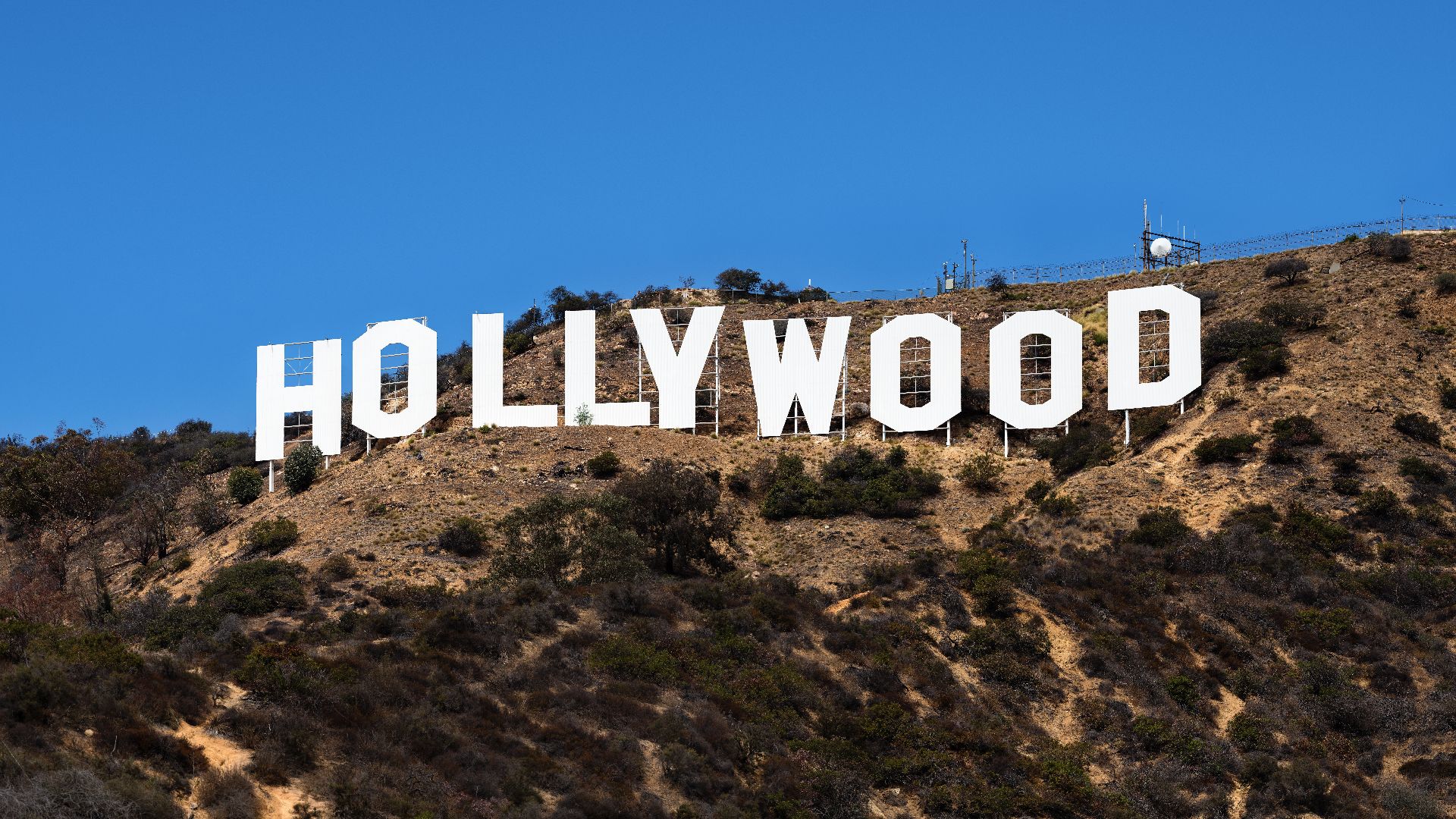
The Hollywood Sign Was Originally An Advertisement
The famous Hollywood sign wasn't created to celebrate the film industry. It originally read "Hollywoodland" and advertised a real estate development in the hills above Los Angeles. The final four letters were removed years later as the sign became a cultural icon.
 Thomas Wolf, www.foto-tw.de, Wikimedia Commons
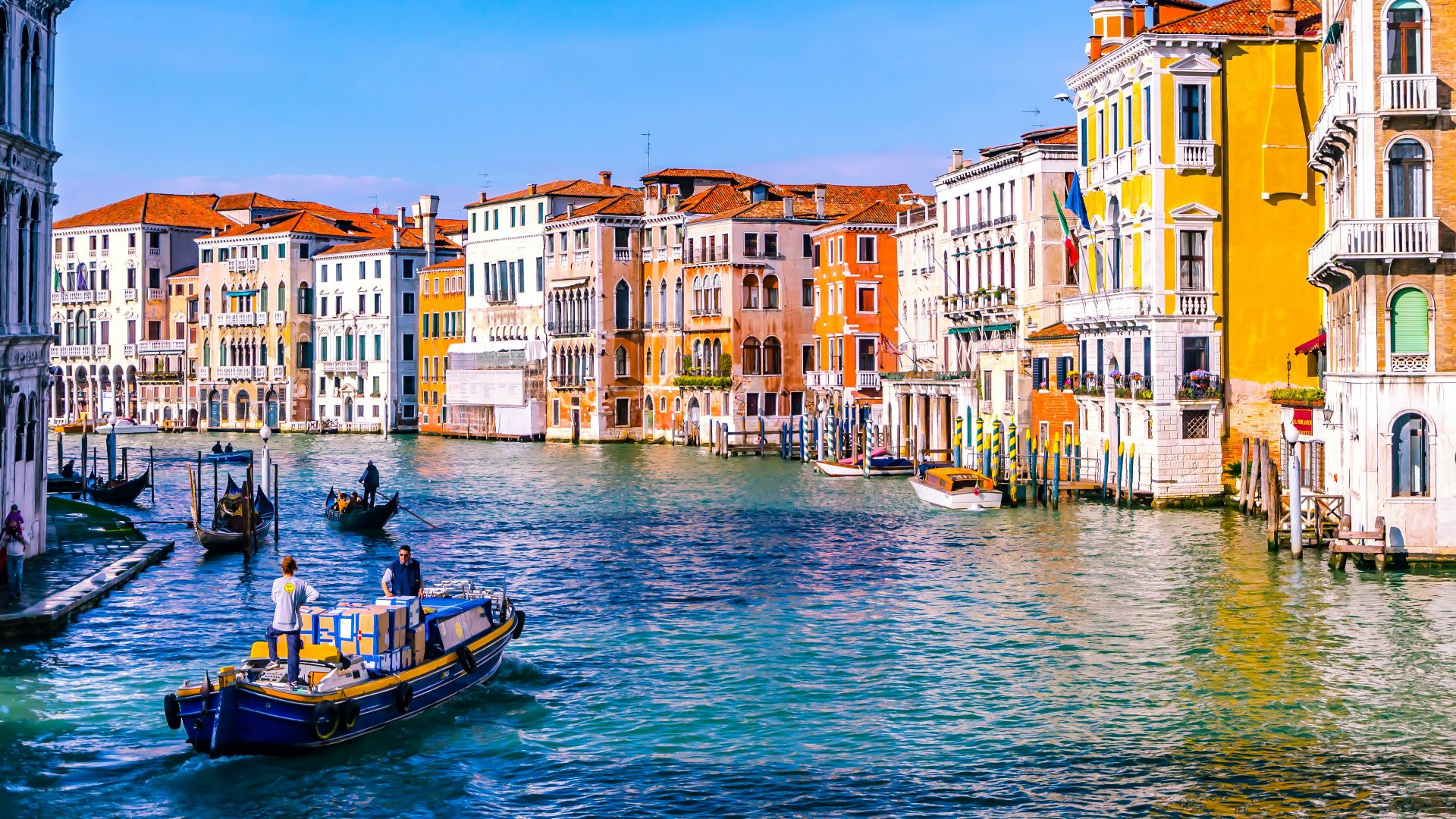
Venice Isn't Actually Sinking Overnight
News headlines often suggest Venice is on the verge of disappearing beneath the sea. While the city does face flooding challenges and gradual subsidence, experts generally describe the situation as complex and long-term rather than an immediate catastrophe.
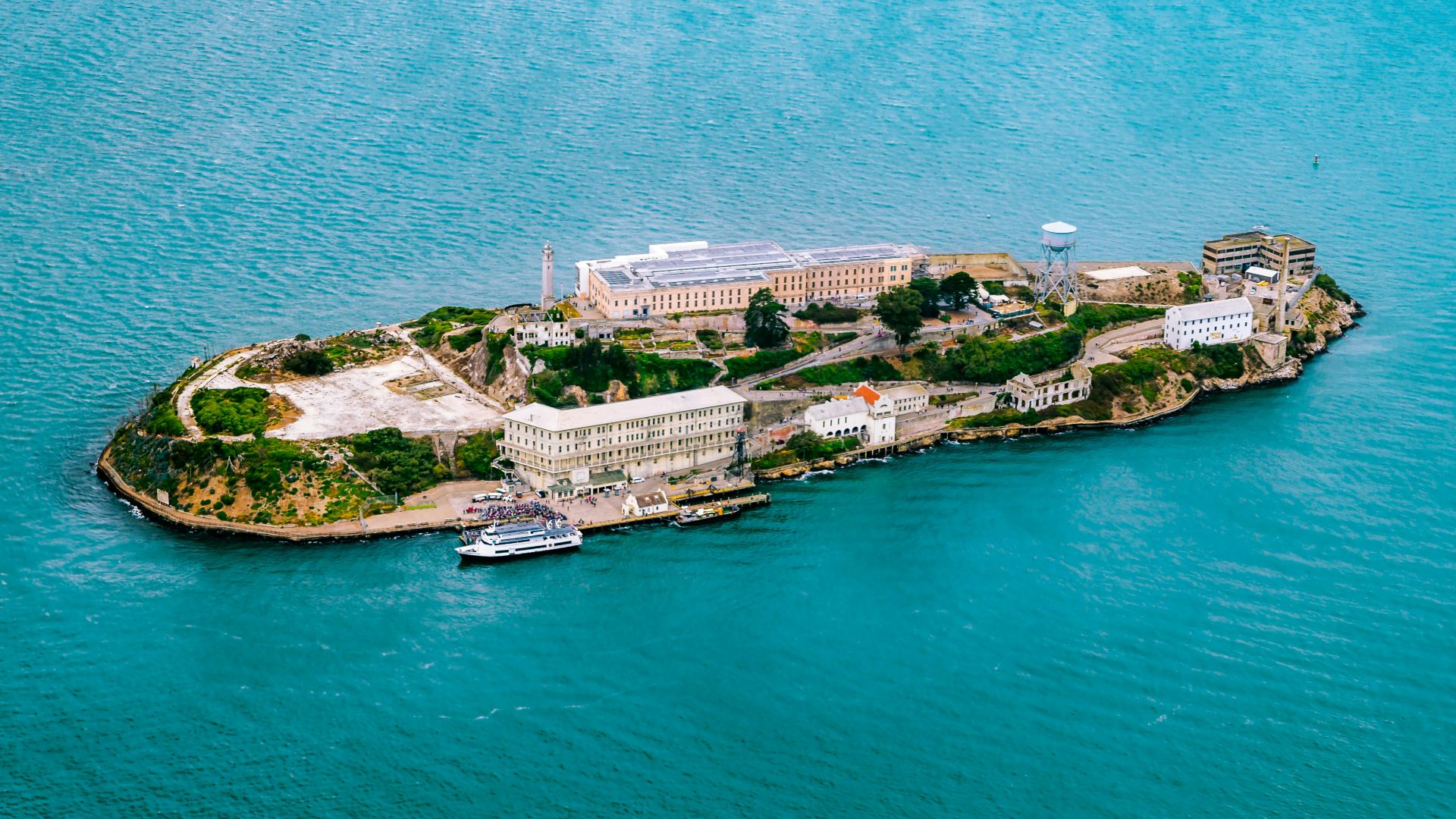
Alcatraz Wasn't The Inescapable Fortress People Imagine
Hollywood helped create Alcatraz's fearsome reputation. While escaping was extraordinarily difficult, several prisoners did attempt it. Historians still debate the fate of some escapees, adding intrigue to one of America's most famous prisons.
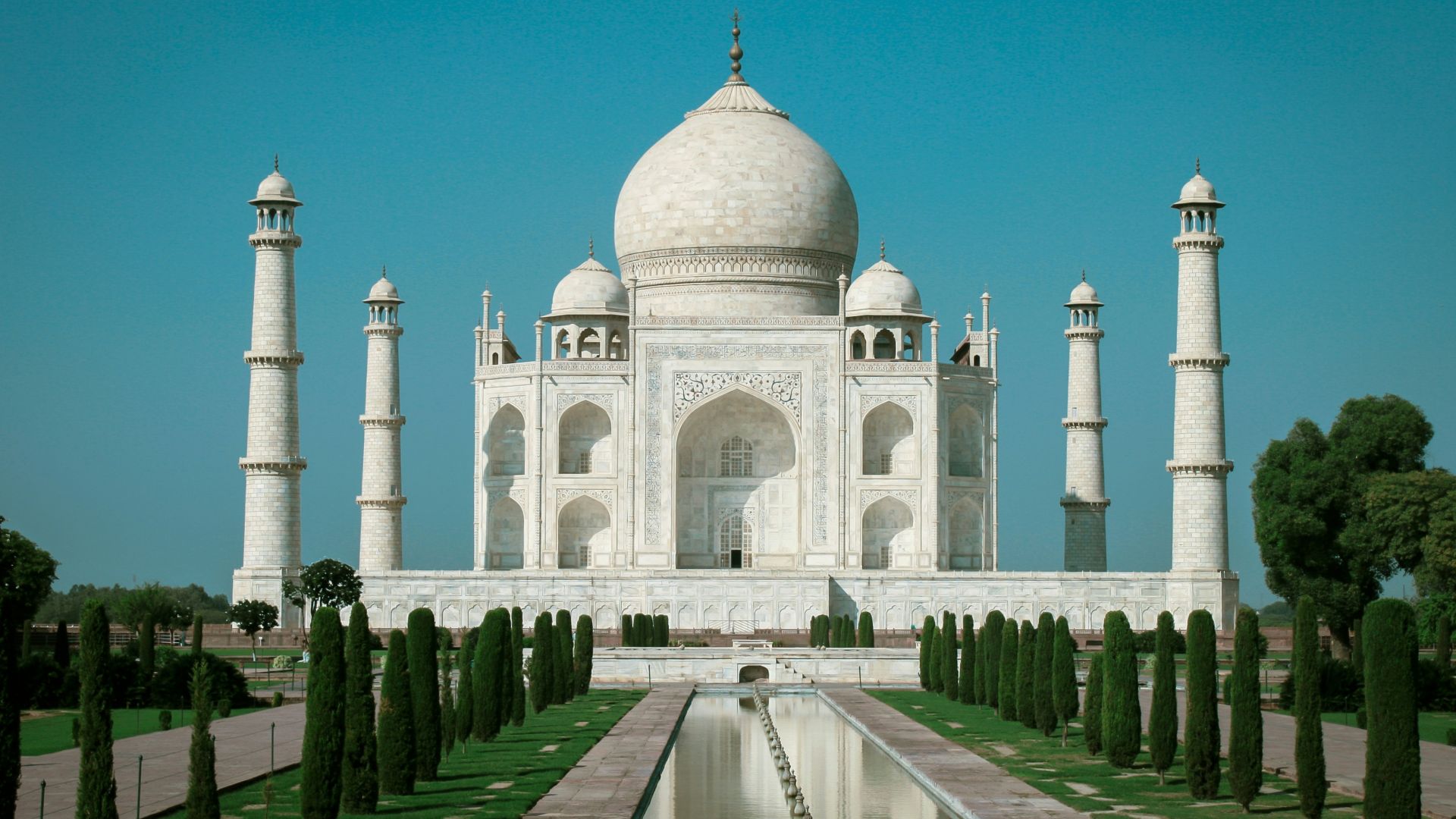
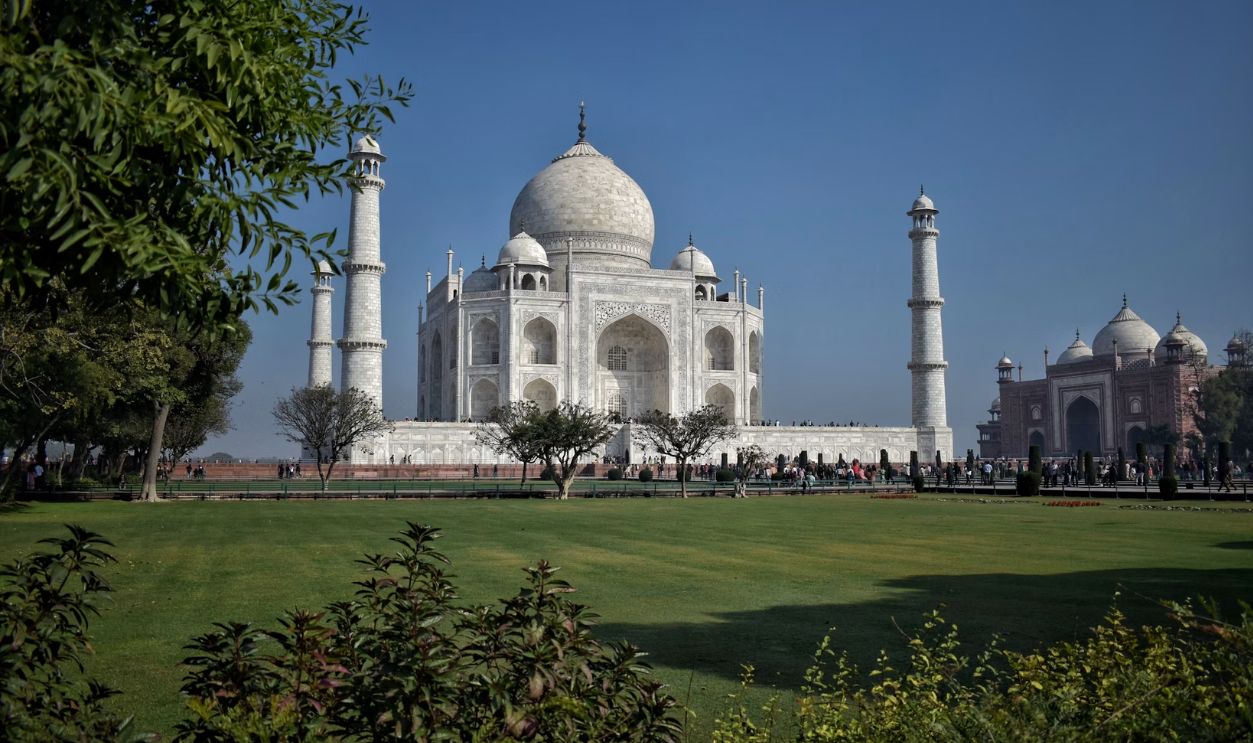
The Taj Mahal Isn't A Palace
Many travelers mistakenly assume the Taj Mahal was a royal residence. It was actually built as a mausoleum by Emperor Shah Jahan in memory of his wife Mumtaz Mahal. Its romantic history contributes greatly to its enduring global appeal.
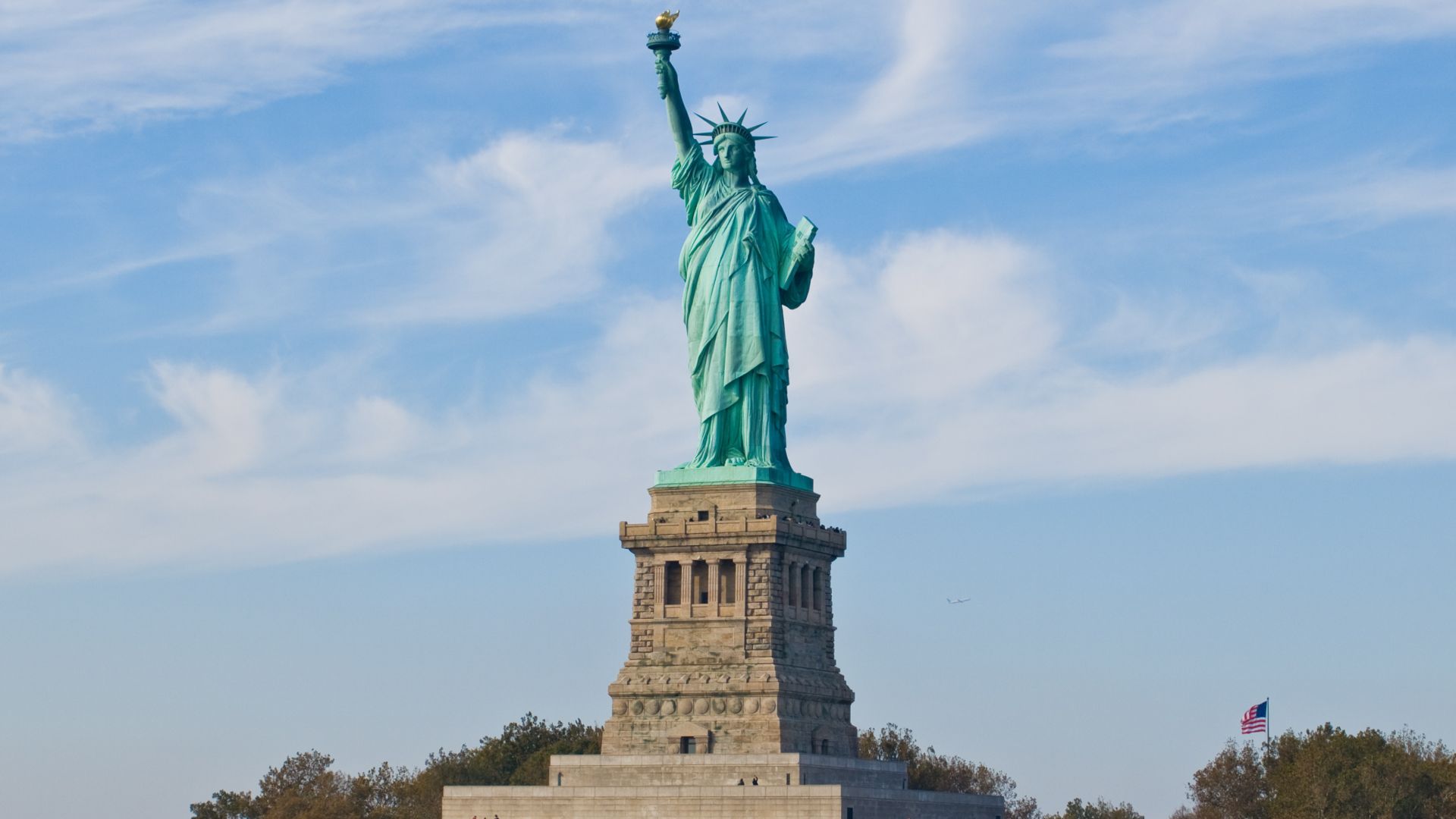
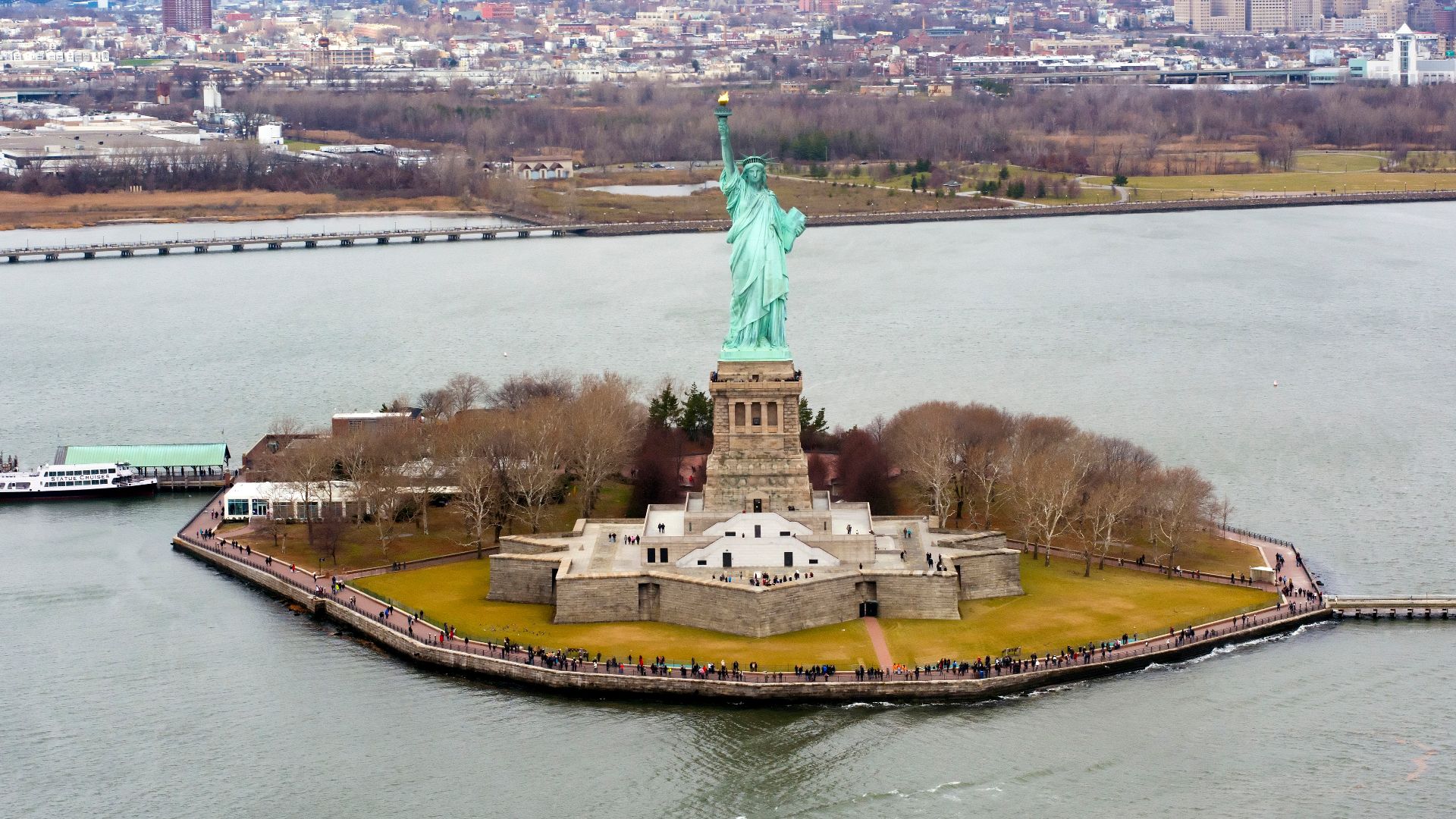
The Statue Of Liberty Wasn't Always Green
The statue's distinctive green color resulted from decades of natural oxidation. When it arrived from France in 1885, the copper surface had a shiny brown appearance. Time and weather gradually created the famous patina recognized today.
 William Warby, Wikimedia Commons
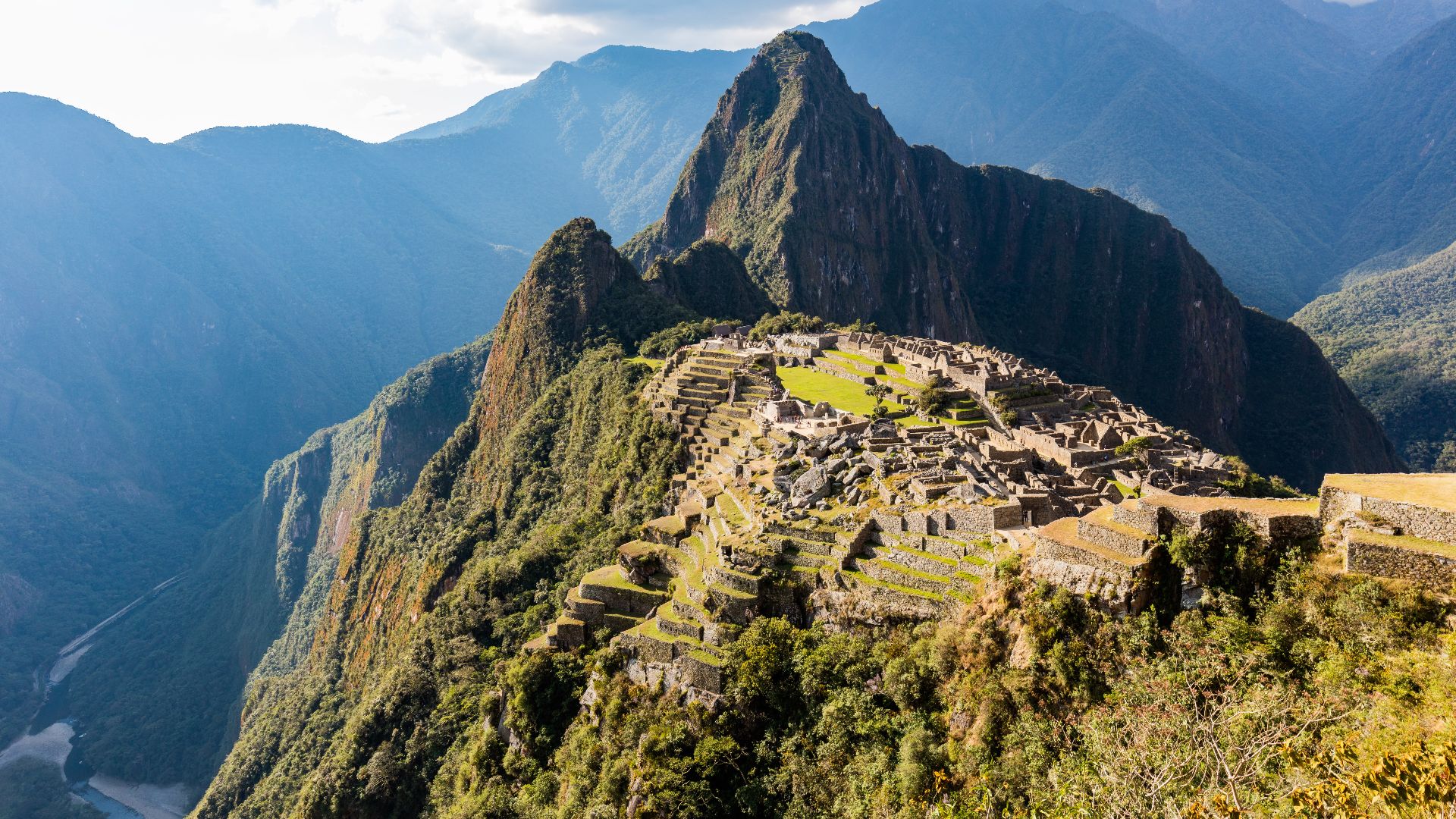
Machu Picchu Was Never Truly Lost
The ancient Incan city is often described as the "Lost City of the Incas." While it was unknown to much of the outside world before the twentieth century, local communities were aware of its existence long before international attention arrived.
 Diego Delso, Wikimedia Commons
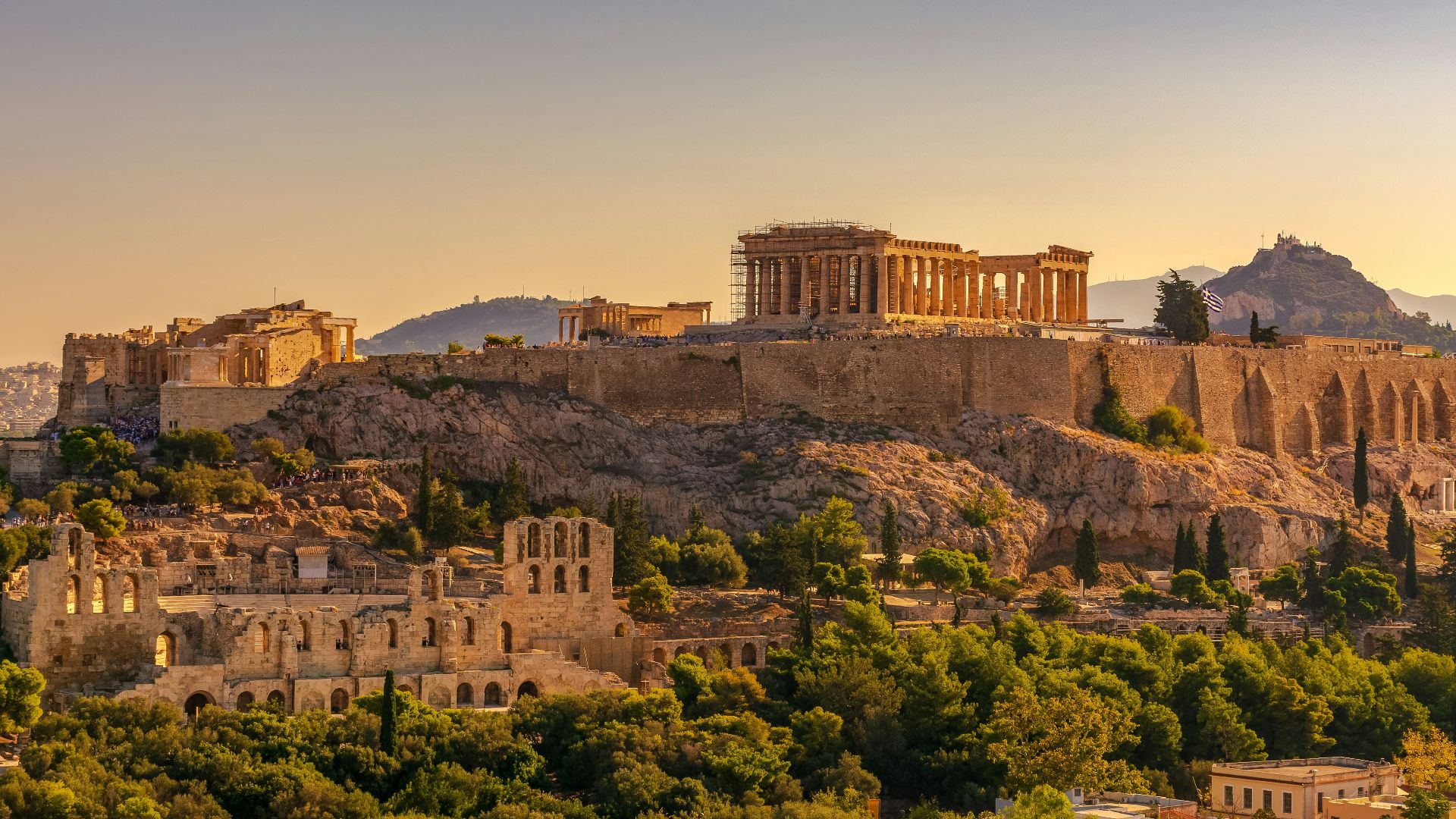
The Acropolis Is More Than The Parthenon
Many visitors use the terms interchangeably, but they're not the same thing. The Acropolis refers to the entire hilltop complex in Athens, while the Parthenon is just one structure within it. Several other important ruins share the site.
 Constantinos Kollias, Unsplash
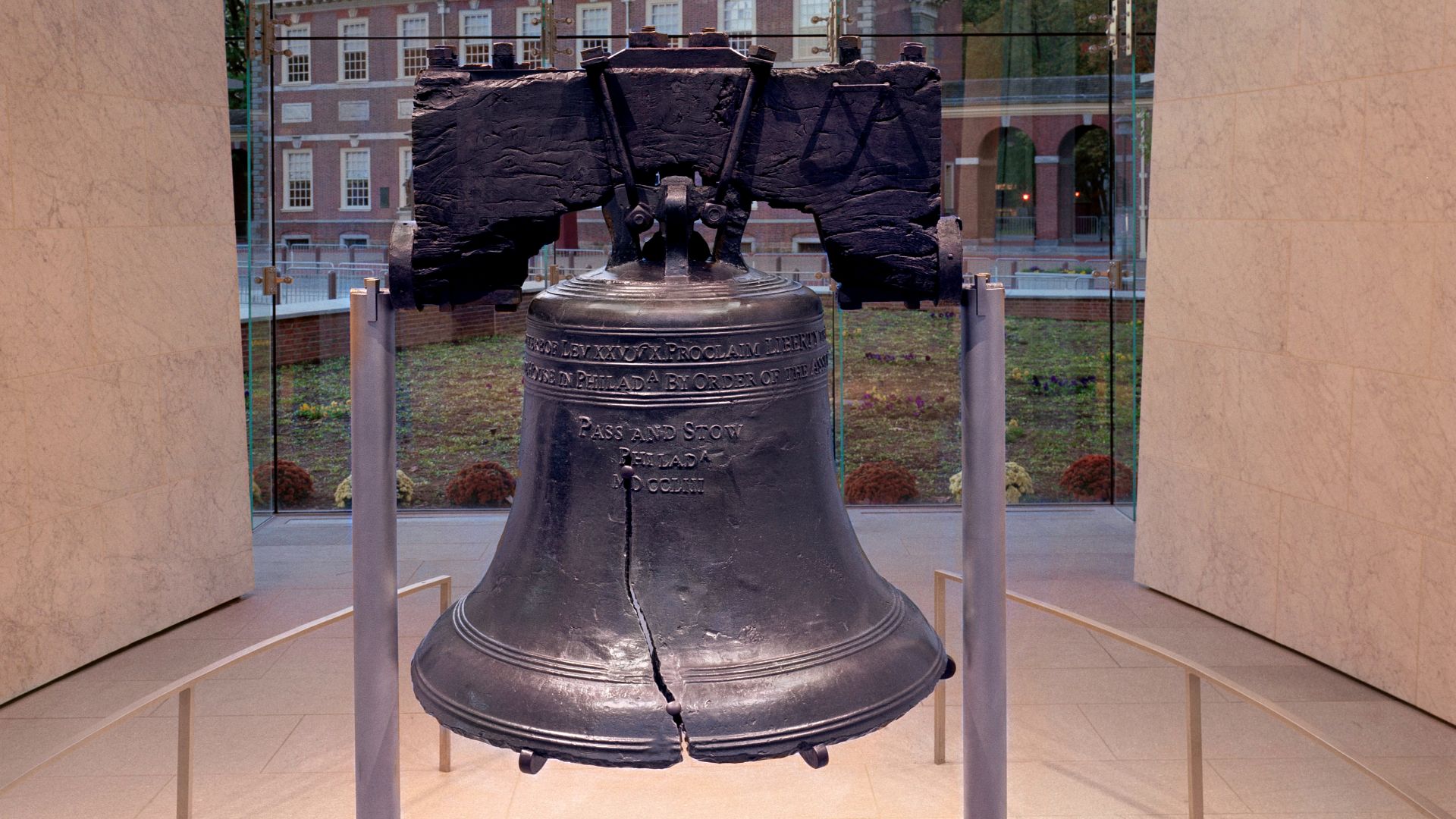
The Liberty Bell Didn't Crack On Independence Day
A popular legend suggests the Liberty Bell cracked while ringing to celebrate American independence. Historians believe the famous crack actually developed much later, though the exact timing remains uncertain.
 National Park Service Digital Image Archives, Wikimedia Commons
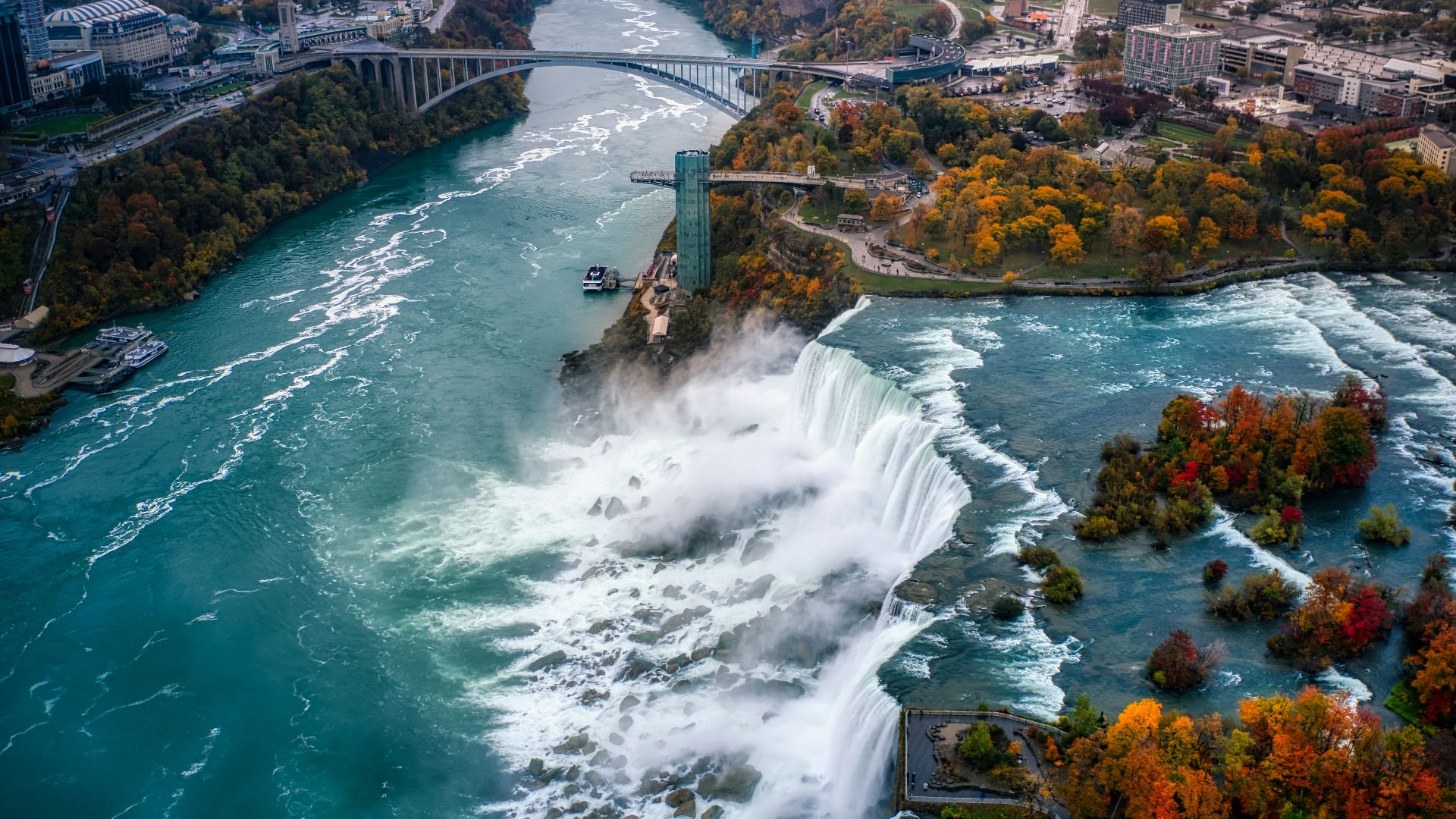
Niagara Falls Isn't The Tallest Waterfall In The World
Its fame leads many people to assume Niagara Falls holds the height record. In reality, waterfalls like Angel Falls in Venezuela are dramatically taller. Niagara's reputation comes from its immense water volume and accessibility rather than sheer height.
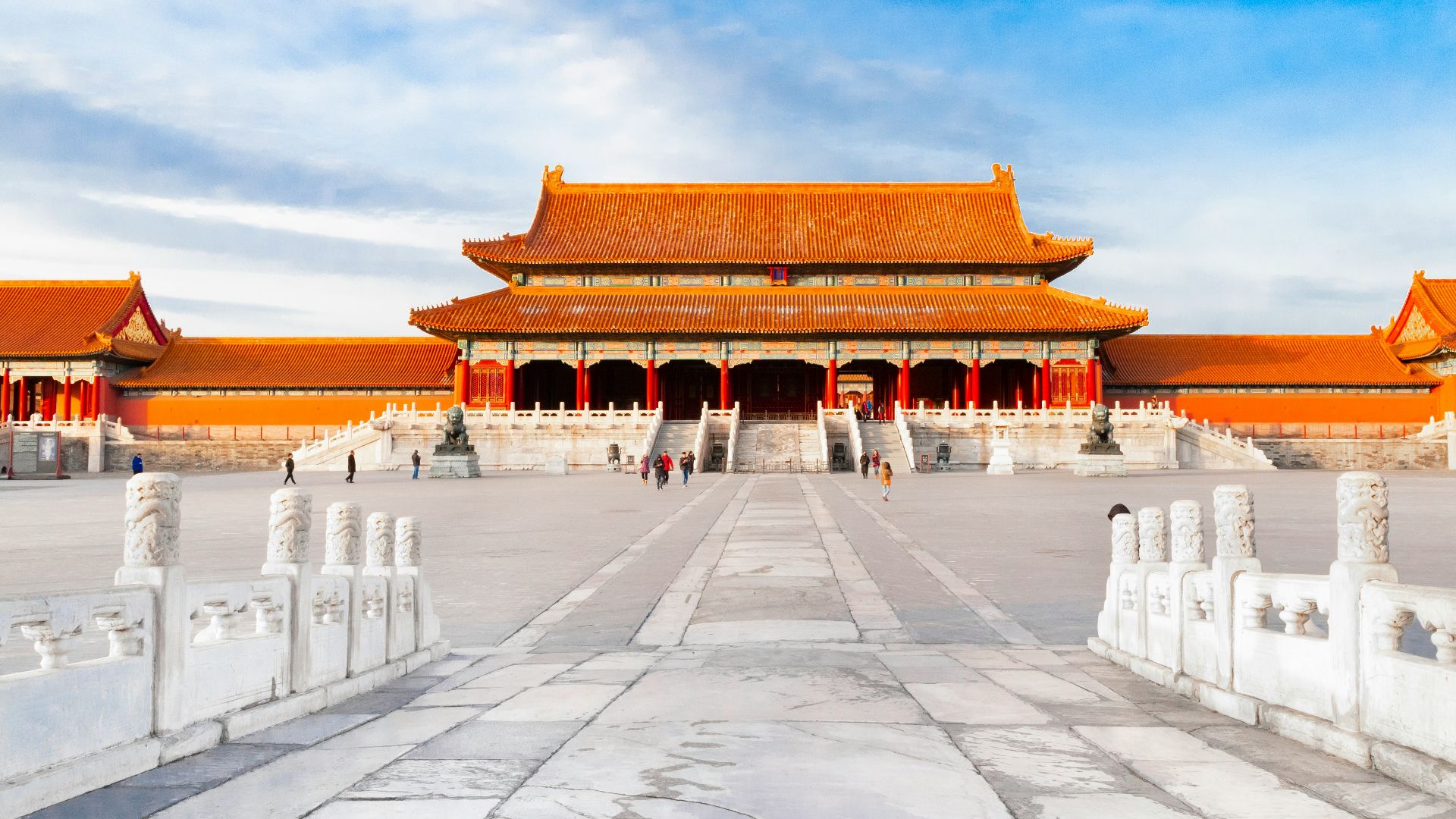
The Forbidden City Wasn't Entirely Forbidden
The name creates the impression that nobody could enter. While access was tightly controlled during imperial times, thousands of officials, servants, guards, and residents lived and worked within the vast palace complex.
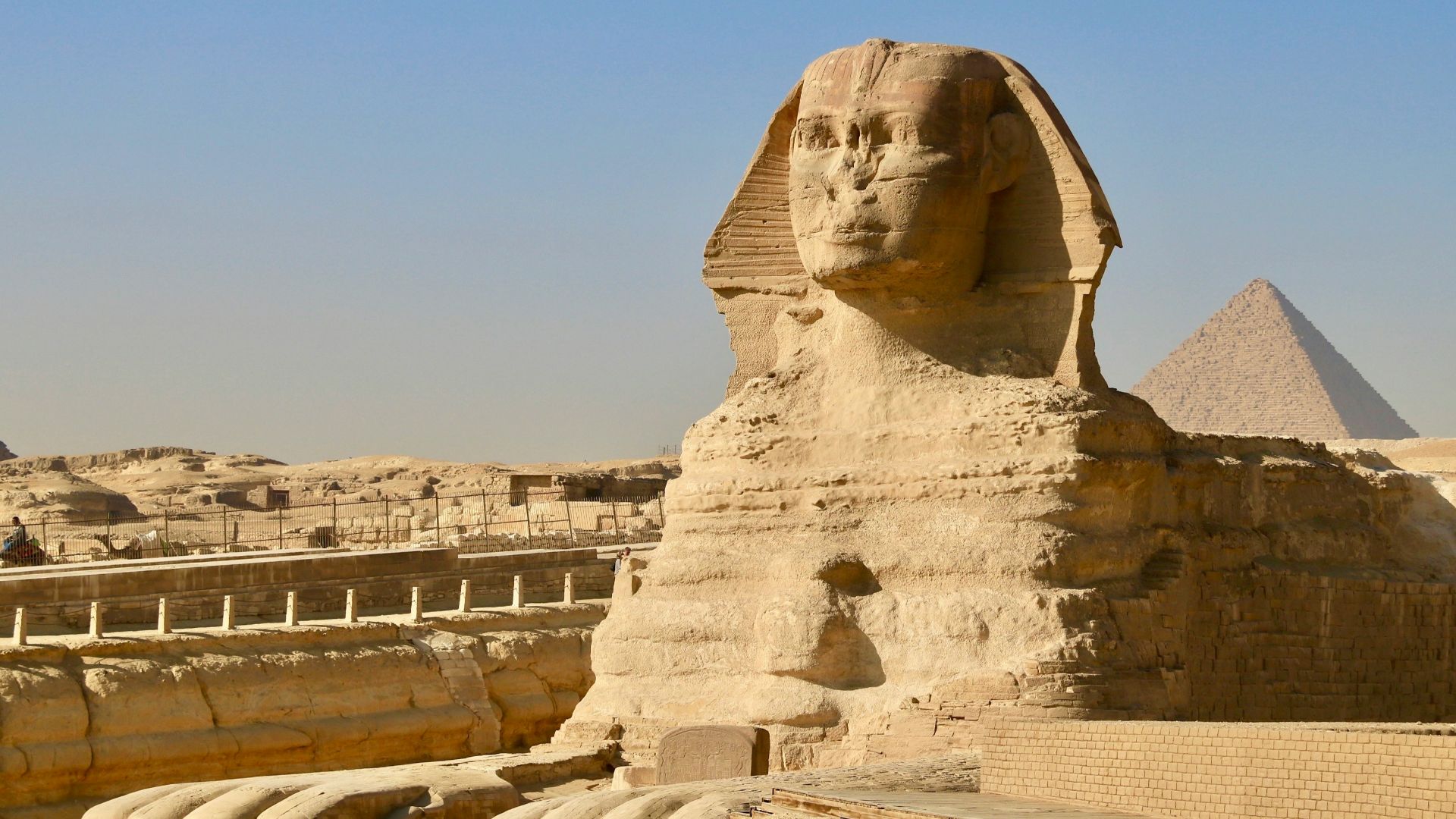
The Sphinx Probably Didn't Lose Its Nose To Napoleon
One of the most famous historical myths blames Napoleon's soldiers for destroying the Great Sphinx's nose. Historical evidence suggests the damage occurred centuries before Napoleon ever arrived in Egypt.
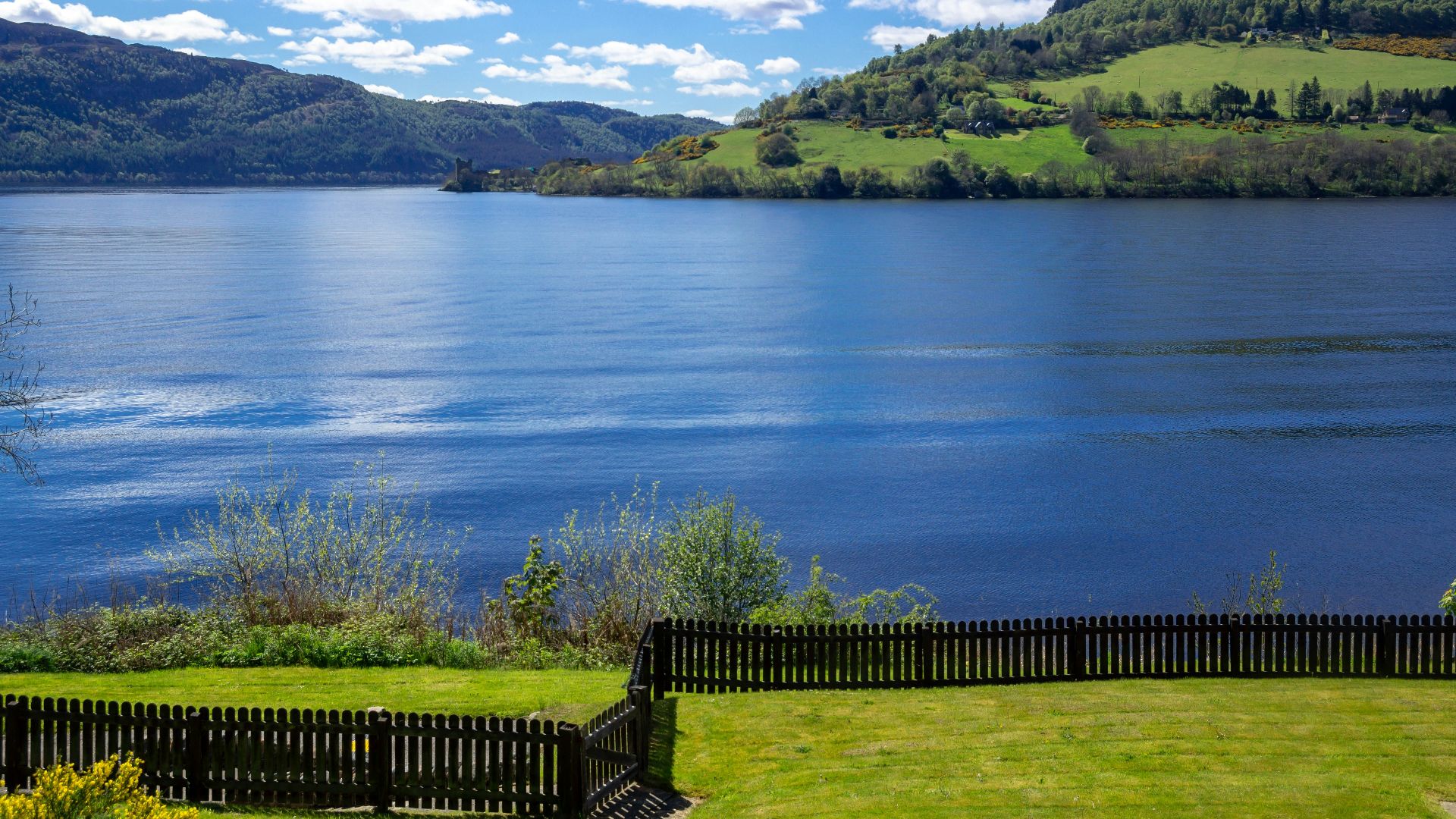
Loch Ness Isn't Just About A Monster
The legendary Loch Ness Monster attracts global attention, but many visitors overlook the area's natural beauty, historic castles, hiking opportunities, and Scottish cultural heritage. The lake itself would be impressive even without its famous mystery.
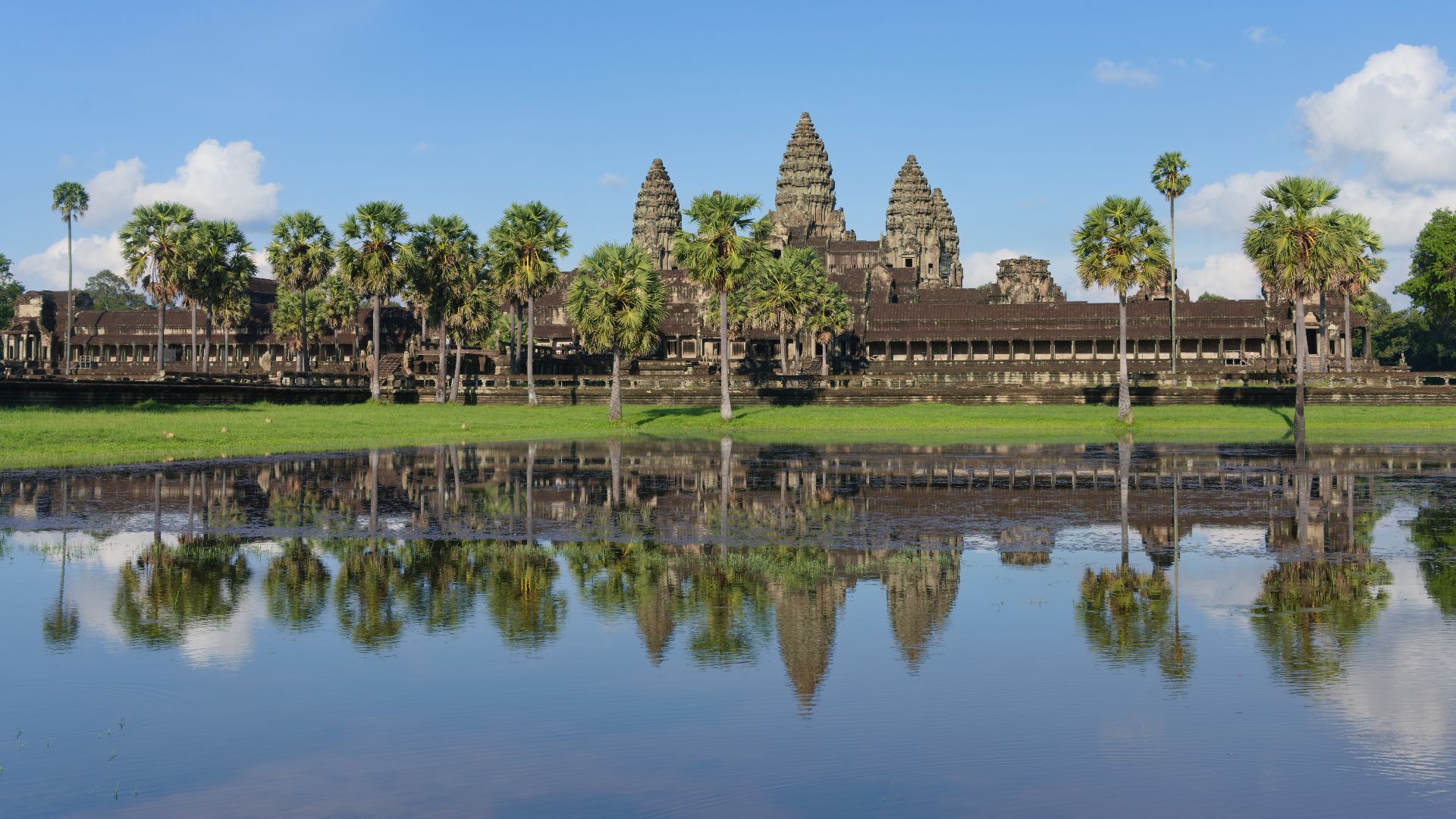
Angkor Wat Is More Than A Single Temple
Many travelers think Angkor Wat refers to the entire archaeological area. In reality, Angkor Wat is only one structure within a massive complex containing hundreds of temples spread across a huge section of Cambodia.
 Satdeep Gill, Wikimedia Commons
Social Media Often Shapes Expectations More Than Reality
Many misconceptions begin online. Carefully cropped photos, viral videos, and travel influencers sometimes create unrealistic expectations. Attractions frequently look different, larger, smaller, busier, or more ordinary when experienced in person.
 Don Ramey Logan, Wikimedia Commons
The Truth Is Often More Interesting Than The Myth
What makes these destinations remarkable isn't the legends surrounding them. Their real histories, architectural achievements, and cultural significance are usually far more fascinating than the misconceptions that follow them.
Understanding The Story Makes Travel More Rewarding
The more travelers learn about famous attractions before visiting, the richer the experience becomes. Separating myth from reality often reveals a deeper appreciation for the places that have captivated visitors for generations.
You May Also Like:
Five Unique And Unusual Festivals
Destination Of The Day: Mumbai
Top 5 Destinations For Whale Watching
Sources: 1, 2, 3, 4, 5, 6, 7, 8, 9, 10, 11, 12, 13, 14, 15, 16, 17, 18, 19, 20