

Ancient Clues On Angola’s Coast
Long before beach vacations, fishing boats, or seaside cafés, Angola’s coast may have hosted a very different kind of gathering. At Dungo IV and nearby Dungo V, archaeologists found ancient stone tools, raised beaches, and whale bones that point to a jaw-dropping possibility: early humans may have scavenged stranded whales hundreds of thousands of years ago.
A Beach Scene From Deep Time
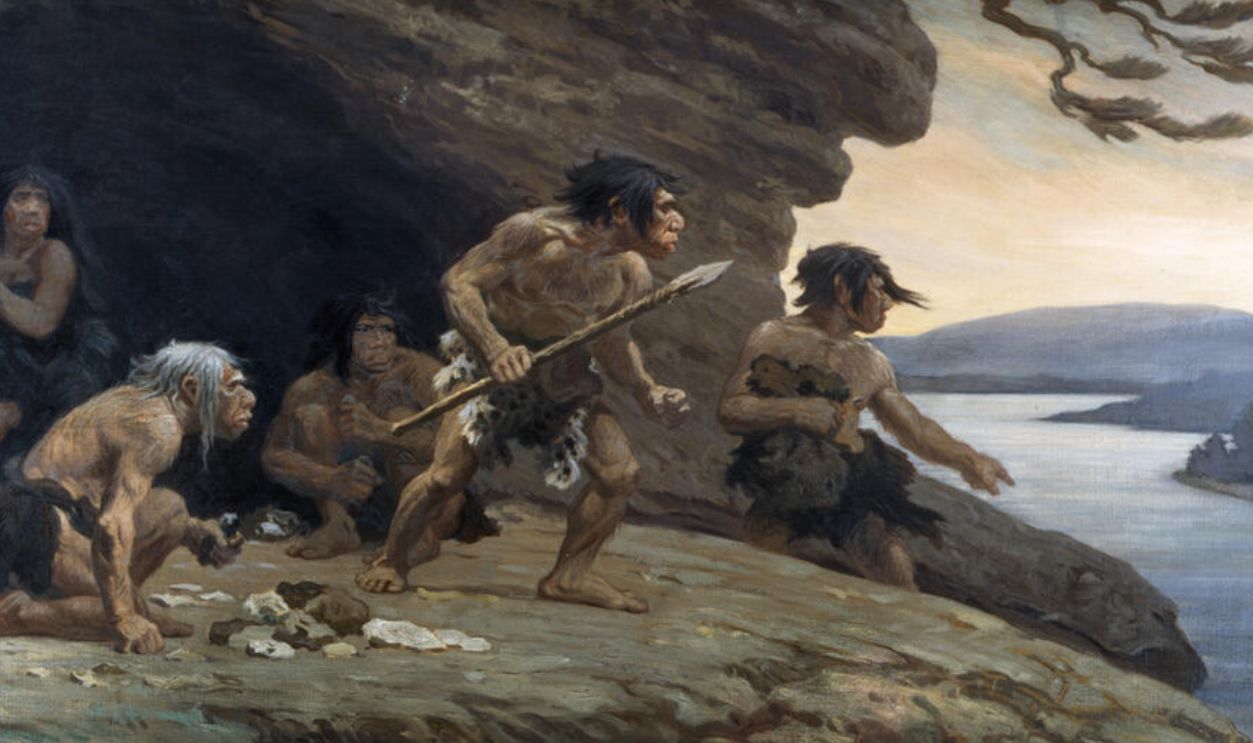
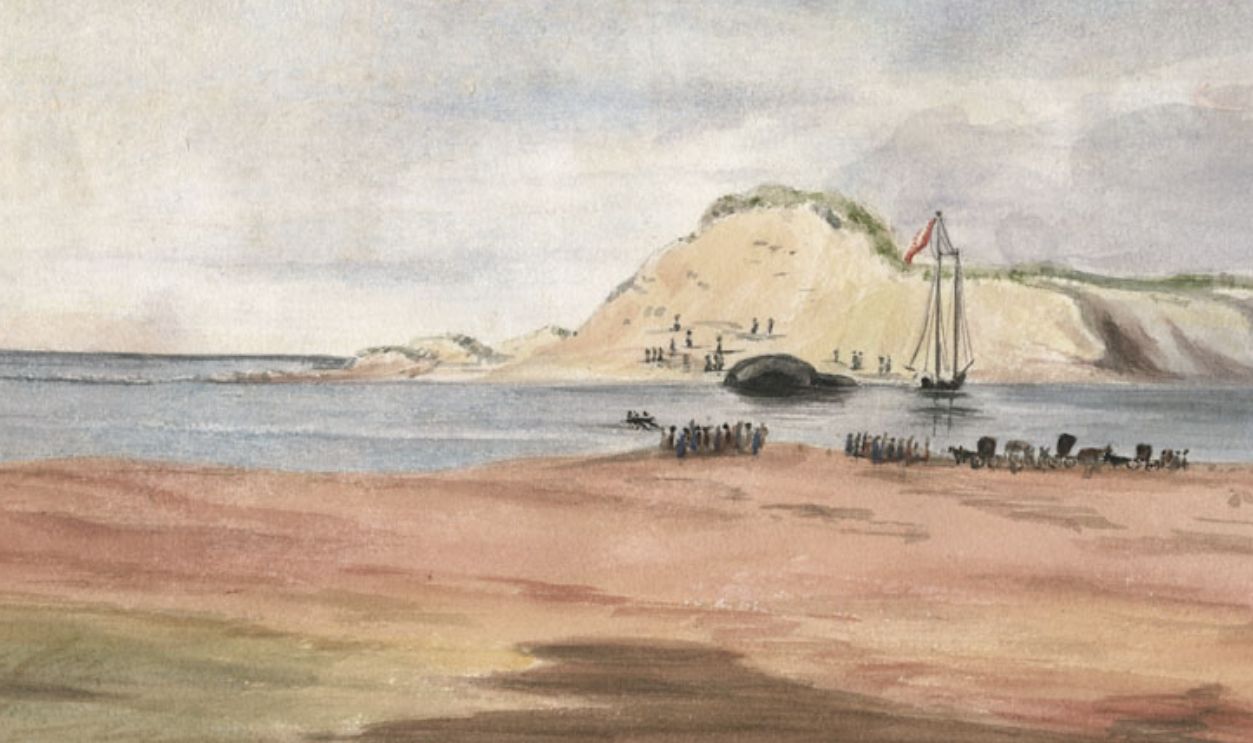
Picture the scene: a whale washes ashore on an ancient Angolan coastline. The smell is terrible, the opportunity is enormous, and nearby humans arrive with simple but effective stone tools. For hungry hunter-gatherers, this was not a beach disaster. It was a massive, oily, protein-rich gift from the sea.
 Earth Science and Remote Sensing Unit, Lyndon B. Johnson Space Center, Wikimedia Commons
Where The Discovery Happened
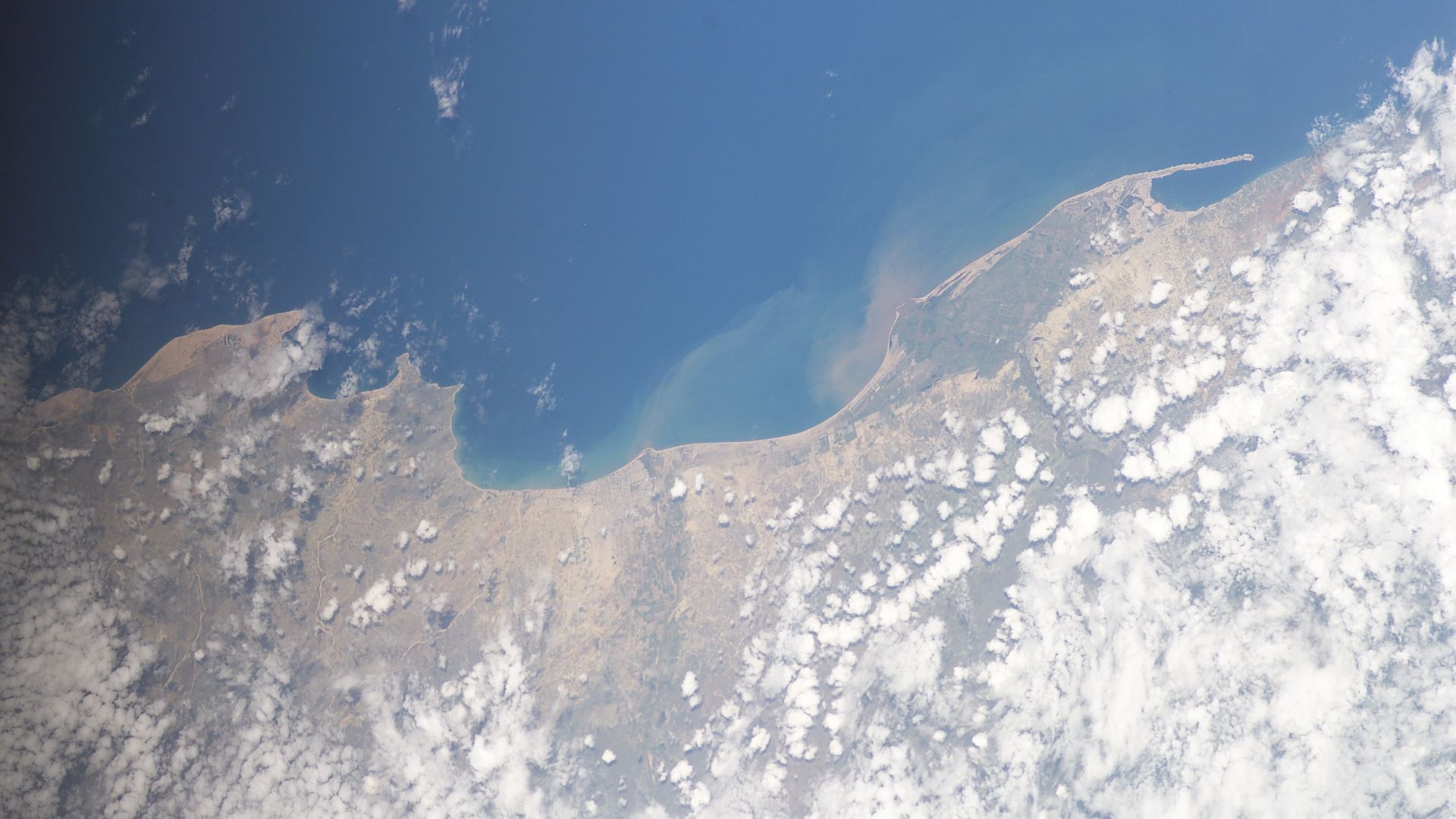
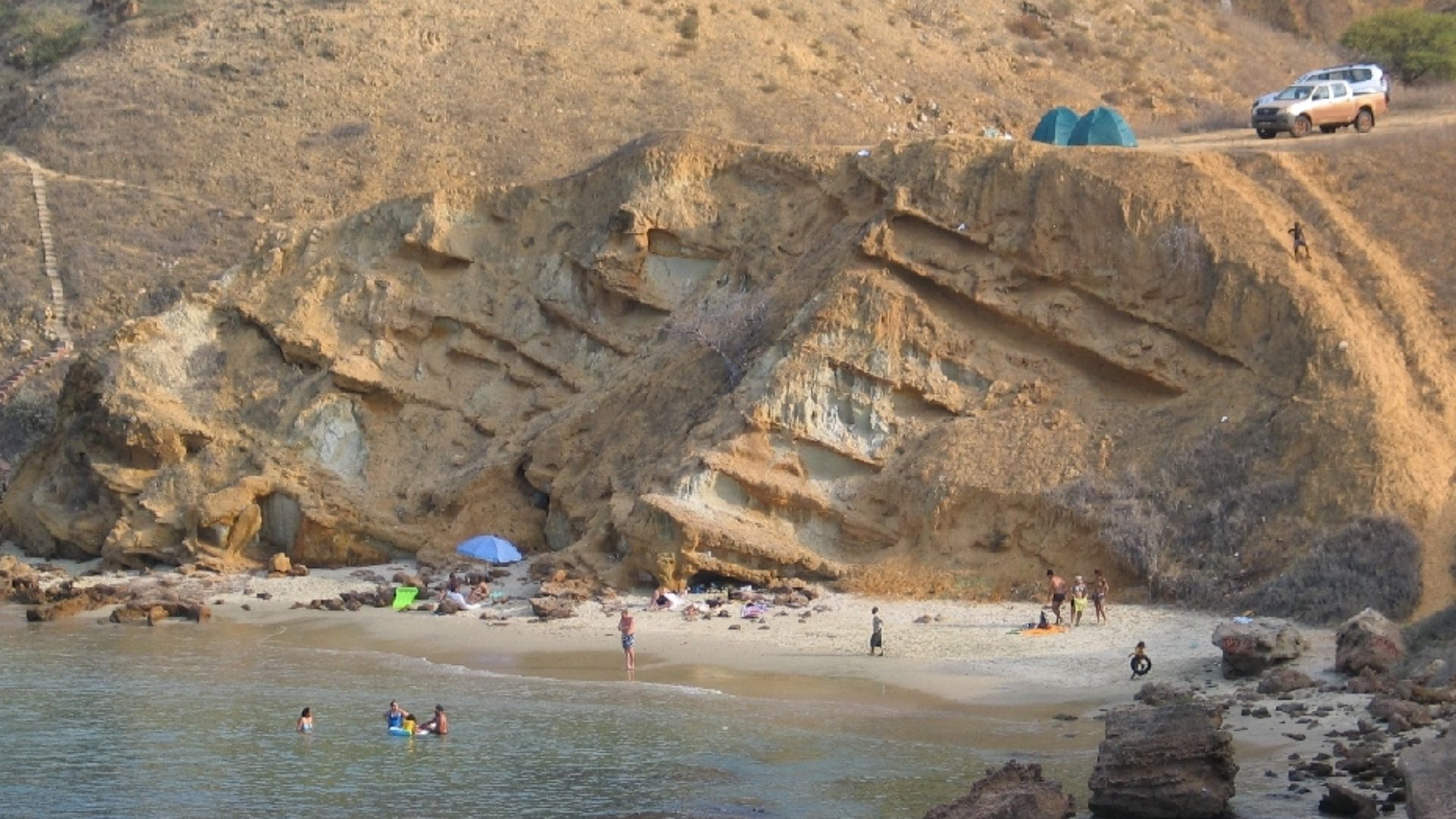
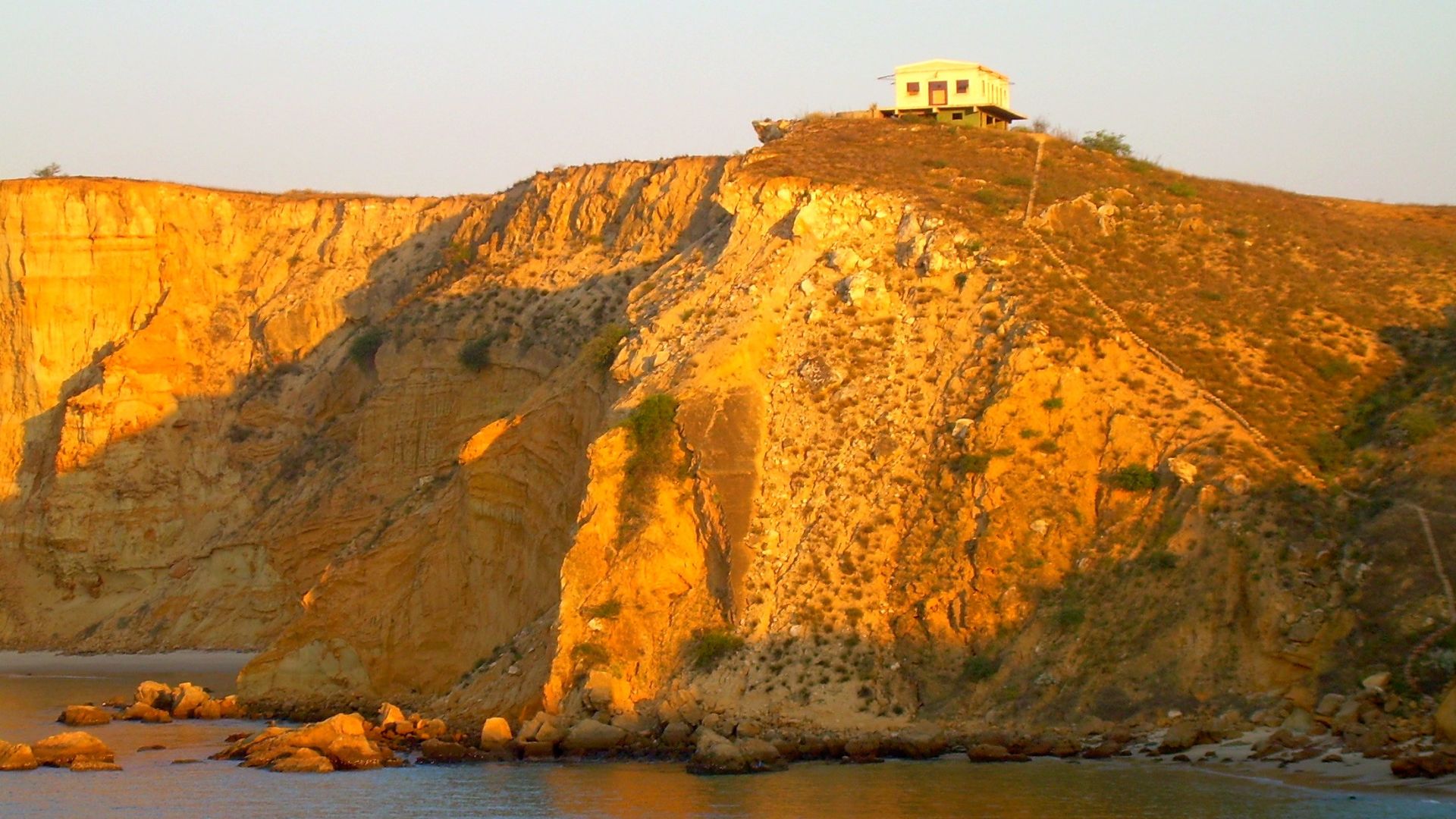
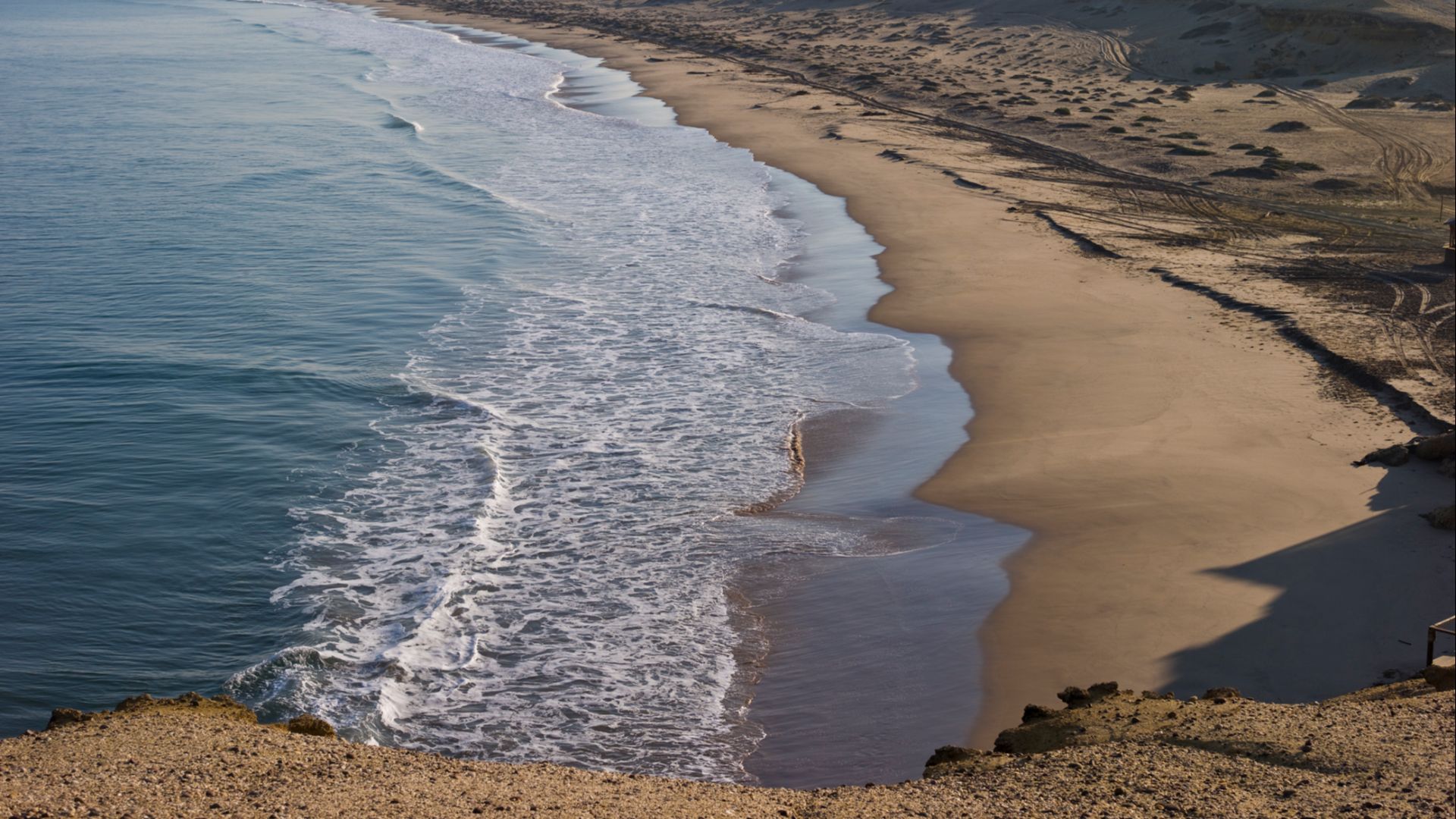
The Dungo sites sit near Baía Farta in Benguela Province, western Angola. Today, the area is dry, dramatic, and coastal, with raised beach deposits standing far above the modern shoreline. Those old terraces are geological time capsules, preserving traces of landscapes that early humans once knew very well.
Why Dungo IV Matters
Dungo IV is important because it gives archaeologists a rare look at very early human activity along the southwestern African coast. For a long time, coastal survival was mostly discussed in later periods. Dungo IV pushes the conversation much deeper into the past, when early humans were already exploring shorelines.
The Tools In The Sand
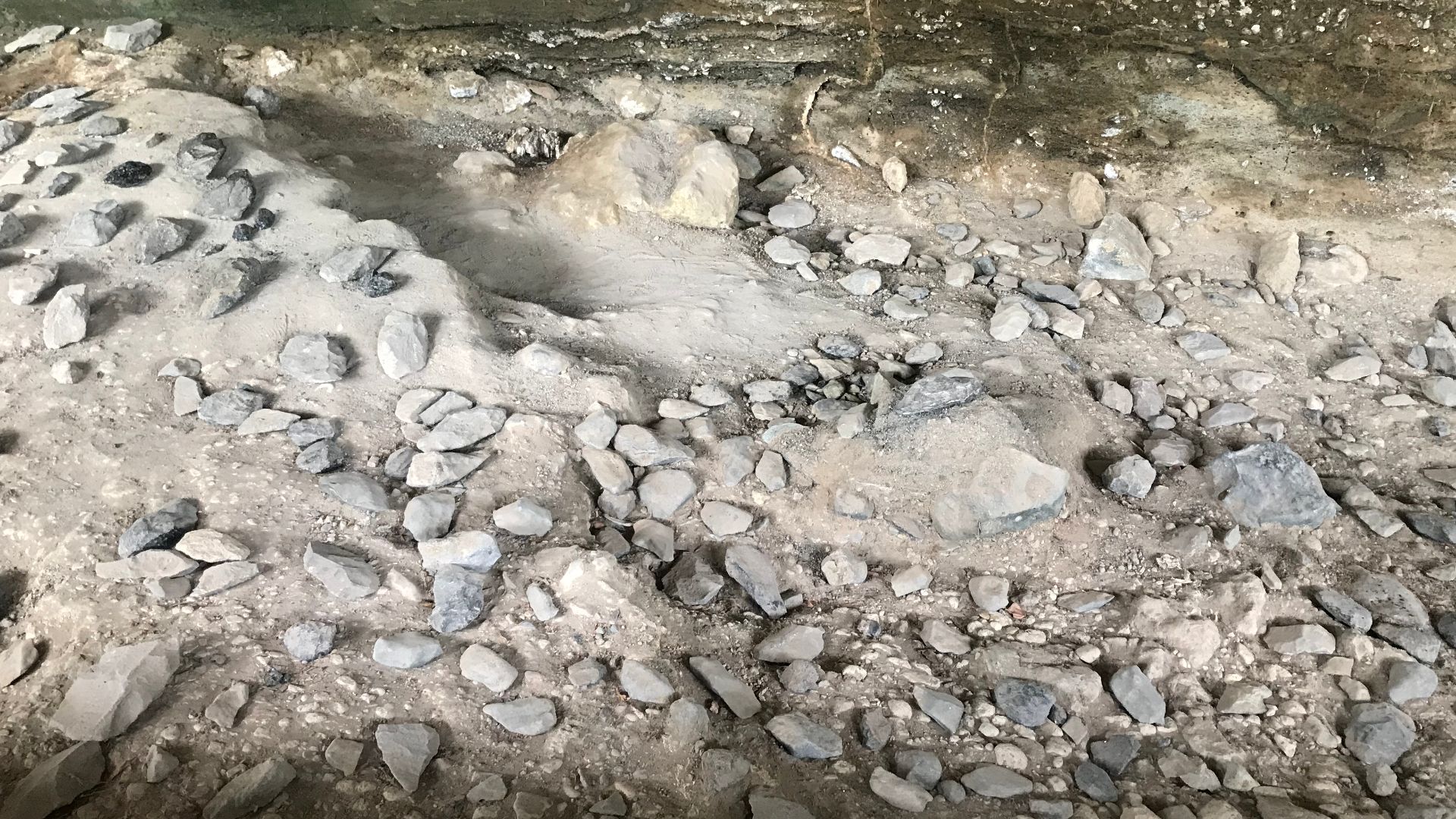
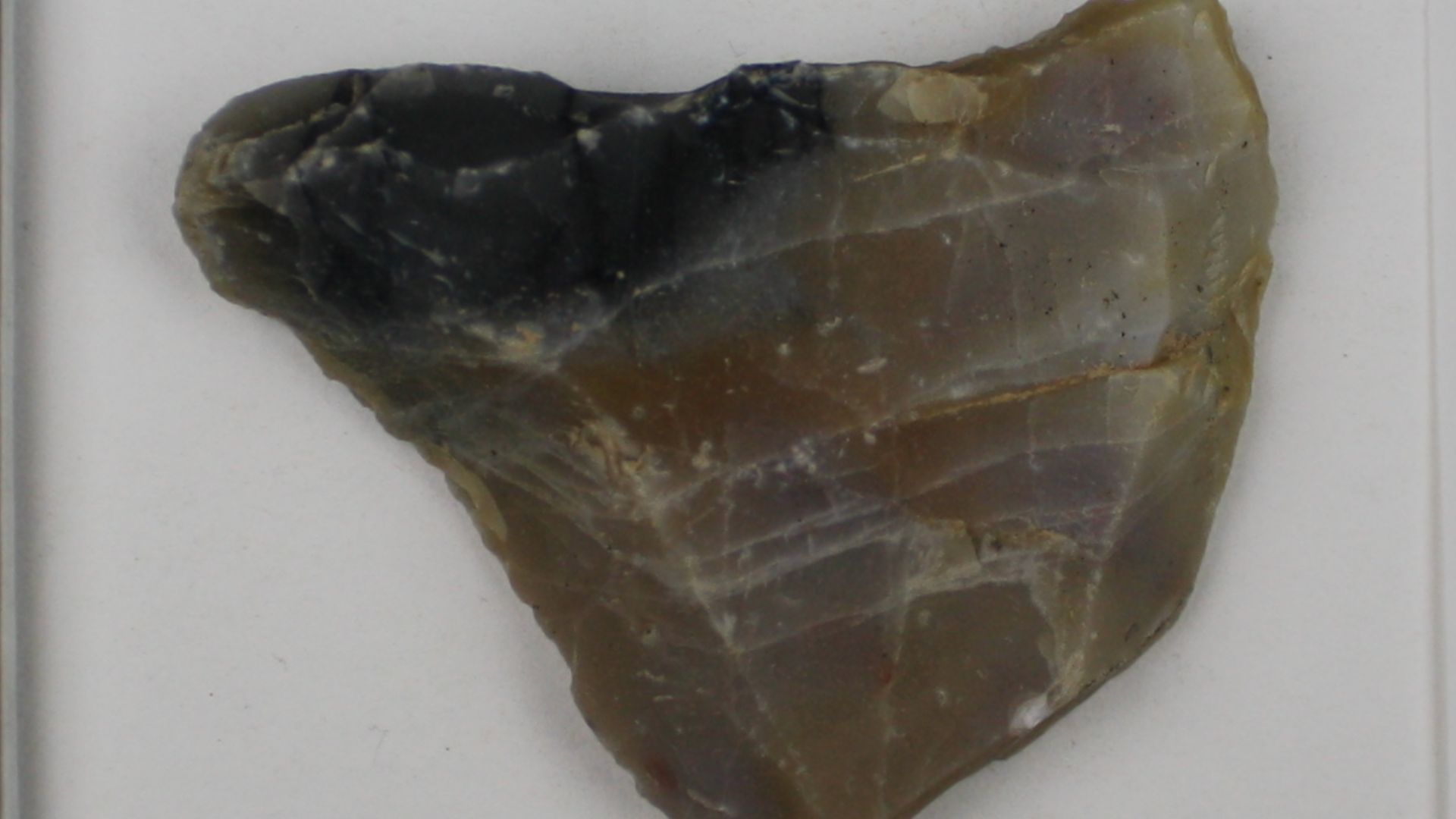
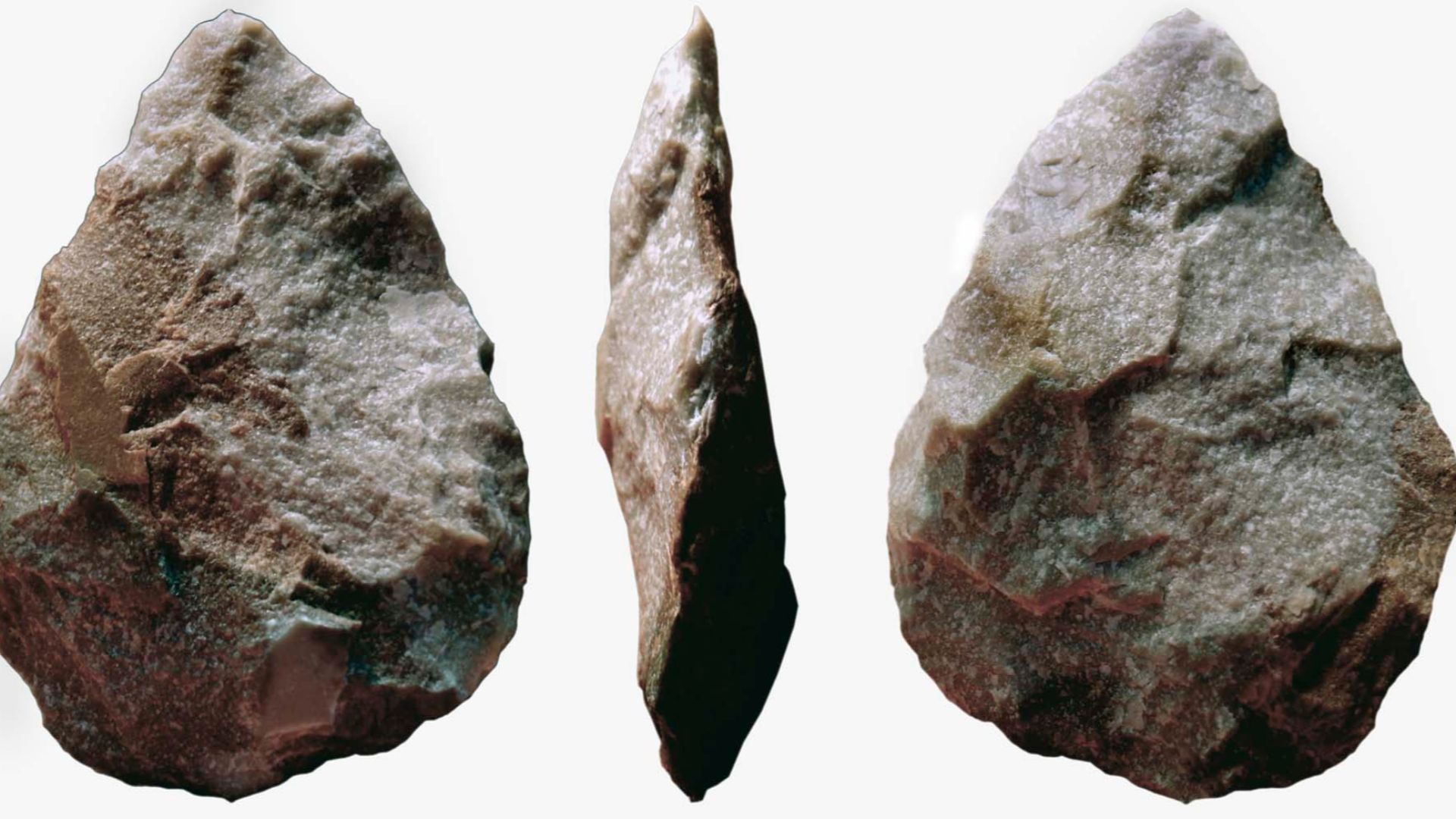
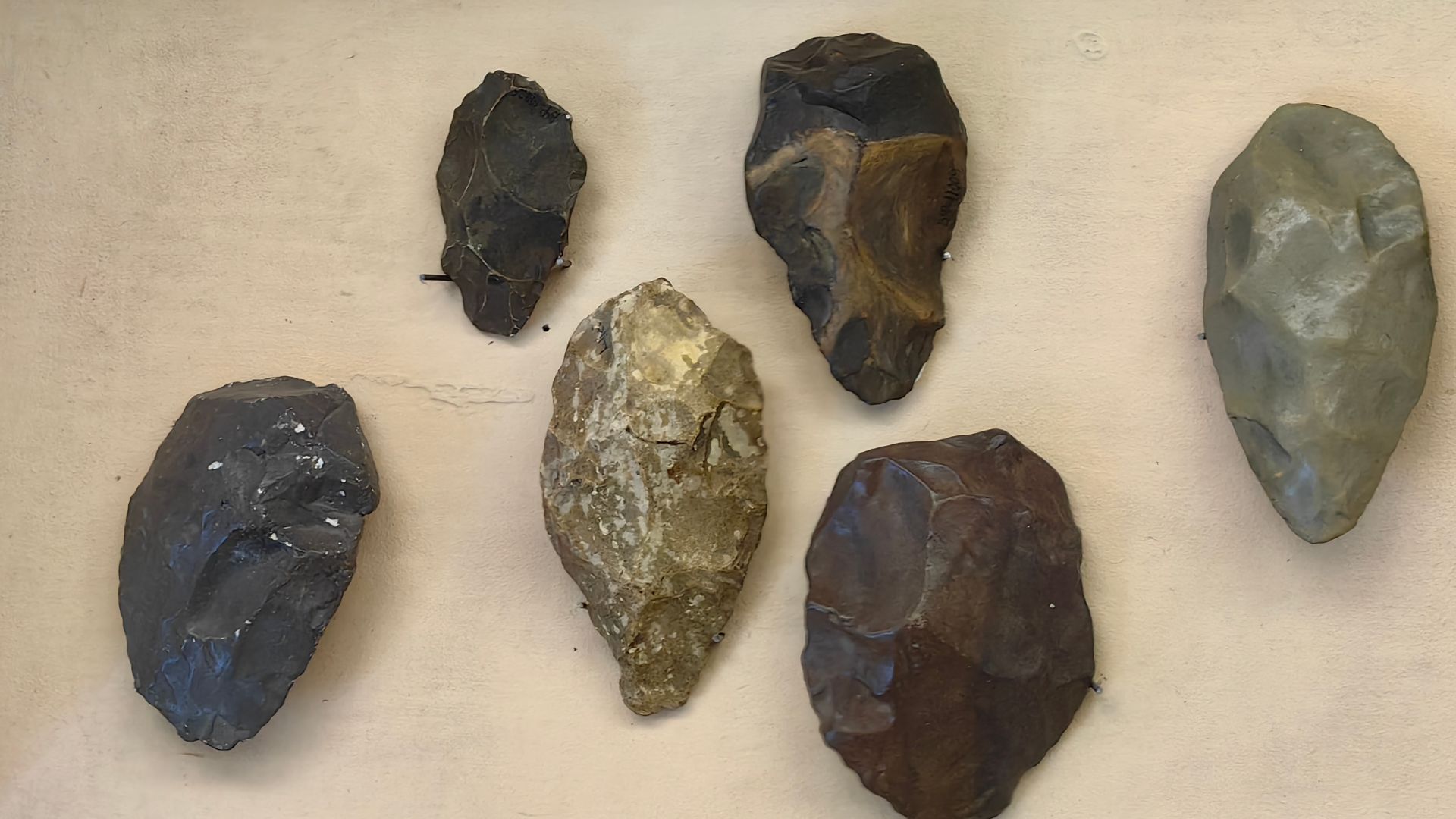
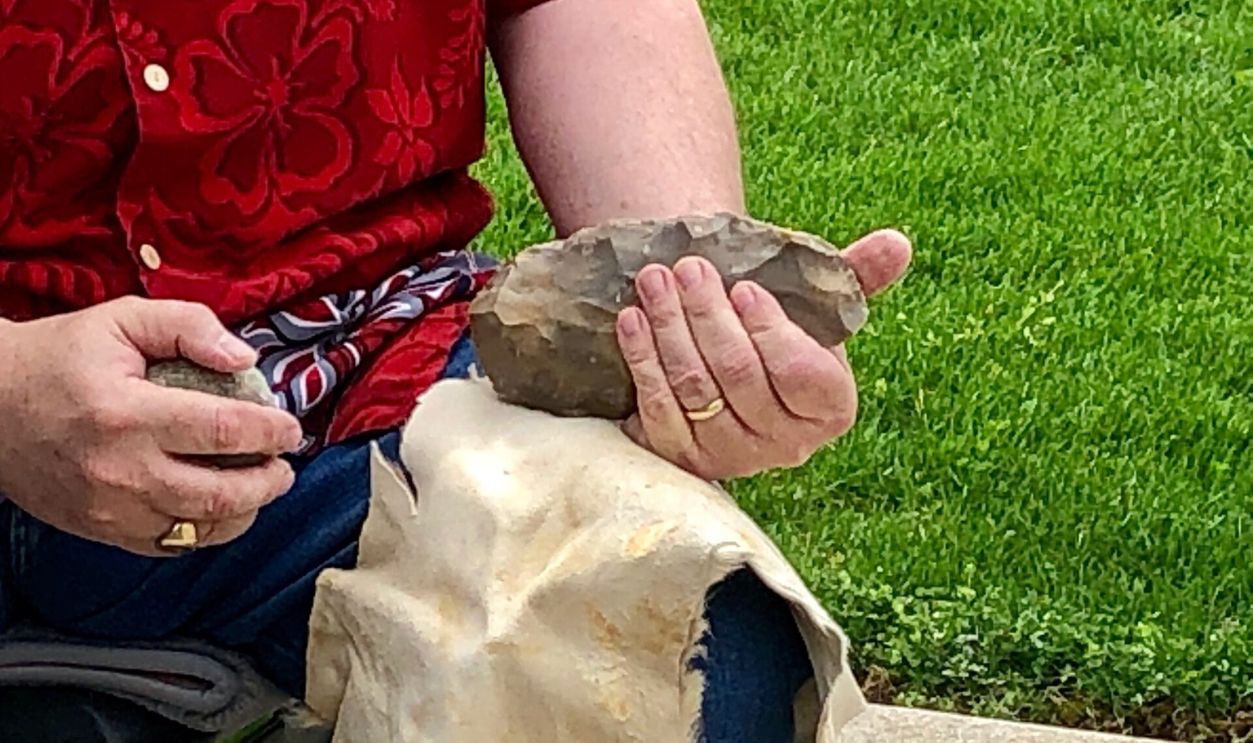
The tools from Dungo IV are not flashy museum showpieces. They are flakes, cobble tools, and worked stones designed for practical jobs. That is what makes them exciting. They were not made to impress anyone. They were made to cut, chop, scrape, and solve the daily problem of staying alive.
 National Park Service Picture – Courtesy of Hot Springs National Park Archives, Wikimedia Commons
A Date That Changes The Story
Researchers used cosmogenic nuclide dating to study the buried sediments and artefacts at Dungo IV. The results suggest the occupation surface was buried at least about 614,000 years ago, with some artefacts potentially even older. That makes this coastal evidence seriously ancient, not a late footnote.
Not Quite A Simple Label
You may see these finds described in broad terms as Acheulean or Acheulean-era because of their Early Stone Age setting. However, the dating study specifically refers to Dungo IV as a pre-Acheulean lithic industry. In plain English, the site belongs to a very old world of stone-tool makers.
 Authors of the study: Alastair J. M. Key, Ivan Jarić & David L. Roberts, Wikimedia Commons
The Whale Enters The Story
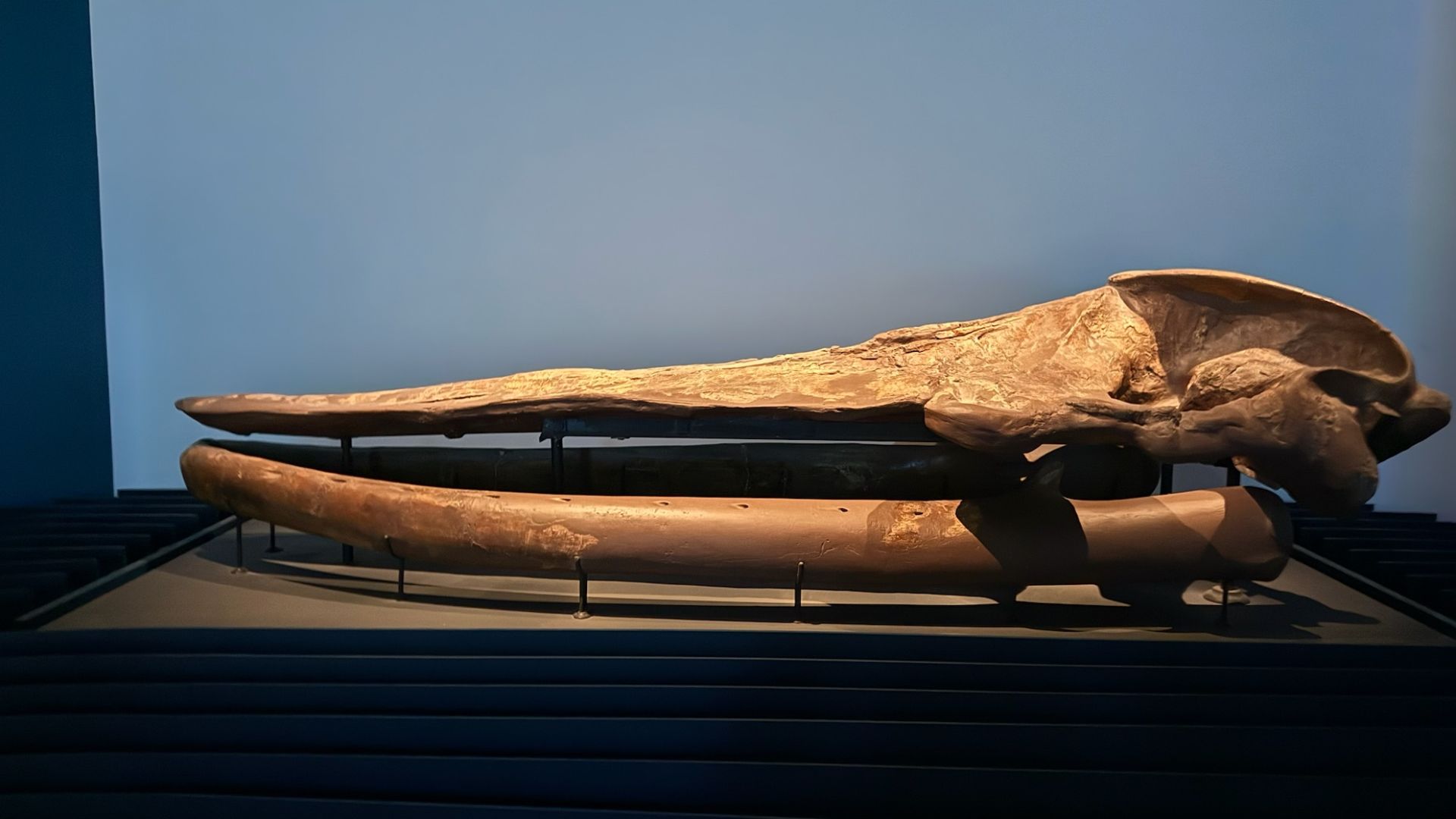
The most cinematic clue comes from nearby Dungo V, where archaeologists uncovered whale fossils closely associated with stone tools. The tools were found mixed with whale bones, creating a scene that feels almost impossible to ignore. Something big happened there, and early humans appear to have been involved.
 TheUltimateGrass, Wikimedia Commons
A Stranded Feast
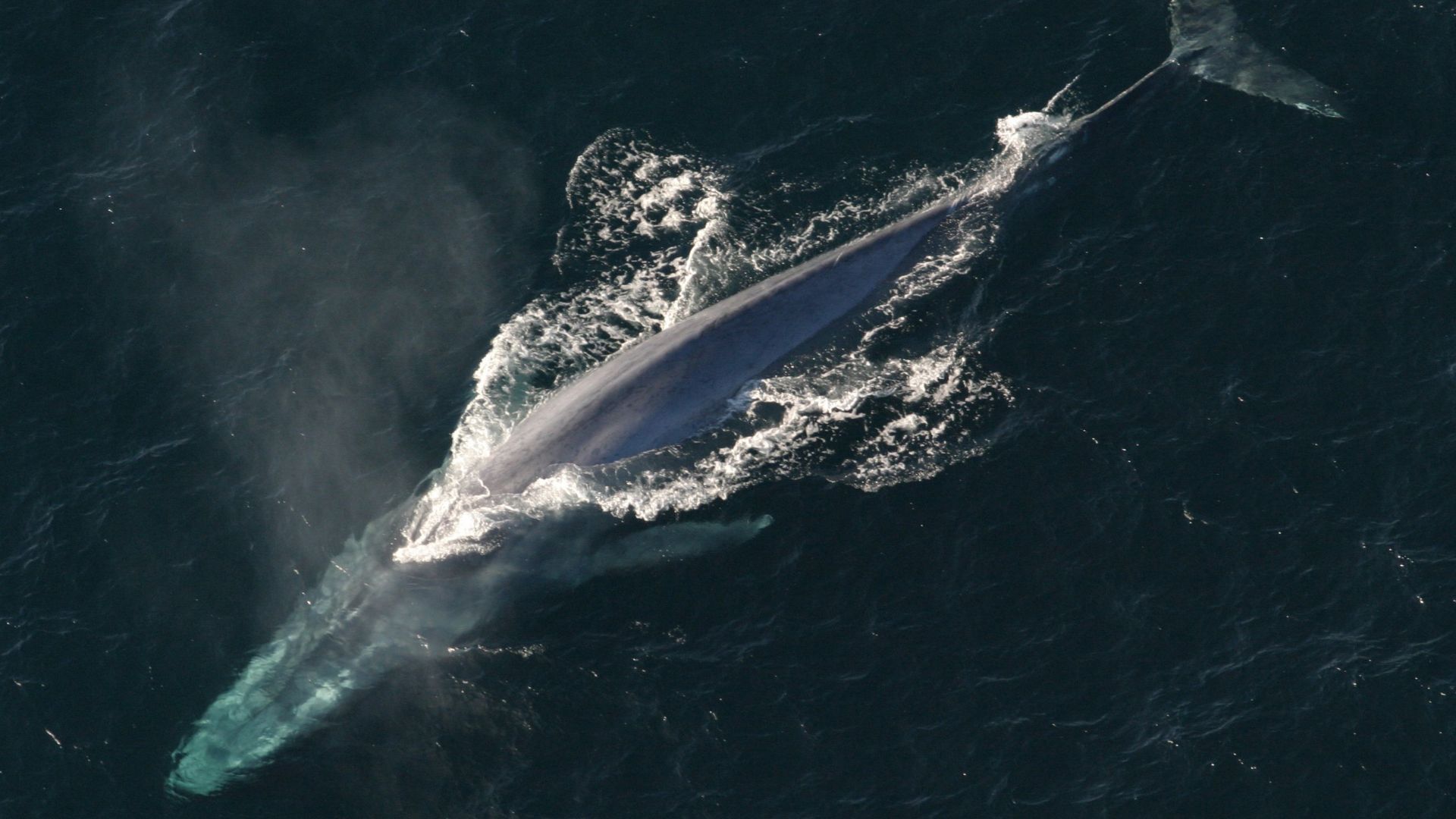
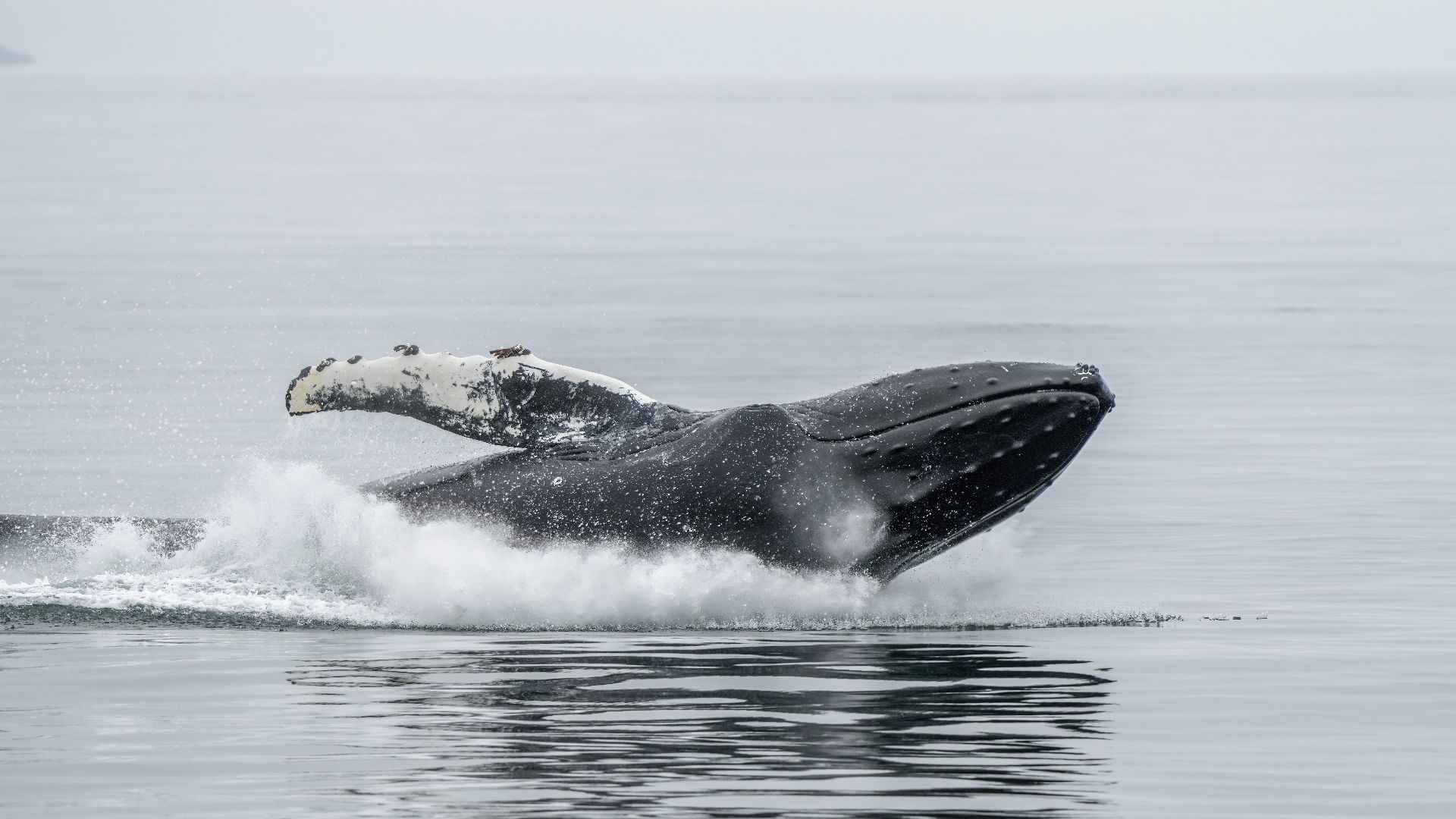
The whale was likely not hunted in the modern sense. Early humans probably did not paddle out and harpoon giant marine mammals. Instead, the evidence points toward scavenging. A whale washed up or became stranded, and people used stone tools to process whatever meat, fat, and tissue they could reach.
 NOAA Photo Library, Wikimedia Commons
Why A Whale Was A Big Deal
For early humans, a stranded whale would have been the prehistoric equivalent of a surprise supermarket delivery. One animal could provide enormous calories. Meat, blubber, connective tissue, and bone materials could all be useful. Even if the carcass was messy and dangerous, it would have been worth investigating.
 Giles Laurent, Wikimedia Commons
The Tools Tell A Human Story
Stone tools near animal bones are not automatically proof of butchery. Archaeologists have to be cautious. But at Dungo V, the close association between lithic artefacts and whale remains strongly suggests human involvement. The tools help turn a fossil skeleton into a story about behavior.
 José-Manuel Benito Álvarez (España) —> Locutus Borg, Wikimedia Commons
Coastal Living Came Earlier
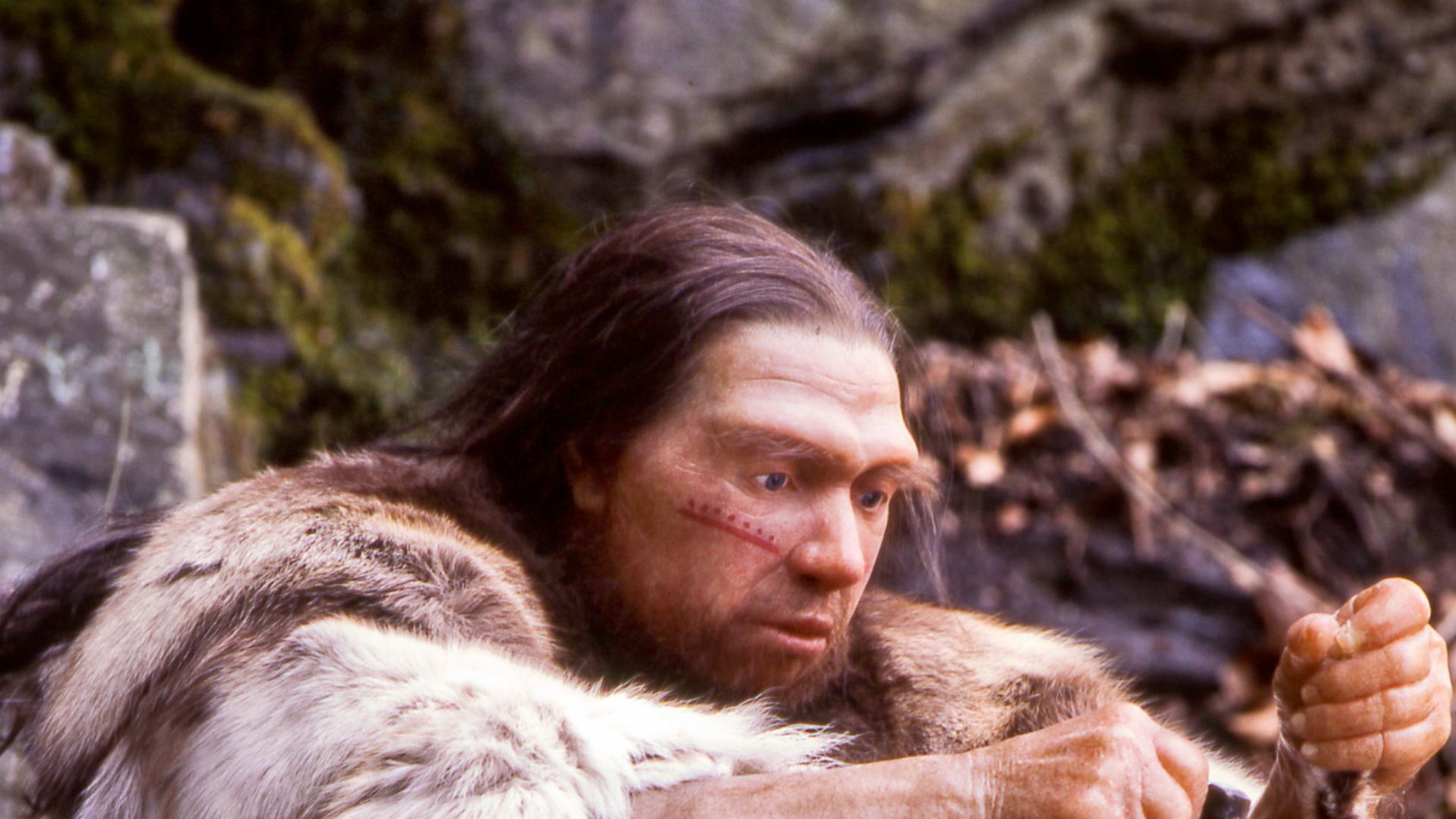
For years, archaeologists linked coastal food strategies mainly with later human groups. Shellfish, fish, seabirds, and marine mammals often appear in discussions about modern human behavior. Dungo challenges that neat timeline. It suggests early humans were curious about the coast far earlier than once assumed.
 Neanderthal-Museum, Mettmann, Wikimedia Commons
The Ocean Was Not Just Scenery
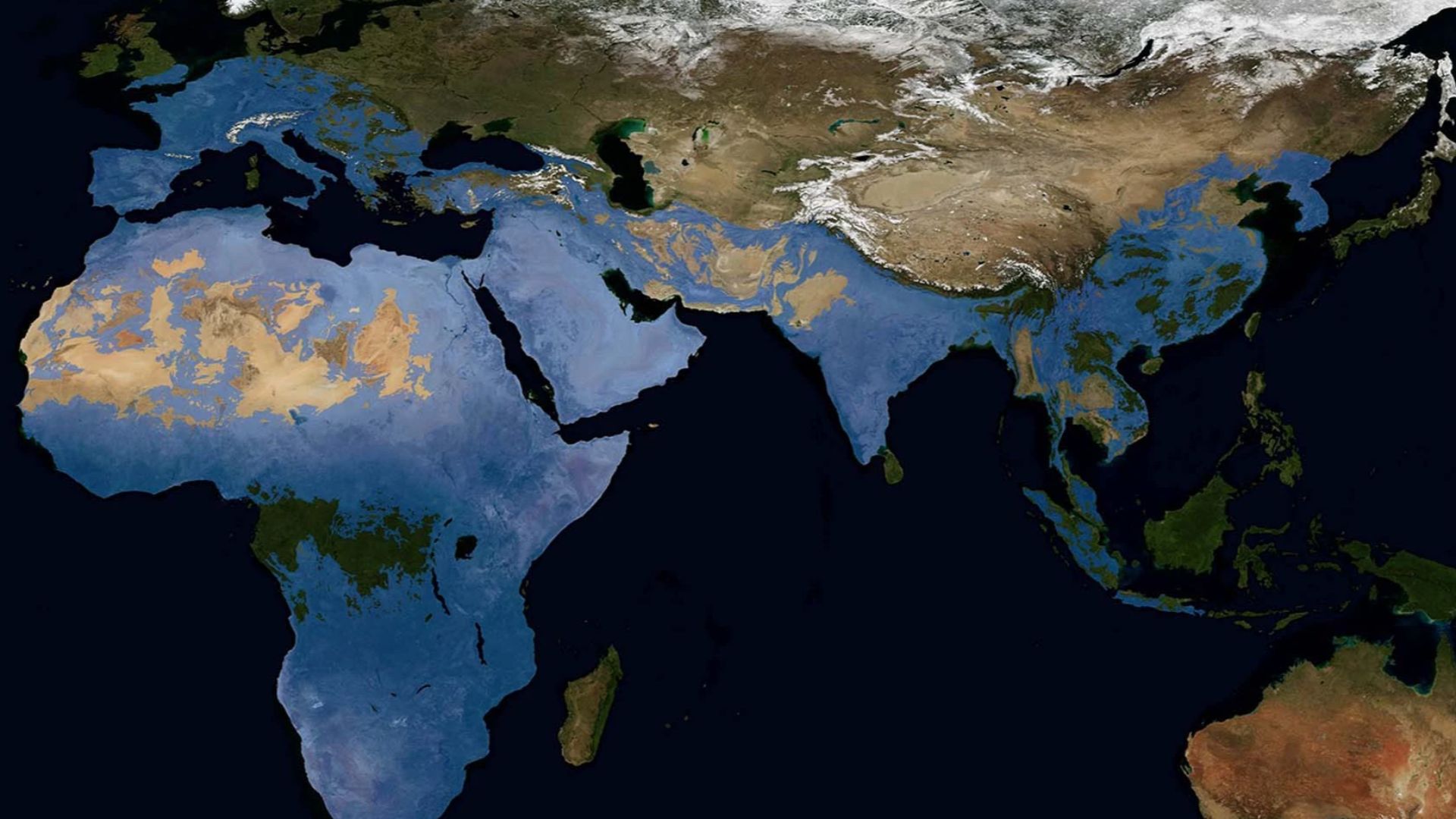
The coast was not simply a pretty backdrop. It was a resource zone. It offered shellfish, stranded animals, fresh water nearby, stone raw materials, and travel routes. Early humans who understood these mixed landscapes had options. Dungo hints that those options were being noticed very early.
 Richard Parker, Wikimedia Commons
Raised Beaches Preserve The Past
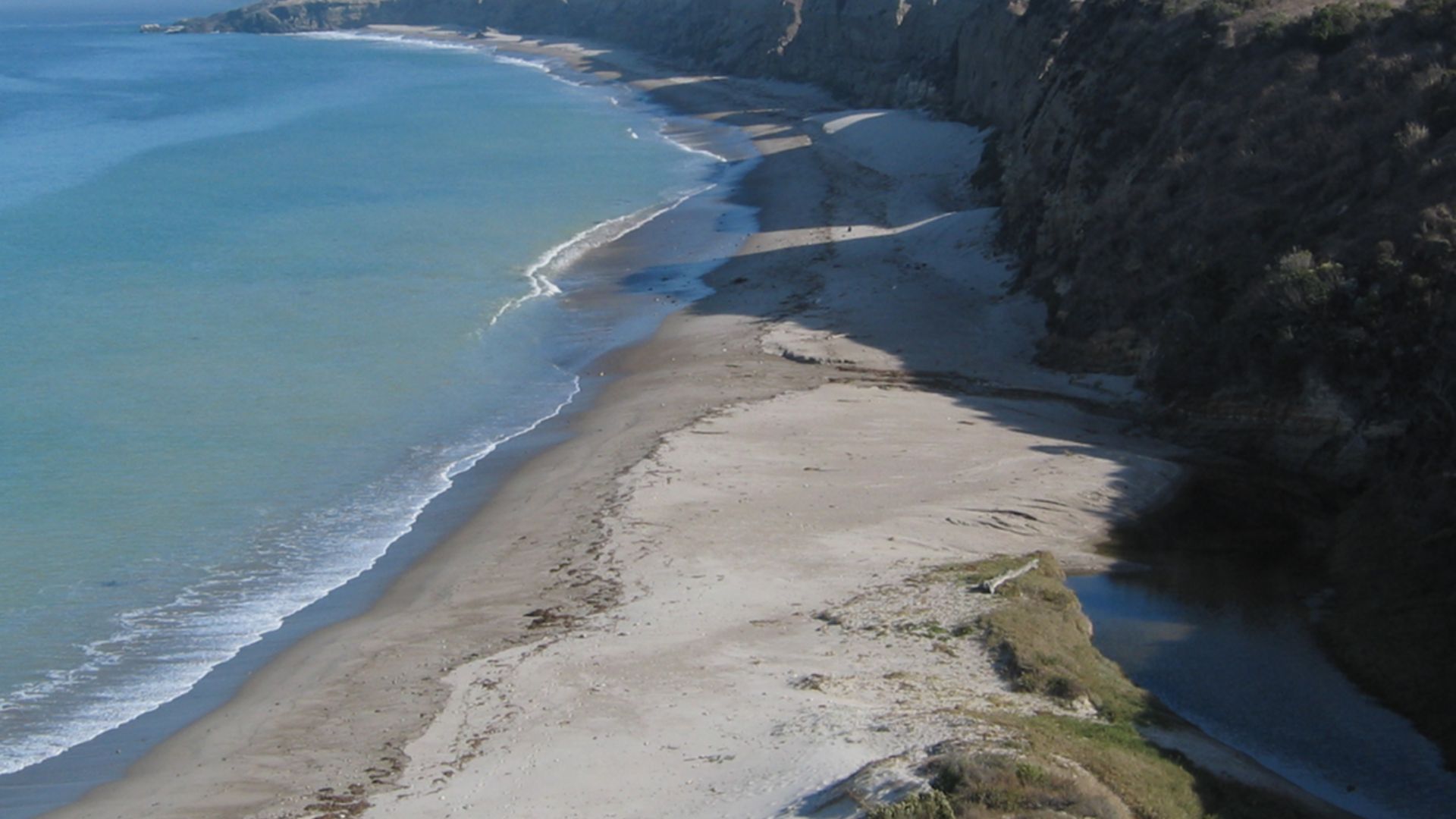
One reason Dungo is so useful is its geology. Ancient beach deposits were lifted over time, leaving old shorelines high above today’s sea level. These raised beaches preserved stone tools and sediments in ways that help researchers reconstruct landscapes that no longer look the same.
 Derek Lohuis, National Park Service, Wikimedia Commons
Dating Without Easy Clocks
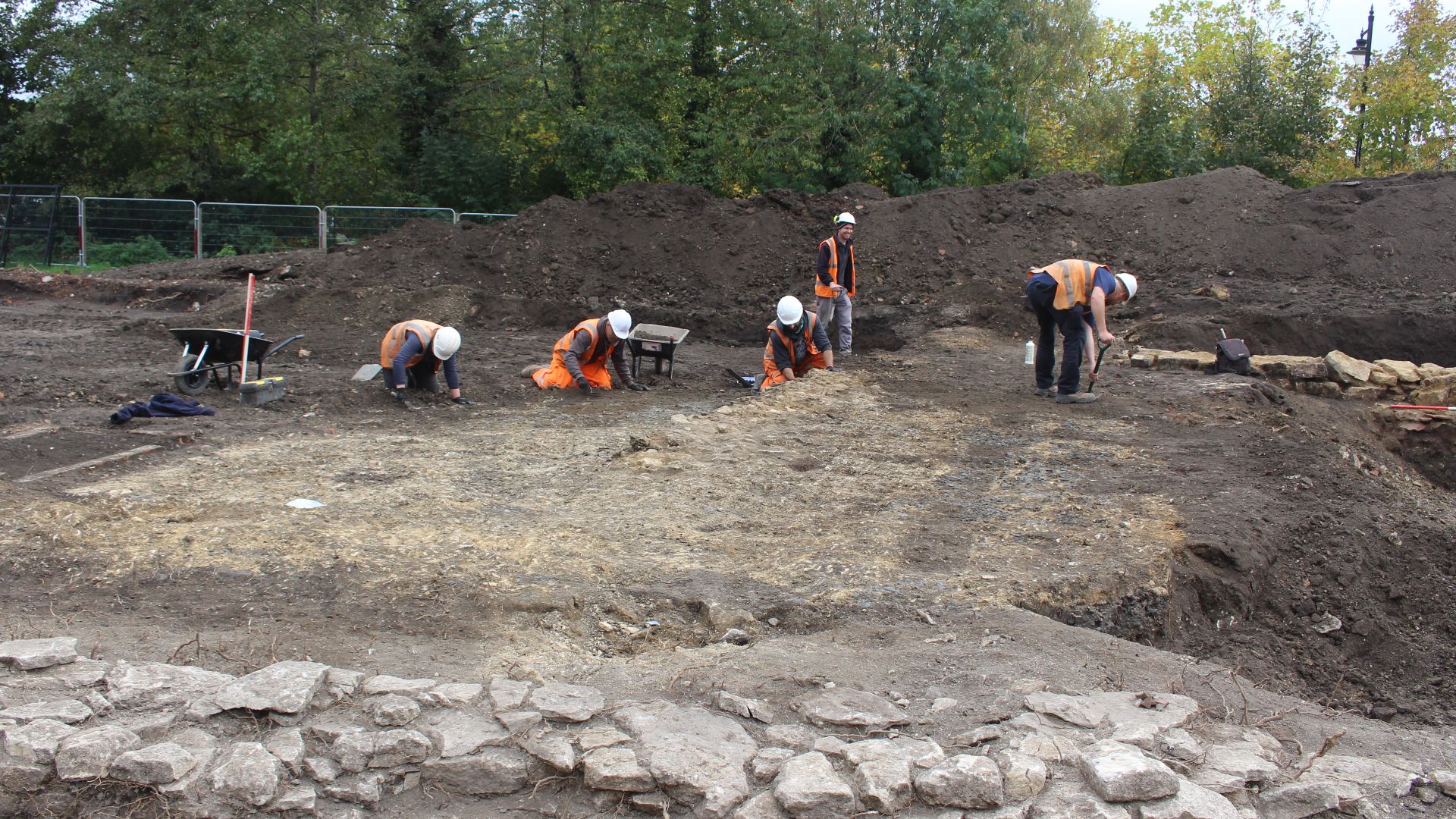
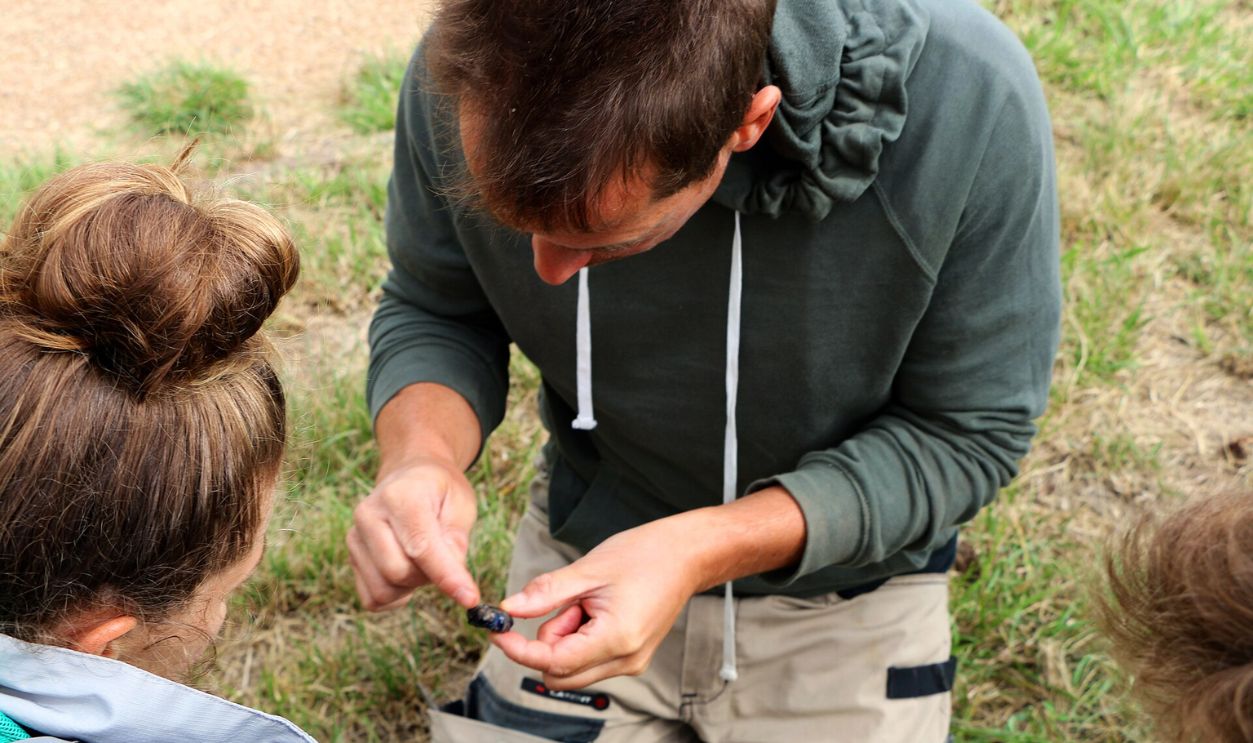
Dating Dungo was not simple. The region lacks the volcanic layers that often help archaeologists pin down ages. Instead, researchers used the radioactive decay of cosmogenic isotopes, including beryllium-10 and aluminum-26. It sounds like science fiction, but it is one way to read time from buried stone.
 Worcestershire Archaeology, Wikimedia Commons
Angola’s Overlooked Prehistory
Angola has a rich archaeological record, but it has often received less international attention than eastern or southern African fossil hotspots. Dungo helps correct that imbalance. It reminds us that western Africa was not sitting quietly on the sidelines while human evolution unfolded elsewhere.
 Marcella Medici (BEIC), Wikimedia Commons
No Fossils, Still A Footprint
No hominin bones have been found at Dungo IV or Dungo V so far. That means researchers cannot point to a skull and say exactly who made the tools. But stone tools are behavioral fossils. They preserve decisions, movements, skills, and habits long after bodies disappear.
 Александр Сигачёв, Wikimedia Commons
What Kind Of Humans Were They?
At roughly 600,000 years ago or more, the toolmakers were not modern humans as we know them. They were earlier human relatives living in a changing Pleistocene world. We may not know their exact species, but we can see their cleverness in how they used stone and landscape.
 Jakub Hałun, CC BY-SA 4.0, Wikimedia Commons
A Messy But Brilliant Strategy
Scavenging often sounds unglamorous, but it is smart. Finding a dead whale before predators, heat, or decay ruined it would have taken awareness and timing. Early humans had to recognize opportunity, approach carefully, and use tools effectively. That is not random wandering. That is survival intelligence.
![beluga or white whale, Delphinapterus leucas courtship
(The long text on the flickr page is an unattributed copy of a 2011 version [1] of the article](https://www.factinate.com/storage/app/media/splashtravels/2026/7/9/178361324046c03b72297d614ba0929b94e8f5c704a388b05b.jpg) Brian Gratwicke from DC, USA, Wikimedia Commons
Brian Gratwicke from DC, USA, Wikimedia Commons
The Smell Of Discovery
Archaeology usually smells like dust, old soil, and sun-baked trenches. This ancient scene probably smelled much worse. A stranded whale would have been pungent, loud with scavengers, and hard to process. Yet that unpleasant scene may reveal one of the earliest chapters in coastal resource use.
A Different View Of The Beach
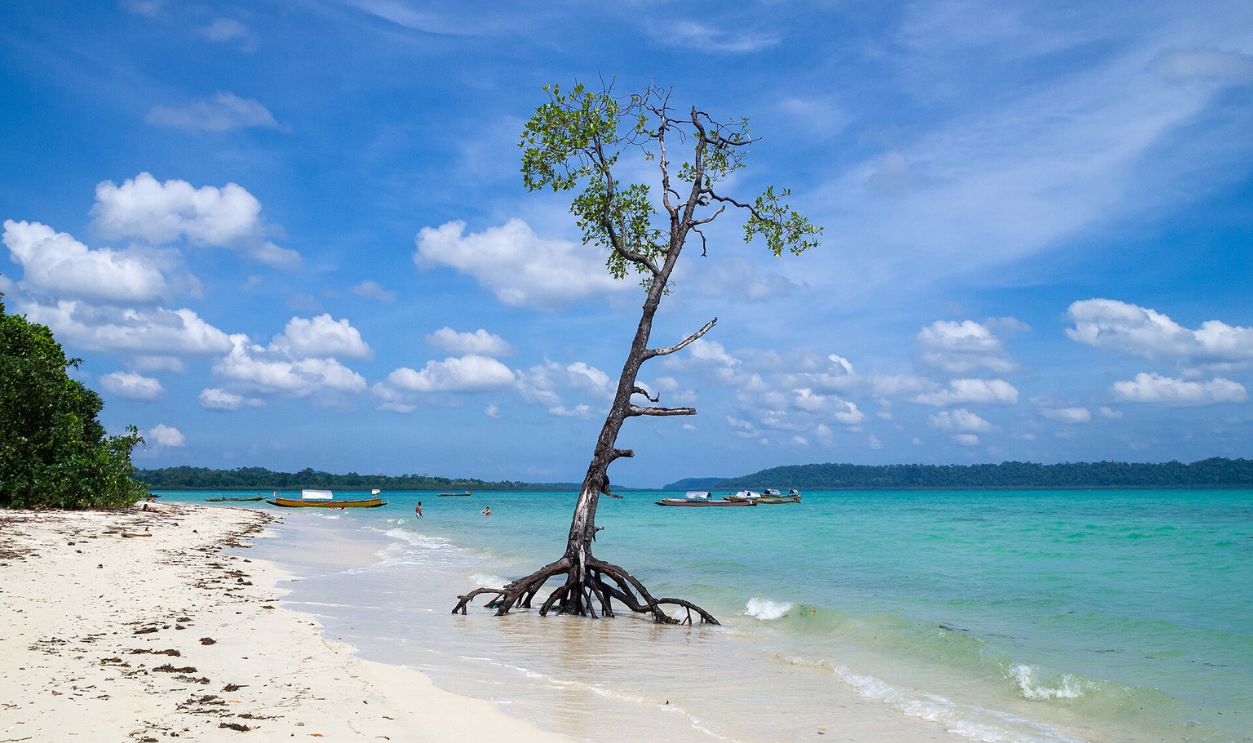
Today, beaches make us think of relaxation. For early humans, they were work zones. A beach could offer food, raw material, danger, and discovery all in the same afternoon. Dungo invites us to imagine the shore not as a vacation spot, but as a survival workshop.
 © Vyacheslav Argenberg, CC BY 4.0, Wikimedia Commons
Why The Find Feels So Modern
There is something oddly familiar about this story. Humans have always noticed opportunities at the edges: land and sea, river and shore, danger and reward. The Dungo toolmakers were not modern people, but their curiosity feels recognizable. They saw a chance and moved toward it.
 Charles Robert Knight, Wikimedia Commons
The Big Scientific Debate
The Dungo evidence matters because it feeds a larger debate about when early humans began regularly using coastal environments. Was the shore a late innovation, or had ancient populations been experimenting there for much longer? Dungo does not answer everything, but it makes the early timeline harder to ignore.
 Kufundisha, CC BY-SA 4.0, Wikimedia Commons
What Archaeologists Still Need
Researchers still need more excavation, more dating, and more comparisons with other coastal sites. Archaeology rarely gives one neat answer wrapped in a bow. Instead, it builds confidence piece by piece. Dungo is one of those pieces, and it is a wonderfully strange one.
 Cangadoba, CC BY-SA 4.0, Wikimedia Commons
A Whale-Sized Clue
The idea of early humans scavenging beached whales sounds almost too dramatic, like something invented for a prehistoric movie. But the evidence is grounded in stone, bone, and sediment. That is the magic of Dungo: a spectacular story hiding inside very careful science.
 Caroline Louisa Daly (1832-1893), Wikimedia Commons
Why Dungo Deserves Attention
Dungo IV and Dungo V show that Angola’s coast was part of the deep human story. These sites suggest early humans were not afraid of shorelines, stranded animals, or big opportunities. They were adaptable, watchful, and ready to use whatever the landscape offered.
The Ancient Coast Comes Alive
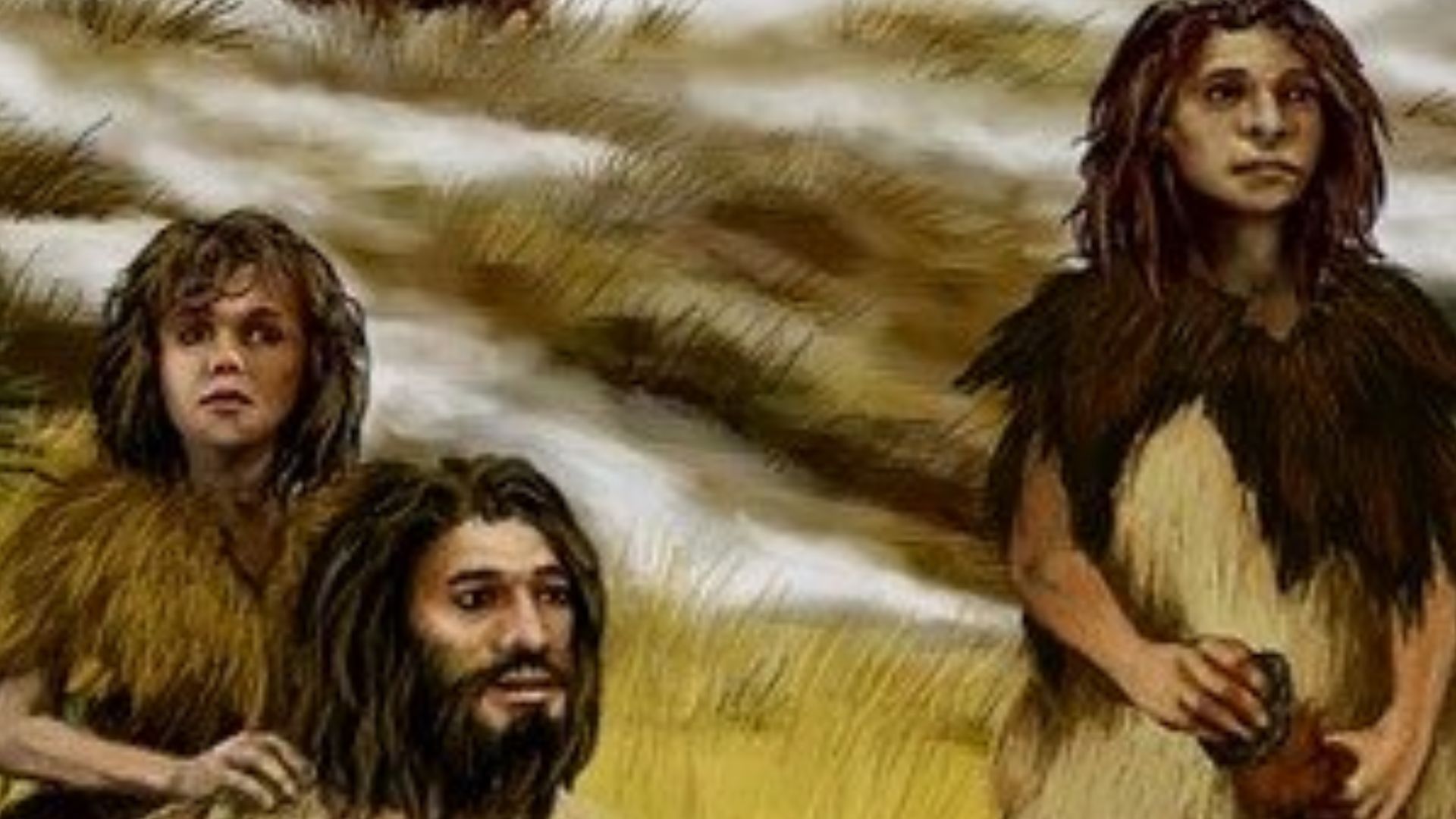
The Dungo discoveries leave us with an unforgettable image: early humans on a vanished Angolan shore, stone tools in hand, gathered around a giant whale. It is messy, practical, and deeply human. Hundreds of thousands of years later, that ancient beach still has something remarkable to say.
 Alfred Weidinger from Vienna, Austria, Wikimedia Commons
You May Also Like:
New crowd control measures completely ruined my last theme park experience. Can I get a refund?







.jpg)


