
The Airplane That Changed International Travel
In 1903, American brothers Orville and Wilbur Wright achieved the first successful powered, controlled airplane flight in North Carolina. Their aircraft traveled just 120 feet on its inaugural flight. That short journey helped establish the foundations of modern aviation and international air travel.
But the world has more to thank America for than that!

The Elevator Safety Brake That Made Skyscrapers Possible
Elisha Otis did not invent the elevator, but his 1850s safety mechanism helped make elevators far more practical. His invention prevented an elevator platform from falling if its hoisting cable failed. This innovation helped make increasingly tall buildings practical around the world.
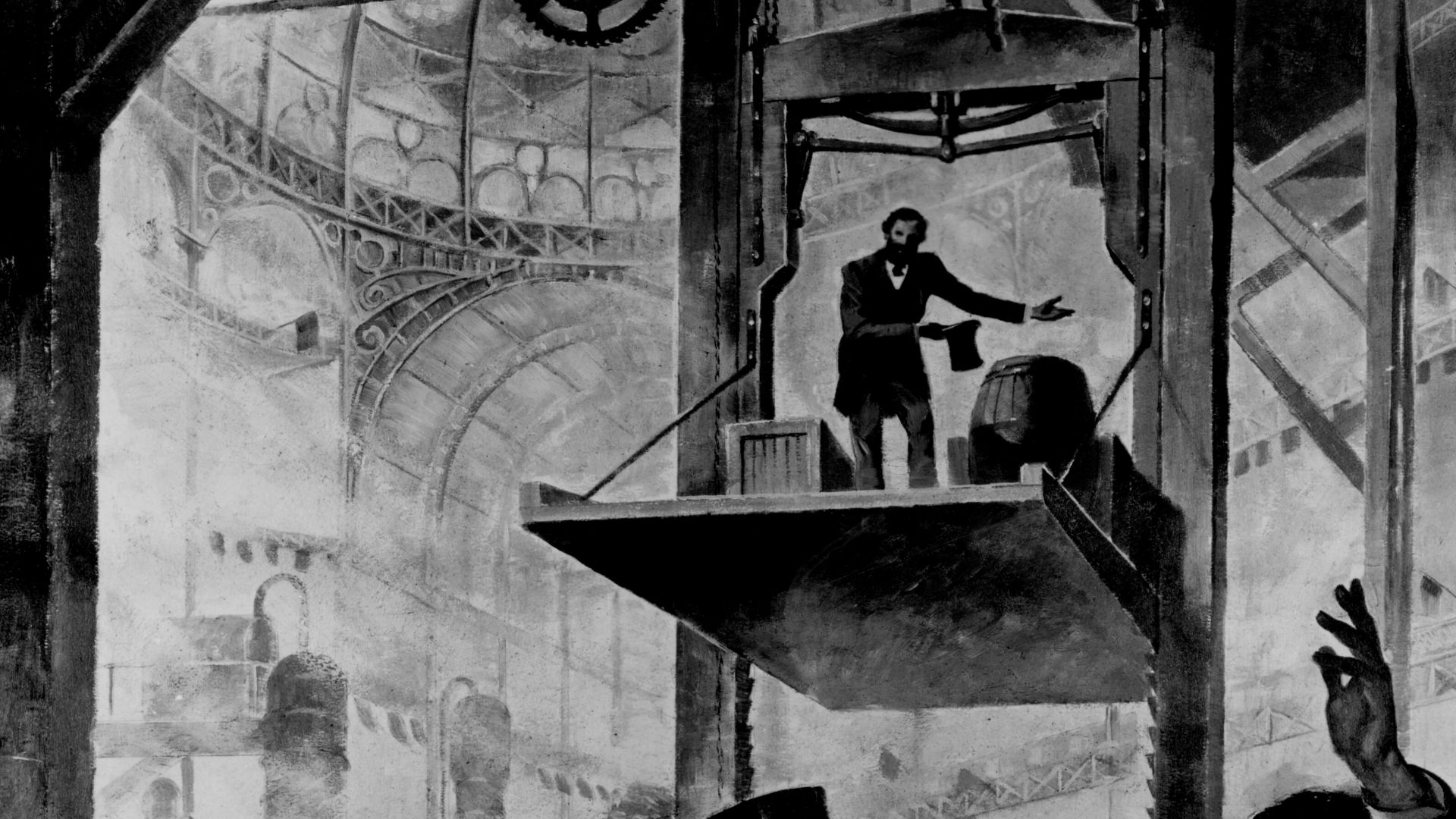 Unknown authorUnknown author, Wikimedia Commons
The Traffic Light That Added Yellow To The Equation
In 1920, Detroit police officer William Potts developed a three-color, four-direction traffic signal. Earlier illuminated signals generally used only red and green, but Potts added an amber warning light. His design helped establish the familiar red, yellow, and green system used internationally.

The Windshield Wipers That Drivers Cannot Live Without
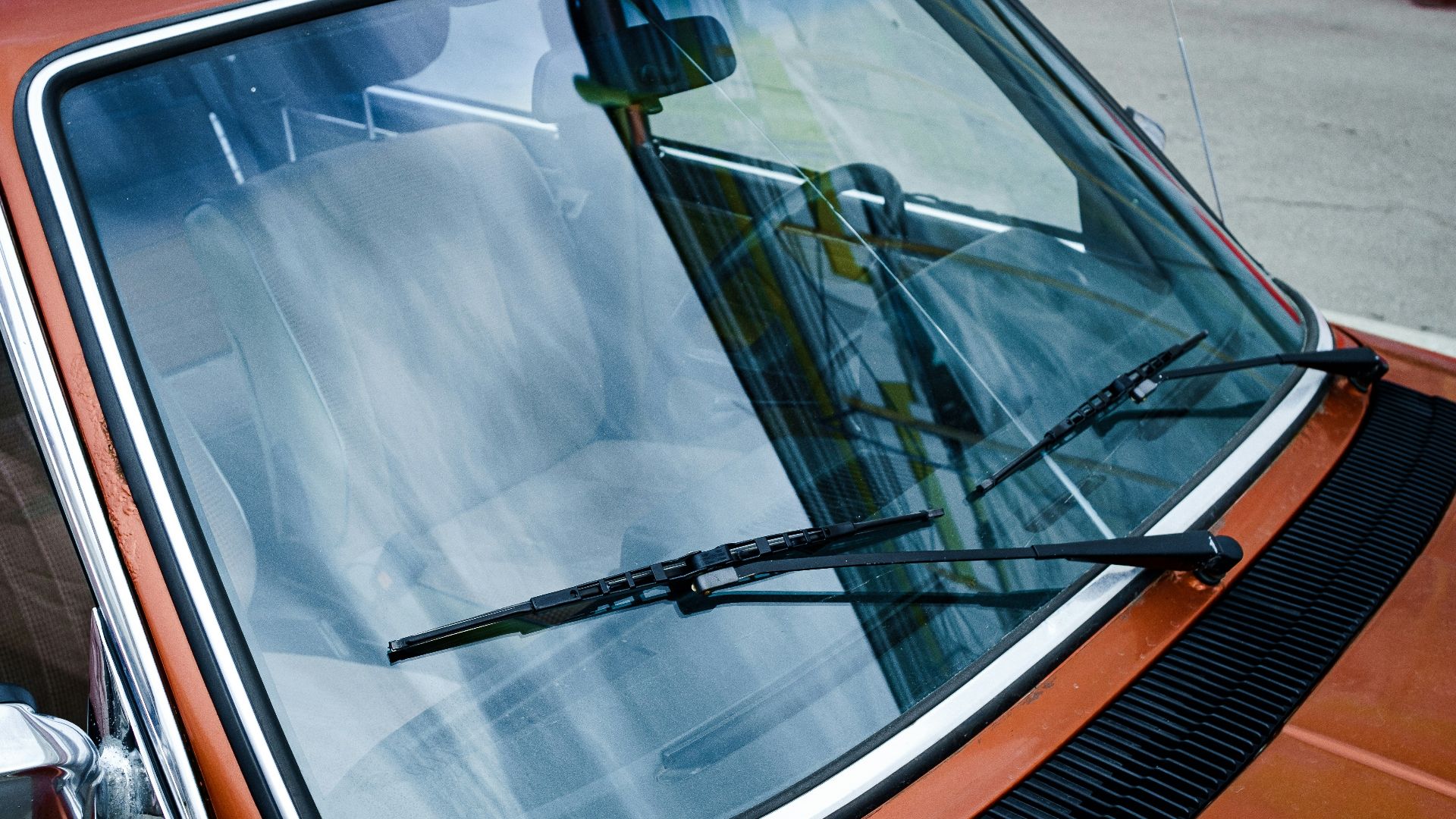
During a snowy New York City trolley ride, Mary Anderson noticed how difficult it was for drivers to keep their windshields clear. She patented an effective manually operated windshield wiper in 1903. Her invention eventually became a standard automotive feature, making driving considerably safer in rain and snow.
The Assembly Line That Transformed Manufacturing
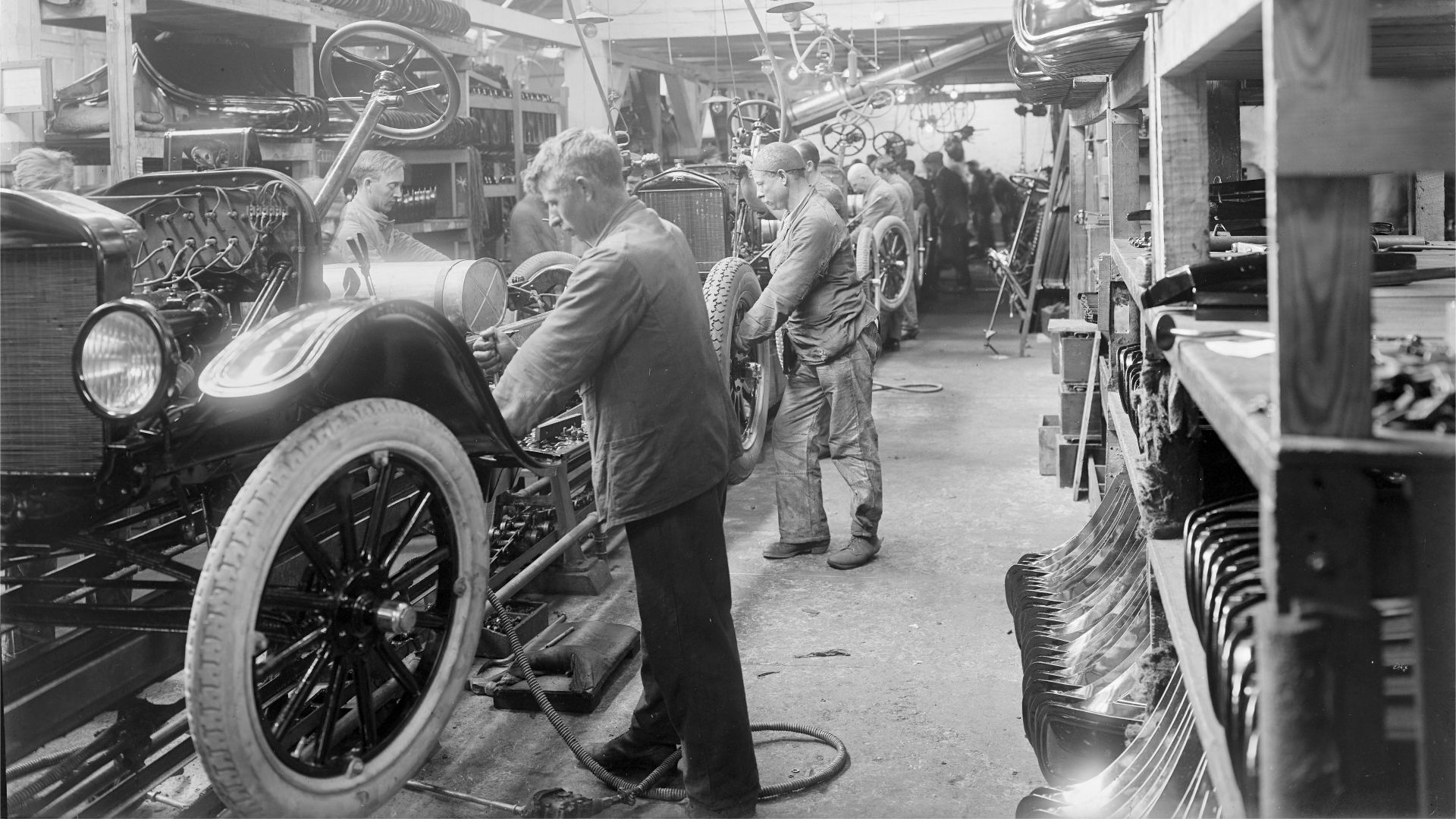
Henry Ford introduced moving assembly-line production at his Highland Park automobile factory in Michigan in 1913. Workers performed specialized tasks as components and vehicles moved through production, dramatically reducing assembly times. Manufacturers around the world subsequently adopted similar techniques to produce everything from automobiles to household appliances.
 Peter Elfelt, Wikimedia Commons
The Shipping Container System That Reshaped Global Trade
American trucking entrepreneur Malcom McLean helped revolutionize international shipping during the 1950s. His containerized shipping system allowed cargo to move between trucks, trains, and ships with far less handling. The first voyage of his container ship, Ideal-X, took place in 1956, helping establish modern container transportation.

The GPS Technology That Guides The World
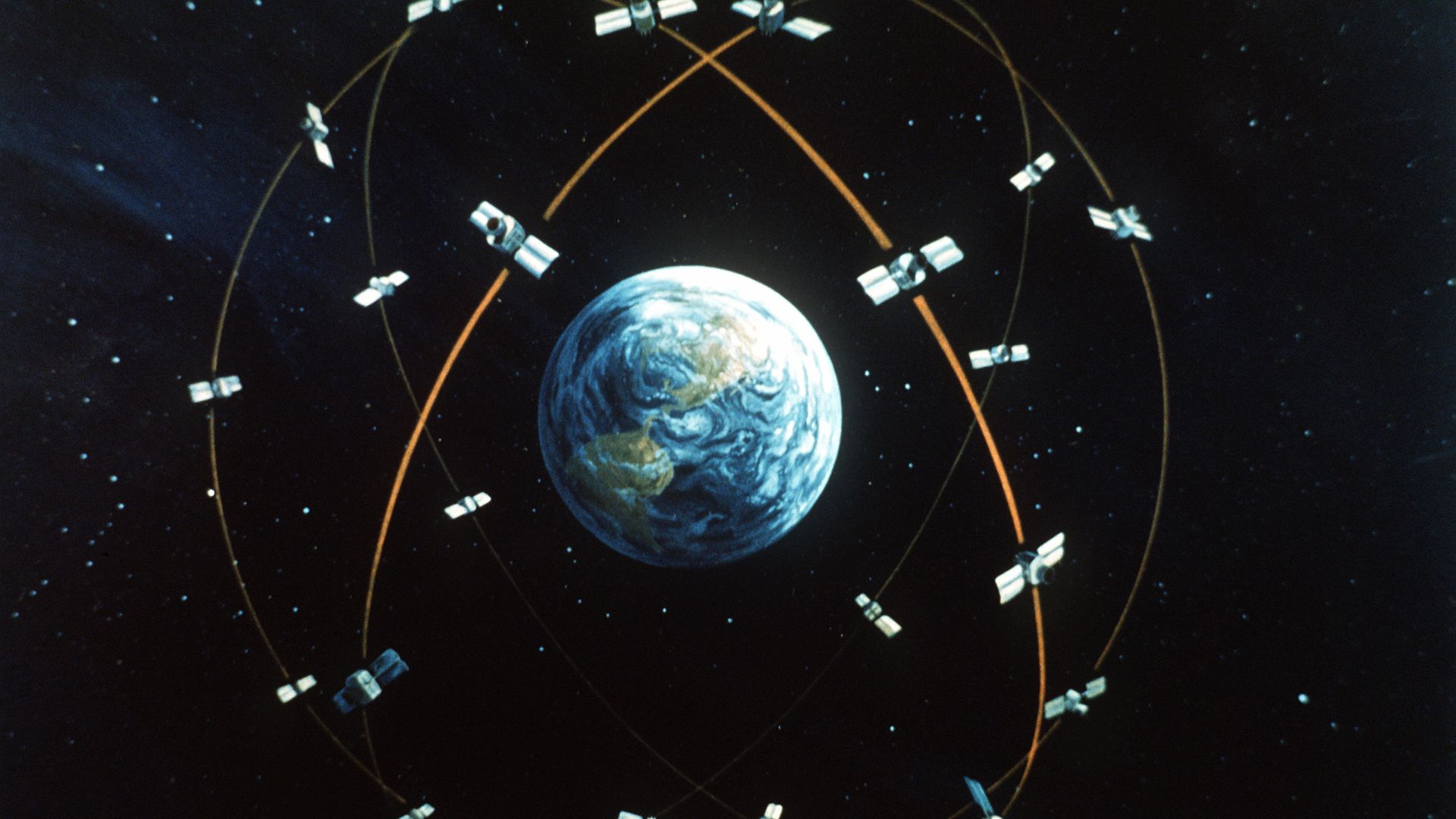
The United States Department of Defense established the NAVSTAR Global Positioning System program in 1973. Originally designed for military navigation, GPS eventually became accessible to civilian users around the world. Today, its satellite signals support navigation, transportation, surveying, and countless everyday location-based services.
The Air Conditioner That Started In A Printing Factory
Willis Carrier developed the first modern air-conditioning system in Brooklyn, New York, in 1902. Surprisingly, his original goal was controlling humidity that interfered with printing operations. His technology established the foundation for modern climate control in homes, hotels, offices, hospitals, and countless other buildings.
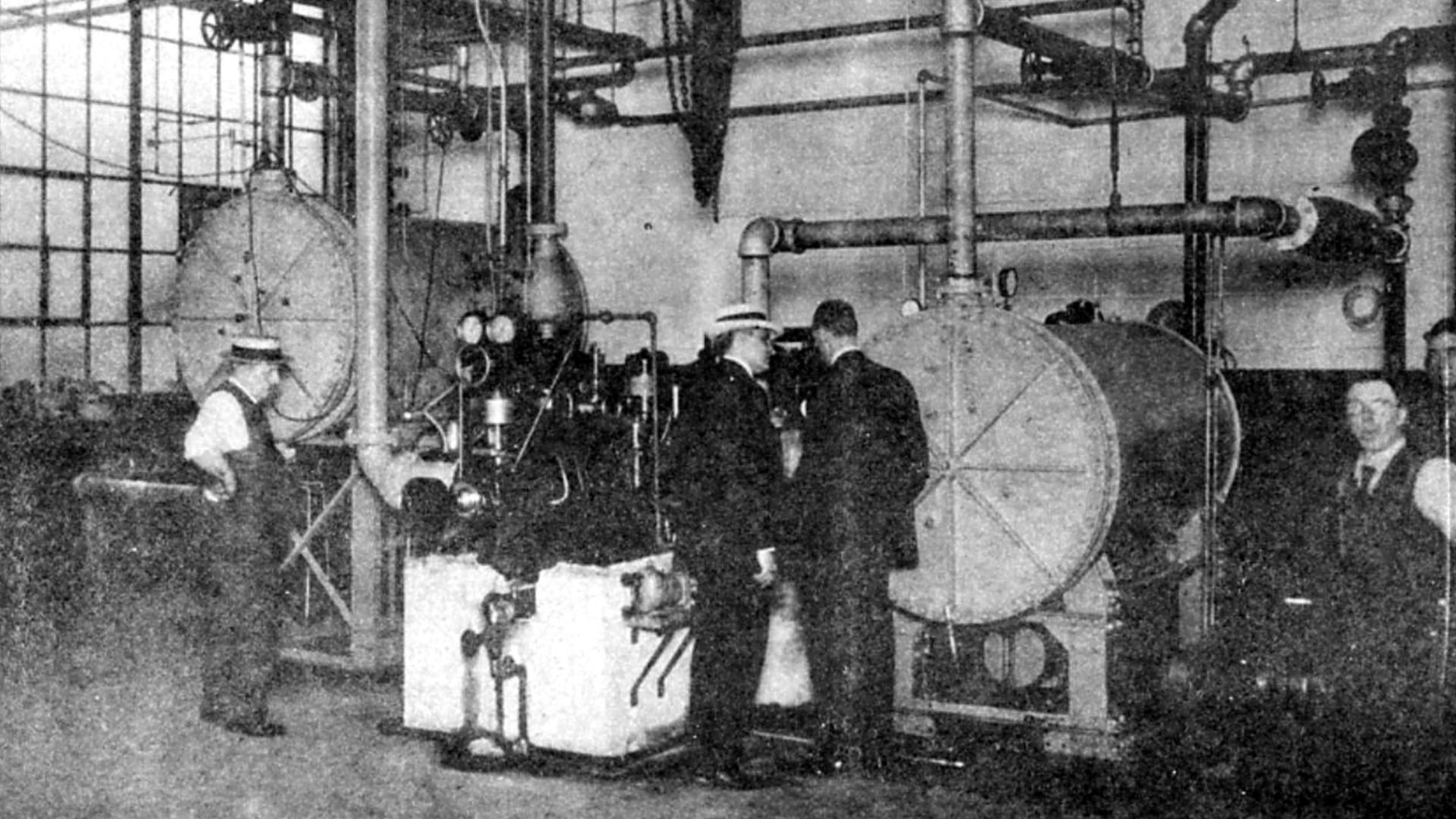 It was likely created by Carrier Corporation to showcase its technology, Wikimedia Commons
The Barcode That Changed Shopping Forever
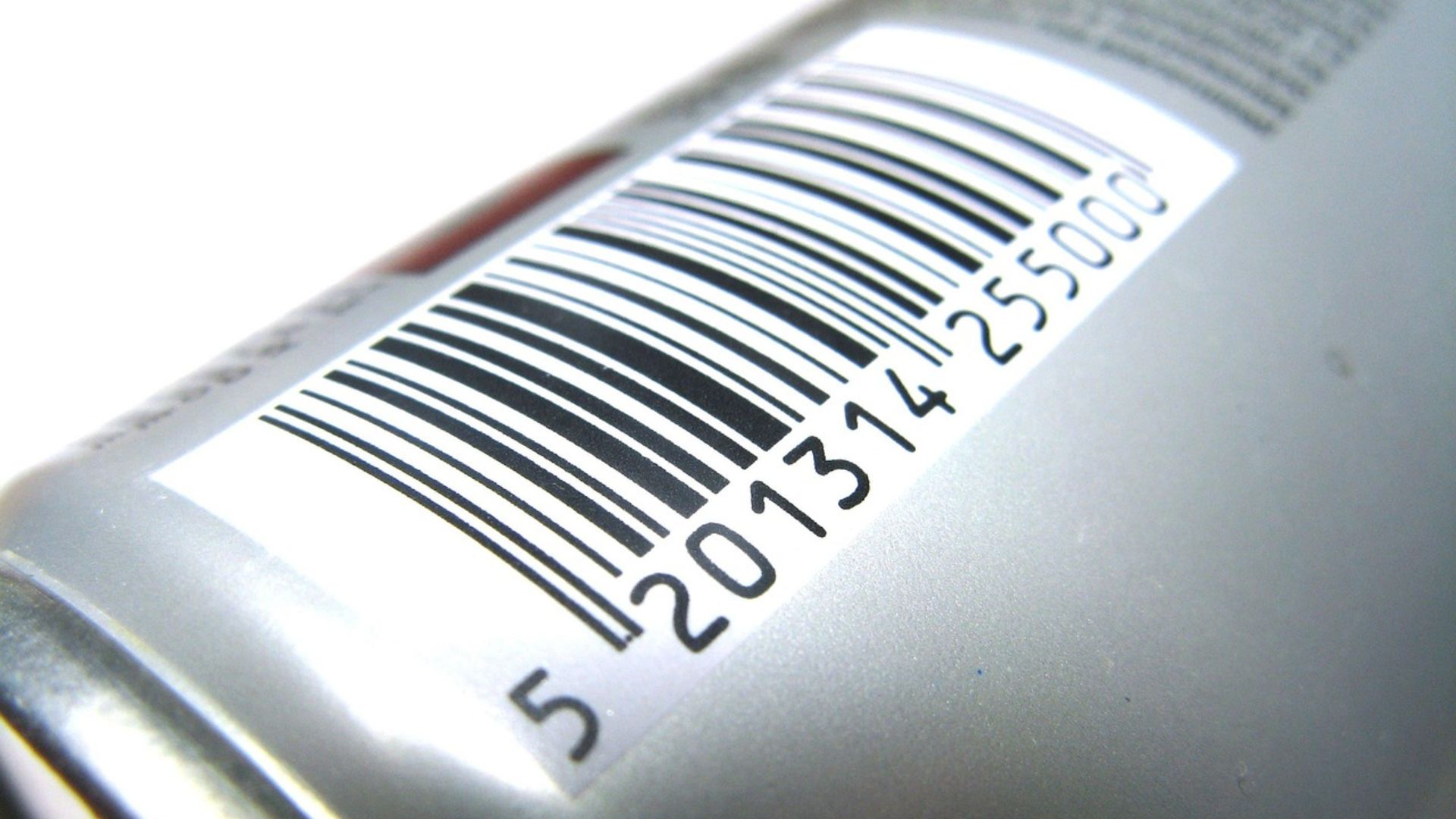
The modern Universal Product Code system emerged from American grocery industry efforts during the early 1970s. On June 26, 1974, a package of Wrigley's chewing gum became the first product scanned using a UPC barcode at a supermarket in Ohio. Barcode systems subsequently transformed retail operations worldwide.
The Shopping Cart That Made Grocery Trips Easier
American supermarket owner Sylvan Goldman introduced an influential shopping cart design in Oklahoma City in 1937. His invention allowed customers to transport heavier grocery purchases without carrying baskets. Although shoppers initially resisted the unusual contraption, wheeled shopping carts eventually became standard equipment in supermarkets around the world.

The Payment Card That Changed International Spending
Diners Club introduced the first multipurpose charge card in the United States in 1950. Unlike earlier store-specific cards, customers could use it at multiple participating businesses. The American development of general-purpose credit cards followed during the late 1950s, establishing foundations for international card payment systems.

The Frozen Foods That Transformed Grocery Shopping
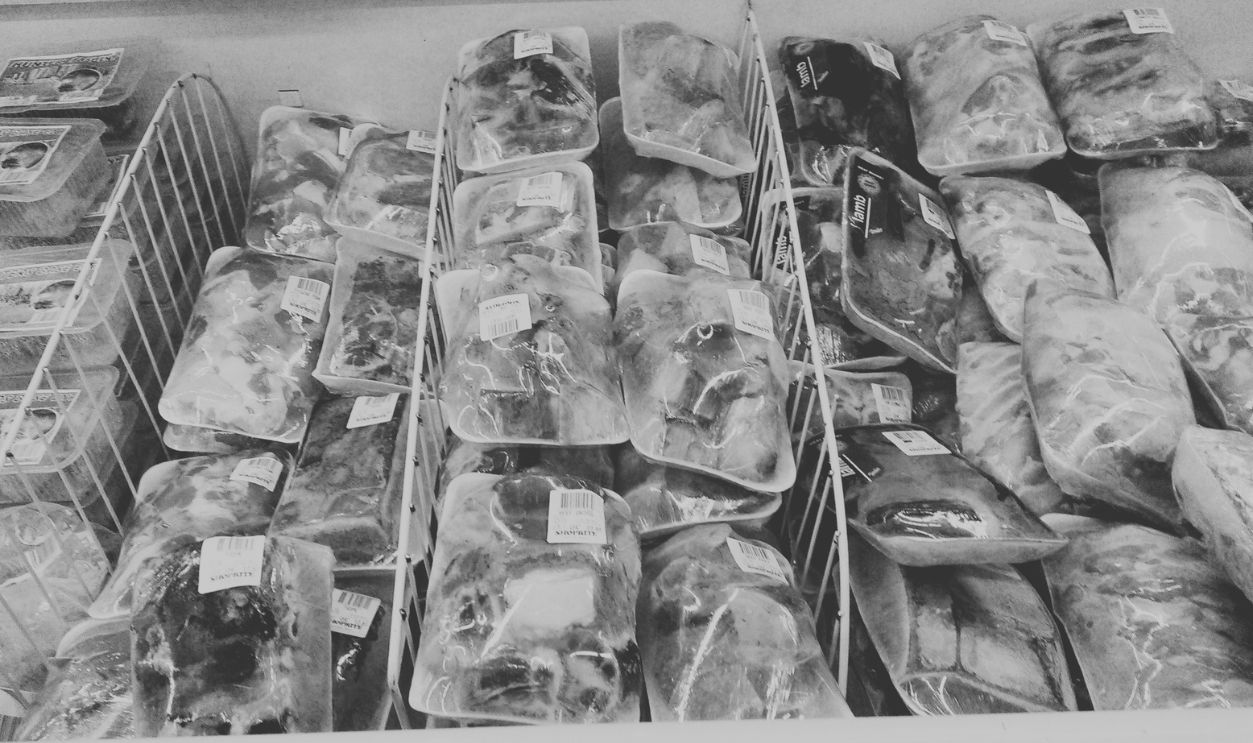
American entrepreneur Clarence Birdseye developed commercial quick-freezing technology during the 1920s after observing food preservation techniques used by Inuit communities in Canada. He recognized that rapid freezing helped preserve food texture and quality. His innovations helped establish the modern commercial frozen-food industry.
The Microwave Oven That Changed Home Cooking
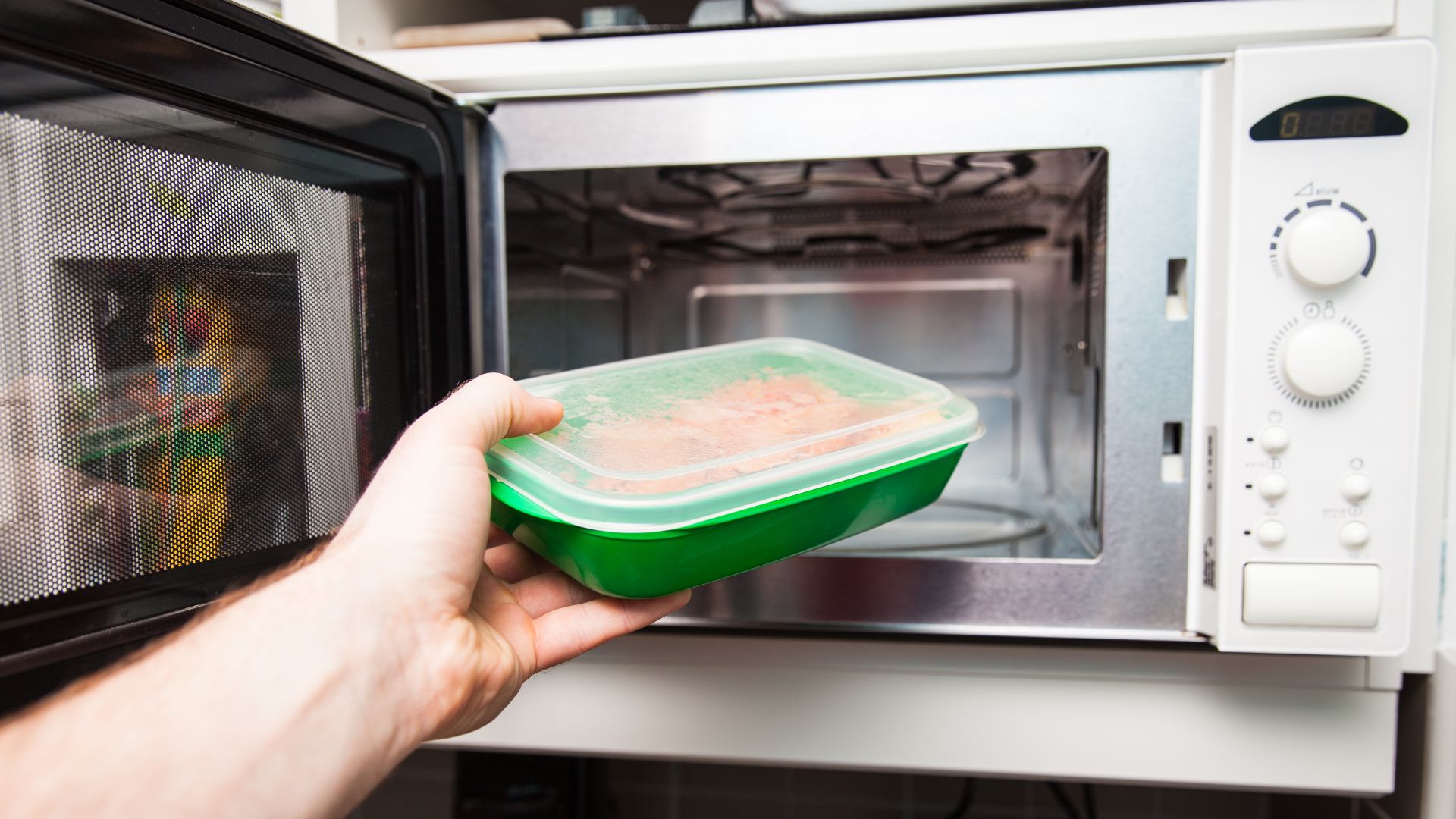
American engineer Percy Spencer discovered microwave cooking while researching radar technology at Raytheon in 1945. His observations led to the development of the first commercial microwave ovens. Early models were enormous and expensive, but subsequent improvements eventually made microwave cooking practical for ordinary kitchens worldwide.
 Trausti Evans, Wikimedia Commons
The Dishwasher That Revolutionized Restaurant Kitchens
Josephine Garis Cochran developed the first practical mechanical dishwasher in Illinois during the 1880s. Patented in 1886, her machine used water pressure to clean dishes held securely in specially designed racks. Hotels and restaurants became important early customers before dishwashers eventually gained popularity in private homes.
 Tatiana Diuvbanova, Shutterstock
The Vacuum Cleaner That Modernized Housekeeping
American inventor James Murray Spangler developed a commercially successful portable electric vacuum cleaner in Ohio in 1907. His design incorporated an electric motor, suction mechanism, and dust collection bag. William Hoover subsequently acquired Spangler's business, helping introduce the technology to a wider household market.

The Paper Bag Machine Behind Grocery Packaging
Margaret Knight developed machinery capable of automatically producing flat-bottomed paper bags during the nineteenth century. She secured an important patent in 1871, making practical grocery bags much easier to manufacture in large quantities. The underlying concept remains recognizable in paper shopping bags used internationally.

The Transparent Tape That Made Repairs Easier
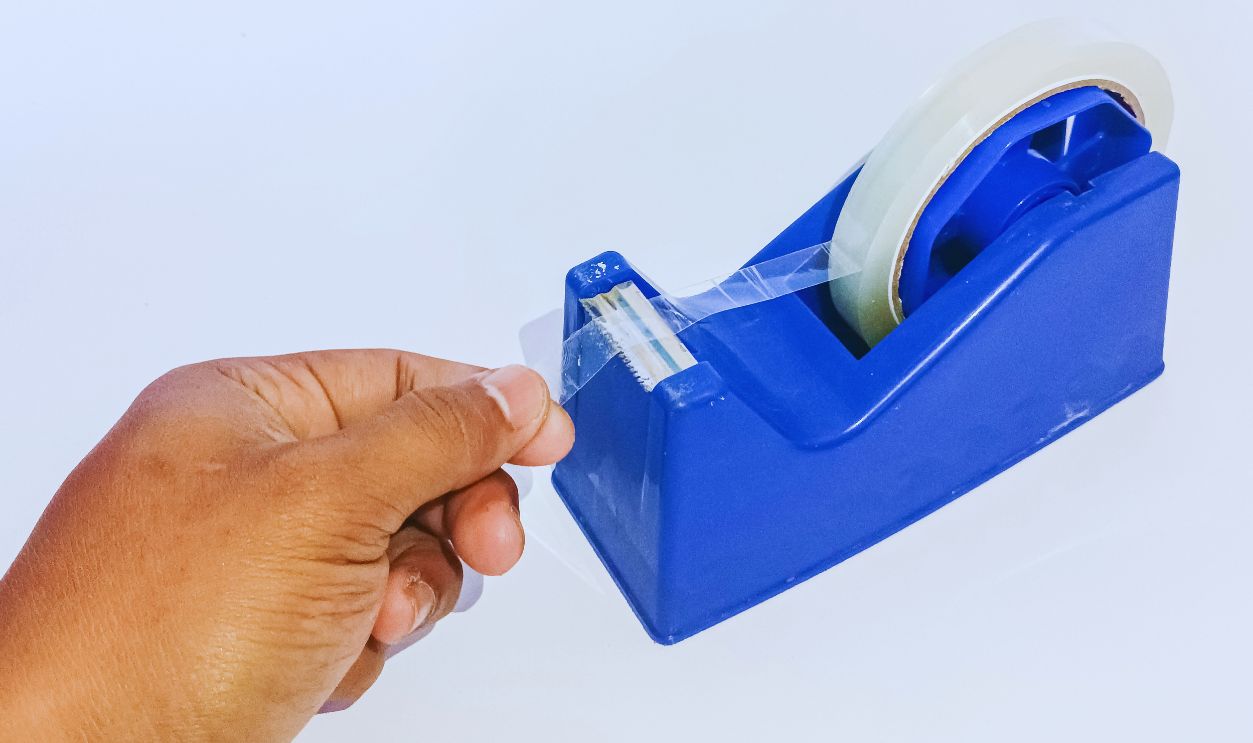
American engineer Richard Drew developed Scotch transparent cellophane tape at 3M in 1930. Originally intended to help seal commercial packaging, the tape quickly found additional uses in homes and offices. Its combination of transparent backing and pressure-sensitive adhesive established a familiar product category that spread internationally.
 indra nugra ikrom, Shutterstock
The Sticky Notes That Almost Never Happened
At 3M, scientist Spencer Silver developed an unusual adhesive that could stick to surfaces without forming a permanent bond. Colleague Art Fry subsequently used the material to create repositionable paper notes. Introduced nationally in 1980, Post-it Notes became familiar office and school supplies worldwide.

The Nylon That Changed Modern Clothing
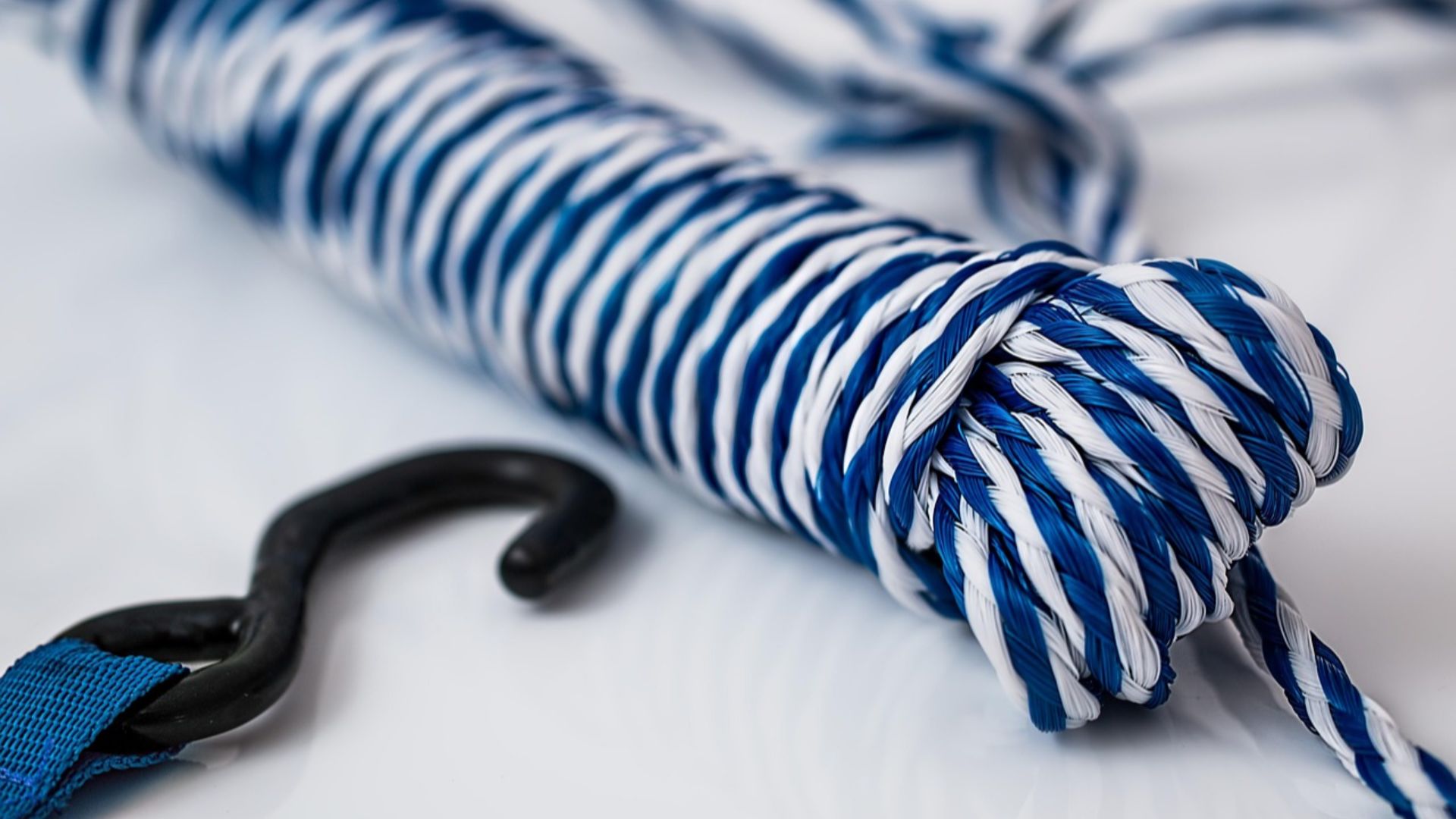
American chemist Wallace Carothers led pioneering polymer research at DuPont during the 1930s. His research group developed the synthetic material that became nylon, which entered commercial production in 1939. The new fiber transformed textile manufacturing and eventually became important in clothing, carpeting, ropes, and numerous industrial products.
The Kevlar That Protects People Around The World
American chemist Stephanie Kwolek discovered the unusual polymer chemistry behind Kevlar while working at DuPont in 1965. The resulting lightweight, exceptionally strong material became valuable for protective equipment. Today, Kevlar is used in products including protective vests, helmets, tires, and industrial safety equipment.
 Slick-o-bot, Wikimedia Commons
The Nonstick Material Discovered By Accident
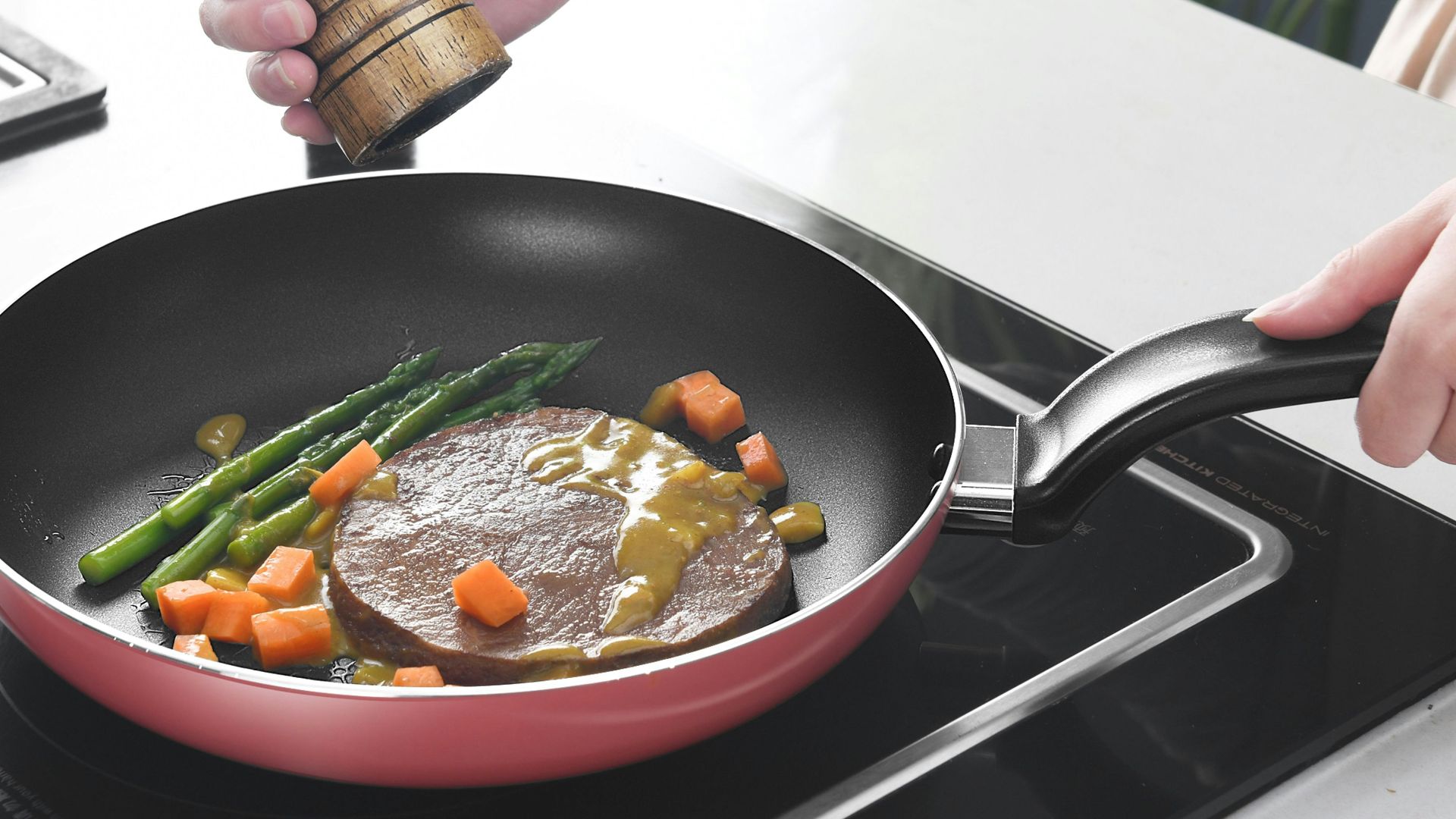
American chemist Roy Plunkett accidentally discovered polytetrafluoroethylene, commonly known as Teflon, while researching refrigerants at DuPont in 1938. The substance offered unusual resistance to heat and chemical reactions. It eventually became important in nonstick cookware, electrical components, industrial equipment, and aerospace applications.
The Solar Cell That Helped Make Solar Power Practical
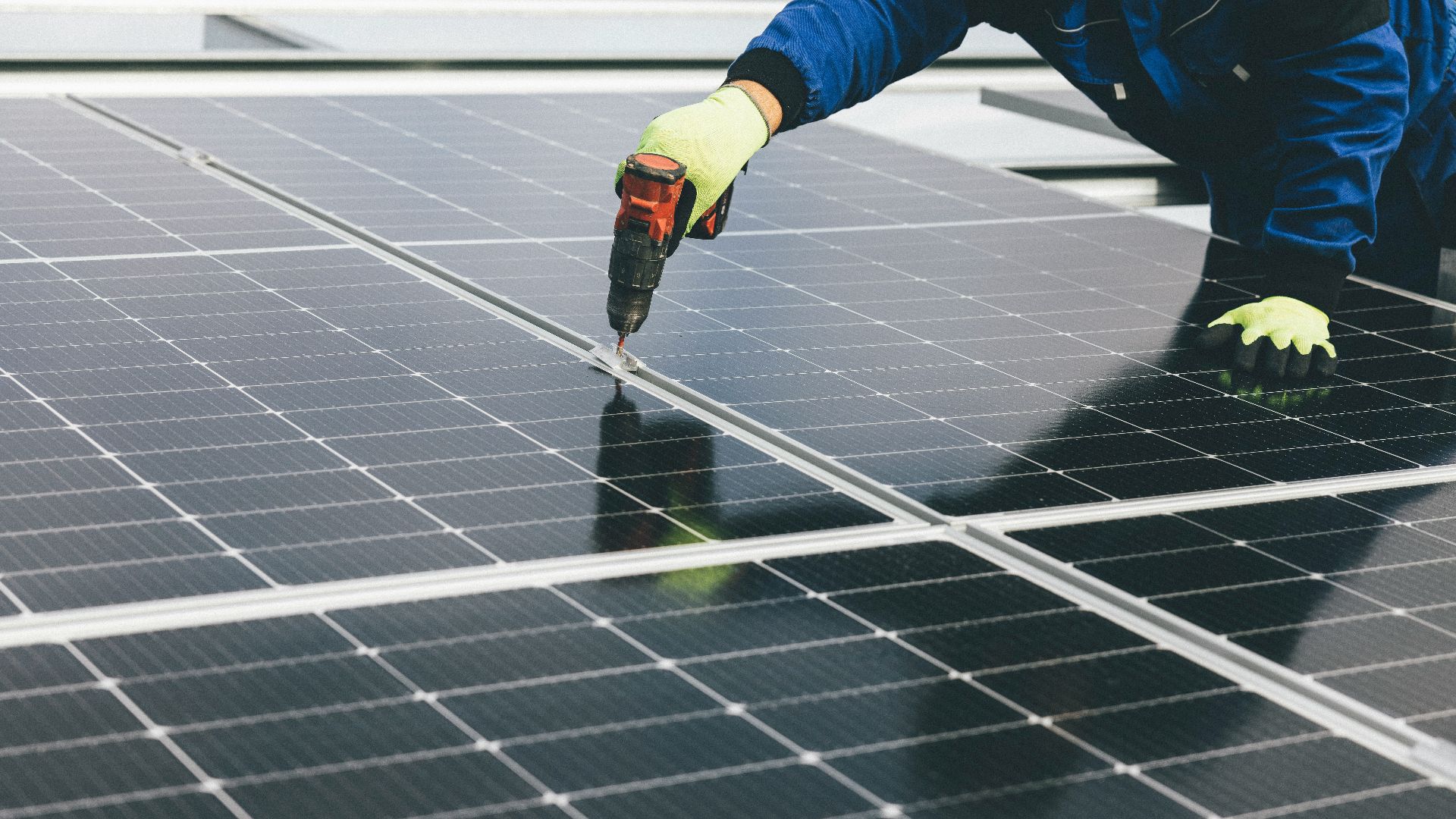
Scientists Daryl Chapin, Calvin Fuller, and Gerald Pearson developed a practical silicon solar cell at Bell Laboratories in New Jersey in 1954. Earlier researchers had investigated photovoltaic electricity, but the Bell Labs achievement represented an important advance. Silicon photovoltaic technology subsequently became foundational to modern solar-power systems.
The Laser That Changed Modern Technology
American physicist Theodore Maiman and assistant Irnee D'Haenens demonstrated the first working laser at Hughes Aircraft in California in May 1960. Their device used a synthetic ruby crystal to generate concentrated pulses of light. Lasers subsequently found widespread applications in manufacturing, communications, medicine, and consumer electronics.
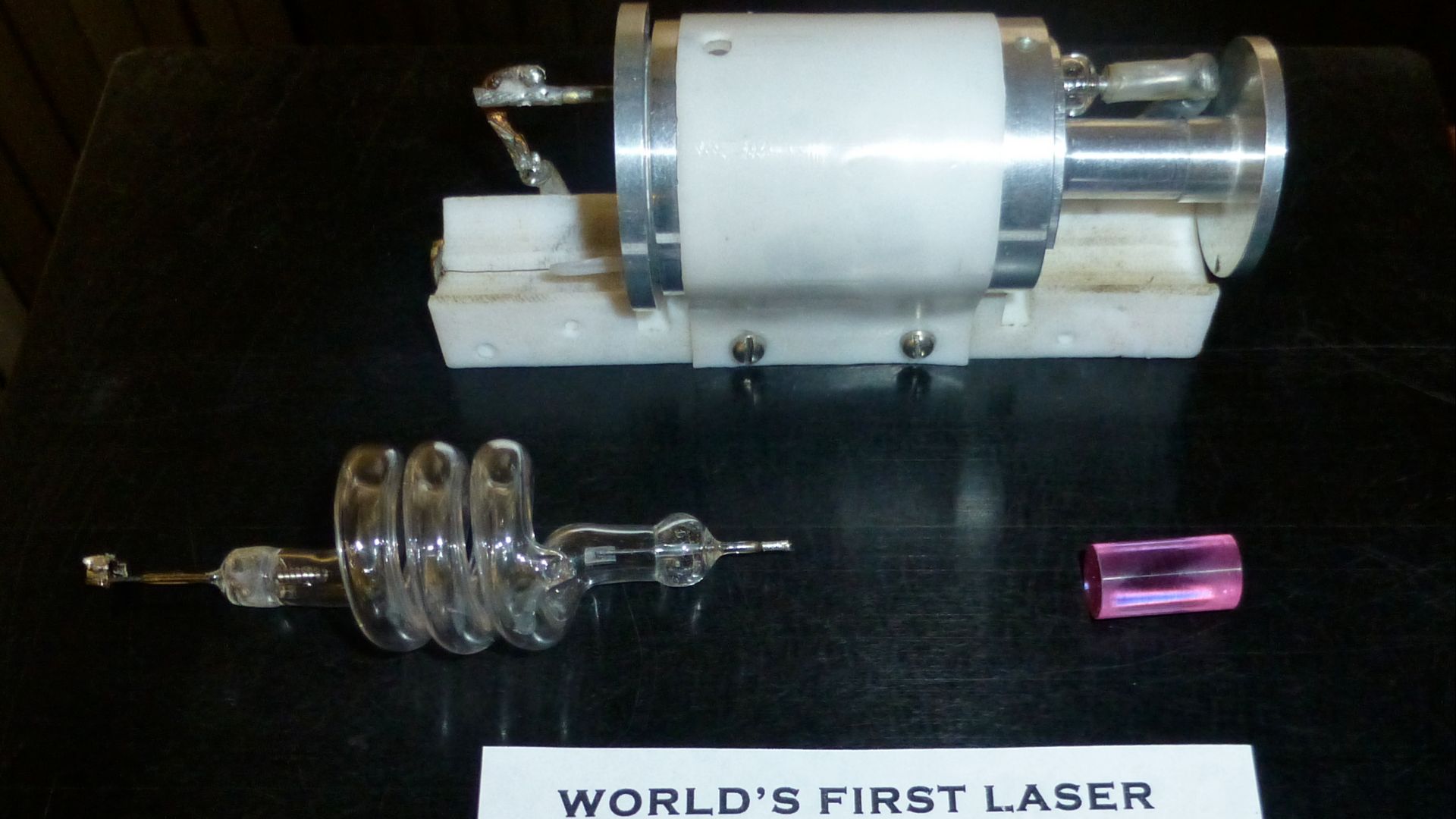 Theodore and Kathleen Maiman, Wikimedia Commons
The LED That Changed The Way We See Light
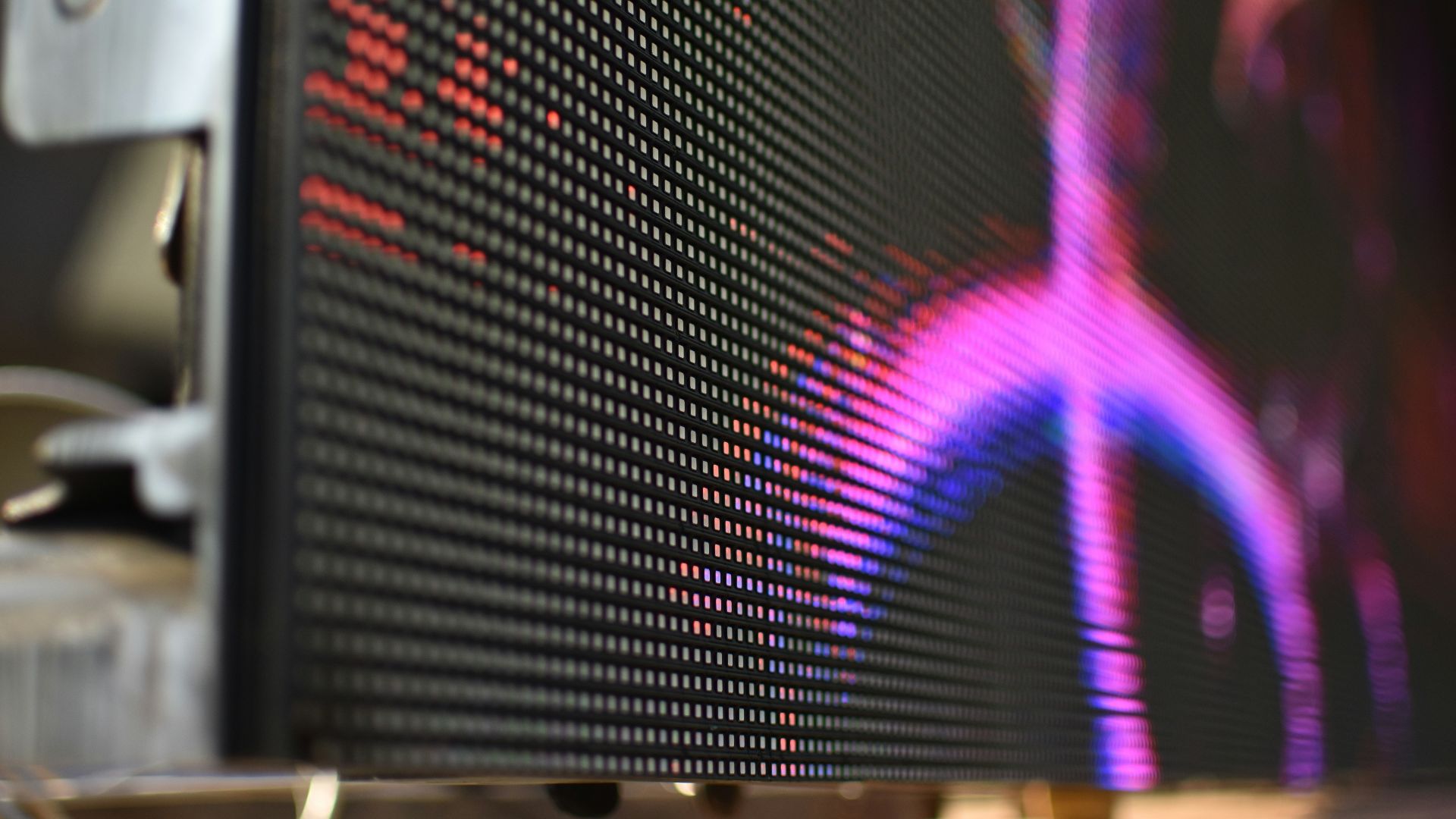
American engineer Nick Holonyak Jr. developed the first practical visible-light-emitting diode while working at General Electric in 1962. His original LED emitted red light rather than the white light associated with modern bulbs. Later international developments expanded LED technology into displays, indicators, and energy-efficient lighting.
The Transistor That Made Modern Electronics Possible
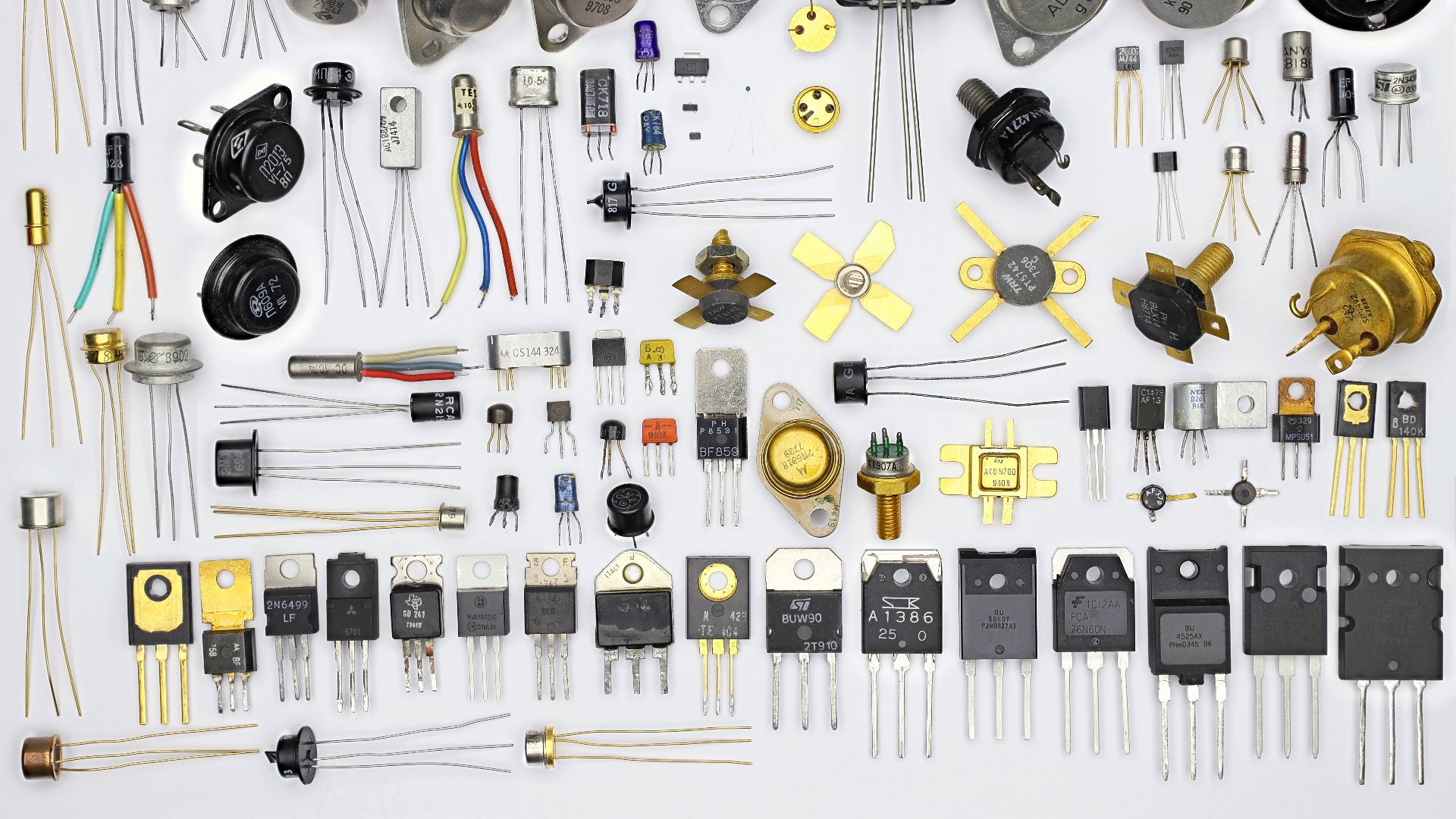
Researchers John Bardeen and Walter Brattain demonstrated the first working transistor at Bell Laboratories in New Jersey in December 1947. Working within a research group led by William Shockley, they developed a semiconductor device capable of amplifying electrical signals. Transistors subsequently became fundamental components of modern electronics.
The Integrated Circuit That Shrunk Electronics
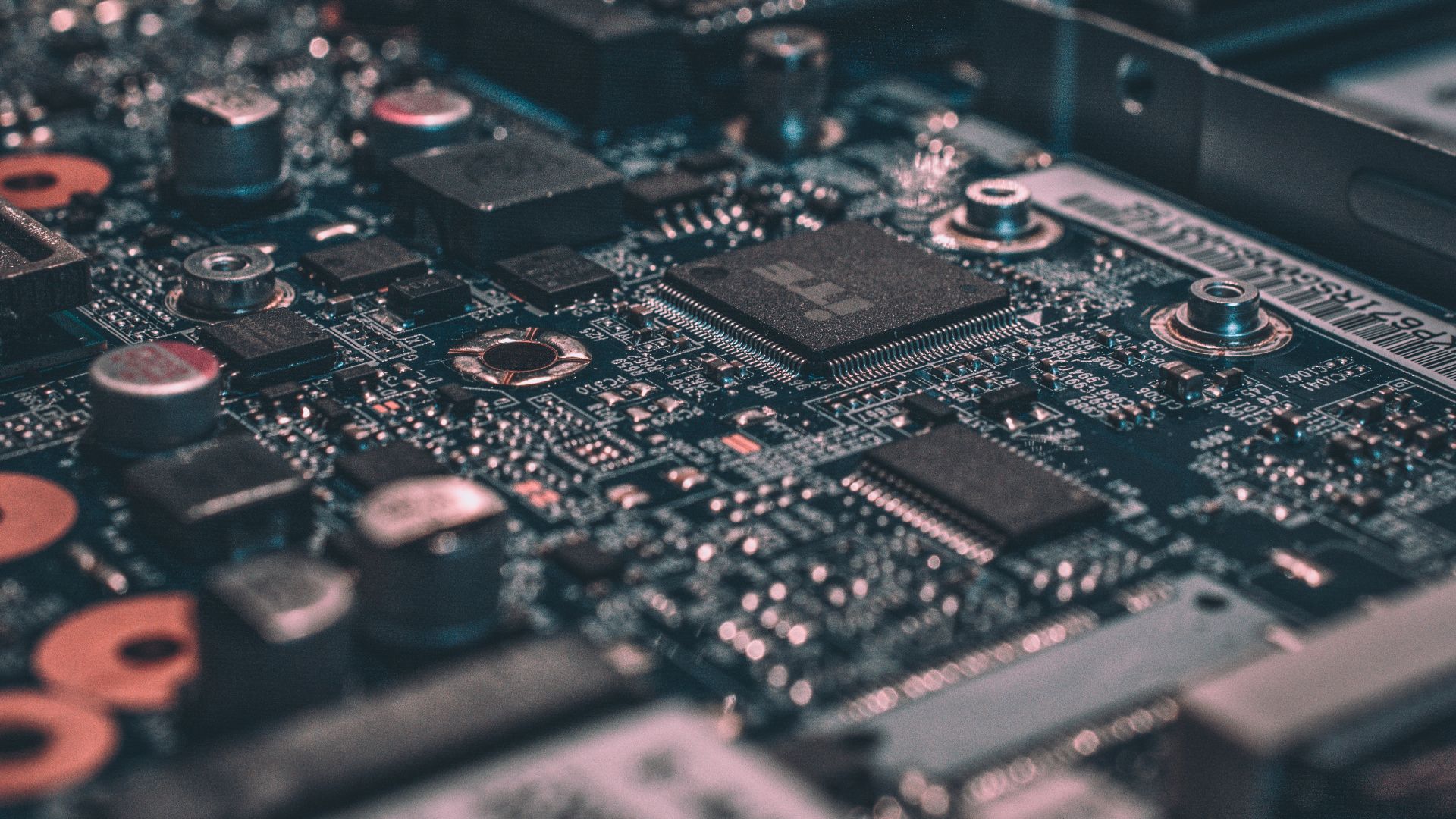
American engineers Jack Kilby and Robert Noyce independently developed important integrated-circuit technologies during the late 1950s. Kilby demonstrated an early circuit at Texas Instruments, while Noyce developed a design suited to practical manufacturing. Integrated circuits made it possible to combine numerous electronic components into increasingly compact devices.
The Microprocessor That Helped Launch Modern Computing
Intel introduced the 4004 microprocessor in 1971, integrating central processing functions onto a single chip. Developed in the United States with contributions from Japanese engineer Masatoshi Shima, the processor was originally designed for a Japanese calculator company. It helped establish an important foundation for modern microprocessor technology.
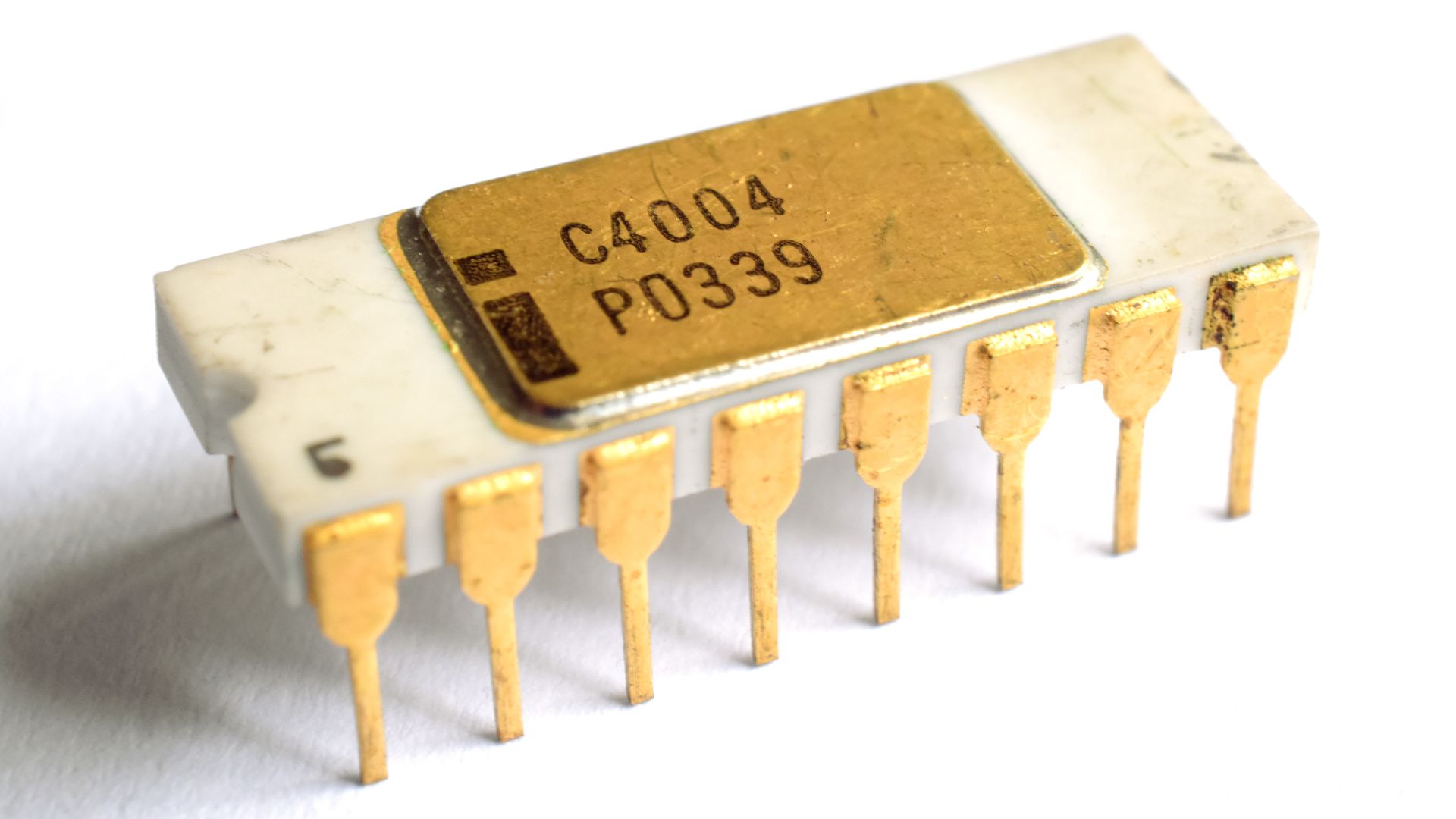 Thomas Nguyen, Wikimedia Commons
The Computer Mouse That Changed How We Use Computers
At California's Stanford Research Institute, Douglas Engelbart conceived a computer pointing device during the early 1960s. Engineer Bill English built an early prototype that tracked movement using wheels. Similar technology emerged independently in Germany, but Engelbart's design helped establish the familiar computer mouse.
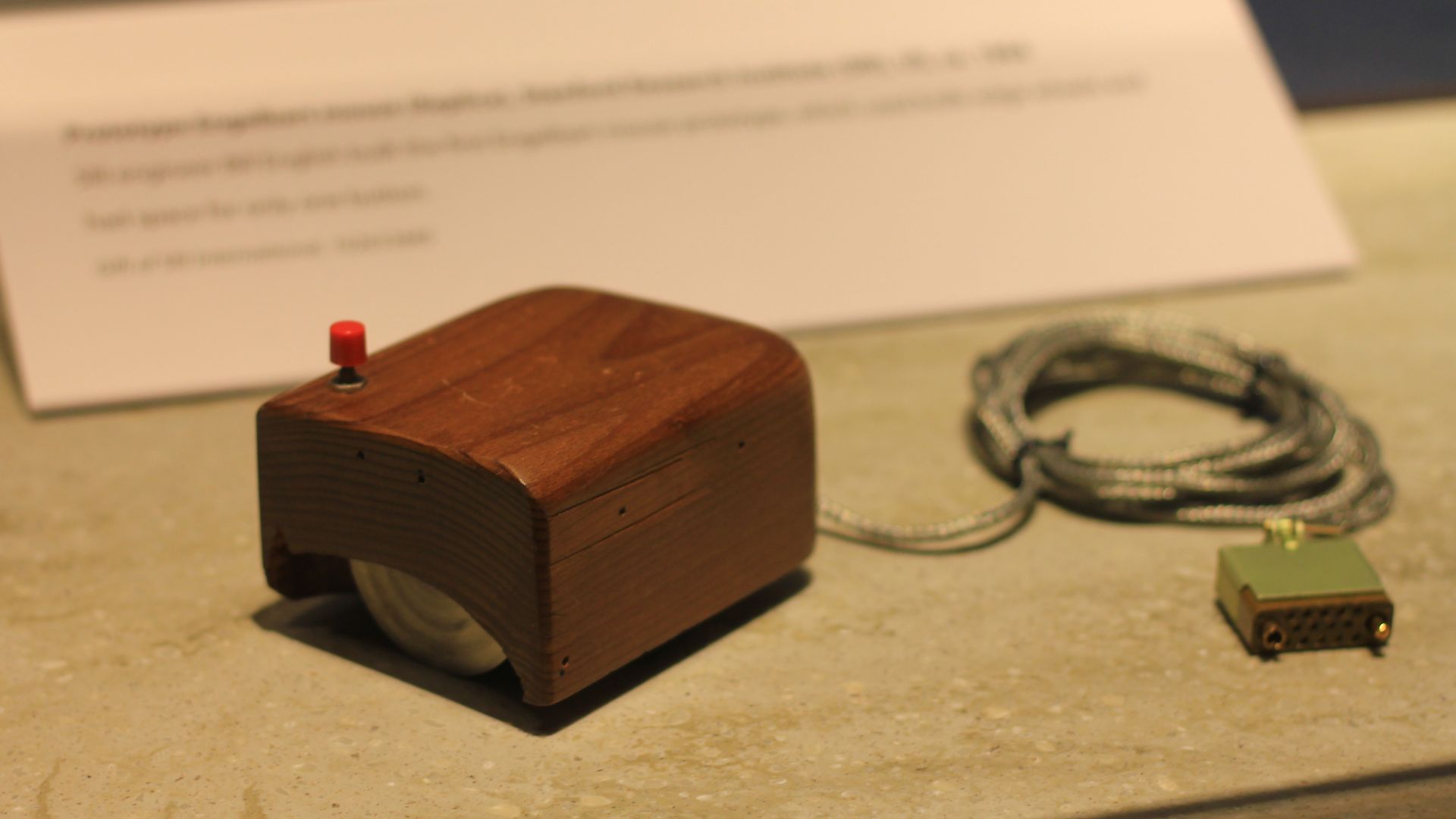 Michael Hicks from Saint Paul, MN, USA, Wikimedia Commons
The Internet Protocols That Connected The World
American researchers Robert Kahn and Vinton Cerf developed essential internet communication protocols through work supported by the Defense Advanced Research Projects Agency. Their Transmission Control Protocol and Internet Protocol made communication between different computer networks possible. These technologies became fundamental to the modern global internet.

The Networked Email System That Changed Communication
American computer engineer Ray Tomlinson developed an early networked email system while working at Bolt, Beranek and Newman during the early 1970s. He introduced the familiar @ symbol to distinguish users from host computers. His work helped establish conventions that remain fundamental to email communication worldwide.

Sources: 1, 2, 3, 4, 5, 6, 7, 8, 9, 10, 11, 12, 13, 14, 15, 16, 17, 18, 19, 20, 21, 22, 23, 24, 25, 26, 27, 28, 29, 30