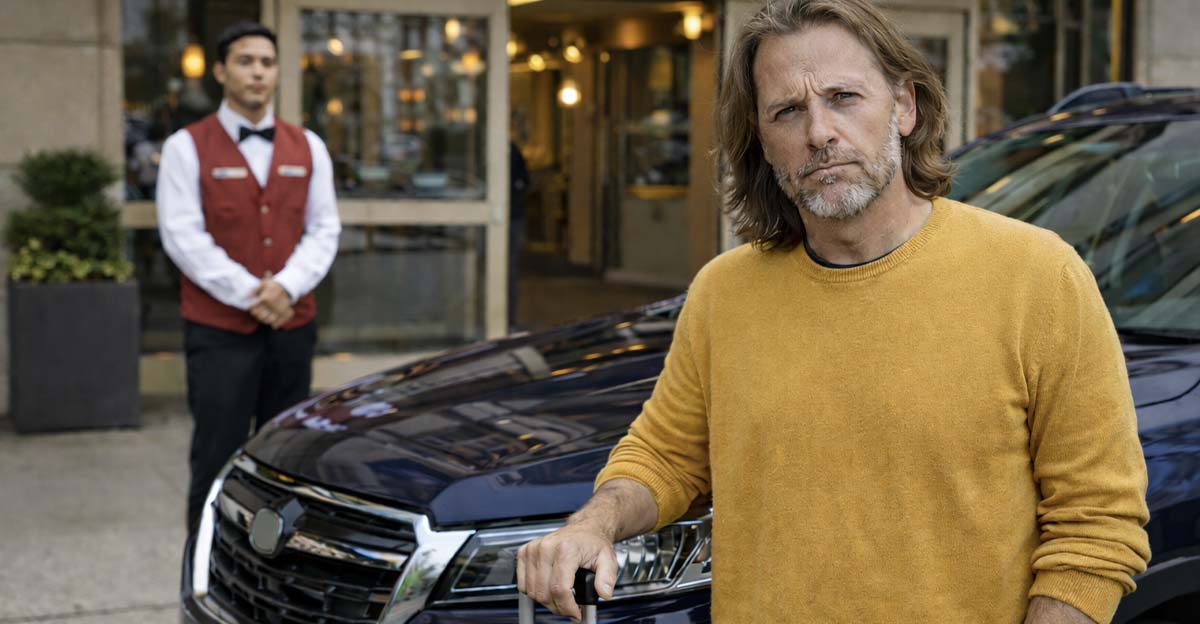
Valet Is Supposed To Be Convenient, Not A Mystery Damage Lottery
Valet parking is supposed to make life easier. You hand over the keys, get a little ticket, and trust that your car will come back exactly the way it left...until it’s returned with fresh scratches, a dent, curb rash, or damage that definitely was not there before. You bring it up immediately and the hotel hits you with the classic response: “We have no proof it happened here”. If you’re stuck in that frustrating loop, here’s the good news: valet damage disputes are common, and there are clear steps you can take to build proof, push back, and get reimbursed.
Why Valet Damage Disputes Are So Common
Valet setups are chaotic by nature. Cars are parked quickly, squeezed into tight spots, and sometimes moved multiple times. There may be multiple drivers, third-party valet companies, and off-site parking lots involved. When damage happens, it is easy for everyone to point fingers, especially because hotels and valet services are very practiced at denying responsibility unless you make it impossible for them to do so.

The First Rule: Timing Is Everything
The strongest disputes happen when you report the damage immediately at pickup. If you notice scratches days later, the valet can argue the damage happened elsewhere. The closer your complaint is to the moment the car is returned, the harder it is for them to deny it. Even if you are exhausted or late for something, this is the moment to slow down and handle it properly.

What Counts As Valet Damage Versus Normal Wear
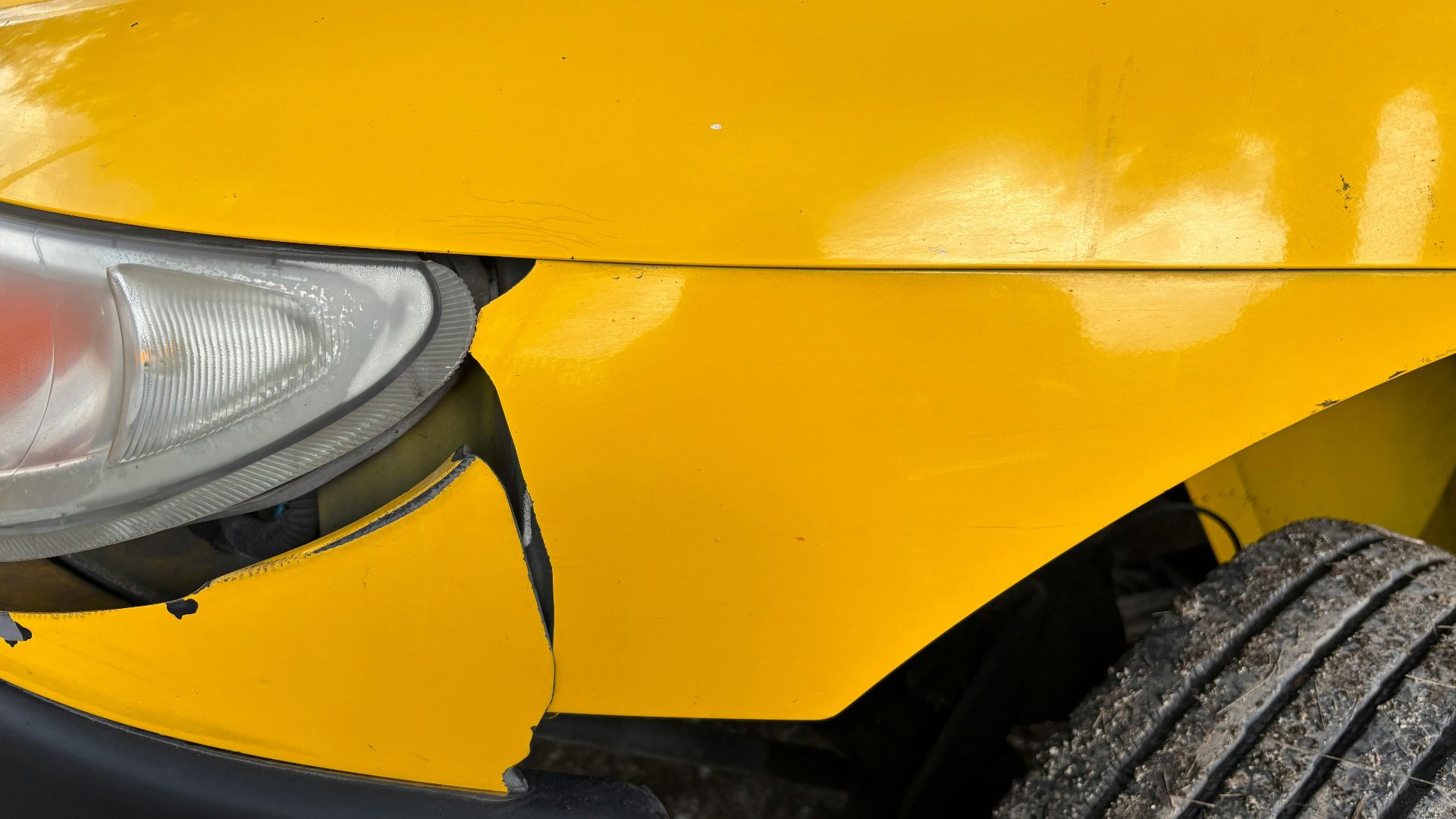
A valet is not responsible for pre-existing scratches, faded paint, or older dings. But they are responsible for new damage caused during handling, parking, or driving. Fresh scrapes, paint transfer, bumper damage, curb rash on wheels, and dents that clearly match a parking mishap are all common valet-related issues.
Why The Hotel Claims “No Proof”
This is not personal. It is a strategy. If they can get you to accept that you cannot prove it, they do not have to pay. Hotels and valet operators know most guests do not document their car condition before valet. They rely on that. Your job is to create proof after the fact as quickly as possible.
Step One: Do Not Leave The Scene Yet
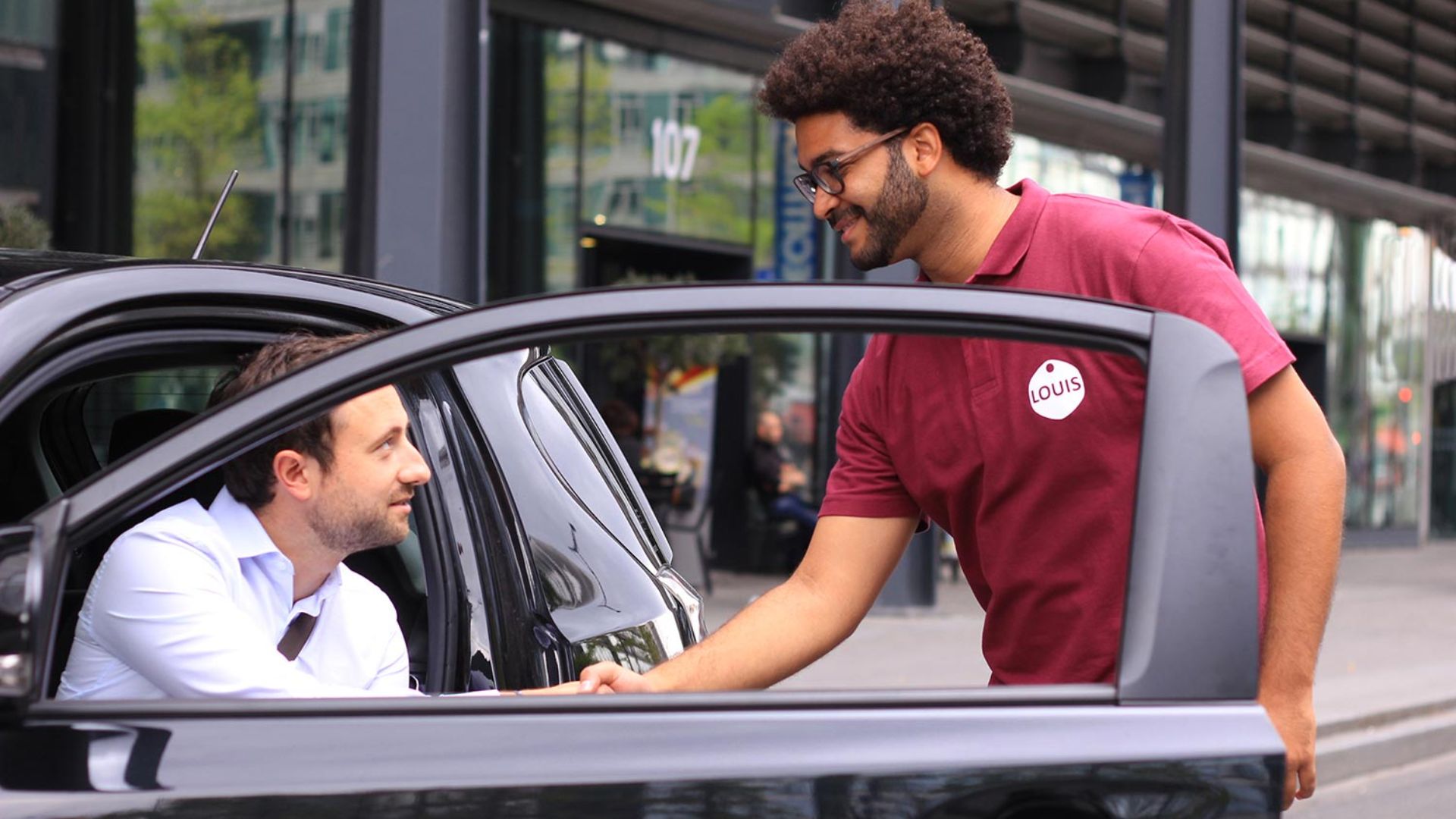
If you spot damage, do not drive away. The second you leave, the valet company can claim the damage happened after pickup. Stay where you are, take photos, and notify staff immediately. If you already left, return as soon as possible and report it in person.

Take Photos Like You’re Building A Case
Get clear photos of the damage from multiple angles, including close-ups and wide shots showing the car and the location. Take photos that show the valet area, the hotel signage, and your valet ticket. If there is paint transfer or scuffing, capture it clearly. If possible, take a short video walking around the car. It is harder to argue with a video.

Get A Manager, Not Just A Valet Attendant
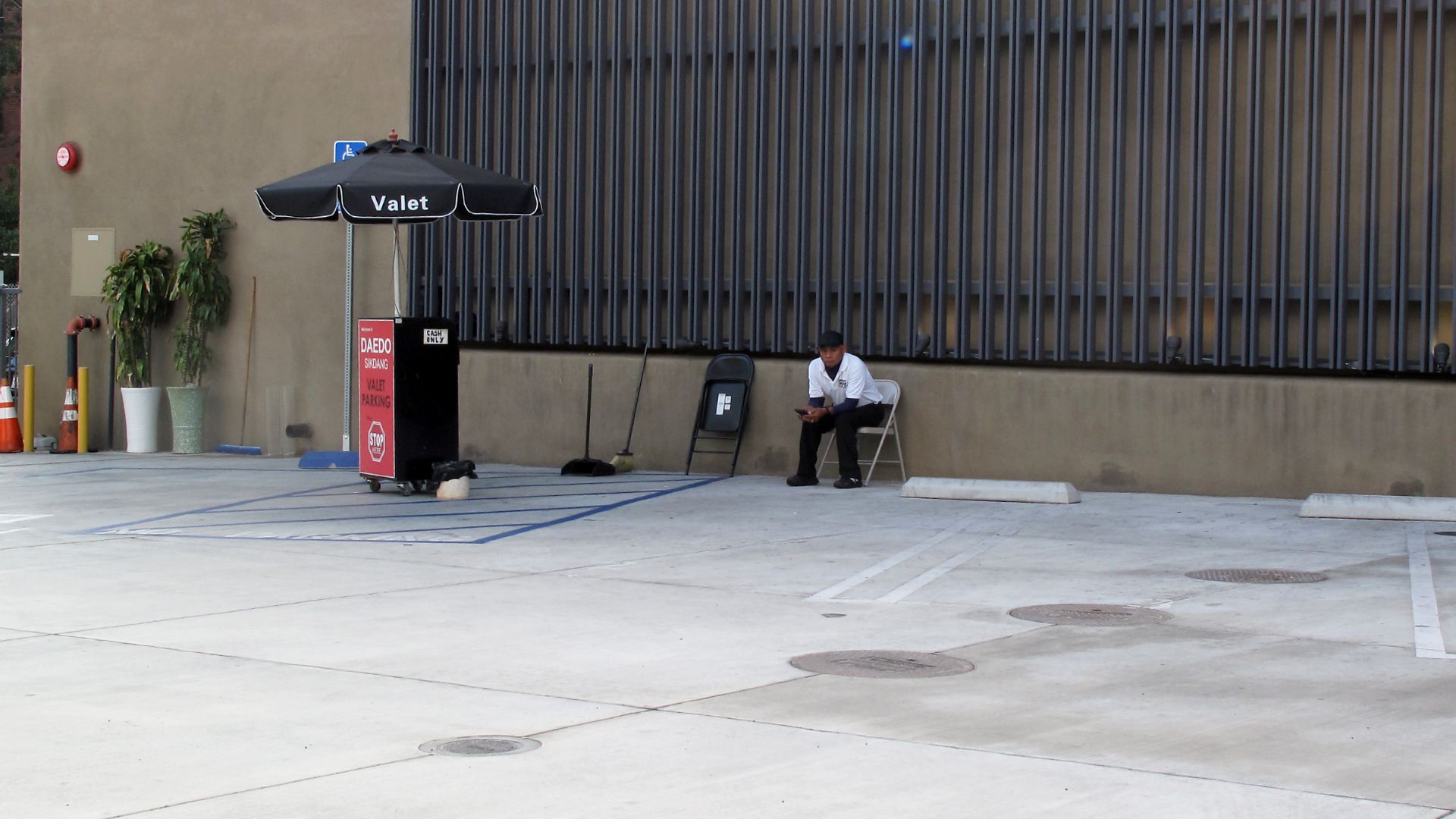
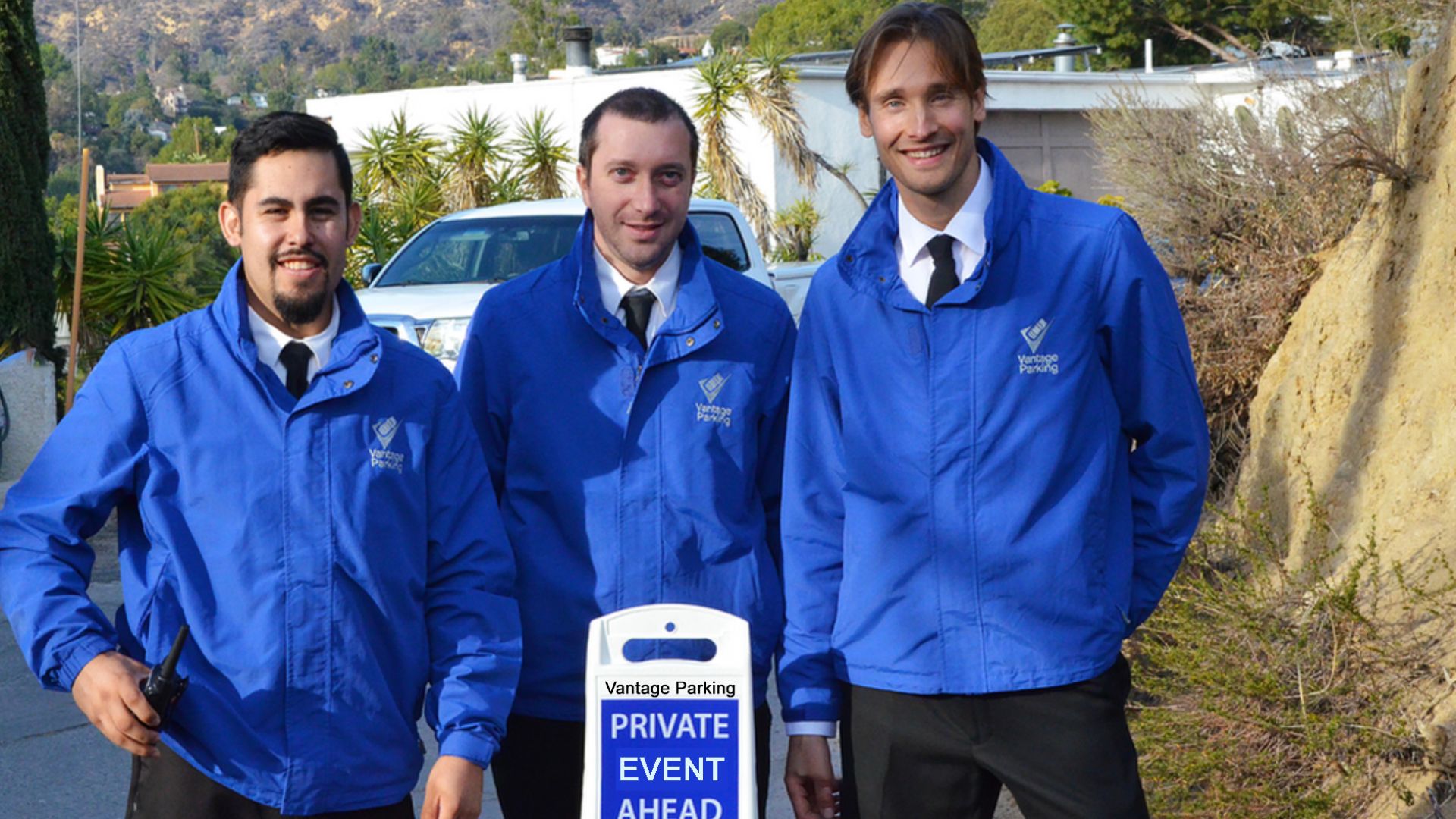
Valet attendants are trained to keep things moving. They may be polite, but they often have no authority. Ask for a valet supervisor or the hotel manager on duty. You want the person who can document the incident and start the claims process, not someone who will shrug and say “call the number on the ticket”.
 Downtowngal, Wikimedia Commons
Ask Them To Create An Incident Report On The Spot
This is a big one. Ask for an incident report or damage report to be filed immediately. You want the report to include the date, time, your car info, a description of the damage, and the names of employees involved. If they refuse to file a report, that is a red flag, and you should document that refusal in writing.

Your Valet Ticket Is Not Just A Receipt
That little ticket is often a contract. It may include instructions for reporting damage, time limits, and contact information. It may also include disclaimers. Those disclaimers do not automatically erase liability, but they can affect how claims are handled. Keep the ticket and take a photo of it.
 Karolina Grabowska www.kaboompics.com, Pexels
The Hotel Might Not Be The One Responsible
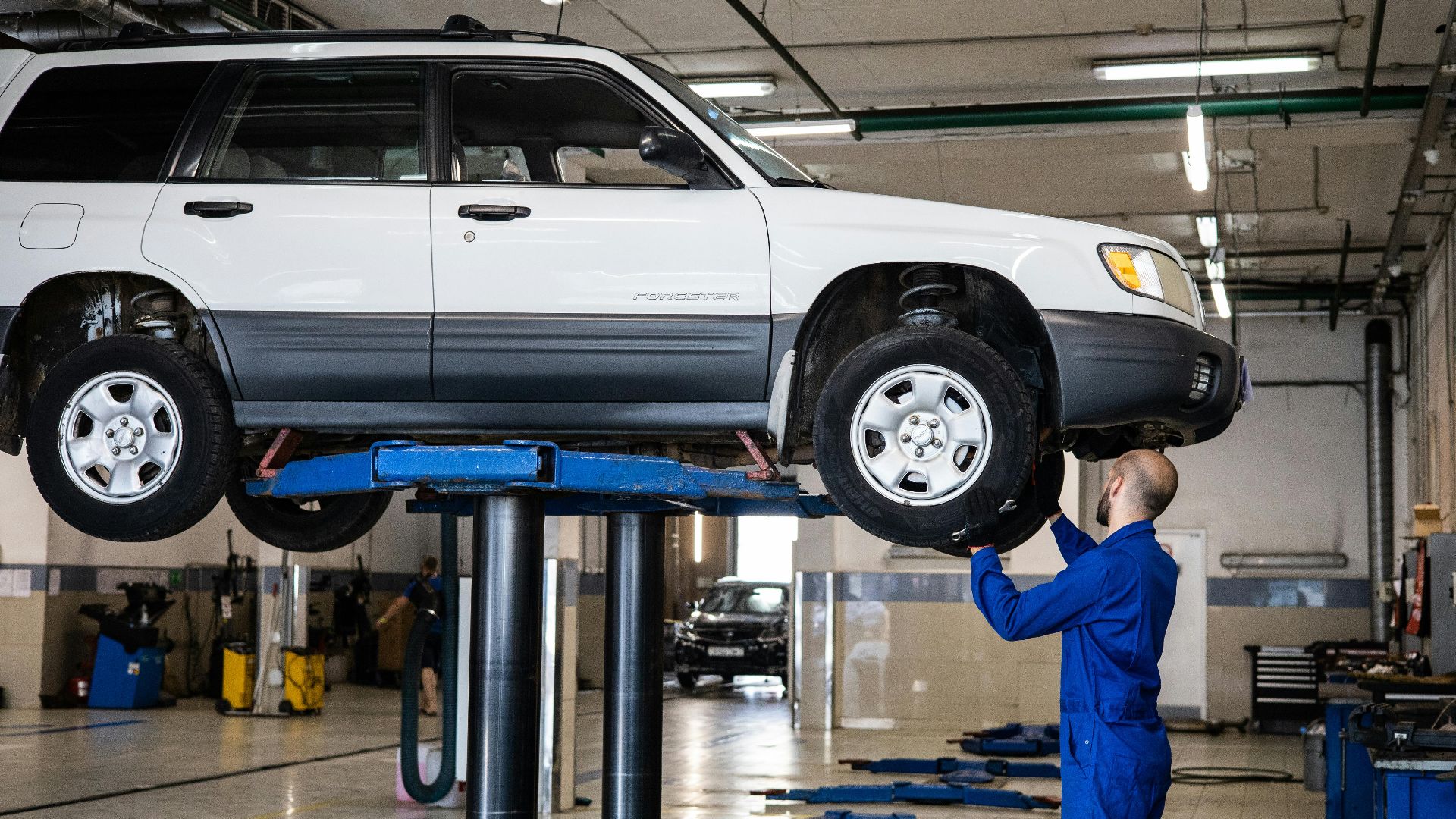
Many hotels outsource valet operations to third-party companies. That means the hotel may try to distance itself and say “talk to the valet company". But the hotel chose that vendor, marketed valet as part of its service, and accepted payment. In many cases, you can push both parties at once, especially if the hotel charged the valet fee directly.
Ask About Cameras Immediately
Valet areas and hotel entrances often have security cameras. Time matters because footage can be overwritten within days. Ask the manager to preserve the footage from the valet area during the time your car was handled. They may not show you the footage, but requesting preservation creates pressure and helps if you escalate later.

Get Witnesses If Possible
If a friend was with you, have them confirm what they saw. If staff members saw the damage, ask for their names. Even if they refuse to give a written statement, having names and roles helps. Witnesses matter more than people realize in these disputes.

Do Not Let Them Rush You Into “It Was Already There”
Hotels love vague statements like “we can’t confirm it happened here” or “it could have been pre-existing". You do not need to prove how it happened in perfect detail. You need to show it was not there before valet and was present immediately after valet. That is why timing, documentation, and incident reports are so important.

Get A Repair Estimate Quickly
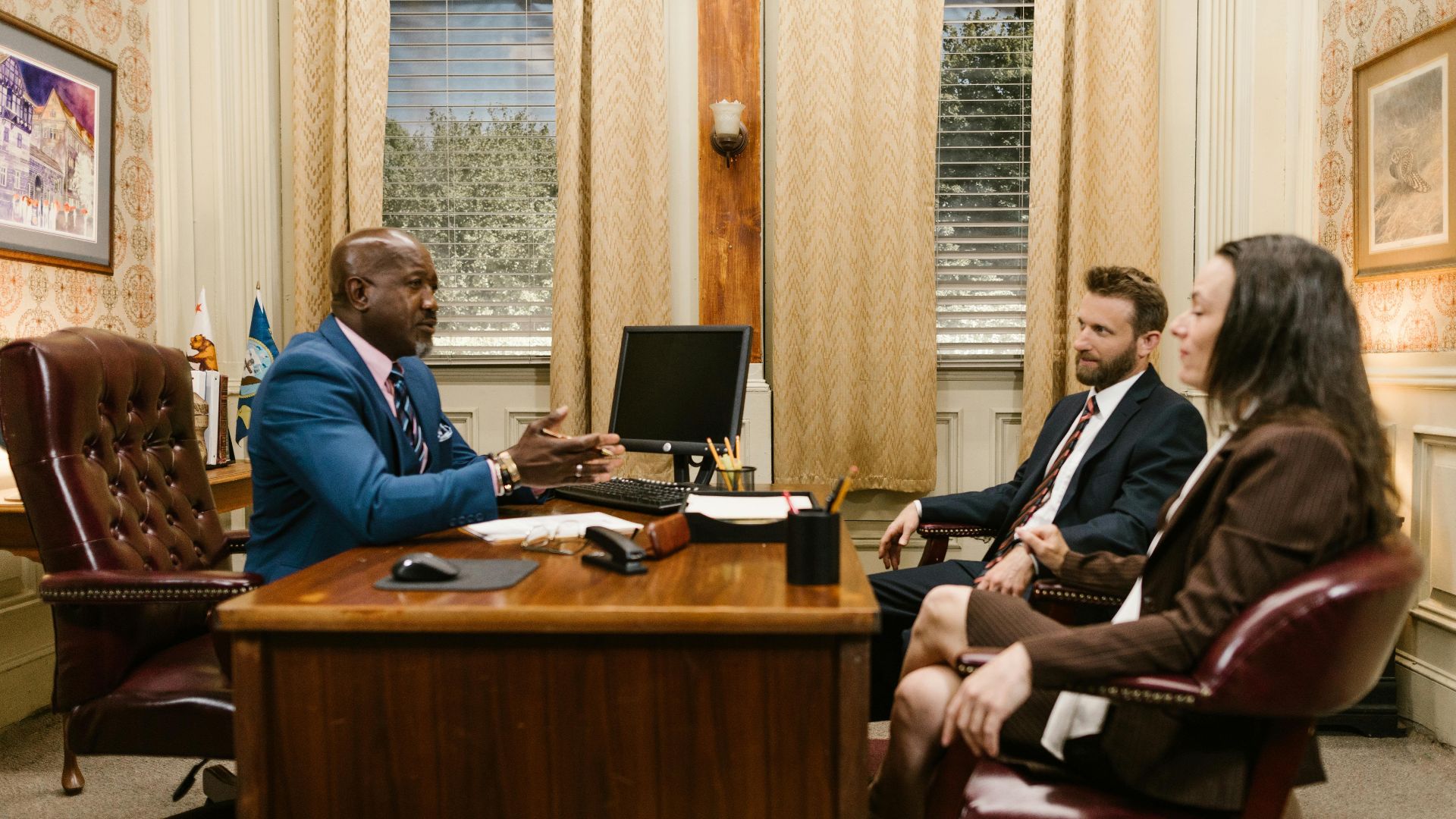
Even if the damage seems minor, get an estimate from a reputable body shop. This does two things: it proves the damage is real and it gives you a concrete dollar amount. Hotels are more likely to take you seriously when you present an estimate rather than just frustration.
File The Claim Through The Proper Channel
If the hotel or valet company has a claims process, follow it. Submit photos, the valet ticket, the incident report number, and the repair estimate. Keep everything in writing. If you call, follow up with an email summarizing what was said. You are building a paper trail.

When They Offer A Lowball Settlement
It is common for valet companies to offer a partial payment or a “goodwill credit” instead of covering full repairs. You can negotiate. If the estimate is $800 and they offer $200, ask why. If they say the damage is not proven, point to your documentation and incident report.

When Insurance Makes Sense
If the damage is significant, you may choose to file a claim through your own auto insurance and let them pursue reimbursement through subrogation. This is often faster than arguing with the valet company yourself. The downside is you may have a deductible and the claim may affect your record depending on your insurer.

Credit Card Chargebacks Usually Won’t Help Here
Chargebacks can work when you paid for a service and did not receive it, but valet damage disputes are not usually that simple. You did receive valet service. The dispute is about negligence and damage, not a billing error. Your strongest tools here are incident documentation, claims escalation, and insurance.

Small Claims Court Is A Real Option
If the valet company refuses to pay and the amount is within small claims limits, court can be surprisingly effective. Valet companies often rely on people giving up. If you show up with photos, the incident report, the valet ticket, and repair estimates, you may have a strong case.
How To Prevent This Next Time Without Becoming A Paranoid Weirdo
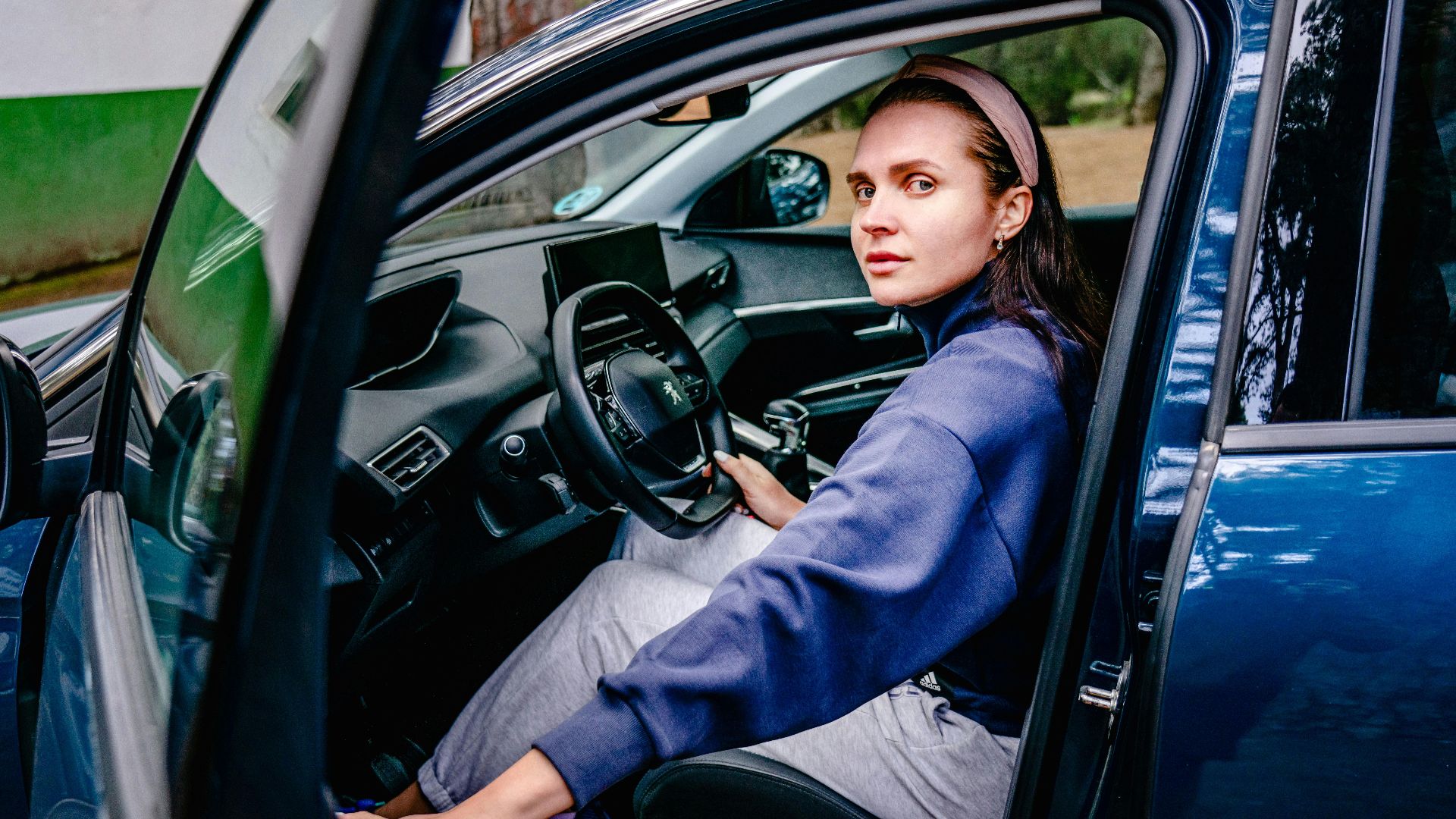
Before handing over keys, do a quick walkaround video showing the car condition and mileage. It takes 20 seconds and can save you hours later. Take a photo of the valet attendant and the ticket if you can. This is not being dramatic, it is being prepared.
Final Thoughts: Proof Is Built In The First 10 Minutes
Valet damage disputes are winnable, but the outcome depends heavily on what you do immediately after noticing the damage. Do not leave, document everything, insist on an incident report, and request camera footage preservation. Hotels and valet companies may say there is “no proof,” but proof is something you can create quickly if you handle the moment correctly.

You May Also Like:
The hotel Wi-Fi was down all week, and I work remotely. Am I owed compensation?