A Quiet Change That Feels Like Respect
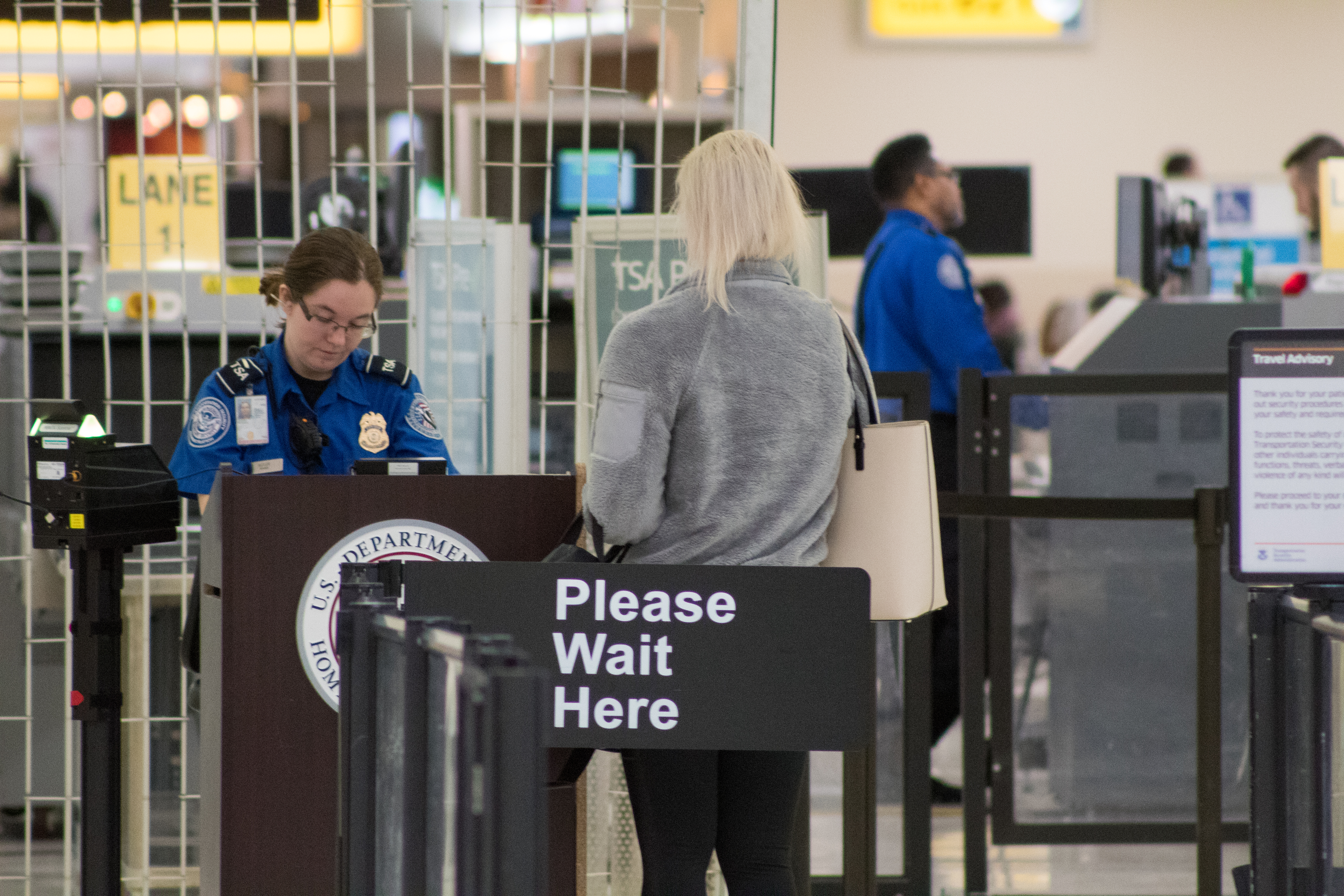
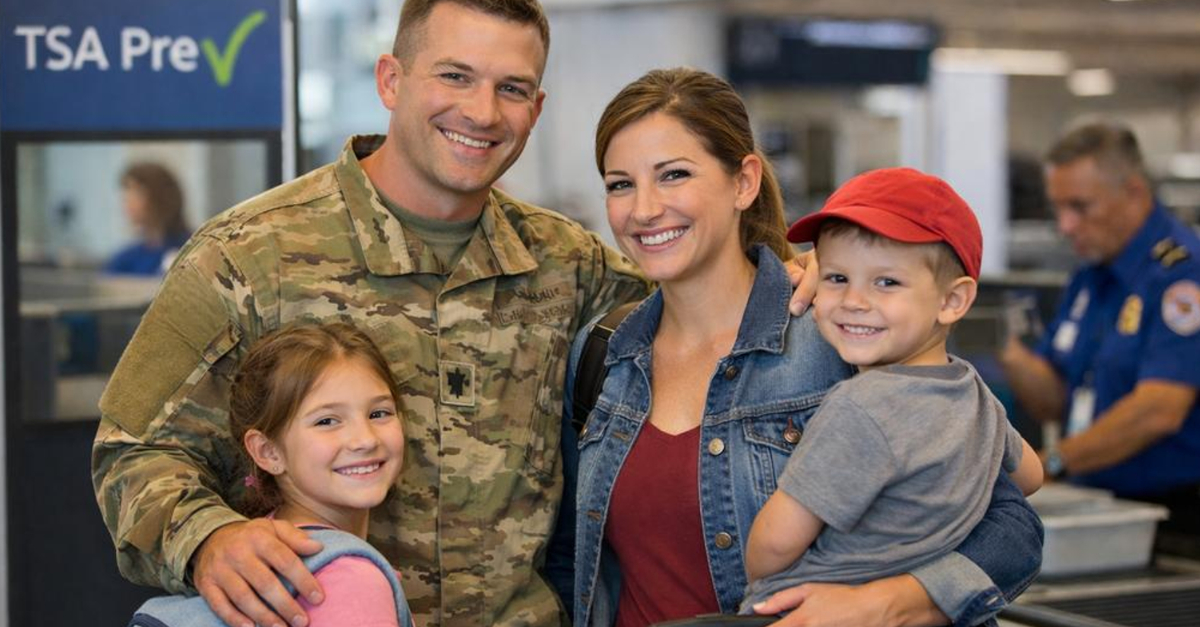
Airports aren’t exactly known for warm-and-fuzzy moments. But in 2025, TSA quietly rolled out a set of updates meant to make travel smoother for people who serve—and the families who carry that service with them.
Military Travel Isn’t “Vacation Travel”
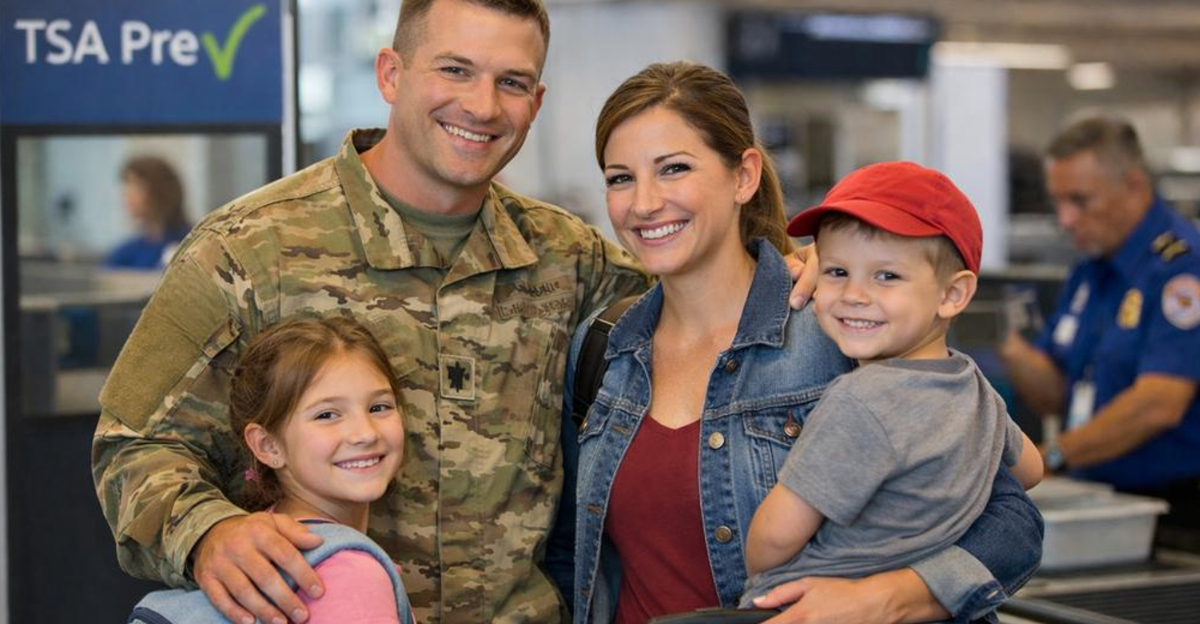
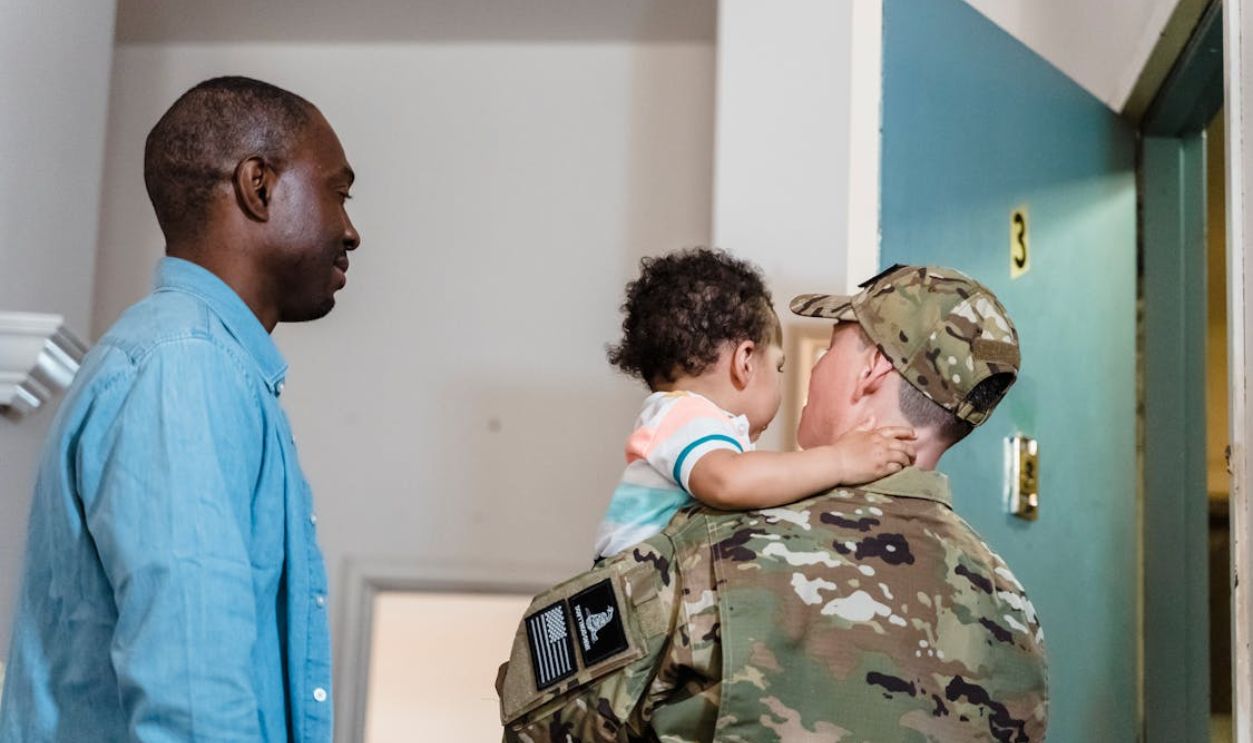
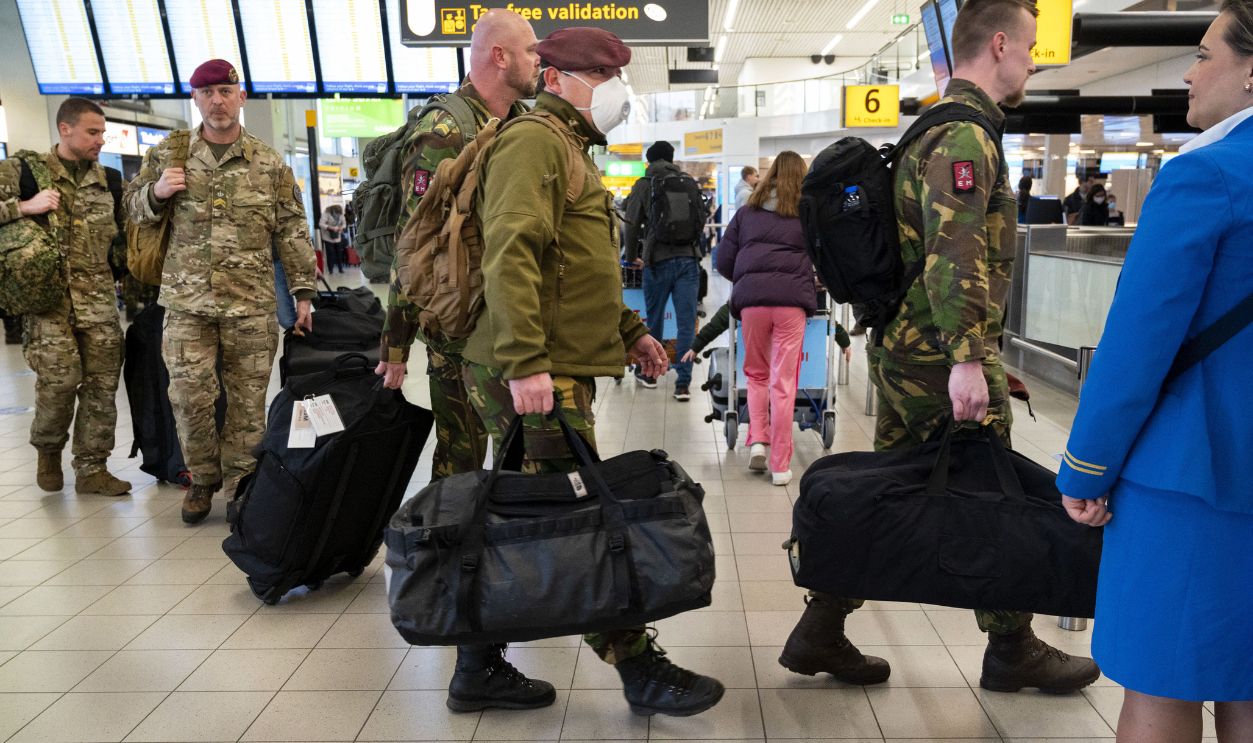
For many military households, flying isn’t leisurely or optional. It’s leave windows, sudden orders, reunions after long separations, and family emergencies that don’t wait. That reality turns airports into pressure points, where delays and long lines hit harder than they do for casual travelers.
TSA PreCheck, Quickly Explained
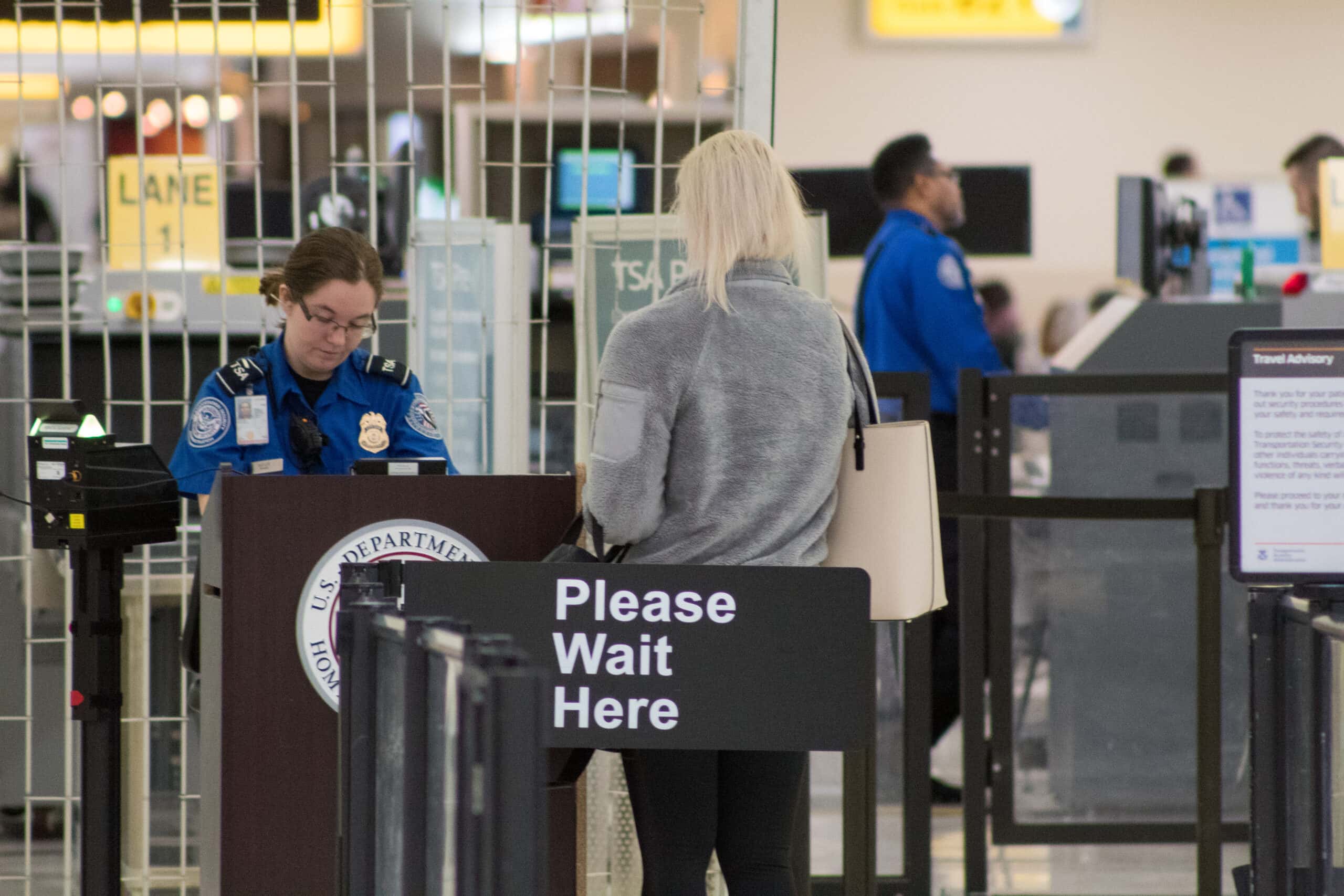
TSA PreCheck is the expedited screening program that allows approved travelers to keep shoes and belts on and leave laptops and compliant liquids in their bags. According to TSA, about 99% of PreCheck passengers wait less than 10 minutes at security—one of the most reliable time-savers in modern air travel.

This Program Has Been Around for Years
TSA PreCheck launched nationally in 2013 and has steadily expanded ever since. What began as a pilot program grew into a cornerstone of U.S. airport security, now used by tens of millions of travelers each year. But access hasn’t always been equal across communities.
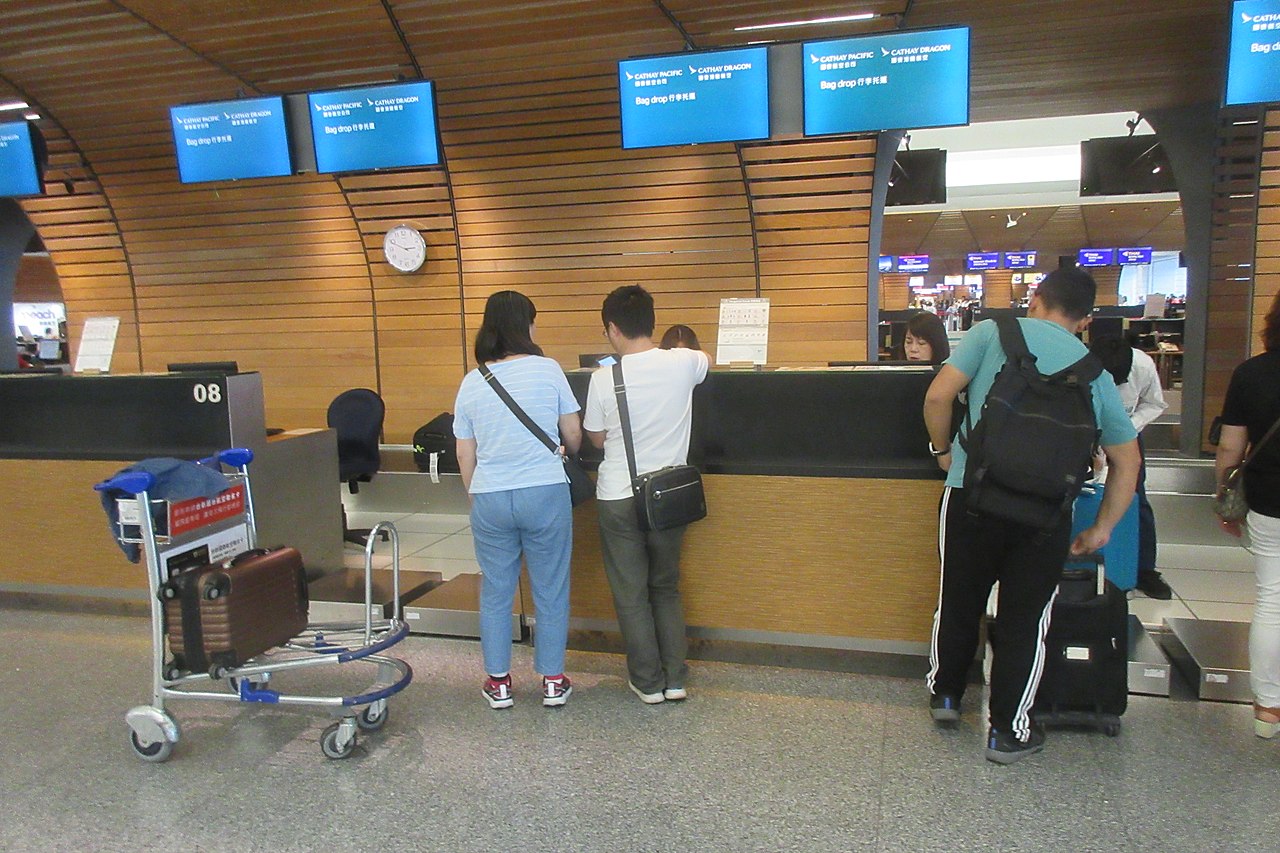 Wikimedia Commons, WANGBI Leiams
The Key Update Came in Summer 2025
On July 2, 2025, TSA announced an expansion of PreCheck benefits aimed specifically at the military community. The update was introduced under an initiative called “Serve with Honor, Travel with Ease,” timed to coincide with peak Independence Day travel.
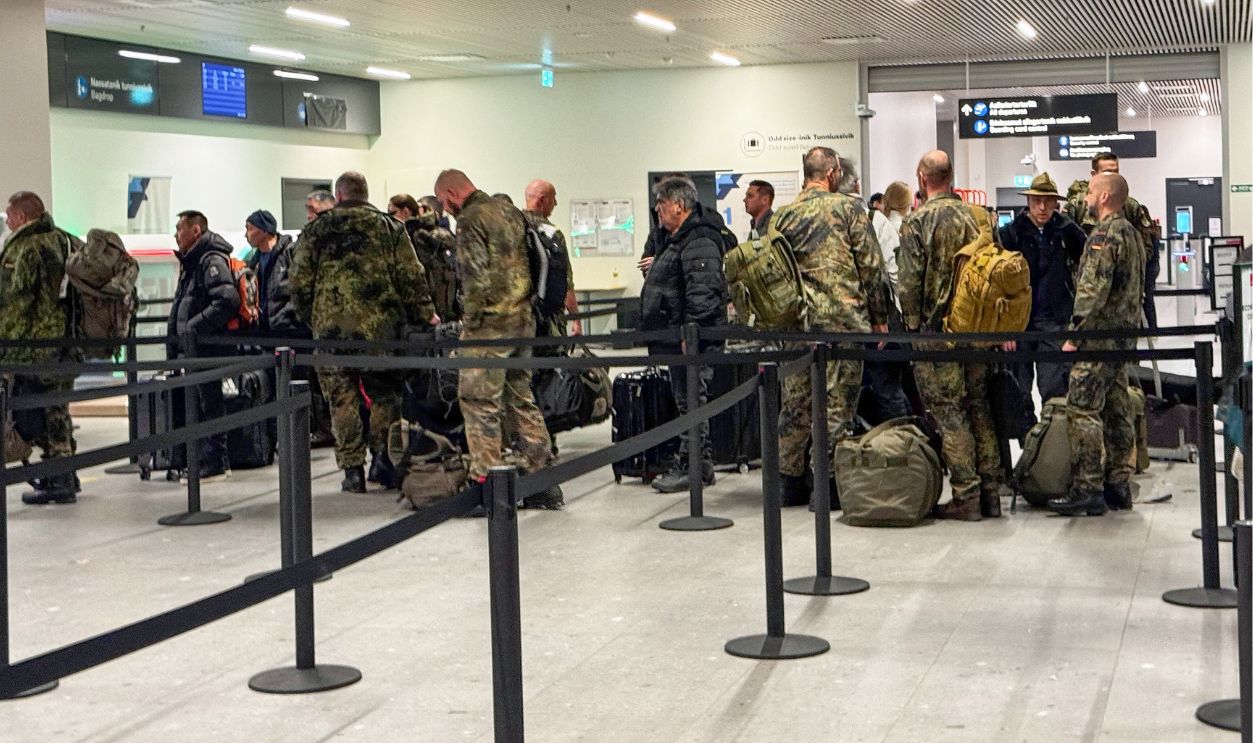 ALESSANDRO RAMPAZZO, Getty Images
Why TSA Made the Change
TSA framed the update as a recognition of military service and sacrifice—especially the unseen burden carried by families. The focus wasn’t ceremony. It was practical relief during one of the most stressful parts of any trip.
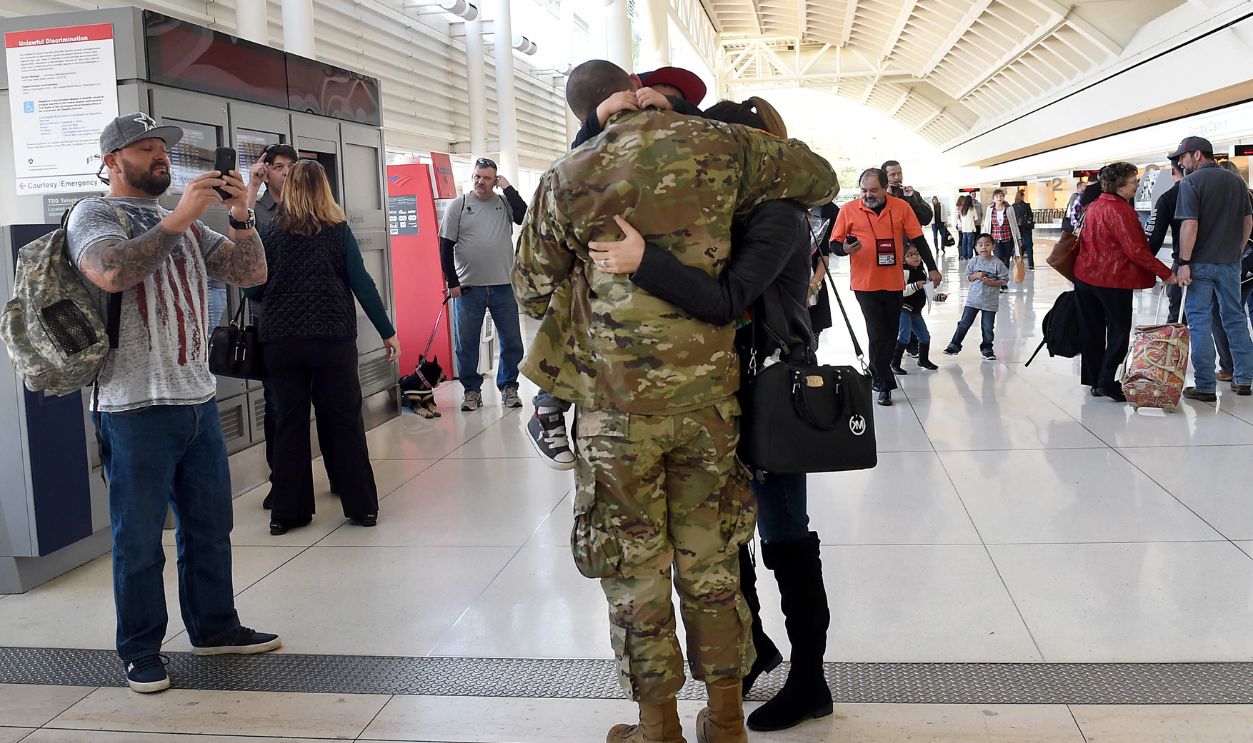
Gold Star Families Were Included
One of the most significant changes: Gold Star family members became eligible for TSA PreCheck enrollment at no cost. That removed a recurring fee for families who have already paid the highest price in service to the country.
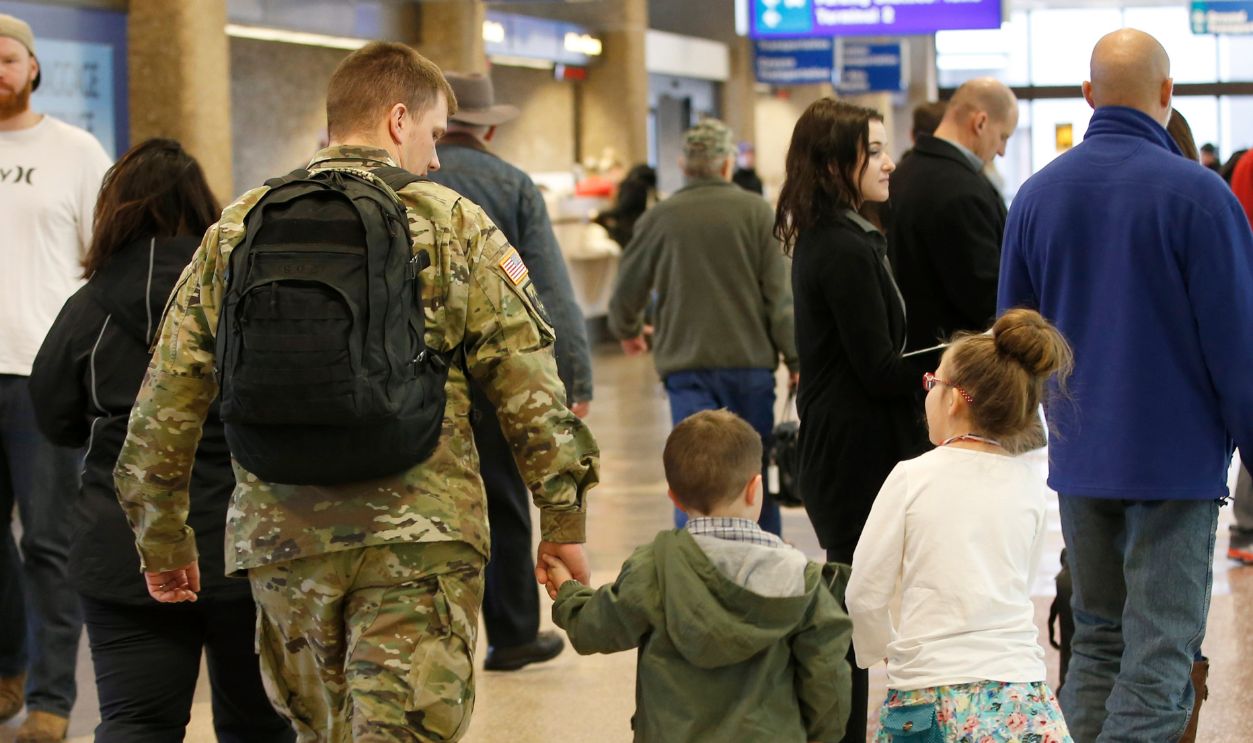
Military Spouses Gained Discounted Access
Military spouses, who often travel for relocations, caregiving, and employment, became eligible for discounted TSA PreCheck enrollment through approved providers. The change acknowledged how often spouses shoulder the logistics of military life.

Expedited Screening at Select Airports
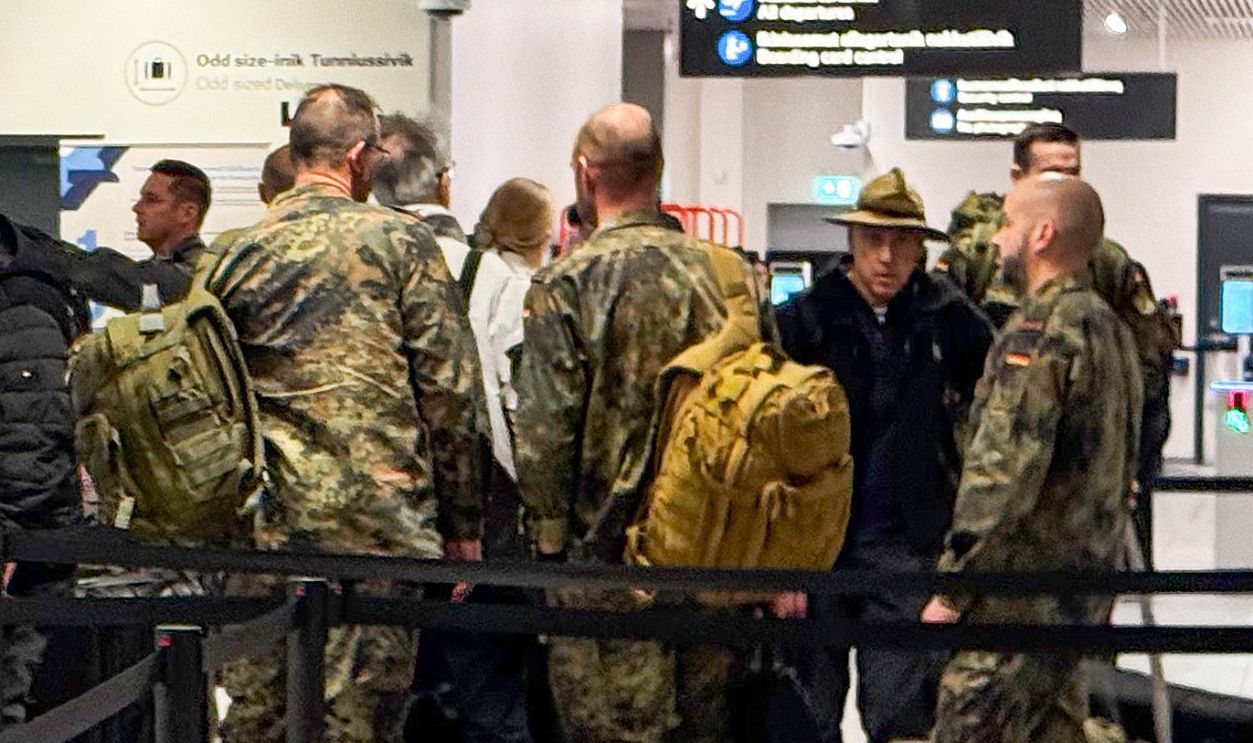
TSA also expanded expedited or priority screening access for service members at certain airports, particularly those near large military installations. In some locations, that means dedicated lanes; in others, front-of-line privileges within PreCheck.
 ALESSANDRO RAMPAZZO, Getty Images
Not Every Airport at Once
This part of the rollout isn’t universal. TSA described it as location-based and phased, depending on staffing and airport layout. That means availability can vary—but the framework is now officially in place.
Active-Duty Access Still Works the Same
Active-duty service members and eligible DoD civilians continue to access TSA PreCheck by entering their DoD ID number as a Known Traveler Number when booking flights. The update expanded who benefits—it didn’t complicate how it works.
Why This Actually Saves More Than Time
Cutting 15 or 20 minutes at security doesn’t just speed things up. It reduces missed connections, eases travel with children, and lowers the stress of already tight schedules. For military families, those margins matter.

This Isn’t Skipping Security
TSA emphasizes that PreCheck doesn’t weaken screening. Travelers are still vetted and screened—it simply shifts low-risk passengers into a more efficient process. Security standards remain intact.
A Stat That Explains the Appeal
Rather than guessing at wait times, TSA’s own data tells the story: nearly all PreCheck passengers wait under 10 minutes. That consistency is what makes the program valuable, especially during peak travel seasons.
PreCheck Is Bigger Than Ever
By 2024, TSA PreCheck surpassed 20 million active members, reflecting just how embedded it has become in U.S. air travel. The military-focused expansion builds on a system that already works at scale.
Why This Flew Under the Radar
There was no controversy, no backlash, and no political fight. As a result, the update didn’t dominate headlines. It was a benefit expansion—and those tend to travel quietly, even when they make a real difference.

What This Change Didn’t Do
It didn’t automatically enroll everyone connected to the military. It didn’t eliminate the need for PreCheck indicators on boarding passes. And it didn’t appear everywhere overnight. The update was targeted and deliberate.
Who Should Double-Check Eligibility
Active-duty members, military spouses, and Gold Star family members should review current TSA PreCheck eligibility. Many people still don’t realize the rules expanded in 2025.
A Rare Policy That Feels Practical
Most travel rule changes feel like added friction. This one quietly removed some. Instead of speeches or slogans, it delivered respect in minutes saved and stress avoided.
The Bigger Takeaway
Sometimes honoring service doesn’t look like a ceremony. Sometimes it looks like a shorter line, fewer shoes in bins, and one less obstacle on the way home. That’s what this change delivered—quietly, but meaningfully.
You Might Also Like: