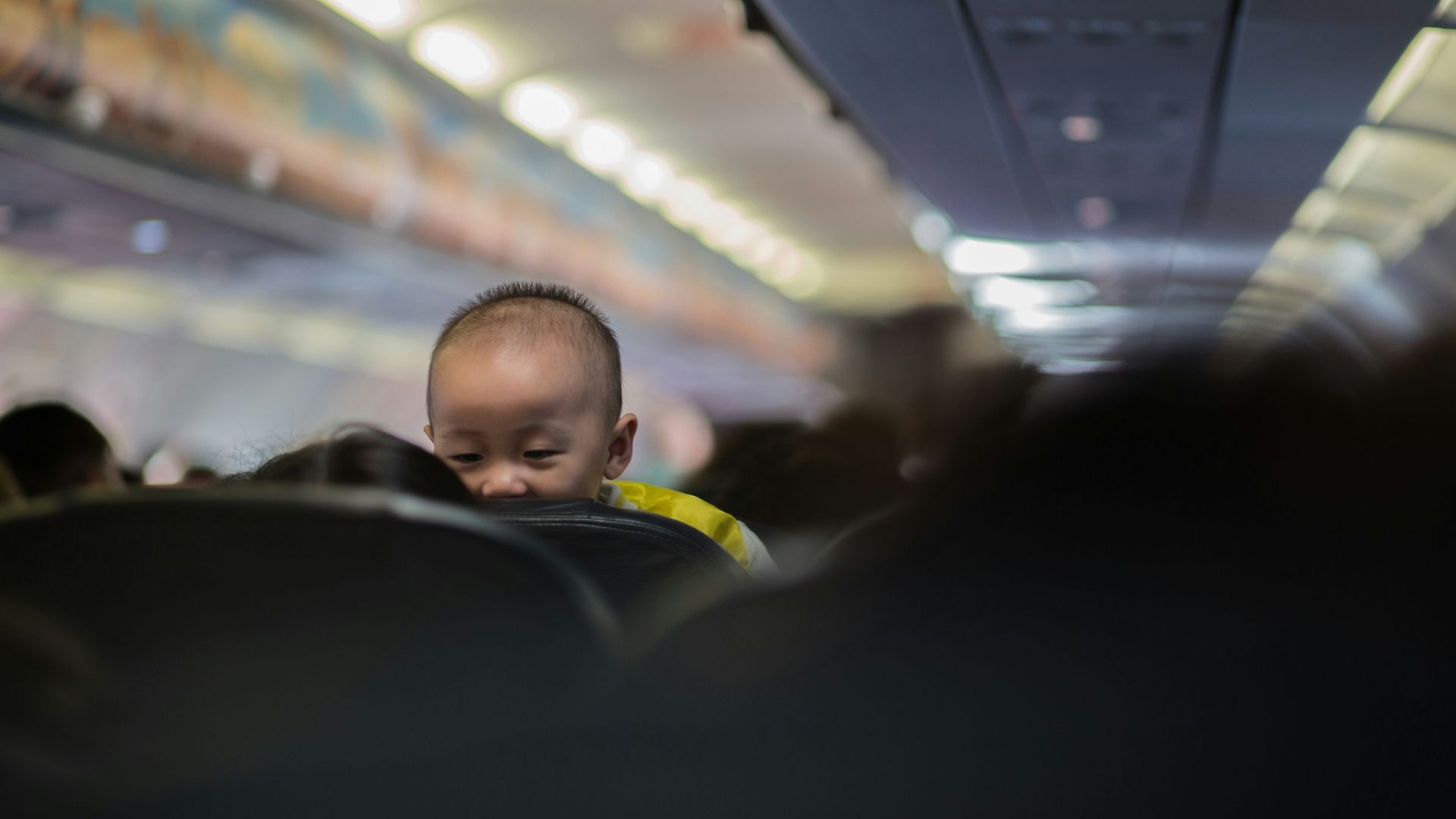
We've all seen it. Children sprint up and down narrow aisles, treating the aircraft like their personal playground, while the parents sit calmly on their phones, seemingly totally unaware of the chaos their kids are creating. Meanwhile, dozens of passengers sit trapped in their seats, growing increasingly frustrated but paralyzed by a simple question: Is it okay to say something? The tension becomes unbearable as the running continues—ten minutes, twenty. We've seen an entire hour of thundering footsteps and shrieking laughter. Finally, you make the call and quietly ask a flight attendant to intervene, and dirty looks from other passengers ensue. Did you make the right call?
What Actually Happens When Kids Go Wild
This behavior becomes particularly frustrating for passengers when there is a complete lack of parental intervention. These parents remain seated, phones in hand, occasionally glancing up when the noise reaches a certain pitch but never actually doing anything to stop the behavior. At most, there's a halfhearted "don't run too fast, honey," which gets completely ignored because the children have already learned that those words carry no real consequences. Other passengers begin exchanging looks—that silent communication of shared discomfort. Someone's trying to work on their laptop. Another person has been traveling for twelve hours and desperately needs sleep. A nervous flier is already on edge without adding chaotic children to the mix. But confronting parents about their children feels like stepping into a social minefield. Everyone knows how defensive people get about their parenting, how quickly a reasonable request can turn into a full-blown confrontation. So people suffer in silence, hoping someone else will be brave enough to address it. After thirty or forty minutes of sustained running and shrieking, someone finally reaches their limit and presses the call button to quietly mention the situation to a flight attendant.
The Safety Issue Nobody Wants To Acknowledge
Strip away all the emotional arguments about parenting styles and patience with children, and what remains is a straightforward safety concern that has nothing to do with being annoyed. The Federal Aviation Administration requires passengers to follow crew member instructions for legitimate reasons, and airline policies about children staying seated or supervised in their immediate area exist because airplane cabins present genuine hazards. Unexpected turbulence can strike without any warning—clear air turbulence gives pilots no advance notice and can violently throw unsecured passengers. A child running full speed through the aisle during a sudden drop could suffer serious injuries from hitting seats, armrests, or other passengers. Flight attendants have documented cases of broken bones and head injuries from passengers, including children, who were standing or moving during unexpected turbulence.
Why Speaking Up Through Proper Channels Is Right
The question of whether it's wrong to ask a flight attendant to intervene has a clear answer that most etiquette experts, frequent travelers, and even level-headed parents agree on: absolutely not. Going through the cabin crew is precisely the appropriate way to handle disruptive behavior or safety concerns on an aircraft. Flight attendants are trained specifically for these situations and have the authority to address issues without it becoming a personal confrontation between passengers. They can enforce rules diplomatically while deflecting any defensiveness away from individual passengers and toward airline policy. Asking for crew intervention is about using the correct channel to address behavior that affects multiple people in a shared space.
The real issue in these situations isn't the person who speaks up, but rather the parents who've failed to supervise their children appropriately for the environment they're in. Traveling with kids undeniably presents challenges that require patience and creativity. Young children have energy that doesn't vanish just because they're on an airplane, and keeping them calm and entertained for hours tests any parent's limits. But having children doesn't grant immunity from basic consideration for others who've also paid for their seats and have reasonable expectations of safety and relative peace.
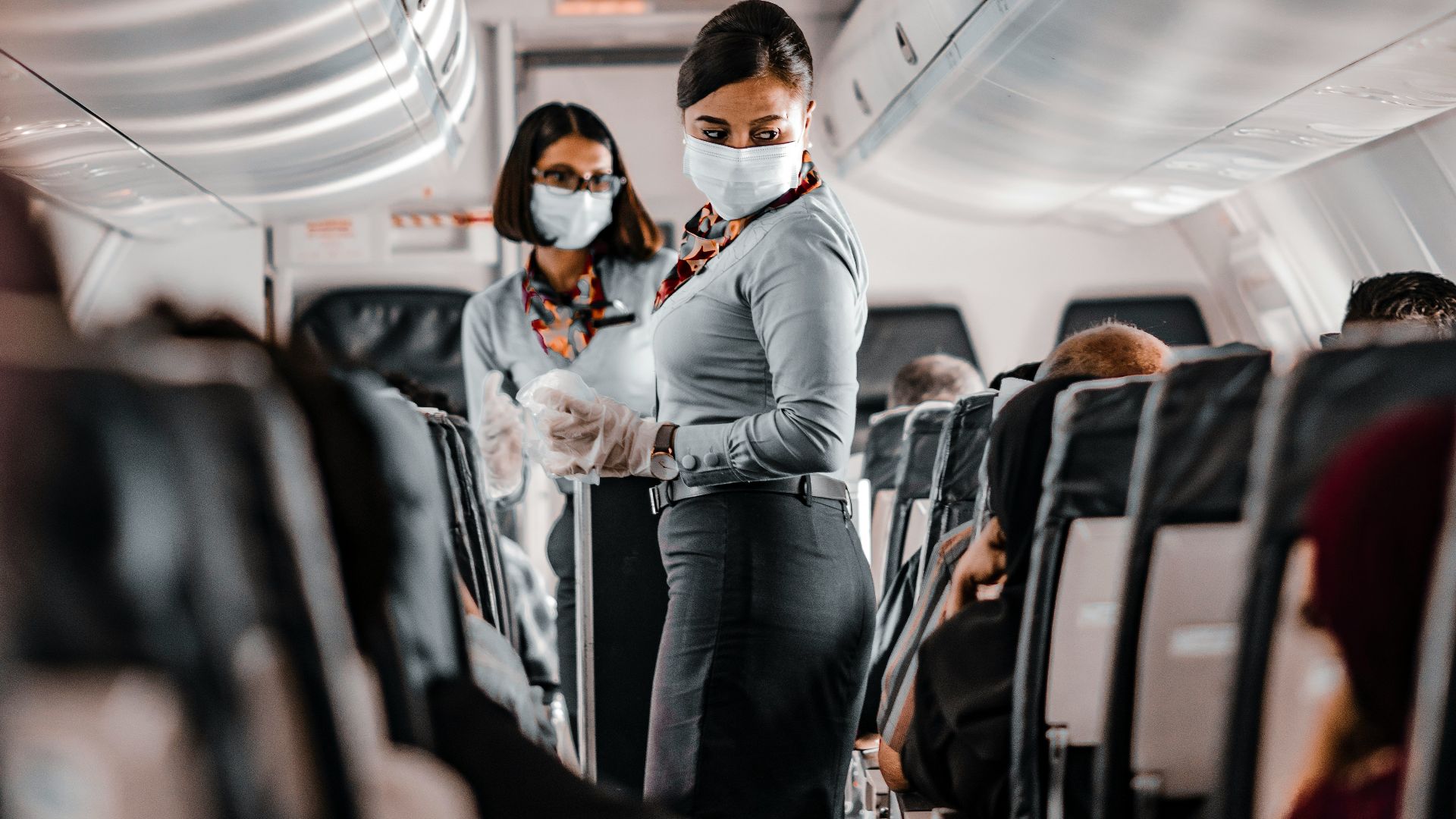 Ismail Mohamed - SoviLe, Unsplash