
Showing Up Tired And Being Told “Sorry, We’re Full”
You finally arrive at your hotel after a long travel day but then the front desk drops the bomb: your room is gone. They say you checked in too late, the hotel is sold out, and there’s nothing they can do. If your first thought is “Isn’t a guaranteed reservation supposed to prevent this exact thing,” you’re not wrong to be confused. But hotel guarantees are trickier than they sound, and what happens next depends on details most travelers never realize matter.

What “Guaranteed Reservation” Usually Means (And What It Doesn’t)
A guaranteed reservation generally means the hotel expects you to arrive and holds a room until a certain point. It doesn’t always mean “no matter what time you show up, a room will be waiting.” Many hotels interpret “guaranteed” as protection against early no-shows, not late-night arrivals after a cutoff time. The guarantee is often tied to policy, not common sense.

Why Hotels Give Away Rooms Even When They’re Prepaid
Hotels overbook on purpose. They do it because a certain percentage of guests don’t show up, cancel late, or change plans. When occupancy is tight, hotels may reassign rooms if they believe a guest isn’t coming, especially if it’s late at night and they haven’t heard from you. From the hotel’s perspective, an empty room is lost revenue.
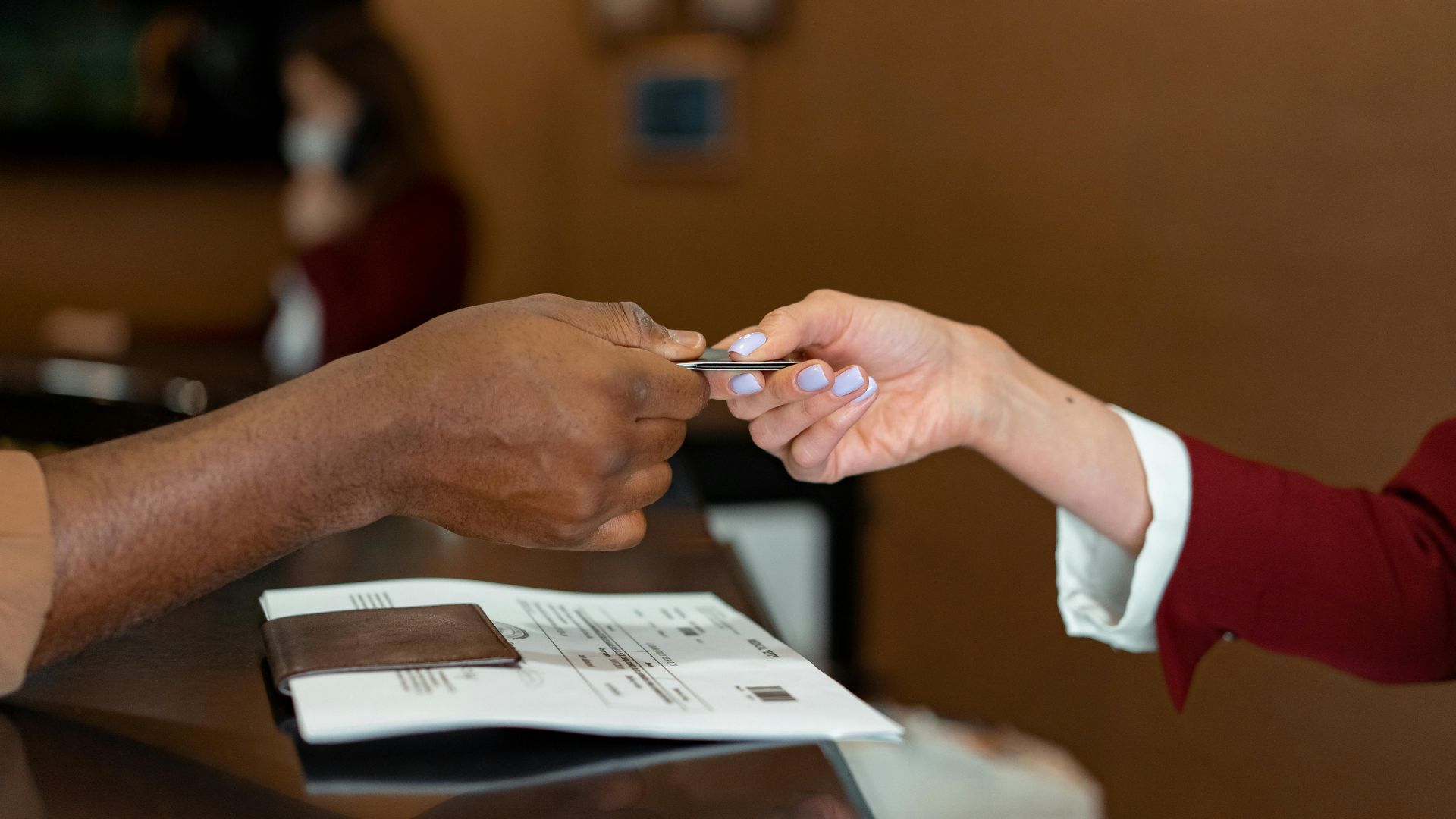
The Role Of Check-In Cutoff Times
Many hotels have a stated (or unstated) check-in cutoff, often around midnight or 1 am. If you haven’t checked in or contacted them by then, the system may automatically mark you as a no-show. Once that happens, your room can be released to someone else, even if you prepaid.

Why Prepaid Doesn’t Always Mean Protected
Prepaying guarantees payment, not necessarily occupancy. That’s the frustrating truth. In some cases, hotels will happily keep your money and give the room away if they believe you didn’t arrive in time under their rules. Whether that’s fair is debatable, but it’s often buried in the fine print of the booking terms.

Confirmation Emails Hold More Power Than You Think
Your confirmation email often spells out the rules that matter most. Somewhere in the fine print, it may say something like “Reservation will be held until [time] unless otherwise notified”. That line is usually what hotels rely on when disputes come up. It’s boring to read, but it can determine whether you’re entitled to compensation.

When The Hotel Is Actually In The Wrong
If your reservation explicitly says it’s guaranteed for late arrival or “held until arrival,” and you were still turned away, the hotel may be violating its own policy. In those cases, hotels are often obligated to “walk” you, meaning they must pay for another comparable hotel and cover transportation.

What “Walking” A Guest Is Supposed To Include
When hotels oversell or give away rooms improperly, industry norms usually require them to arrange and pay for a nearby hotel of similar quality, plus transportation if needed. Some hotels also cover the first night’s cost. If you were simply told “good luck,” that’s a red flag.

Why Chain Hotels Handle This Better Than Independents
Large hotel chains tend to have clearer policies and stronger guest protections, especially for loyalty members. Independent hotels have more flexibility, but that also means fewer built-in safeguards. Chain brand standards often require compensation when guaranteed reservations aren’t honored.

How To Respond At The Front Desk Without Making Things Worse
As tempting as it is to blow up (and honestly, it’s understandable), staying calm usually gets better results. Ask specifically whether your reservation was marked as a no-show, what time cutoff applies, and what their policy is for walked guests. Using their terminology shows you know what you’re talking about.

What To Ask For If Your Room Is Gone
Instead of just asking for “a solution,” ask directly whether they can relocate you, cover the cost of another hotel, or refund your prepaid stay. Specific requests are harder to dodge than general complaints. If the hotel caused the problem, they should be offering something.

Document Everything In The Moment
If things go sideways, save your confirmation email, take photos of posted policies, and note names, times, and what was said. This documentation matters later if you escalate the issue with corporate, your credit card company, or a travel platform.

When A Chargeback Is Reasonable
If you prepaid, were turned away, and the hotel refused to refund or relocate you, a credit card chargeback may be justified. Credit card issuers generally side with consumers when services paid for aren’t provided, especially if you can show confirmation and proof of denial.

Third-Party Booking Sites Add Another Layer Of Complexity
If you booked through Expedia, Booking.com, or another third party, the hotel and the platform may point fingers at each other. Still, you’re not powerless. Contact the booking platform immediately as they often have leverage and can push for refunds or alternative accommodations.

Why Calling Ahead Is The Single Best Prevention Strategy
If you know you’ll arrive late (even by a couple hours) calling the hotel directly can make all the difference. A quick “I’ll be checking in around 1 am” often prompts staff to add a note to your reservation, protecting it from being released.

Late Flights And Delays Don’t Automatically Protect You
Even if your delay is totally out of your control, hotels don’t always track flight status or care why you’re late unless you tell them. From their system’s point of view, silence looks like a no-show. Communication is key.

Why Mobile Check-In Isn’t Always Enough
Mobile check-in can help, but it’s not foolproof. Some systems still require physical arrival by a certain time. If it’s truly late, pairing mobile check-in with a phone call is safer than assuming the app has you covered.

Loyalty Status Can Actually Matter Here
Hotel loyalty members—especially mid-tier and above—are less likely to lose their rooms and more likely to receive compensation if something goes wrong. If you travel even occasionally, sticking with one brand can provide real protection in situations like this.

Reading Policies Once Can Save You A Miserable Night
Most people don’t read hotel policies until something goes wrong. But understanding check-in windows, no-show rules, and late arrival language ahead of time can help you avoid being stranded—or at least know exactly what you’re entitled to.

This Is Less About Fairness And More About Leverage
Hotels don’t always act based on what’s fair—they act based on policies, systems, and pressure. Knowing the rules, documenting the issue, and escalating appropriately gives you leverage when things go wrong.

The Bottom Line: Guaranteed Doesn’t Mean What You Think—Unless You Make It Mean Something
A “guaranteed reservation” doesn’t always mean a room will be waiting at any hour unless you take steps to protect it. Prepaying helps, but communication helps more. If your room is given away unfairly, you may be entitled to relocation, a refund, or a chargeback—but preventing the issue in the first place is always easier. When in doubt, call ahead, confirm late arrival, and don’t assume the system will look out for you.

You May Also Like:
The airline made me check my carry-on, then lost it. Am I still entitled to reimbursement?