The Little Expenses That Quietly Take Over Your Vacation Budget
You might spend weeks comparing airfare and hotel prices, only to discover that your vacation costs far more than expected. The problem often comes from smaller expenses that seem harmless when you pay them individually. From airport snacks to hotel parking, these purchases can quietly consume hundreds of dollars over a week. Understanding where the money goes makes it much easier to enjoy your trip without coming home to an unpleasant financial surprise.

Airport Parking Adds Up Before You Even Leave
Driving yourself to the airport might seem more convenient than arranging a ride, but parking can become a significant expense. Many airports charge daily rates, meaning a weeklong vacation can produce a surprisingly large parking bill. Premium garages and terminal-adjacent lots are often more expensive than remote parking facilities. Comparing parking options with taxis, rideshares, and public transportation before departure can reveal which choice actually costs less.

Checked Bags Can Make Cheap Flights Expensive
That bargain airline ticket might not look so impressive once you start adding luggage. Many airlines charge separately for checked bags, and some also charge for larger carry-on bags. Those expenses can apply to each traveler and each direction of the journey, multiplying the total for families. Checking baggage allowances before purchasing tickets is essential when comparing the real cost of competing flights.

Choosing Your Seat Isn't Always Free
Sitting beside your travel companion might seem like a basic part of booking a flight, but some airlines charge for advance seat selection. The expense can become especially noticeable when several people want to sit together on multiple flights. Premium locations, such as extra-legroom seats, can increase the bill further. Before paying, investigate the airline's seat assignment policy and whether selecting a particular seat is actually necessary.

Airport Meals Are A Budget Trap
Arriving early for a flight often means spending several hours surrounded by restaurants, coffee shops, and convenience stores. A quick breakfast, bottled drink, and snack might seem reasonable individually, especially when you're hungry. However, buying food during connections and return journeys can turn airport dining into a recurring expense. Eating before departure and packing permitted snacks can help reduce those purchases.

In-Flight Extras Make The Ticket Cost More
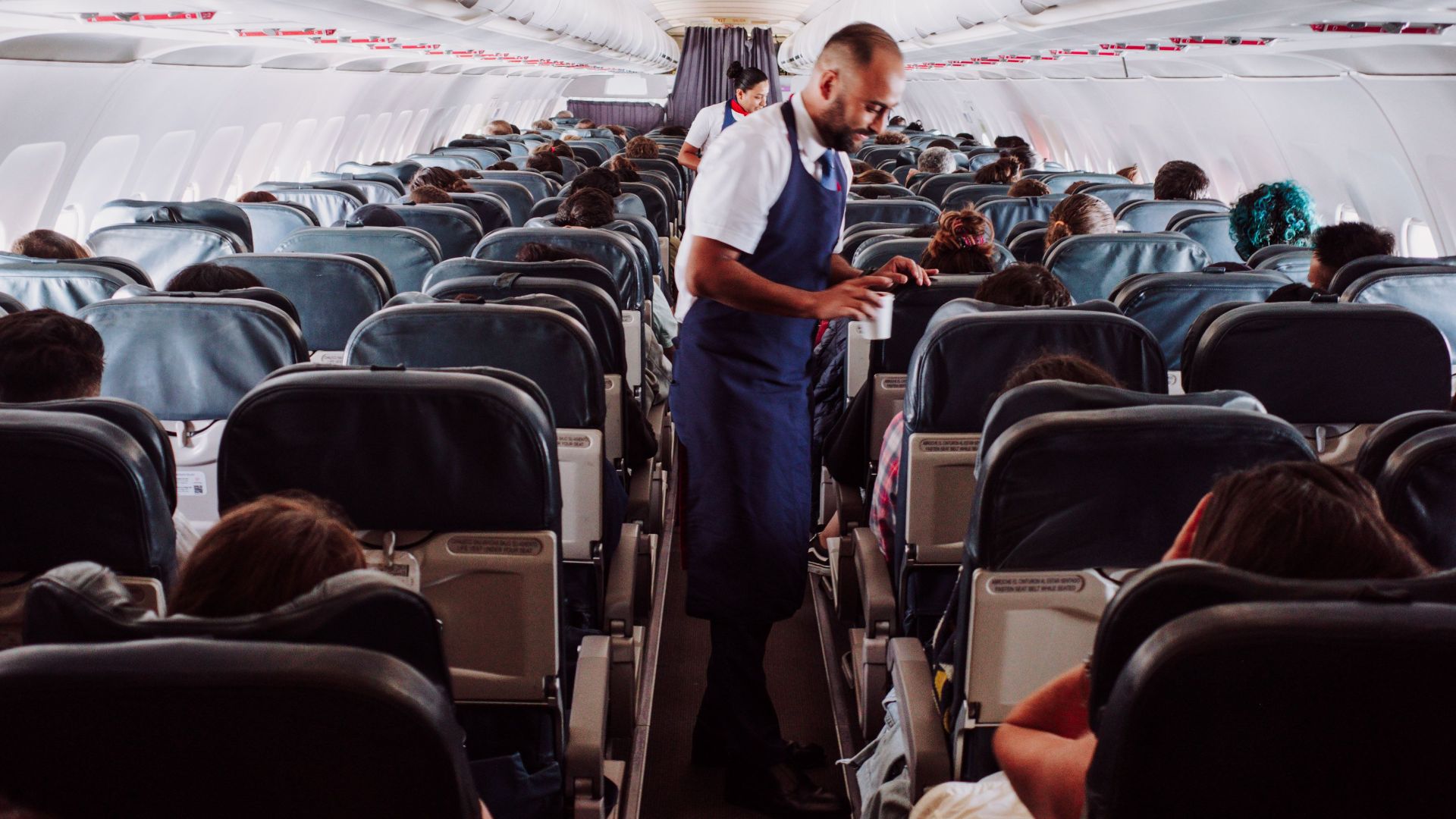
Airline purchases don't necessarily stop once you've boarded the plane. Depending on the carrier and fare, travelers may encounter charges for meals, alcoholic drinks, Wi-Fi, or other onboard amenities. Buying several extras across outbound and return flights can undermine the savings from a cheaper ticket. Checking what's included before boarding helps you decide which conveniences are worth purchasing.
Getting From The Airport Can Be Surprisingly Costly
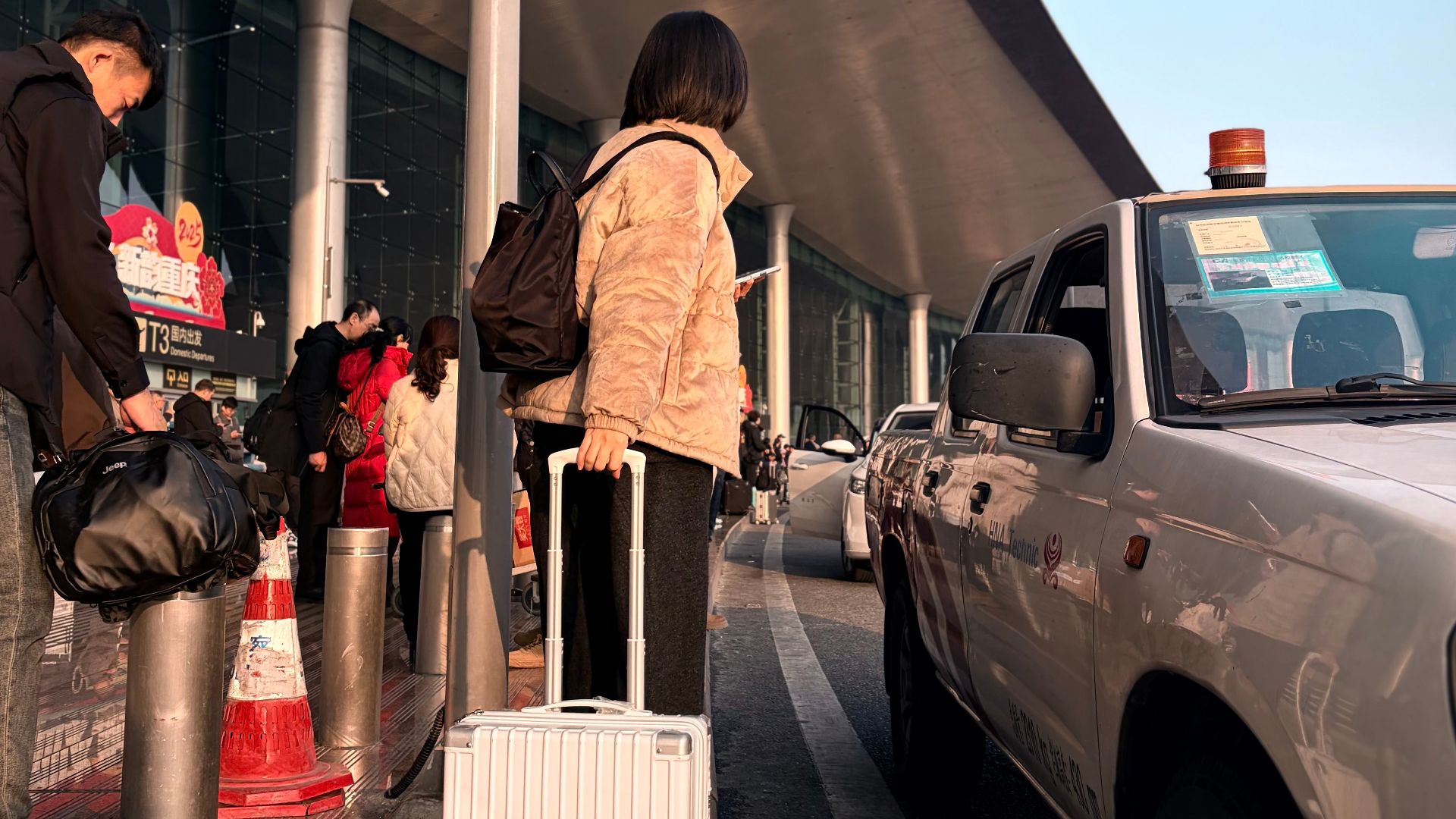
Landing at your destination doesn't mean your transportation expenses are finished. Airport taxis, rideshares, express trains, and hotel shuttles can have very different prices depending on the destination. Late arrivals or hotels far from public transportation may also limit your options. Researching the transfer before booking accommodation helps prevent an expensive surprise immediately after landing.
Resort Fees Can Change The Hotel Math
A hotel's advertised nightly rate doesn't always tell the whole story of its pricing structure. Some properties impose mandatory resort or destination fees associated with facilities and amenities. In the United States, federal rules require covered hotels to include mandatory fees in their prominently displayed upfront total prices, although applicable government taxes may be disclosed separately. Comparing the full cost of a stay, rather than focusing on the room rate alone, remains the smartest approach.

Hotel Parking Can Become A Daily Expense
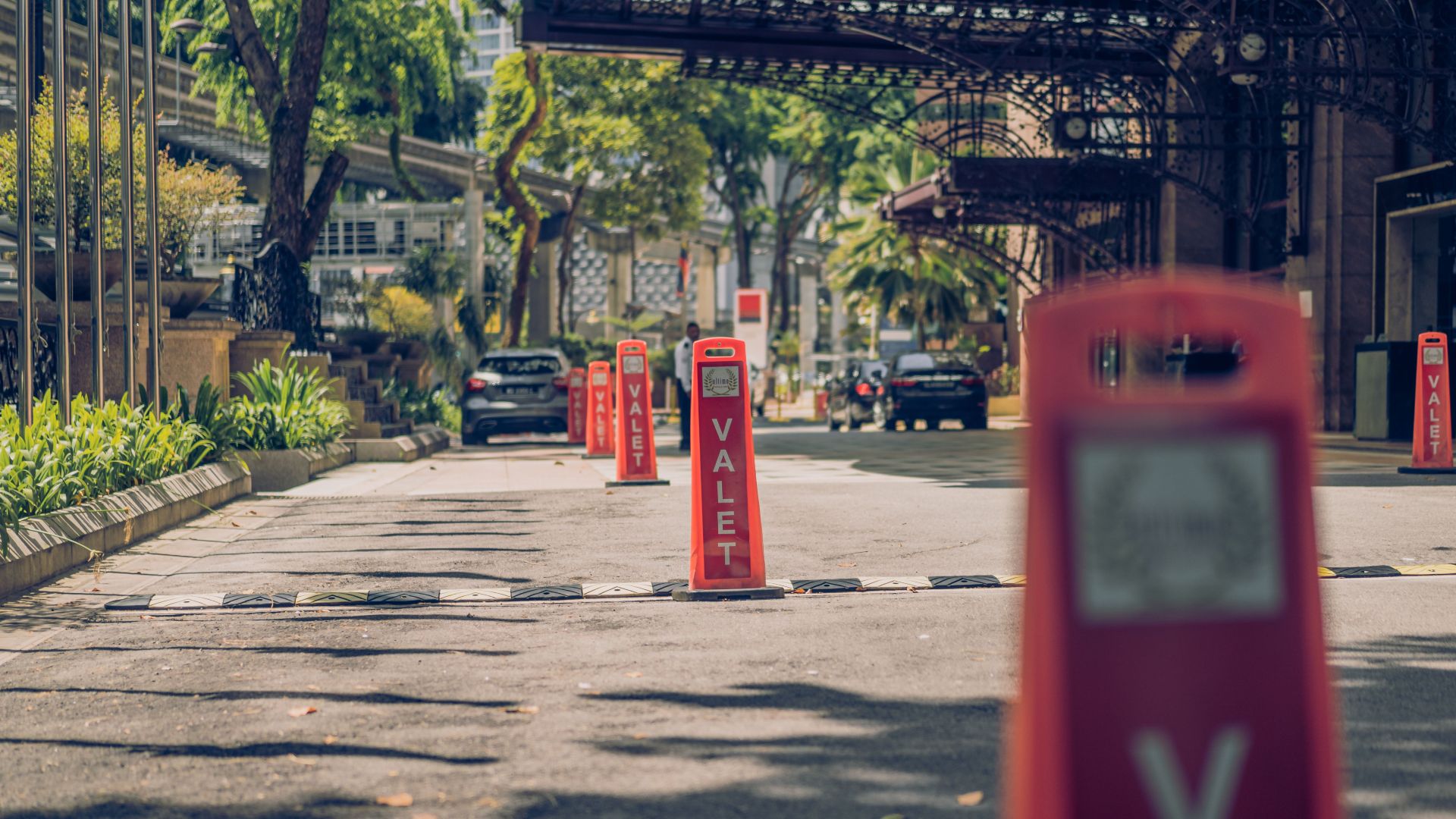
Renting a car might make exploring easier, but finding somewhere to leave it overnight can be another matter. Hotels in busy downtown areas and popular tourist destinations may charge separately for parking. A nightly parking charge becomes considerably more noticeable when multiplied across an entire vacation. Before reserving a room, check whether parking is included and whether less expensive alternatives are available nearby.
Hotel Breakfast Isn't Always A Bargain
A hotel breakfast buffet can sound convenient, especially when you want to start sightseeing early. However, paying for breakfast every morning may cost more than visiting a nearby bakery or café. The difference becomes particularly noticeable when several family members are eating. Comparing breakfast-inclusive rates with room-only prices can help determine whether the convenience is worth the expense.

Bottled Water Becomes A Daily Purchase
Buying a bottle of water while exploring a new destination rarely feels like a major financial decision. However, hot weather, long sightseeing days, and multiple travelers can make those purchases frequent. Restaurants, tourist attractions, and convenience stores may also offer different prices for the same basic drink. Carrying a reusable bottle and using safe drinking-water refill stations where available can reduce unnecessary spending.

Coffee Stops Can Quietly Consume Your Spending Money
Stopping for a cappuccino before sightseeing is one of the pleasures of traveling. Unfortunately, a morning coffee followed by another afternoon pick-me-up creates a recurring daily expense. Add pastries or specialty drinks, and those casual café visits can become a meaningful part of your food budget. Enjoying local coffee culture is worthwhile, but deciding how often to indulge helps keep spending predictable.

Snacks Between Meals Are Easy To Forget
Vacations often involve more walking and irregular meal schedules than everyday life. That can lead to spontaneous purchases of pastries, ice cream, chips, and other snacks throughout the day. Each purchase may seem insignificant, especially when shared with friends or family. Keeping a small daily snack allowance helps you enjoy local treats without losing track of the total.

Restaurant Drinks Can Rival The Food Bill
Dining out is an important part of many vacations, but beverages can make meals considerably more expensive. Ordering cocktails, wine, soda, or specialty coffee with lunch and dinner adds another layer to the restaurant bill. These purchases become especially noticeable when several people order multiple drinks. Alternating paid beverages with tap water where it is safe and available can make restaurant spending easier to manage.
 Queensland, Australia, Unsplash
Tips And Service Charges Deserve Their Own Budget
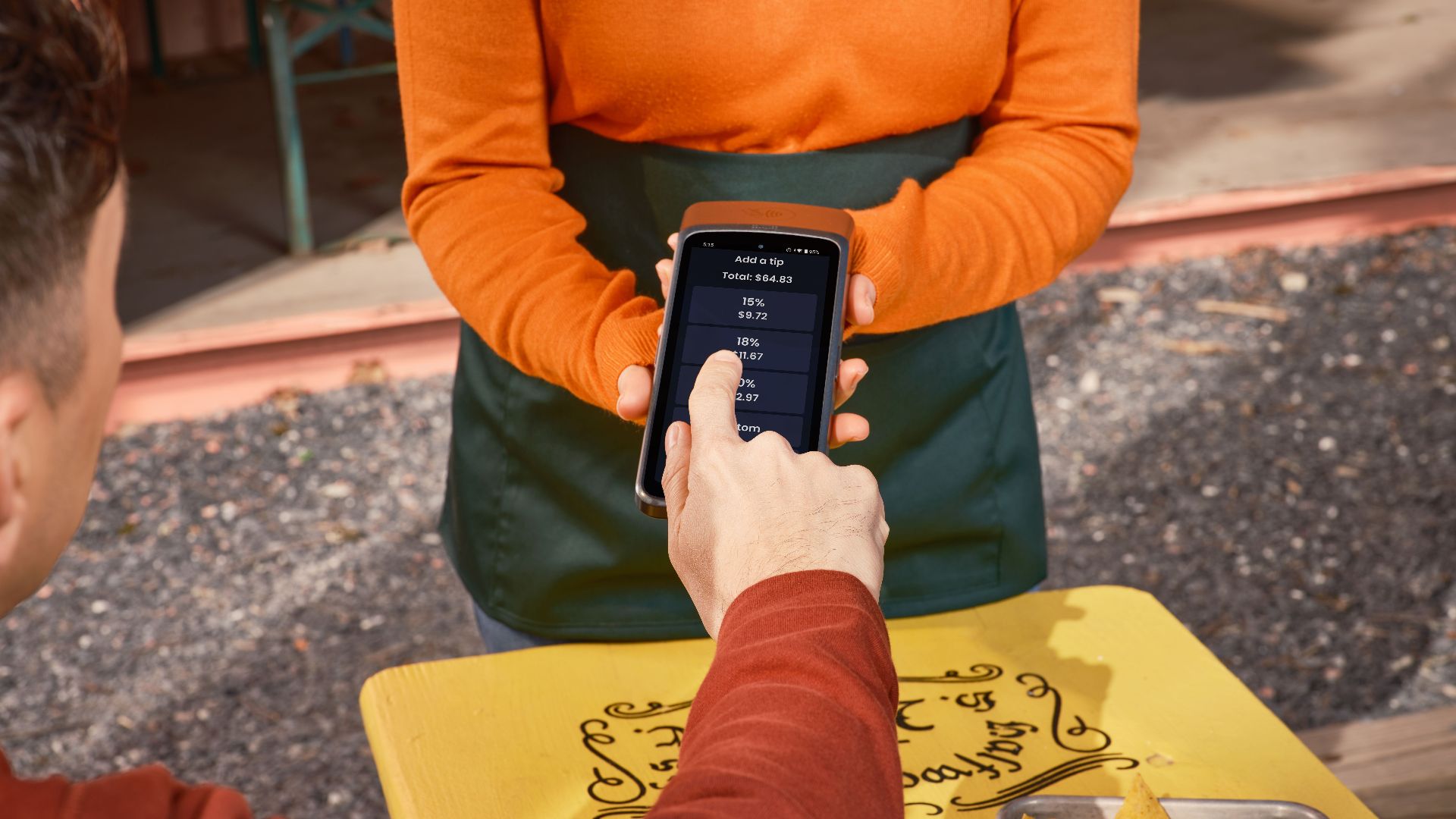
Travelers sometimes calculate restaurant spending based only on menu prices. Depending on the destination, tips and mandatory service charges can increase what they ultimately pay. Some restaurants automatically add service charges, particularly for larger groups, so checking the bill before adding another tip is important. Learning local tipping customs also helps avoid unnecessary spending or accidentally overlooking an expected gratuity.
Rideshares For Short Distances Can Become A Habit
After a long day of sightseeing, ordering a car instead of walking or using public transportation can feel completely justified. One short ride might be inexpensive, but repeating the decision several times daily changes the equation. Traffic, demand, and pickup locations can also affect the fare. Planning sightseeing routes around neighborhoods and transit connections can reduce the need for frequent rides.

Public Transportation Tickets Can Add Up Too
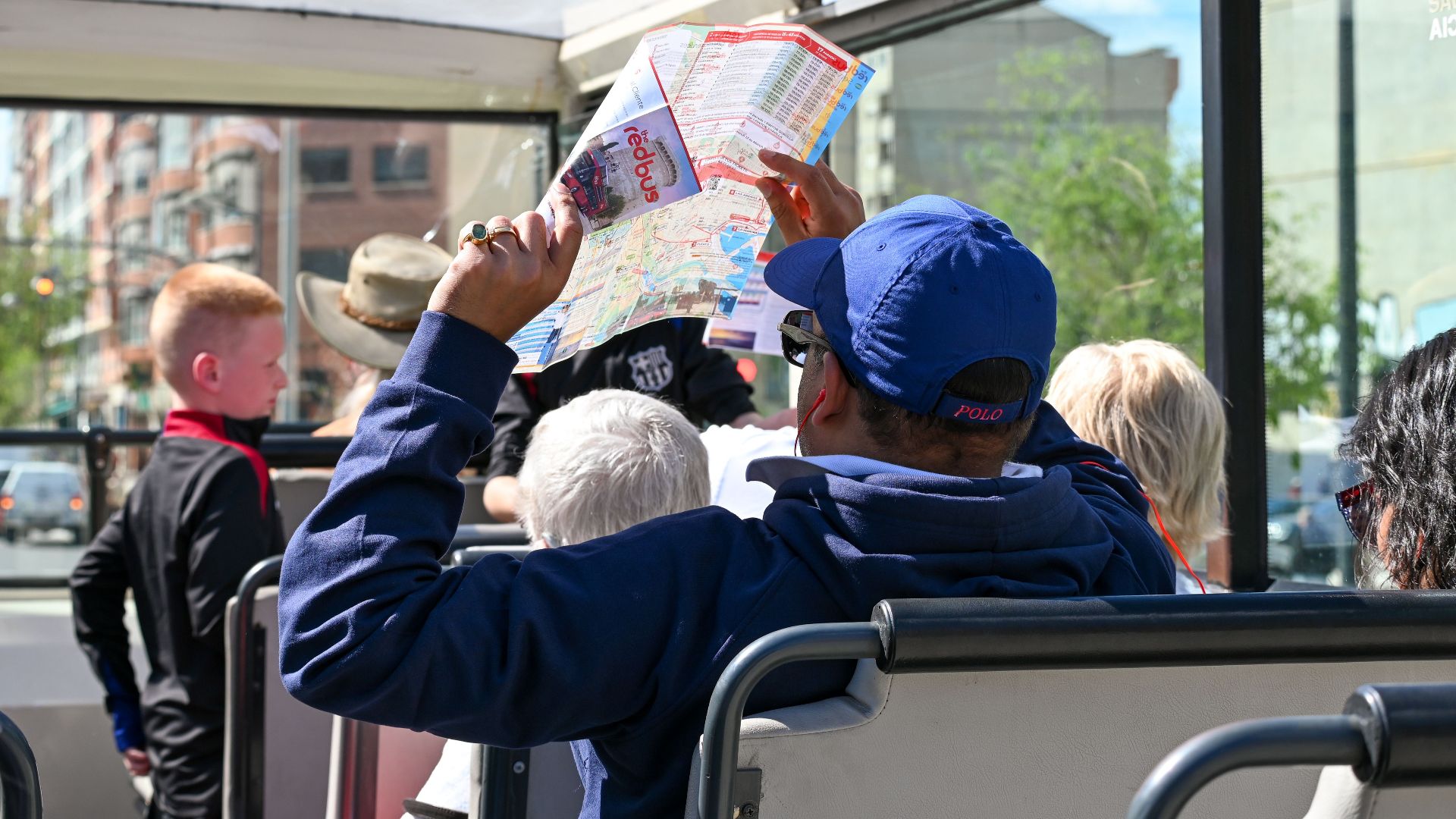
Public transportation is often cheaper than relying on taxis, but individual tickets still deserve attention. Buying separate fares for every subway, bus, or tram journey may be less economical than purchasing a suitable daily or multi-day pass. The best choice depends on local fare rules and how frequently you expect to travel. Estimating your daily journeys before purchasing tickets helps you avoid paying for more transportation than necessary.
Rental Car Insurance Can Change The Entire Price
The daily rental rate advertised online may be only part of what you'll pay for a vehicle. Rental companies commonly offer additional protection products, including collision damage waivers and supplemental insurance. Some travelers already have certain protections through personal insurance or eligible credit cards, although coverage and exclusions vary. Checking those policies before arriving at the rental counter can help prevent duplicate coverage purchases without leaving you inadequately protected.

Toll Roads Can Bring Unexpected Charges
Road trips sometimes involve toll roads that seem inexpensive when considered individually. However, rental car companies may also charge administrative fees or daily fees for electronic toll-payment programs. Those additional charges can make a series of short toll-road journeys more expensive than expected. Asking about toll policies before collecting the car can help you choose the most economical permitted payment method.

Fuel Costs Don't End With The Rental Price
Renting a vehicle provides flexibility, but fuel is another expense that can easily be underestimated. Long sightseeing drives, traffic congestion, and unexpected detours can increase how much fuel you purchase. Rental companies may also impose refueling charges when vehicles are returned without the required amount of fuel. Reviewing the fuel policy and planning where to refill before returning the car can prevent unnecessary charges.

Beach Equipment Isn't Always Included
A relaxing beach day may involve more spending than simply getting there. Some destinations charge for loungers, umbrellas, cabanas, or other equipment that travelers might assume is complimentary. Renting equipment on several consecutive days can turn a modest daily charge into a substantial expense. Checking what your hotel provides and comparing public beach options can help keep seaside relaxation affordable.

Attraction Tickets Can Multiply Quickly
A museum ticket or observation deck admission might seem reasonably priced when considered alone. However, visiting several paid attractions every day can make sightseeing one of the biggest variable expenses of a vacation. Families may also need to purchase tickets for multiple people, depending on age-based admission policies. Choosing a few priority attractions and mixing in free experiences helps create a more balanced itinerary.

Booking Fees Can Sneak Into Your Sightseeing Budget
Some attractions require advance reservations, timed-entry tickets, or permits that carry additional charges. For example, certain U.S. national parks require separate vehicle reservations for specific locations or activities, even when visitors already have an entrance pass. Reservation platforms may also charge service or transaction fees depending on the booking. Checking official attraction websites before purchasing through third parties can help clarify which charges are actually necessary.

Souvenirs Seem Cheap Until Everyone Wants One
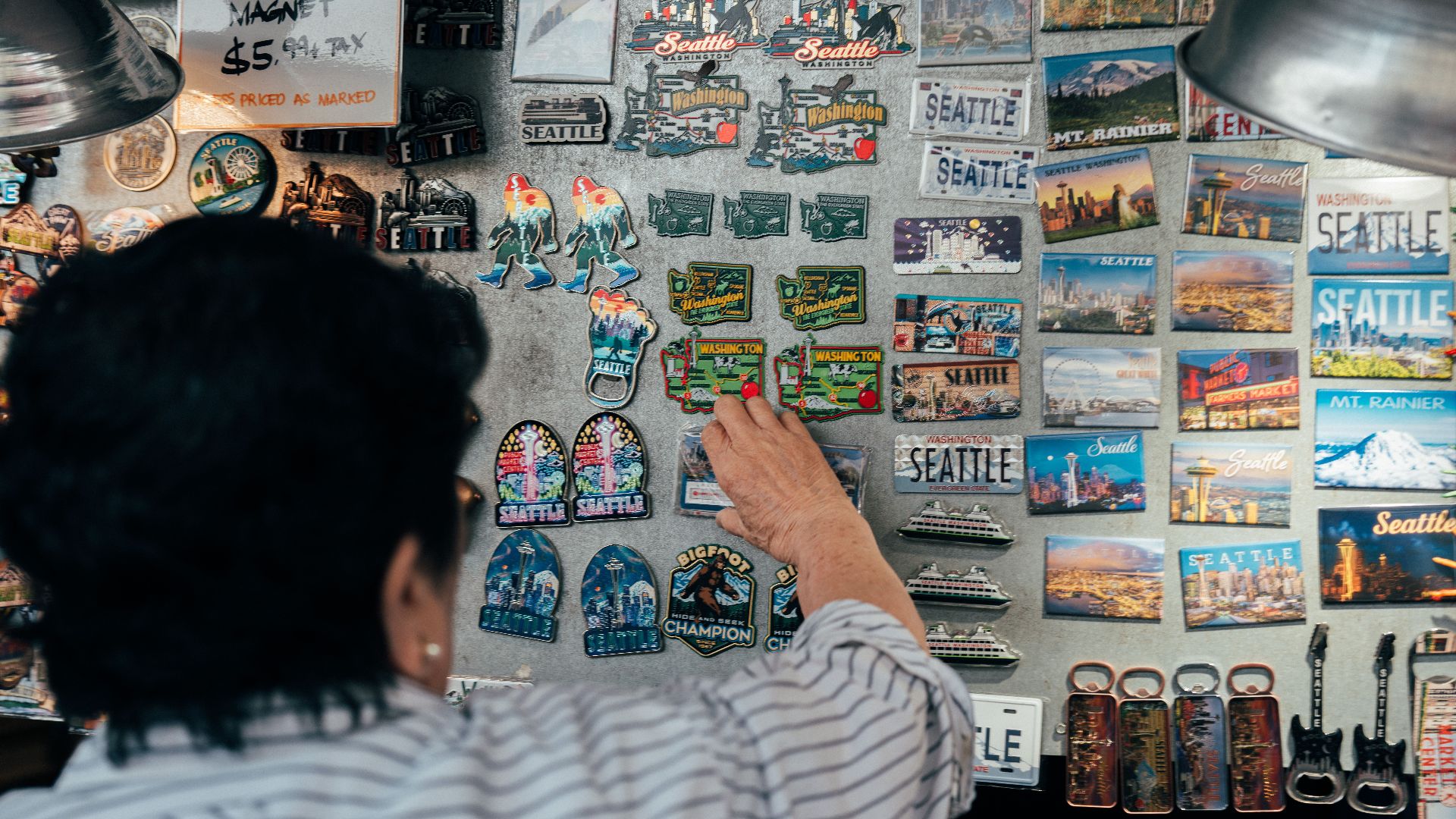
Buying a small souvenir is a pleasant way to remember a destination. The trouble begins when you purchase something at every attraction, market, and gift shop you visit. Magnets, postcards, ornaments, and novelty items can accumulate into a surprisingly expensive collection. Setting a souvenir budget before departure encourages more thoughtful purchases and leaves room for something genuinely memorable.
Laundry Costs Can Catch Longer-Stay Travelers Off Guard
Packing lightly can save luggage space and sometimes reduce airline baggage fees. However, travelers staying away for an extended period may need to wash clothes before returning home. Hotel laundry services, local laundromats, and self-service machines can have very different prices. Checking laundry facilities before booking accommodation helps you decide whether packing fewer clothes will actually save money.

Foreign Transaction Fees Can Follow Every Purchase
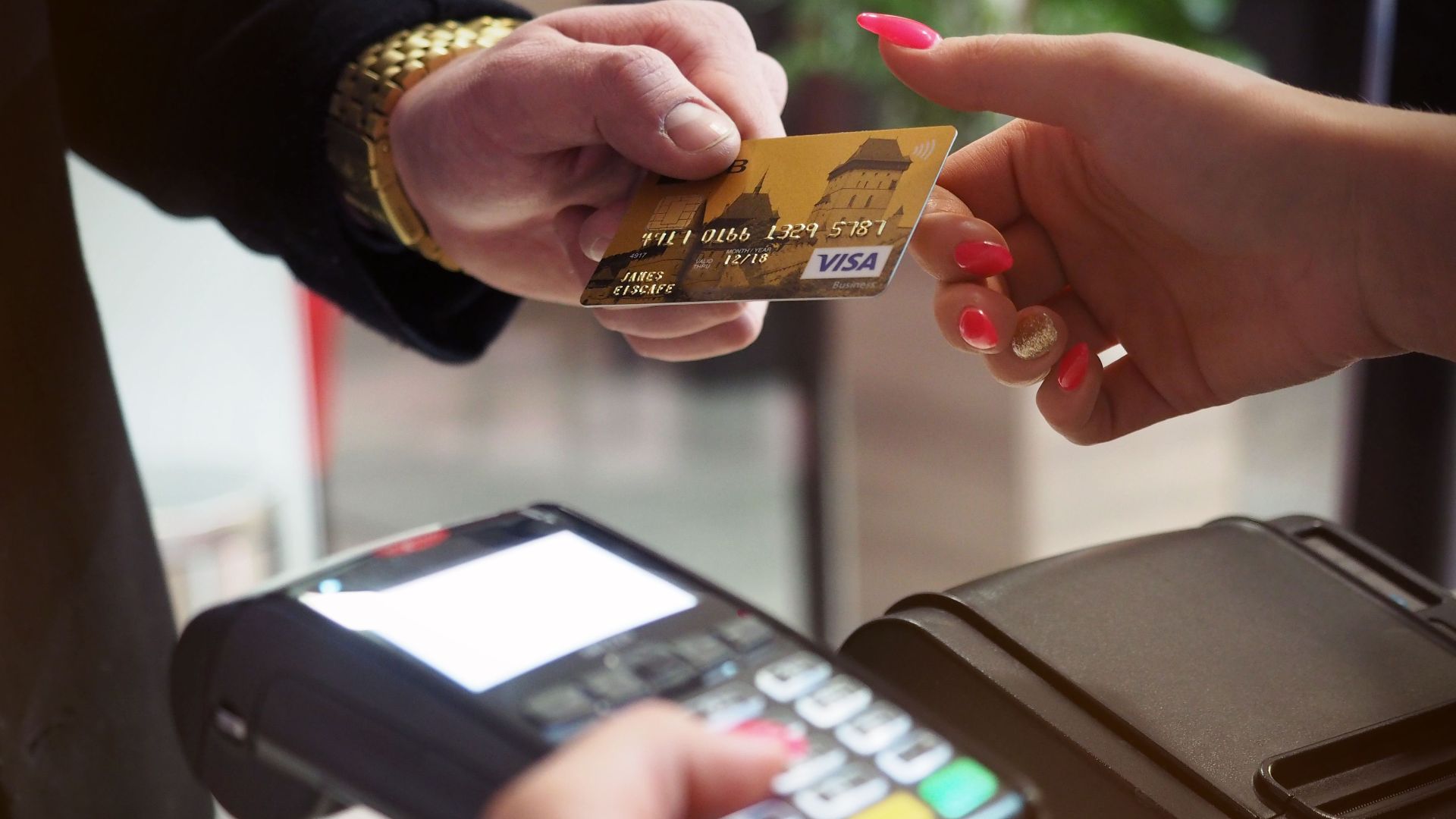
Using a credit card abroad is convenient, but some cards charge foreign transaction fees. Depending on your card agreement, these charges can apply to purchases made in another currency or with foreign merchants. A small percentage added to dozens of purchases can become noticeable by the end of the trip. Checking your card's foreign transaction policy before departure can help you choose a less expensive payment method.
ATM Withdrawals Can Cost More Than Expected
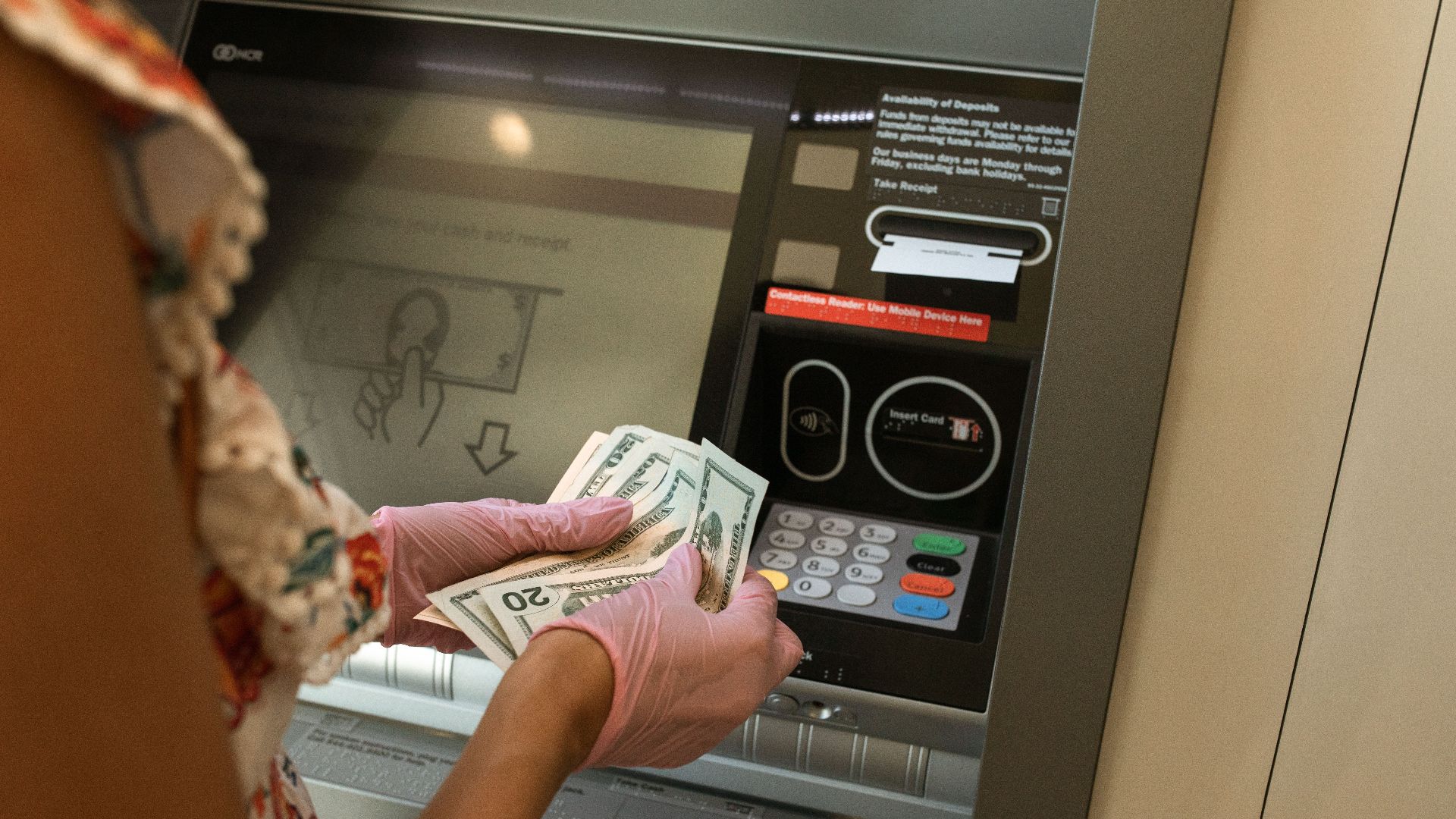
Withdrawing cash abroad can involve fees from your own bank, the ATM operator, or currency conversion services. Taking out small amounts repeatedly may mean paying transaction charges several times during one vacation. Some machines also offer to convert the withdrawal into your home currency, potentially adding an unfavorable exchange rate or markup. Understanding your bank's international withdrawal policy and reviewing conversion options carefully can help minimize these costs.
International Roaming Can Create An Expensive Surprise
Using your phone abroad for navigation, restaurant searches, and social media can trigger international roaming charges. Some mobile plans charge daily roaming fees, while others calculate charges according to usage. Even background app activity can consume mobile data when your phone connects to a foreign network. Comparing your provider's travel package with a local SIM or eSIM before departure can help you stay connected for less.

Travel Insurance Is Another Expense Worth Calculating
Travel insurance can provide valuable financial protection, but its price deserves a place in your vacation budget. Coverage for medical emergencies, cancellations, baggage problems, and other disruptions varies considerably between policies. Some credit cards already provide certain travel benefits, although limitations and eligibility requirements may apply. Comparing existing protection with the coverage you actually need helps avoid unnecessary duplication while preserving important safeguards.

The Final Vacation Bill Tells The Real Story
The biggest surprise about vacation spending is often how ordinary the individual purchases seemed. A few extra drinks, transportation charges, snacks, and convenience fees can collectively add hundreds of dollars to a trip. Keeping a simple daily spending record makes those patterns easier to recognize before they become a problem. The goal isn't to eliminate every small pleasure, but to make sure the experiences you value most receive the largest share of your vacation budget.

You May Also Like:
The Countries Americans Say They Would Move To If Money Were No Object