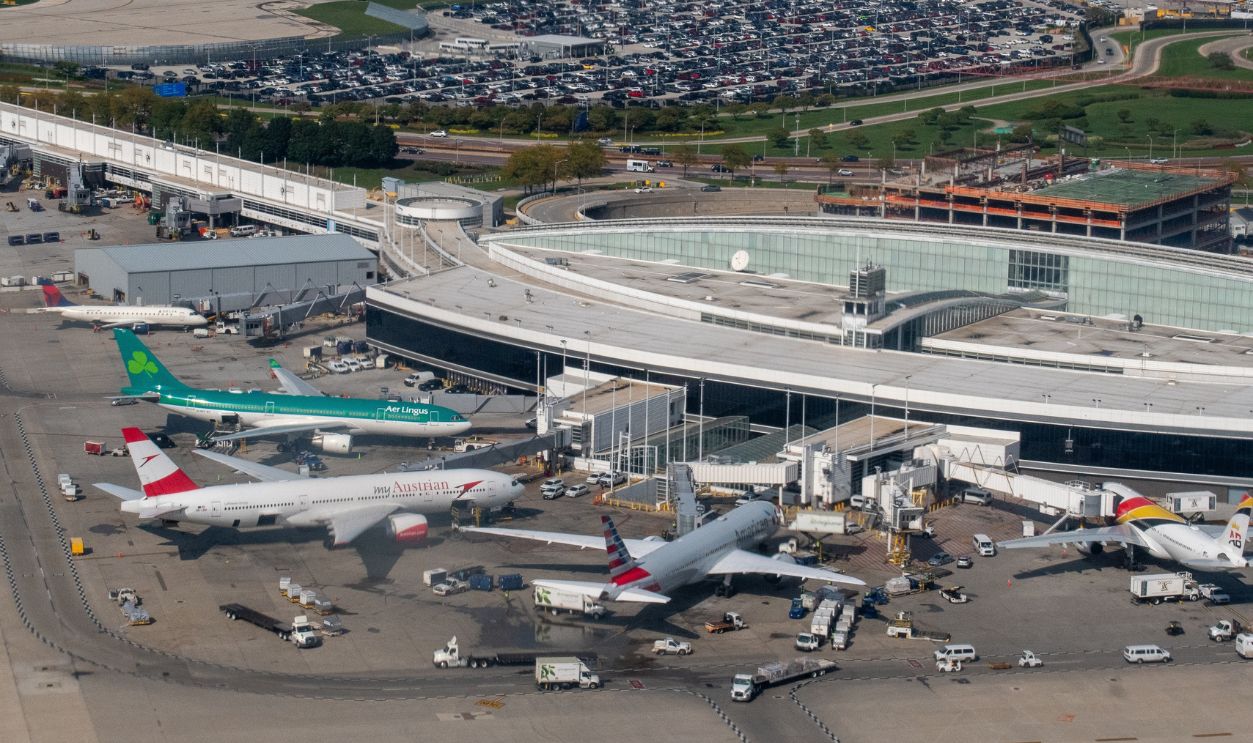
The 35-Minute Connection That Can Wreck A Trip
You open your updated itinerary and see it: a 35-minute connection and a terminal change. That sounds tight because it is. Whether you make it has less to do with luck than with airport rules, airline systems, and what happens if your first flight is even a little late.

Why This Happens In The First Place
Airlines often rebook passengers after schedule changes, cancellations, or other disruptions. Their systems usually go by what counts as a legal connection, not what feels realistic when you are carrying a bag and racing the clock. So your new itinerary can be valid on paper and still be rough in real life.

The Key Term Is Minimum Connection Time
The airline term is Minimum Connection Time, or MCT. It is the shortest time airlines and airports allow between flights on a single ticket under certain conditions. According to the International Air Transport Association, MCT can change based on the airport, airline, terminal, and whether the flights are domestic or international.
A Legal Connection Is Not Always A Smart One
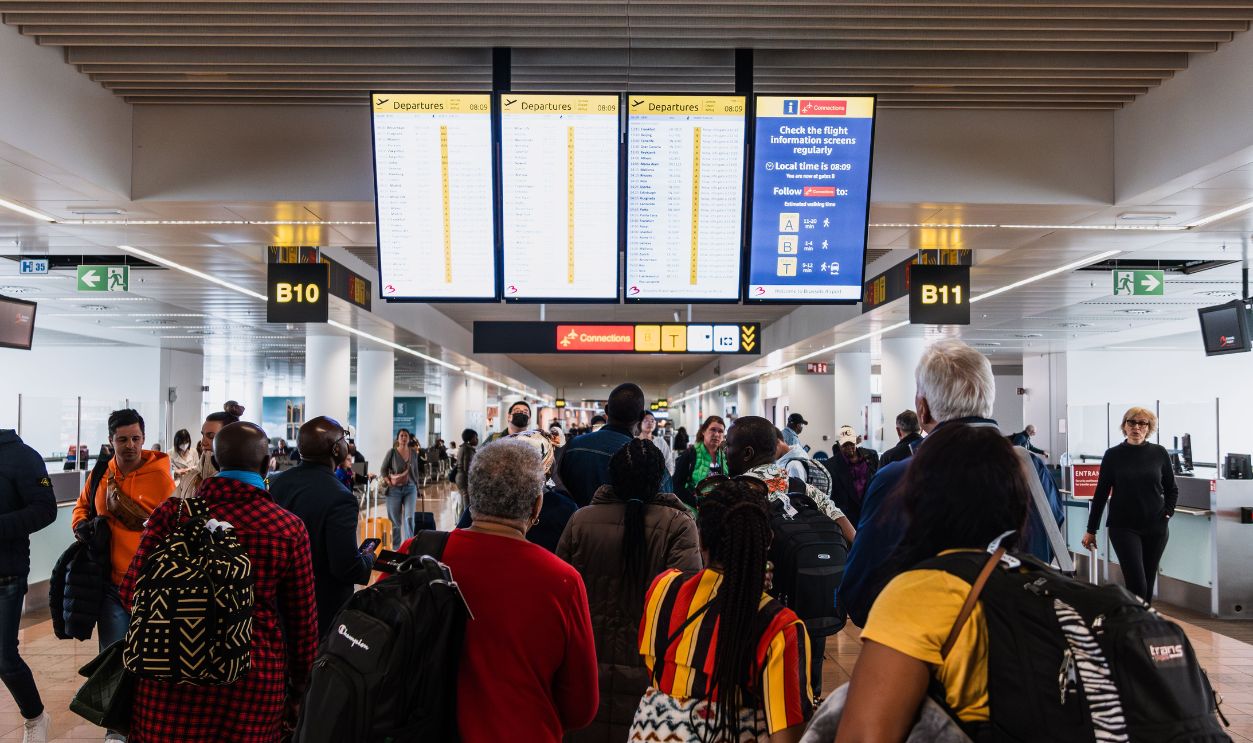
If the airline sold you the trip or rebooked you onto it as one ticket, the connection probably meets the published minimum. But legal does not mean easy. A connection can pass the rulebook test and still give you almost no room for gate delays, long walks, train rides, or packed security lines.
A Terminal Change Can Blow Up The Plan
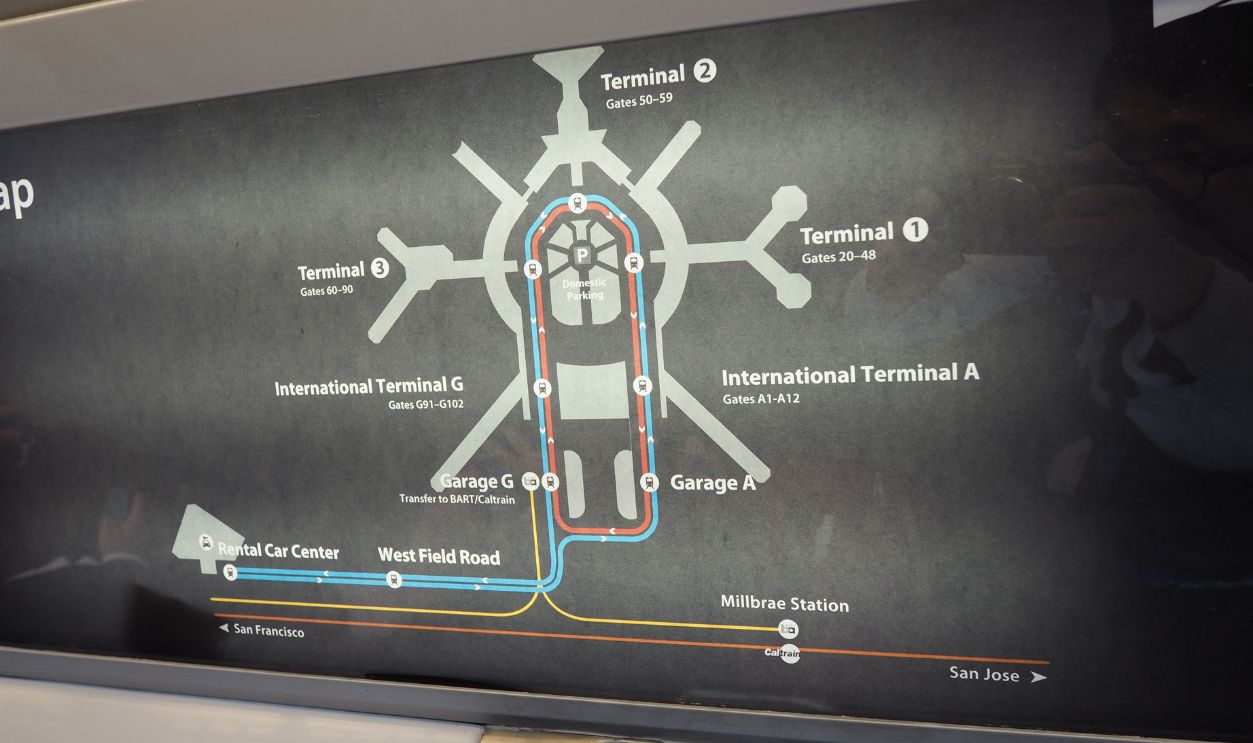
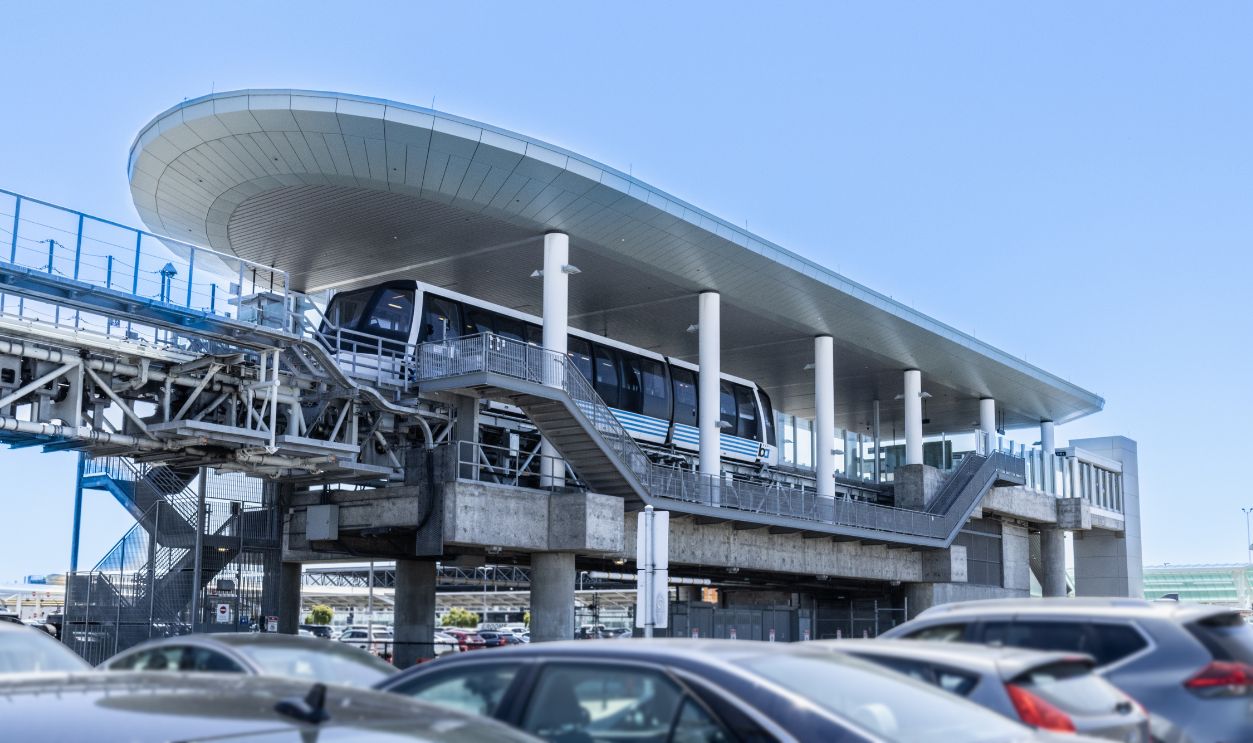
Staying in the same terminal is one thing. Changing terminals is another. That can mean a shuttle bus, an airport train, a long walk, or even leaving security and going through it again. That is why the terminal change matters just as much as the 35 minutes.

Start With The Airport Map
Your first move should be the airport’s official terminal map. Airports usually explain whether terminals connect inside security or outside it, and whether you need to clear security again. If the map shows a train, bus, or a move between buildings, your margin gets thin fast.
 Supakorn Angaumnuaysiri, Shutterstock
Some Terminal Changes Are Easy, Others Are Not
At some airports, changing terminals is just a quick walk. At others, it can take much longer, especially if you have to wait for a shuttle or move through a huge hub during a busy stretch. Airports Council International notes that terminal design and passenger traffic can have a big effect on connection times, even at the same airport.
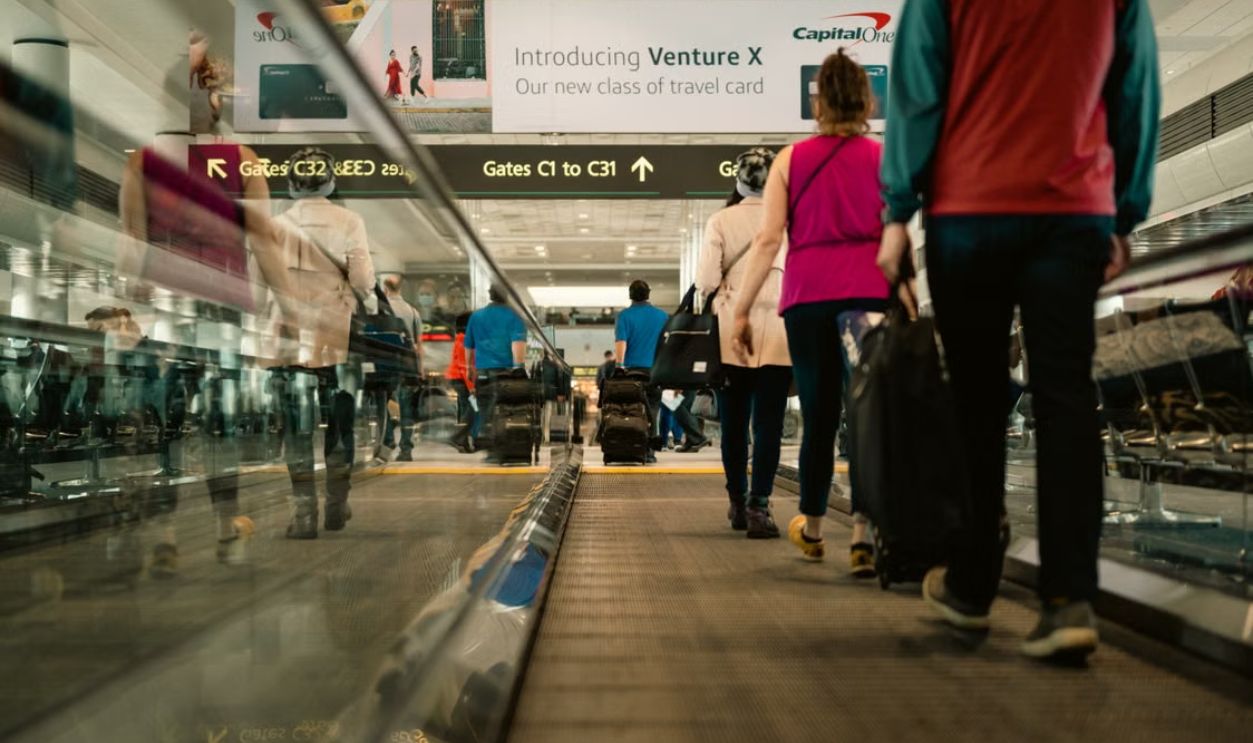
The Door Usually Closes Before Departure
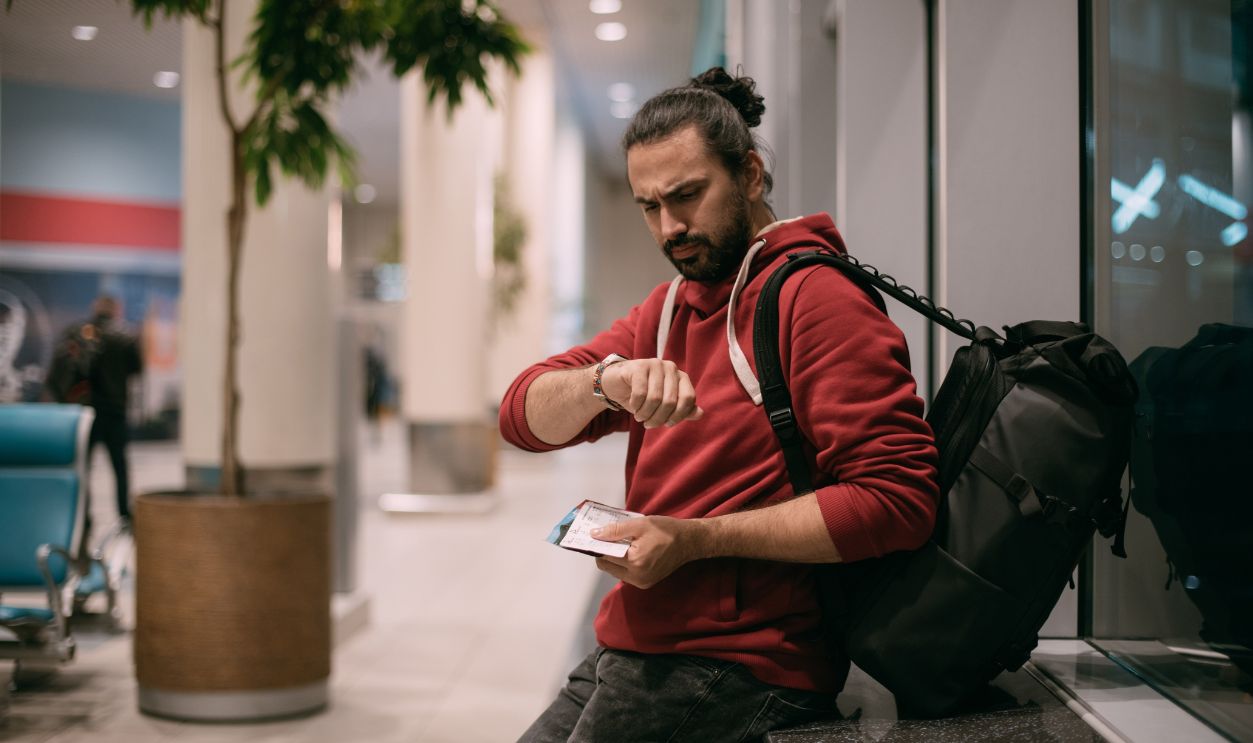
One thing many travelers miss is that boarding does not continue right up to departure time. Airlines often close boarding 10 to 20 minutes before takeoff, depending on the carrier and route. So a 35-minute connection may give you a lot less usable time than it seems.
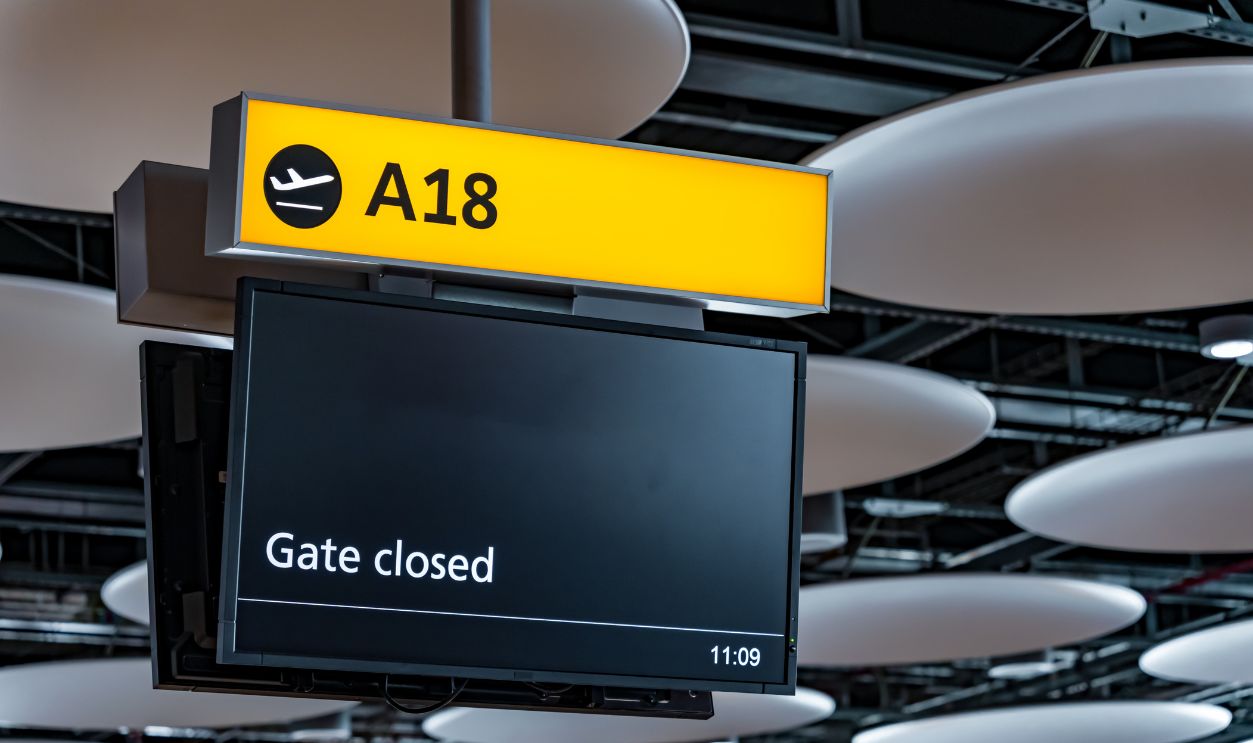
A Small Delay Can Turn Into A Big Problem
If your first flight lands 10 minutes late, that 35-minute connection can drop to about 25 minutes before you even count taxiing, getting off the plane, and walking to the next gate. Add a terminal change and your cushion may be gone. That is why short legal connections often fall apart without anything dramatic happening.
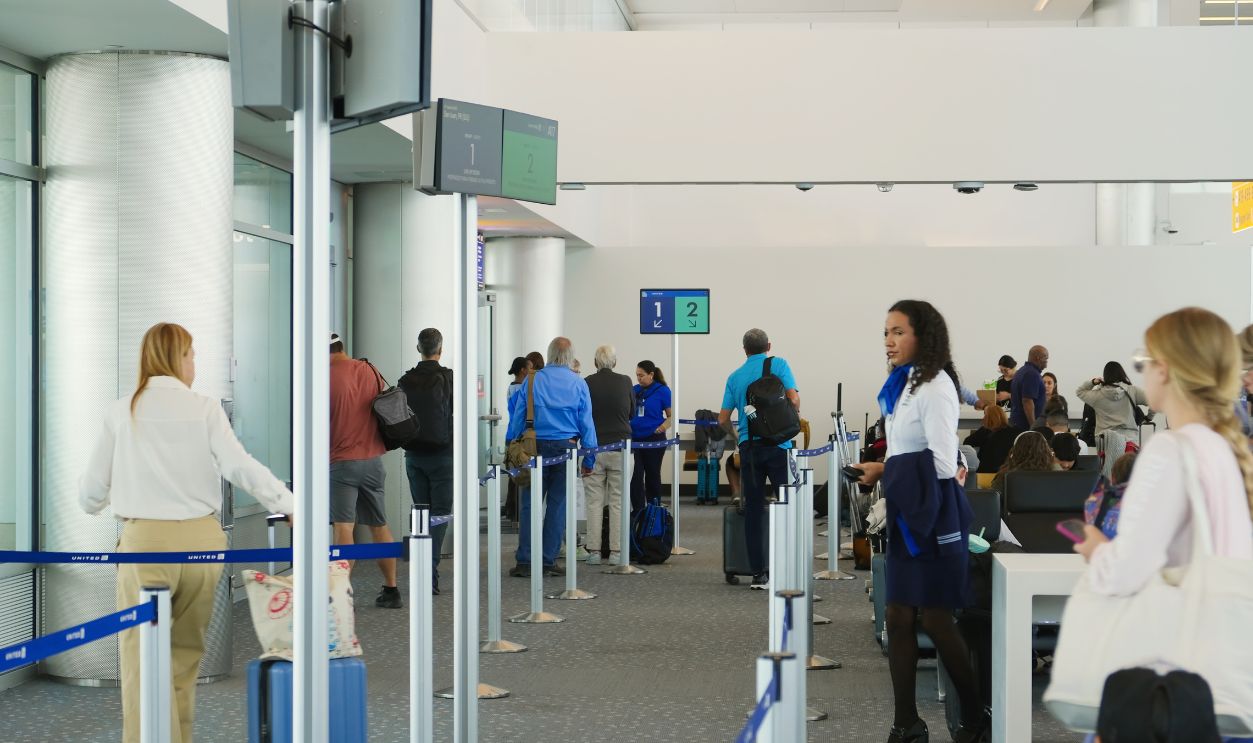
Getting Off The Plane Takes Time
People in the back rows can lose several minutes just waiting to get off. Full flights and larger planes can make that even worse. A connection that looked possible when you booked it can suddenly turn into a sprint once the aisle jams up.

Checked Bags Raise The Stakes
Even if you can make a mad dash to the next gate, your checked bag has to make it too. Airlines do transfer bags on legal connections, but a very short layover gives your luggage more chances to miss the second flight. You might arrive on time and see your suitcase later.

International Connections Are Harder
If your trip involves immigration, customs, or another security check, 35 minutes is usually much tougher. U.S. Customs and Border Protection says arriving international passengers generally have to complete entry steps before continuing on most domestic connections. How long that takes can vary a lot by airport and time of day.
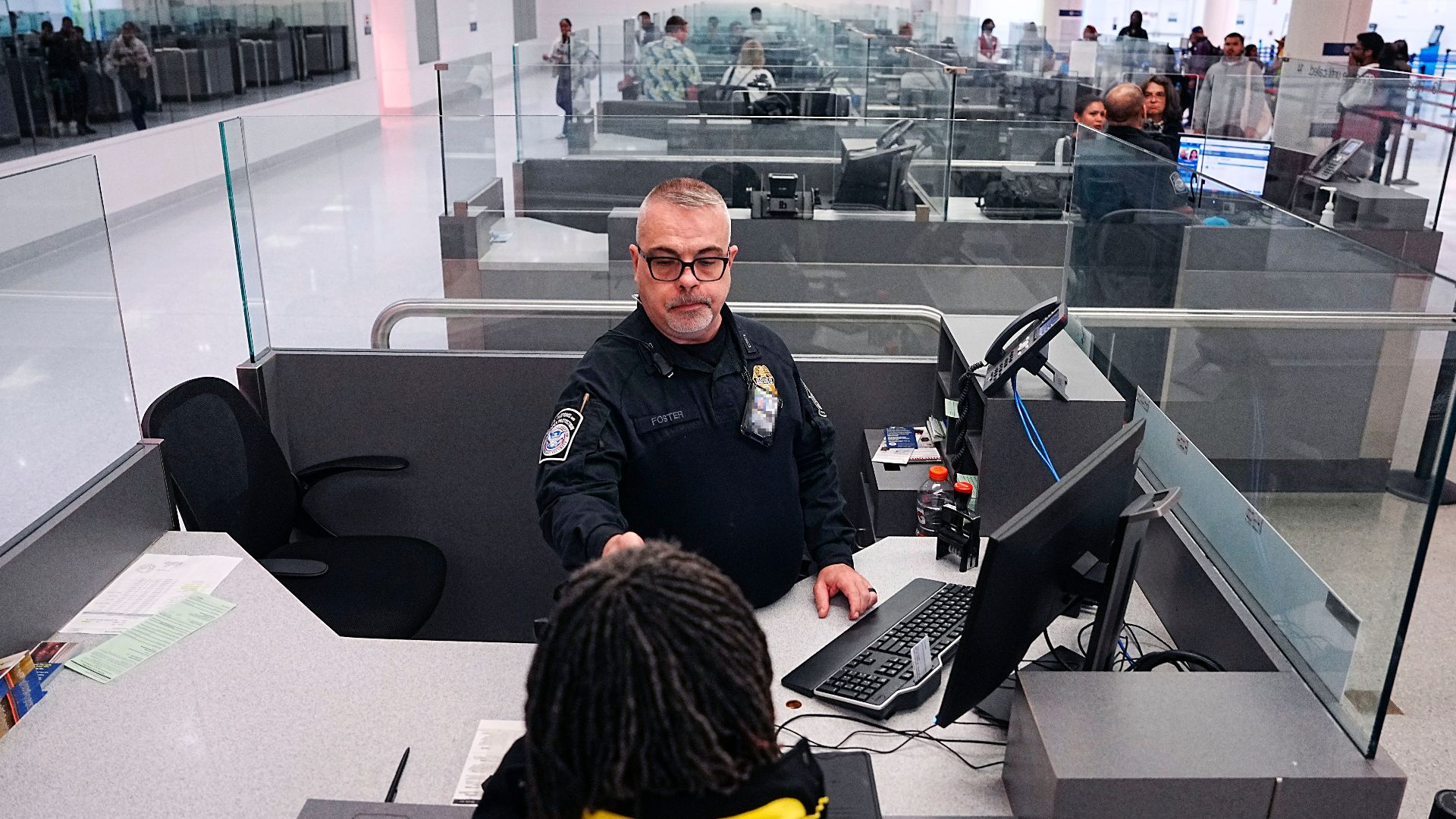 CBP Photography, Wikimedia Commons
Even Domestic Trips Can Mean Another Security Line
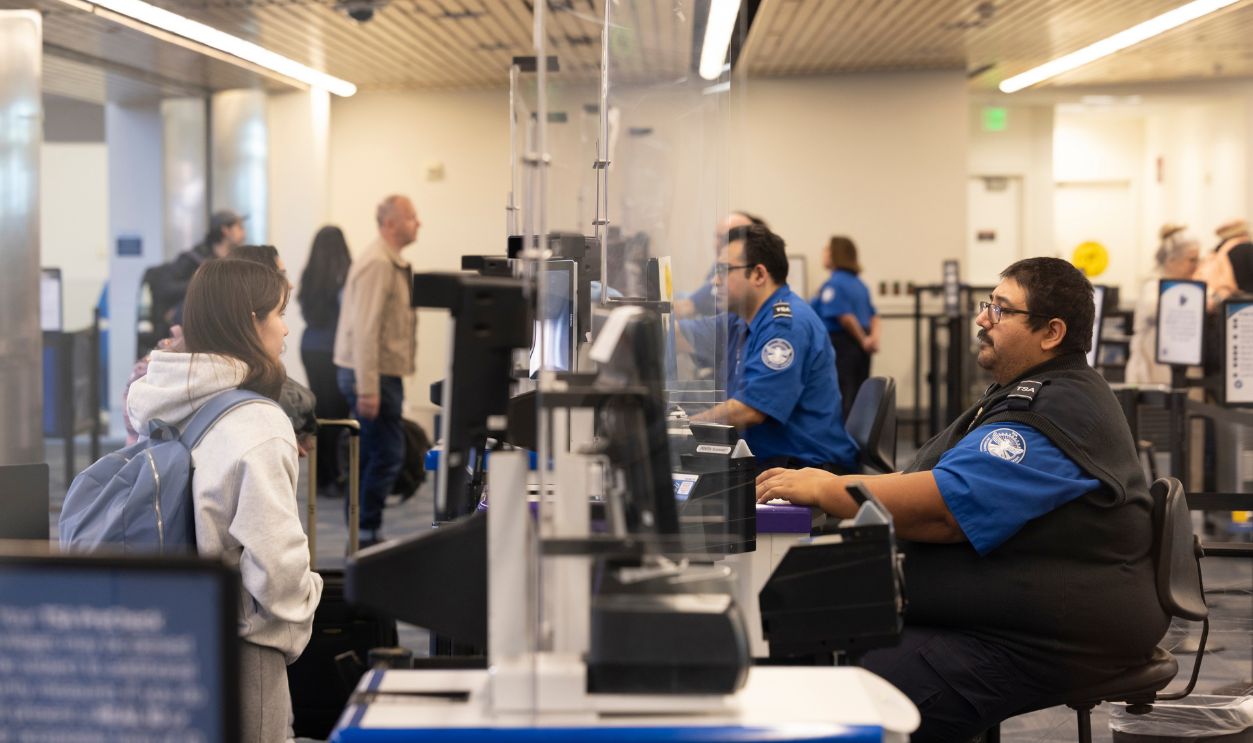
Some terminal changes force passengers to leave the secure area and go back through screening. The Transportation Security Administration warns that checkpoint waits can vary, especially during busy travel periods. If your transfer includes another security line, a short connection can go from stressful to unrealistic.
One Ticket Versus Separate Tickets Matters A Lot
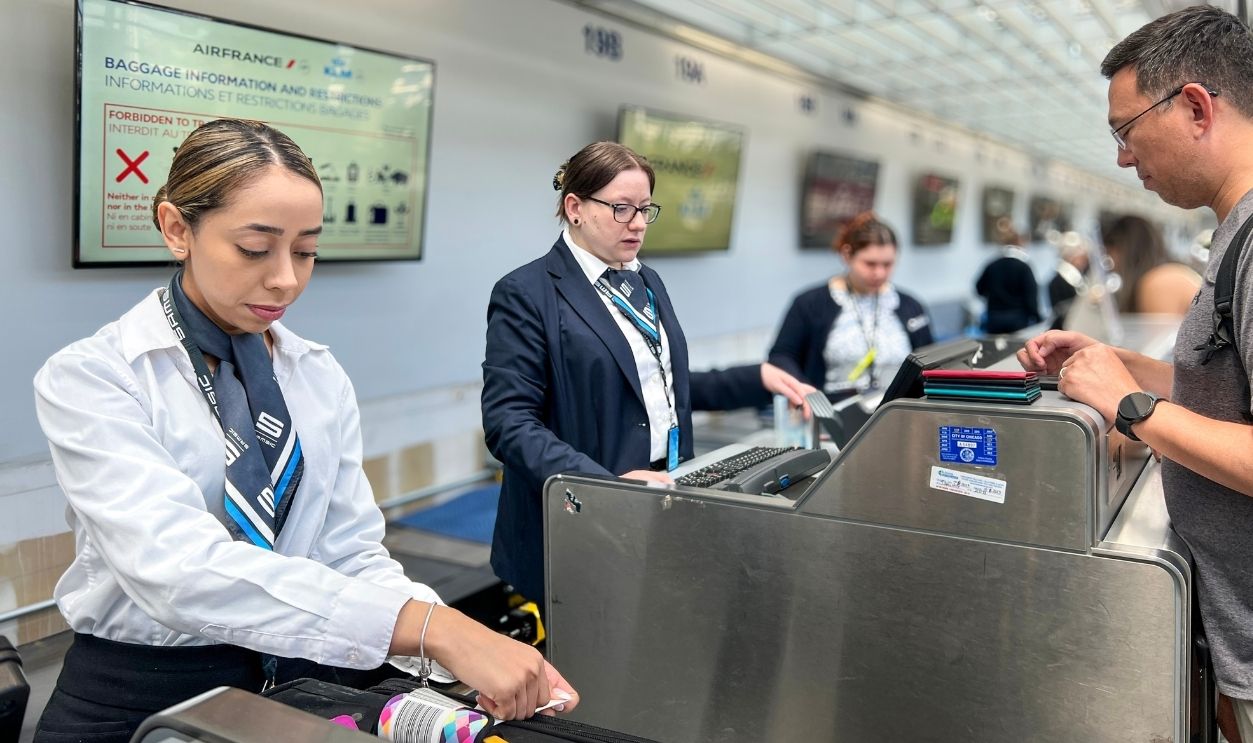
If both flights are on one ticket, the airline usually has to rebook you if a delay causes you to miss the connection. If you booked separate tickets, that protection often disappears because each airline sees the trip as separate. That can be the difference between an annoying delay and an expensive mess.
 Monkey Business Images, Shutterstock
What The Department Of Transportation Says
The U.S. Department of Transportation requires airlines to give clear customer service information and to issue refunds in some cases, but it does not promise a smooth connection. Missed-connection rules depend a lot on the fare, the ticket setup, and why the disruption happened. In other words, a legal connection is not the same thing as a comfortable one.
If The Airline Rebooked You, Ask For Something Better
There is usually room to push back. If the airline changed your itinerary, you can often call or use the app to ask for a different route with a longer layover. Agents can often move passengers to other flights when a schedule change creates a connection that works on paper but looks bad in practice.

Check The Airline App Before You Call
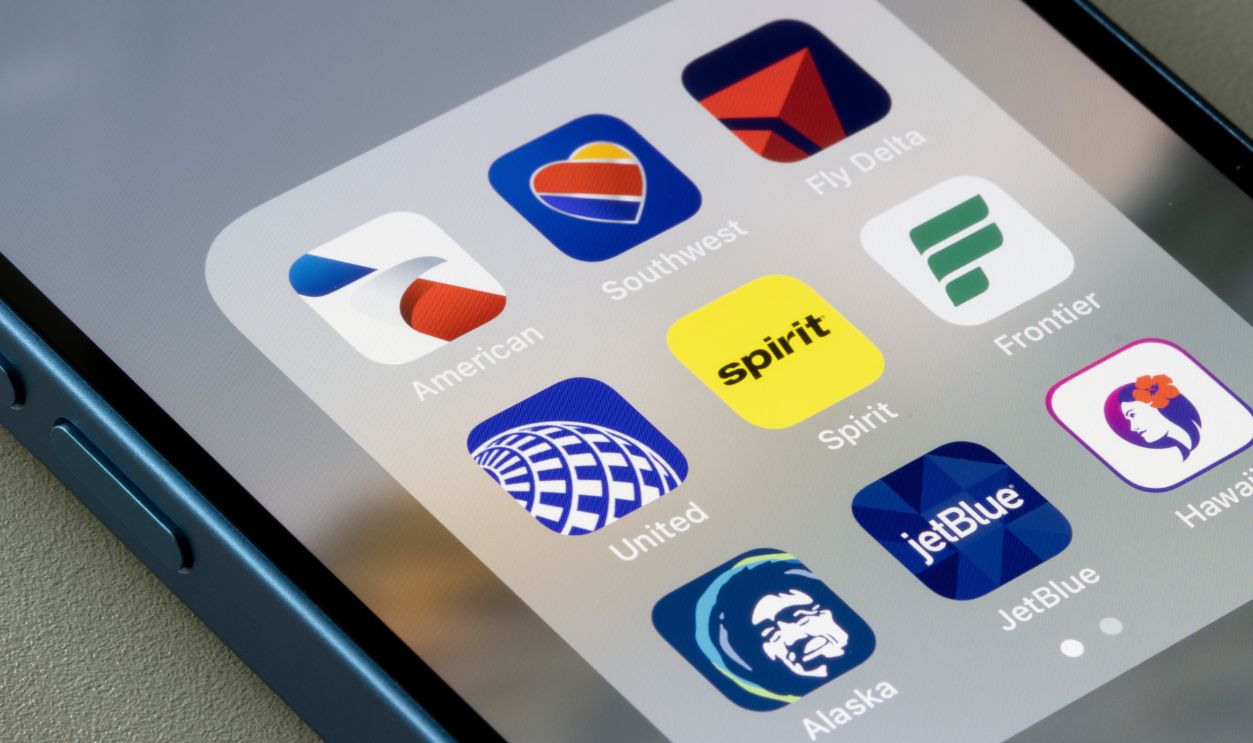
Many airlines now let travelers change disrupted trips in the app. That can be much faster than sitting on hold, especially during big weather delays. Look for same-day options, an earlier first flight, or a connection that stays in the same terminal.
Ask About The Published Minimum Connection Time
Frequent flyers sometimes use tools like ExpertFlyer or a travel agent’s system to check MCT data, but you can ask the airline directly. Ask whether your new itinerary meets the published minimum connection time for that airport and terminal setup. If the answer is yes, that only tells you the connection is legal. It does not tell you it is a good idea.

Ask Three Questions Right Away
First, do you need to change terminals inside security or outside it. Second, do you need to go through security again. Third, when does boarding close for your next flight. Those answers usually tell you more than the scheduled times do.

Your Seat Can Matter More Than You Think
If you keep the short connection, try to move closer to the front of the first flight. That alone can buy you a few extra minutes when every one of them counts. It is one of the easiest ways to improve your chances without changing the ticket.

The Crew Usually Cannot Hold The Plane
Some travelers hope the crew can alert the next gate and keep the second flight from leaving. That can happen in limited cases, but it is not something to count on. Airlines have to weigh a lot of factors, including departure slots, crew limits, and other connecting passengers.

If You Are Running Late, Act Before You Land
If your first flight is delayed, use onboard Wi-Fi if you have it and start checking other options before touchdown. Many airline apps already show same-day changes, standby choices, or automatic rebooking options. Moving early can save time once everyone else starts lining up at the service desk.

When A 35-Minute Connection Might Work
It can work if the first flight is on time or early, the gates are close, the terminal transfer stays inside security, and the next flight is not boarding at the far end of the airport. It also helps if you are not checking bags and do not need extra assistance. In that narrow set of conditions, 35 minutes may be just enough.
When It Probably Will Not
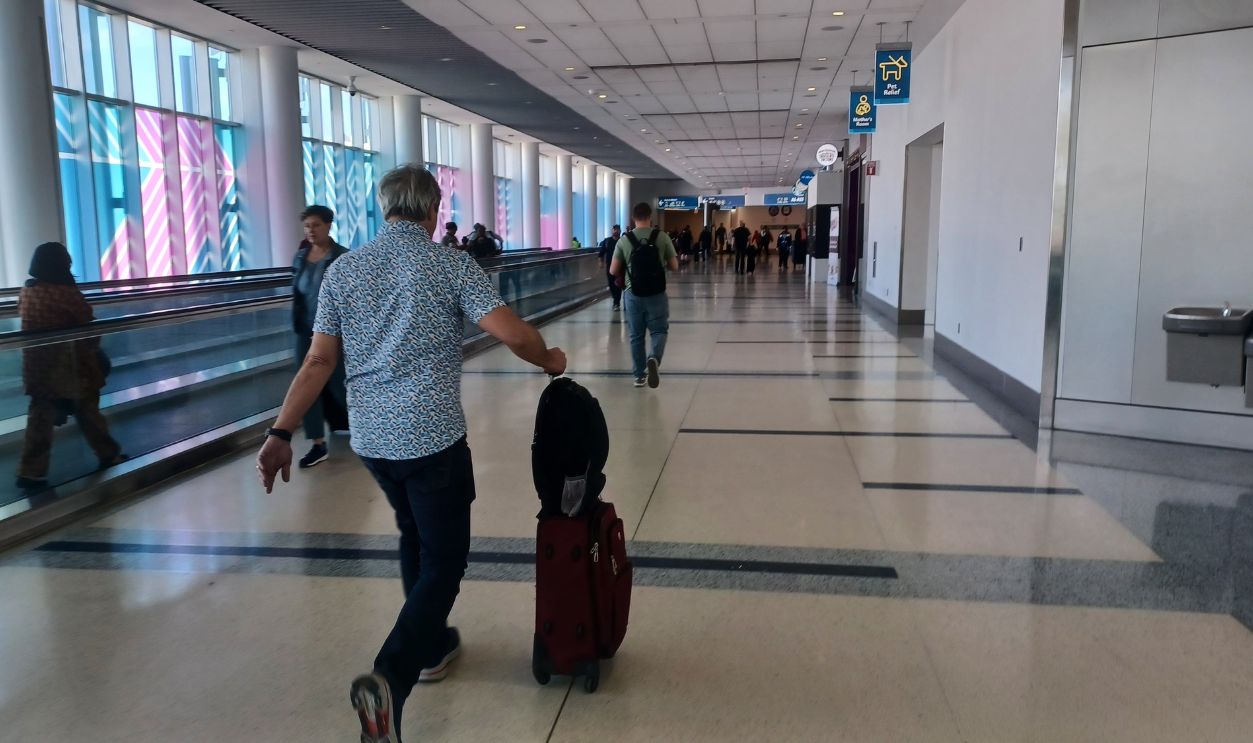
If the airport is a major hub, the terminal change needs a train or bus, boarding closes early, or your first flight often lands late, the odds drop quickly. Add checked bags, a seat in the back, or another security check, and the connection starts to look less like a plan and more like a bet. That is even more true during summer and holiday rushes.
Past Performance Can Be A Warning Sign
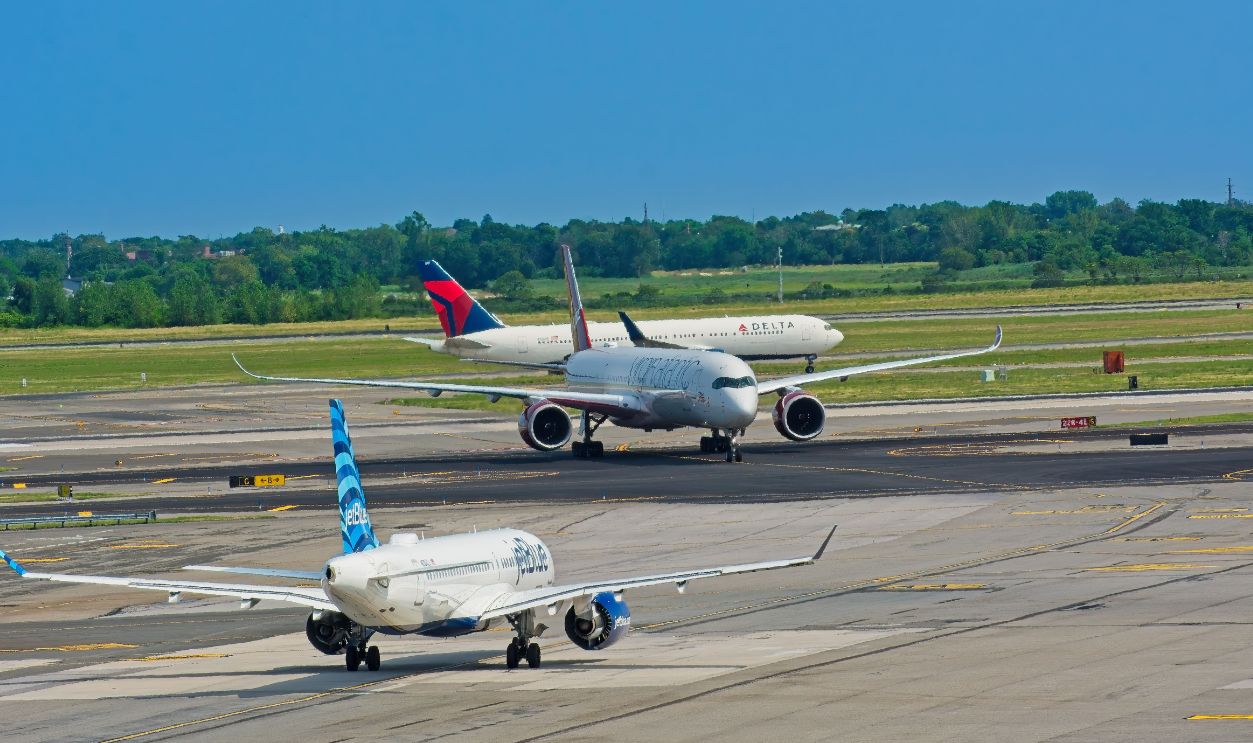
Before you accept the itinerary, check recent on-time performance for your first flight if your airline or a flight-tracking service offers it. If that route often lands late, a short connection becomes even riskier. Past performance is not a guarantee, but it can tell you plenty.
If You Miss The Connection, Move Fast
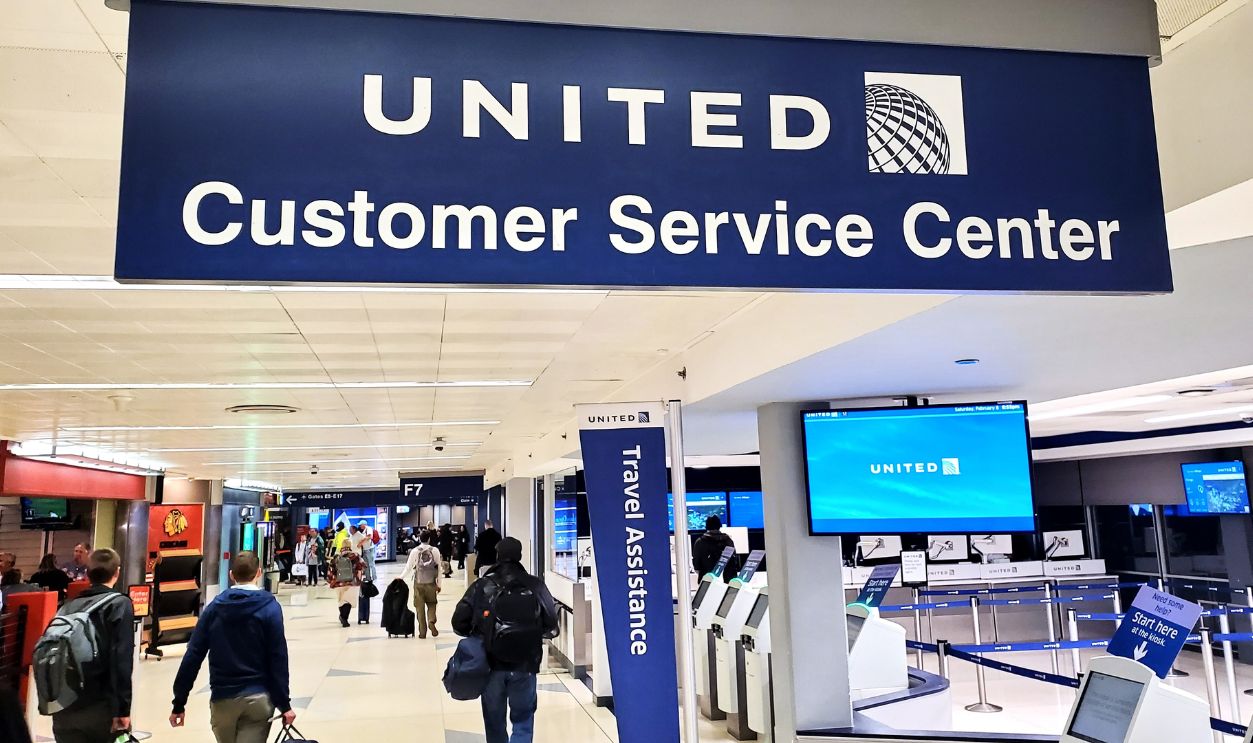
If both flights are on one ticket and you miss the second one because the first flight was delayed, head straight to the airline app, a kiosk, or the service desk. The airline will usually rebook you on the next available option, though open seats may decide how long you wait. Help with a hotel or meals depends on the airline’s policy and what caused the disruption.
The Best Rule Of Thumb
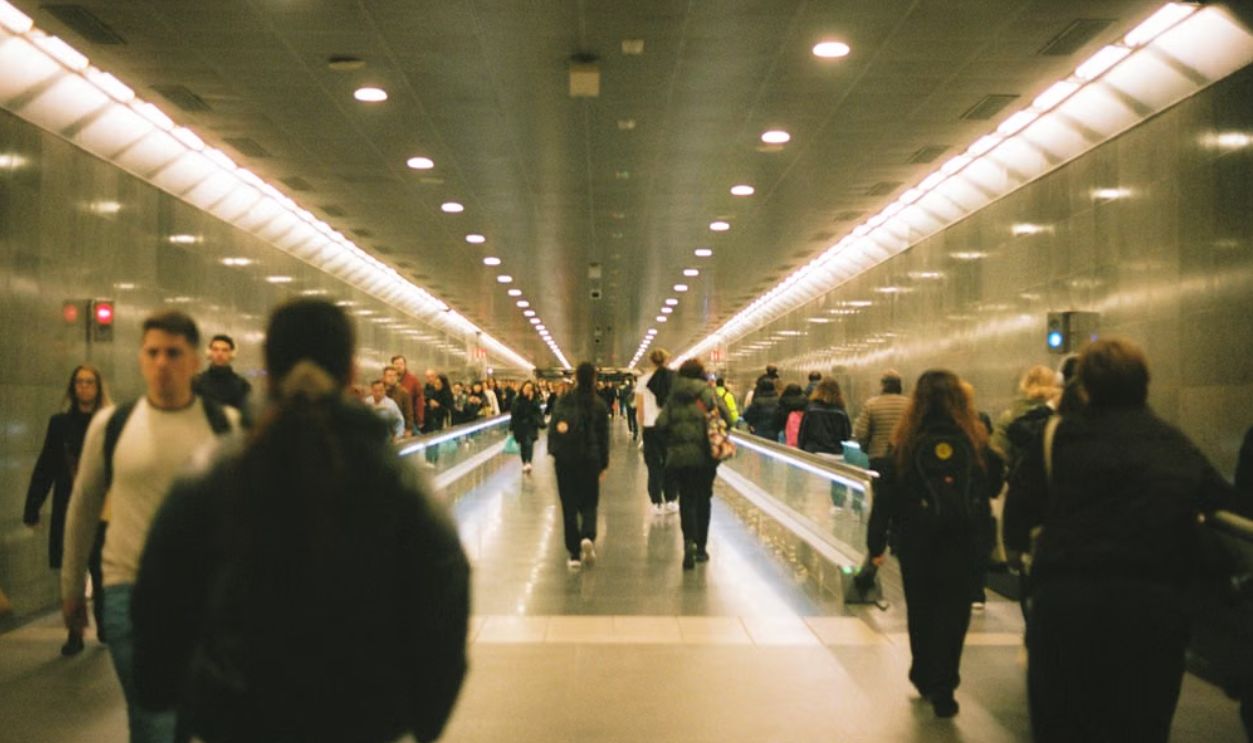
For many adults moving through a busy airport, a 35-minute connection in another terminal is not a comfortable setup. It may be legal, but it leaves almost no room for the normal friction of air travel. If the airline rebooked you onto that kind of itinerary, the smartest move is usually to ask for something longer before travel day.
The Bottom Line Before You Accept It
Do not look only at the clock. Look at the terminal layout, the security setup, the boarding cutoff, and whether both flights are on one ticket. If the connection looks shaky, the facts usually back that up.