
The Train Finally Arrived, But Your Ride Was Gone
Your train was late, the last bus to your hotel had already left, and suddenly a cheap connection turned into an expensive taxi or rideshare. It feels reasonable to expect the railway to cover that extra cost, especially when its delay caused the problem. Whether it actually has to depends on where you’re traveling, how the tickets were booked, and whether that bus was considered part of the same journey.
Start With Whether It Was One Ticket Or Two
This is often the most important detail. If the train and connecting bus were sold together as one journey, you may have stronger protection than if you independently planned to catch a local bus after arriving. Transportation companies generally take more responsibility for connections they actually sold or guaranteed.

A Separate Local Bus Changes Things
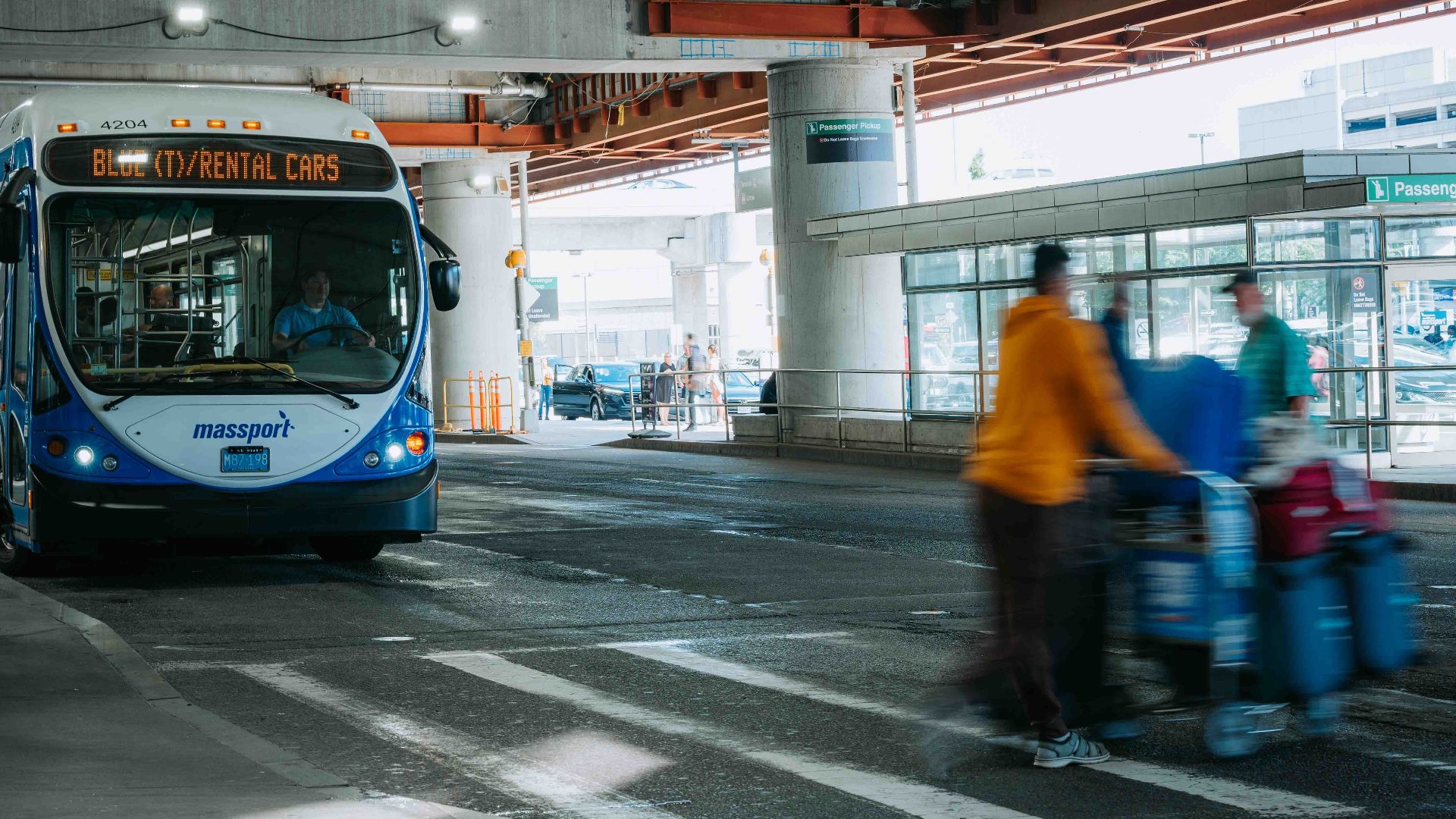
Suppose your train ticket ended at the downtown station and you planned to take the city’s last public bus to your hotel. The railway may argue that its contract was simply to transport you to the station, not ensure you caught an unrelated local service afterward. That doesn’t mean you shouldn’t ask for reimbursement, but the claim becomes less straightforward.
A Guaranteed Connection Is Different
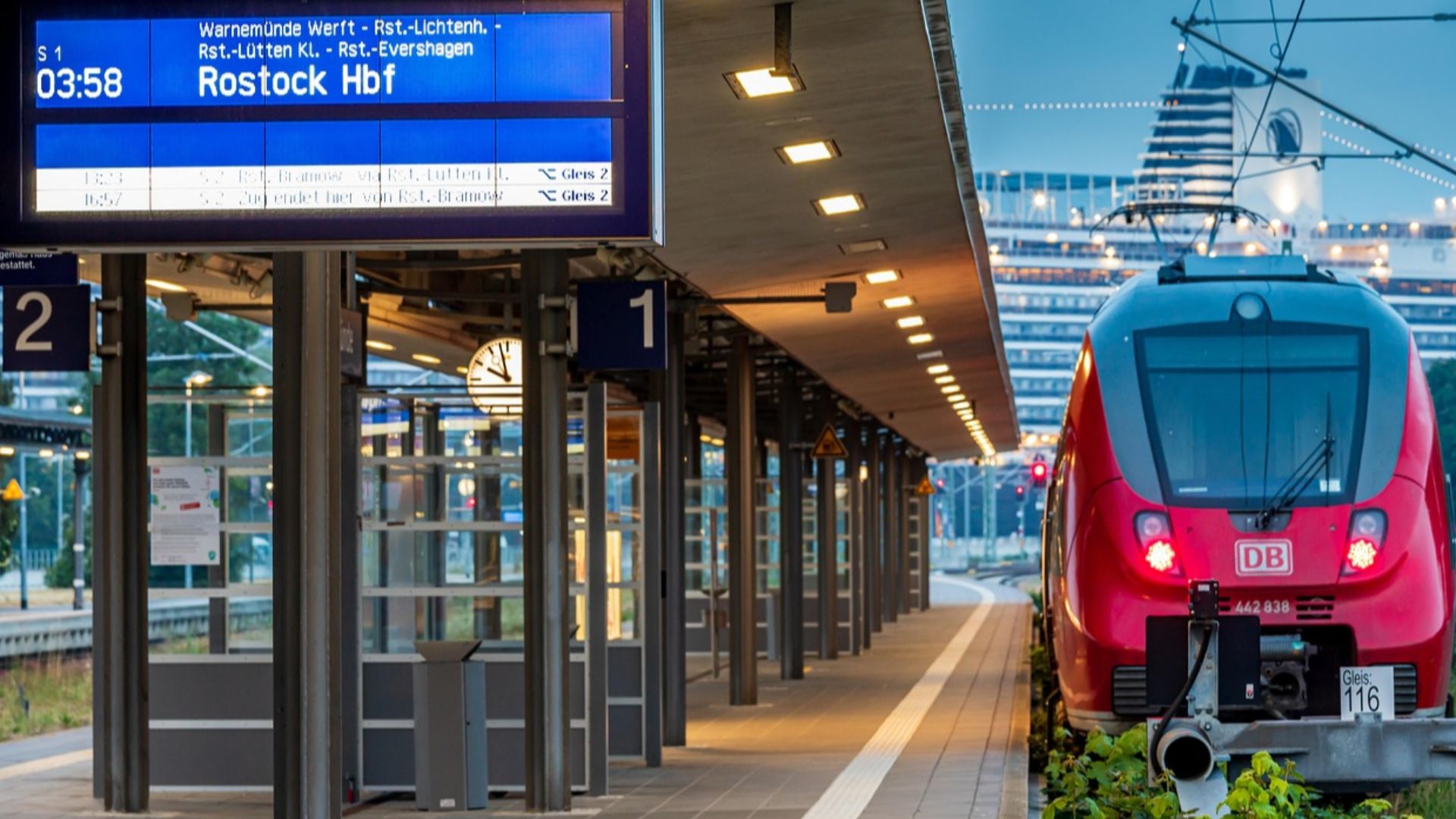
Some rail itineraries include guaranteed connections to another train, bus, or replacement coach. If a delay makes you miss one of those connections, the railway may arrange alternative transportation rather than leave you stranded. This is why the wording on the itinerary matters so much.
Europe Has Particularly Strong Rail Protections
Travelers using qualifying rail services in the European Union have extensive passenger rights when disruptions cause serious delays or missed connections. Depending on the circumstances, those rights can include rerouting, assistance, meals, accommodation, and transportation associated with an unexpected overnight stay.
Through-Tickets Matter In Europe Too
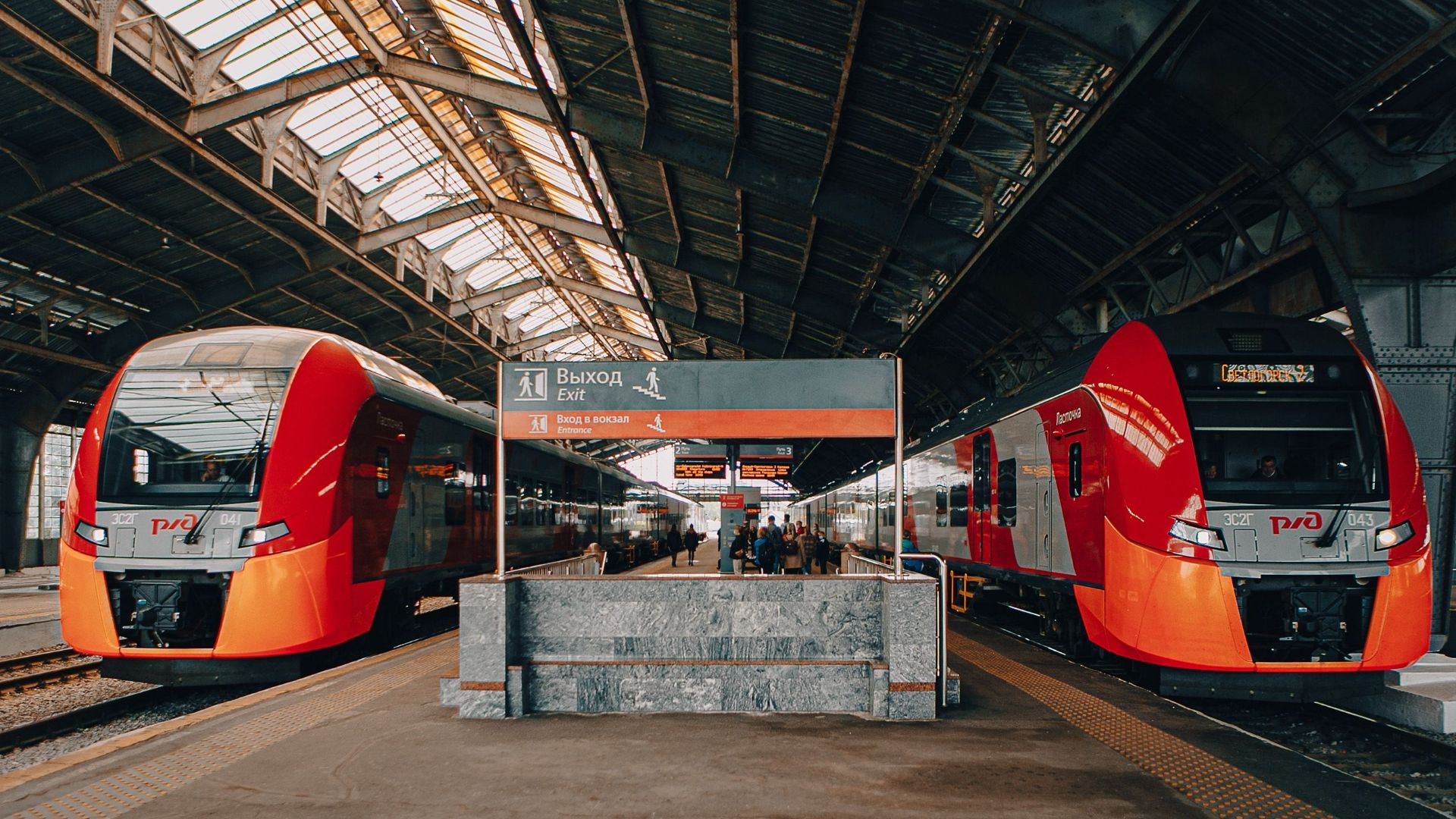
Those protections become particularly important when multiple trains are covered by a through-ticket. If a delayed train causes you to miss another covered connection and substantially delays arrival at your final destination, the railway may have to arrange or pay for an alternative way to complete the journey.
Sometimes You Can Arrange Transportation Yourself
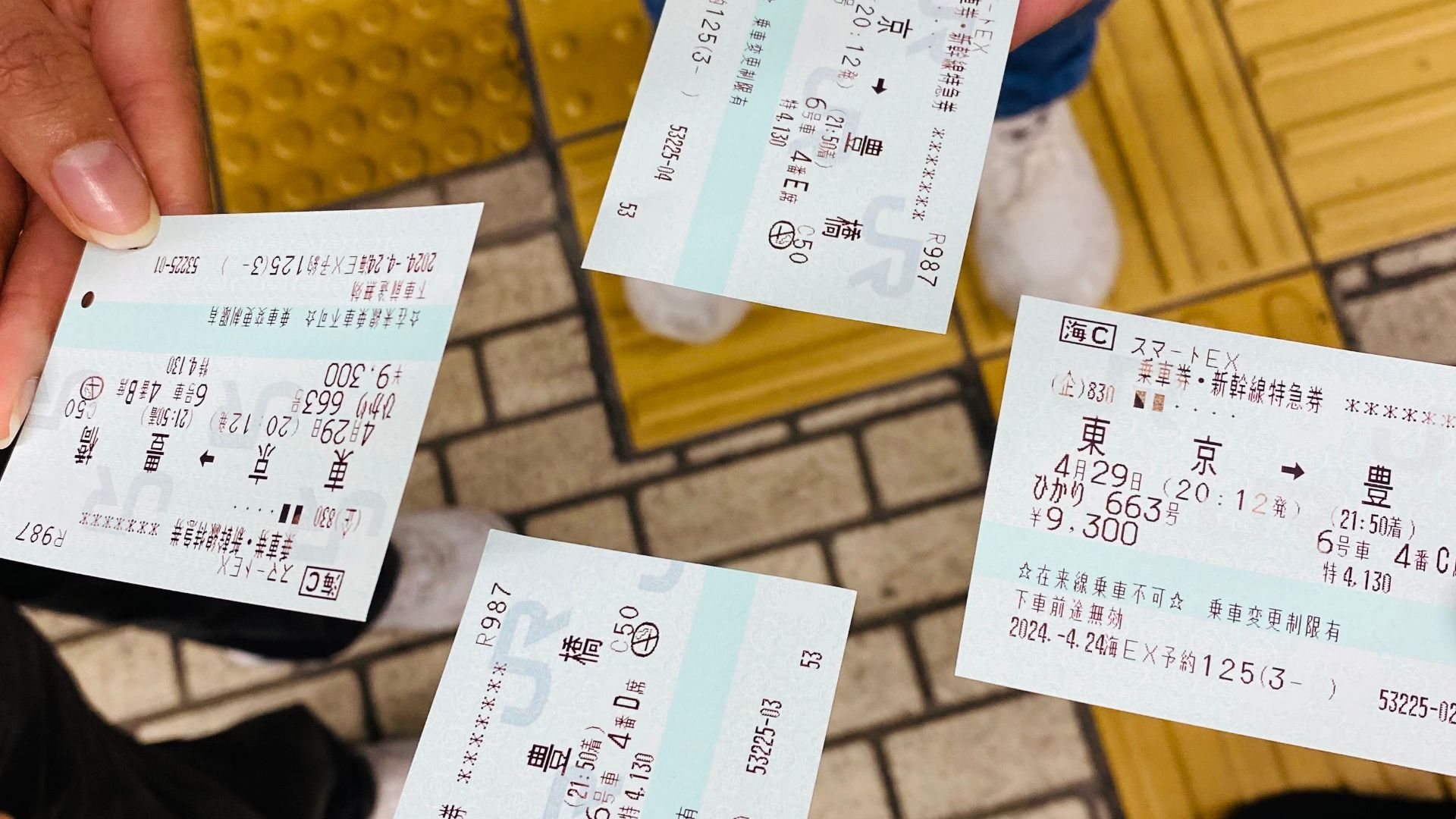
Under current EU passenger-rights rules, there are situations where a railway that hasn’t offered a suitable rerouting solution within a specified period may have to reimburse passengers who arrange reasonable alternative public transportation themselves. That can include another train, coach, or bus. The key words are necessary, appropriate, and reasonable.
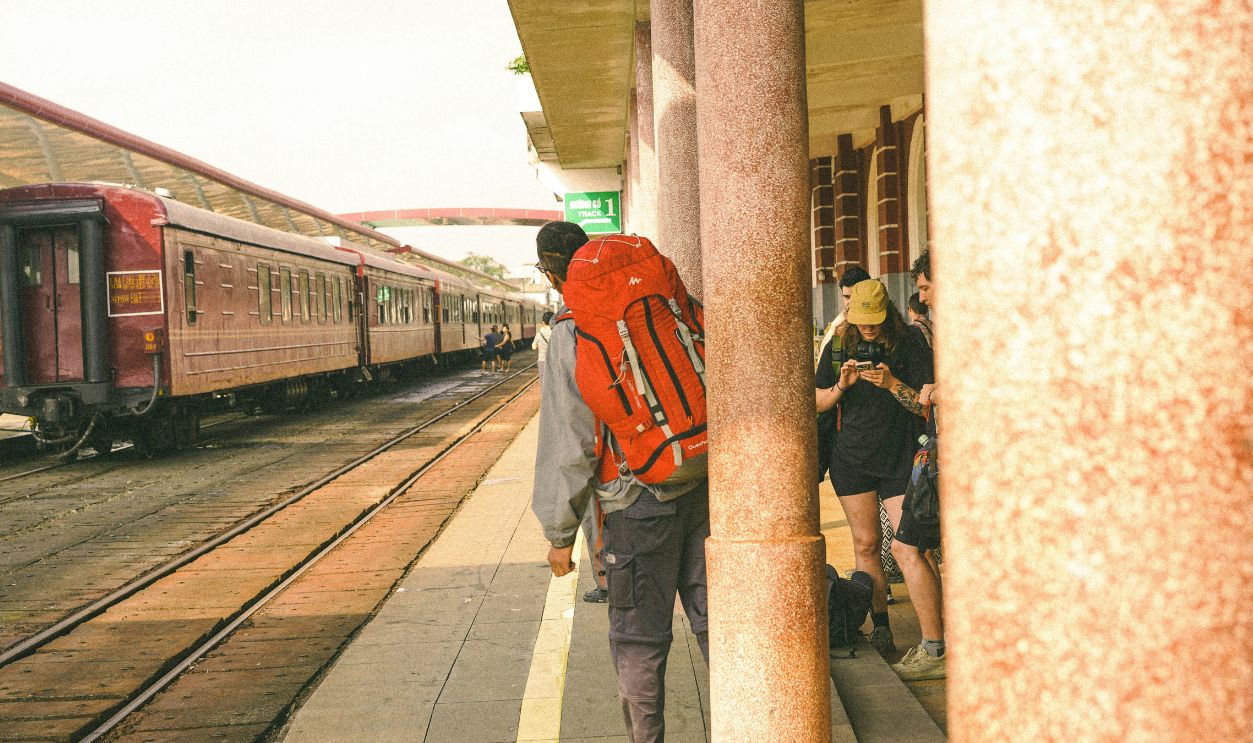
A Taxi Isn’t Automatically Covered
A taxi may be the only realistic choice at midnight, but that doesn’t necessarily mean every rail operator is legally required to reimburse it. Some rules specifically prioritize public transportation or transportation arranged by the carrier. Before spending a large amount, contact the railway if there’s still anyone available to authorize or arrange something.
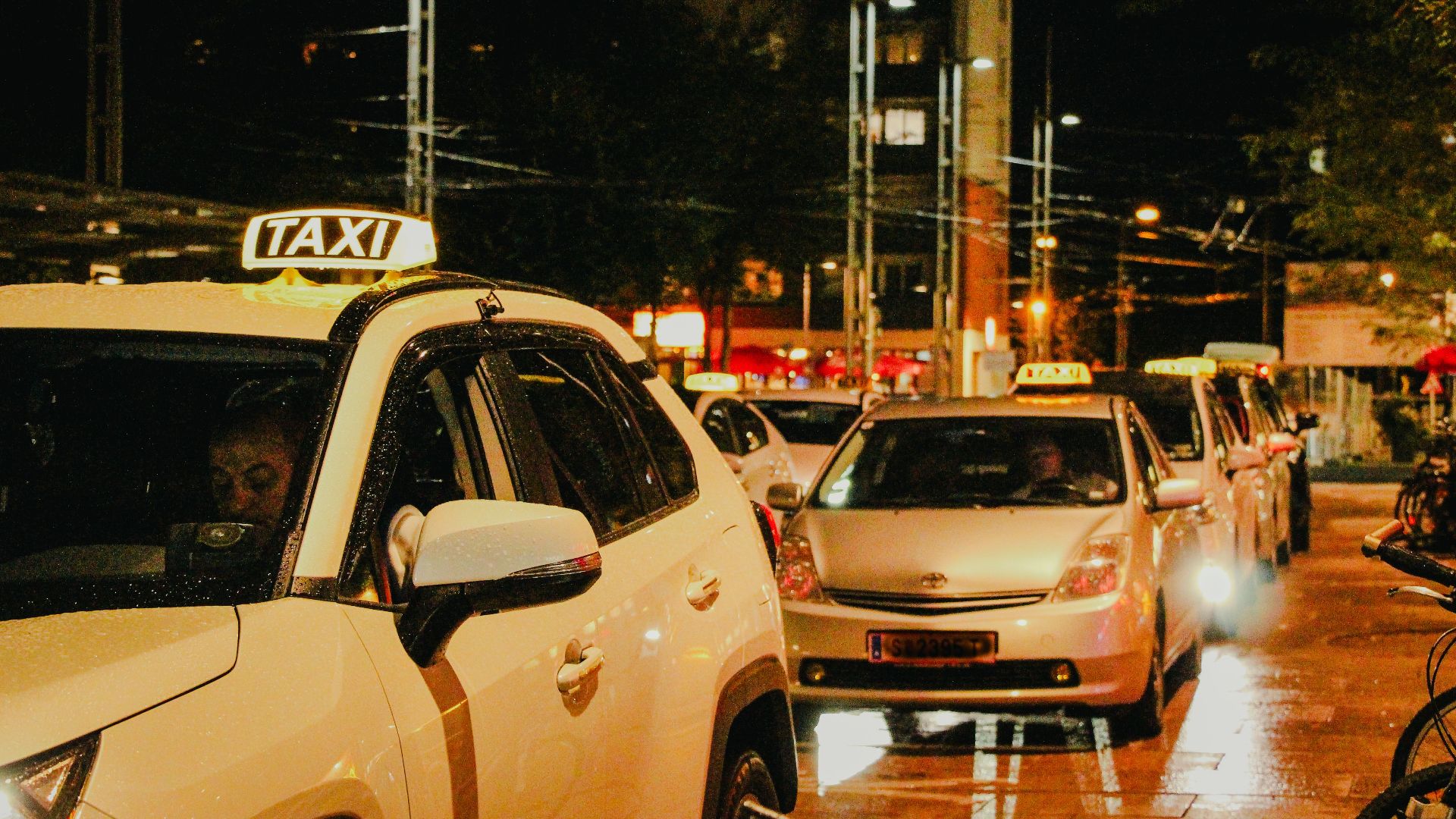
Ask Railway Staff Before Leaving The Station
If you’ve missed the last connection, speak with station staff immediately. Explain where you need to go and ask what the railway can arrange. They may have a replacement bus, taxi voucher, partner hotel, or another solution that isn’t obvious from the timetable.
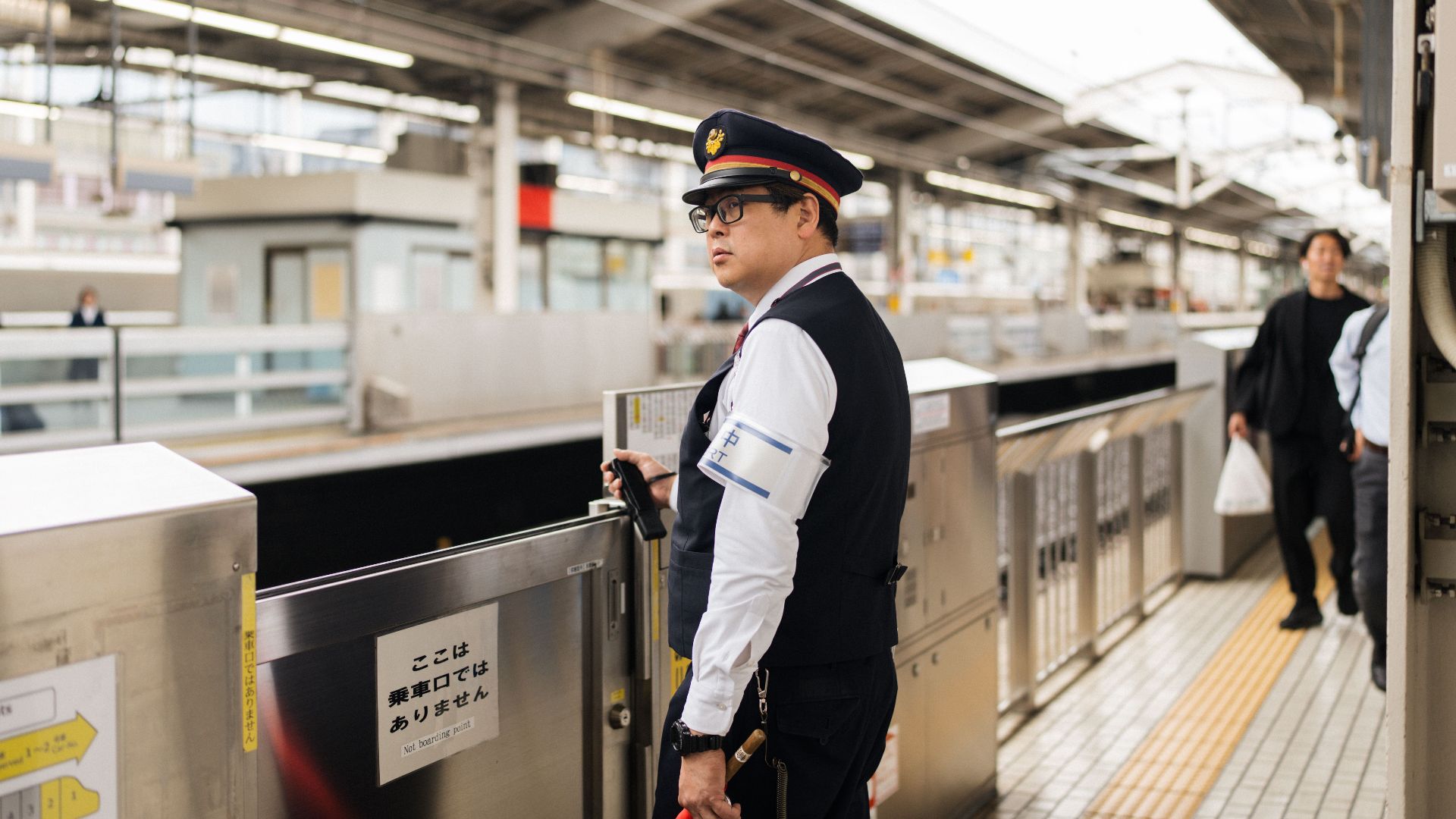
Use The Customer-Service Number If The Station Is Empty
Late-night arrivals often happen after the ticket desk has closed. Call the railway’s disruption or customer-service number and use its app or chat function if available. Even if nobody answers, having a record that you tried to contact the company before arranging a taxi can help later.
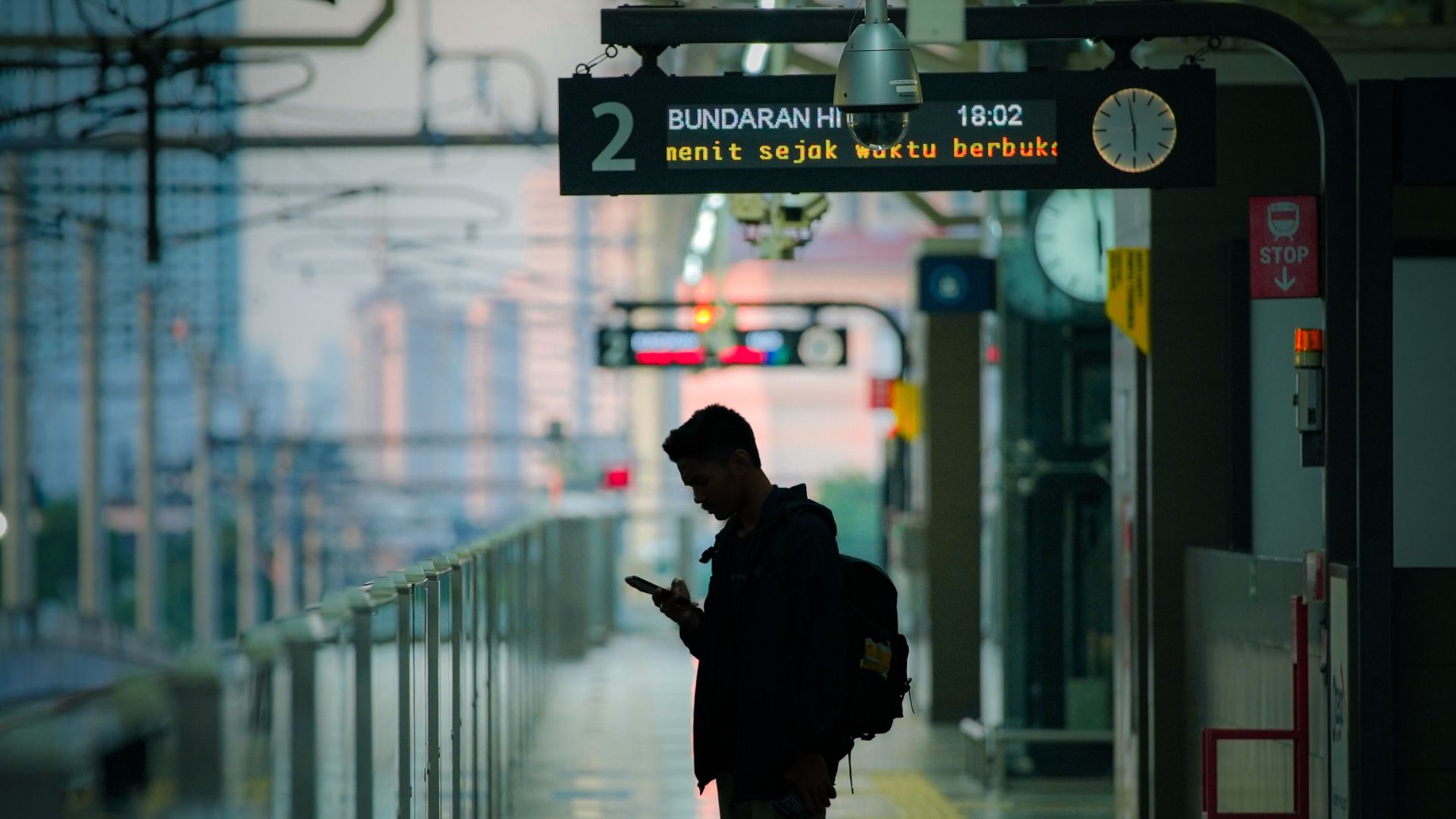
Screenshot The Delay
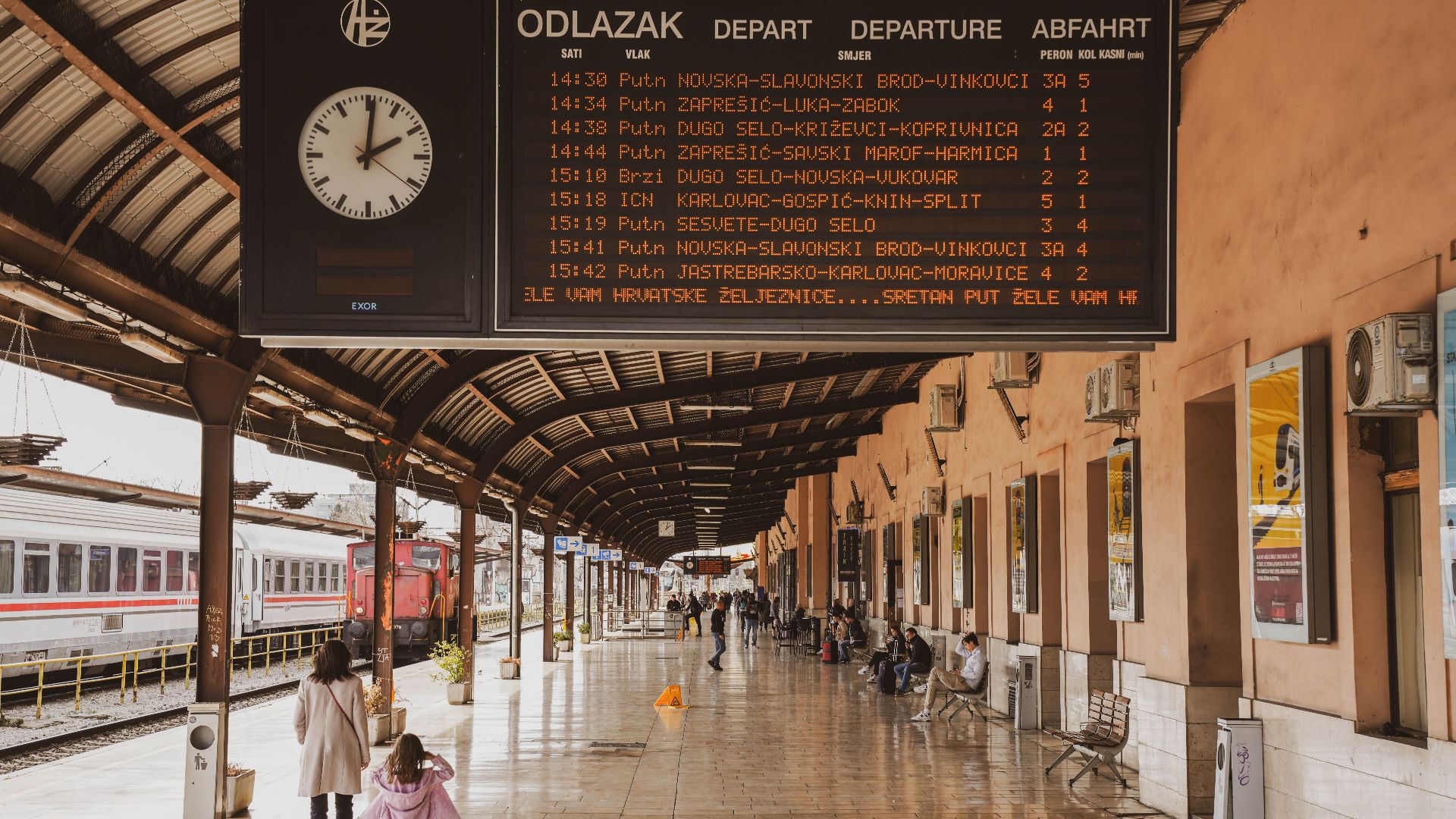
Save the scheduled arrival time and actual arrival time from the railway’s app or website. Take a screenshot before the information disappears from the live tracker. You want evidence showing exactly why the bus connection became impossible.
Document The Last Bus Too
A delayed train alone doesn’t prove that you needed a $70 taxi. Screenshot the connecting bus timetable showing that the final departure had already left. Together, the two records create a much clearer chain of events.

Keep The Taxi Or Rideshare Receipt
If you have to arrange your own transportation, save the complete receipt. It should ideally show the date, pickup point, destination, and price. A vague credit-card charge is much harder for a customer-service agent or insurer to evaluate.
Don’t Upgrade The Ride Unnecessarily
If a normal taxi costs $45, booking a $140 premium car may weaken the reimbursement request. When you’re expecting someone else to cover an emergency expense, choose a safe and practical option that you can reasonably defend later.

Check Whether Another Train Was Available
The railway may reject a costly taxi claim if a reasonable onward train was departing 20 minutes later. Before booking alternate transportation, check the actual options. Being stranded means there genuinely isn’t a sensible way to continue, not simply that your preferred connection was missed.
The Hotel Location Can Complicate The Claim
If the train got you to the destination printed on your ticket but your hotel happened to be 15 miles away, the operator may view that final stretch as your responsibility. This is especially likely when the bus to the hotel was never part of the rail booking. Your best argument may then be goodwill compensation rather than a strict passenger-rights claim.
Amtrak May Help With Guaranteed Connections
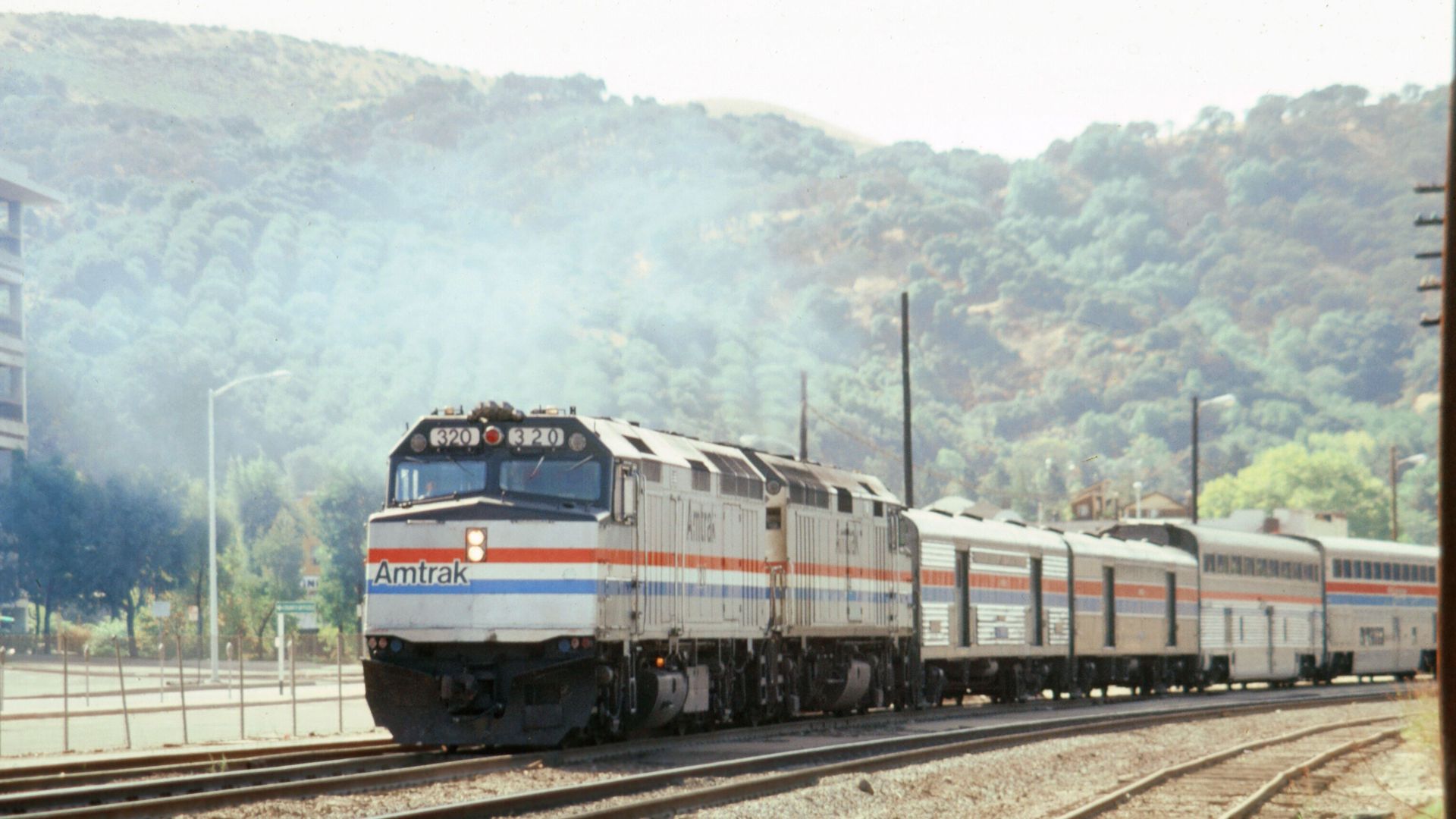
In the United States, Amtrak says it makes reasonable efforts to assist travelers affected by significant delays, cancellations, and missed guaranteed connections. Depending on the circumstances and availability, alternatives can include another train, bus, car, or even air transportation.
But Amtrak Doesn’t Promise Every Taxi Bill Will Be Paid
That distinction matters. A railway agreeing to arrange alternative transportation isn’t necessarily the same as agreeing to reimburse any transportation a passenger books independently. If you’re traveling with Amtrak, ask for assistance before ordering an expensive ride whenever possible.
Overnight Disruptions Can Trigger More Help
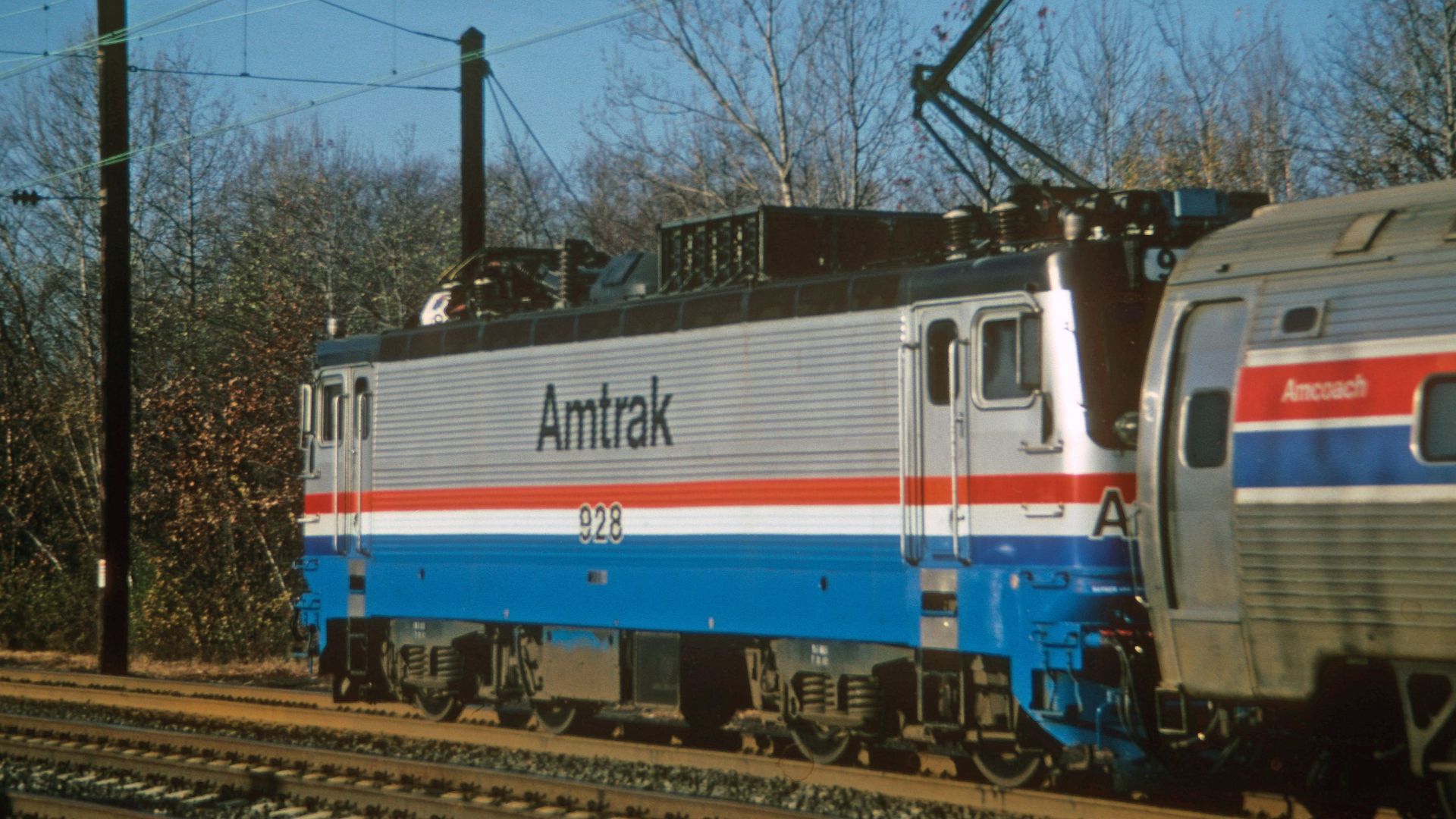
A missed connection can sometimes leave travelers stranded until the next morning. Certain rail systems may provide accommodation when an eligible disruption makes an overnight stay necessary. Transportation between the station and that accommodation may also be covered under some passenger-rights regimes.

Canada Has A Different Approach
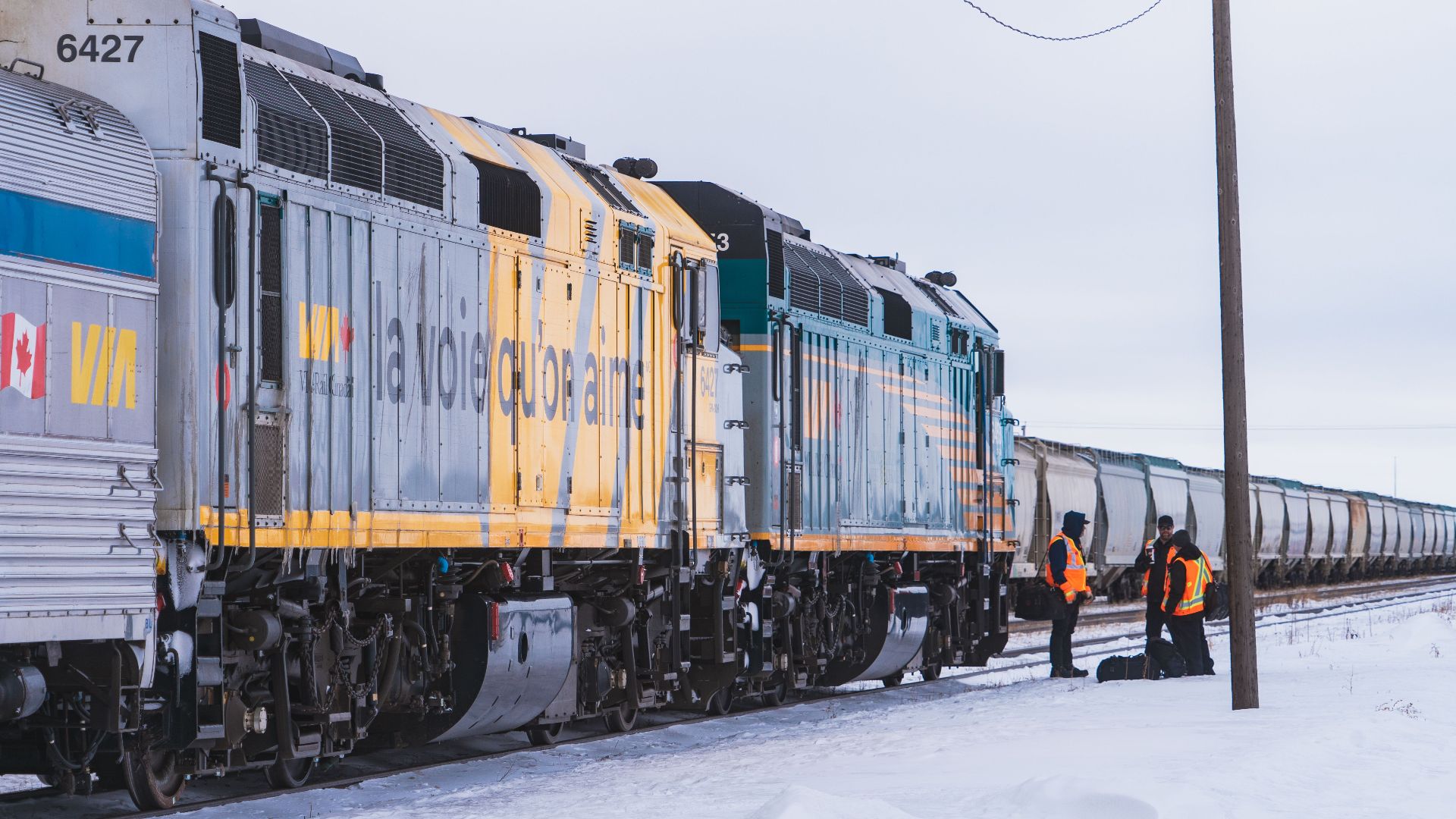
VIA Rail offers travel credits for certain qualifying delays, but its terms also contain significant limitations on liability for expenses caused by delays or cancellations. That means a passenger who independently pays for a taxi after missing an unrelated local connection shouldn’t assume VIA will automatically reimburse it.
Delay Compensation Isn’t The Same As Expense Reimbursement
This distinction causes plenty of confusion. A railway might owe you a percentage of the ticket price, a travel credit, or another form of delay compensation without agreeing to pay your taxi fare. Treat the two requests separately when contacting customer service.
Travel Insurance Might Pick Up The Cost
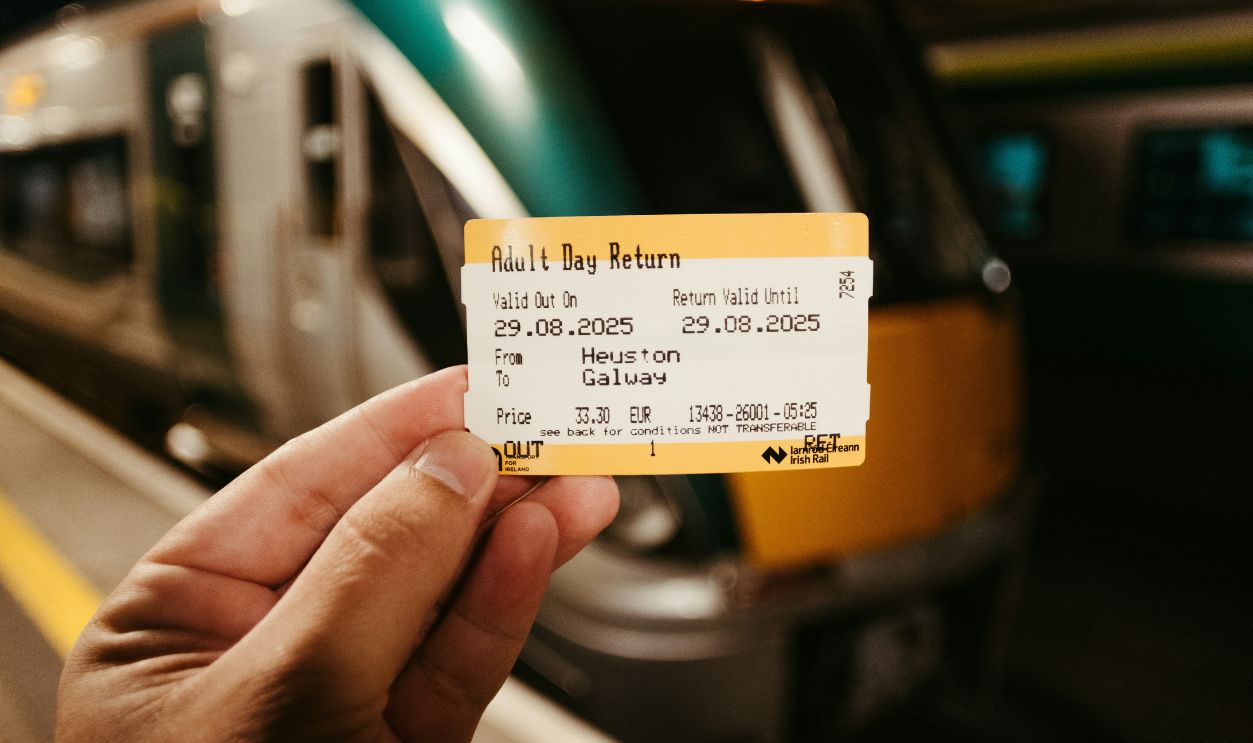
If the railway won’t reimburse you, check any travel insurance you purchased. Travel-delay benefits can cover certain additional transportation, accommodation, and meal expenses when a covered delay disrupts the journey. Policies vary enormously, so the reason for the delay and the minimum waiting period matter.

Your Credit Card May Already Include Coverage
Some travel credit cards include trip-delay protection when qualifying transportation is purchased with the card. Depending on the policy, reasonable ground transportation or accommodation expenses may be covered. Don’t assume you have it, though. Check the exact benefits guide for the card used to buy the ticket.
 https://kaboompics.com/, Pexels
Watch The Minimum Delay Requirement
Insurance often doesn’t activate just because a train was 30 minutes late. Some policies require a delay of several hours before benefits begin. Missed-connection coverage can have its own rules as well, so read the policy instead of assuming the words “travel delay” cover every disrupted connection.

File The Railway Claim First
When reimbursement might come from either the carrier or an insurer, start by asking the railway what it will cover. Insurance companies commonly want documentation showing what compensation you’ve already received. You generally can’t collect twice for the same expense.

Make The Claim Easy To Understand
A good reimbursement request should tell the whole story in a few sentences: the train was scheduled to arrive at 9:20 p.m., it arrived at 10:15 p.m., the final bus departed at 9:55 p.m., and you therefore paid $48 for a taxi to the hotel. Attach the schedules and receipt rather than expecting someone to reconstruct the trip.
 https://kaboompics.com/, Pexels
Ask Even When The Policy Looks Unfavorable
A railway may not have a legal obligation to pay for your separate taxi, but customer service can sometimes provide goodwill compensation or travel credit. A calm, well-documented request costs very little to make. Just distinguish between asking for reimbursement and insisting that reimbursement is legally required.

Build More Buffer Into The Last Connection
A 15-minute connection to the last bus of the night carries far more risk than the same connection at noon when another bus arrives 20 minutes later. For future trips, leave extra time before the final departure of the evening, especially when the hotel is far from the station. Sometimes the safest connection is simply the one before the last one.

Responsibility Depends On Where The Journey Officially Ended
If the missed bus was part of a protected through-ticket or guaranteed itinerary, you may have a strong case for alternative transportation or reimbursement. If the train delivered you to the destination on your rail ticket and the bus was an independently planned trip to your hotel, getting the taxi paid for can be much harder. Either way, document the delay, ask the railway for help before spending money when possible, keep every receipt, and check travel insurance or credit-card coverage if the carrier says no.

You May Also Like: