The Word “Nonstop” Sounds Simple Until It Doesn’t
Most travelers hear “nonstop” and assume the plane takes off, flies to the destination, and lands once. But airline schedules do not always work that neatly. Weather, fuel limits, payload restrictions, and operating rules can sometimes force a flight to stop for fuel and still be sold in a way that feels “nonstop” to the airline.
 Gustavo Fring, Pexels, Modified
Yes, A Fuel Stop Can Still Be Treated As “Nonstop”
That sounds backward, but it comes from airline and regulatory language, not everyday speech. The big factors are often whether the flight keeps the same flight number and whether passengers stay on the same plane. In some cases, airlines and regulators have treated that as nonstop service in schedule listings even if the aircraft lands along the way.
Why This Feels So Misleading To Passengers
Airlines have spent years selling “nonstop” as the better option. It usually means less hassle, fewer things that can go wrong, and a shorter travel day. So when a so-called nonstop flight makes a fueling stop, it can feel like the definition changed after you bought the ticket.

The US Government Has Addressed This
The US Department of Transportation has specifically discussed terms like “nonstop” and “direct.” In a consumer notice about first and last flight segments, DOT explained that a flight may be listed as nonstop in some situations even if an intermediate stop becomes necessary for operational reasons, including weather. That does not mean any stop can casually be called nonstop, but it does show the word is not always used the way travelers expect.
What “Nonstop” Usually Means In Practice
In normal airline use, a nonstop flight gets you from your starting point to your destination without making you switch to another scheduled flight. That is different from a connecting trip, where you change planes. It is also different from a classic direct flight, which can stop along the way but keeps the same flight number.
The Confusing Cousin: The Direct Flight
“Direct flight” has confused travelers for years. The Federal Aviation Administration’s Pilot/Controller Glossary defines a direct flight as one that goes from one point to another without a change in flight number, and it may include one or more stops. That helps explain why some passengers think they bought one kind of trip while the airline means something else.
Airline Language Is Not Normal Human Language
This is where the frustration starts. Airline terms were built around scheduling and operations, not around how most people talk. A traveler says, “We stopped in another city.” An airline system may still classify the trip as one continuous service because there was no aircraft change or no new flight number.
Fuel Stops Usually Happen For Practical Reasons
These stops are usually not random surprises dreamed up at the gate. They tend to happen because of strong headwinds, weather detours, payload limits, runway issues, or other operating limits. On some long flights, a route that normally goes straight through may need a technical stop to finish the trip safely.
Weather Is One Of The Biggest Reasons
A flight that looks straightforward on paper can get complicated fast when the winds change. Strong headwinds can burn enough extra fuel that dispatchers and pilots need to plan a fuel stop. Airlines cannot guess and hope for the best once the aircraft is in the air. Fuel planning rules are strict for a reason.
A Technical Stop Is Not The Same As A Connection
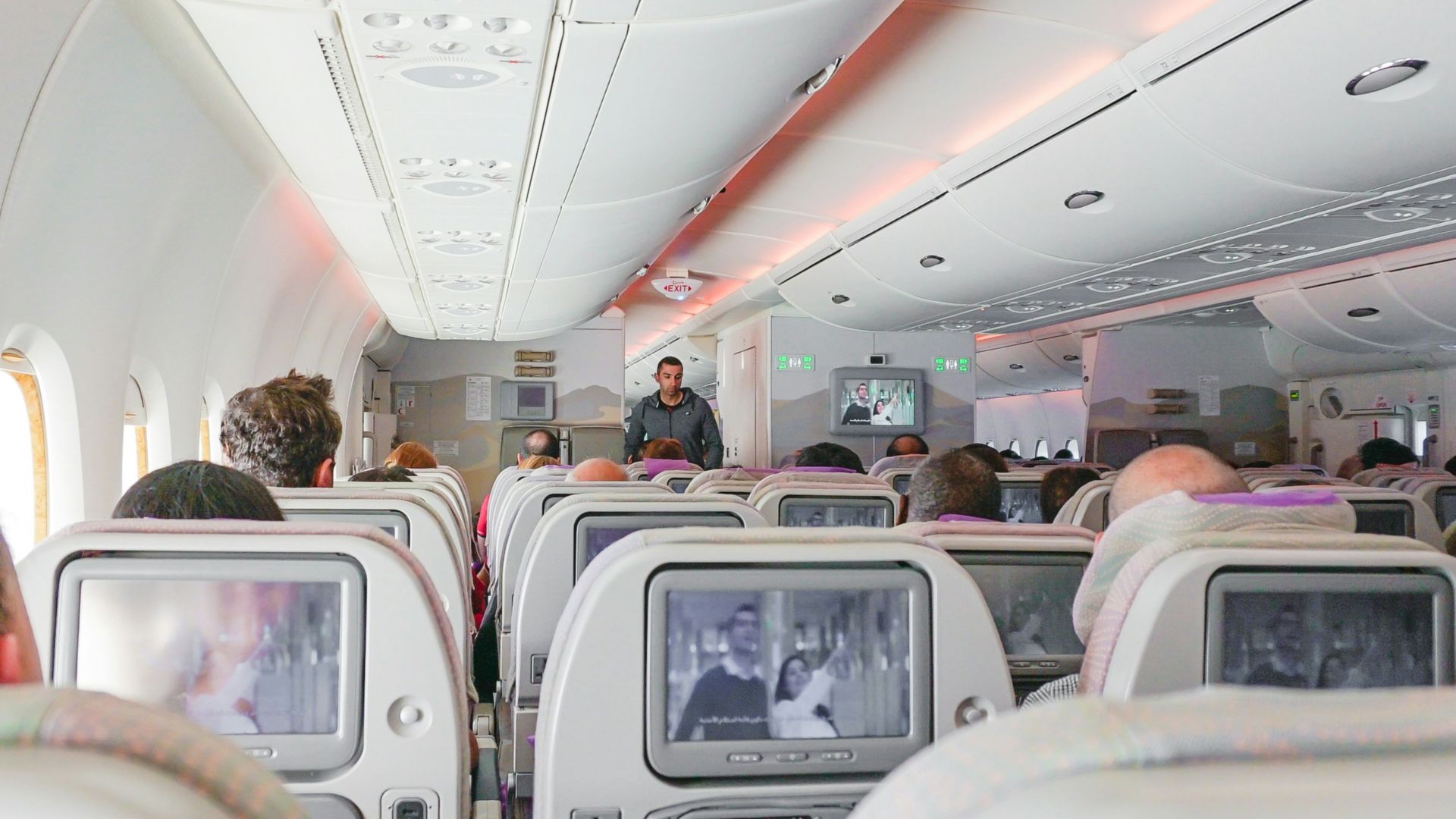
If you stay on the same plane and continue to the same destination, that is very different from getting off and changing flights. Your checked bags usually stay on board or are handled without you seeing it. It is still annoying for passengers, but it is not the same kind of disruption as a true connection.
This Weird Distinction Has Been Around For A Long Time
Technical stops are nothing new. They were common for decades, especially on very long routes and in the days when aircraft could not fly as far. Some flights were sold as through services even though they had to stop and refuel. As planes got better and airlines turned “nonstop” into a premium selling point, travelers started expecting the word to mean exactly one takeoff and one landing.
What Consumer Protection Rules Really Focus On
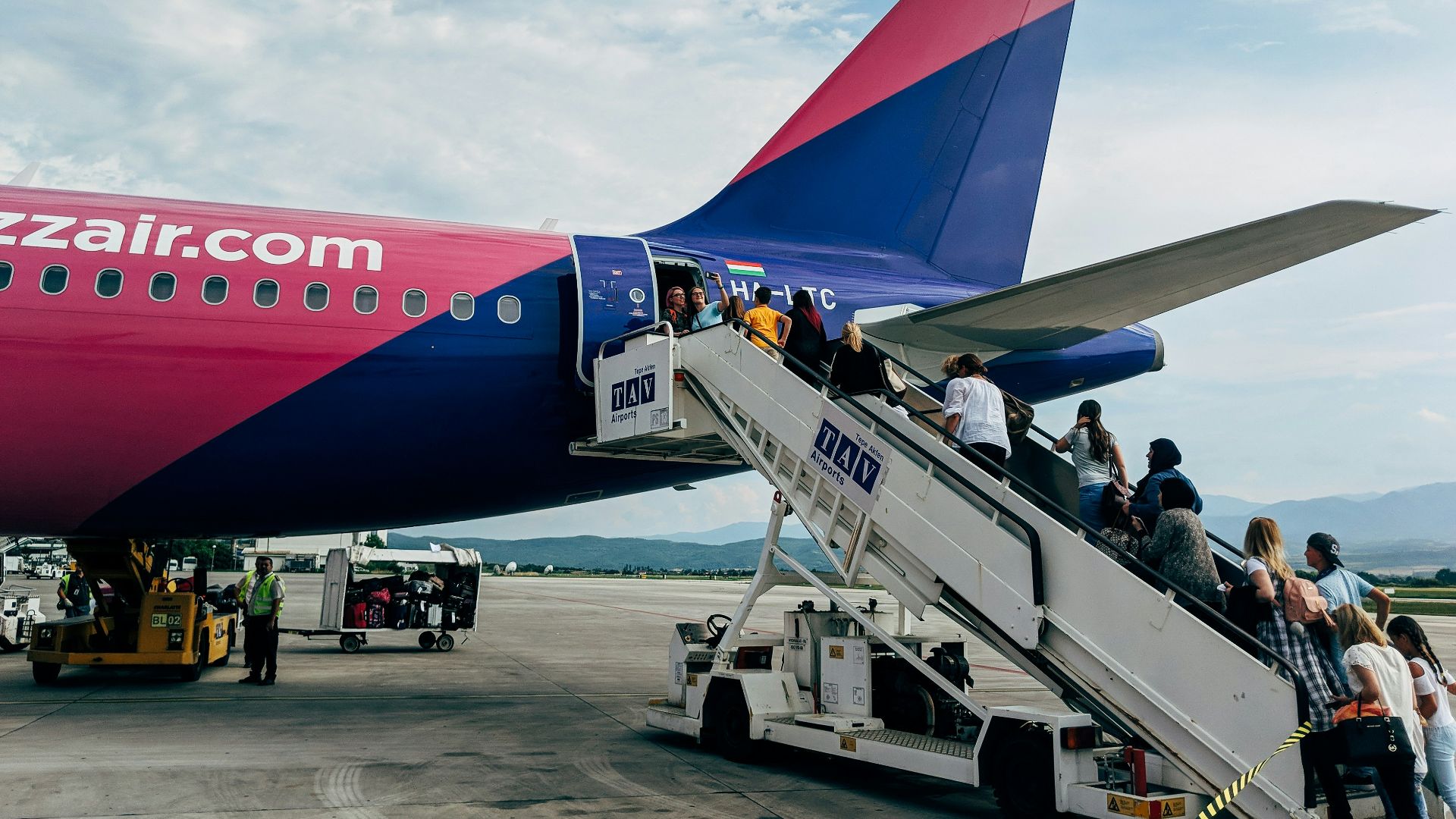
US regulators are generally more concerned with whether an airline’s advertising is misleading overall. DOT requires fare and schedule ads to be truthful. So the real question is often whether the airline clearly disclosed the possibility of a stop, not whether a passenger feels the word nonstop was stretched too far.

Disclosure Is Where This Really Matters
If an airline knows ahead of time that a stop is part of the trip, that should be clearly shown during booking. Vague wording or buried details are where passengers have a real reason to be angry. A last-minute fuel stop caused by weather is one thing. A regular stop that was not made clear from the start is another.
Flight Numbers Matter More Than Most People Realize
Flight numbers are one of the oldest clues in airline schedule language. A trip that keeps the same flight number from start to finish has often been treated as one continuous flight, even if it stops. That is why some direct flights can feel a lot like connections without technically being connections.
Staying On The Same Plane Changes The Label
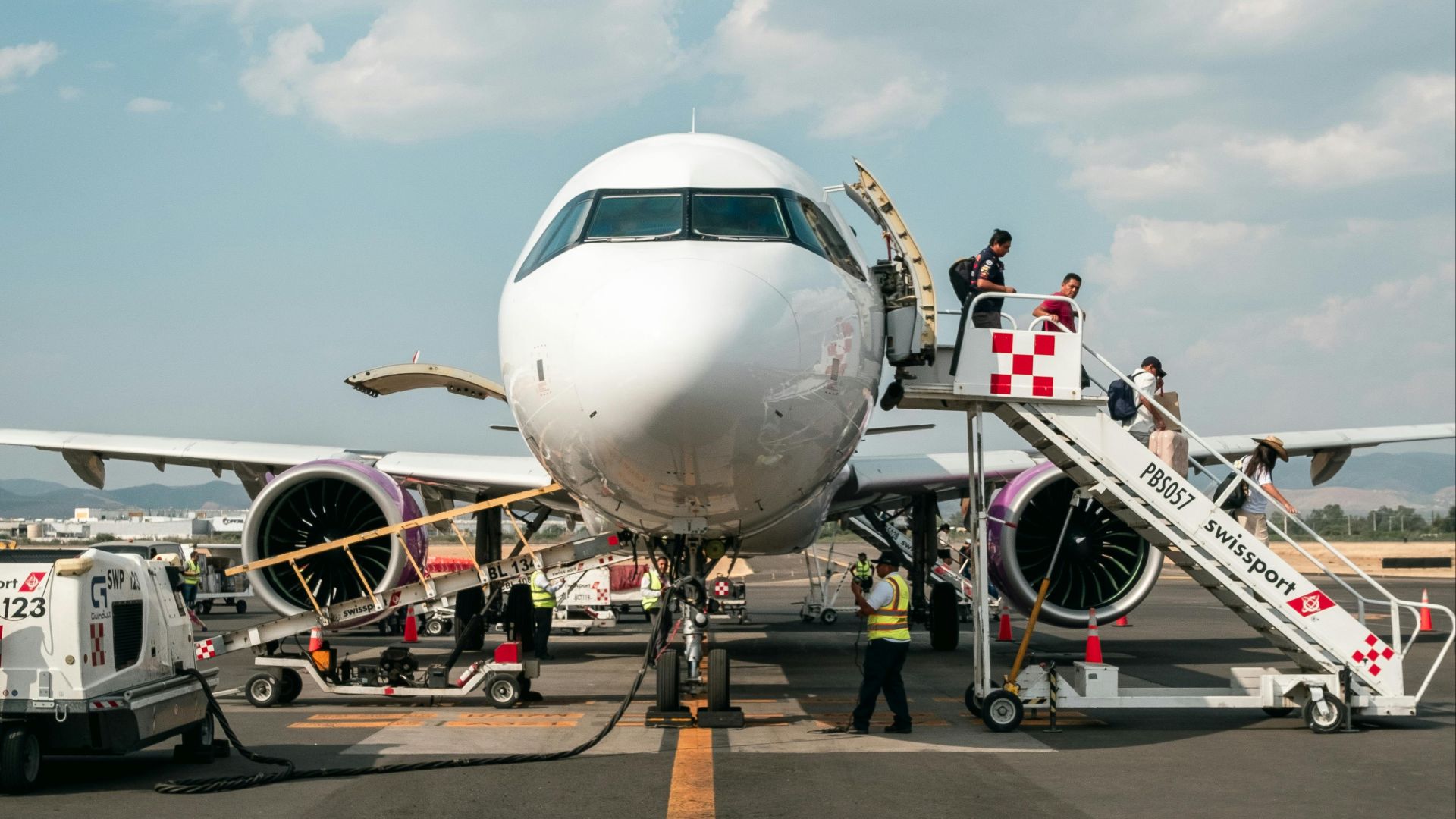
Reservation systems care a lot about whether you get off, reboard, or switch aircraft. If none of that happens, the trip may still sit in a category the airline treats as continuous service. That may make sense inside the system, but it does not always match what passengers think they were promised.
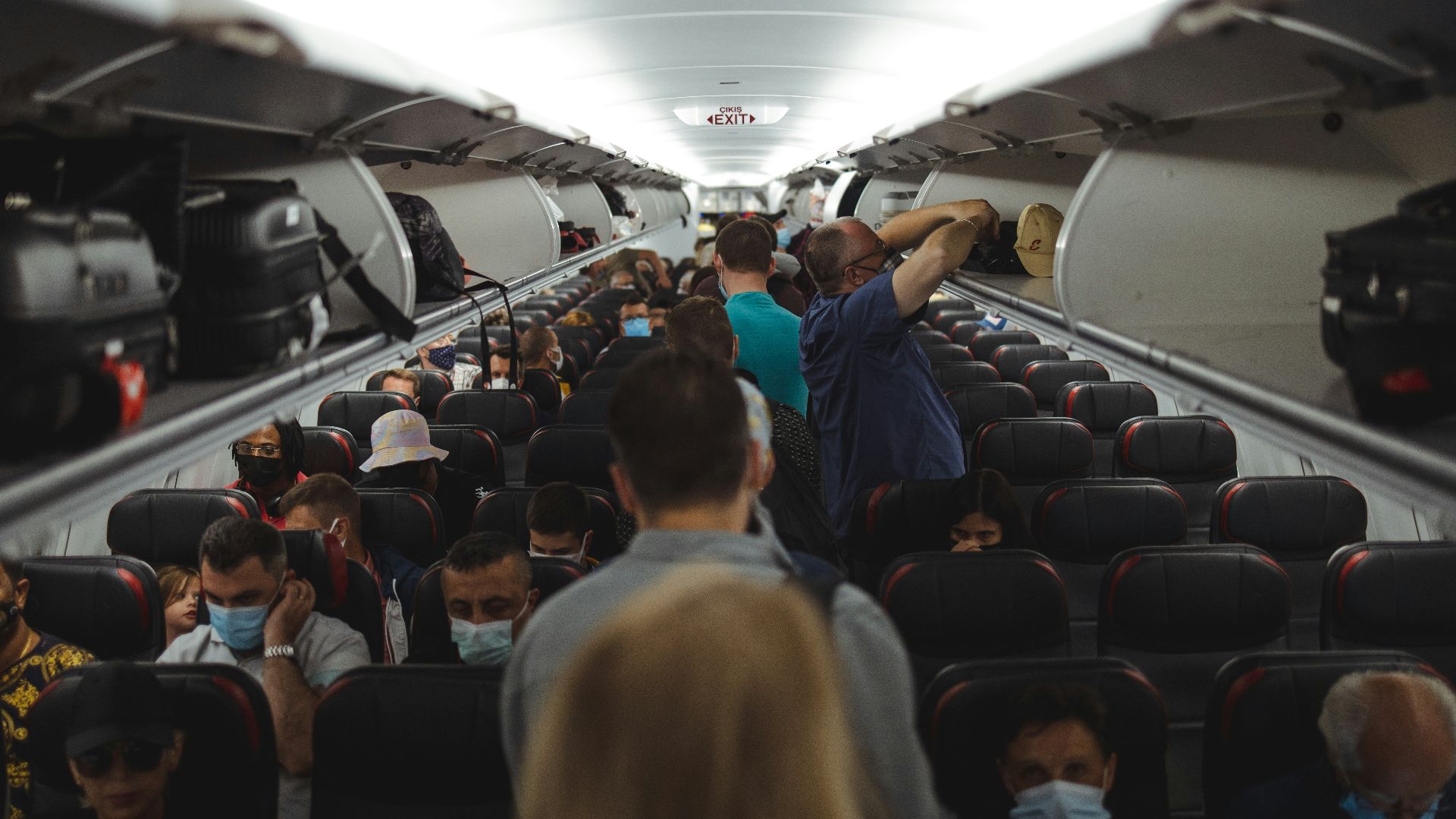
The Better Question Is Whether You Were Told In Advance
Many travelers get stuck on the dictionary meaning of nonstop, and that is understandable. But if you want to know whether the airline handled things fairly, the bigger issue is whether it disclosed the possible stop before you bought the ticket or clearly explained why it happened afterward.
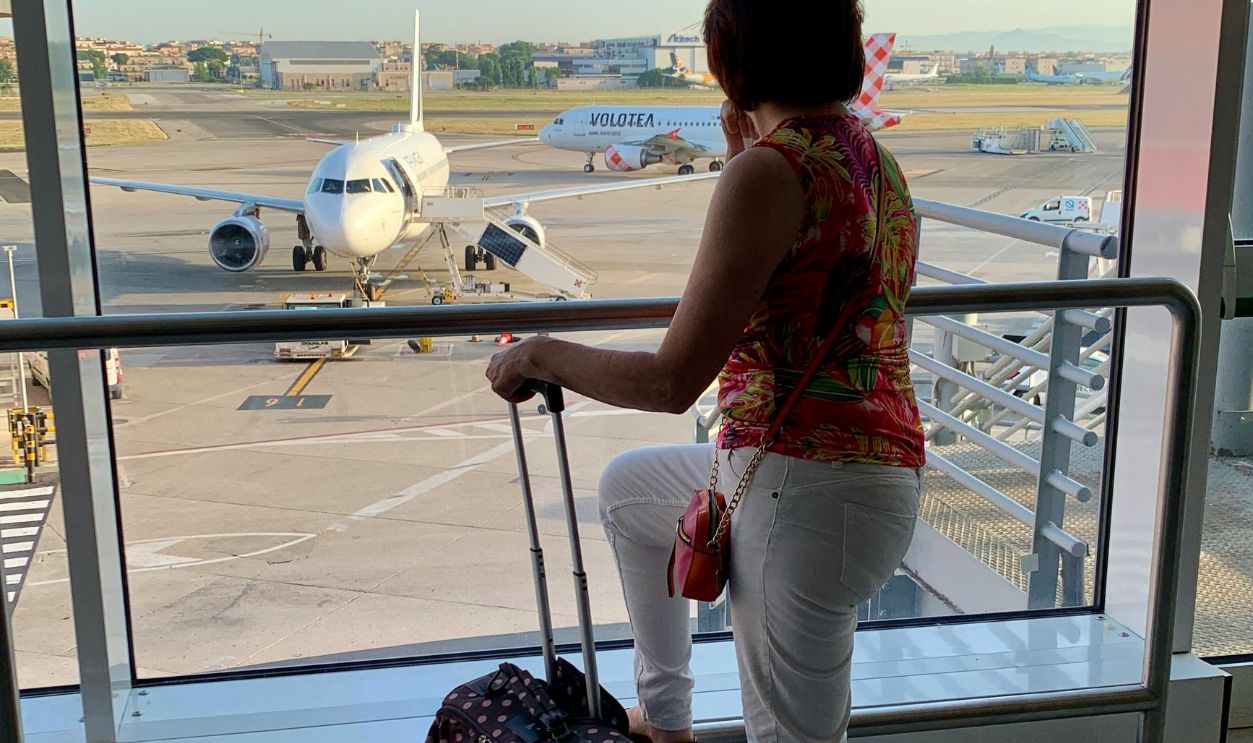
What To Check Before You Book
Read the booking details carefully, especially on long routes or flights to remote places. Watch for notes like “subject to en route stop,” “operational stop possible,” or unusually long scheduled travel times that suggest extra flexibility is built in. If the listing seems unclear, ask the airline in writing through chat or email so you have a record.

Why Long Routes And Tough Conditions Matter Most
Fuel-stop disputes are more likely on flights that operate near the edge of an aircraft’s practical range or during seasons with rough winds. Routes serving islands, high-altitude airports, or places with limited diversion options can also be more exposed. That does not mean your flight will stop, but it does raise the chances.

Schedule Padding Can Hide Some Of The Problem
Airlines often add extra time to flight schedules to improve their on-time numbers and absorb minor delays. Sometimes that padding can mask small disruptions. But if a technical stop becomes necessary, that extra cushion can disappear fast.
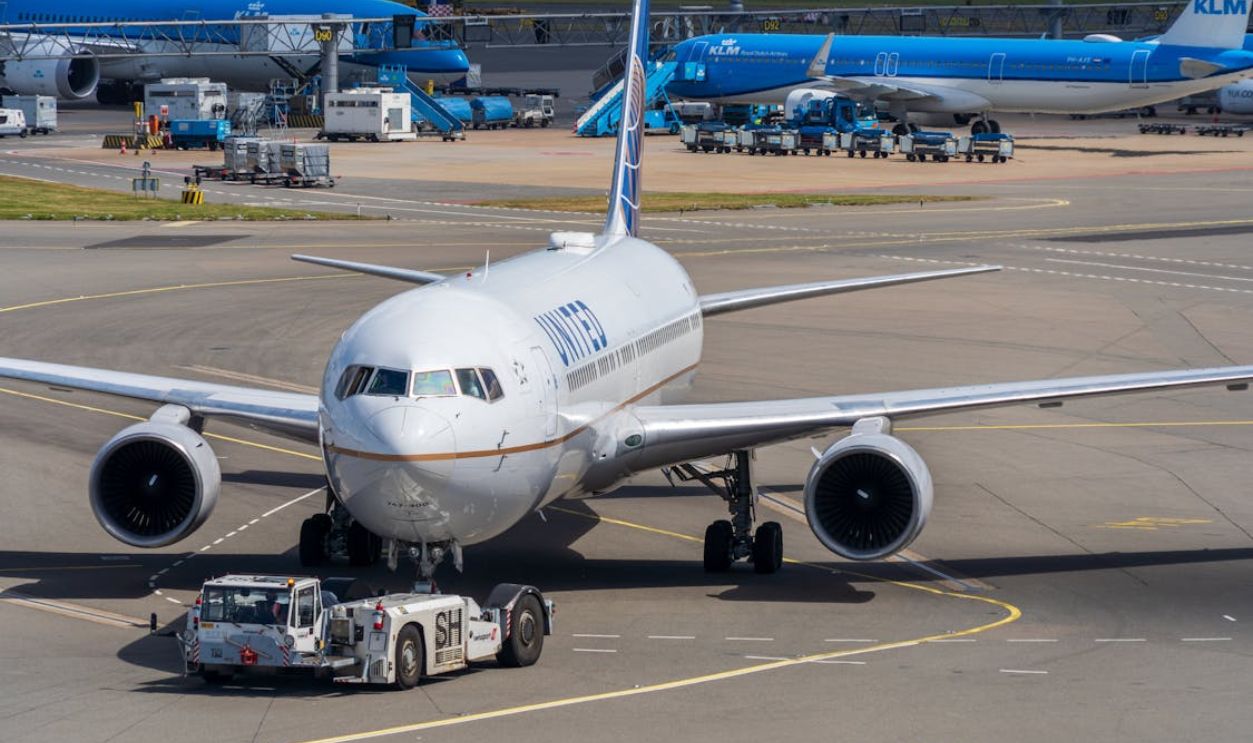
If The Stop Happens, You Still Deserve Clear Information
You may not be owed compensation just because the plane stopped for fuel. In the United States, compensation rules are narrower than many people expect and usually focus more on denied boarding than on every delay. But you are still entitled to clear updates about what is happening and how it affects your arrival.
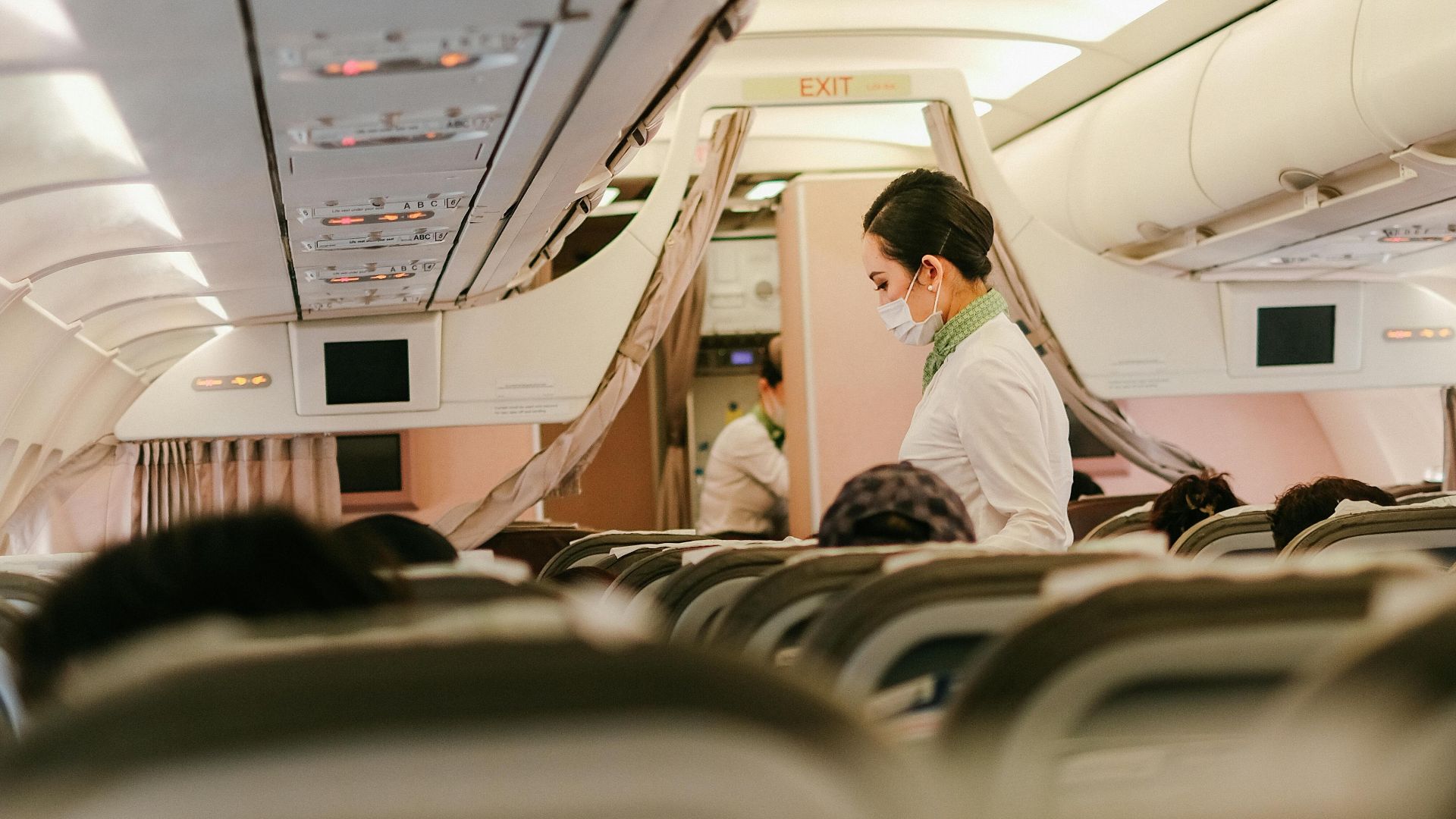
International Rules Can Change Things
If your trip involves Europe or another place with stronger passenger protections, the legal picture can be different. Compensation may depend on the length of the delay, the reason for it, and whether the airline could have prevented it. A fuel stop caused by severe weather may be treated differently from one caused by poor planning.

Can You Demand A Refund Because It Wasn’t Truly Nonstop
Usually not automatically, especially if the airline still got you to your ticketed destination on the same service. Refund rights depend on the airline’s contract of carriage, the country involved, and how major the change was. If the stop caused a big delay or clearly went against what was sold, your complaint may carry more weight.

Your Contract Of Carriage Matters
Every airline has a contract of carriage that lays out what it can change and what it owes passengers. These documents often give airlines broad room to make operational changes, including unscheduled stops when safety requires them. They are not fun to read, but they usually contain the airline’s legal defense.
The Smart Move Is To Save Everything
Take screenshots of the booking page, itinerary, and any language promising nonstop service. Save app alerts, emails, and delay notices. If you later ask for miles, a travel credit, or a refund, specific proof will help far more than a general complaint.

How To Complain Without Wasting Time
Keep it short and factual. Include the flight number, date, what was advertised, what happened, and what you want, whether that is a partial refund, credit, or frequent flyer miles. If the airline turns you down and you think the disclosure was misleading, you can file a complaint with the US Department of Transportation.

The Bottom Line On Whether It’s “Really” Nonstop
In plain English, a lot of travelers would say no. If the plane landed somewhere else for fuel, the trip was not truly nonstop in the everyday sense. But in airline operations and some regulatory settings, a technical stop without changing planes can still fall under the broader way airlines describe continuous service.
Should Travelers Just Accept That
Not necessarily. Most people will not love it. But the most useful response is to focus less on arguing over the word and more on whether the airline was transparent, how much the stop affected your trip, and what options you have afterward. A disclosed technical stop is one thing. A surprise stop sold under a shiny nonstop label is where trust breaks down.

What To Remember Before Your Next Booking
If nonstop really matters for your plans, especially for a cruise, wedding, or tight schedule, read the fine print before you pay. Ask questions when a route seems unusually long or likely to face weather and wind issues. In airline language, “nonstop” can sometimes mean one continuous service more than one continuous flight, and that is exactly why it pays to look past the headline.