
The Map Lied To Me.
The city had the kind of transit network travel guides praise as fast, extensive, and easy, yet my first few rides involved wrong exits, confusing transfers, and frantic checks of my phone. Research on unfamiliar transit trips confirms that navigation, ticketing, and transfers can feel considerably harder to newcomers than they do to regular riders.
The Reputation Sets You Up
When a guide calls a transit system excellent, travelers can easily interpret that as simple. Those are different qualities because a network can be frequent, extensive, and efficient while still requiring substantial local knowledge. Tokyo, London, Paris, New York, and Vancouver all offer powerful transit systems with rules that newcomers must learn.

Locals Are Solving A Different Problem
Regular commuters already know which entrance to use, where to stand, how fares work, and which transfer is worth avoiding. Researchers studying unfamiliar transit journeys found that new users experience uncertainty and anxiety that diminish as repeated trips become familiar. What looks effortless from the platform may actually be years of accumulated habit.

Your First Ride Really Is Harder
Research published in Transport Policy found that unfamiliar transit trips were rated particularly poorly for navigation, transfers, ticketing, and emotional experience. The same journey can therefore feel completely different to a visitor and a daily rider. Travel guides rarely have enough space to reproduce that learning curve.

Transit Maps Hide Real Geography
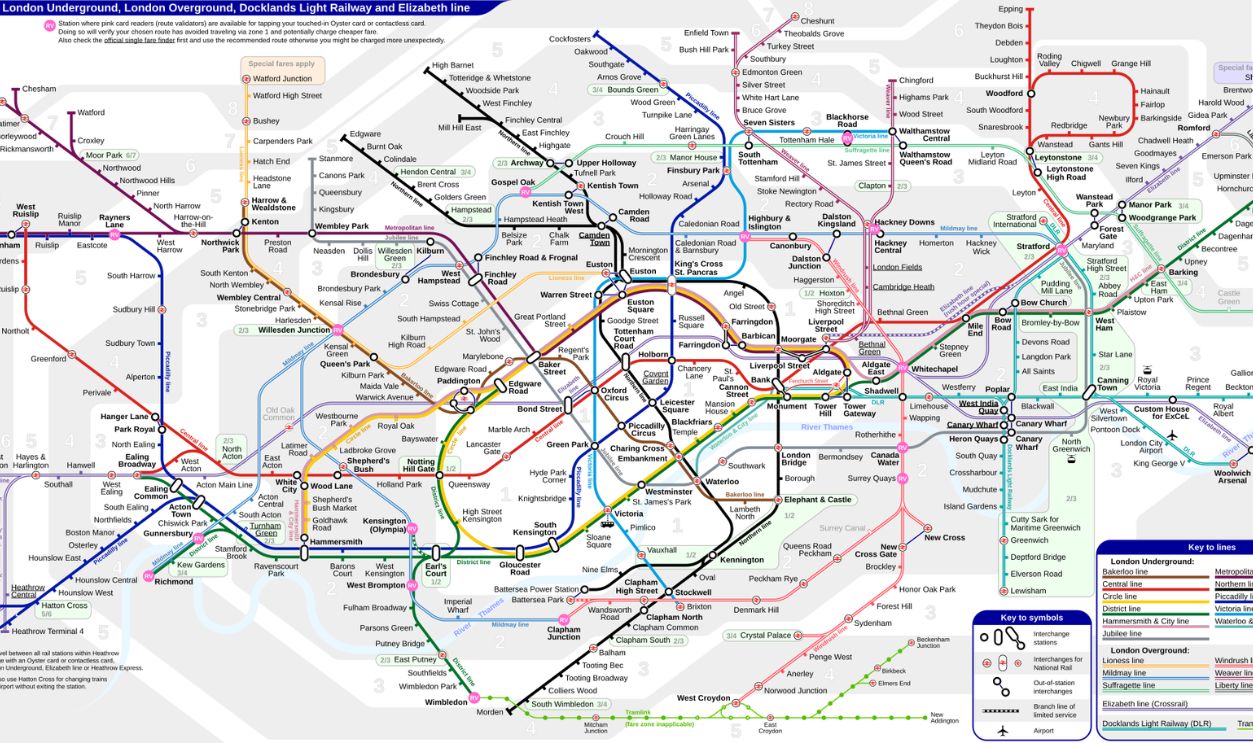
Subway diagrams are designed to explain routes, not reproduce streets perfectly. New York’s MTA explicitly notes on its subway map that geography has been modified to make service clearer. Two stations that look close on a diagram may therefore involve more walking or a less obvious connection than a visitor expects.
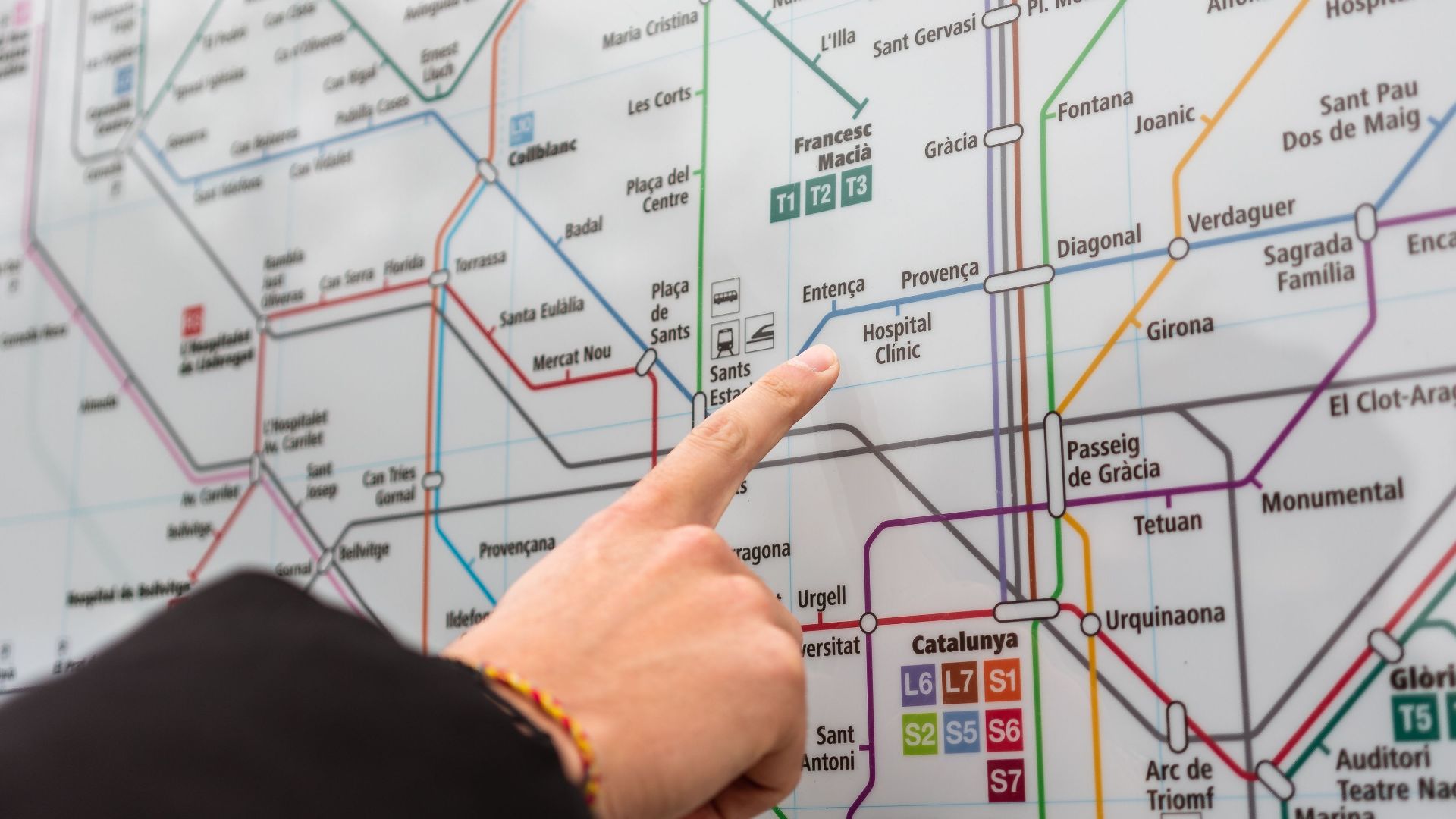
One Station Can Feel Like Several Stations
Large interchange stations may contain multiple lines, corridors, fare gates, stairways, and street exits. Tokyo Metro specifically instructs riders to identify the correct gate and exit number after leaving the train. Knowing that you have reached the correct station is only the first part of reaching the correct place.

Exit Numbers Suddenly Matter
Visitors often follow the first sign marked “Exit” and assume they can sort things out above ground. Tokyo Metro instead recommends checking the numbered exit for the destination and following its yellow signage. Choosing the wrong exit at a large station can place you on a different side of a major road or building complex.
Direction Is Not Always North Or South
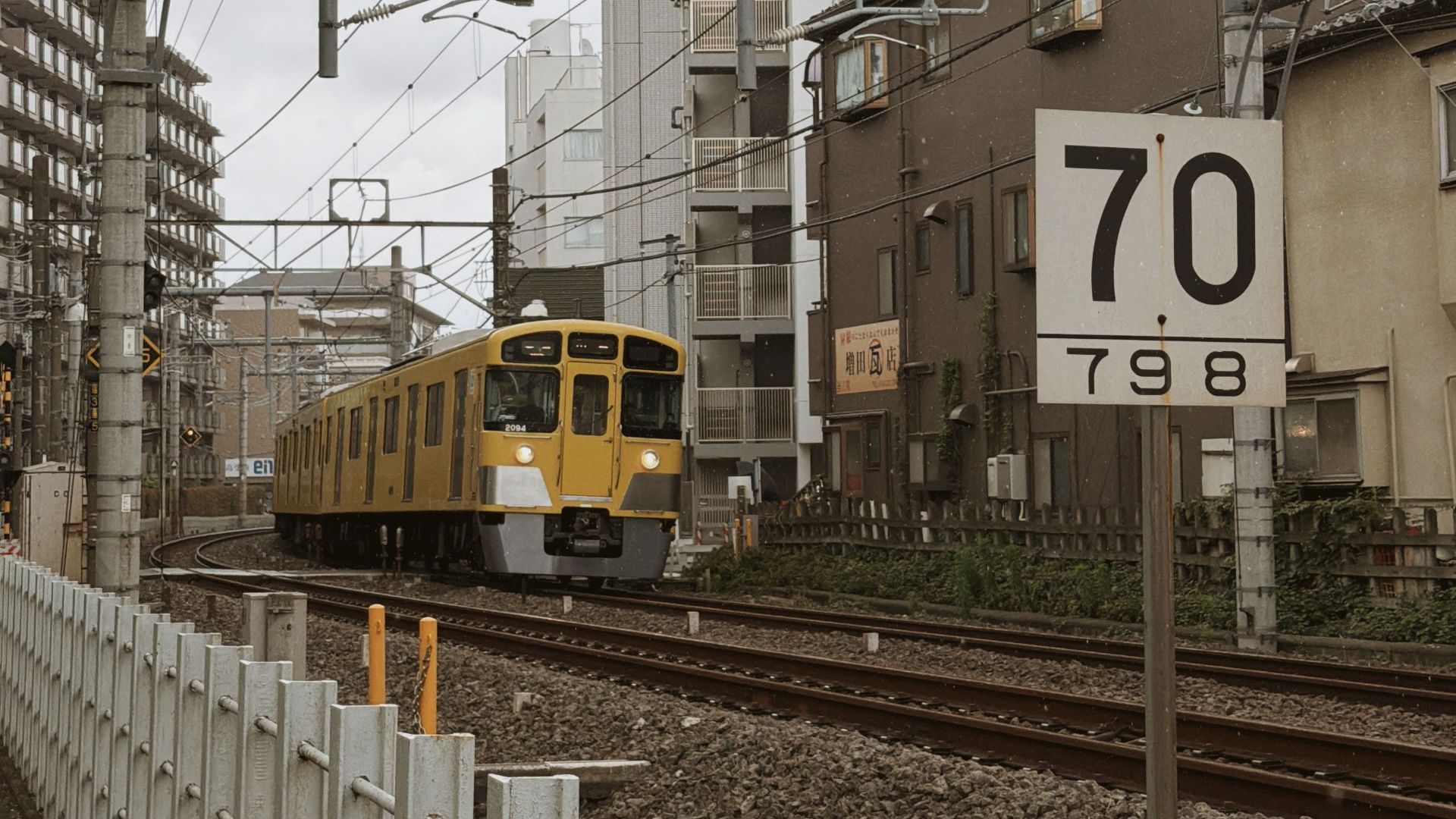
Many visitors expect signs to say northbound, southbound, eastbound, or westbound. Tokyo Metro guides passengers using line names, station numbers, destinations, and major stops in each direction. The system is logical once learned, but it asks newcomers to think like the network rather than like a street map.

Local And Express Can Change Everything
New York’s subway map distinguishes local service from express service and warns that service can vary by time of day. A train displaying the right general route may still skip the station a visitor expected to use. Locals learn these distinctions until they become automatic, while tourists may discover them one missed stop at a time.
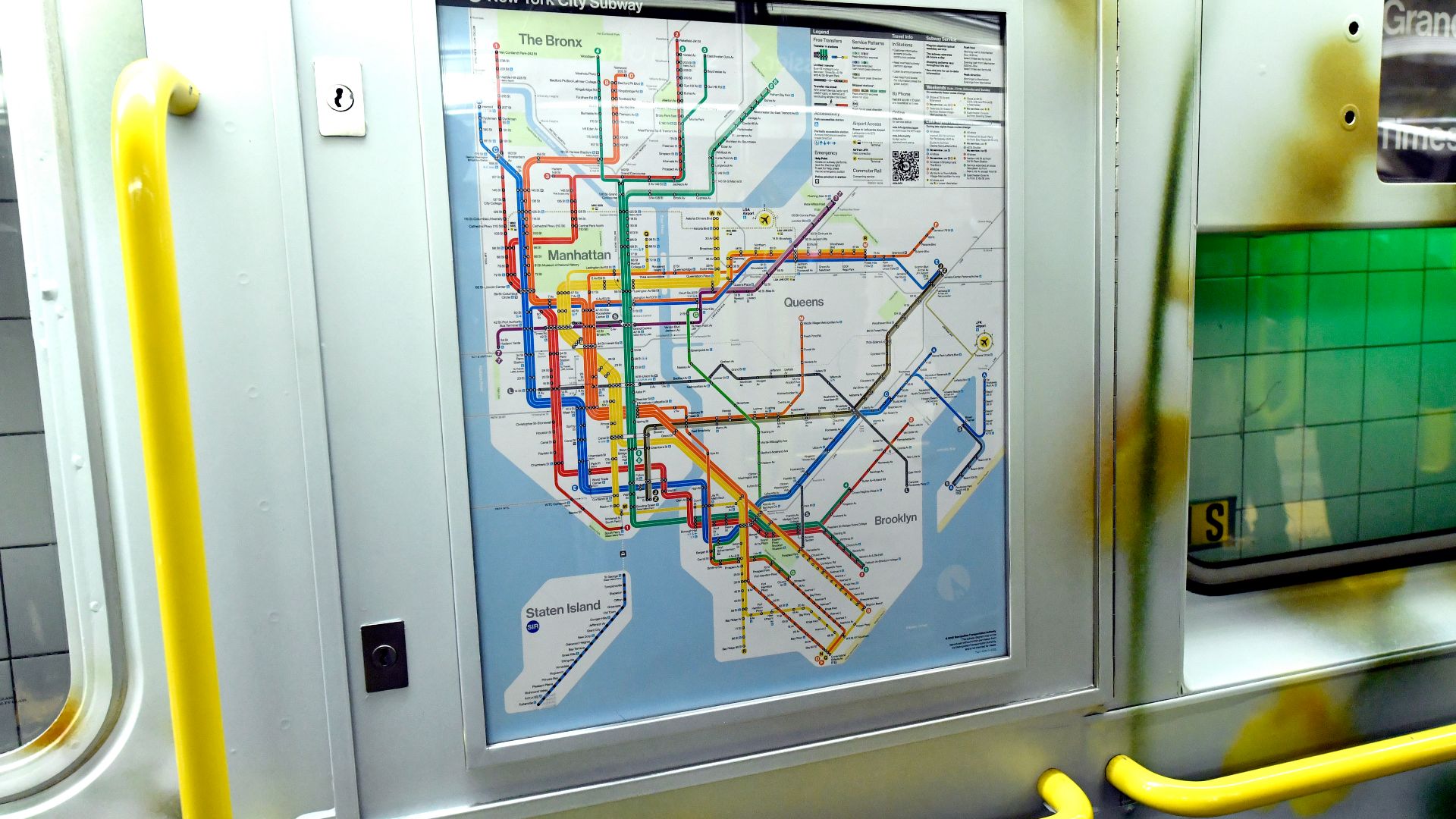 Metropolitan Transportation Authority, Wikimedia Commons
A Transfer Is Not Always One Simple Walk
The word “transfer” can hide several different experiences. Tokyo Metro notes that some transfers require passengers to pass through special orange gates, and a transfer that takes too long can affect the fare. A route planner showing one change does not necessarily communicate the physical or ticketing complexity of that change.
Fare Rules Live Below The Surface
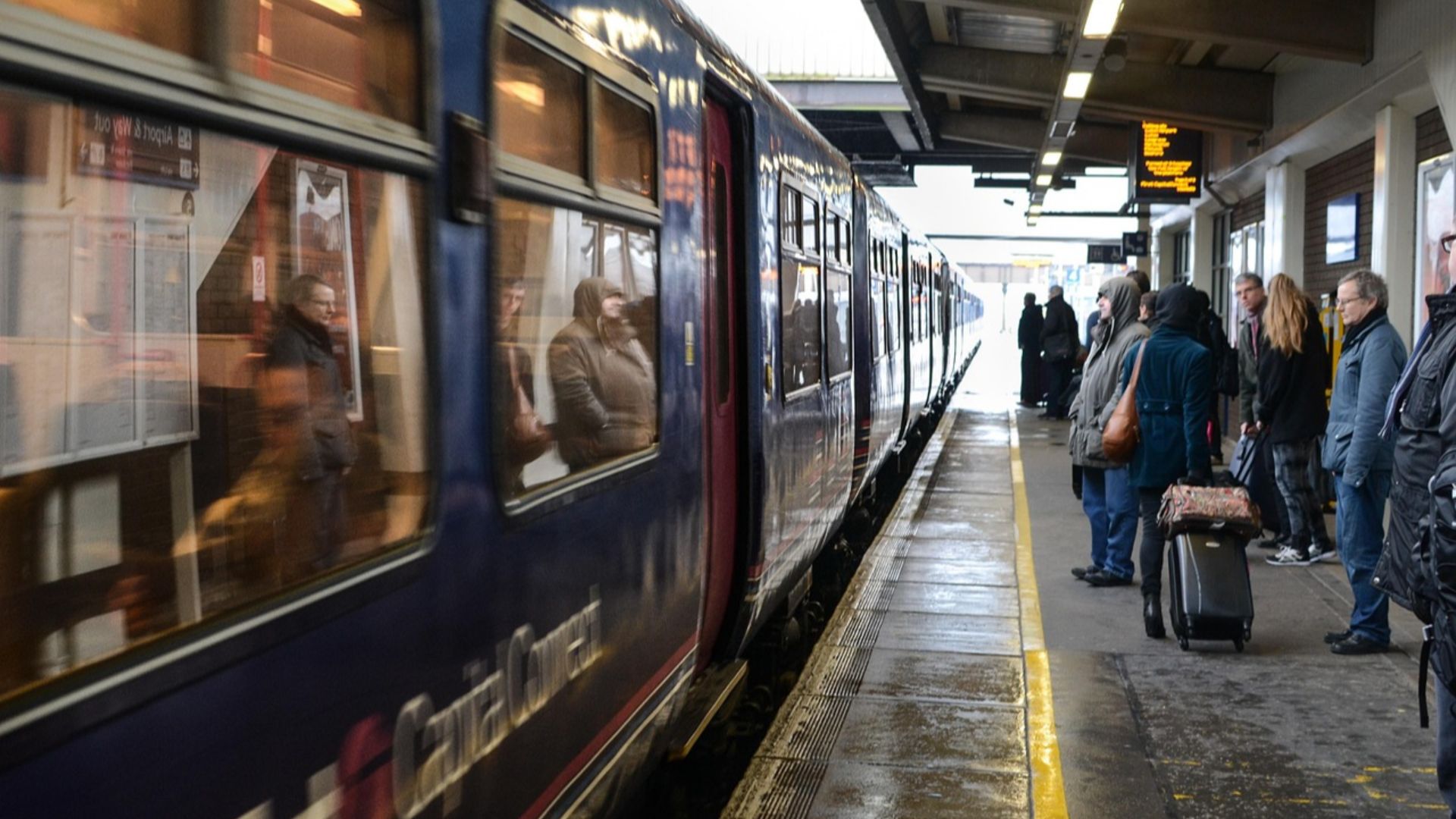
London makes pay-as-you-go travel relatively straightforward, but even Transport for London publishes detailed instructions on touching in, touching out, card clashes, pink readers, maximum journey times, and same-station exits. These are sensible operational rules once understood. They are also precisely the details that disappear when a guide summarizes the system as “just tap your card.”

Touching In Is Only Half The Lesson
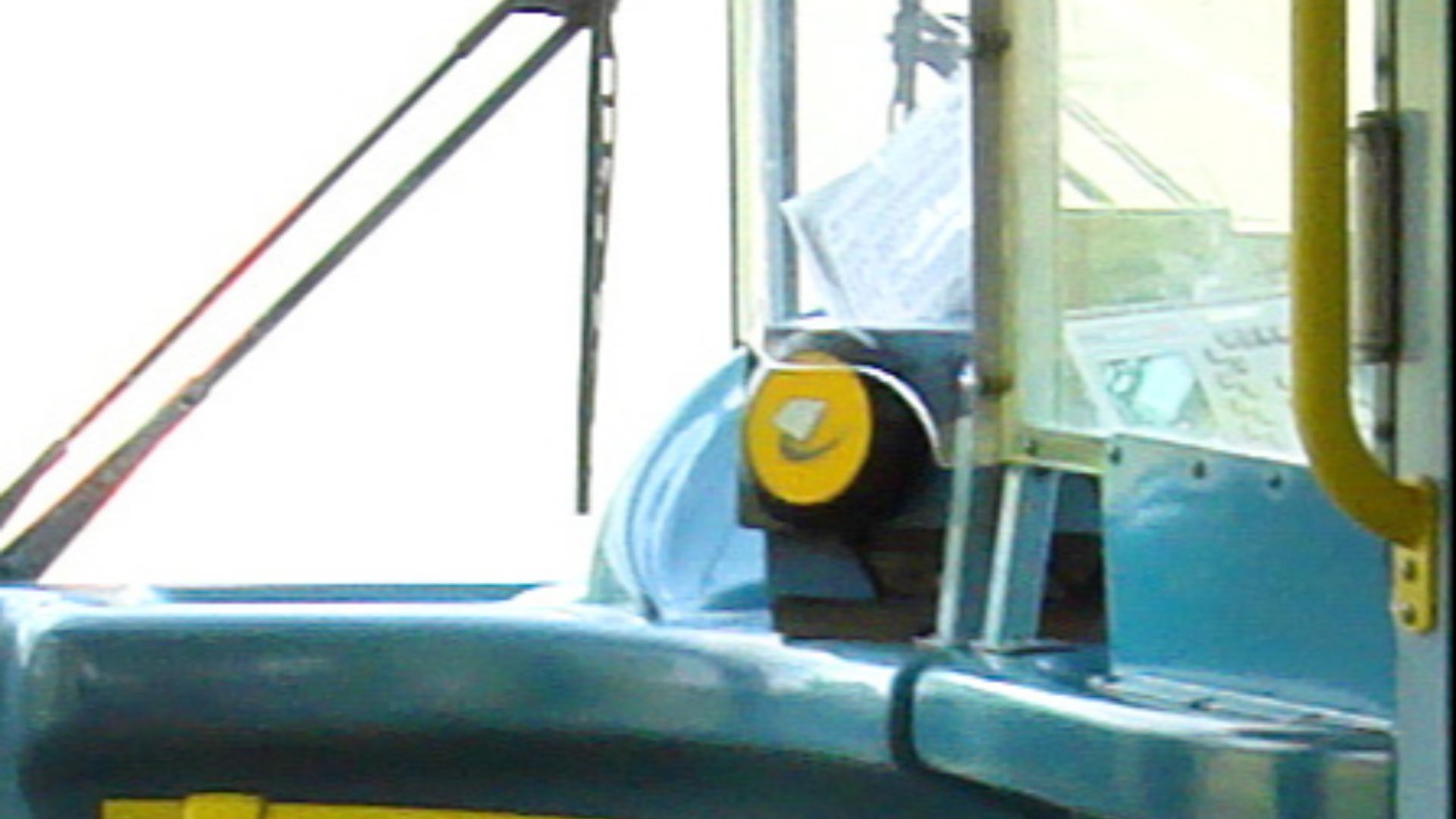
Different transport modes can require different actions even within one city. London buses and trams require passengers to touch in but not touch out, while many rail journeys require both. Vancouver similarly requires different validation habits depending on whether passengers are using buses, SkyTrain, SeaBus, or West Coast Express.
 Leonhard_Niederwimmer, Pixabay
Using The Same Device Matters
Transport for London warns travelers to use the same card or device when touching in and out. Tapping a physical bank card at the beginning and a phone wallet linked to that card at the end can be treated as two separate payment methods. That is an easy mistake for a visitor who reasonably thinks both represent the same account.
 derivative work: Cnbrb (talk) London_Bus_route_249_interior.jpg: Oxyman, Wikimedia Commons
Zones Still Confuse People
Fare zones are simple after you understand where your destinations sit within them. London has multiple travel zones, while Vancouver calculates many rail fares according to the number of zones crossed. Visitors who do not normally use zonal transit must learn a new geography layered on top of the actual city.
Airports Often Play By Special Rules
The ride between the airport and downtown may use a different fare from an ordinary trip. Paris currently sells a dedicated Paris Region Airports ticket for rail journeys involving Charles de Gaulle or Orly. Vancouver also applies an additional fare to certain Canada Line trips departing from Sea Island stations.

Paris Simplified Fares, But Not Every Decision
Île-de-France introduced a flat Metro-Train-RER ticket that works across the region outside airport exceptions. However, bus and tram travel uses a different ticket, and one Metro-Train-RER ticket cannot be used to transfer onto a bus or tram. The system has become simpler while still requiring visitors to understand which mode they are boarding.

Cash Can Behave Differently
Visitors often assume cash is the safest backup when unfamiliar technology becomes confusing. Vancouver complicates that assumption because a cash bus transfer is valid only between buses and cannot be used to transfer onto SkyTrain, SeaBus, or West Coast Express. The payment method can therefore change what counts as a valid transfer.
 https://kaboompics.com/, Pexels
Contactless Is Easy Until Something Goes Wrong
Tap-to-pay systems remove much of the work of buying individual tickets. They also make correct tapping essential because the network calculates a fare from the recorded journey. London and Vancouver both warn that incorrect or incomplete taps can result in higher charges or incomplete-trip fares.

The App Does Not Teach Everything
Official journey planners can calculate routes efficiently, but a visitor still has to interpret platforms, exits, fare gates, and signs in the physical station. Research on new transit users found that helpful signage, route maps, stop announcements, and staff assistance remained important alongside journey-planning information. Digital navigation solves only part of an unfamiliar journey.

Service Patterns Can Change By Time
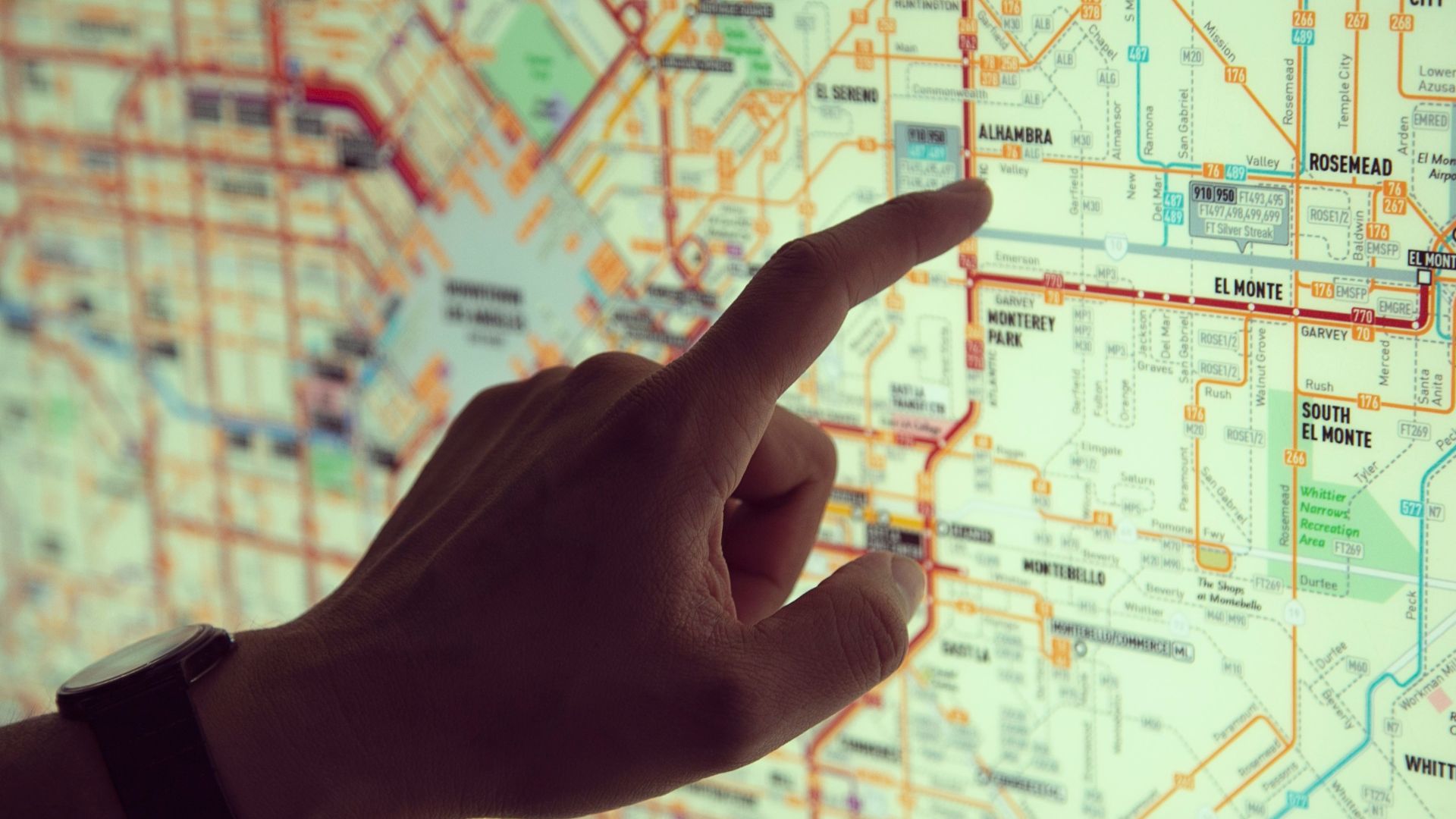
The transit map in your guidebook is a simplified picture of the network. New York’s MTA notes that subway service may vary by time of day, meaning a route that works one way in the afternoon may operate differently at another time. Visitors need current service information rather than assuming the printed map describes every trip.
 Jose Martin Ramirez Carrasco, Unsplash
Accessibility Requires Separate Research
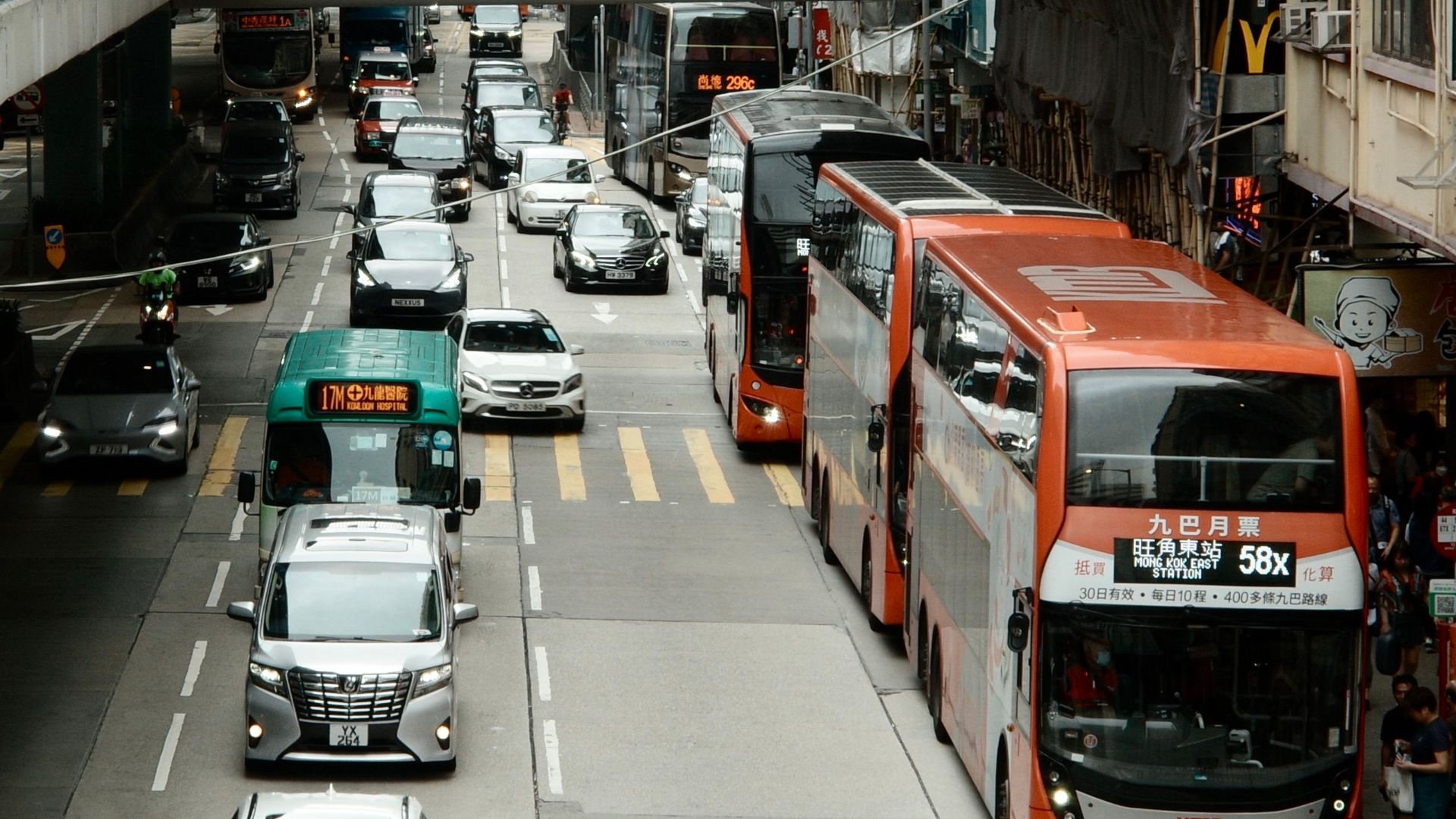
A city can have excellent public transportation without every station being equally accessible. The MTA’s accessibility materials tell riders to check elevator status and use accessible trip planning because outages can alter a usable route. Travelers with mobility requirements should therefore investigate the exact stations involved rather than relying on the system’s general reputation.
One Elevator Can Change The Whole Route
An accessible itinerary may depend on a particular elevator connecting the street, mezzanine, and platform. New York’s guidance specifically recommends checking current elevator and escalator conditions and finding alternatives when equipment is unavailable. Local riders often know those alternatives, while a visitor may encounter the problem only after reaching the station.
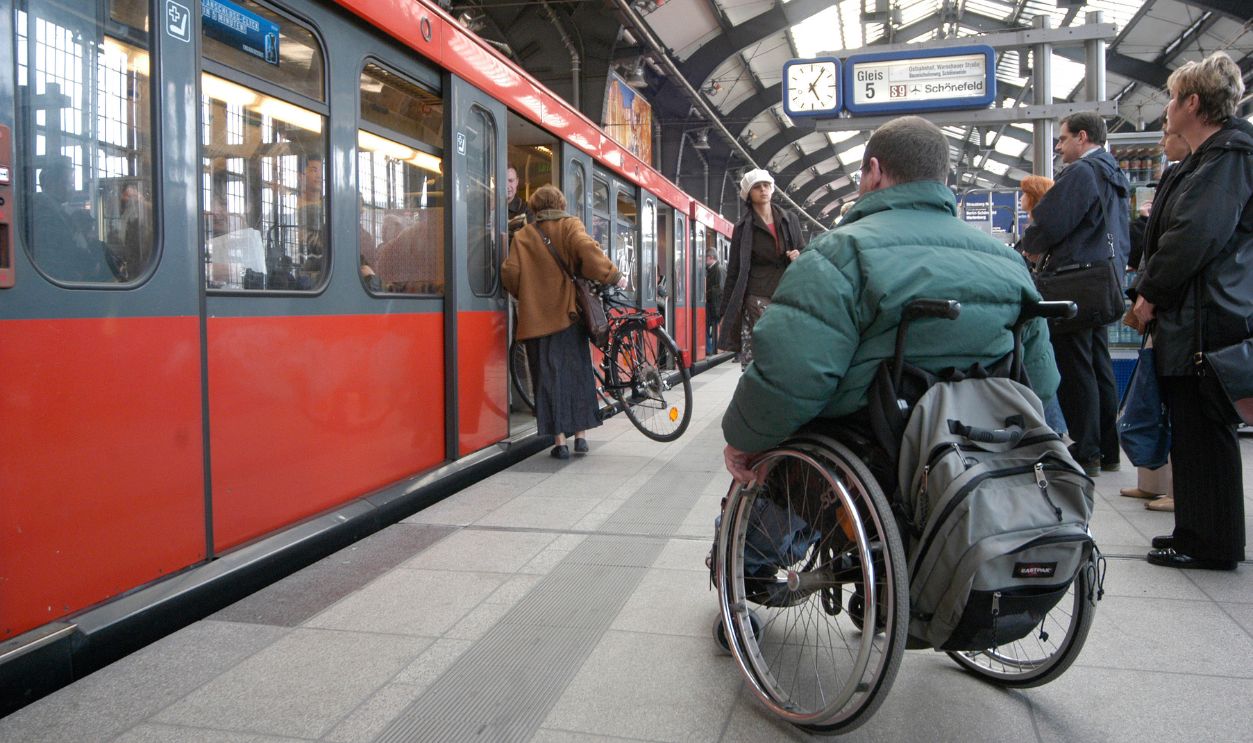
Complex Stations Create Real Mental Work
Recent research on metro wayfinding found that large, information-dense stations can create significant cognitive load. Travelers must read signs, interpret colors and numbers, remember destinations, and make decisions while other passengers move around them. Feeling overwhelmed inside a famous transit system is therefore not evidence that the traveler is unusually bad at navigation.
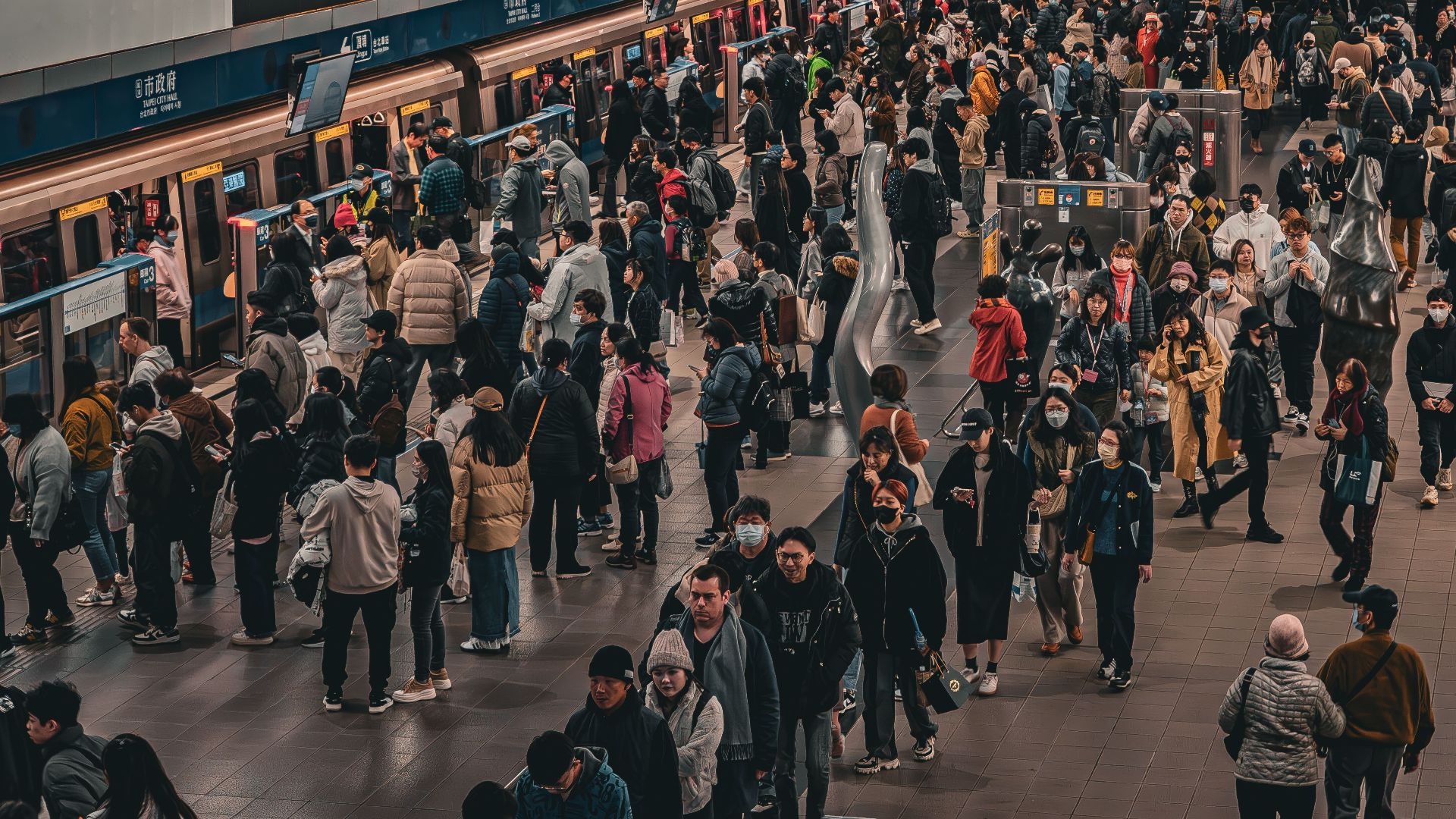
Locals Filter Out Information Automatically
Repeated travel helps passengers develop shortcuts and habits that reduce the mental work involved in a journey. Research from Monash University found that familiarity develops through cognitive adaptation as people repeat previously unfamiliar transit trips. A resident sees the few signs they need, while a visitor may still be processing every symbol on the wall.

Guidebook Instructions Compress The Messy Parts
“Take the subway three stops and transfer” is perfectly accurate route advice. It does not tell you which entrance to choose, whether the train is express, what the transfer corridor looks like, or which of several exits leads toward the attraction. Guides simplify because giving every operational detail for every trip would make basic directions almost unreadable.

Learn The Payment System Before The Route
Knowing how to pay removes one source of uncertainty before you enter a busy station. London, Paris, Tokyo, Vancouver, and the Netherlands all publish detailed official instructions for visitors or new riders. Spending a few minutes on the transit authority’s own fare page can save a surprising amount of confusion at the gate.

Build Your First Ride As A Practice Run
Make the first journey short, direct, and unhurried when possible. Research on unfamiliar transit use indicates that anxiety and difficulty decline as travelers become accustomed to the system. One simple trip teaches the signs, gates, platform conventions, and payment process before the itinerary depends on them.

Use Colors And Numbers As Anchors
Tokyo’s station numbering system combines a line letter, station number, and line color. Tokyo Metro says the system helps passengers identify their station, count stops, and determine whether the train is heading in the correct direction. Visitors can use the same principle elsewhere by focusing on route identifiers rather than trying to memorize an entire network map.
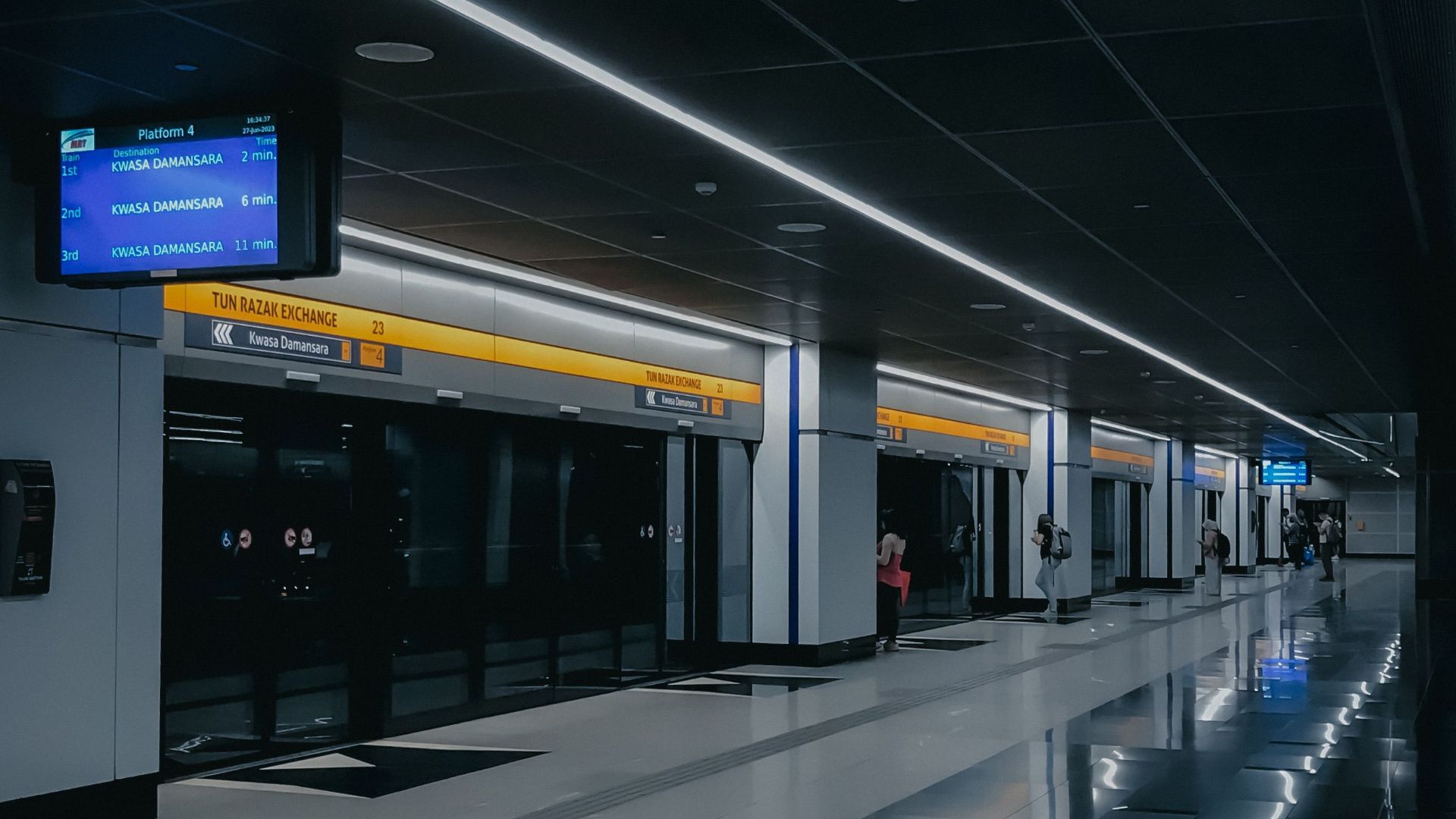
Add Time For Every Transfer
A journey planner may show the technically possible connection, but newcomers should allow time to read signs and correct small mistakes. Large stations can involve long corridors, fare boundaries, stairs, elevators, and multiple platforms. A few extra minutes turns a missed turn from a crisis into a minor inconvenience.
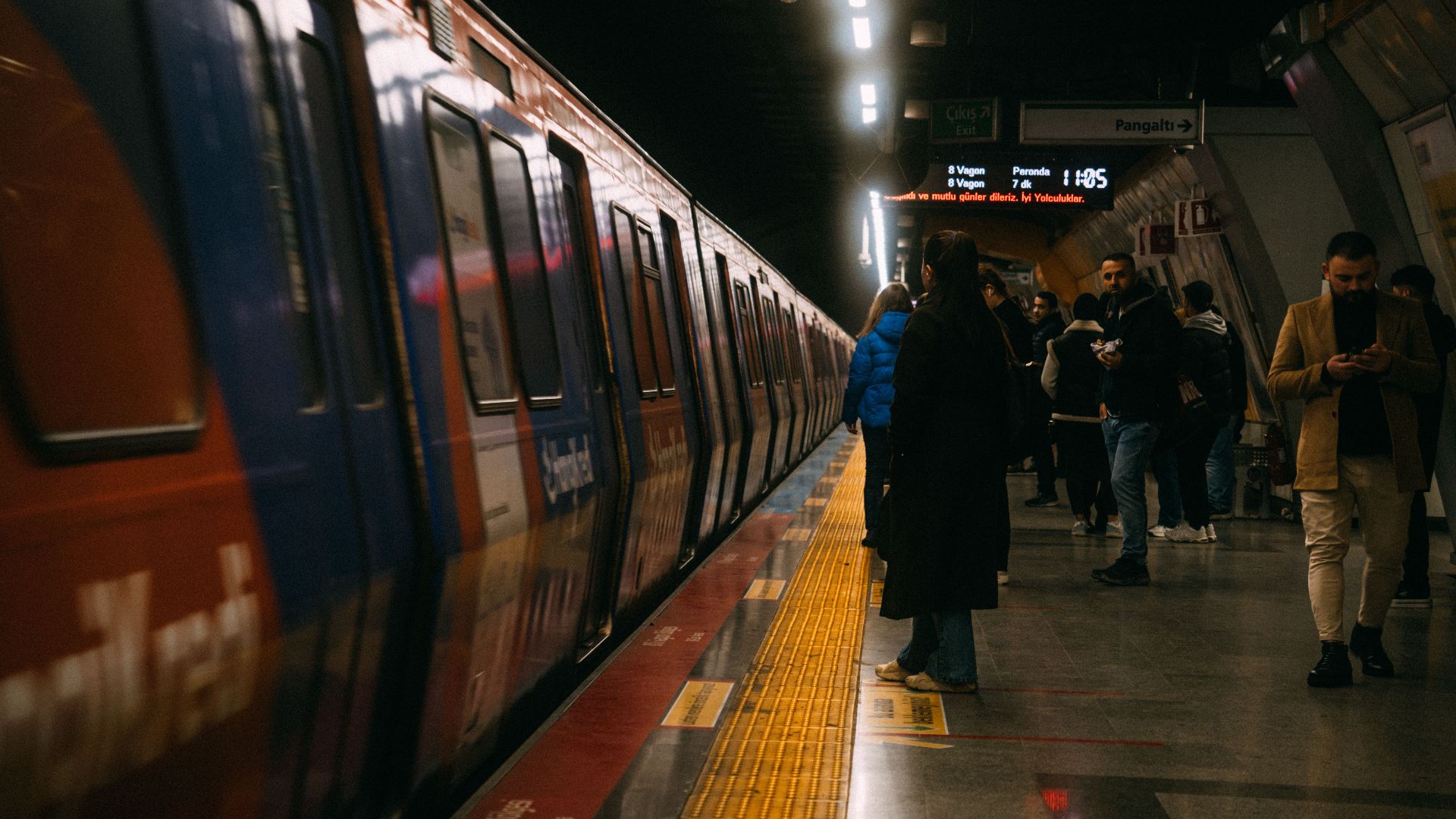
Check Official Information Before Leaving
Transit rules and service patterns change, so official operator information deserves priority over an old blog post or saved screenshot. London, Paris, New York, Tokyo, Vancouver, and Dutch rail operators all maintain current fare or rider guidance online. Use travel guides to understand the city, then use the transit authority to understand today’s trip.

“Easy Transit” Usually Means Easy After You Learn It
Travel guides are not necessarily wrong when they praise a city’s public transportation. The missing phrase is often “once you understand how it works.” Give yourself one or two rides to learn the local logic, and the confusing network may become the convenient system residents were describing all along.

You May Also Like:
The Most Peaceful Countries In The World—Ranked According To Data
America’s Most Dangerous Tourist Destinations
The World's Oldest Hotels Still Welcoming Guests Today
Sources: 1, 2, 3, 4, 5, 6, 7, 8, 9, 10, 11, 12, 13, 14, 15, 16, 17, 18