Places Where History Isn't Behind Glass
Most historic landmarks can only be admired from a distance, but some of the world's oldest hotels let you spend the night surrounded by centuries of living history. While modern comforts have been added over the years, each of these properties has preserved a remarkable connection to its past, allowing today's guests to experience hospitality traditions that stretch back hundreds—and sometimes more than a thousand—years.
 Mike Searle, Wikimedia Commons
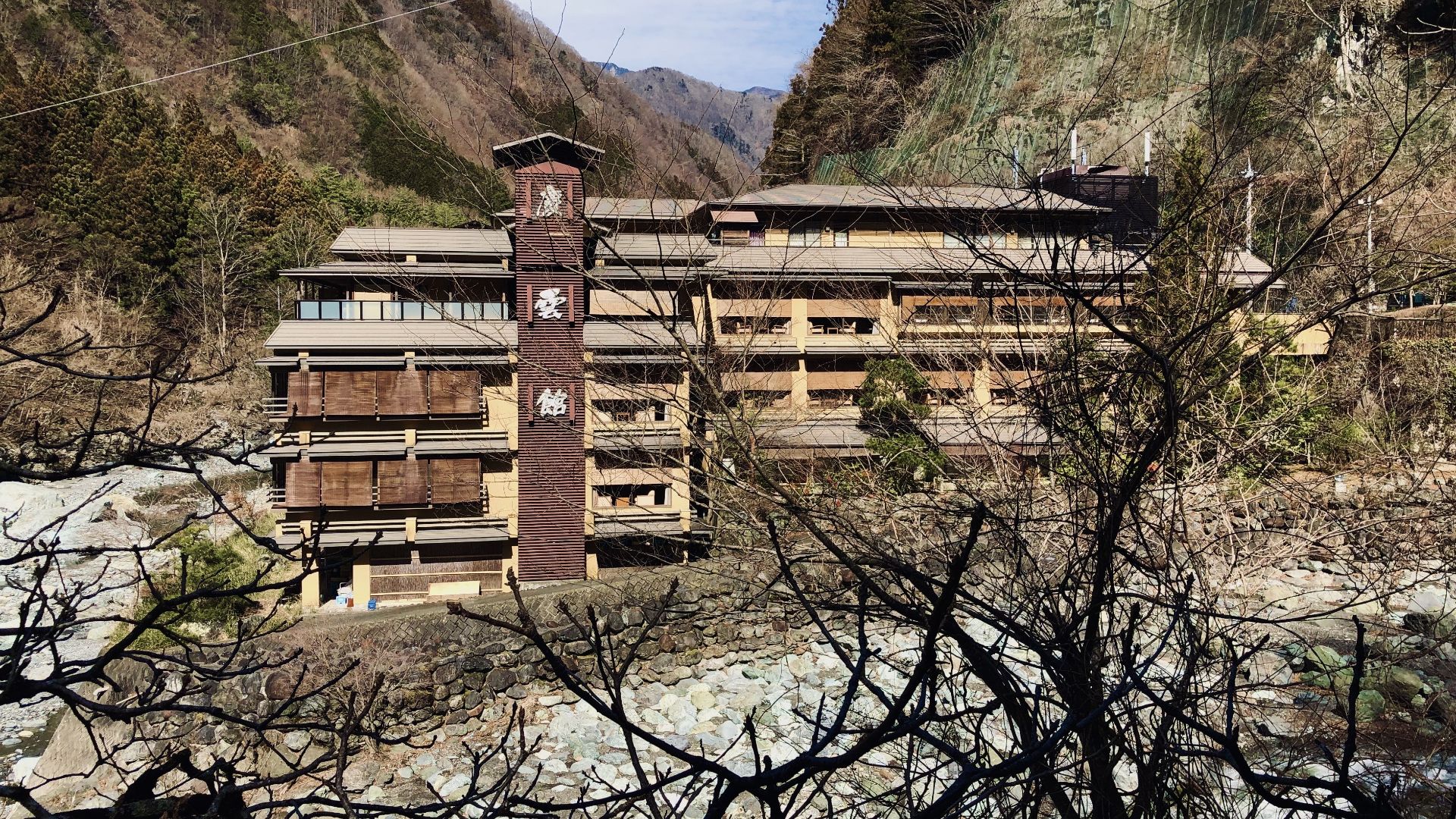
Nishiyama Onsen Keiunkan, Japan
Founded in 705 in Japan's Yamanashi Prefecture, Nishiyama Onsen Keiunkan is officially recognized by Guinness World Records as the world's oldest hotel still operating today. The traditional ryokan has welcomed guests for more than 1,300 years, with natural hot springs flowing continuously since its founding. Although modern renovations have updated the accommodations, visitors still experience classic Japanese hospitality rooted in centuries of tradition.
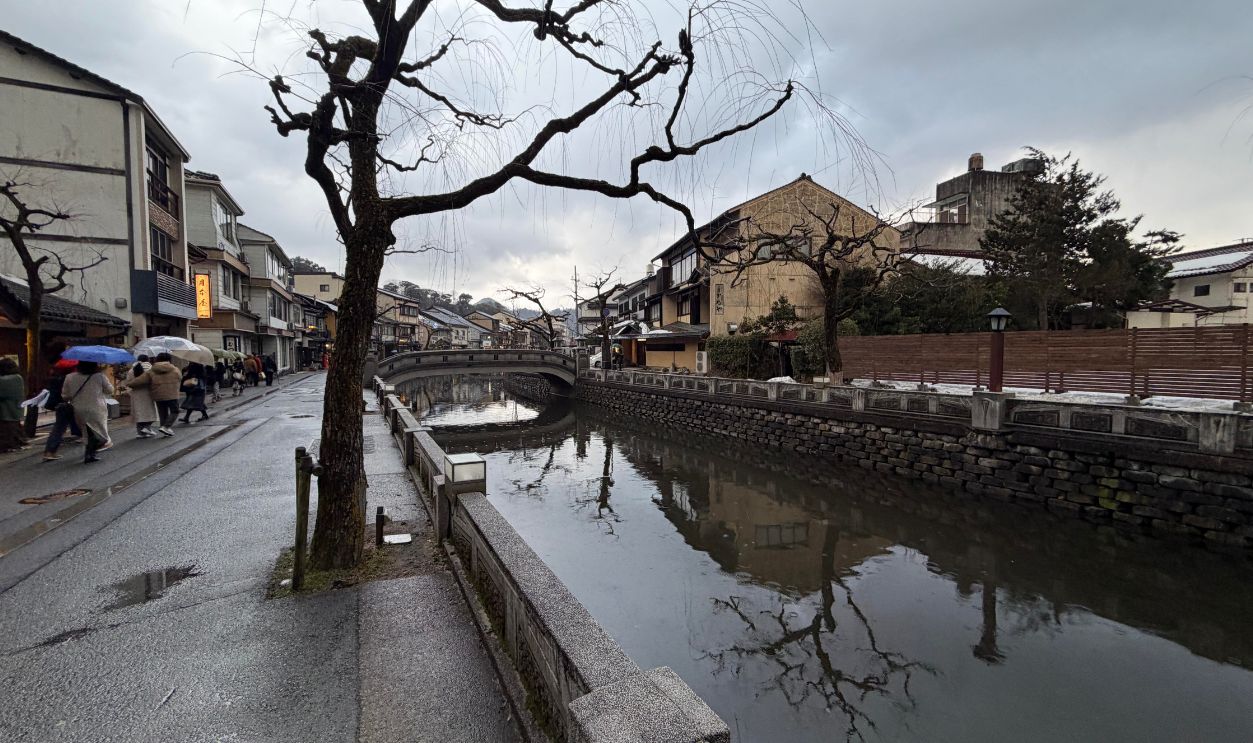
Sennen no Yu Koman, Japan
Established in 717 in the famous Kinosaki Onsen resort, Sennen no Yu Koman has been welcoming travelers for well over 1,300 years. The inn has remained closely connected to the development of the area's renowned hot springs and has been operated through dozens of generations. Today, guests can enjoy traditional tatami rooms alongside modern amenities while experiencing one of Japan's oldest hospitality traditions.
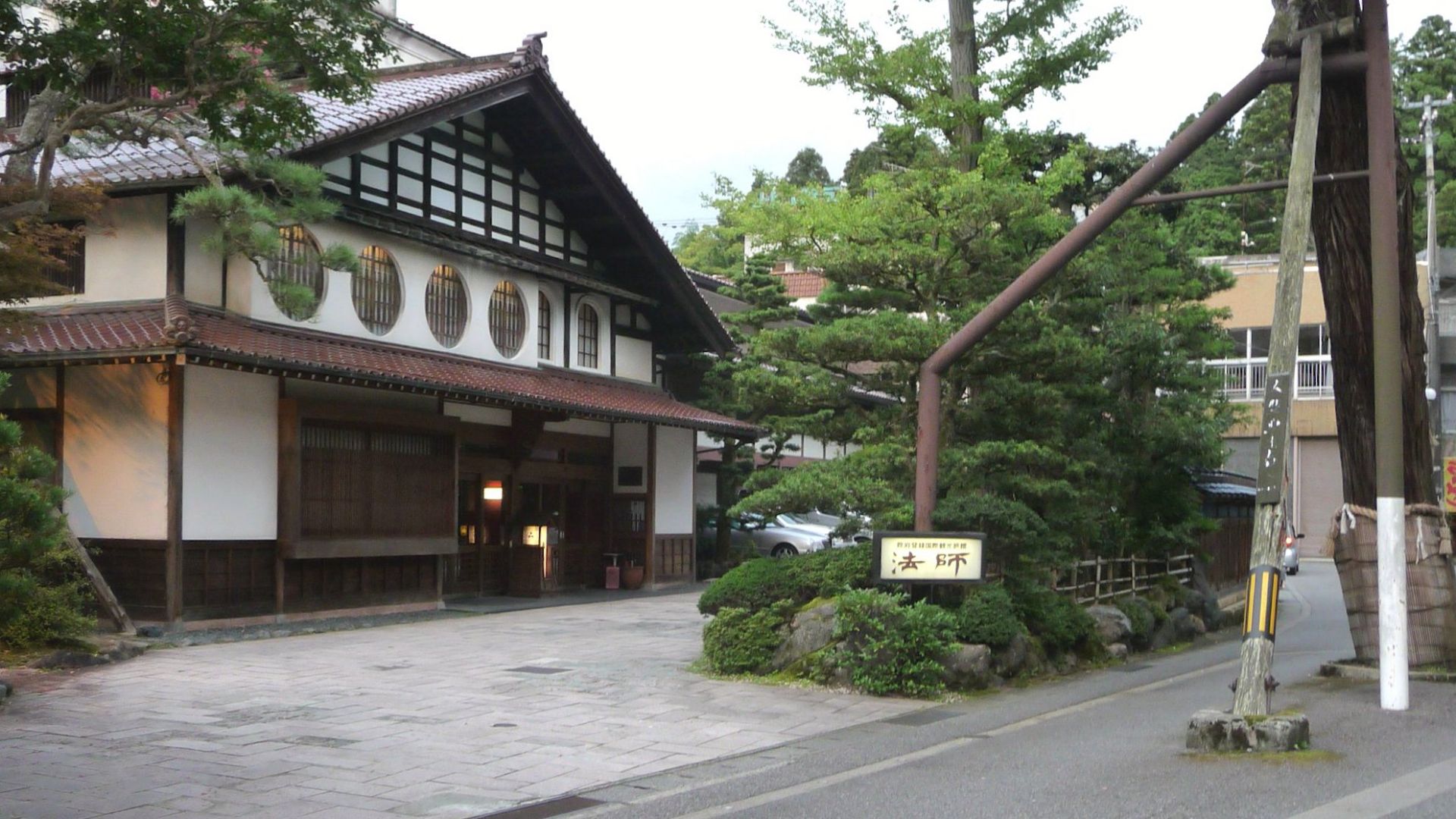
Hoshi Ryokan, Japan
Founded in 718 in Ishikawa Prefecture, Hoshi Ryokan ranks among the oldest continually operating hotels anywhere in the world. For centuries it was managed by the same family before leadership eventually expanded beyond direct descendants. Visitors continue to enjoy natural hot spring baths, traditional Japanese architecture, and gardens that reflect the ryokan's deep cultural heritage.
 Namazu-tron, Wikimedia Commons
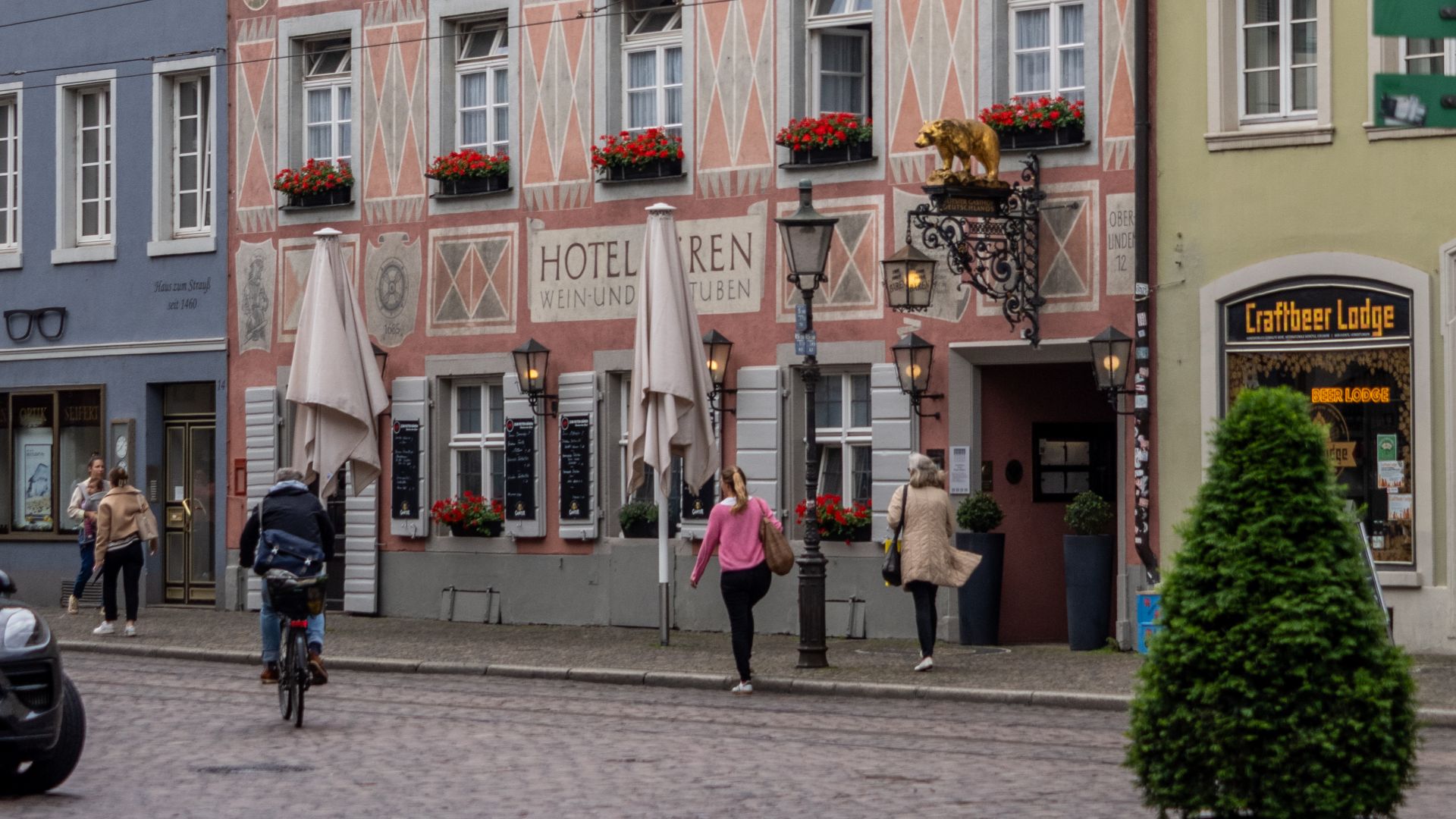
Zum Roten Bären, Germany
The Hotel Zum Roten Bären in Freiburg traces its origins to around 1120, making it one of Europe's oldest continuously operating hotels. Archaeological evidence suggests the site has welcomed travelers since the High Middle Ages. Located near Freiburg's historic center, the hotel combines medieval foundations with updated guest rooms that meet modern expectations.
 JoachimKohler-HB, Wikimedia Commons
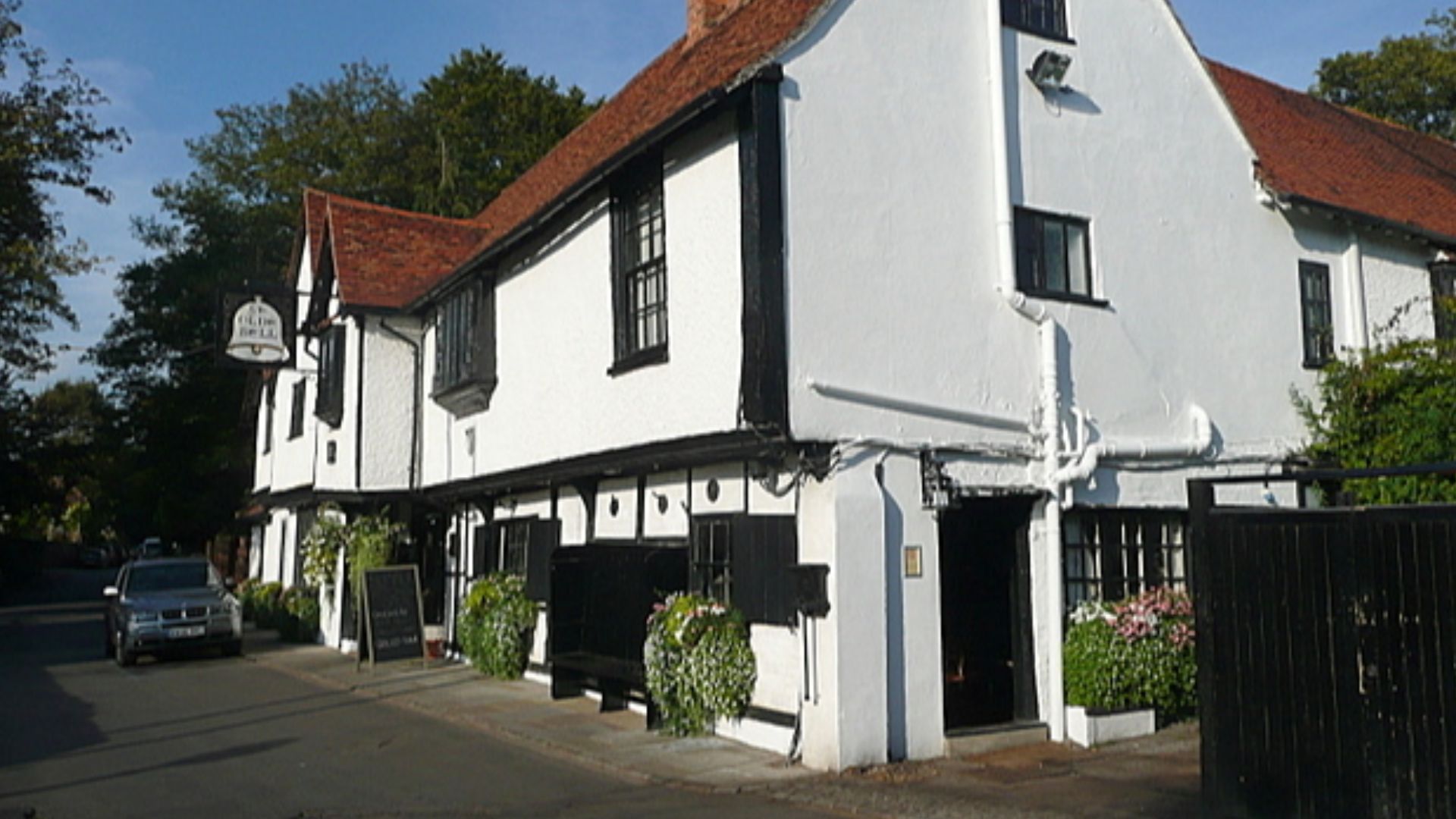
Olde Bell Hotel, England
Dating to 1135, the Olde Bell Hotel in Hurley, Berkshire, was originally built to accommodate visitors to the nearby Benedictine Priory. Over the centuries it has served pilgrims, merchants, and travelers moving between London and Oxford. Many of its historic architectural features remain intact, giving guests a tangible connection to medieval England.
 Graham Horn , Wikimedia Commons
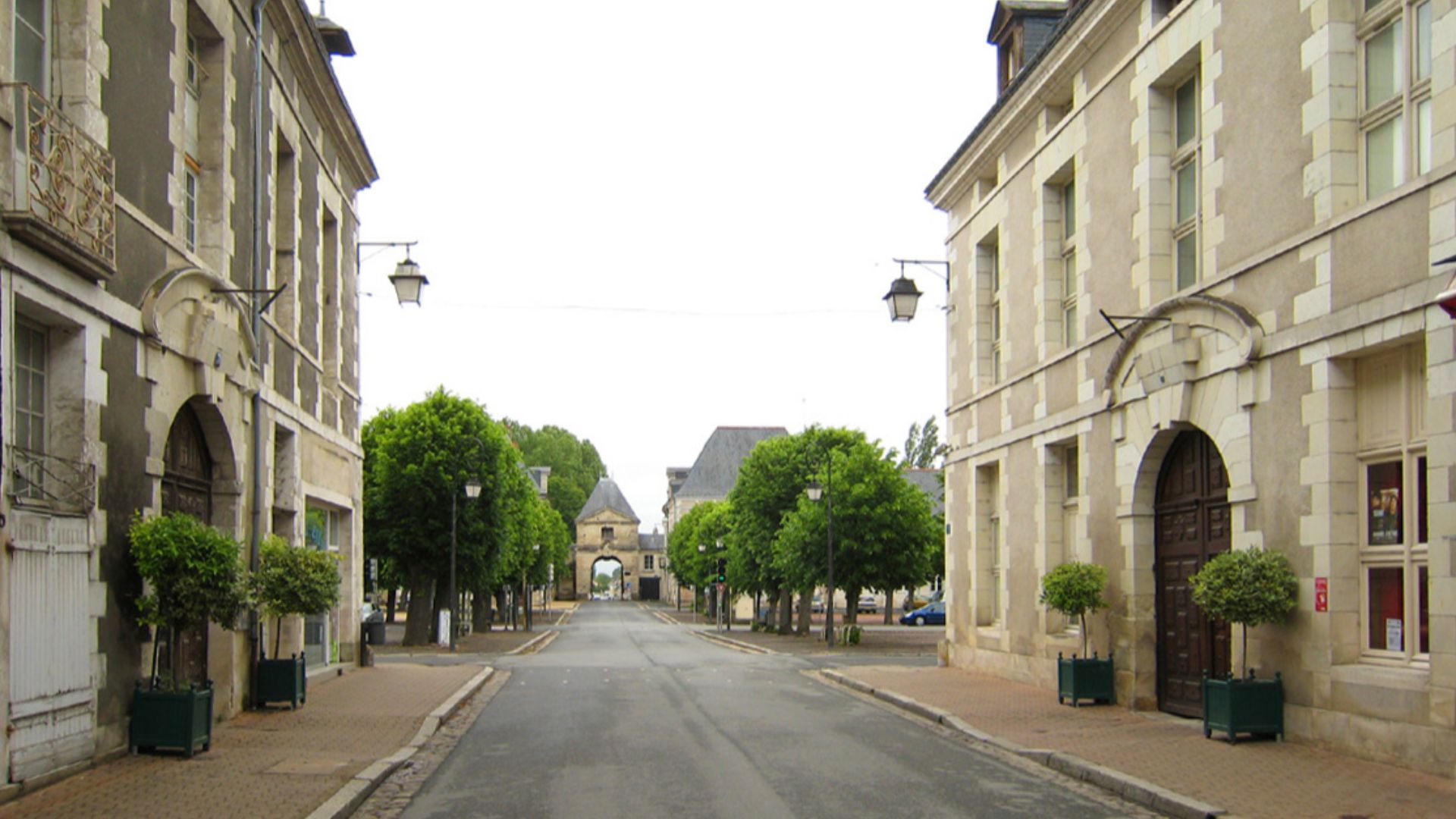
Hostellerie du Puits Doré, France
The Hostellerie du Puits Doré in Richelieu occupies a building whose hospitality history stretches back several centuries. The inn has evolved alongside the surrounding town while preserving much of its historic charm. Today it blends traditional French architecture with comfortable accommodations that appeal to modern visitors.
 Manfred Heyde, Wikimedia Commons
Hotel Pilgrim Haus, Germany
Located in Soest, Hotel Pilgrim Haus was established in 1304 and has welcomed guests for more than seven centuries. Originally serving religious pilgrims traveling through the region, it later became a popular stop for merchants and other travelers. The timber-framed building remains one of Germany's oldest operating hotels.
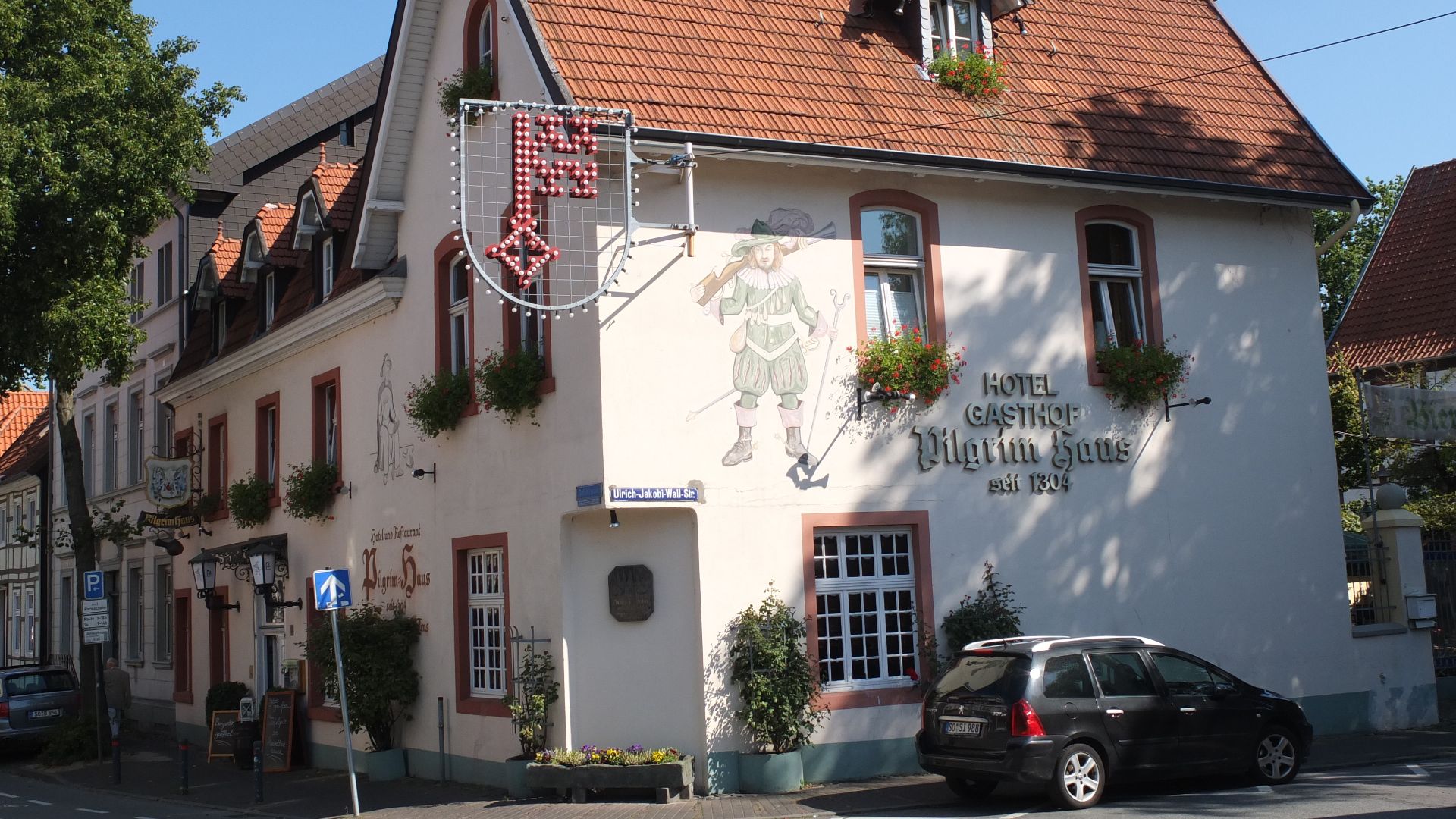 K.bierkaemper, Wikimedia Commons
Orso Grigio, Italy
The Orso Grigio in San Candido, located in Italy's South Tyrol region, dates to 1308. Positioned along historic Alpine trade routes, it became an important resting place for merchants crossing the mountains. Today its carefully preserved historic character is paired with updated accommodations and fine dining.
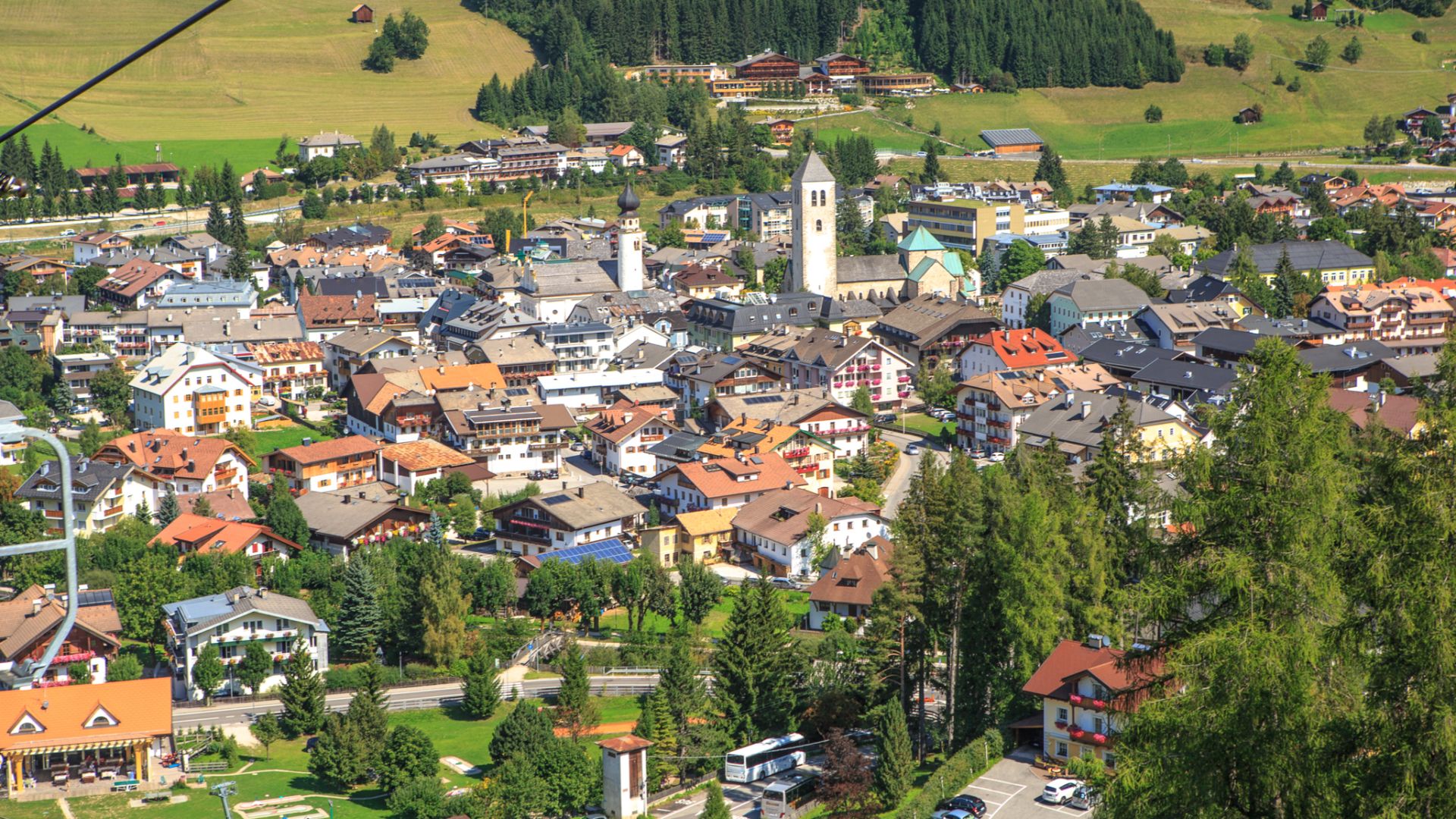 Murray Foubister, Wikimedia Commons
Hotel Interlaken, Switzerland
Hotel Interlaken traces its history to 1323, when it operated as a guesthouse connected to an Augustinian monastery. Travelers crossing the Swiss Alps found shelter there centuries before tourism became widespread. The property now serves visitors exploring the Bernese Oberland while retaining elements of its medieval origins.
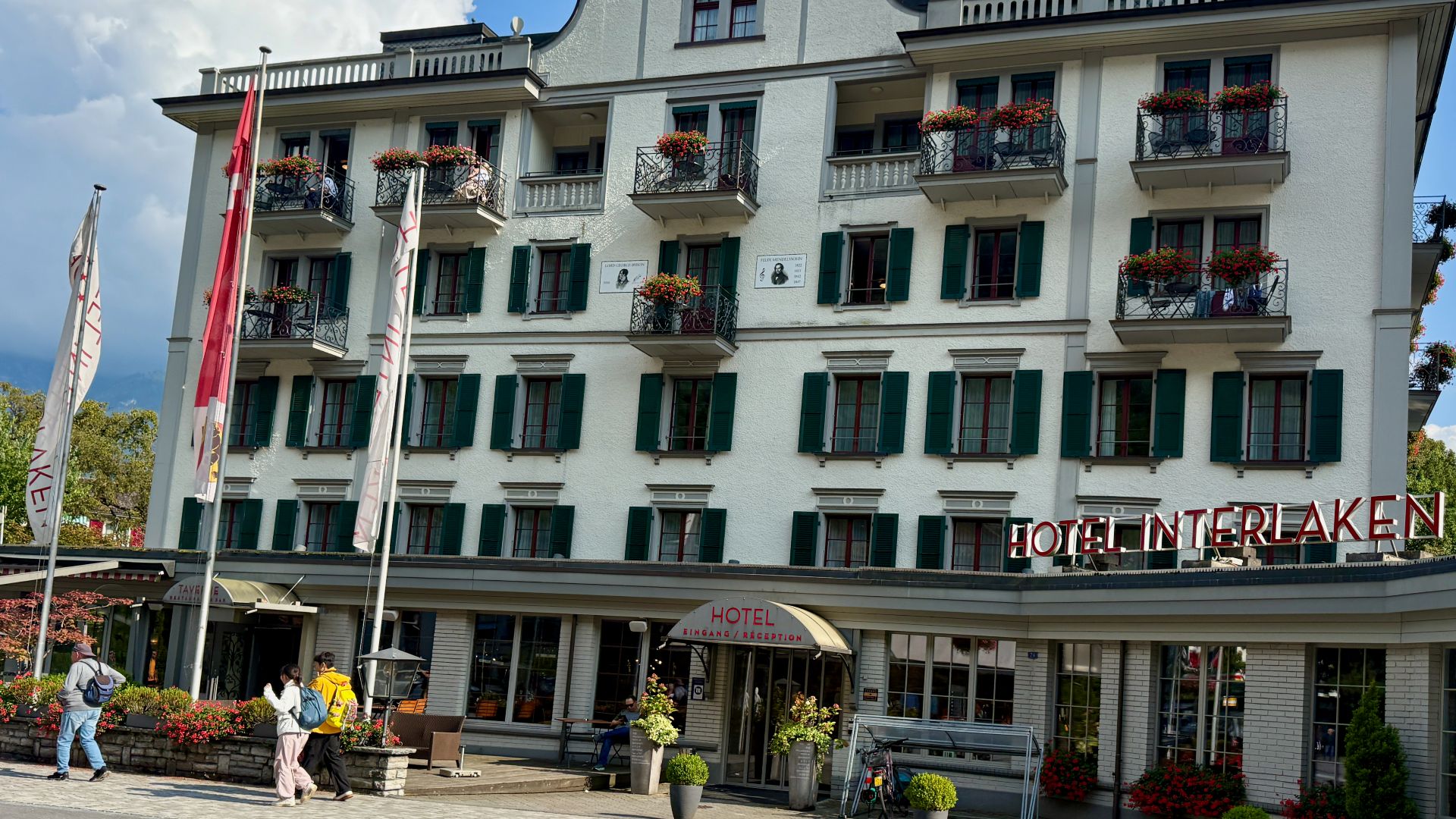 Oleg Yunakov, Wikimedia Commons
Hotel Gasthof Stern, Italy
Founded in 1500 in Brixen, Hotel Gasthof Stern has stood at the heart of one of northern Italy's oldest towns for more than 500 years. Its Renaissance-era architecture reflects the region's long trading history between Italy and Central Europe. Modern renovations have carefully preserved many original features.
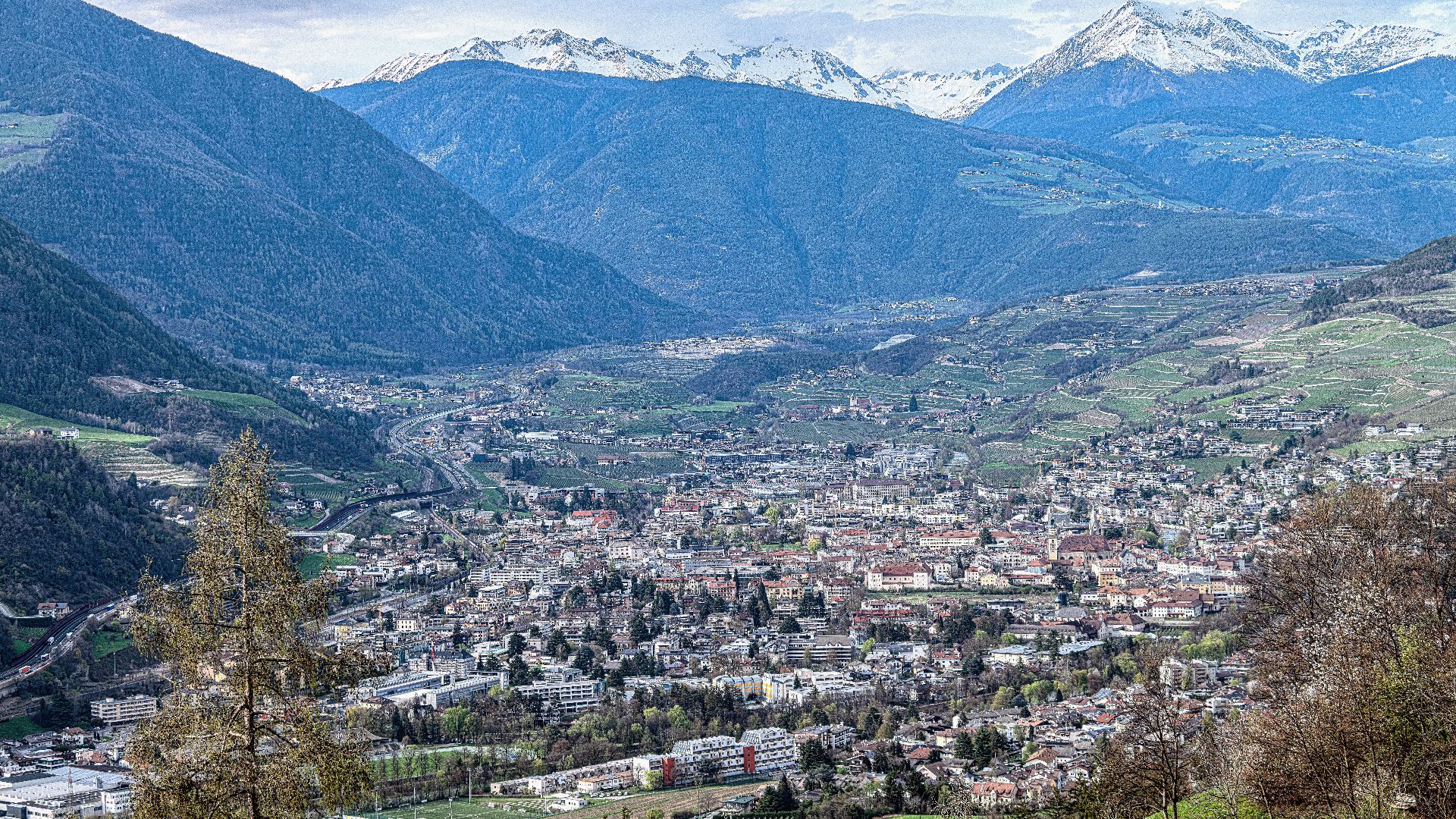
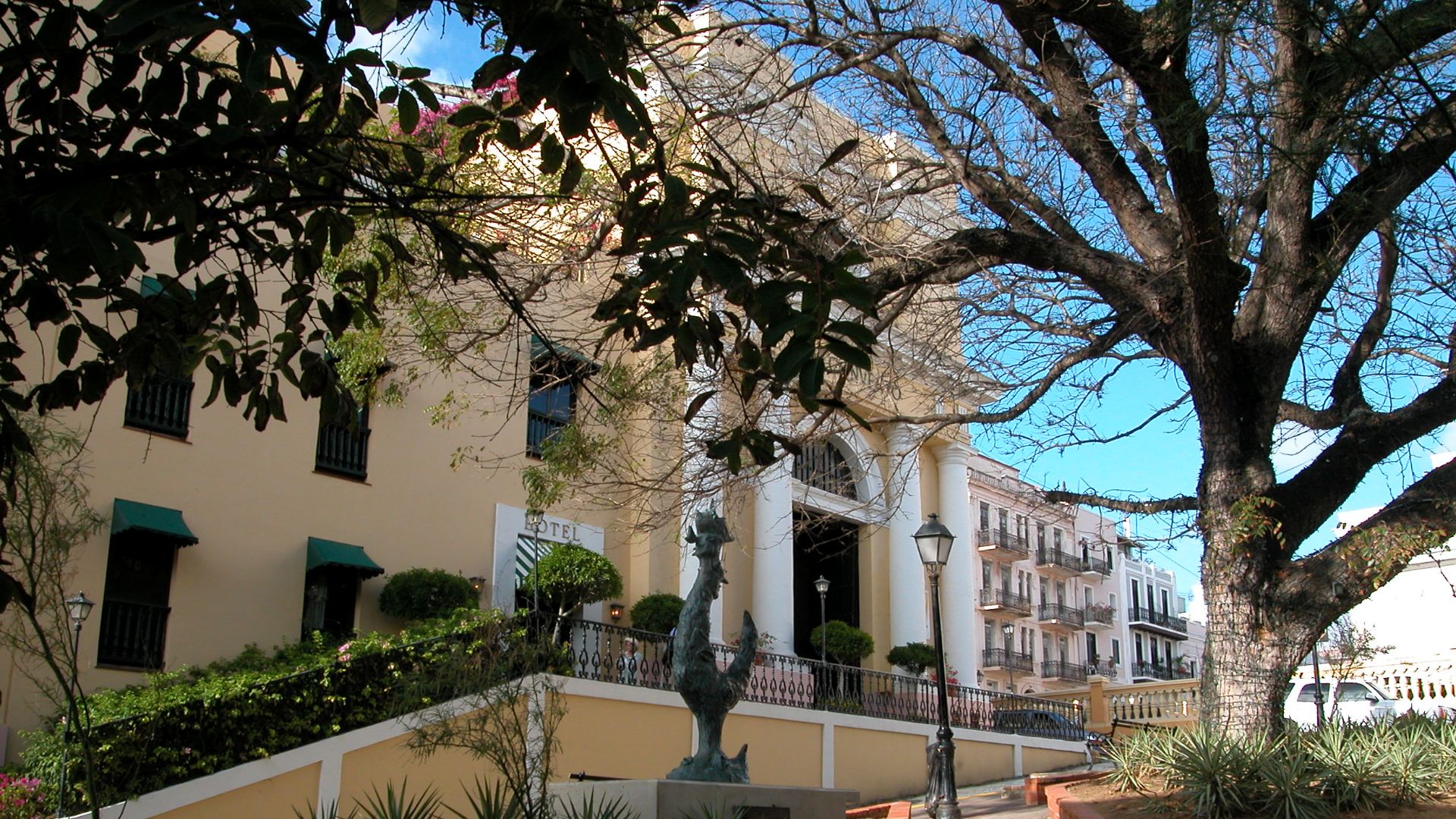
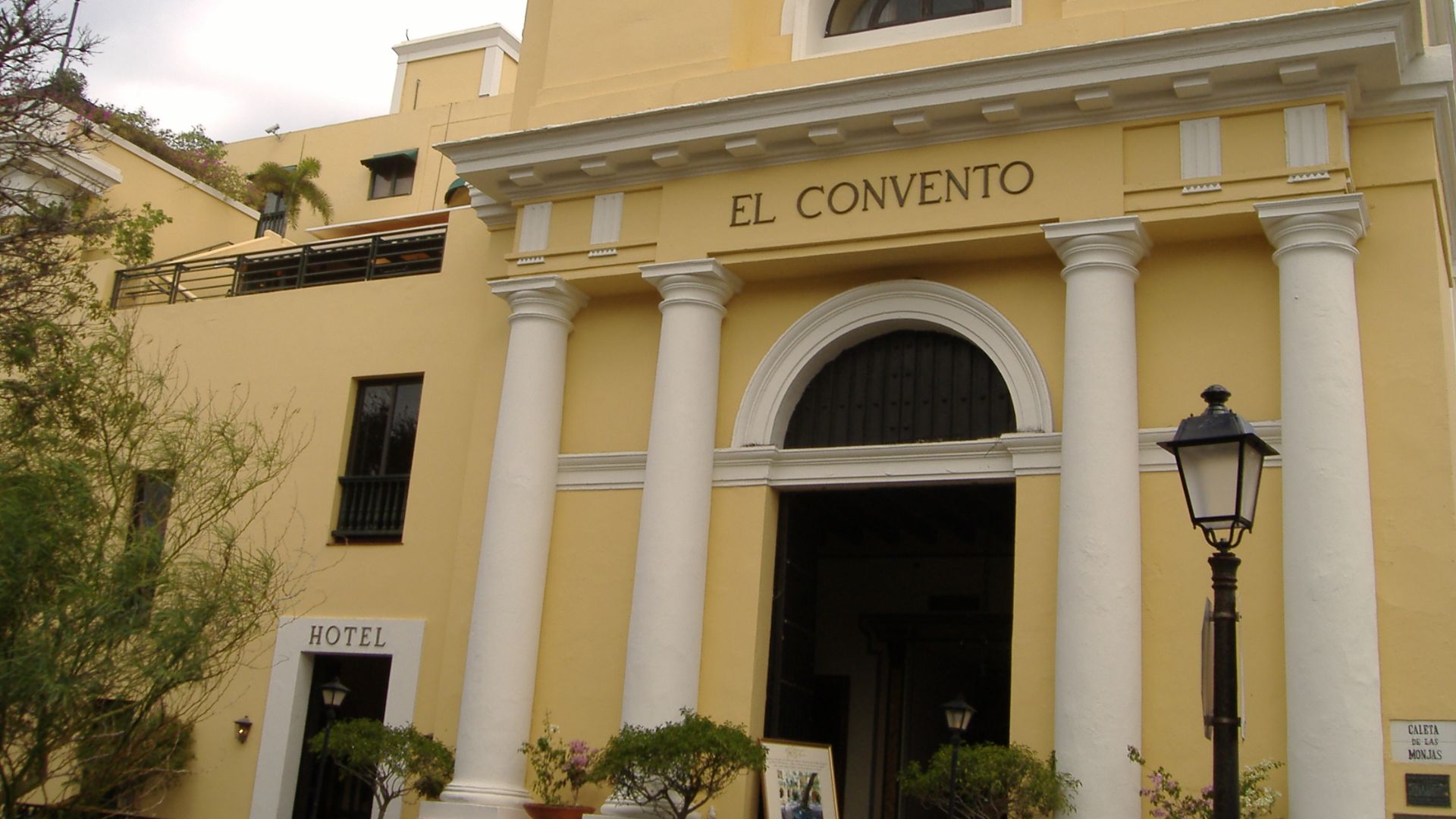
Hotel El Convento, Puerto Rico
Although it became a hotel in the 1960s, Hotel El Convento occupies a former Carmelite convent completed in 1651 in Old San Juan. The beautifully restored building preserves its Spanish Colonial architecture while offering luxury accommodations. Staying here allows guests to experience one of the Caribbean's best-preserved historic structures.
 Edgar Jimenez, Wikimedia Commons
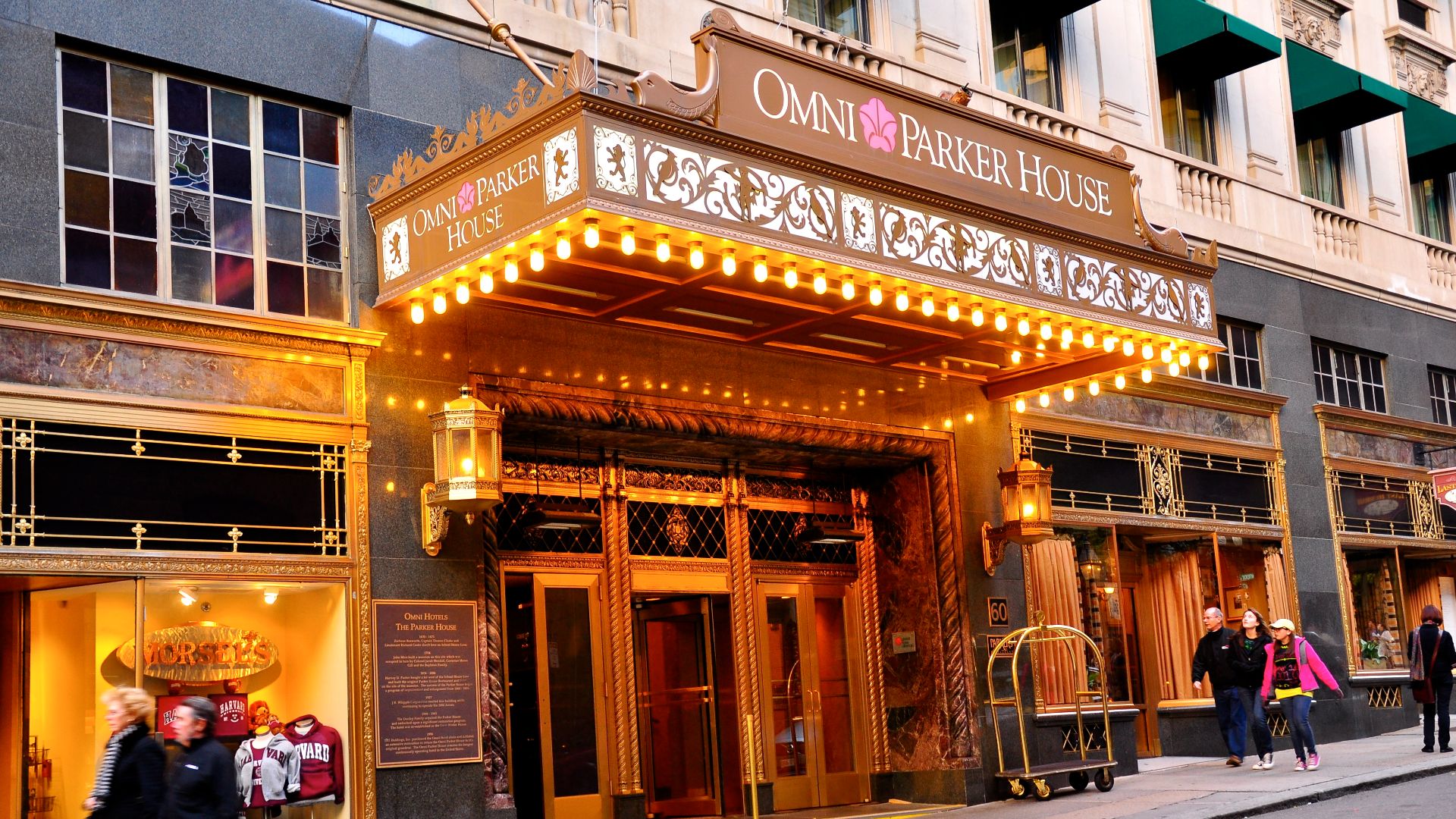
The Omni Parker House, United States
Boston's Omni Parker House first opened in 1855 and is America's longest continuously operating hotel. Throughout its history it has hosted presidents, literary giants, and famous entertainers. The hotel also claims culinary fame as the birthplace of both Boston cream pie and Parker House rolls.
 Kimberly Vardeman from Lubbock, TX, USA, Wikimedia Commons
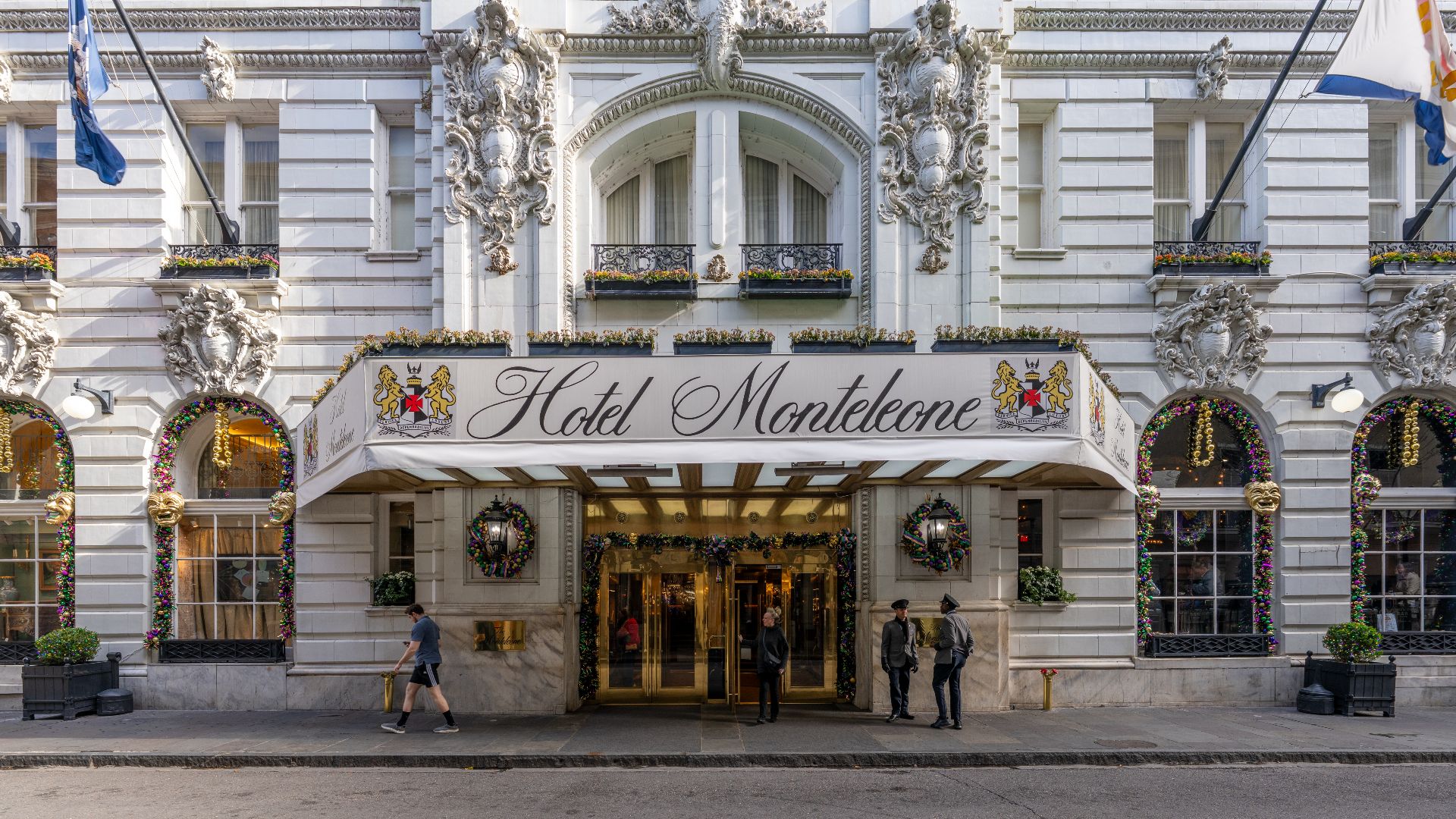
Hotel Monteleone, United States
Operating continuously since 1886 in New Orleans' French Quarter, Hotel Monteleone has become one of America's most famous historic hotels. Generations of the Monteleone family have maintained the property while expanding it over time. Its famous Carousel Bar and literary connections continue to attract visitors from around the world.
 ajay_suresh, Wikimedia Commons
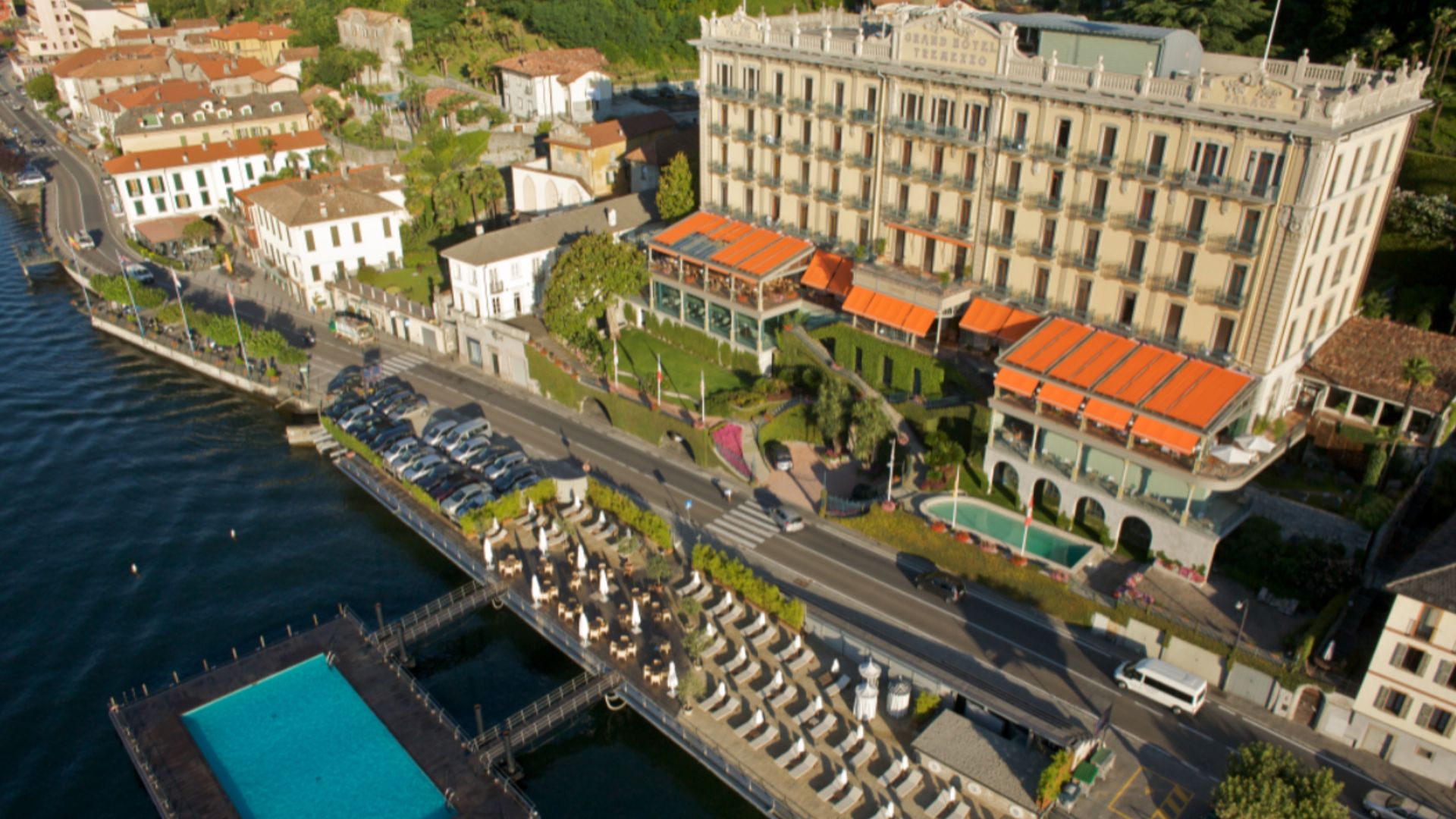
Grand Hotel Tremezzo, Italy
Since opening in 1910 on the shores of Lake Como, Grand Hotel Tremezzo has remained one of Italy's most celebrated luxury hotels. While younger than many others on this list, it represents the golden age of European grand hotels that continue operating more than a century later. Its Belle Époque elegance remains largely intact.
 volovisione, Wikimedia Commons
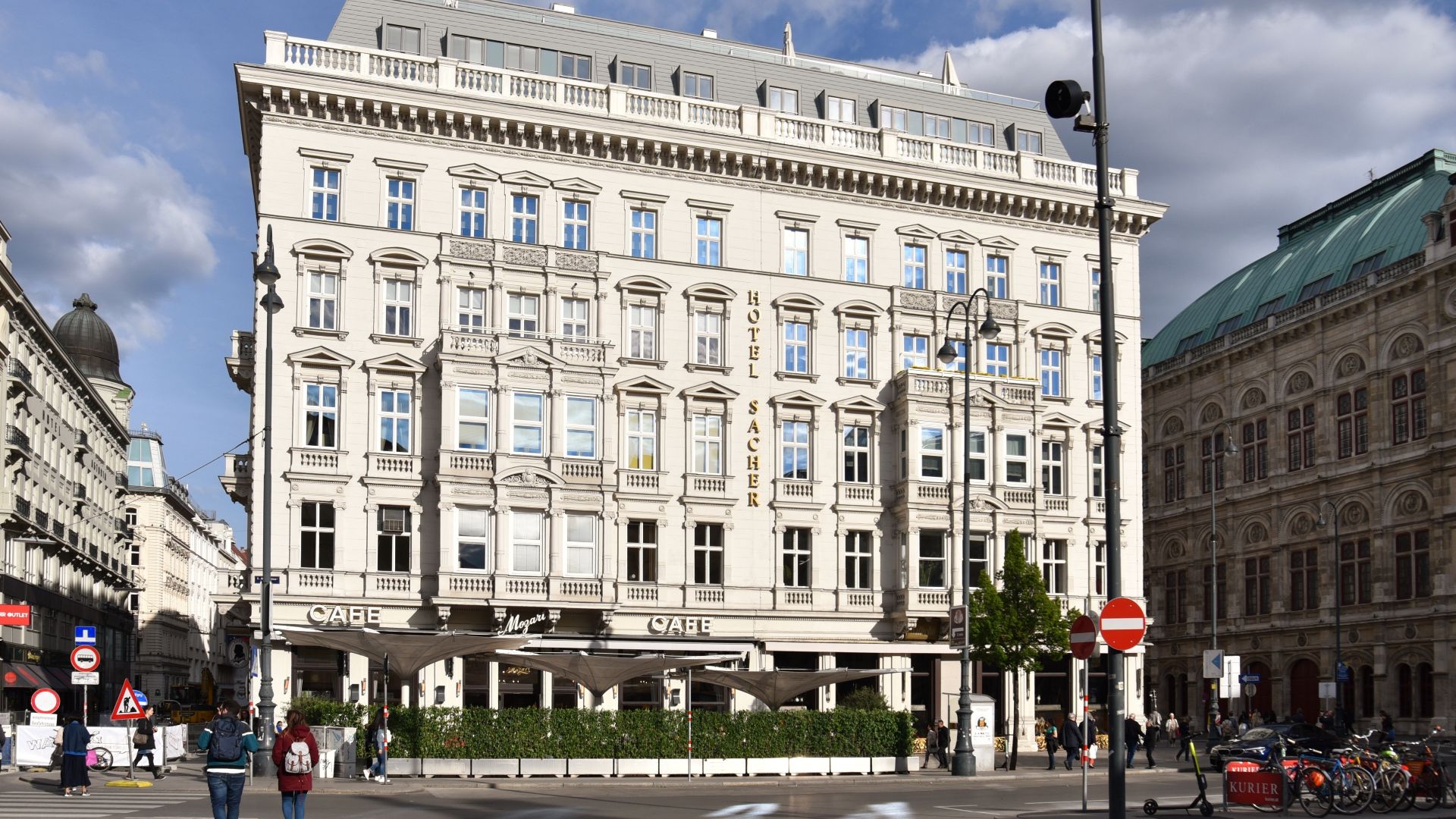
Hotel Sacher Vienna, Austria
Opened in 1876, Hotel Sacher is closely associated with Vienna's imperial history and world-famous Sachertorte chocolate cake. The family-owned luxury hotel has hosted royalty, diplomats, musicians, and artists for nearly 150 years. Its elegant interiors preserve much of the atmosphere of nineteenth-century Vienna.
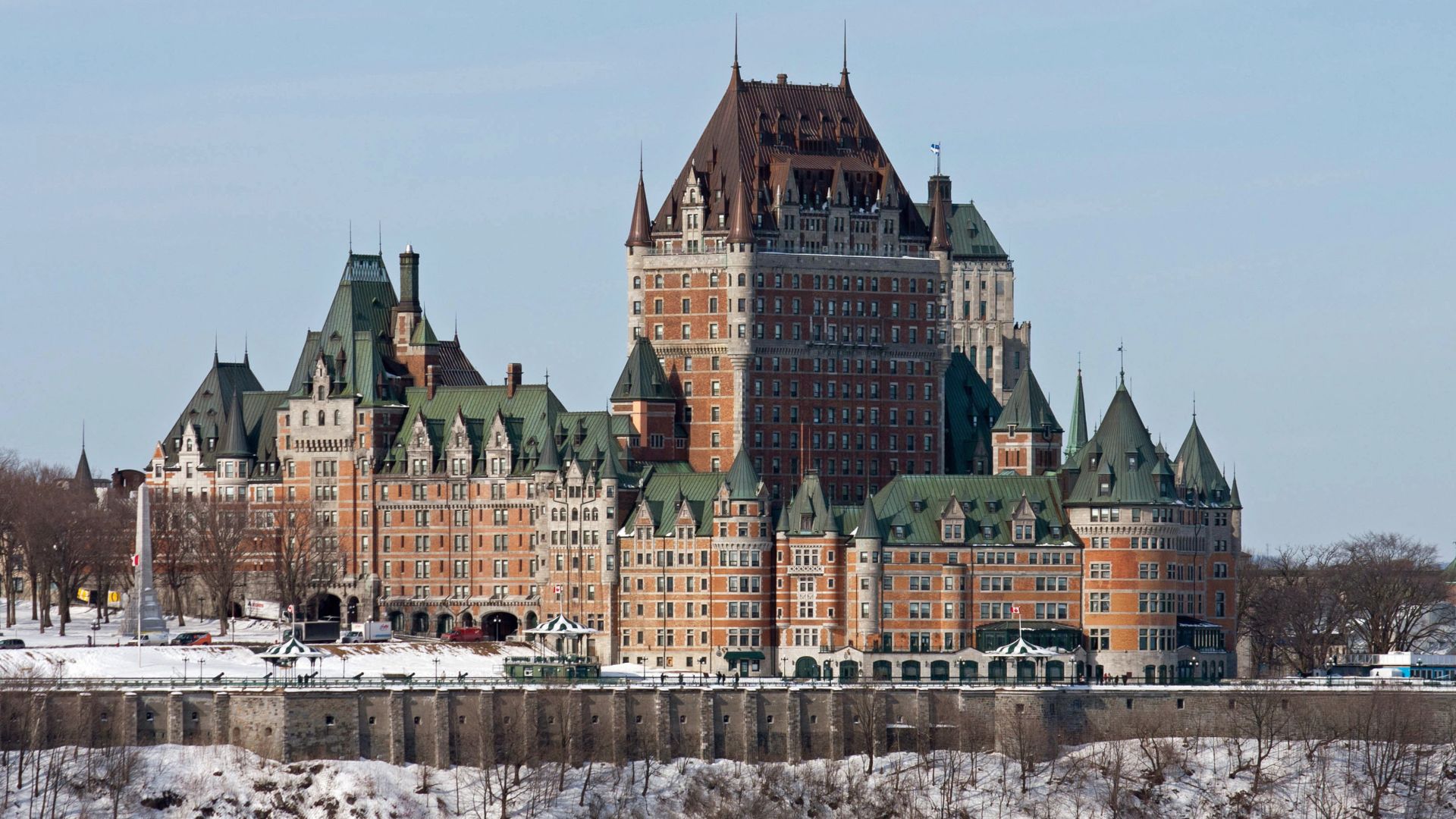
Fairmont Le Château Frontenac, Canada
Since opening in 1893, Château Frontenac has become one of the world's most recognizable historic hotels. Towering above Old Québec, the castle-like structure dominates the city's skyline and has welcomed everyone from world leaders to celebrities. Despite continuous modernization, its historic appearance remains remarkably faithful to the original design.
 Bernard Gagnon, Wikimedia Commons
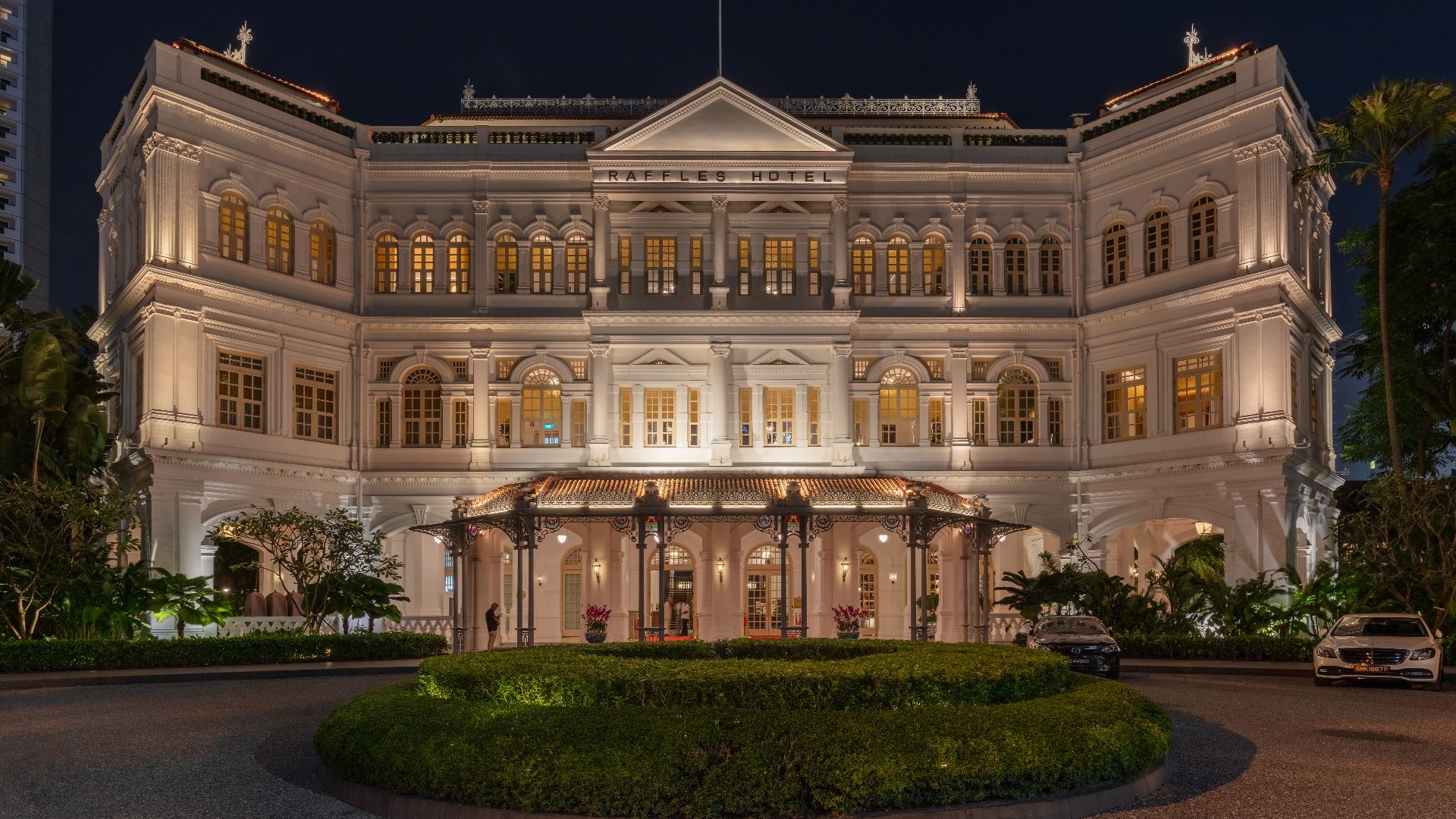
Raffles Singapore, Singapore
Raffles Singapore opened in 1887 and quickly became one of Asia's most legendary hotels. Known for its colonial architecture and the creation of the Singapore Sling cocktail, it has undergone extensive restorations while carefully preserving its historic identity. Guests today experience a blend of heritage and luxury.
 Diego Delso, Wikimedia Commons
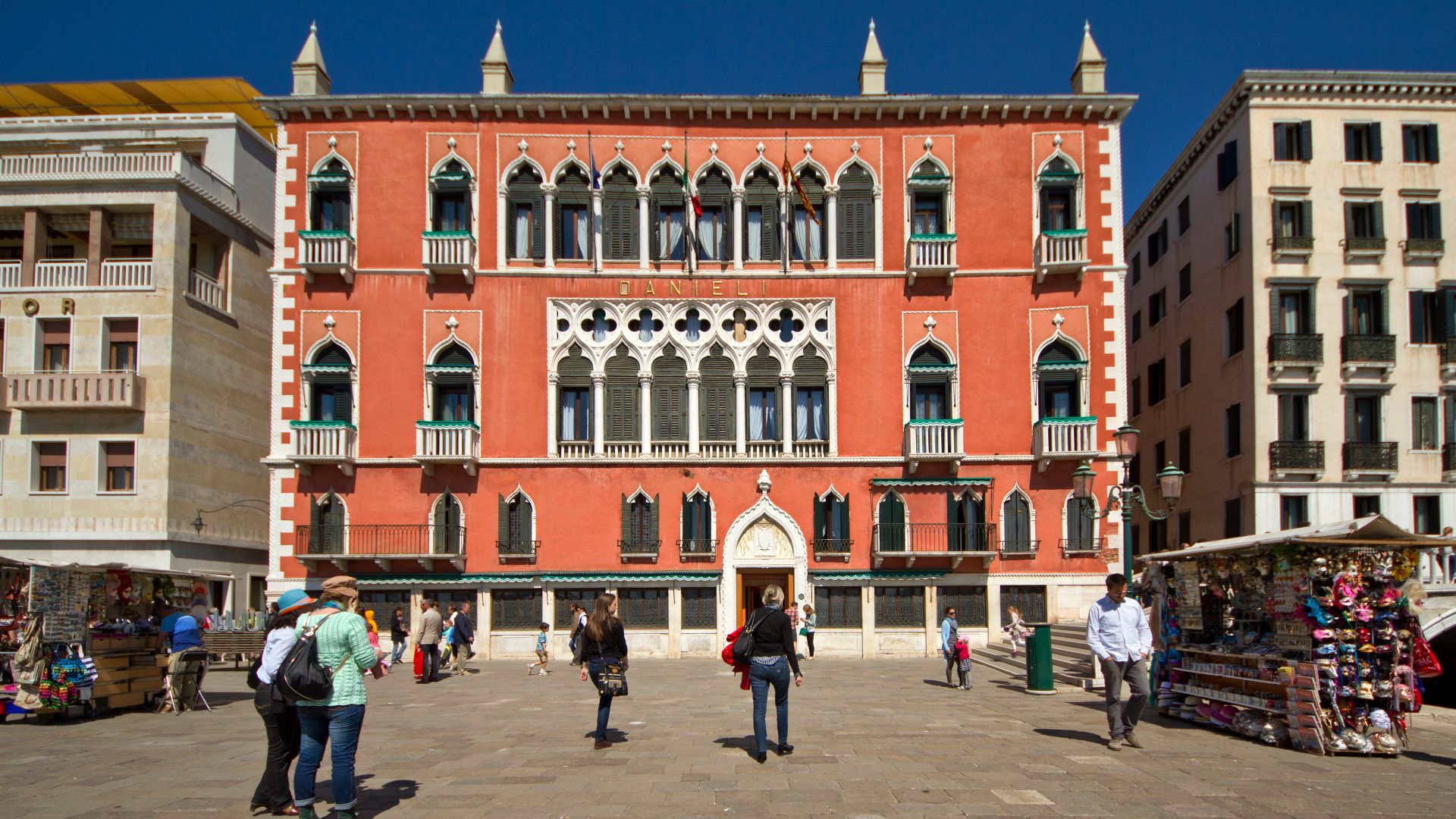
Hotel Danieli, Italy
Occupying a fourteenth-century Venetian palace, Hotel Danieli has welcomed guests since the nineteenth century while preserving its Gothic architectural heritage. Located just steps from St. Mark's Square, it has long attracted writers, artists, and royalty. Its ornate interiors remain among Venice's finest examples of historic luxury.
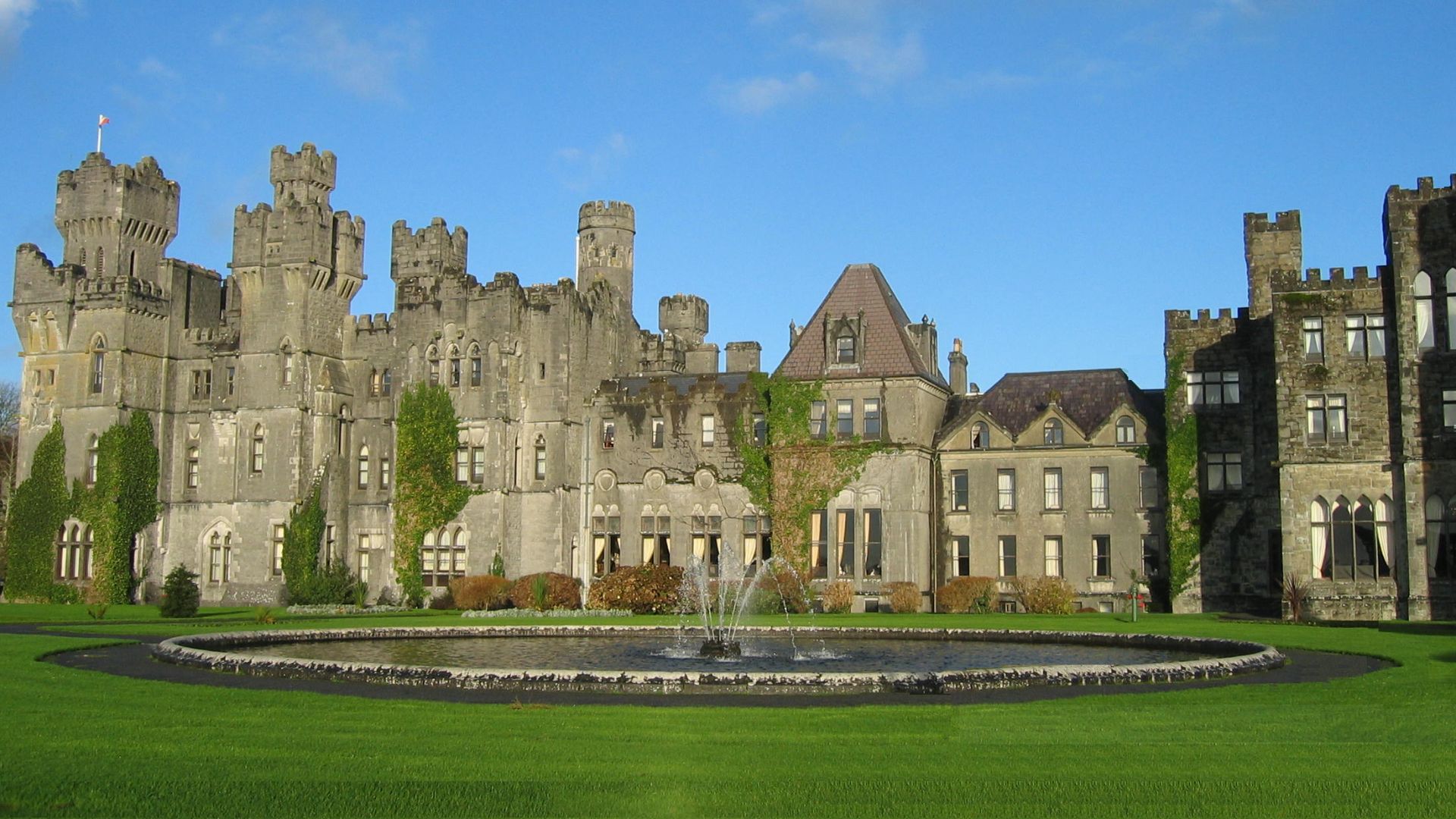
Ashford Castle, Ireland
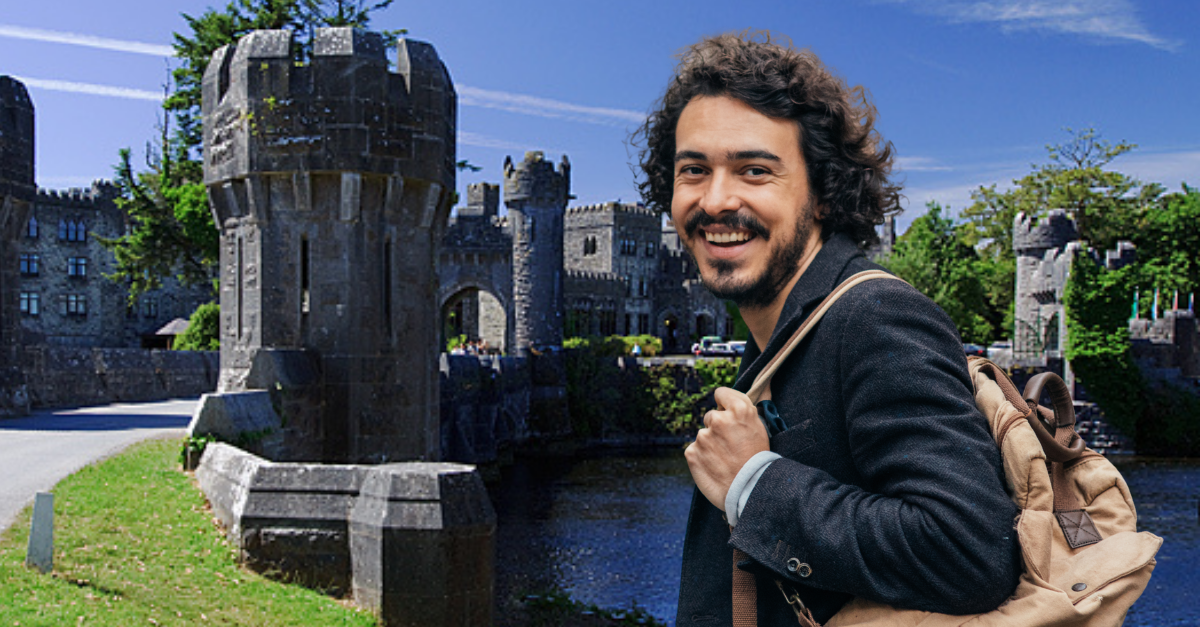
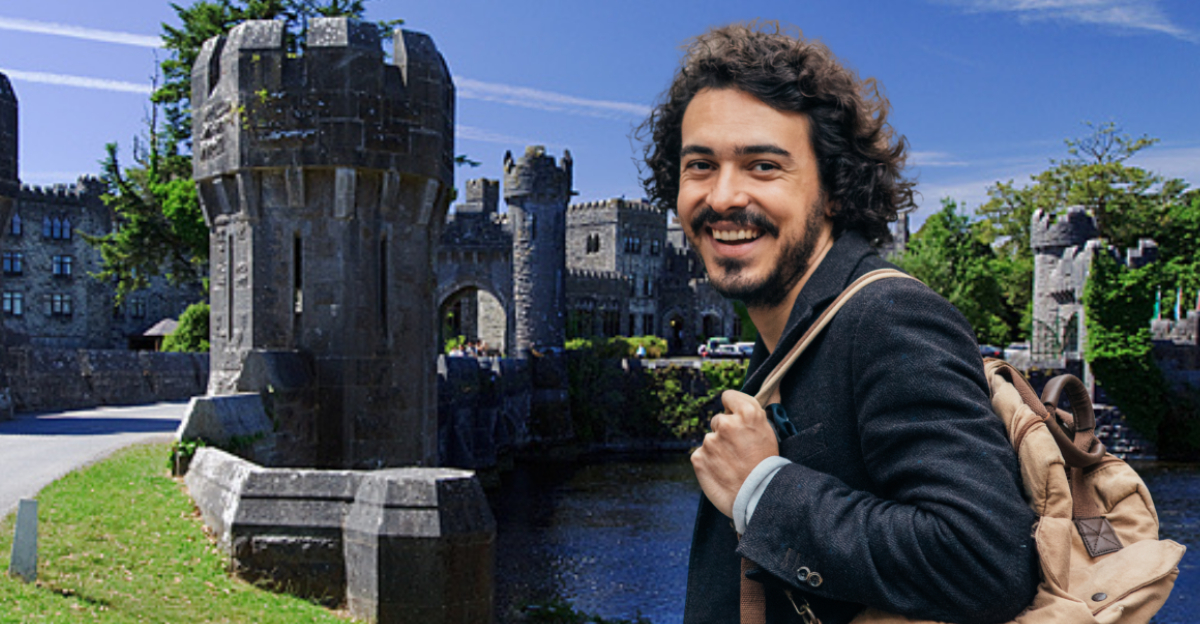
Originally built as a fortress in the thirteenth century before evolving into a grand estate and luxury hotel, Ashford Castle offers guests the rare opportunity to stay inside a genuine medieval castle. Extensive restoration projects have preserved the property's architectural character while introducing modern comforts expected of a world-class hotel.
Centuries Of Hospitality Continue
These extraordinary hotels prove that exceptional hospitality can survive for centuries through careful preservation, thoughtful modernization, and a commitment to welcoming travelers. Whether they're Japanese ryokans with over a millennium of history or European inns that served medieval merchants, each remains a living piece of history. Instead of simply touring the past, guests can spend the night immersed in it, experiencing traditions that have endured across generations.
 User:Mtmelendez, Wikimedia Commons
You May Also Like:
Historic Train Stations That Are Worth Visiting Even If You Never Take The Train