
The Tourist Price Tag Nobody Warns You About
Travel has a funny way of making ordinary things seem worth twice their usual price. A bottle of water, a quick meal, or a short ride can suddenly become a vacation expense simply because of where you're buying it. Locals often have cheaper routines, better alternatives, and a healthy skepticism toward anything marketed specifically to visitors. Here are some of the purchases tourists regularly make that residents tend to approach very differently.

Restaurants Right Beside Famous Landmarks
Eating with a view of the Eiffel Tower or Rome's most famous squares sounds romantic, but that location can come with a premium. Travel expert Rick Steves recommends walking a few blocks away from major attractions to find smaller restaurants serving regional food. These neighborhood establishments often offer a better combination of value and local character. Residents generally have less reason to pay extra for a landmark they've already seen countless times.
 Monkey Business Images, Shutterstock
Bottled Water At Every Tourist Attraction
Buying bottled water throughout a sightseeing day can become an unnecessary expense, especially in destinations with safe public drinking water. Locals who know where to refill their bottles can avoid repeated purchases. Travelers can follow their example by checking whether their destination provides public drinking fountains or refill stations. Just remember that tap water safety varies by location, so verify local guidance before filling up.

Airport Currency Exchange Counters
Those convenient currency exchange booths near baggage claim can be tempting when you've just landed. However, exchange providers may build their profit into unfavorable rates, commissions, or service charges. Residents generally don't need to exchange foreign cash just to make everyday purchases in their own country. Travelers should compare the total cost of exchanging money with bank withdrawals and card payments before accepting the first available offer.

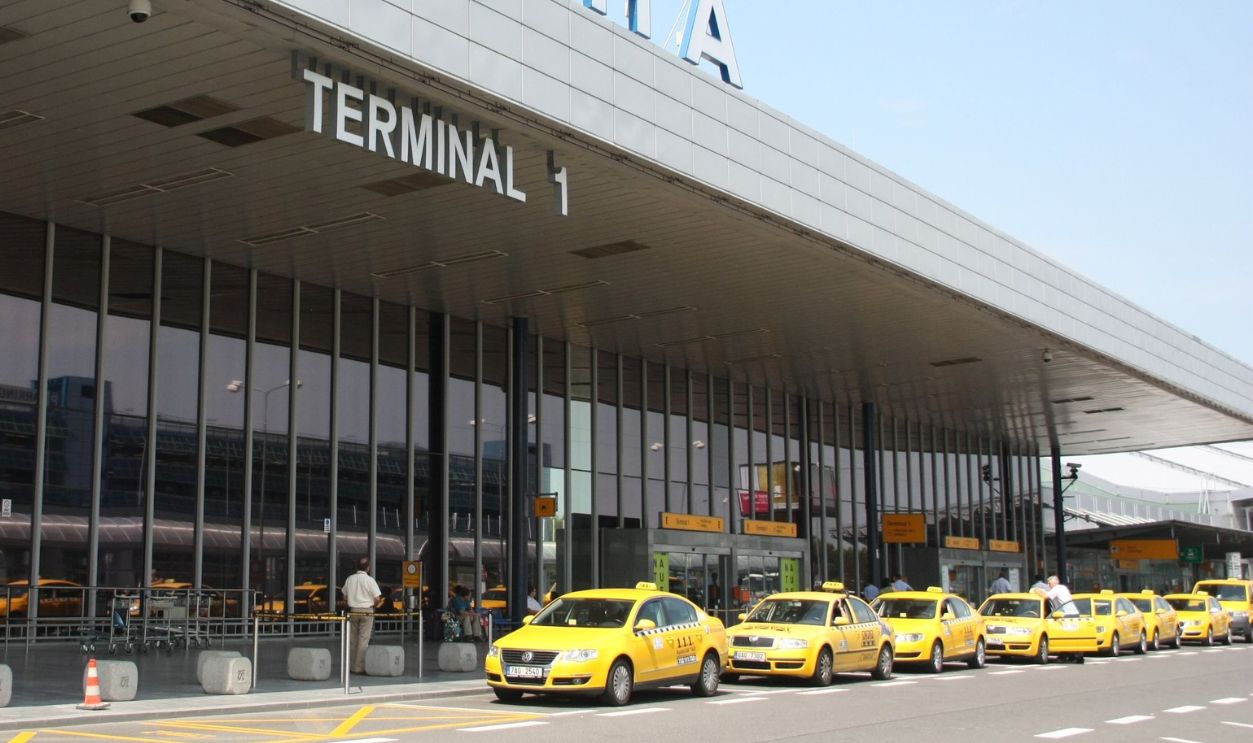
Taxis For Trips Public Transportation Already Covers
A taxi waiting outside the airport can feel like the easiest way to start a vacation. Yet many major cities offer rail, bus, or other public transportation connections that cost considerably less. Residents familiar with these systems often use them for routine journeys instead of paying for private rides. Before booking a car, check the airport's official transportation information and consider how much luggage you're carrying.
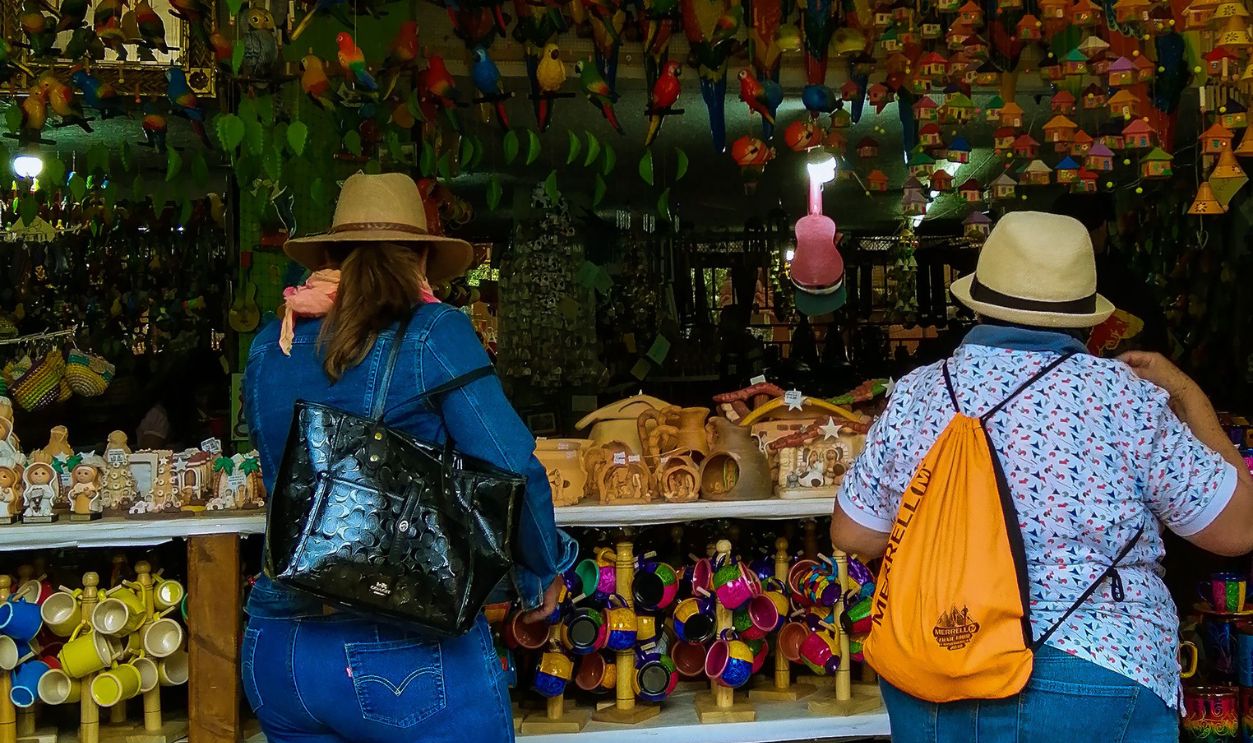
Souvenir Shops Beside Major Attractions
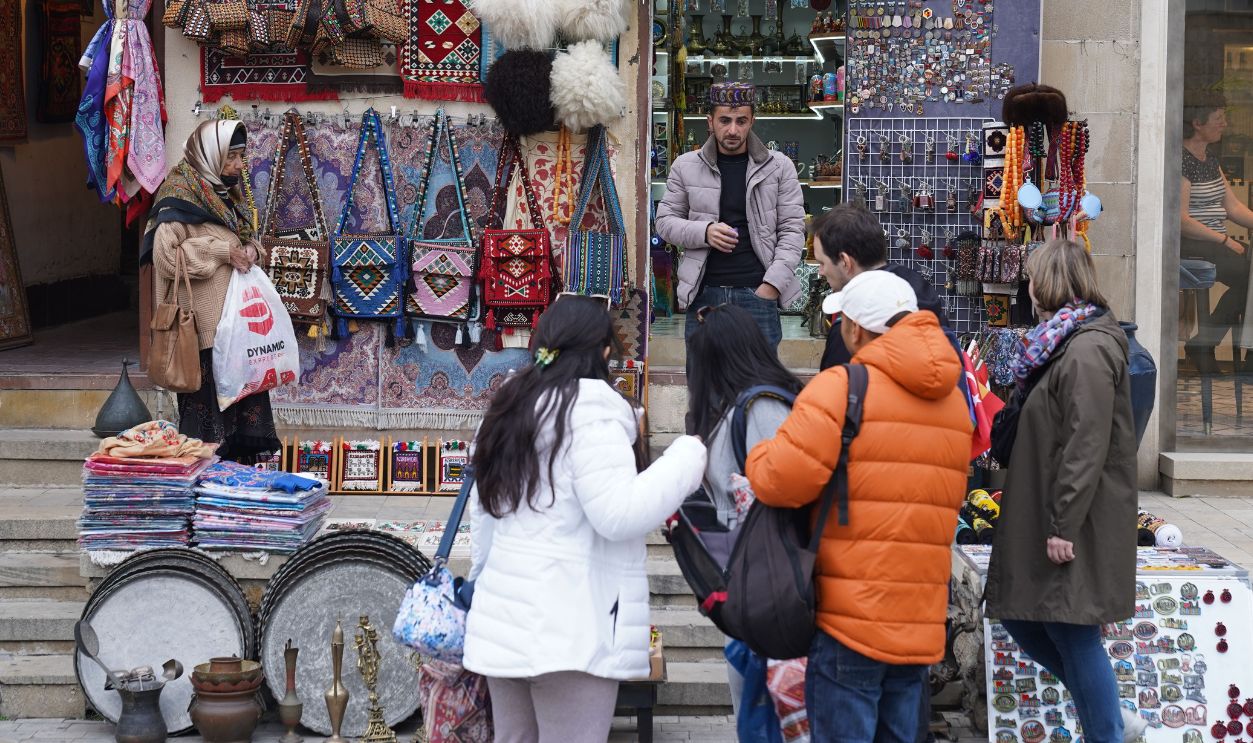
The closer a souvenir shop gets to a famous landmark, the more likely its merchandise is designed around visitors. Keychains, magnets, miniature monuments, and destination-branded clothing are easy to find in these areas. Locals usually have little reason to purchase reminders of places they see regularly. If you want something more distinctive, look for independent craftspeople, neighborhood markets, or locally produced goods.
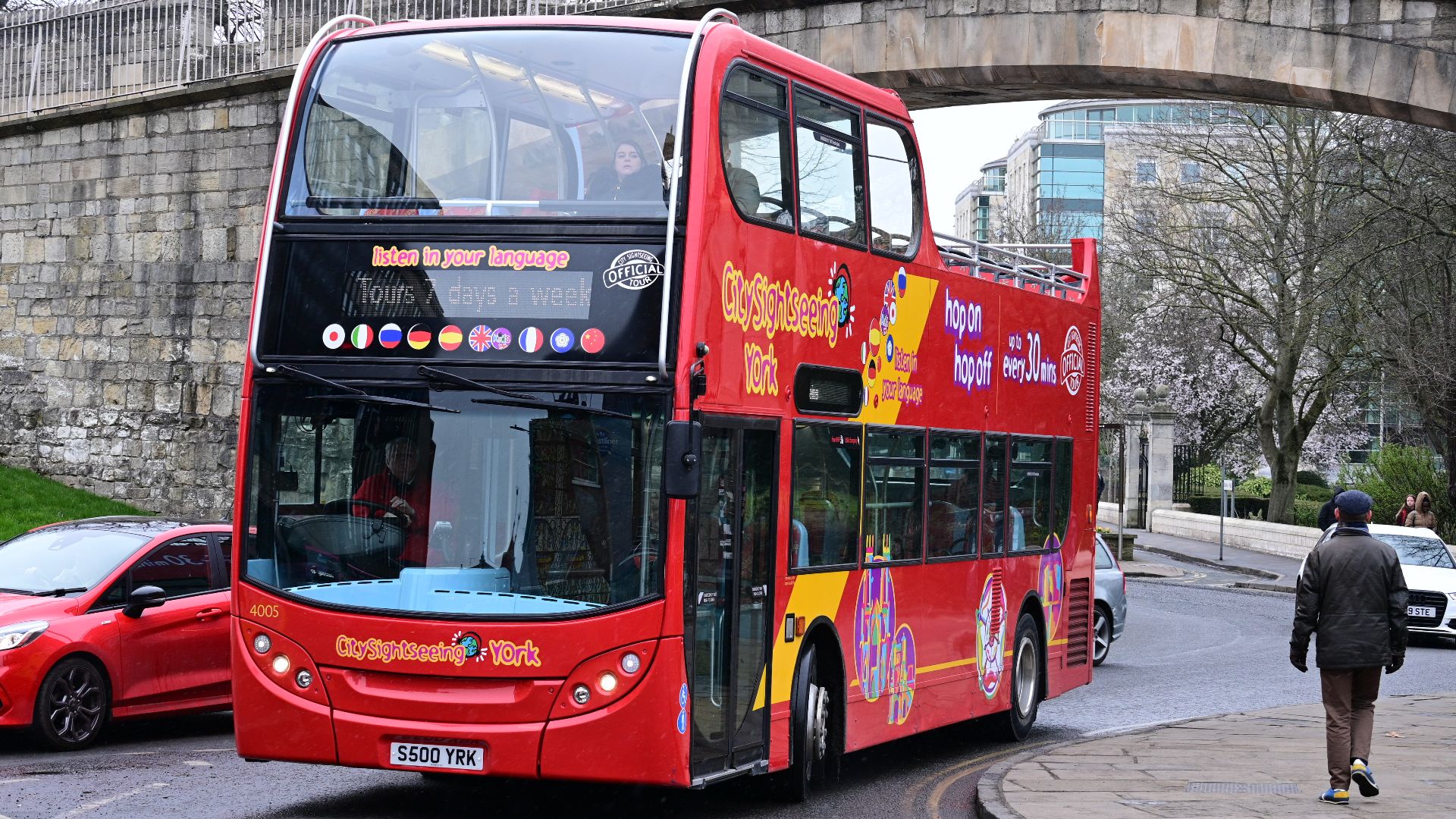
Hop-On Hop-Off Sightseeing Buses
Open-top sightseeing buses promise an easy introduction to unfamiliar cities. They can be useful for travelers with limited time or mobility concerns, but they often overlap with routes served by ordinary public transportation. Residents generally use regular buses and trains because they need practical connections rather than sightseeing commentary. Compare the sightseeing ticket with a local transit pass before deciding which experience suits your trip.
Expensive Hotel Breakfast Buffets
A hotel breakfast buffet can be convenient, especially when you have an early departure. However, paying a separate premium for breakfast every morning isn't always necessary when nearby bakeries and cafés offer alternatives. Locals typically have their own breakfast routines rather than eating at hotel restaurants. Check the buffet price against nearby options before automatically adding breakfast to your reservation.

Professional Photos At Tourist Hotspots
Some famous attractions have photographers offering posed pictures, costumes, or souvenir prints. These services are designed to turn a sightseeing moment into a paid keepsake. Residents rarely need professional photographs every time they pass a familiar landmark. Unless the experience itself appeals to you, asking a companion to take a picture may be enough.

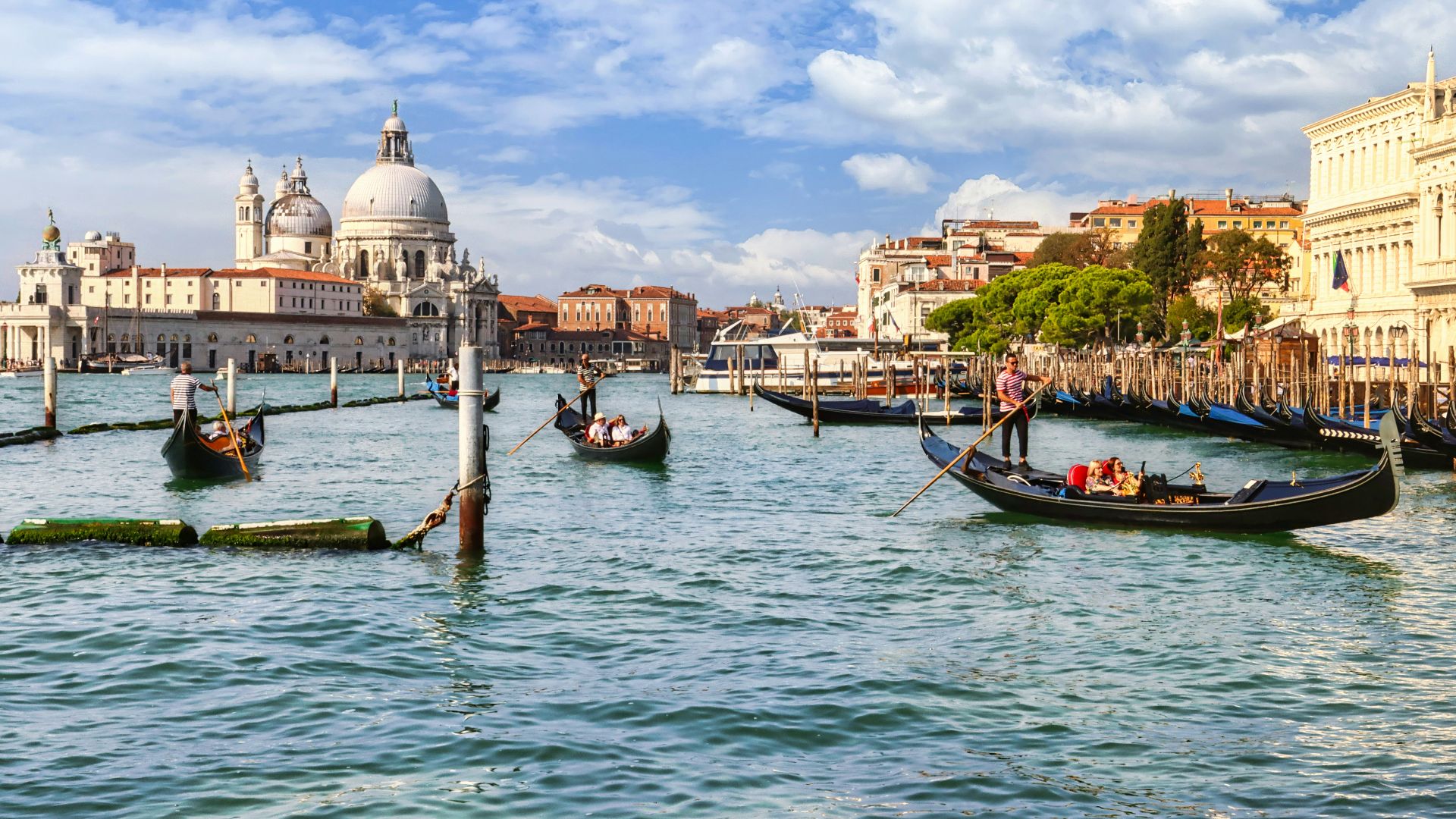
Gondola Rides Through Venice
Few experiences are as recognizable as a traditional Venetian gondola ride. Venice's municipal government lists the standard daytime fare at €90 for a 30-minute ride, while the evening fare is €110 for 35 minutes. These rides are primarily a sightseeing experience rather than an everyday transportation solution for residents. Visitors interested in getting around the city can compare gondola tours with Venice's public water transportation.
Tourist Menus With Pictures Of Everything
Restaurants displaying large photographs of every dish can make ordering easier when you don't speak the language. However, these menus are also common in areas catering heavily to international visitors. Rick Steves recommends looking for smaller establishments with regional specialties and menus reflecting local ingredients. A picture-heavy menu doesn't automatically mean poor food, but it shouldn't be your only reason to choose a restaurant.

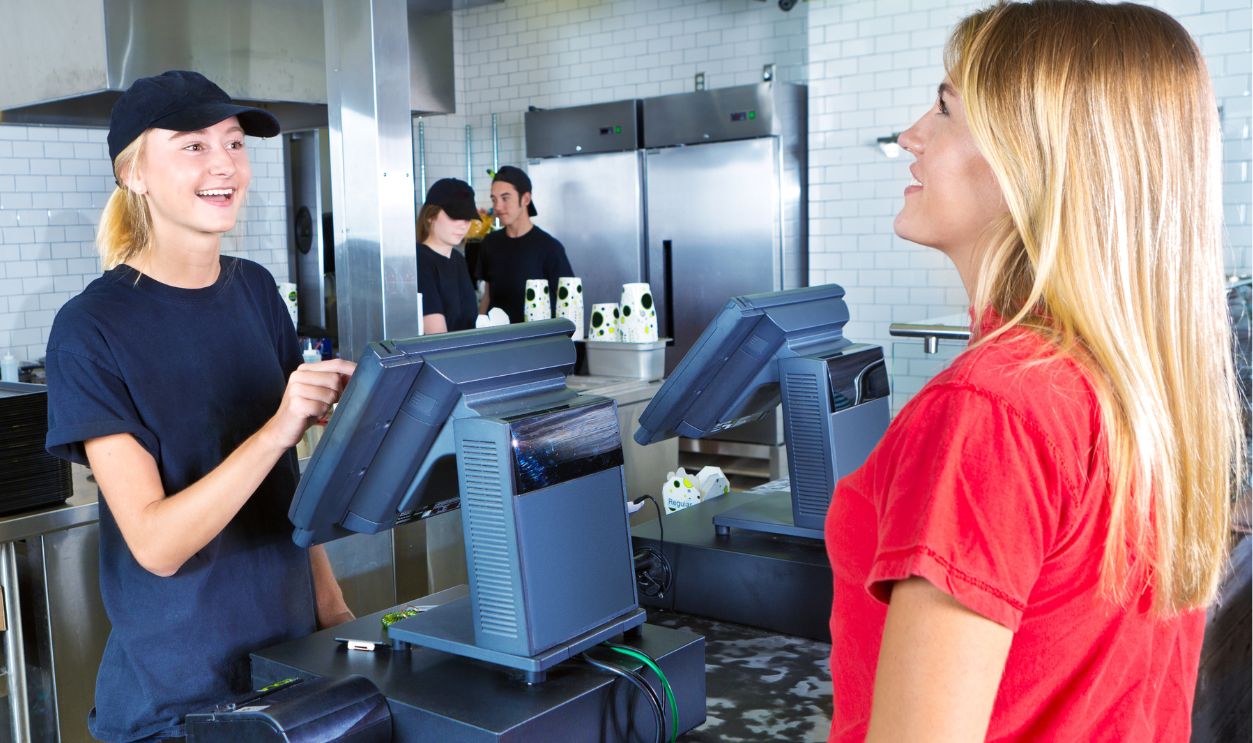
International Fast Food In Famous Shopping Districts
Recognizable fast-food chains offer a reassuring option when you're tired, hungry, or unfamiliar with the local cuisine. Yet choosing the same international brands for every meal can mean missing the food traditions that make a destination interesting. Residents have access to everyday eateries, bakeries, and neighborhood food shops that visitors might overlook. Trying a modest local establishment can be just as convenient while adding something memorable to the trip.
Guided Tours Of Places That Are Free To Explore
Walking tours can provide historical context, expert storytelling, and access to specialized knowledge. However, some paid itineraries focus mainly on public streets, squares, and monuments that visitors can explore independently. Locals regularly use these spaces without purchasing an organized tour. Before booking, check whether the price includes meaningful extras such as admission, specialist guidance, or restricted access.
 Nick Starichenko, Shutterstock
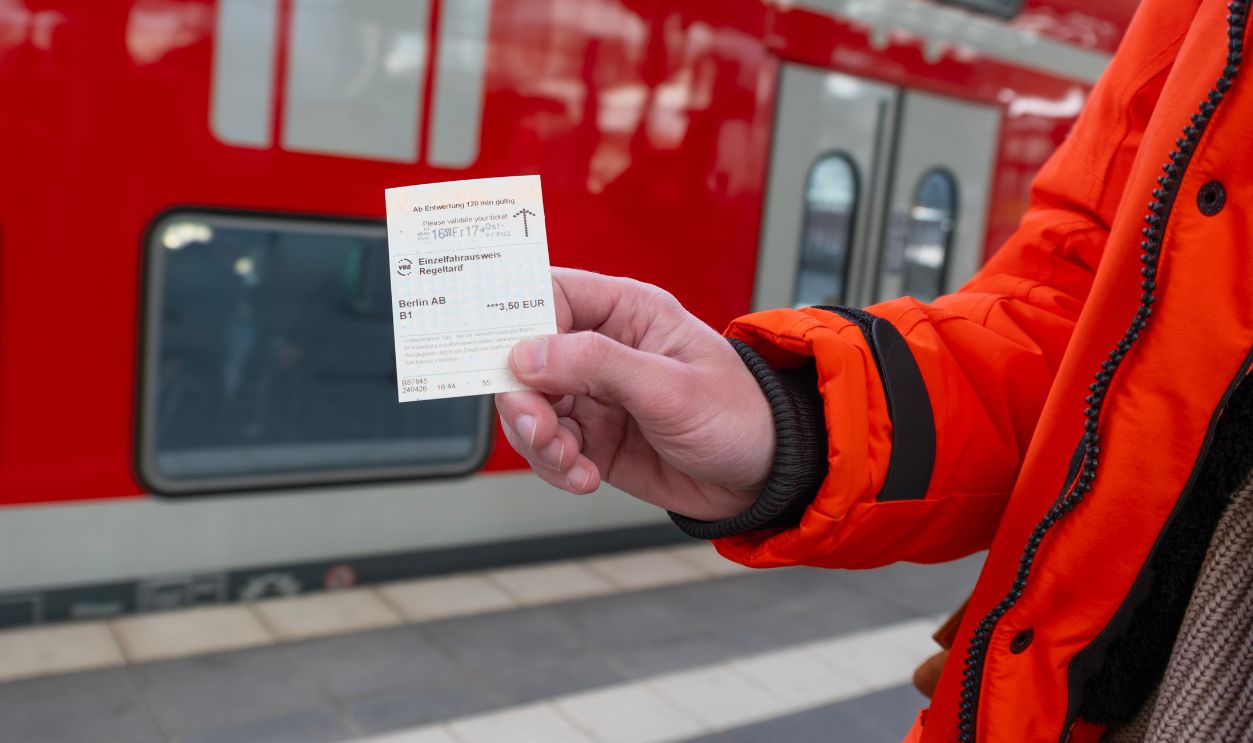
Tourist Transportation Passes That Cost More Than Necessary
Unlimited transportation passes sound like a bargain, especially when you're planning a busy sightseeing schedule. However, they aren't automatically cheaper than paying for individual journeys or using a contactless card. London's transportation system, for example, offers daily and weekly fare caps on eligible pay-as-you-go journeys. Locals who understand their commuting patterns can choose the most economical option, while visitors should calculate how often they'll actually travel.
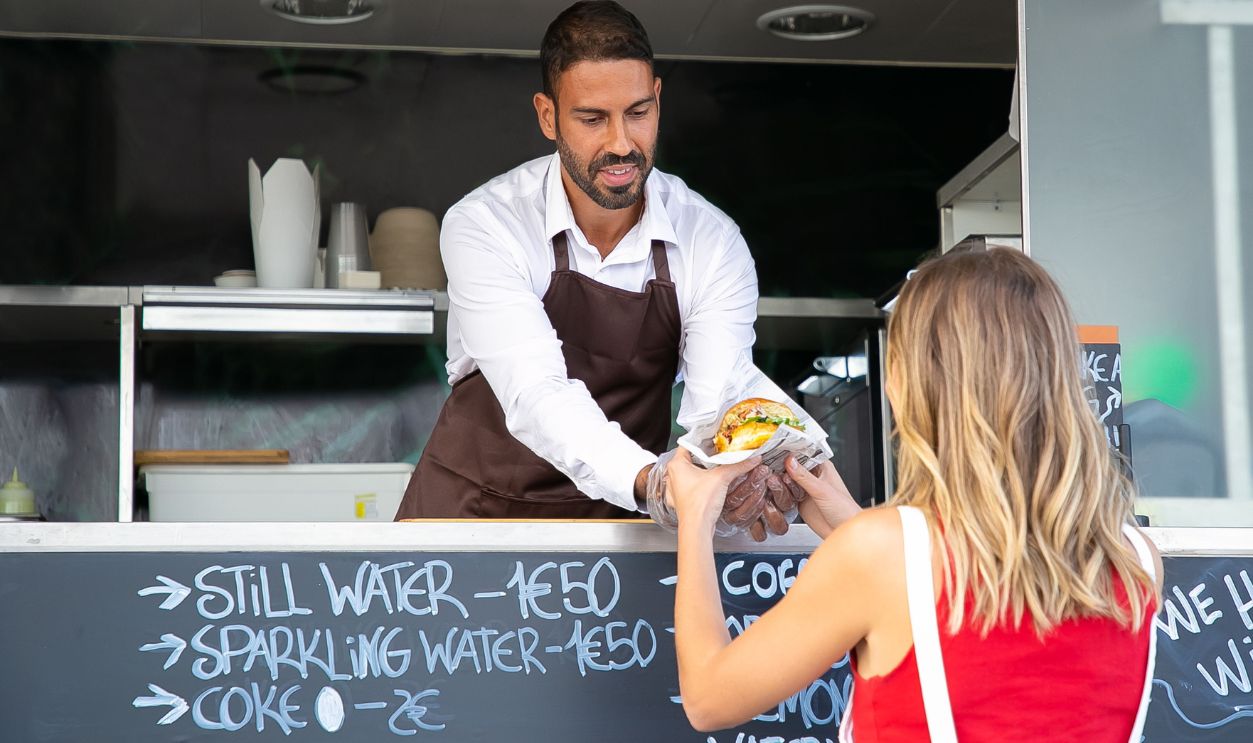
Overpriced Snacks At Major Attractions
Hunger has a way of striking at the least convenient moment, especially during a long sightseeing day. Food stands and shops immediately outside major attractions can benefit from visitors who don't want to leave the area. Residents familiar with nearby supermarkets, bakeries, and convenience stores have more options for everyday snacks. Picking up something before heading to a busy attraction can help you avoid making an expensive impulse purchase.
International Roaming Packages You Might Not Need
Staying connected abroad is important, but expensive international roaming packages aren't always necessary. European Union roaming rules allow eligible customers to use their domestic mobile plans across participating countries without additional roaming charges, subject to fair-use conditions. Residents already using local networks generally don't face the same international connectivity decisions as overseas visitors. Before buying a travel SIM or roaming package, check your existing plan and compare its coverage with local alternatives.

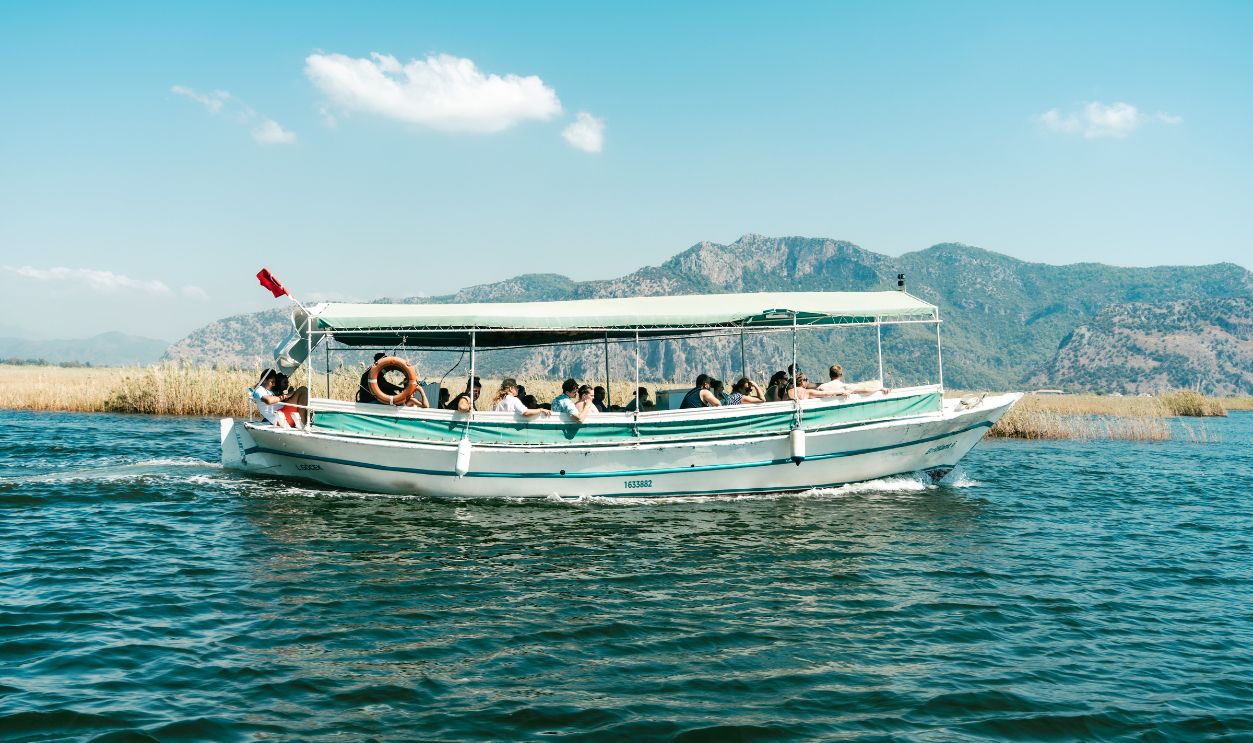
Paid Boat Tours Along Public Ferry Routes
Sightseeing cruises offer commentary, comfortable seating, and sometimes food or entertainment. However, ordinary public ferries can provide impressive waterfront views without the same sightseeing price. New York City's Staten Island Ferry, for example, operates free of charge between Lower Manhattan and Staten Island. Residents use the service for transportation, while visitors can enjoy a memorable harbor crossing without purchasing a separate cruise ticket.
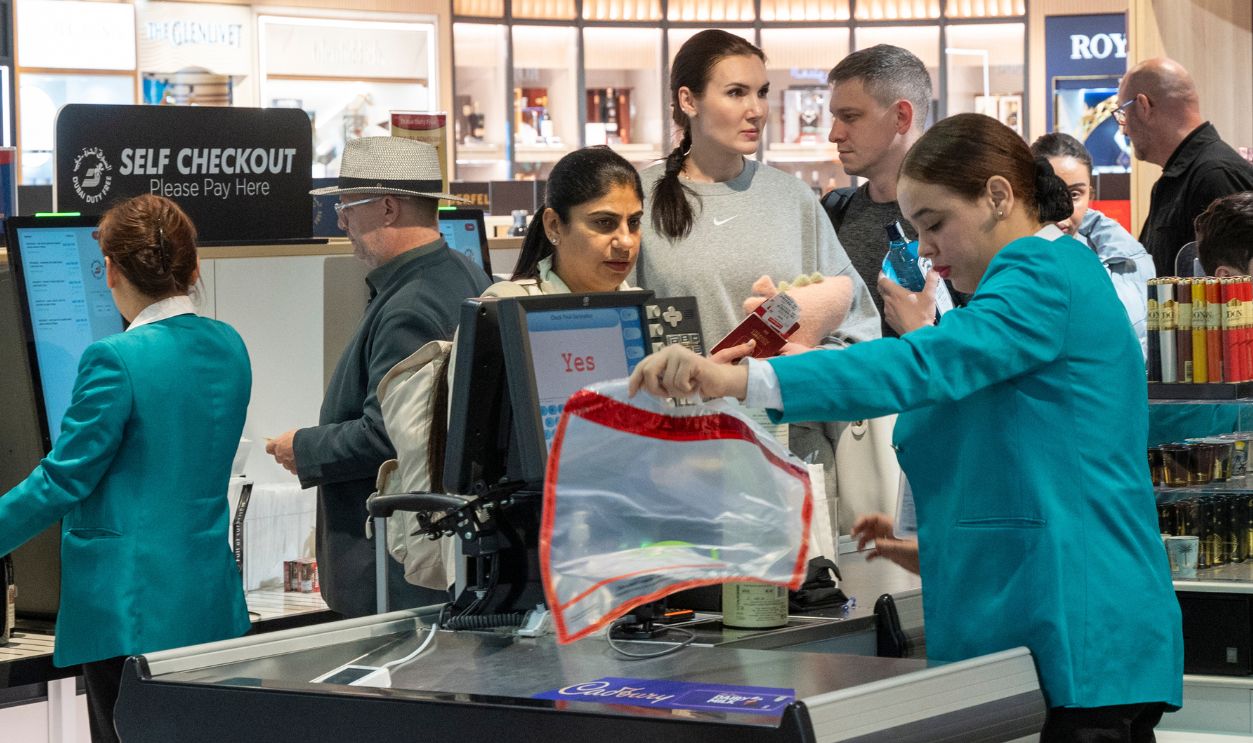
Brand-New Travel Accessories At The Airport
Airports are full of products designed to solve problems travelers suddenly remember they have. Neck pillows, charging cables, luggage locks, and headphones can become last-minute purchases before boarding. Locals preparing for a routine journey may already own these essentials or buy them from ordinary retailers. Making a packing checklist before leaving home can reduce the temptation to pay for convenience at the terminal.
 Horacio Villalobos, Getty Images
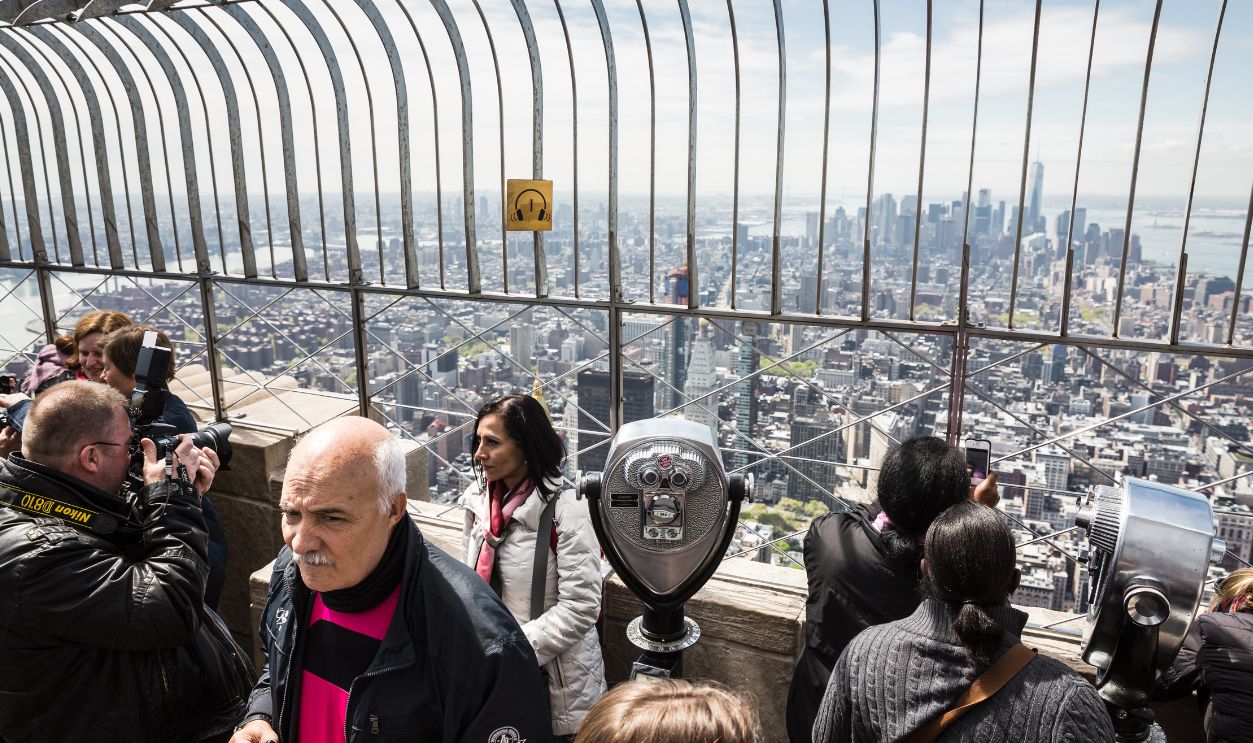
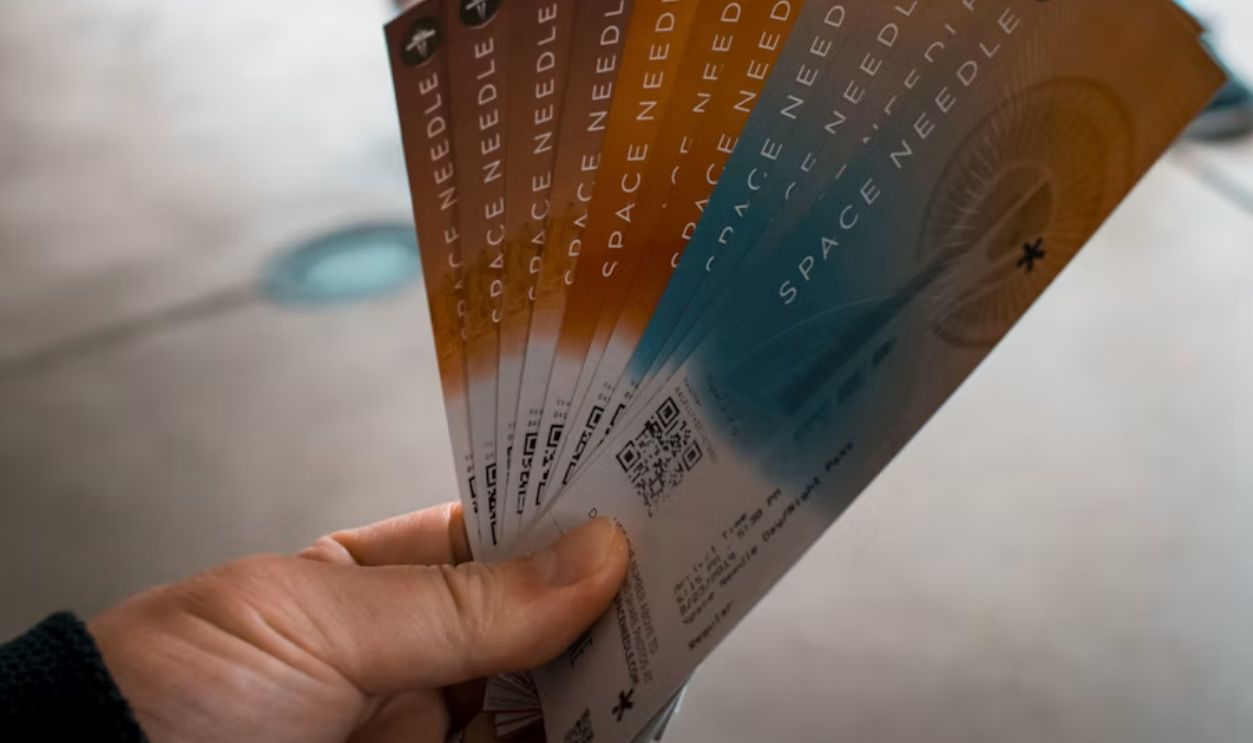
Expensive Observation Deck Tickets
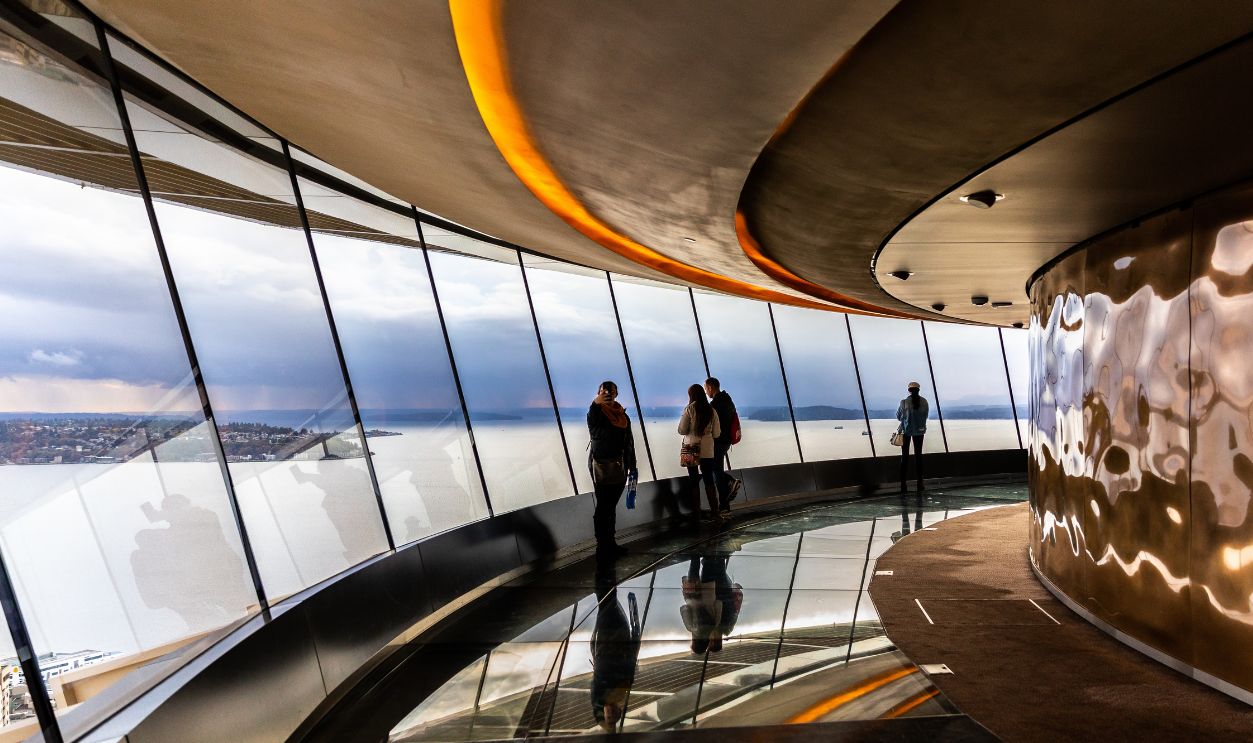
Seeing a city from above can be spectacular, and some famous observation decks offer genuinely unforgettable views. However, residents often know about public viewpoints, parks, hills, and other places where impressive scenery doesn't require a premium ticket. These alternatives may offer different perspectives rather than identical views. Before booking an expensive observation deck, research the free viewpoints available around your destination.
Tourist Shopping Packages And Tax-Free Deals
Tax-free shopping can sound like an automatic bargain, but eligibility rules and spending requirements matter. Japan, for example, offers qualifying foreign visitors consumption tax relief at participating retailers, while ordinary residents generally don't qualify for that visitor exemption. Starting November 1, 2026, Japan is changing to a system where eligible travelers pay tax at purchase and claim a refund after departure checks. Travelers should compare actual prices rather than buying extra merchandise simply to take advantage of a tax benefit.
 Xinhua News Agency, Getty Images
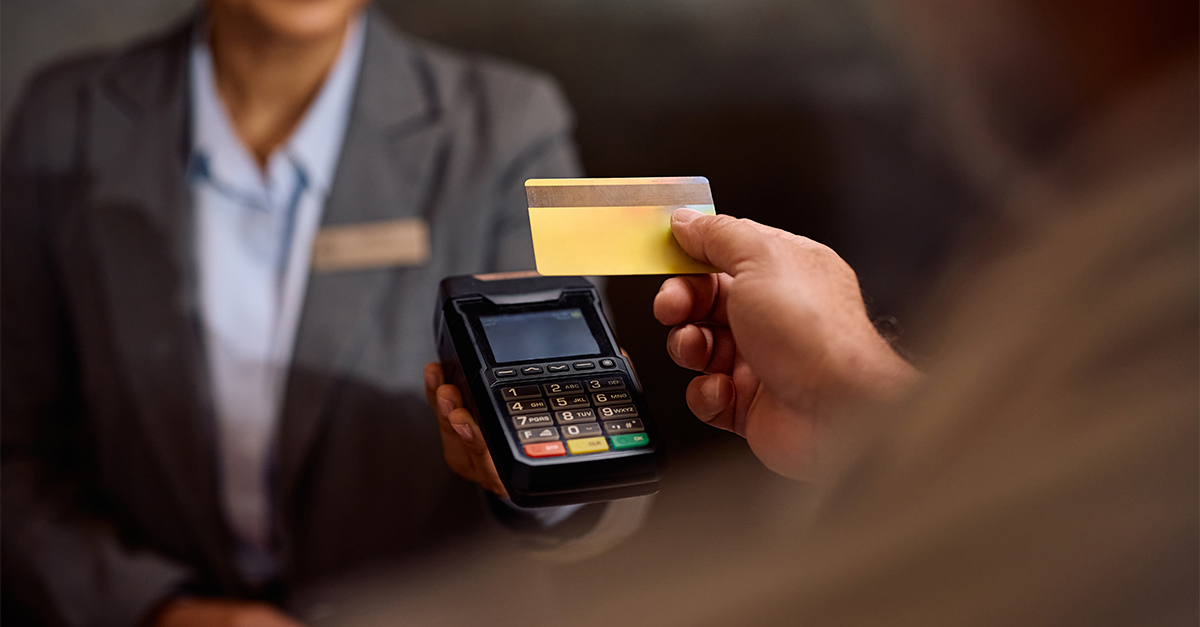
Currency Conversion At The Checkout
When paying by card abroad, a payment terminal may offer to charge you in your home currency instead of the local currency. This service, called dynamic currency conversion, can include additional exchange-rate markups and fees. Residents paying in their own currency generally don't encounter this particular international payment choice. Visa and Canadian government travel guidance recommend reviewing conversion costs, with the Canadian government advising travelers to choose the local currency.
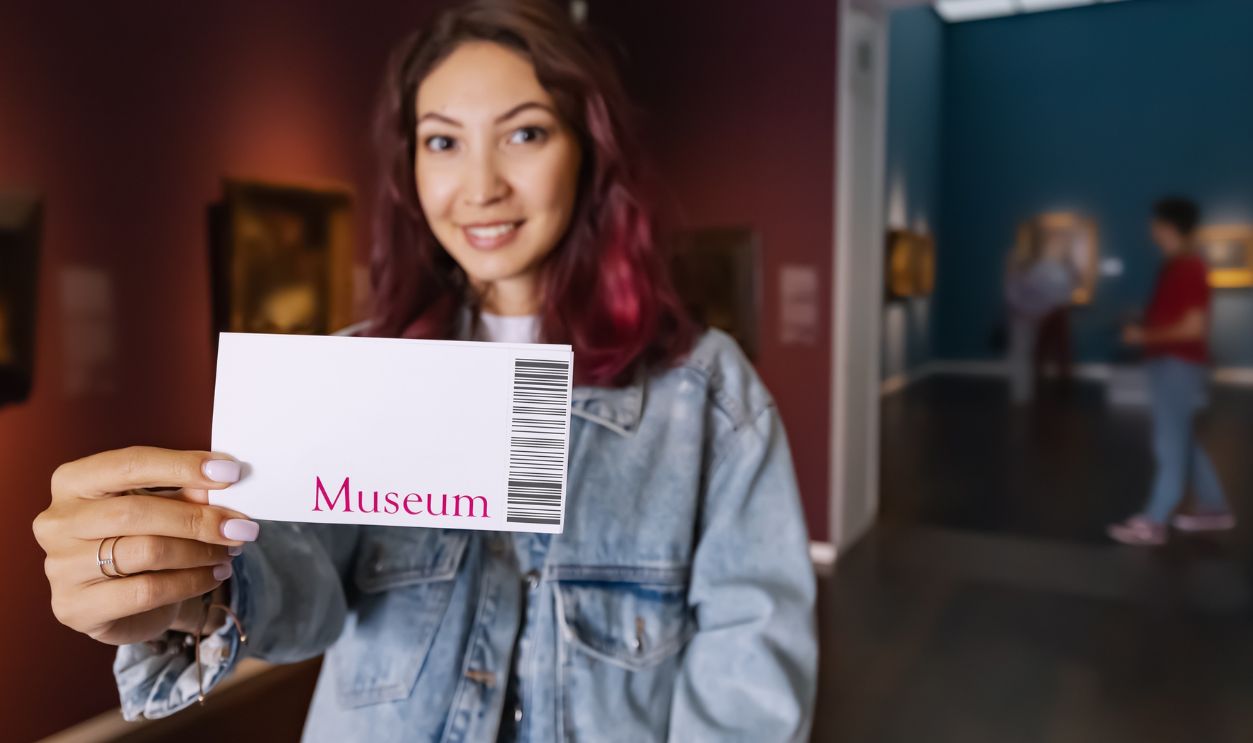
Expensive Tourist Attraction Bundles
City attraction passes often promise discounted admission to multiple museums, observation decks, and popular experiences. However, the savings depend on whether you actually visit enough included attractions during the pass's validity period. Residents can spread their sightseeing across different days rather than rushing through several attractions to justify a package. Compare the individual admission prices and reservation requirements before committing to a bundled pass.
Premium Guided Shopping Experiences
Some destinations offer guided shopping excursions that promise access to markets, boutiques, and local products. These experiences can be worthwhile when they include expert knowledge or introductions to specialized craftspeople. However, residents usually visit ordinary shops and markets without paying someone to accompany them. Travelers primarily interested in browsing may prefer exploring independently and spending their money directly with local businesses.
Airport Souvenirs Bought At The Last Minute
Airport souvenir shops are convenient when you've forgotten to buy something for friends or family. They often carry recognizable gifts such as destination-themed clothing, packaged sweets, and small decorative items. Residents generally have more opportunities to shop for local products away from the airport. Buying souvenirs during your trip gives you time to compare prices, quality, and whether the item was actually made locally.

Expensive Single-Day Attraction Tickets
Visitors sometimes buy individual admission tickets without checking whether longer-term passes offer better value. The U.S. National Park Service, for example, provides several entrance pass options, including park-specific annual passes and broader interagency passes. Residents who visit frequently may benefit from annual admission, while tourists planning several stops should compare their options carefully. Eligibility and pricing can differ for U.S. residents and international visitors, so the cheapest choice depends on your itinerary.
Premium Hotel Laundry Services
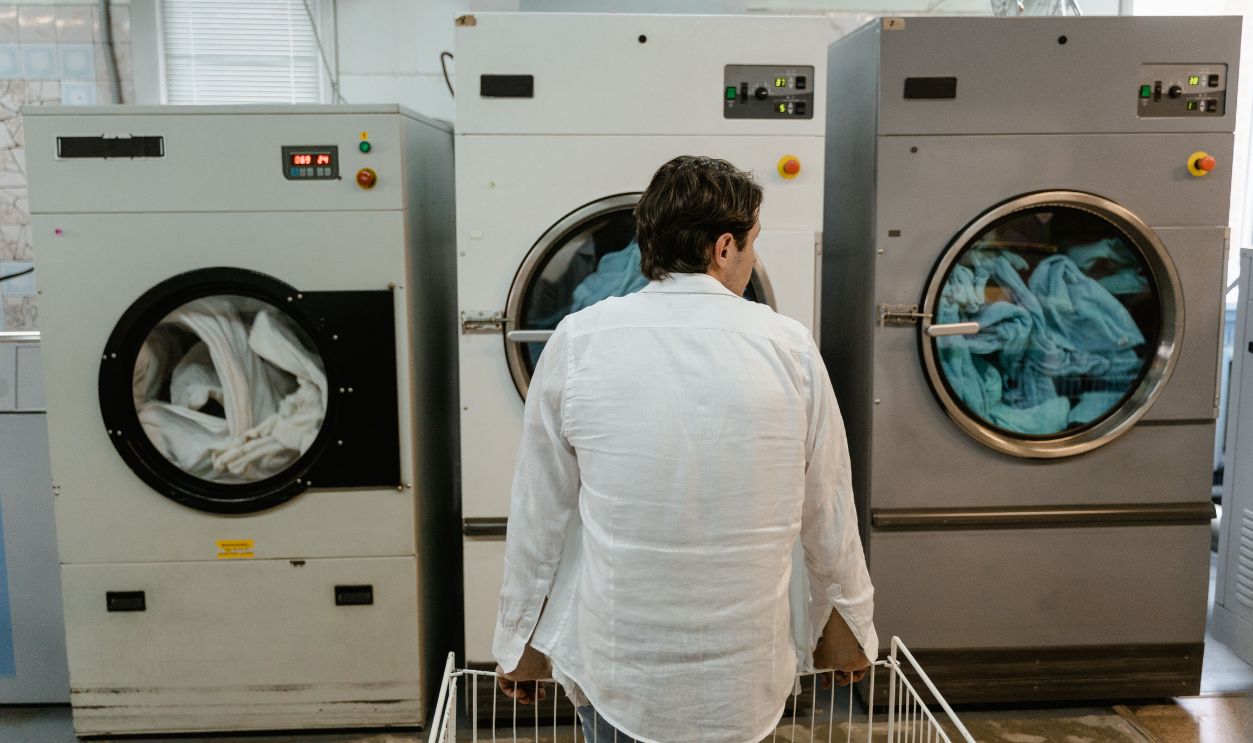
Sending a few shirts to a hotel laundry service can be convenient, particularly during a business trip. However, paying per garment may be difficult to justify during a longer vacation when self-service laundry is available. Residents generally use their own washing machines or neighborhood laundry facilities instead of hotel services. Travelers staying for several days can look for accommodations with laundry facilities or research nearby laundromats.
Tourist-Focused Food Experiences That Skip Everyday Restaurants
Food tours can be excellent introductions to unfamiliar cuisines, especially when knowledgeable guides explain local history and traditions. However, visitors sometimes overlook the ordinary restaurants, markets, and bakeries where residents buy their everyday meals. Rick Steves recommends seeking regional ingredients, seasonal specialties, and modest neighborhood establishments when traveling in Europe. A self-guided food adventure can be rewarding when you research local specialties and respect the businesses you visit.

Paying For Convenience Instead Of Planning Ahead
The biggest difference between tourists and locals often comes down to familiarity rather than spending habits. Residents know their transportation options, regular shopping locations, and everyday routines, while visitors may pay extra because they haven't had time to learn them. That doesn't mean every tourist experience is a waste of money, since convenience, accessibility, and memorable activities can justify higher prices. The smartest approach is to spend intentionally on experiences you truly want and save money on ordinary purchases where local alternatives work just as well.
You May Also Like:
The American Road Trips That Canadians Are Secretly Jealous Of
Seemingly Normal Things Americans Do That Confuse Visitors From Other Countries