The Ordinary Things That Make Travel Extraordinary
Some of the most memorable travel experiences are things locals barely think twice about. A morning coffee, a ferry ride to work, or a quick stop at the neighborhood market can become the highlight of someone else's vacation. Travelers spend thousands of dollars chasing experiences that residents simply consider part of their daily routines. Sometimes, the best way to discover a destination is to experience the ordinary things that make life there special.

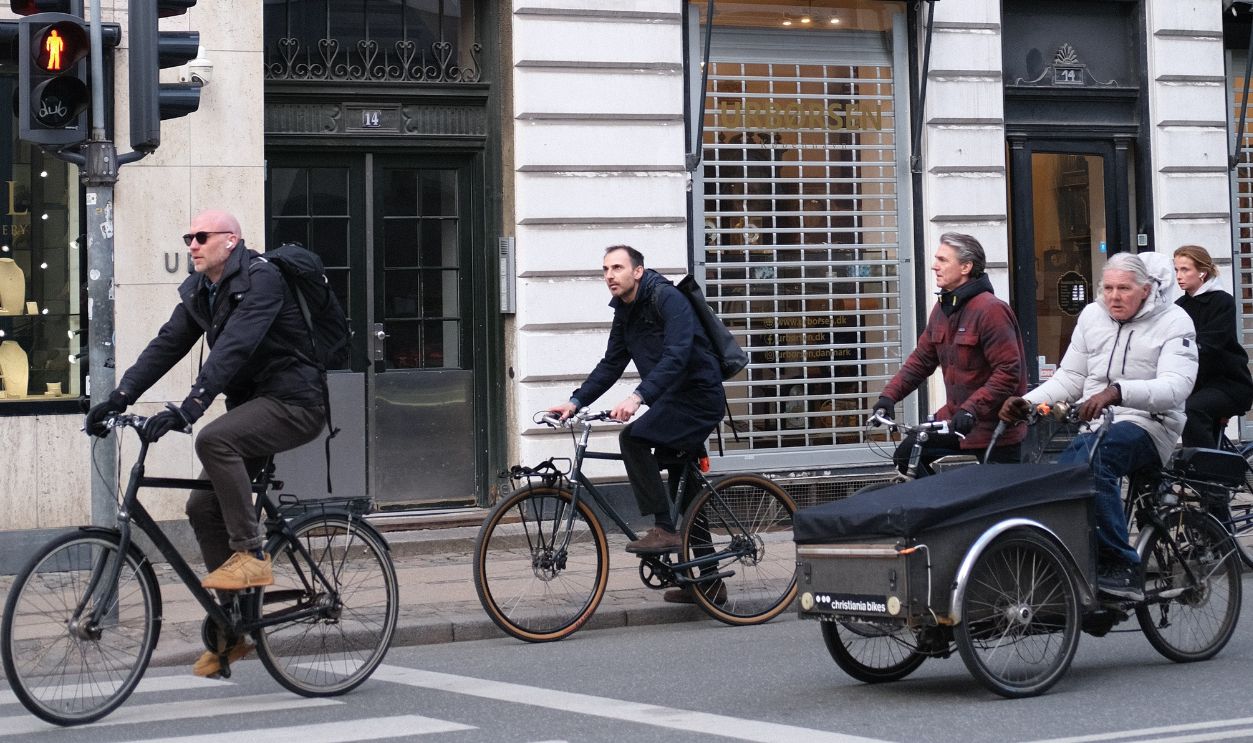
Cycling To Work In Copenhagen, Denmark
Tourists rent bicycles to experience Copenhagen like locals, but residents have been using them for everyday transportation for generations. The Danish capital has an extensive network of cycling infrastructure, making bikes a practical option for commuting, shopping, and visiting friends. Visitors might spend an afternoon admiring the city's beautiful streets from two wheels, while locals are simply trying to get to work on time. What feels like a sightseeing adventure to one person is just another Tuesday morning to someone else.
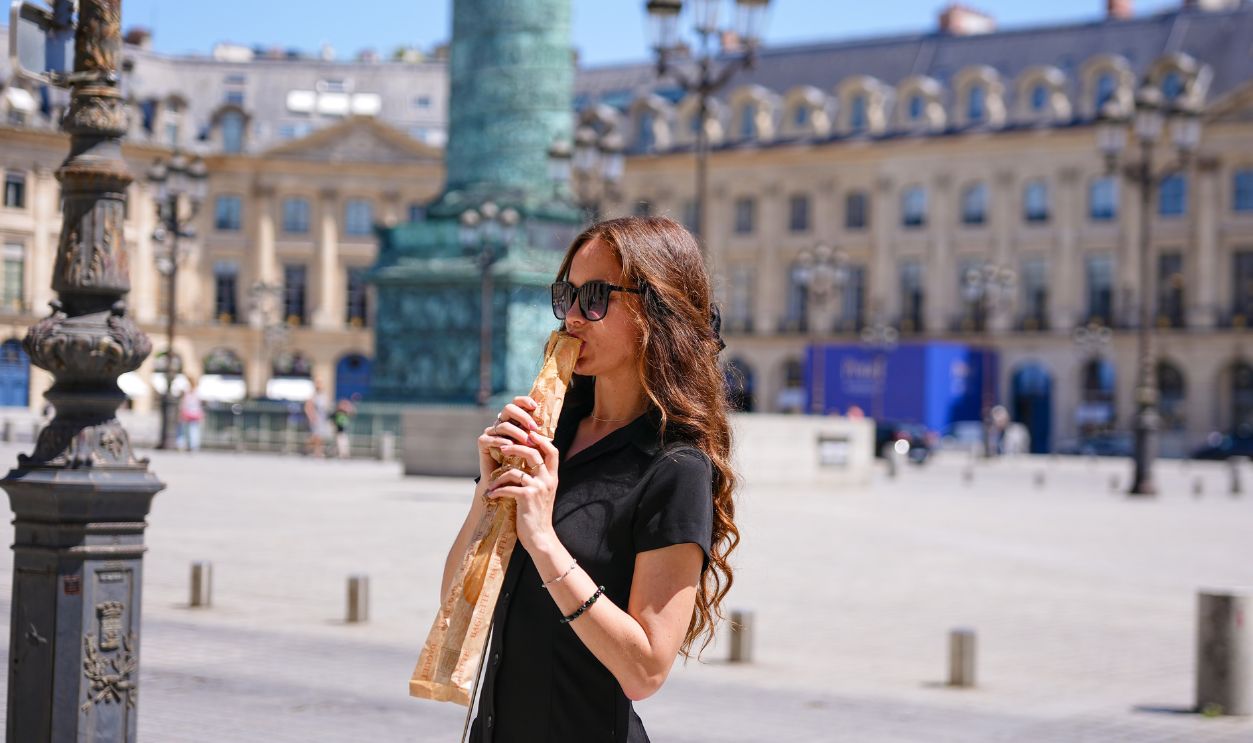
Buying A Fresh Baguette In Paris, France
For visitors to Paris, walking out of a neighborhood bakery with a warm baguette feels like a scene from a romantic movie. For many French residents, buying bread is simply a familiar part of everyday life. The tradition is so culturally significant that UNESCO recognized the craftsmanship and culture surrounding French baguettes in 2022. Tourists photograph their purchases against picturesque Parisian streets, while locals are usually thinking about what to serve for dinner.
 Moiseii Production, Shutterstock
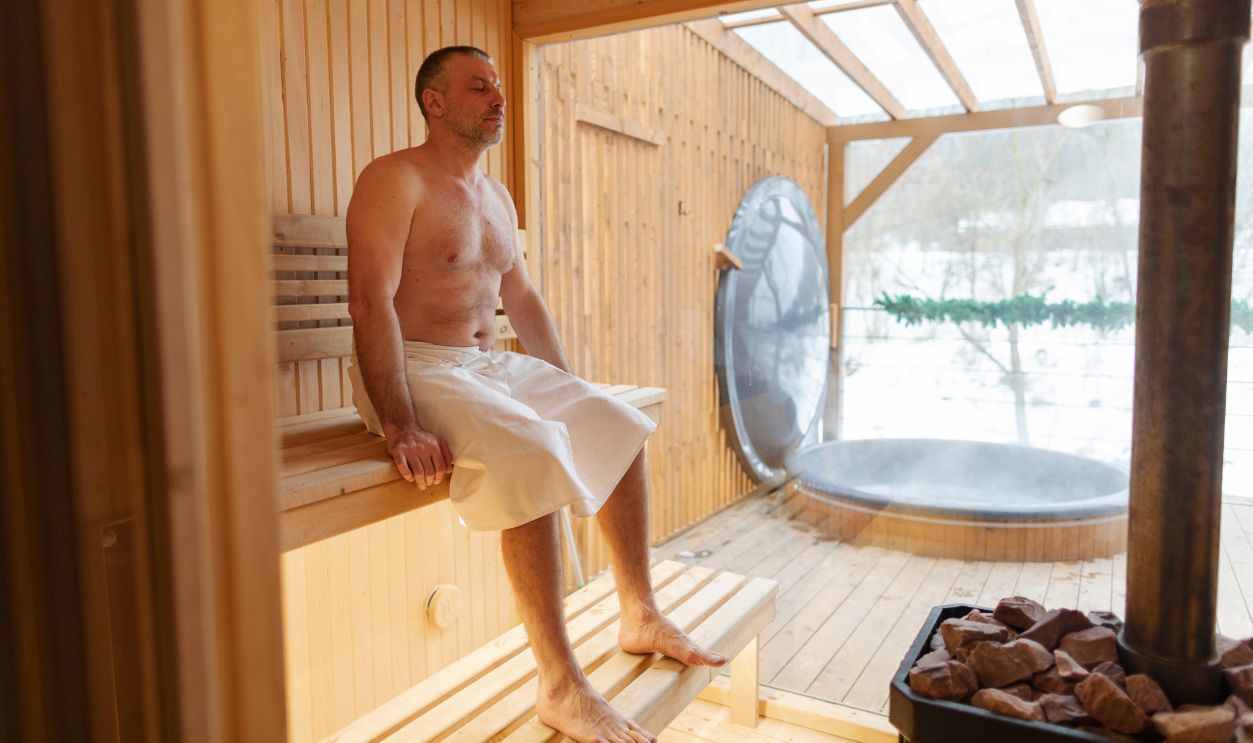
Relaxing In A Sauna In Finland
Travelers book special wellness experiences in Finland to enjoy something that many Finnish residents have access to regularly. Sauna culture is deeply embedded in Finnish society, with saunas found in private homes, apartment buildings, and public facilities. UNESCO recognized Finnish sauna culture as intangible cultural heritage in 2020, acknowledging its social and cultural importance. What tourists consider a luxurious Scandinavian retreat can be a familiar way for locals to unwind.
Eating At A Hawker Centre In Singapore
Food lovers travel to Singapore specifically to explore its famous hawker centres, where stalls serve dishes influenced by Chinese, Malay, Indian, and other culinary traditions. For residents, these bustling food centres are practical places to grab breakfast, lunch, or dinner. UNESCO recognized Singapore's hawker culture in 2020, highlighting its importance as a shared social experience. Visitors arrive with carefully researched food lists, while locals often already know exactly which stall they want.
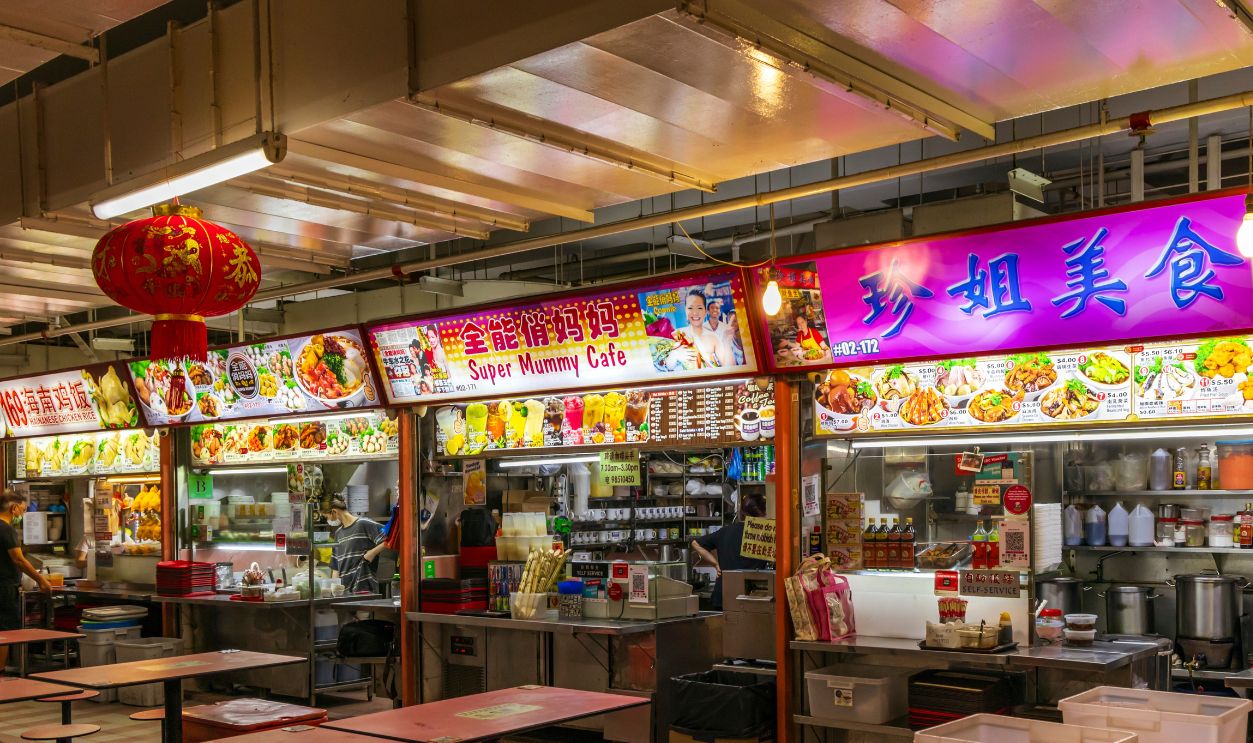 jimmonkphotography, Shutterstock
Spending An Afternoon In A Vienna Coffeehouse, Austria
Visitors to Vienna often make a special occasion out of sitting in one of the city's traditional coffeehouses. Locals have long used these establishments as places to read newspapers, meet friends, and spend time away from home. The distinctive coffeehouse tradition, complete with marble tables and an unhurried atmosphere, is recognized as part of Austria's intangible cultural heritage. Tourists may schedule an entire afternoon around the experience, while regular customers simply settle into their favorite seats.
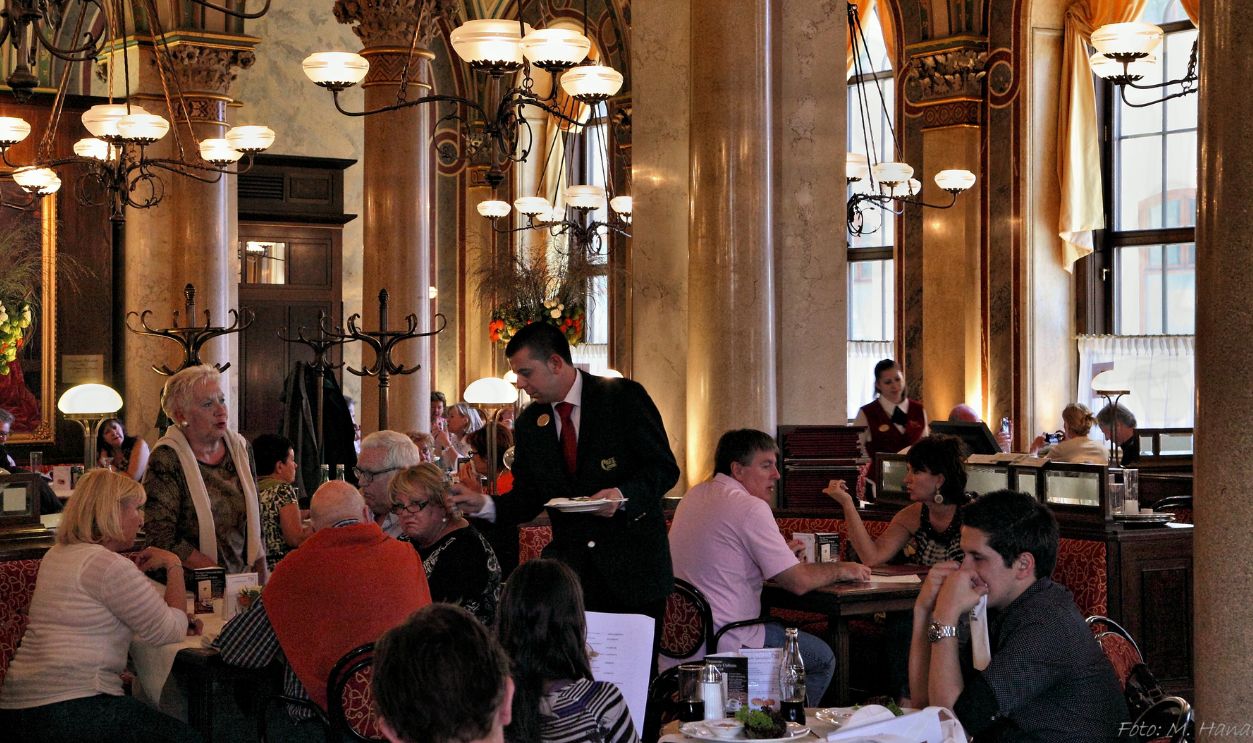 Mojmir Fotografie, Shutterstock
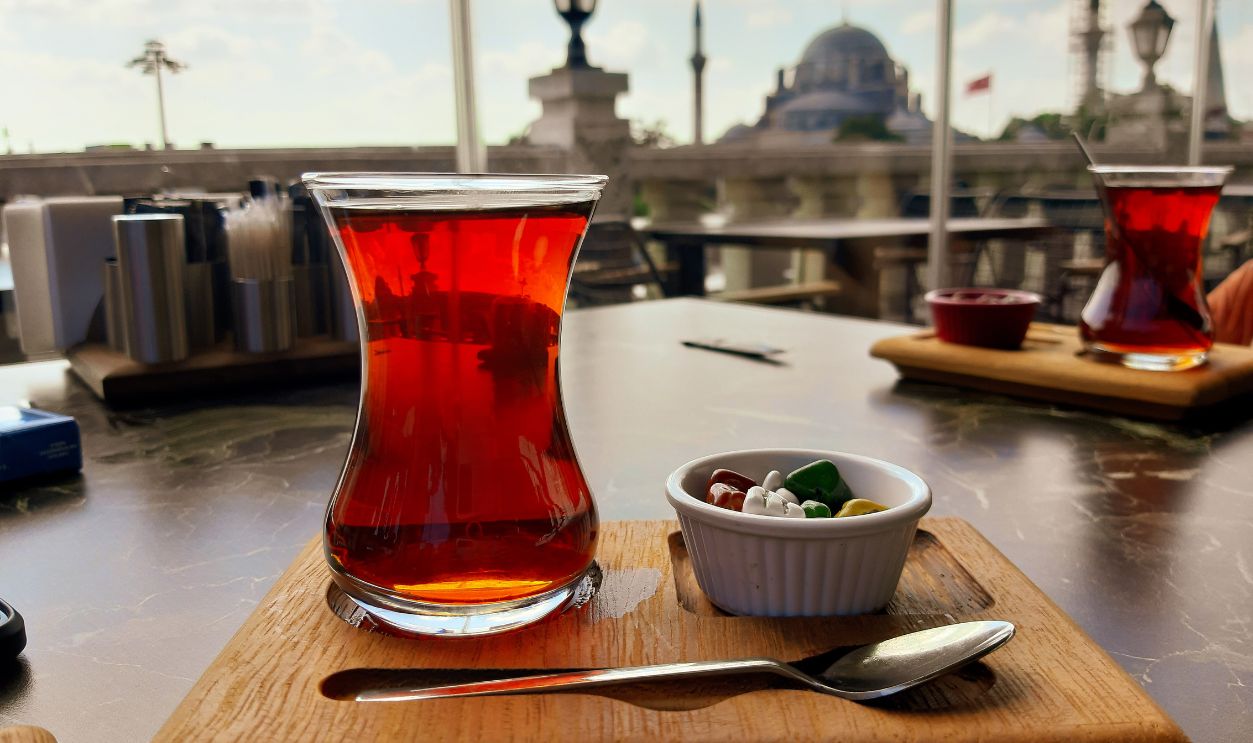
Drinking Tea With Friends In Türkiye
Tourists visiting Türkiye quickly discover that tea is much more than a hot beverage. Traditionally served in small, tulip-shaped glasses, Turkish tea is closely associated with hospitality and social interaction. UNESCO recognized the tea culture shared by Türkiye and Azerbaijan in 2022, reflecting its importance in everyday relationships. Visitors may remember their first glass of çay as a cultural highlight, while locals might enjoy several conversations over tea throughout an ordinary day.
Taking A Coffee Break In Sweden
Swedish fika has become an attraction for travelers interested in Scandinavian lifestyles. The tradition involves taking a break for coffee, often accompanied by pastries or something sweet, while enjoying conversation. In Sweden, fika is a regular feature of many workplaces and social gatherings rather than a special occasion. Tourists may seek out charming cafés for the perfect experience, while locals simply appreciate a familiar opportunity to slow down.

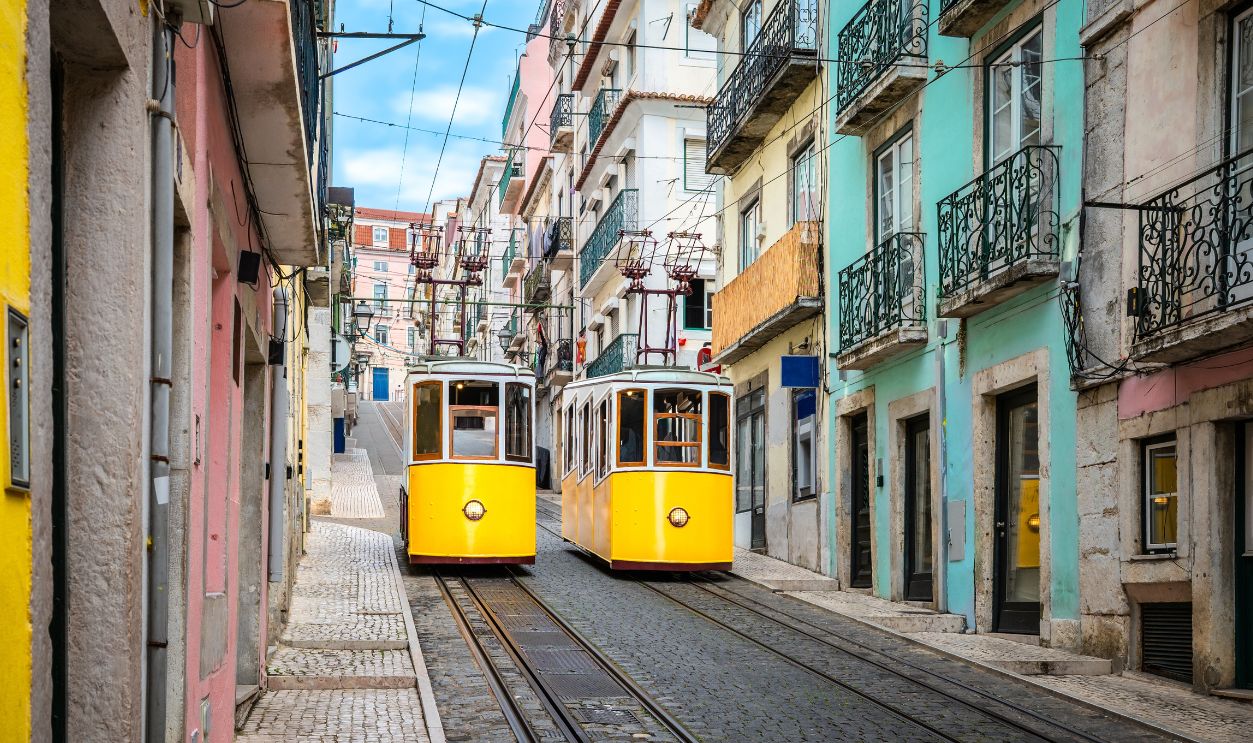
Riding A Traditional Tram In Lisbon, Portugal
Lisbon's famous yellow trams attract visitors eager to photograph and ride through the city's historic neighborhoods. Tram 28 passes through areas such as Graça and Alfama, offering views of narrow streets, traditional buildings, and historic landmarks. Although tourists treat the journey as an attraction, the tram is also part of Lisbon's public transportation network. Residents using it for practical journeys share the tracks with visitors who have traveled across the world for the experience.
Soaking In A Public Bath In Japan
Many travelers visiting Japan include an onsen or traditional public bath on their must-do lists. For Japanese residents, bathing culture has long been connected with cleanliness, relaxation, and community life. Neighborhood sento bathhouses provide opportunities to unwind without booking an expensive resort experience. Visitors who learn the proper bathing etiquette can enjoy a tradition that remains familiar to many locals.
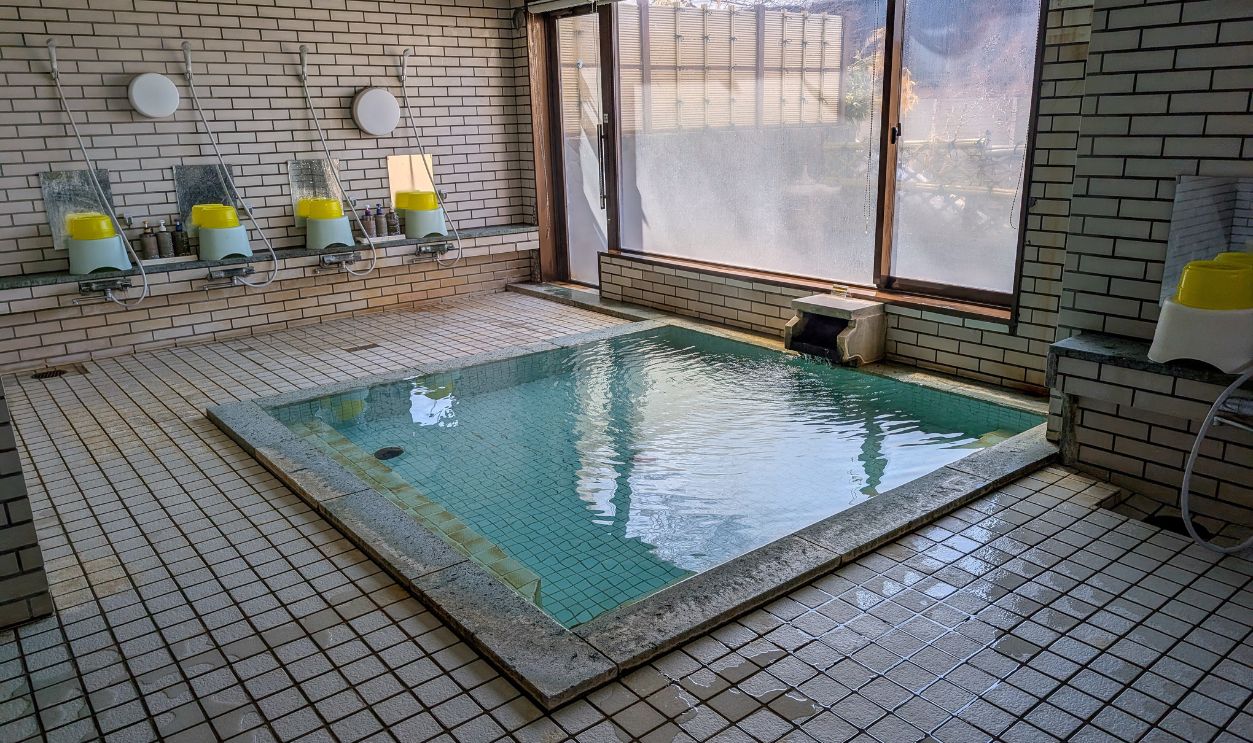 Richard Whitcombe, Shutterstock
Taking An Evening Stroll In Italy
An evening walk through an Italian town can feel like an unforgettable vacation experience. In many communities, the tradition of the passeggiata involves strolling through public spaces, greeting acquaintances, and enjoying the atmosphere. Travelers often find themselves drawn to the lively streets and relaxed social environment. For residents who participate, the pleasure comes from something simple: spending time outside and connecting with their community.
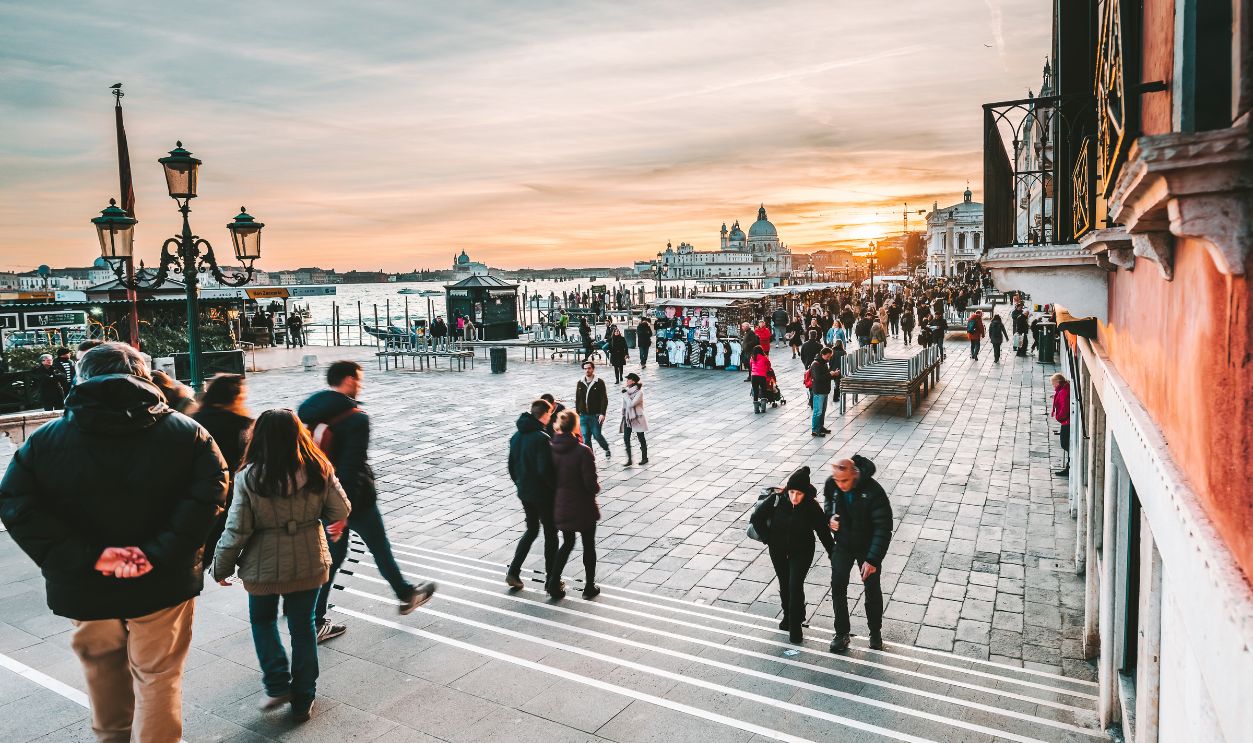 A. Aleksandravicius, Shutterstock
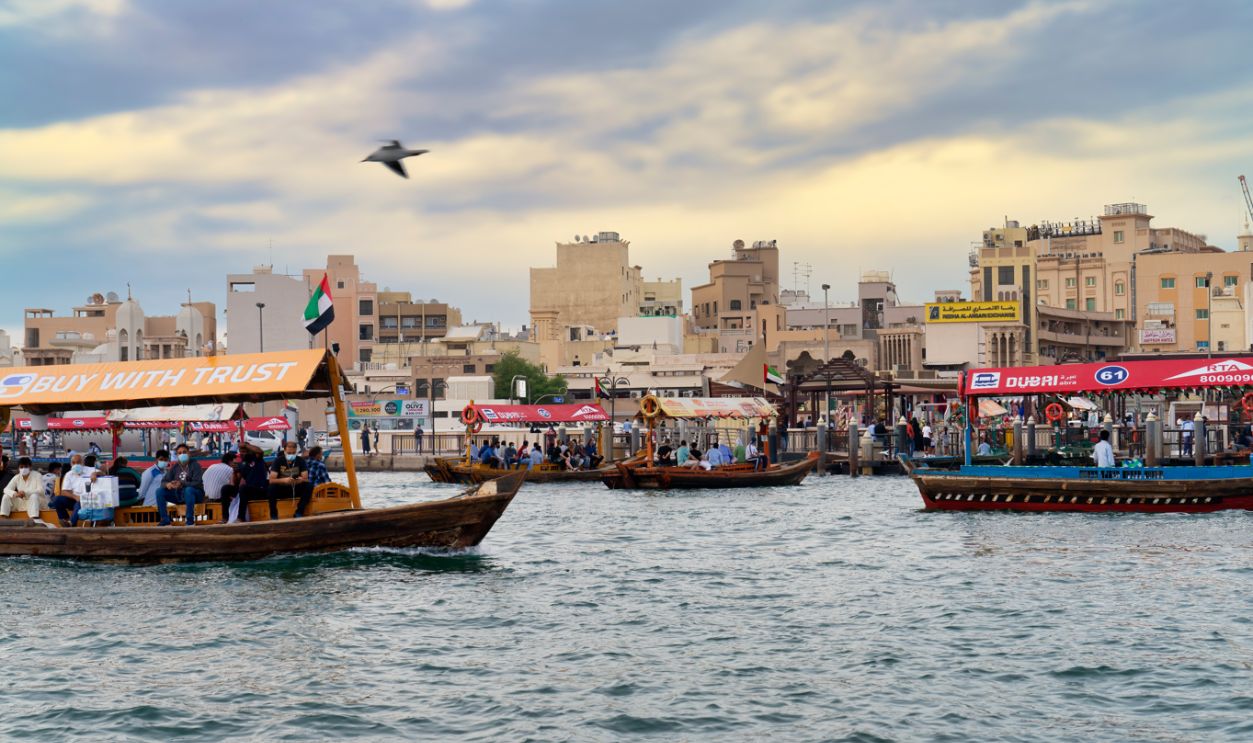
Crossing Dubai Creek On An Abra
Visitors to Dubai often associate the city with futuristic skyscrapers and luxurious attractions, but one of its most memorable experiences is remarkably traditional. Small wooden abra boats carry passengers across Dubai Creek, connecting areas known for their historic markets. These boats have served as a practical form of transportation for generations and remain part of the city's public transport system. Tourists enjoy the waterfront scenery while other passengers are simply crossing to the opposite bank.
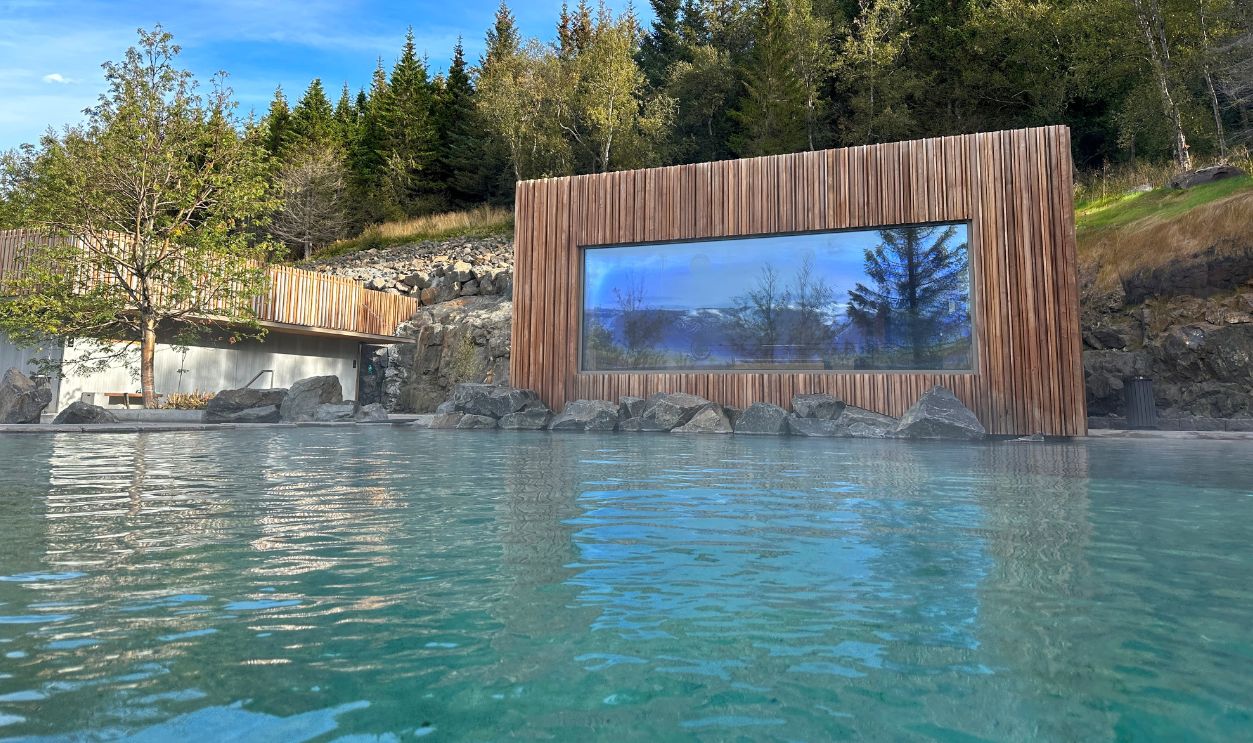
Enjoying A Geothermal Swimming Pool In Iceland
Travelers arrive in Iceland dreaming of soaking in naturally heated water surrounded by dramatic landscapes. Although famous geothermal spas attract international attention, ordinary public swimming pools also play an important role in Icelandic communities. Facilities such as Akureyri Swimming Pool combine heated outdoor pools, hot tubs, and spaces for socializing. What visitors consider a special wellness activity can be a regular recreational outing for local families.
Stopping For An Aperitivo In Italy
Visitors to Italy often look forward to the tradition of enjoying an aperitivo before dinner. The custom generally involves a drink accompanied by small snacks, providing an opportunity to relax and socialize after work. Italian tourism authorities describe it as a familiar part of the country's social lifestyle, particularly in northern cities. Tourists may plan their evening around finding the perfect terrace, while residents are simply catching up with friends before dinner.

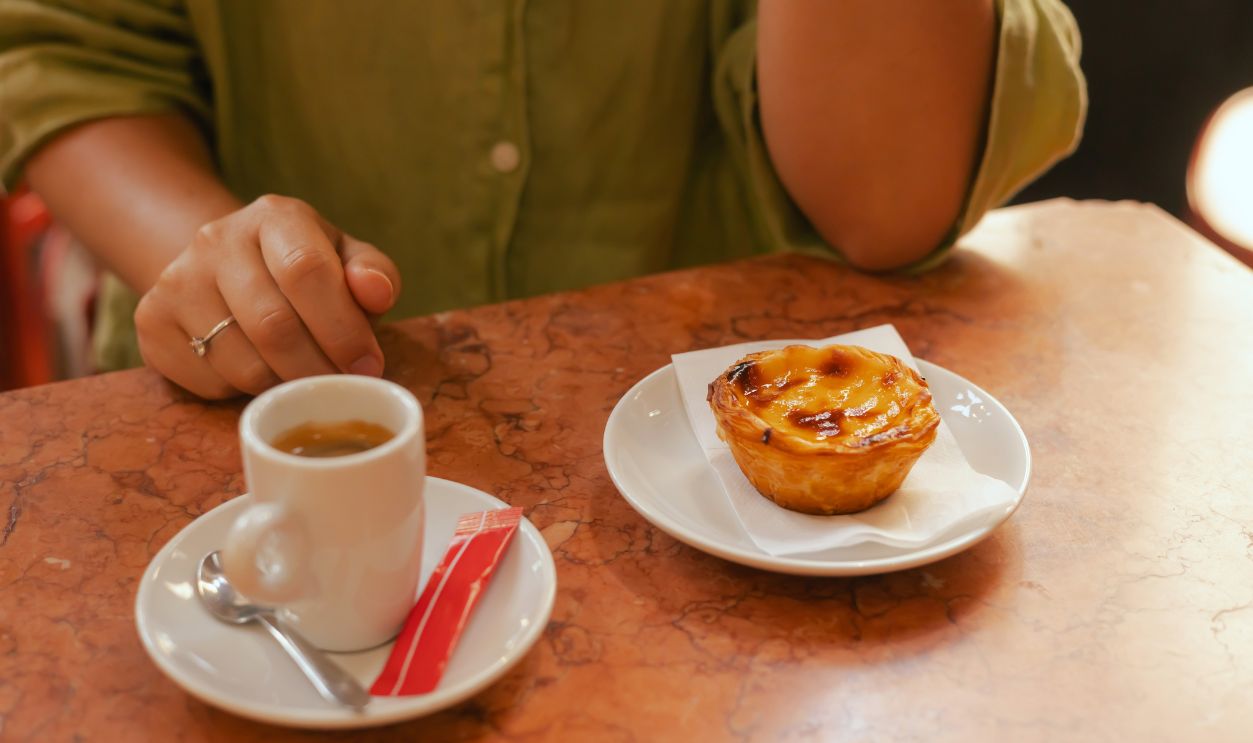
Drinking Espresso With A Pastel De Nata In Portugal
For travelers visiting Portugal, ordering a freshly baked pastel de nata alongside a small espresso is practically a vacation ritual. These custard tarts are widely available in Portuguese bakeries and cafés, where they are commonly enjoyed with coffee. Visitors might spend considerable time researching the most famous pastry shops in Lisbon or Porto. Locals, meanwhile, can enjoy the same combination during an ordinary coffee break.
Hiking Through The Mountains In Norway
Tourists travel to Norway for breathtaking mountain scenery, dramatic fjords, and spectacular hiking trails. For many Norwegians, spending time outdoors is a familiar part of family life, especially on weekends. The country's philosophy of friluftsliv, or open-air living, emphasizes the value of connecting with nature. Visitors may spend months planning a mountain adventure that resembles the kind of outdoor recreation locals have enjoyed since childhood.

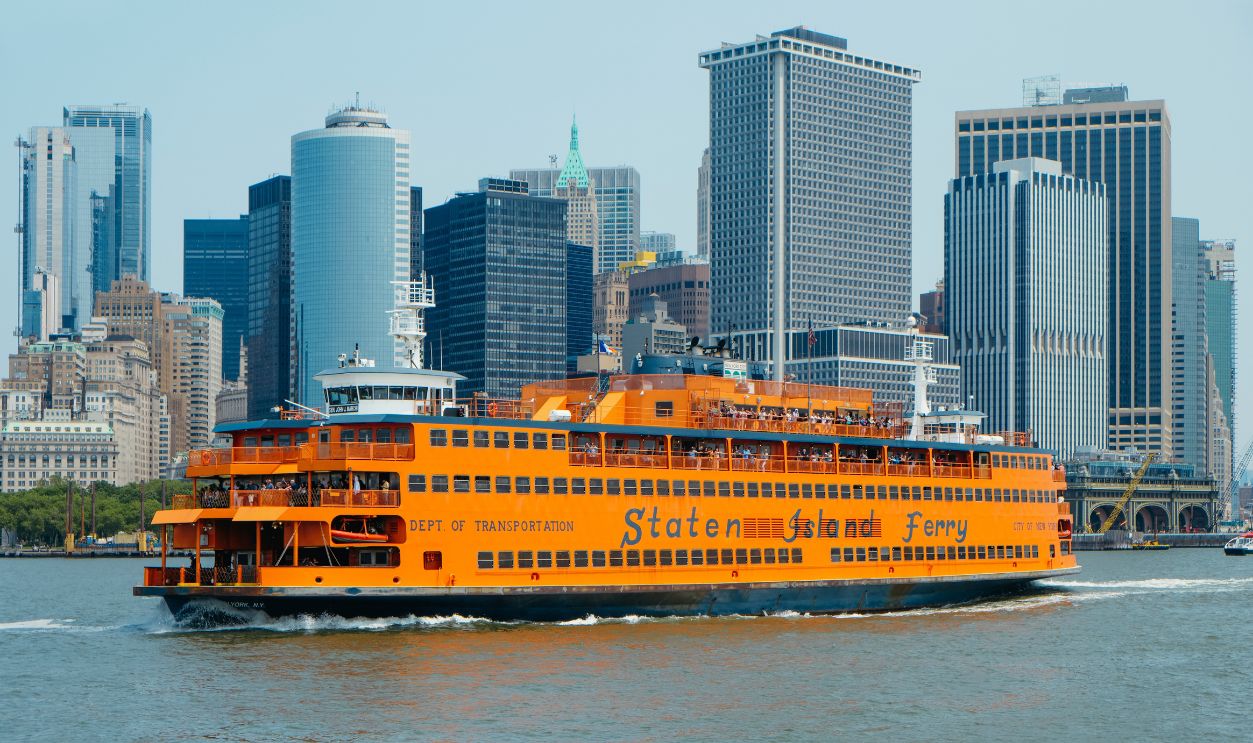
Riding The Staten Island Ferry In New York City
Visitors to New York City can experience impressive harbor views without purchasing an expensive sightseeing cruise. The Staten Island Ferry operates between Lower Manhattan and Staten Island, carrying passengers across the harbor free of charge. Tourists often board to admire the Statue of Liberty and the Manhattan skyline, while commuters use the same service for everyday transportation. Few public transit journeys offer such recognizable scenery as part of a normal commute.
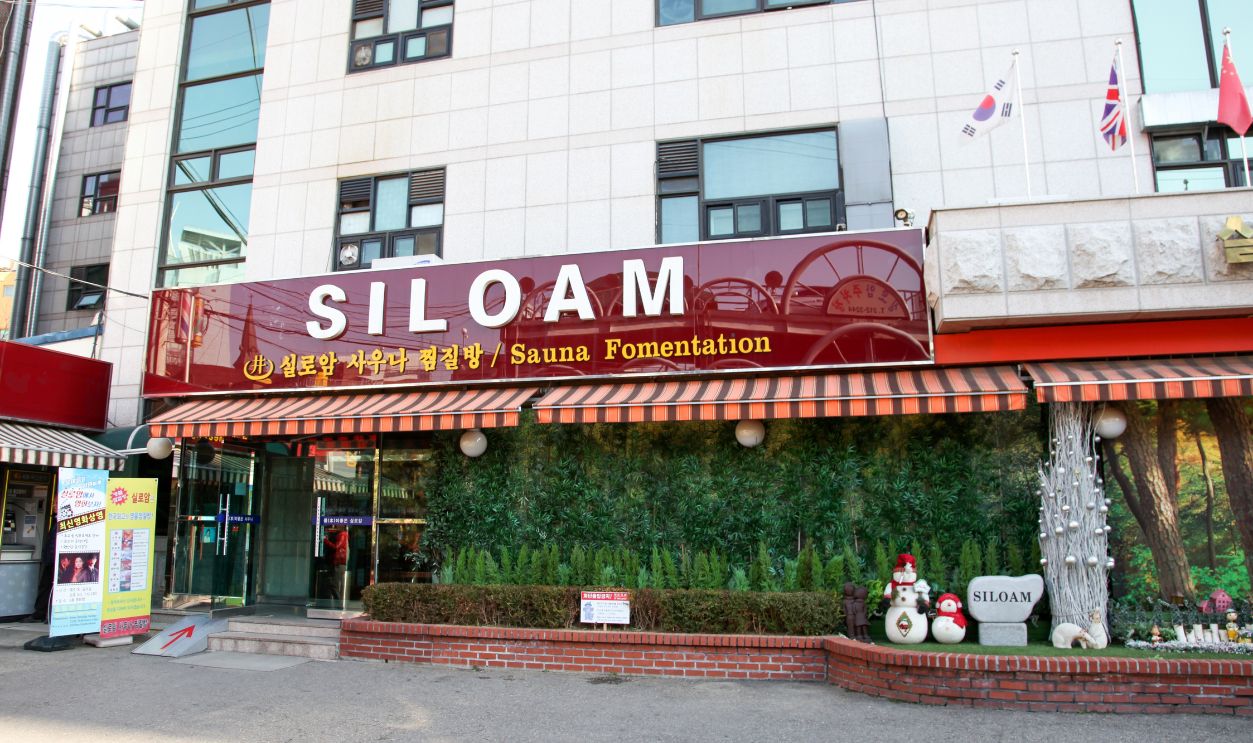
Visiting A Korean Jjimjilbang
South Korea's traditional jjimjilbang facilities offer visitors an experience that combines bathing, heated rooms, relaxation, and social activities. Many include communal spaces where guests can rest, eat snacks, or spend time with friends and family. Korean tourism authorities describe these facilities as places for both leisure and relaxation. What international travelers may consider an unusual cultural adventure is a familiar recreational option for Korean residents.
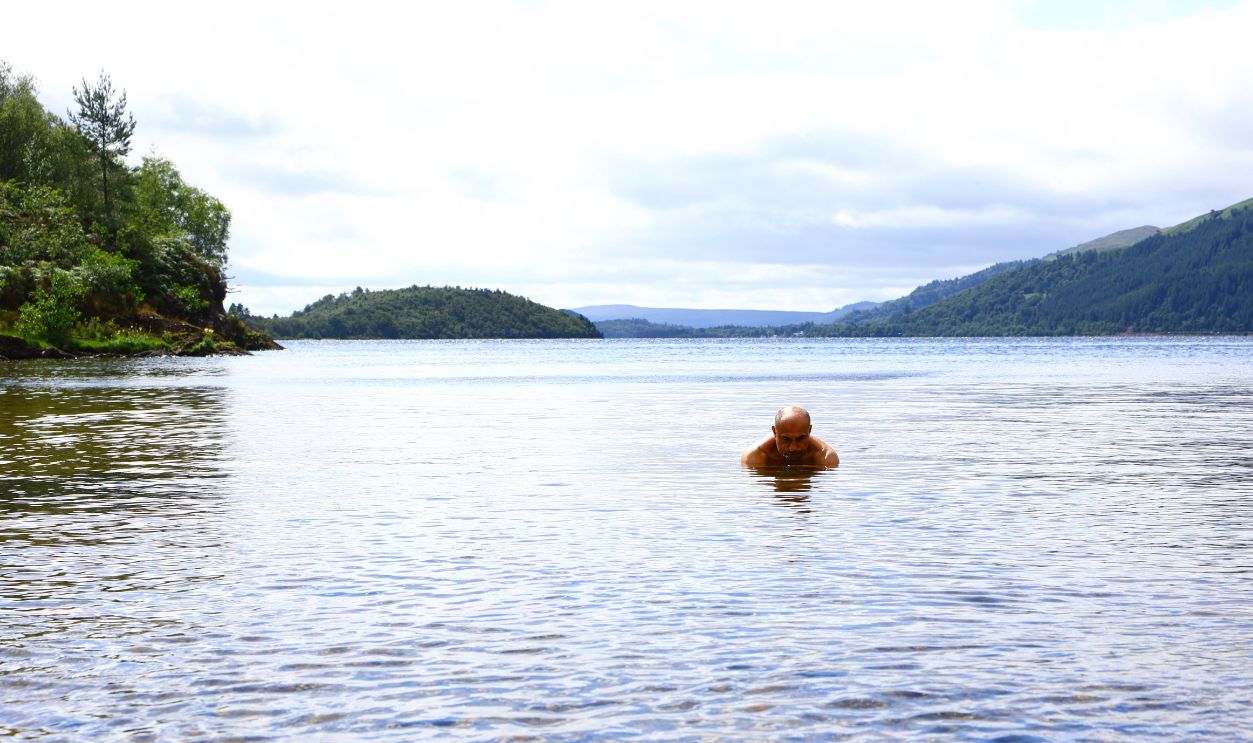
Swimming In A Scottish Loch
Visitors to Scotland often dream of experiencing its dramatic freshwater lochs and rugged landscapes. Wild swimming offers a particularly memorable way to enjoy these natural surroundings, with locations such as Loch Morlich attracting outdoor enthusiasts. Local swimmers also enjoy these waters for recreation, although temperatures can remain cold throughout the year. For tourists, the experience might become a treasured vacation memory, while regular swimmers may simply consider it their favorite outdoor activity.
 gabriela_bezkompasu, Shutterstock
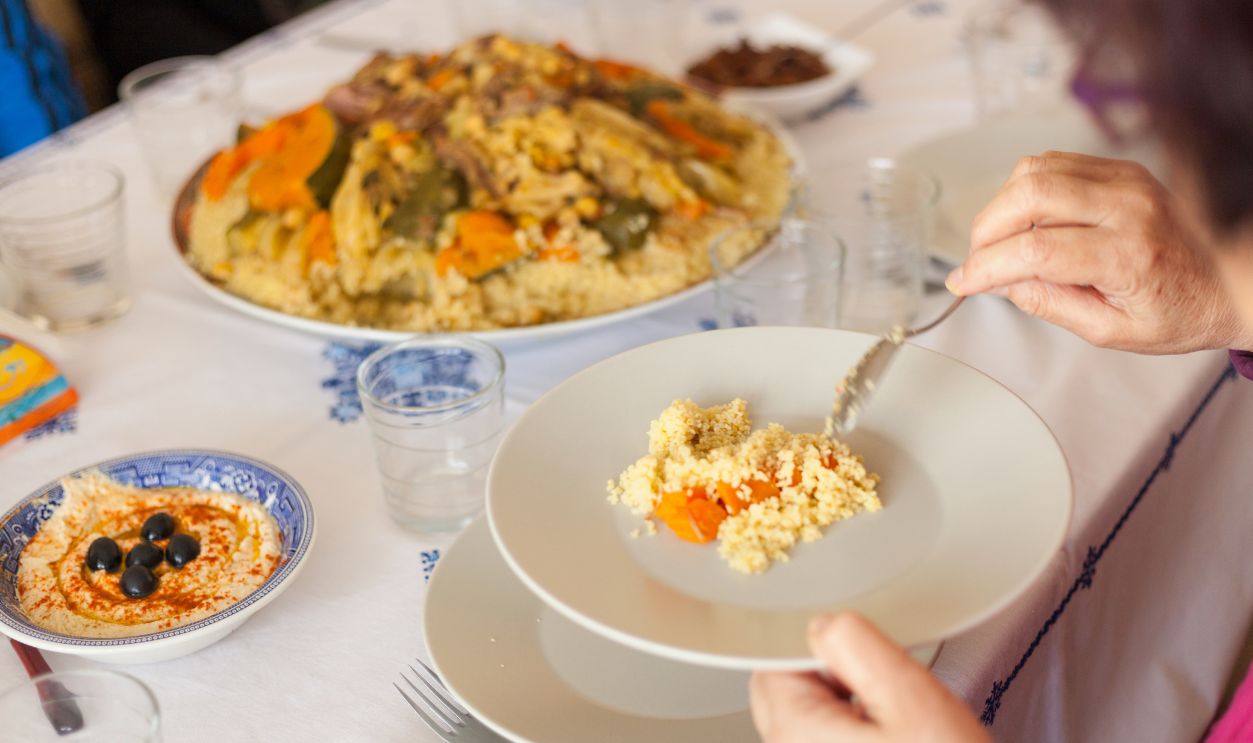
Sharing A Home-Cooked Couscous Meal In North Africa
Travelers visiting Morocco, Algeria, Tunisia, and Mauritania often seek out traditional couscous dishes as an essential cultural experience. The preparation and consumption of couscous are deeply connected to family traditions and shared meals across these countries. UNESCO recognized the associated knowledge and practices as intangible cultural heritage in 2020. Visitors may remember a traditional couscous meal as a culinary highlight, while families continue preparing and sharing it as part of their food culture.
Eating Kimchi With Everyday Meals In South Korea
International visitors frequently look forward to trying authentic Korean kimchi, especially varieties they have never encountered at home. In South Korea, kimchi is a familiar accompaniment to meals, with recipes and preparation methods varying between households and regions. The communal tradition of making and sharing kimchi, known as kimjang, was recognized by UNESCO in 2013. Tourists may join special cooking classes to learn the process, while many Korean families have passed down their own methods through generations.

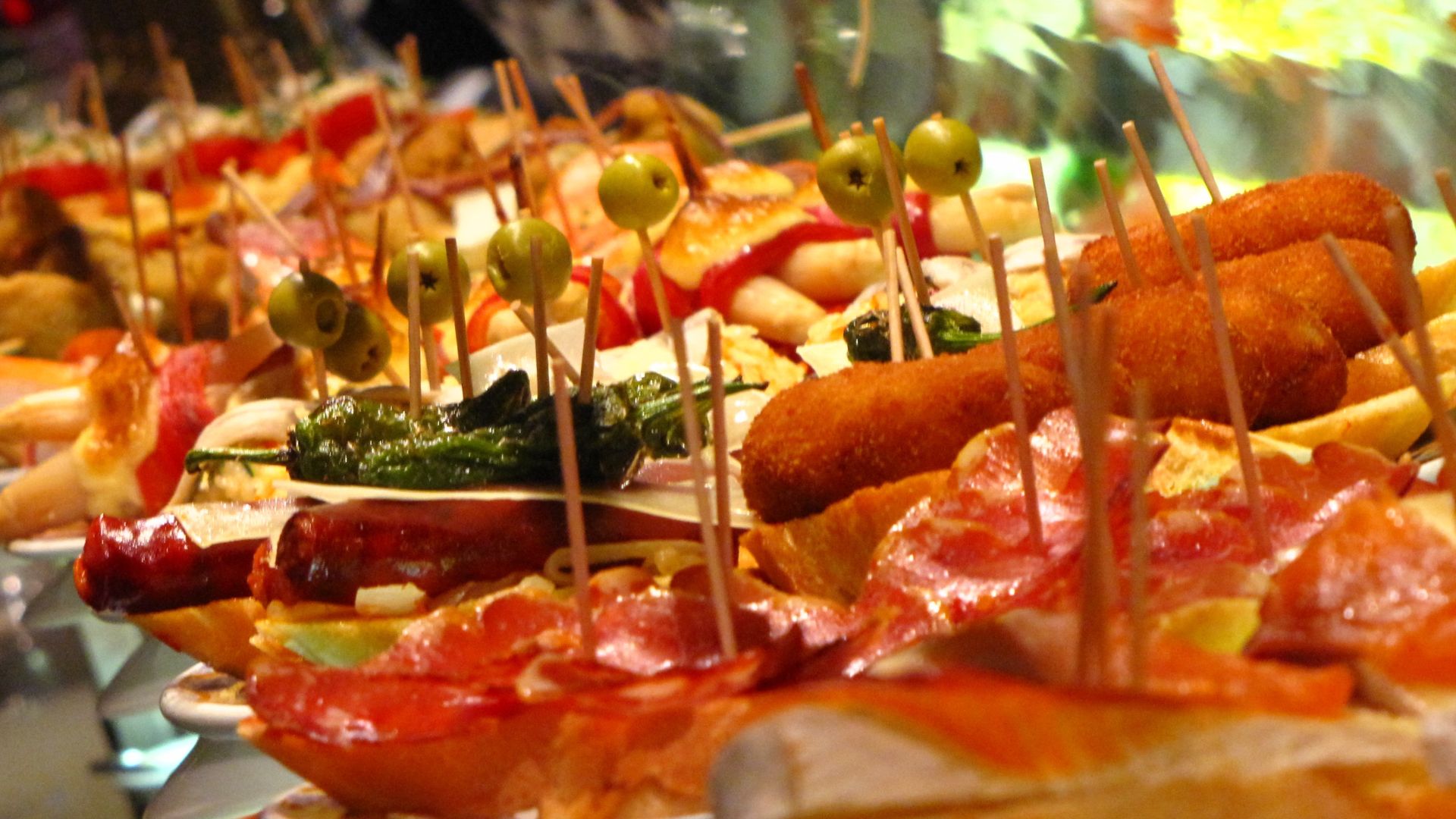
Going Out For Tapas In Spain
Visitors to Spain often plan entire evenings around sampling tapas at different bars. The tradition involves enjoying small portions of food, often accompanied by drinks, while moving between establishments and socializing with friends. In cities such as Granada, Salamanca, and Logroño, tapas culture is an established part of local dining life. Tourists might book guided food tours to discover the best spots, while residents already have their favorite neighborhood bars.
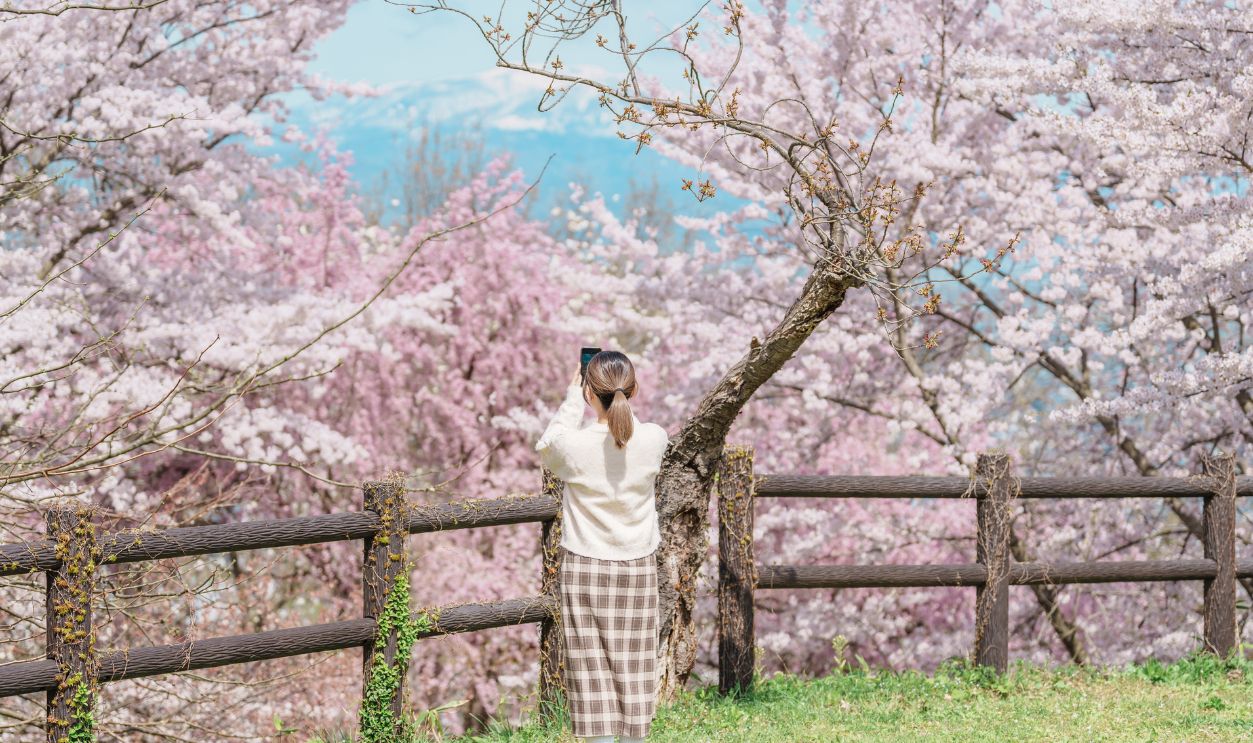
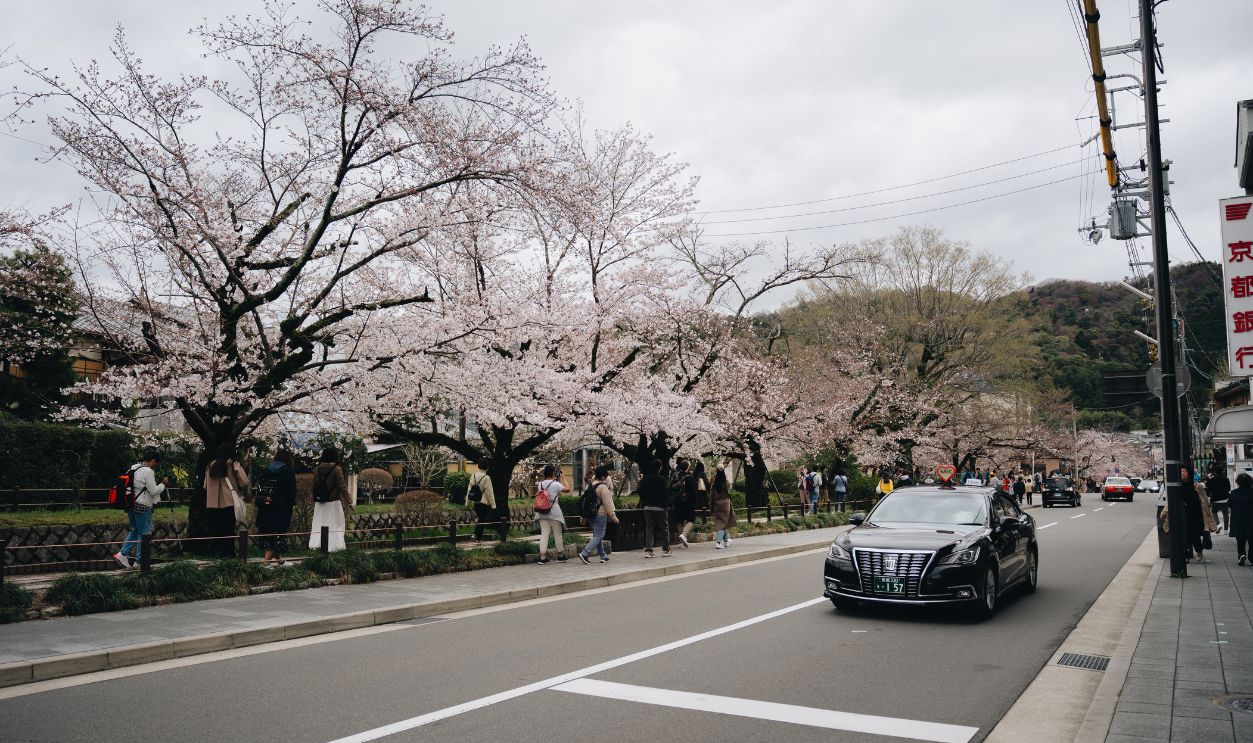
Watching Cherry Blossoms In Japan
Travelers plan trips to Japan months in advance, hoping to arrive during the brief cherry blossom season. Japanese residents also celebrate the blossoms through hanami, a tradition that involves gathering beneath flowering trees with friends and family. Parks become popular places for picnics, conversation, and enjoying the arrival of spring. Although this is a seasonal rather than daily activity, what tourists consider a once-in-a-lifetime experience is a familiar annual tradition for many Japanese communities.
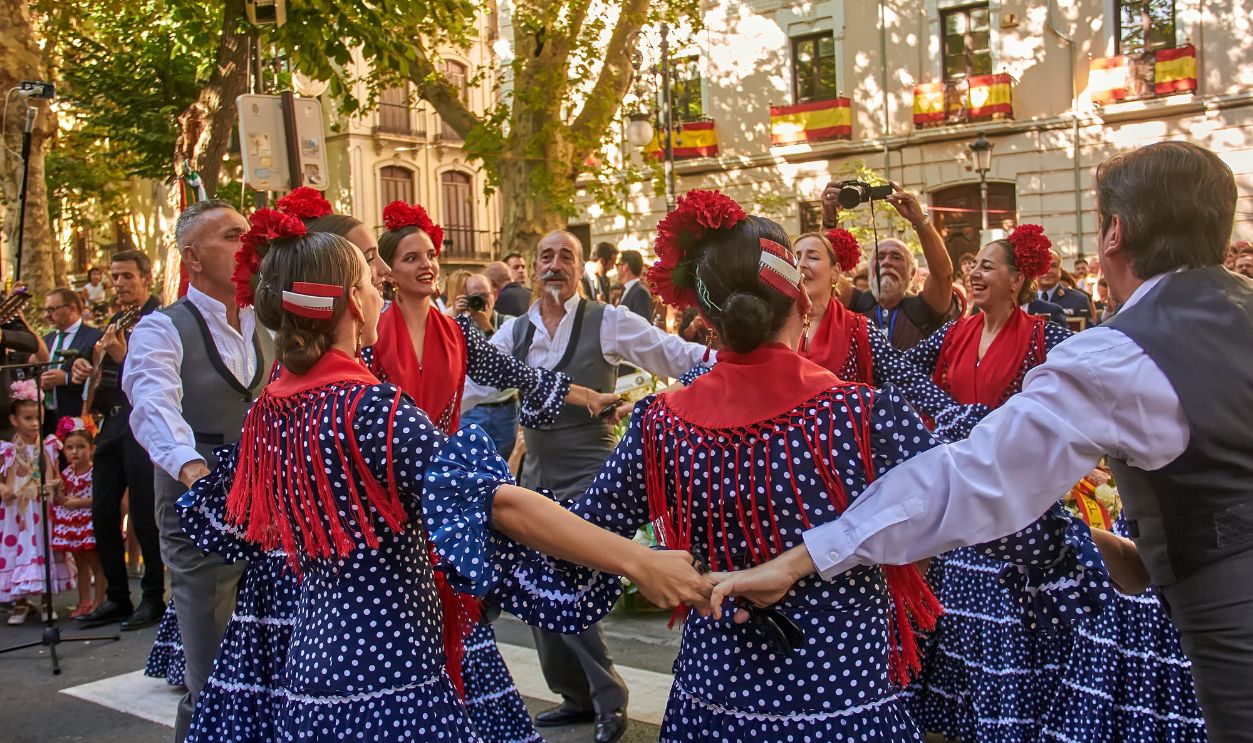
Watching Flamenco In Southern Spain
Travelers visiting Andalusia frequently seek out flamenco performances to experience one of Spain's most recognizable cultural traditions. Flamenco combines singing, dancing, and guitar playing, with roots in communities across southern Spain. Although professional performances attract visitors, the art also has a place in private celebrations, community gatherings, and family traditions. Tourists may purchase tickets to see flamenco onstage, while people raised within the tradition may have experienced it at family and community events.
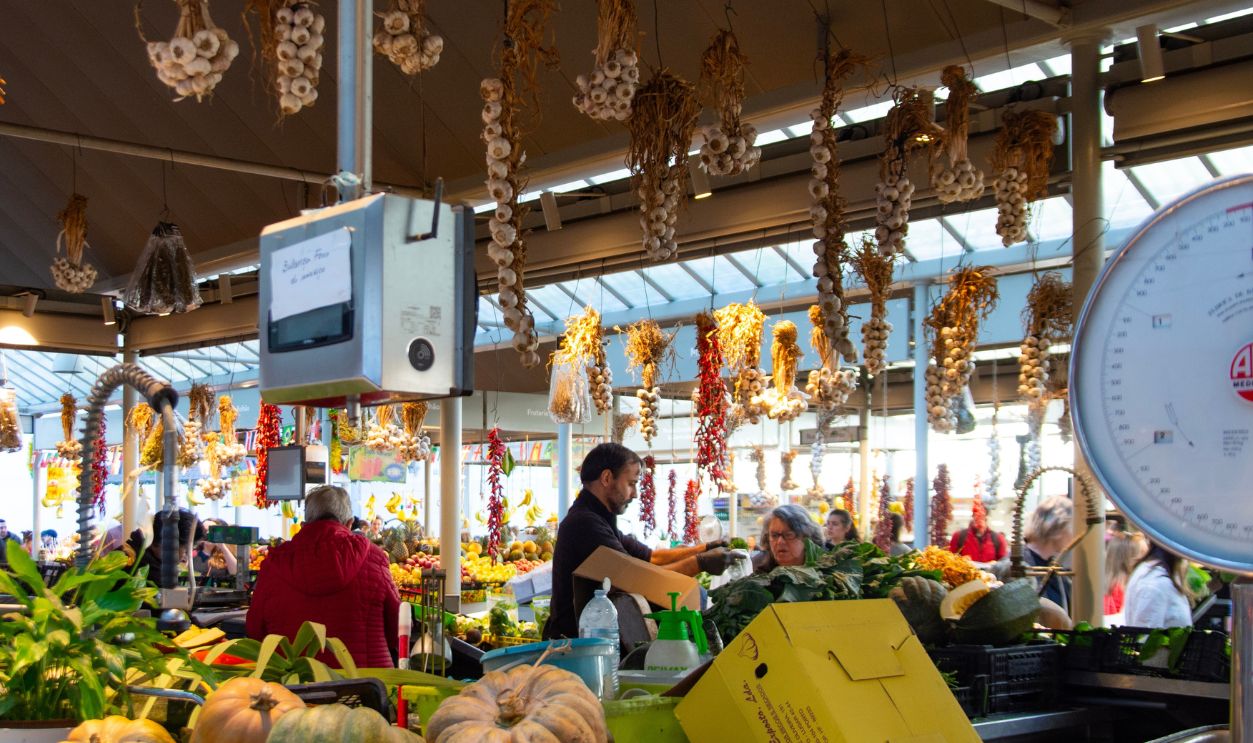
Shopping At Traditional Markets In Portugal
Travelers often visit Portugal's traditional markets to photograph colorful produce, sample regional foods, and experience local shopping culture. Markets such as Porto's Mercado do Bolhão and Funchal's Mercado dos Lavradores have become attractions in their own right. Yet these markets are also connected to the practical business of buying ingredients and supporting local food producers. Visitors may spend hours exploring the stalls, while regular shoppers are simply picking up what they need.
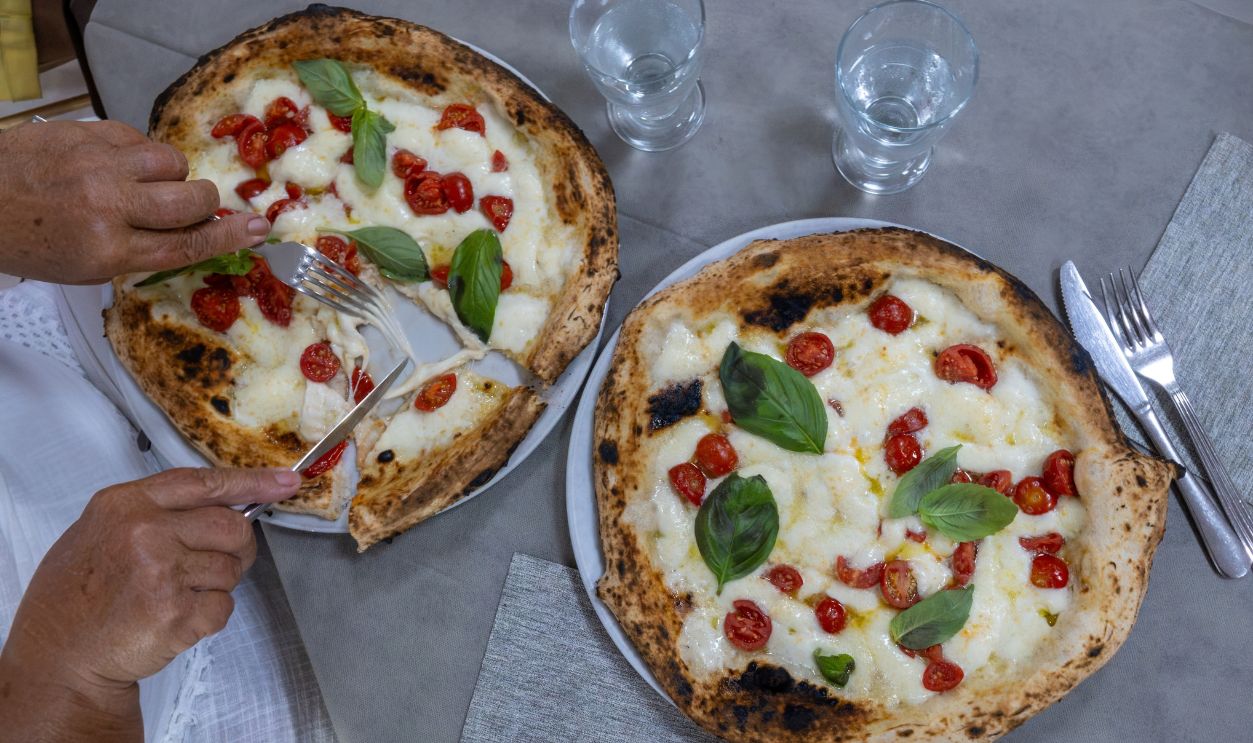
Eating Pizza In Naples, Italy
For many travelers, eating authentic Neapolitan pizza is reason enough to visit Naples. The city's traditional pizza-making techniques have been passed down through generations, with UNESCO recognizing the art of the Neapolitan pizzaiuolo in 2017. Visitors often seek out renowned pizzerias to experience the distinctive dough, toppings, and wood-fired cooking methods. For local residents, however, excellent pizza is part of their city's familiar food culture rather than a rare vacation indulgence.
Discovering That Everyday Life Is The Real Attraction
Travel often encourages people to appreciate experiences that residents of a destination may take for granted. A neighborhood bakery, public swimming pool, local market, or ordinary commute can reveal more about a place than an expensive attraction. These experiences are meaningful because they connect visitors with the routines and traditions that shape local communities. The next time you travel, consider leaving some room in your itinerary for the things people do when they are not on vacation.
You May Also Like:
U.S. Visitors Are Spending More In Canada Even As Cross-Border Travel Changes