The Listing Said Air Conditioning, The House Told A Different Story
You booked the rental expecting relief from the heat, only to discover that one small bedroom is cool while the rest of the house feels like an oven. The host insists there technically is air conditioning, so the listing wasn’t wrong. Whether that explanation holds up can depend on what the listing actually led a reasonable traveler to expect.
Start With Exactly What The Listing Said
Pull up the original description and amenity list before contacting the host. “Air conditioning” suggests something different from “window unit in primary bedroom,” “partial A/C,” or “portable unit available". The more broadly the amenity was presented, the stronger the argument that guests reasonably expected more than one cooled room.

An Amenity Checkbox Can Create Expectations
Vacation-rental platforms often let hosts select amenities from standardized lists. If “air conditioning” appeared prominently among the property’s amenities without any qualification, guests may reasonably interpret that as describing the rental generally rather than a single room.
Photos Can Make The Promise Stronger
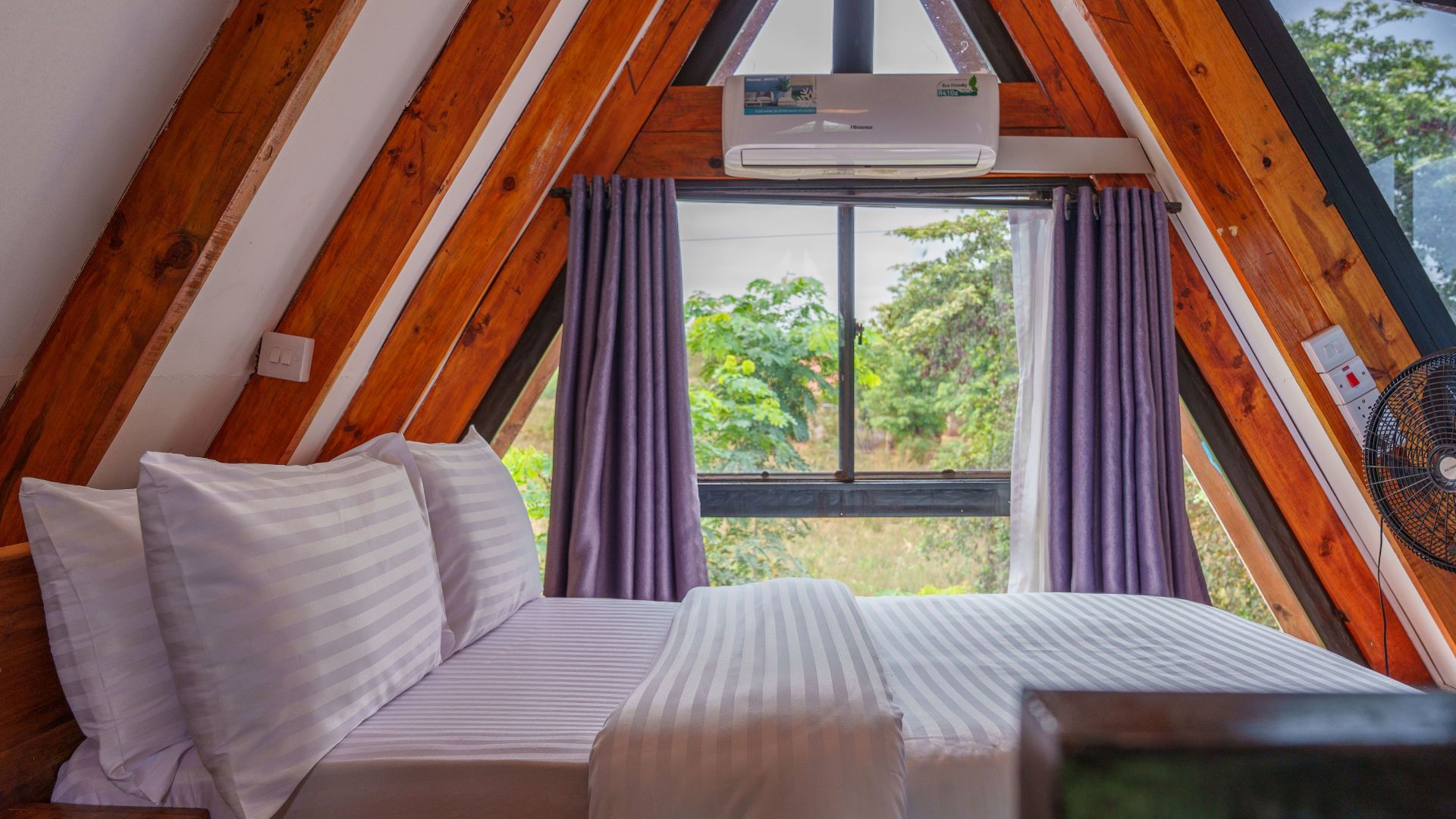
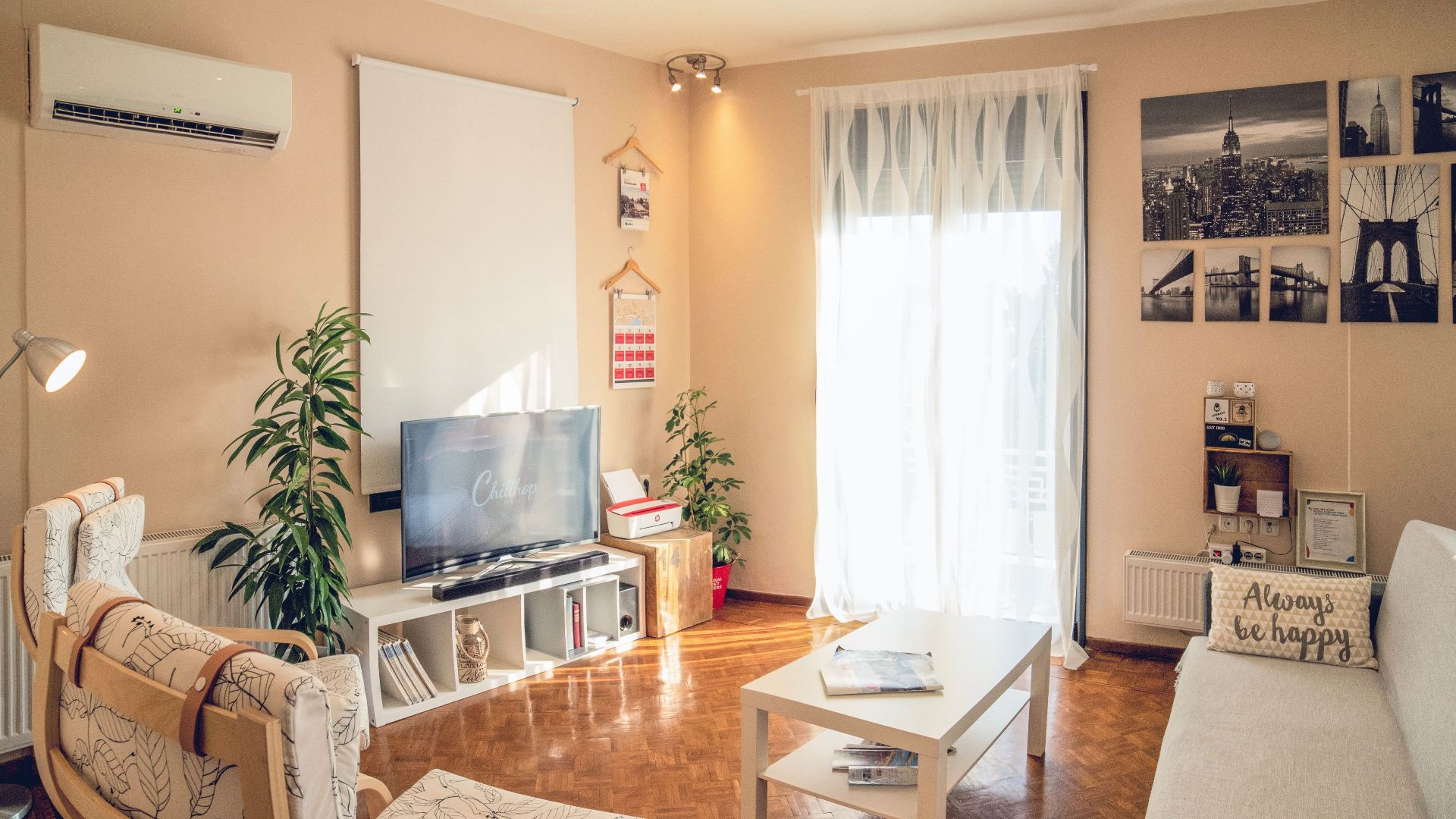
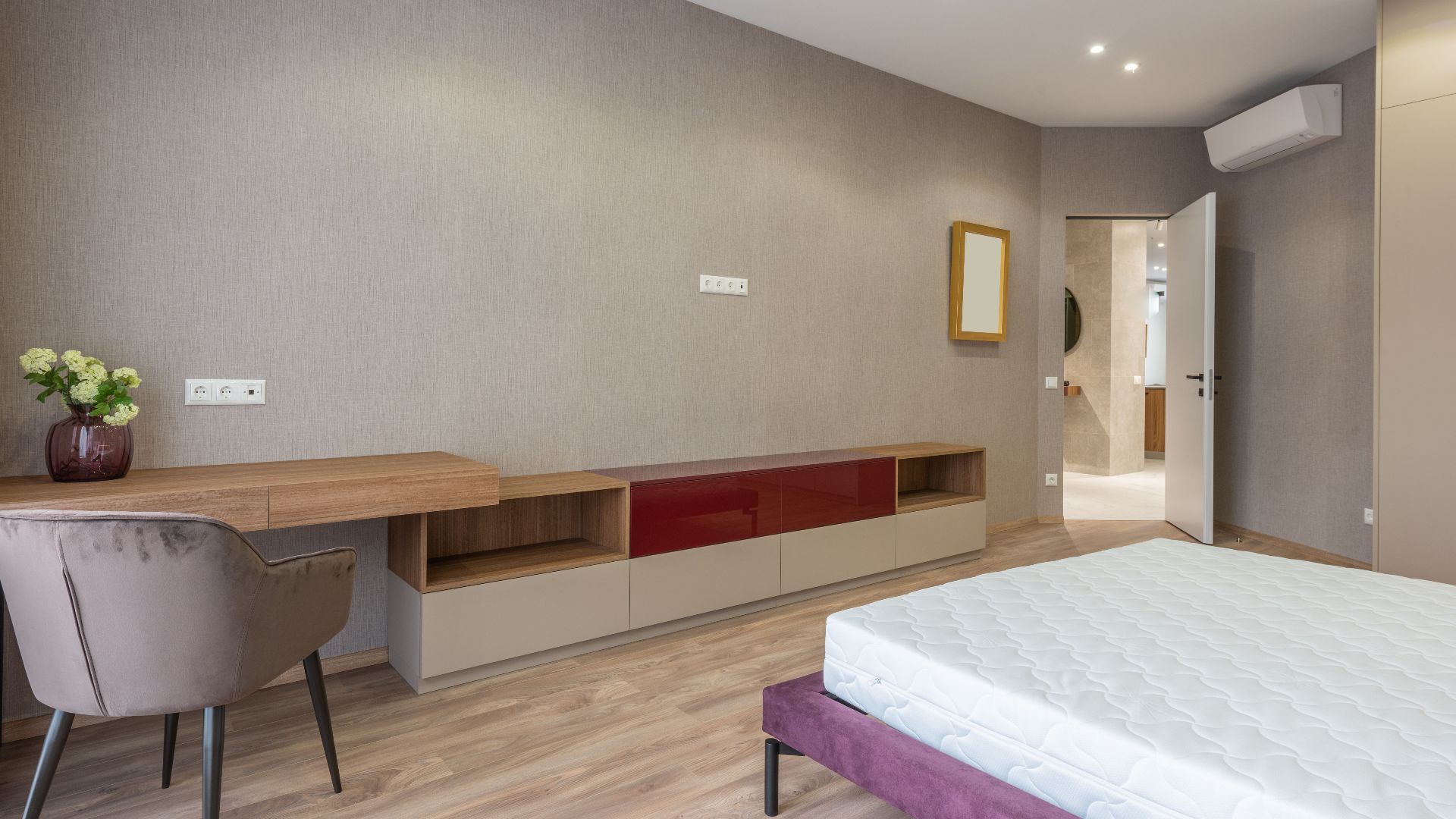
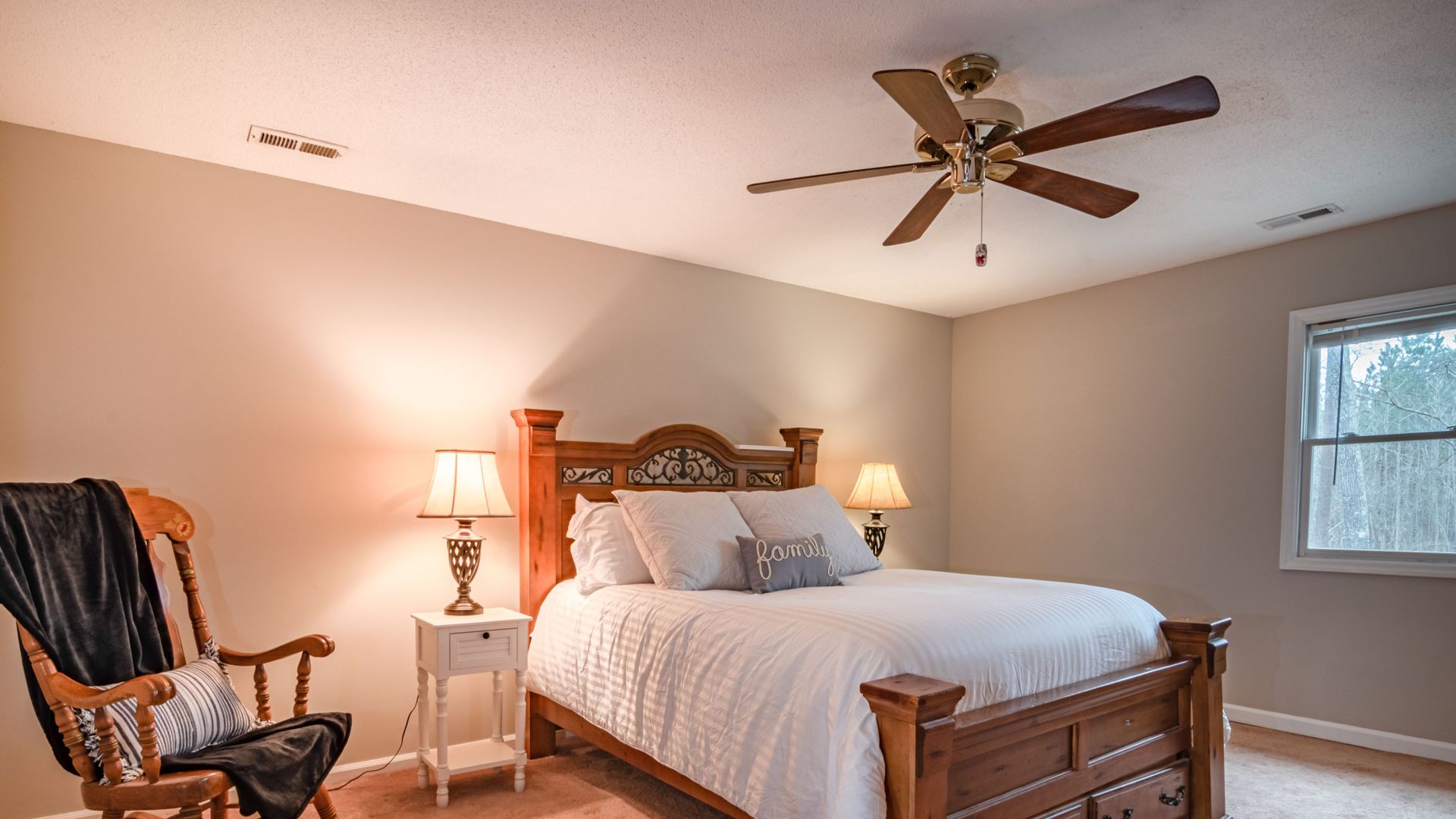
Look back through the listing photos. If air-conditioning units appear in several rooms, or the property is photographed in a way that suggests central air, those images may have reinforced the expectation created by the amenity list.
 John (Giannis) Tekeridis, Pexels
Central Air And One Window Unit Aren’t Equivalent
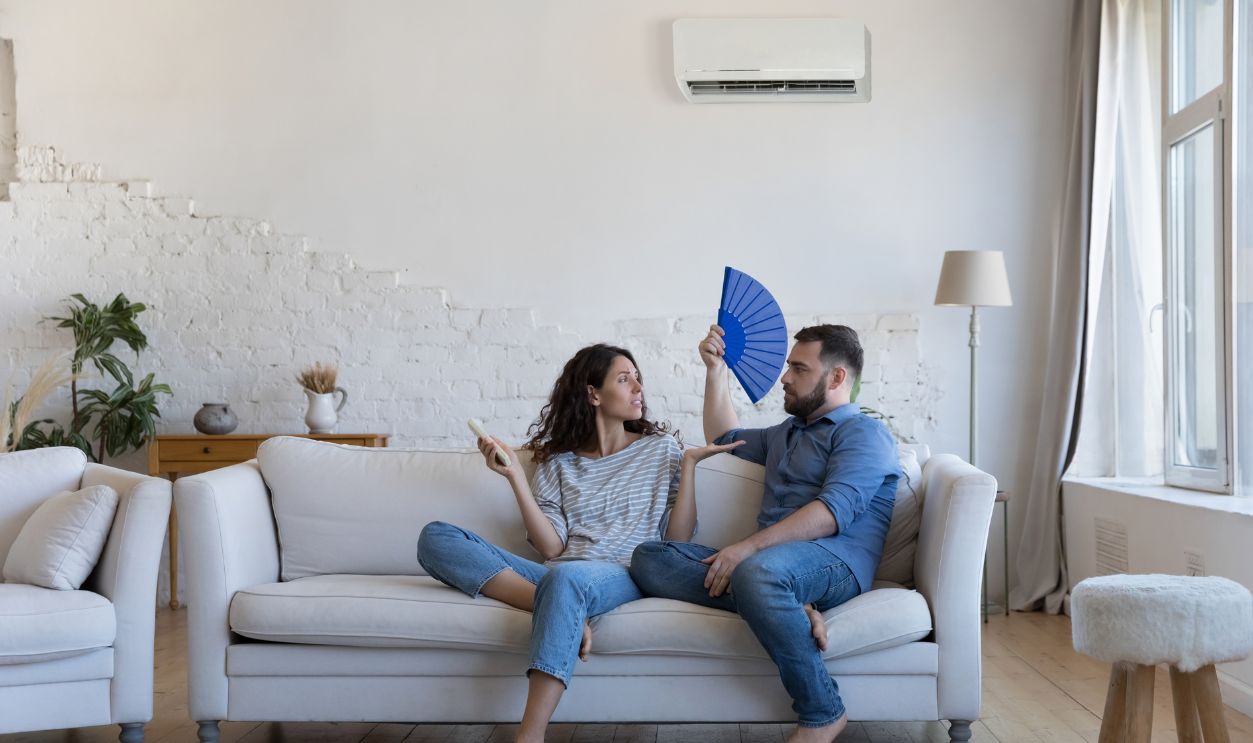
Technically, both involve air conditioning. Practically, they can produce completely different stays. A single bedroom unit may do little for guests sleeping elsewhere, preparing meals in a hot kitchen, or spending afternoons in an overheated living room.
 Nicoleta Ionescu, Shutterstock
Check Whether The Host Disclosed It Somewhere Else
Before concluding the listing was deceptive, read the entire description, “Things to know” section, house rules, and pre-arrival messages. If the host clearly disclosed that only one bedroom had A/C before booking, the argument for compensation becomes much weaker.

Don’t Let A Buried Detail Automatically End The Conversation
Disclosure still needs to be meaningful. If “air conditioning” appears prominently as an amenity while an obscure sentence much farther down reveals that only one room is cooled, travelers can reasonably argue that the overall presentation was confusing. Save both parts of the listing.
Take Screenshots Before The Listing Changes
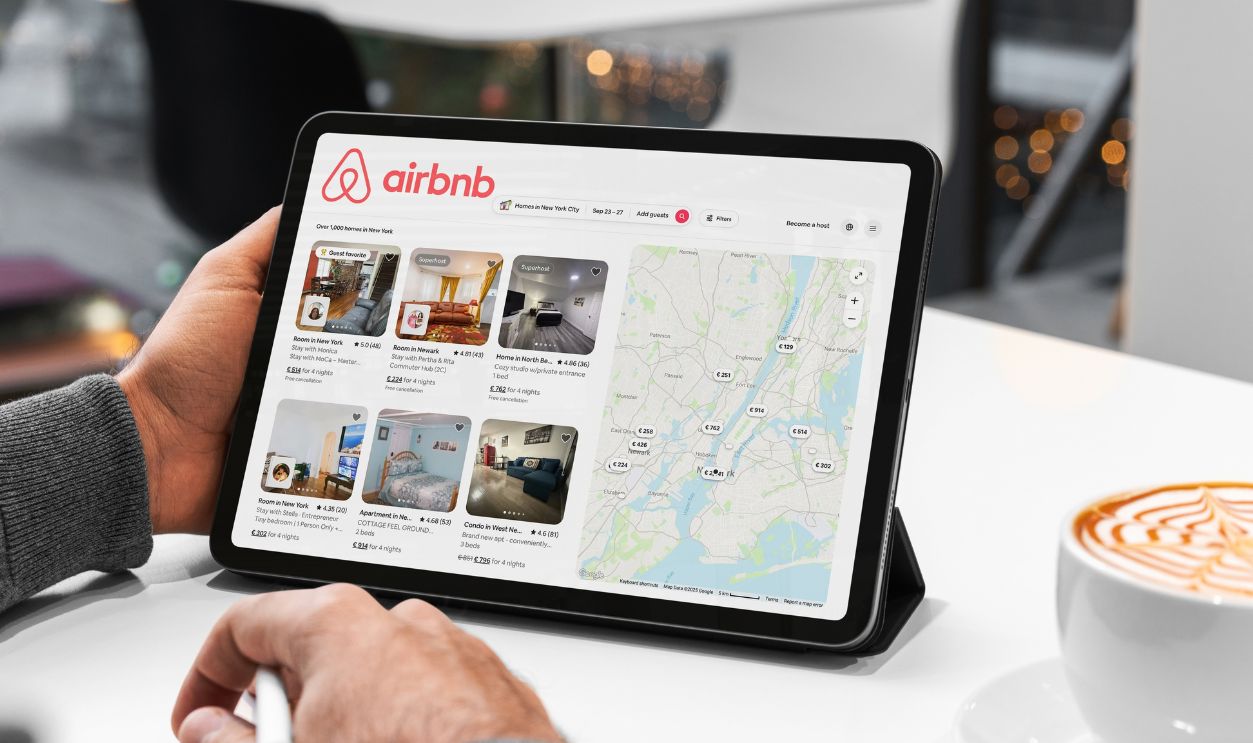
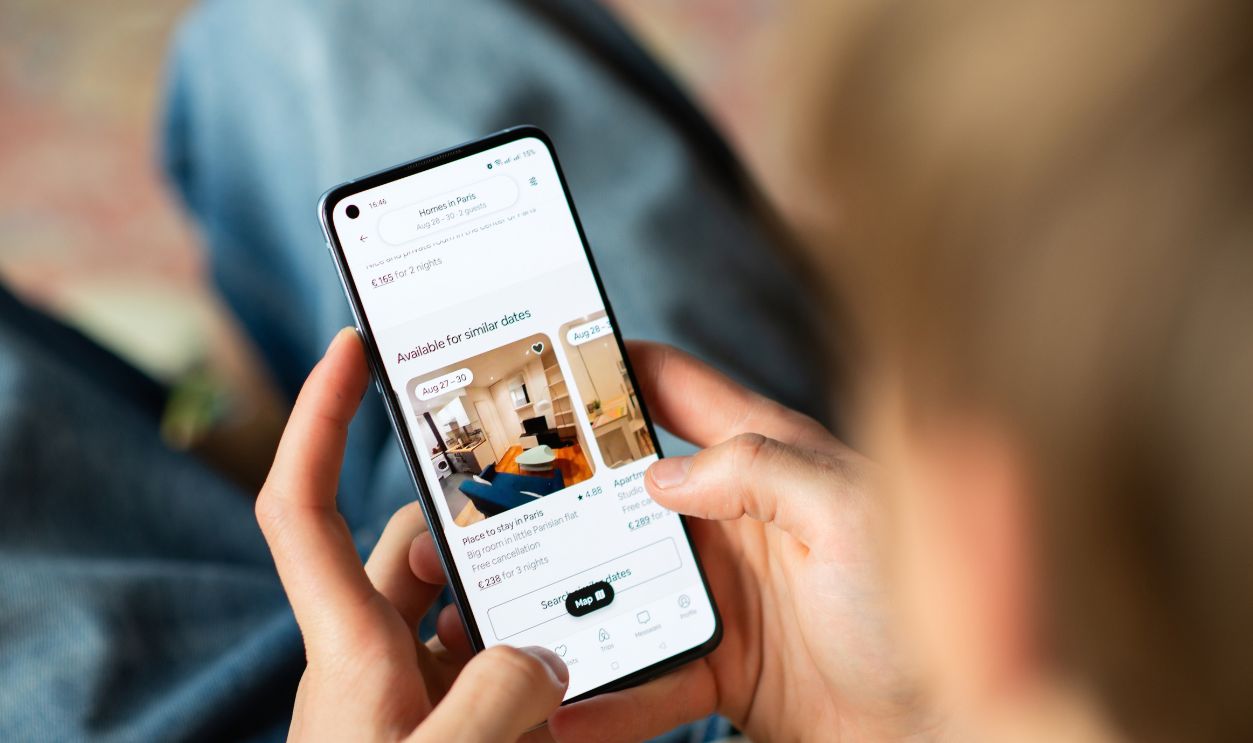
Hosts can update listings. Save the amenity list, description, photographs, and any language referring to cooling immediately. Airbnb notes that confirmed guests may not see later listing changes, which makes your own screenshots useful evidence of what you were shown when booking.

Photograph The Actual Setup
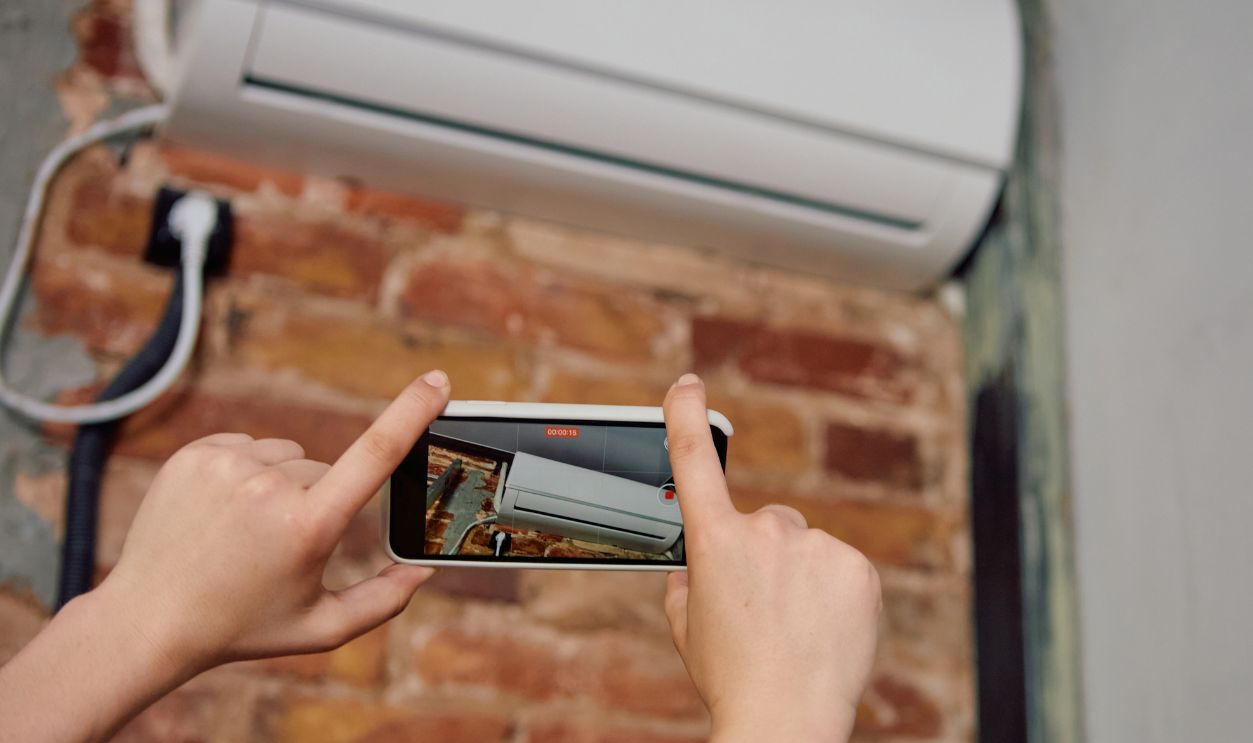
Take pictures showing where the A/C unit is located and which rooms lack cooling. If the unit is clearly a small window or portable system incapable of cooling the advertised property, document that too.
Record Indoor Temperatures If Heat Is The Problem
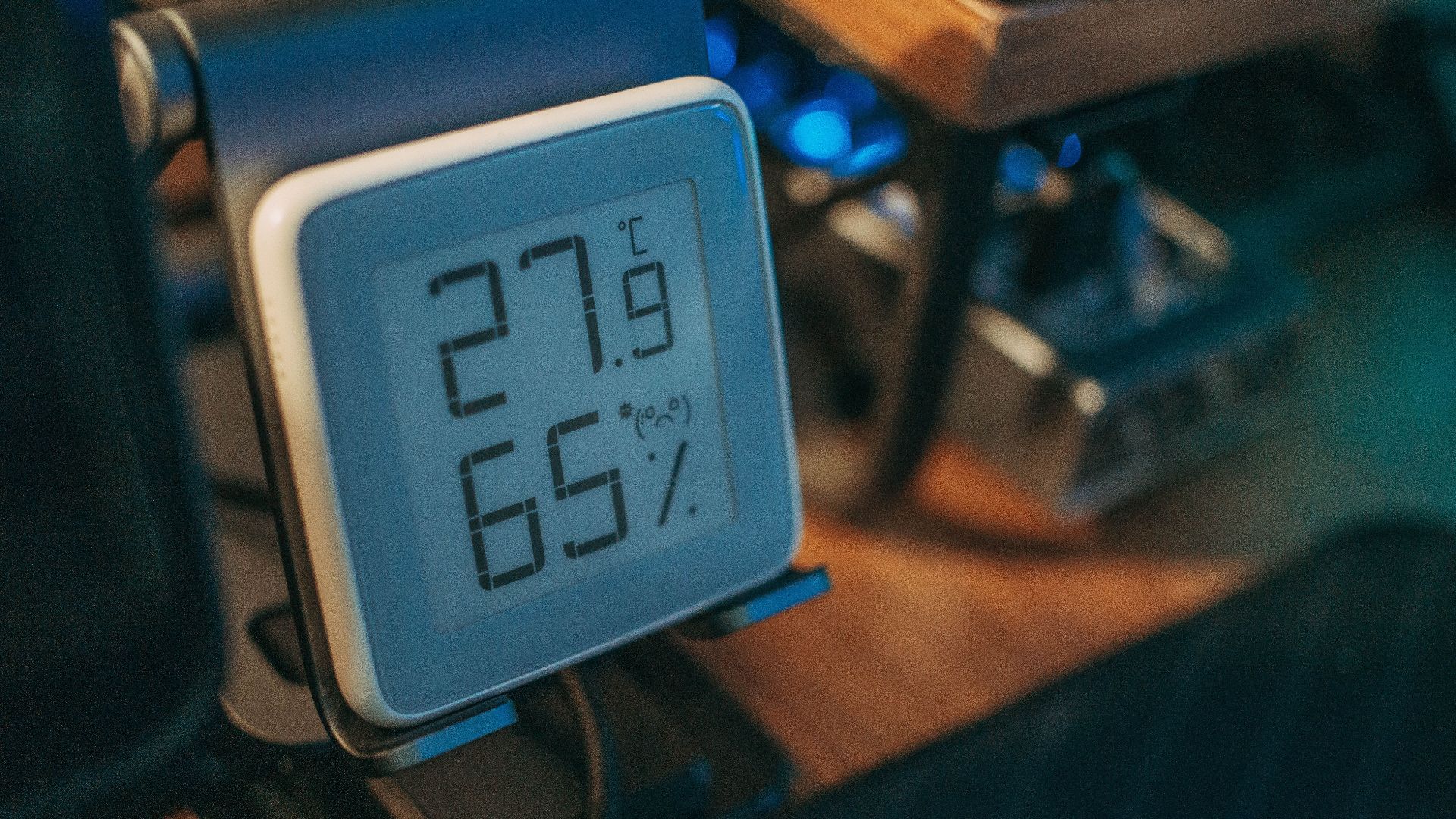
If rooms are genuinely uncomfortable, a photo of a reliable indoor thermometer can make the complaint much more concrete. “The bedroom was hot” is subjective. “The second bedroom remained at 87°F overnight” is easier for customer service to evaluate.
Ask The Host How The Property Is Supposed To Be Cooled
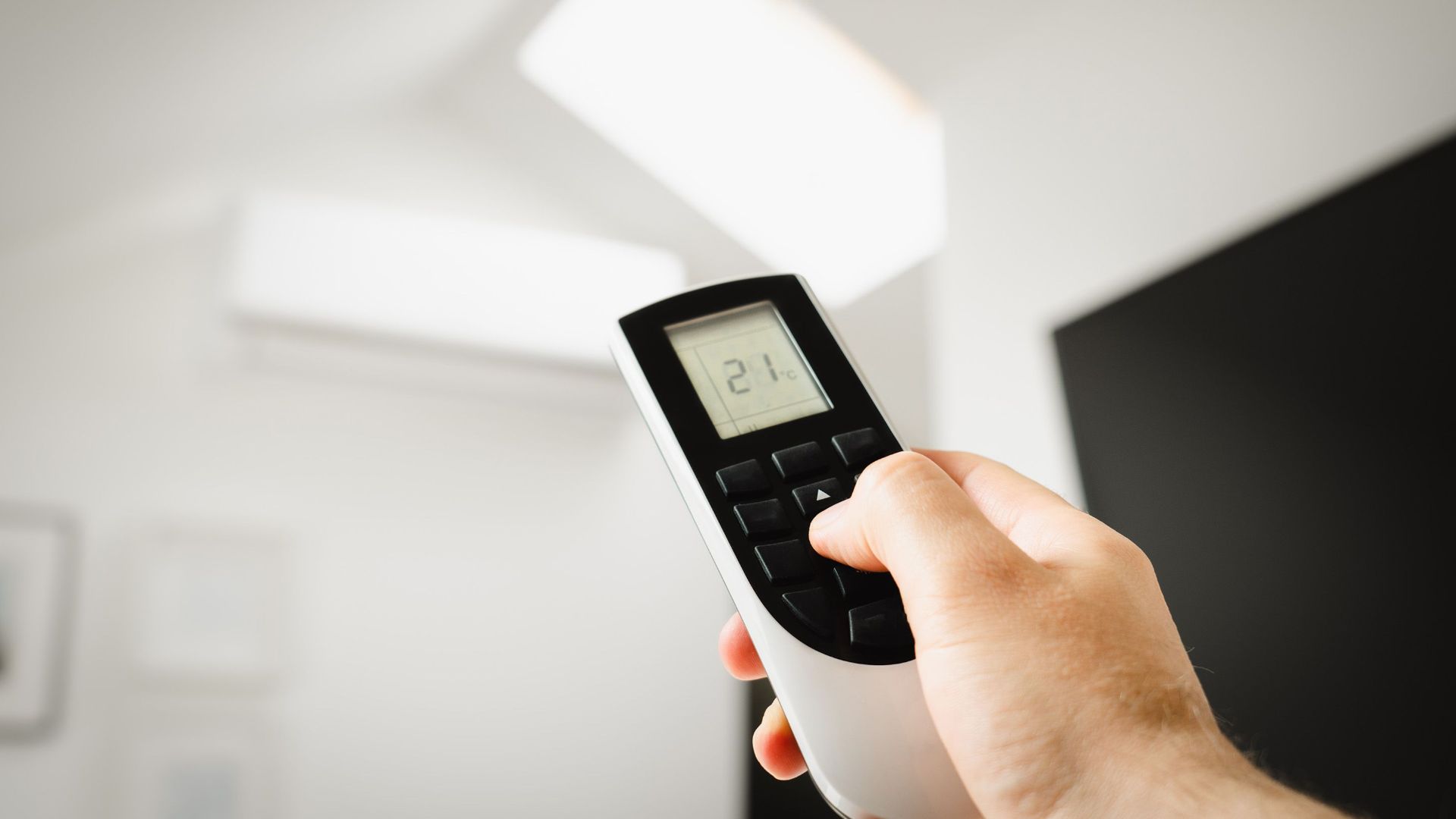
Message the host through the booking platform and ask whether there’s another unit, thermostat, remote, or cooling system you’ve missed. This gives the host a chance to solve the issue and prevents a later argument that the problem could have been fixed if you had simply asked.

Keep The Important Conversation On The Platform
Phone calls are useful for urgent problems, but follow them with a written message summarizing what was said. Platform support can evaluate a dispute much more easily when the host’s explanation is sitting in the message thread.

Give The Host A Chance To Fix It
Perhaps a second unit isn’t operating, a portable A/C can be delivered, or a technician can repair the system quickly. Airbnb generally expects guests to contact the host first because some missing or broken amenities can be resolved without disrupting the rest of the stay.
Fans Aren’t Necessarily An Equivalent Replacement
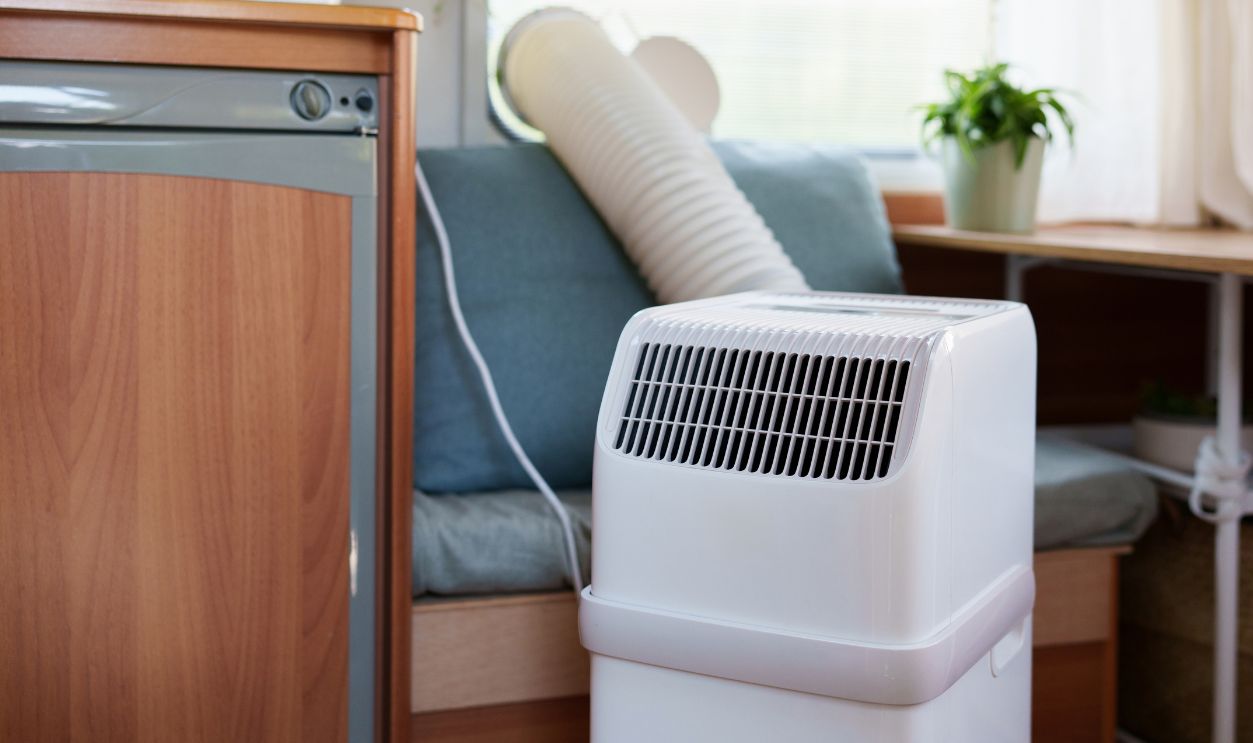
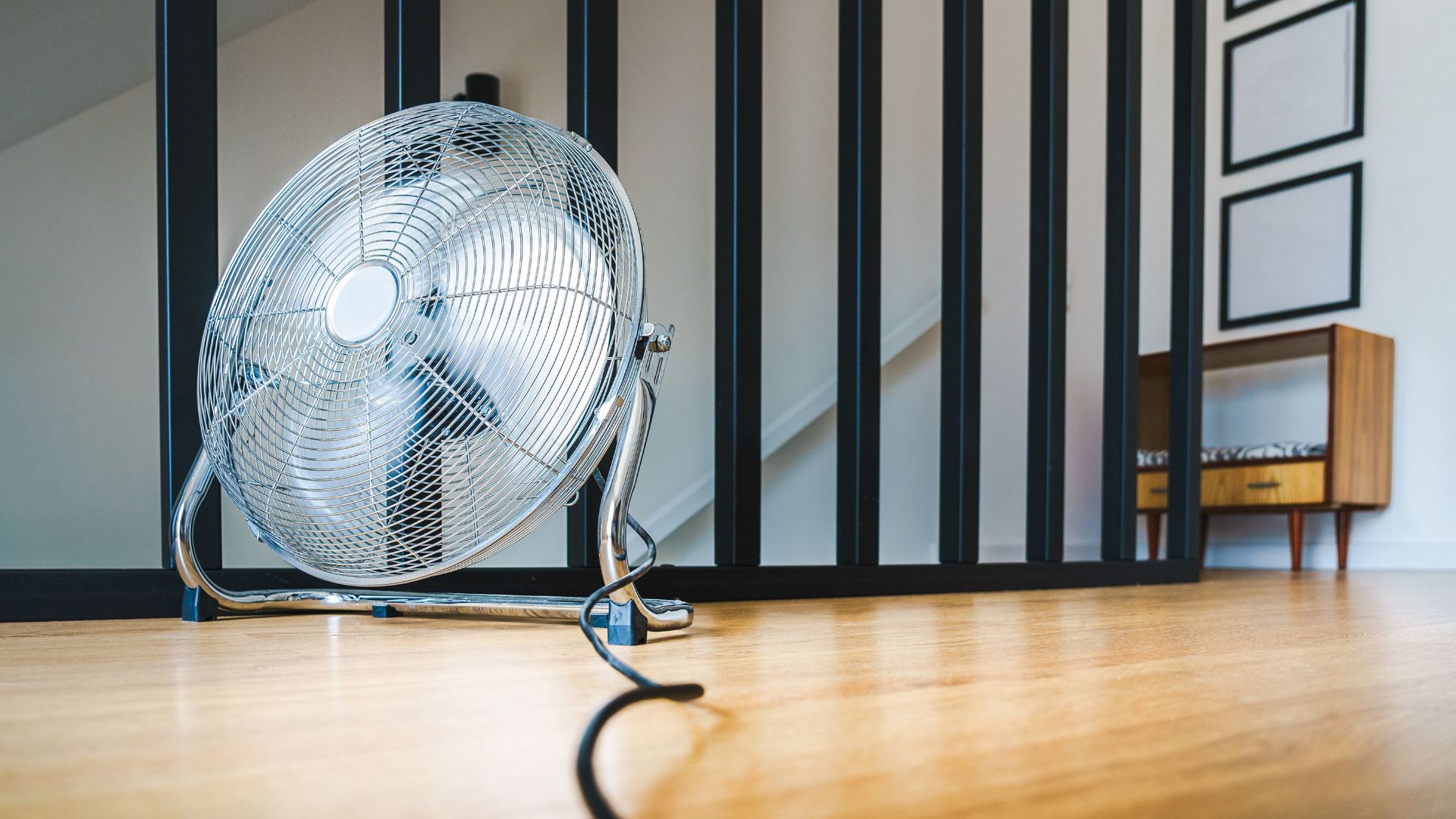
A host may offer fans when advertised air conditioning isn’t available. That might be adequate in mild weather, but circulating hot air isn’t necessarily comparable to mechanical cooling during extreme heat. Whether that solution is reasonable depends on the actual conditions.
Report The Problem Quickly
Airbnb currently requires guests seeking assistance under its rebooking and refund policy to contact the host or Airbnb within 72 hours of discovering the problem. Vrbo tells travelers whose property significantly differs from the listing to report the issue within 24 hours of check-in. Waiting until after the vacation can seriously weaken the claim.

Say What You Want The Host To Do
Don’t send ten messages saying only that you’re unhappy. Ask for something specific: restore the advertised A/C, provide effective portable units, reduce the price, or allow the group to leave with a refund for unused nights.
A Partial Refund Often Fits A Partial Amenity
If one bedroom has working A/C and the family completes the entire stay, a partial refund may be more realistic than demanding every dollar back. Airbnb specifically allows hosts and guests to use its Resolution Center to handle refunds for missing or broken amenities.
Explain How The Missing Amenity Affected The Stay
The strongest complaint connects the listing problem to a real consequence. Maybe children couldn’t sleep in the second bedroom, an older traveler had to move rooms, everyone slept in the living area, or you bought fans just to make the house usable. Those details help explain why this wasn’t merely a technical discrepancy.
Keep Receipts For Reasonable Expenses
If you had to buy fans, rent a portable air conditioner, or move to another property after discussing the problem with the platform, save your receipts. Reimbursement isn’t guaranteed, but documented costs are easier to request than estimated inconvenience.

Know When The Problem Becomes Serious Enough To Leave
Airbnb’s current policy specifically identifies advertised heating or air-conditioning systems that are missing or don’t function as examples of potentially covered reservation issues. If the heat makes much of the rental unusable and the host can’t fix it, contact Airbnb before relocating and ask about rebooking assistance.
Don’t Simply Leave Without Reporting It
Packing up and booking a hotel without telling the host or platform can complicate a later refund request. Report the issue, document the conditions, and ask how the platform wants you to proceed. That creates a much cleaner record showing why you left.

Don’t Cancel The Reservation Normally By Mistake
A guest-initiated cancellation can trigger the property’s ordinary cancellation policy. If you’re seeking to end the stay because the listing was materially inaccurate, contact the platform and identify the listing problem rather than simply pressing the normal cancellation button first.
 Jevanto Productions, Shutterstock
Escalate If The Host Says “But There Is A/C”
That response addresses the technical existence of the amenity, not necessarily whether the listing described it accurately. Explain that the dispute is about scope: the property was presented as air-conditioned without disclosing that the amenity served only one bedroom.
Airbnb Can Consider A Listing Significantly Different
Airbnb’s rebooking and refund policy specifically covers situations where an advertised special amenity or feature isn’t present or functioning, and it names heating and air-conditioning systems as examples. The amount of any refund depends on factors including severity, impact, how much of the stay was affected, whether the guest left, and the available evidence.
Vrbo Has A Similar “Not As Described” Process
Vrbo instructs travelers to contact the host first when the property significantly differs from its listing and to report the issue to Vrbo within 24 hours of check-in. Vrbo’s own host guidance also recognizes broken air conditioning as the kind of stay problem for which a host may issue compensation without canceling the reservation.
Ask For Platform Support If The Host Refuses
Send customer service a concise evidence package rather than an emotional transcript of the entire vacation. Include the original A/C language, screenshots, photos of the units, room temperatures if relevant, the host’s response, and exactly what remedy you requested.

A Full Refund Usually Requires A Bigger Disruption
Airbnb considers factors including whether the guest vacated the property and how severe the problem was. If you remained for seven nights and used most of the home, a total refund can be harder to justify than if dangerous heat forced you to leave immediately. That doesn’t mean no compensation is appropriate.

A Credit-Card Dispute Is Better Treated As A Last Resort
If the host and platform both refuse to address a clearly documented material misrepresentation, travelers can ask their card issuer about dispute rights. But a chargeback shouldn’t be the first step, particularly while Airbnb or Vrbo is actively reviewing the claim.

Leave An Accurate Review After The Dispute
Reviews can help prevent the same surprise for future travelers. Stick to observable facts: for example, that the listing displayed air conditioning but only one bedroom had a unit during your stay. Avoid threats or exaggeration, and don’t tie a promised good review to receiving money.

Ask Better Questions Before The Next Booking
When climate control is essential, don’t stop at the A/C icon. Ask whether every bedroom is air-conditioned, whether the system is central or room-specific, whether guests control the thermostat, and whether there are temperature restrictions. Condé Nast Traveler and other travel publications have long advised travelers to investigate vacation-rental details carefully because fixing a mismatch after arrival can be much harder than switching rooms at a hotel.
Partial Amenities Aren’t Necessarily Misleading, But Hidden Limitations Can Be
A host can accurately advertise a home with partial air conditioning if the listing makes the limitation clear. The problem arises when the presentation creates a reasonable expectation that the property is broadly air-conditioned and guests only discover otherwise after arrival. In that situation, document exactly what was promised, report the discrepancy immediately, give the host a reasonable opportunity to fix it, and ask for compensation that reflects how much the missing amenity actually affected the stay.
You May Also Like: