The Room Looks Huge Online Until You Open The Door
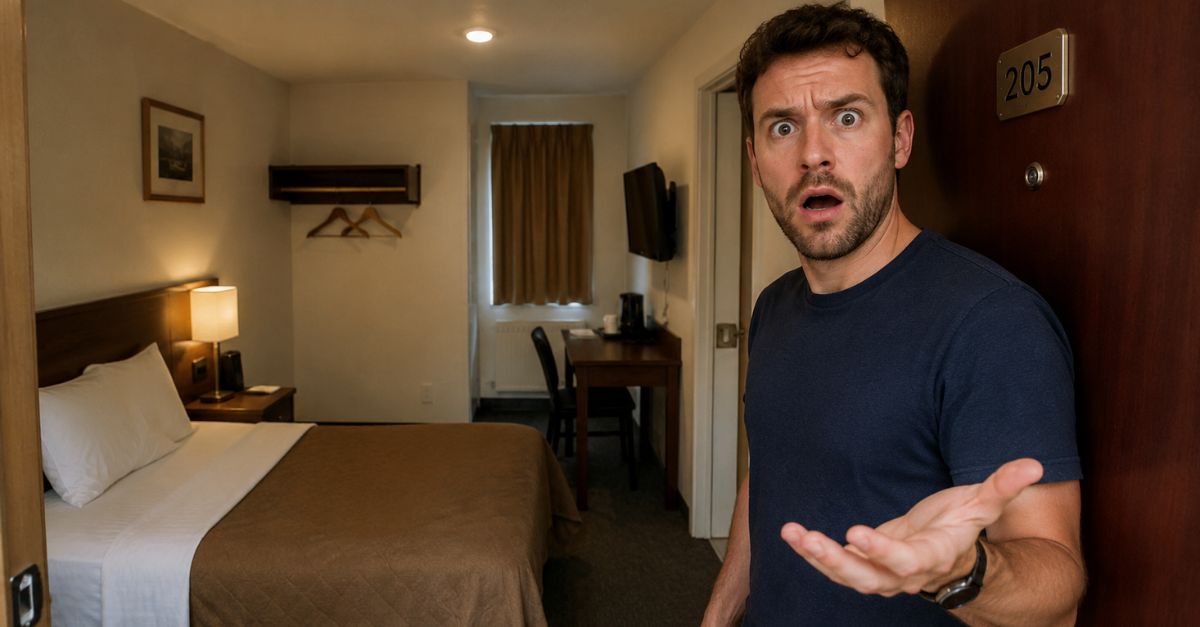
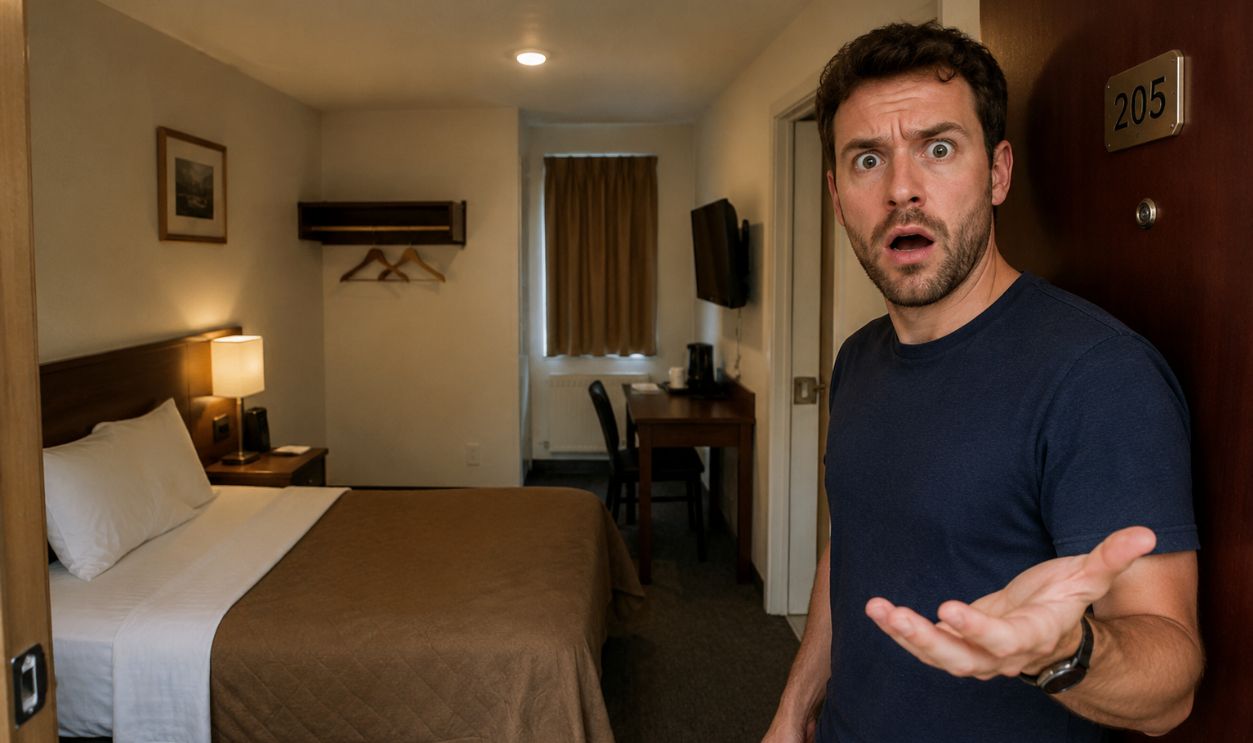
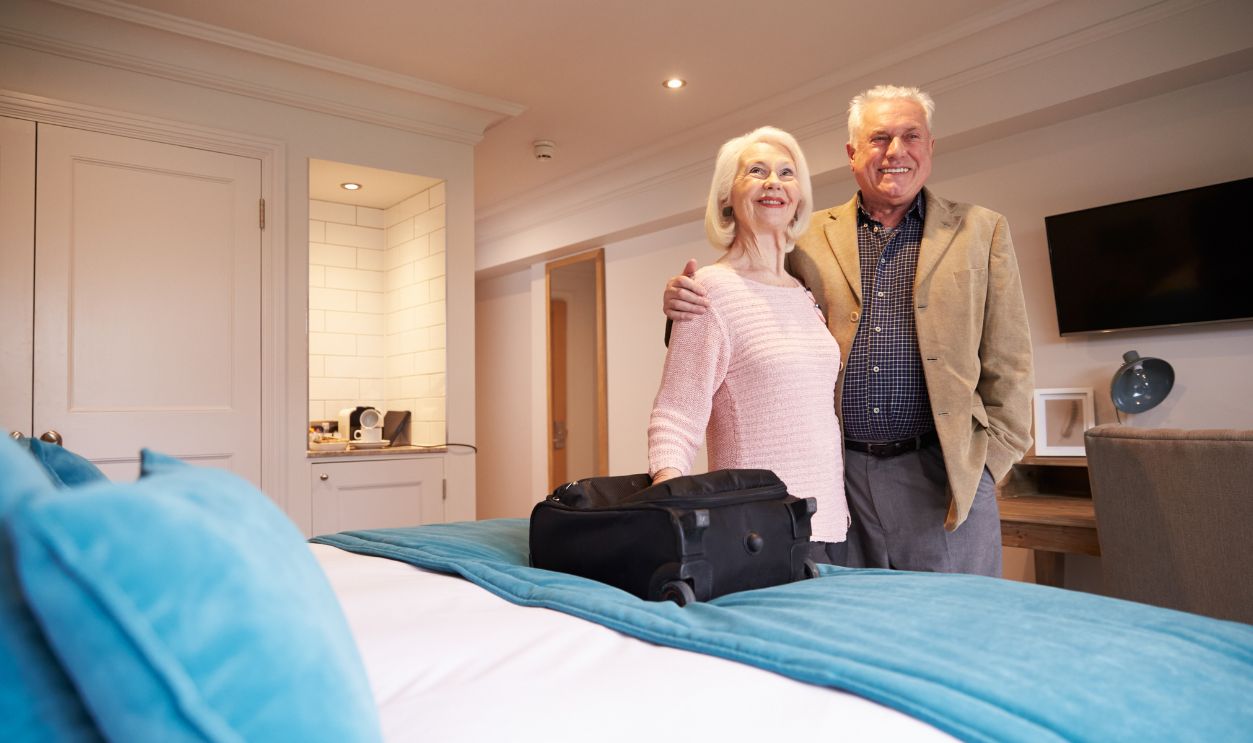
You book a hotel based on polished photos, then step inside and realize the room is way tighter than it looked, and you barely have room for your suitcase on the floor. The front desk points to a familiar disclaimer and says the photos are “representative.”
A lot of people will get that answer, but it definitely doesn't mean any difference between the listing and the actual room is automatically fine.
Representative Does Not Mean Anything Goes
Hotels often use the word “representative” to signal that décor, view, layout, or exact furnishings may vary from room to room. Consumer protection law still generally expects advertising to be truthful and not materially misleading. If the photos create a false impression about the size, layout, or key features of the room you paid for, that can cross the line from normal variation into a real problem.

The Federal Rule That Matters Most
In the United States, the Federal Trade Commission says advertising must be truthful, not misleading, and backed by evidence when appropriate. The FTC’s guidance does not create a special loophole for hotel photos just because a business adds fine print. If the overall impression is likely to mislead a reasonable consumer, a disclaimer may not fix it.
Why Fine Print Does Not Always Save A Listing
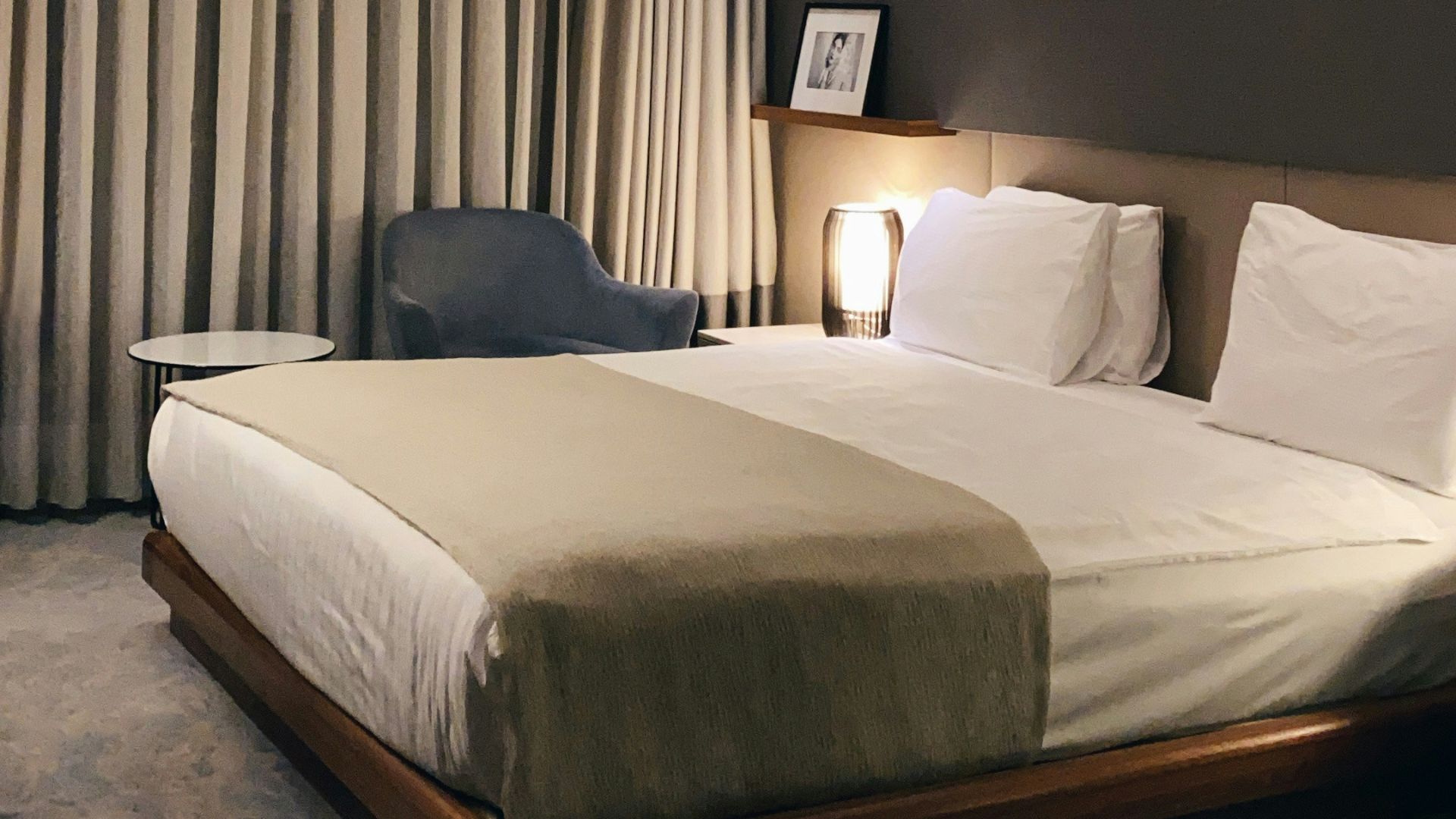
The FTC has long said disclosures must be clear and easy to notice, and that advertisers should not rely on tiny qualifiers to correct a misleading main message. That matters for hotel listings because the first thing many travelers see is a gallery of wide-angle room shots. If those images suggest a spacious standard room but the room you booked is much smaller, the overall impression can matter more than a vague disclaimer.
Europe Uses A Similar Standard
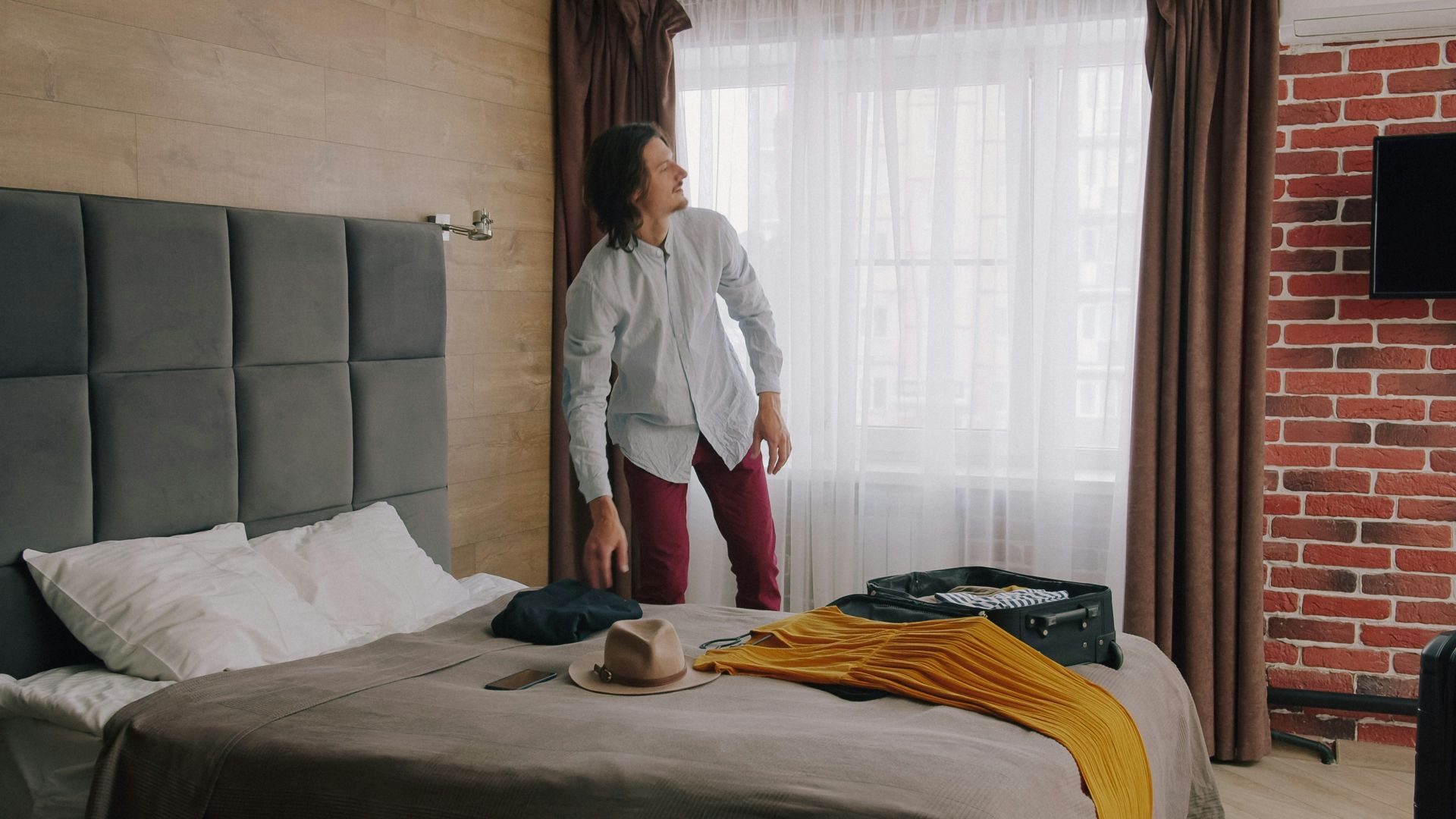
The European Union’s Unfair Commercial Practices Directive bars misleading actions and misleading omissions in business-to-consumer marketing. In plain English, that means a hotel should not present information in a way that causes the average consumer to make a booking decision they otherwise would not have made. A representative-photo label is not a free pass if important facts about the room type are left unclear.

The UK’s Consumer Watchdog Also Targets Misleading Impressions
In the United Kingdom, the Competition and Markets Authority has warned travel businesses about misleading online practices, including how key information is presented to consumers. The CMA’s broader position is that businesses must give people the important information they need to make informed choices. For hotels, room size, bed setup, view, and whether photos match the booked category can all be material details.
 Hryshchyshen Serhii, Shutterstock
Booking Sites Tell Hotels To Be Accurate
Major online travel agencies also require accommodation partners to present truthful property information. Booking.com’s partner guidance says properties must provide accurate, not misleading information and keep it updated. Expedia Group’s marketplace standards similarly require accurate content, which gives travelers another path for complaints when a hotel’s listing oversells what it actually delivers.

Room Size Is One Of The Easiest Facts To Check
When a hotel says photos are representative, the fastest way to test whether the difference is reasonable is to look for the room’s stated square footage or square meters. Many large hotel brands publish room dimensions directly on their own websites. If the room you received is well below the listed size for the category you booked, you have a hard fact instead of just a bad feeling.
Wide Angle Lenses Can Shrink Your Patience
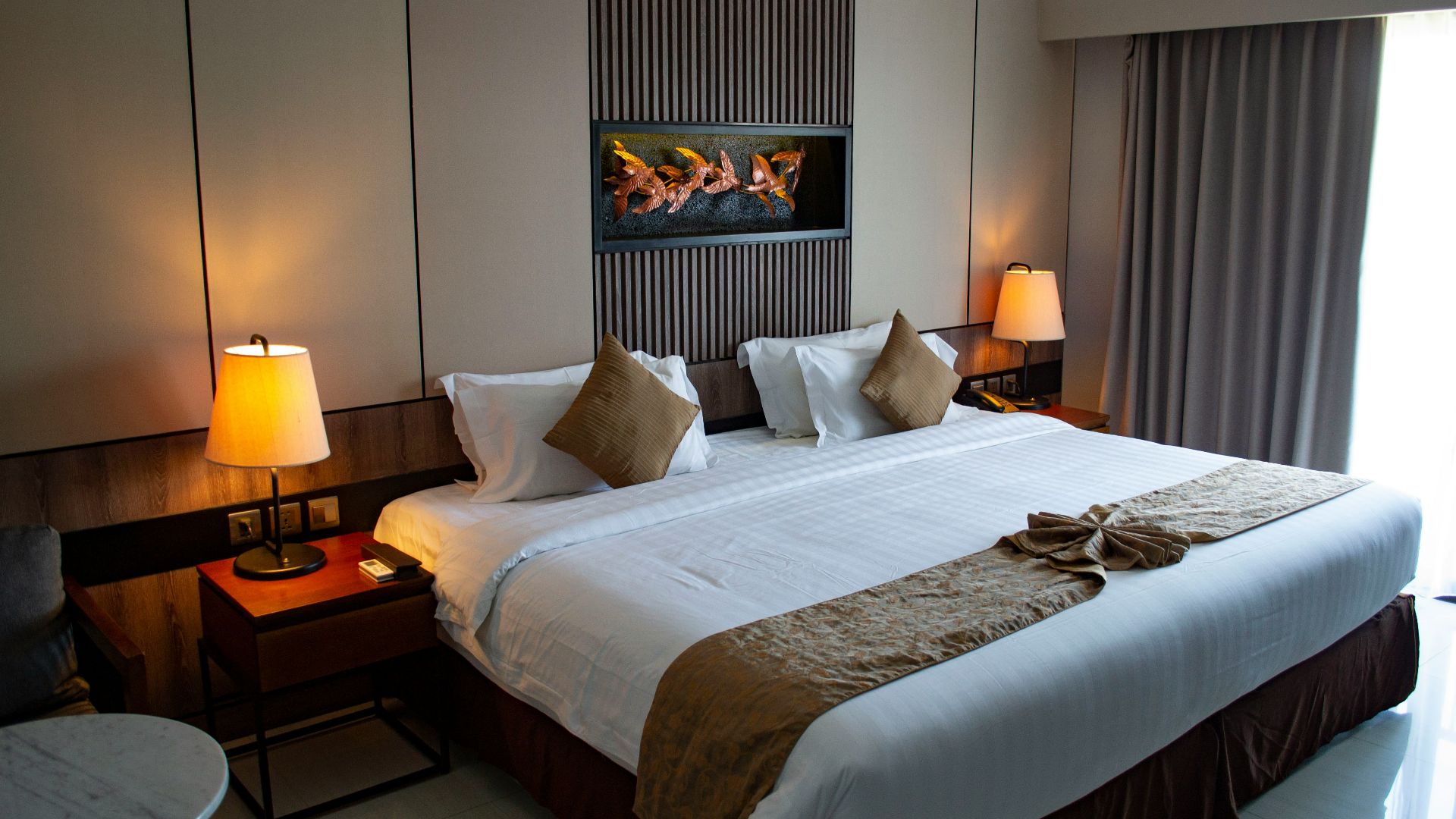
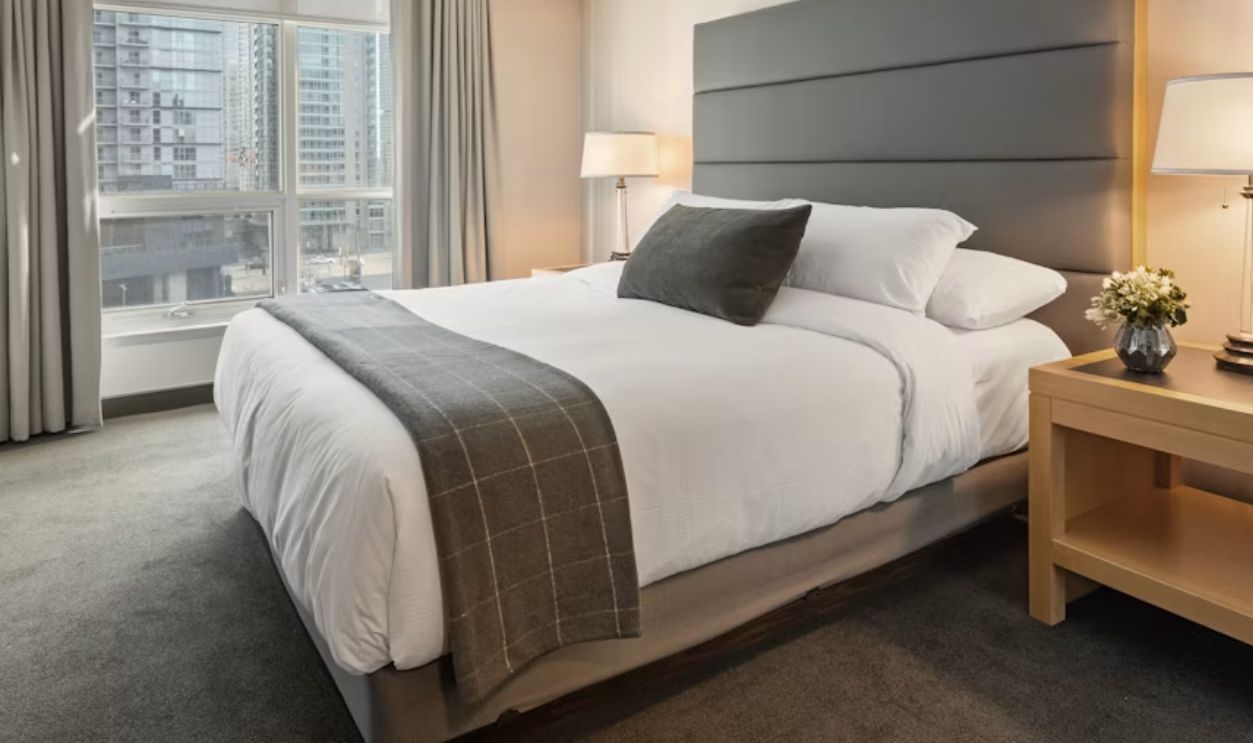
Real estate and hotel photographers often use wide-angle lenses to make small spaces look larger, brighter, and more open. That technique is not automatically deceptive, but it can create a very different impression from standing in the room yourself. If a hotel pairs wide-angle photos with missing or hard-to-find room dimensions, the risk of confusion climbs fast.
What Counts As A Normal Difference
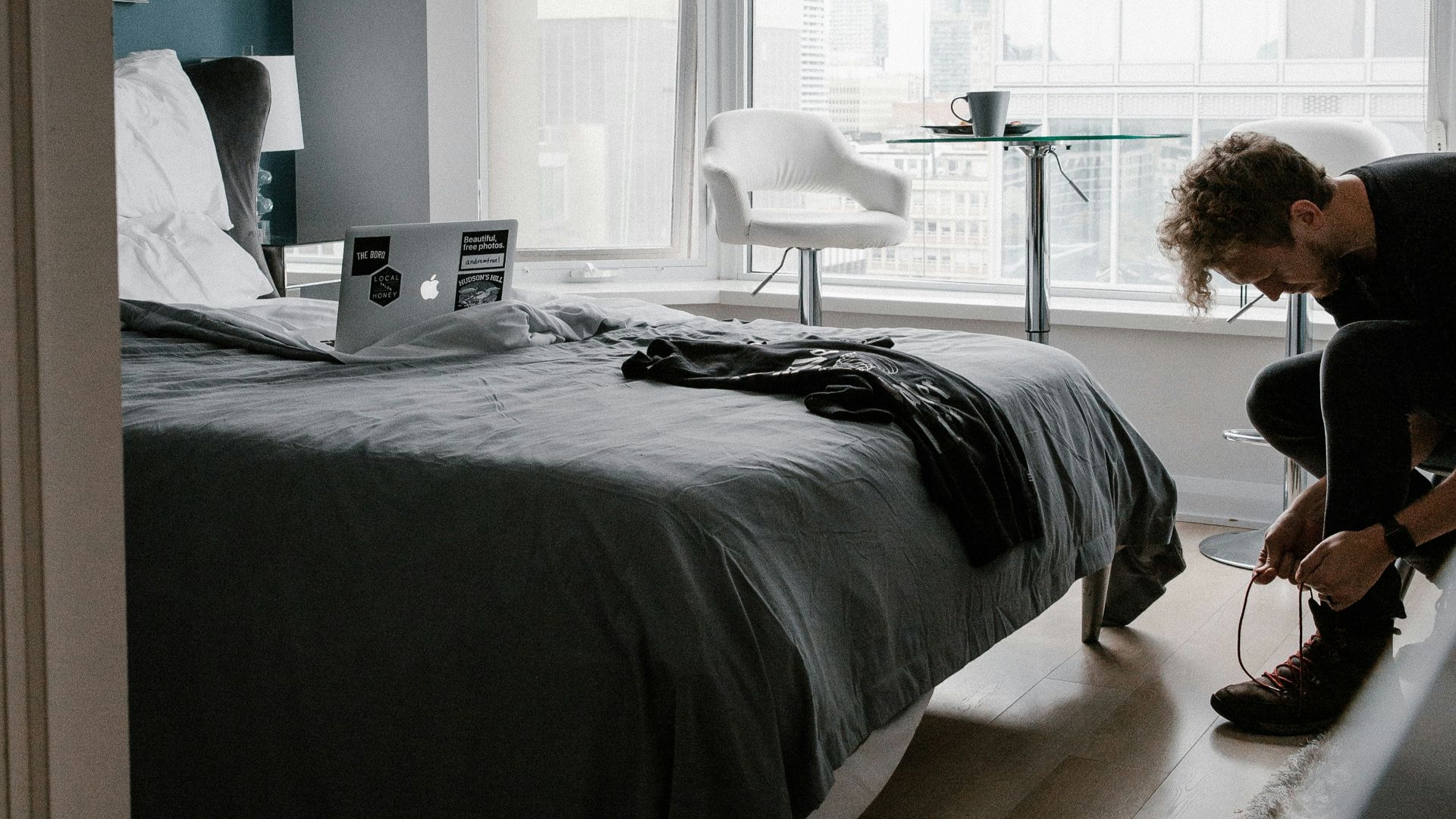
A little variation is normal in hotels, especially in older buildings where rooms in the same category may not be identical. Small differences in furniture placement, art, flooring, or window placement are usually not enough to support a serious complaint on their own. The issue gets stronger when the room type, usable floor space, or promised sleeping setup is materially different from what was marketed.
How Different Is Too Different
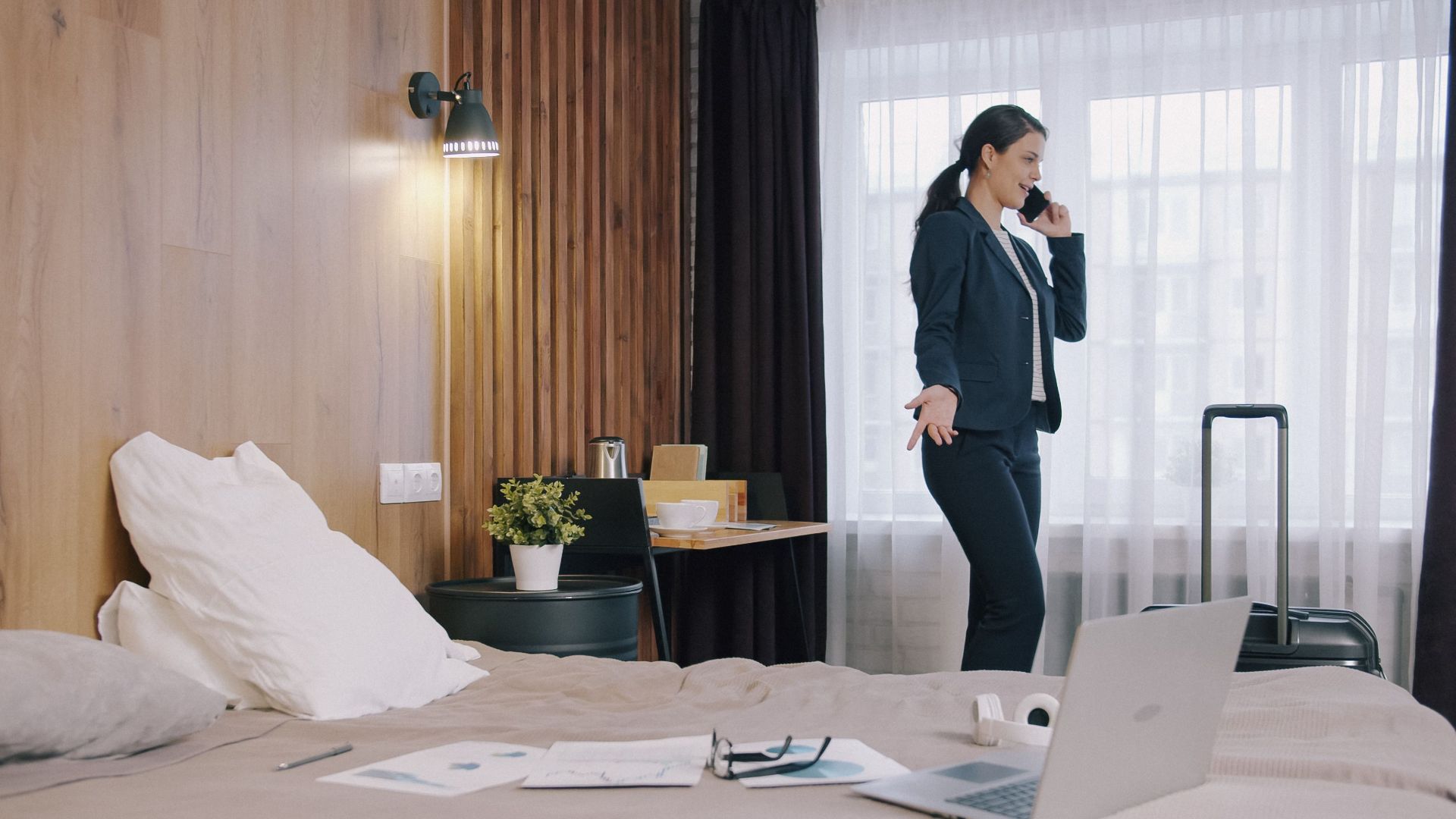
There is no universal legal percentage that says a room is officially too small compared with the photos. In practice, the answer turns on whether the mismatch is material to a reasonable guest. If you booked expecting a standard room with enough space for two people and luggage, but got a room so tight that the bed blocks movement or key furniture is missing, that is far more than a cosmetic difference.
 Point3D Commercial Imaging Ltd., Unsplash
Start With The Booking Confirmation
Before arguing at the desk, pull up your confirmation email, screenshots of the listing, and any room-name details. Hotels often rely on category names like “Classic,” “Superior,” or “Deluxe,” and the photos may show multiple categories together. Your first job is to confirm whether the pictures you relied on were actually attached to the room type you booked.

Check The Hotel’s Own Website Next
The hotel’s direct site may have clearer room dimensions, floor plans, or category-by-category photos than an online travel agency page. If the hotel’s site shows that the room you booked should be 280 square feet and yours is plainly much smaller, that is strong evidence. If the hotel’s own site also says photos are representative, compare what is guaranteed with what is left flexible.

Take Measurements If The Gap Feels Major
You do not need a surveyor, but a quick tape measure or phone measurement app can help if the difference is dramatic. Photos of the room with your bags, the bed, the desk, and the distance between walls can also help show scale. A specific claim like “this room appears closer to 180 square feet than the 260 square feet listed” is stronger than “this feels tiny.”

Document The First Impression Immediately
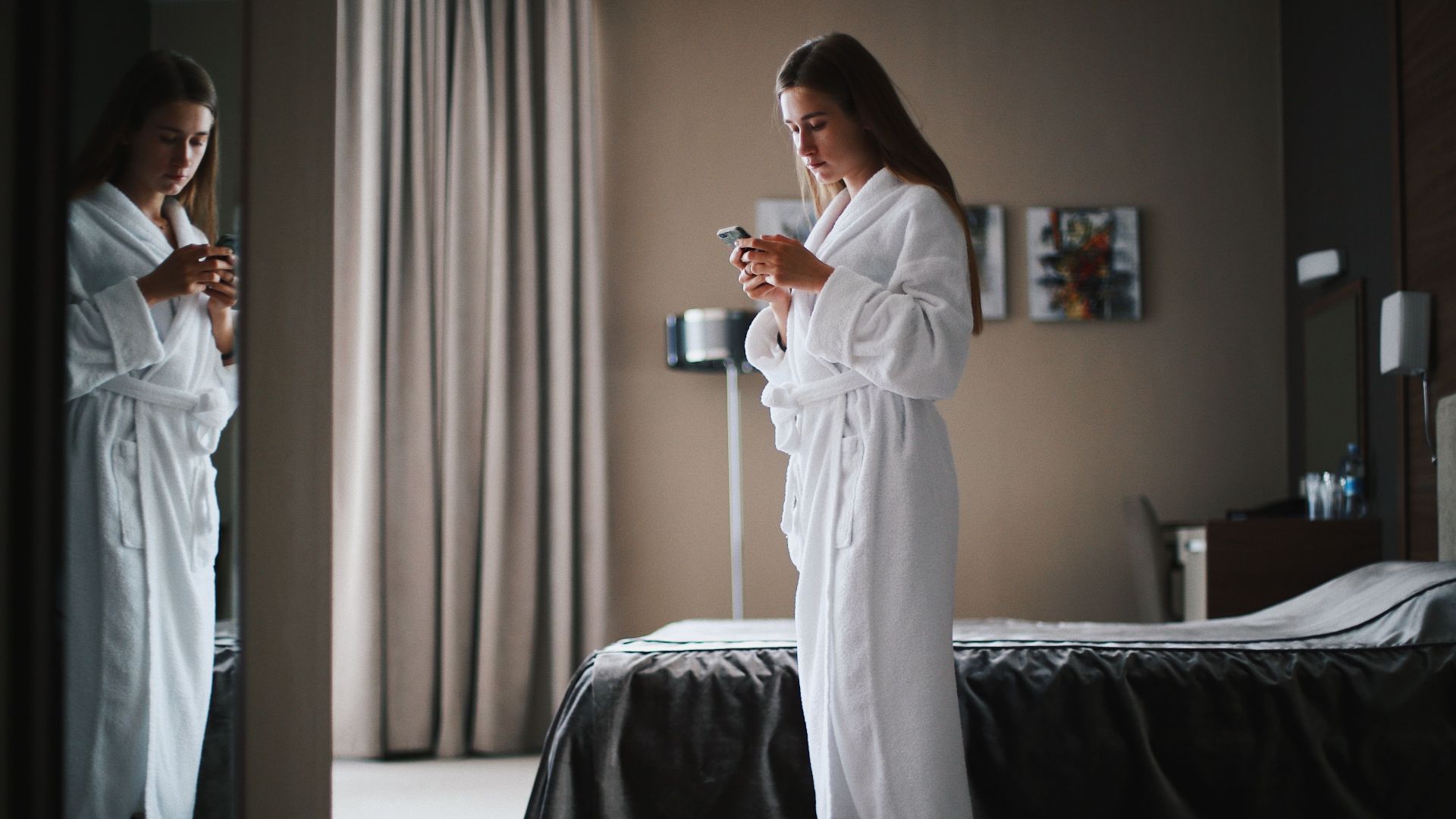
Time matters because the hotel can say conditions changed after you settled in. Take photos and video right away, especially if there is no place to open luggage, no desk that was shown online, or a windowless wall where the listing implied a city view. Include the room number, the hallway, and any posted evacuation map that outlines the room shape.
 Anastasia Ilina-Makarova, Pexels
Ask One Simple Question At The Front Desk
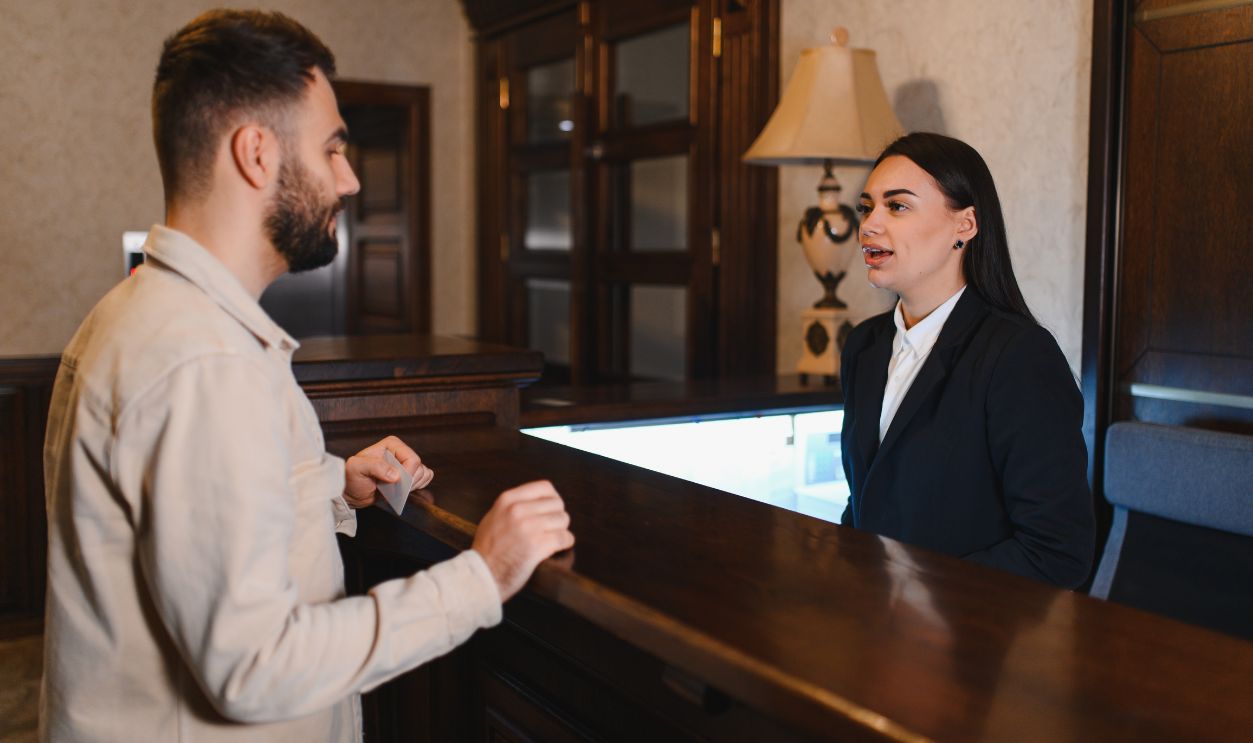
Keep it calm and specific: “Is this the exact room category I booked, and what is the published size for this category?” That question forces the conversation onto facts that can be checked. If staff refuse to answer or can only repeat that photos are representative, ask for a manager and request a written note confirming the room category you were assigned.

When A Free Move Is The Best Outcome
The easiest fix is often a room change to a category that matches the listing you relied on. Hotels can sometimes move guests quietly when inventory allows, especially if you raise the issue early and politely. If the property is full, ask whether a partial refund, waived resort fee, or loyalty points can make up for the shortfall.
 Monkey Business Images, Shutterstock
If You Booked Through An Online Travel Agency
Contact the booking platform while you are still on site, not after checkout if possible. Booking.com, Expedia, and similar services can sometimes step in with the property when the delivered room appears inconsistent with the listing. Your screenshots, measurements, and notes from the front desk make a much stronger case than a general complaint filed days later.
Credit Card Protections Can Matter Too
If the room delivered was materially different from the service advertised and the hotel or platform refuses to help, a credit card dispute may be an option. Issuers usually want evidence that you tried to resolve the problem directly first. Keep records of the listing, your confirmation, your complaint, and any written response from the hotel.

Reviews Can Help Other Travelers If You Stay Precise
A review that says “the photos lie” may feel satisfying, but it is less useful than a factual description. State the room category, the date of stay, what the listing showed, and what was missing or smaller in reality. Specific reviews are more credible to other travelers and harder for a property to dismiss as exaggeration.
Photos Matter More When The Hotel Omits Floor Plans
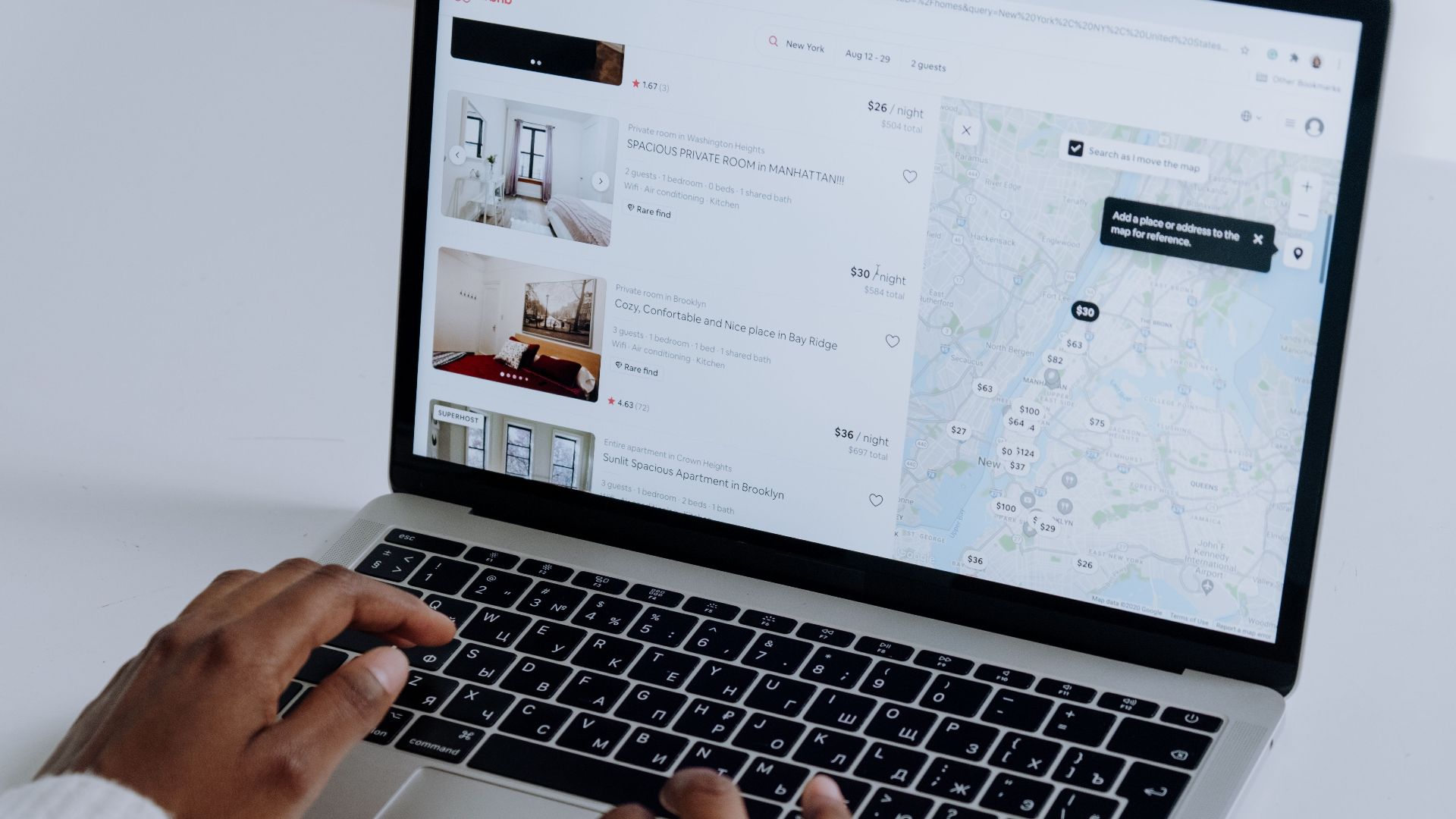
Some hotels publish room dimensions and floor plans, which makes it easier for travelers to compare categories rationally. Others lean heavily on stylized images with minimal measurements. The less concrete information a listing provides, the more likely consumers are to rely on the visual impression alone, which is exactly why misleading imagery can become such a thorny issue.
 https://kaboompics.com/, Pexels
Older Buildings Create Legitimate Variation
Historic hotels, boutique properties, and converted buildings often have legitimate room-by-room differences. In those cases, disclaimers about representative photos may carry more weight if the hotel also clearly states a size range. A listing that says rooms vary from 180 to 240 square feet gives travelers a much fairer picture than a single polished photo gallery with no measurements.
Luxury Hotels Are Not Exempt From The Basics
Upscale branding does not change the core rule that advertising should not mislead consumers in material ways. In fact, expectations are often higher when nightly rates climb and room photography becomes part of the sales pitch. If a premium-priced room turns out to be notably smaller than the photos suggest, travelers are right to push for specifics.
What Hotels Usually Argue In Response
Properties often say the website showed multiple room types, that camera angles can distort space, or that room assignments vary within a category. Those points can be fair in some cases. They get weaker if the booked category was presented with one clear visual story and the actual room lacks the apparent size or features that a reasonable person would expect.

The Practical Threshold Travelers Should Use
A useful real-world test is this: would you have booked the room at that price if the actual size and layout had been shown clearly? If the answer is no, the difference may well be material. Consumer law often turns on that kind of decision-making impact rather than on whether every pixel in an image matched the room exactly.

How To Reduce The Risk Before You Book
Look for square footage, floor plans, and category-specific photos before paying. If the room photos all look different, that is a sign to ask the hotel directly which images match your room type. A quick email asking for the exact dimensions of the booked category can save a costly surprise later.

The Bottom Line For Travelers
Hotels are allowed some variation, and representative photos are not automatically improper. But “representative” is not a magic word that erases the obligation to market rooms truthfully and avoid materially misleading impressions. If the size, layout, or essential features of your room differ enough that a reasonable guest would have made a different booking decision, you likely have a legitimate complaint and should document it right away.