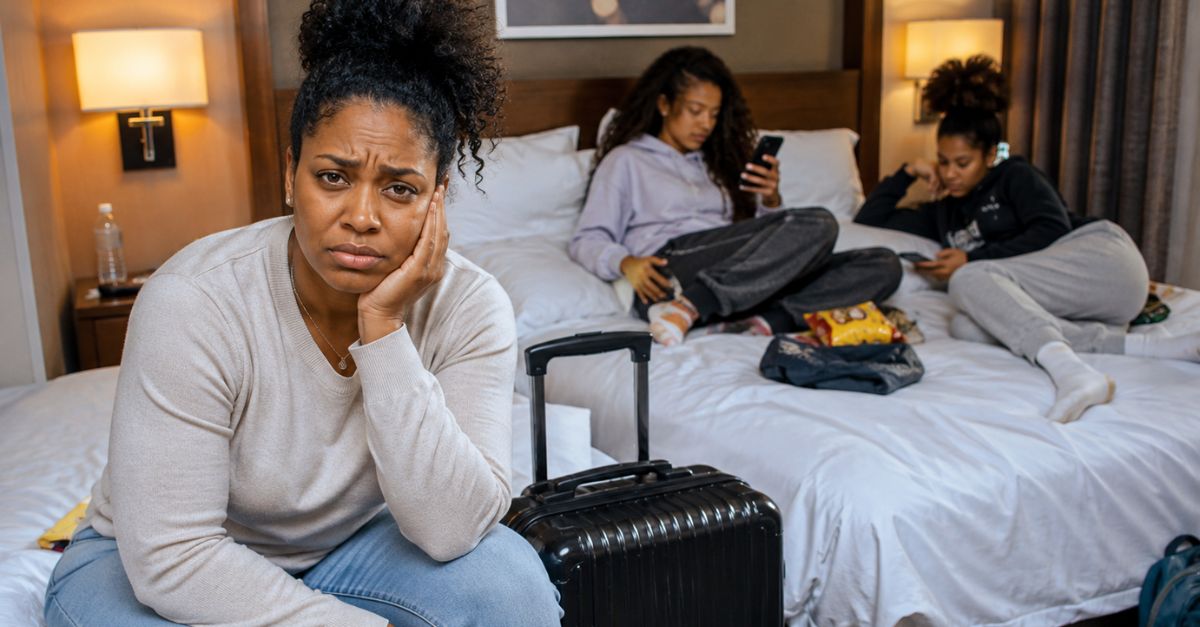
The Hotel Room That Starts a Family Fight
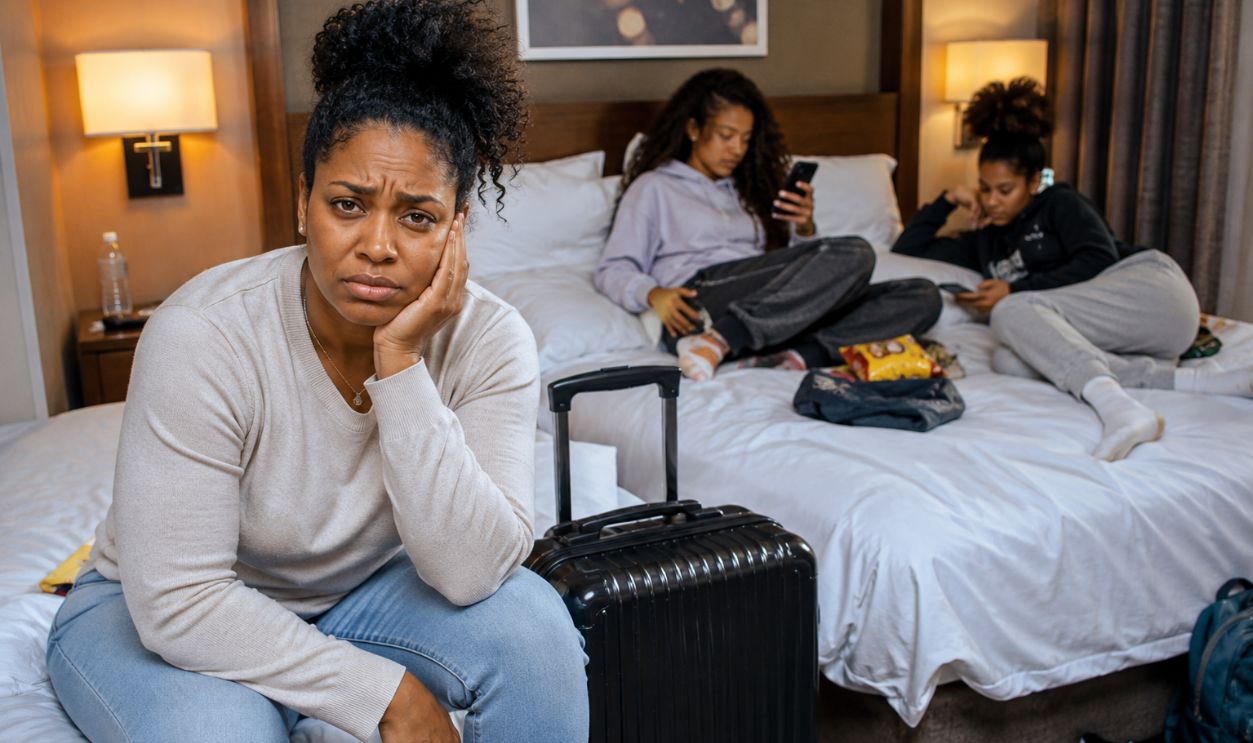
If you think it sounds like a small travel detail, you've clearly never had room-sharing turn into trip-ruining family arguments. What if you're tne single adult who gets asked to bunk with the kids, while couples get privacy behind closed doors. It feels like a quiet penalty for showing up alone,
Why This Question Gets So Tense
Hotel pricing is usually built around rooms, not equal privacy for each adult. A couple taking one room and splitting the cost is always going to get a better deal than a single traveler who either pays full freight alone, or gets pushed into sharing. That's the way it is, but for an adult with bills to pay, that kind of math can sting.

Travel Pricing Really Does Favor Pairs
Hotels generally charge by the room, not by the person, so two adults naturally pay less each than one adult booking separately. That is not a value judgment from the hotel industry, but it does create a real imbalance in family budgets.

Why Single Adults Often Get the Worst Deal
Travel advisers and etiquette experts have long noted that solo travelers can end up subsidizing group convenience. The problem is not just money. It is sleep, personal space, and the expectation that the unattached person should always be the flexible one. When a sister gets assigned to share a room with teenage nieces or nephews, the message can land as, “Your privacy matters less.”

Teenagers Change the Whole Setup
Sharing with a toddler is one thing. Sharing with teenagers is another, especially on a trip where adults may want downtime at different hours than kids do. Teens often stay up later, use screens at night, and take over the bathroom at the worst times. For an adult who did not sign up to parent on vacation, that can feel less like family bonding and more like unpaid work.

Sleep Is Not a Small Thing
Travel experts often point out that bad sleep can ruin a whole vacation. The Centers for Disease Control and Prevention says adults need at least seven hours of sleep a night for good health, and disrupted sleep can affect mood, focus, and well-being. If one guest is expected to sacrifice rest because they are single, that is a real cost, even if it never shows up on the hotel bill. Saving money matters, but sleep does too.

Privacy Still Counts on a Family Trip
Plenty of travelers are willing to rough it for a night or two, but privacy is still part of what people are paying for on vacation. A separate room gives someone a place to change, decompress, and step away from the group. The American Hotel & Lodging Association describes guest rooms as private accommodations sold for overnight stays, which helps explain why people see room access as more than floor space. In families, fairness often comes down to whether every adult gets some version of that privacy.

There Is a Name for This Feeling
Many single adults describe these moments as a “singles tax,” even when no company uses that label. The phrase usually means solo people pay more or get less value than pairs. In travel, the most common example is the single supplement on cruises and tours. That bigger pattern helps explain why a family hotel room dispute can feel like more than one vacation problem.

The Single Supplement Is a Real Travel Term
Major travel companies and consumer guides use the phrase “single supplement” to describe the extra amount solo travelers may pay when prices assume double occupancy. Rick Steves’ Europe and other travel resources have explained this for years in plain terms. If the industry routinely prices around couples, it is easy to see how family planning can copy that same bias without even noticing. It can still feel unfair.

Cruises Make the Pattern Easy to See
Cruise lines have long been tied to the single supplement because cabins are often priced for two passengers. Consumer travel coverage from outlets like Cruise Critic has repeatedly explained that solo passengers may pay 150% to 200% of the per-person fare in some cases. That does not mean every sailing works this way, but the pattern is common enough to shape expectations. Singles know the drill, and many are tired of it.

Tours and Resorts Can Work the Same Way
Escorted tours, all-inclusive resorts, and some package vacations often build prices around two people sharing a room. That can leave solo travelers paying more for the same space and amenities. Family members may absorb that logic and assume the cheapest answer is to put the single adult with the children. Economical for whom is the question that usually blows up the conversation.

Saving Money Is Not the Same as Being Fair
Families often defend these arrangements by saying they are just trying to cut costs. That makes sense, especially when travel prices are high and budgets are tight. But fairness is not only about lowering the total bill. It is also about how the inconvenience gets spread around, and whether one person is expected to absorb it every time.

Etiquette Usually Starts With Consent
Modern etiquette advice tends to focus less on rigid rules and more on communication and voluntary agreement. Asking a single sibling whether they would mind sharing is very different from telling them they will. Consent changes everything. A shared room can feel generous when it is chosen and deeply annoying when it is assigned.

Adult Status Matters
Part of what makes this issue so sharp is that the single sister is still an adult, not extra space that can be used however the family wants. Couples are often treated as family units with built-in boundaries, while single adults get treated like the adaptable leftovers. That can feel like a quiet downgrade. In practice, the trip starts to look built around marriages and children first, and everyone else second.

Parents May Not Mean It That Way
Sometimes the parents planning the trip really do think they are being practical. They may see the single daughter as the easiest fit with the teens because she is one person, not a couple. But intent and impact are not the same thing. Even a well-meant plan can send the message that her comfort ranks below everyone else’s.

The Cost Split Is Often the Real Issue
A fairer setup usually starts with honest math. If three adult households are traveling, the family can talk about splitting total lodging costs in a way that reflects both budget and privacy. Instead of assuming the single traveler should share, the group can ask whether each adult should get equal space or equal expense. Those are not the same thing, and that difference matters.

One Room Per Adult Is the Clearest Rule
Many people see one room per adult or per adult household as the least loaded option. It avoids turning the single relative into the default utility player. It also cuts down on fights over bedtimes, bathroom use, and noise. The downside is cost, but at least the burden is visible instead of quietly pushed onto one person.
If Sharing Happens, Compensation Can Help
Sometimes budgets are tight and room-sharing really is the only workable option. In that case, the family can make it fairer by lowering the single adult’s share of the lodging bill or covering another expense like airfare, meals, or activities. That does not erase the hassle, but it does acknowledge it. That matters on family trips.

The Teen Roommate Plan Can Turn Into Extra Work
When a single aunt shares with teens, she may end up managing lights-out, dealing with complaints, or fielding late-night questions. That starts to look a lot like chaperoning. If the parents benefit from that setup, they should be honest about it. Free babysitting dressed up as room logistics is still free babysitting.

There Is Also a Safety and Comfort Side
Hotels and travel experts encourage guests to think carefully about who stays in each room, especially when minors are involved. A room assignment should respect everyone’s comfort and boundaries. That includes the teens, who may want space from adults, and the adult, who may not want to supervise them overnight. Cheaper is not always better.

Solo Travel Is Getting More Attention
The travel industry has paid growing attention to solo travelers in recent years, partly because demand is strong. Research and industry coverage have pointed to solo travel as a major trend, with companies adding single cabins, no-supplement departures, and more options for independent travelers. That shift matters because it treats solo travelers as a market, not an afterthought. Families can learn from that too.
Hotels Are Not Always the Only Answer
Families sometimes default to standard hotel rooms when a suite, vacation rental, or adjoining-room setup would cause a lot less resentment. A larger shared property may let everyone have a bedroom door of their own. That can be surprisingly cost-effective when split across a group. The best money-saving move is often the one that prevents the argument before it starts.

What a Fair Conversation Sounds Like
A simple script can help: “I am happy to talk through budget options, but I do not want to share a room with the teens. If we need to save money, let’s look at another property or a different cost split.” That keeps the focus on solutions instead of blame. Clear language is better than quiet resentment.

What Not to Say If You Are the Parents
Parents should avoid lines like “You do not need your own room” or “It makes the most sense because you are single.” Those phrases treat single status as a reason to get less consideration. A better approach is to ask what arrangement feels workable for everyone. Respectful wording can cool things down before anything is booked.

So Is It Unfair
In many cases, yes. It can be unfair if the single sister is expected, rather than invited, to share with teenage grandchildren just to save money. The unfairness comes from unequal privacy, unequal hassle, and the assumption that the unattached adult should absorb the trade-off. If everyone agrees and the costs are adjusted fairly, it can be fine. Without that consent, it looks a lot like a family version of the singles tax.
The Best Rule for Future Trips
Set room expectations before anyone books and before feelings get expensive. Decide whether the priority is equal cost, equal privacy, or the lowest total bill, because one trip usually cannot maximize all three. Once a family says that out loud, the negotiation gets easier. And the vacation has a much better shot at feeling like a break instead of a referendum on one person’s relationship status.

The Bottom Line for Travelers
If you are the single sibling in this situation, you are not unreasonable for wanting your own room. If you are the parent planning the trip, cost savings should not depend on one adult giving up privacy by default. Travel works best when the budget is shared honestly and the sacrifice is shared openly. Otherwise, the cheapest room in the hotel can become the most expensive family drama.