“Free Parking” Sounded Simple Until The Car Didn’t Fit
The listing promised free parking, so you reasonably assumed you’d be able to leave a normal passenger vehicle there. Then you arrived and found a narrow space that your SUV couldn’t actually use. If that forced you to pay for street parking or a garage, the question becomes whether the listing was merely inconvenient or materially inaccurate.
Start With The Exact Wording
Pull up the original listing and check what it actually promised. “Free parking on premises,” “free driveway parking,” “garage,” and “street parking” aren’t the same thing. If the listing specifically advertised an on-site space without mentioning a size restriction, your argument is stronger than if the description was vague.

Save Screenshots Immediately
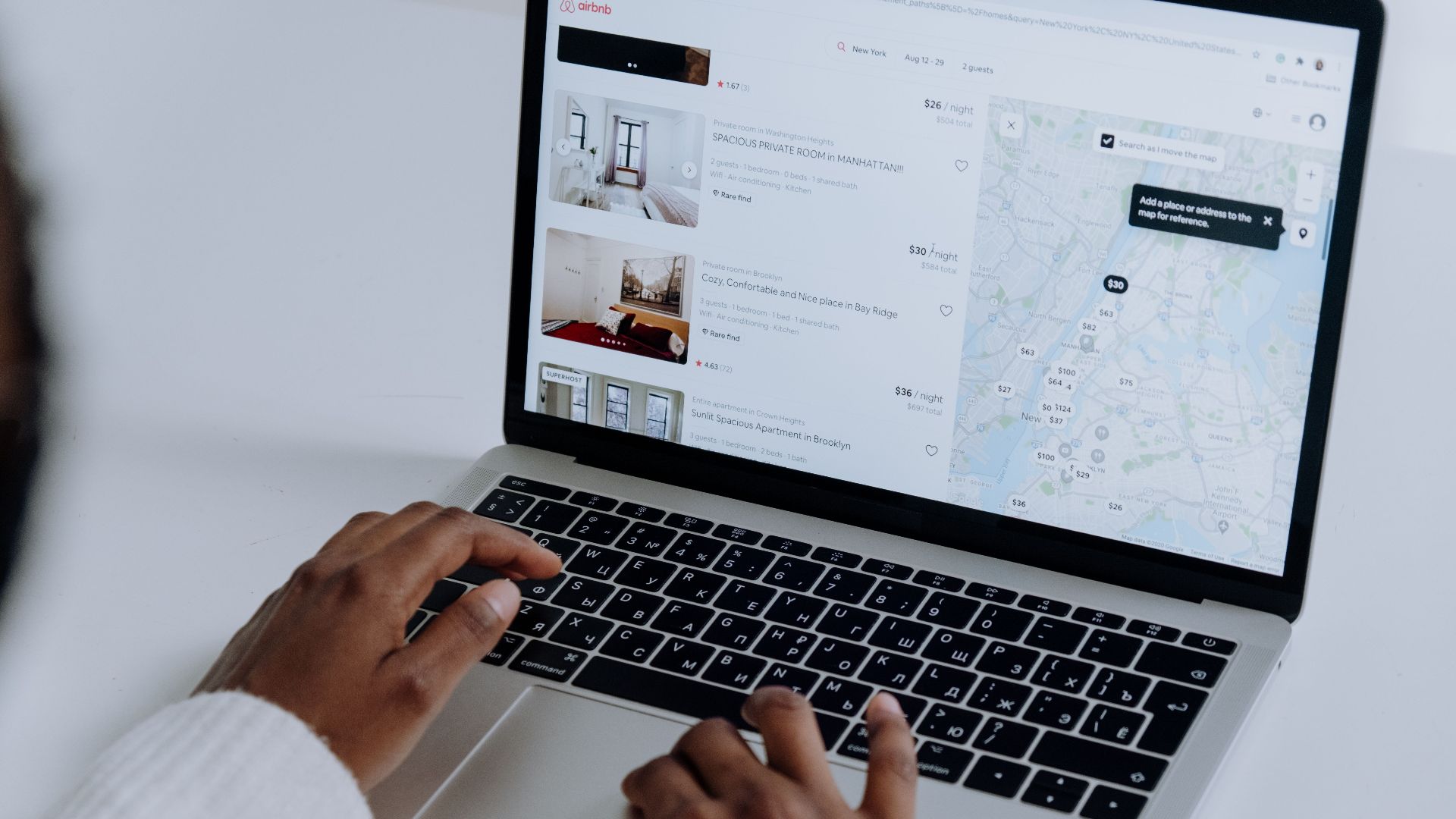
Take screenshots of the parking amenity, written description, photos, house rules, and any messages with the host. Listings can be edited after a dispute begins. You want a record of what you relied on when you booked.

Photograph The Space
Take clear photos showing the width, entrance, surrounding walls, pillars, gates, or any other feature that made the spot unusable. Include the vehicle in some photos if that can be done safely. A picture showing a normal SUV physically unable to enter is much stronger than simply saying the space felt tight.
Measure It If You Can
If the dispute is significant, measure the width and height of the space or entrance. Compare those figures with the manufacturer’s published dimensions for the vehicle. This turns a subjective complaint into something much easier to evaluate.

“Normal SUV” Still Needs Context
SUVs vary enormously in width, height, and length. A compact crossover and a full-size three-row SUV aren’t the same thing. Compensation is more plausible when the vehicle is ordinary for the market and the listing gave no warning that the parking space was unusually small.
Size Restrictions Should Be Disclosed
If the host knows the parking space only fits compact cars, that’s important information. A listing that simply says “free parking” can create a reasonable expectation that a typical guest vehicle will fit. A hidden compact-car-only limitation can materially change the usefulness of the amenity.
Ask The Host For A Solution First
Message the host through Airbnb as soon as you discover the problem. Ask whether there’s another parking spot, permit, garage, or nearby arrangement they can provide. Giving the host a chance to fix the issue helps both practically and if you later ask Airbnb to step in.

Keep Everything On The Platform
Avoid relying only on phone calls or text messages. Use Airbnb messaging so there’s a written record of the problem, the host’s response, and any promise to reimburse you. That record can be important if customer support reviews the case.
Be Specific About The Problem
Don’t just write, “The parking doesn’t work.” Say something like: “The listing advertised free on-site parking, but the marked space is too narrow for our standard SUV to enter safely. We’ve had to use a paid garage instead.” That makes the issue much easier to understand.

Ask Whether The Host Will Cover Off-Site Parking
If there’s no usable alternative on the property, ask the host to reimburse reasonable parking costs. The request is more persuasive when the expense directly replaces an advertised amenity rather than being an unrelated upgrade you chose yourself.

Keep Every Parking Receipt
Save garage tickets, app receipts, meter confirmations, and screenshots of parking charges. If you used paid parking for several days, keep the full record. Without receipts, it’s much harder to ask for reimbursement.
Don’t Choose The Most Expensive Garage Unless You Have To
If several reasonable options are available, choose one that’s safe and practical rather than obviously premium. A host or platform is more likely to view a modest replacement cost as reasonable than valet parking at a luxury hotel.

Distance Matters Too
A replacement parking space several blocks away may technically solve the problem but still be a significant downgrade if the listing promised parking on premises. This matters even more for families with children, older travelers, guests with mobility limitations, or anyone carrying luggage.
Parking Can Be A Material Amenity
For some trips, parking is a minor convenience. For others, it’s one of the main reasons the property was chosen. If you specifically filtered for free parking because you were driving, losing that amenity can materially affect the value of the stay.

Airbnb’s Listing Accuracy Rules Matter
Airbnb requires hosts to accurately represent their listings and amenities. Its ground rules for hosts say listings should accurately describe the property and amenities available to guests. If advertised parking is effectively unusable for a typical vehicle and that limitation wasn’t disclosed, that can support a complaint.

Not Every Tight Space Means The Listing Was Misleading
Some urban parking spaces are genuinely small, and experienced drivers may still be able to use them. If the vehicle is unusually large, lifted, extended, or fitted with accessories that increase its dimensions, the host may have a stronger argument that the space itself wasn’t the problem.

Look For Parking Details You May Have Missed
Check whether the listing mentioned “compact cars only,” height limits, narrow access, tandem parking, steep ramps, or a specific maximum vehicle size. If those restrictions were clearly disclosed before booking, reimbursement becomes much harder to justify.

Photos Can Be Misleading Too
A wide-angle listing photo may make a garage or driveway look much larger than it is. If the photos suggested easy parking but didn’t show the tightest point, include that in your complaint. The written amenity and visual presentation should make sense together.

Ask Airbnb To Review The Mismatch
If the host won’t help, contact Airbnb support and explain that an advertised amenity wasn’t usable as represented. Provide screenshots, photos, measurements if available, host messages, and parking receipts. Ask specifically for reimbursement of reasonable replacement parking costs or another appropriate adjustment.

Report The Problem Quickly
Don’t wait until weeks after checkout if you can avoid it. Airbnb’s rebooking and refund processes generally work best when a problem is reported promptly after discovery. The platform may ask whether the host was given an opportunity to fix it.

Don’t Frame It As “I Didn’t Like The Parking”
The strongest complaint is about an advertised amenity that wasn’t realistically usable, not personal preference. “The spot was too annoying” is weaker than “the vehicle physically couldn’t enter without striking the wall.”

Put A Dollar Value On The Loss
If parking cost $25 per night for four nights, that’s a concrete $100 expense caused by the missing amenity. Ask for that amount rather than a vague “partial refund.” Specific requests are easier to evaluate and negotiate.

A Partial Refund May Make More Sense Than A Full One
If the apartment itself was otherwise fine, a full refund is unlikely to be proportionate. A reimbursement for actual parking costs or a modest partial refund is usually a more realistic remedy. The goal is to restore the value of the amenity you lost.

Your Credit Card May Be A Last Resort
If the platform and host refuse to resolve a clearly documented misrepresentation, you can ask your card issuer what dispute rights apply. Don’t start there if Airbnb is still actively reviewing the claim, and don’t dispute more than the amount you can reasonably support.

Future Bookings Need One Extra Question
If you’re traveling with an SUV, pickup, van, or anything larger than a compact car, message the host before booking. Ask for the maximum width, height, and length the parking space can accommodate. A two-minute question can prevent an expensive surprise.

Treat “Free Parking” As An Amenity That Needs Details
The phrase sounds straightforward, but urban parking can involve tiny garages, steep ramps, tandem spaces, or narrow driveways. If parking is important, look for dimensions, photos, and access details rather than relying on the checkbox alone.
You May Have A Good Claim If The Space Wasn’t Realistically Usable
If the listing promised free on-site parking, didn’t disclose a meaningful size restriction, and your ordinary SUV genuinely couldn’t use the space, asking for reimbursement is reasonable. Document the listing, photograph the parking area, notify the host immediately, keep your receipts, and ask Airbnb to review the mismatch if the host won’t help. “Free parking” doesn’t have much value if the guest’s vehicle can’t actually park there.
You May Also Like: