
The Late-Night Kitchen Surprise
You book an Airbnb, unpack your groceries, and assume the kitchen comes with the stay. Then the host tells you there’s no kitchen use after 9 PM because it bothers the downstairs neighbors. That might sound small at first, but it can quickly become a problem if you arrive late, work odd hours, or just want to make tea after dinner.

Should That Have Been In The Listing?
Usually, yes. If a host puts a real limit on a core amenity like the kitchen, guests should know before they book. Airbnb’s guidance says hosts should clearly share house rules and restrictions, especially when those rules could affect whether the place is a good fit.
Why This Matters More Than It Seems
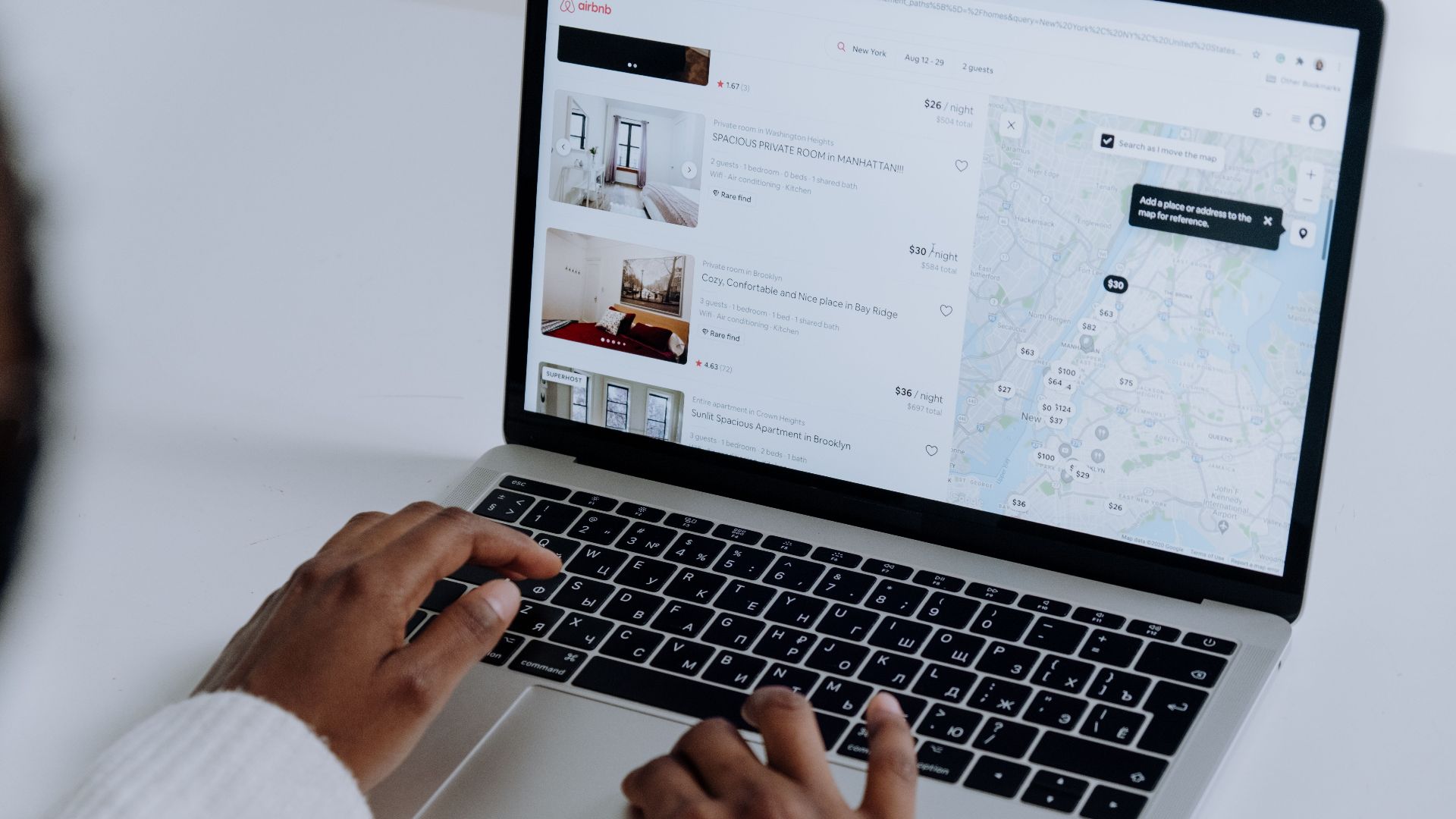
A kitchen is not just a nice extra in many short-term rentals. Travelers use it to save money, deal with food allergies, feed kids, or handle late arrivals. A cutoff on kitchen use can change the value of the stay in a big way.

Airbnb Expects Hosts To Be Clear
Airbnb’s House Rules feature exists for this exact reason. Hosts can list rules about quiet hours, visitors, smoking, pets, and shared spaces. If a rule changes how or when guests can use an advertised amenity, it should be in the listing, not sprung on them afterward.

The Platform Also Warns Against Surprises
Airbnb tells hosts to give accurate listing details, including limits that could shape the guest experience. The company’s Rebooking and Refund Policy focuses on whether a place is “materially different” from what was advertised. If a guest expects kitchen access and later finds out there’s a nightly ban, that can become a real issue.

What Counts As A Meaningful Restriction
Not every house quirk turns into a refund fight. But a standing no-use window for a major amenity is more than a minor annoyance. If the host advertises a kitchen without saying it shuts down at 9 PM, many guests would see that as leaving out an important fact.

Quiet Hours Can Be Legit, But So Is Disclosure
Some hosts are in apartment buildings where noise travels and neighbors complain. Many cities and buildings also have quiet hours, often starting around 10 PM, though private rules can be stricter. A host may have a valid reason for the rule, but that does not remove the need to disclose it upfront.

Neighbors Have Become A Bigger Part Of The Airbnb Story
Noise complaints have shaped short-term rental policy in cities around the world. Airbnb rolled out a global party ban in 2022 after first bringing in anti-party measures in 2020. The company has put more focus on being a good neighbor, which makes it even more important for hosts to explain rules before guests arrive.

When A Kitchen Rule Starts To Go Too Far
Asking guests not to run a blender at midnight is one thing. Banning all kitchen use after 9 PM is much broader, especially if that includes microwaving leftovers, washing dishes, or making coffee before an early trip. The broader the ban, the stronger the case that guests should have been told in advance.

The Listing Should Match Real Life
Airbnb gives hosts ways to explain whether a space is entire, shared, or subject to special conditions. It also gives them room to spell out limits on amenities. If the kitchen is only available during certain hours, the clearest and fairest move is to say that plainly in the listing description and house rules.

Photos Do Not Explain The Fine Print
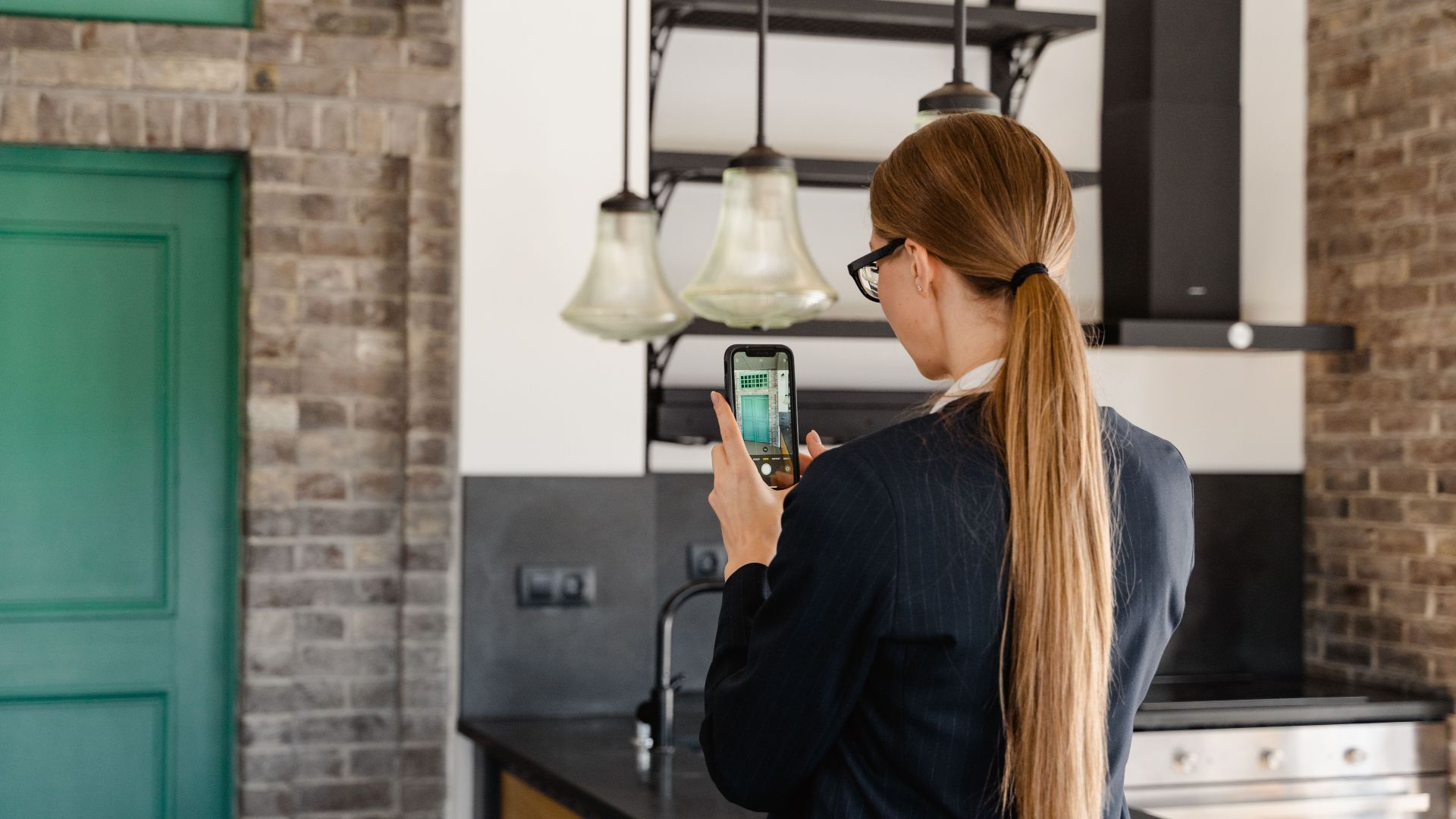
A stylish kitchen in the photo gallery creates a strong expectation of normal access. Most guests will not assume that a pictured amenity comes with a strict nightly curfew unless the text says so. That is why written disclosure matters more than a casual heads-up later.
Timing Matters
If the host only mentioned the rule after you booked, that matters. Airbnb encourages communication before arrival, but important restrictions should be visible before payment so guests can make an informed choice. A late reveal can leave travelers scrambling after delayed flights, long drives, or late check-ins.

Late Arrivals Make The Rule Hit Harder
Many guests do not get to a rental until evening. Flight delays, road trips, and work schedules can easily push dinner past 9 PM. A kitchen cutoff that looks minor on paper can turn into a real obstacle once travel plans meet reality.

Families And Medical Needs Raise The Stakes
For some guests, kitchen access is not just about convenience. Parents may need to warm bottles or make simple meals, and some travelers have food restrictions that make eating out tough. If a rule could get in the way of those basic needs, it is even more important to disclose it before booking.

Shared Home Versus Entire Place
The type of rental matters too. In a shared home, guests may expect more rules around common areas. In an entire-place listing, a kitchen curfew is likely to feel more surprising because travelers usually expect more control over the space they rented.

Building Rules Still Affect The Stay
Some hosts are dealing with condo boards, landlords, or neighbor complaints that limit what they can allow. Those limits may be real, but they are still part of what the guest is buying. If the building effectively restricts kitchen use, the host should say so before anyone books.

What Airbnb Says About House Rules
Airbnb’s help pages tell hosts to clearly set expectations and include house rules in the listing. That helps avoid cancellations, disputes, and bad reviews. It also keeps guests from finding out too late that a basic part of the stay comes with strings attached.
What To Do Before You Push Back
First, read the listing again carefully. Check the House Rules section, the description, amenity notes, and any pre-booking messages for mention of kitchen hours or quiet rules. If the restriction is nowhere in the booking details, you have a stronger case for challenging it.

Keep Everything In The Airbnb App
If you want to question the rule, use Airbnb messages and keep your tone calm. Written communication inside the platform creates a record support staff can review later. A polite message asking where the rule was disclosed is often the smartest first step.
A Good Message Can Be Short
You do not need to write a long argument. Something like, “I booked expecting kitchen access because the listing advertises a kitchen and I did not see a 9 PM restriction. Can you clarify where this was noted and whether there is any flexibility?” keeps it clear and useful.

If The Host Will Not Budge
If the rule seriously affects your stay, contact Airbnb support through the app. The company’s Rebooking and Refund Policy allows guests to report problems when a listing is not as advertised. Results vary, but support has a better chance of helping when the missing disclosure is clear and documented.

Refunds Are Not Guaranteed
It is smart to keep expectations realistic. Airbnb does not promise a refund every time a guest dislikes a house rule. The key question is whether the restriction makes the place materially different from what a reasonable guest would have understood from the listing.
 https://kaboompics.com/, Pexels
Reviews Help The Next Guest
If you stay anyway, your review can help future travelers avoid the same surprise. Keep it factual and specific. Saying the kitchen could not be used after 9 PM and that you did not see that in the listing is far more helpful than simply venting.

Hosts Benefit From Being Upfront Too
Clear rules do not just help guests. They help hosts attract travelers who are fine with the setup and avoid guests who will feel misled. That usually means fewer arguments, fewer refund requests, and better reviews for everyone.

The Best Listings Cover The Small Stuff
Experienced hosts know small details can prevent big headaches. If the floor creaks, if the neighbor is sensitive to noise, or if dishes should be done before a certain hour, the best time to say it is before booking. Clear expectations may not be glamorous, but they save everyone trouble.

The Bottom Line On The 9 PM Kitchen Rule
If a host says you cannot use the kitchen after 9 PM because of downstairs neighbors, that usually should be disclosed in the listing. It is a meaningful limit on a headline amenity, especially for late arrivals, families, and budget travelers. The host may have a fair reason, but guests should know it before they hit reserve.

One Last Smart Travel Habit
Before booking any short-term rental, scan for phrases like “quiet hours,” “shared spaces,” “limited access,” and “please respect neighbors.” If anything sounds vague, ask direct questions before paying. A quick message can save you from a 9 PM kitchen standoff later.